I really liked the tomato variety I found this year. I want to grow these tomatoes again next year, but I'm not sure I'll be able to find seeds, so I decided to collect my own.
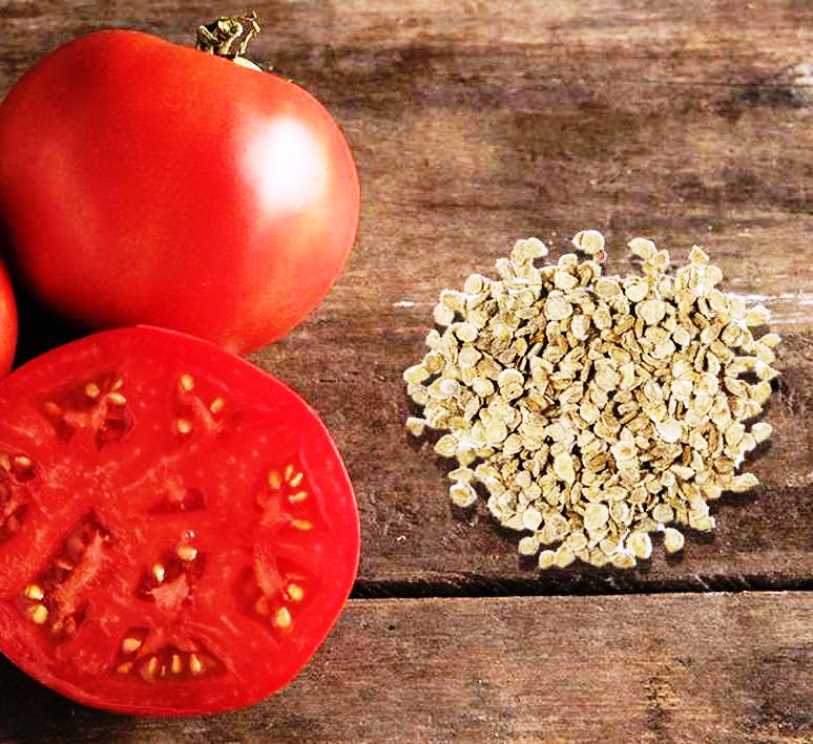
Varietal nuances
First, I want to point out that if you like a particular hybrid, you won't be able to grow the same fruit; they'll be different. But if you've caught the eye of a particular variety, go ahead and try it.
The right choice of fruits
For seeds, it's best to choose from the first fruits, from lower branches that haven't had time to cross-pollinate. They bloom in early summer, when bees are not yet active and can't transfer pollen from one variety to another, so there's less risk of cross-pollination. But if you want to get something new, experiment—that's your right.
So, pick the tomatoes. If they're unripe, keep them in a dark place. Never leave them in the sun. Choose even tomatoes without any damage or spoilage.
Step by step process
Cut the fruit in half lengthwise. Remove the seeds into a plastic or glass container. Cover with clean cheesecloth or a piece of paper, on which you can also write the variety name.
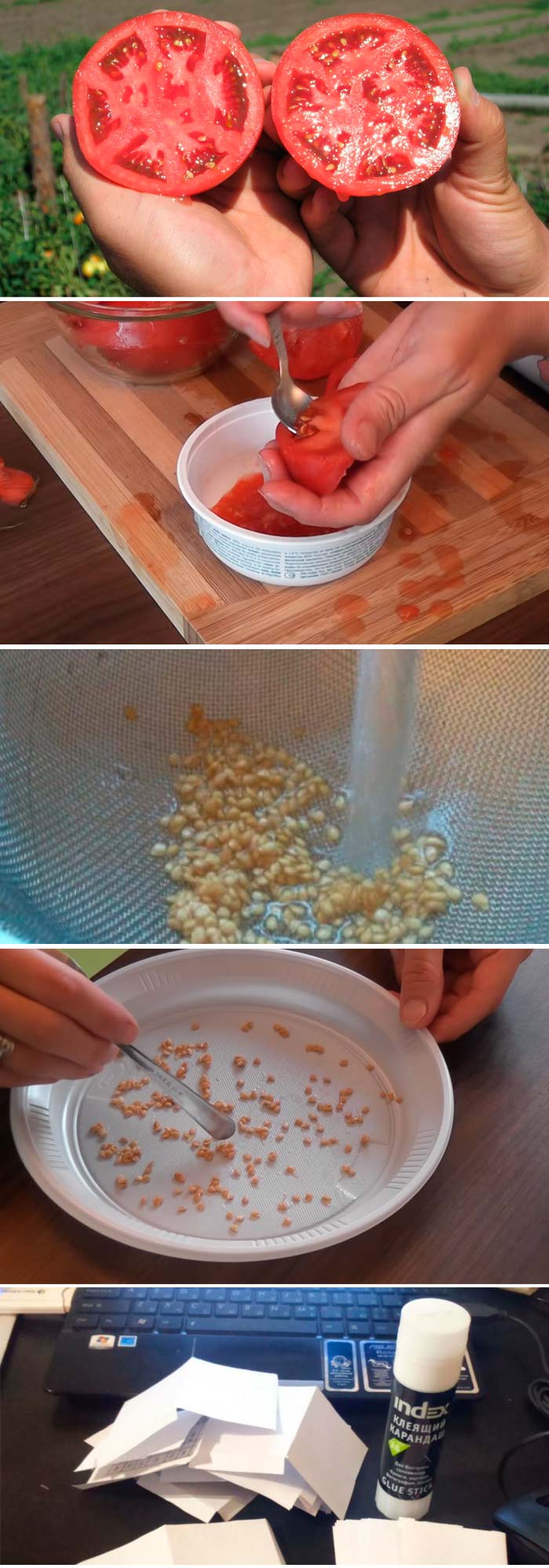
Place in a dry, dark place for 2-3 days. The liquid containing the seeds will ferment slightly, becoming clear, and the seeds will separate. When this happens, rinse them in a sieve under running water and set aside to dry slightly.
Then lay them out on a clean sheet and let them dry for another 5-7 days, stirring occasionally. Once they're dry, place them in pre-prepared paper bags labeled with the variety's name, characteristics, and harvest time. These bags can be stored in a dry place for up to 5 years, and the seeds will retain their viability. Go for it, I hope everything works out.