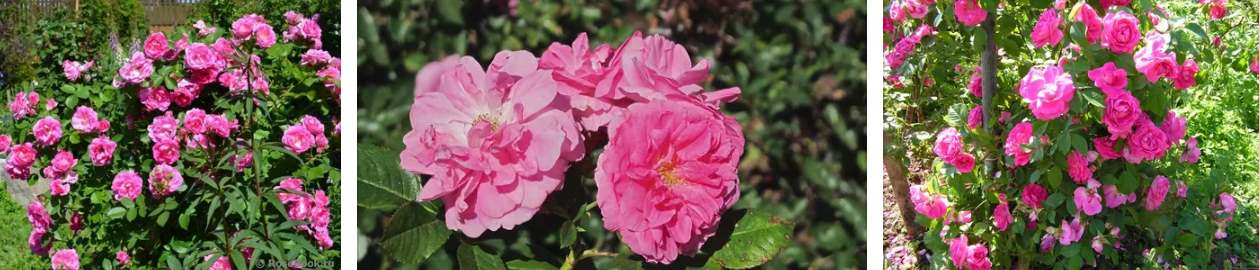
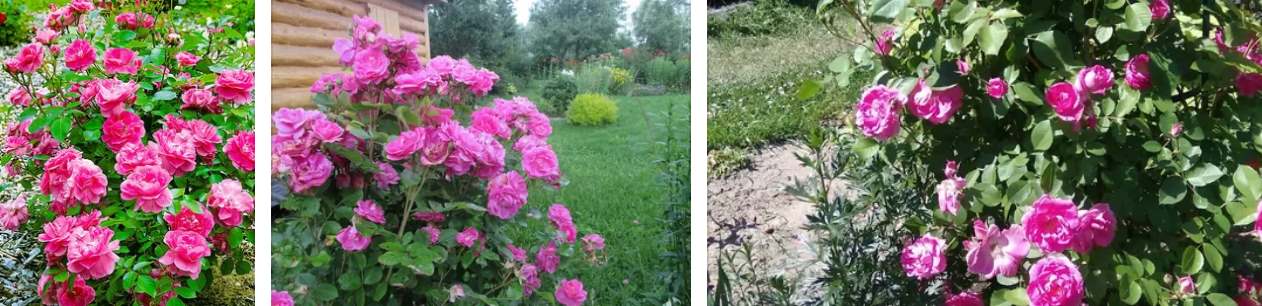
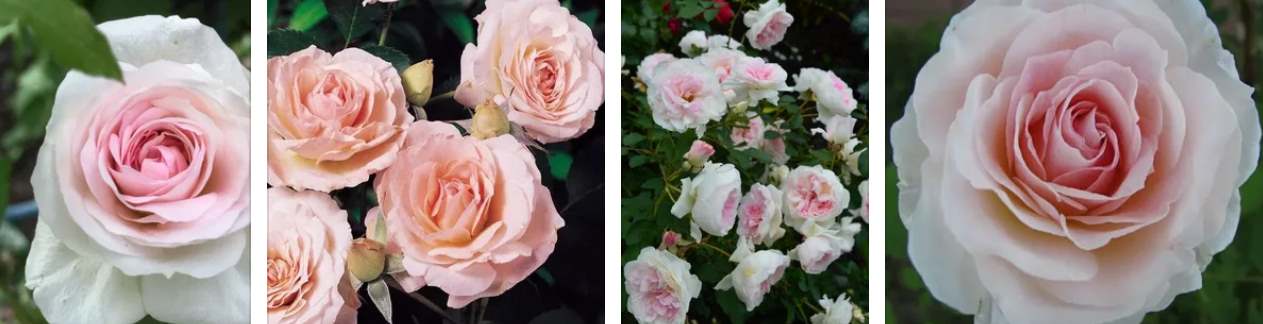
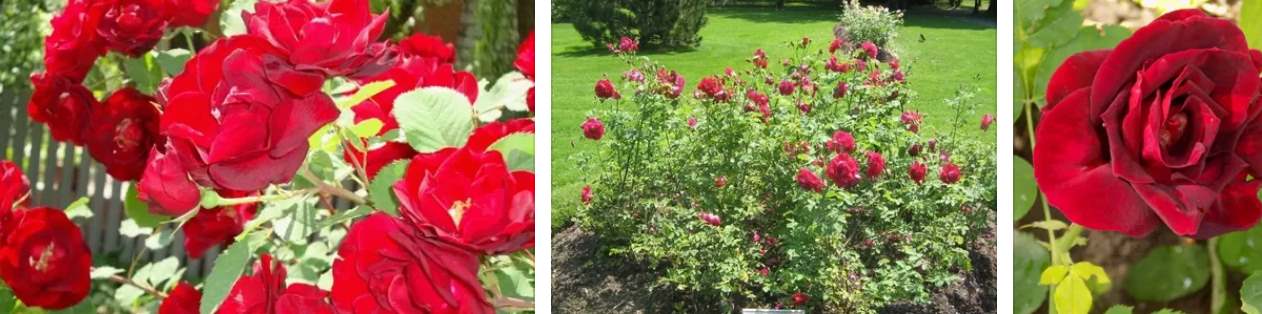
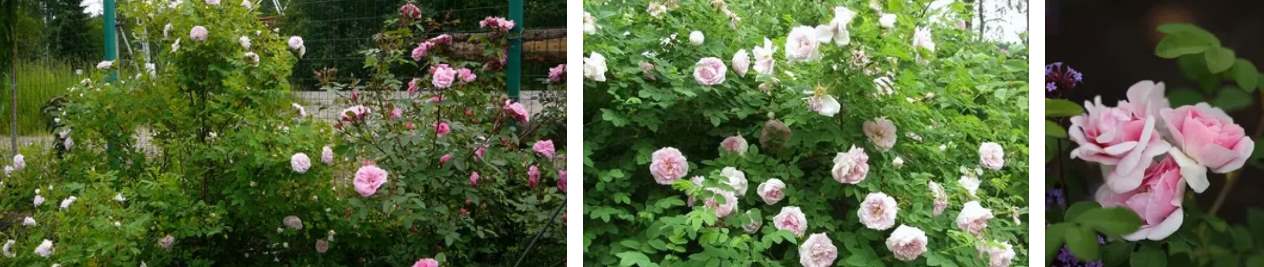
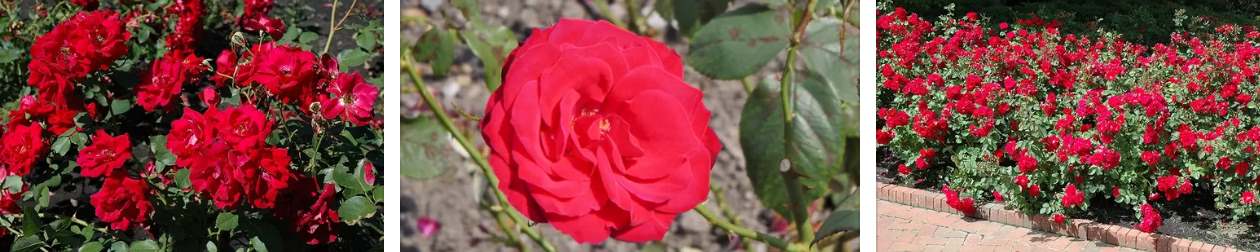
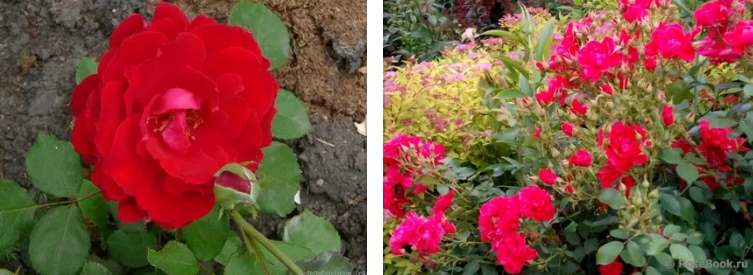
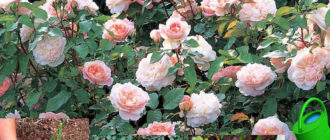
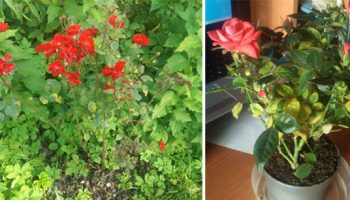
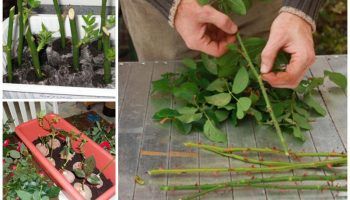
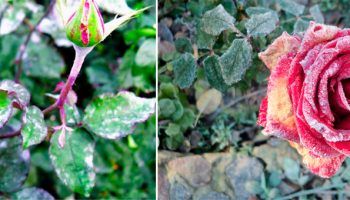
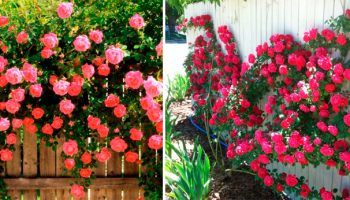
In Russia, Canadian roses are popular among gardeners in Siberia and the Urals. Canadian breeders have worked hard to develop a unique plant variety that can withstand low temperatures. Without shelter, Canadian roses can survive temperatures as low as -40°C. Growing these beautiful flowers has become possible in the harsh climates of the northern regions.
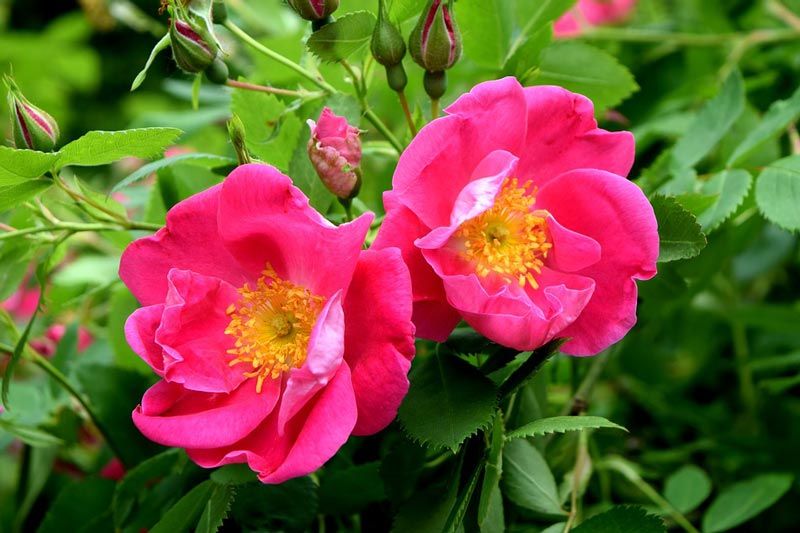
Canadian roses and their benefits
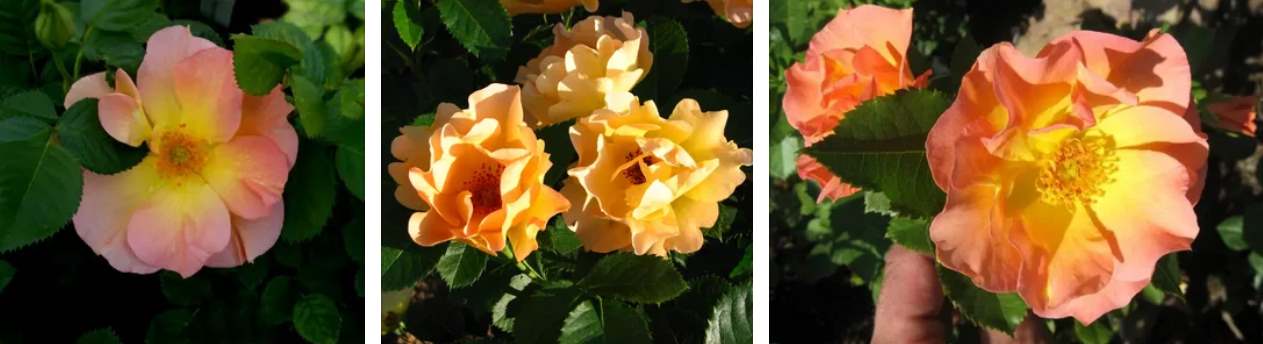
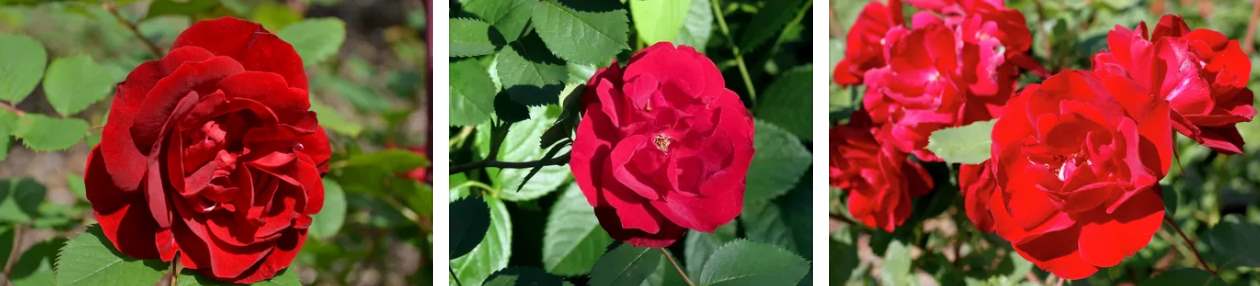
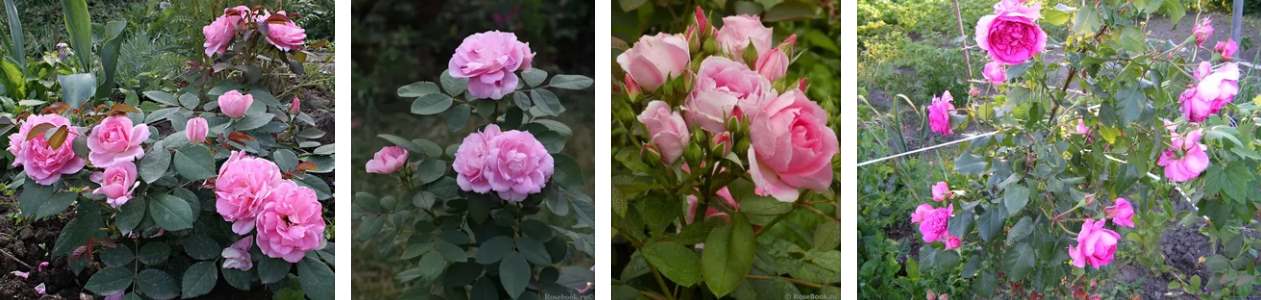
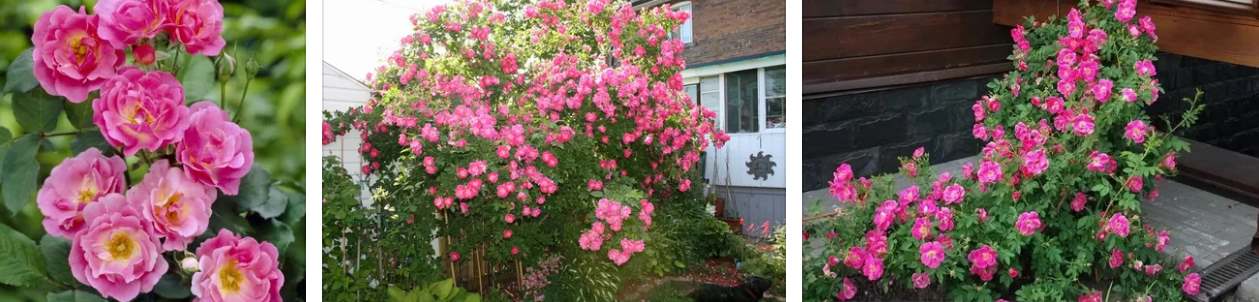
Aside from its frost resistance, this plant's advantage is its elegant appearance. The bushes bear large, fluffy flowers in a variety of shades, rich, dense leaves, and stems with few thorns.
The main advantages of Canadians:
- winter hardiness and endurance;
- attractive appearance;
- a wide range of flower shades;
- rapid recovery from frostbite;
- resistance to temperature changes;
- beautiful and long-lasting flowering;
- resistance to diseases;
- interesting bush shape, rich foliage;
- easy ways to propagate by cuttings;
- popularity in landscape design.
Canadian roses are purchased in pots and go on sale starting in April. Seedlings can also be ordered from specialized online stores.
Classification of Canadian roses
The culture can be divided into two series:
- Parkland. The buds are delicate and come in a wide range of colors, but lack fragrance.
- Explorer (translated as "explorer"). The series was named in memory of Canada's explorers and pioneers. Charming, fragrant flowers adorn densely branched and climbing shrubs.
Canadian roses of the Explorer series
The varieties are named after explorers who conquered the planet's north. Most of the plants in this group are hybrids based on the Kordesii flower.
It is worth highlighting 3 groups of the Explorer series:
- Park shrub. These include: Champlain, Royal Edward, J.P. Connell, Alexander Mackenzie, Frontenac, George Vancouver, Simon Fraser, Lewis Joliet, Lambert Closse.
- Mountaineers. These are John Davis, Captain Samuel Holland, Henry Kilsey, William Bafin, and John Cabot.
- Roguza.
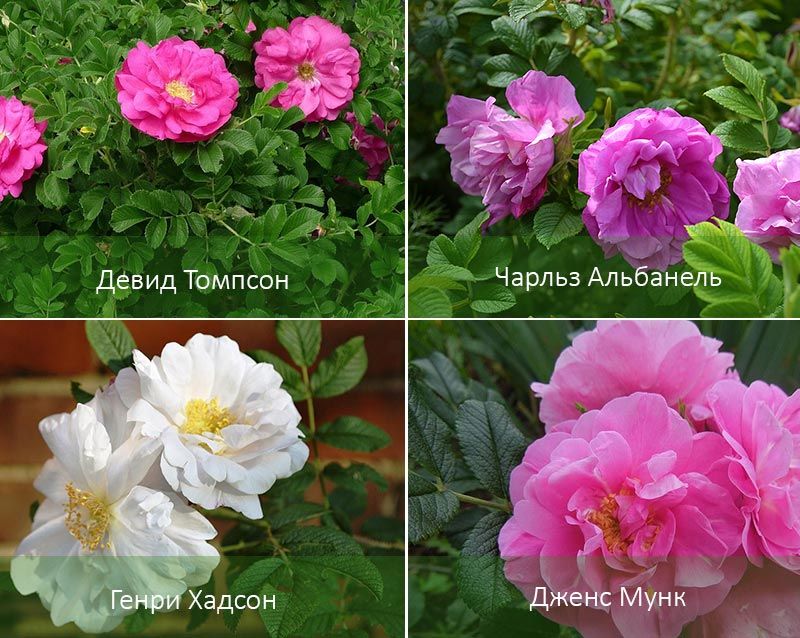
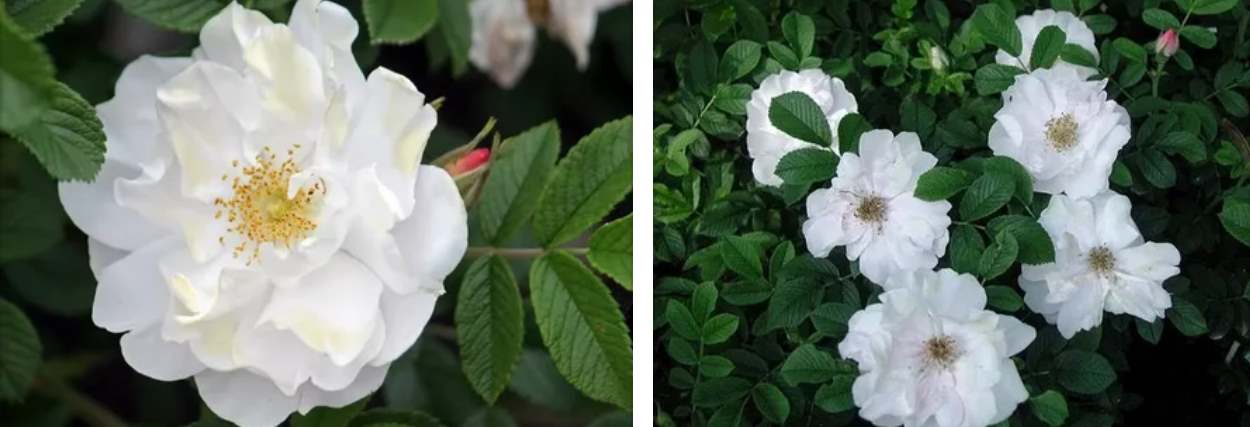
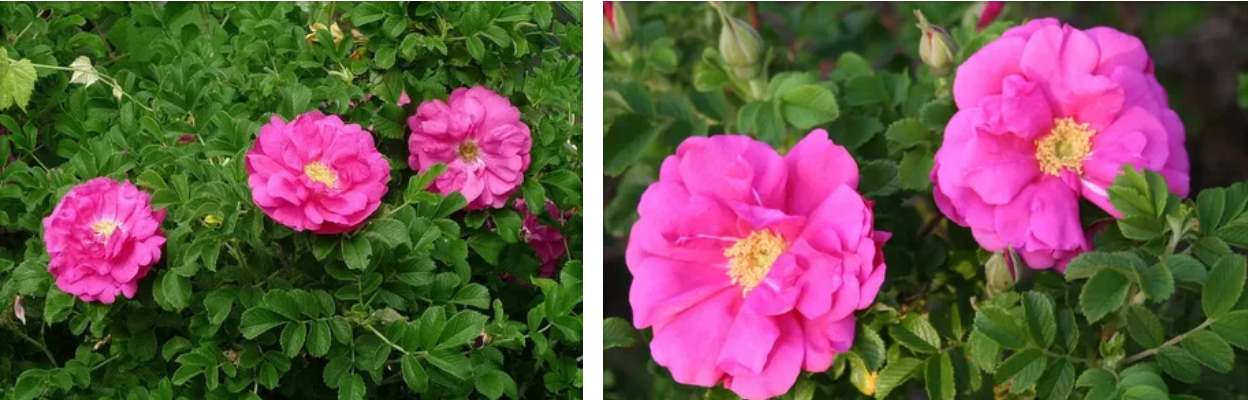
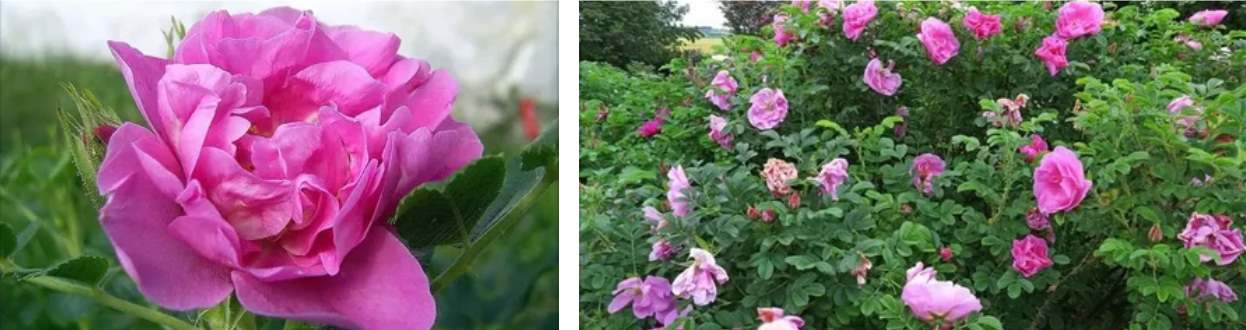
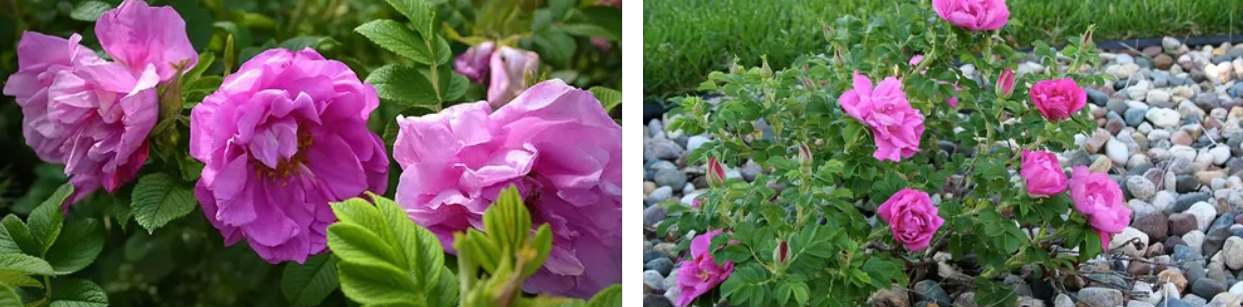
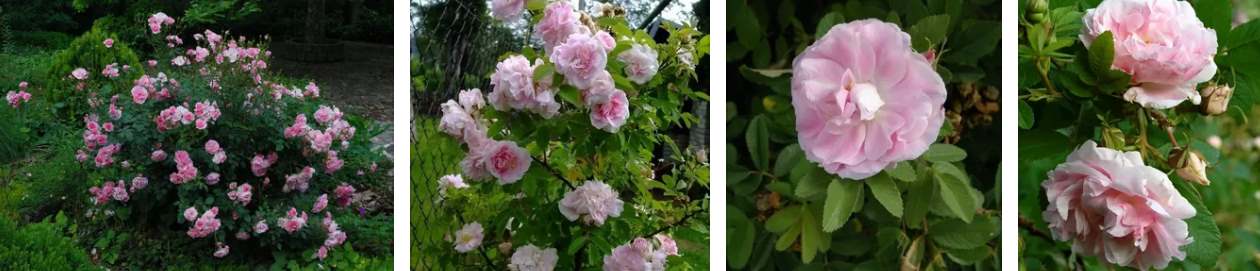
The most interesting ones are presented in the table (click on the flower photo to enlarge it):
| Variety | Description | Flowers | Height (m) |
| Henry Hudson
|
Cultivated since 1966. Good disease resistance. Easily propagated by cuttings. Suitable for forming rounded flowerbeds. | White with red speckles. | Up to 0.5 and diameter up to 1. |
| David Thompson
|
Year of opening: 1971. | Raspberry color. Blooms from summer to fall. Voluminous, consisting of 25 petals. Fragrant. | About 1.3. |
| Jens Munk
|
A large, spreading bush with a very strong stem and developed rhizome. | Pink, pleasantly scented buds, up to 7 cm in diameter. | Almost 2. |
| Charles Albanel
|
A pretty, compact ground cover, very frost-resistant. | They grow modestly, from the beginning of summer until the first frost. | 1.5. |
| Martin Frobisher
|
Unpretentious and undemanding, for this reason they are grown in gardens and parks, and used in the construction of artificial fencing. | Light red in color. Voluminous, multi-petaled. Not lacking in a bright, rich fragrance. | About 2. |
Canadian roses of the Parkland series
Plants of this selection are often grown in public parks and gardens due to their undemanding nature. They tolerate both dry and rainy seasons well. Any soil is suitable for cultivation, but fertilizing is necessary to maintain a well-groomed appearance. Designers use these roses to create hedges, so protruding shoots are pruned. They are propagated by division and layering.
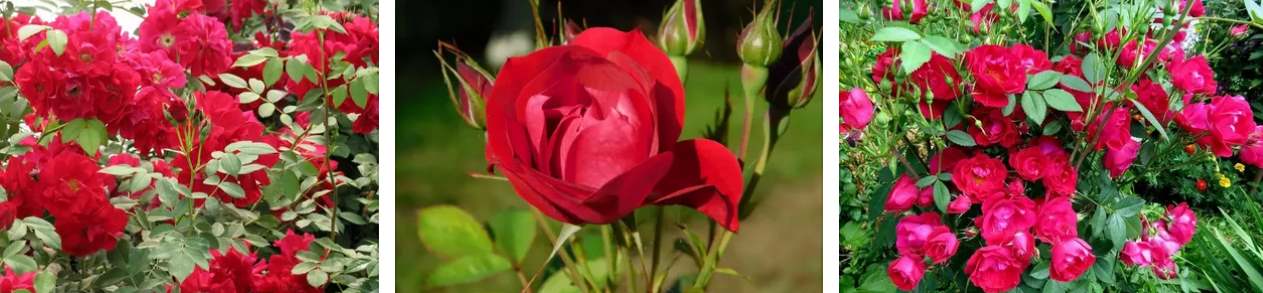
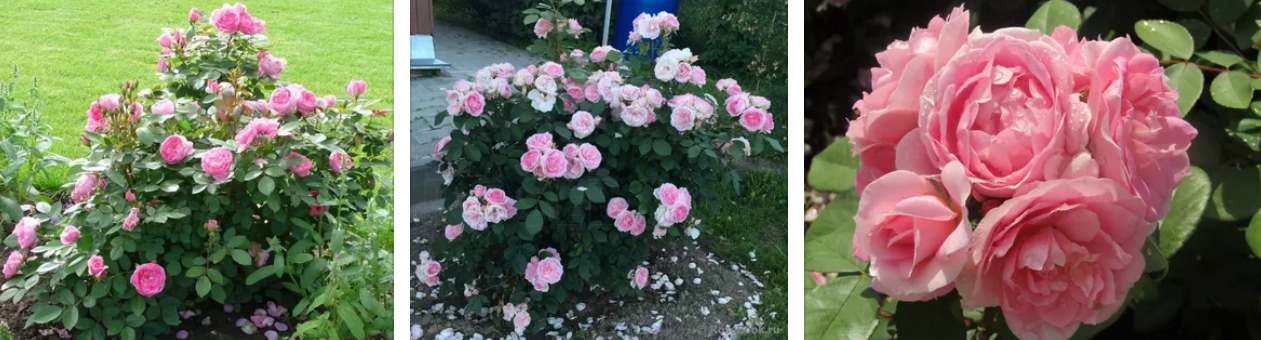
The most notable varieties are discussed in the table (click on the flower photo to enlarge it).
| Variety | Description | Flowers | Height (m) |
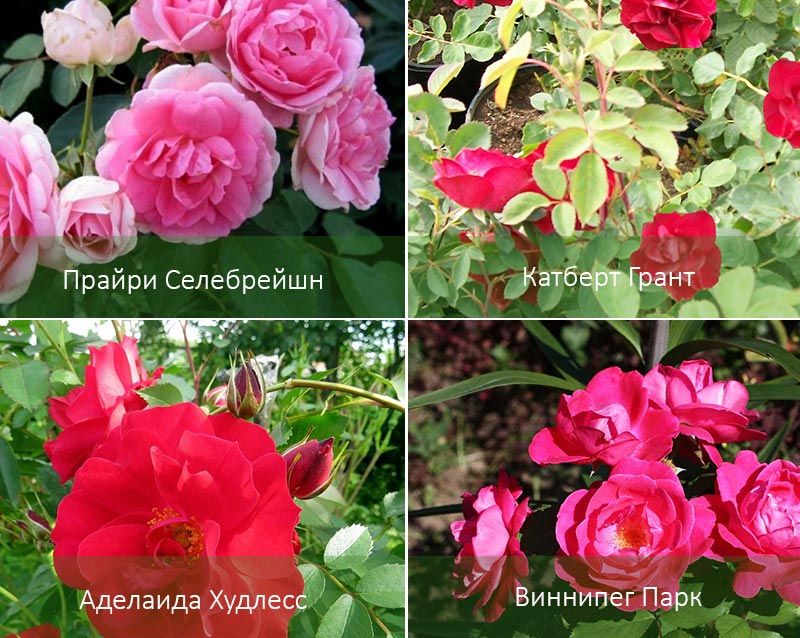
| Adelaide Hoodless
|
Attractive, neat ground cover. | Dark pink and reddish color. | 1. |
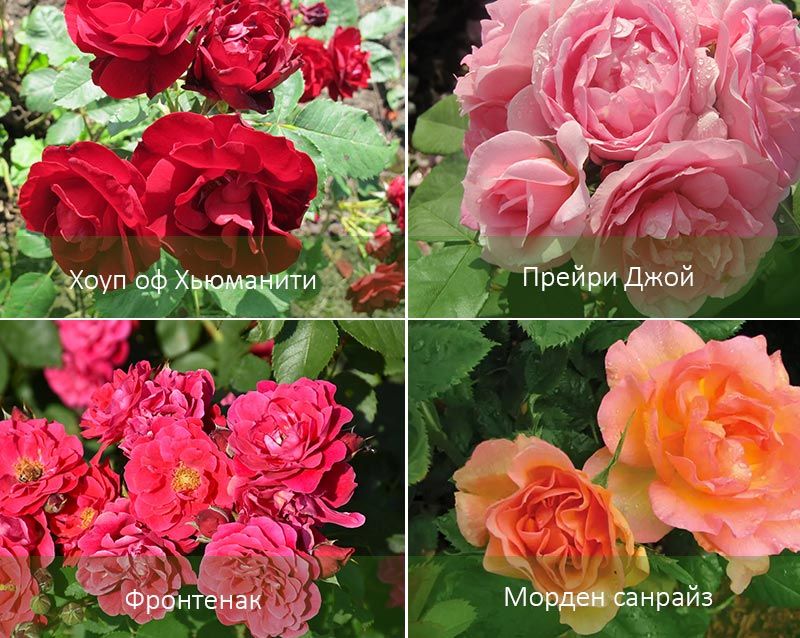
| Prairie Joy
|
With long shoots, it is widely used in garden design. The bush is anchored to a solid skeleton, forming living partitions. | Light red. Blooms in summer. | Up to 1.8. |
| Winnipeg Parks
|
It has green leaves with a reddish tint. | Dark red or raspberry. Vanilla scent. | No more than 0.5. |
| Prairie Celebration
|
Good immunity to various diseases. Lighting doesn't affect development; it grows well in the shade. | Bright pink color. Blooms throughout the summer. |
Up to 1. |
| Hope of Humanity
|
Bred in 1996. The most frost-hardy variety in the Parkland series. Low, neat bush. | Dark red flowers. The inflorescences consist of five fluffy buds. They bloom all season and have a light scent. | About 1.5. |
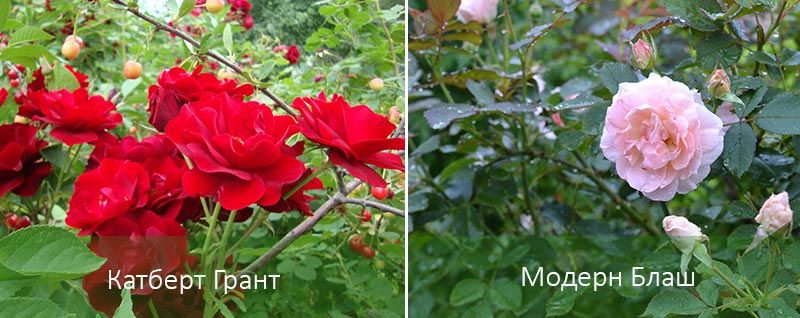
| Cuthbert Grant
|
A popular variety. A smooth bush with strong shoots. | Velvety, deep red in color, pleasantly scented. | About 1. |
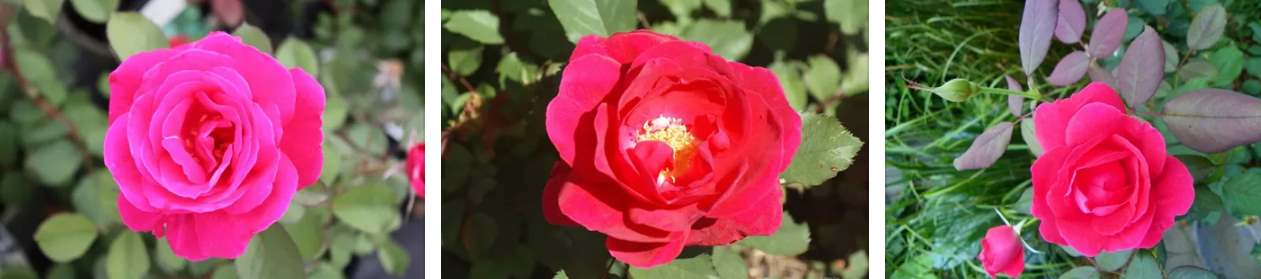
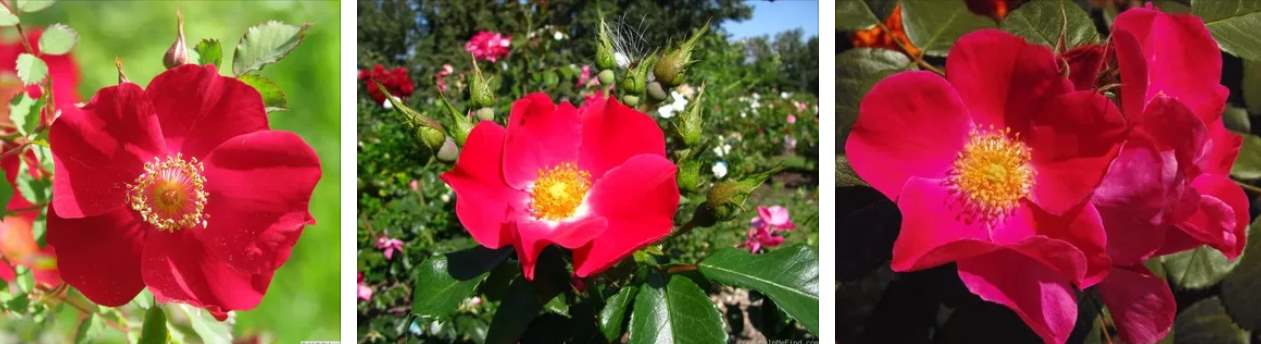
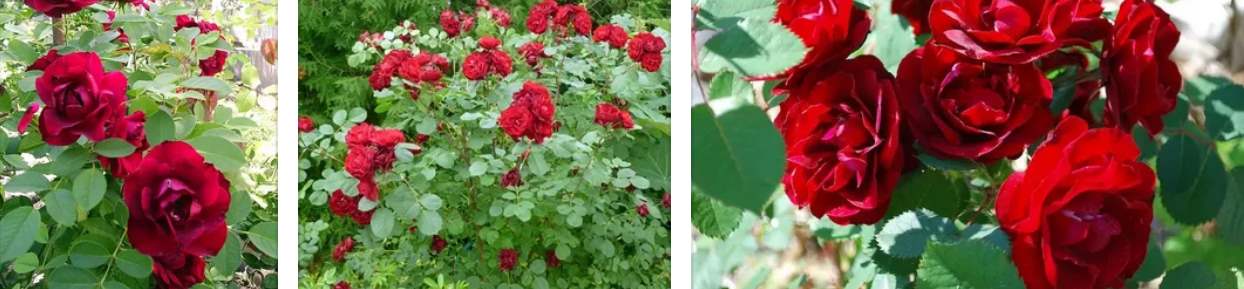

The following plants from the Morden group can be attributed to the Parkland series: Rosa Louise Bugnet, Ruby, Amorett, Centennial, Cardinette, Sunrise, Blush, Fireglow, Belle, Snowbeauty.
Canadian artists are a new young series that started in 2007 and include: Felix Leclerc, Emily Carr, Campfire, Bill Reid.
Caring for Canadian roses
Any gardener can easily grow and properly care for such plants, but first you should familiarize yourself with the basic recommendations.
The best time to plant is autumn. In a sunny, well-ventilated area (partial shade is acceptable), dig a hole approximately 70 cm deep, then fill it with porous, fertile soil. When planting seedlings close together, maintain a distance of 1 meter between them. After planting, care is needed: regular watering and mulching.
In regions with harsh weather, young plants require winter protection. Before this, shoots should be pruned, as frost can kill them and weaken the plant overall. Climbing and branching bushes should be pinned to the ground. In the fall, in harsh regions, Canada grass should be fertilized with compost, peat, or ash. In winter, it's advisable to add snow under the bush.
The method of covering seedlings during the winter depends on the geography of cultivation:
| Region | Measures |
| Central Russia | Hilling with soil to a depth of 15-20 cm. |
| Urals and Trans-Urals | The first year it is covered with non-woven material, after that there is no need for it. |
| Siberia | Before the onset of severe frosts, no covering is required; during snowless periods, non-woven material is used. |
In the spring, once every two years, preventative measures should be taken: pruning weak and dry shoots. To stimulate flowering, nitrogen fertilizers (urea) are recommended. Fertilizing the bushes with phosphorus (30 g superphosphate) and potassium (20 g potassium magnesium sulfate) can be done midway through the third season. The plant rarely suffers from fungal diseases.
During the summer period – during dry times, it is necessary to additionally moisten the plant and fertilize it moderately.
Roses grow well alongside any other plants. Seedlings take root quickly.
Top.tomathouse.com's selection: the best Canadian varieties
This is a list of the most recognizable and original Canadian roses among rose enthusiasts. Any of them will enhance a garden, park, or yard. According to gardeners, these are the best Canadian rose varieties – they have a striking appearance and a number of advantages. The table lists their key characteristics and features (click on the photo to enlarge).
| Variety | Description of the shrub | Height, m / Dimensions | Flowers |
| Morden Sunrise
|
Upright, part of the Parkland series. Widely used in garden design, the plant requires no winter cover. | 0.7.
Width 70 cm. Bud girth 8 cm. |
The yellow rose has eight-petal buds. |
| Hope of Humanity
|
Narrow, prefers loam. | Up to 1.5.
Diameter up to 7 cm. |
Red in color with a white core. |
| Prairie Joy
|
Semi-climbing. Easy to care for, but has one weakness: it's sensitive to precipitation. | 1.5.
Diameter 1.25 m. |
Pink. Flowering can be observed from spring to autumn. |
| Frontenac
|
Profusely covered in flowers. Highly resistant to black spot and powdery mildew. | Up to 1.
The bud diameter is up to 9 cm. |
The bud, as it ripens, changes from dark pink to crimson, while the petals inside have a more saturated, deep and vibrant color. |
| William Baffin Climbing
|
Tall and upright, small orange fruits can be seen appearing in the fall. | Reaches 3.
Average diameter 7 cm. |
Bright pink, velvety petals form a bud that curls inward. No fragrance. |
| Morden centennial
|
With dense foliage, it can fade in bright light. Black spot prevention is required. | 1.75. | Bright crimson. |
| Canadian century rose
|
Spreading, original, undemanding, grows equally well in both light and shaded areas, winter-hardy. | 1.5.
Width 70 cm. Flower circumference is 8 cm. |
Large, fluffy pink inflorescences bloom throughout the warm season. |
| Modern Blush
|
It has a uniform shape. Its disadvantages include intolerance to very harsh winters and susceptibility to black spots. | Up to 75 cm. | Similar to a hybrid tea rose, the petals are white and pink. |
| Cuthbert Grant
|
Very robust with strong stems. | 1.
Width 1 m. |
Fluffy, red flowers with yellow stamens are pleasantly fragrant. They bloom early throughout the summer. |
| Martin Frobisher
|
The rose is almost thornless, and its blooms can be cut for bouquets. It grows upright and has long stems. It is susceptible to black spot. | Up to 1.8. Width up to 1.2 m. Flower diameter 6 cm. |
The inner part of the petals is a soft milky color, and the outer part is white. |
| Champlain
|
An unusual variety resembling floribunda, it was bred in 1982.
Powdery mildew may develop if humidity is high. |
Up to 1.1.
The flower diameter is about 6 cm. |
Striking bright red flowers that bloom until frost sets in. |
| Nicholas
|
Miniature and neat. Very sensitive to climate. Diseases include powdery mildew and black spot. | 75 cm.
Width 75 cm. |
Semi-double, blooming from June to September, with a light citrus scent. |