Cladosporiosis is a dangerous fungal infection that affects tomato plants and fruits. This disease is also dangerous for cucumbers, carrots, and berry crops.
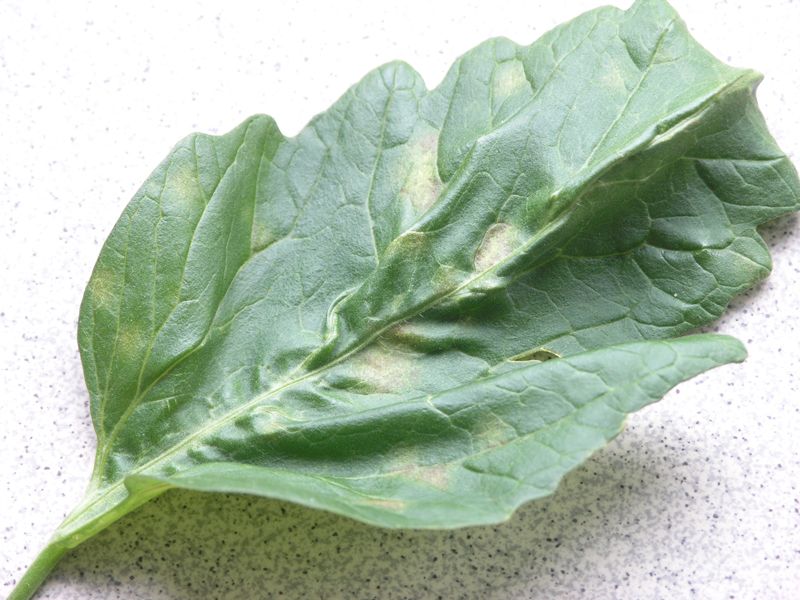
It causes brown spotting on leaves. Treatment begins at the first sign of damage. This helps localize the progression of the fungal disease. Adherence to tomato cultivation practices and preventative measures can help prevent widespread tomato losses.
Content
Cladosporiosis or brown spot of tomatoes
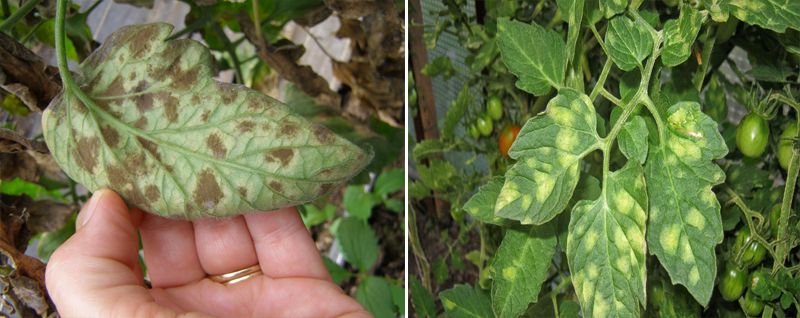
This rapidly spreading fungal disease attacks plant leaf blades, flower clusters, ovaries, and ripening fruits. Brown spots form where spores spread. Because of these spots, Cladosporiosis is also known as brown spot. It rarely affects stems or ripening tomatoes, primarily developing on foliage. Light green, irregular spots appear on the underside of the blade, then darken.
First on the underside, dark spots resembling rust then appear on the upper surface of the leaf blade. Under favorable conditions, the disease spreads rapidly, and within a few days, the plant can become completely covered in spots.
Leaves will begin to turn yellow, and the plant will drop its newly formed fruit due to nutritional deficiencies. The disease most often affects tomatoes grown indoors.
Tomato varieties resistant to cladosporiosis
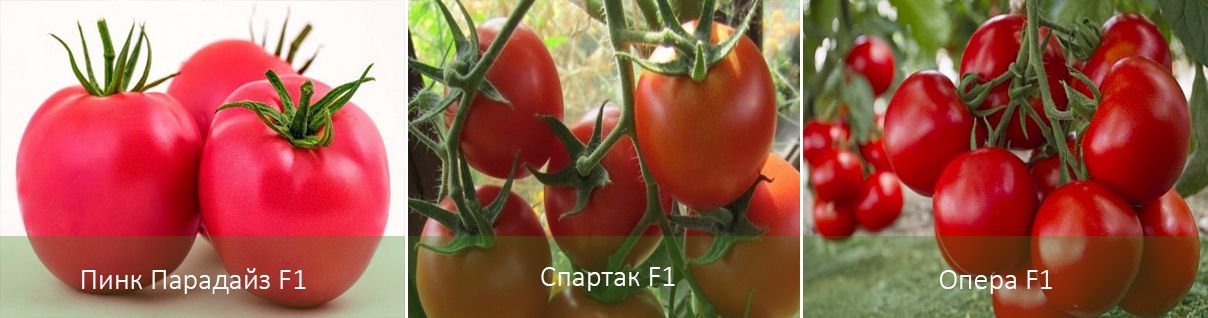
Breeding efforts are ongoing to develop varieties resistant to dadosporiosis. The most successful tomato varieties for indoor cultivation (greenhouses, hotbeds, and plastic shelters) are:
- pink Pink Paradise F1;
- red high-yielding Spartak F1;
- small-fruited Opera F1;
- cold-resistant Charisma F1;
- meaty Lemon Boy F1;
- tall Marissa F1;
- Bogema F1, a low-growing standard variety for greenhouses that does not require bush shaping.
Breeders are also developing hybrid varieties resistant to this disease for outdoor cultivation. It's important to keep in mind that hybrids grown from seeds can inherit the traits of the variety from which they were bred. For propagation, store-bought seeds are purchased annually, as not all seeds harvested at home will inherit the beneficial properties.
Hybrids for open ground with a short growing season:
- early ripening: Forsage F1, cold-resistant Olya F1;
- early ripening: low-growing Red Arrow F1, large-fruited Ural F1;
- mid-early: Titanic F1, standard Space Star F1;
- mid-season: unpretentious Nasha Masha F1, yellow with melon flavor Khrustik F1, zoned Vologda F1.
There are several selected tomatoes from which you can collect seeds for planting: Paradise Delight, Giant, Red Comet, Raisa, Evpator, Funtik, Vezha.
Signs of the disease
To save your tomato crop, it's important to recognize this insidious disease early. When hot days arrive, regularly inspect your plants, paying attention to the undersides of leaves. The disease most often appears during the active growth phase, such as flowering. Sometimes, spots appear on seedlings grown indoors—spores are introduced with the soil.
Signs of the disease:
- grey spots appear on the underside of the leaf blade, resembling rot in appearance, and above them the upper part of the leaf becomes lighter;
- At first, the lower part of the plant is affected, and cladosporiosis develops in the ascending part;
- Dark spots appear and leaves curl.
At the final stage, dark brown spots cover the entire leaf, spread to the fruits, and they become soft in the affected areas.
Causes of Cladosporiosis
Pathogenic spores are carried by air currents and water. Spotting is common on cucumbers, carrots, strawberries, and fruit trees. It's impossible to protect yourself from them in a greenhouse or hotbed. Spores can be found on clothing, gardening tools, and other implements. Once they land on a leaf, the fungal culture germinates and feeds on plant cells. Conidia form on the leaf, which remain viable for up to 10 months and overwinter well.
Favorable conditions for the spread of fungal infection include humidity around 80% and temperatures above 22°C. The fungus constantly mutates and can attack disease-resistant crops.
Treating tomatoes against cladosporiosis
Tomato treatment begins at the first signs of disease. Protection methods are selected based on the severity of the infestation. Non-toxic folk and biological remedies are used first. If these treatments are ineffective, chemicals are used. Before treatment, the harvest is collected, and the fruits are picked at the waxy stage. After chemical treatment, plants remain toxic for 10 days.
Chemicals
For severe infestations, treating plants with universal, broad-spectrum fungicides is effective, including Abiga-Peak, Bravo, Captan, NeoTek, Poliram, Polihom, Polikarbacin, HOM, and Zineb. Dilute the fungicide according to the instructions, and apply two treatments at a weekly interval. Personal protective equipment should be used: gloves and a respirator are recommended. Toxic fungicides are not used as a preventative measure. Tomatoes grown outdoors should be sprayed in the evening, during periods of low bee activity, in calm, dry weather.
Biological agents
Products based on plant components, bacteria, and fungal spores are harmless to insects and do not contain dangerous toxins. The following products are used to combat Cladosporiosis: Pseudobacterin-2, Strobi, Trichodermin, Fitolavin 300, Fitosporin, and Effecton-O. These products are used prophylactically when conditions are favorable for the disease to thrive.
Folk remedies
For preventative purposes, regularly spray with a whey solution diluted 1:10 with water. Treatment with household disinfectants prevents the spread of the disease.
At the white spot stage, regular treatment with iodine solution helps: dilute 15-20 drops in five liters of water, adding 500 ml of milk to improve the liquid's adhesion to the leaves. For foliar feeding, add 15 g of calcium chloride.
An alkaline solution of wood ash inhibits fungal growth: add 300 g to 1 liter of water and boil the solution for 10-15 minutes. To prepare the working solution, dilute the volume of water to 10 liters. This solution enriches the plants with potassium. A pinkish solution of potassium permanganate has a similar effect. Apply the solution morning and evening until signs of cladosporiosis completely disappear.
Cultivation of soil after an illness
The best option is to mulch the soil after watering. If tomato plants are heavily infested, apply solutions of biological fungicides to the soil. Fitosporin is effective in dry form: dust it on the soil around the tomatoes.
Top.tomathouse.com recommends: measures to prevent cladosporiosis
The best preventative measure is annual autumn disinfection. After harvesting, the greenhouse, equipment, tools, and trellises must be treated with Bordeaux mixture: a solution of copper sulfate and chalk. Incidentally, the copper sulfate is first dissolved in a small amount of hot water and then added to the working solution.
For planting seedlings, use soil soaked in boiling water. All plant residues are burned; they are not used for composting. Fumigating empty greenhouses and hotbeds with sulfur is effective. The smoke penetrates even the most inaccessible places.
It's important not to overcrowd the plantings. During the fruit ripening period, perform a sanitary leaf cleanup: remove leaves down to the first cluster, and trim off any yellowed parts. It's important to follow proper watering practices: apply a thin stream of water into the tree's trunk circle, allowing it to be absorbed gradually.
With this watering regime, air humidity increases slightly. In rainy weather, watering should be reduced to a minimum. Excessive nitrogen fertilizers will cause excessive leaf mass. Fertilizers should be comprehensive and balanced. It's best to choose tomato varieties resistant to fungal infections.