Saffron milk caps are common in forests and easy to find. They prefer to grow near coniferous trees and have a characteristic reddish skin and milky sap. Learn more about these mushrooms and how to harvest them in this article.
Content
- 1 Ryzhiki mushrooms: general description
- 2 Edibility of saffron milk cap mushrooms
- 3 Where do saffron milk cap mushrooms grow?
- 4 At what temperature do saffron milk cap mushrooms grow?
- 5 When to pick saffron milk cap mushrooms
- 6 Red saffron milk cap mushrooms in Russia: where they grow and harvest seasons in different regions
- 7 How quickly do saffron milk caps grow, including after rain?
- 8 How do saffron milk caps grow?
- 9 How to find different types of saffron milk cap mushrooms
- 10 Inedible look-alikes of saffron milk cap mushrooms
Ryzhiki mushrooms: general description
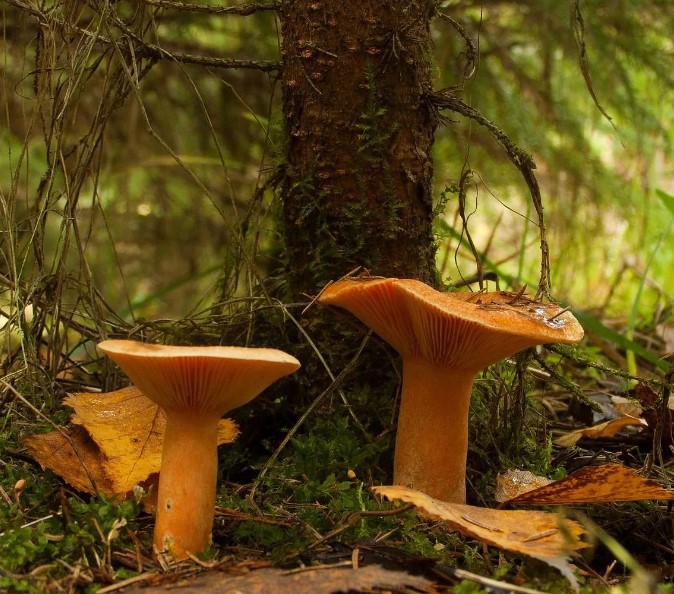
Saffron milk caps belong to the Russulaceae family, genus Lactarius. They are colored in various shades of orange, and their milky juice always has a rufous or reddish tint. However, it is not bitter, so there is no need to soak the mushrooms for hours before cooking.
Read about different types of mushrooms from the genus Lactarius in the articleMilk mushrooms (milk caps): 67 species, photos, what they look like, when and how to collect them, what forests they grow in.
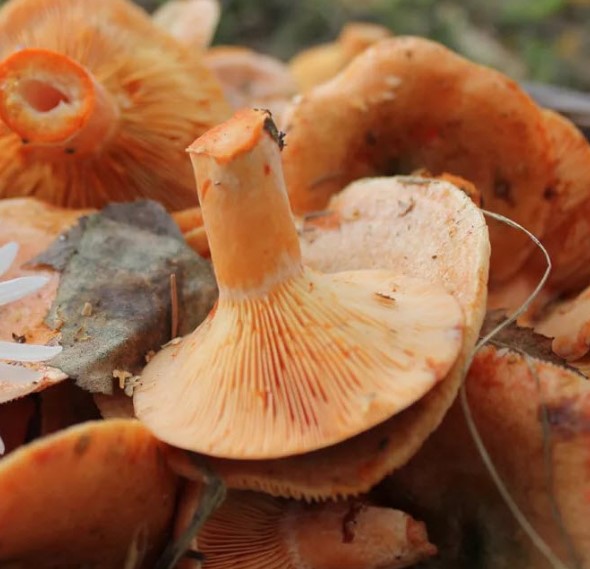
hat
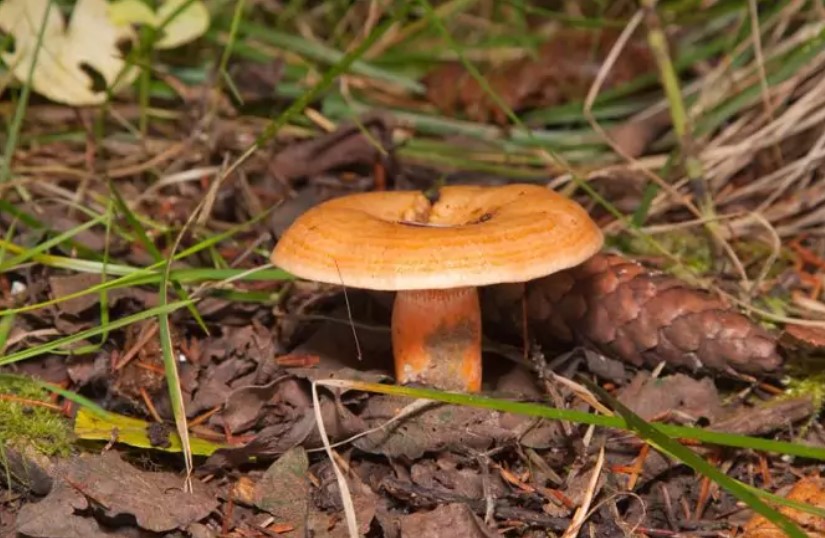
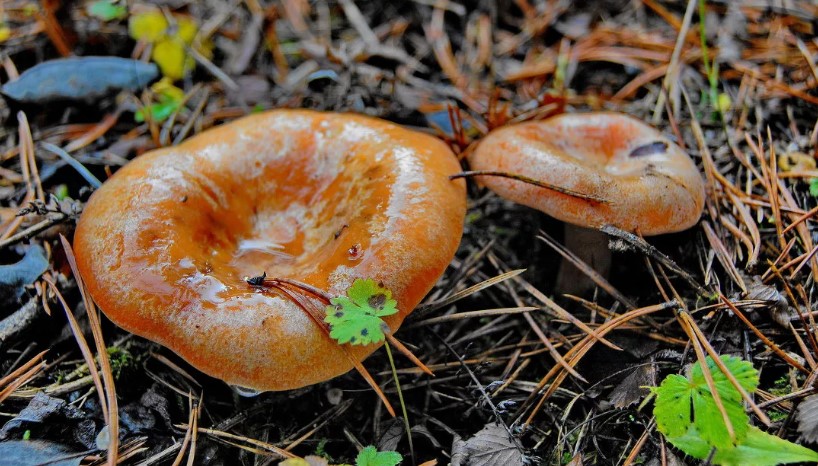
The mushroom's cap ranges from 5 to 15 cm in diameter and is funnel-shaped. As it ages, the edges lose their curl and become straight. The mushroom is orange in color, and the skin is smooth. The surface is covered with uneven brownish-reddish zones. The older the mushroom, the lighter its color becomes.
Leg
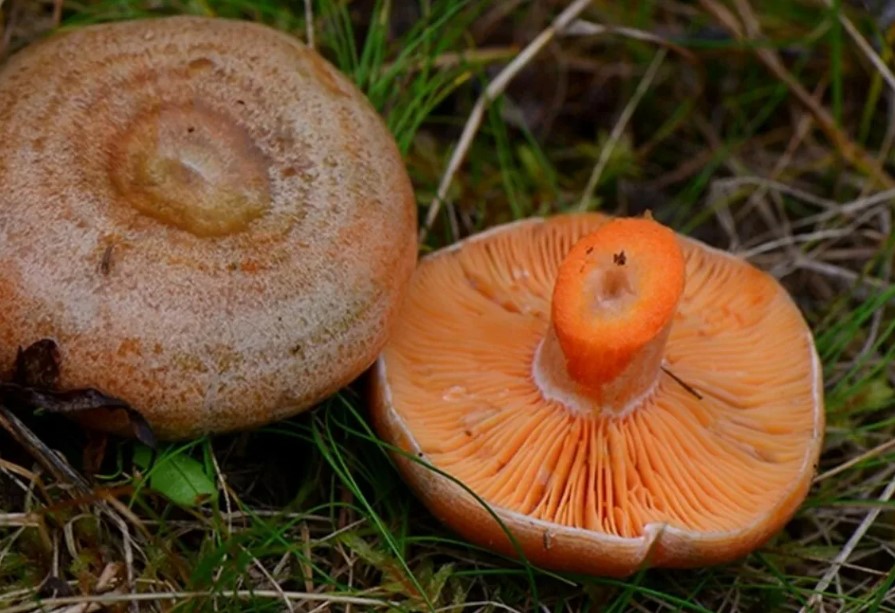
The stem is cylindrical, may widen slightly at the base. Height up to 7 cm, diameter up to 2 cm. The surface is moist, orange in color, and hollow inside. The aroma is indistinct.
Pulp
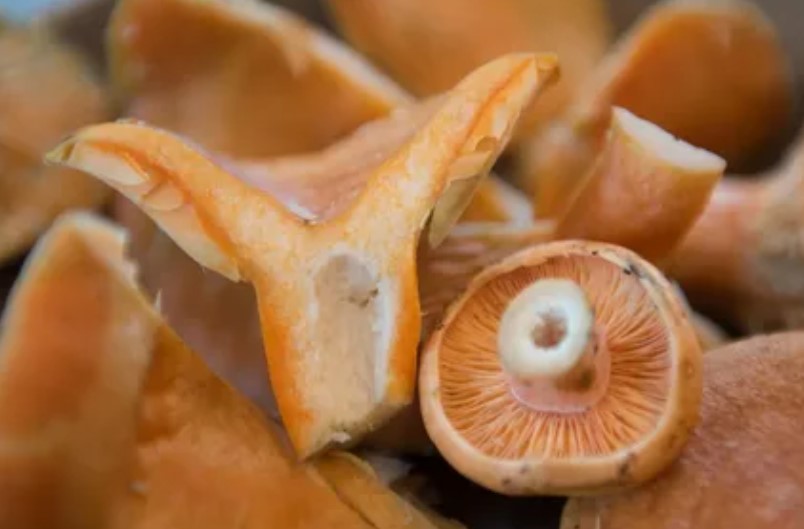
The flesh is creamy yellow, with a crisp texture. When broken, it releases an orange-colored juice that remains stable when exposed to air. There's no bitter taste, but there is a slight spiciness.
Edibility of saffron milk cap mushrooms
The saffron milk cap is considered an edible mushroom; in fact, in some countries and regions, saffron milk caps are considered a delicacy. They are salted, pickled, and fried. It's believed that these mushrooms shouldn't be dried, but in fact, they dry very well without losing their flavor.
Mushrooms are an excellent addition to soups and main courses; they contain beneficial amino acids, and their protein content can be compared to that of meat.
Mushrooms don't require long soaking or special preparation. Simply clean them of sand and forest debris and rinse them with boiling water.
Where do saffron milk cap mushrooms grow?
Saffron milk caps are found in many regions of our country, but there are still some places where these mushrooms thrive. We'll discuss these in more detail below.
In which forests do saffron milk caps grow?
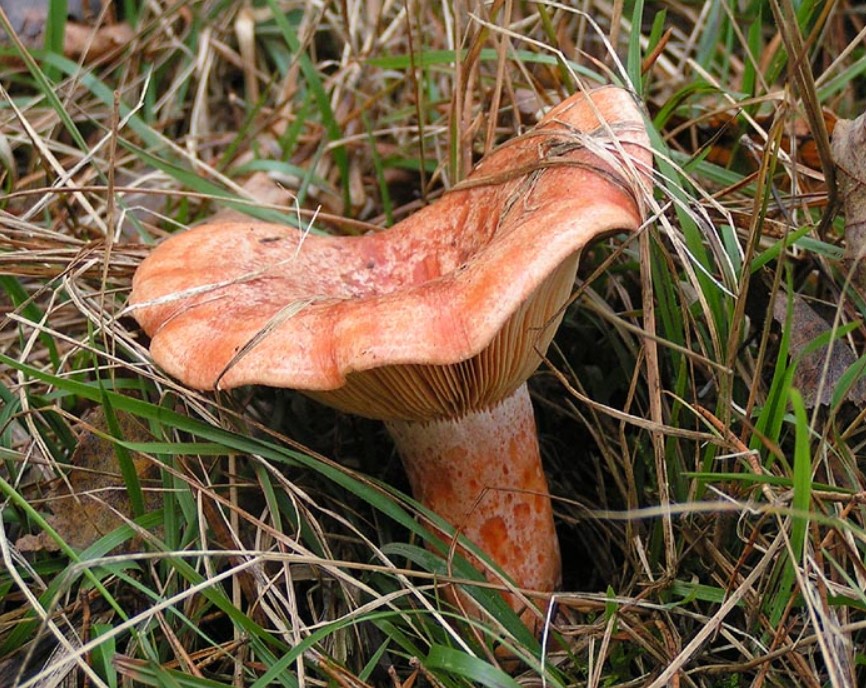
Saffron milk caps love sandy soil, especially if there's a river nearby. It creates the perfect humidity for the mycelium to thrive.
Young forests, where coniferous trees grow, are considered the most suitable for searching for saffron milk caps – it is with them that saffron milk caps form mycorrhiza.
Saffron milk caps are almost never found in mixed and deciduous forests. You can easily identify them by breaking open the cap and examining the juice. If it's reddish-orange and has no pungent odor, you're looking at a saffron milk cap.
Trees under which saffron milk caps grow
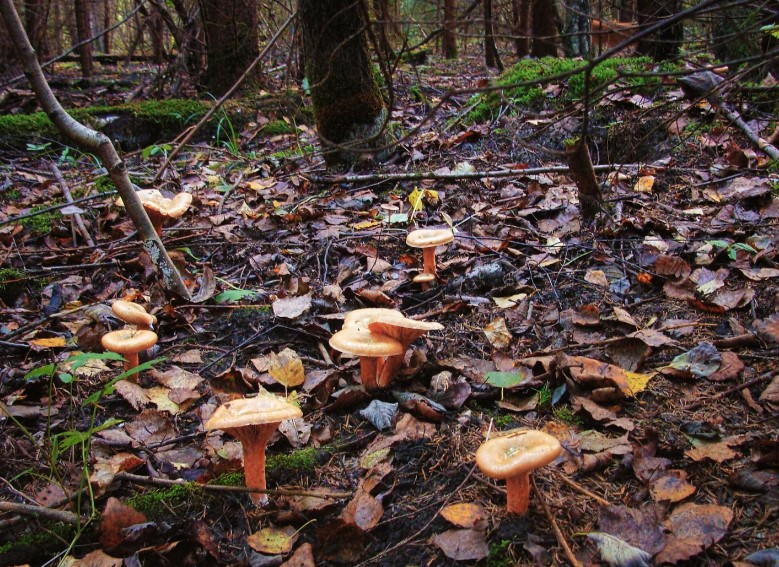
Saffron milk caps are not one of those mushrooms that grow equally well in both coniferous and deciduous forests.
If you want to return home with a great catch of firm saffron milk caps, you should definitely look for the following trees:
- Fir.
- Spruce.
- Cedar.
- Pine.
The mushroom's color depends on where it was found and under what tree it grew. It can range from creamy orange to coppery red. Older mushrooms develop greenish spots on the cap. Ideally, the mushroom should be no more than six years old; the mycelium prefers to grow in young plantings.
Places where you can find saffron milk caps
Chanterelles are most often found in low forests because there is enough light for them to grow and develop normally.
You can find mushrooms in the following places:
- Forest edge.
- Glade with conifers.
- Young and sparse coniferous forests.
- Fresh forest clearings.
- Sides of forest paths and trails.
- Ditches in conifers, well lit by the sun.
At what temperature do saffron milk cap mushrooms grow?
The fruiting period for saffron milk caps lasts from July to September. Under favorable conditions, the first specimens can be found in some regions even as late as June. The mushrooms disappear as soon as the first frost sets in.
Saffron milk caps love sun and warmth, so for their normal growth, temperatures between 15 and 27 degrees Celsius (59 to 80 degrees Fahrenheit) are required. The maximum permissible lower limit for ripening is considered to be 10 degrees Celsius (50 degrees Fahrenheit).
When to pick saffron milk cap mushrooms
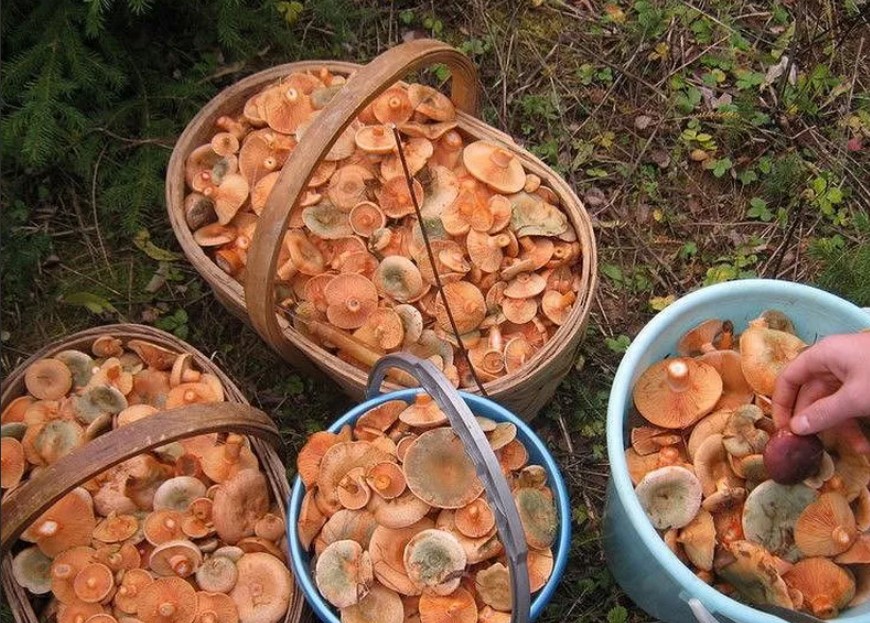
In some regions with early spring and a warm climate, saffron milk caps can be found in the forest as early as late June or early July. But in most parts of the country, the peak season occurs in August.
The first to appear on the surface are summer (spruce) saffron milk caps, they do not bear fruit for very long, but pine (autumn) saffron milk caps begin to appear only in August, but they grow until frost.
Mushroom pickers have a number of signs by which they determine the time of collection:
- The veres blossomed and saffron milk caps appeared in the forest.
- In places where butter mushrooms accumulate in July, you can find saffron milk caps in September.
- Three weeks after the raspberries, strawberries and blueberries have ripened, you can go to the forest for saffron milk caps.
Red saffron milk cap mushrooms in Russia: where they grow and harvest seasons in different regions
Saffron milk caps are widespread throughout almost the entire country, but you need to know the places to enjoy a rich harvest.
- The Savelovsky direction in the Moscow region is considered particularly productive, with areas near Lake Torbeevskoye, Ashukinskaya station, and Gremyachiy Waterfall considered particularly productive.
- Kursk direction – Chekhov, Lvovskaya, Kolkhoznaya stations.
- Forests of the Samara and Saratov regions.
- Transbaikalia.
- Sverdlovsk region, Shchelkun lake.
- Chelyabinsk region, Lake Allaki.
- Perm Krai, Elovsky and Ochersky districts.
- Krasnoyarsk Krai, village of Minderla.
How quickly do saffron milk caps grow, including after rain?
Saffron milk caps, like all other mushrooms, grow quite rapidly. A young mushroom can grow at least 15 mm in just 24 hours.
In autumn, the mushrooms' fruiting bodies grow for about a month. But don't delay harvesting them. The older the mushroom, the less pronounced its flavor and the shorter its shelf life. When spores appear on saffron milk caps, the mushrooms themselves begin to age rapidly.
Mushrooms are especially abundant after a warm rain. It's recommended to visit the forest no later than 5-7 days afterward. However, if you'd like to pickle small specimens, you can begin searching after just 3 days.
How do saffron milk caps grow?
Saffron milk caps begin to appear when nighttime temperatures no longer drop below 10 degrees Celsius (50 degrees Fahrenheit). Mycelium development occurs from mid-spring to late autumn. After emergence, the fruiting body of the saffron milk cap develops very quickly and reaches its maximum size within 14 days. However, it's best not to pick mature mushrooms; the optimal age is considered to be 4-7 days.
Particular fruiting in summer begins after rain, with the peak occurring on the 4th-5th day after precipitation.
How to find different types of saffron milk cap mushrooms
Saffron milk caps rarely grow alone, so if you spot one, take a closer look at the clearing. Butter mushrooms are often found nearby, as they're often found nearby.
It's generally accepted that the most robust saffron milk caps grow on the north side of pine and spruce trees. The first place to look for mushrooms is in the sunny edges of conifers. It's best to use a long stick for searching, as the mushrooms can hide in the needles.
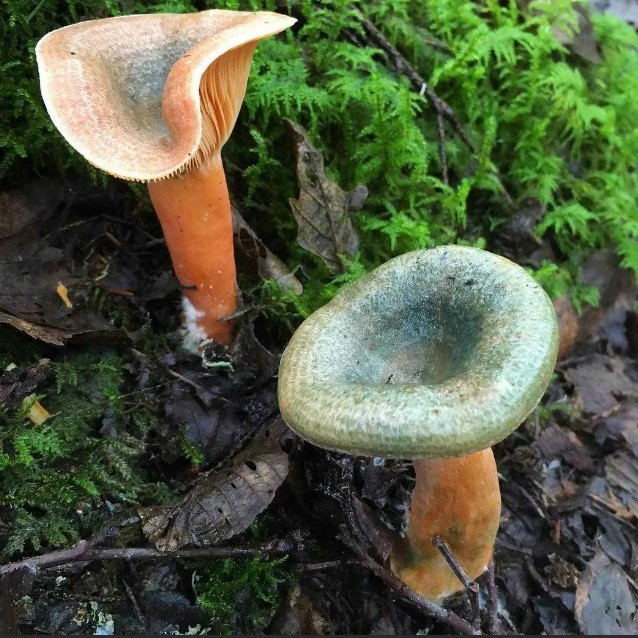
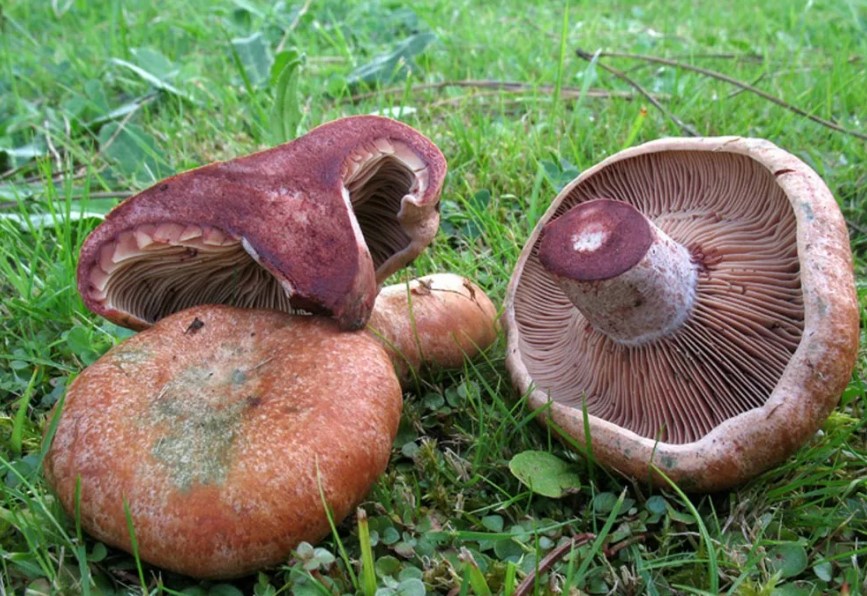
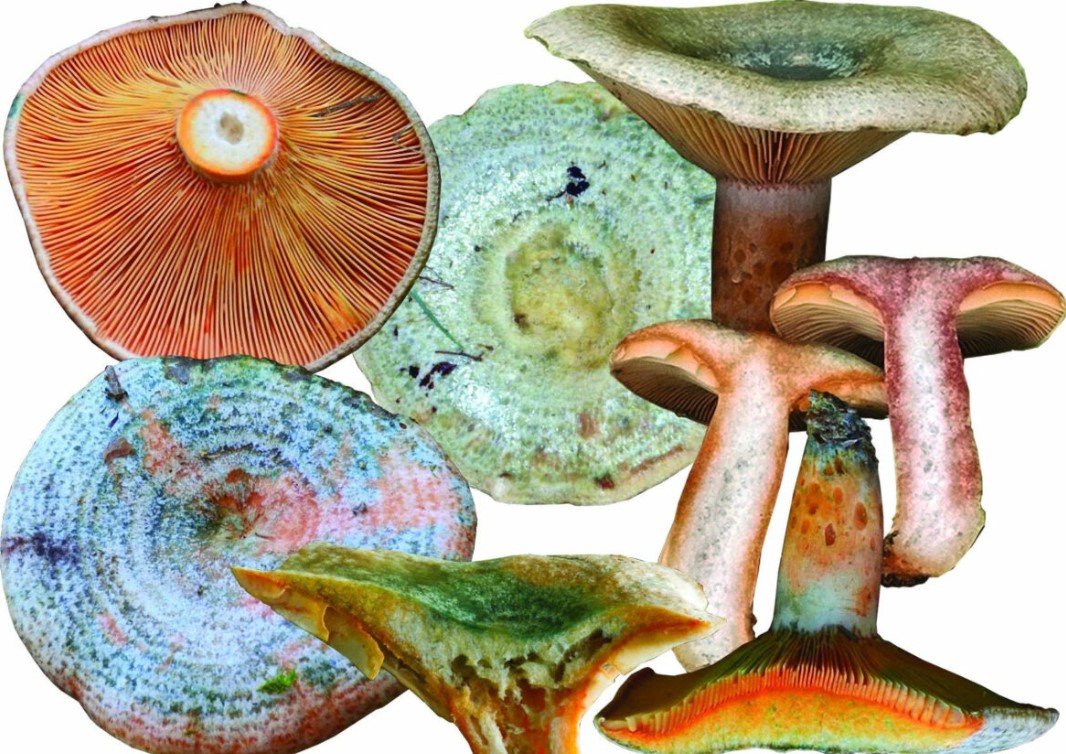
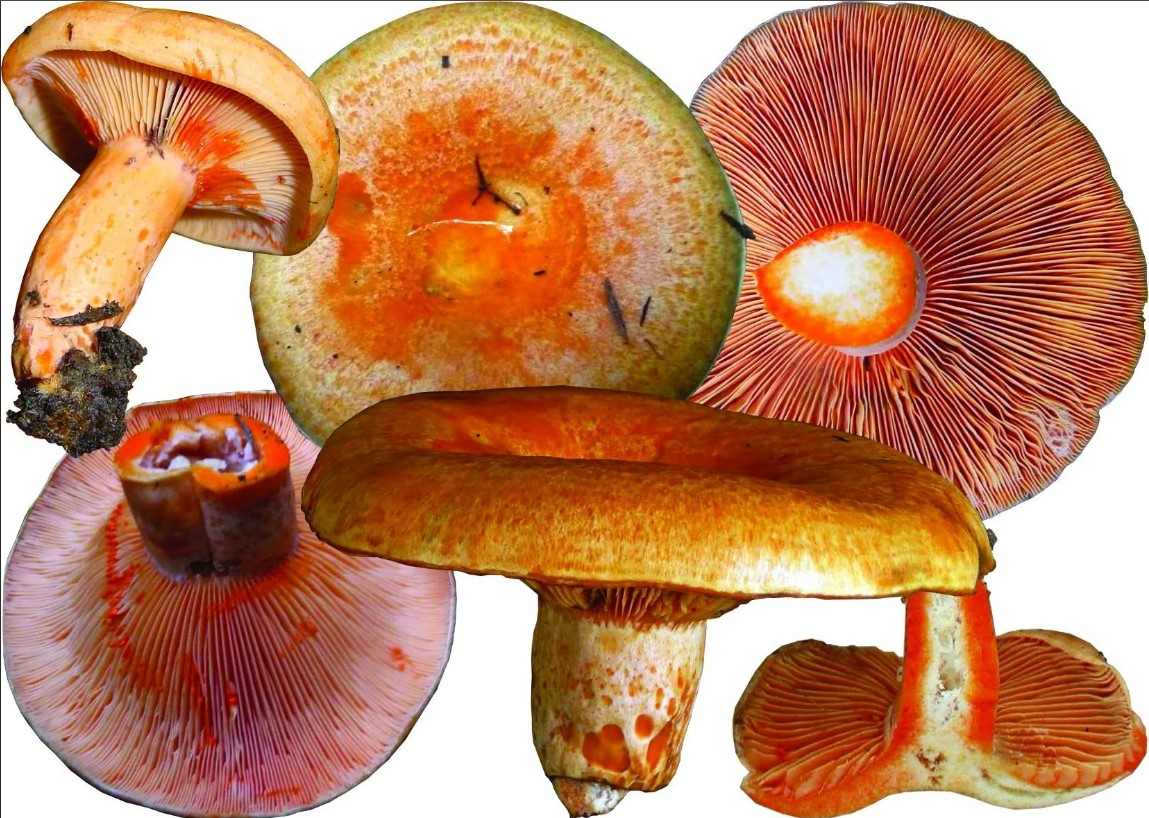
Depending on the species, saffron milk caps can ripen at different times and in different places. More details can be found in the table below.
| View | Appearance | Place of growth | Ripening period |
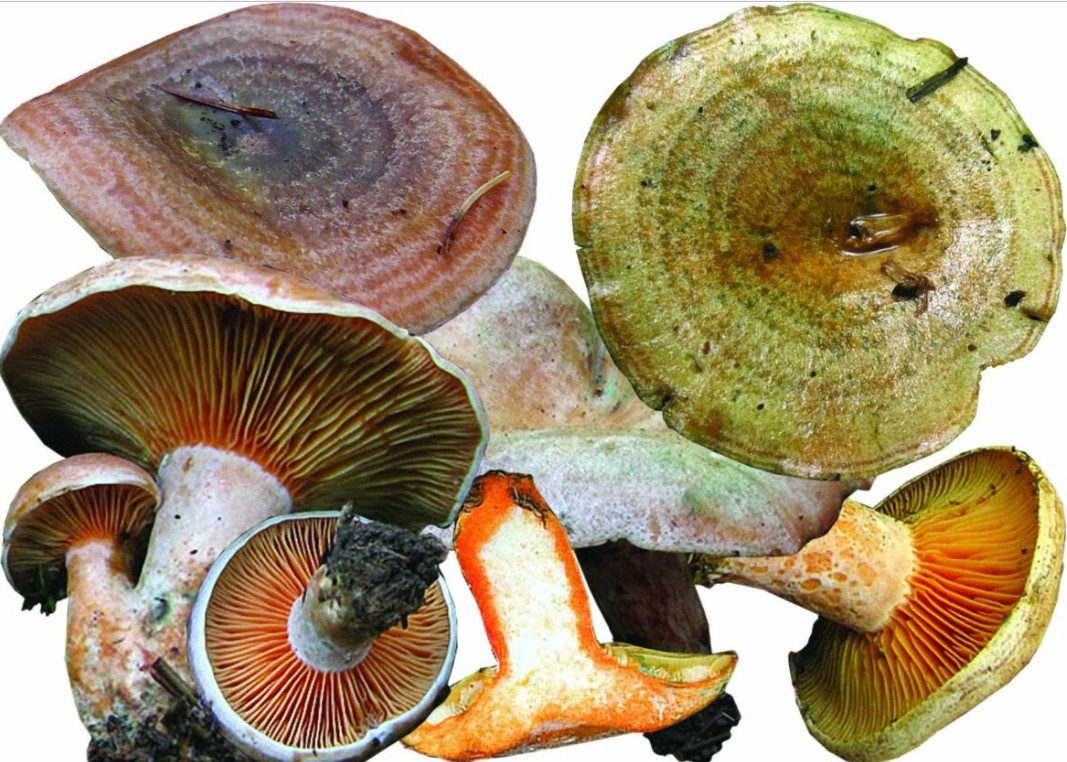
| Common (real, pine, delicacy, pine)
|
The color is rich red, the surface of the cap is spotted. | It is found in young forests under pine trees, grows on the edges of clearings and glades, and prefers grassy and mossy areas with good lighting. | From July to October |
| Spruce (green)
|
A small mushroom (compared to the pine saffron milk cap), the color is uniform, and the cap always has a greenish bloom. The flesh is fragile. | Very often found in forests where spruce trees grow. | From August to the last week of October |
| Red
|
It is distinguished by its reddish color. The cap surface is virtually spotless. The stem has a light-colored, powdery coating. When cut, a milky, wine-reddish sap emerges. | The mushroom is often found in Siberia and the Urals, preferring the European part of Russia and the Crimean coast, as it has a particular preference for Siberian cedar pine, although it also grows alongside common pine. | From July to mid-November |
| Semi-red (pine red)
|
The mushroom is easy to recognize: when cut, the orange milky sap quickly turns dark red. Young mushrooms have an orange hue, while mature ones develop a greenish cap and concentric rings on the surface. | It grows in the temperate zone and can be found in both pine and mixed forests. The mushroom is considered rare. | From July to October |
| Alpine (salmon)
|
A large mushroom with a cap up to 20 cm in diameter, bright orange in color, sometimes with a salmon tint. | It prefers to grow under fir trees, which is why it is found in the Western Urals and Northern Europe. | From August to October |
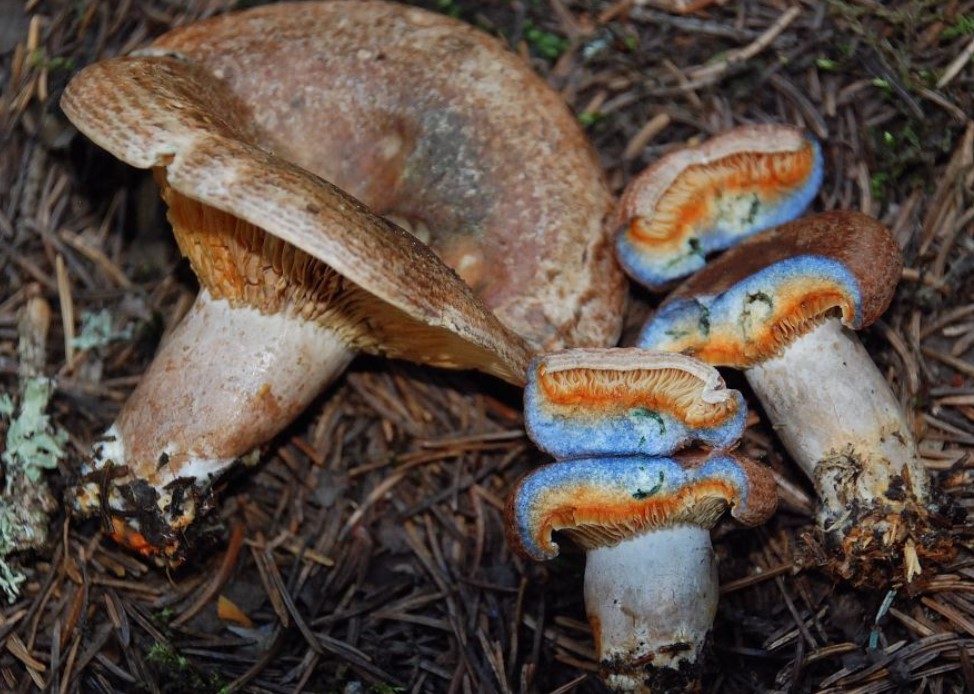
| Finnish (blueing)
|
The cap and stem are brownish-orange or olive-orange, and the gills are bright red. Once cut, the flesh quickly turns blue. | It prefers young spruce clearings and light-colored edges of coniferous forests. It is found in Karelia and northwestern Russia, as well as in Finland and Sweden. | From August to October |
| Japanese (fir)
|
The mushroom is lighter in color than the classic saffron milk cap. | It's found only in certain regions, growing exclusively near the fir tree. The mushroom can be found in fir forests in the Far East, China, Japan, and the Korean Peninsula. | From September to October |
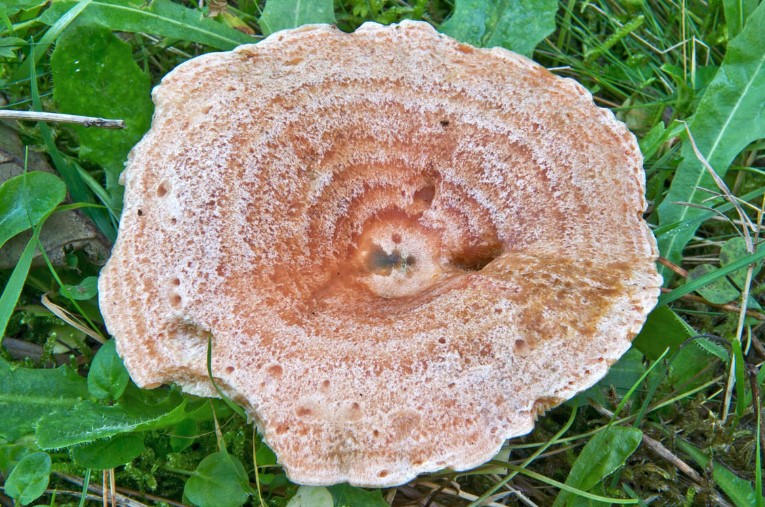
| Dark
|
The cap is bluish-blue in color, but has an orange undertone. When cut, the orange milky sap turns greenish. | Very rarely encountered by mushroom pickers, it grows in mixed and pine forests in northern Russia. | From August to October |
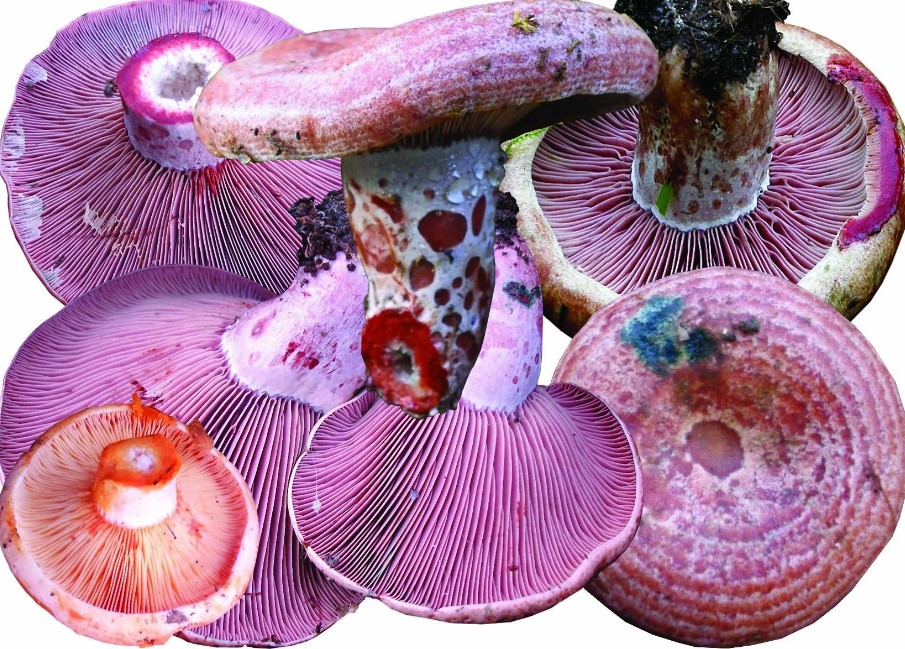
| Wine
|
The cap and stem color ranges from deep wine to lilac. The older the mushroom, the lighter it becomes. | This mushroom is quite rare and grows in pine forests in northern Russia. It prefers a temperate climate. | From July to October |
Inedible look-alikes of saffron milk cap mushrooms
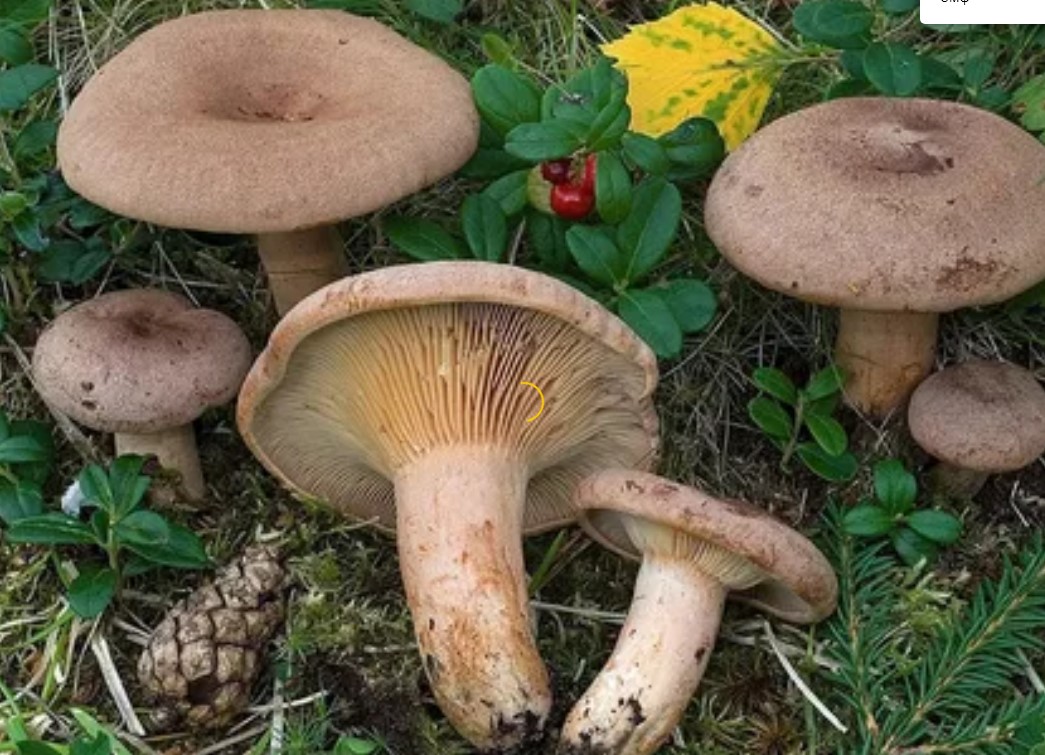
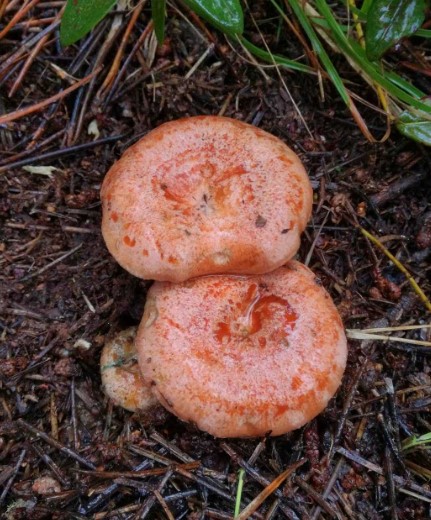
The saffron milk cap has an inedible lookalike—the pink milk cap. Its main distinguishing feature is its clear, milky sap. However, if you look closely, you can also notice a difference in appearance: the cap is lighter, and its edges are drooping. The pink milk cap is harmless to humans, but it can cause mild indigestion if consumed in large quantities.
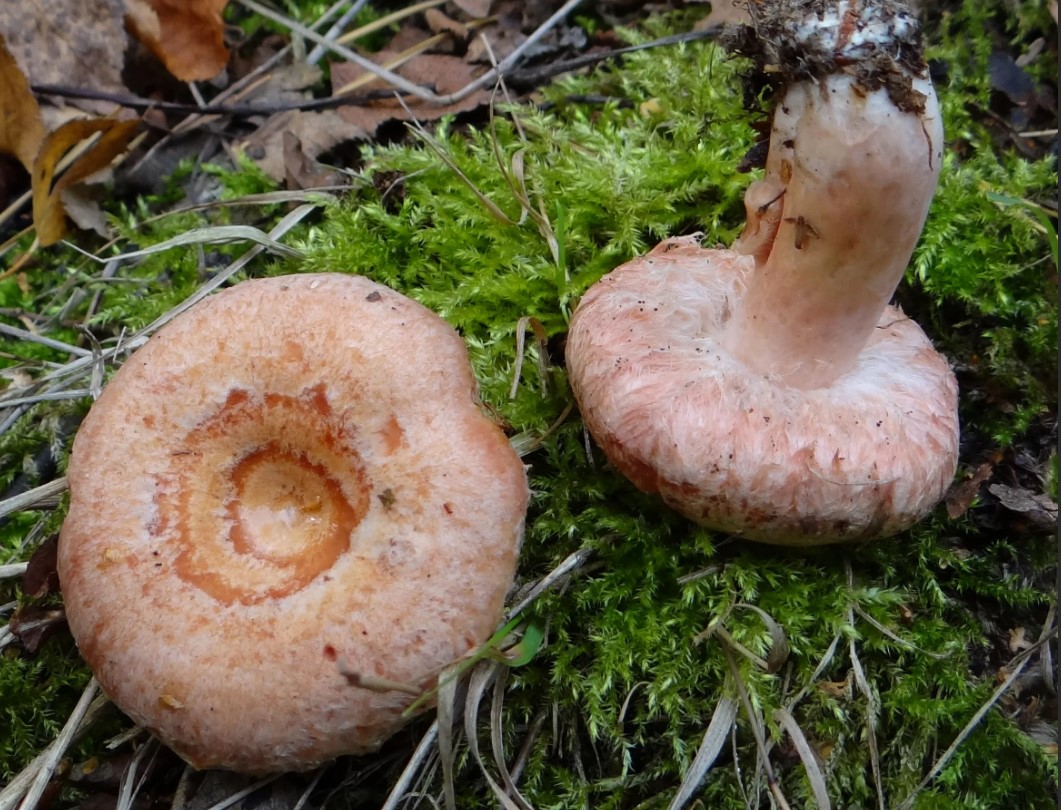
The amber milk cap is considered a much more dangerous mushroom than its lookalike counterpart. Its skin is velvety, pinkish-brown. Its stem is long, without any widening or narrowing at the base. It has an unpleasant, pungent odor. Eating a milk cap is unlikely to be fatal, as its unpleasant taste is immediately recognizable. However, poisoning and indigestion are certain after such a treat.