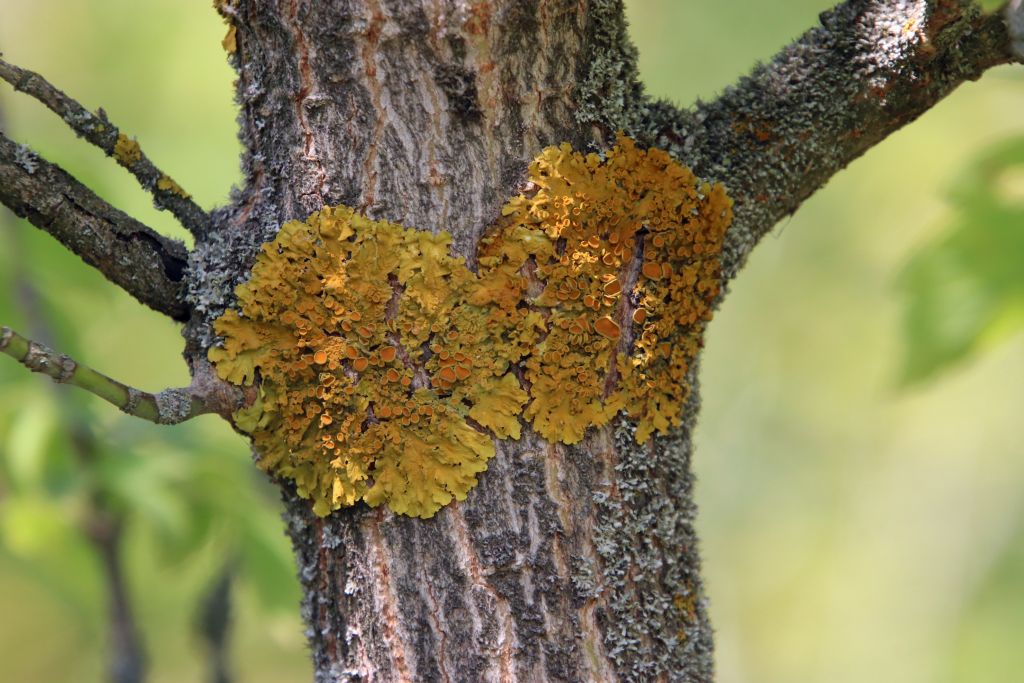
Xanthoria is a fairly common lichen found on tree trunks. It's a mistake to think that it causes fatal damage to its host. In fact, the lichen is a completely self-sufficient system. It obtains sufficient nutrients from the air and moisture droplets that fall on its surface.
Biological description of Xanthoria
In nature, lichens are the first organisms to populate a territory in the process of succession (from the Latin succesio - succession, inheritance).
Xanthoria is a genus of lichens belonging to the Teloschistaceae family. It developed through a successful symbiosis of mycobionts (fungi) and phycobionts (the alga Treboxia), making this lichen something of a cross between a plant and a fungus. Fungal hyphae (from the ancient Greek ὑφή, meaning web, thread-like structure) of the Ascomycetes form the thallus of Xanthoria. Their main function is to absorb moisture and mineral salts from the environment, especially after rain. Phycobionts, in turn, produce important nutrients through photosynthesis. Therefore, Xanthoria thrive in bright sunlight (on the sunny side).
Interesting! It's incorrect to talk about phyla when discussing botany. A phylum (Latin: phylum) is one of the highest ranks in the taxonomic hierarchy in zoology. In botanical classifications, it corresponds to the term division (Latin: division). Xanthoria belongs to the division Ascomycetes.
Full classification:
- Kingdom: Mushrooms
- Division: Ascomycetes
- Class: Lecanoromycetes
- Order: Teloschistaceae
- Family: Teloschistaceae
- Genus: Xanthoria
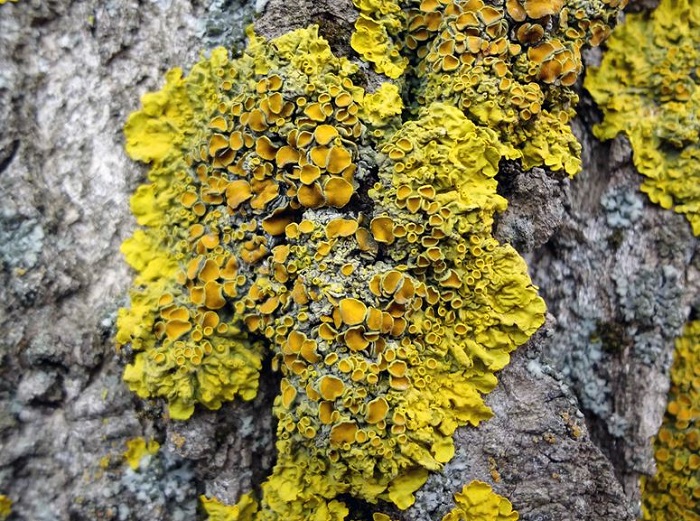
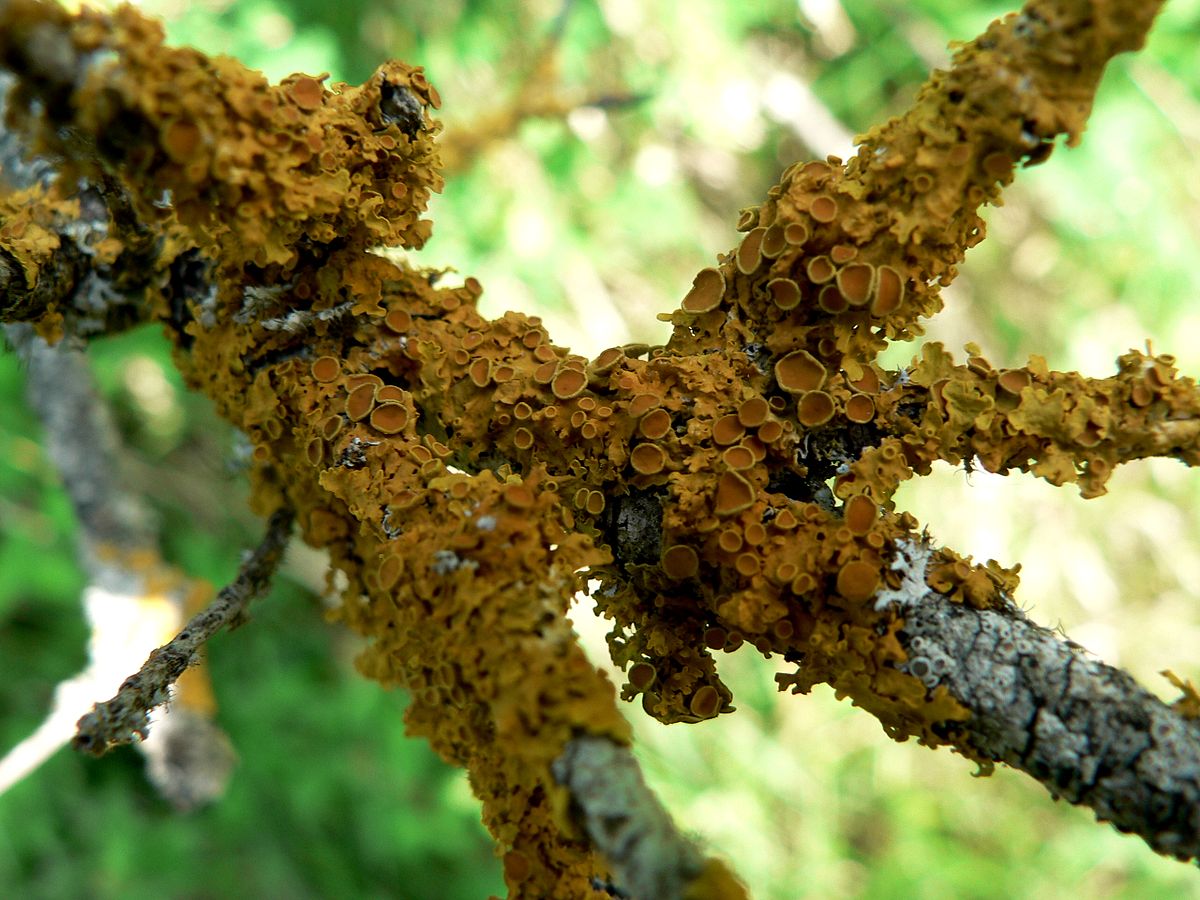
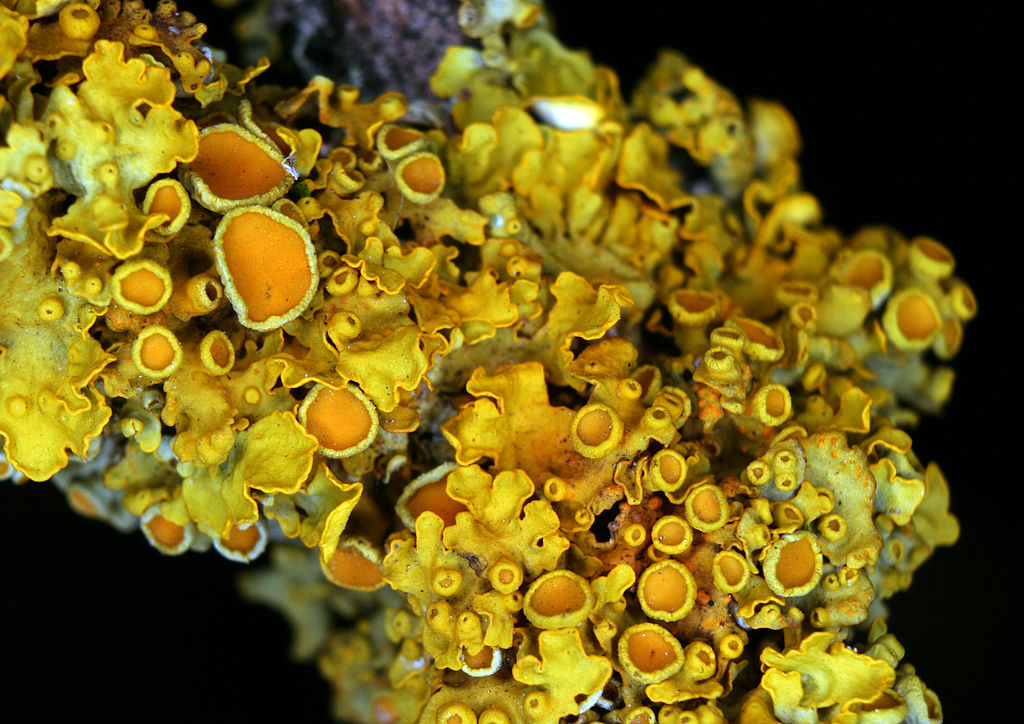
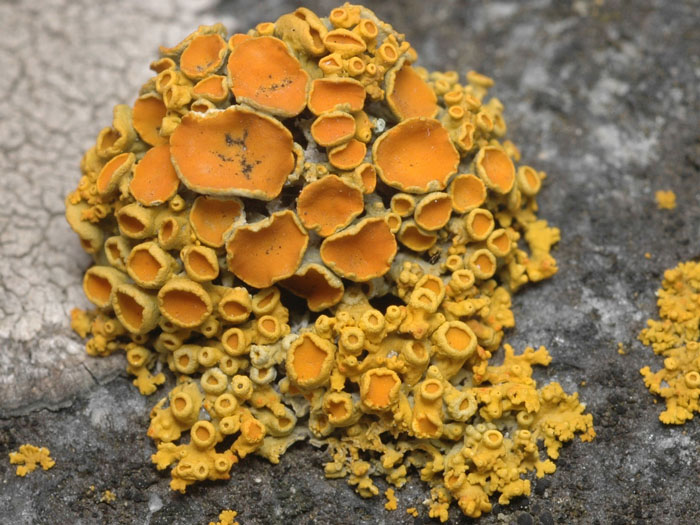
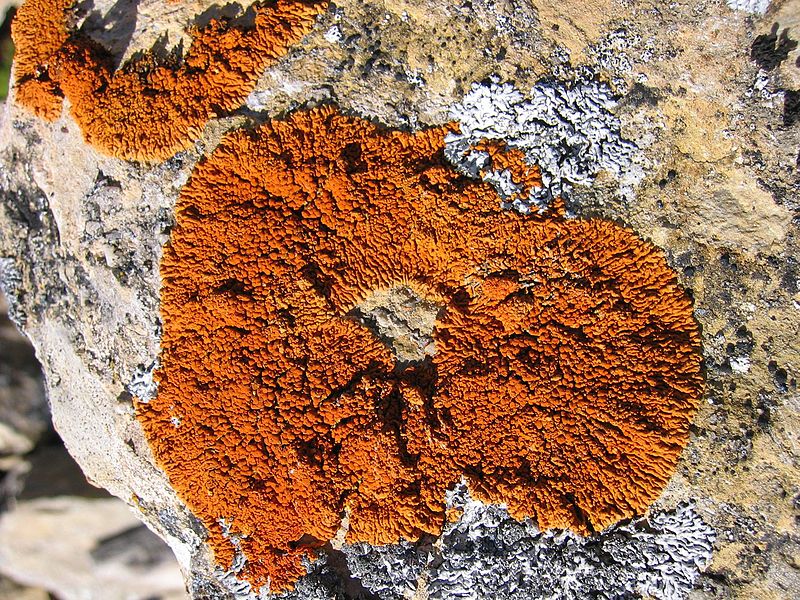
The lichen's thallus is foliose, consisting of one or more leaf-shaped plates and scales, either raised or pressed to the substrate, with a yellowish or reddish-orange upper surface. The lower surface is covered with short, light brown or whitish rhizoids.
Photo gallery of the Xanthoria:
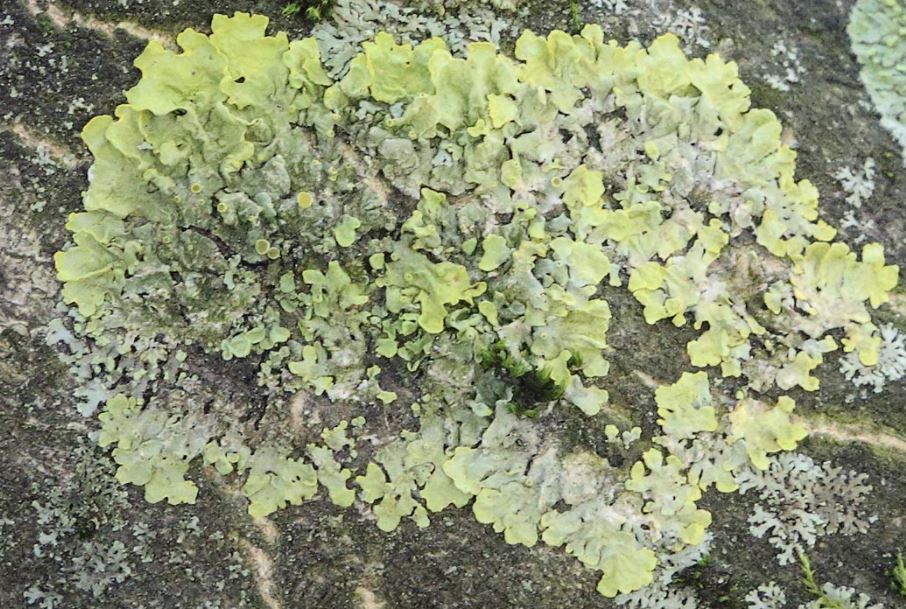
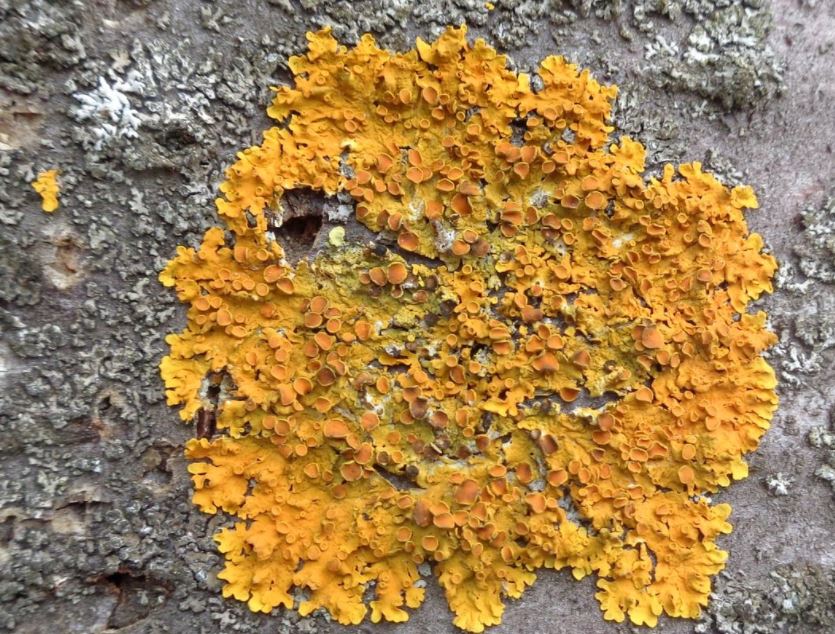
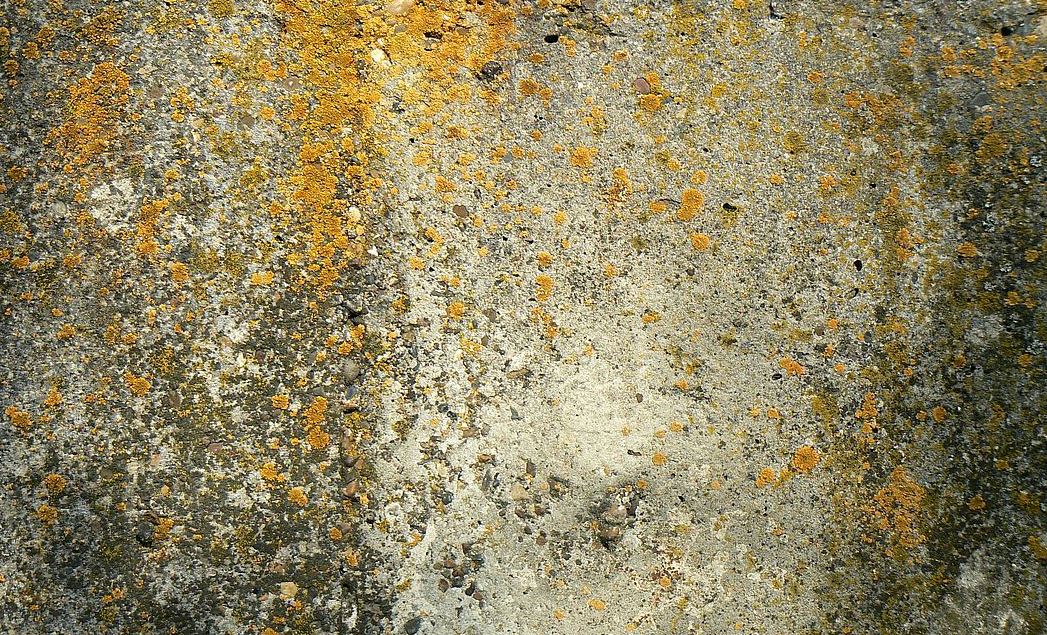
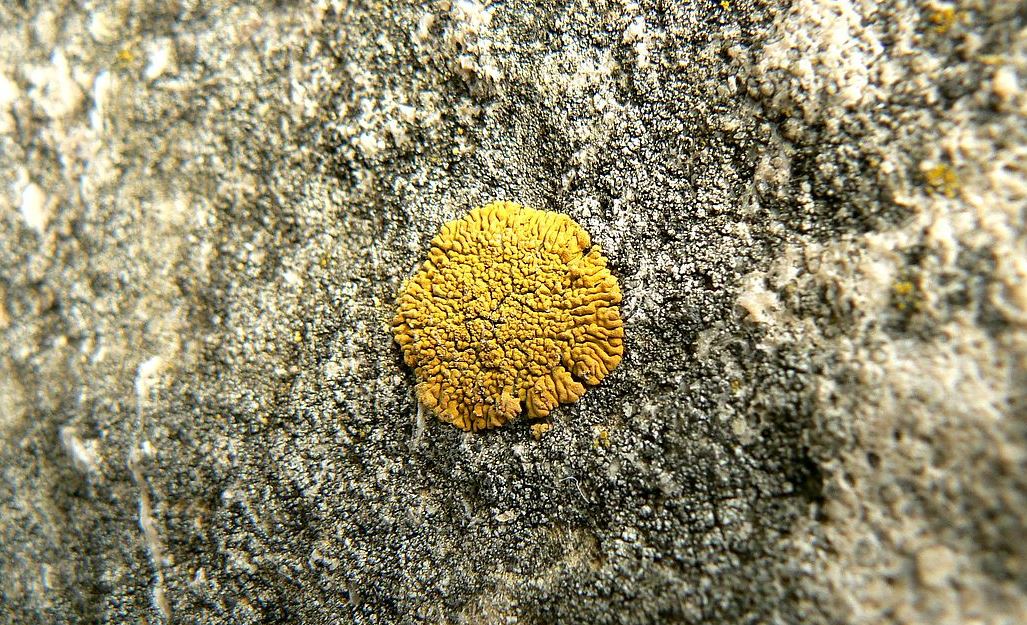
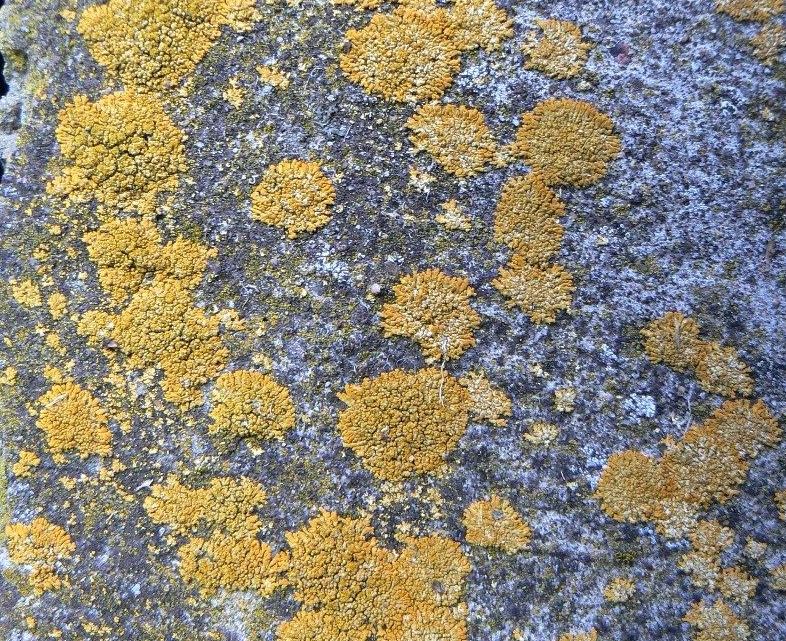
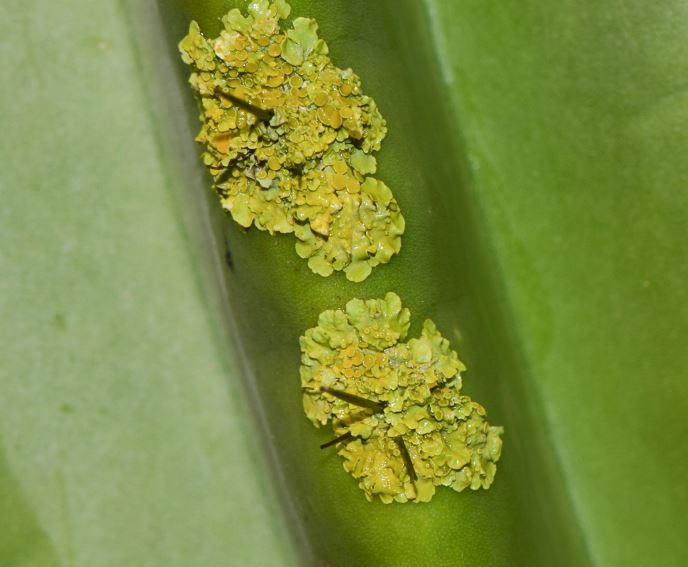
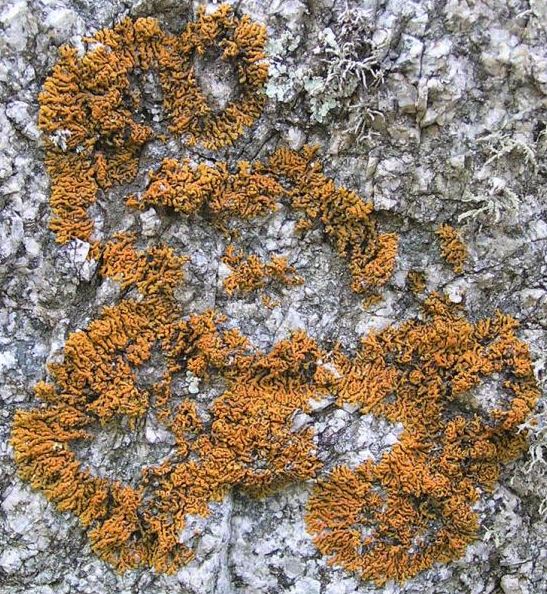
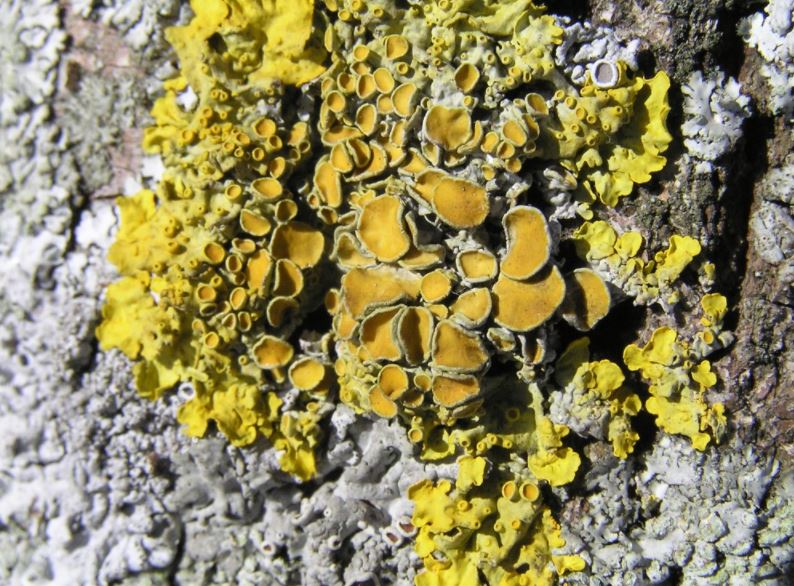
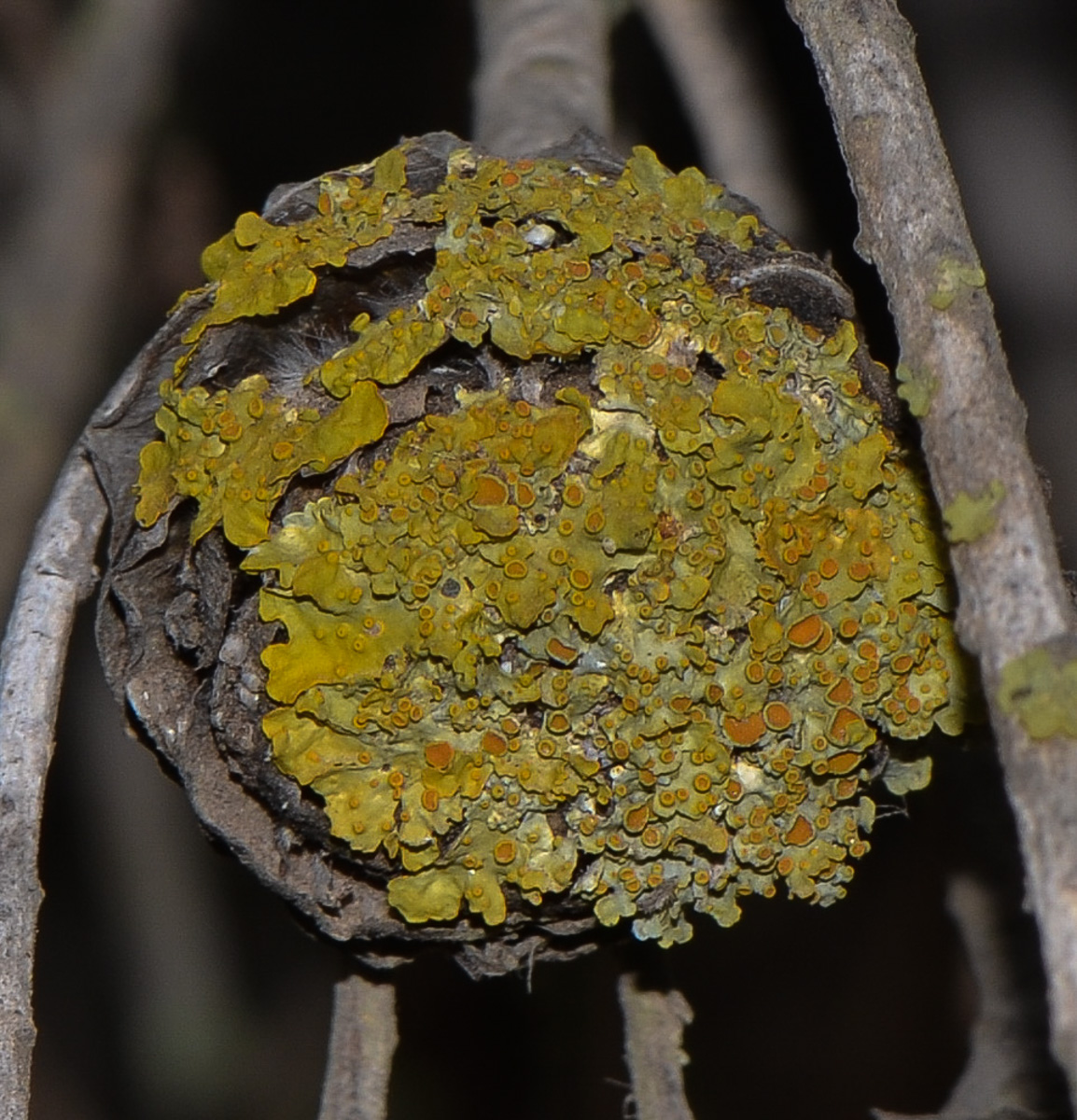
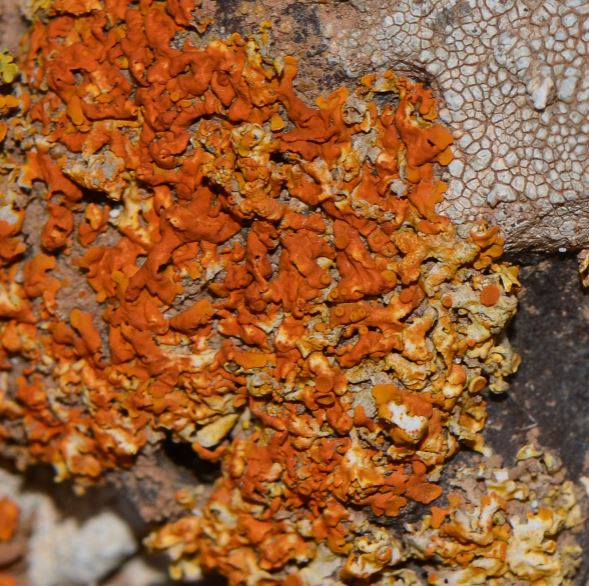
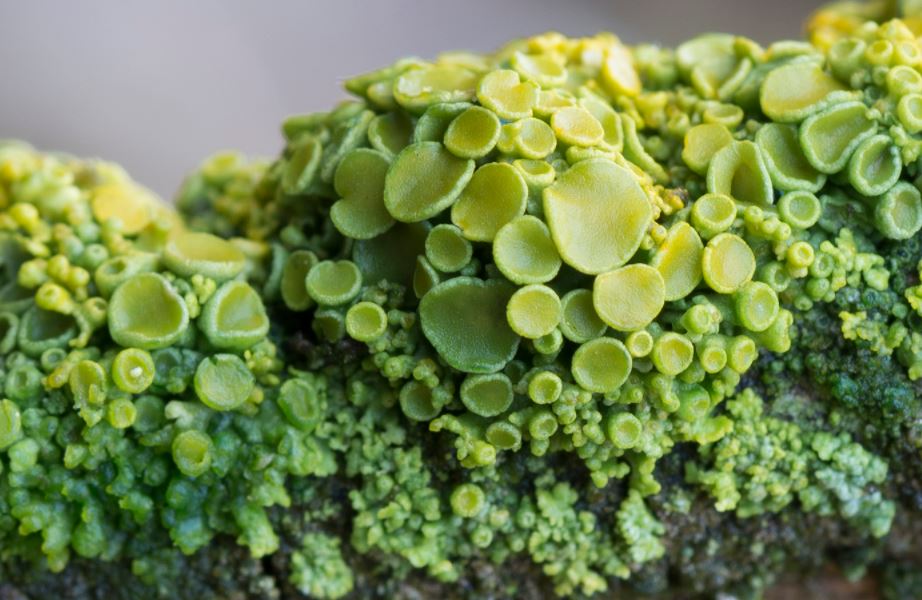
Xanthorias get their golden color from parietin crystals. This characteristic has earned them the nickname "golden lichen" or "golden lichen." However, less of these crystals are produced in the shade, so in poorly lit areas, xanthorias can appear light yellow or even dirty green.
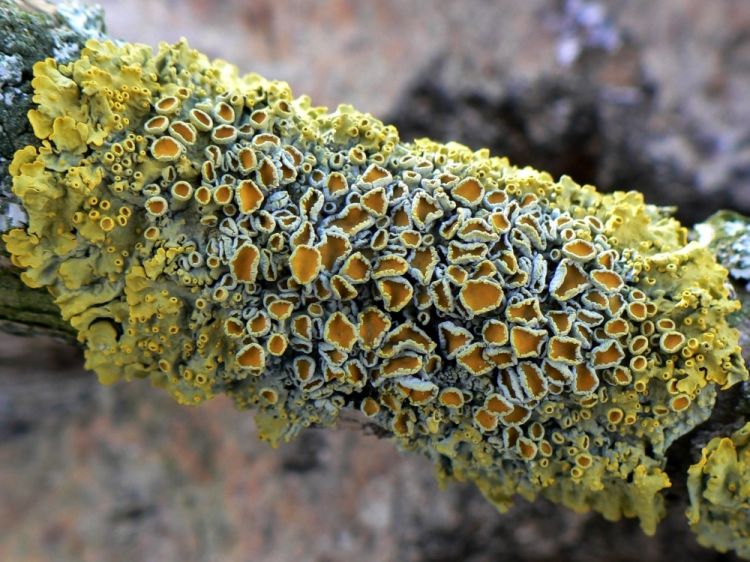
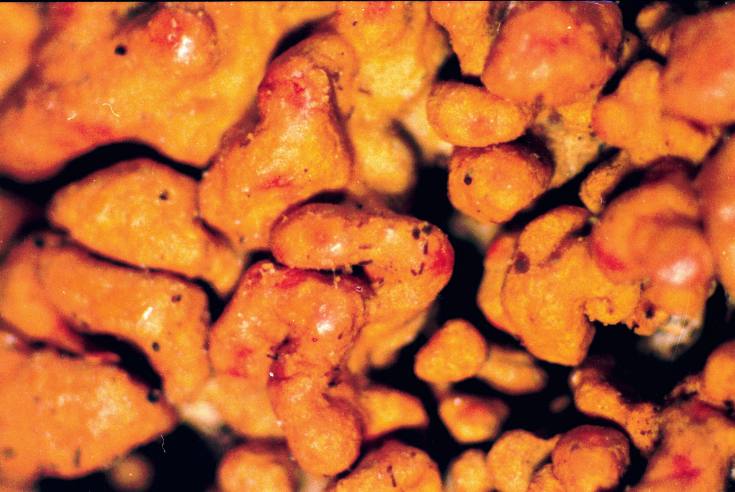
If you look closely at a lichen, you'll notice that its entire surface (thallus) appears to be composed of small, distinctive plates. These are the fruiting bodies, within which spores mature. These can then become the source of life for a new lichen or be carried away by the wind to another habitat.
If we talk about the role of lichens in the ecosystem, then xanthoria is a producer that produces its own food using its own resources (its main characteristic).
Interesting! Among the most common families of lichens are the Fuscideae, Lecideae, and Parmeliae (the latter includes the genera Parmelia, Arctoparmelia, Alectoria, Bryoria, Cetraria, Evernia, Hypogymnia, etc.). All these families, like Teloschistaceae, belong to the class Lecanoromycetes.
Types of Xanthoria
The main species of Xanthoria are: Xanthoria aureola, Xanthoria calcicola, Xanthoria candelaria, Xanthoria ectaneoides, Xanthoria elegans, Xanthoria filsonii, Xanthoria fulva, Xanthoria ligulata, Xanthoria parietina, Xanthoria polycarpa, Xanthoria ucrainica, and Xanthoria ulophyllodes. Some of these are described in more detail below.
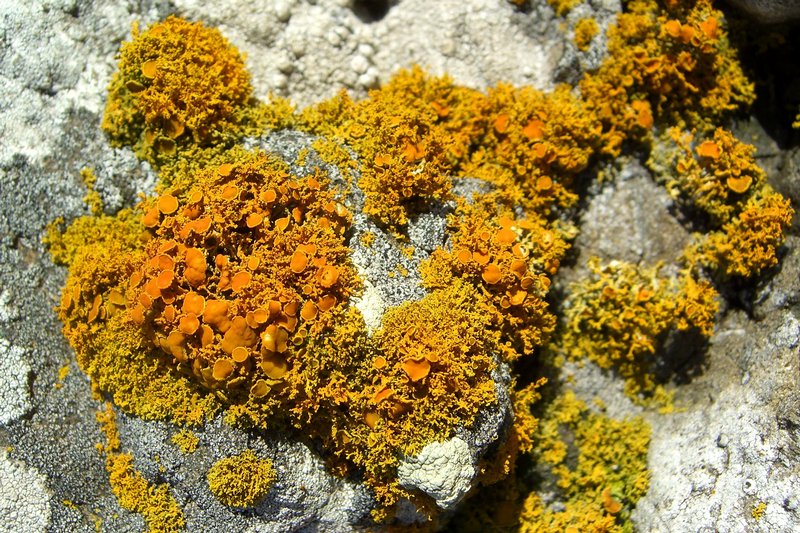
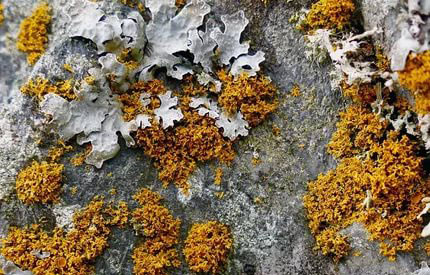
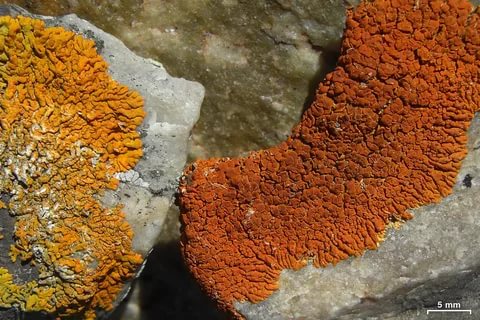
- Waxy (Xanthoria candelaria)Externally, it appears as compact rosettes, the edges of which dissect into small plates at the top. The color is yellow-brown above, and practically colorless below. With good lighting and nutrition, it can acquire a purple hue over time. It is often found on rocks and can sometimes be seen on tree bark. It prefers regions with cool climates.
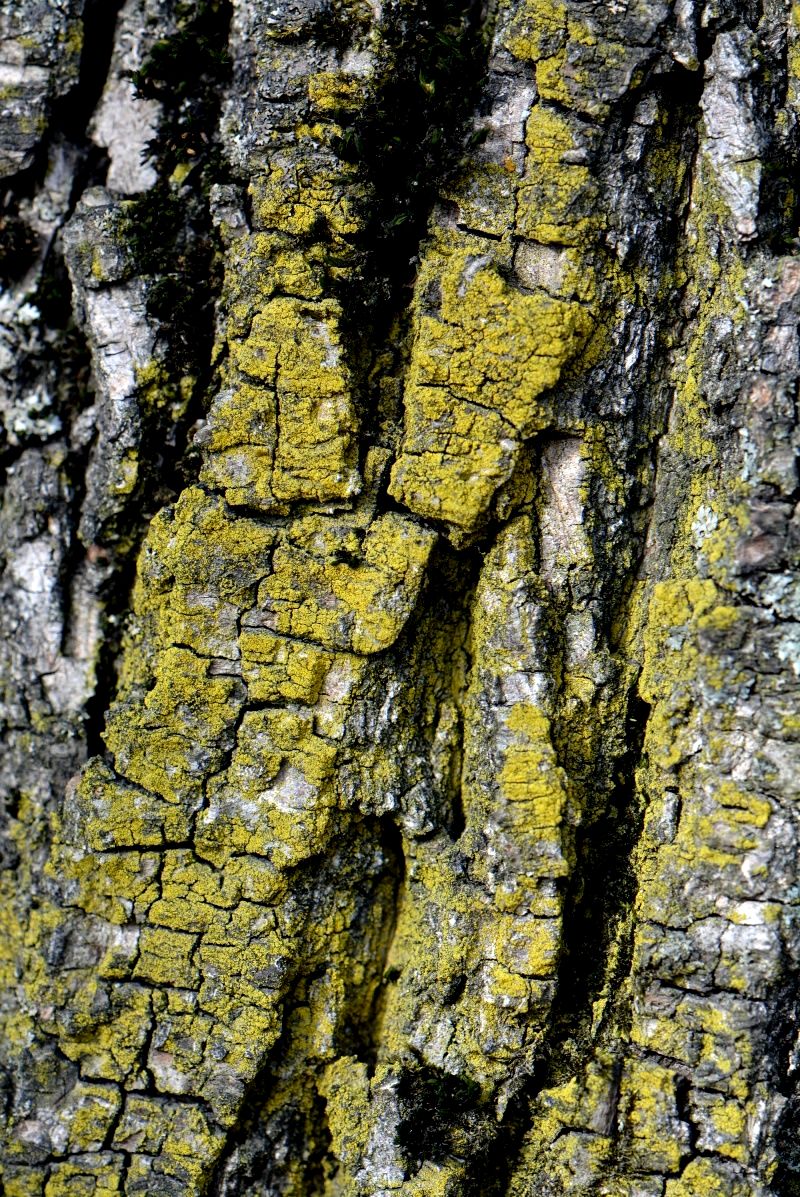
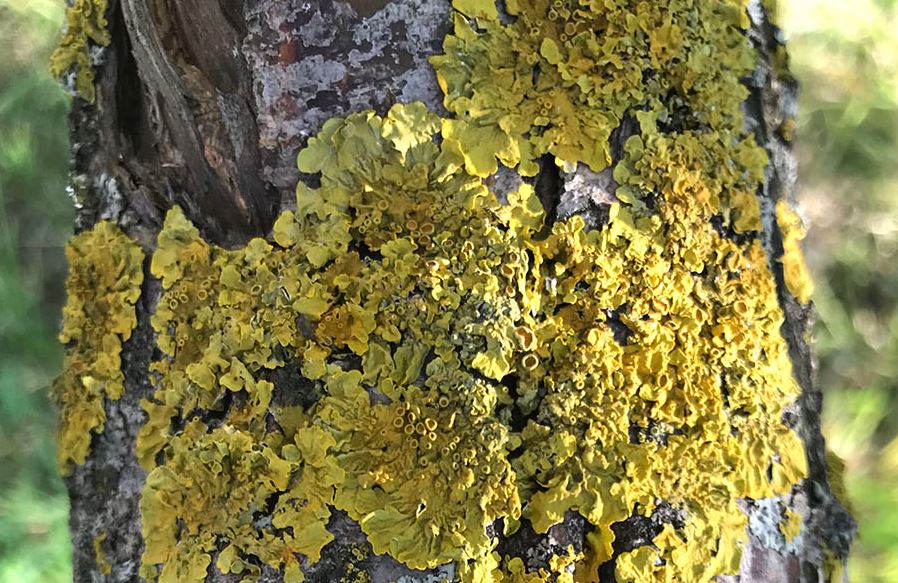
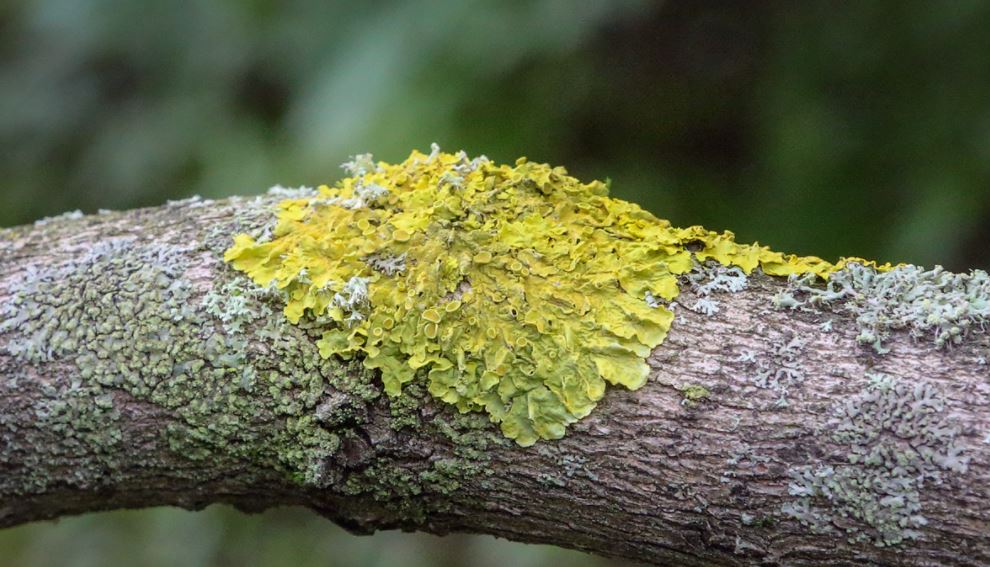
- Wall (parietina, Xanthoria parietina, incorrectly parientina)It is found everywhere, both in nature and on outbuildings. The thallus is thin and can vary in shape from oval to indefinite. The upper part of the thallus is bright yellow or orange, but in low light it fades to gray or greenish. The lower part of the thallus is dirty white.
- Xanthoria polycarpaIt has a virtually invisible thallus covered with numerous apothecia. Initially, these are round, but over time they take on an irregular shape. Its color is greenish or yellowish-green, fading in shade. It rarely grows on rocks in well-lit areas, nor on conifers. It prefers to settle on the trunks and branches of deciduous trees.
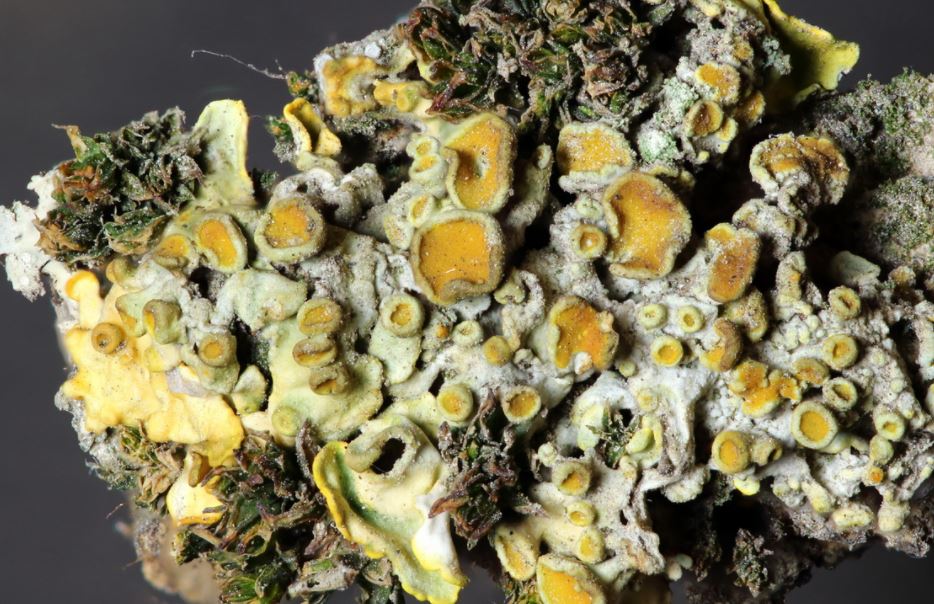
- Blushing (Xanthoria rutilans)This species is common in the Caucasus and Siberia, and has been observed in Kazakhstan. It prefers shaded areas and grows on deciduous trees. It is distinguished by its voluminous thallus. The lobes point upward, and their length and shape can vary. Apothecia are not always present in this species. When dehydrated, this xanthoria takes on a red tint.
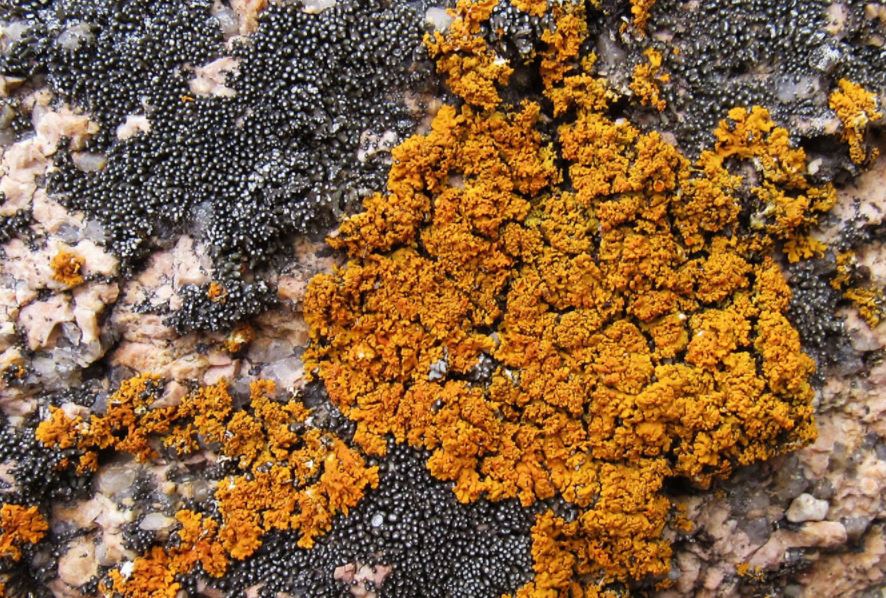
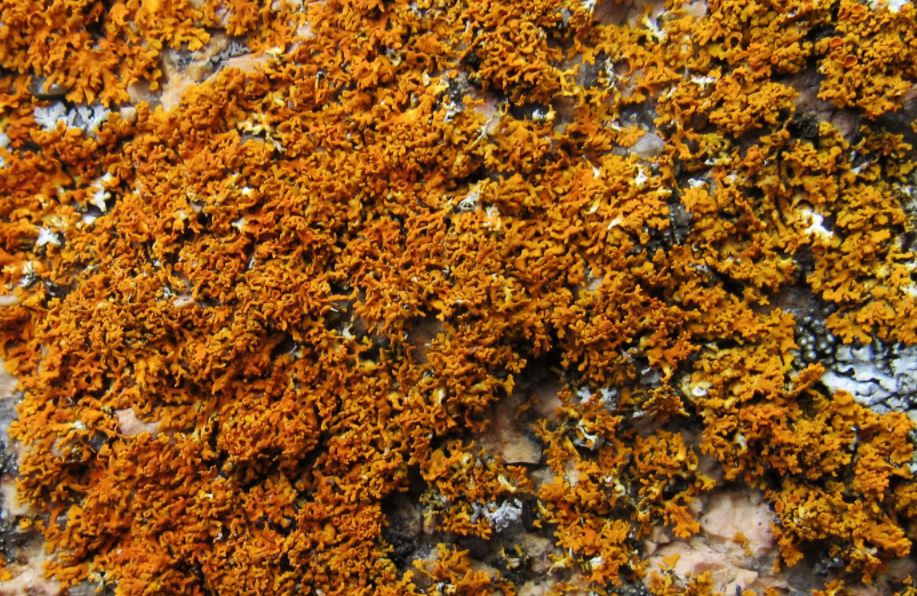
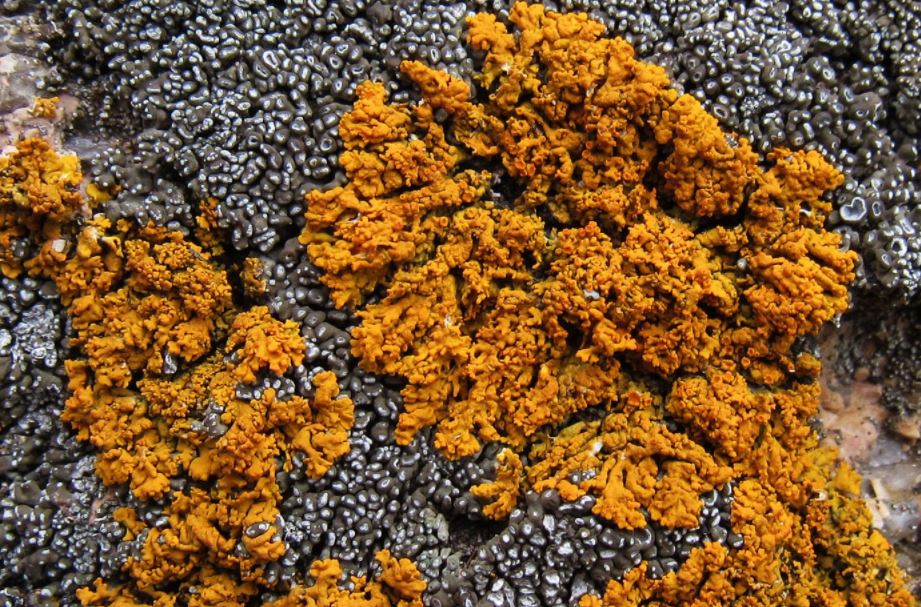
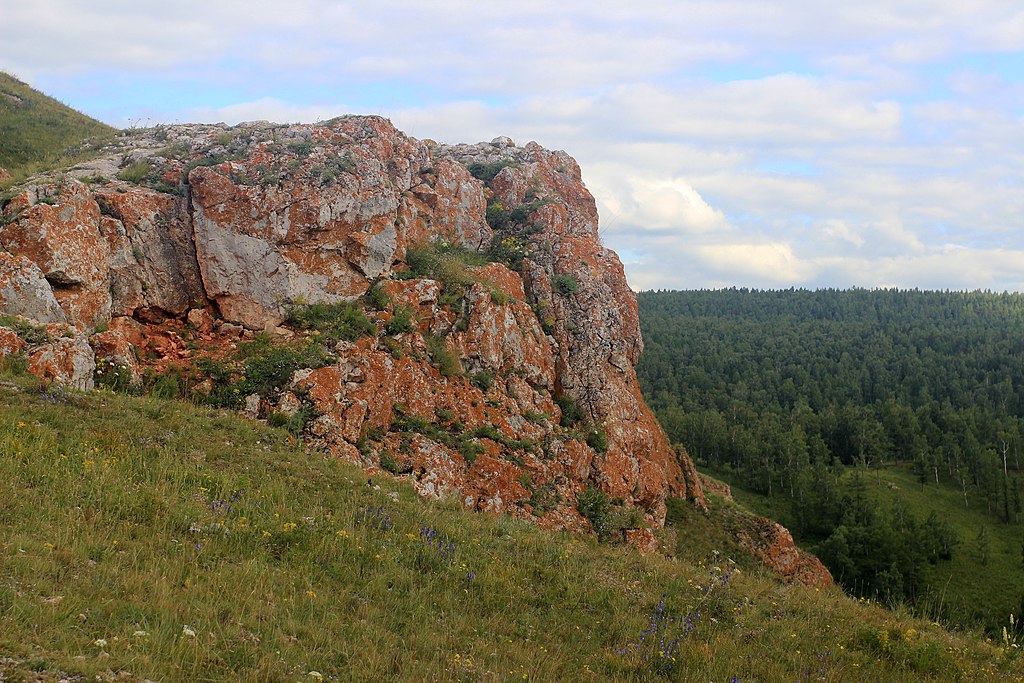
- Xanthoria elegans. This bright red-orange species is common in mountainous areas. Sometimes, due to the abundance of this lichen, mountains in Central Asia appear orange. This species coped well with its time in space. There, it seemed to hibernate, but upon returning to Earth, it was revived, unharmed by the Sun's non-lethal radiation, X-rays, and gamma rays.
Where does the xanthoria lichen live?
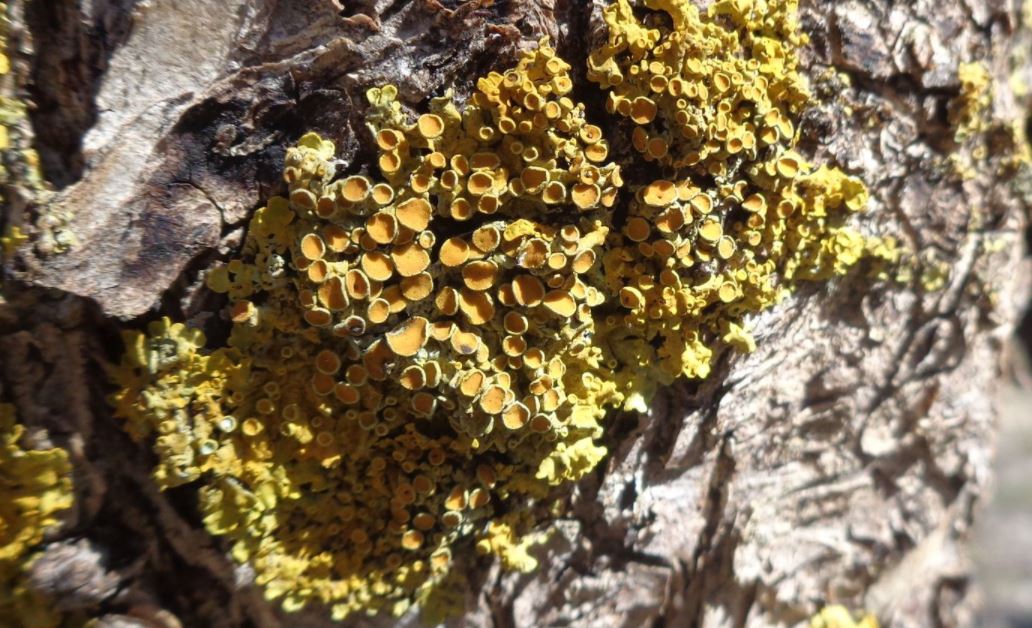
Wall lichen is found throughout the forests of the Northern Hemisphere. It prefers deciduous trees, most often found on birch, alder, poplar, or aspen. It doesn't thrive on conifers, however, as it doesn't survive there. It can only colonize spruce if the tree is already dead and devoid of life. It is often found growing on fallen tree trunks and even on old wooden structures or rocks.
Xanthoria nutrition
Despite its appearance and activity on the tree, xanthoria does not use its internal resources in any way and does not harm it.
If you try by all means to remove lichen from the trunk of your fruit trees in the country, you will only damage the bark, so you should not do this.
Moreover, xanthoria grows very slowly, about a millimeter per year, and it will take several centuries for it to spread along the entire trunk.
Lichens feed on their own resources and actively absorb water and mineral salts from the air. As mentioned above, mycobionts are responsible for this function. Phycobionts produce nutrients that enable growth and reproduction.
Reproduction of Xanthoria
Apothecia—round bodies resembling tiny plates—form in the central part of the lichen. These are the fruiting bodies within which spores are formed. If a spore remains in its original location, it must acquire an algal cell as an ally to transform into a lichen. Otherwise, the spore dies.
In addition, spores are carried throughout the forest by the wind or on the bodies of ticks that eat the lichen.
Lichen grows radially, increasing in area very slowly, at a rate of just 1 mm per year. The large layers we see on tree trunks typically consist of several lichens that have formed thalli.
This is interesting! Lichens reproduce vegetatively (asexually) and sexually.
The importance of xanthoria for humans and its uses
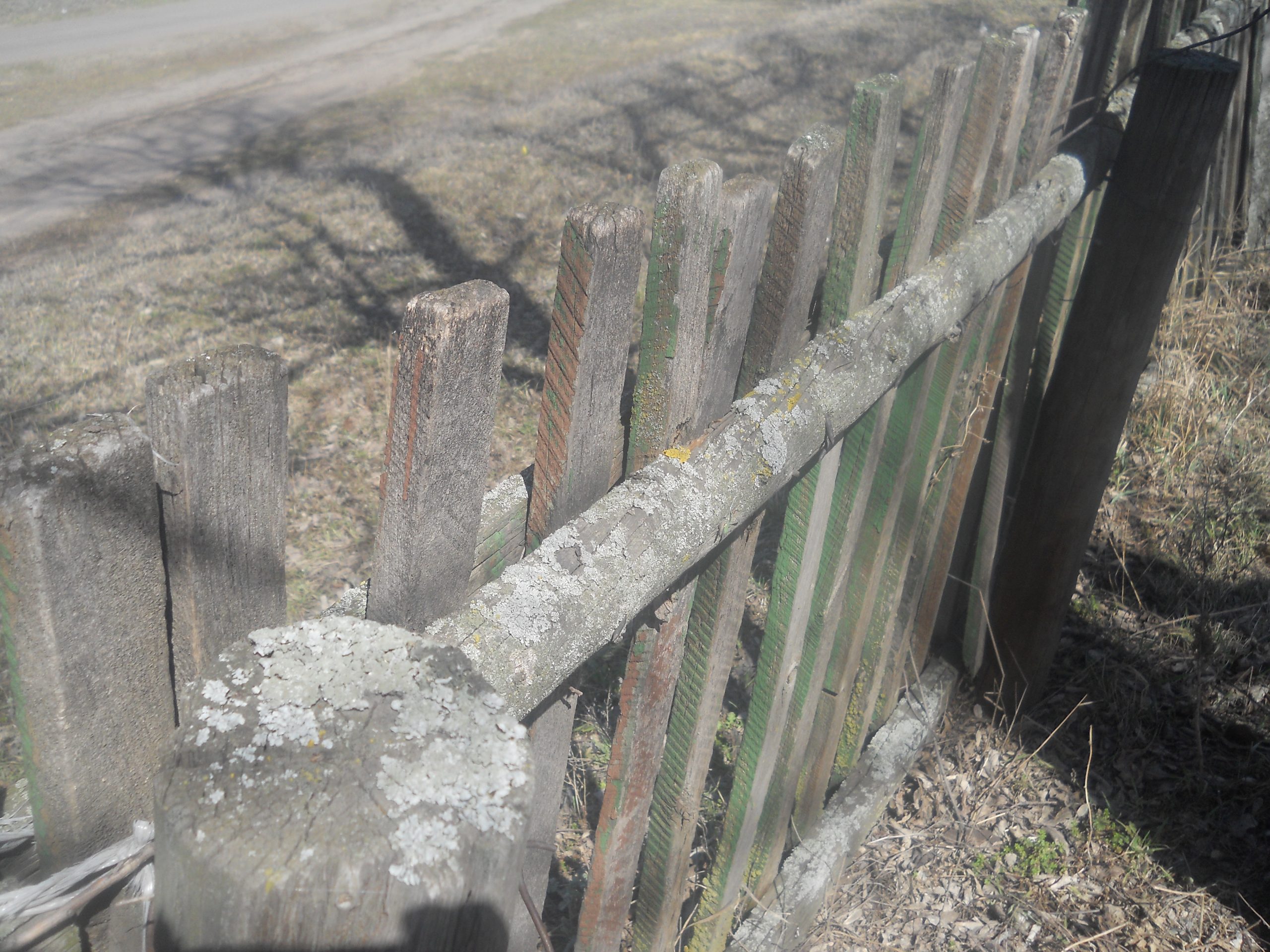
Xanthoria can often be seen on fences or wooden walls of buildings. This is a sign that the wood has begun to rot. While the lichen is small, it's easy to remove and treat the surface. Because it doesn't allow light to reach the surface, the wood rot process can accelerate.
Many centuries ago, healers used lichens for medicinal purposes. They believed that xanthoria could be used to treat internal organs whose patterns resembled the lichen itself. Naturally, there was no evidence of its effectiveness, and the method was quickly forgotten.
Another unsuccessful experiment involved treating jaundice in ancient times. Apparently, due to the similarity in color, folk healers assumed xanthoria would easily cure the ailment. But no miracle occurred in this case either.
A little later, attempts were made to use lichen in the cosmetics industry, attempting to synthesize a dye from it. But the results were also disappointing.
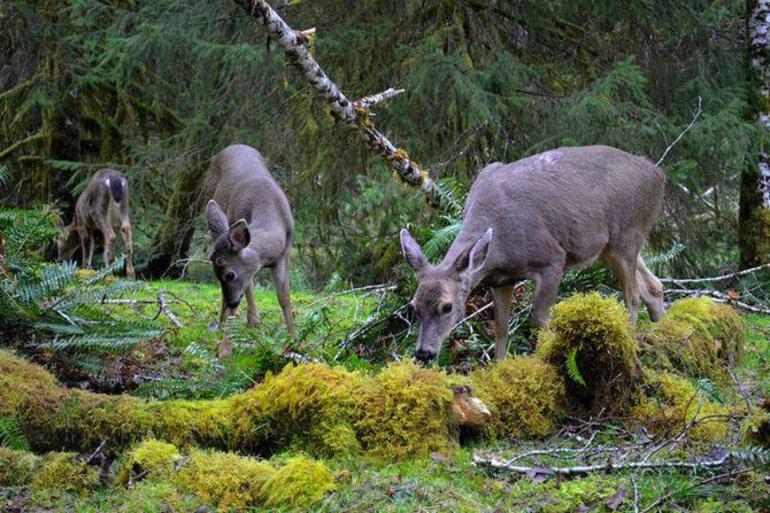
Today, scientists are continuing to explore the properties of xanthoria in more depth, hoping to find its uses in human life. However, for now, all that can be said with certainty is that, like cladonia or lecanora, it is vital only for forest dwellers who feed on tree bark. Due to its high nutrient content, the lichen keeps hares, deer, and elk from starving to death in winter.
Interestingly, the xanthoria can help a lost traveler determine the cardinal directions. It loves the sun and prefers to settle on the south side of rocks and trees. There, its coloring turns bright yellow. On the north side, however, it fades and appears gray.
Recently, lichen has been used as an indicator of environmental conditions. It thrives only in areas free of harmful pollution. This is why Xanthoria deceptiva is listed in the Red Data Book of the Moscow Region, as some species have become extinct due to the deteriorating environmental situation in the region.
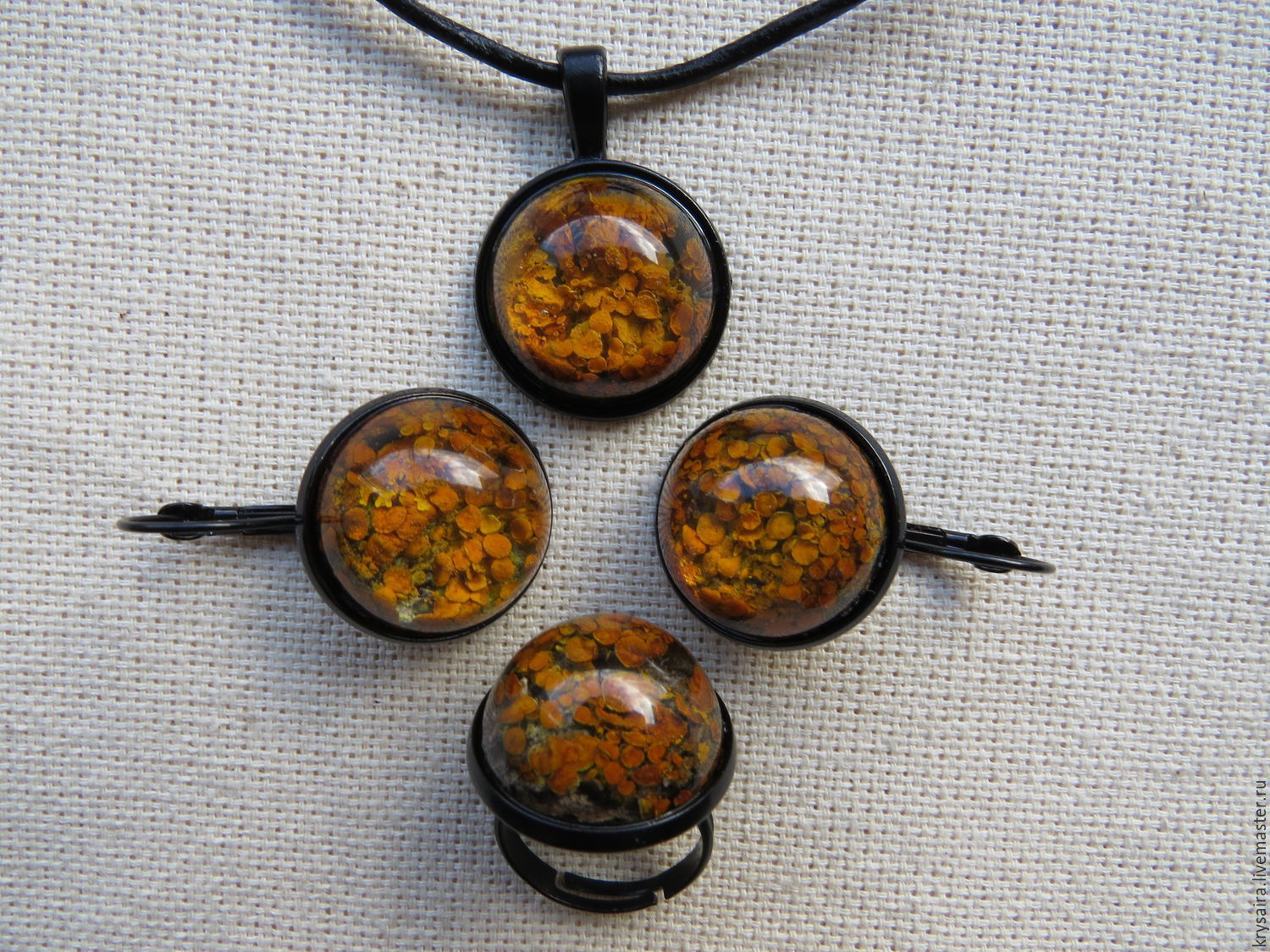
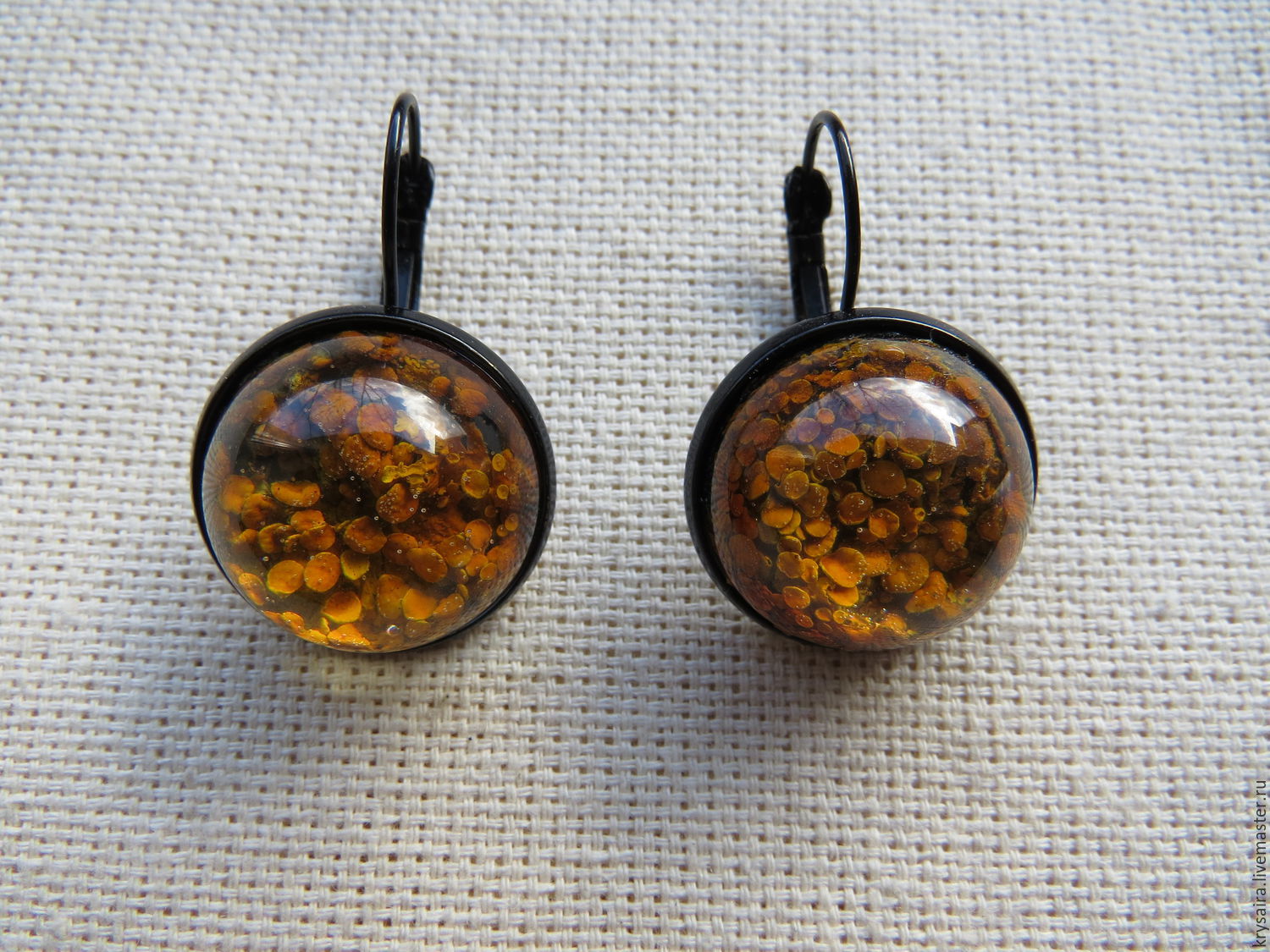
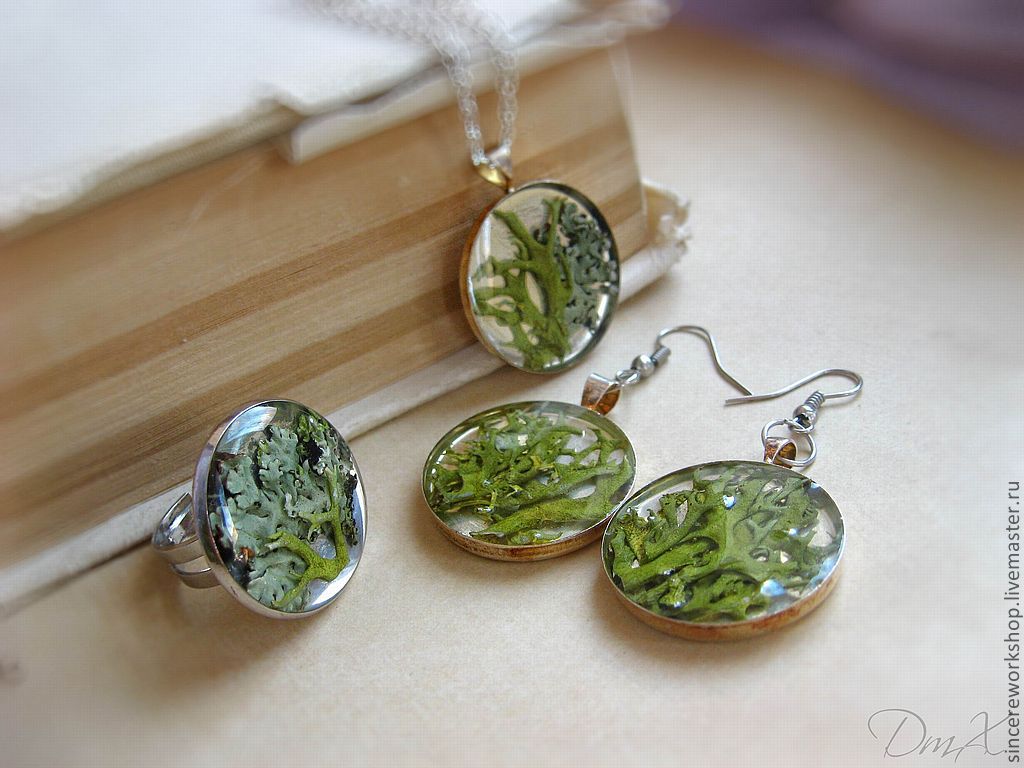
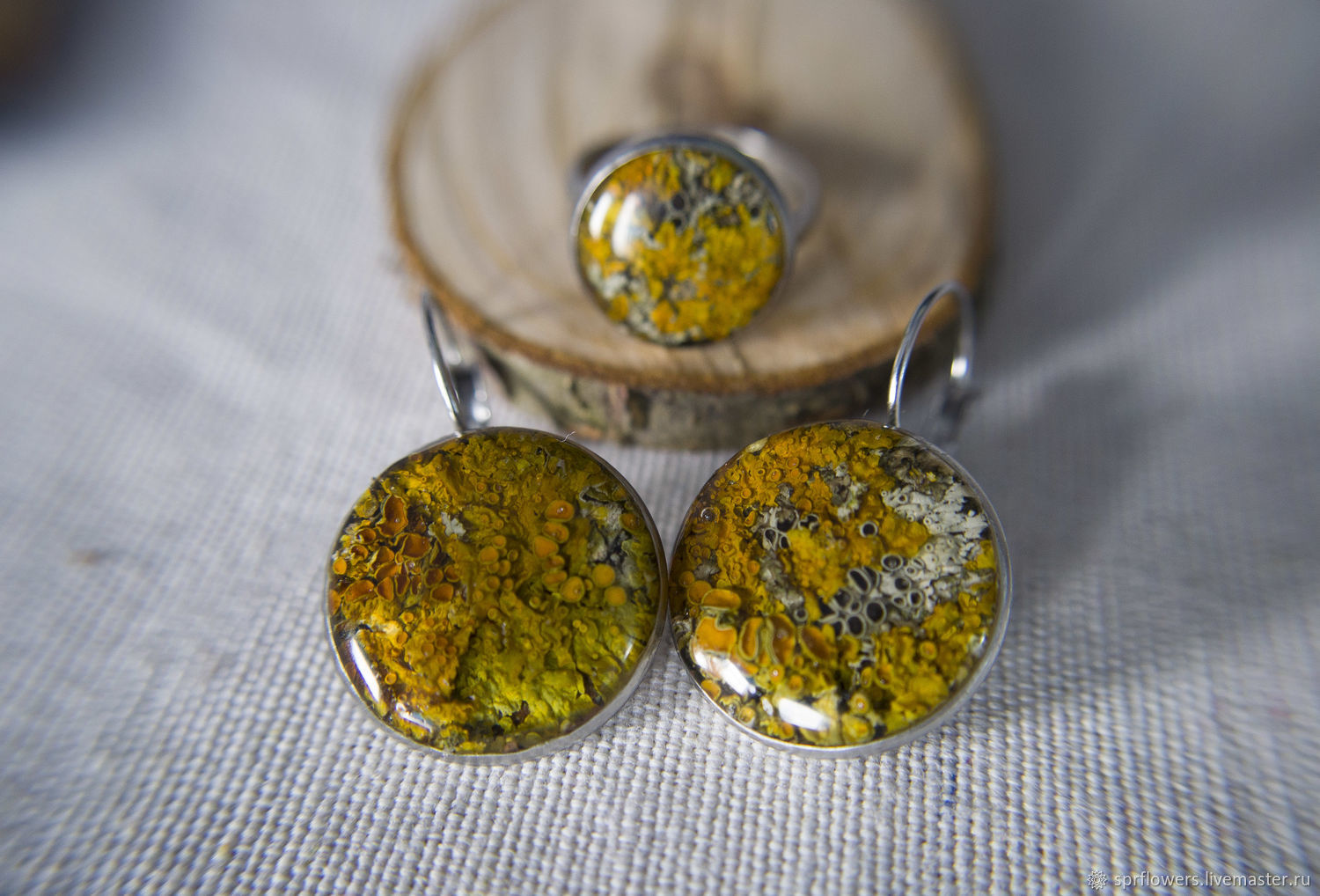
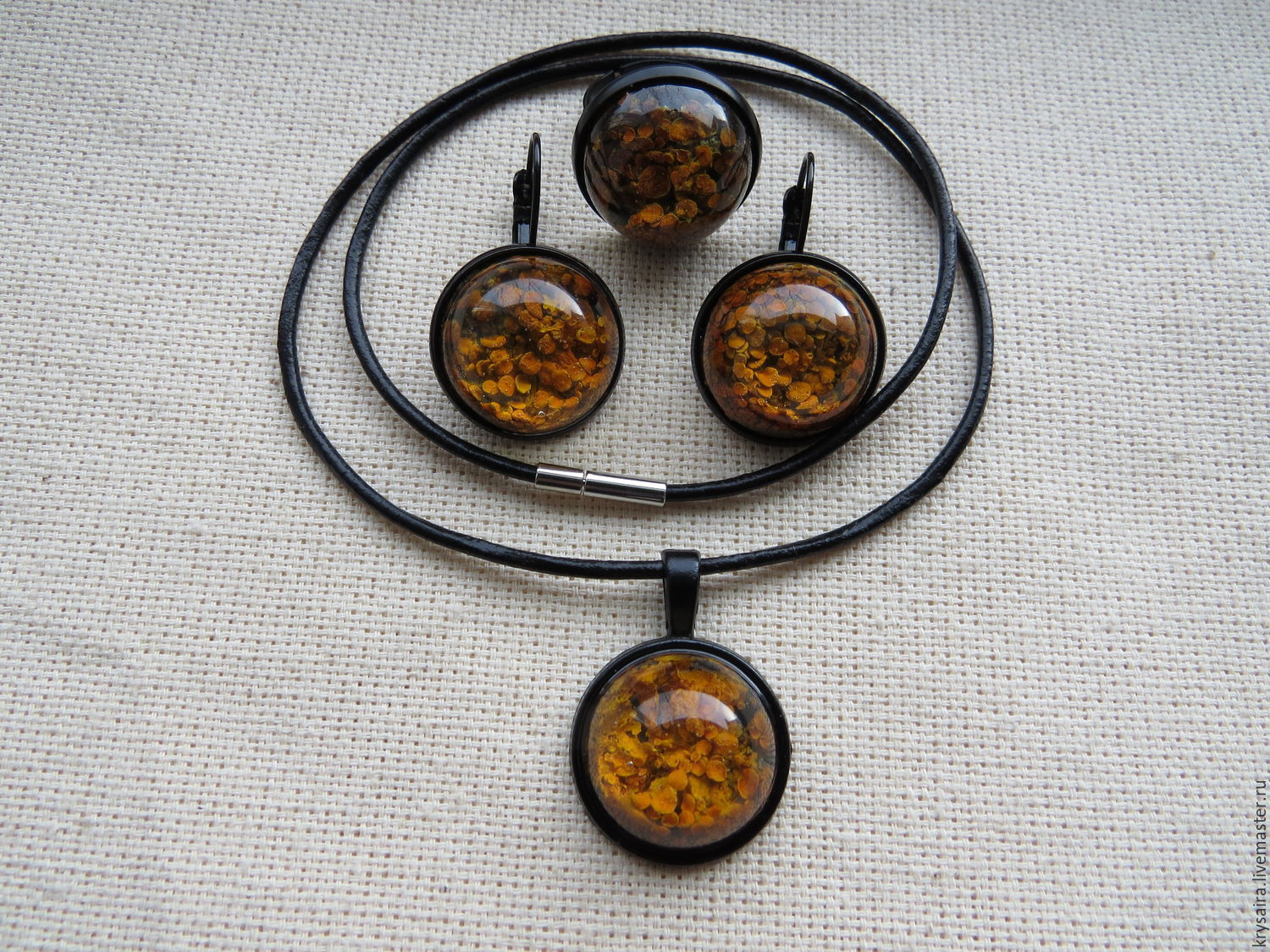
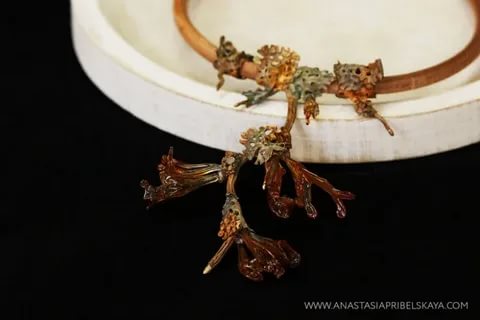
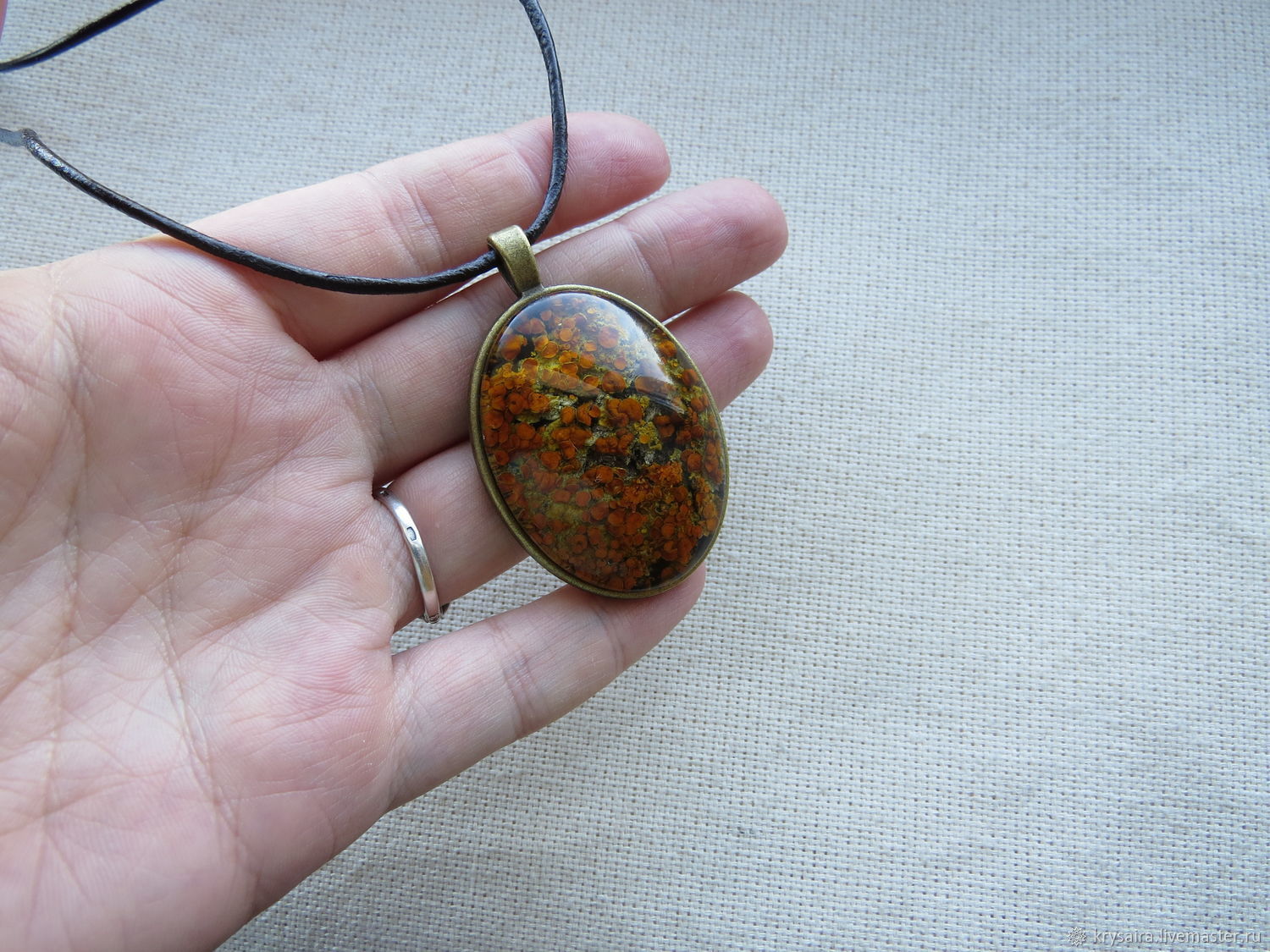
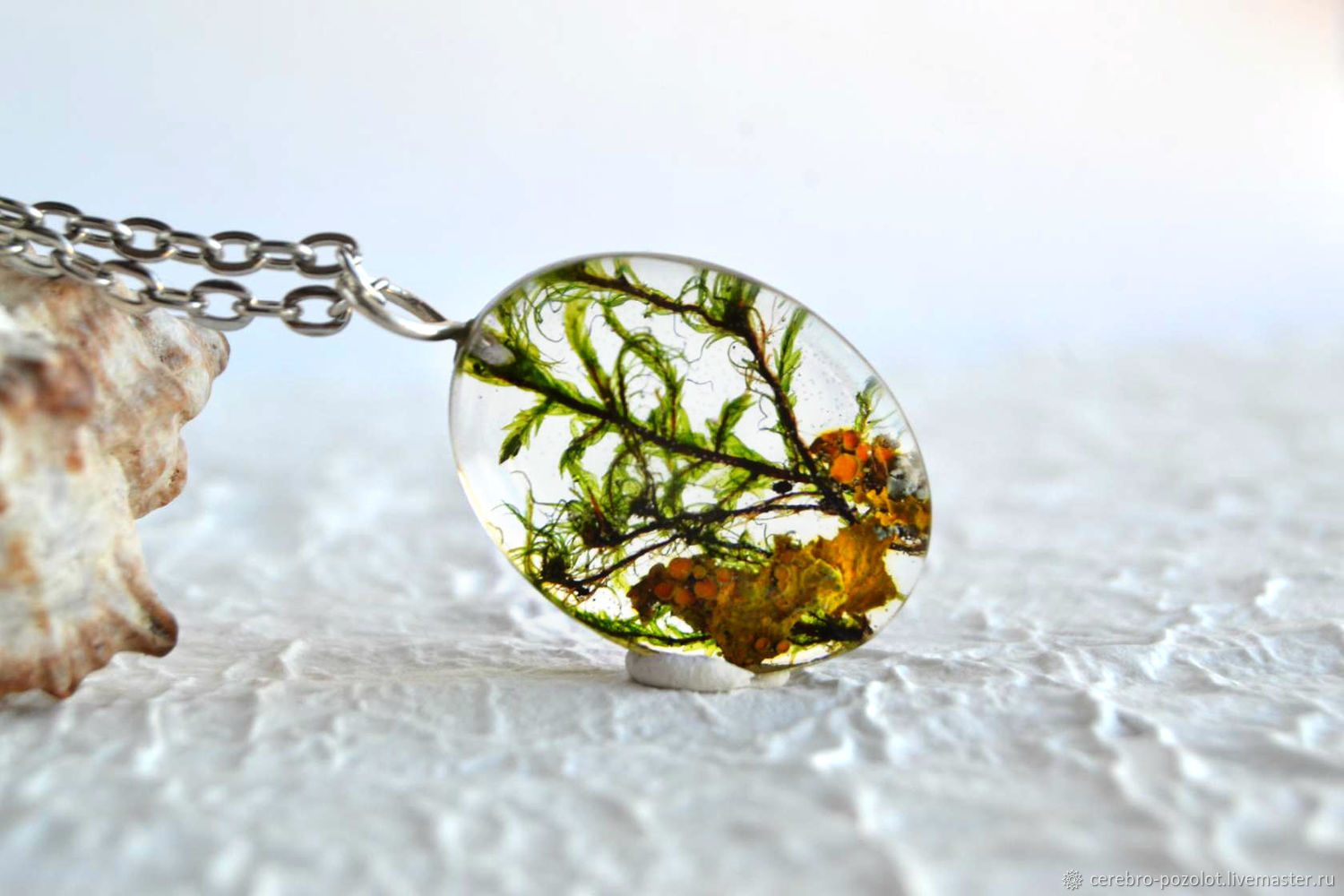
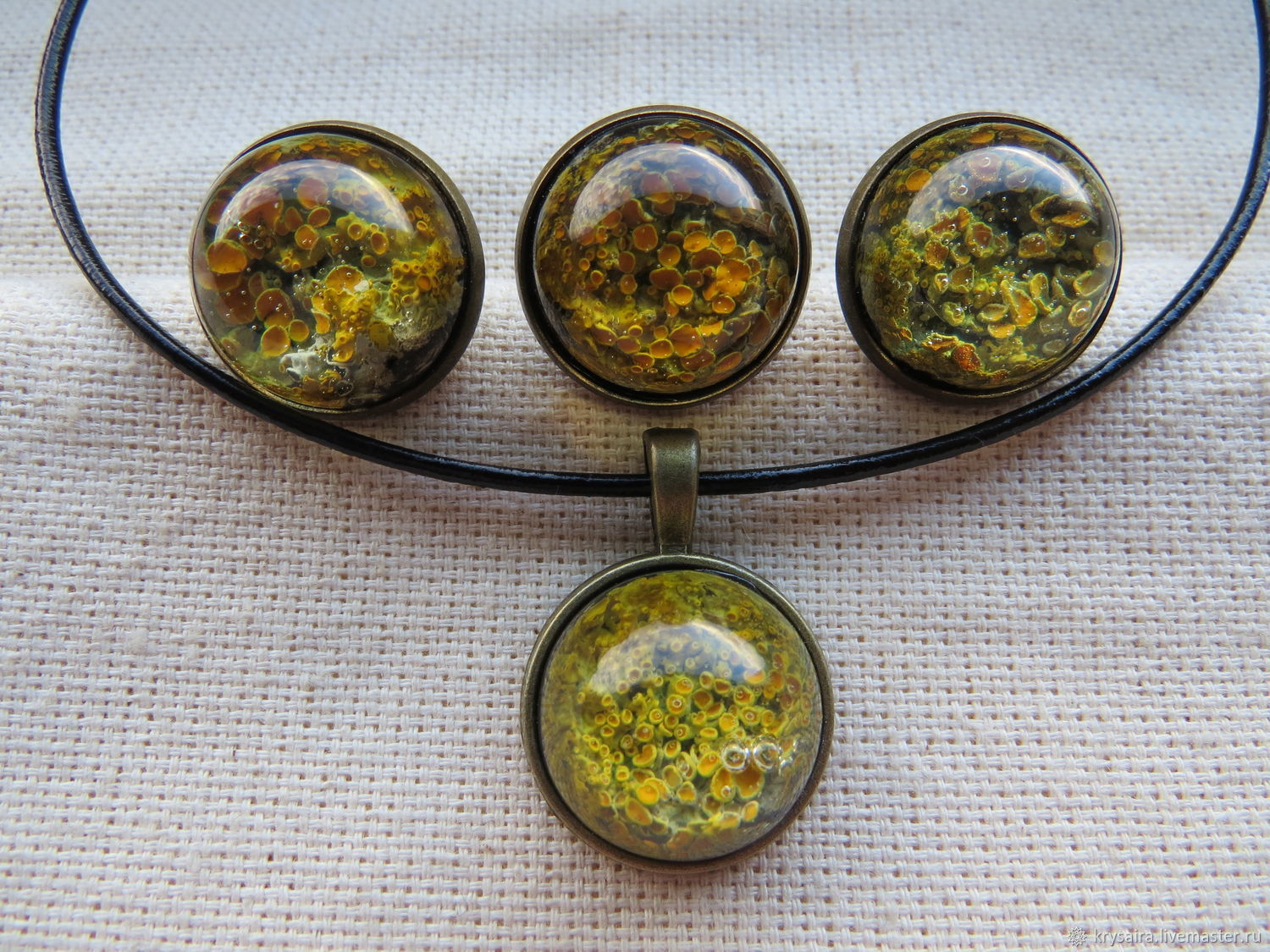
Xanthoria often serves as eco-friendly jewelry. You can find whimsical brooches, keychains, or pendants for sale, featuring unusually shaped lichen set in glass or amber.
Photo gallery of xanthoria jewelry: