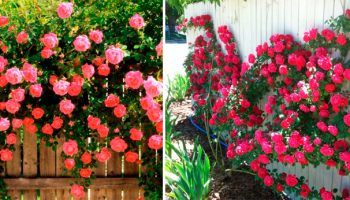
Shrub roses (spray roses) are a group of plants that share a single structure (a bush). The buds and their color palette are varied.
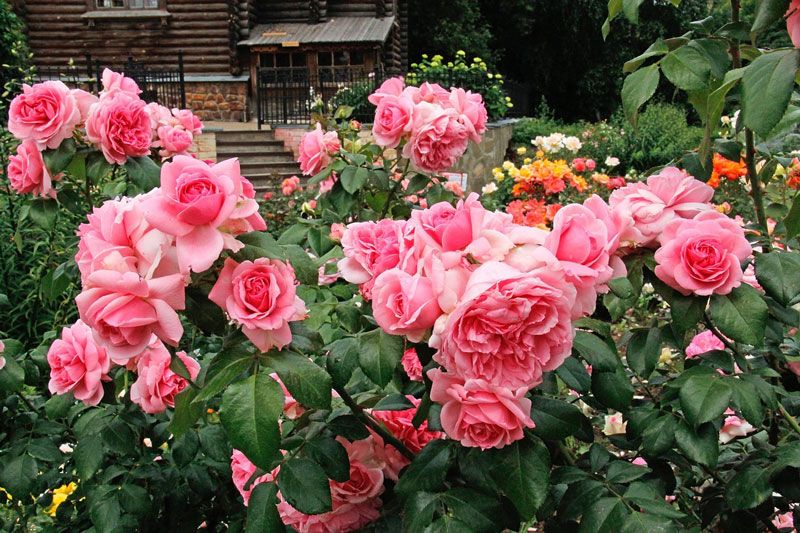
Red, pink, and cream shades are the most popular among gardeners. They are perfect for bouquets and garden landscaping.
Content
Description and characteristics of bush roses
The flowers belong to the genus Rosa. Their unique stem and bud structure is the result of years of crossbreeding with other groups. This process resulted in the development of species and cultivars with unique flower colors and shapes.
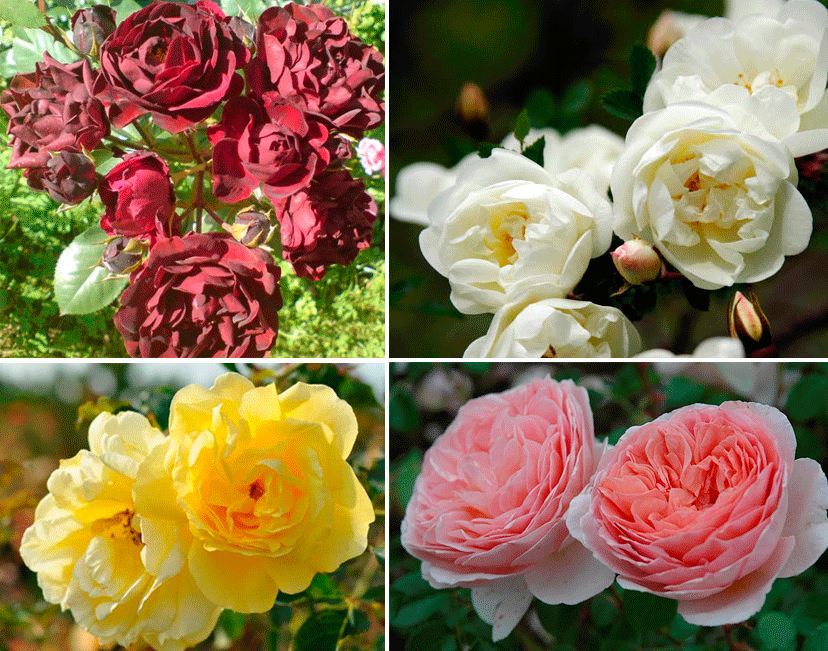
Features of bush roses:
- Height: 30 cm-3 m;
- Form - compact, spreading;
- The stems are flexible and woody, smooth, with a large number of thorns;
- The leaves are elliptical, of various shades of green, matte.
- Flowers are 8-20 cm, single or in inflorescences.
- The smell is mild or absent.
Each bush is unique, with its own stem height, bud color, petal and leaf shape. It's worth noting that, depending on the species and variety, the flower can grow from miniature to quite large, up to 20 cm. Some may have only 10-15 petals, while others have over 120.
The work of breeders who have achieved a variety of aromas deserves special attention.
Classification of shrub roses
The vast variety of roses cannot be described and covered in a single section. Naturally, they have been divided into types; let's look at the most popular ones.
English
Along with others, they have earned the right to be called unique due to their aroma. Their planting dates back to the 1980s. The varieties included in the "English" species have a very wide range of uses.
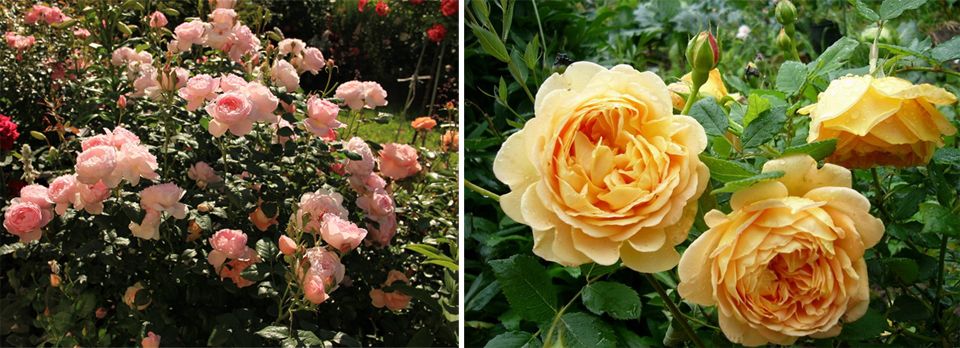
They are truly versatile. They can be used both for creating bouquets and for decorating your garden. Moreover, they adapt well to weather conditions and the environment. Bushes can be trained. They have strong resistance to various diseases. This beautiful flower can bloom twice in a single summer. English roses come in a wide variety.
French
They are rightfully considered among the most ancient known to science. According to some sources, they were popular with knights even in the Middle Ages. The plant is compact, with thorns on its stems.
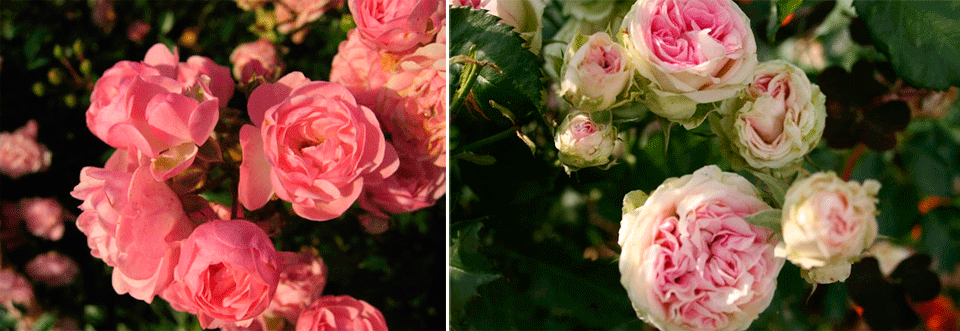
However, their beautiful appearance comes at the cost of short flowering times, lasting only one month during the summer. Varieties are divided into two groups: double and semi-double flowers. The buds are predominantly purple, with a hint of pink. They can be grown virtually anywhere in the country. Because they are easy to grow, they adapt well to a variety of conditions.
Floribunda
A beautiful variety, one of the most popular today. Breeding was quite painstaking, with some unsuccessful attempts. It's short, between 50 cm and 100 cm tall. The flowers are medium-sized. It's not fragrant.
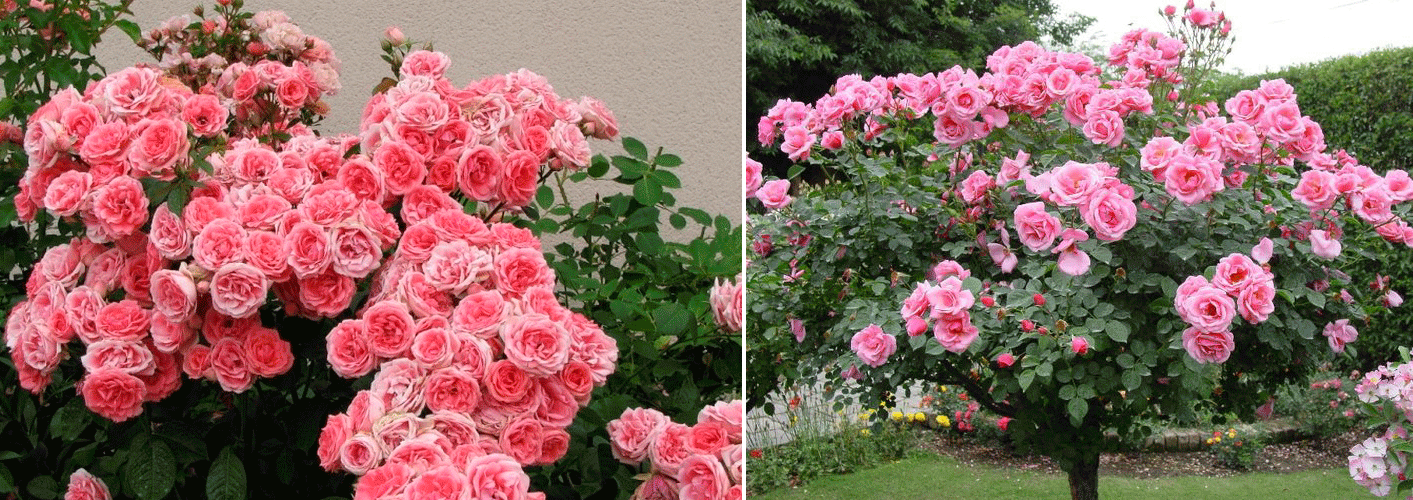
The varieties are also divided into two groups: smooth and semi-double. Like most shrub roses, this type requires little care. This explains its widespread use and high demand among gardeners throughout Russia. It tolerates frosts well, and its stems are quite sturdy. The flowering period is long, and it is possible to achieve double blooms. It can be grown as a standard tree. These roses are excellent for decorating a garden or property.
Hybrid tea
This beautiful variety was painstakingly created by crossing tea and everbearing roses. The effort was worth it; the resulting flower is a delight to the eye. The bush is small, reaching up to 60 cm in height. The leaves on the stem are quite large, and the flowers are larger than average.
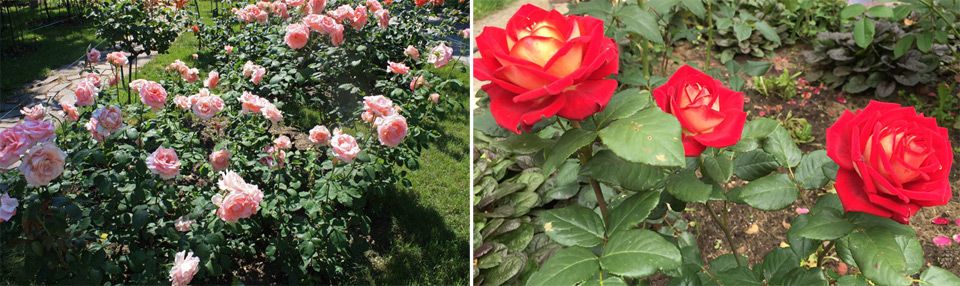
Here you can find both single buds and inflorescences. Its flowering is unique, occurring in two stages. During the first, after a month of flowering, there is a break for early varieties. This pause lasts about two weeks, while for late varieties it extends to a month. Then the rose begins blooming again, fading only in late autumn. It is excellent for both flowerbeds and bouquets.
Read about hybrid tea roses on our portal.
Remontant varieties of bush roses
The name has French roots and means "to rise again." It's not hard to guess that most varieties have the ability to bloom twice. This species was created by crossing with many others, incorporating the best qualities.
| Variety | Description |
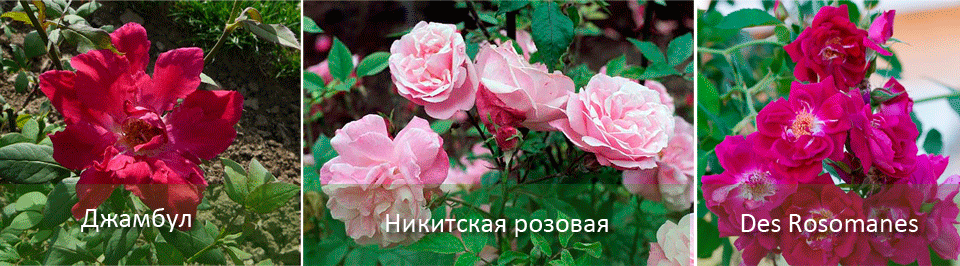
| Des Rosomanes | Initially, this variety's roots were attributed to Chinese roses. However, this assumption proved incorrect and was refuted in one of the well-known catalogs of the time (1840). Some believe that since this variety is the most ancient, it served as the basis for the development of all others. It has red petals, sometimes speckled. It has a fairly sturdy stem and a medium height. |
| Nikitskaya pink | The bud has an unusual shape. From above, it resembles a peculiar triangle. The petals are a creamy pink hue. |
| Dzhambul | Medium-height, dark red flowers. The bud shape is also unusual, resembling a diamond. |
Flowering begins in the first month of summer, in mid-summer. However, many varieties capable of repeat blooming experience weak and late flowering. Their hallmark is the ability to form stems from the mid- to high part of the previous year's shoots.
To ensure abundant, beautiful blooms, pruning is required. A new bush is formed with no more than six stems, while an older bush has up to ten. Fairly tall shoots are also pruned, leaving 12 buds on them. Shorter varieties are also pruned to promote more lush and beautiful blooms—up to seven buds per stem.
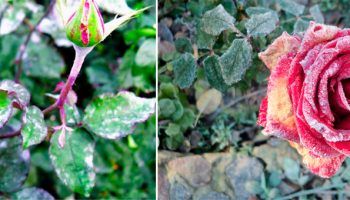
They are frost-hardy and moderately demanding. In temperate climates, they require winter shelter. They are susceptible to diseases, but not severely so. Powdery mildew is the most common. How to combat powdery mildew on roses, read on our portal.
The best varieties by color range
The most beautiful varieties in terms of color require careful care and are not suitable for all types of gardens. The soil should be fertile, but not too wet, as this promotes disease development and ultimately, the plant's death. These plants freeze in winter, so care must be taken to provide adequate shelter. They are excellent for both gardening and flower arrangements.
Reds
Typically imported from Central Europe, they are distinguished not only by their color (various shades of red) but also by their tall, dark, virtually thornless shoots.
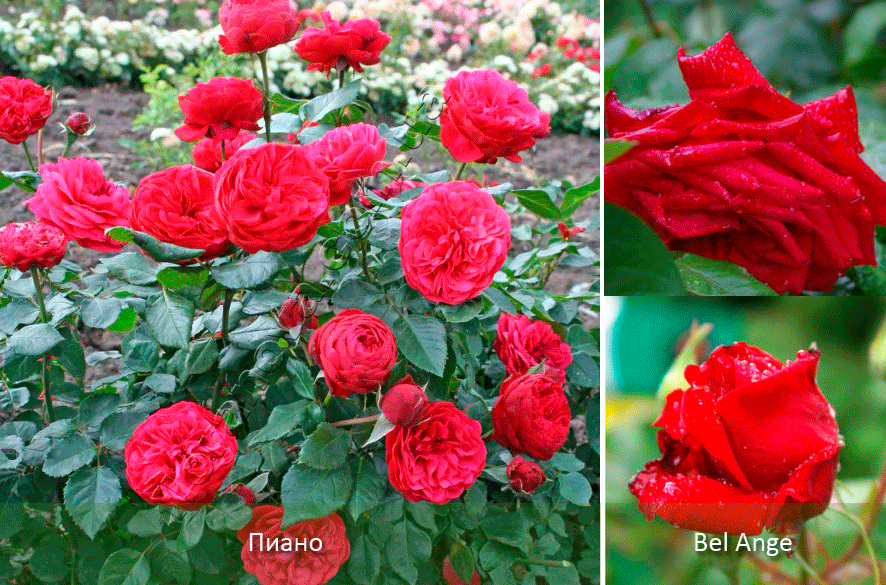
They bloom for about a month in midsummer, some until the end of September. They are undemanding and frost-hardy.
| Variety | Description |
| Piano red | The bush grows 1.3 m tall. The flowers are double, about 11 cm across, and open into a cup-shaped opening. The flower stalk bears up to 8 buds, which form from mid-June to late September. They have a faint scent. |
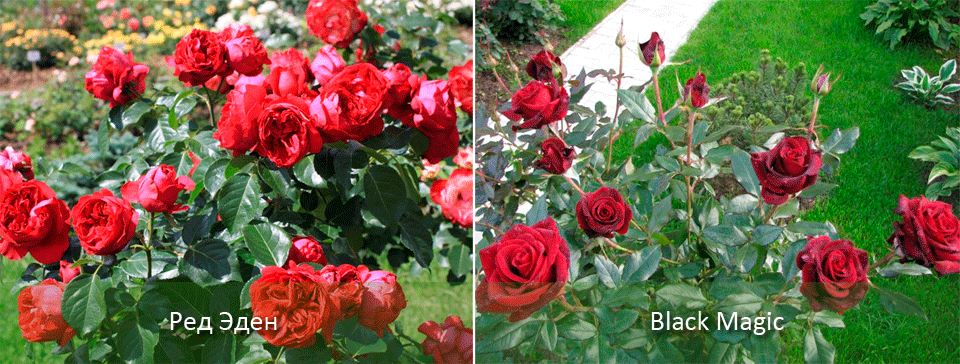
| Red Eden | The green shoots grow up to 2 m and are thornless. The flowers are large, double, crimson, with silvery edges, and clustered in clusters of five on each inflorescence. The fragrance is strong and fruity. Disease-resistant and easy to maintain. It can bloom twice a season. |
| Bel Ange | Bright red flowers up to 12 cm, goblet-shaped. Up to 10 flowers can be arranged on a stalk or grow singly. Stems up to 2 m. Leaves are emerald. Fragrance-free. |
| Black Magic | Low-growing, up to 1 m, the flowers are dark burgundy and velvety, 20 cm in diameter. They form heads of 3-5 buds. They begin blooming in late spring and end in late fall. |
Yellow
These roses can reach up to 2 meters in height. They are covered with numerous thorns and bear large flowers.
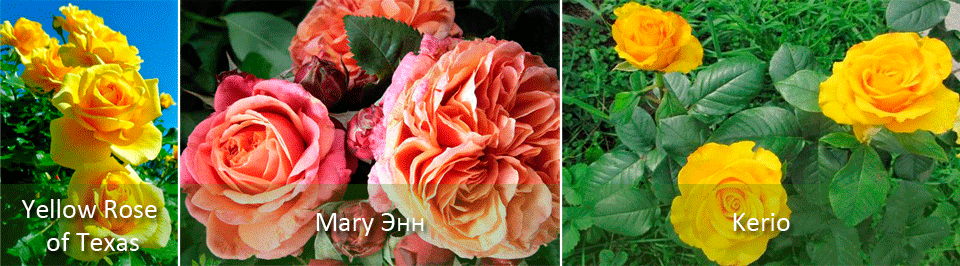
They grow singly, without forming inflorescences. The most popular varieties include:
| Variety | Description |
| Graham Thomas | Yellow color without any impurities or gradients. Height up to 1.5 m. This variety is practically intolerant of cold weather. To ensure the most lush growth, fertilizing is required. It is resistant to fungal diseases, but is very vulnerable to others. |
| Mary Ann | The buds are yellow-orange, with a beautiful play of colors. They have a fruity aroma. They exhibit excellent resistance in regions with poor weather conditions. |
| Kerio | The flowers are a bright yellow. This variety's beautiful appearance comes at the cost of a weak immune system and requires careful care. It's not tolerant of low temperatures and requires shelter. |
| Yellow Rose of Texas | The petals are dense, with a delicate apricot color. It is very popular for bouquets. The bushes themselves are small and compact. This variety is easy to care for, exhibiting excellent resistance to low temperatures and immunity. |
Whites
This group is united by the presence of white and slightly cream-colored flowers. They vary greatly in bush size (50 cm to 1.5 m) and bud shape.
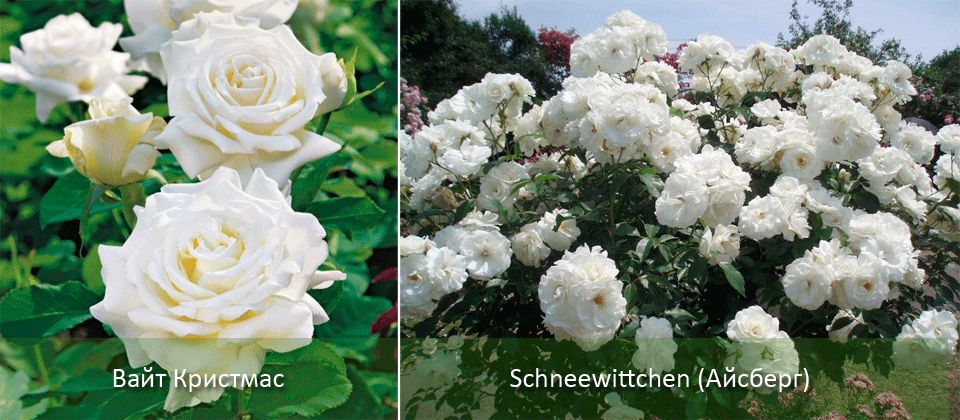
They're quite fussy about soil and fertilization. They're considered classics in bouquets.
| Variety | Description |
| White Christmas | The bushes grow up to 1.5 m. The leaves and stems are quite sturdy. Each shoot produces about three loose buds with few petals. This variety blooms profusely and abundantly all summer. It has a strong fragrance. |
| Schneewittchen (Iceberg) | A tall bush that requires support or pruning. It has no scent at all. It is susceptible to various diseases. Fungicide treatment is necessary (for fungal diseases, such as powdery mildew). |
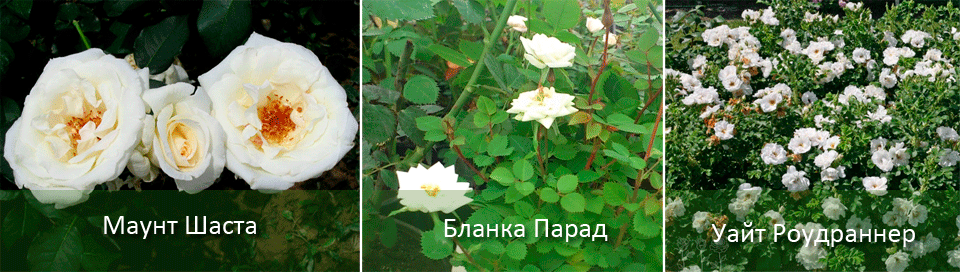
| Mount Shasta | The most beautiful snow-white buds, consisting of 25 petals, are large and cone-shaped. The plant grows to 1.2 m. Excellent for creating bouquets. |
| White Roadrunner | Low-growing (no more than 50 cm). Buds are 5-6 cm long and have a tart aroma. |
| Blanca Parade | Dwarf (30-40 cm). The shoots grow outward, forming a spherical shape. Flowers are 4 cm, 2-3 per shoot. Blooms are profuse. |
Pink
Bushes with flowers of various shades of pink, medium height with woody shoots, very compact.
| Variety | Description |
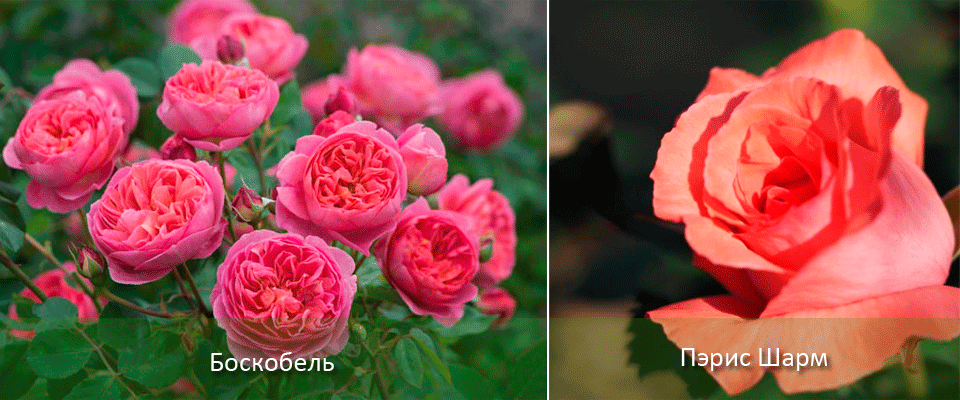
| Boscobel | An English variety. Height: 1.2 m. Large, salmon-pink buds, five per inflorescence. The shoots grow compactly. Disease-resistant. Blooms 2-3 times during the growing season. |
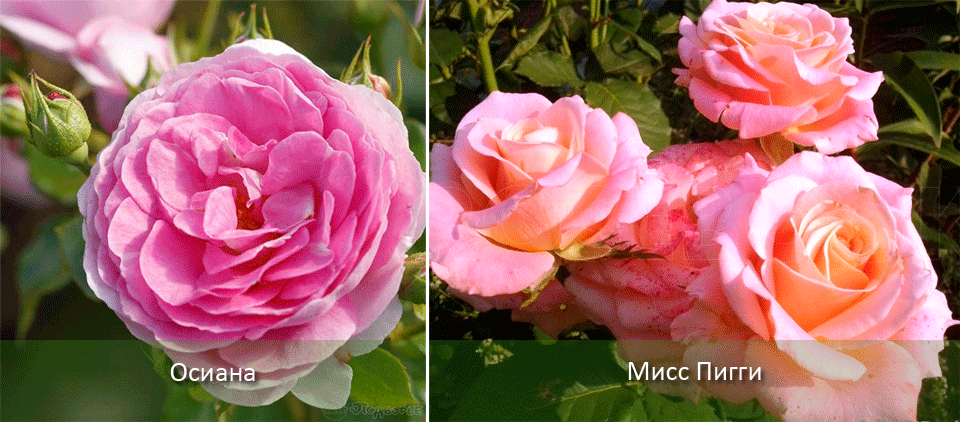
| Miss Piggy | A Dutch rose, up to 1 m tall. The flowers are bright pink, about 10 cm in diameter, with a salmon-colored center. They last a long time in a bouquet and retain their pleasant fragrance. |
| Paris Charm | A German rose with a French twist. A semi-spreading bush, about 1 m tall. Tight green shoots support clusters of 3-5 large, 10 cm buds. The flowers begin blooming with pink-orange hues, turning a soft pink as they fade. |
| Osiana | Double flowers 10-12 cm. Only one rose grows per shoot. Blooms all summer. Long-lasting when cut. |
Top.tomathouse.com recommends: Caring for shrub roses
Although some varieties are undemanding regarding soil and environmental conditions, care is still required. Let's look at the basic principles that will ensure good growth and a beautiful plant appearance.
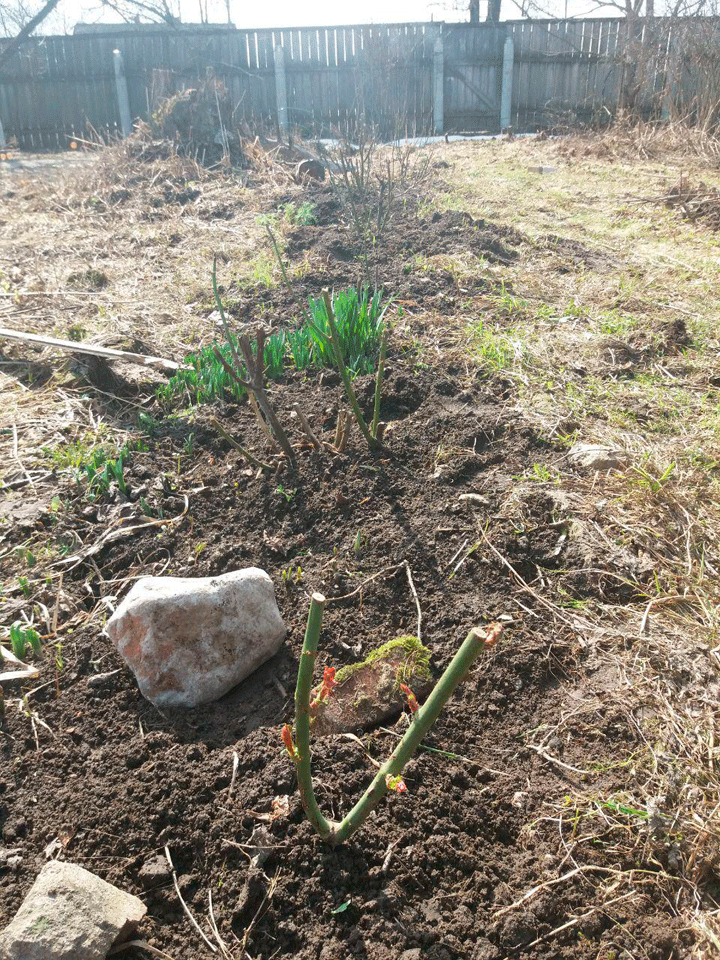
Planting is done primarily in the fall, before the end of October. However, it's not recommended to purchase seedlings in advance, i.e., in the summer, as the healthiest ones become available for sale closer to fall. The planting site should receive ample sunlight and be away from groundwater. Soil care for the plant includes:
- Loosening the soil will ensure better air access to the roots.
- Watering. Don't overdo it, just enough, and at the right temperature. Watering too often will cause rot.
- Fertilizing is a fundamental part of growing a plant to its peak potential. It should also be avoided.
- Pruning. Pinching and pruning are necessary for more luxuriant growth.
Basic care includes timely watering, as the flowers dislike, and even cannot tolerate, drought. It is recommended to treat the plants for various pests and use disease prevention products.
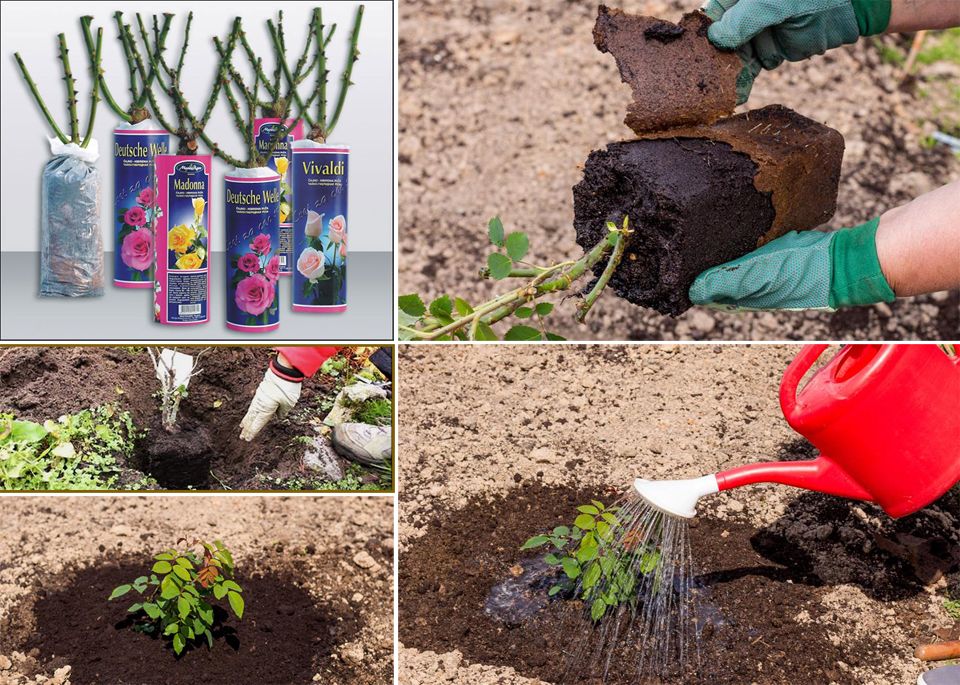
The most common causes of disease are overwatering and excess fertilizer in the soil. If rot occurs, there's no way to combat it; the plant will have to be removed.
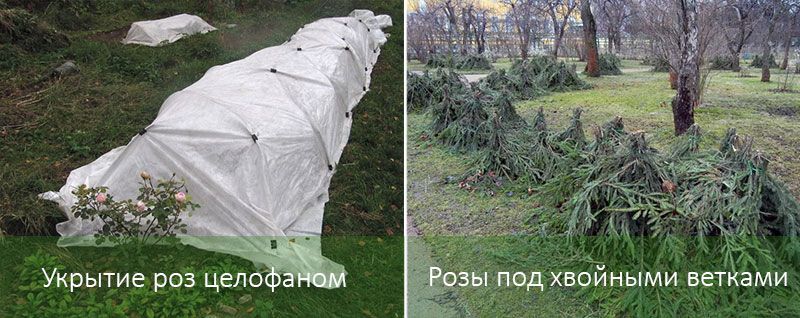
Don't forget to insulate roses for the winter.