Every mushroom picker is probably familiar with birch boletes. They are quite common in the forest, have a recognizable appearance, and taste excellent.

Content
- 1 How to clean and process boletus mushrooms after harvesting them in the forest
- 2 General rules for processing boletus mushrooms before cooking
- 3 Tools needed for processing boletus mushrooms
- 4 Do I need to wash and soak boletus mushrooms?
- 5 Wet method of cleaning boletus mushrooms
- 6 Dry method of cleaning boletus mushrooms
- 7 Rules for processing boletus mushrooms for different preservation methods
- 8 Tips for housewives from Top.tomathouse.com
- 9 Recommendations and reviews on processing and cooking boletus mushrooms
How to clean and process boletus mushrooms after harvesting them in the forest
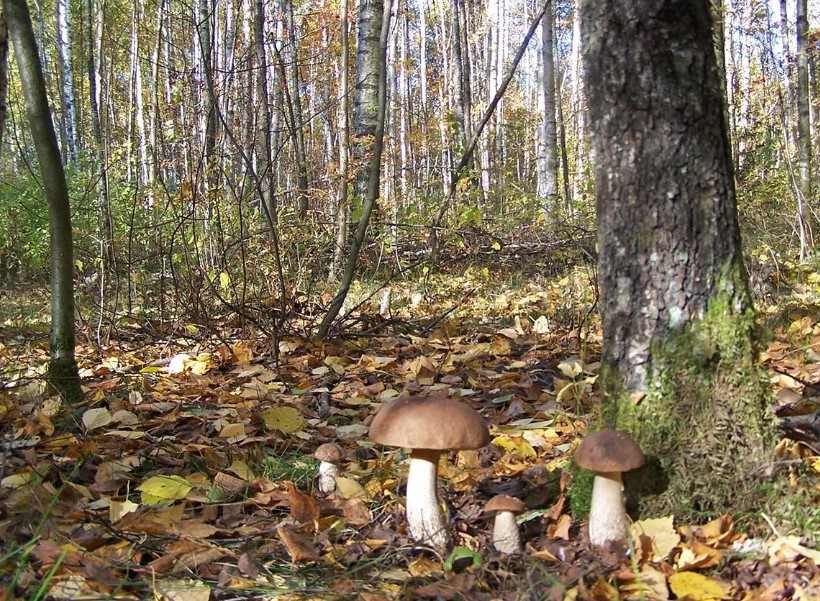
Immediately after harvesting in the forest, cut off the base of the stem at the rhizome to remove any remaining sand and soil, and check the mushroom for worms. If all is well, then birch boletes carefully cleared of forest debris, stuck leaves and needles.
General rules for processing boletus mushrooms before cooking
There are several general rules for preparing and processing boletus mushrooms:
- Mushrooms should be processed within 24 hours of harvesting; they won't keep for long. If this can't be done within a few hours, the harvest should be stored in a cellar or refrigerator.
- Boletus mushrooms must be sorted depending on the purpose of further use and the degree of contamination.
- Not all mushrooms need to be washed under running water; some can be simply peeled.
- For cleaning, it is best to use a small knife or a soft brush to easily remove soil and sand.
- To prevent boletus mushrooms from turning black, and to kill any unnoticed worms, soak them briefly in salted water.
Tools needed for processing boletus mushrooms
The following tools are best for cleaning mushrooms:
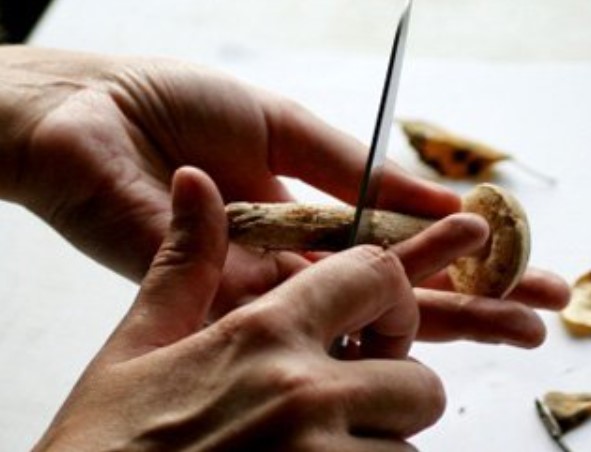
- A knife with a small blade for cutting off damaged areas and removing debris.
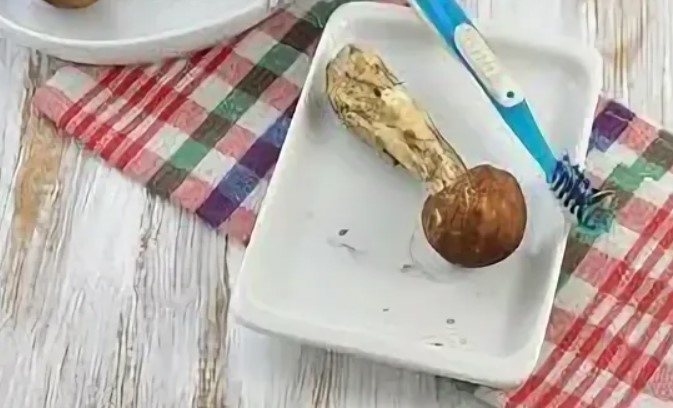
- Paper towels, a brush or a medium-hard cloth dampened with water to scrub off dried dirt.
Do I need to wash and soak boletus mushrooms?
There's a lot of debate about soaking birch boletes. Some insist it's necessary regardless of their intended use. Others believe soaking is only necessary if they're going to be preserved.
If you approach the issue from a scientific point of view, the conclusion will be clear: mushrooms need to be soaked.
Firstly, mushrooms, like sponges, absorb all harmful substances from the soil. Considering that mushroom pickers can't always be sure of the ecological safety of their harvesting area, this measure will help prevent poisoning.
Secondly, mushrooms can sometimes develop a bitter taste. Soaking them helps avoid any unpleasant surprises.
Wet method of cleaning boletus mushrooms
Before cleaning, the mushrooms are sorted by size into different containers. At this point, it's important to determine their intended use. Then, you can begin cleaning:
- The stems are separated from the caps, and the mushrooms are inspected for worms. If any are found, they are soaked in water with salt added at a rate of 2 tablespoons per liter.
- The drumstick is scraped with a knife to remove all the dark skin. Otherwise, the broth will darken and absorb all the harmful substances from the outer fibers and skin.
- Damaged and wormy pulp is cut out.
- The caps are wiped with a damp cloth; there is no need to remove the skin.
- In mature specimens, the spongy layer should be removed. It may contain hidden insects and their larvae, as well as other forest debris that is difficult to remove. Furthermore, the spores contained in the tubes are not very good for digestion.
- After cleaning, the mushrooms are cut into pieces and washed under the tap.
Dry method of cleaning boletus mushrooms
This method can be used for those mushrooms that will later be dried or frozen.
- All forest debris and sand are cleaned off with a dry brush or sponge.
- The stuck leaves are scraped off with a knife.
- The top layer of skin is removed from the stem.
- Damaged and wormy areas are cut out.
Rules for processing boletus mushrooms for different preservation methods
Mushroom processing methods vary depending on their intended use. There are a number of guidelines to follow to achieve the desired results.
How to process boletus mushrooms before drying
Before drying, birch boletes should not be rinsed with water, let alone soaked, otherwise they will not dry. To clean them, simply brush away any dirt with a dry brush, removing any debris and sand, scraping the stems, and cutting out any damaged areas.
How to process boletus mushrooms before freezing
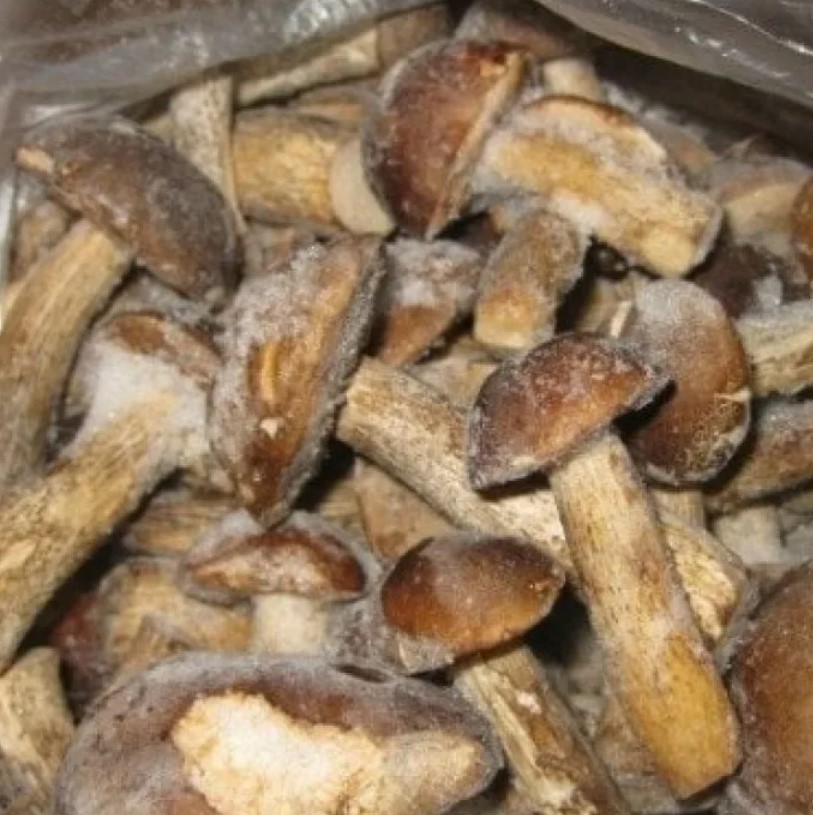
You can freeze both fresh and cooked mushrooms. The latter option helps save space in the freezer. Before freezing fresh mushrooms, clean them of any debris with a brush, wipe them with a damp cloth, and remove the outer layer from the stems.
How to prepare boletus mushrooms before frying
Before frying, boletus mushrooms are brushed to remove any dirt, then rinsed under running water. It's recommended to clean the stems beforehand to further remove any potential contaminants and toxins.
Next, the mushrooms need to be boiled. This can be done in two ways:
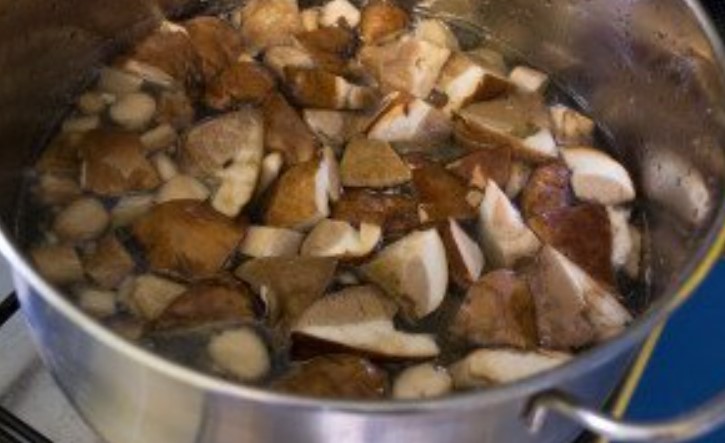
- The chopped boletus mushrooms are soaked in water for 1 hour, while it is necessary to constantly remove any foam that appears.
- The mushrooms are covered with water and boiled for 5 minutes. After this, the process is repeated, but the cooking time is increased to 20 minutes.
How to process boletus mushrooms before pickling
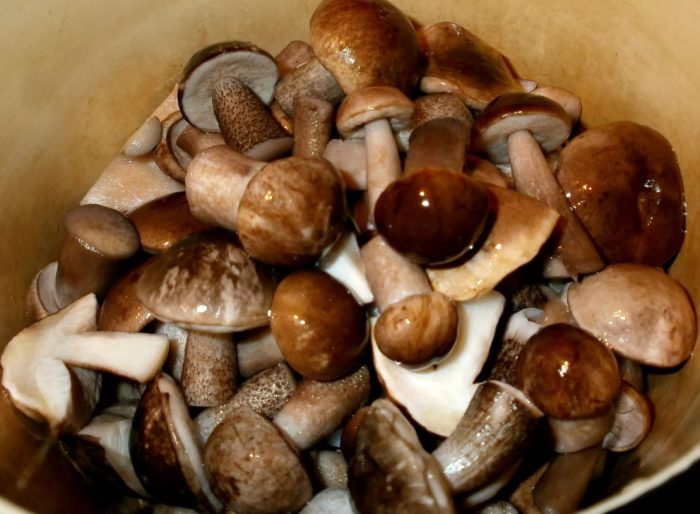
Pickling requires more thorough processing of the mushrooms. They must not only be cleaned and washed, but also soaked for an hour in salted water to remove any worms and bitter taste.
After this, the boletus mushrooms are boiled in brine for 30 minutes, then the brine is changed to a new one and the cooking time is reduced to 10 minutes.
Tips for housewives from Top.tomathouse.com
- Always check birch boletes for worms. To do this, cut off part of the stem, cut the cap into 2-4 pieces, and carefully inspect the tubular layer, where worms can also hide.
- Rough stems must be cleaned by scraping off the top layer of skin.
- It's recommended to remove the spongy layer from mature specimens. After cooking, it's difficult to digest, and the texture becomes slimy and unpleasant.
- You can remove dark spots on your hands that appear after cleaning boletus mushrooms using lemon or a bath with citric acid.
- To remove worms, the mushroom is soaked in a weak salt solution. Don't make it too strong, otherwise the worms will die before they can emerge from the pulp.
If you're wondering how to clean aspen mushrooms and whether there's a difference in processing birch boletes and aspen boletes, our website Top.tomathouse.com will tell you about this and much more.
Recommendations and reviews on processing and cooking boletus mushrooms
Very tasty if not old
Oh, birch boletes are another of my favorite mushrooms, right after porcini mushrooms. They're also delicious, and you can make so many delicious things with them. Some people call them birch boletes by other names—some call them leccinums, others call them ababkoms—to each their own, but I call them birch boletes, as is proper, but all of these names are generally correct when applied to this mushroom. So you'll never go wrong.
Birch boletes are usually abundant after rain, but they only grow in warm weather. Rain alone isn't enough for them; they also need sun to soak up the moisture, which is what makes them so plentiful. We picked a huge amount of them last fall. We had heavy rains in August, and then it was very warm in September. We picked all sorts of mushrooms. Whenever we went into the forest, we'd always pick up several buckets of birch boletes, a couple of large 15-liter buckets of them, and we'd always take them home.
This year we didn't get a lot; I didn't even freeze them, just fried them a few times and ate them. Boletus mushrooms are delicious when they're not too old, easy to spot; hard-to-find ones are very dark and slimy. Medium-sized boletus mushrooms freeze well; you can either boil them or fry them first, it doesn't matter, then cool them and put them in the freezer.
Young boletus mushrooms are great pickled. I'm not a big fan of salted ones, but pickled ones are delicious. I usually pickle them: boil them briefly, then place them in hot jars, add bay leaves, cloves, peppercorns, dill, and garlic, and pour a marinade of salt and vinegar over them. I then pour sunflower oil on top to help them set. They turn out delicious.
And if you fry them with sour cream and herbs, they are absolutely delicious; they go well with potatoes, and I especially like them with pasta. Very tasty.
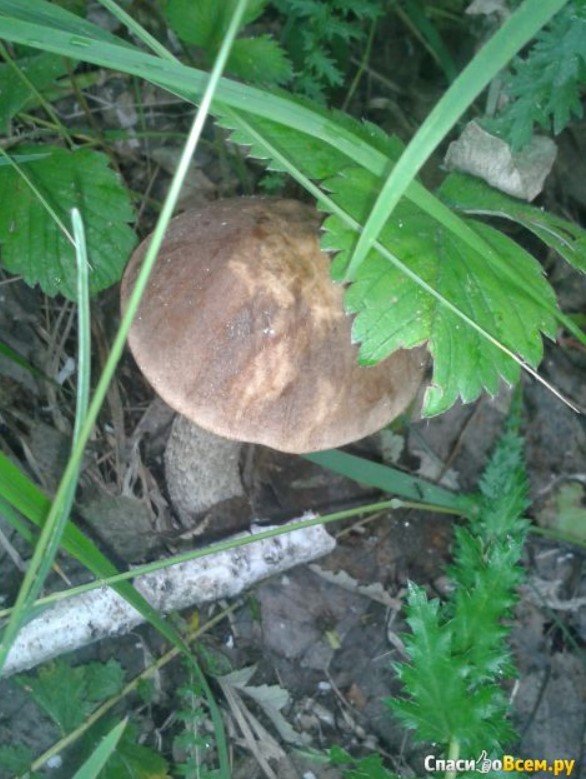
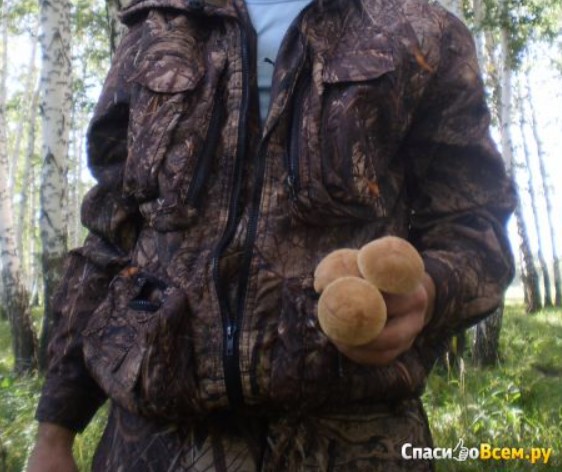
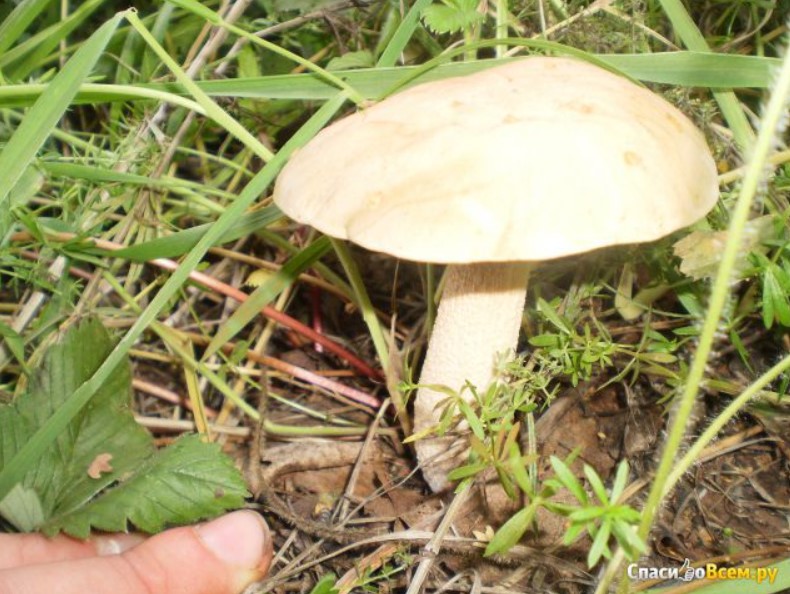
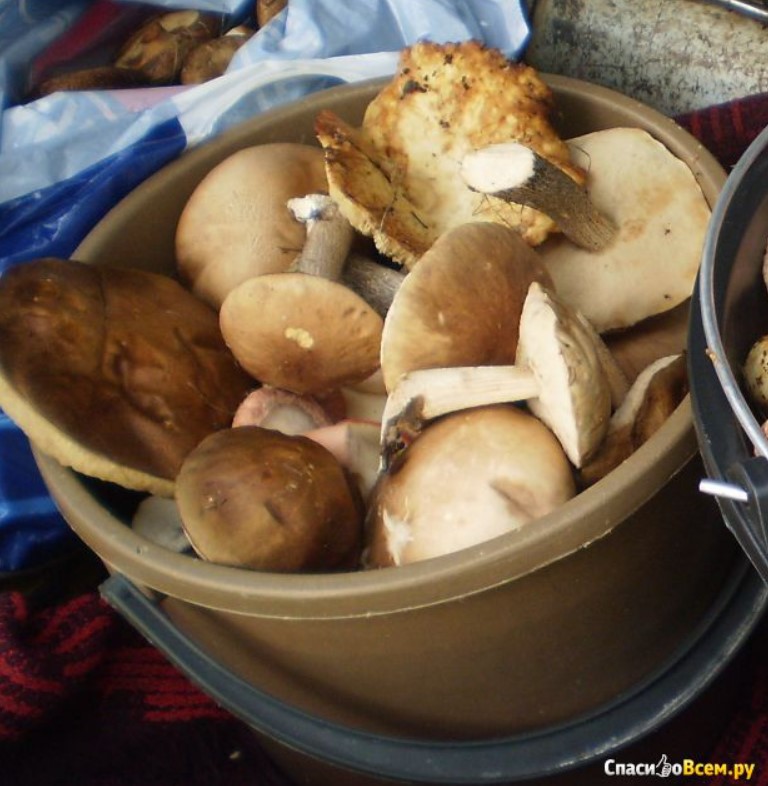
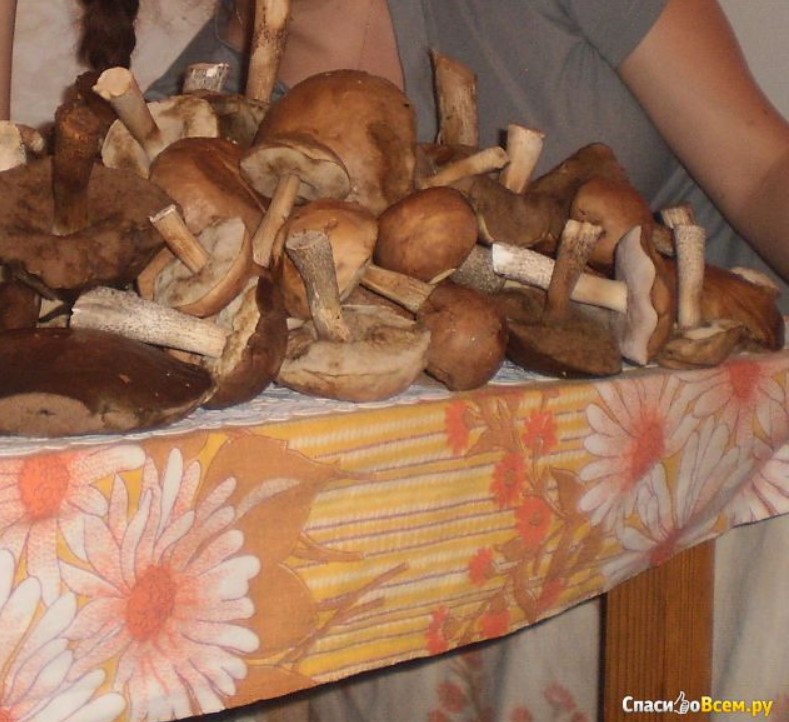
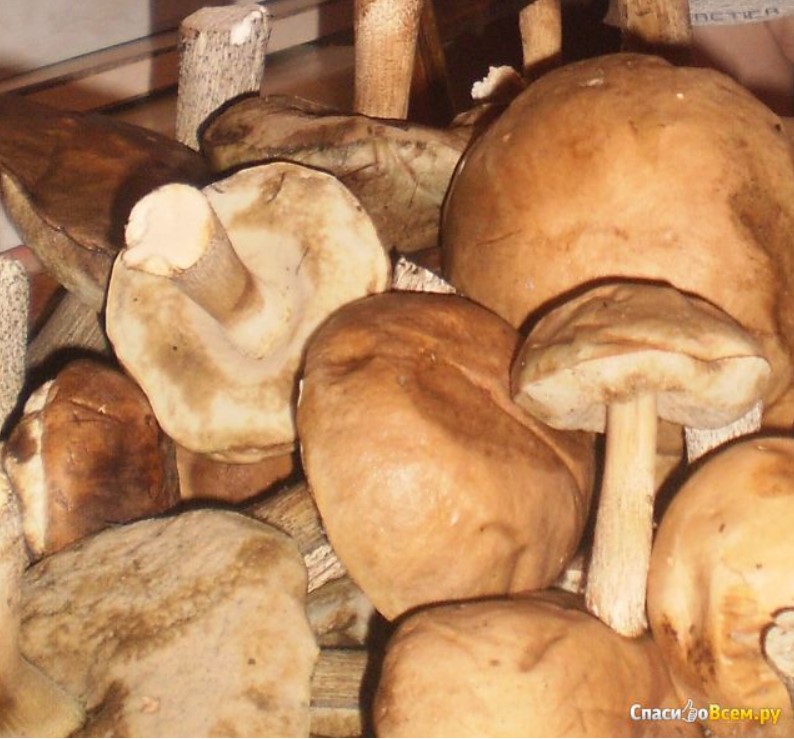
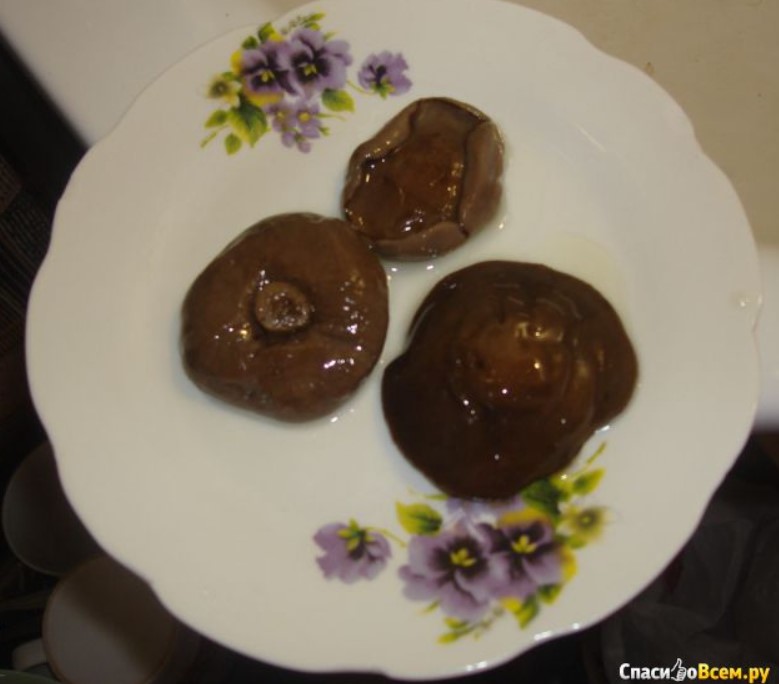
Yesterday we picked some boletus mushrooms
Today we decided to make them. I found a recipe online. We made them, and now I'm eating them and writing this. I'll tell you how delicious they turned out, so I decided to share this recipe with everyone.
Fried boletus mushrooms (Siberian-style fried boletus mushrooms)
I'd like to introduce you to a delicious Russian, or more accurately, Siberian, dish: obabok zharyokha. Obabok is a common Russian name for the birch boletus, and zharyokha is the name of a group of dishes united by a cooking method—frying in a pan. Zharyokha is typically made with meat, liver, or mushrooms, often with the addition of potatoes.
Boletus boletus is a very common mushroom in Siberia. It can be substituted with other tubular mushrooms, such as porcini, aspen, or butter mushrooms.Ingredients (for 2-4 servings):
10-12 medium-sized boletus mushrooms
5-6 medium potatoes
1 medium onion
5-6 tablespoons of sunflower oil
Salt to taste
A few green onion feathersPreparation:
We clean the boletus mushrooms from forest debris, wash them with cold water and chop them not too finely.
Pour sunflower oil, preferably unrefined, into a thick cast iron frying pan (in a pinch, you can use a steel or aluminum frying pan, but it should also be thick) (it can be replaced with another vegetable oil, such as corn or soybean, but not olive oil) and place the sliced mushrooms.
Fry over medium heat for about 30 minutes, stirring constantly. The boletus mushrooms will release a lot of water and become very crispy. If you want the mushrooms to be slightly stewed, fry them with the lid on; if you want the boletus mushrooms to be crispy, let the water evaporate. In any case, stir the mushrooms at least every 5 minutes.
While the mushrooms are frying, wash, peel, cut the potatoes into strips and place them in the mushrooms.
Stirring constantly, fry for another 20-30 minutes, until the potatoes are almost cooked through. Add the chopped onion.
Add salt. Stir. Fry for another 5-10 minutes. Remove from heat, sprinkle with finely chopped green onions, and serve immediately, in the pan, not in individual servings.
They eat the fried boletus mushrooms with spoons, scooping from a shared frying pan. This recipe is authentic; it's how boletus mushrooms were and are prepared in Siberian villages. To recreate it, you'll need three essential ingredients: wild boletus mushrooms, a thick cast-iron frying pan, and unrefined sunflower oil. Only then will you be able to fully enjoy this Siberian fried boletus mushrooms.
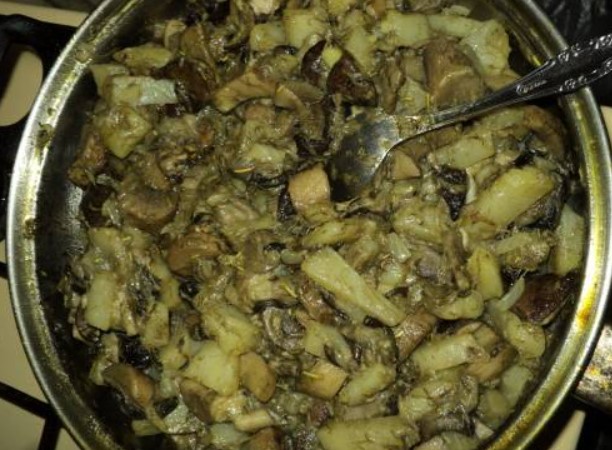
Don't put sponge mushrooms in water; wash them carefully, so they don't absorb any water, otherwise the cap, or rather the sponge itself, becomes snotty. My dad carefully cleans these mushrooms with a damp cloth. You can also make mushroom soup with homemade noodles, freeze them for the winter, stew them with beef (delicious! Especially with cream), I wrote a recipe here, dry them, fry them, and seal them in jars, pouring some oil on top (keep them in the refrigerator, and simply add them to side dishes in the winter), or fry them with potatoes. Oh, and you can also bake mushroom pies. There are so many options. Enjoy!
No. There's no need to boil birch and aspen mushrooms before frying, especially if you picked them yourself and brought them from the forest. They just need to be washed and cleaned, then thrown straight into the pan. When boiled, the mushrooms release their beneficial substances and aroma into the broth, so fried mushrooms become tasteless. We go mushroom picking every year and fry them immediately after returning from the forest, and we've been doing this for many years.
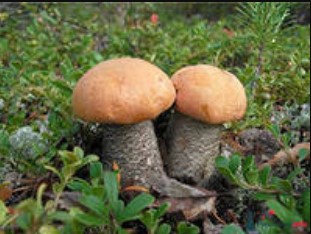
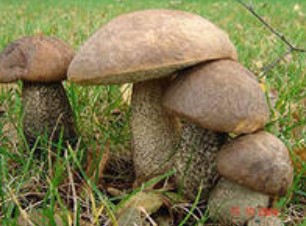
No, you don't need to boil boletus mushrooms. You just wash them and fry them in a frying pan with oil. But I know many people boil them when making a salad. I know you can simply pour boiling water over them and fry them. Boiling them simply loses their flavor and aroma.
I always boil any mushrooms before frying because the dirt doesn't come off completely when you clean and wash them, and boiling them will loosen all the dirt. They might also contain worms that we can't see and will die during boiling. Mushrooms also shrink when boiled, and if you fry them right away, especially with potatoes, they take up a lot of space. I boil them for about 10 minutes after they come to a boil; that should be plenty of time. Then I remove the boletus mushrooms with a slotted spoon to drain the water and place them in a preheated frying pan with vegetable oil.