Boletus boletus is widespread throughout Russia and is often encountered during "silent foraging." However, before you begin foraging, it's important to know that these harmless mushrooms have false lookalikes, so novice mushroom pickers should be extremely careful. We'll discuss this in more detail in the article below.
Content
- 1 Birch boletus: general description (table)
- 2 Where to look for boletus mushrooms
- 3 When to pick boletus mushrooms
- 4 The ripening period of boletus mushrooms
- 5 How to properly harvest boletus mushrooms
- 6 9 types of boletus mushrooms with descriptions in tables and photos
- 6.1 Common birch bolete (Leccinum scabrum)
- 6.2 Black birch bolete (Leccinum melaneum)
- 6.3 Marsh boletus, white (Leccinum holopus)
- 6.4 Pink birch bolete (Léccinum oxydabile)
- 6.5 Grey birch bolete, hornbeam (Leccinellum carpini)
- 6.6 Hardy birch bolete (Leccinum duriusculum)
- 6.7 Blackening birch bolete (Leccinum nigrescens)
- 6.8 Ash-gray birch bolete (Leccinum leucophaeum)
- 6.9 Birch bolete (Leccinum variicolor)
- 7 False boletus
- 8 How to distinguish between birch boletes and aspen boletes
- 9 Edibility and nutritional value of boletus
- 10 Composition and caloric content of boletus mushrooms
- 11 Culinary uses of boletus
- 12 Harvesting and storing boletus mushrooms
- 13 The benefits and harms of boletus
- 14 Contraindications
- 15 How to grow boletus mushrooms at home in your garden
- 16 Reviews of mushroom pickers about birch boletes and their preparation
Birch boletus: general description (table)
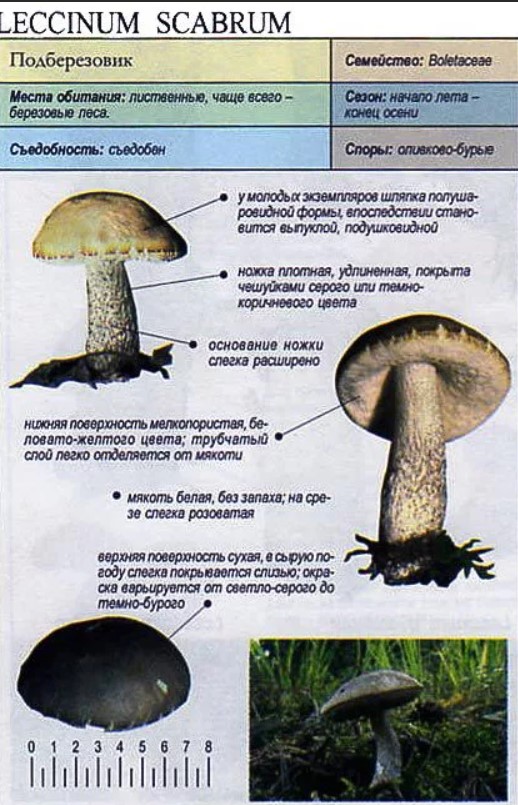
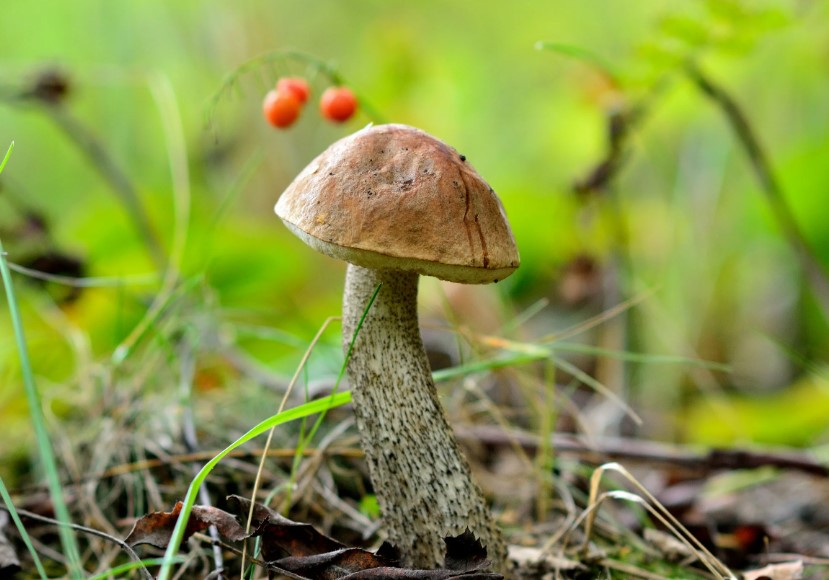
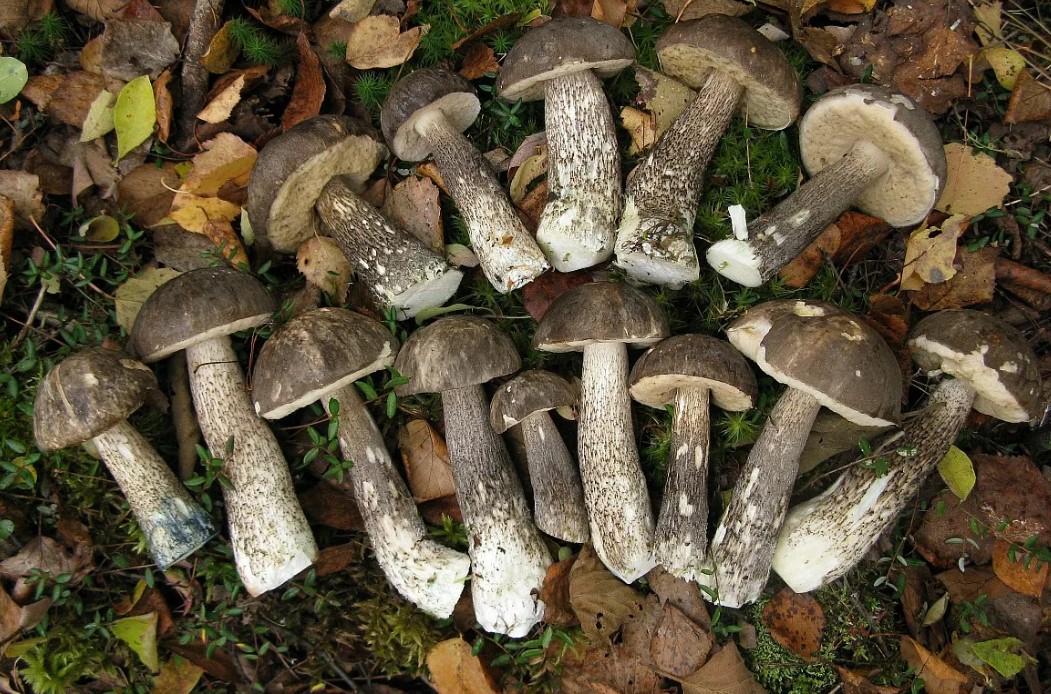
The birch bolete gets its name from the fact that it forms mycorrhiza with birch tree roots. They are sometimes confused with aspen boletes, but differ from them in having a thinner stem and a brownish cap. The table below lists the main characteristics of these mushrooms.
| Sign | Description |
| hat | Young specimens are hemispherical in shape, later becoming cushion-shaped. The color ranges from light to dark brown. A grayish or pinkish tint may be present. |
| Leg | The stem reaches 15 cm in length and ranges from 1 to 3 cm in diameter. It is cylindrical in shape and may widen slightly at the base. As it matures, the texture becomes tough and fibrous. When cut, it turns blue or green at the base. |
| Pulp | The flesh is white; when cut, it either remains the same or turns pinkish. It has a pleasant aroma. As mushrooms mature, the flesh becomes watery. |
| Spore-bearing layer | Long tubes easily extend from the cap, the color is initially white, then becomes grayish. |
| Spore powder | Olive-brown color. |
Where to look for boletus mushrooms
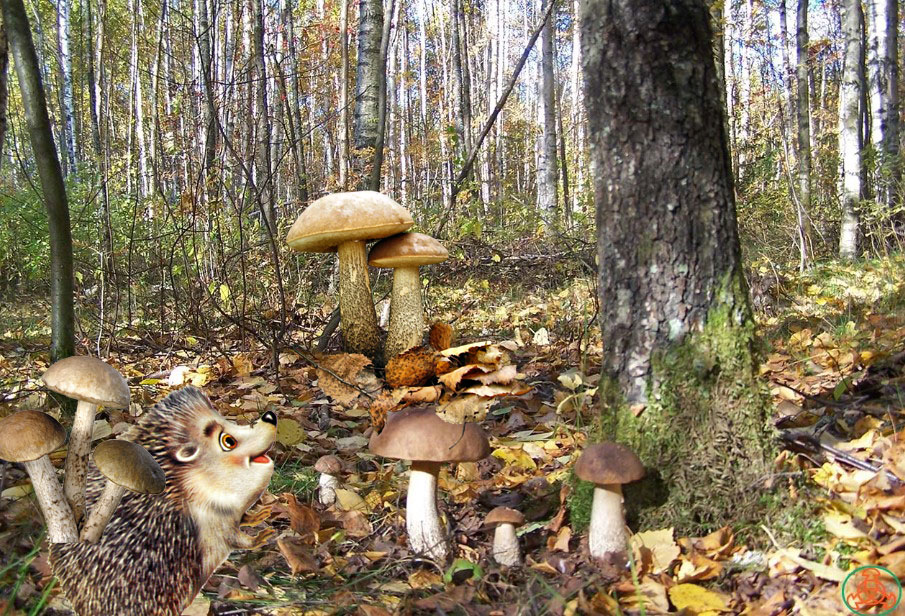
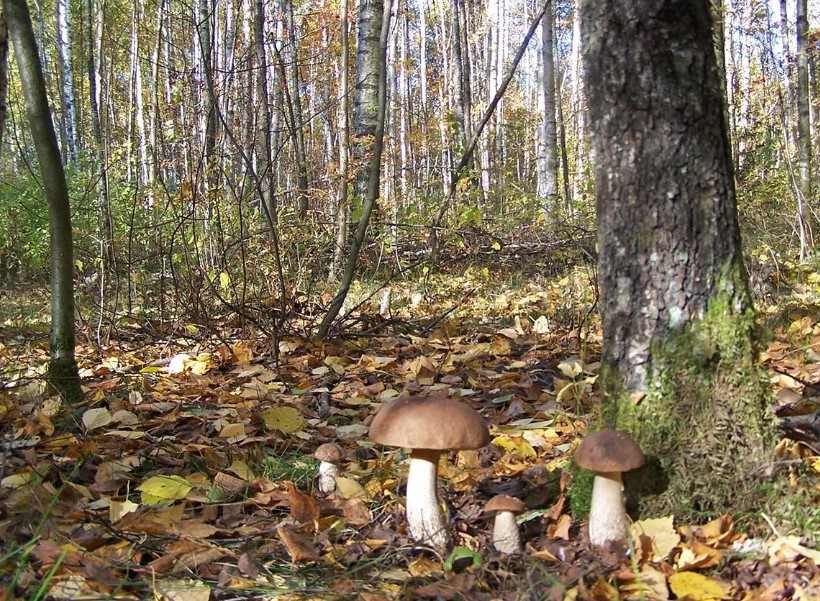
Birch boletes grow in mixed and deciduous forests alongside birch, oak, poplar, beech, and hornbeam. You can pick a basket of mushrooms in virtually all birch forests of Eurasia, North and South America, in the tundra, and forest-tundra. If a forest is densely populated with birch trees, you'll also find large groups of mushrooms. Birch boletes don't like to hide in the grass; they're always in plain sight: in clearings, ravines, forest edges, and along clearings and roads.
When to pick boletus mushrooms
The timing of birch bolete appearance depends directly on regional weather conditions. Mushrooms thrive in warm weather and a certain amount of humidity. Therefore, the peak fruiting season occurs in late summer and early fall. In good weather, mushrooms can be harvested until November. The fruiting bodies grow very quickly, almost tripling in size within 24 hours.
The ripening period of boletus mushrooms
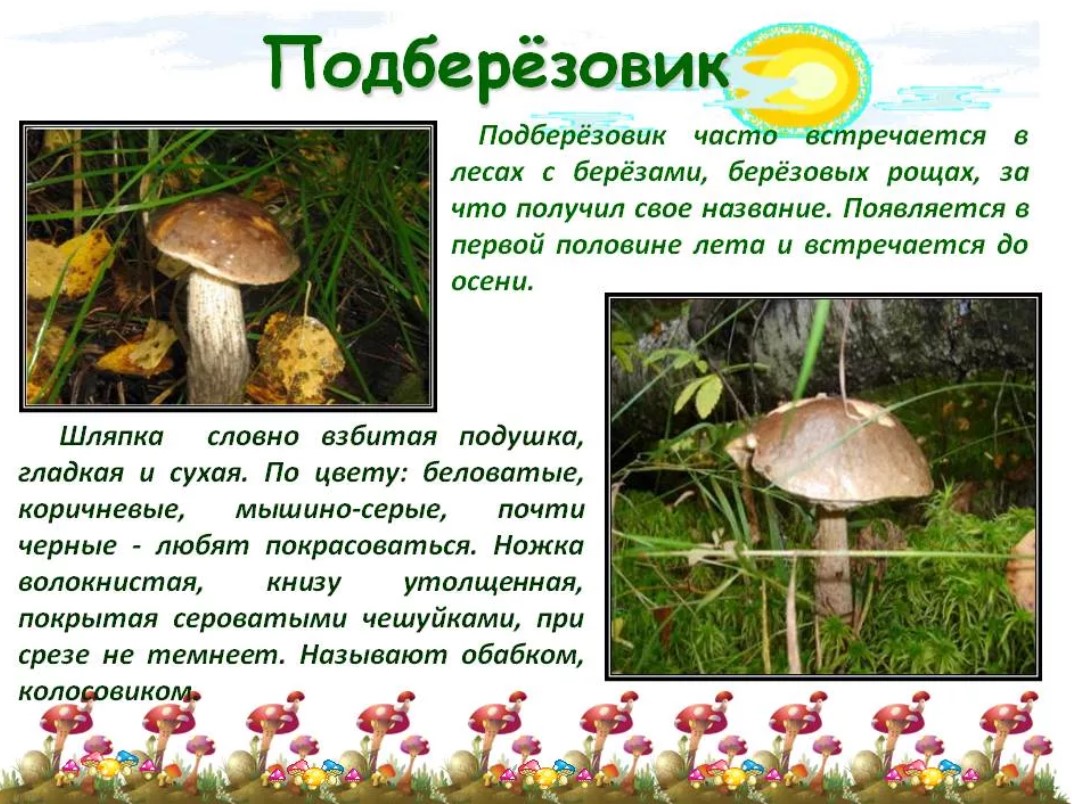
The exact ripening time depends on the variety of birch bolete. It's generally accepted that mushroom picking can begin in May and continue until November. The marsh birch bolete won't be found until September, while the pinkish variety begins to appear in August, while the common variety begins to bloom as early as early June.
How to properly harvest boletus mushrooms
It's best to pick boletus mushrooms in the morning. While it's generally accepted that the mushrooms should be cut with a sharp knife, experienced mushroom pickers strongly recommend twisting them out of the ground. This minimizes the risk of damaging the mycelium. Avoid standing in the area for long periods of time, as this increases the risk of mycelium death.
9 types of boletus mushrooms with descriptions in tables and photos
There are over 40 varieties of boletus, the most common of which are described in the table below.
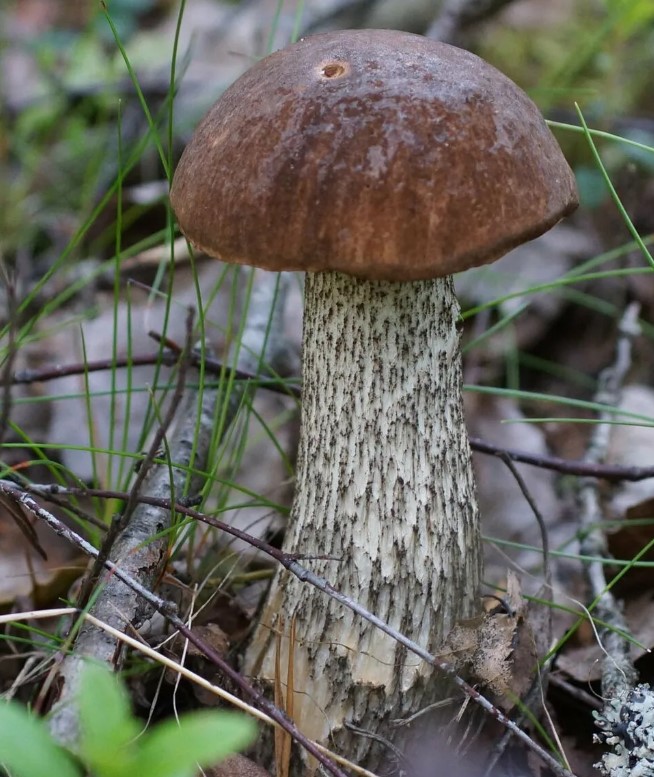
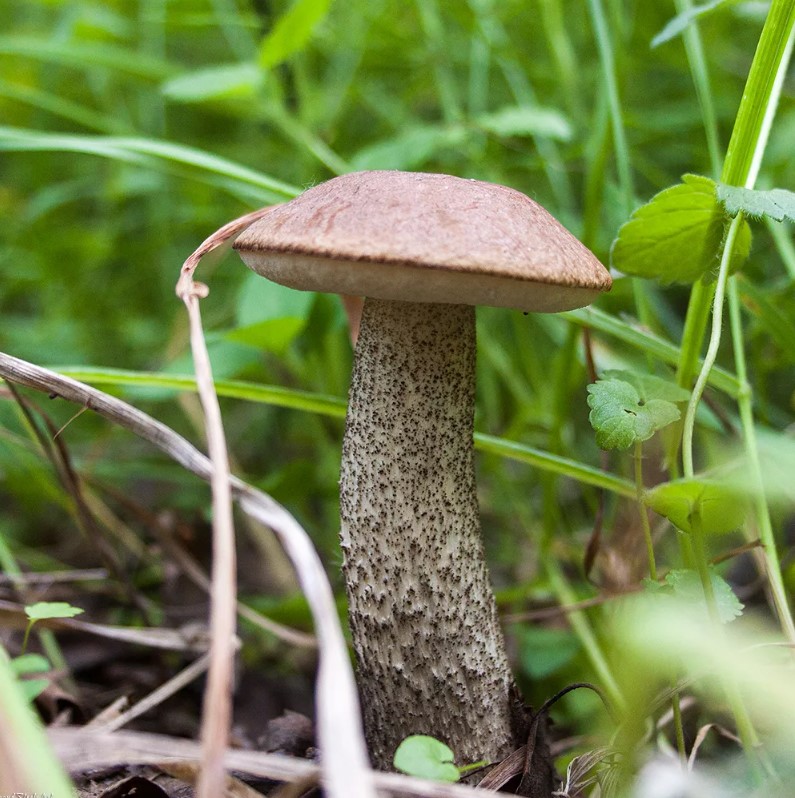
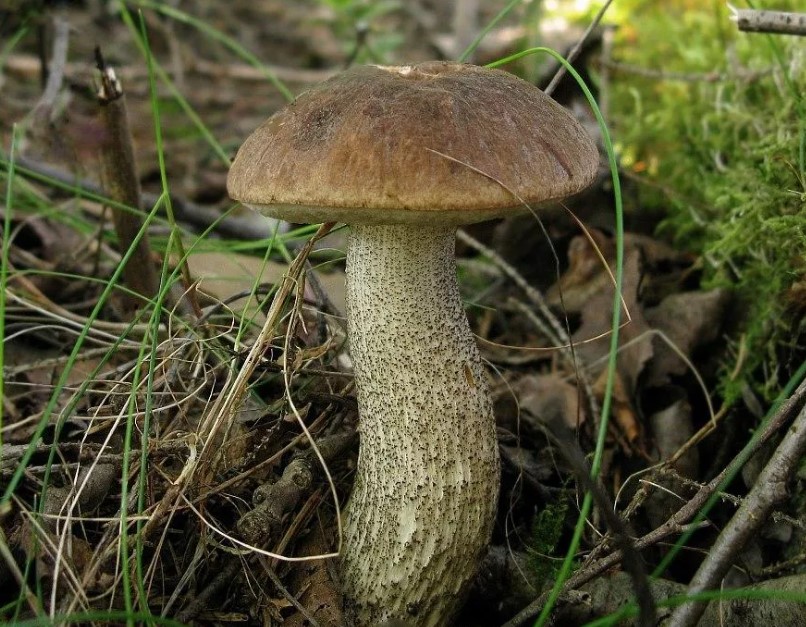
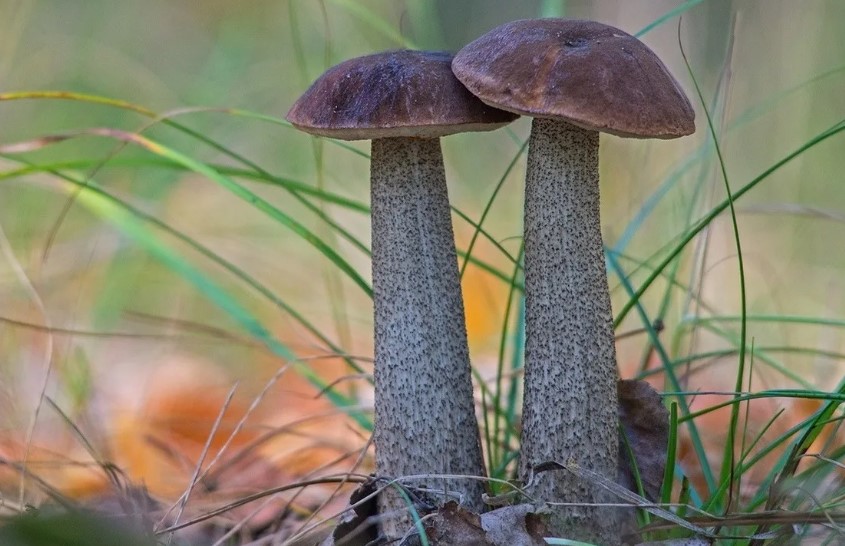
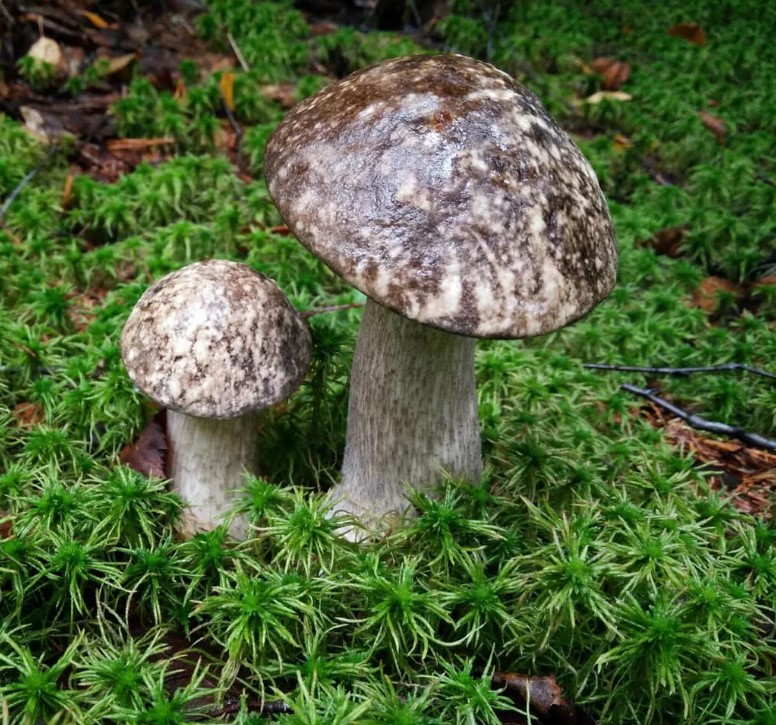
Common birch bolete (Leccinum scabrum)
| Description | Spreading | Harvest season | Edibility |
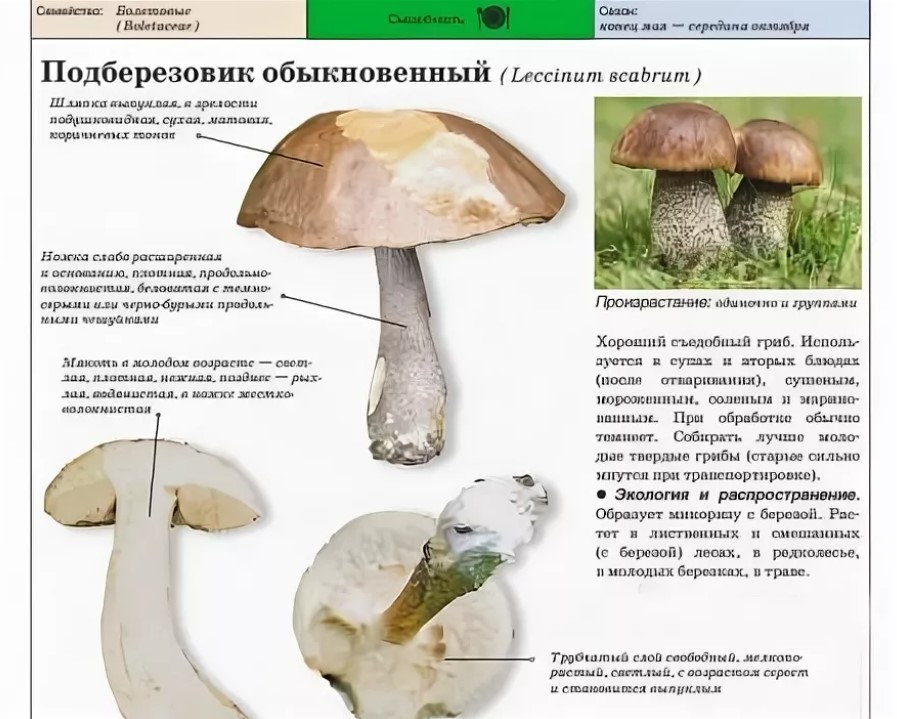
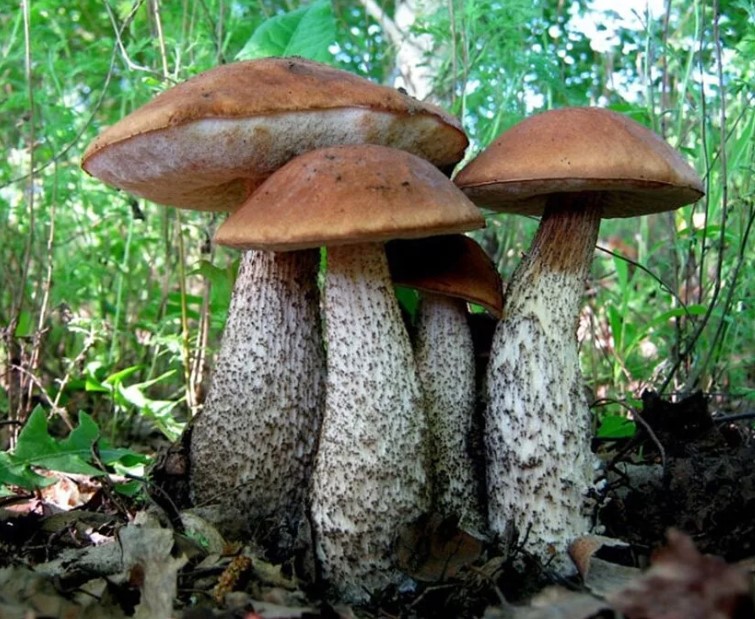
| The cap diameter can vary from 5 to 20 cm. Color varies from reddish-brown to gray-black. In mature mushrooms, as well as after rain, the skin becomes slimy. The light-colored flesh turns pink or blue when cut. | Temperate zone of Russia, forests with birch trees. | Mid-July-September. | An edible mushroom with excellent taste. |
Photo gallery of the common birch bolete
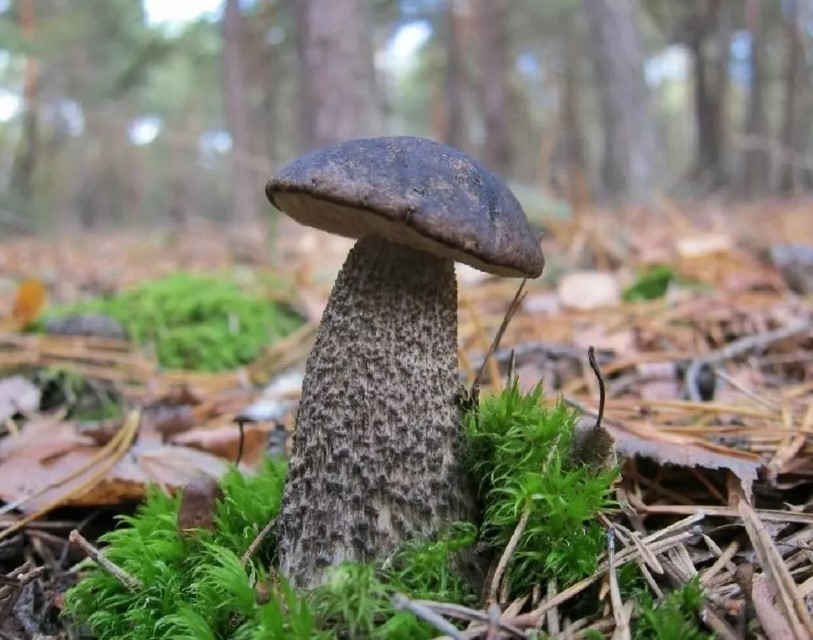
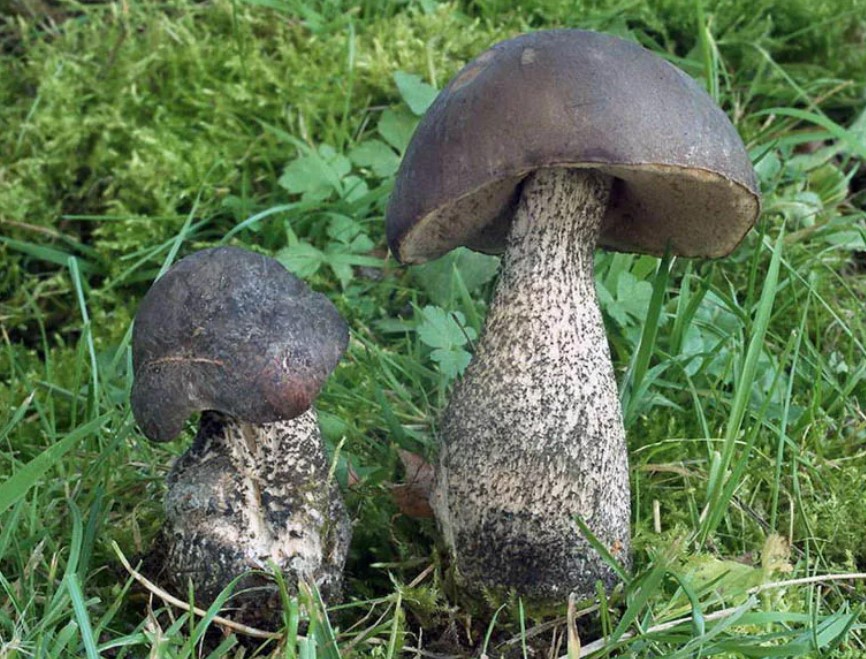
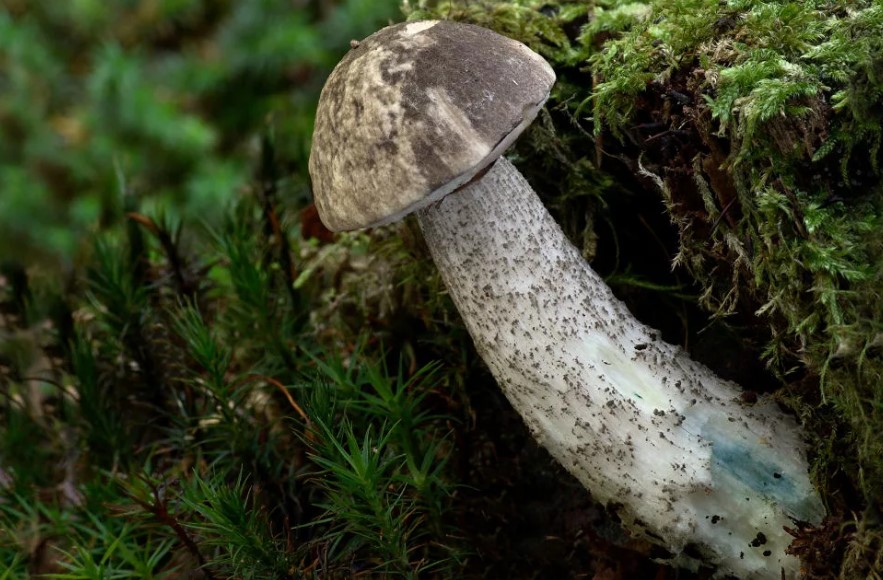
Black birch bolete (Leccinum melaneum)
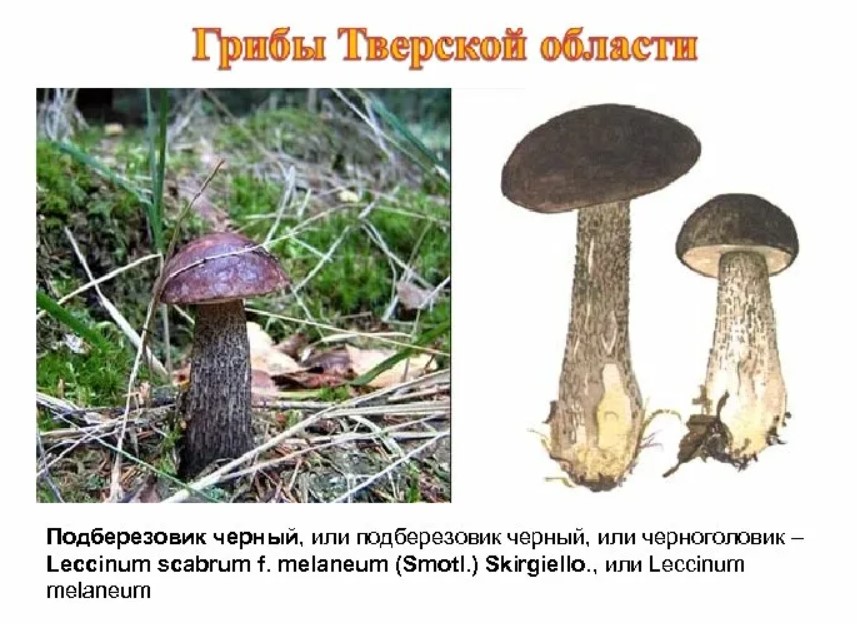
| Description | Spreading | Harvest season | Edibility |
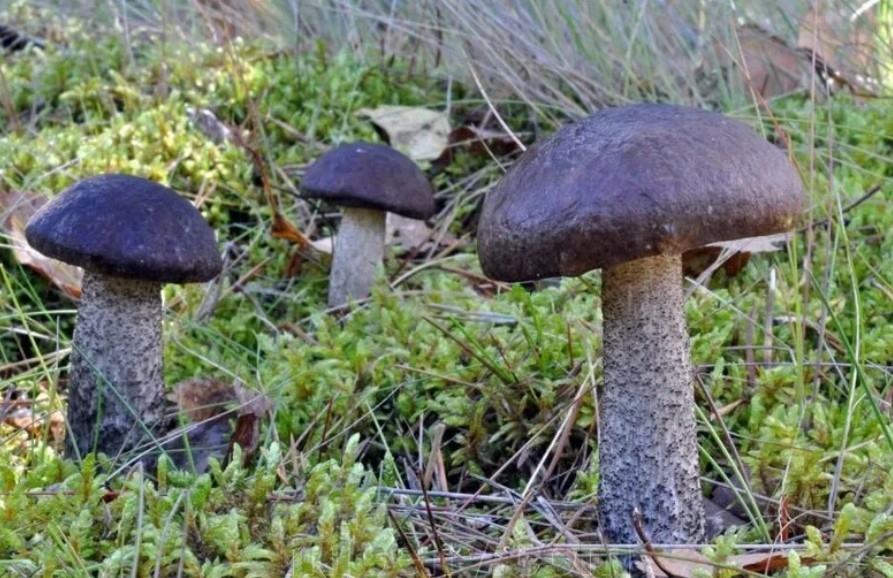
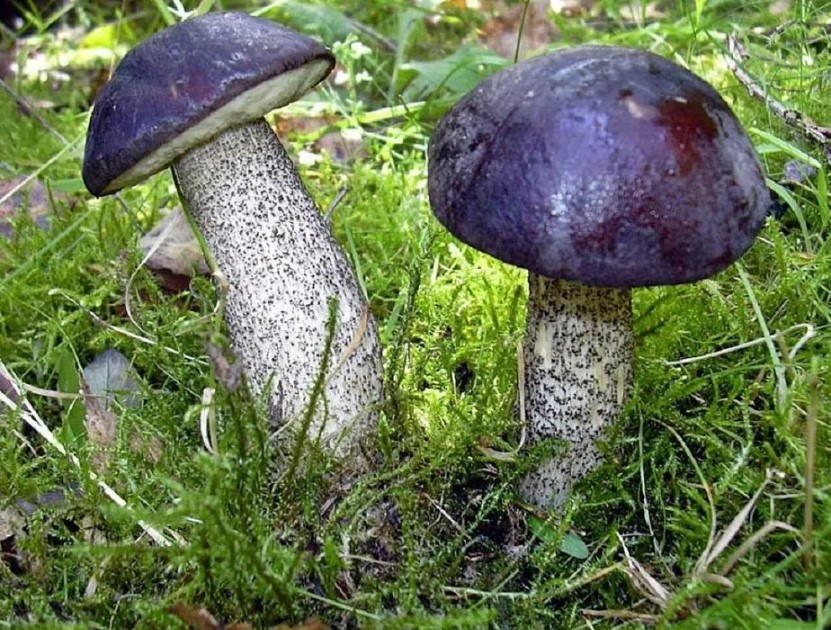
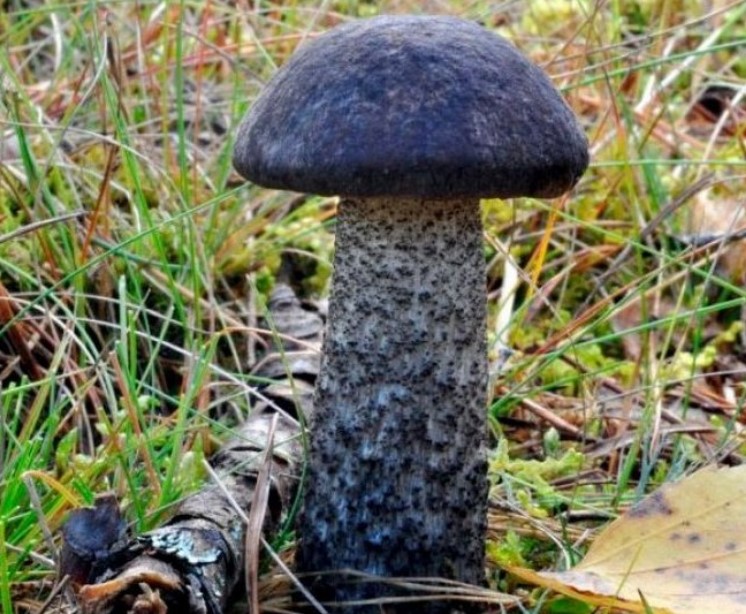
| A small mushroom with a black or brown cap up to 9 cm in diameter. The stem is covered with small scales. The flesh is firm and turns blue when cut. | Rarely found, it grows in birch forests, pine forests, marshy glades and thick grass. | August-November. | Edible, tasty. |
Photo gallery of black birch bolete
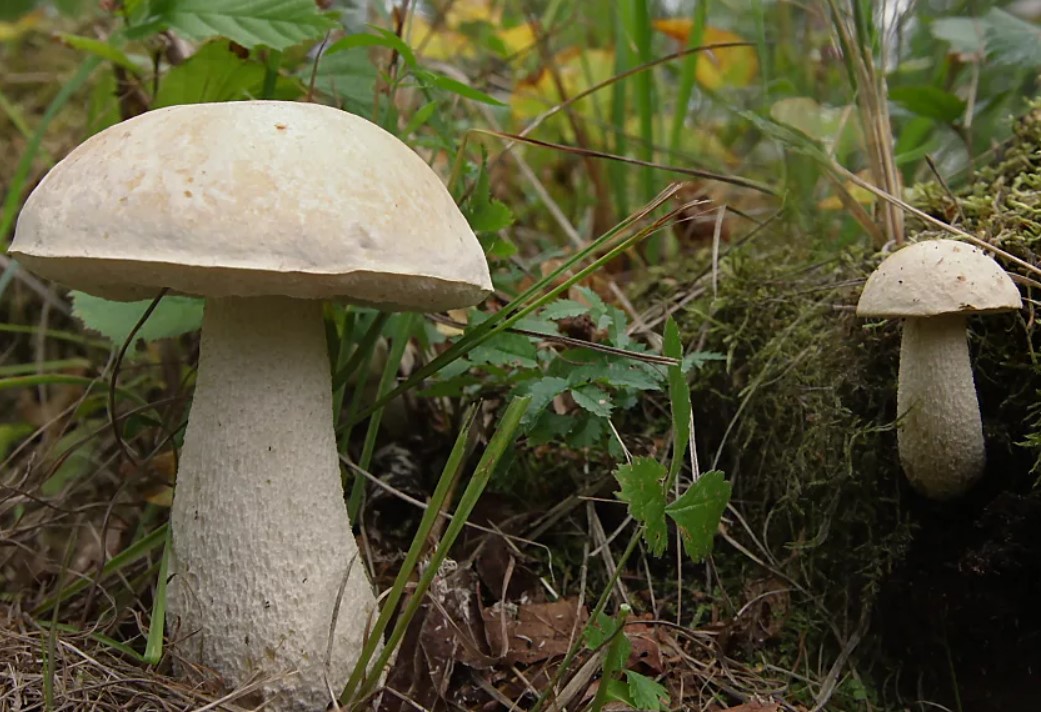
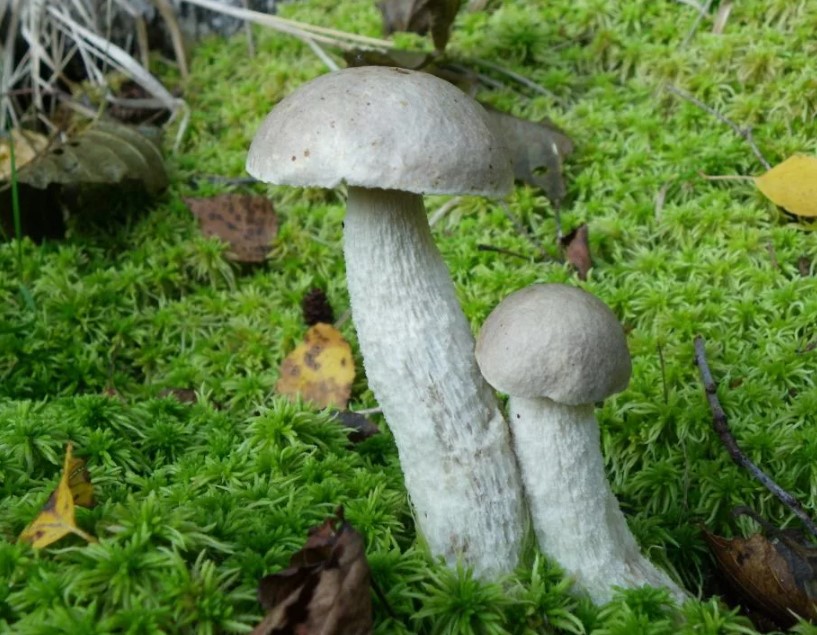
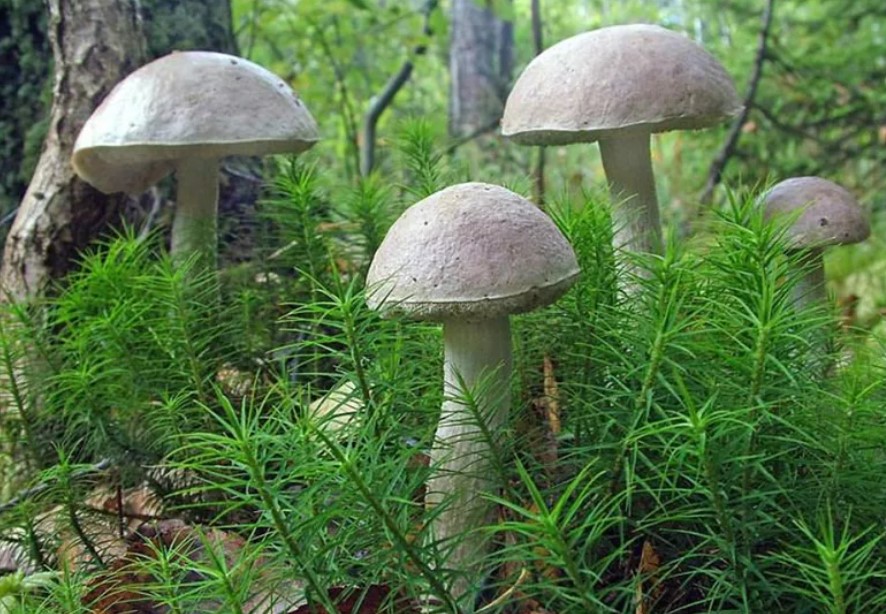
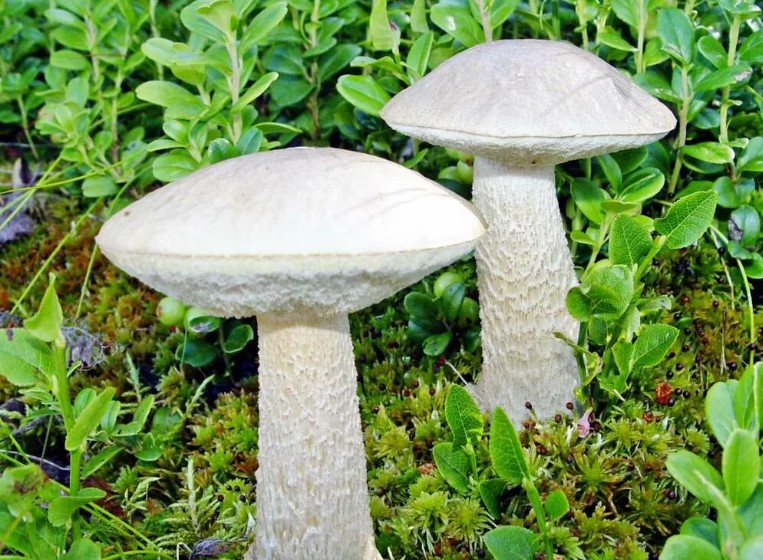
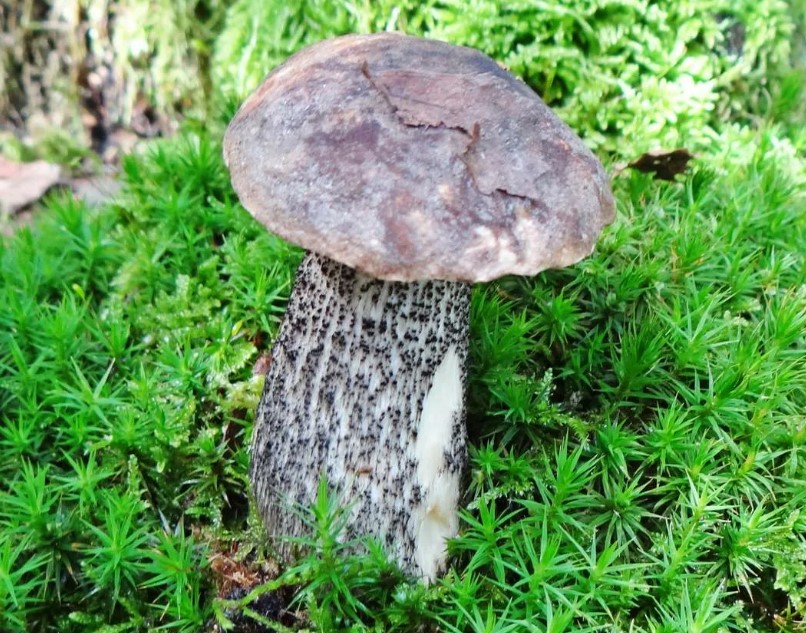
Marsh boletus, white (Leccinum holopus)
| Description | Spreading | Harvest season | Edibility |
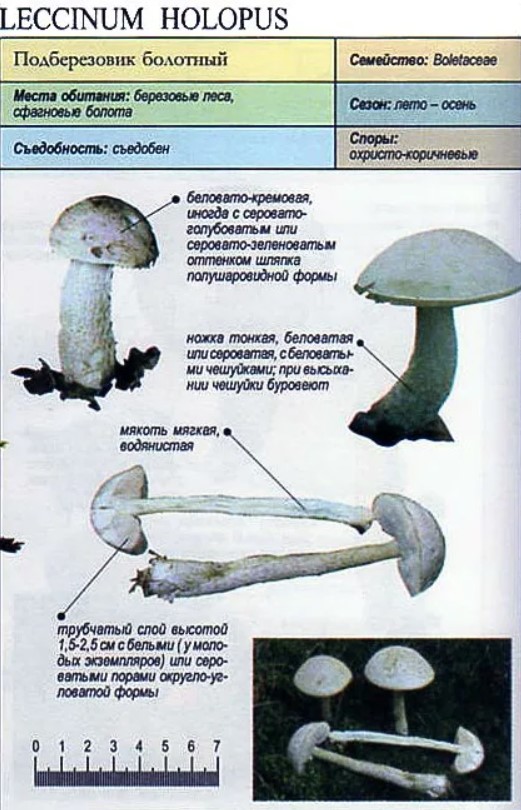
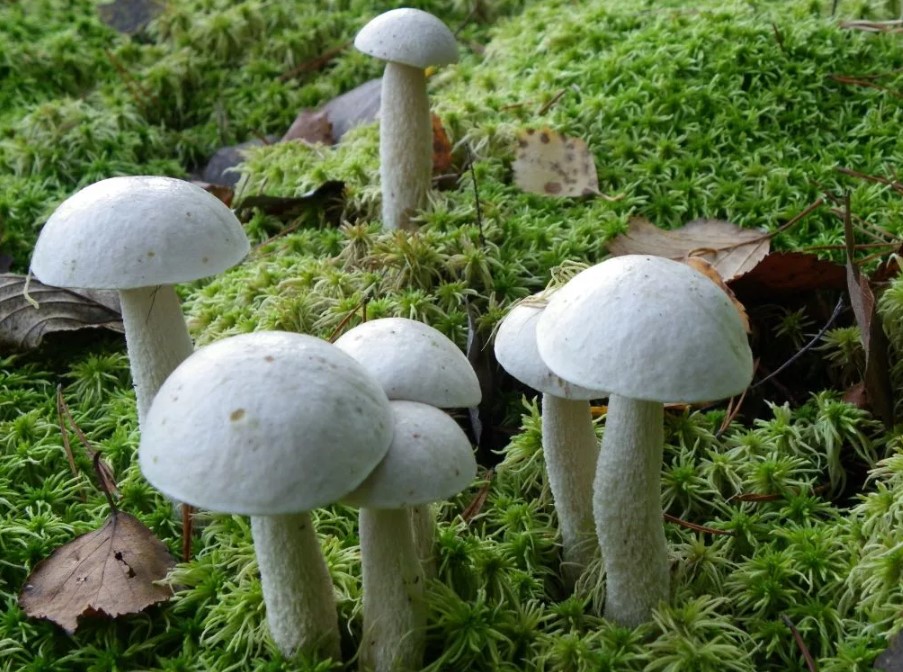
| The cap is hemispherical in shape and does not fully open even in adulthood. It is white in color, but grayish scales later appear on the surface. The flesh is loose. | It grows in flooded birch groves, shaded forests, and loves marshy meadows with moss. | Mid-July-October. | Edible mushroom, but the taste is more watery. |
Photo gallery of white birch bolete
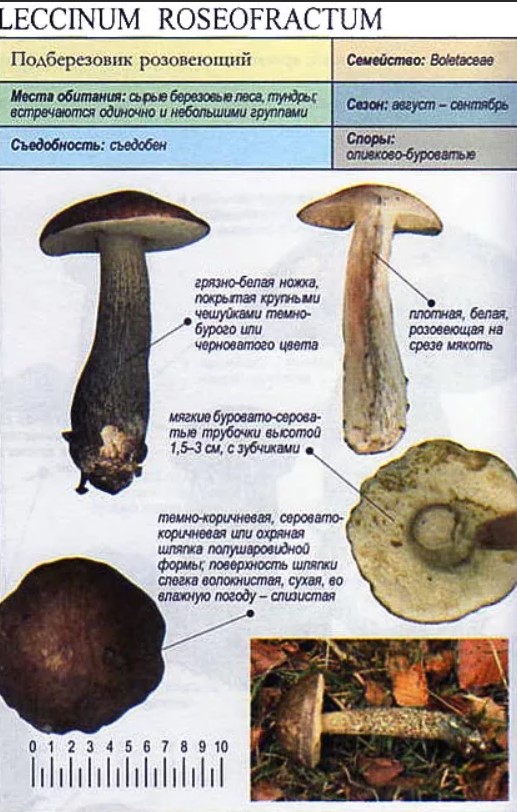
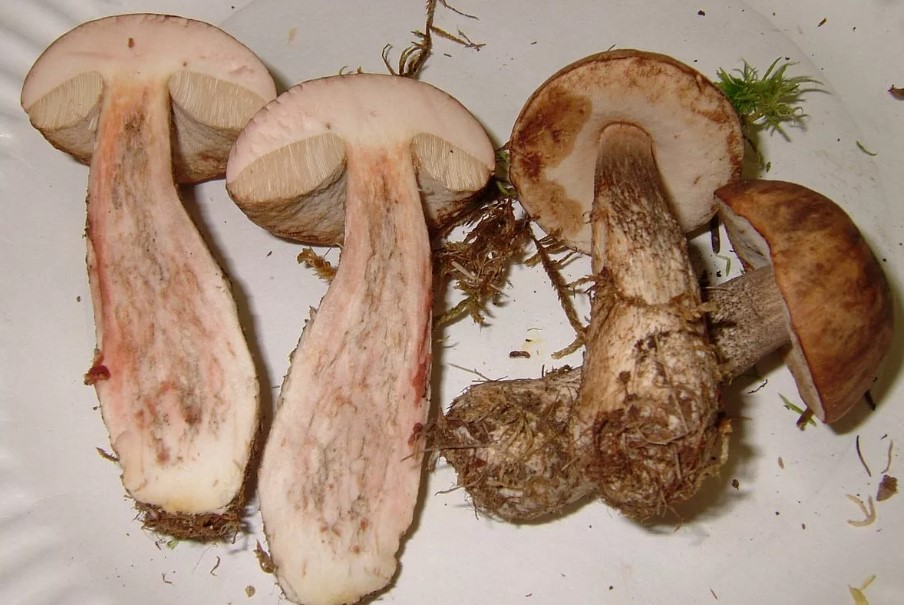
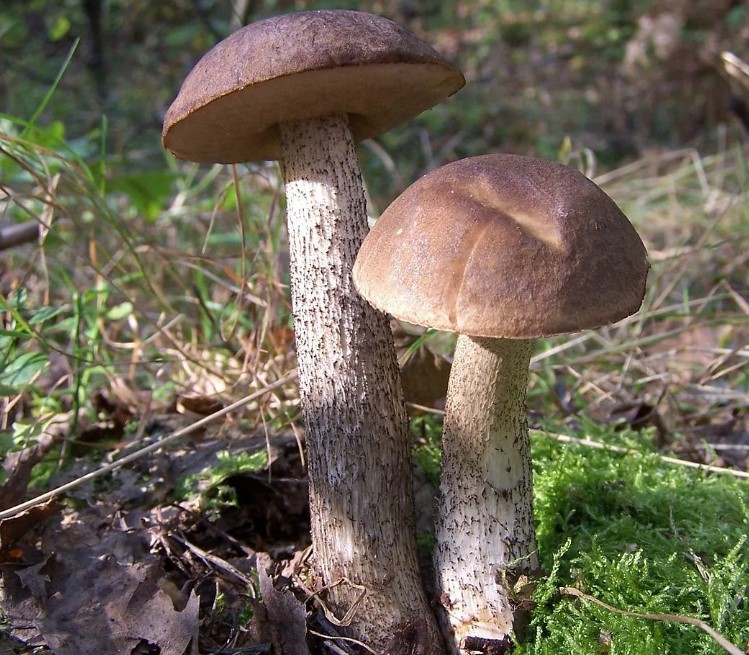
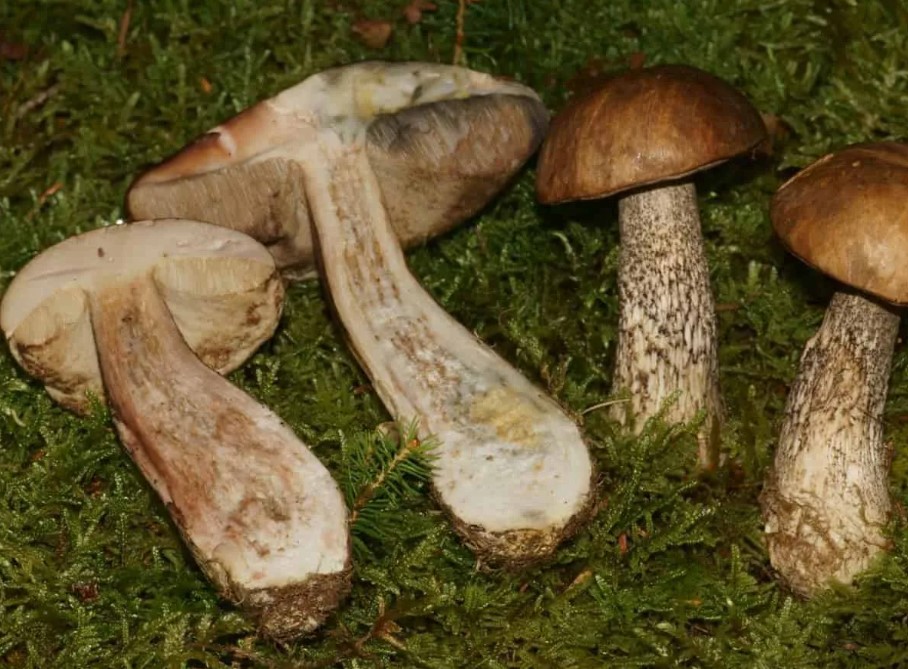
Pink birch bolete (Léccinum oxydabile)
| Description | Spreading | Harvest season | Edibility |
| The cap is up to 15 cm in diameter and dark gray, almost black, with marbled veins on the surface. The flesh is firm and turns pink after cutting. The stem is long, thin, and can be curved. | Grows in birch forests, loves high humidity. | June-October. | Edible. |
Photo gallery of the pink birch bolete
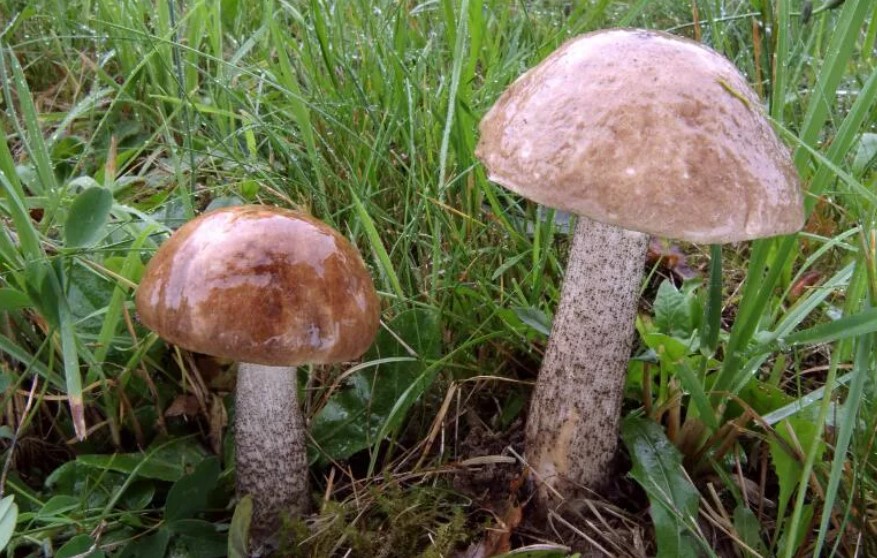
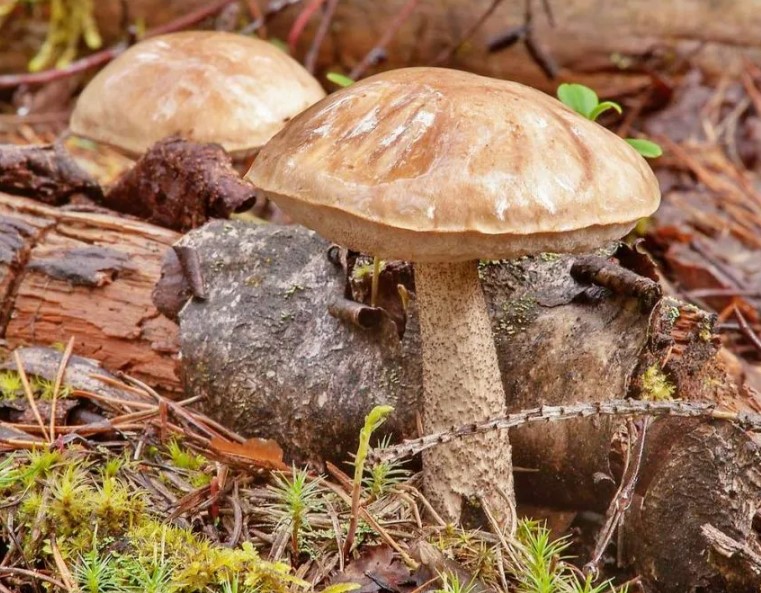
Grey birch bolete, hornbeam (Leccinellum carpini)
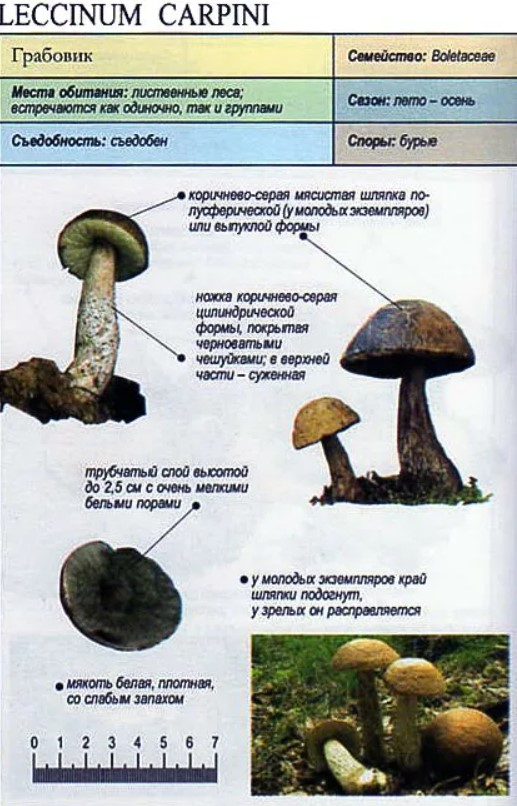
| Description | Spreading | Harvest season | Edibility |
| The cap reaches 14 cm in diameter, with edges initially curled and then straightened. The cap is brownish in color; in rainy weather, the skin becomes shiny and develops a grayish tint. As the mushroom matures, the skin begins to shrink, exposing the flesh at the edges. | It grows in deciduous forests near poplar, hazel, and birch. | June-October. | Edible, but not suitable for storage. The flesh is denser than that of ordinary mushrooms. |
Photo gallery of the grey birch bolete
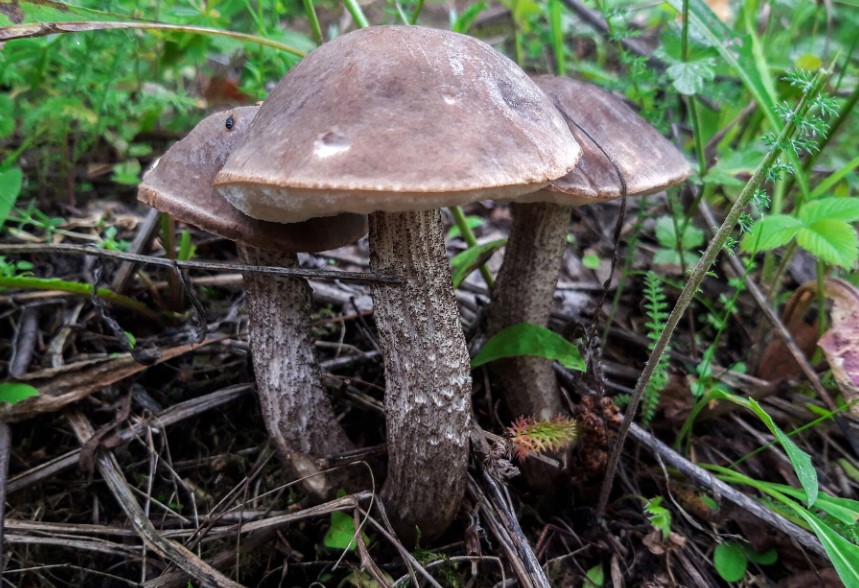
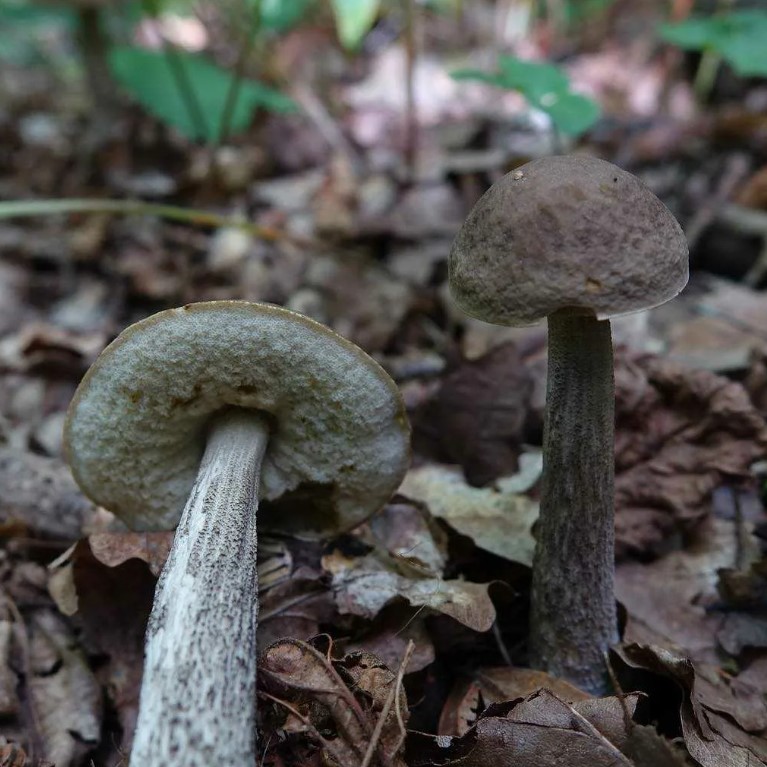
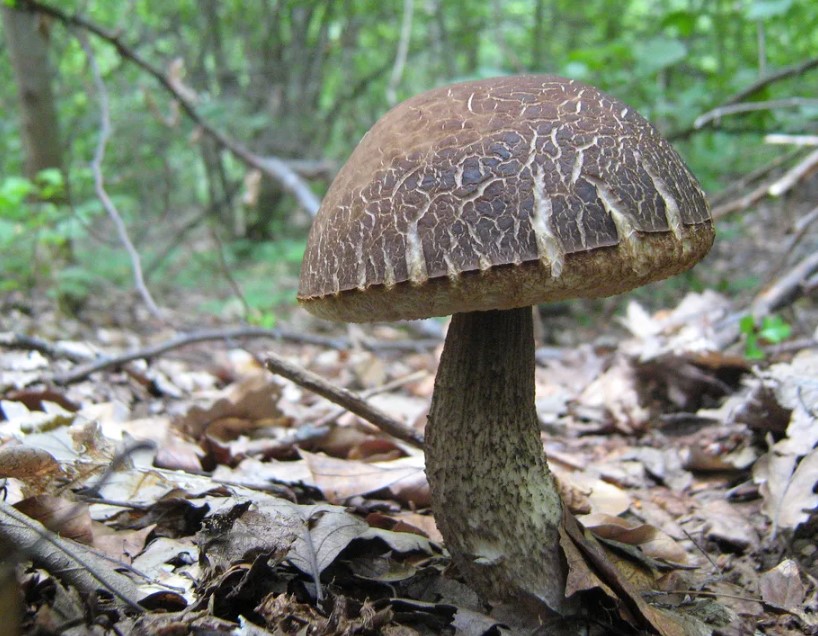
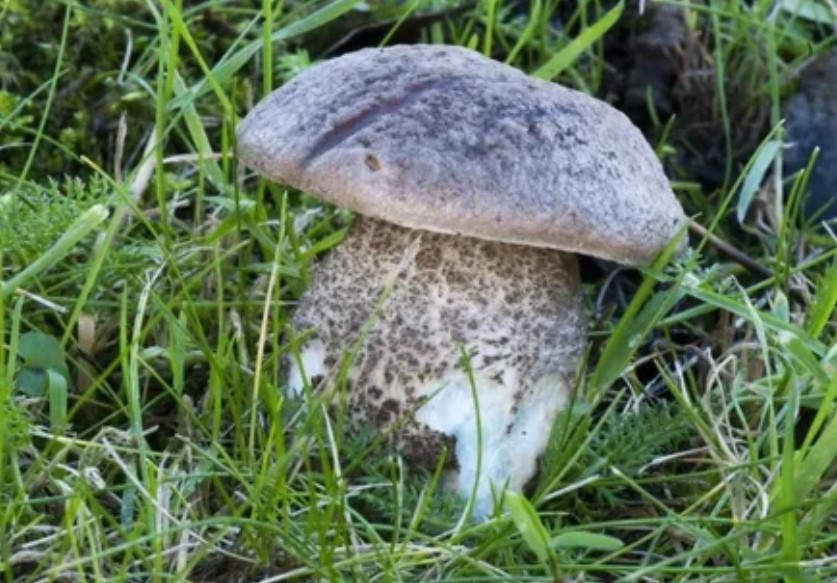
Hardy birch bolete (Leccinum duriusculum)
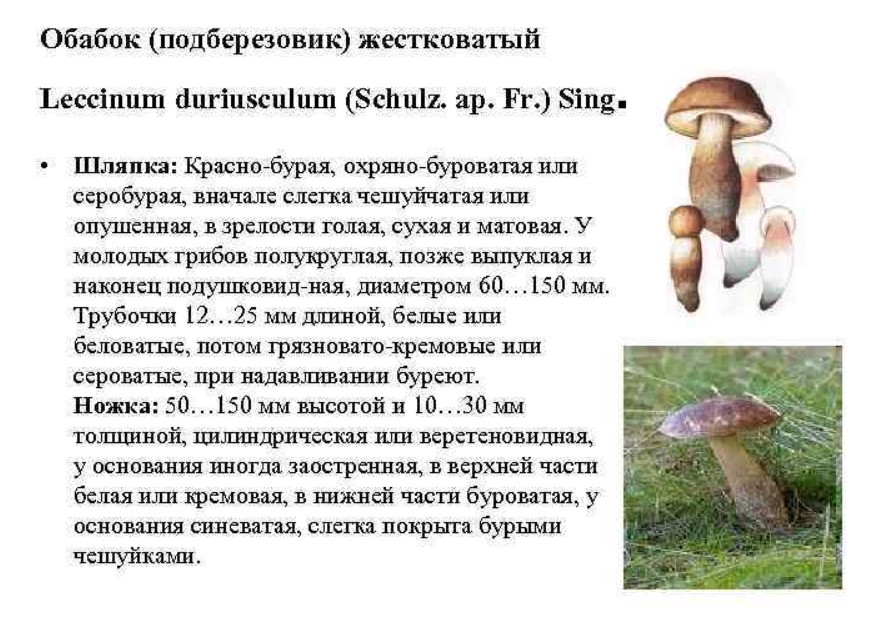
| Description | Spreading | Harvest season | Edibility |
| The cap diameter ranges from 6 to 15 cm; mature mushrooms may have a slightly depressed center. The color constantly changes from pale brown to shades of ochre and even reddish brown. The flesh is firm and dense, turning pink where the cap breaks, and blue or green near the base of the stem. | Deciduous and mixed forests. | July-October. | Edible, but the taste is mediocre and the flesh is very dense. |
Photo gallery of the hard birch bolete
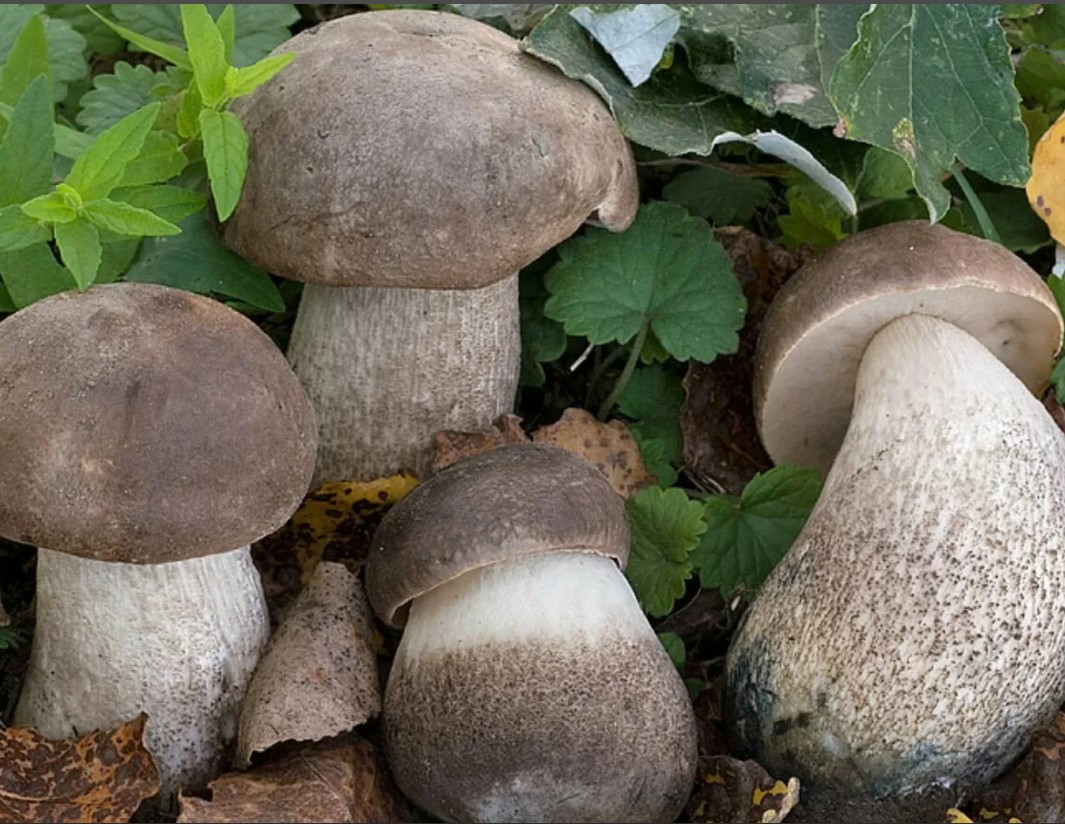
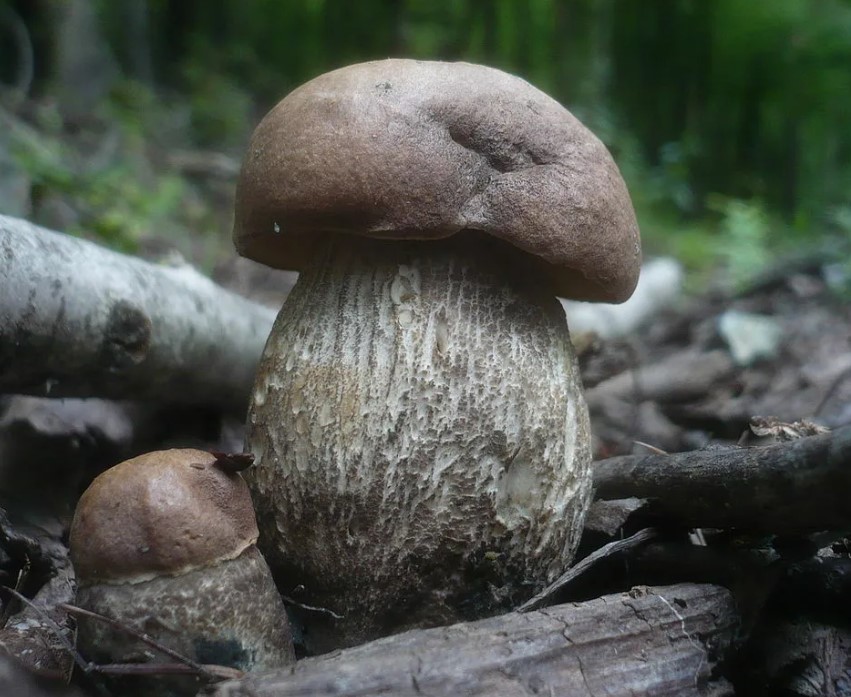
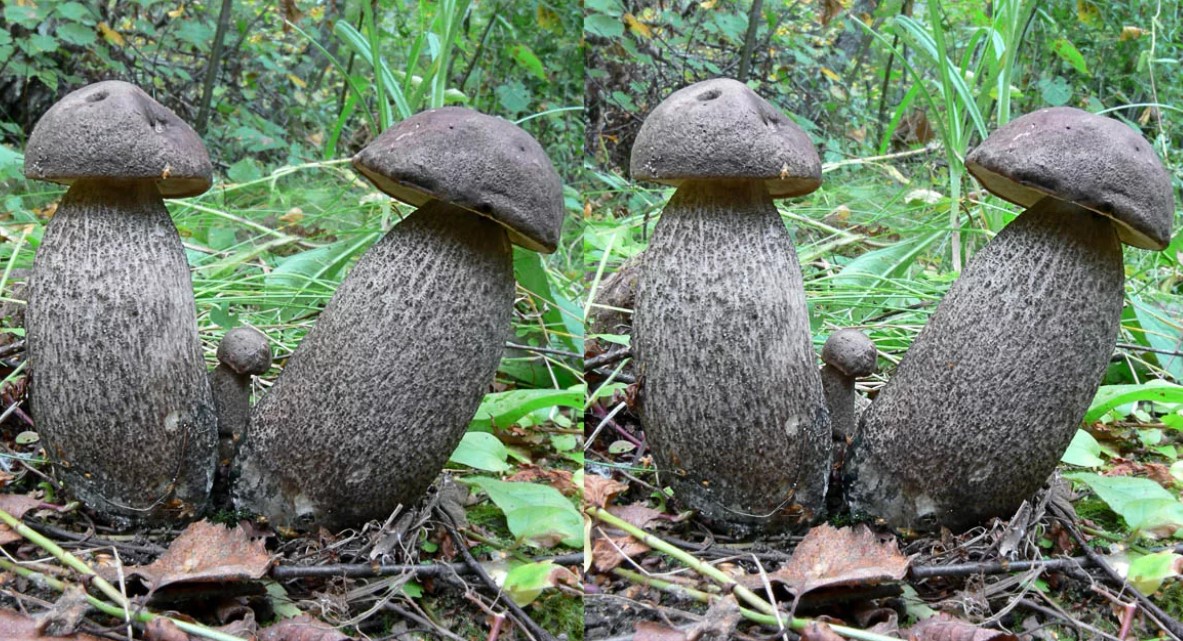
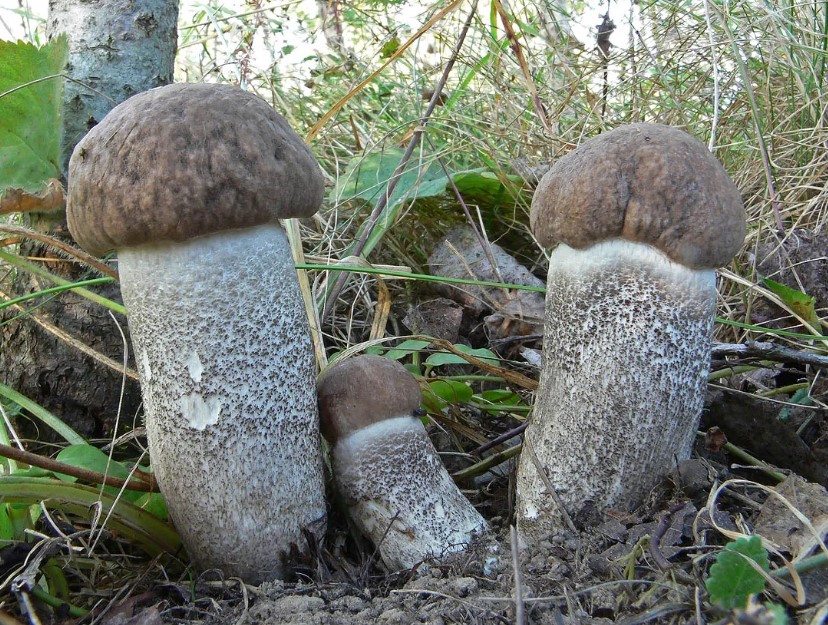
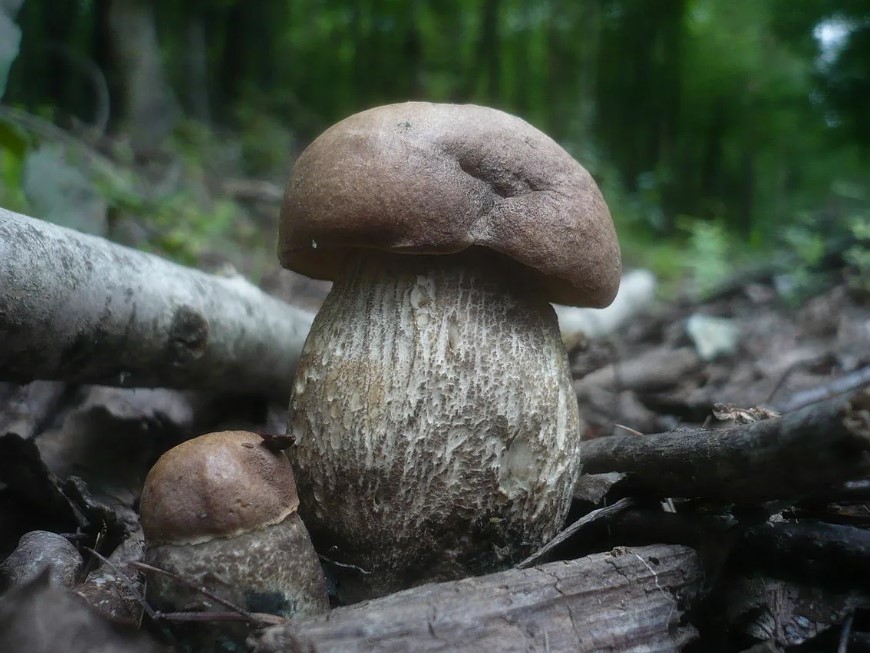
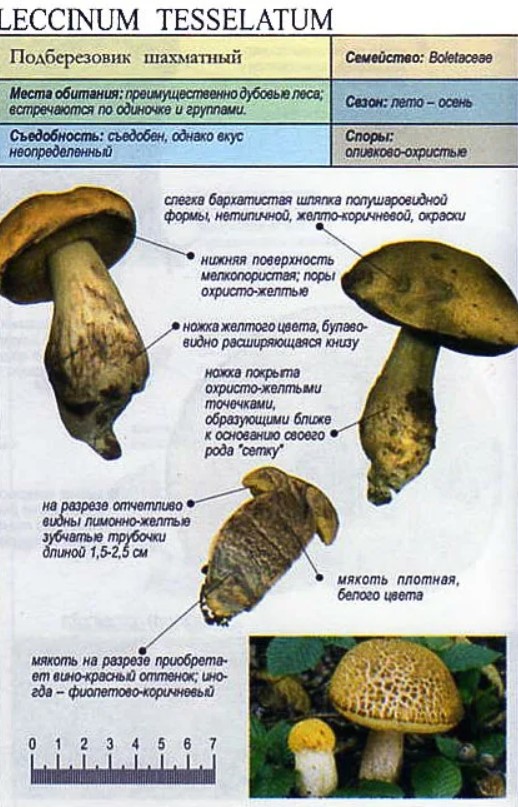
Blackening birch bolete (Leccinum nigrescens)
| Description | Spreading | Harvest season | Edibility |
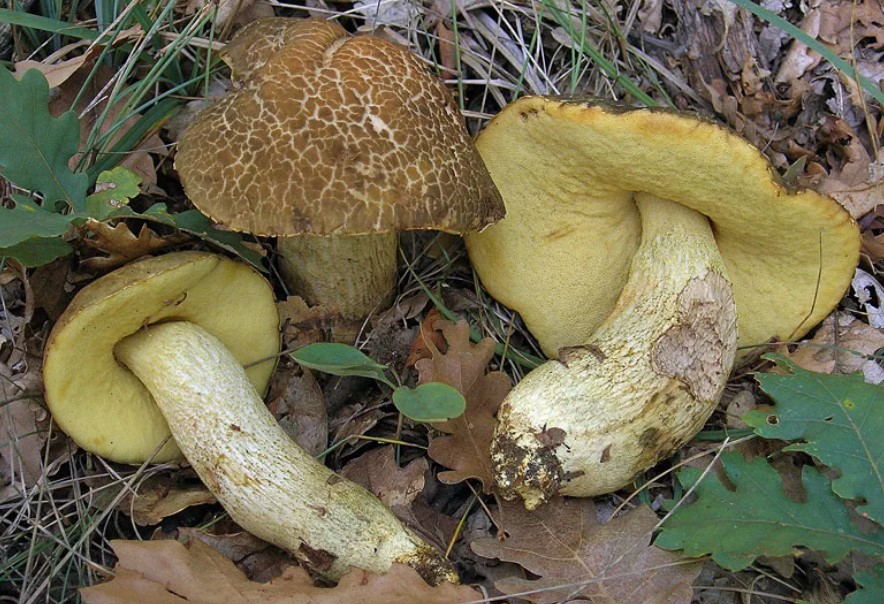
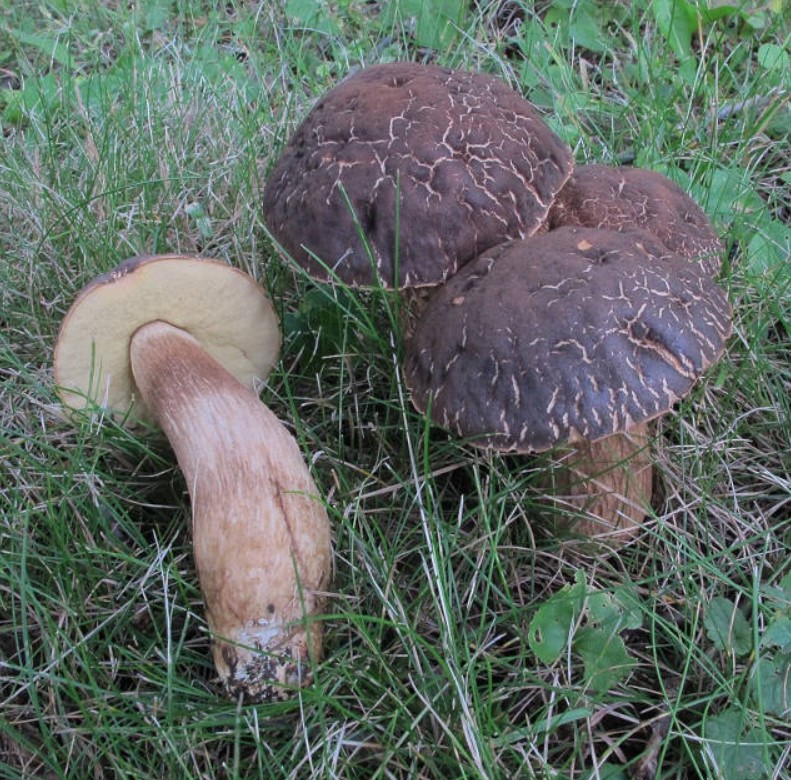
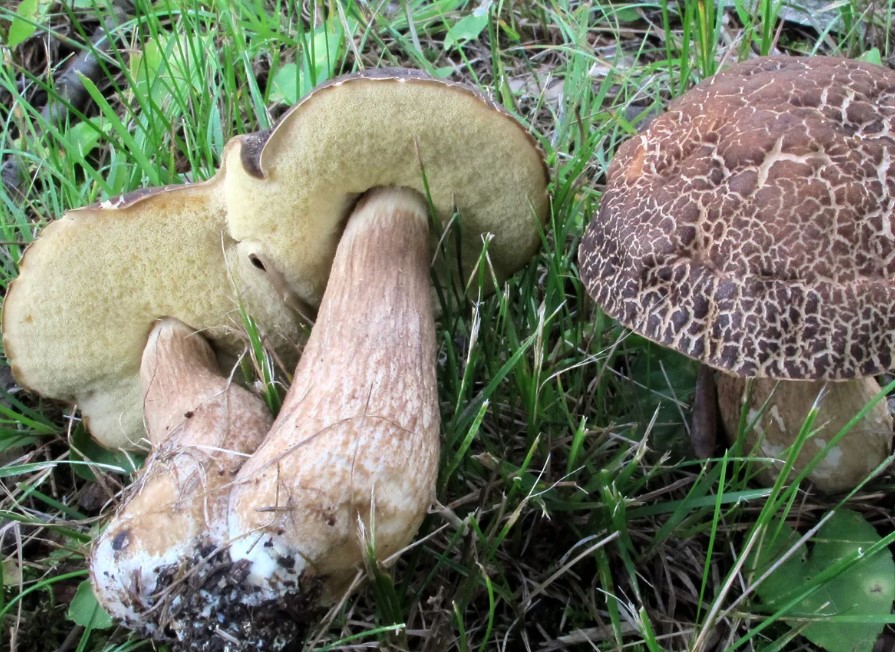
| The cap diameter ranges from 5 to 15 cm, the skin is dry and cracks over time. The color is yellow-brown. The flesh is yellowish, initially turning red when cut, then darkening. | Found in the Caucasus, it grows next to beeches and oaks in warm regions. | June-September. | Edible, darkens when dried. |
Photo gallery of the birch bolete
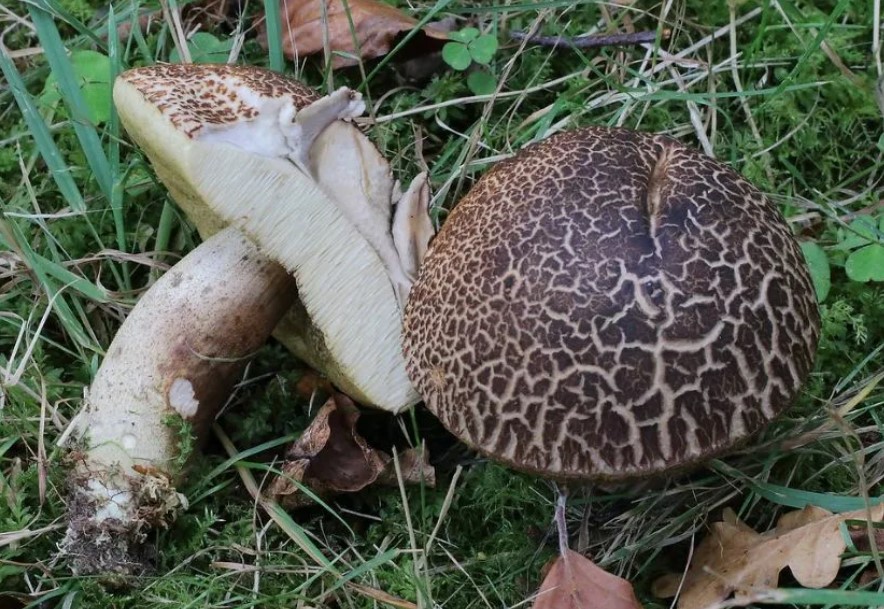
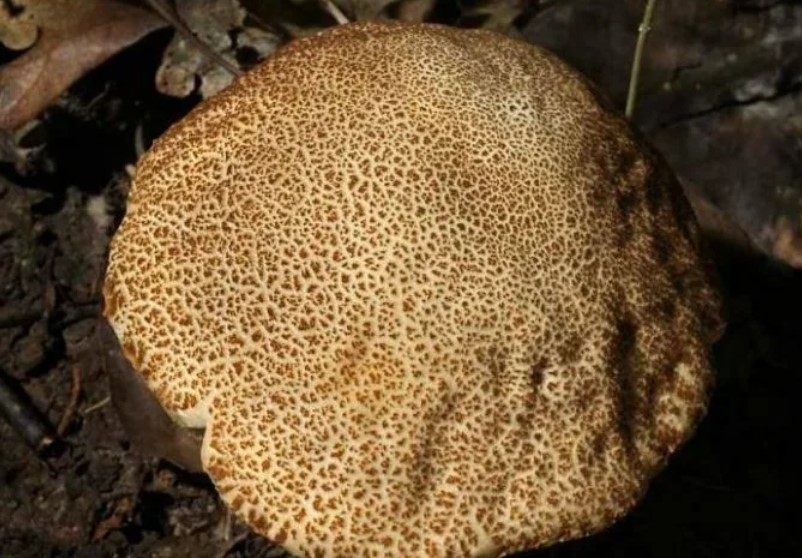
Ash-gray birch bolete (Leccinum leucophaeum)
| Description | Spreading | Harvest season | Edibility |
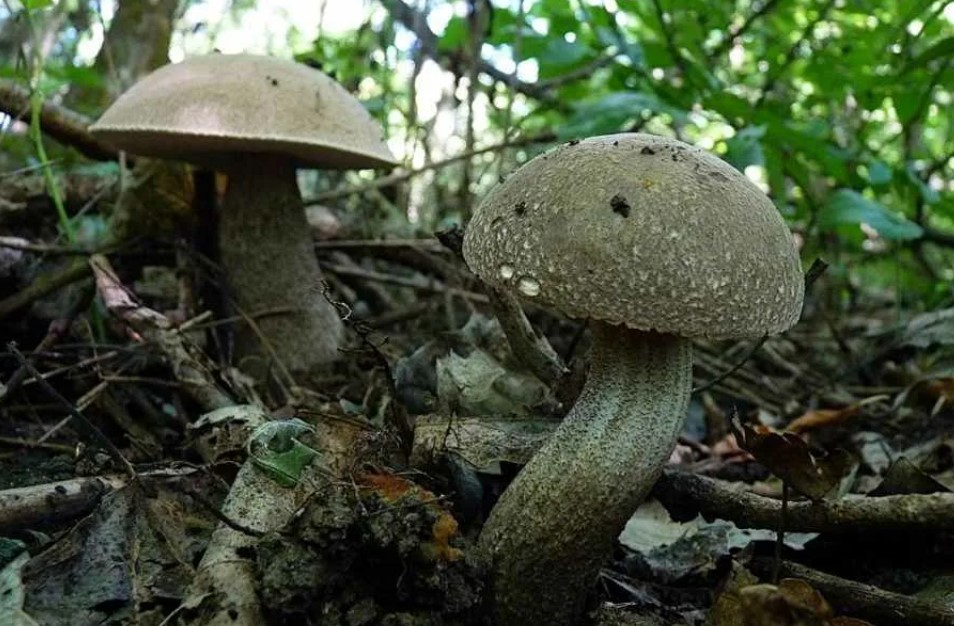
| Despite its name, the mushroom's cap is light brown. It gets its name from its ash-gray tubular layer. The stem is light-colored, long, and thin, with loose scales on the surface. When cut, the flesh turns pink, and the base turns green or blue. | Mixed and deciduous forests. | August-September. | Edible, but the taste is mediocre. |
Photo gallery of the ash-gray birch bolete
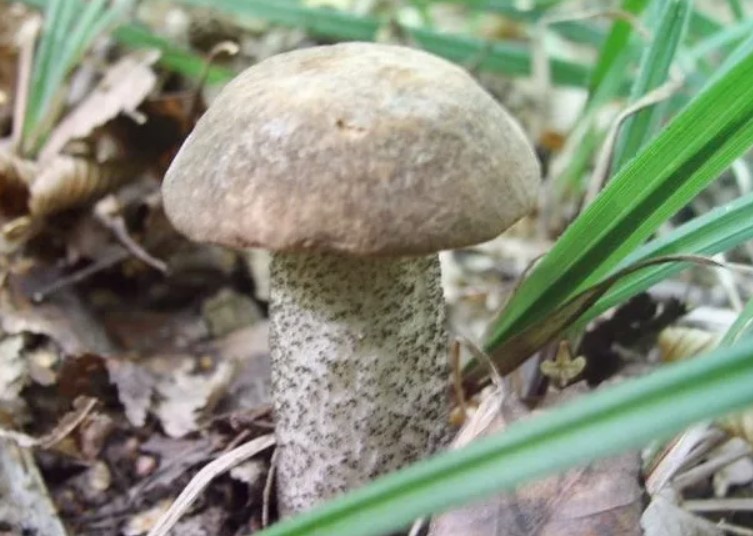
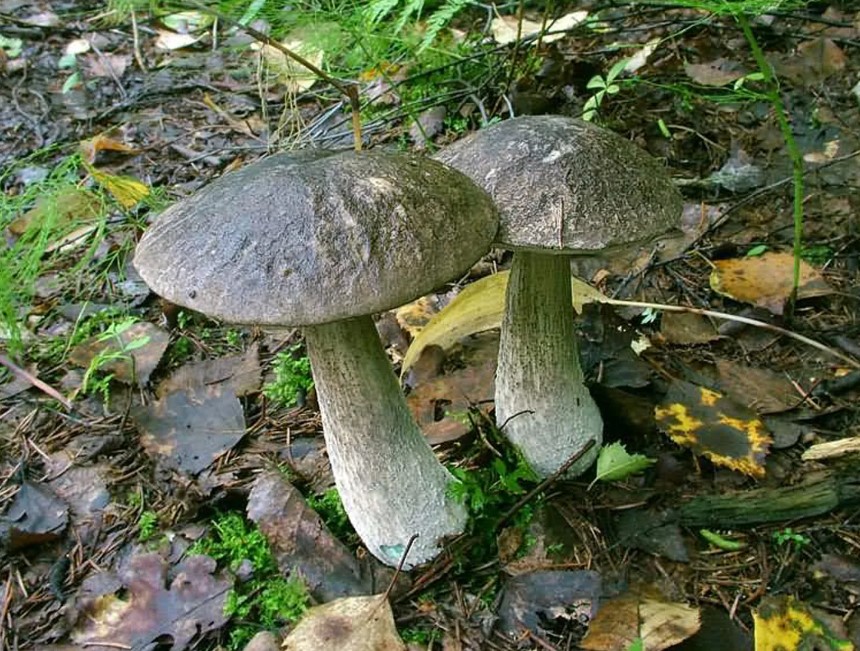
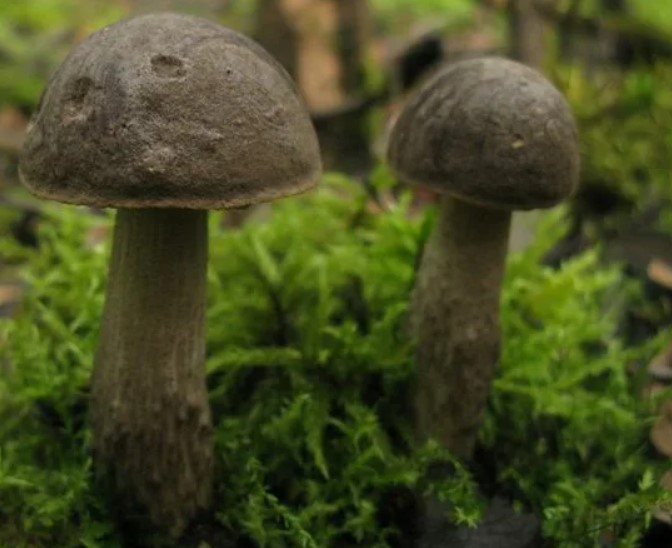
Birch bolete (Leccinum variicolor)
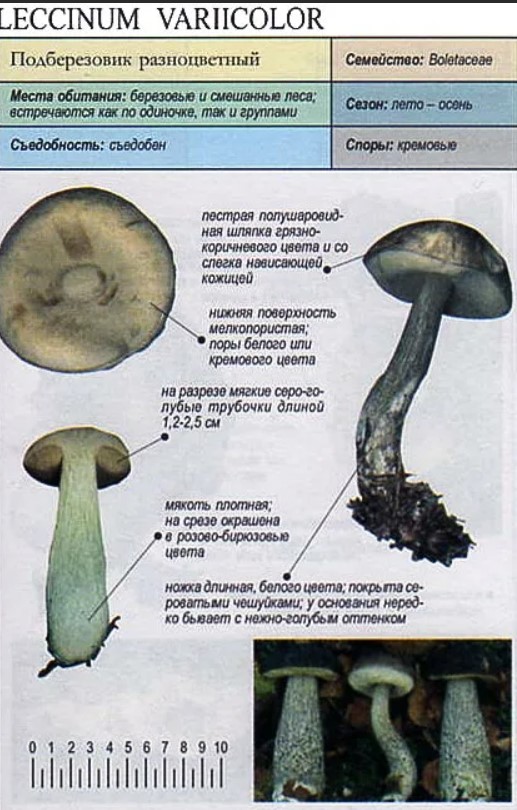
| Description | Spreading | Harvest season | Edibility |
| The mushroom cap is light-colored, but its surface is mottled with grayish streaks. The diameter ranges from 7 to 12 cm. The shape varies from spherical to cushion-shaped. The flesh is light-colored, turning slightly pink when cut. The mushroom has a very compact appearance, and the stem rarely grows beyond 10-15 cm. | Most often found in the southern regions of Russia, it prefers marshy areas and clearings covered with moss. | Mid-June – October. | Good taste. |
Photo gallery of the birch bolete
False boletus
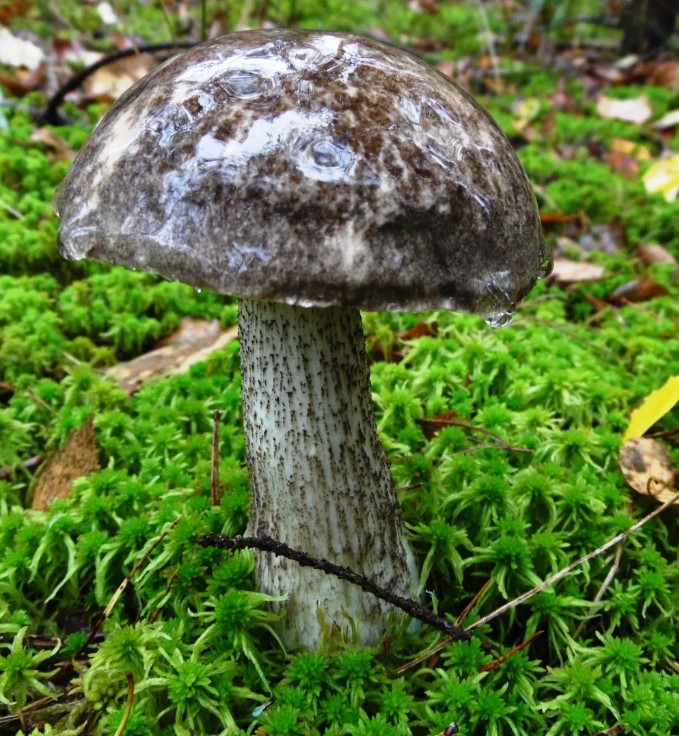
There are no toxic lookalikes of the birch bolete, only false analogs. But even these can cause indigestion. Two mushrooms are most similar to the birch bolete; let's take a look at them.
Gall mushroom (Tylopilus felleus)
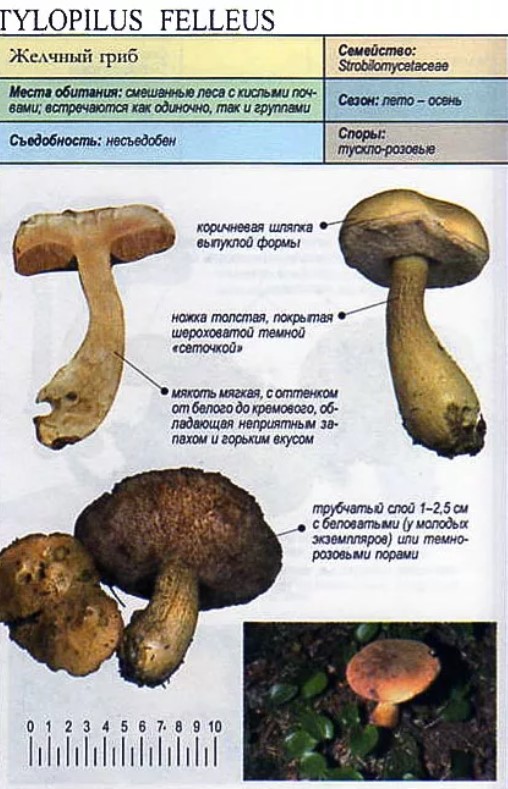
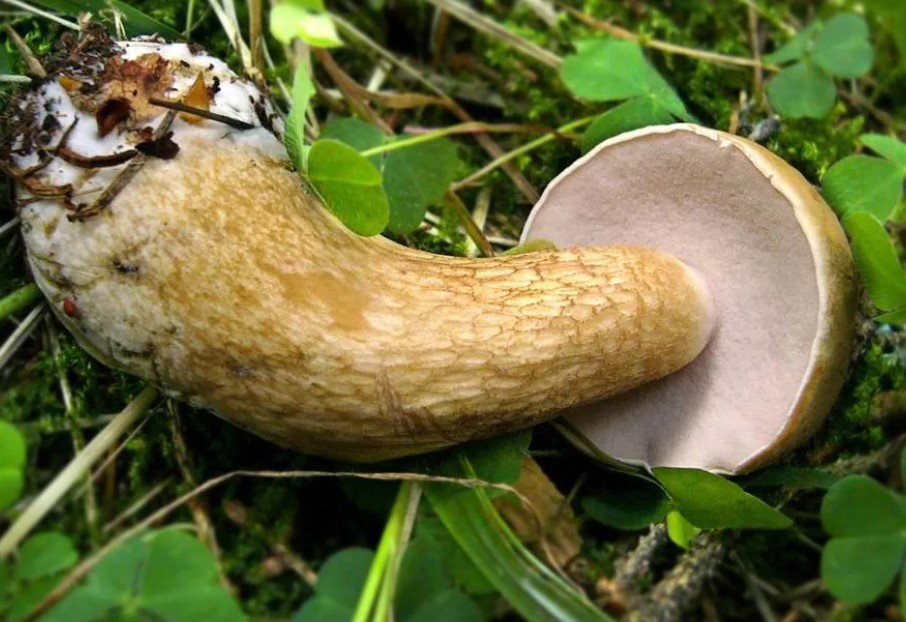
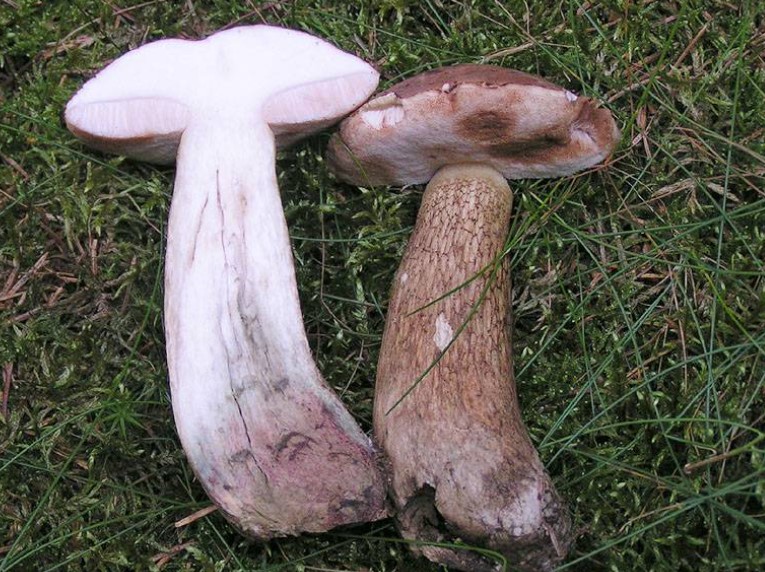
Another name for this mushroom is the bitterling. The cap is spherical, changing from beige to dark brown as it grows. The surface, unlike that of the birch bolete, is rough, and the hairs do not fall off even after being smoothed.
The stem is very dense, strongly swollen at the base. Instead of scales, its surface has veins resembling blood vessels. After cutting, the tubular layer takes on a red tint. Its appearance resembles that of a boletus, and the flesh is pungent.
The mushroom is very rarely wormy due to the bitter-tasting flesh.
Grows in coniferous forests.
Gall Mushroom Photo Gallery
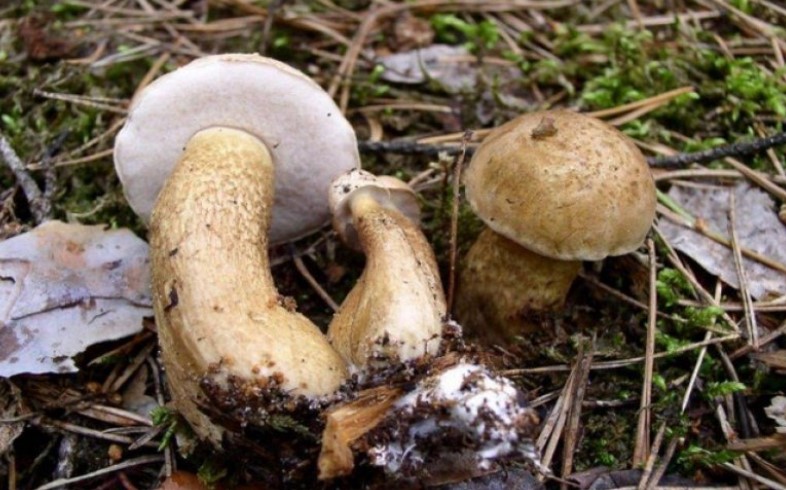
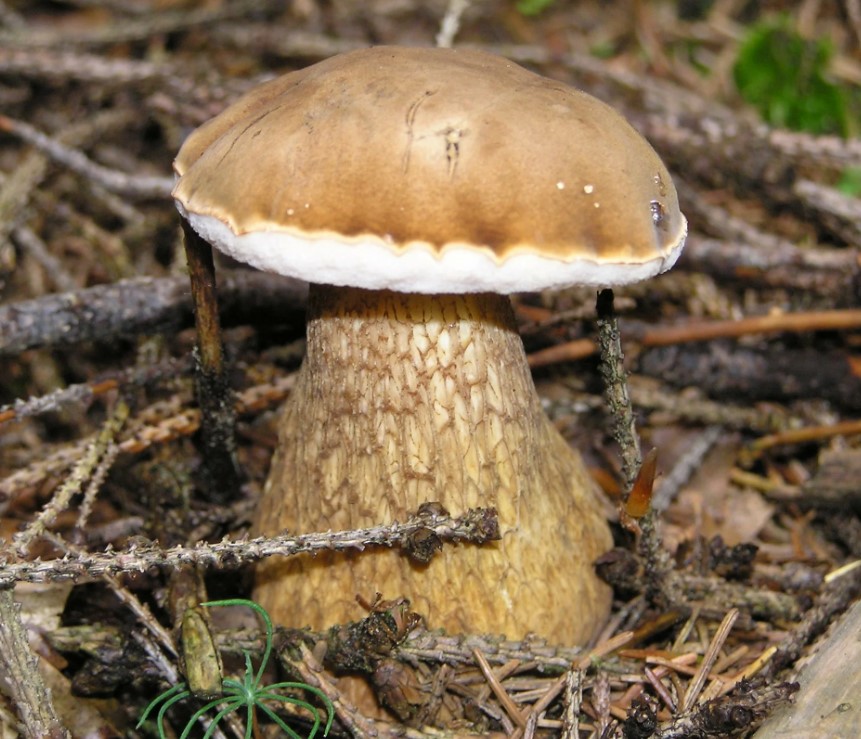
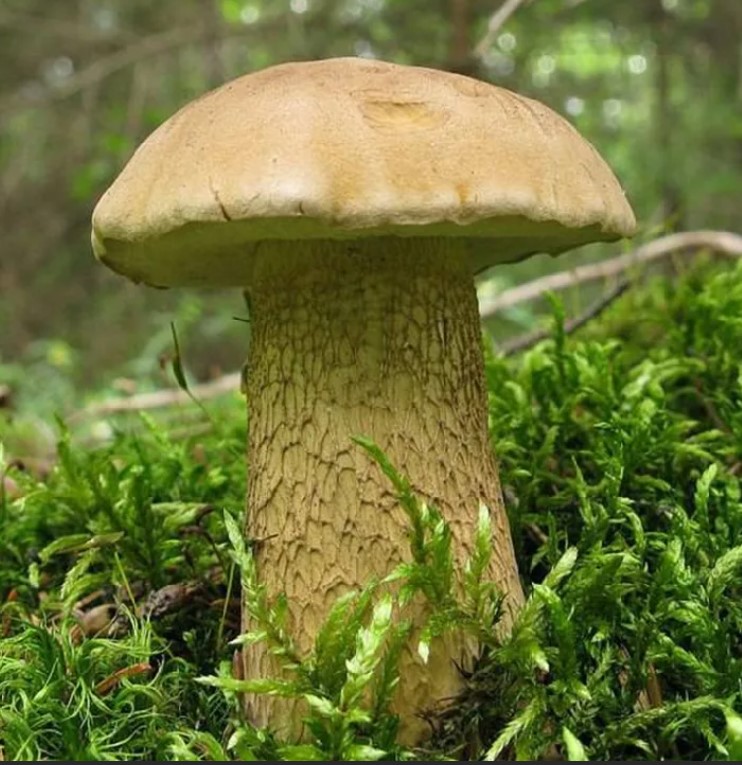
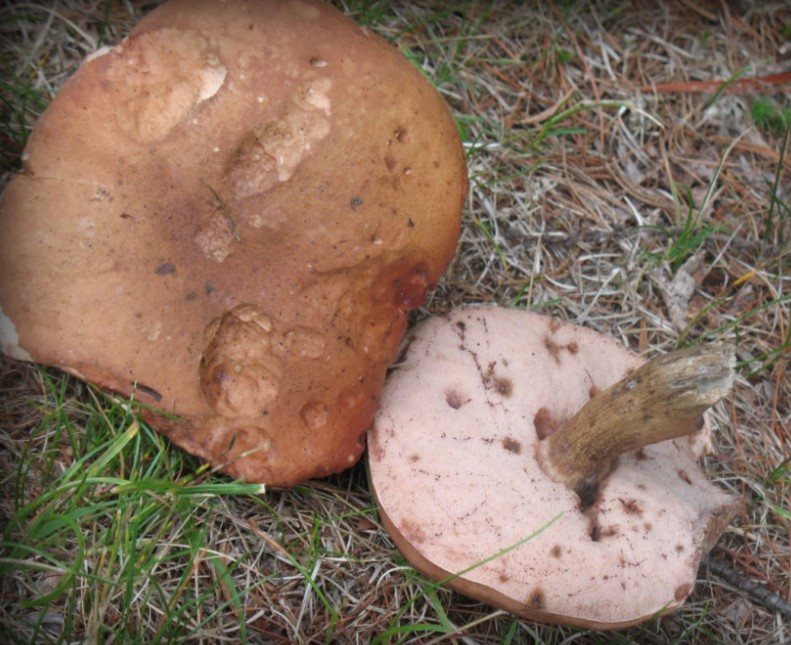
Read more about bitterling mushrooms, how to distinguish them from good mushrooms, and whether they can be eaten in the article.False porcini mushroom (gall, bitter): 20+ photos and description, similar varieties, how to distinguish from the real thing.
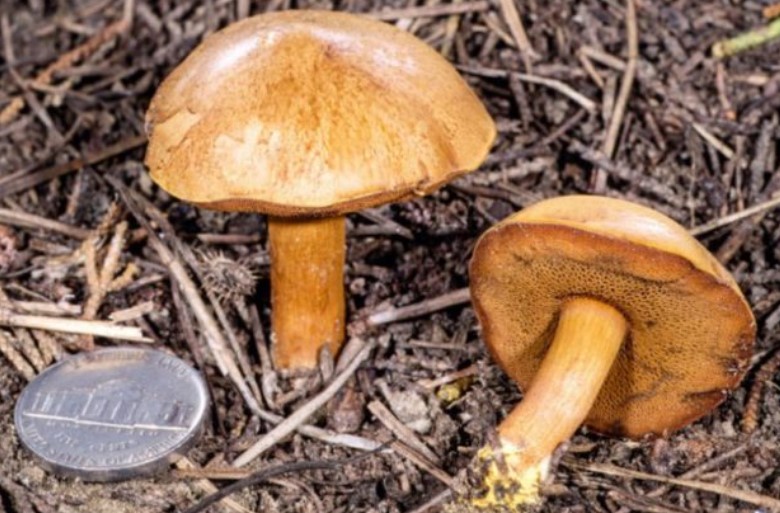
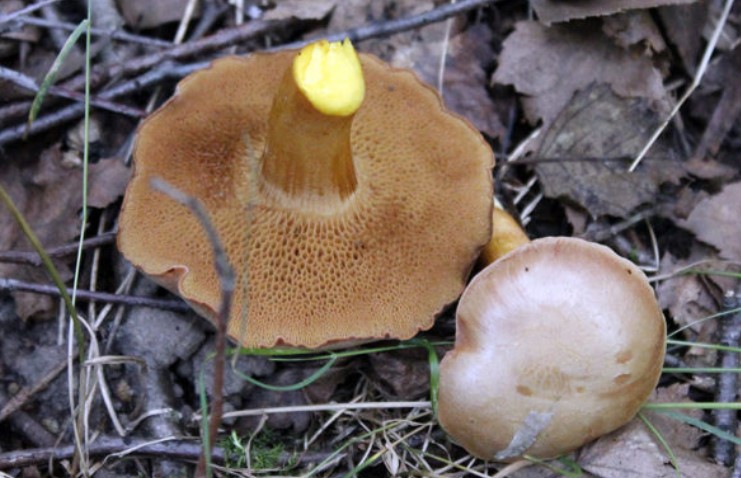
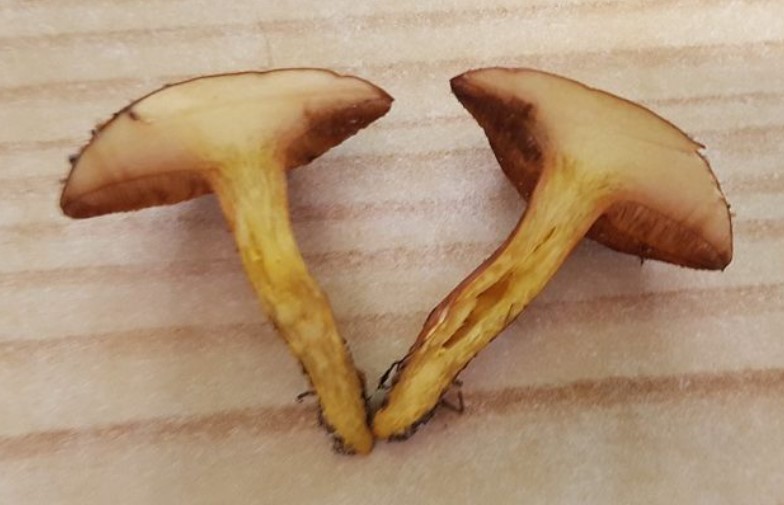
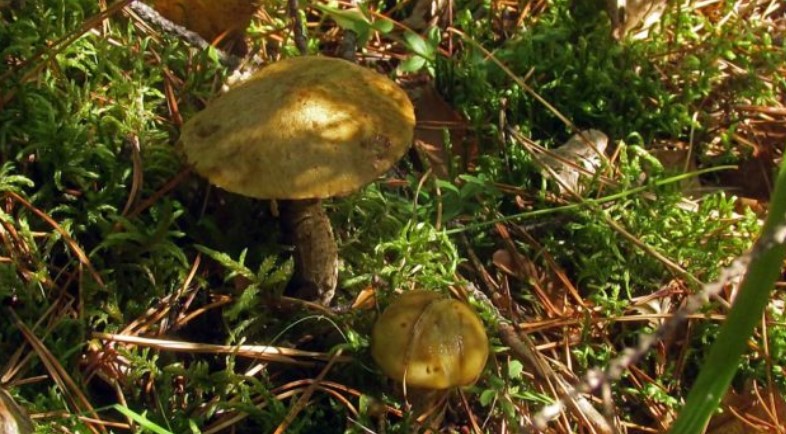
Pepper mushroom, pepper boletus (Chalciporus piperatus)
It is often found near birch boletes, as it also forms mycorrhiza with birch trees. The cap is brown, up to 6 cm in diameter. The cap is shiny, giving the mushroom a resemblance to a boletus or butter mushroom. The skin is velvety and dry. The stem is thin and yellowish. Unlike birch boletes, it has no scales. Furthermore, the pepper mushroom has a tubular layer under the cap that releases a reddish liquid when pressed. The flesh is bitter. The spore-bearing layer is red.
Photo gallery of the pepper mushroom
Read about butter mushrooms in the articles:
The benefits and harms of butter mushrooms, calorie content, and use in folk medicine + recipes.
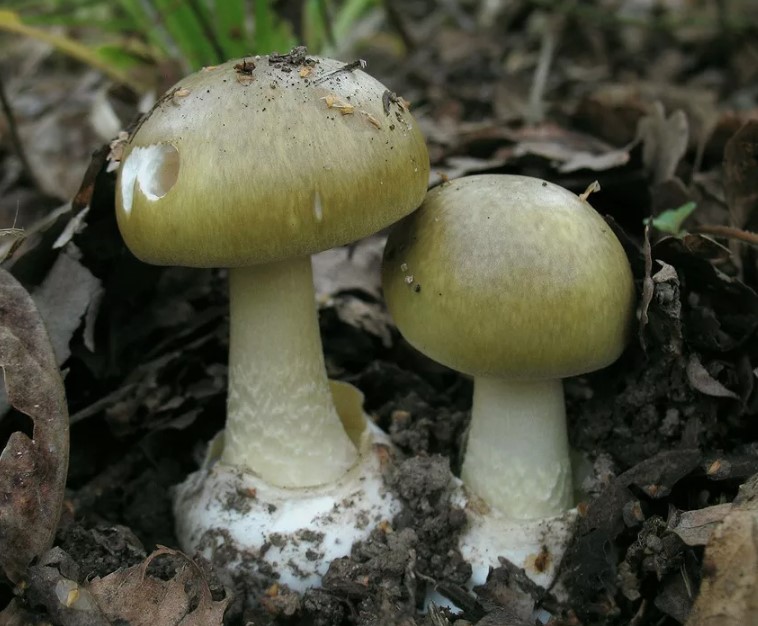
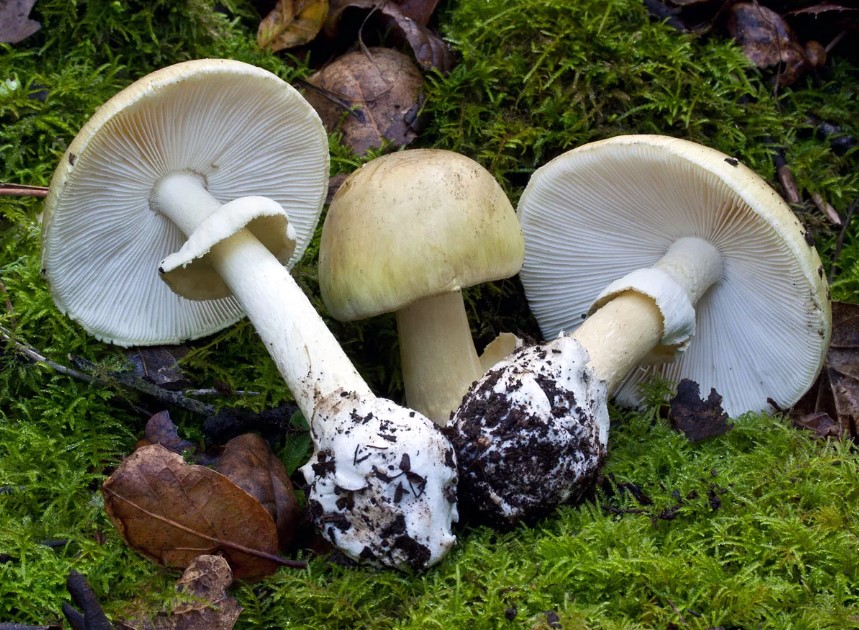
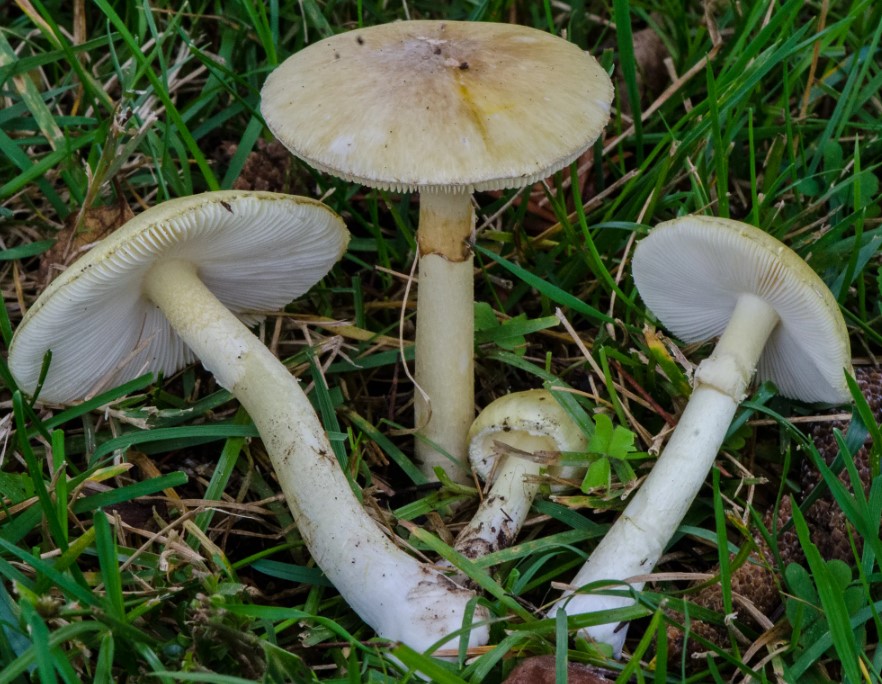
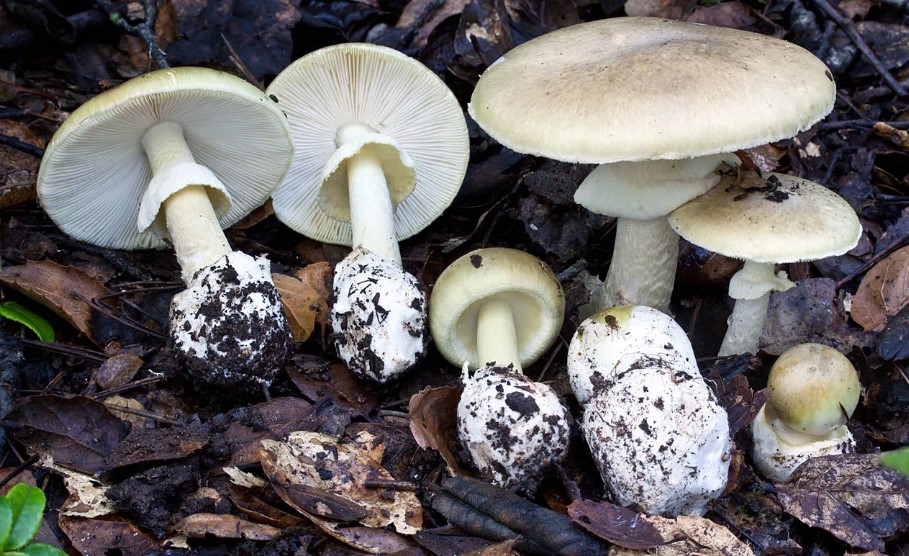
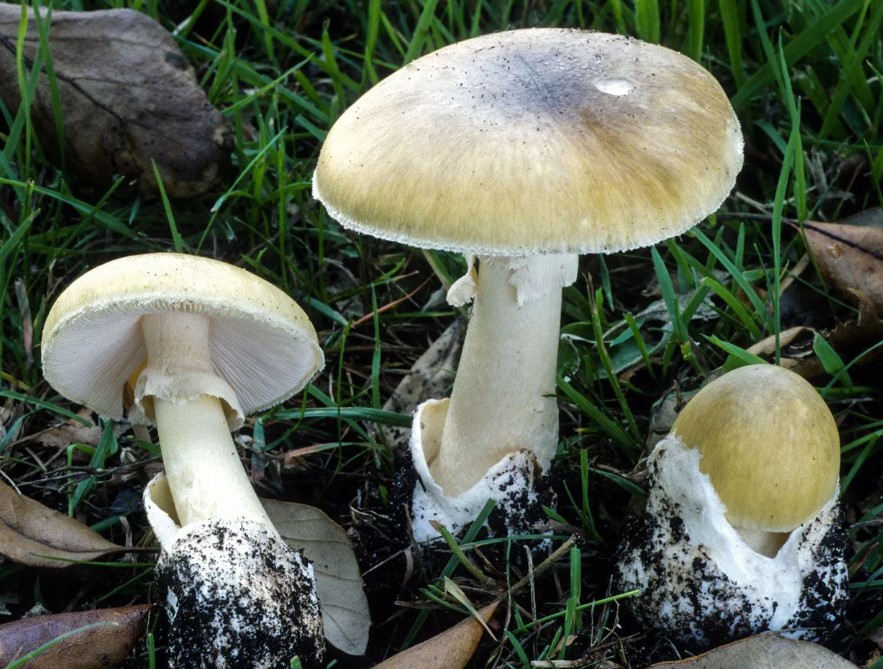
Death cap (Amanita phalloides)
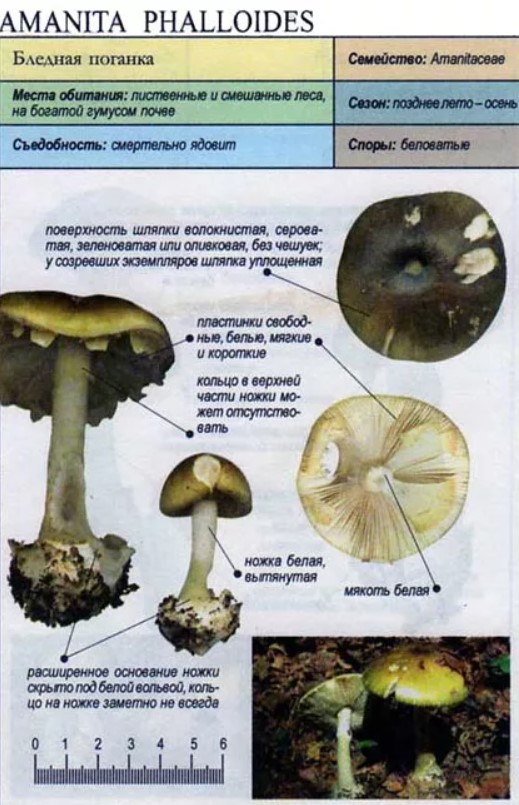
This mushroom belongs to the Amanita genus and is considered one of the most toxic. It's quite rare, but its fruiting period and growing habitat are similar to those of the birch bolete, so novice mushroom pickers may confuse it with a young death cap.
The cap is flat-convex, light, darkens with age, the middle is more pronounced.
A distinctive feature is the gills under the cap, which birch boletes lack. Furthermore, at the base of the toadstool is a volva, half of which is hidden in the ground, leaving only a "skirt" exposed.
Death Cap Photo Gallery
How to distinguish between birch boletes and aspen boletes
Both the aspen boletus and the birch boletus belong to the same genus, so they are very similar in appearance. Distinguishing features are listed in the table below.
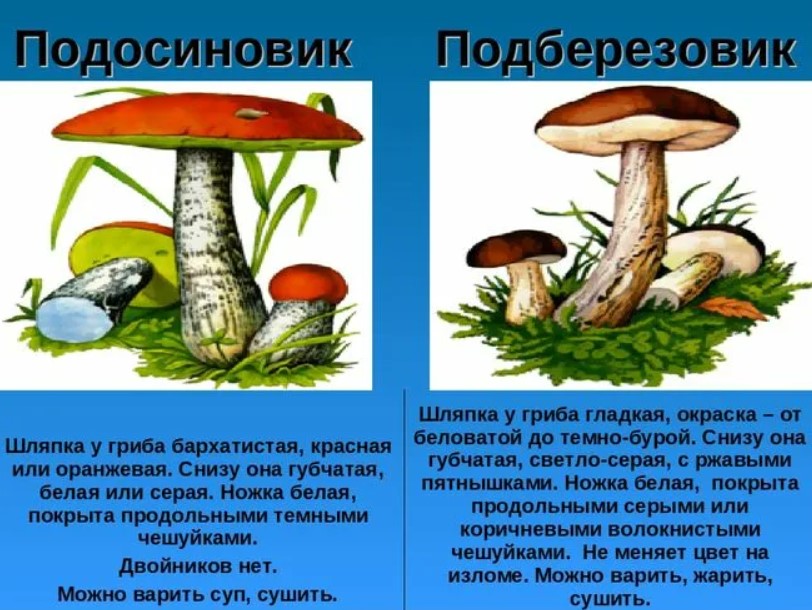
| Sign | Birch boletus | Aspen mushroom |
| hat | Beige, brownish or brown. | Orange or red. |
| Leg | The stem is long and thin, and may be thickened at the base. The scales are dense and large. | A strong, cylindrical stem with small, sparse scales. |
| Pulp at the cut site | The color of the pulp changes slightly. | The flesh turns blue or black. |
Read more about aspen mushrooms in the articleAspen mushrooms: 55 photos of mushrooms, descriptions, edible or not, where they grow, when, benefits and harms.
Edibility and nutritional value of boletus
All boletus mushrooms are considered edible, as long as you don't overindulge. They're ideal for dieters due to their low calorie content.
100 g of fresh boletus mushrooms contain:
- 20 kcal;
- 5.1 g fiber;
- 2.3 g carbohydrates;
- 0.9 g fat;
- 90.1 g of water.
Composition and caloric content of boletus mushrooms
Mushrooms contain only 20 kcal per 100 g of product. They also contain:
- potassium (about 40% of the daily value);
- manganese (37% of the daily value);
- calcium (about 20% of the daily requirement);
- sodium;
- phosphorus;
- iron;
- magnesium.
Culinary uses of boletus
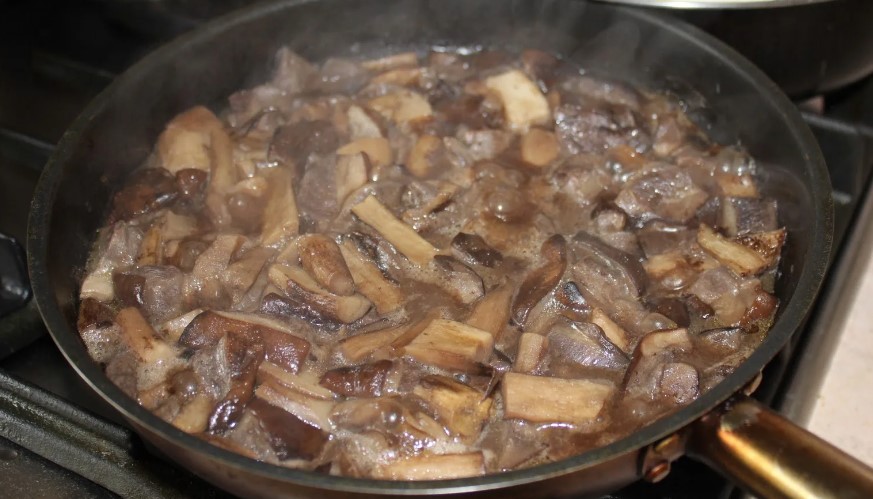
Boletus mushrooms are widely used in cooking. Before cooking, they are peeled, washed, and briefly boiled. The most popular boletus dishes include:
- cream soup;
- julienne;
- paste;
- stew with potatoes and vegetables;
- stewed mushrooms in sour cream;
- pies;
- rolls;
- sauces.
Birch boletes can be added to various salads, combined with other mushrooms, and made part of any complex side dish.
Harvesting and storing boletus mushrooms
Most often, boletus mushrooms are salted or pickled for winter storage. You can choose any recipe; pickles with vinegar will keep longer. Boletus mushrooms should be processed within the first 24 hours of harvesting, preferably within 12 hours, especially if they are to be frozen.
There are two ways to freeze mushrooms:
- fresh (you just need to clear them of forest debris and cut them);
- boiled (wash, chop and boil for 20 minutes).
Mushrooms can be dried either naturally in the attic or any other warm, low-humidity area, or in a special drying device or oven. The temperature should not exceed 40 degrees Celsius (104 degrees Fahrenheit), and the mushrooms should be stirred periodically during the drying process.
The benefits and harms of boletus
Boletus mushrooms have many beneficial properties:
- elimination of toxins;
- purgation;
- support of kidney function;
- strengthening the immune system;
- harmonization of the nervous system;
- improving thyroid function;
- support of the cardiovascular system.
Since the mushrooms are toxin-free, birch boletes cannot harm humans. Only if consumed in large quantities.
Contraindications
Birch boletes can only cause harm if overeaten and subject to certain other restrictions:
- chronic gastrointestinal diseases;
- pregnancy and lactation;
- age up to 14 years.
Mushrooms are considered a difficult food to digest, so you shouldn't overindulge in them.
How to grow boletus mushrooms at home in your garden
If desired, you can grow your own birch boletes in your own backyard. Thanks to their excellent yield, you'll have enough mushrooms for both personal use and for sale.
Planting begins in late spring or early summer. Mycelium can be purchased at the store, but it's also possible to harvest it yourself, although this isn't the easiest task. The spores of the birch bolete are very difficult to separate from the cap. Once extracted, they are minced and placed in water.
Algorithm for preparing and planting mycelium:
- A packet of dry yeast is added to the water with the spores.
- After 7 days, the foam is removed and the water accumulated in the middle is drained.
- The remaining sediment is diluted in a ratio of 1:100 with clean water.
- The roots of the birches are slightly dug out.
- The liquid is poured onto the roots, covered with leaves and watered again.
- In warm weather, the mycelium should be regularly misted with warm water in the afternoon to maintain the desired humidity level. The chosen location should be slightly shaded, away from direct sunlight.
If mushroom cultivation is carried out using mycelium, the work algorithm is as follows:
- 3-4 holes with a diameter of 10 cm and a depth of 20 cm are dug around the birch tree.
- Birch sawdust is placed on the bottom, and forest humus is placed on top of it.
- A third of the bag with mycelium is poured on top
- The hole is covered with soil and watered at the rate of 1 liter for each planting.
- A layer of straw is placed on top, and for the winter the mycelium is covered with spruce branches.
- It is important to take into account that the mycelium will begin to bear fruit only after a year and will live for about 6 years.
Reviews of mushroom pickers about birch boletes and their preparation
Very tasty if not old
Oh, birch boletes are another of my favorite mushrooms, right after porcini mushrooms. They're also delicious, and you can make so many delicious things with them. Some people call them birch boletes by other names—some call them leccinums, others call them ababkoms—to each their own, but I call them birch boletes, as is proper, but all of these names are generally correct when applied to this mushroom. So you'll never go wrong.
Birch boletes are usually abundant after rain, but they only grow in warm weather. Rain alone isn't enough for them; they also need sun to soak up the moisture, which is what makes them so plentiful. We picked a huge amount of them last fall. We had heavy rains in August, and then it was very warm in September. We picked all sorts of mushrooms. Whenever we went into the forest, we'd always pick up several buckets of birch boletes, a couple of large 15-liter buckets of them, and we'd always take them home.
This year we didn't get a lot; I didn't even freeze them, just fried them a few times and ate them. Boletus mushrooms are delicious when they're not too old, easy to spot; hard-to-find ones are very dark and slimy. Medium-sized boletus mushrooms freeze well; you can either boil them or fry them first, it doesn't matter, then cool them and put them in the freezer.
Young boletus mushrooms are great pickled. I'm not a big fan of salted ones, but pickled ones are delicious. I usually pickle them: boil them briefly, then place them in hot jars, add bay leaves, cloves, peppercorns, dill, and garlic, and pour a marinade of salt and vinegar over them. I then pour sunflower oil on top to help them set. They turn out delicious.
And if you fry them with sour cream and herbs, they are absolutely delicious; they go well with potatoes, and I especially like them with pasta. Very tasty.
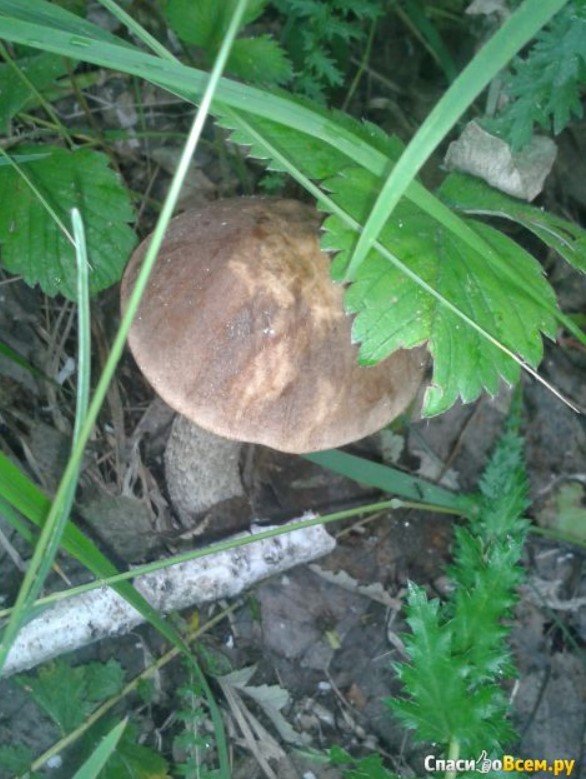
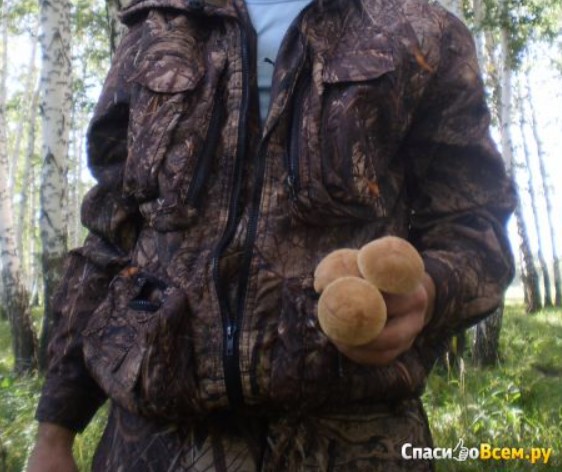
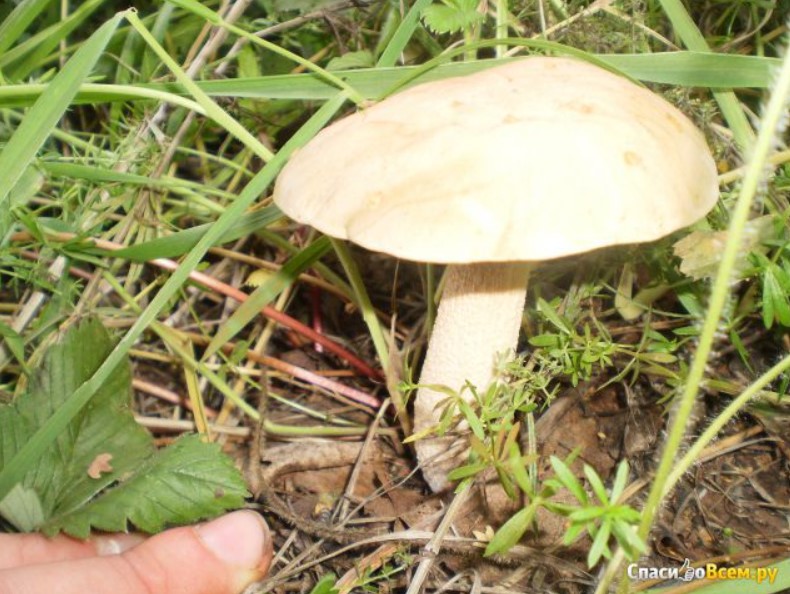
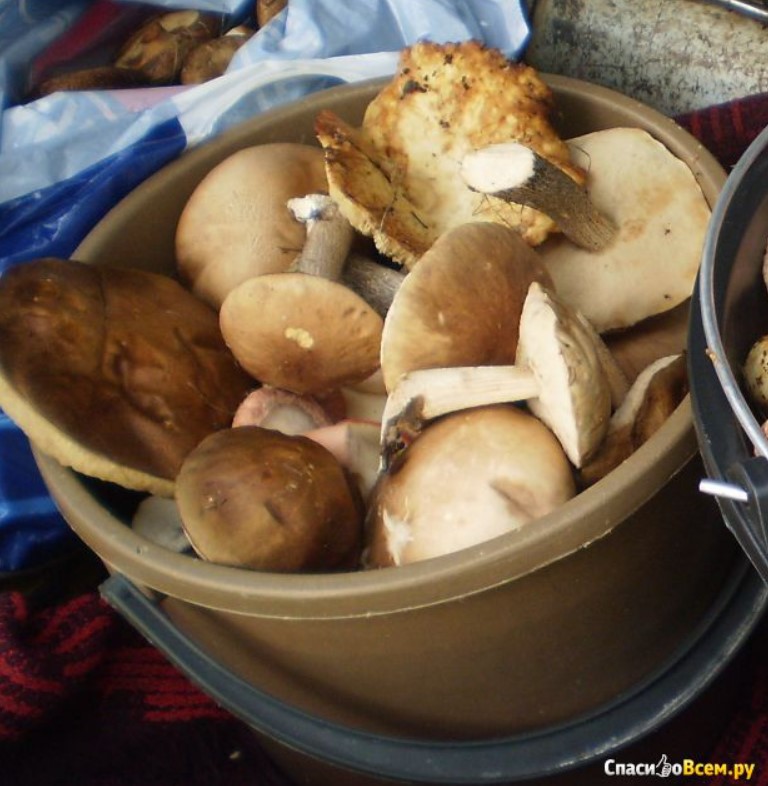
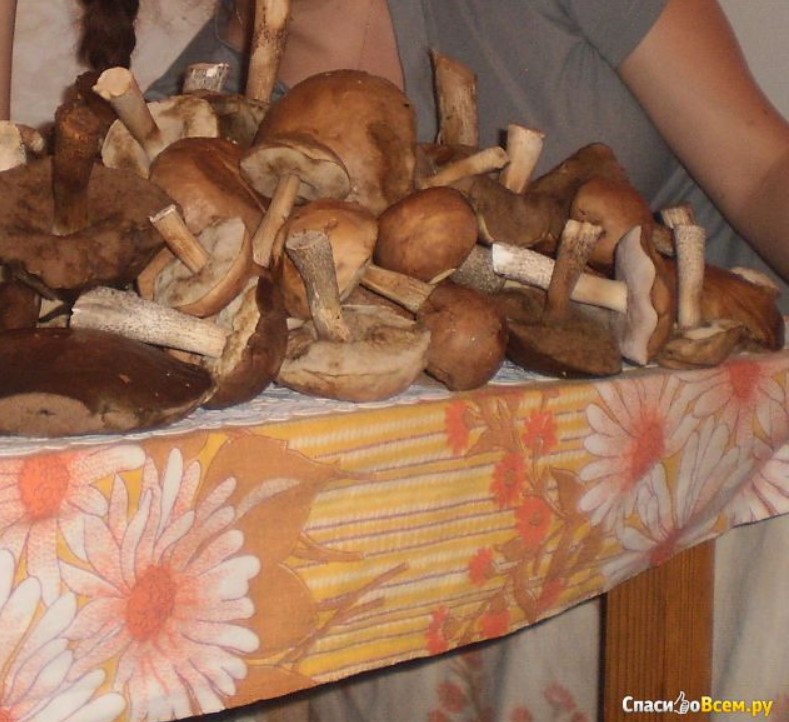
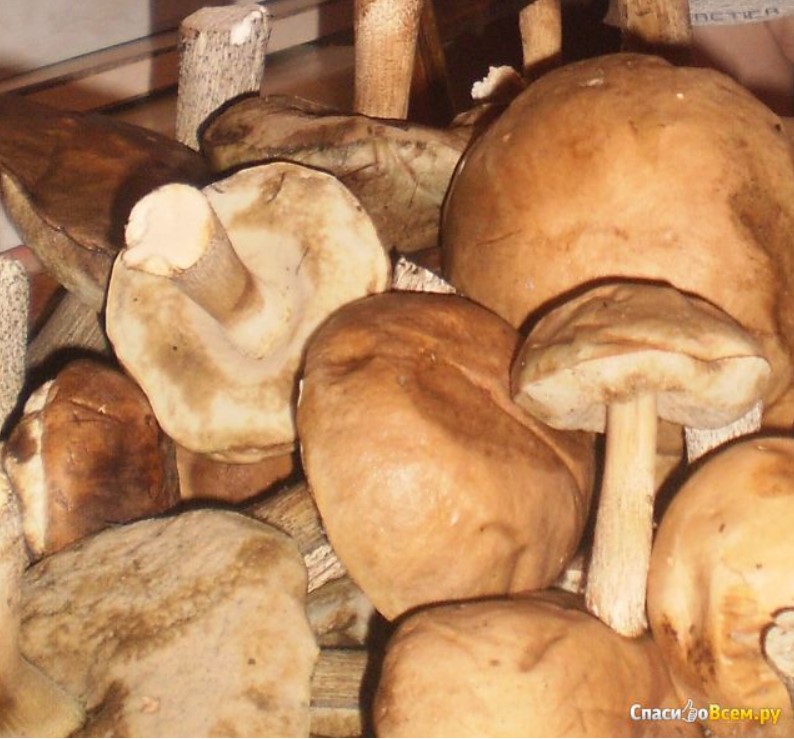
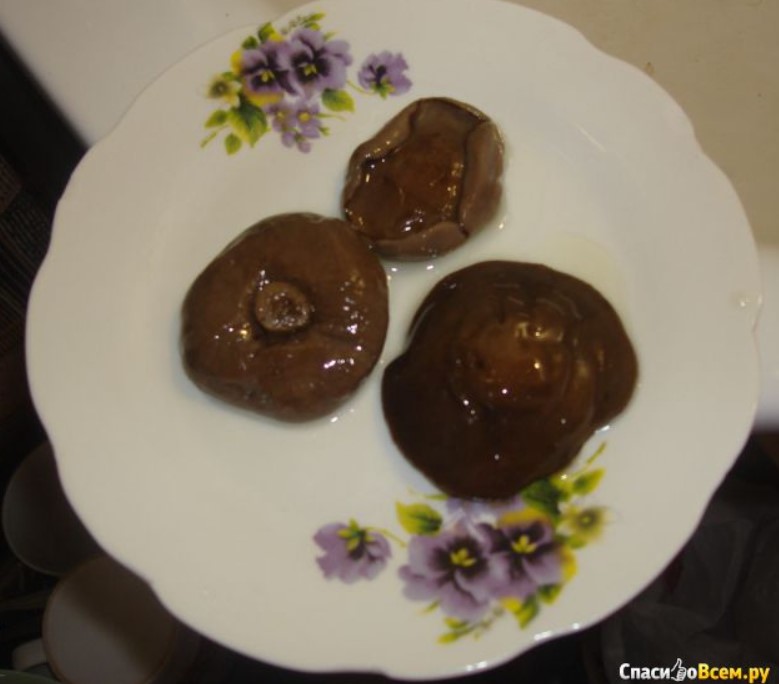
Yesterday we picked some boletus mushrooms
Today we decided to make them. I found a recipe online. We made them, and now I'm eating them and writing this. I'll tell you how delicious they turned out, so I decided to share this recipe with everyone.
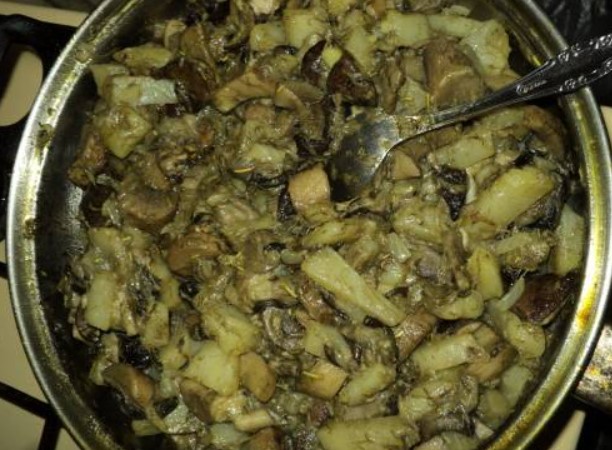
Fried boletus mushrooms (Siberian-style fried boletus mushrooms)
I'd like to introduce you to a delicious Russian, or more accurately, Siberian, dish: obabok zharyokha. Obabok is a common Russian name for the birch boletus, and zharyokha is the name of a group of dishes united by a cooking method—frying in a pan. Zharyokha is typically made with meat, liver, or mushrooms, often with the addition of potatoes.
Boletus boletus is a very common mushroom in Siberia. It can be substituted with other tubular mushrooms, such as porcini, aspen, or butter mushrooms.Ingredients (for 2-4 servings):
10-12 medium-sized boletus mushrooms
5-6 medium potatoes
1 medium onion
5-6 tablespoons of sunflower oil
Salt to taste
A few green onion feathersPreparation:
We clean the boletus mushrooms from forest debris, wash them with cold water and chop them not too finely.
Pour sunflower oil, preferably unrefined, into a thick cast iron frying pan (in a pinch, you can use a steel or aluminum frying pan, but it should also be thick) (it can be replaced with another vegetable oil, such as corn or soybean, but not olive oil) and place the sliced mushrooms.
Fry over medium heat for about 30 minutes, stirring constantly. The boletus mushrooms will release a lot of water and become very crispy. If you want the mushrooms to be slightly stewed, fry them with the lid on; if you want the boletus mushrooms to be crispy, let the water evaporate. In any case, stir the mushrooms at least every 5 minutes.
While the mushrooms are frying, wash, peel, cut the potatoes into strips and place them in the mushrooms.
Stirring constantly, fry for another 20-30 minutes, until the potatoes are almost cooked through. Add the chopped onion.
Add salt. Stir. Fry for another 5-10 minutes. Remove from heat, sprinkle with finely chopped green onions, and serve immediately, in the pan, not in individual servings.
They eat the fried boletus mushrooms with spoons, scooping from a shared frying pan. This recipe is authentic; it's how boletus mushrooms were and are prepared in Siberian villages. To recreate it, you'll need three essential ingredients: wild boletus mushrooms, a thick cast-iron frying pan, and unrefined sunflower oil. Only then will you be able to fully enjoy this Siberian fried boletus mushrooms.
pickled boletus mushrooms
- 1 kg of mushrooms
- salt - 40-50 g
— citric acid — 0.3-0.4 g
- vinegar - 30 ml 9%
- bay leaves - 3
- allspice and black pepper - 6 grains each
Rinse the processed mushrooms and trim the roots 2-3 cm from the cap. Rinse thoroughly, place in a cooking vessel (roots and caps separately), add a little water and salt, and simmer over low heat, stirring occasionally and skimming off any foam. When the broth becomes clear, add the spices, citric acid, and 9% vinegar. Cooking is complete when the mushrooms settle to the bottom and the brine becomes clear. Transfer the cooked mushrooms and marinade into jars. Sterilize at 100°C (212°F): 0.5L jars – 25 minutes, 1L jars – 35 minutes.
Boil the mushrooms for 20 minutes, drain in a colander. Prepare the marinade. For 1 liter of water, add 2 tablespoons of sand, 4 teaspoons of salt, 4 teaspoons of essence, 5-6 cloves and bay leaves. Once the marinade boils, add the mushrooms and boil for 10 minutes. Then, transfer to sterilized jars with the brine, seal with metal lids, and leave in a warm place until cool.
I make a “mushroom solyanka” out of them and roll it into jars.
For 2 kg of mushrooms - 0.5 kg of onions, 1 kg of tomatoes, 0.5 kg of carrots.
Boil the mushrooms for 10 minutes twice (changing the water), then add them to the stewer. Add the carrots, finely chopped, and simmer for 10 minutes, then the onions, and finally the tomatoes. Stir constantly for 20 minutes over low heat. Add salt, dill, pepper, and bay leaves to taste.
You can eat it with potatoes, as a salad, or use it as a dressing for mushroom soup.
Don't put sponge mushrooms in water; wash them carefully, so they don't absorb any water, otherwise the cap, or rather the sponge itself, becomes snotty. My dad carefully cleans these mushrooms with a damp cloth. You can also make mushroom soup with homemade noodles, freeze them for the winter, stew them with beef (delicious! Especially with cream), I wrote a recipe here, dry them, fry them, and seal them in jars, pouring some oil on top (keep them in the refrigerator, and simply add them to side dishes in the winter), or fry them with potatoes. Oh, and you can also bake mushroom pies. There are so many options. Enjoy!