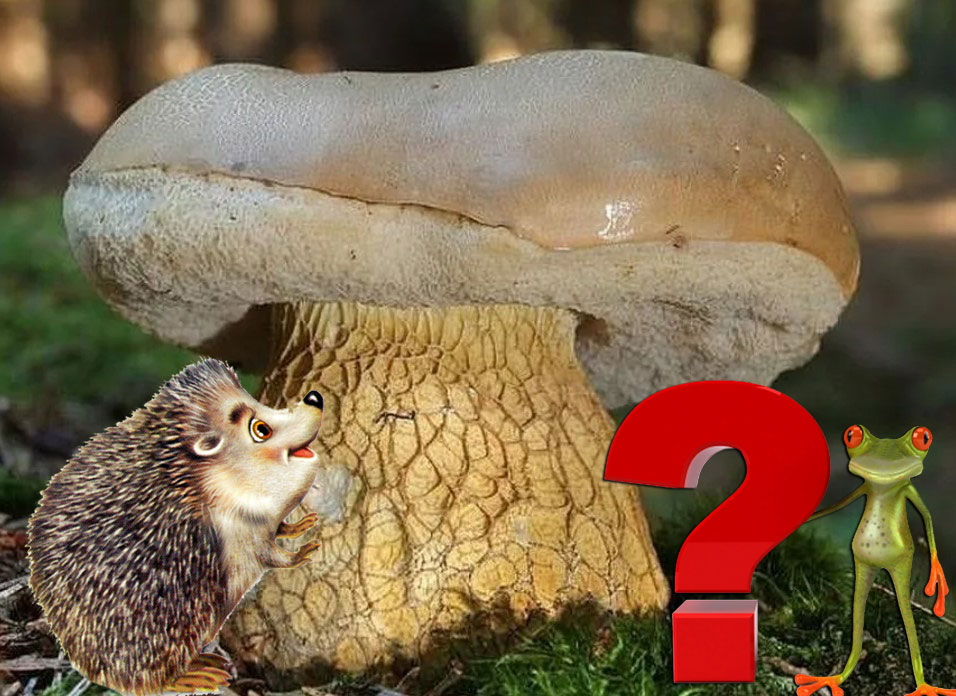
The false porcini mushroom is one of the most common conditionally poisonous varieties in the Russian Federation. Its main danger lies in the fact that it grows in virtually all forests across the country, yet it closely resembles its edible counterpart. Sometimes, inexperienced mushroom pickers mistakenly collect it in their baskets. We'll tell you more about this mushroom: what it looks like, how to distinguish it from edible varieties, and what it can be used for.
Content
- 1 What is hidden behind the name false white mushroom?
- 2 Historical background
- 3 Benefits and harms
- 4 False white mushroom - a parasite or an orderly
- 5 Description
- 6 7 Easy Ways to Distinguish a False White Mushroom from a Real One
- 7 Where they grow
- 8 Growing season
- 9 Symptoms of poisoning and first aid
- 10 What other edible mushrooms can the bitterling be confused with?
- 11 Inedible and conditionally edible mushrooms similar to the bitterling
- 12 The use of gall mushroom in medicine
What is hidden behind the name false white mushroom?
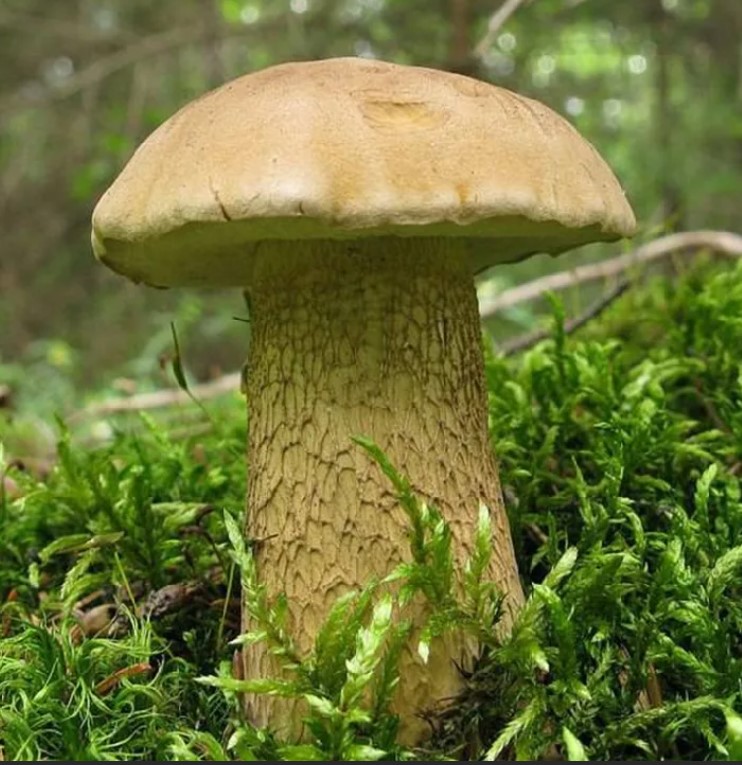
This mushroom belongs to the genus Tylopilus, family Boletaceae. Due to its bitter taste and the presence of toxic substances, it is not eaten. Other names include bitterling and gall mushroom.
Historical background
The bitterling was first described by the French mycologist P. Bulliard in 1788. Initially, it was mistakenly assigned to the same genus as the edible porcini mushroom, but was later separated into a separate group – Tylopilus.
Interesting fact! The bitterling is the only representative of the genus that grows in Europe.
In 2013, it was considered for classification as non-poisonous, as researchers proposed their position that the mushroom simply needed to be boiled for a long time to be safe to eat. However, it was later discovered that the toxic components simply become weaker after cooking, but do not completely disappear. Therefore, the bitterling remains considered poisonous.
Benefits and harms
Bitterling contains the alkaloid muscarine, a toxic substance found in fly agarics and other dangerous mushrooms. However, the amount is too small to cause death.
This mushroom is conditionally poisonous, meaning it can be eaten without risk of poisoning. However, in Russia, it is generally avoided due to its bitter taste. Even after washing, peeling, and cooking for many hours, it retains its bitterness; in fact, it actually intensifies after cooking.
However, some mushroom pickers have adapted to mask the bitter taste. To do this, they perform the following actions:
- Only the caps of young mushrooms are left.
- Boil them for 40 minutes or soak them for 2 days, changing the liquid twice a day.
- Mushrooms are used for pickling or marinating. They are not added to first and second courses.
Interesting fact! The mushroom is sometimes served at funerals in the Volga region as a tribute to tradition. It is also considered a delicacy in Vietnam.
Please note that eating this mushroom is not recommended, as it does contain a toxic substance, albeit in small quantities. Symptoms of poisoning may appear within a couple of days. Regular consumption of this mushroom may cause liver and bile duct problems.
However, despite all the danger, the gall mushroom also has biological activity:
- antibacterial;
- choleretic;
- immunomodulatory;
- antitumor, etc.
French scientists conducted research that found that substances contained in this mushroom can slow the growth of cancer cells. However, this knowledge has not been widely adopted by global medicine.
False white mushroom - a parasite or an orderly
This fungus doesn't parasitize healthy trees, only those that are already "dead." Therefore, it's more of a caregiver than a parasite. The bitterling produces nitrogen by digesting dead wood, which it then feeds to nearby plants. It also repels many insects.
Description
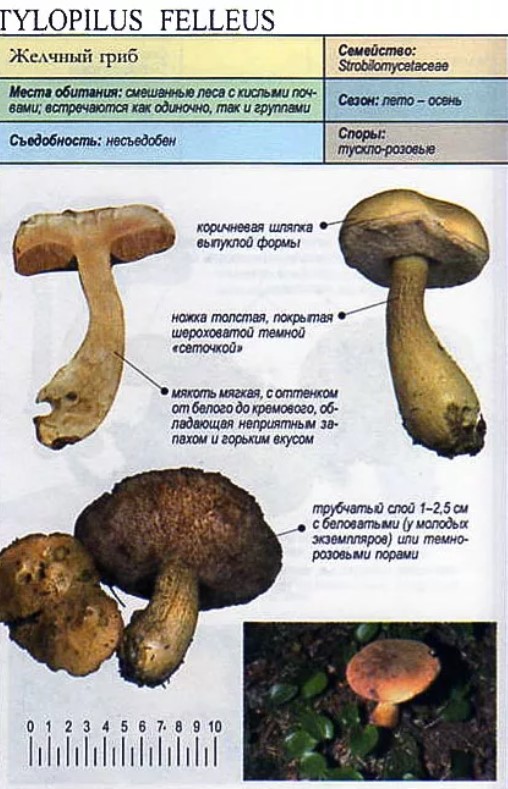
Let's take a closer look at the bitterling mushroom. Its external characteristics will help distinguish it from its edible counterpart.
hat
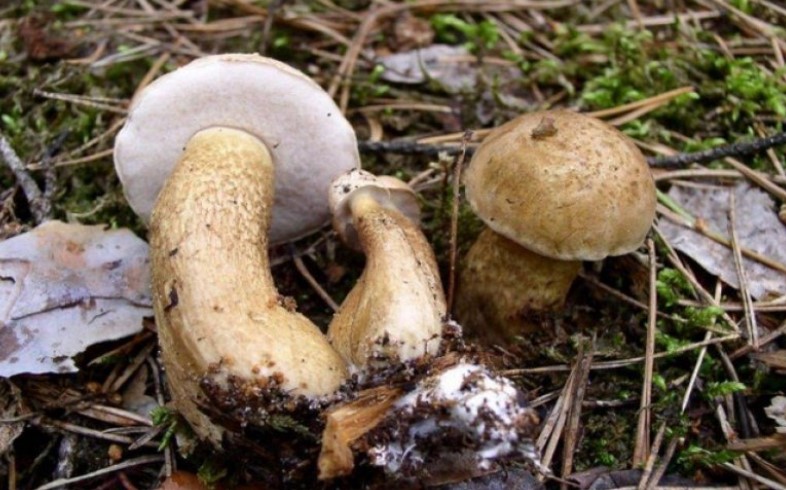
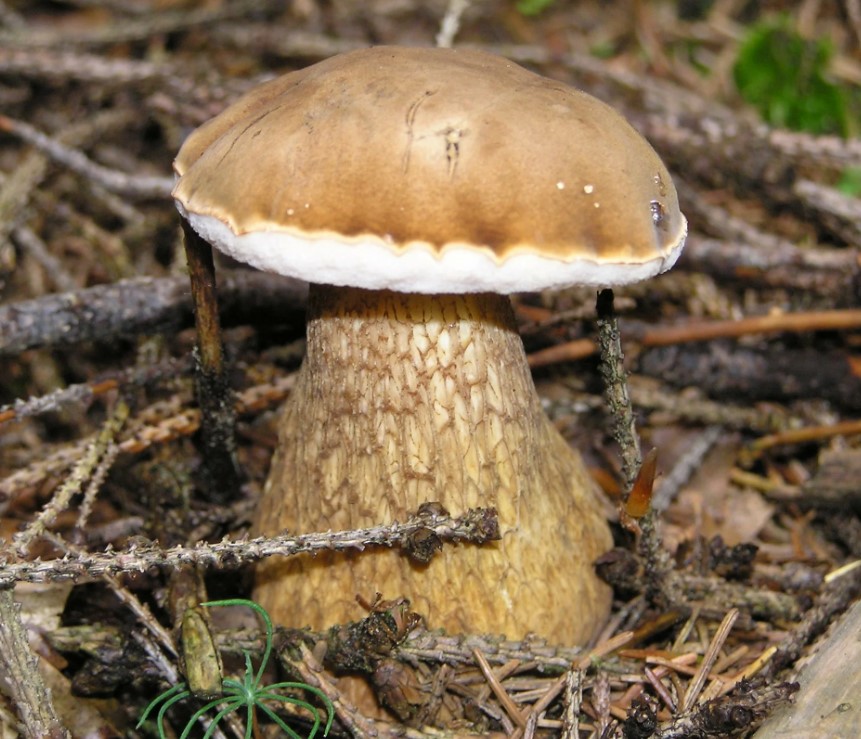
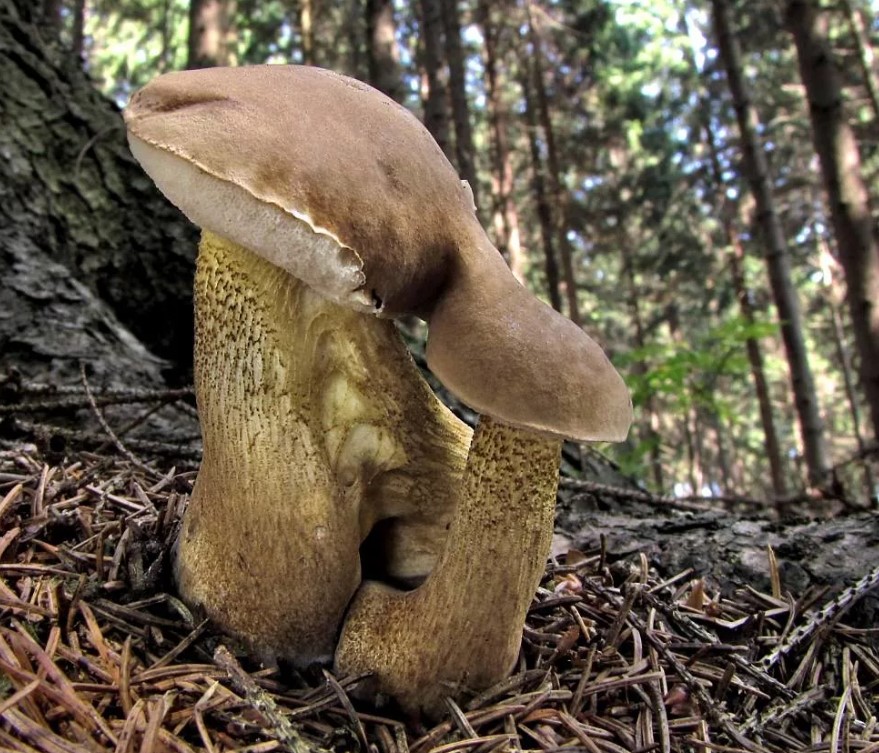
4-10 cm in circumference, sometimes growing to 15 cm. Initially hemispherical, with age it becomes rounded-cushioned or prostrate. The surface is dry, velvety or pubescent, later becoming smooth. In rain, it becomes slightly sticky. The hue can vary from ochre-gray to dark brown.
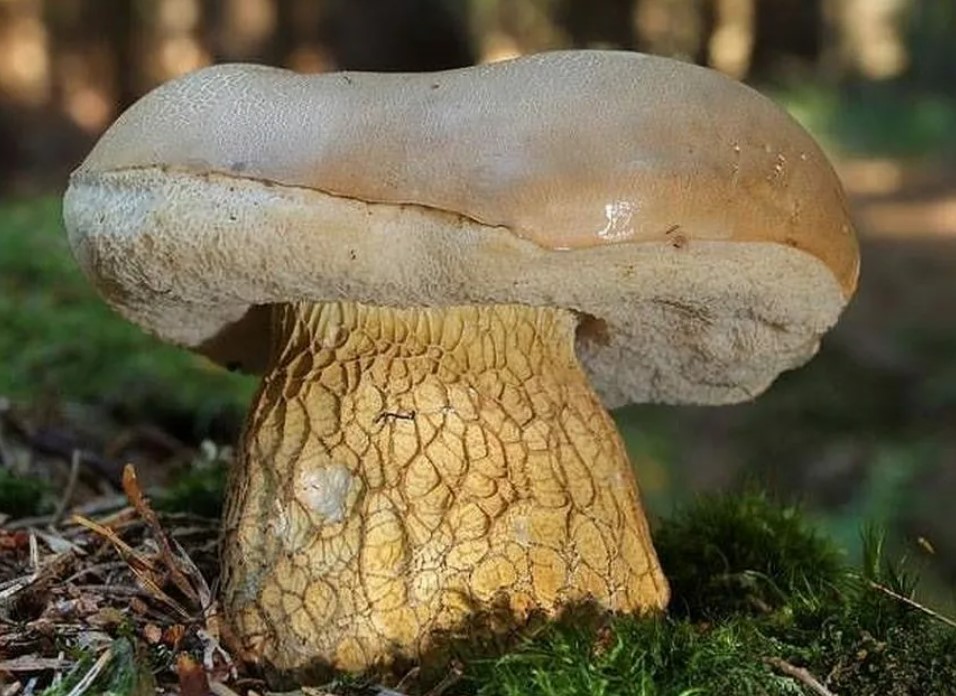
Hymenophore
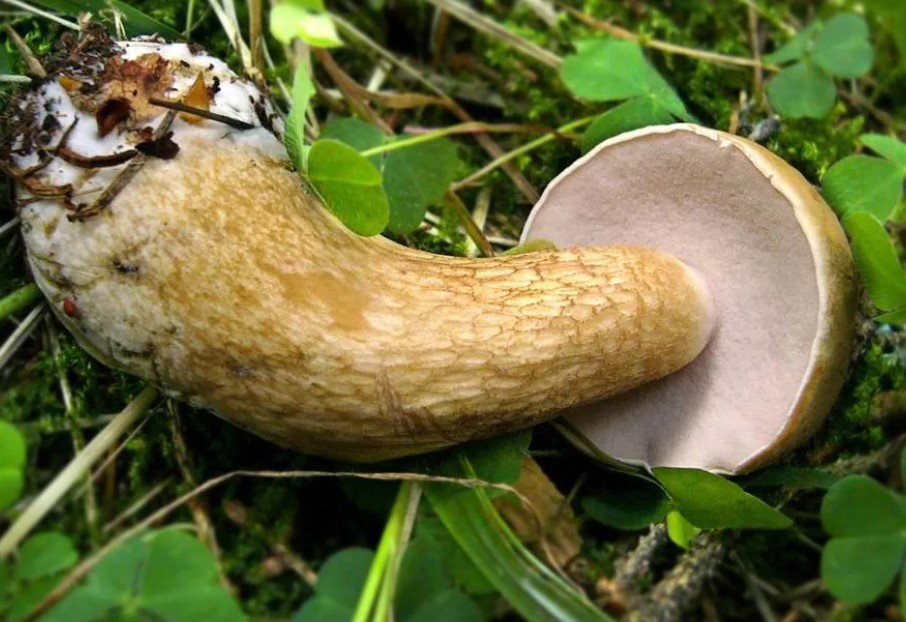
This is the name given to the flesh found beneath the cap. It has a tubular structure. If you break the cap, you'll see small tubes at the break. In mature specimens, these tubes are up to 3 cm long.
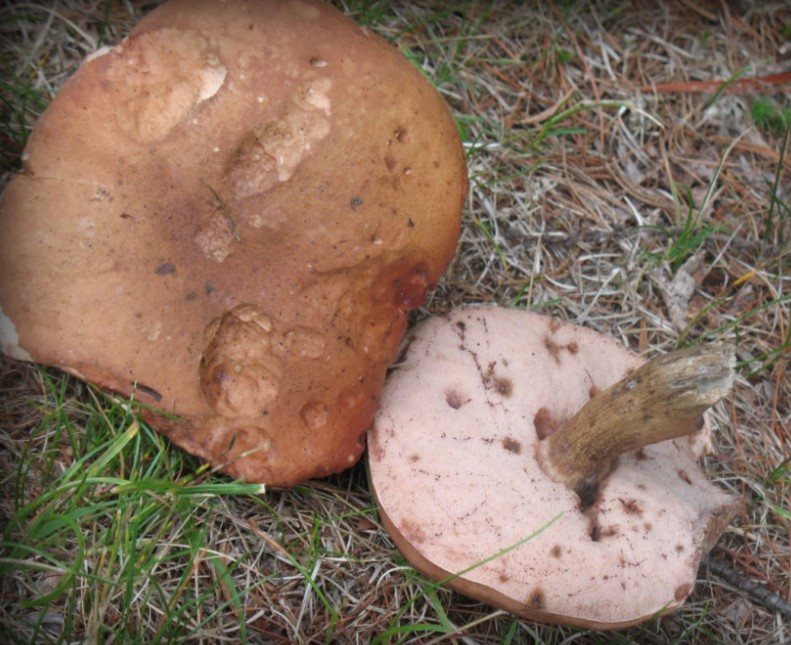
In young mushrooms, the hymenophore is white. As the mushroom ages, it turns pink. It is from this part of the mushroom that spores are released for further reproduction.
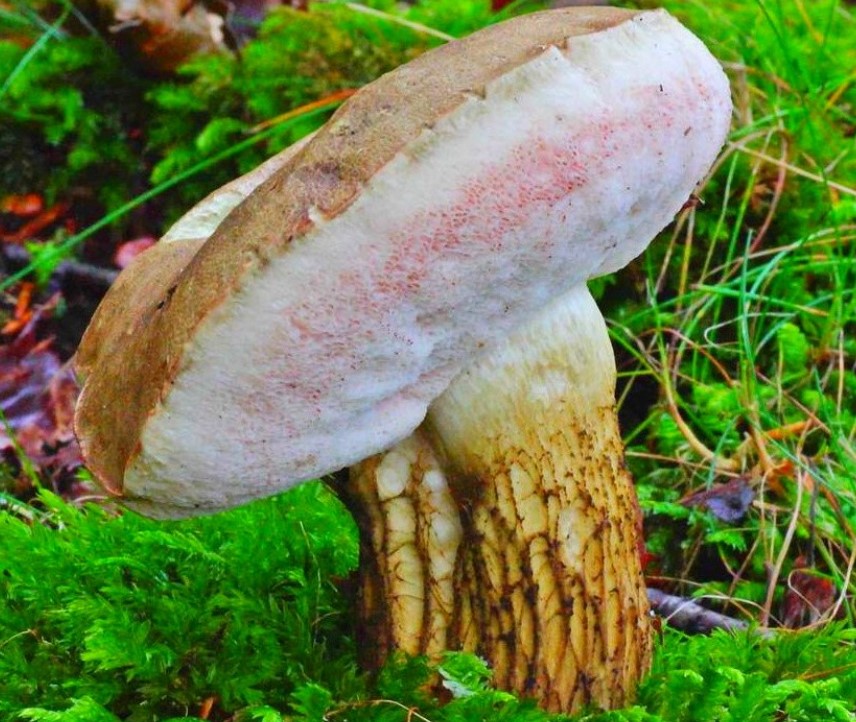
Pulp
White in color. When cut, it turns reddish or remains the same color. It has a bitter taste, virtually no aroma, and is almost never worm-eaten.
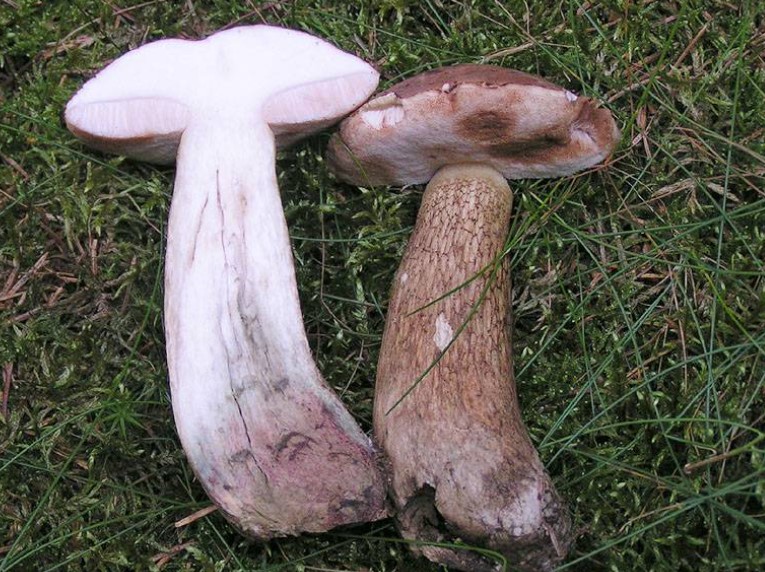
Leg
3-12.5 cm in height, 1.5-3 cm in circumference. Cylindrical or club-shaped. Thickened at the base, creamy-ochre, yellow, ochre-yellow, or yellowish-brown. White or creamy-yellow on top. A brown mesh is present on the surface, which peels off immediately when pressed.
Spore powder
Pink or pinkish-brown. Spores are 10–15 x 4–5 µm, ellipsoidal-fusiform, and smooth. Colorless or with a slight grayish-pink tint.
Gall Mushroom Photo Gallery
7 Easy Ways to Distinguish a False White Mushroom from a Real One
You can distinguish a false mushroom from an edible one in the following way:
- The flesh of the edible boletus will quickly darken, while the flesh of the bitterling will not change color.
- The tubular layer of the conditionally edible variety is pinkish or white. In the edible variety, it is grayish or yellowish.
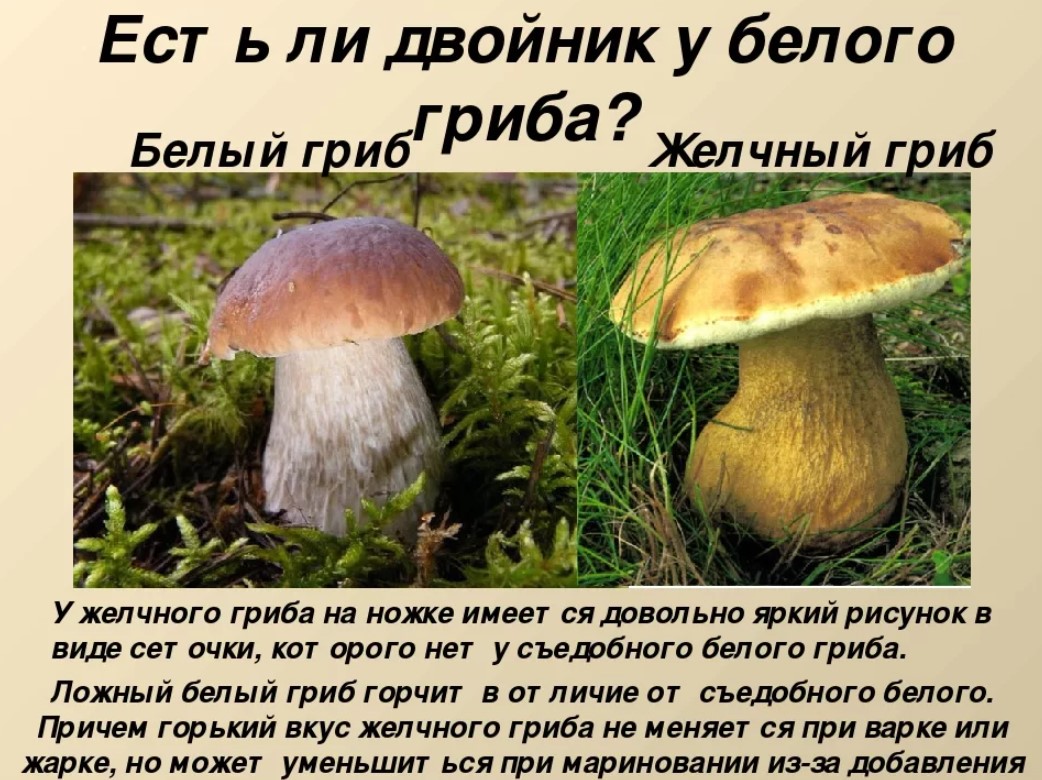
- The stem of the boletus is symmetrical and without a mesh, but the bitterling is the opposite.
- The edible mushroom has a pleasant aroma. The bitterling mushroom has virtually no aroma, and older specimens have a sharp and unpleasant one.
- You can taste the mushroom flesh with the tip of your tongue. You should detect a strong bitterness. However, keep in mind that this method is dangerous, and there are subspecies with slightly sweet flesh. This bitterness occurs after cooking.
- The bitterling is rarely damaged, as it is unattractive to insects and animals.
- Inedible varieties often grow on stumps or on the shallow root system of trees.
It's best to use all of the above methods in combination. This will minimize the risk of mistaking an inedible mushroom for an edible one.
Read about porcini mushrooms in the following articles:
- Porcini mushrooms: 18 species + 2 inedible lookalikes, description, 97 photos, where and when they grow, preparation;
- White mushrooms turn blue when cut: 11 types and how to tell which ones are edible and which ones aren't;
- Differences between boletus and porcini mushrooms: are they the same or not, what's the difference + 23 types with photos.
Where they grow
These mushrooms have a fairly wide range of habitats. They are found in Europe, Asia, and North America. In Russia, they grow in the Caucasus, Eastern, and Western Siberia. In temperate climates, they thrive in all types of forests. They form mycorrhiza with many tree species.
They usually grow singly or in pairs. Less commonly, they gather in groups of 5-10. They prefer sandy soil but can also grow on rotten wood. This is often seen during dry periods.
Growing season
The fruiting season will vary depending on the climate. Mushrooms appear in June-July and can be harvested until September-October. The exception is regions where autumn arrives early. In these cases, the fruiting period is shortened, but not by much.
Symptoms of poisoning and first aid
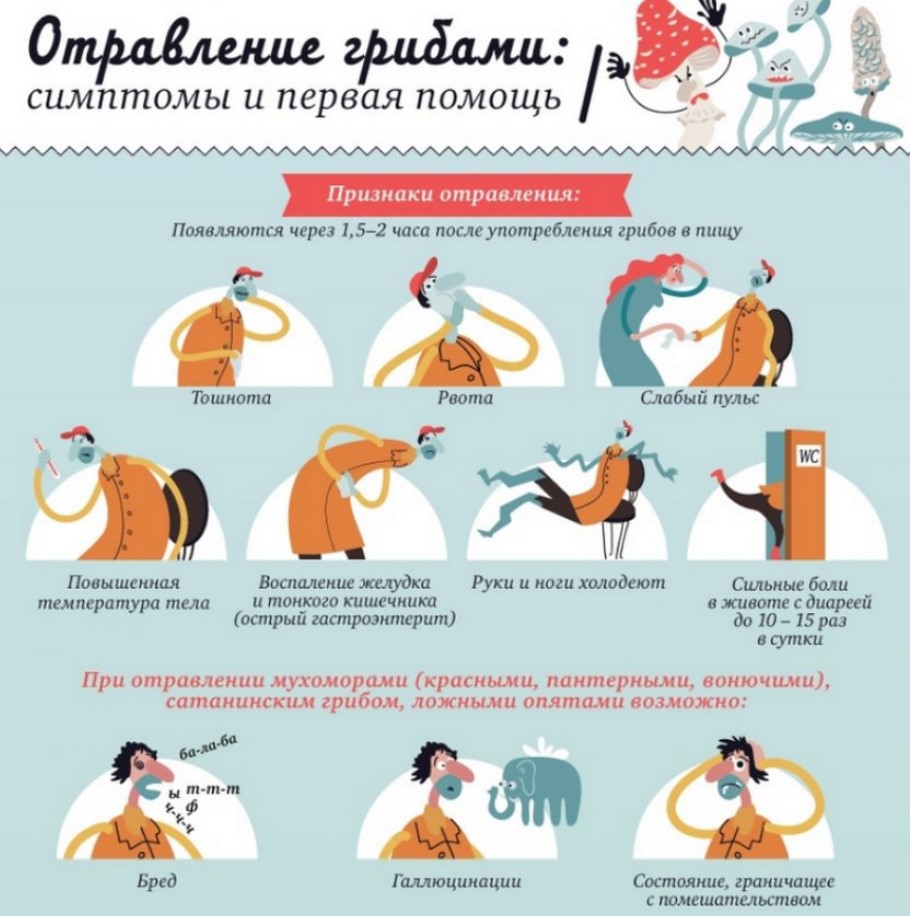
After consuming bitterling, symptoms of poisoning usually don't appear immediately, but after about 2-3 days. However, there are cases where the toxic substance remains in the body for up to a month, slowly poisoning the person without causing any symptoms. The following signs of poisoning then appear:
- sharp, acute pain in the stomach and spasms;
- dryness and bitterness in the mouth;
- general weakness, drowsiness and dizziness;
- nausea and vomiting;
- pale skin, pronounced dark bags under the eyes;
- hyperthermia.
If even one sign of intoxication appears, call an ambulance immediately. While waiting for medical assistance, perform a gastric lavage. To do this, prepare a light pink solution of potassium permanganate and drink it in large quantities, inducing vomiting. Do not use any medications without a doctor's prescription. The only exception is activated charcoal.
If an ambulance is slow to arrive, it's best to pump your stomach and get to a medical facility yourself. Although false porcini mushrooms are rarely fatal (unless you eat a lot of them), you shouldn't tempt fate. Don't waste precious time; see a doctor as soon as possible.
What other edible mushrooms can the bitterling be confused with?
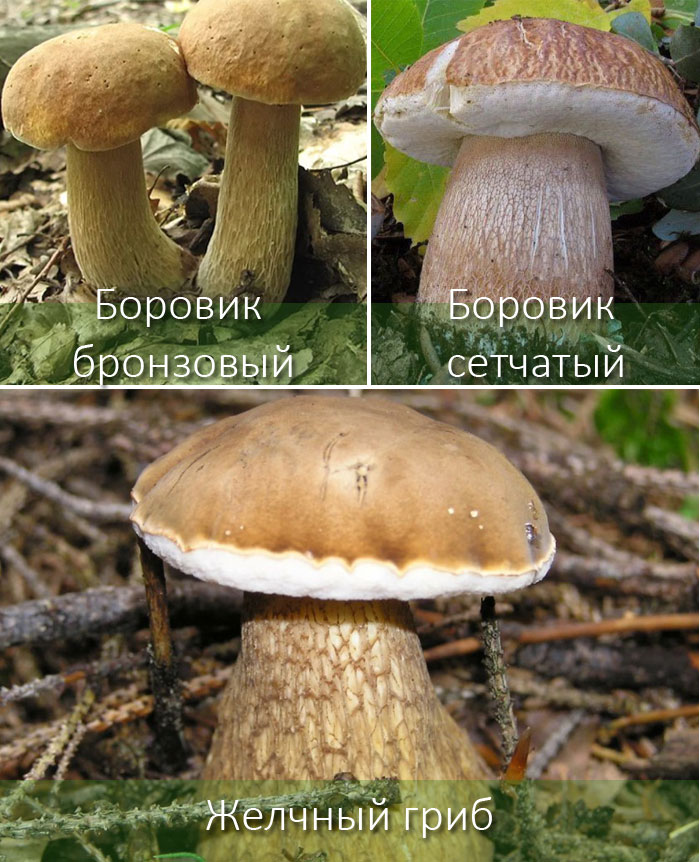
Young bitterlings can be confused with true porcini mushrooms and various types of boletus (netted and bronze). Novice mushroom pickers also confuse them with birch boletes. Unlike the latter, bitterlings lack scales on the stem. They differ from boletus mushrooms in their dark mesh, while edible varieties have a lighter mesh.
Inedible and conditionally edible mushrooms similar to the bitterling
The true porcini mushroom also has other false doubles, which are conditionally edible and poisonous.
White milk mushroom
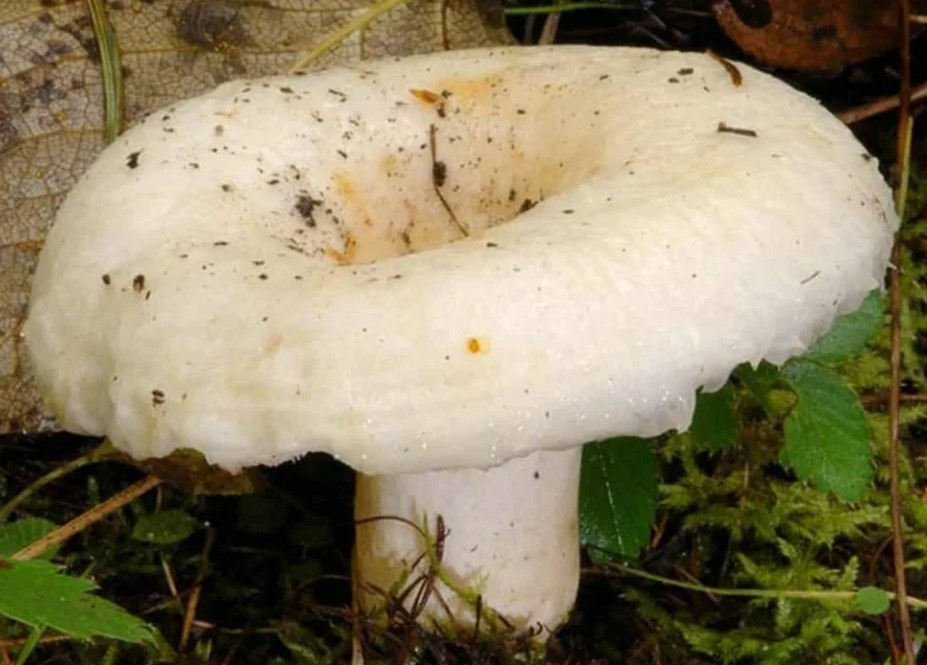
It's often compared to the boletus due to its distinct flavor. However, this mushroom also has false lookalikes—the pepper, camphor, violin, and parchment milk mushrooms. These are conditionally edible. They have a more pleasant flavor than the bitterling. Because they are pungent, milk mushrooms are dried and used as a seasoning. When young, they resemble porcini mushrooms, so novice mushroom pickers may confuse them.
Read about Russula in the article: Milk mushrooms (milk caps): 67 species, photos, what they look like, when and how to collect them, what forests they grow in.
Inedible boletus
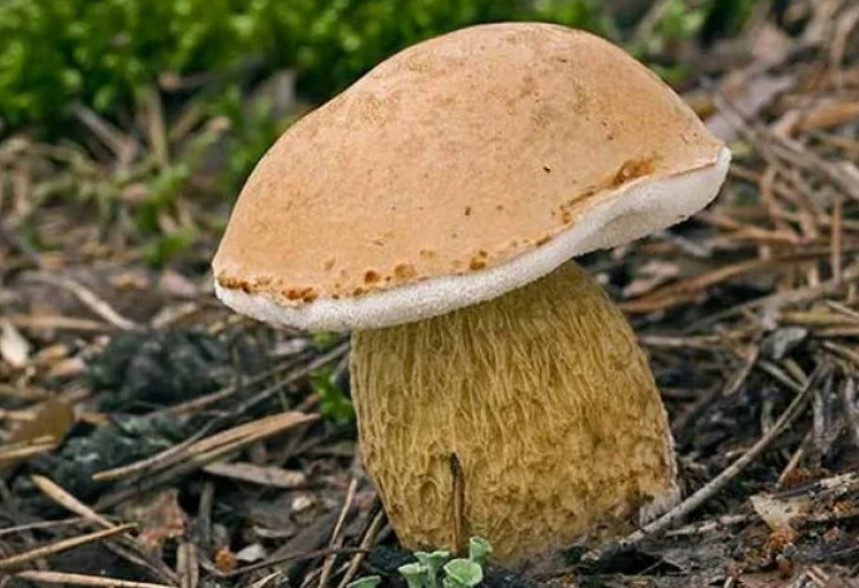
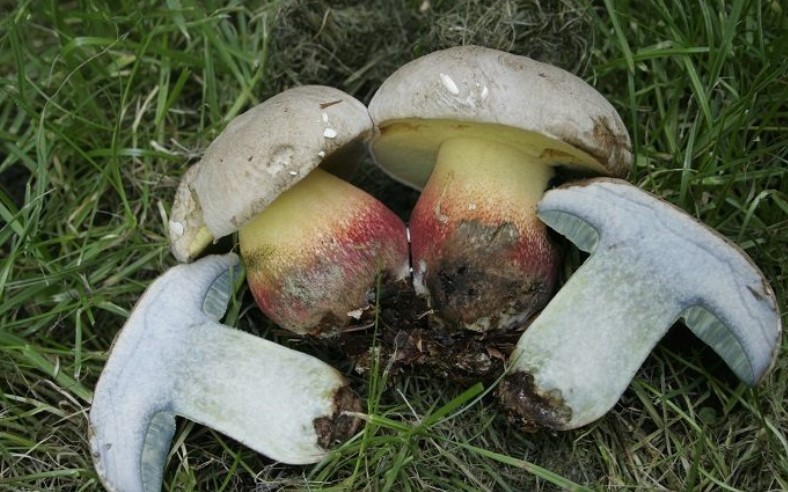
Another name for the Boletus edulis is the beautiful boletus. It resembles the bitterling mushroom only in its cap, which is also light-colored but can also be olive. Its stem is brighter, with a lemon-colored top that fades to burgundy toward the bottom. Furthermore, a distinctive feature of the inedible boletus is that it turns blue when cut.
Satanic mushroom
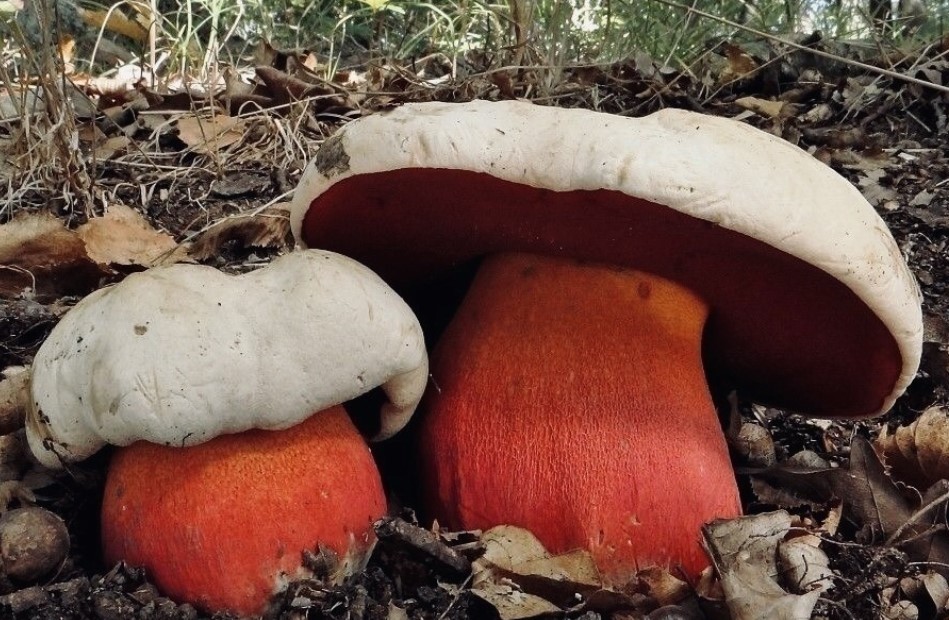
It resembles a mushroom in body shape. However, its tubular layer and stem are very brightly colored. This coloration indicates that the mushroom is unfit for consumption. The cap, however, is grayish and unremarkable, resembling a pebble on the road.
The use of gall mushroom in medicine
Used in alternative medicine. It contains specific bitters, which makes it suitable as a choleretic.