Porcini mushrooms always have dry stems, slightly crumbly when cut. Even young specimens don't turn blue. However, there are varieties in the Boletus genus that may have a blue tint when cut. There are also boletus lookalikes that darken when picked. We'll tell you which of these are safe for human consumption and which are not.
Content
- 1 Do porcini mushrooms turn blue or not?
- 2 Which edible porcini mushrooms turn blue when cut?
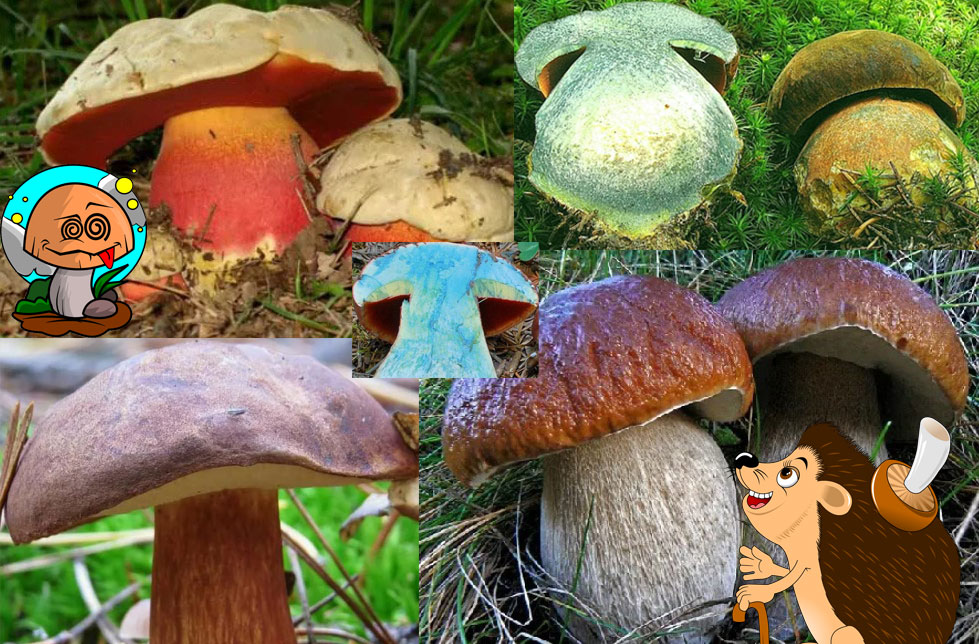
- 3 Inedible and poisonous porcini mushrooms that turn blue when cut
- 3.1 Kele's Oak (Boletus queletii)
- 3.2 Inedible boletus (Caloboletus calopus)(Boletus calopus)
- 3.3 Pink boletus (Boletus rhodoxanthus)
- 3.4 Boletus legaliae (Le Gal boletus)
- 3.5 Gall mushroom, bitterling (Tylopílus félleus)
- 3.6 False Satan's Mushroom (Boletus splendidus)
- 3.7 Satan's mushroom (Boletus satanas)
- 4 Which edible counterparts of porcini mushrooms have a blue, dark stem when cut?
Do porcini mushrooms turn blue or not?
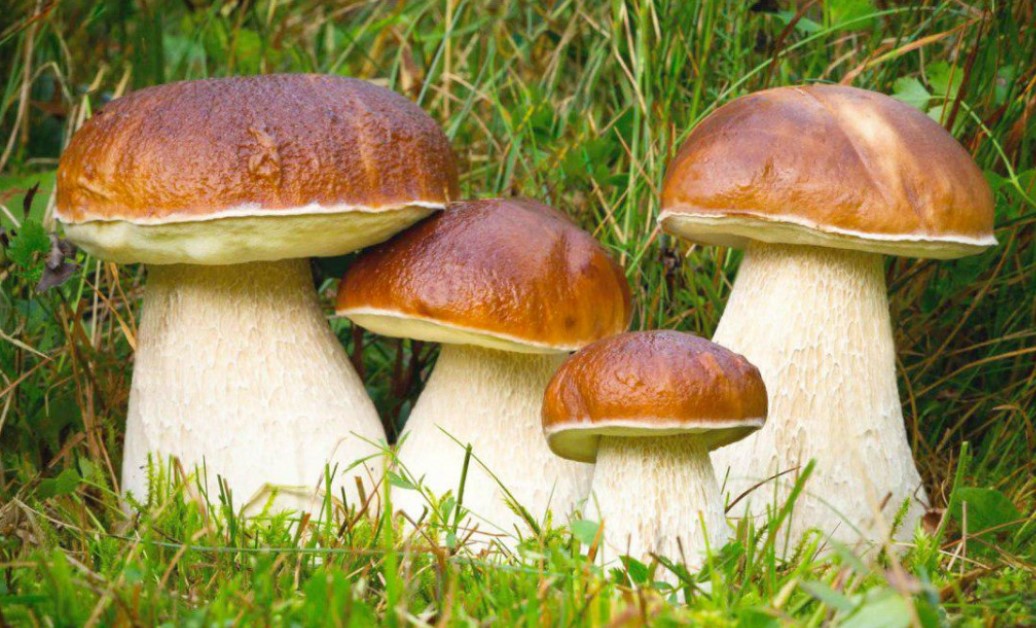
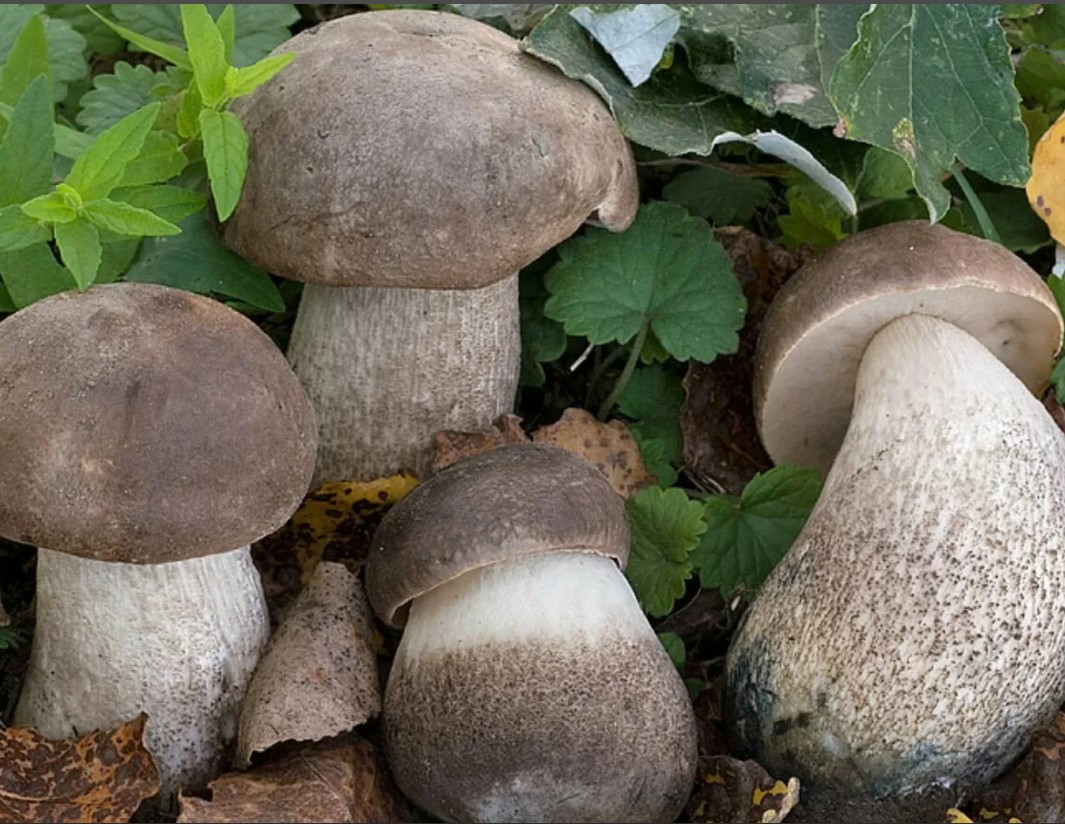
A true porcini mushroom (oletus edulis) never darkens when cut. This is its main distinguishing feature. It is also known as the king of edible mushrooms.
However, blueness due to mechanical damage does not always indicate toxicity. Blueness is caused by the oxidation of substances in the mushrooms, which occurs upon contact with oxygen. There are a number of species that, even with blue stems, are still safe to eat and pose no danger.
Which edible porcini mushrooms turn blue when cut?
We'll tell you which types of porcini mushrooms are suitable for consumption but can darken if mechanically damaged.
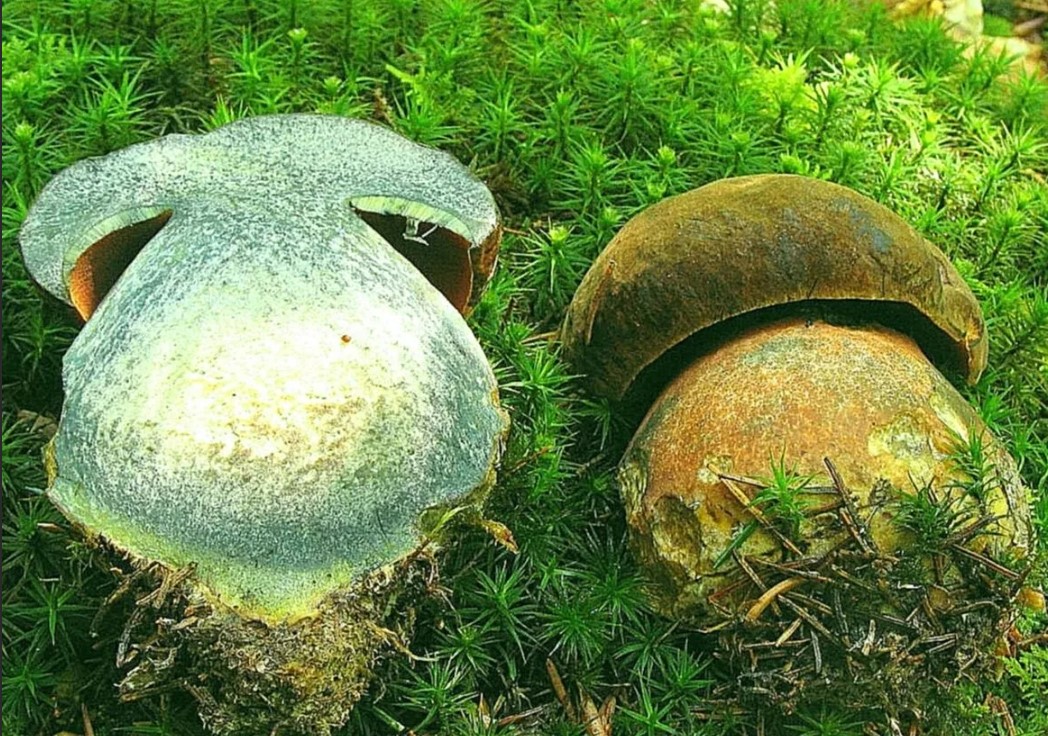
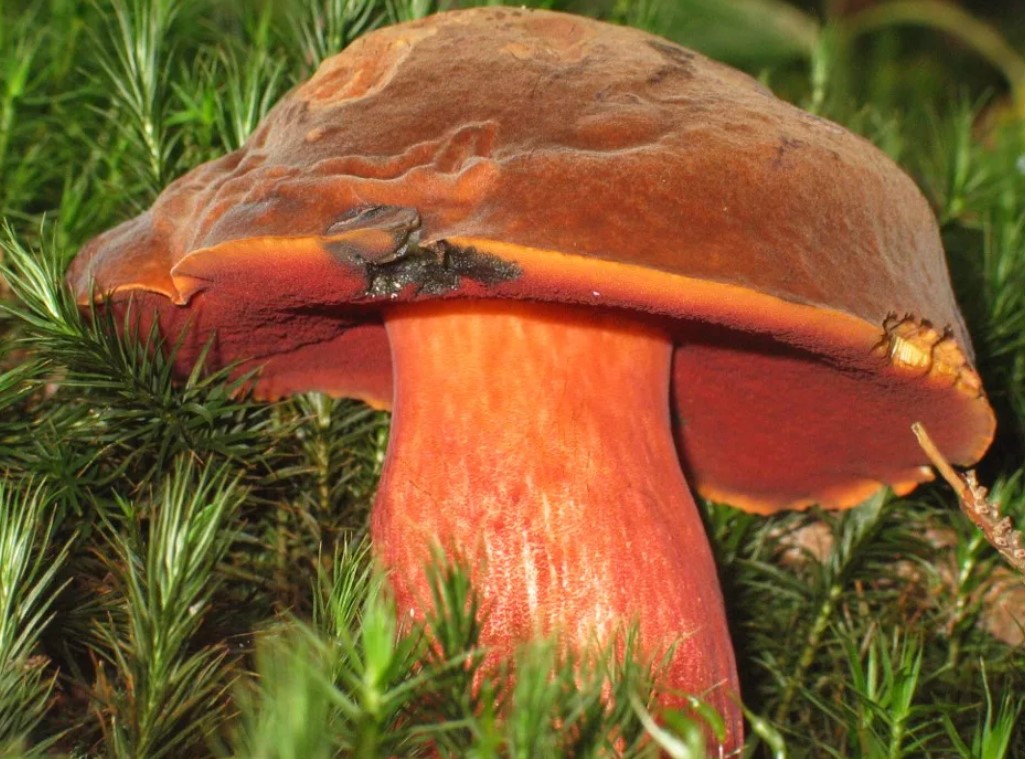
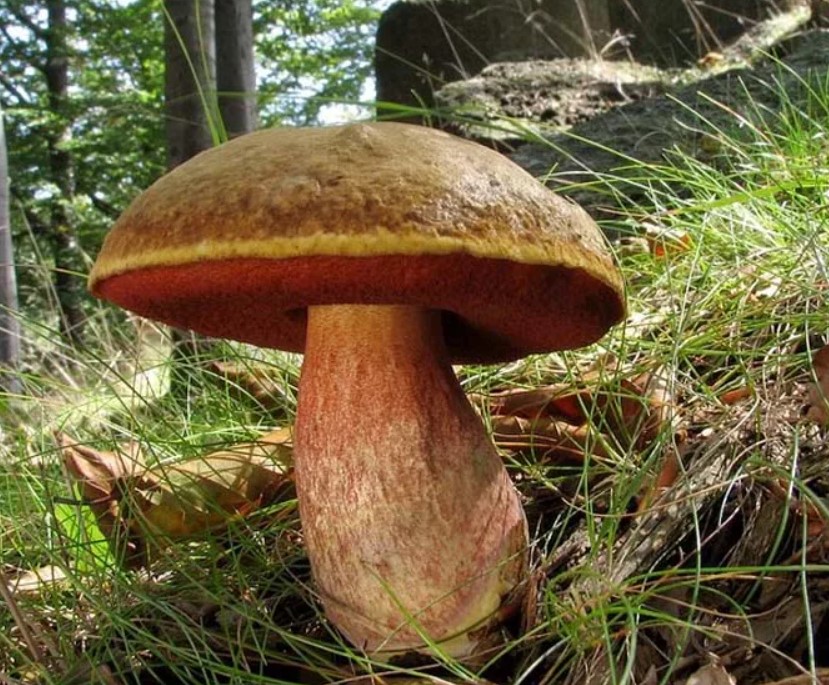
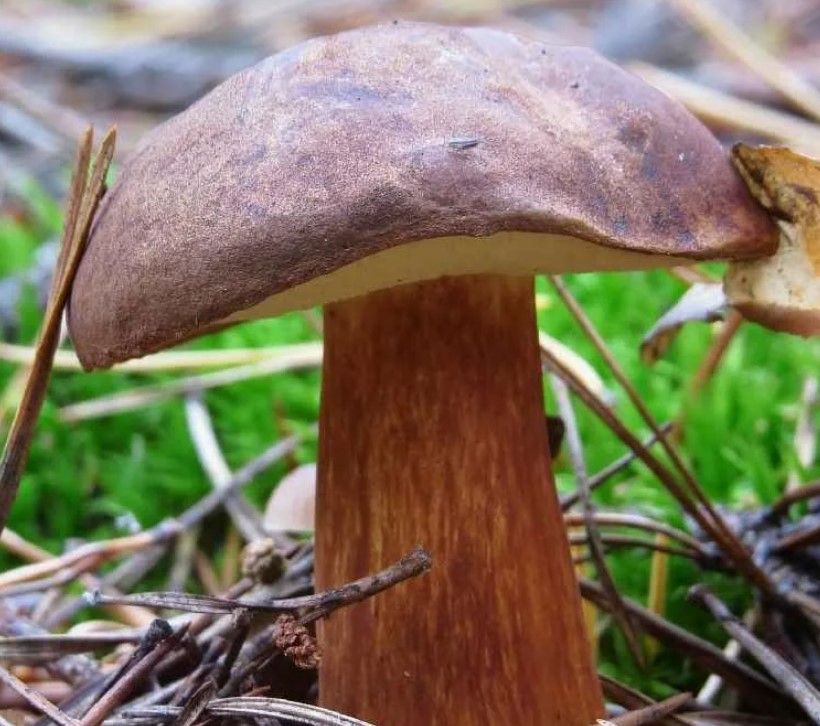
Speckled Oak (Bolétus erýthropus)
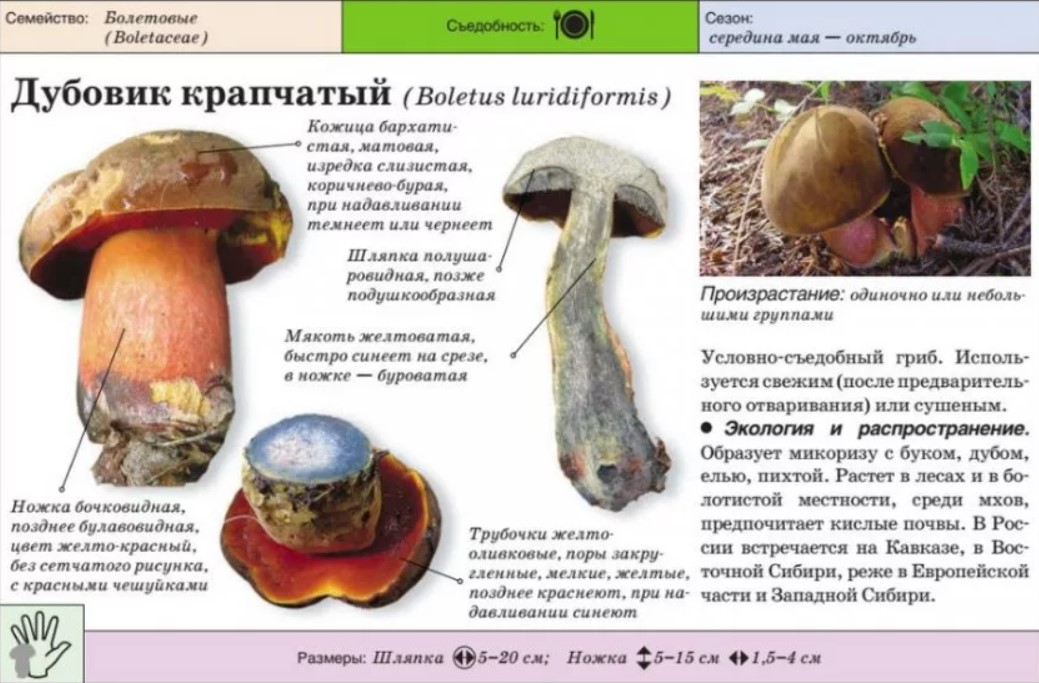
Conditionally edible mushrooms. These are mushrooms that can be eaten, but only under certain conditions. They require preparation, such as soaking in cold or hot water, blanching, drying, and other heat treatments.
| hat | Pulp, stem | Edibility, scollection season, pdistribution | Application |
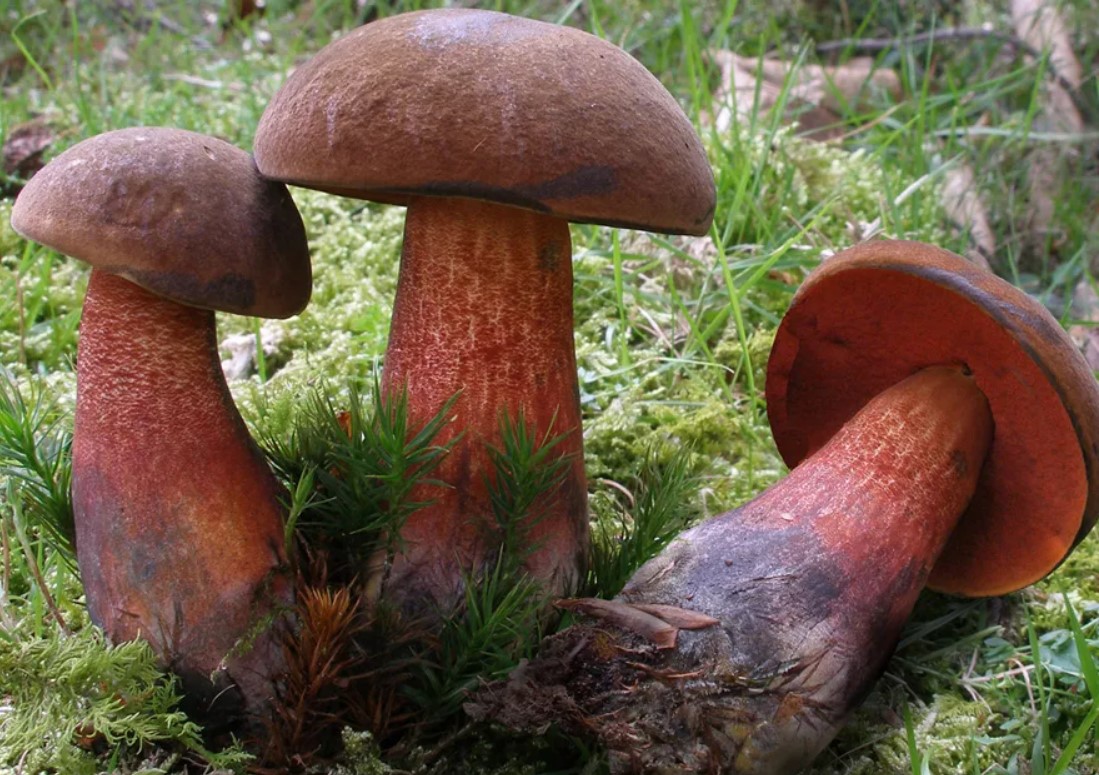
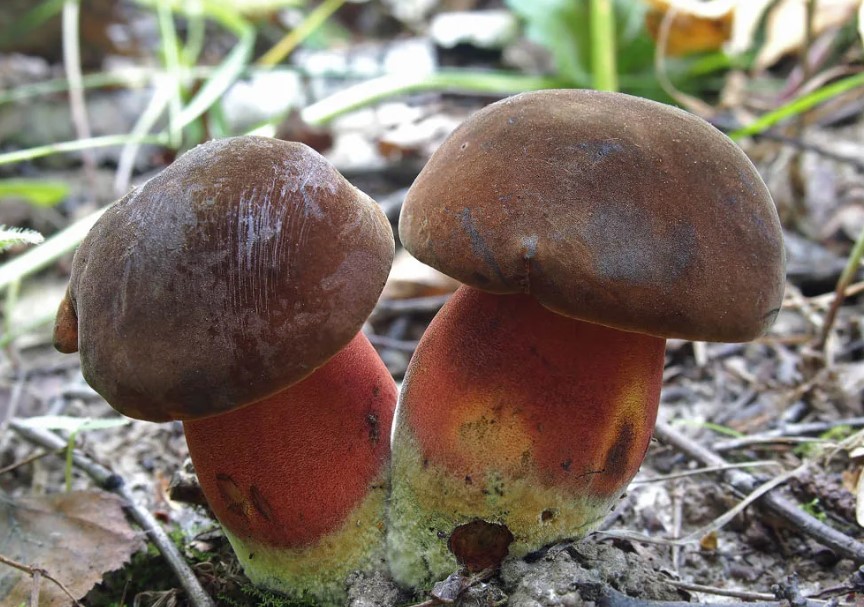
The cap measures 5-20 cm in circumference and is hemispherical, cushion-shaped, or rounded-cushion-shaped. It feels velvety to the touch. It is matte and slightly slimy, and may become bare with age. It comes in a variety of shades:
Darkens instantly if mechanically damaged. |
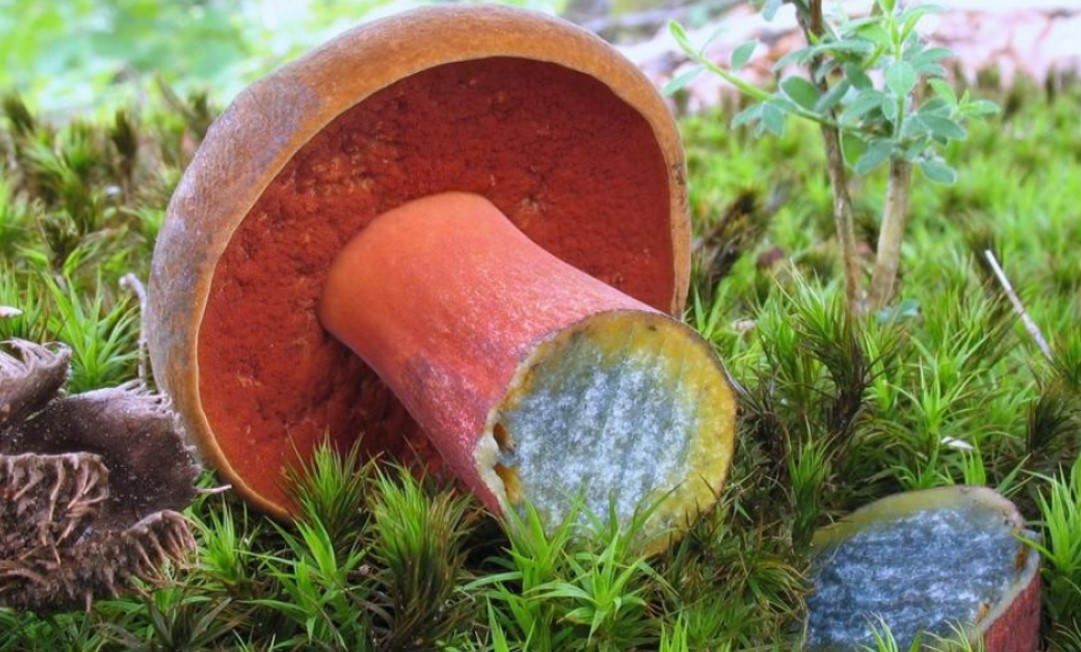
The flesh is yellow. When cut, it is bluish or blue with a greenish tint. The stem reaches 5-15 cm in length and 1.5-4 cm in thickness. It is cylindrical or tuberous in shape. Over time, it thickens at the base. Its color is yellowish-red. There is no mesh pattern, but there are reddish scales or blotches. |
Conditionally edible. May-October. Deciduous and coniferous forests of Europe, the Caucasus, Eastern Siberia, and less commonly in Western Siberia, the southern Far East, and the European part of Russia. | This mushroom is used to make sauces and side dishes. It is also suitable for drying. |
Photo gallery of speckled oak
Olive-brown oakberry (Bolétus lúridus)
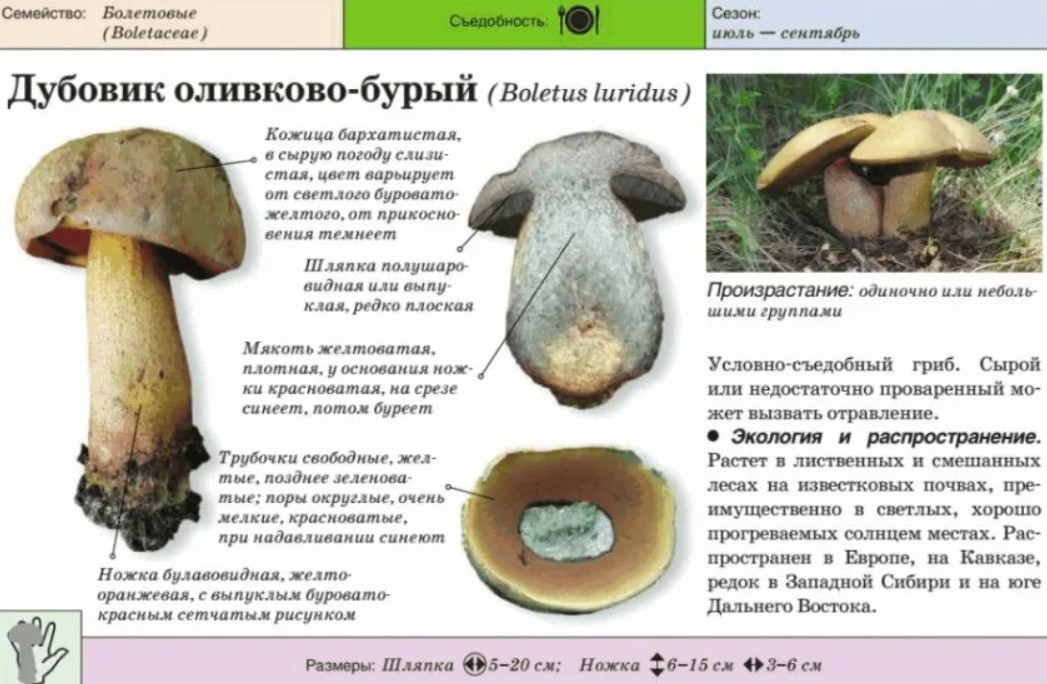
Similar to the previous species, but the stem has a convex reddish-brown mesh pattern with elongated loops.
| hat | Pulp, stem | Edibility, scollection season, pdistribution | Application |
| The cap is 5-20 cm in circumference, hemispherical or convex. The surface is olive-brown. It is velvety, but becomes slimy in damp weather. It darkens when damaged. | The flesh is yellow and firm. It's red at the base of the stem. When cut, it takes on a bluish tint. It then turns brown. The stem is 6-15 cm long and 3-6 cm in circumference. It is club-shaped, with a tuberous thickening, yellowish-red in color, turning reddish-brown at the base. The base has a brownish-red mesh pattern. |
Conditionally edible. July-September, sometimes appearing in May-June. Deciduous and mixed forests. Found in Europe, the Caucasus, and less commonly in Western Siberia, the southern Far East, and Krasnoyarsk Krai. | Used for pickling or drying. Pre-treatment (such as boiling in water) is essential. |
Photo gallery of olive-brown oak
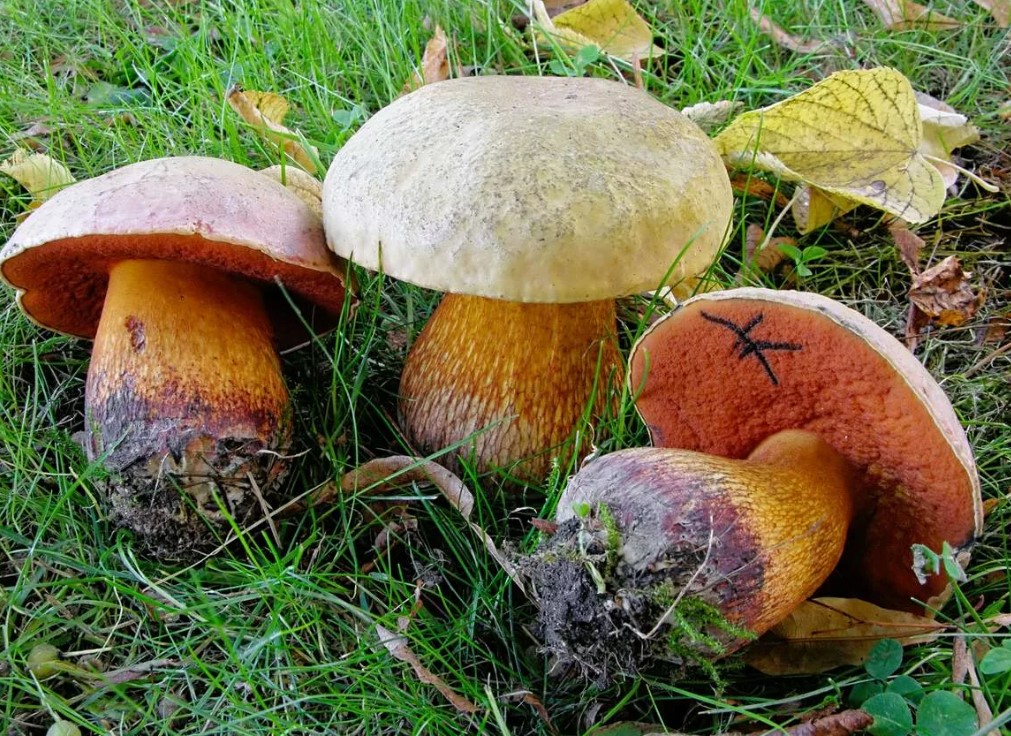
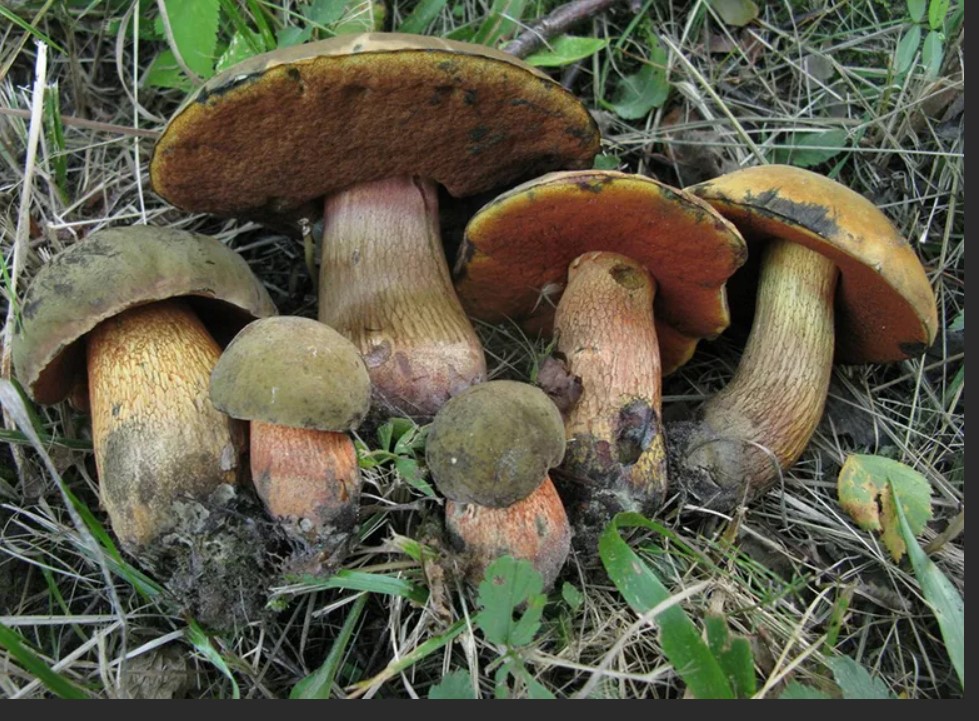
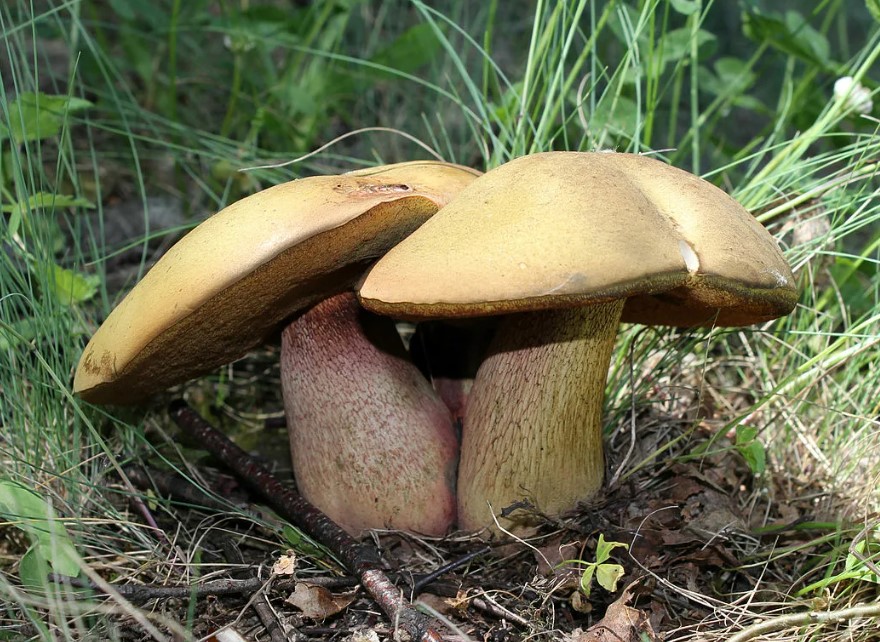
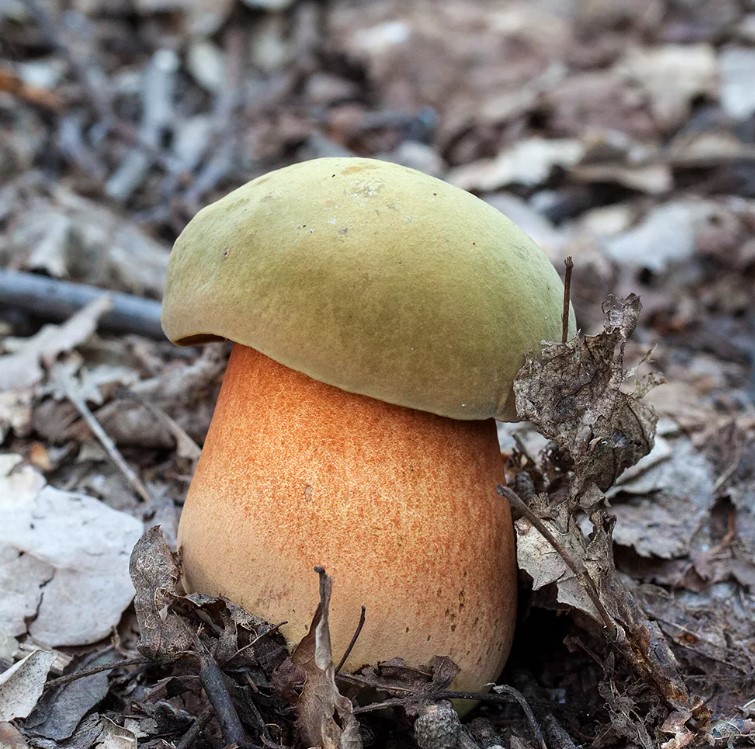
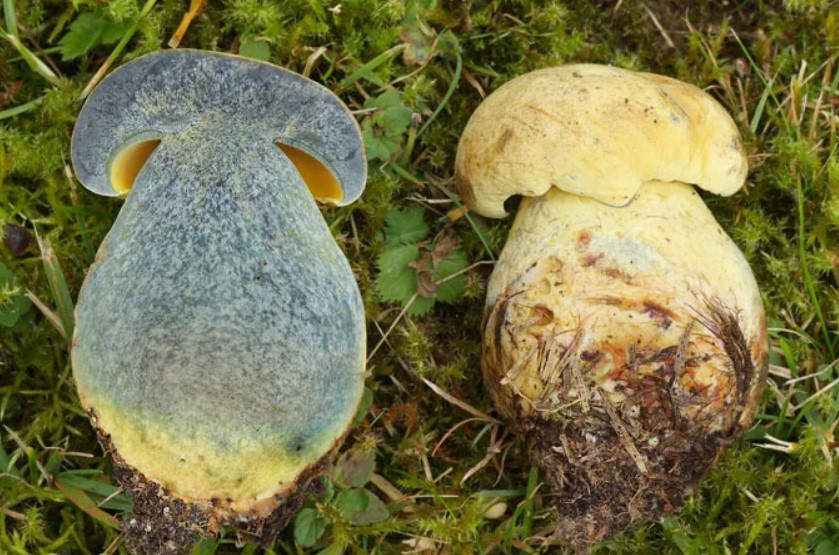
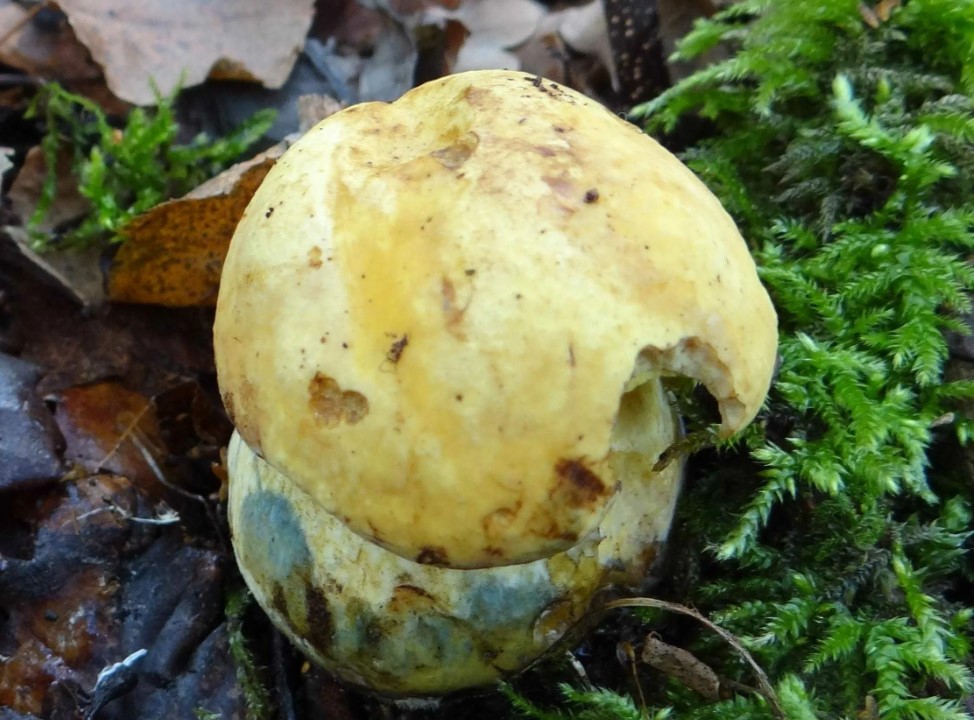
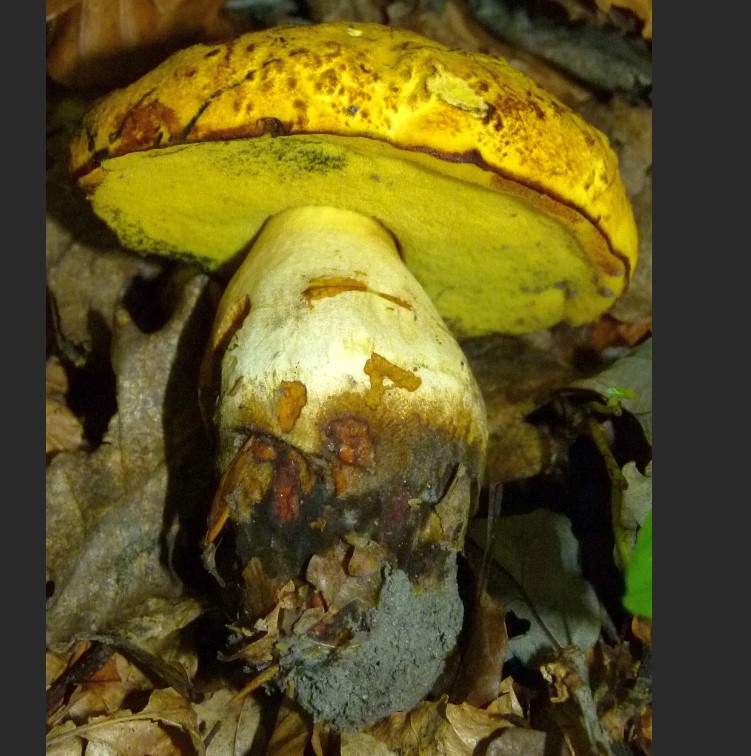
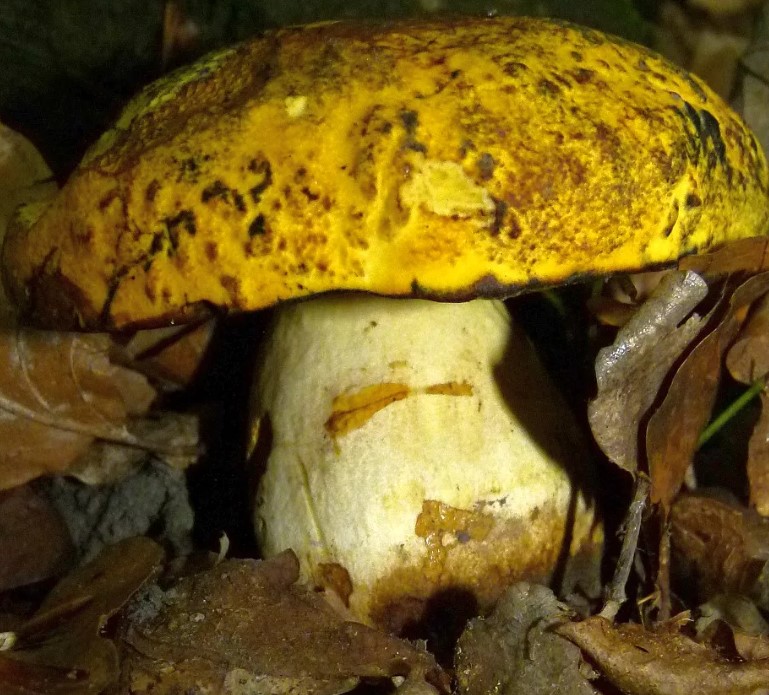
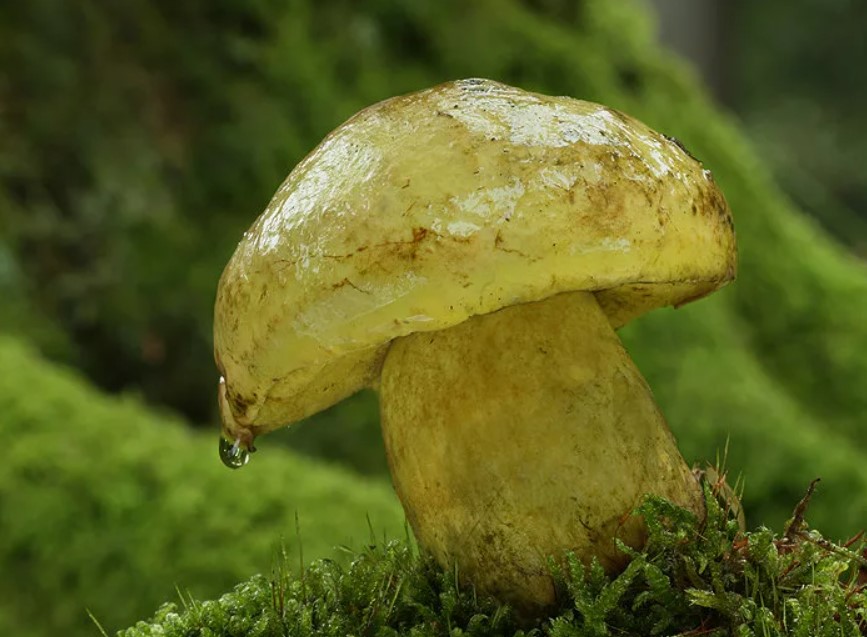
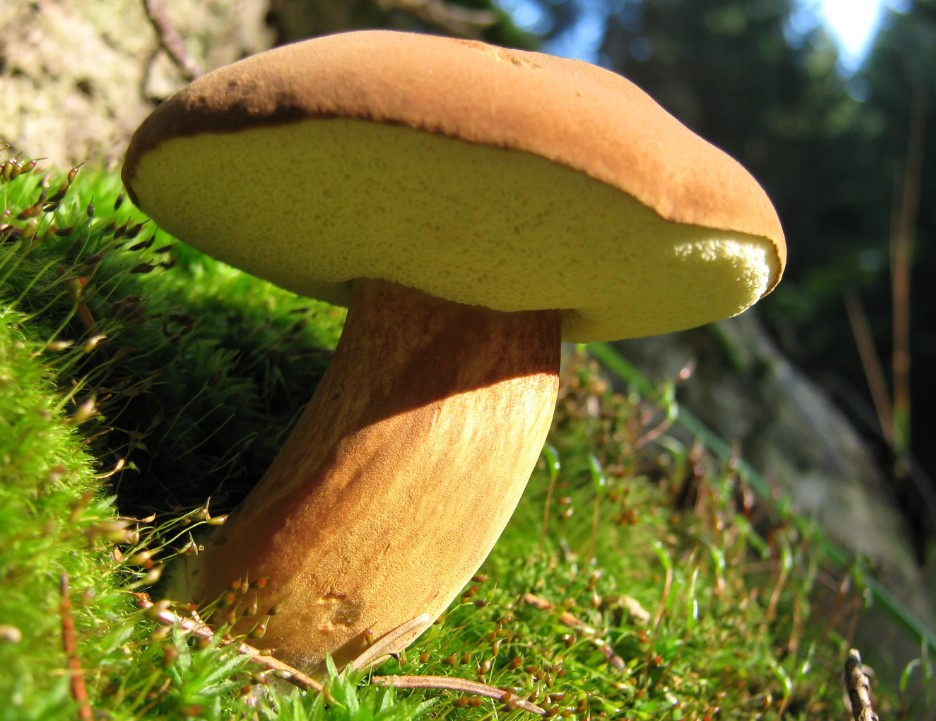
Yellow boletus (Boletus junquilleus)
| hat | Pulp, stem | Edibility, scollection season, pdistribution | Application |
| The cap is 5-16 cm in circumference and hemispherical in shape, flattening over time. The skin is yellow-brown, smooth or slightly wrinkled. When dry, it becomes matte. In high humidity, it becomes covered in slime. | The flesh is fleshy, dense, and bright yellow. It quickly turns blue when cut. The stem is 4-12 cm tall and 2.5-6 cm thick. It is tuberous and solid. It is yellowish-brown, without a net, but with brownish grain or small scales. | Edible. July-October. Western Europe, Far East, oak and beech forests. | It is consumed fresh and pickled. |
Photo gallery of yellow boletus
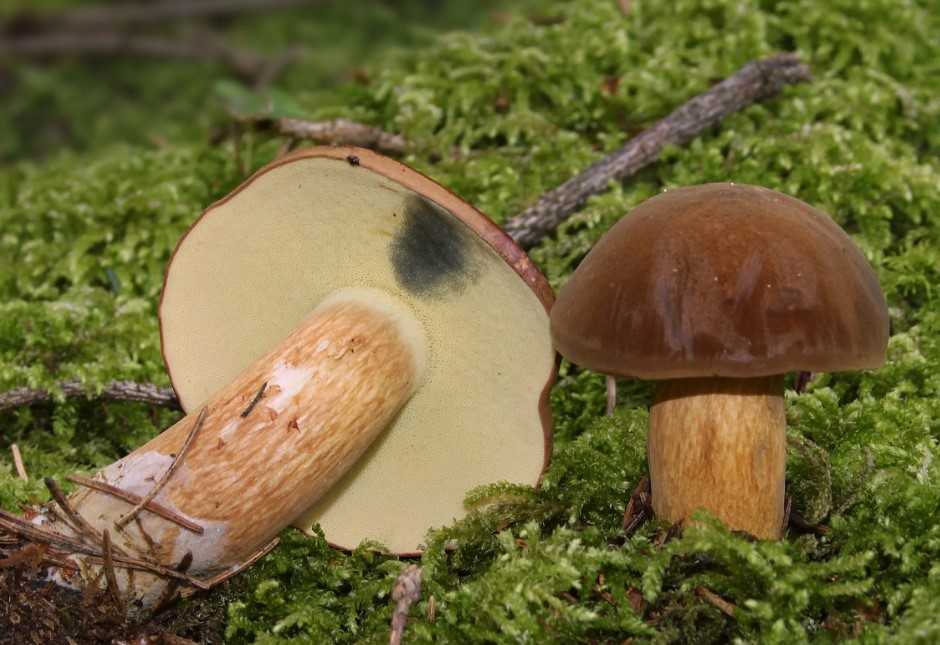
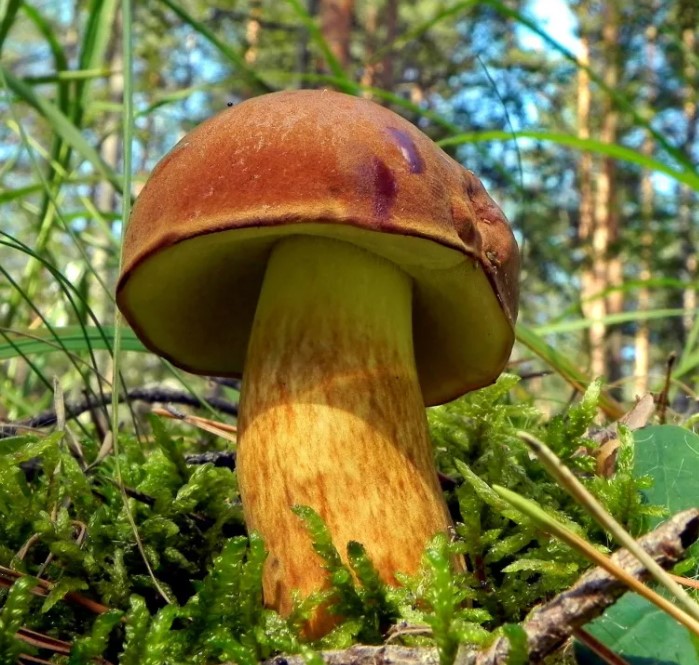
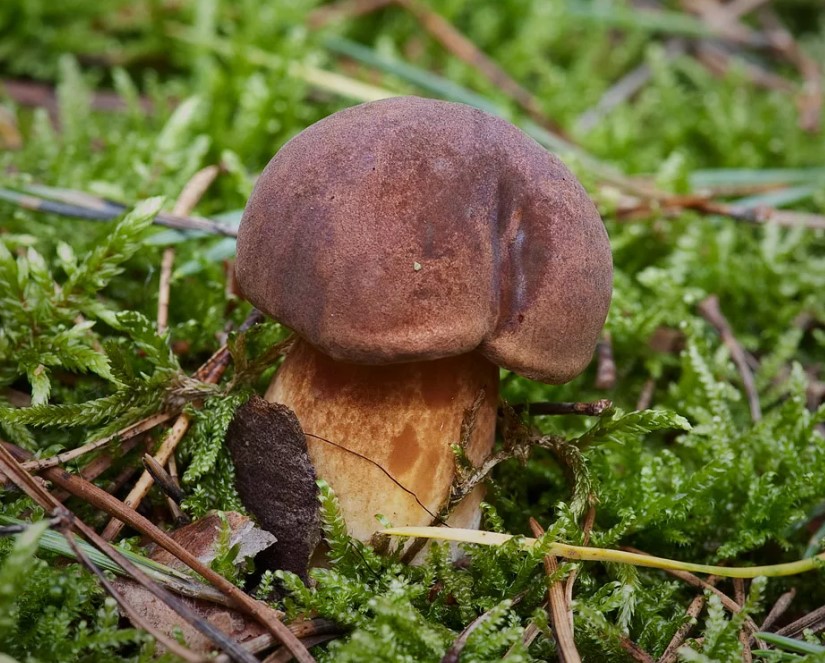
Polish mushroom (Boletus badius)
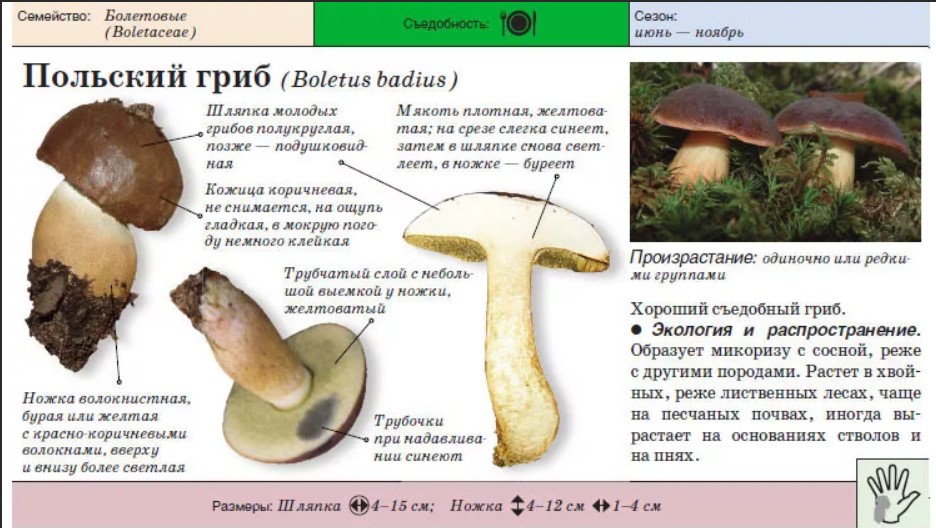
| hat | Pulp, stem | Edibility, scollection season, pdistribution | Application |
| The cap can be semicircular or convex. Over time, it becomes cushion-shaped or even flat. It reaches 4-12 cm in diameter, sometimes growing up to 15 cm. The skin is smooth and dry, but becomes slightly sticky during precipitation. Young specimens are matte, later acquiring a shine. It can be chestnut, dark brown, or chocolate-colored. | The flesh is fleshy, dense, snow-white or yellow. The cap's cut flesh is slightly blue, then lightens again. On the stem, it first becomes bluish, then darkens. The stem is 4-12 cm long. Cylindrical, slightly tapered or swollen at the base, and fibrous. Light brown, brown, or yellow in color with reddish-brown fibers. It is lighter at the top and base. Accumulates radiation. | Edible. June-November. Found mostly in coniferous forests, less often in deciduous ones. European Russia, the North Caucasus, Siberia, and the Far East. | Used in various mushroom dishes. Suitable for pickling, drying, and freezing. |
Photo gallery of the Polish mushroom
For more information on different types of porcini mushrooms, read the following articles:
Where porcini mushrooms grow, where to look for them, when to pick them + distribution map;
Inedible and poisonous porcini mushrooms that turn blue when cut
The danger of these mushrooms lies in their close resemblance to edible porcini mushrooms. However, there are distinctive features that allow one to distinguish them from one another.
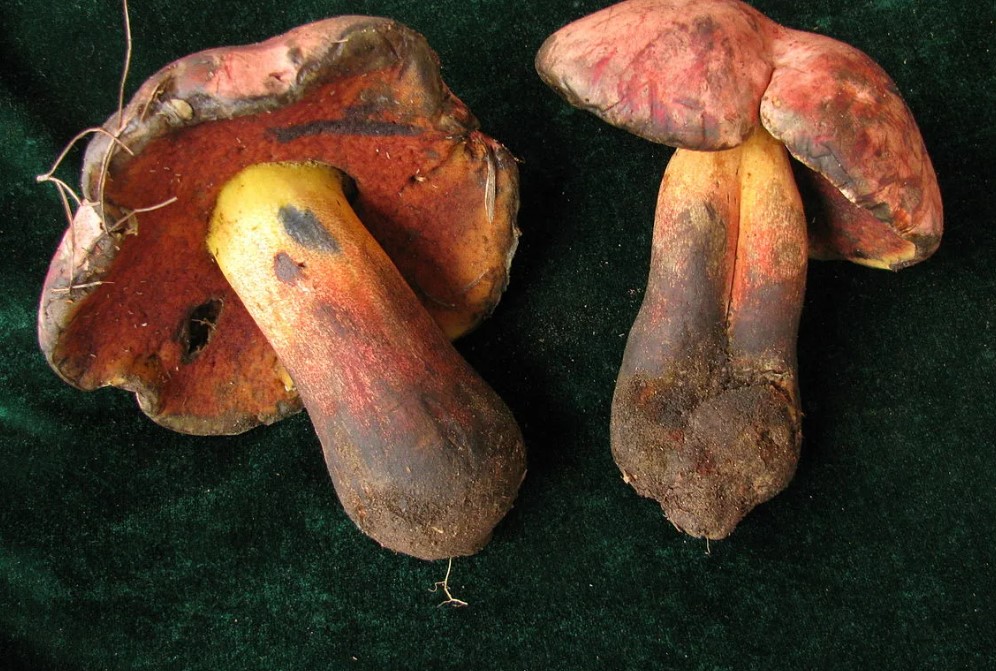
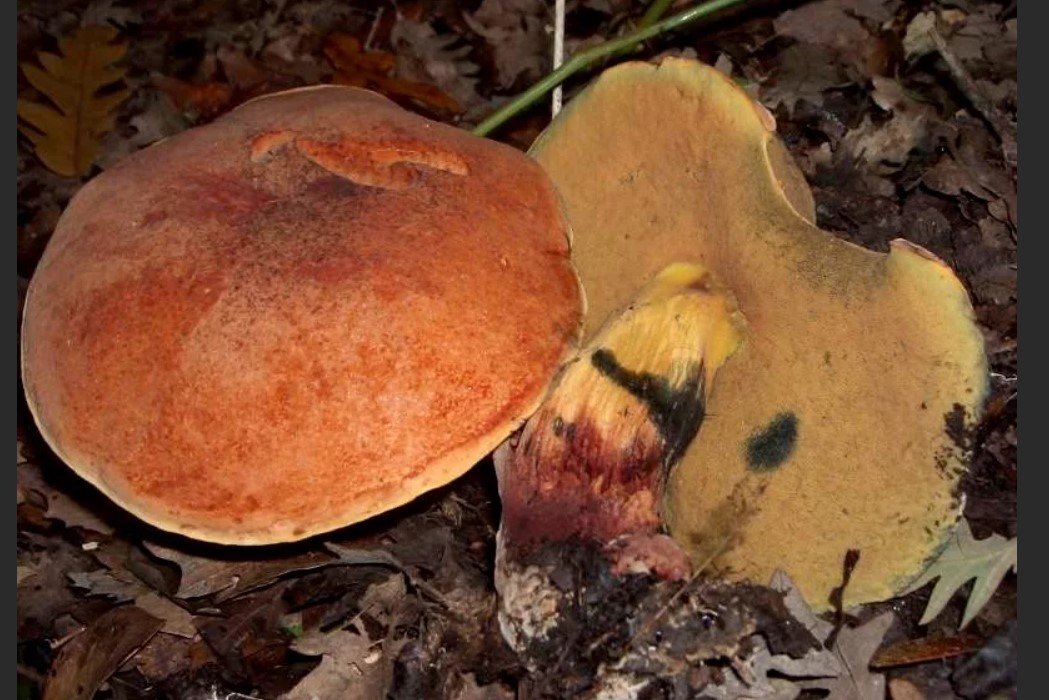
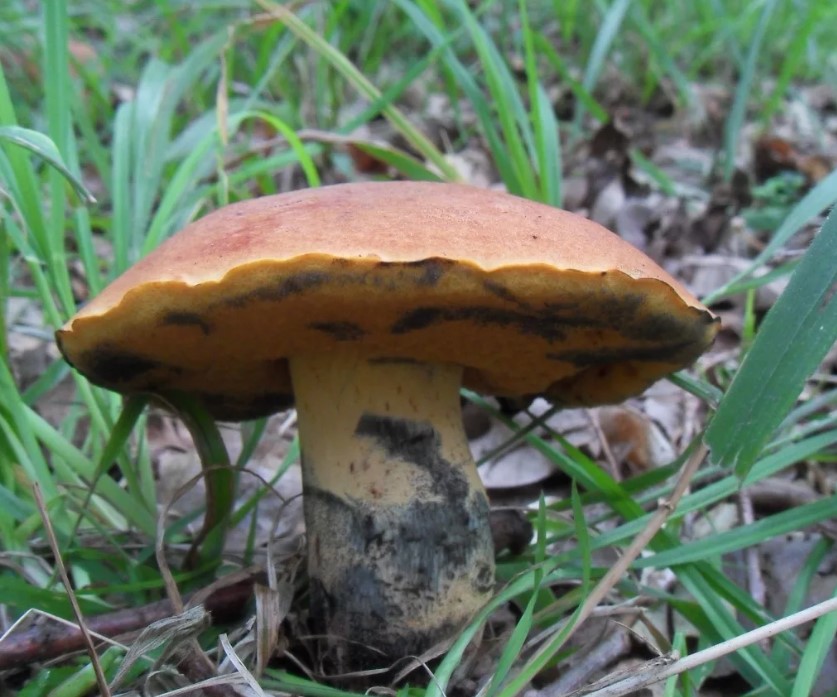
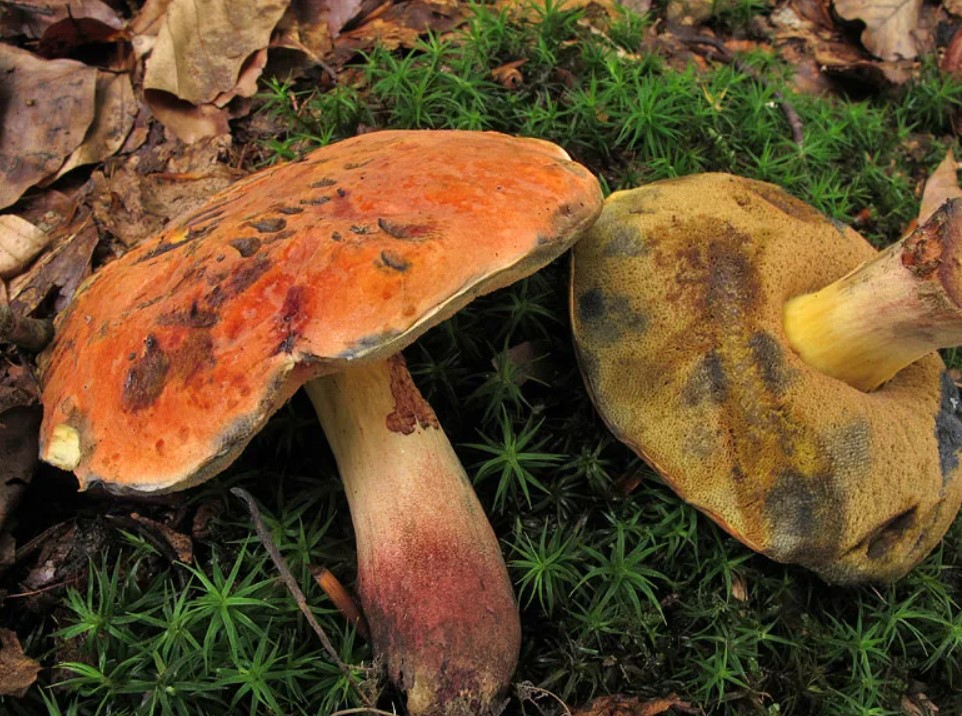
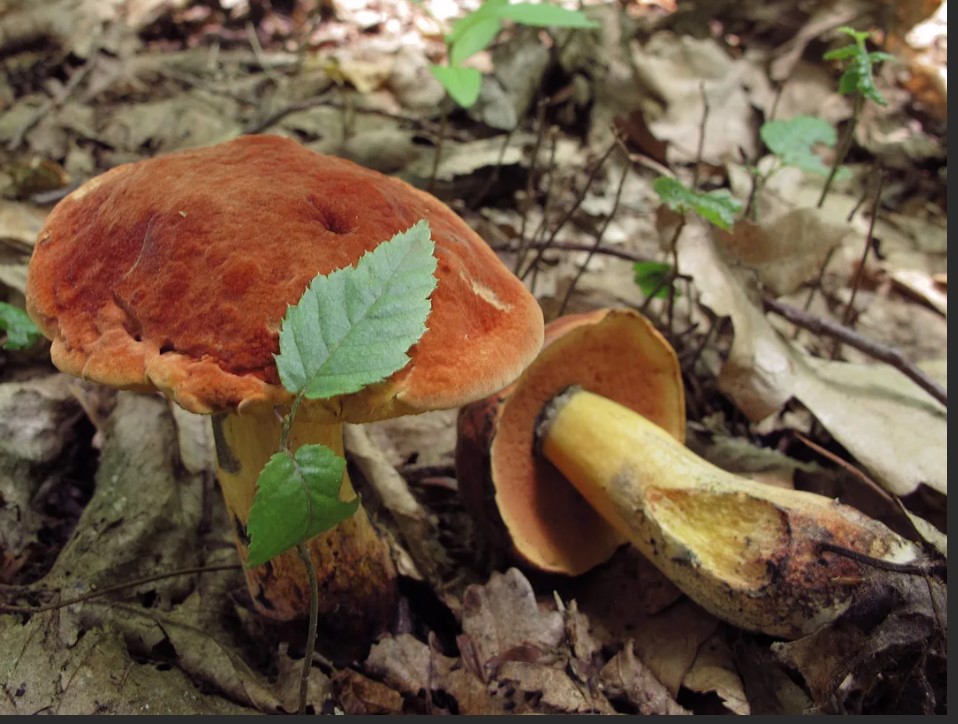
Kele's Oak (Boletus queletii)
| hat | Pulp, stem | Edibility | Harvest season, pdistribution |
| Up to 15 cm, round, convex. The surface is chestnut-colored, dry, and adherent (not detached). Young specimens have a velvety texture. It becomes smoother with age. | Fleshy and dense. Yellow at the cap, brownish at the stem, turning blue where cut. The stem is 4-15 cm long, cylindrical, thicker below, and solid. It is yellowish-brown in color and almost smooth. There is no reticulated pattern, dots, or scales. |
Inedible, but according to some sources it is considered conditionally edible. | May-October. Broadleaf forests. Rare. Caucasus, less often the Far East. |
Photo gallery of Kele oak tree
Inedible boletus (Caloboletus calopus)(Boletus calopus)
| hat | Pulp, stem | Edibility | Harvest season, pdistribution |
| Diameter 4.5-15 cm. Initially, the shape is hemispherical. Over time, it becomes convex, with curled or drooping wavy edges. It feels smooth to the touch, sometimes wrinkled. The cap is matte and dry, becoming bare with age. It comes in a variety of tones—light brown, olive-light brown, brown, or grayish brown. |
The flesh is white or soft cream. It turns blue only in places, especially in the cap. The stem reaches 3-15 cm. Initially, it is barrel-shaped. Later, it takes on a cylindrical or club-shaped form. Sometimes it can be pointed at the base. It is distinguished by its unusual coloring: lemon-yellow on top with a snow-white mesh, carmine red in the middle with a scarlet mesh, and reddish-brown below. |
Inedible. Has a bitter taste. | July-October. Coniferous, oak, broadleaf forests. Europe, Southern Russia, Kaliningrad Oblast |
Photo gallery of the inedible boletus
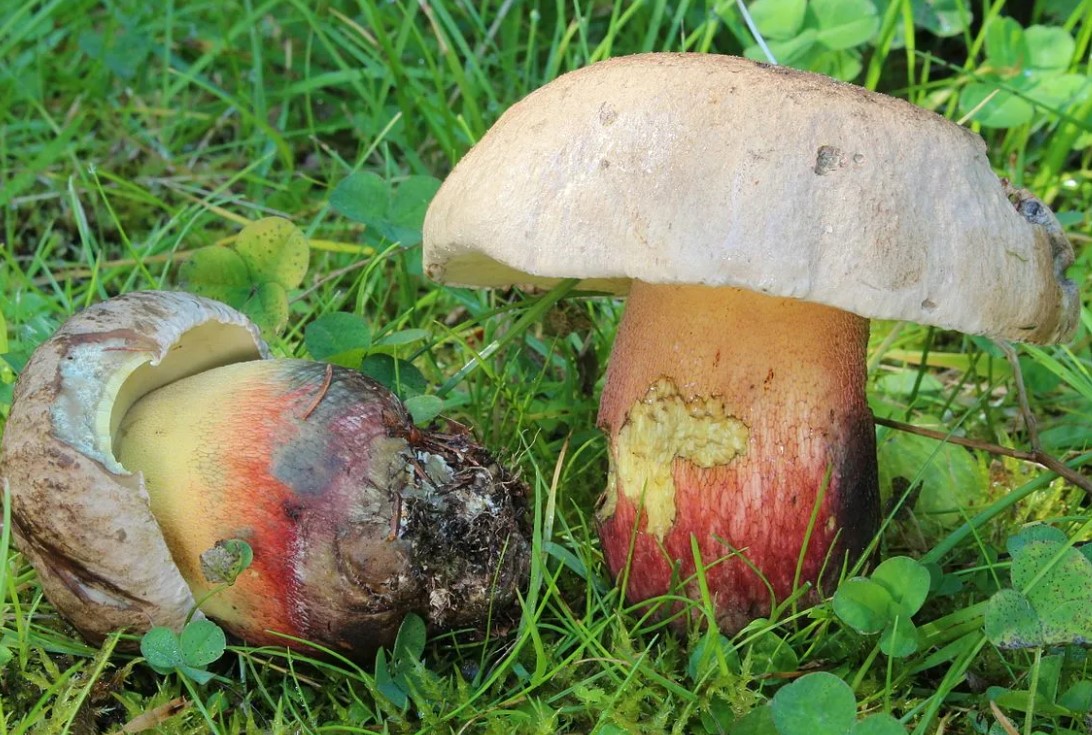
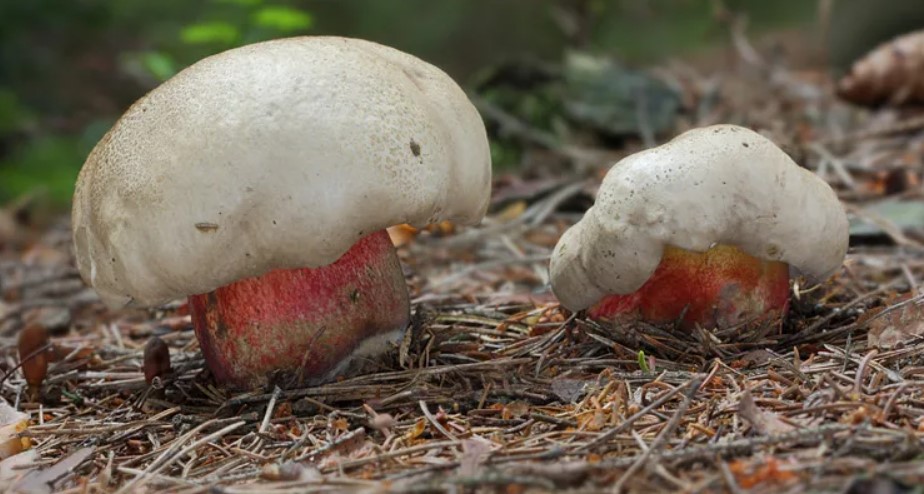
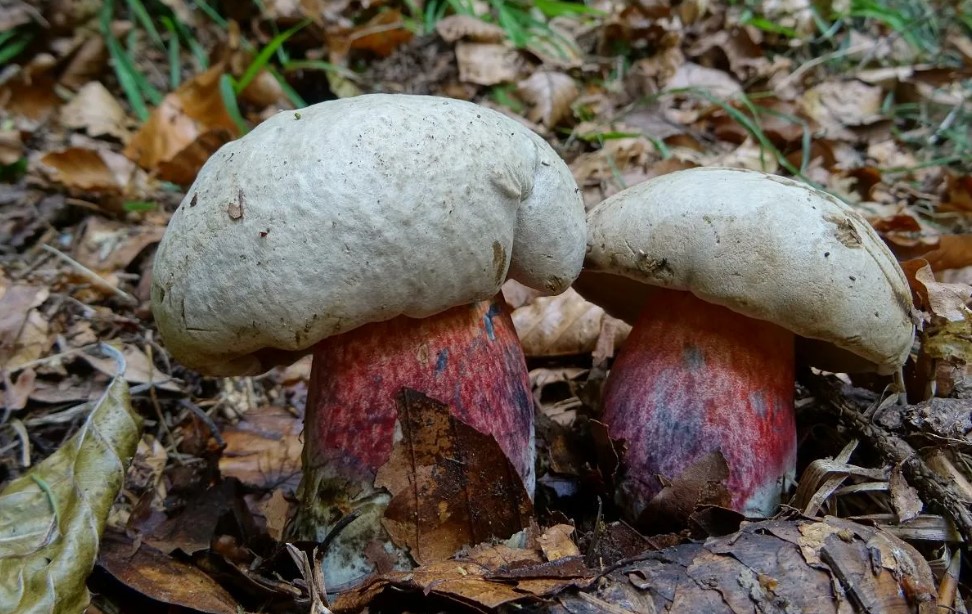
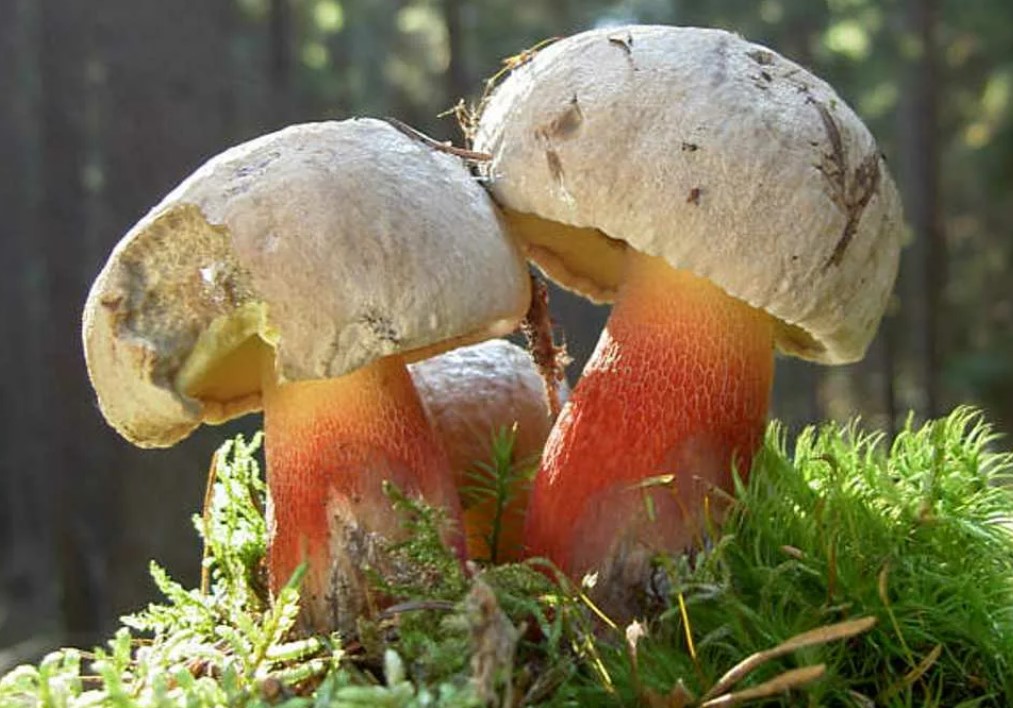
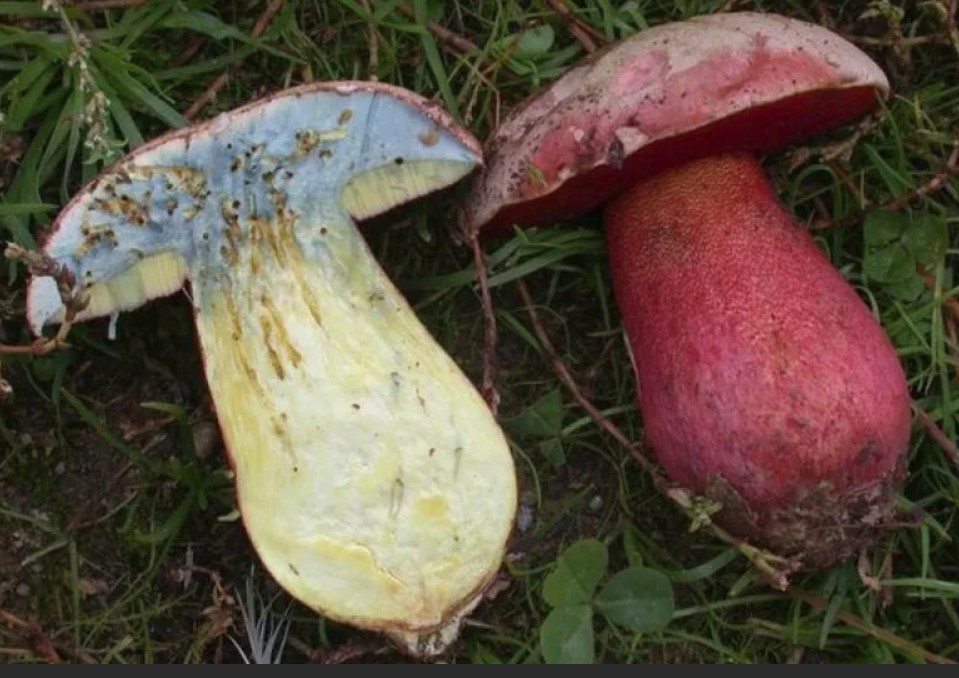
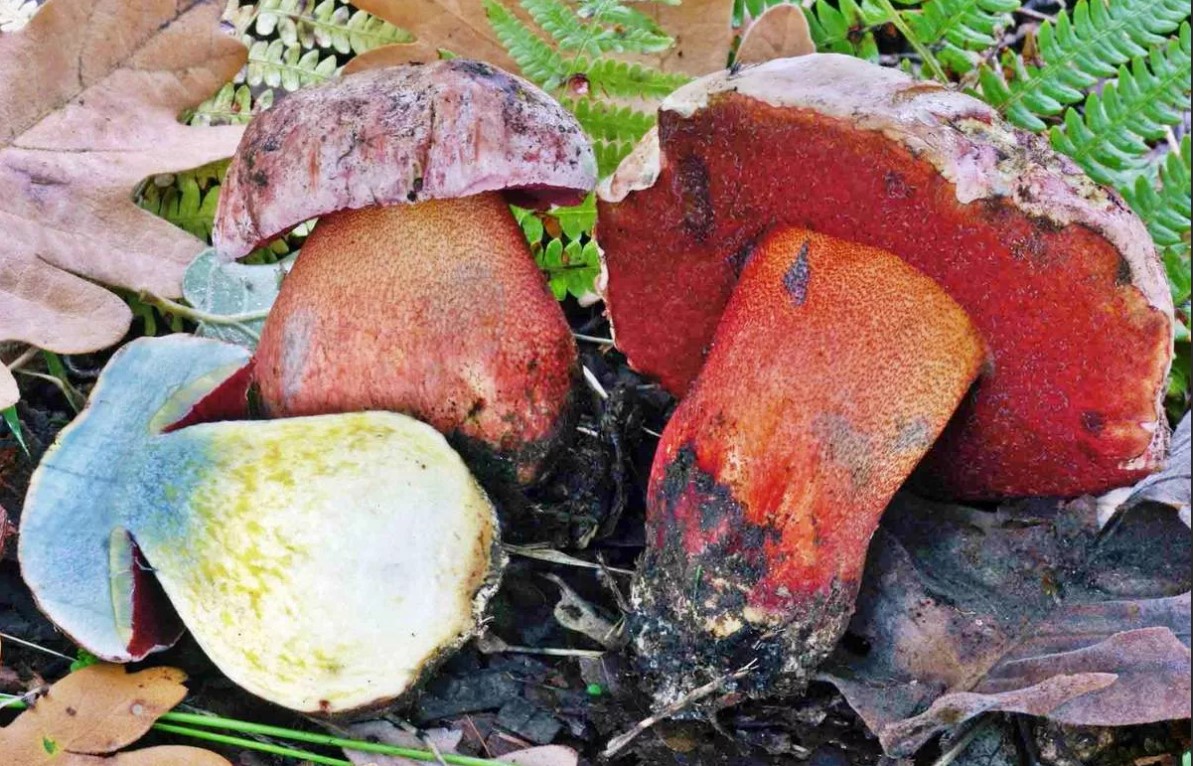
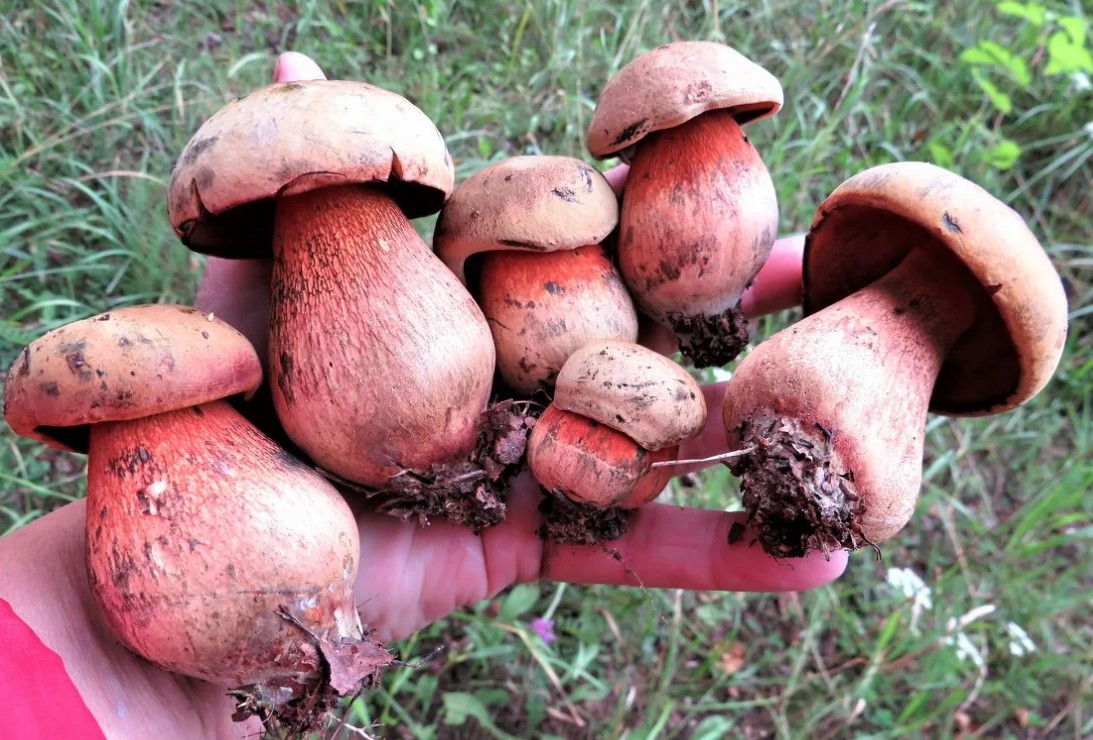
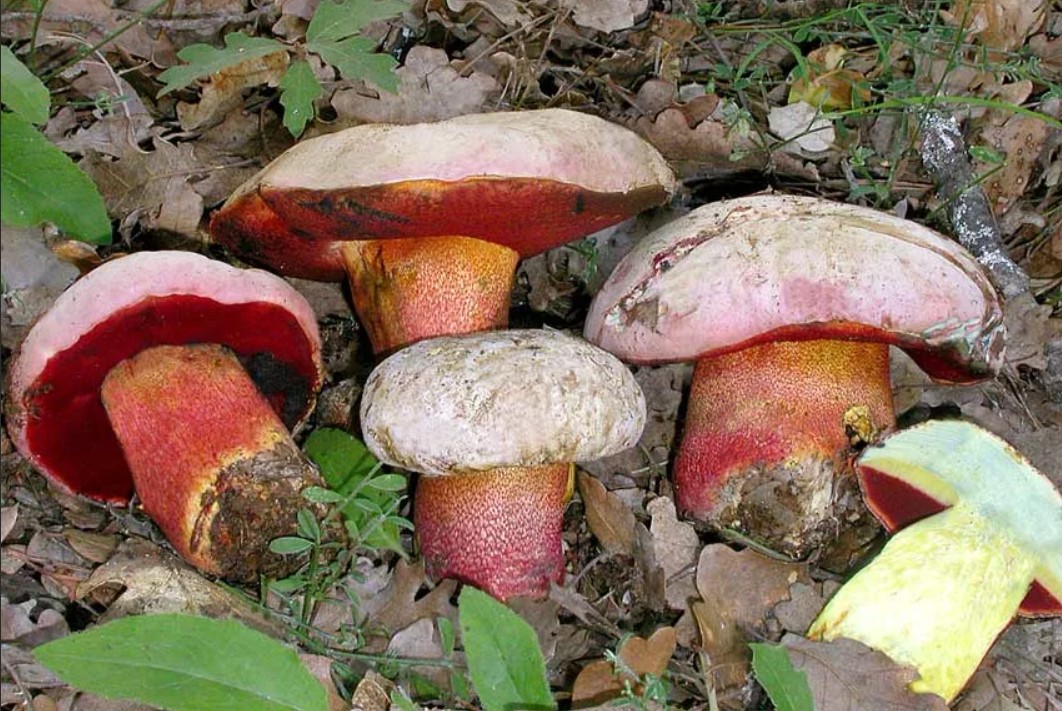
Pink boletus (Boletus rhodoxanthus)
| hat | Pulp, stem | Edibility | Harvest season, pdistribution |
| The cap is 7-20 cm. Initially hemispherical, it opens up to a cushion-shaped form over time. Later, it becomes fully open, slightly depressed in the center. The surface is smooth or slightly velvety. It is usually slightly sticky. The color ranges from brownish-gray to dirty brownish-yellow with a reddish edge. | The flesh is dense, lemon-yellow, and softer near the stem. It is brighter near the tubes and stem. The base is burgundy, becoming slightly bluish when cut. The stem is 6-20 cm long and initially tuberous. It later becomes cylindrical. The base is often pointed. The underside is bright scarlet, and the top is yellow. A prominent red mesh is present on the surface. In young specimens, this mesh is looped. Later, it becomes elongated, forming a dotted line. | Inedible. Poisonous when raw. | Broadleaf forests. Europe, Southern Russia, Middle East. |
Photo gallery of pink-skinned boletus
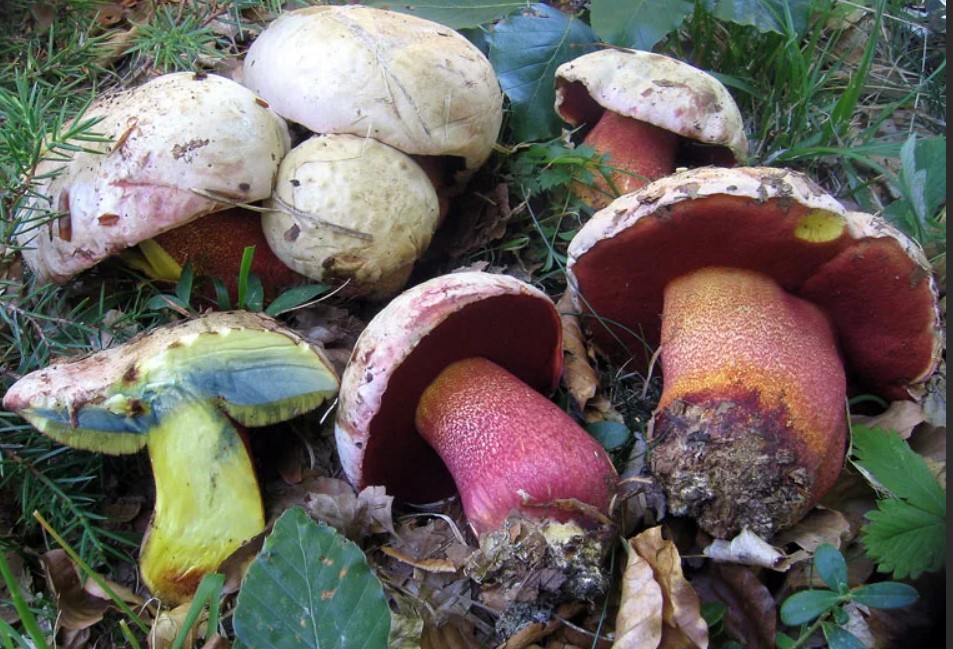
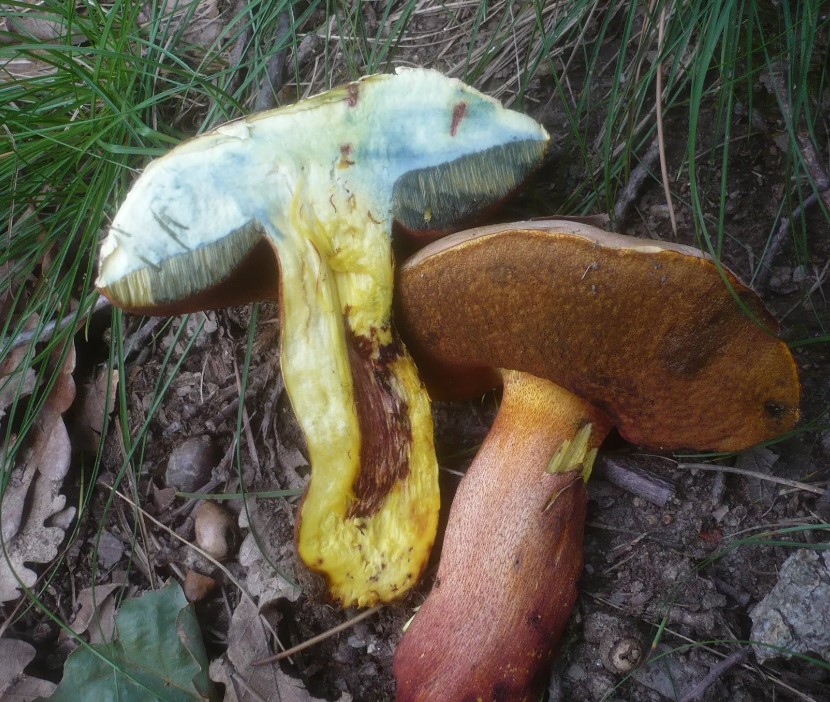
Boletus legaliae (Le Gal boletus)
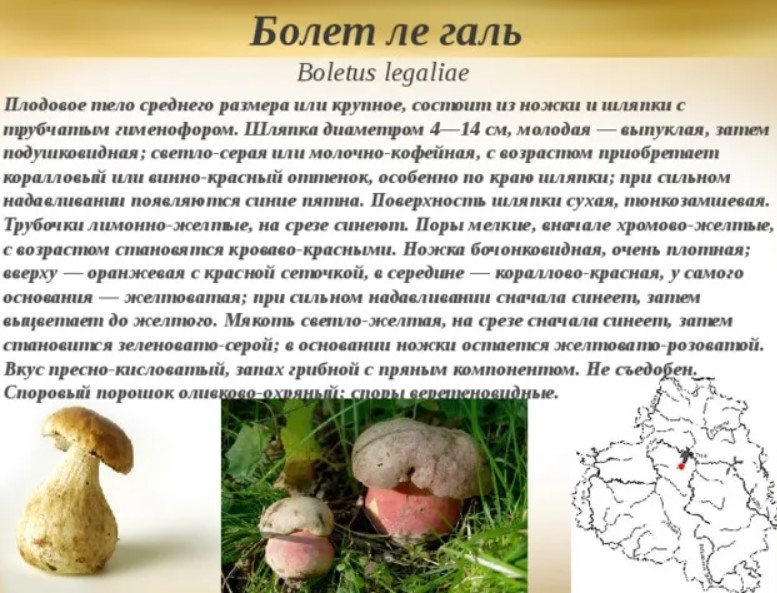
| hat | Pulp, stem | Edibility | Harvest season, pdistribution |
| The cap is a characteristic pinkish-orange color. The skin is smooth. As the cap ages, its shape changes from convex to hemispherical. Then it becomes somewhat flattened. The diameter varies from 5 to 15 centimeters. | The flesh is whitish or pale yellow. A bluish tint appears at the cut end. The stem is quite thick (2.5-5 cm) and swollen. It ranges in height from 8 to 16 centimeters. The coloring matches the cap. The top is covered with a scarlet mesh. |
Inedible, poisonous. | Deciduous forests. Europe. |
Photo gallery of boletus le gal
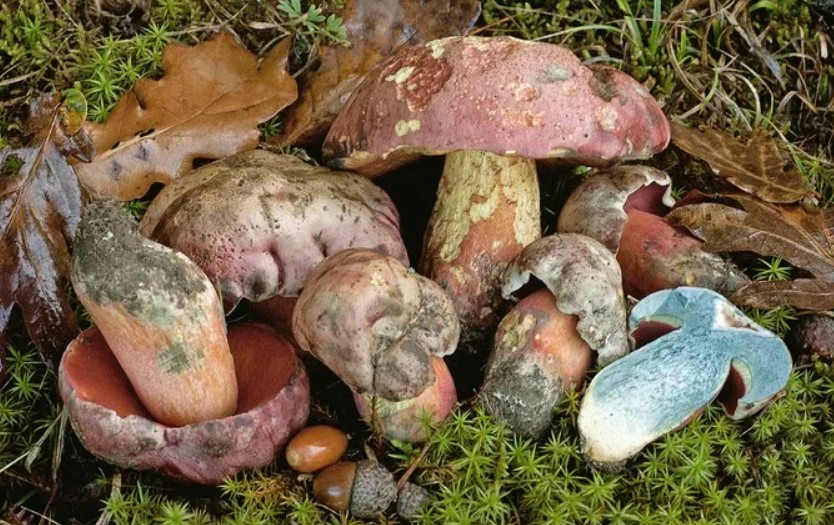
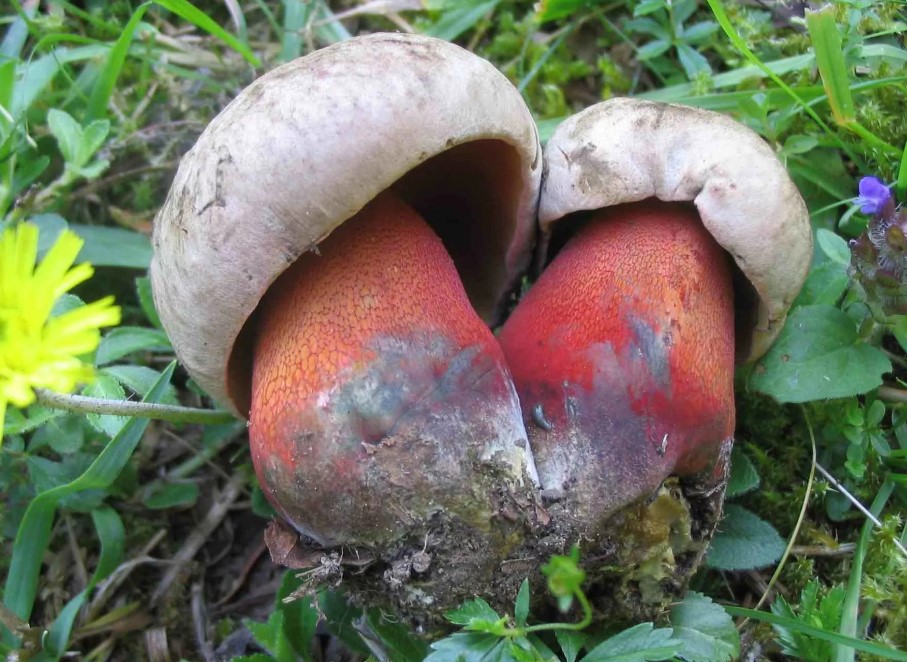
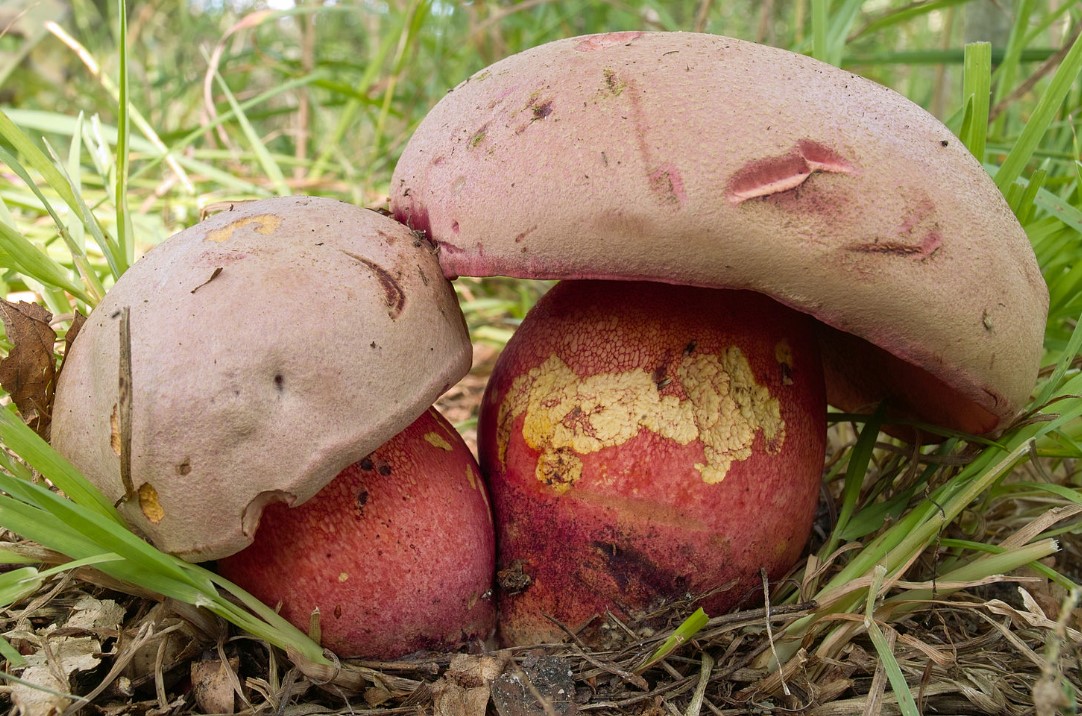
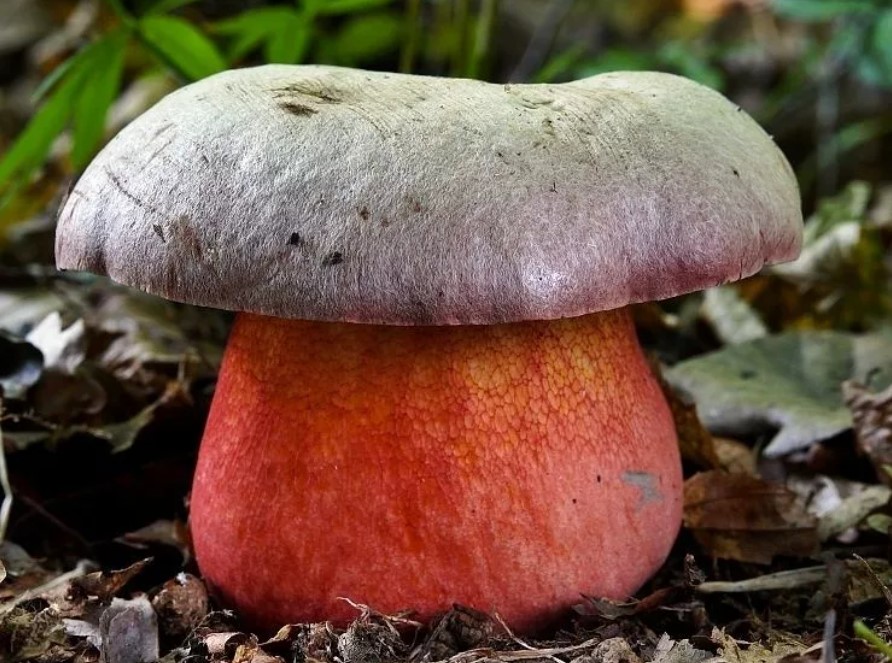
Gall mushroom, bitterling (Tylopílus félleus)
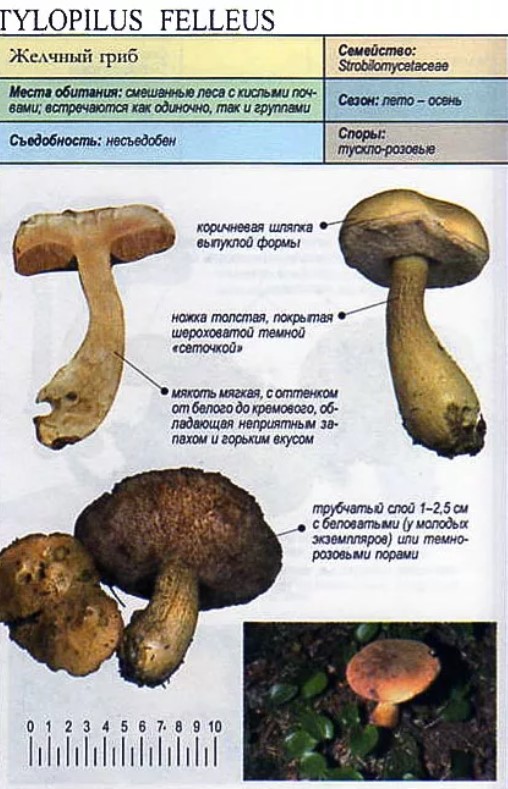
| hat | Pulp, stem | Edibility | Harvest season, pdistribution |
Large, up to 15 cm in diameter. It's pleasant and velvety to the touch. Initially hemispherical, it flattens over time. Its coloring can vary:
Young mushrooms have a slight pubescence. With age, the cap surface becomes completely smooth. |
The flesh is white and sponge-like. It changes color when exposed to air, turning blue. Due to its bitter taste and toxic content, insects tend to avoid it. Because of this, it rarely develops any bruises. It looks attractive and appetizing, but it is nonetheless poisonous. The stem is strong and powerful. It can reach 12 cm in height. There is a small swelling at the base. It is distinguished by a yellowish-ocher-brown color. A distinct dark mesh is present at the top. |
Inedible. Has an unpleasant bitter taste, which intensifies when cooked. | June-October. Coniferous forests. |
Gall Mushroom Photo Gallery
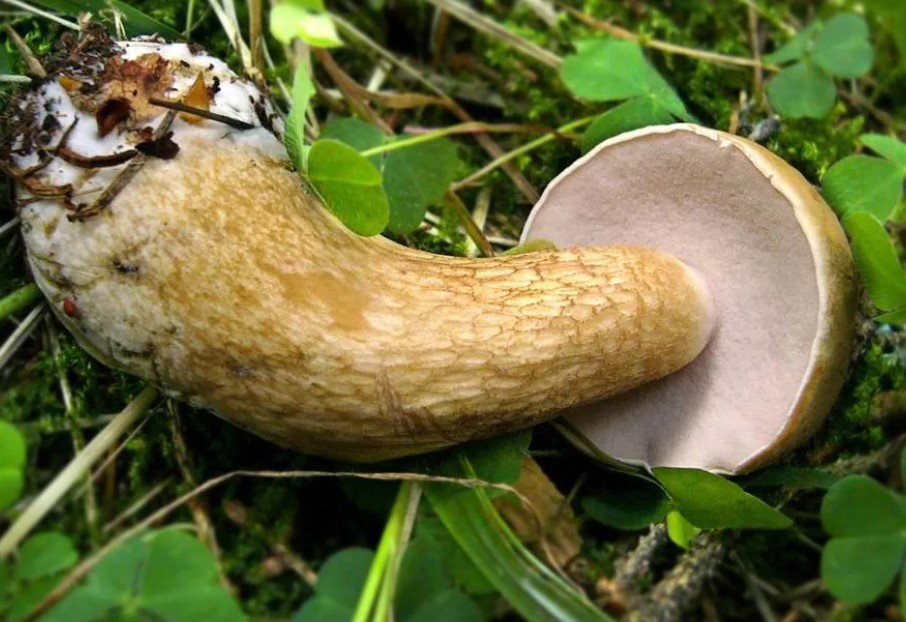
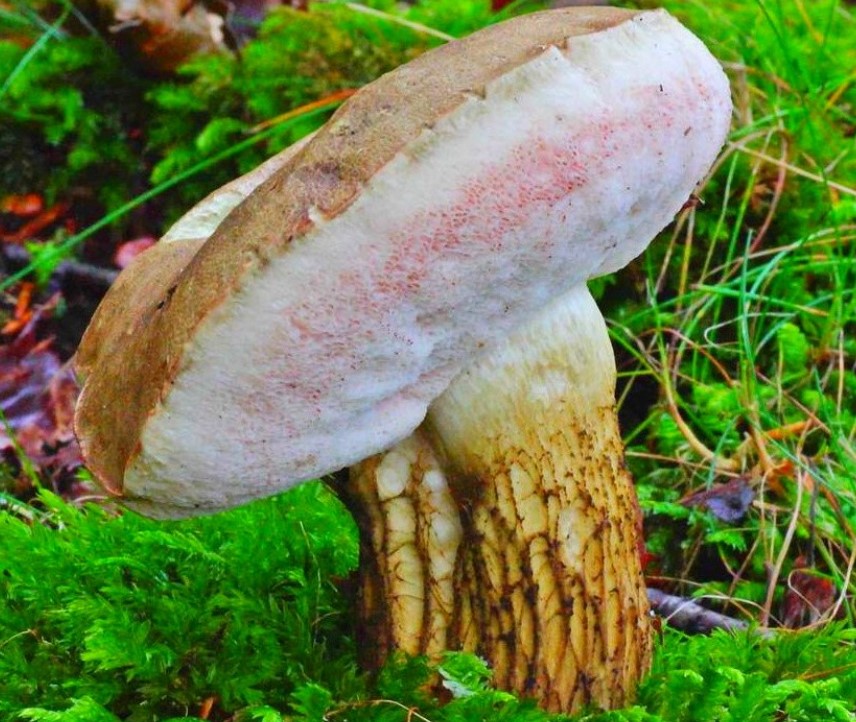
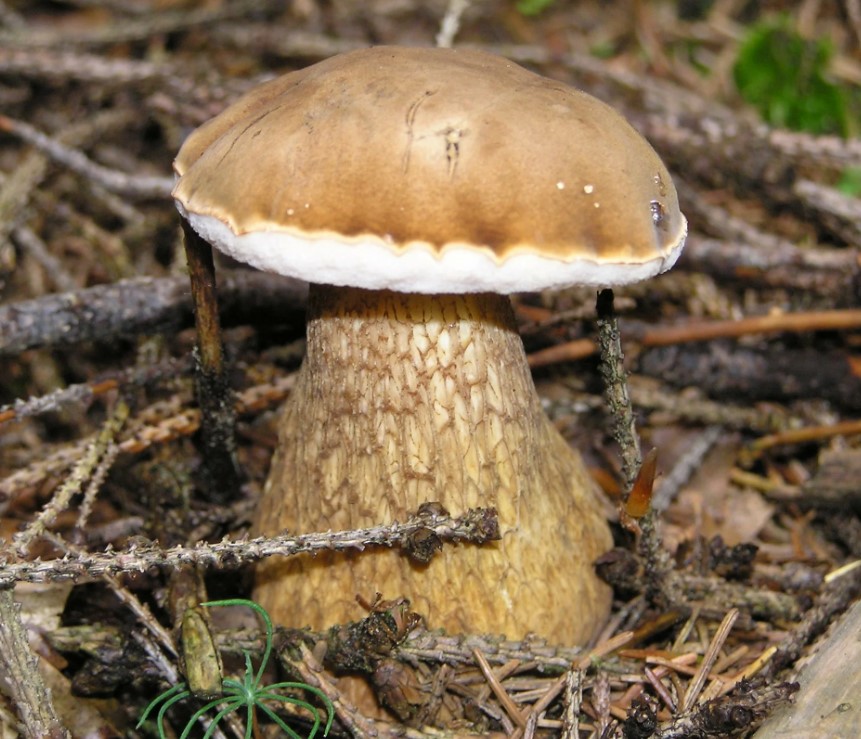
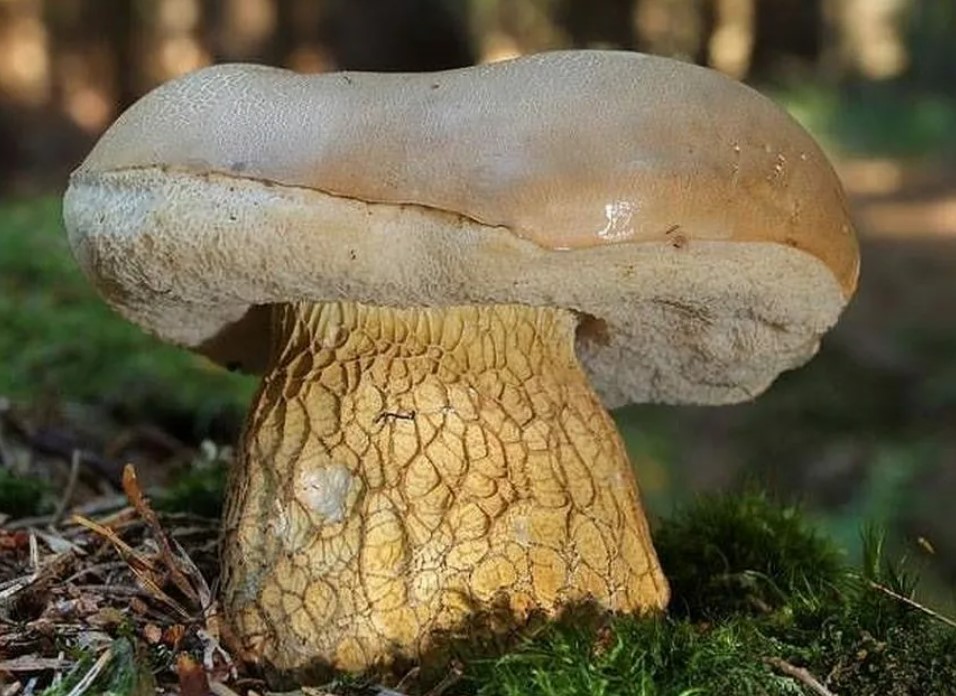
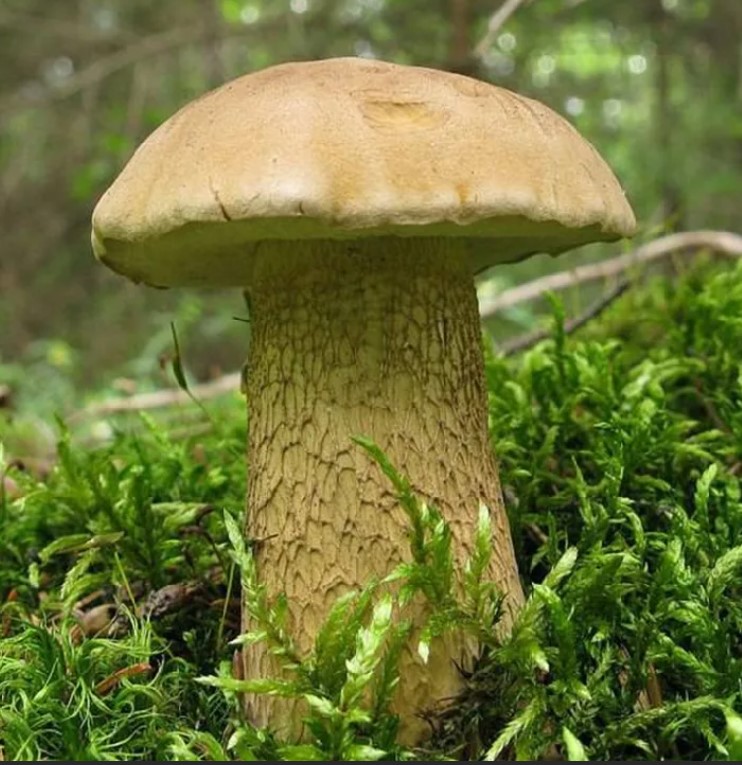
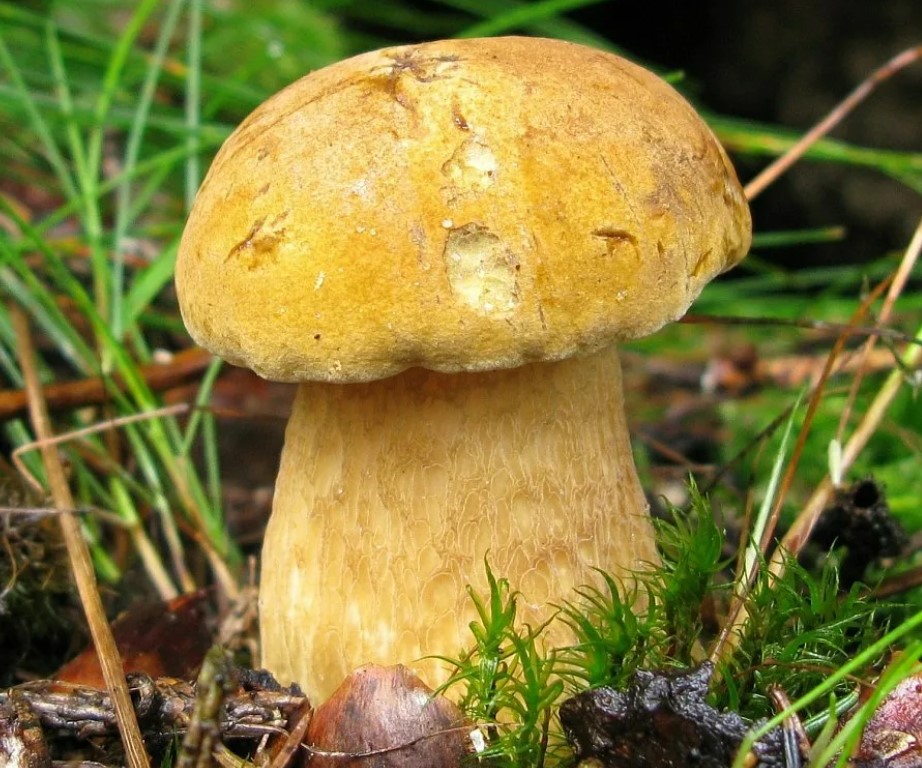
Read more about the false porcini mushroom in the articleFalse porcini mushroom (gall, bitter): 20+ photos and description, similar varieties, how to distinguish from the real thing.
False Satan's Mushroom (Boletus splendidus)
| hat | Pulp, stem | Edibility | Harvest season, pdistribution |
| It grows up to 10 cm in length and is shaped like a cushion. The edges are sharp or protruding. The surface is felty, becoming smooth in older mushrooms. Initially, it is beige, then darkens. | The flesh is loose, slightly yellow, and red at the stem. When cut, it turns blue and emits a foul, sour odor, indicating that the mushroom should not be consumed. The stem is cylindrical, tapering toward the bottom. It measures approximately 8 x 6 cm. The surface is yellow with a scarlet mesh. The base of the stem is also reddish. | Not studied, considered inedible. | June-October. Oak and beech forests. |
Photo gallery of the false satanic mushroom
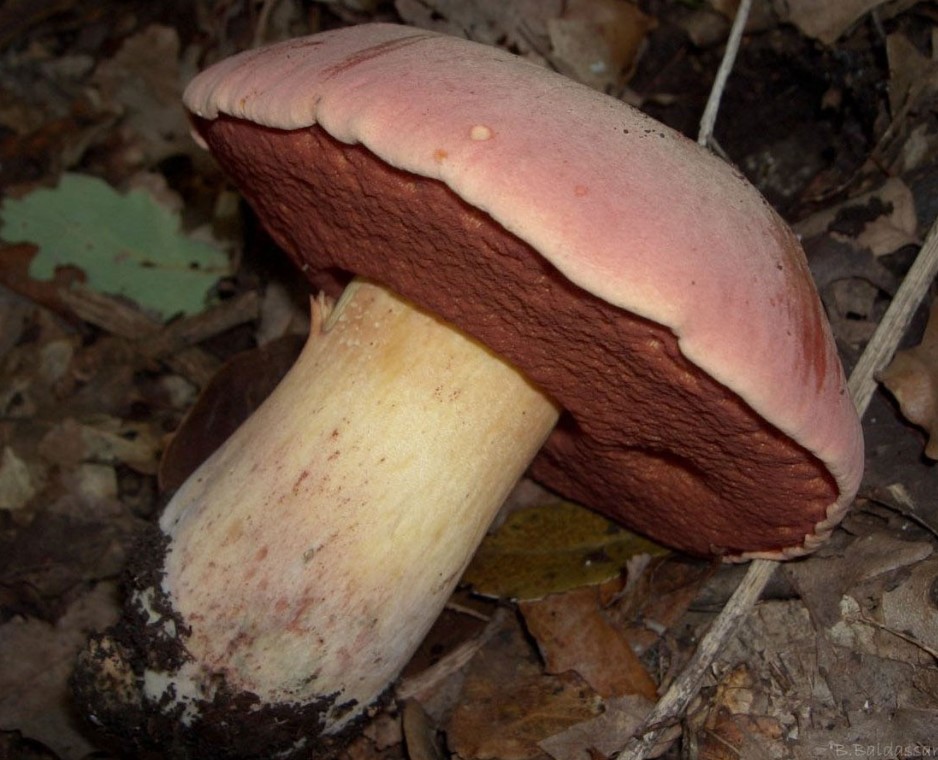
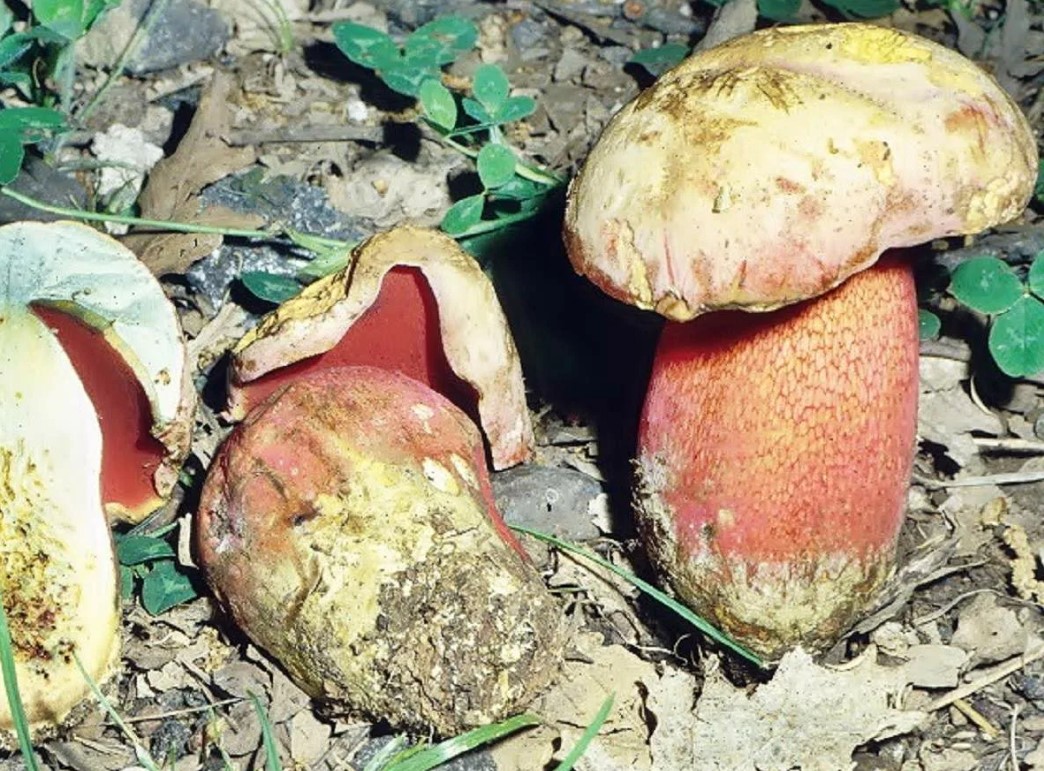
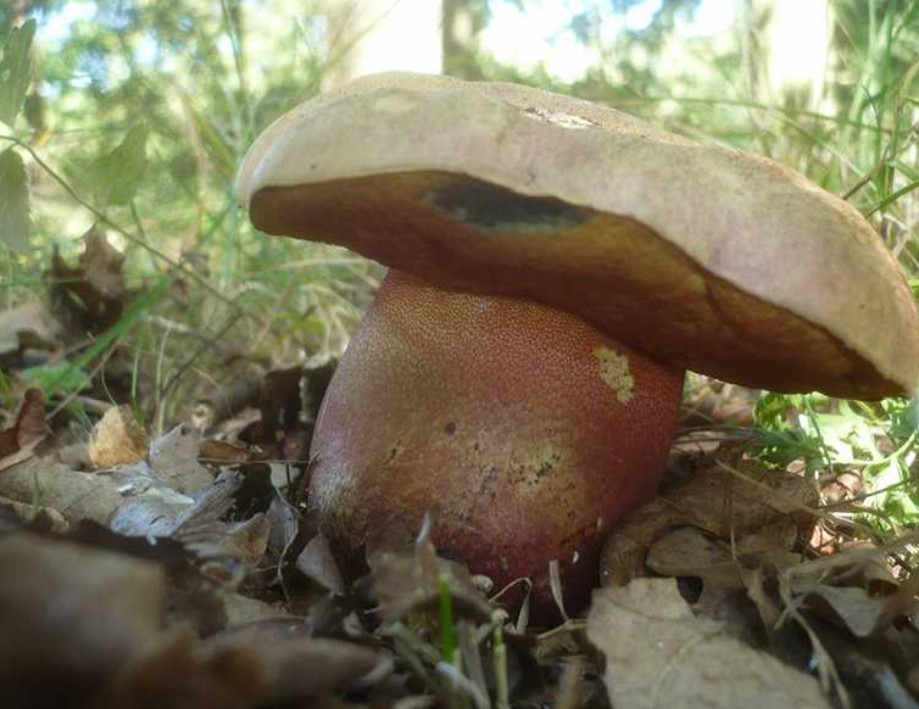
Satan's mushroom (Boletus satanas)
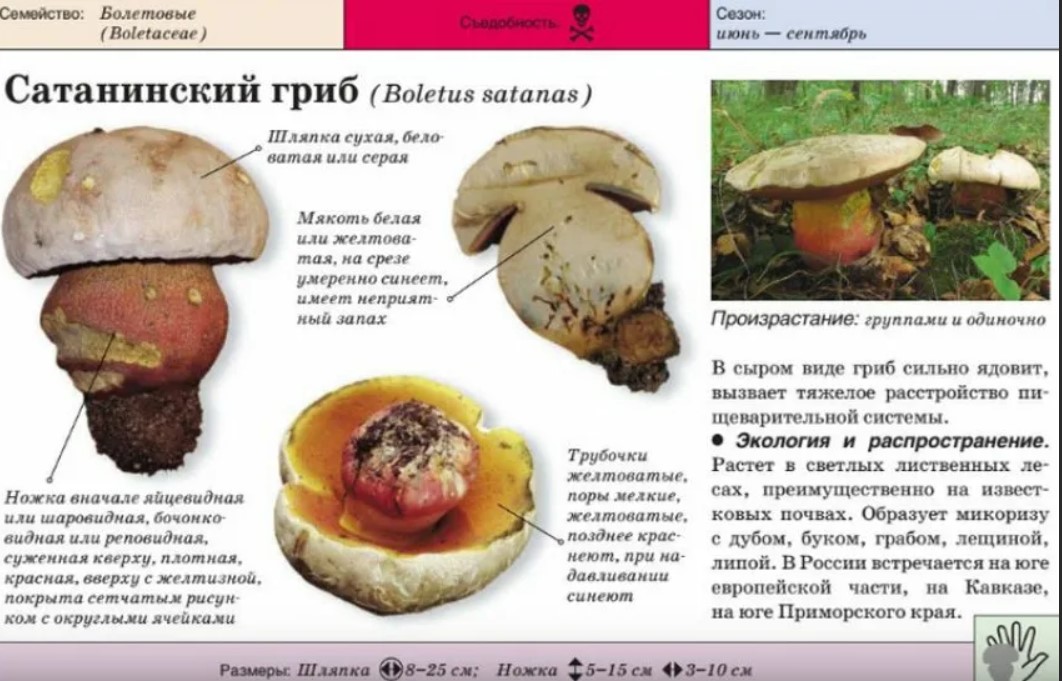
| hat | Pulp, stem | Edibility | Harvest season, pdistribution |
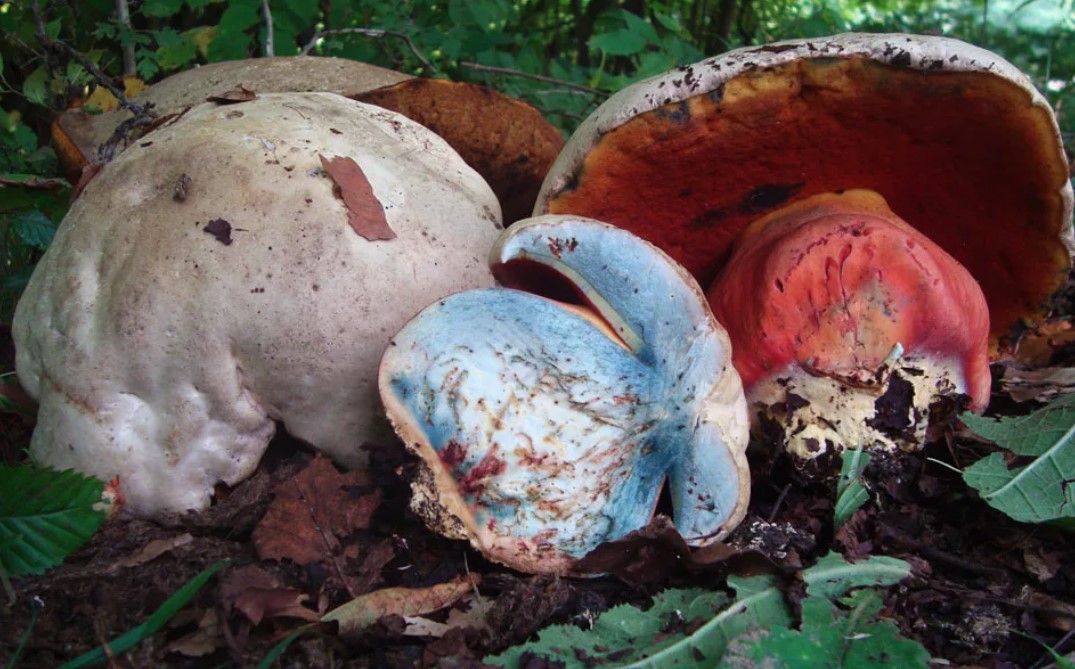
| The cap is massive, growing up to 20-30 cm in circumference. Its color is dull and inconspicuous (gray, olive, cream, beige). It is cushion-shaped. The surface may be damaged or rough. | The flesh can be yellow, cream, or beige. The shade will depend on the growing location. In the shade, it is duller, and in the sun, it becomes brighter. When cut, the flesh slowly turns blue. It has a watery texture. The stem is also massive, reaching 15-17 cm in height and 10 cm in thickness. It is oval or hemispherical in shape, tapering where it joins the cap. Unlike the cap, the stem is vibrantly colored—red, beetroot, or orange-crimson. | Inedible. In some European countries, it is considered conditionally edible. According to other sources, it is poisonous. | June-September. Deciduous forests. Southern Europe and Russia, Caucasus, Middle East. |
Photo gallery of satanic mushroom
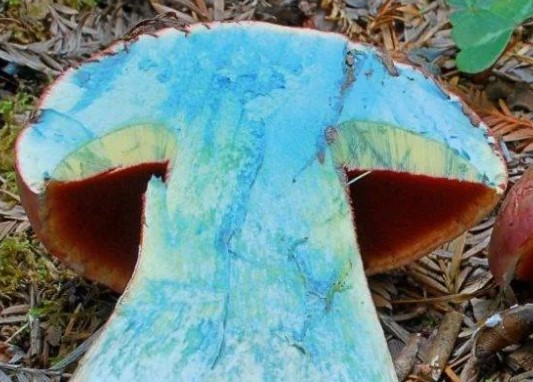
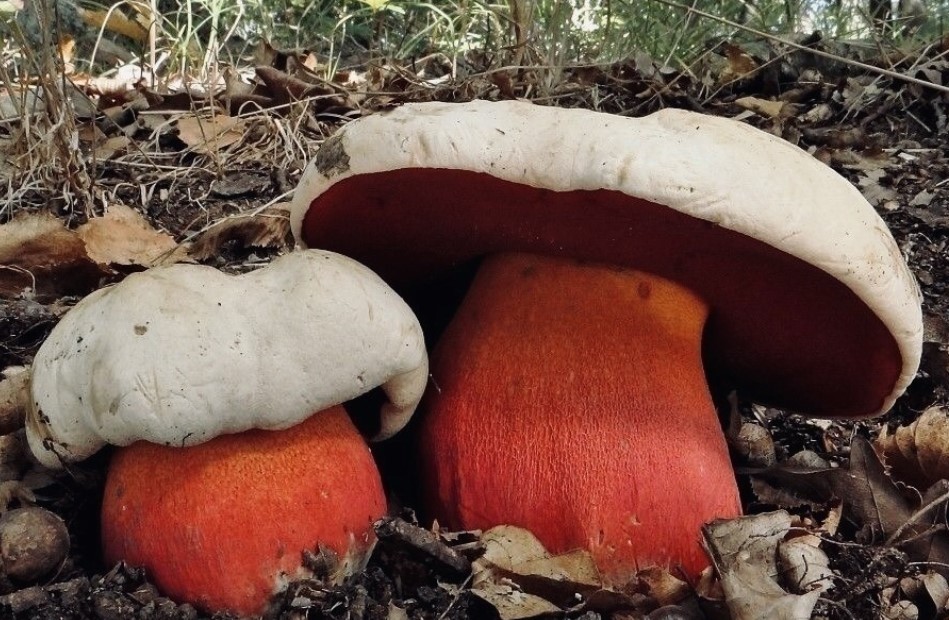
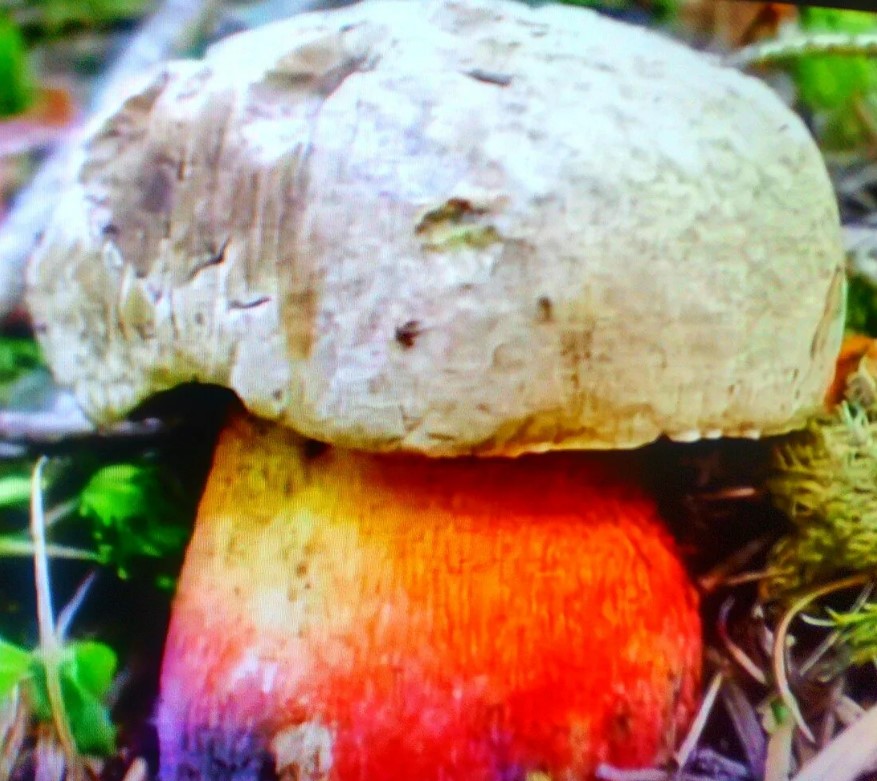
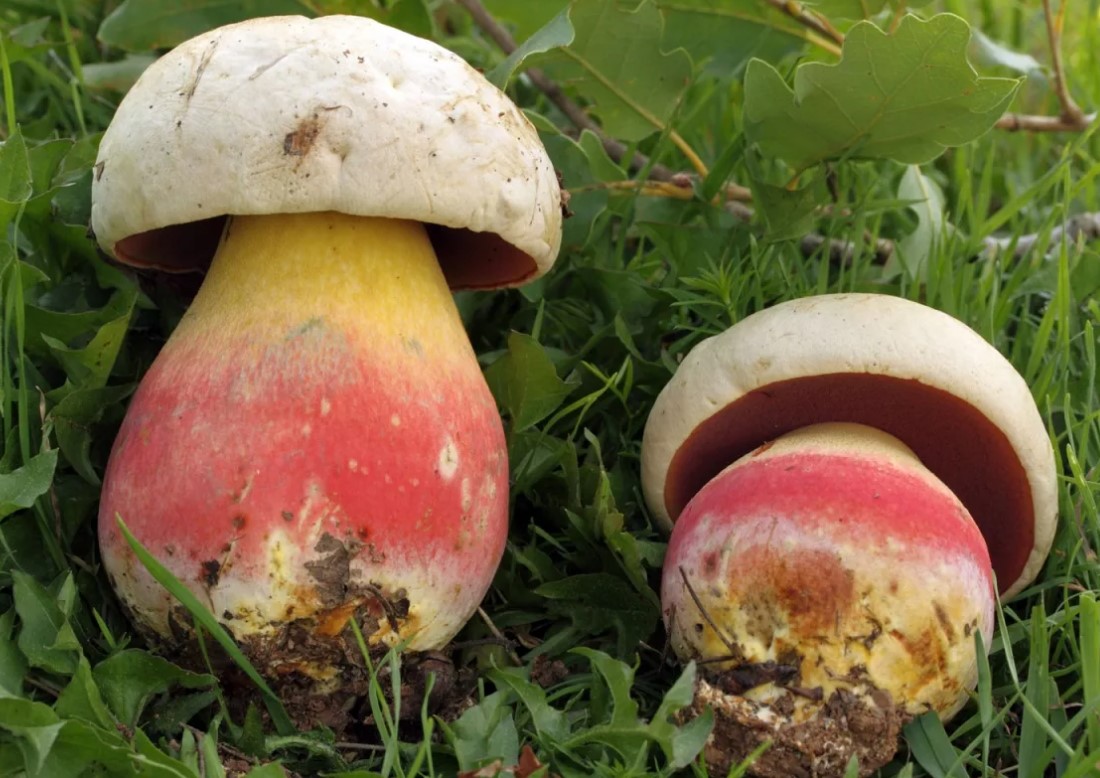
Which edible counterparts of porcini mushrooms have a blue, dark stem when cut?
Let's look at the characteristics of edible counterparts of the porcini mushroom.
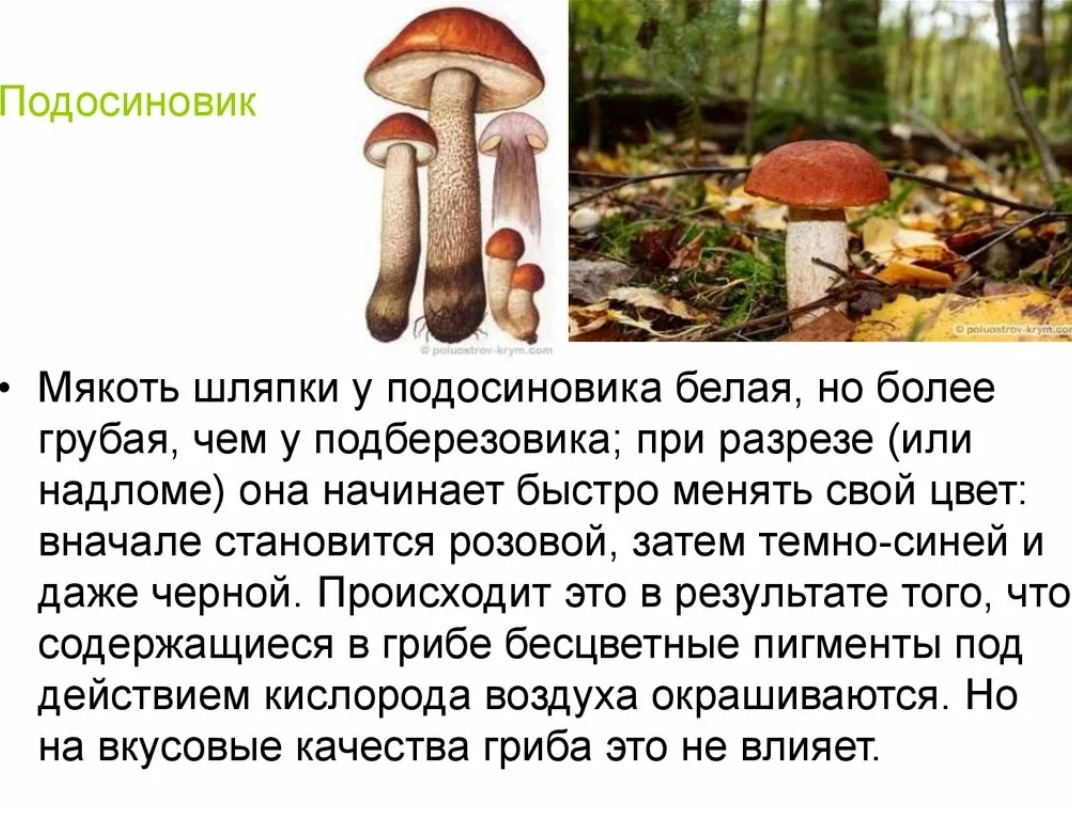
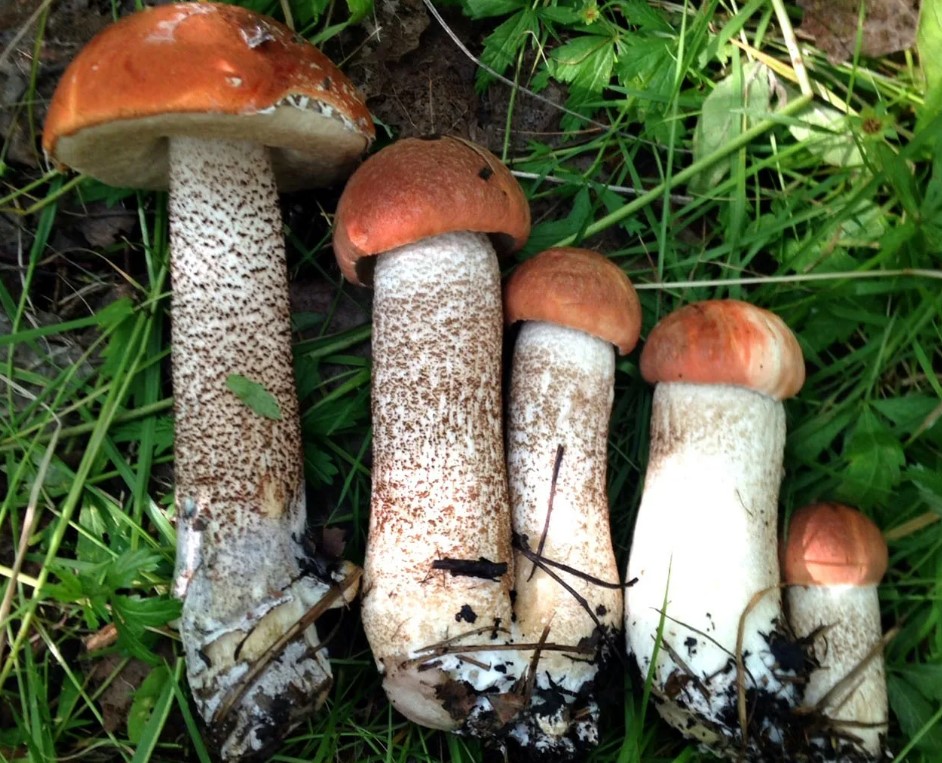
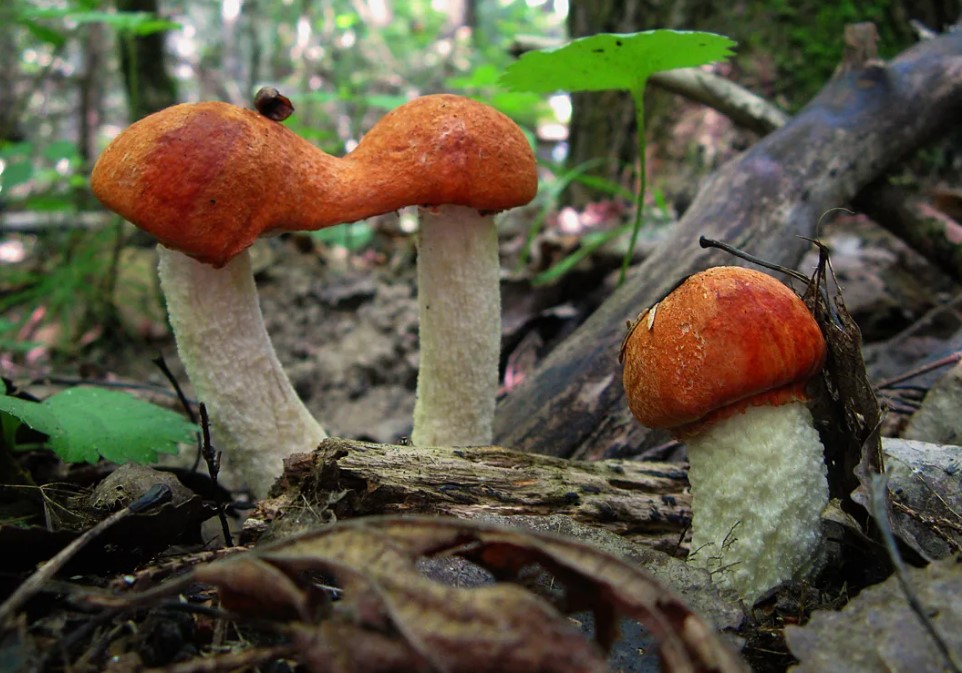
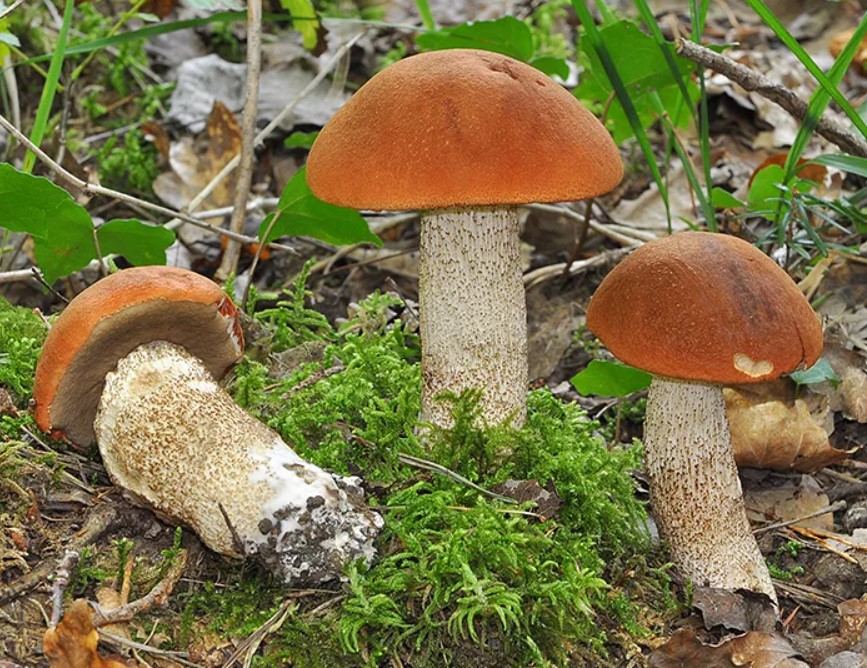
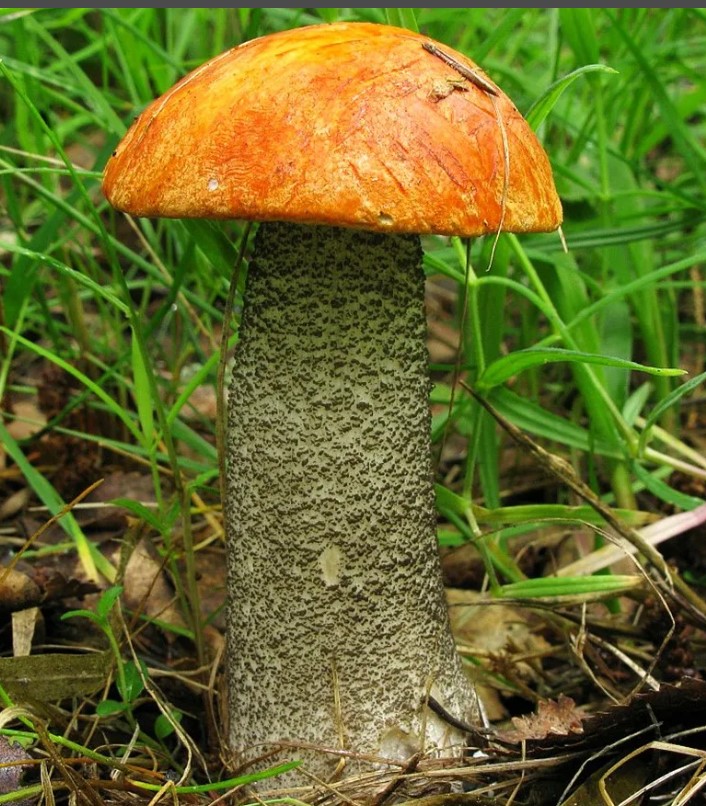
Aspen mushroom (Leccinum)
This is a dense and firm mushroom. There are many varieties of aspen mushrooms. Their main difference lies in the color of the cap. They are similar in flavor.
| hat | Pulp, stem | Edibility | Harvest season, pdistribution |
| The caps are red to brownish-yellow in color, and have a regular round shape. Up to 30 cm in circumference. In young aspen mushrooms it has the shape of a hemisphere, then it becomes cushion-shaped. |
It has a whitish stem. The damaged area first turns blue, then cornflower blue. If left unused for a long time, it darkens completely. It has a plumper stem and firmer flesh than the birch bolete. | Edible. | June-October. Deciduous, mixed forests. |
Photo gallery of aspen mushrooms
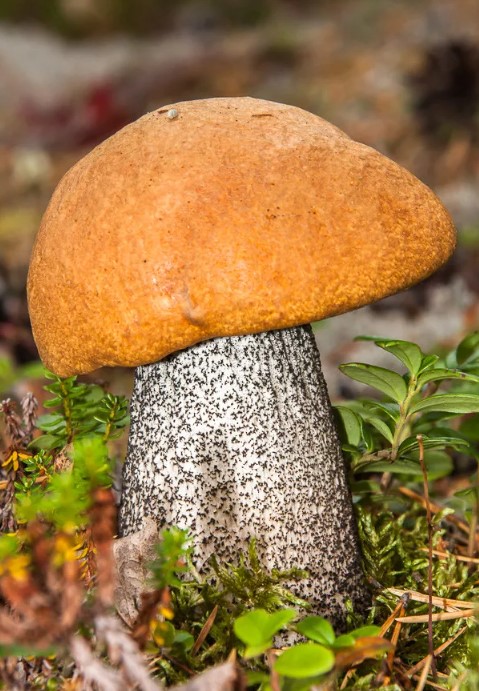
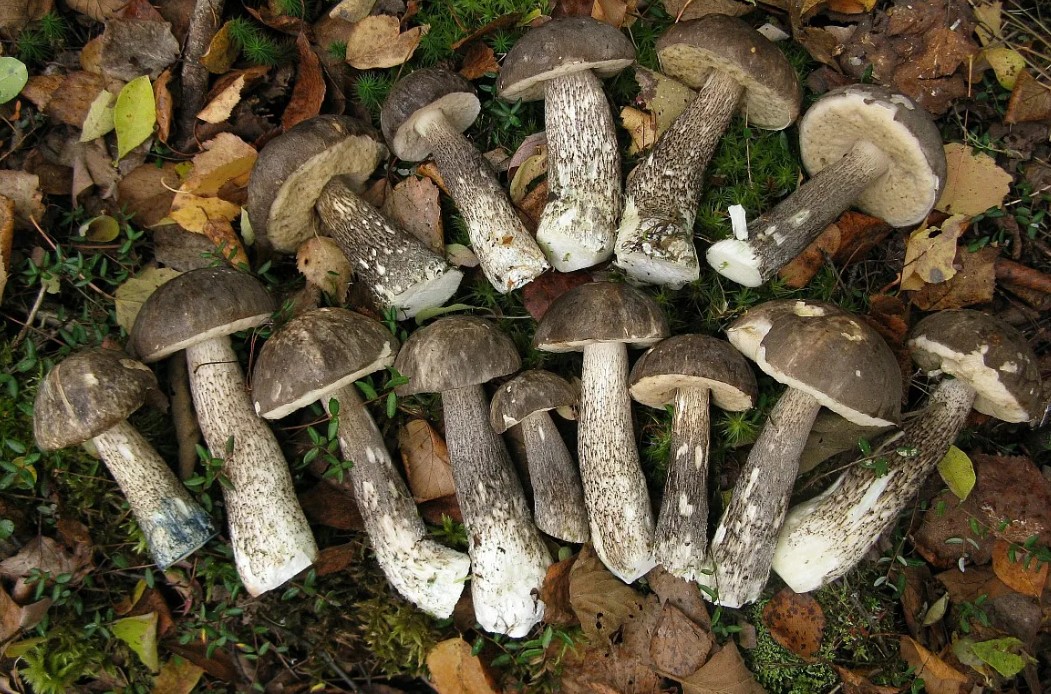
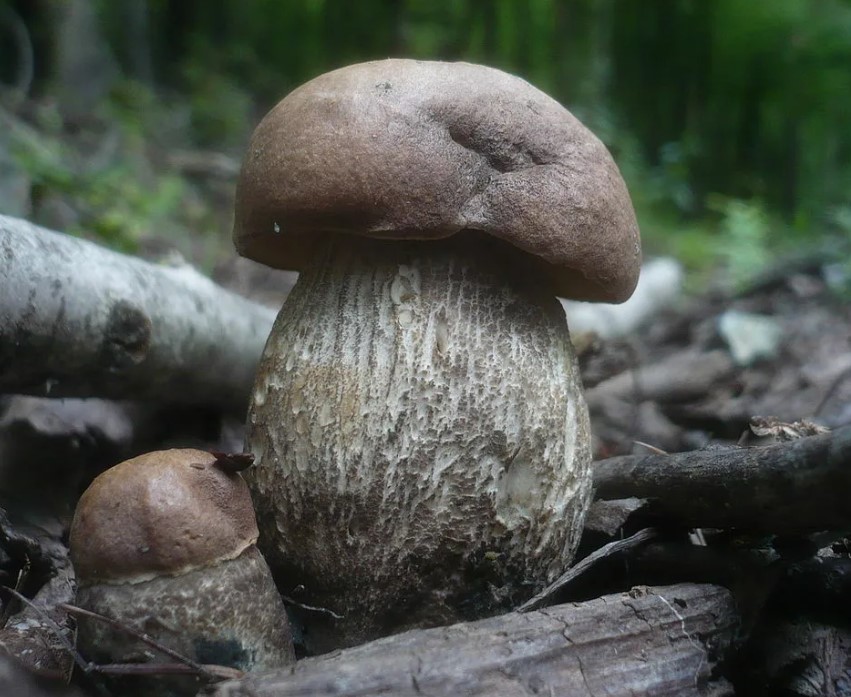
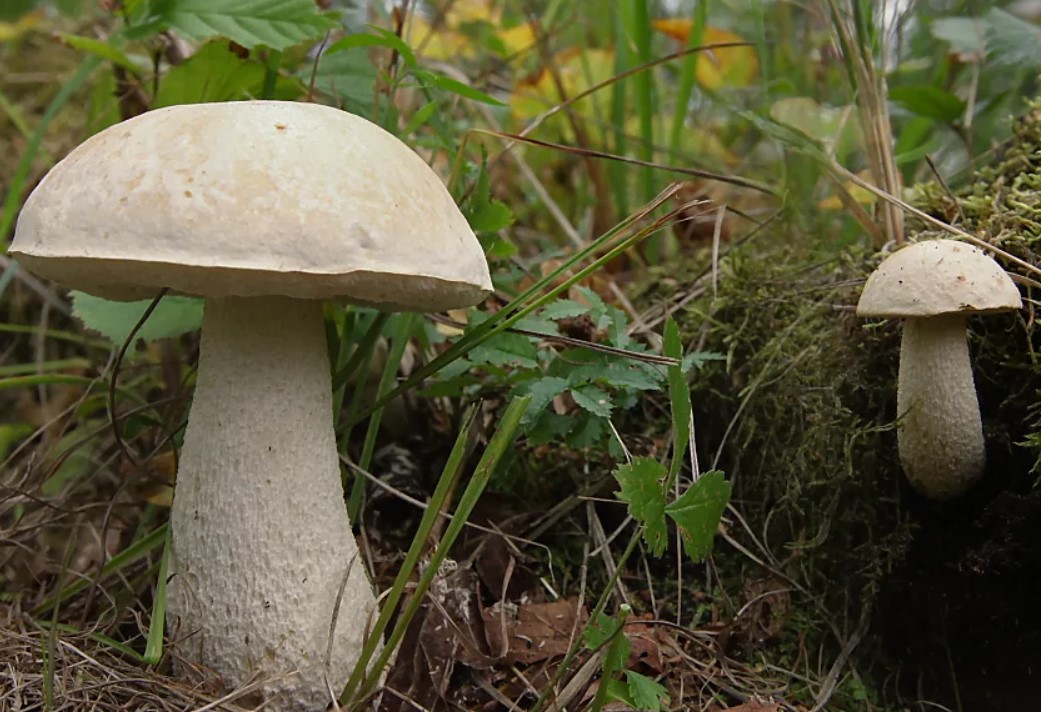
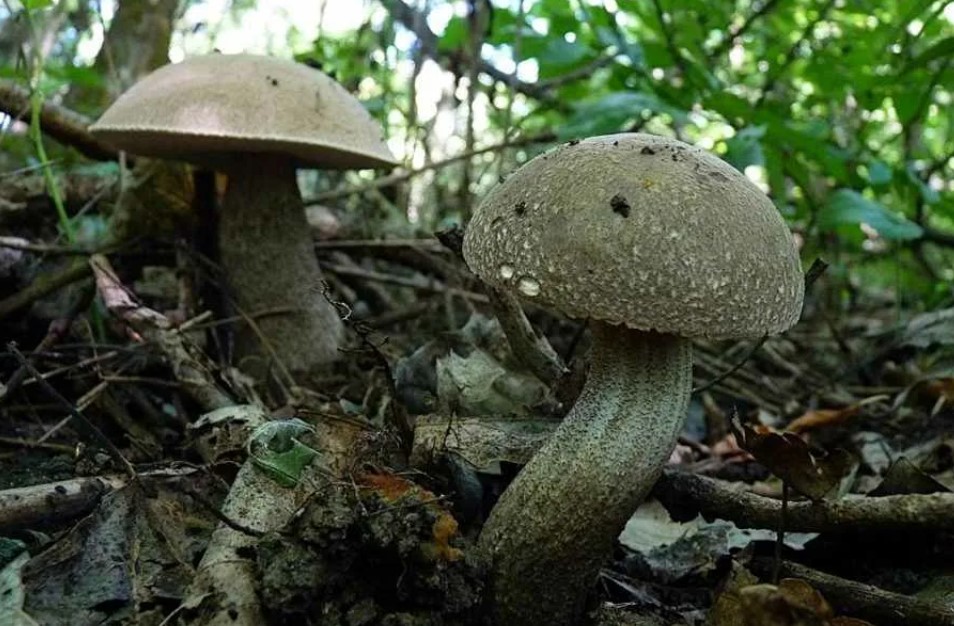
Birch bolete (Leccinum)
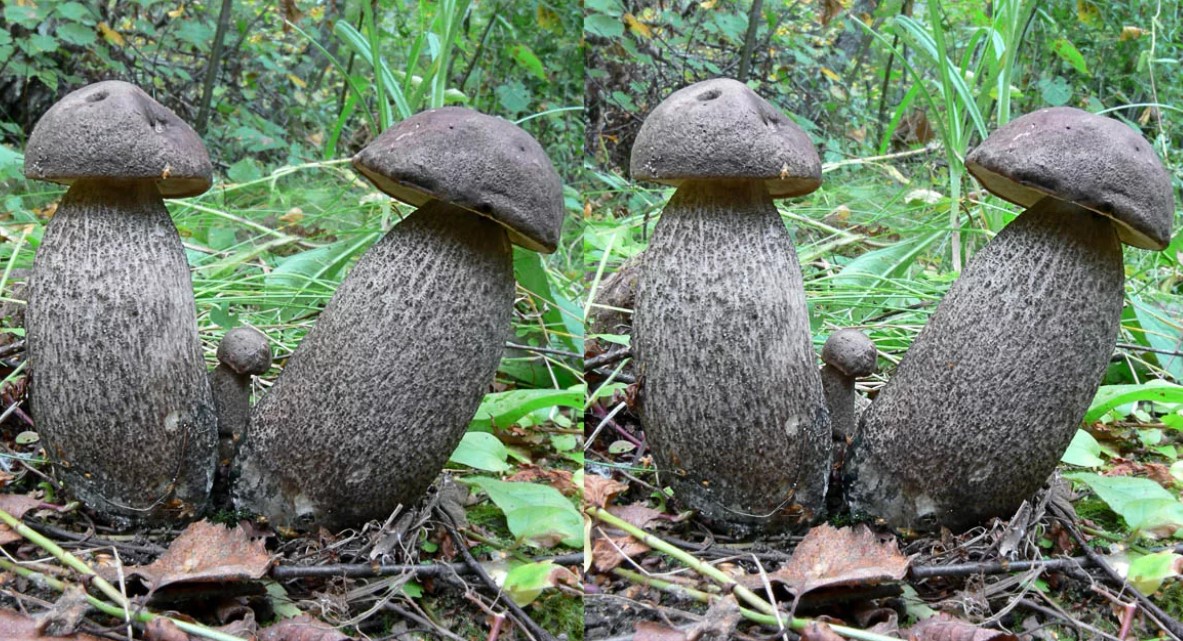
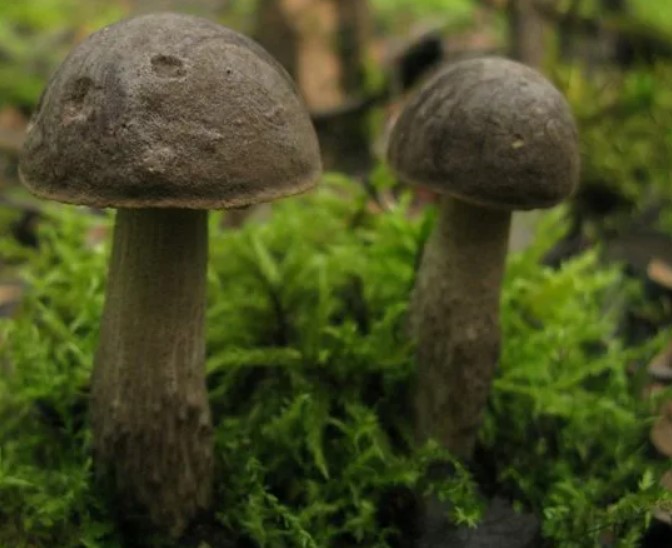
There are many varieties of birch boletes. However, only three varieties turn blue when cut: multicolored, ash-gray, and hard. They have similar flavor characteristics. Their size depends on the conditions in which they develop.
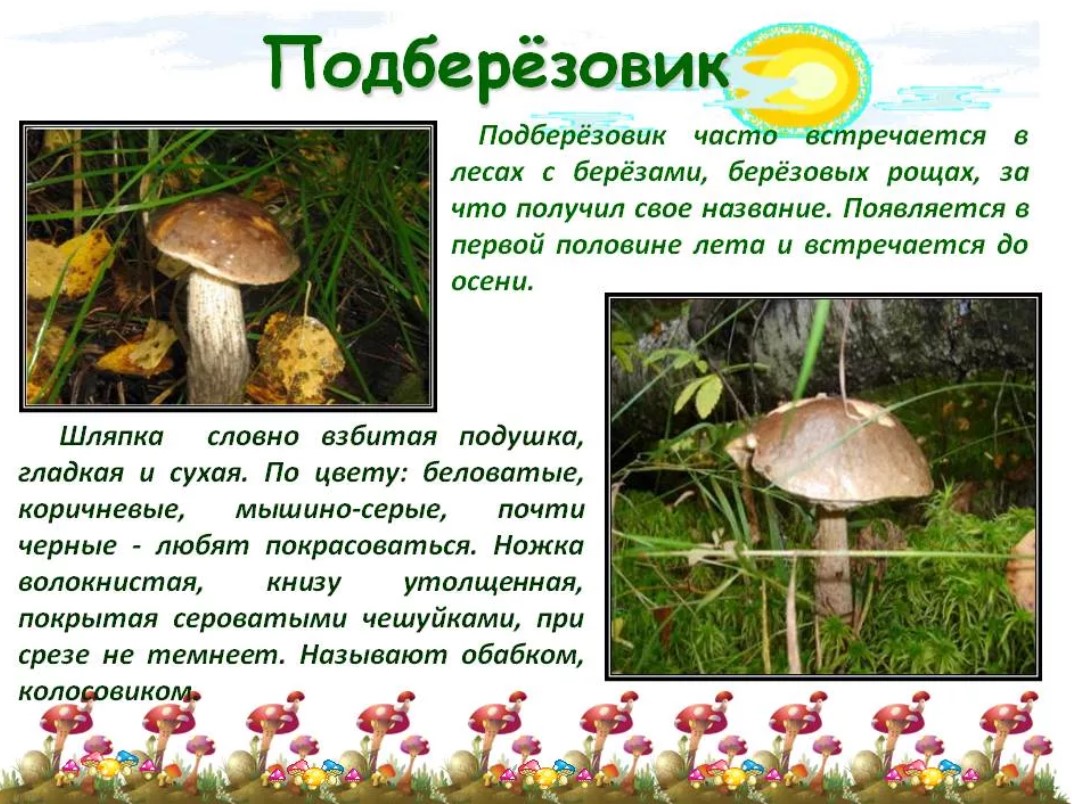
| hat | Pulp, stem | Edibility | Harvest season, pdistribution |
| These are dense, fleshy mushrooms with a white, grey or almost black cap. The cap diameter varies between 15-18 cm. |
The stem is whitish, thickened, and covered with snow-white or dark scales. It reaches 5-25 cm in height. | Edible. | June-October. Grows near birch trees. |
Please note! When picking mushrooms, it's recommended to avoid picking ones that are too large, or have large, flat caps. This indicates their advanced age. Old mushrooms have one unfortunate characteristic: they accumulate large amounts of toxic substances.
Photo gallery of birch boletus
Blue Gyroporus (Gyroporus cyanescens)
This mushroom was listed in the Red Book of Russia, but was removed in 2005.
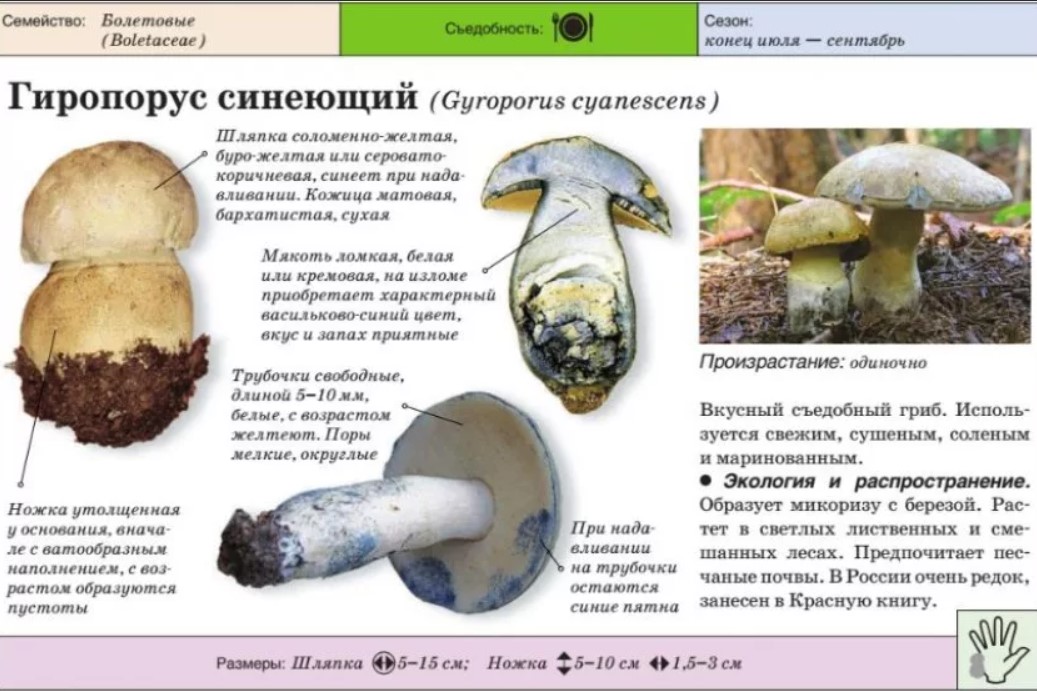
| hat | Pulp, stem | Edibility, papplication | Harvest season, pdistribution |
| It can be distinguished from the real boletus by its cap - it is grey or cream-coloured. | When cut, the mushroom turns blue, and then acquires a bright azure color. | Edible. Suitable for boiling, frying, stewing, and pickling. | July-September. Usually grows under oak, chestnut and birch trees. |
Photo gallery of Gyroporus cyanescens
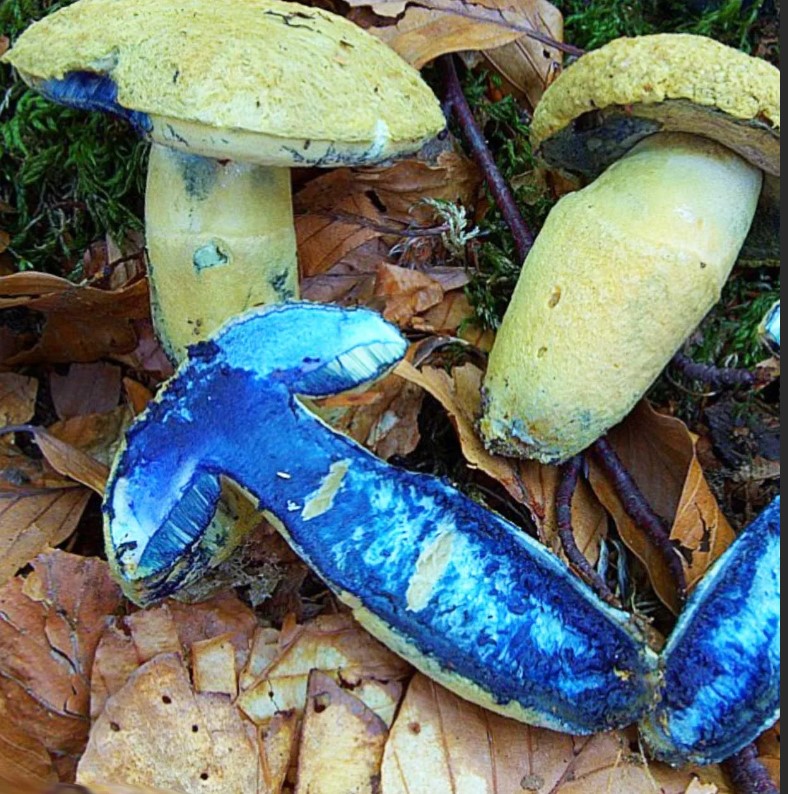
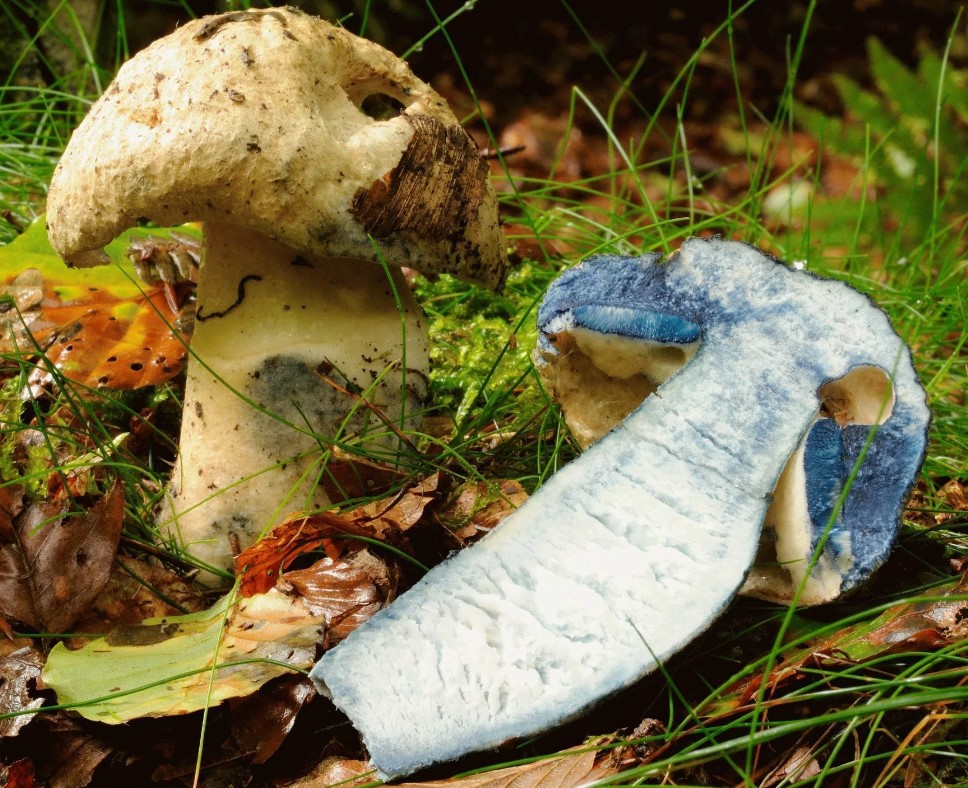
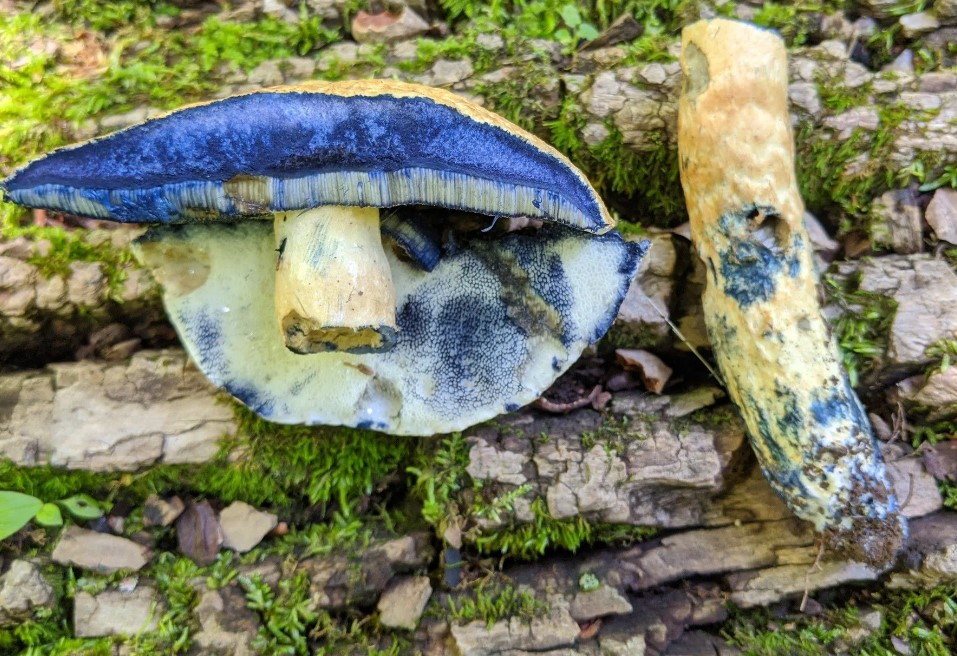
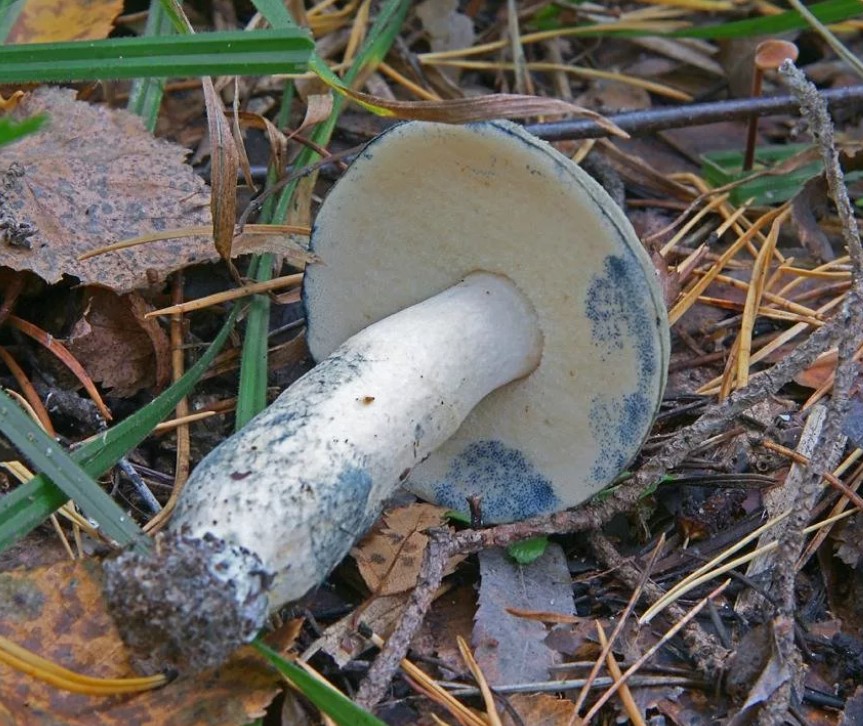
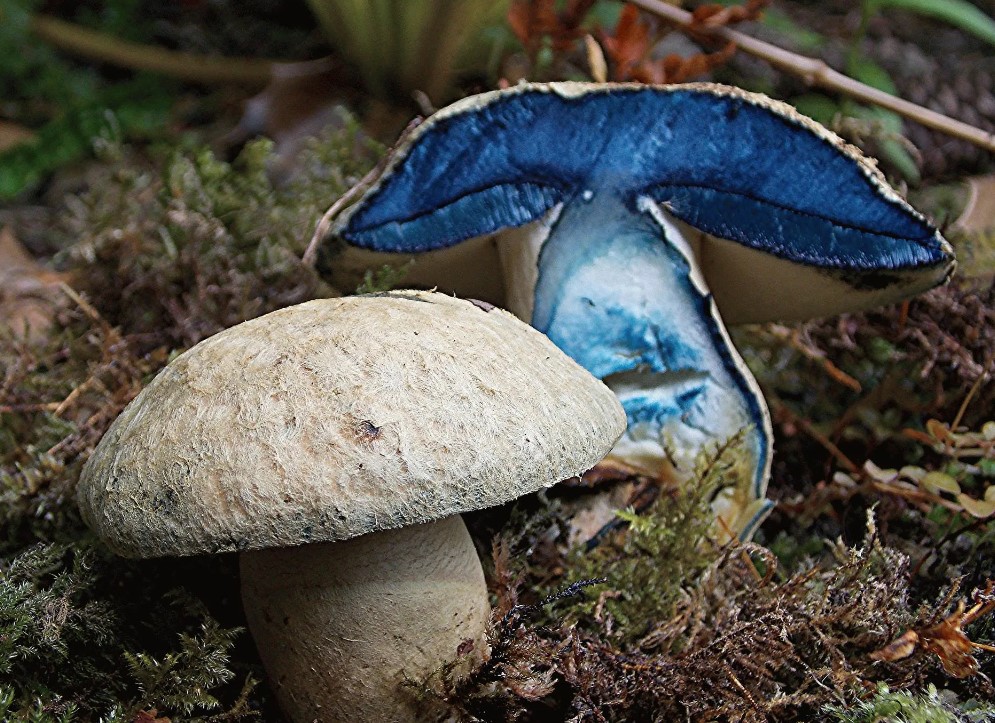
As it turns out, there are many mushrooms that turn blue when cut. However, this doesn't affect their taste in any way; they can be eaten, unless they are poisonous, of course.