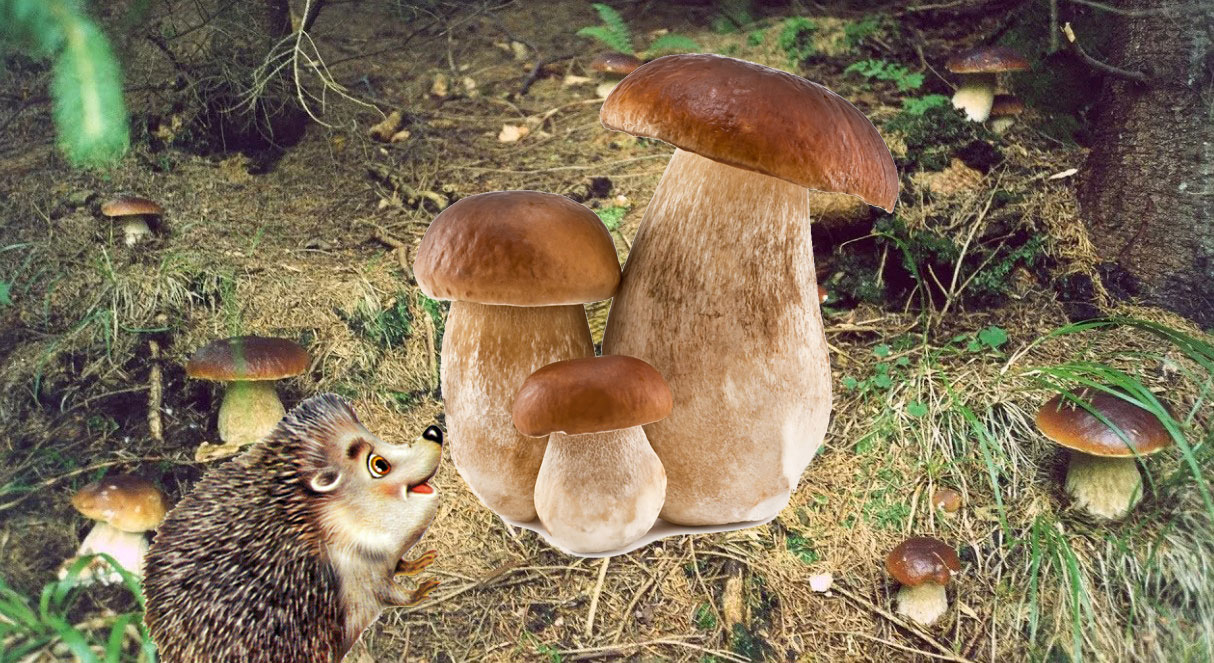
Porcini mushrooms are considered among the most delicious and valuable mushrooms in the world. They owe their name to their white flesh, which never changes color when cut or processed.
Content
- 1 Where do porcini mushrooms grow?
- 1.1 When porcini mushrooms grow, it's harvest season
- 1.2 How and When to Find White Pine (Boletus edulis f. pinicola)
- 1.3 How and when to find White Spruce (Boletus edulis f. edulis)
- 1.4 How and When to Find White Oak (Boletus edulis f. quercicola)
- 1.5 How and When to Find White Birch (Boletus edulis f. betulicola)
- 1.6 How and when to find the early white mushroom (Boletus edulis f. praecox)
- 1.7 How and When to Find White Lemon-Yellow (Boletus edulis f. citrinus)
- 1.8 How and when to find the White Smooth-legged (Boletus edulis f. laevipes)
- 1.9 How and when to find the White False Purple (Boletus edulis f. pseudopurpureus)
- 1.10 How and when to find the White Special (Boletus edulis f. separans)
- 1.11 How and when to find the White Orange-Red (Boletus edulis f. aurantioruber)
- 1.12 How and when to find the White Blue (Boletus edulis f. subcaerulescens)
- 1.13 How and when to find the White Rose-legged (Boletus edulis f. roseipes)
- 1.14 How and when to find the Arctic White Mushroom (Boletus edulis f. arcticus)
- 1.15 How and when to find the late porcini mushroom (Boletus edulis f. tardus)
- 1.16 How and when to find the White Olive-Brown (Boletus edulis f. olivaceobrunneus)
- 1.17 How and When to Find the White Bronze (Boletus edulis f. aereus)
- 1.18 How and When to Find the White Light Bronze (Boletus edulis f. subaereus)
- 1.19 How and when the Boletus edulis f. reticulatus appears
- 2 Distribution map of porcini mushrooms in Russia
- 3 7 Rules for Growing and 5 Rules for Harvesting Porcini Mushrooms
- 4 How not to confuse real porcini mushrooms with false ones
Where do porcini mushrooms grow?
Porcini mushrooms are found in almost every region of our country, but in some places they grow in large numbers, while in others finding a few is considered luck.
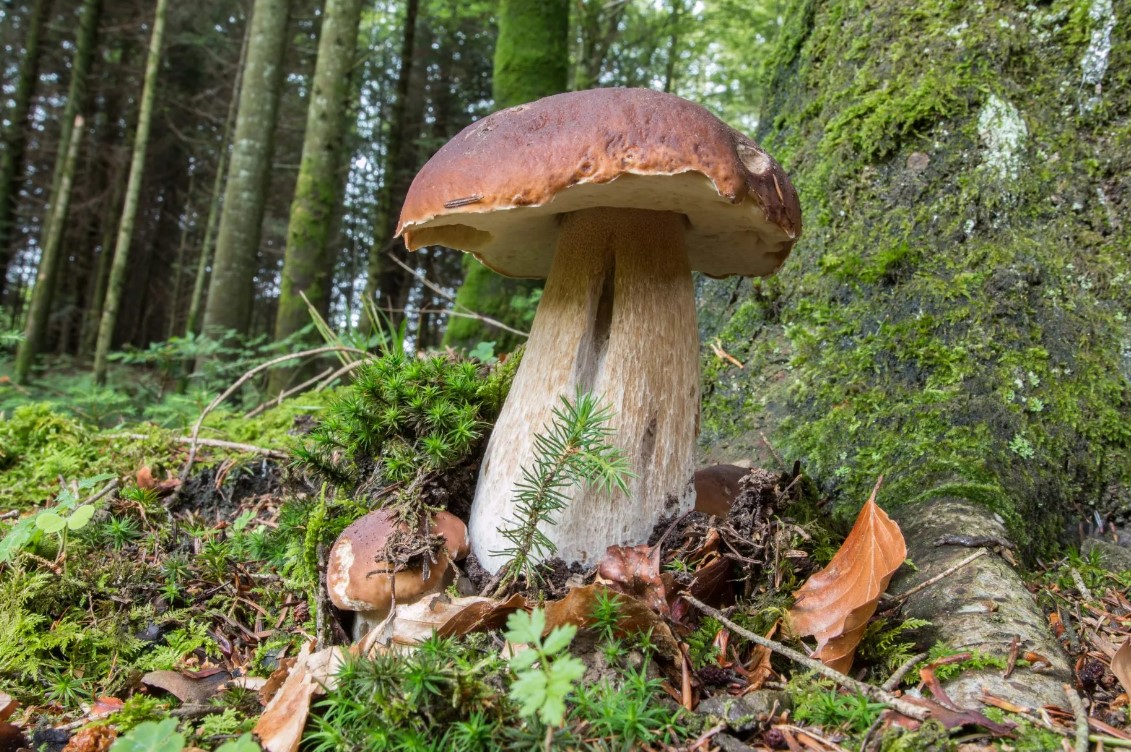
White mushrooms, or boletus, as they are commonly called, thrive in coniferous forests with sandy soil and moss-lichen cover. They don't tolerate dampness and prefer well-drained soil, such as loam.
Read the article to learn about the differences between porcini mushrooms and boletus mushrooms, and whether a porcini mushroom can be called a boletus mushroom.Differences between boletus and porcini mushrooms: are they the same or not, what's the difference + 23 types with photos.
Boletus mushrooms are often found in spruce, fir and pine forests, especially if the trees there are already quite mature.
There are far fewer deciduous forests in the temperate zone of the northern hemisphere, but porcini mushrooms are found there too.
In birch forests, the presence of porcini mushrooms is indicated by the presence of grassy tussocks of white-whiskered grass, fly agarics and chanterelles.
In southern oak groves, the bronze boletus is found; its cap is distinguished by a very dark color, for which in France the mushroom received the nickname "negro's head."
Important! Porcini mushrooms are almost never found in elm forests, as they have difficulty forming a symbiotic relationship with elms.
White celandine nurseries are most often found in mixed forests. The more pristine and older the forest stands, the greater the chance of a good harvest.
By the way, porcini mushrooms often have attractive neighbors:
- In autumn, greenfinch may grow nearby in the pine forests.
- In the oak forests nearby you will find russula mushrooms.
- In birch forests, there is a high probability of finding chanterelles nearby.
So, let's sum it up. The ideal place for porcini mushrooms to grow is a forest where:
- Pine, birch, fir, spruce and oak trees grow.
- The age of the plantings is 20 years and older.
- The soil is dry, dominated by sand and loam.
- There are mosses and lichens.
When porcini mushrooms grow, it's harvest season
The timing of porcini mushroom appearance varies by region. In the south, under favorable conditions, porcini mushrooms can appear in May and continue to bear fruit until October. In temperate regions, the boletus mushroom's fruiting period is June to September.
The mass harvest of porcini mushrooms begins in August.
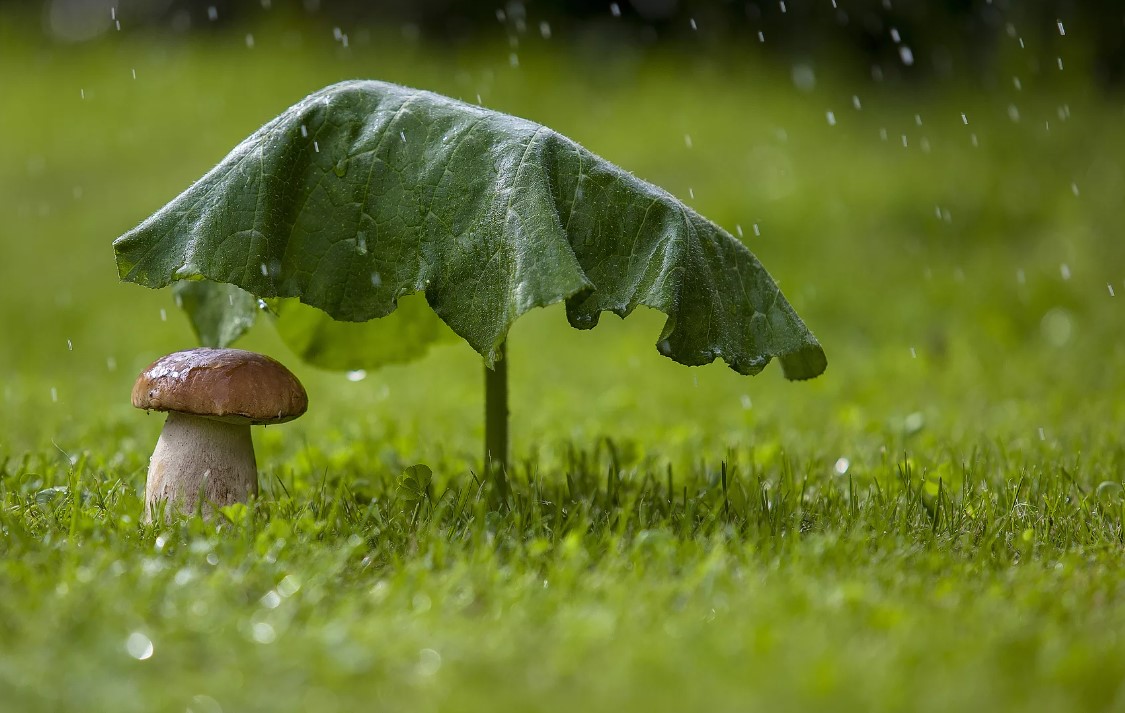
Boletus mushrooms don't tolerate temperature fluctuations; they thrive at temperatures of 15-18 degrees Celsius in summer and 8-10 degrees Celsius in early autumn. Mushroom pickers harvest a large quantity after warm thunderstorms and foggy nights.
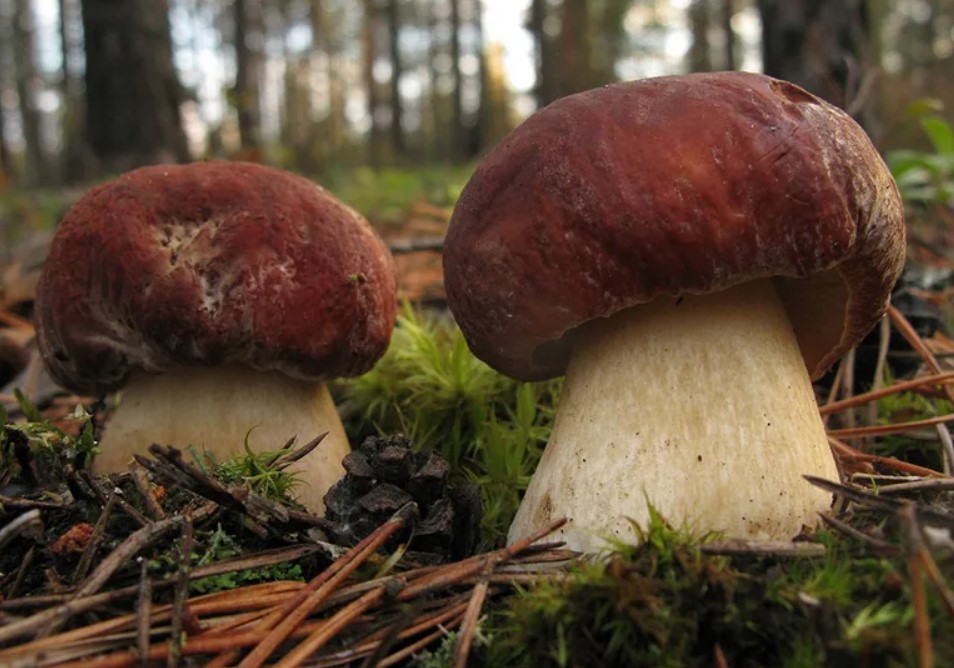
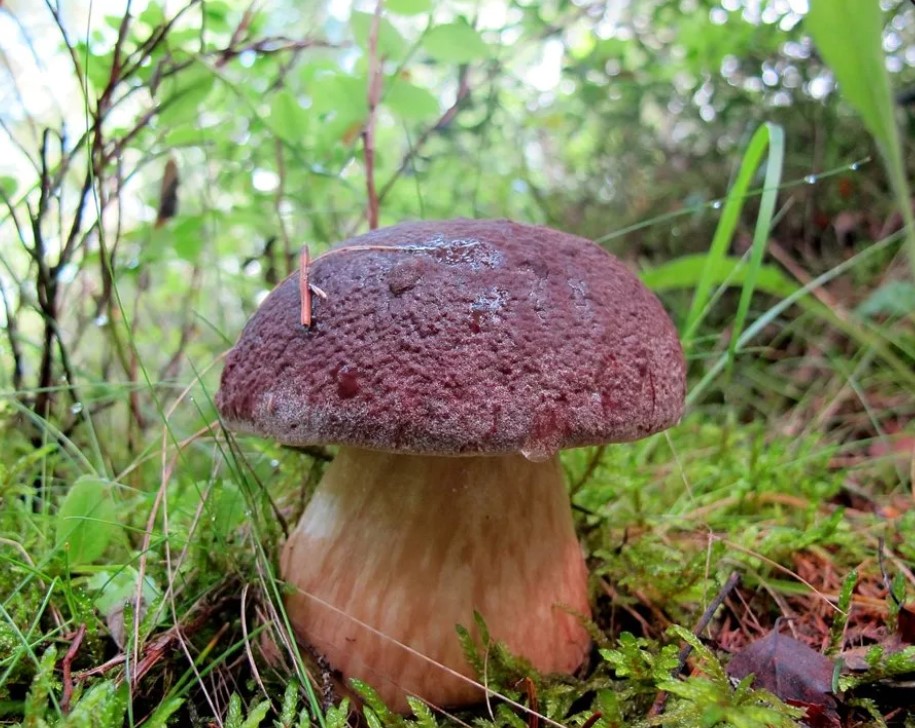
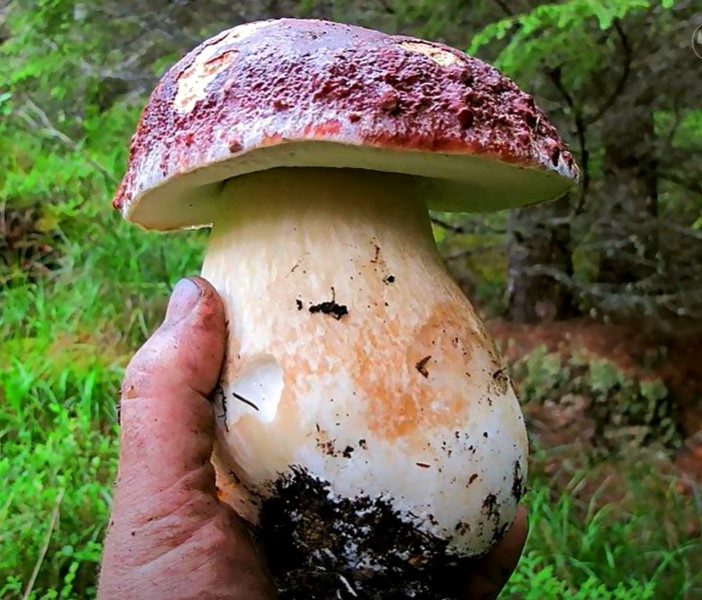
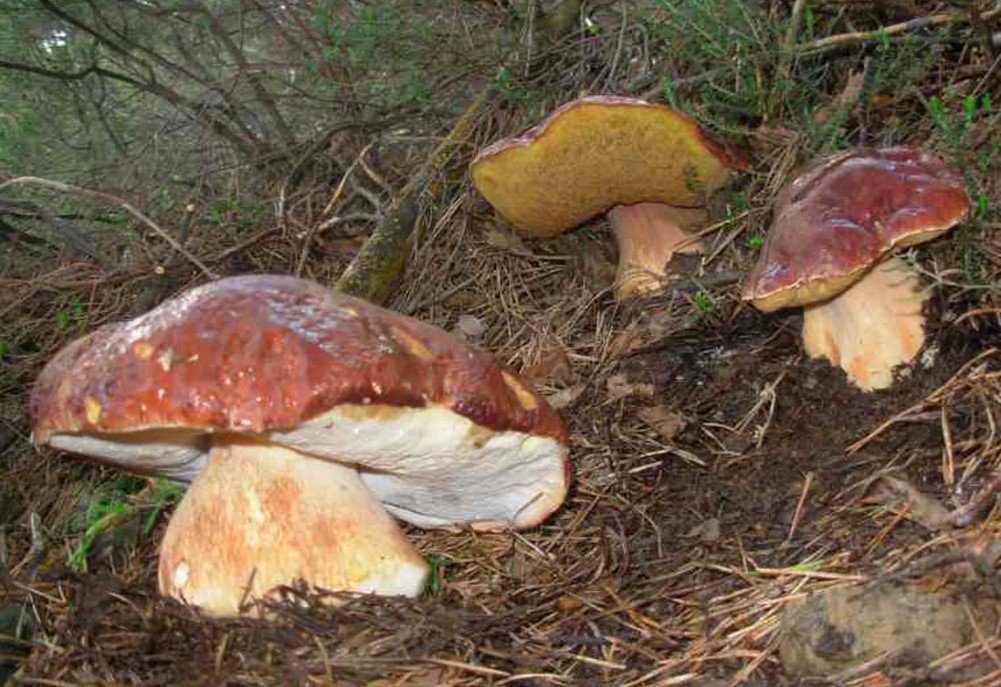
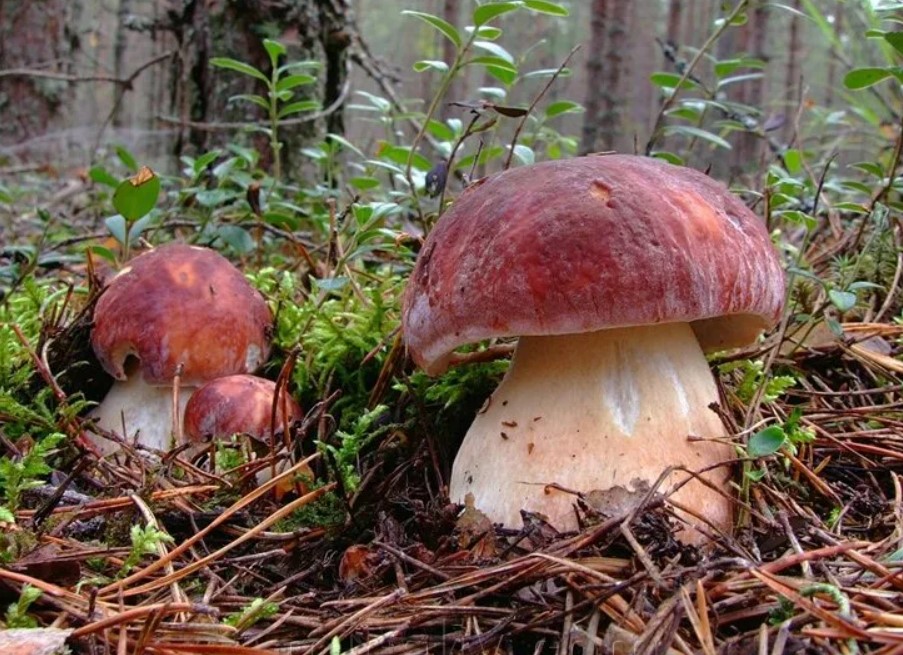
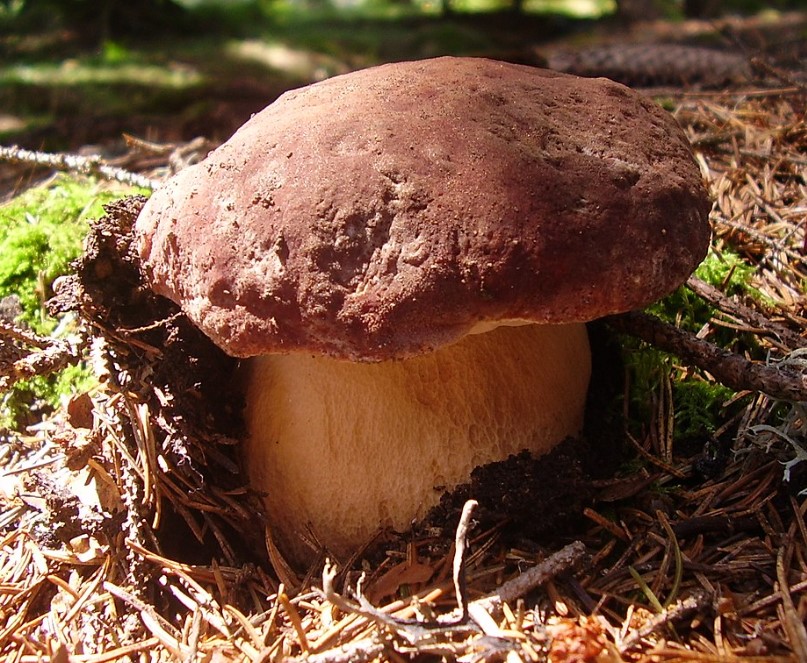
How and When to Find White Pine (Boletus edulis f. pinicola)
The mushroom grows near pine trees, and can sometimes be found under spruce, beech, chestnut, oak, and hornbeam. It prefers the northern European part of Russia and southern Siberia, and loves mountains. The fruiting season lasts from June to mid-October.
Photo gallery of the pine boletus
How and when to find White Spruce (Boletus edulis f. edulis)
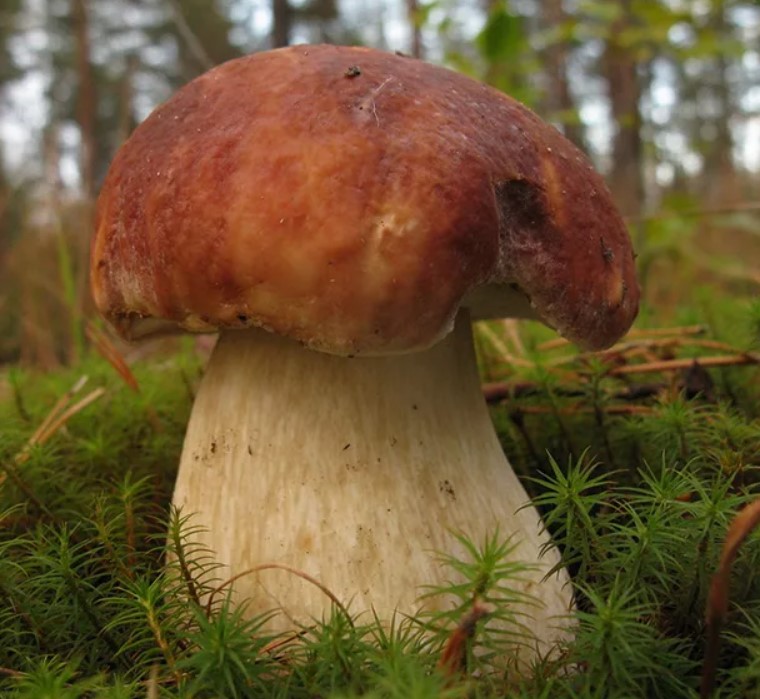
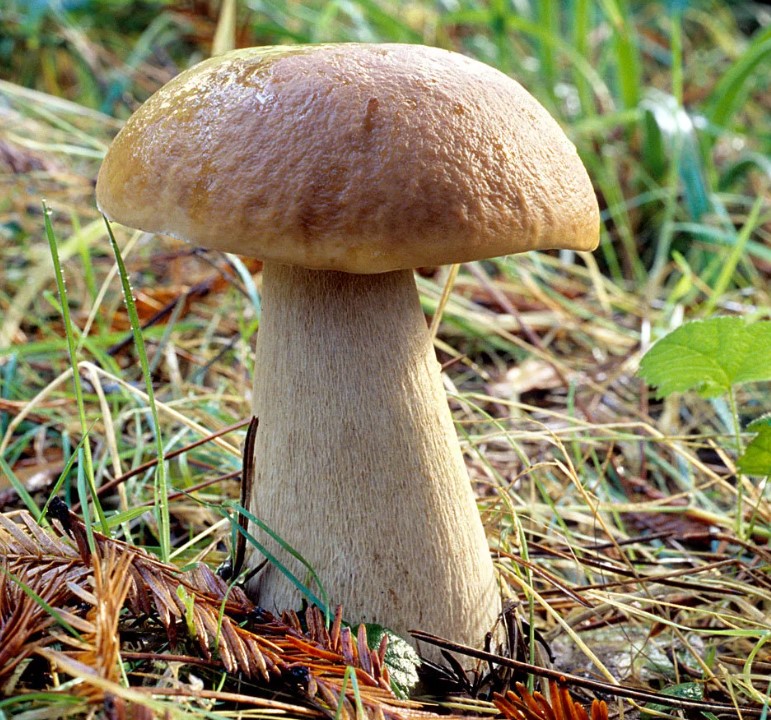
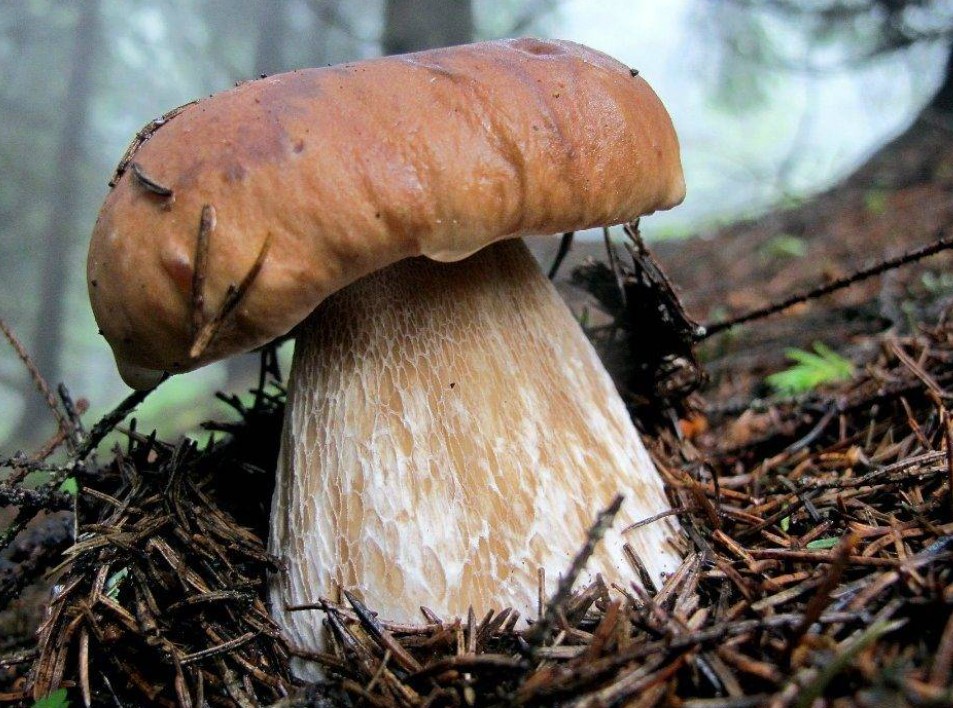
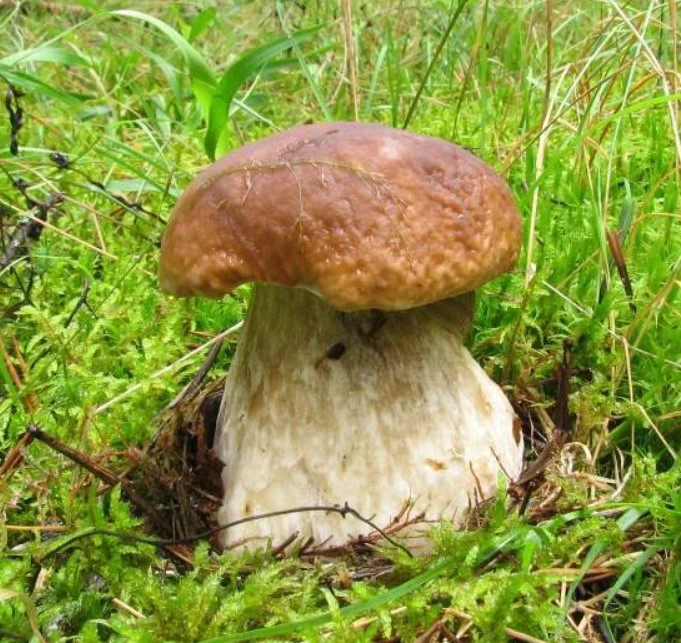
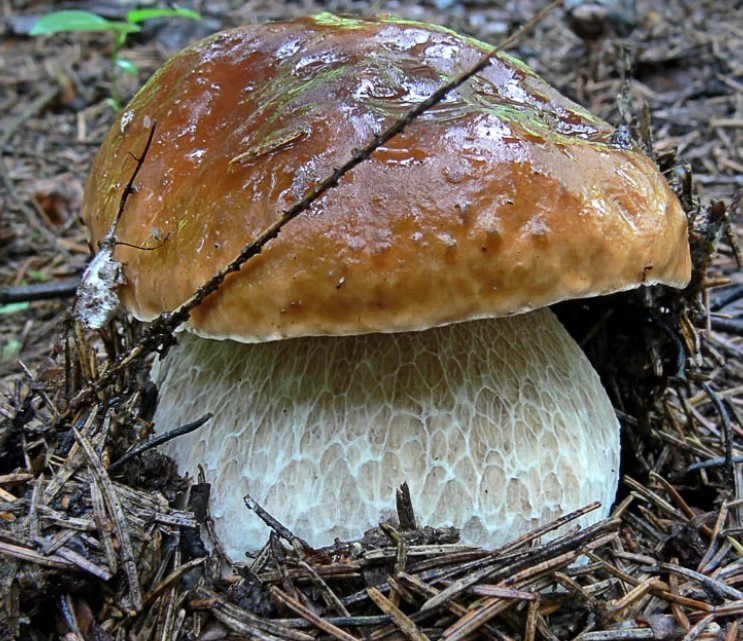
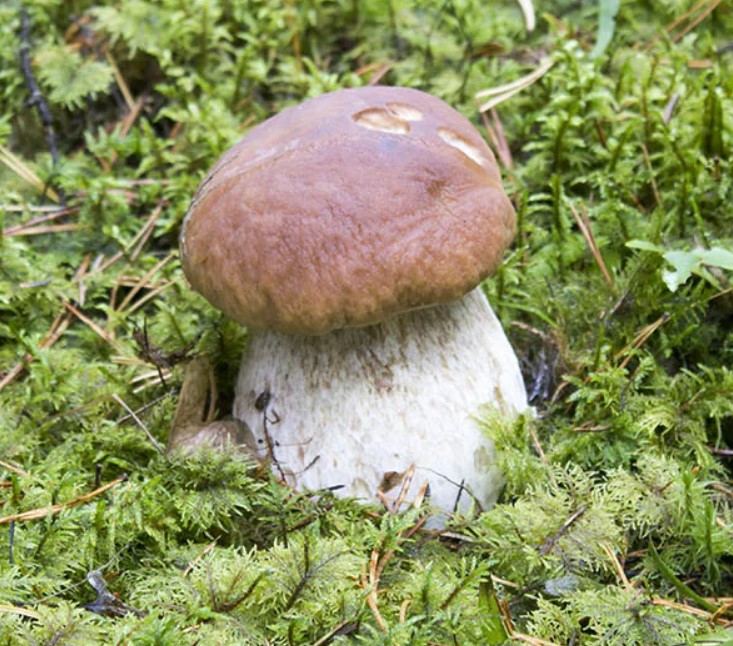
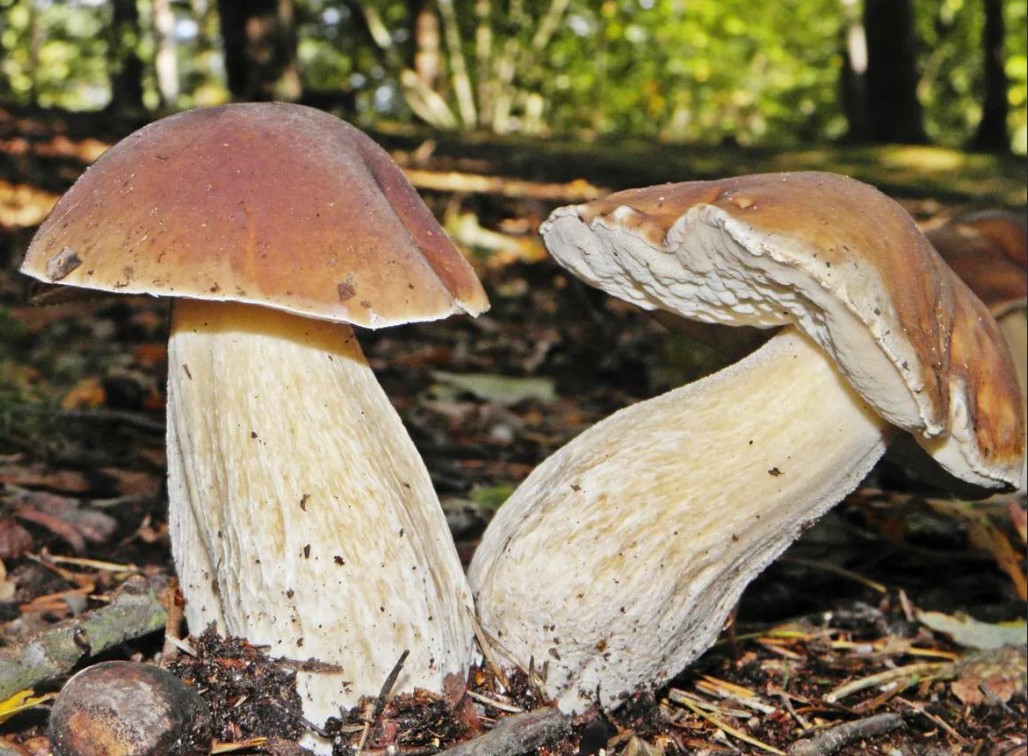
The mushroom is very similar in appearance to the pine mushroom, but has a brighter cap. It forms a symbiotic relationship with spruce trees, so it is found in spruce and mixed forests. It bears fruit from June to October.
Photo gallery of the spruce porcini mushroom
How and When to Find White Oak (Boletus edulis f. quercicola)
The mushroom grows in areas with oak trees. It is distinguished by its very dark cap and crumbly flesh. The picking season begins in June and ends in October.
Photo gallery of white oak mushroom
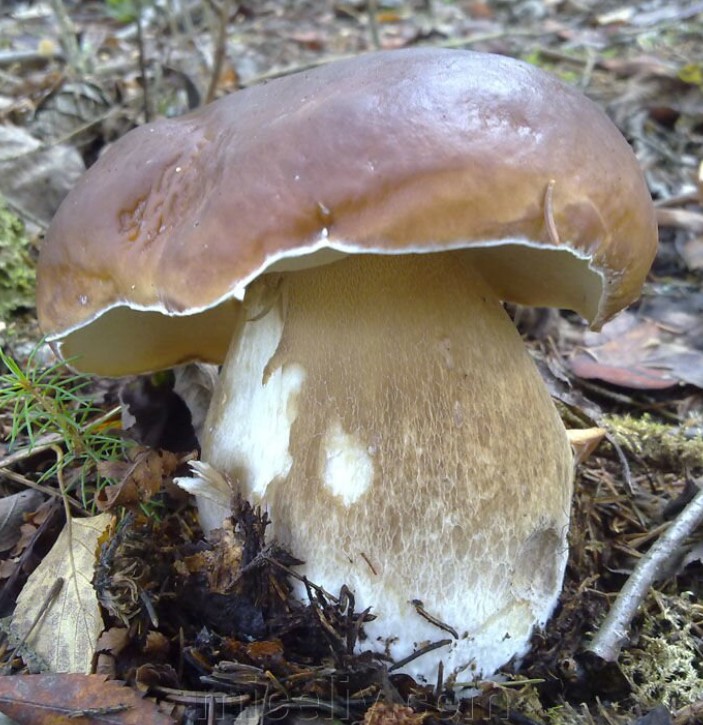
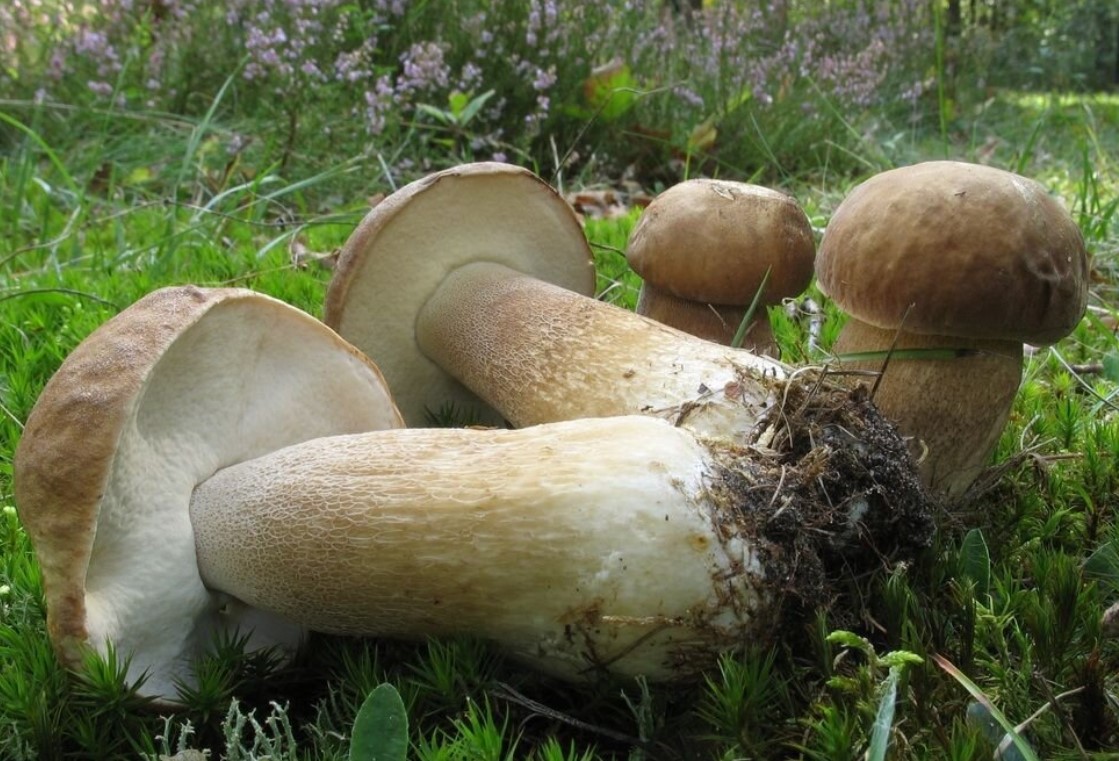
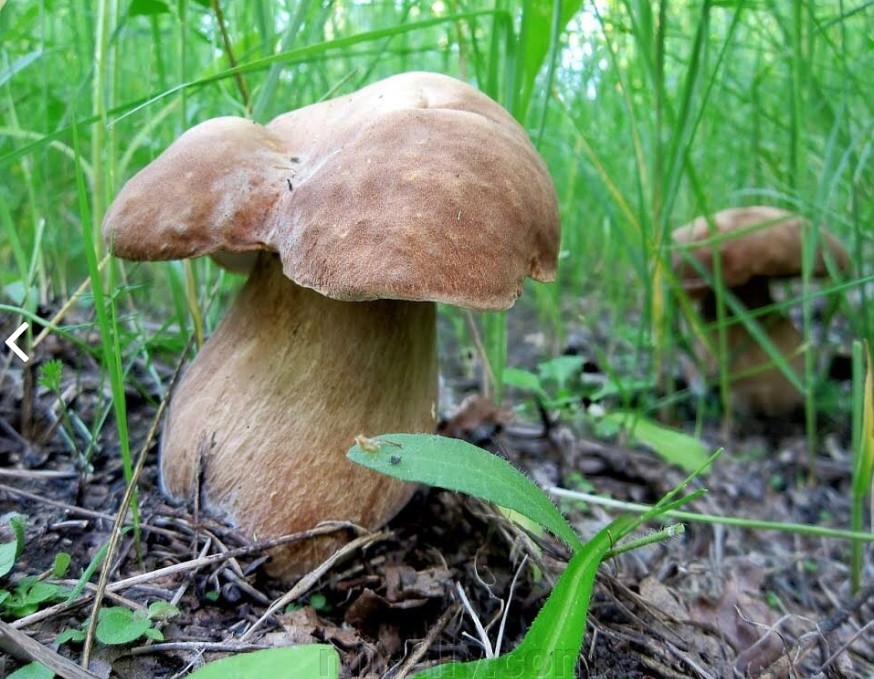
How and When to Find White Birch (Boletus edulis f. betulicola)
A light-colored, medium-sized mushroom. It grows in forests where birch trees are present. It bears fruit from June to October.
Photo gallery of white birch mushroom
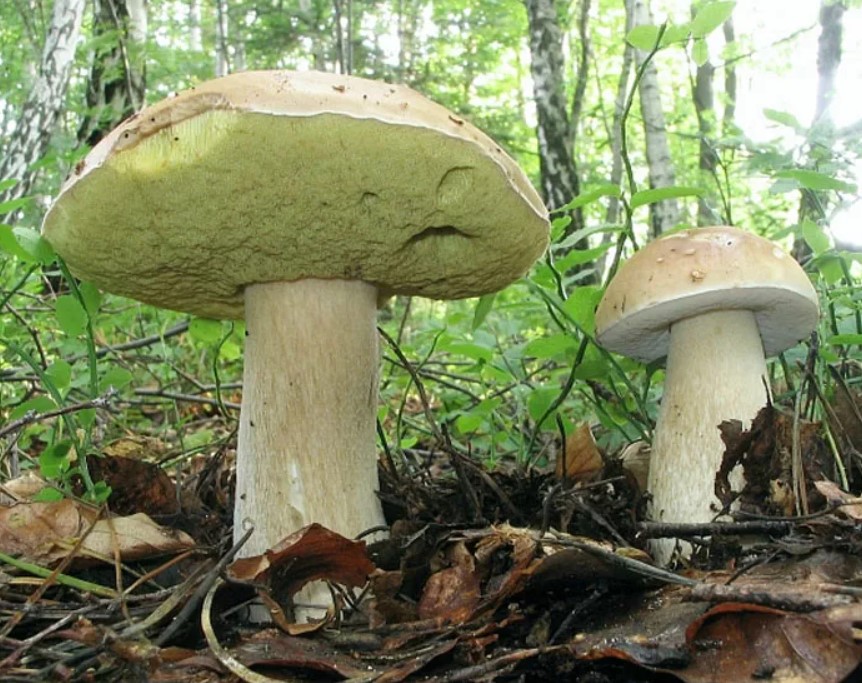
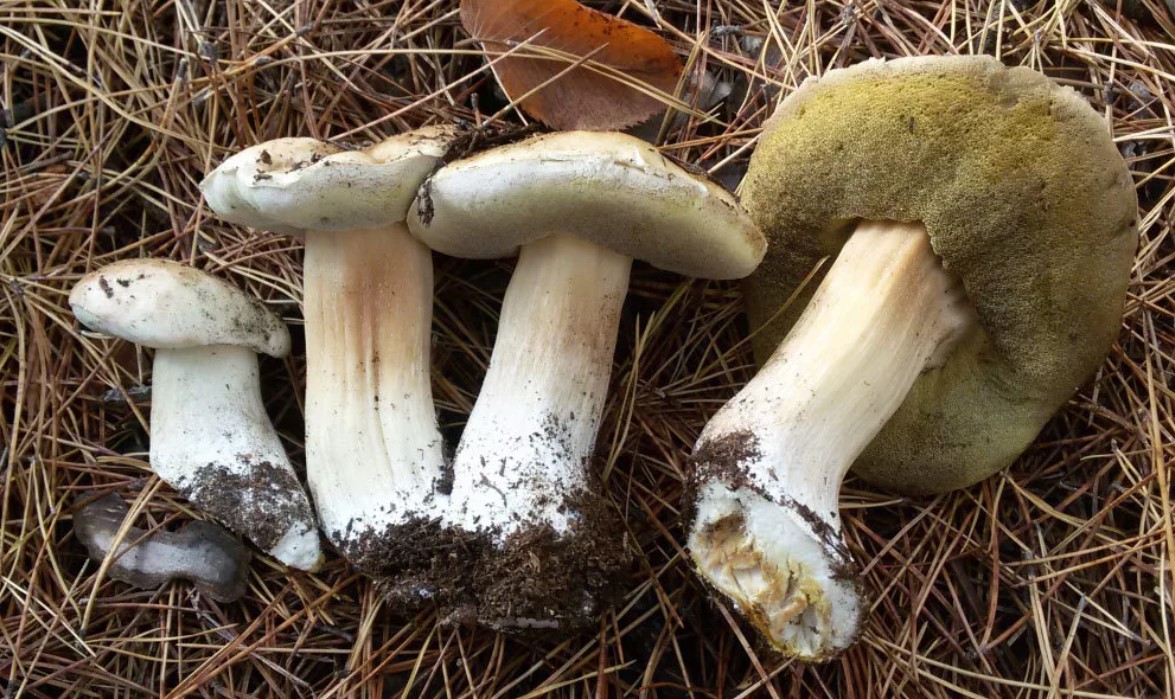
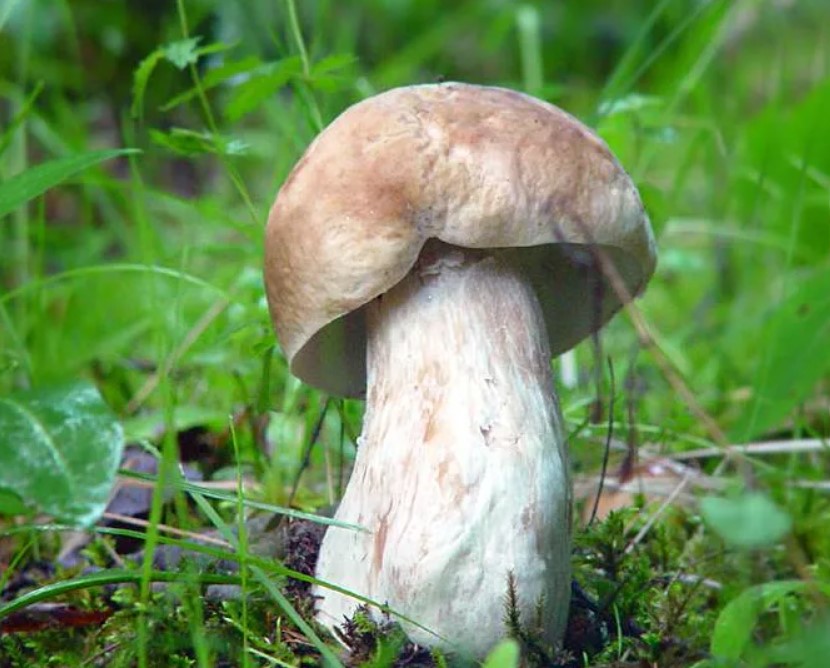
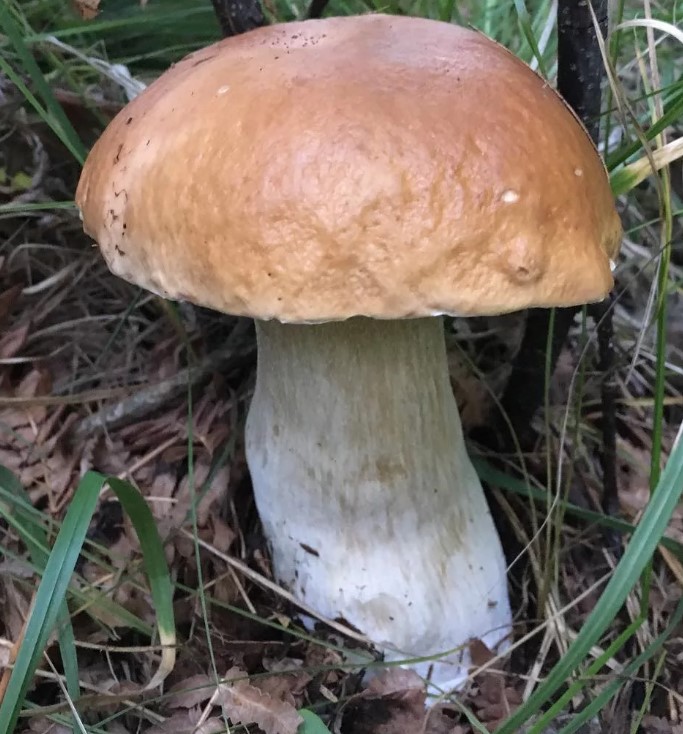
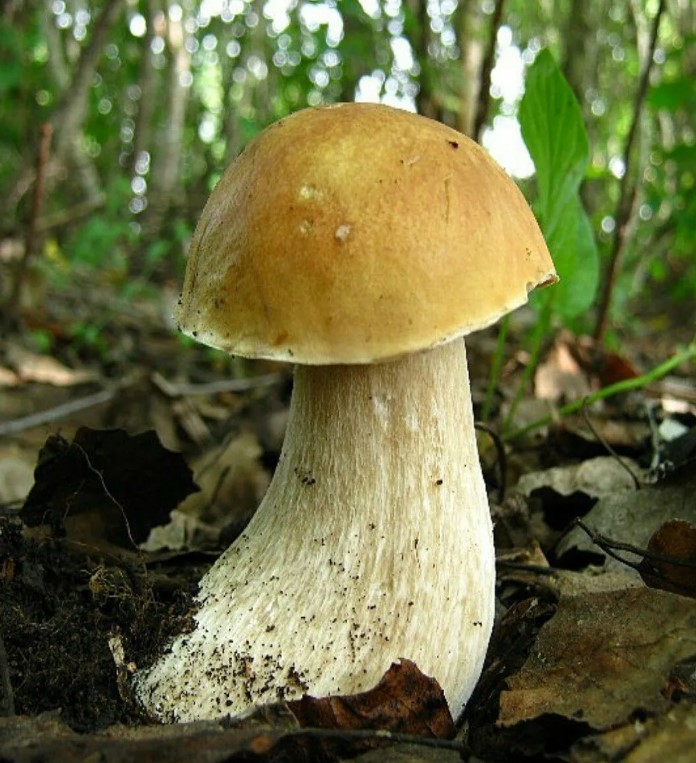
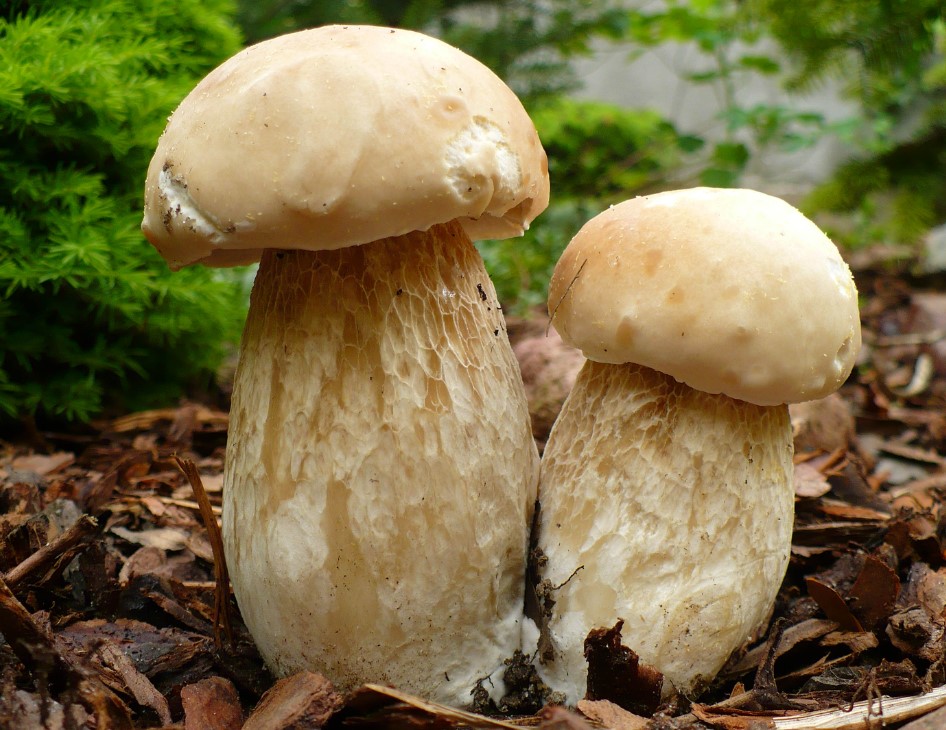
How and when to find the early white mushroom (Boletus edulis f. praecox)
It grows in dry forests where pine trees are present. The mushroom is small, with a brownish flesh under the cap. The fruiting period is May-June.
Photo gallery of early porcini mushrooms
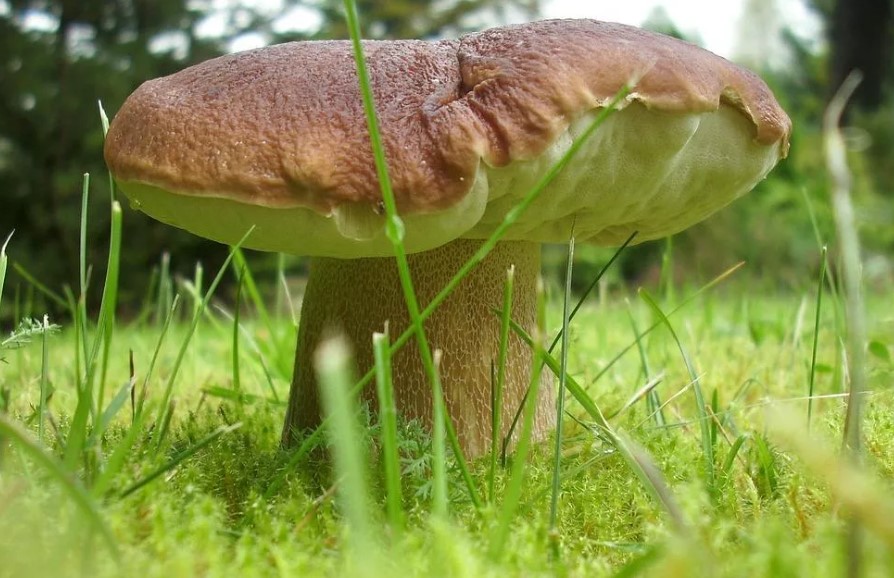
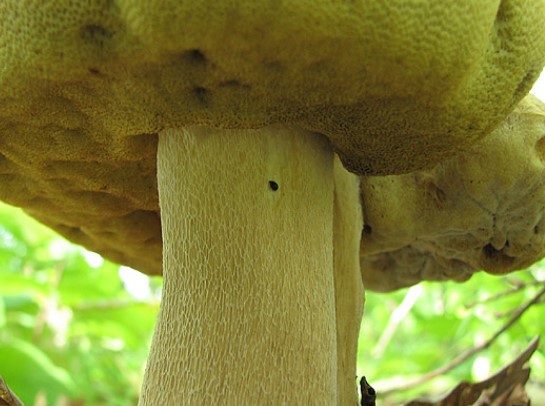
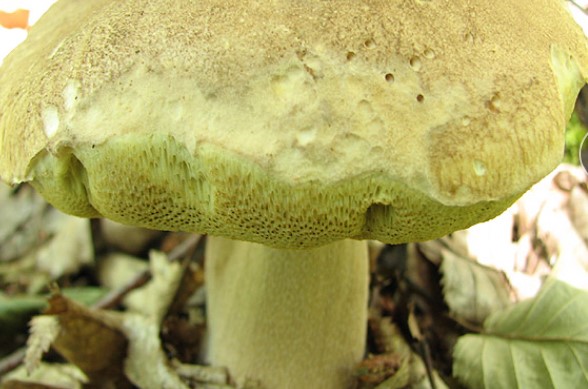
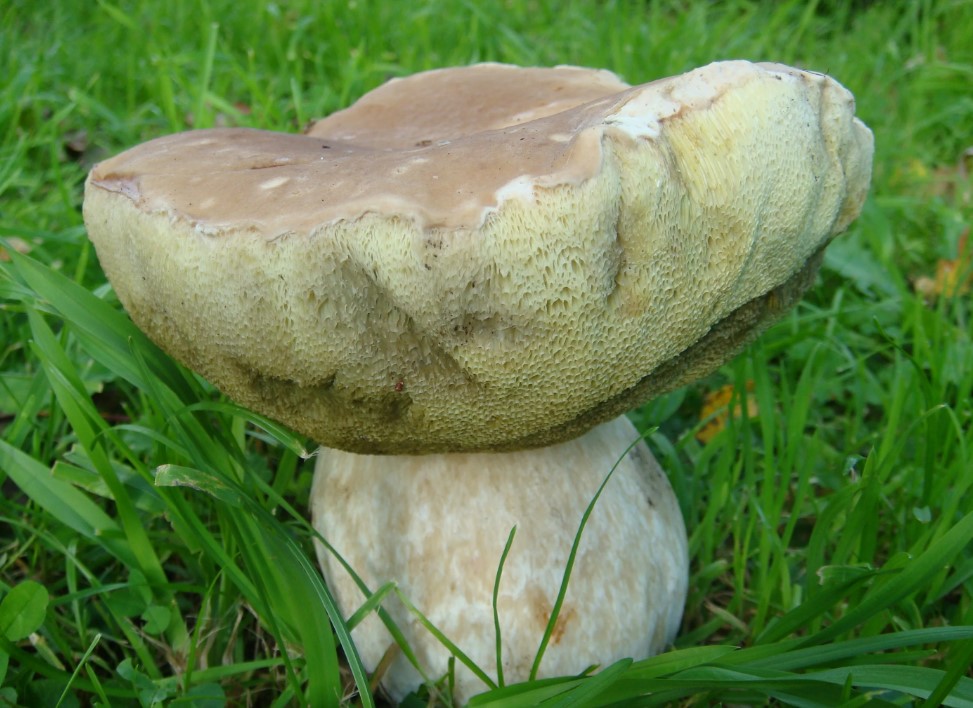
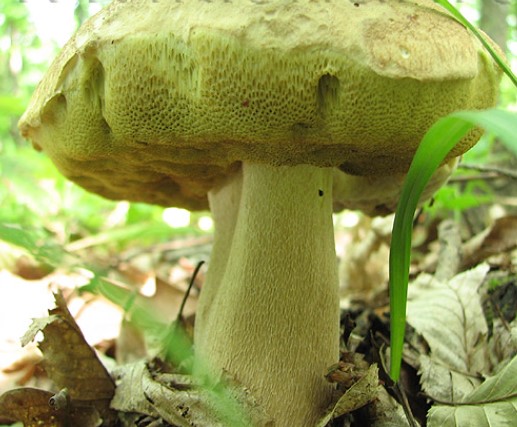
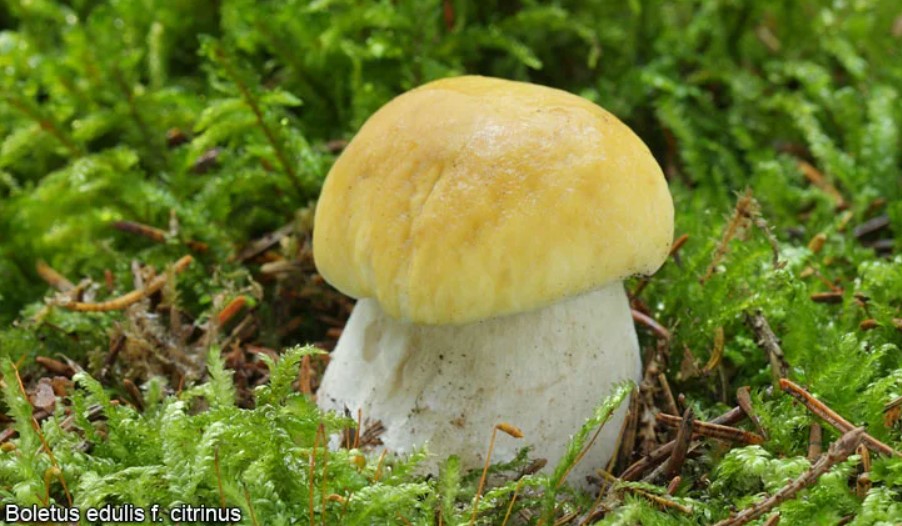
How and When to Find White Lemon-Yellow (Boletus edulis f. citrinus)
The cap is lemon-yellow, which distinguishes this mushroom from typical boletuses. It is rare and prefers dry spruce and pine forests.
Photo gallery of the lemon-yellow porcini mushroom
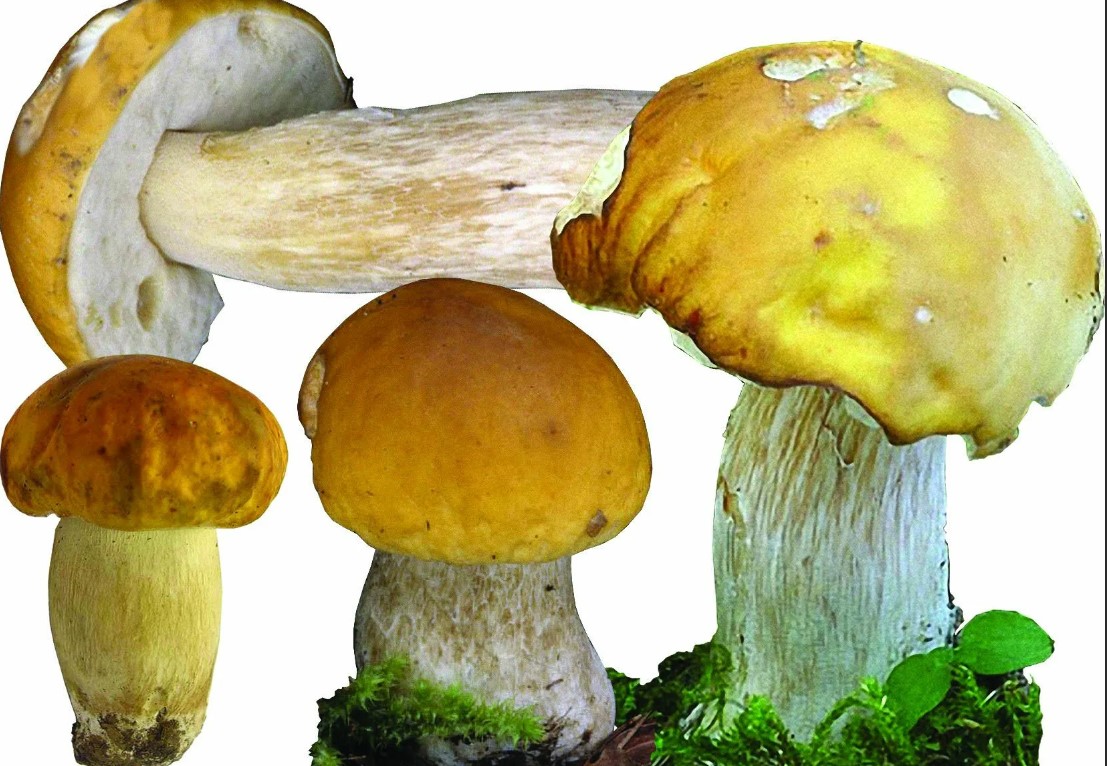
How and when to find the White Smooth-legged (Boletus edulis f. laevipes)
A distinctive feature is the absence of a mesh on the stem surface. It forms a symbiotic relationship with birch trees and is common in deciduous and mixed forests of the Leningrad Region. Fruiting occurs from June to September.
Photo of a smooth-stemmed porcini mushroom
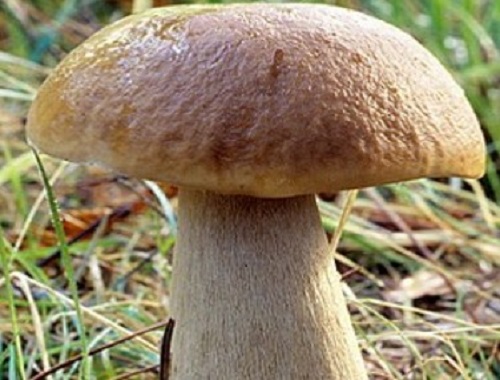
How and when to find the White False Purple (Boletus edulis f. pseudopurpureus)
The cap is brownish-purple, with a pinkish tint to the tubular layer. It's rare in Russia, but common in Austria.
Photo of a false purple porcini mushroom
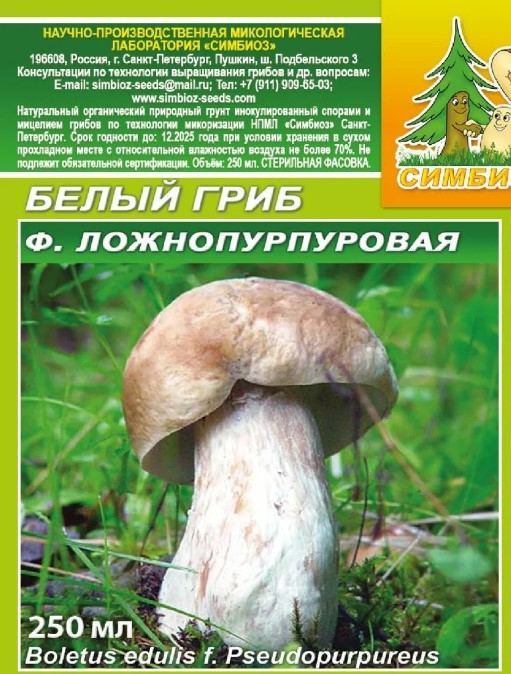
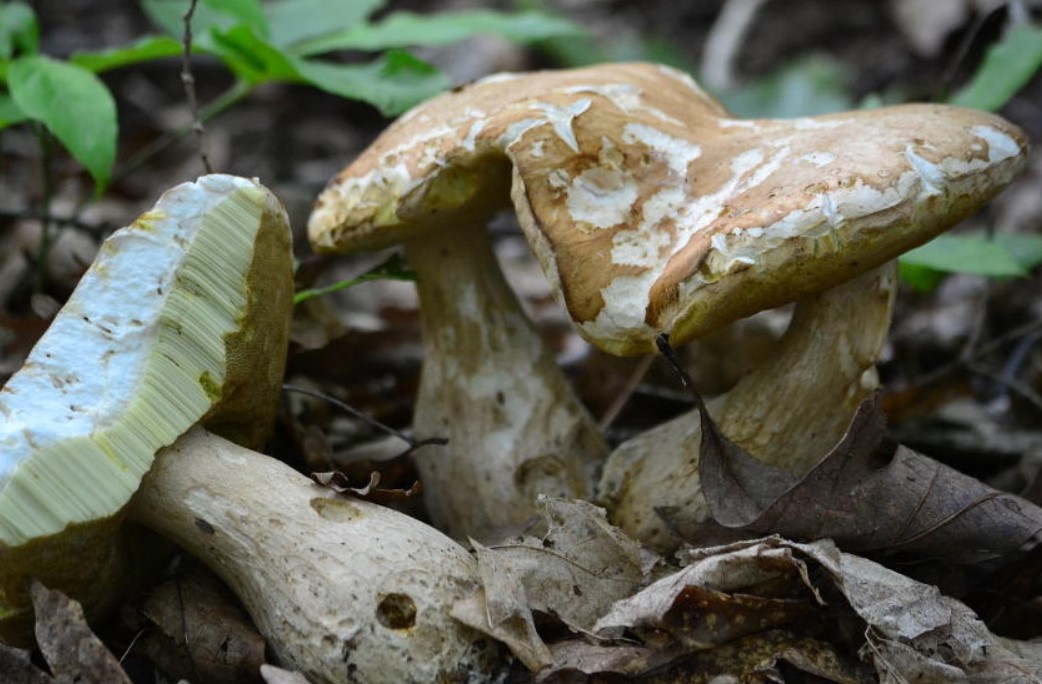
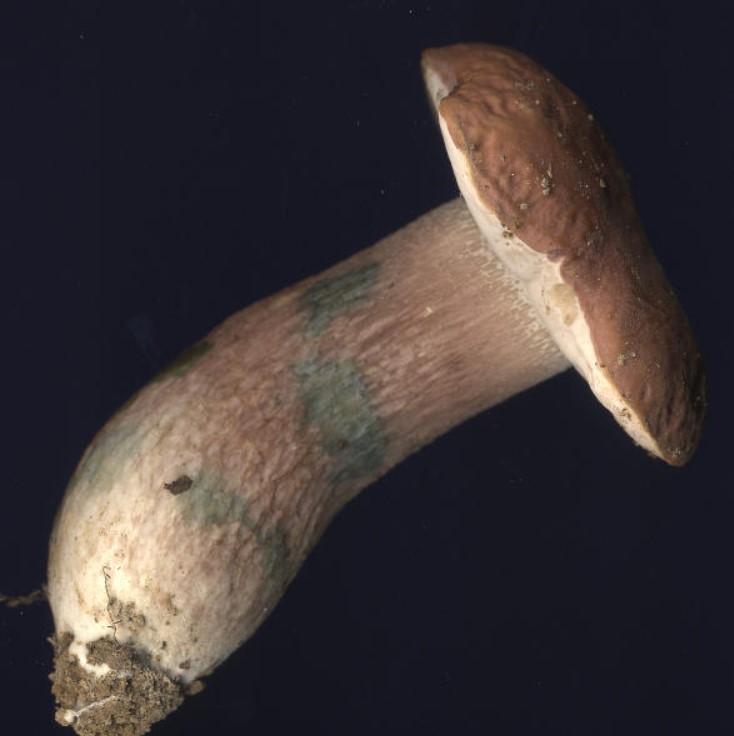
How and when to find the White Special (Boletus edulis f. separans)
It grows in deciduous forests of North America from June to September. The cap and stem are purple-violet.
Photo gallery of the special white mushroom
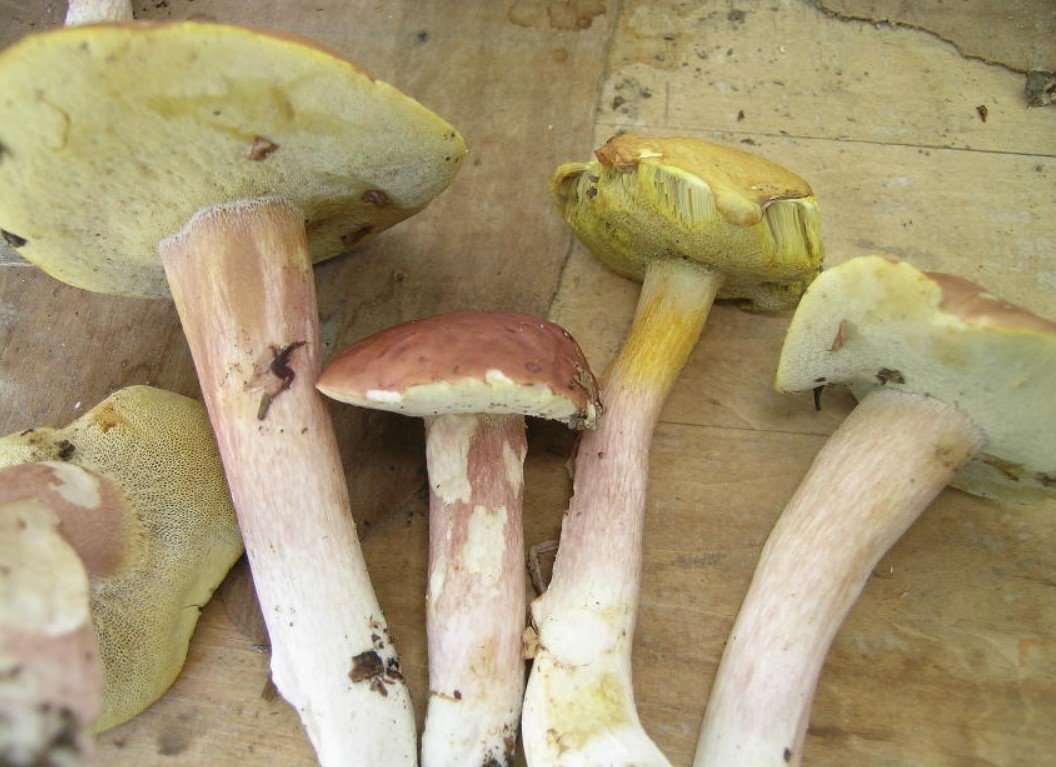
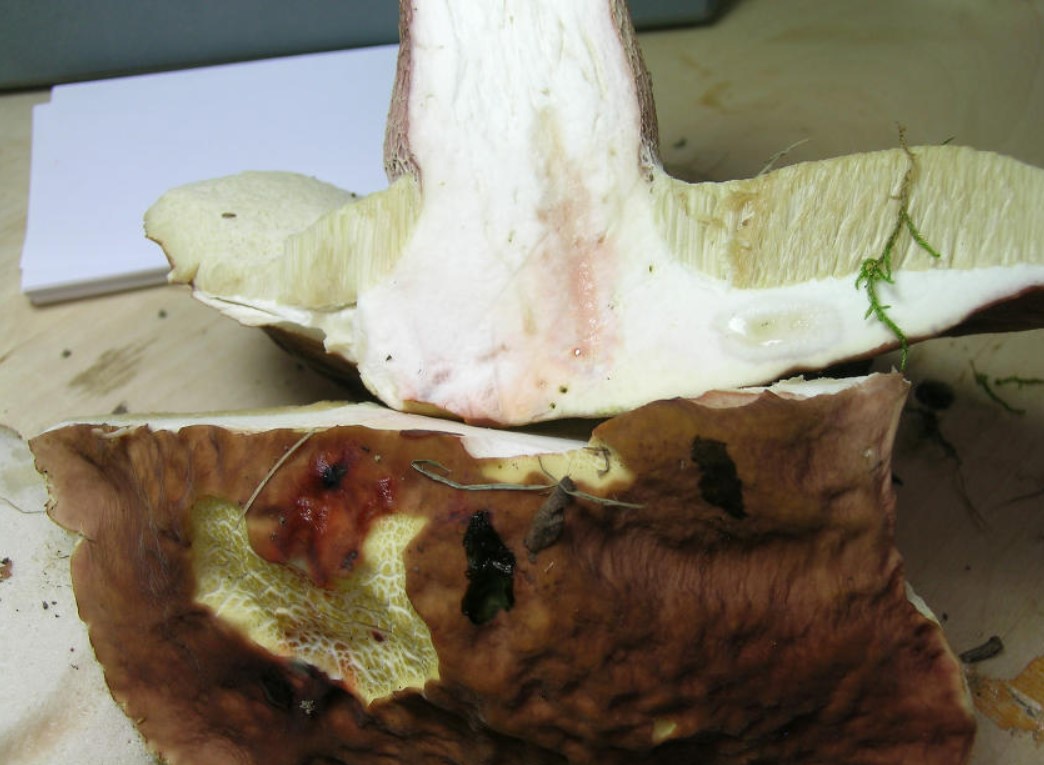
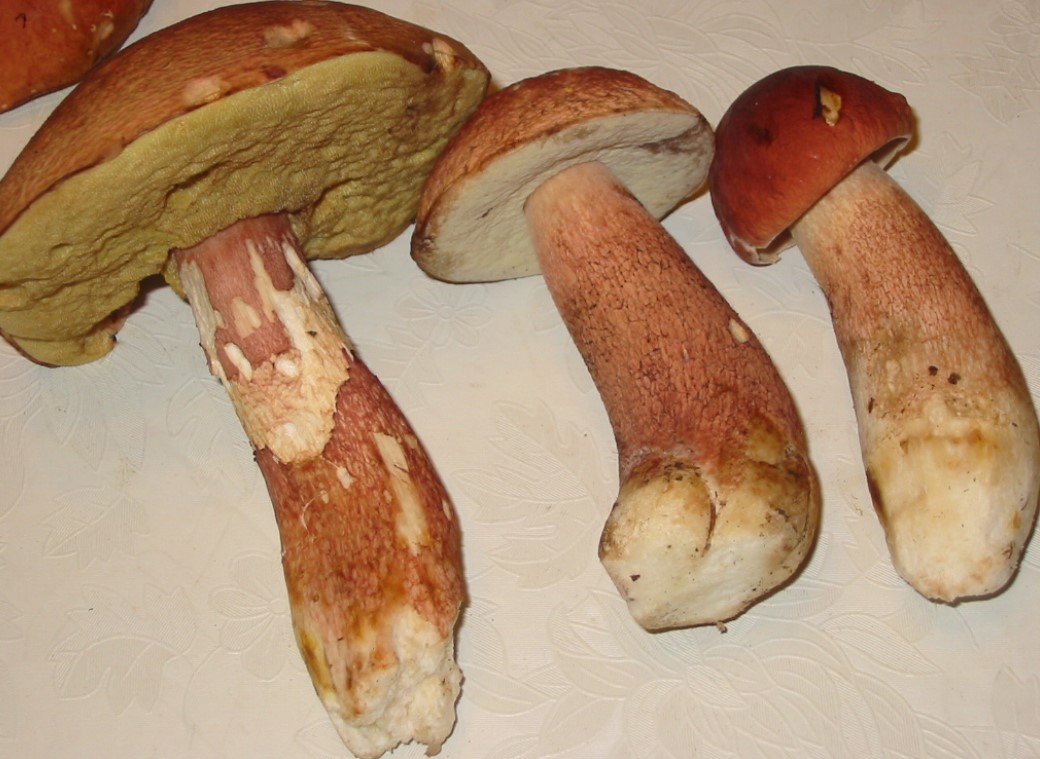
How and when to find the White Orange-Red (Boletus edulis f. aurantioruber)
Found in Canadian pine forests from June to September, the cap is orange-red, while the stem has a pinkish tint.
Photo of an orange-red porcini mushroom
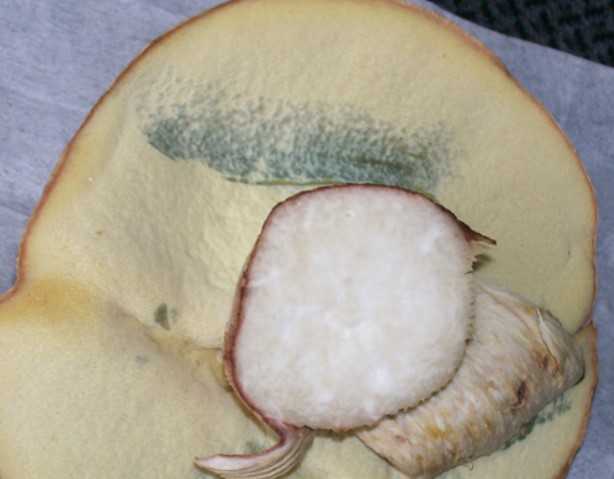
How and when to find the White Blue (Boletus edulis f. subcaerulescens)
It stands out from all other varieties of porcini mushrooms due to the wine-colored stem and cap. Another distinctive feature is that the tubular layer turns blue when pressed. It is extremely rare. Ripens from June to September.
Photo gallery of the porcini mushroom turning blue
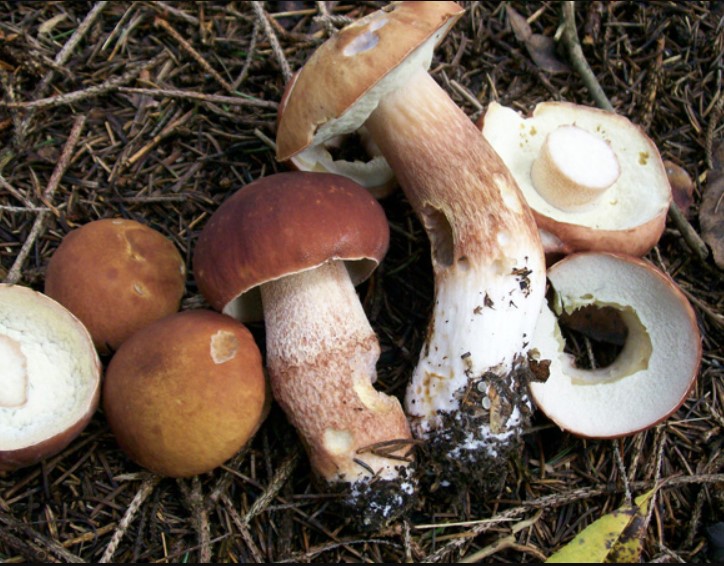
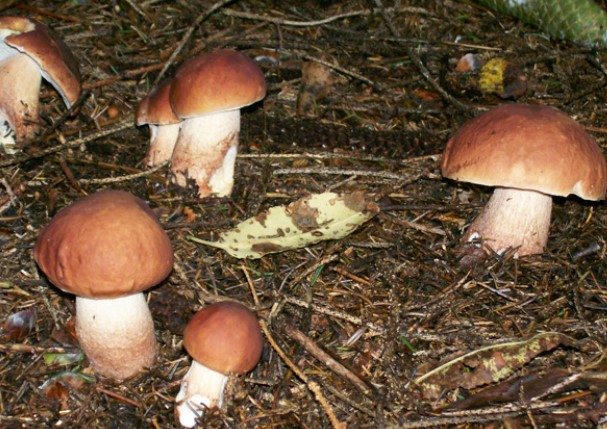
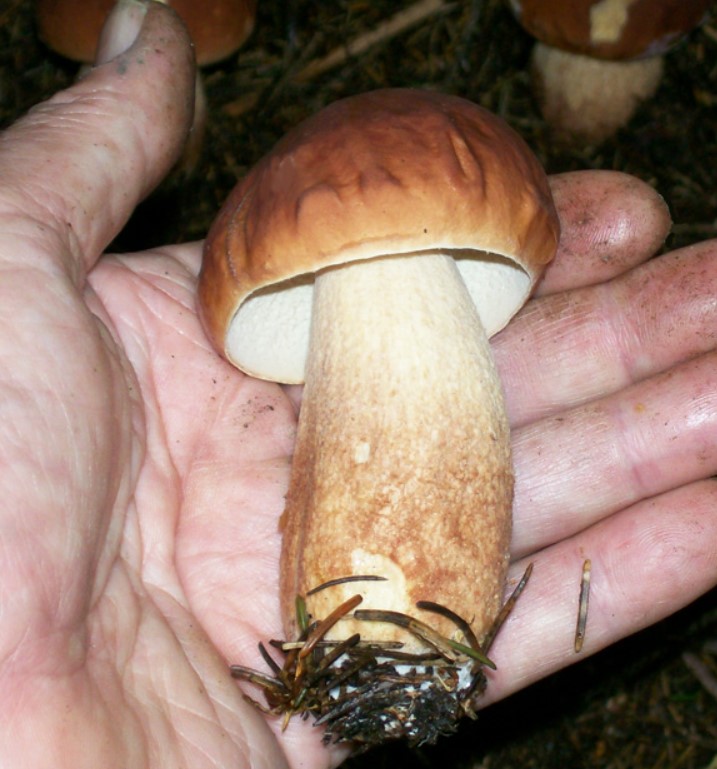
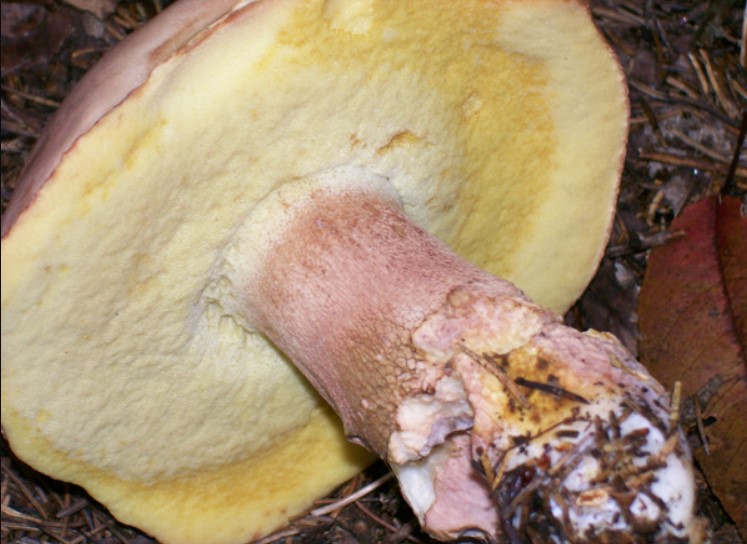
For more information on the different types of porcini mushrooms and boletus mushrooms that turn blue when cut, edible and not, read the articleWhite mushrooms turn blue when cut: 11 types and how to tell which ones are edible and which ones aren't.
How and when to find the White Rose-legged (Boletus edulis f. roseipes)
A large mushroom with a cap up to 25 cm in diameter, its surface is unevenly colored, with brown or tan spots. When cut, the flesh of the cap may turn slightly pink. It prefers mountainous terrain, found in sparse forests near stone birch and larch trees from June to September. In Russia, it is found by mushroom pickers in the Magadan region.
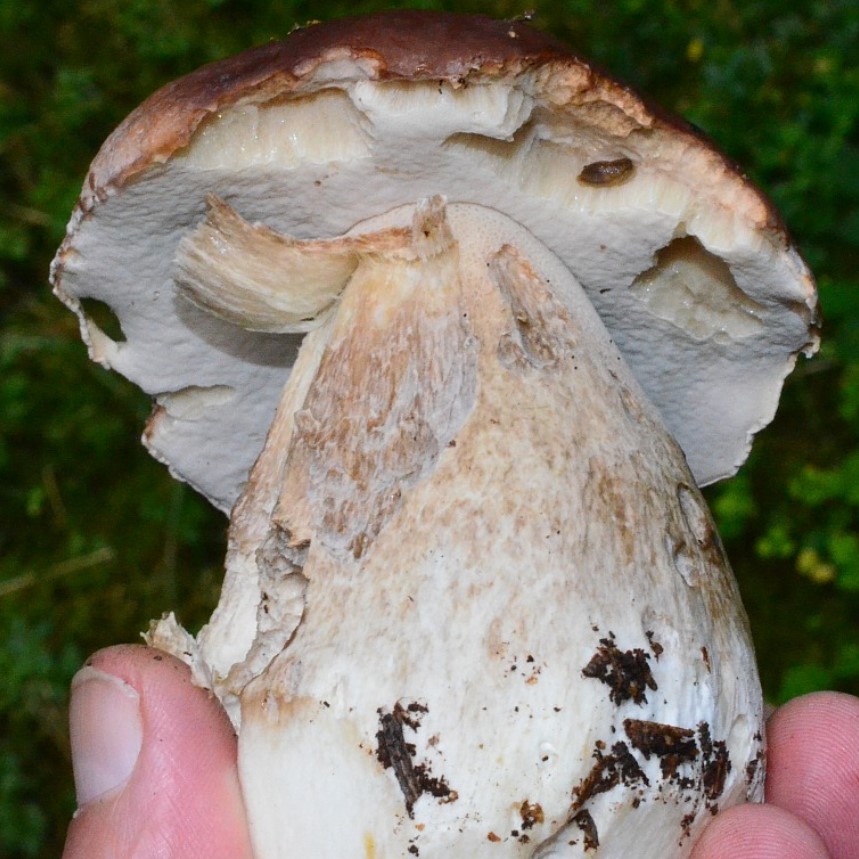
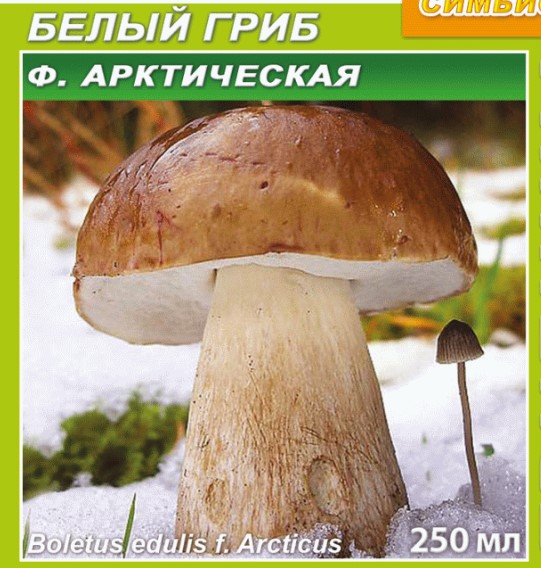
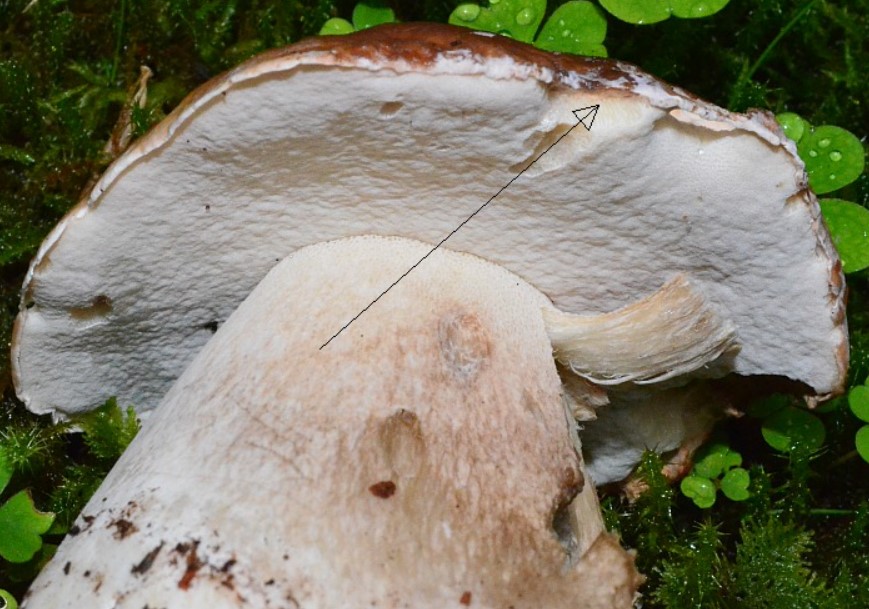
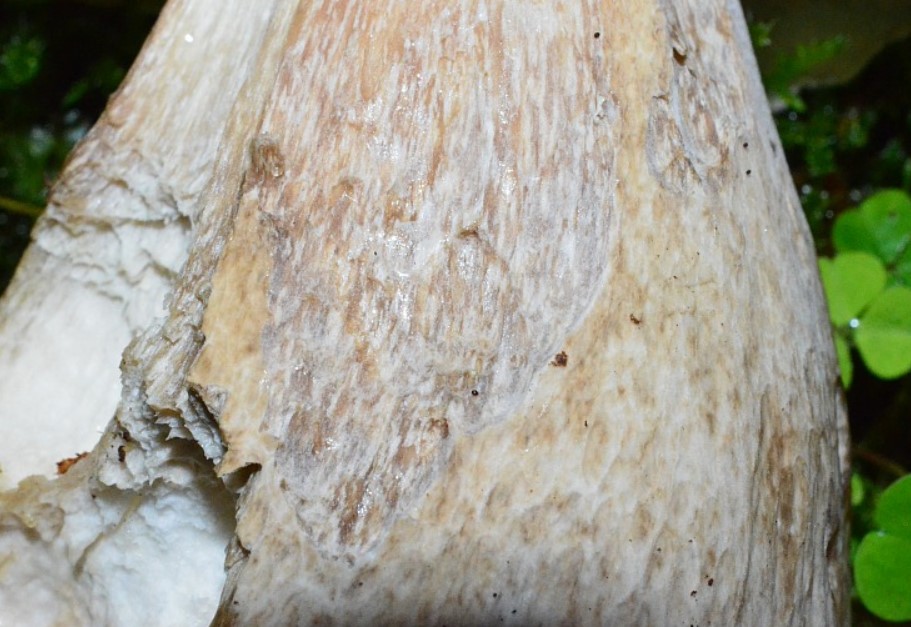
How and when to find the Arctic White Mushroom (Boletus edulis f. arcticus)
Its distribution is limited to the Khibiny tundra. The fruiting body diameter is up to 5 cm, and the color is light brown or yellowish.
Photo gallery of the Arctic porcini mushroom
How and when to find the late porcini mushroom (Boletus edulis f. tardus)
A small mushroom, the cap rarely exceeds 5 cm in diameter. It is dark in color and has a whitish stripe along the edge. It grows in the Arctic tundra and highlands of the Caucasus. It forms a symbiotic relationship with birch trees. It bears fruit from August to September, but is very rare.
Photo gallery of the late porcini mushroom
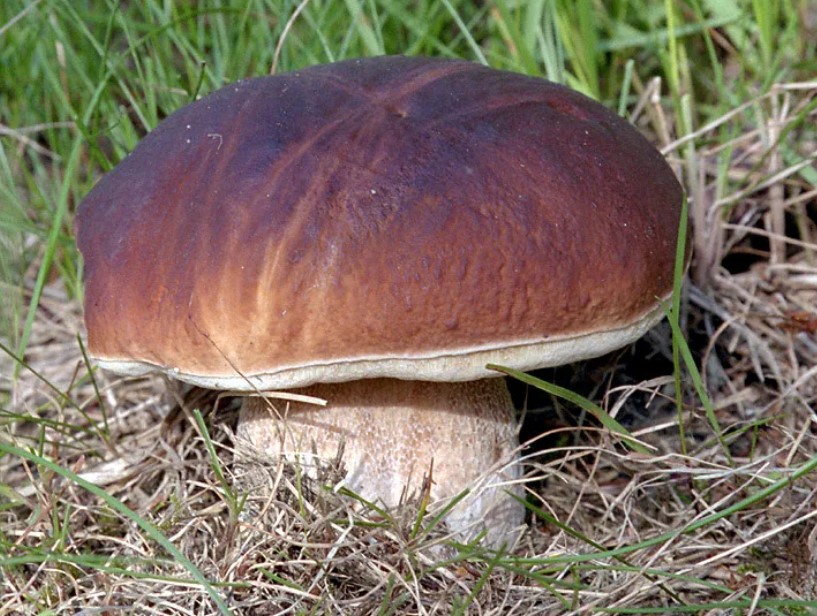
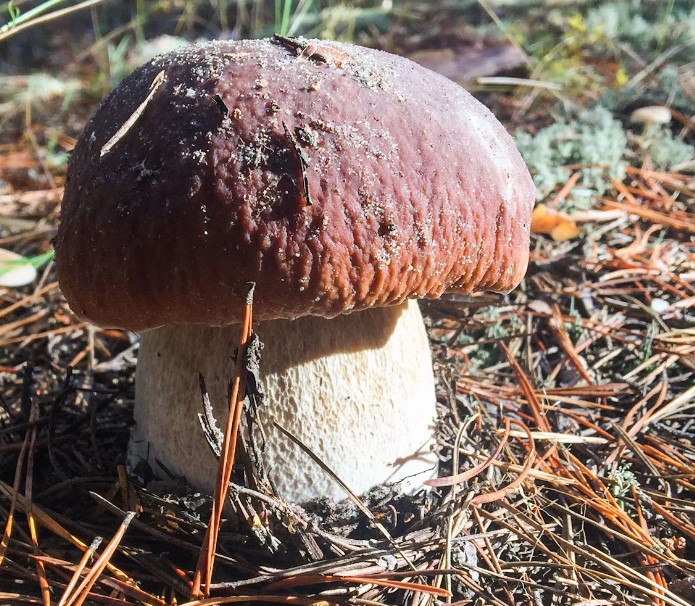
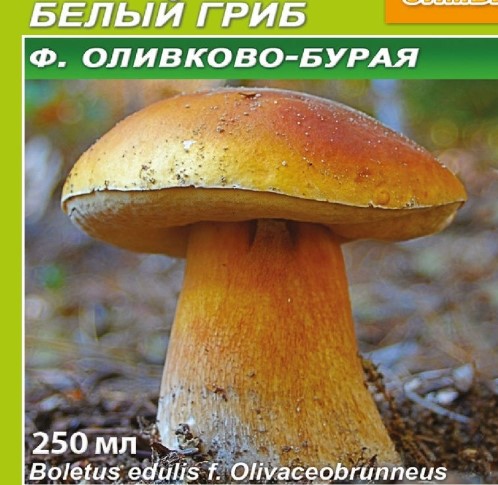
How and when to find the White Olive-Brown (Boletus edulis f. olivaceobrunneus)
The cap is olive-brown. The margin may be fibrous. The stem is smooth and cylindrical. It is found in eastern North America, and there are reports of the mushroom being found in Batumi.
Photo gallery of the olive-brown porcini mushroom
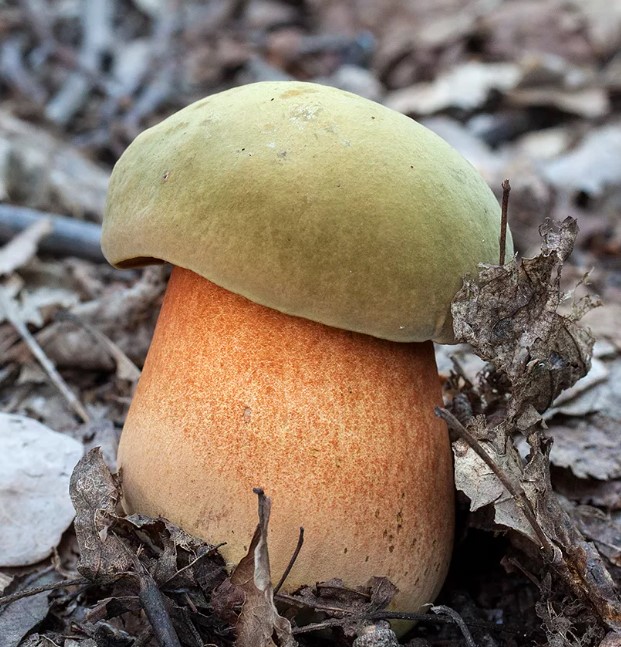
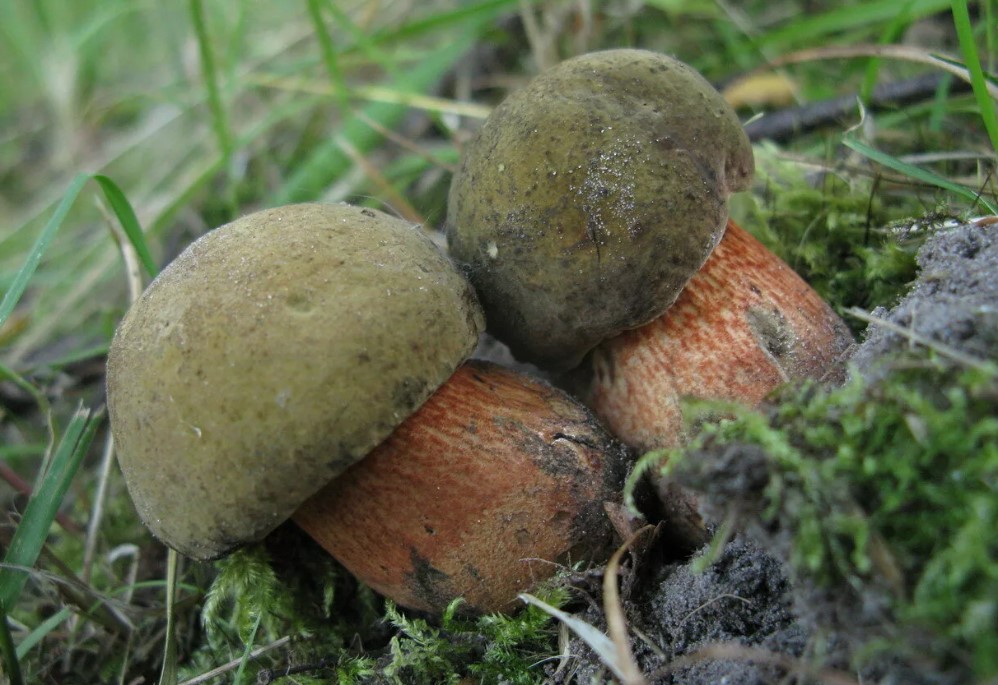
How and when to find the White Bronze (Boletus edulis f. aereus)
It is distinguished by its very dark cap and grows near oaks and beeches in the forests of Europe.
Photo gallery of the bronze porcini mushroom
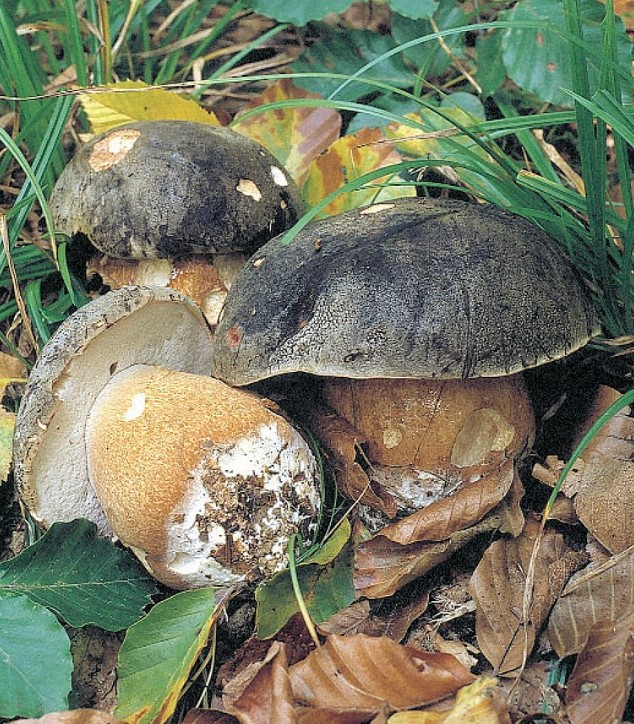
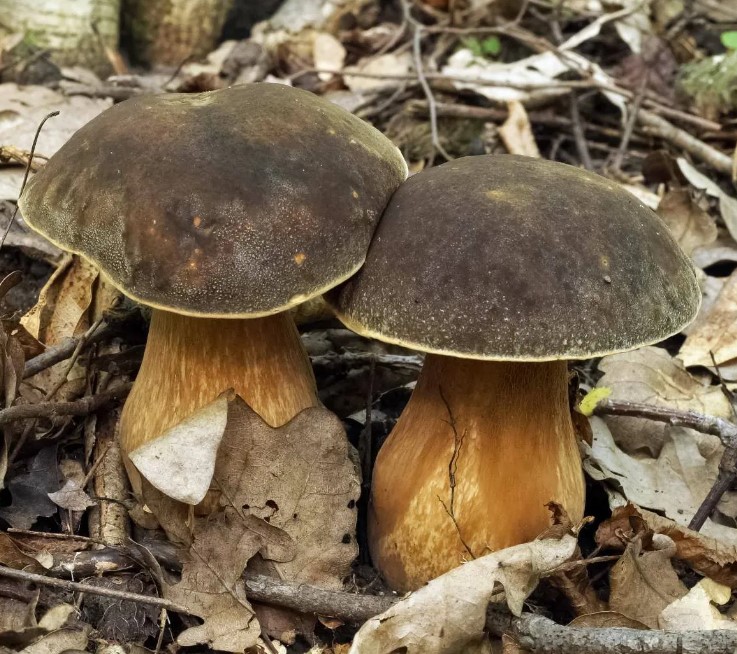
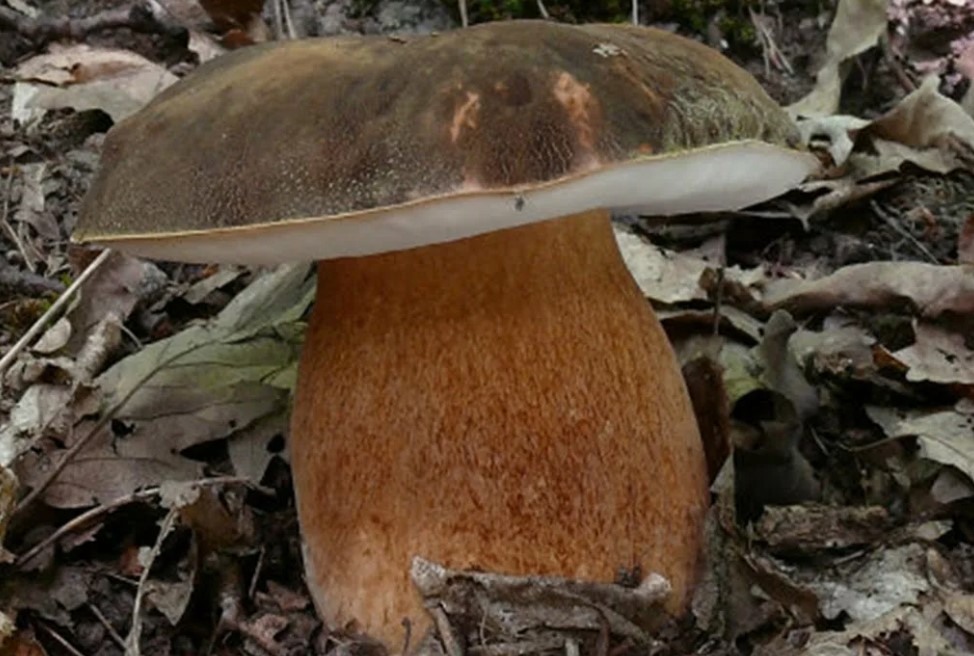
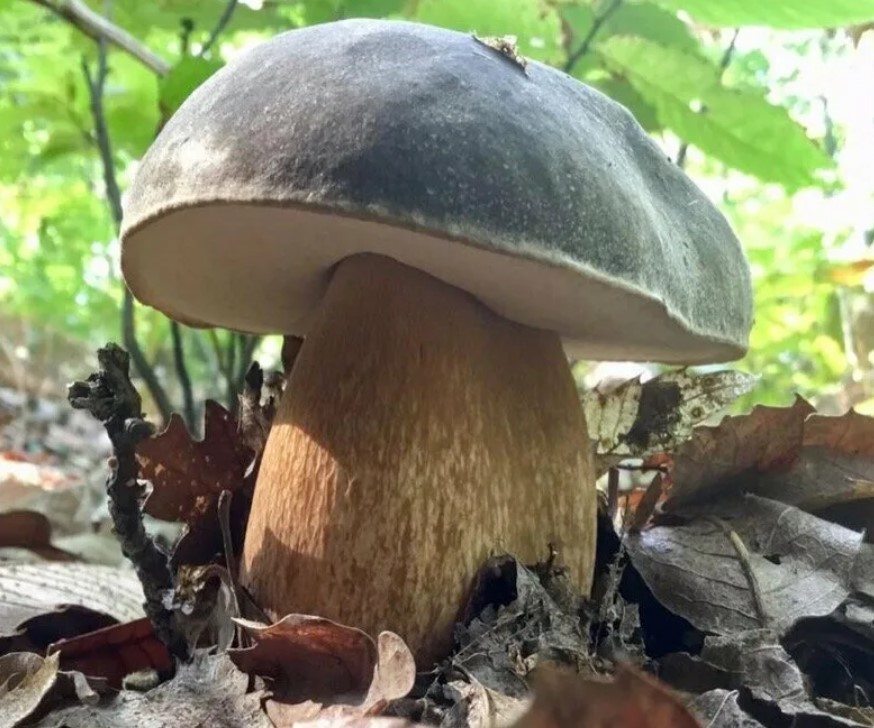
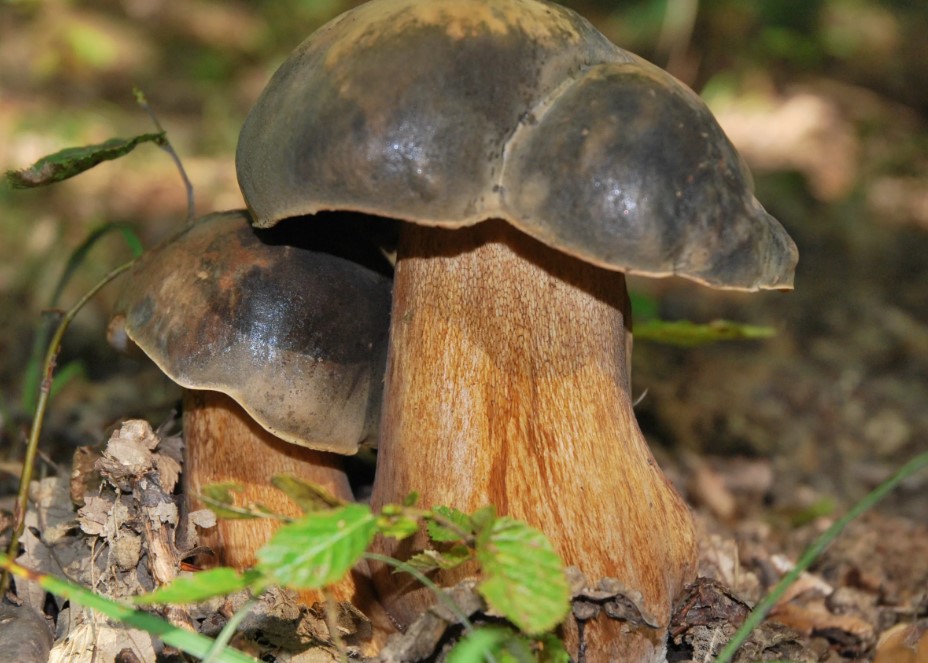
How and When to Find the White Light Bronze (Boletus edulis f. subaereus)
The cap is light brown. Fruiting period is June-October. It grows near beeches, hornbeams, and oaks. Although extremely rare, it has been seen in the Ciscarpathian region and the Caucasus (in the Batumi Botanical Garden and the Lagodekhi Nature Reserve).
Photo gallery of the light bronze porcini mushroom
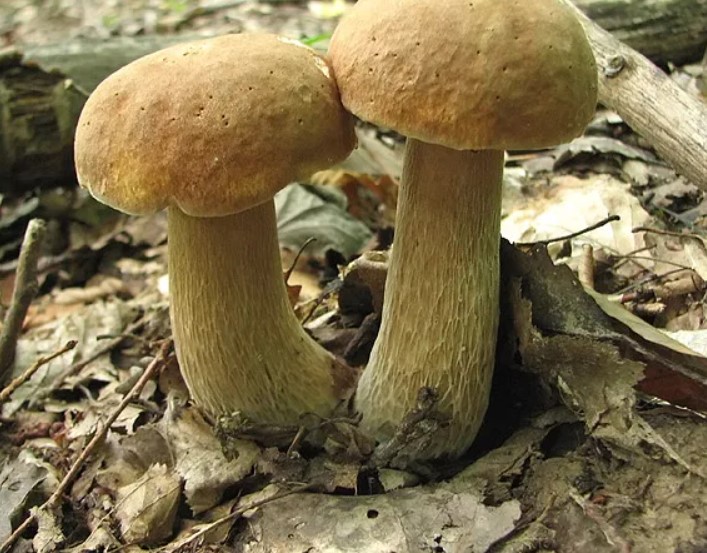
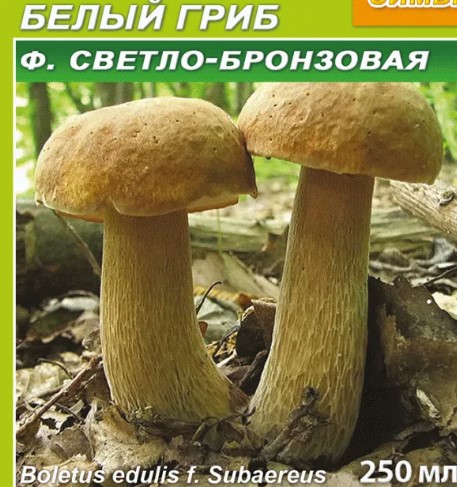
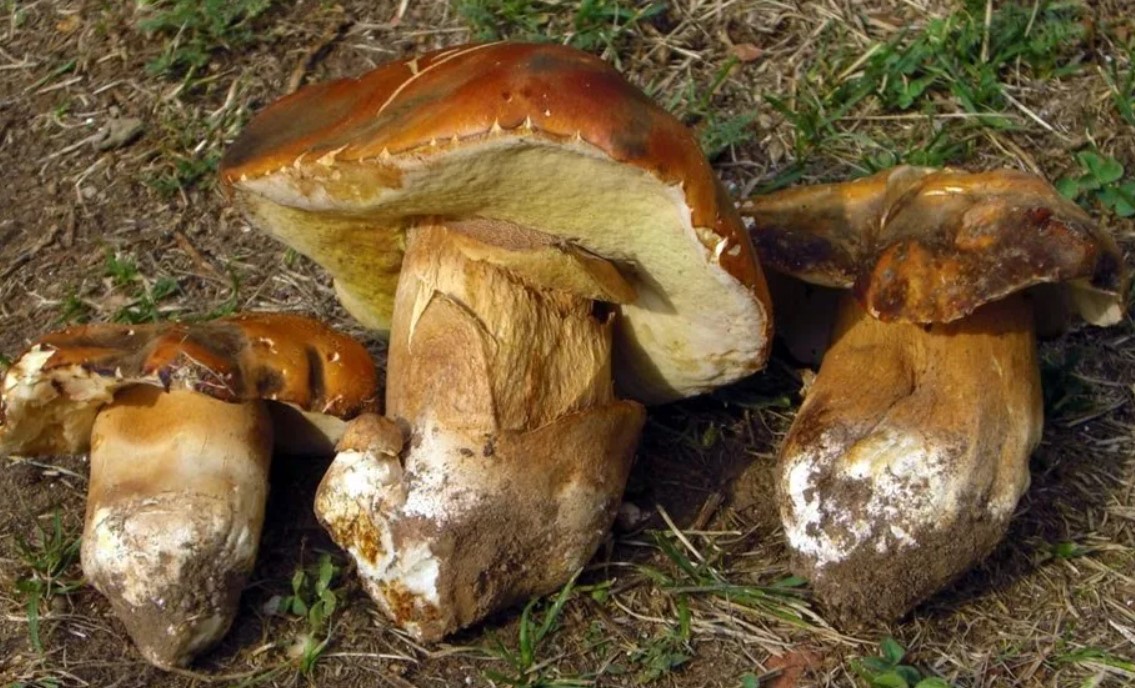
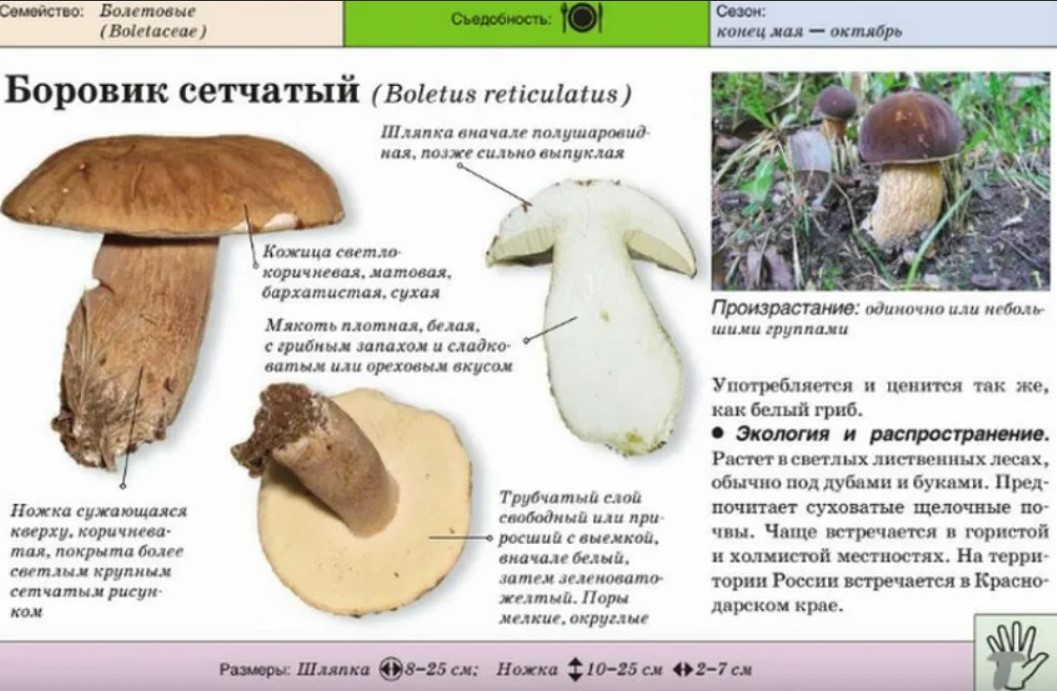
How and when the Boletus edulis f. reticulatus appears
The cap is light, brown or ochre in color. The stem is short and cylindrical. In appearance, this mushroom is very similar to the boletus. Rarely encountered, it prefers beech and hornbeam forests of Europe and the Caucasus, North Africa, and North America. It bears fruit from June to September.
Photo gallery of the porcini mushroom
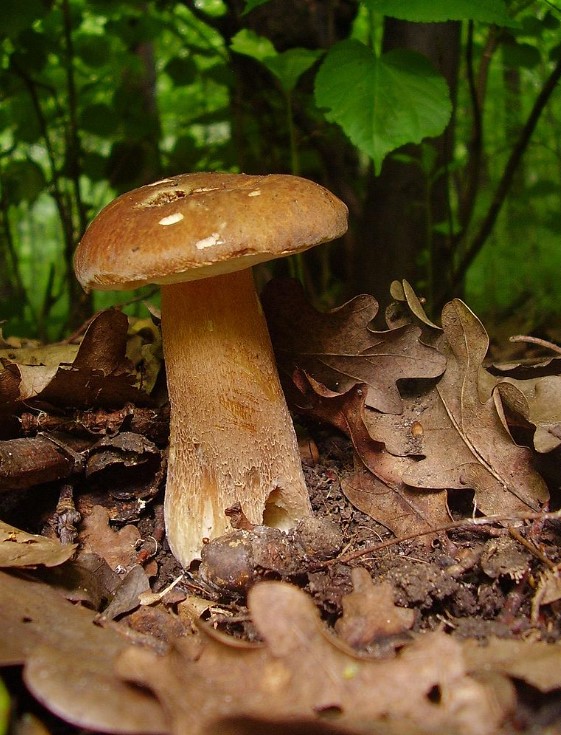
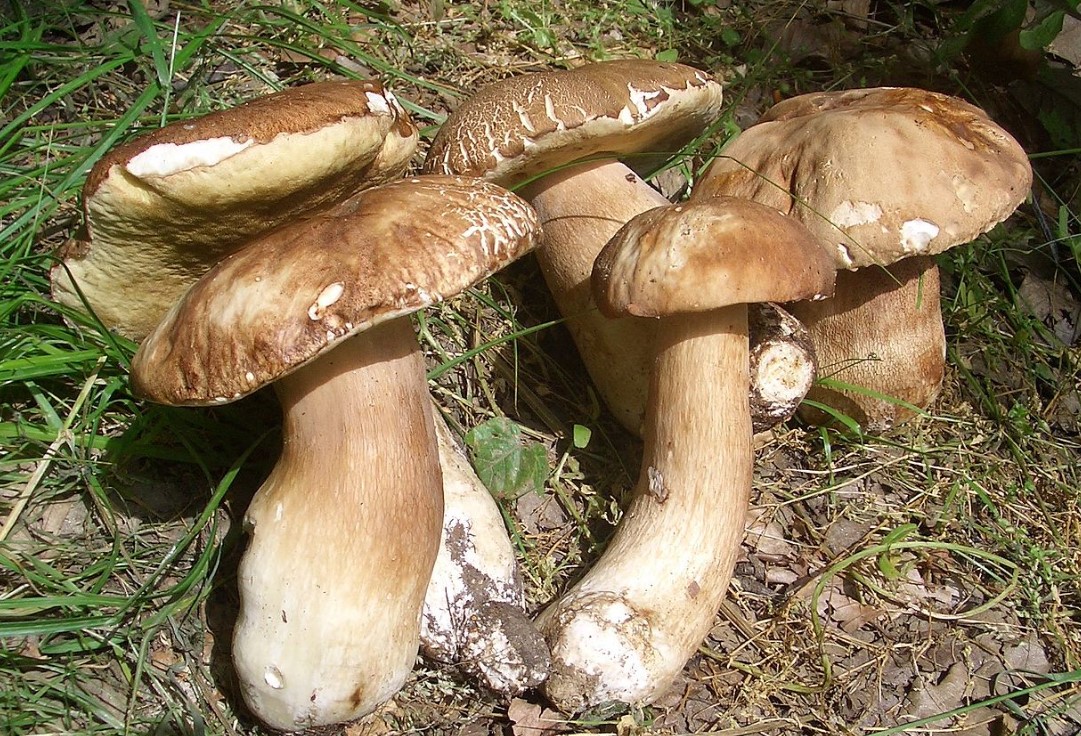
For more information on the different types of porcini mushrooms, read the article.Porcini mushrooms: 18 species + 2 inedible lookalikes, description, 97 photos, where and when they grow, preparation.
Distribution map of porcini mushrooms in Russia
Despite its high value, the porcini mushroom is far from a rare visitor to our forests. It can be found in almost every region, if you know where to look.
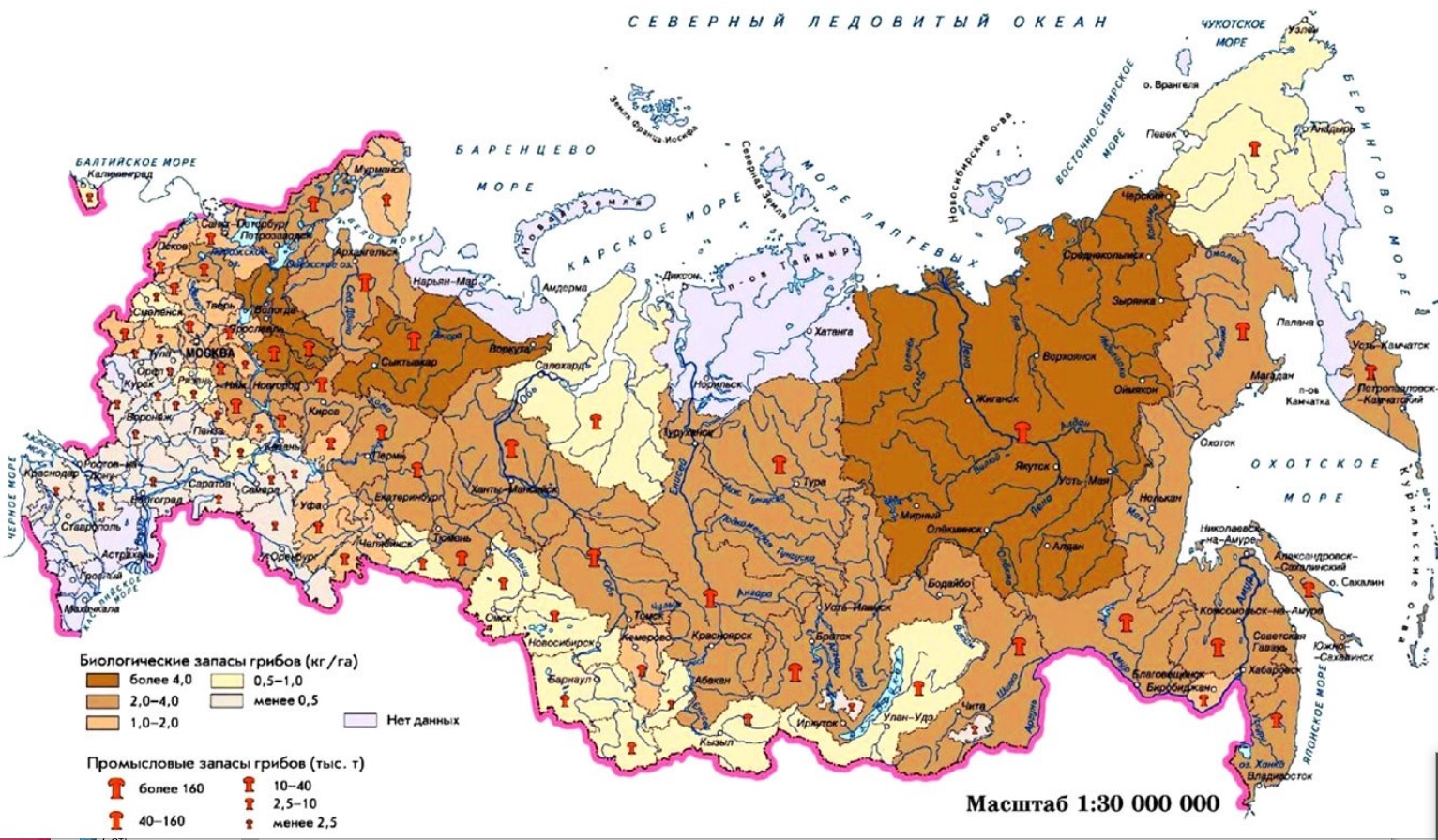
Mushroom Corners of Russia
Many mushroom pickers are eager to share the locations of their "quiet hunts," so much so that there's even a complete map of mushroom locations in Russia. According to it, porcini mushrooms are found in the following areas:
| Region/Territory/Republic | Mushroom place |
| Altai region | Ozerki village, Talmensky district, Malyshev Log village, Volchikhinsky district. |
| Amur region | village Ignatievo, Markovo, Pryadchino, Blagoveshchensky district. |
| Bryansk region | s. Kokino, village Domashovo. |
| Buryatia | Eravninskoye, Selenginskoye, Romanovskoye forestries. |
| Vladimir region | Selivanovsky, Melenkovsky, Vyaznikovsky districts. |
| Voronezh region | forestry, Levoberezhnoye, Novousmanskoye and Semilukskoye. |
| Crimea | Almost all mountain mixed and coniferous forests. |
| Siberia | In the taiga, porcini mushrooms are very common, along with berries. |
| Sverdlovsk region | Lake Alaki on the Chelyabinsk highway. |
| Volgograd region | The islands of Sarpinsky, Denezhny, Golodny, the Volga-Akhtuba floodplain, deciduous and mixed forests around the Volga. |
| Irkutsk region | The nearby forests around Deep Valley. |
| Komi | Krasnovishersky district. |
| Krasnoyarsk region | village Ploskaya, Emelyanovo, Minderla. |
| Krasnodar Krai, Far East | Mushrooms are very common in coniferous and deciduous forests. |
| Moscow region | Leningradskoe, Kurskoe, Paveletskoe directions, New Moscow, Desna, Sergiev Posad, Priozorsky district, Ryazanskaya Meshchera, Kuznechnoe, Sosnovo, Snegirevka, Vsevolozhsky and Serpukhov districts. |
7 Rules for Growing and 5 Rules for Harvesting Porcini Mushrooms
Porcini mushrooms are often the target of those who enjoy "quiet hunting." There are seven rules for the growth and development of porcini mushrooms in the forest:
- The presence of pines, spruces, birches, oaks and firs.
- The trees are at least 20 years old.
- The soil is not waterlogged and dry.
- Trees grow sparsely, there are areas open to the sun.
- Mountainous terrain.
- Loamy, super sandy or sandy soil.
- Presence of moss and lichen growth.
The mycelium of porcini mushrooms takes a very long time to develop. It takes years for mushroom pickers to enjoy a boletus harvest of excellent quality. Therefore, the growing area must be handled with extreme care to avoid destroying the mycelium.
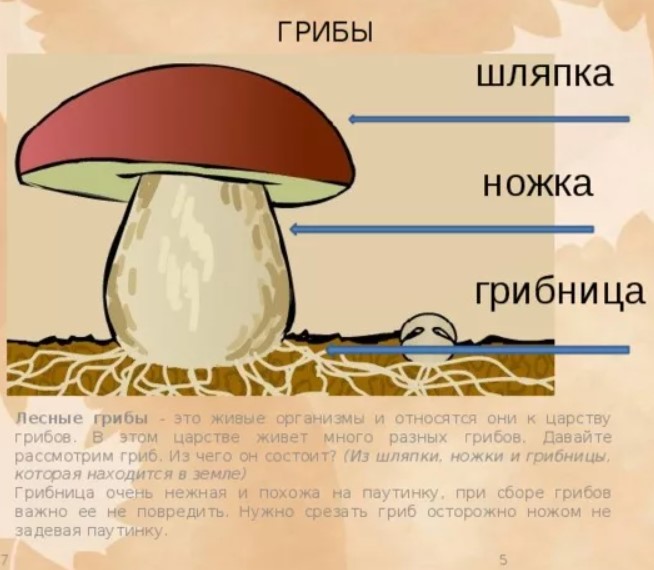
There are 5 basic rules to follow when collecting whites:
- Mushrooms are never uprooted; they are carefully cut with a sharp knife or twisted out of the ground. Otherwise, don't expect a harvest from that spot next season.
- If worms are present, the stem is cut off until the flesh is clean. Completely wormy specimens are best left alone.
- To preserve the integrity of the mushrooms, it is recommended to place them in a basket with the cap down.
- If a mushroom doesn't inspire confidence and there are doubts about its authenticity, then it's better not to risk it and leave it in the clearing.
- You must not trample the mycelium with your feet, otherwise it will die.
How not to confuse real porcini mushrooms with false ones
Porcini mushrooms, like almost all other mushroom varieties, have false doubles.
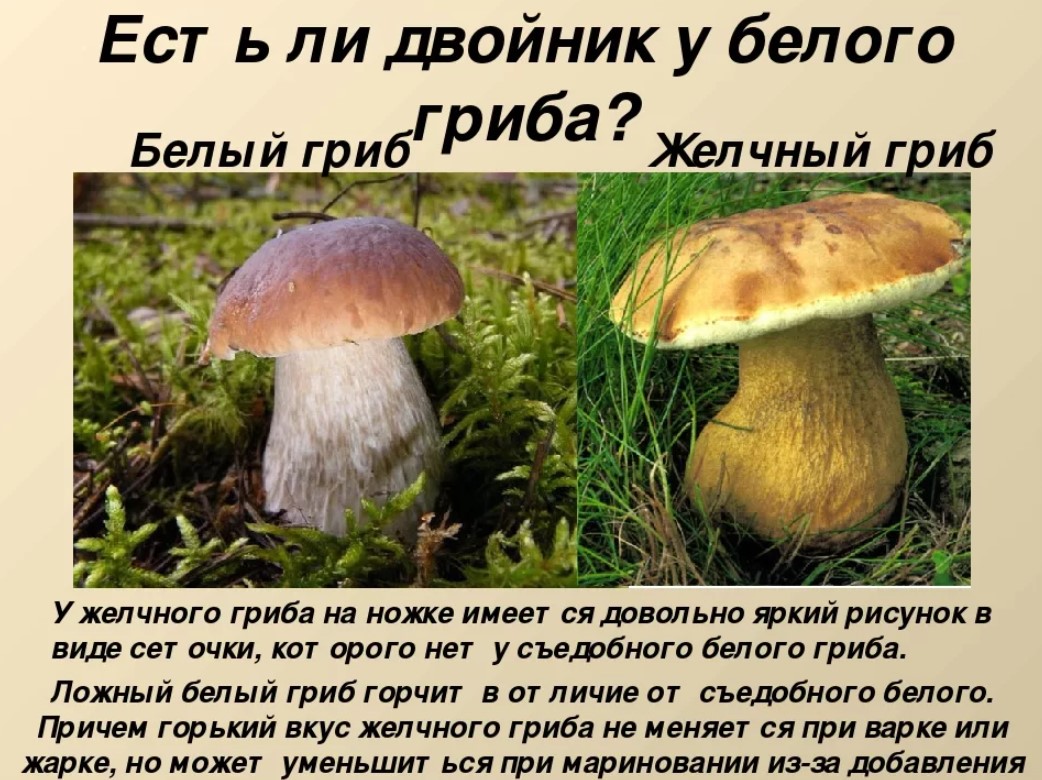
Of course, you won't be able to fool an experienced mushroom picker, but many novice mushroom hunters are quite likely to make a mistake while collecting mushrooms, which will cost them, at the very least, their gastrointestinal health.
True and false boletus mushrooms typically grow close to each other and differ only slightly in appearance. However, the latter contain toxic substances that are dangerous to humans.
Among the false whites, there are a couple of main doubles:
- Gall mushroom. The tubular layer has a pinkish tint. The flesh also turns this color when cut, but this isn't immediately noticeable. The taste of this mushroom is unpleasant and bitter.
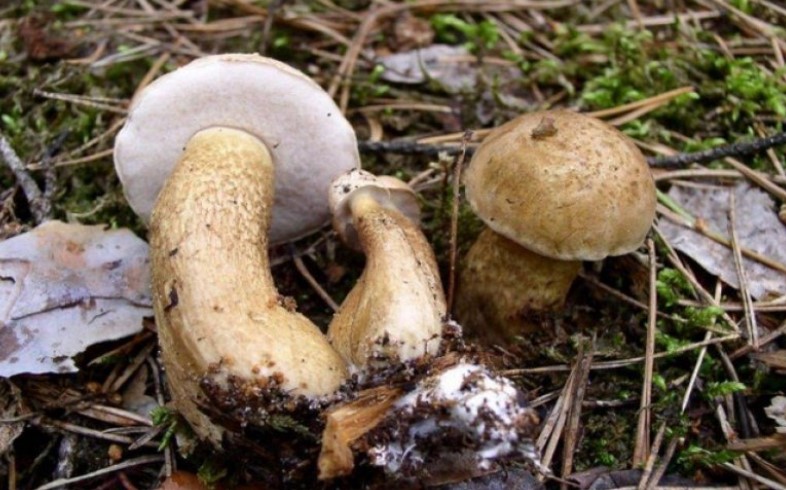
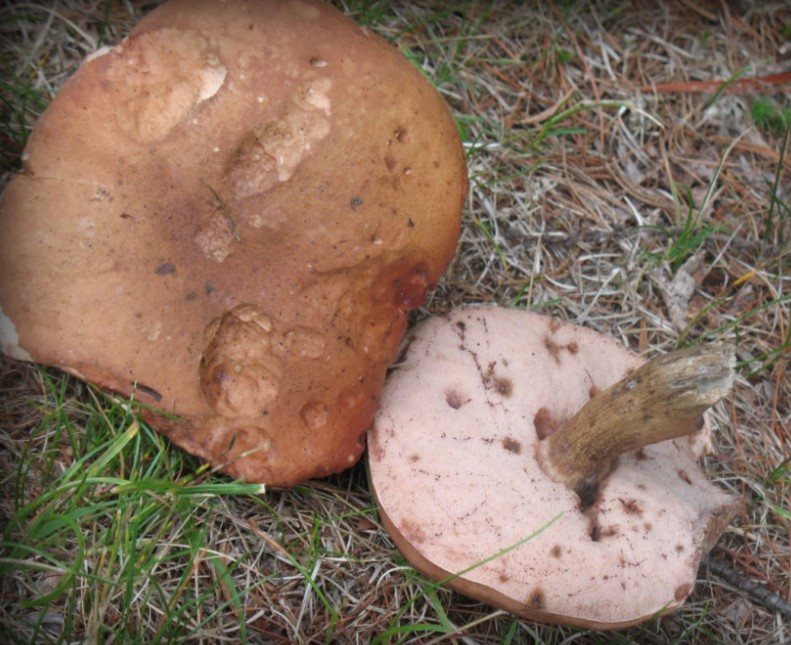
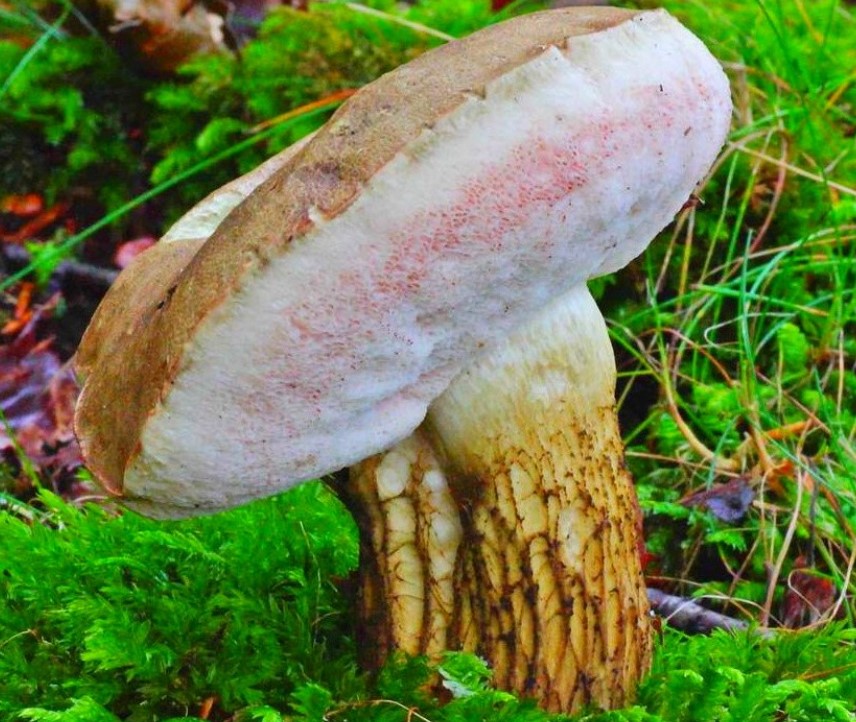
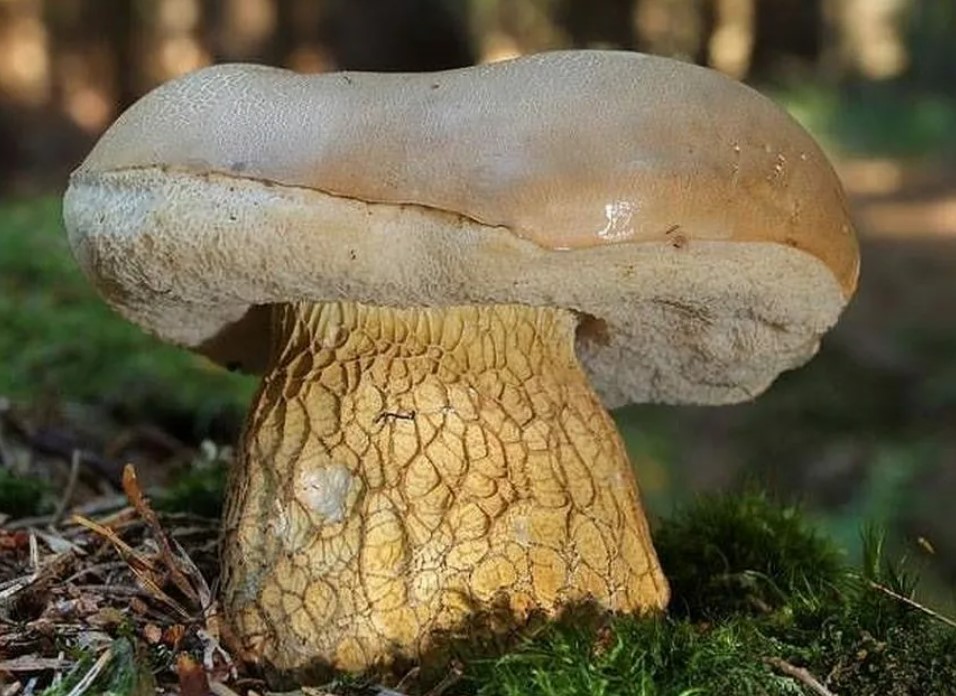
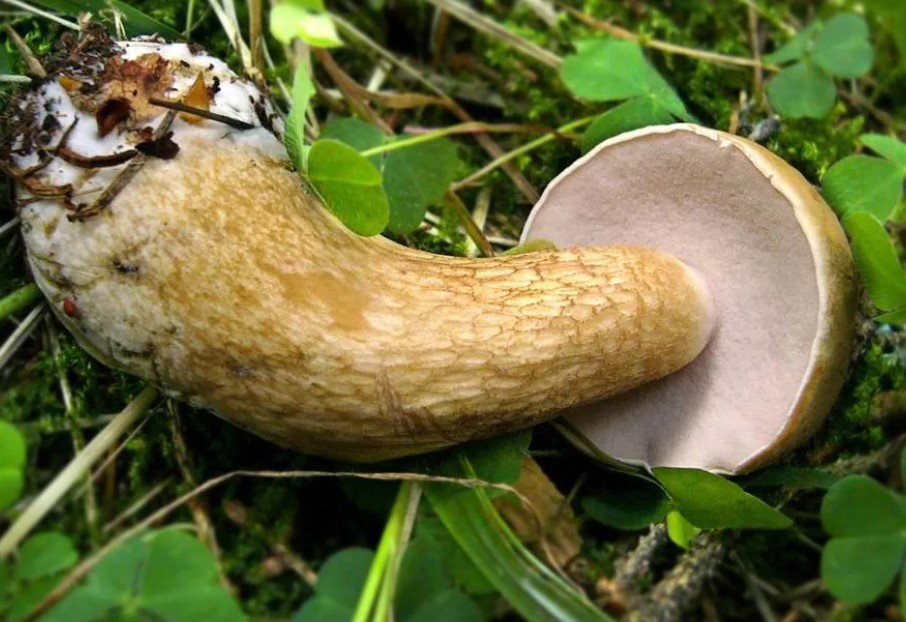
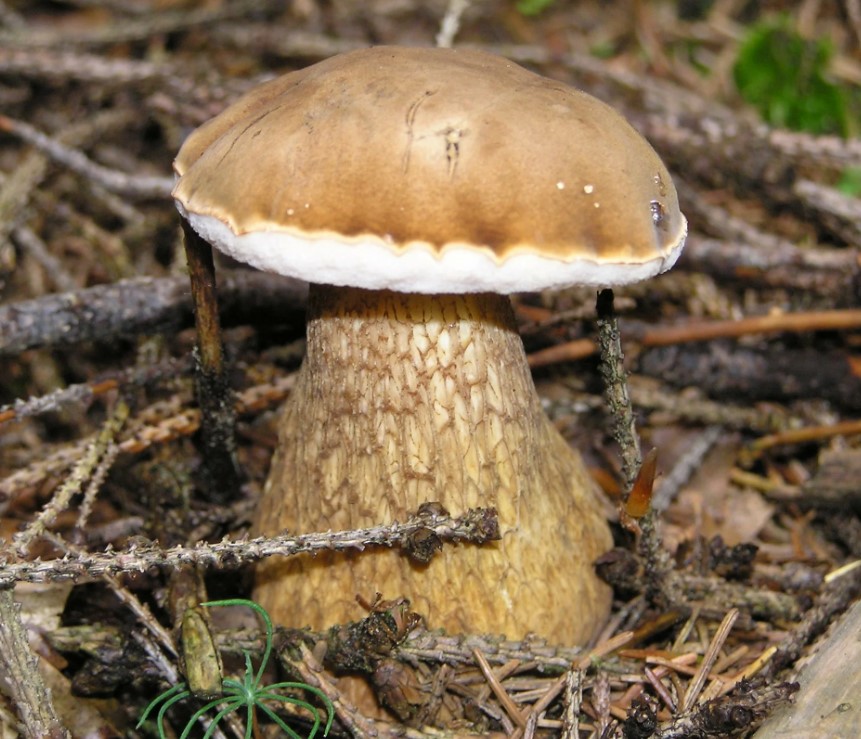
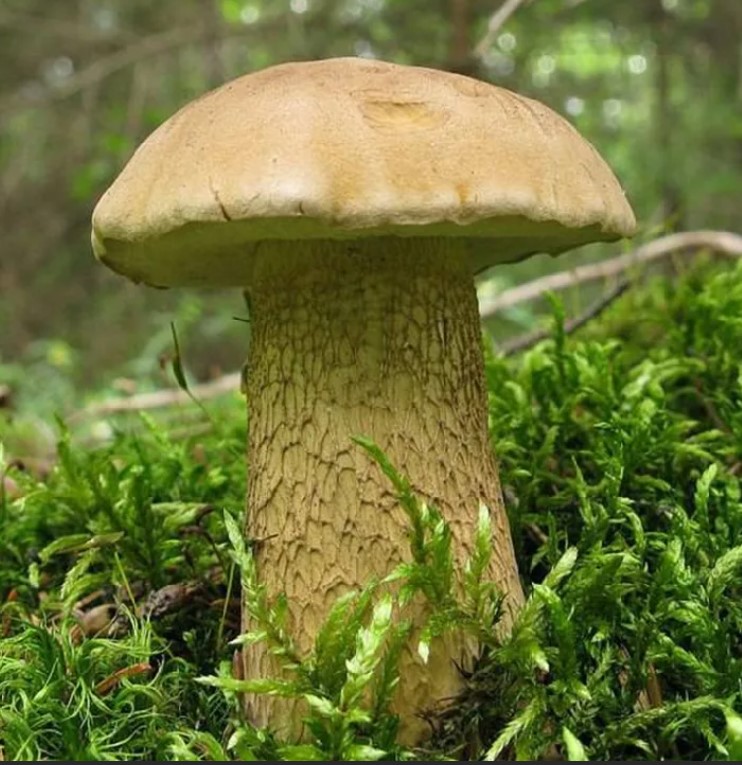
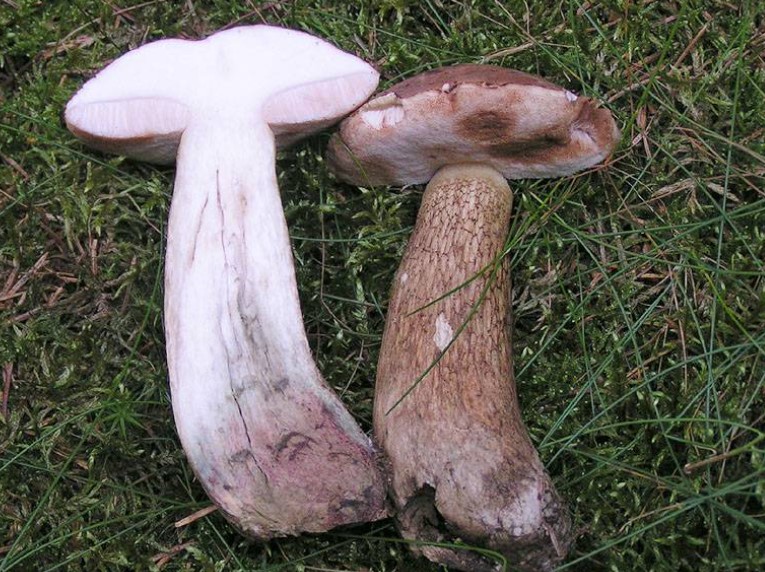
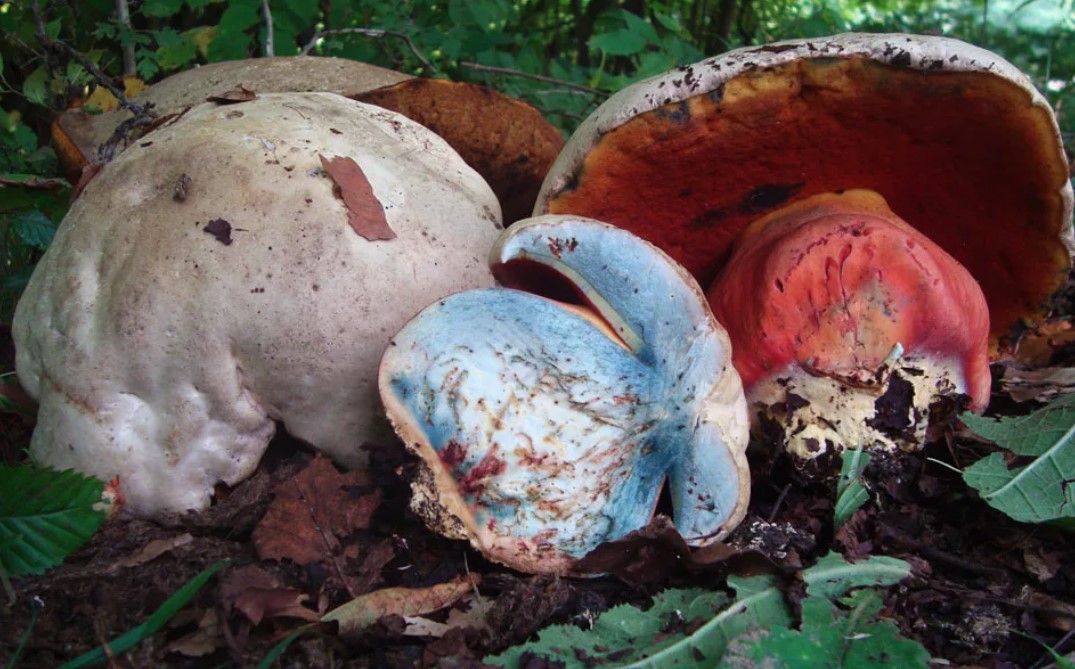
- The Satanic mushroom. The stem is very barrel-shaped, and the tubular layer is an orange-red hue, unusual for a porcini mushroom. After cutting, the flesh turns bluish within a few minutes. The aroma is unpleasant, similar to that of rotten onions.
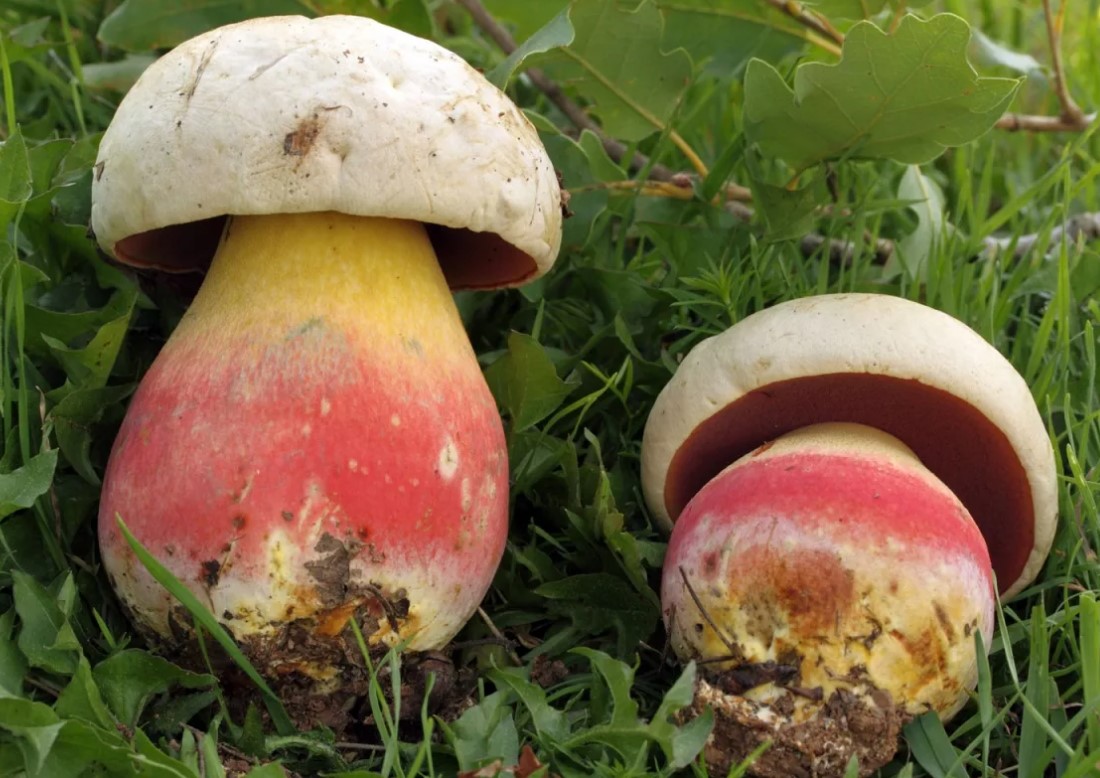
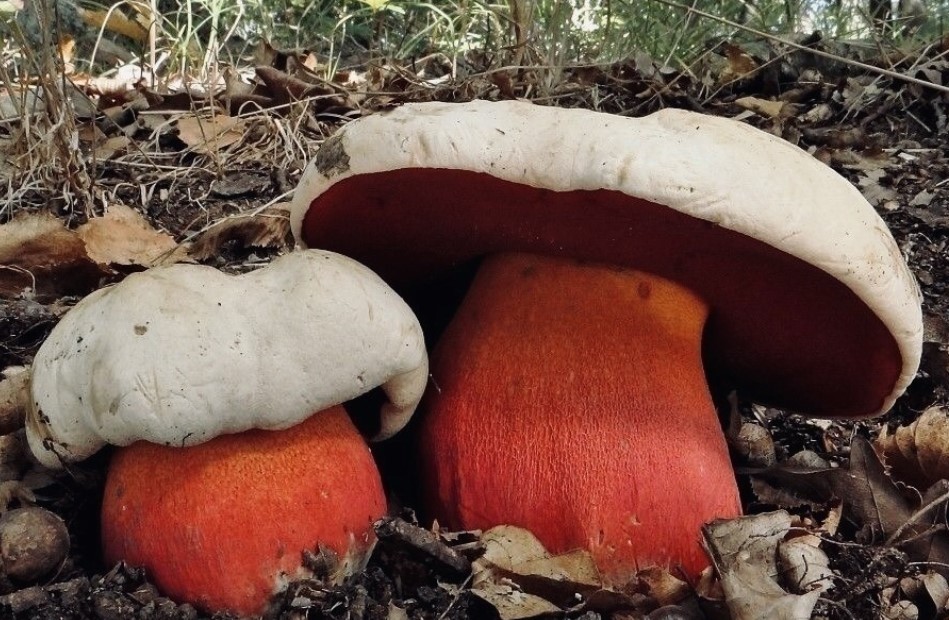
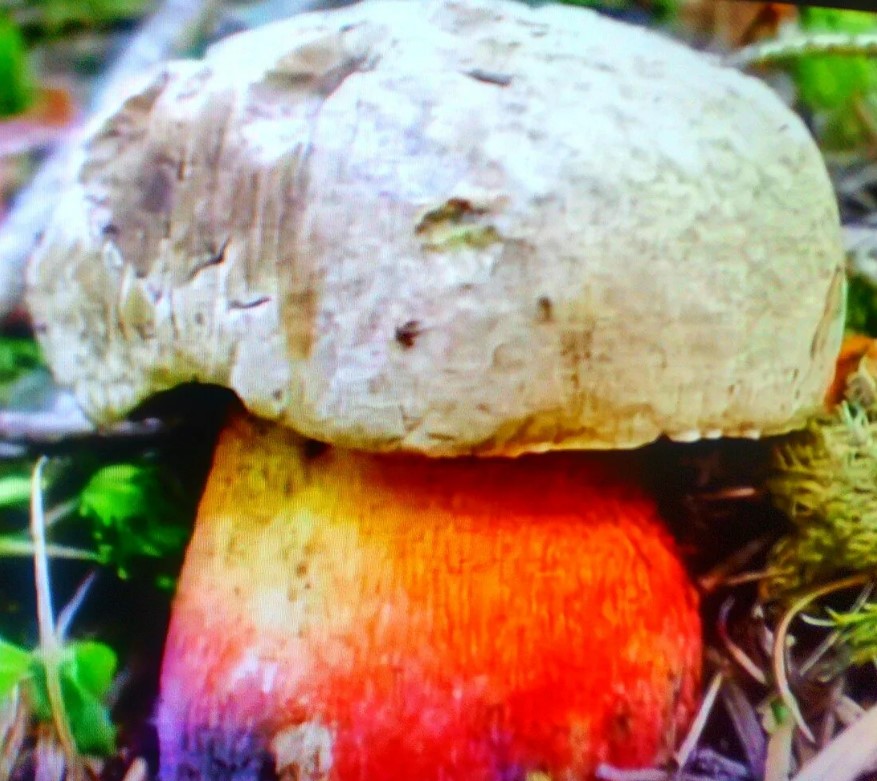
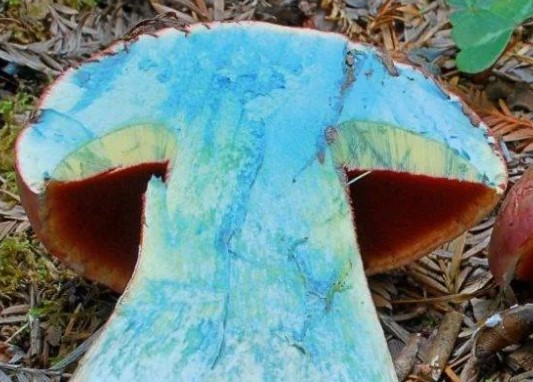
You should also be wary if a mushroom is completely clean when wormy specimens are nearby. Worms cannot tolerate the toxins found in poisonous mushrooms and will avoid them.
Read more about the false porcini mushroom in the articleFalse porcini mushroom (gall, bitter): 20+ photos and description, similar varieties, how to distinguish from the real thing.
Symptoms of poisoning by false porcini mushrooms and first aid
False porcini mushrooms can cause food poisoning if eaten. Symptoms include:
- Pain in the stomach and intestines.
- Nausea.
- Diarrhea.
- Chills.
- Temperature increase.
- Sweating.
These symptoms may persist for up to 3 days, so you should consult a doctor immediately.
If a large portion has been consumed, then under the influence of toxins, hallucinations often occur, the functioning of the cardiovascular and nervous systems is disrupted, and the person may die.
If you suspect mushroom poisoning, call an ambulance and rinse your stomach with warm water before it arrives.
Remember that a small, seemingly harmless mushroom can cause serious health problems. Therefore, never pick mushrooms from the forest whose edibility is questionable.

Finding porcini mushrooms in the forest isn't difficult. Now you know where to go for this tasty treat and how to avoid mistakes when picking these forest beauties.