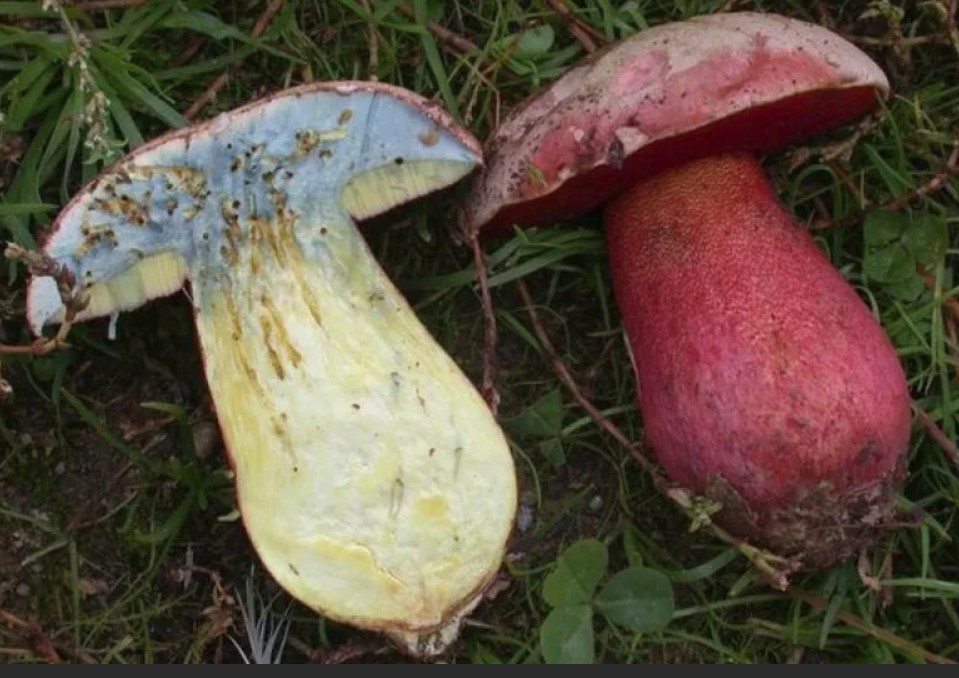
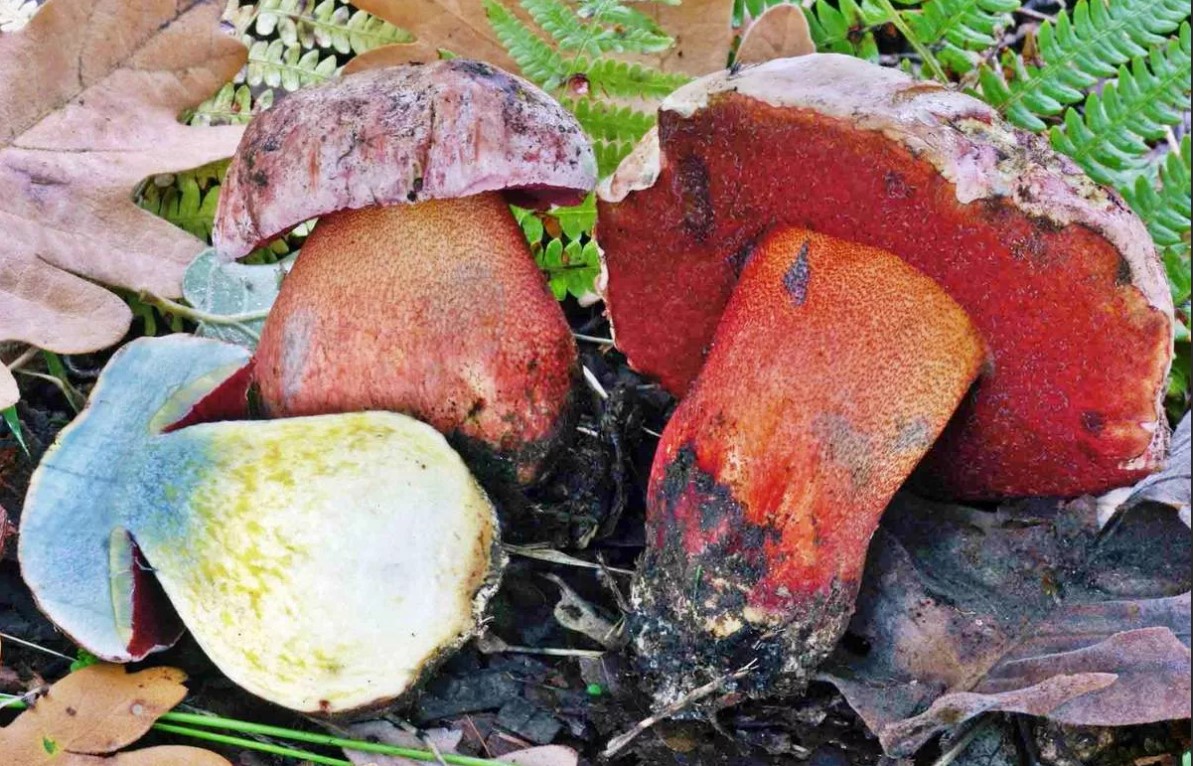
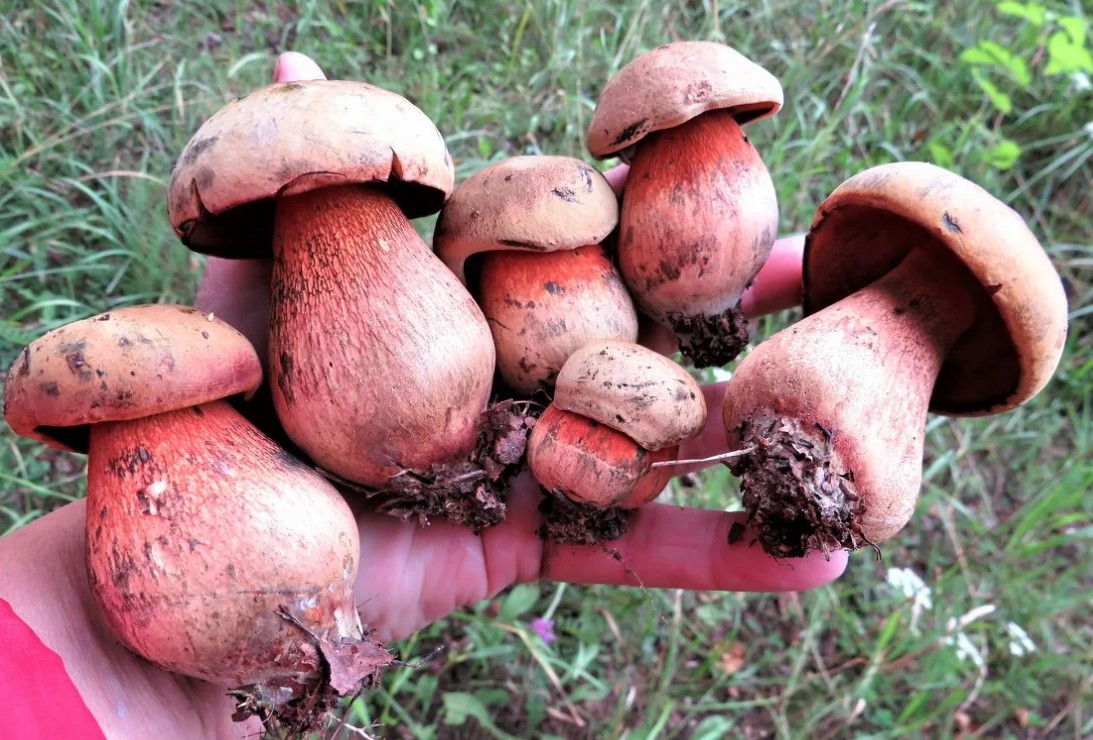
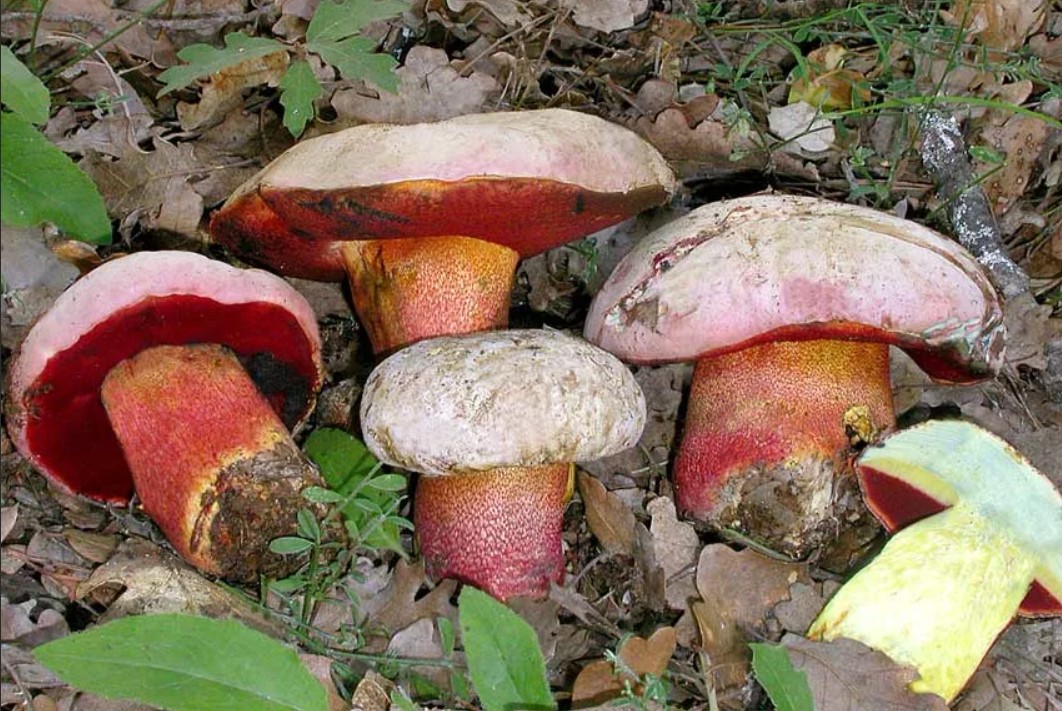
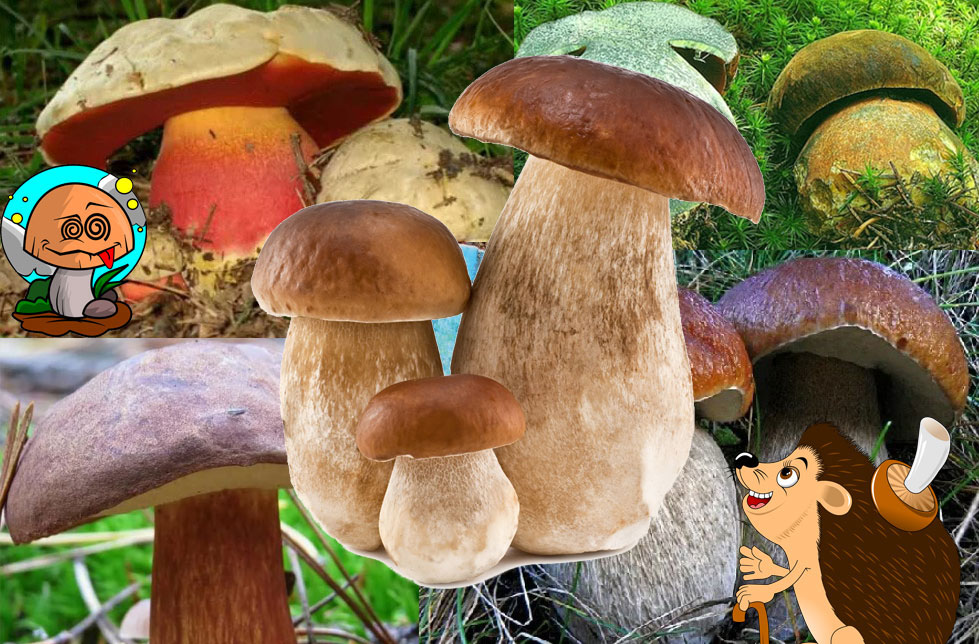
Porcini mushrooms are rightfully considered the most prized catch among amateur hunters. They can be used in a variety of dishes, the aroma of which captivates millions of gourmets around the world. But most importantly, anyone can find such a trophy with patience, persistence, a sharp knife, and a basket.
You often hear porcini mushrooms referred to as boletus. Whether this is accurate is something we'll explore in this article.
Content
- 1 Genus Borovik and White mushroom
- 2 Boletus and porcini mushroom: differences
- 3 Excellent edible porcini mushrooms of the 1st category
- 4 Other types of edible boletus of the 2nd category
- 4.1 Boletus appendiculatus
- 4.2 Burrows's boletus (Boletus barrowsii)
- 4.3 Boletus bicolor
- 4.4 Fechtner's boletus (Boletus fechtneri)
- 4.5 Frost's boletus (Boletus frostii)
- 4.6 Boletus impolitus (Boletus impolitus)
- 4.7 Yellow Boletus, Junquilla Boletus (Boletus junquilleus)
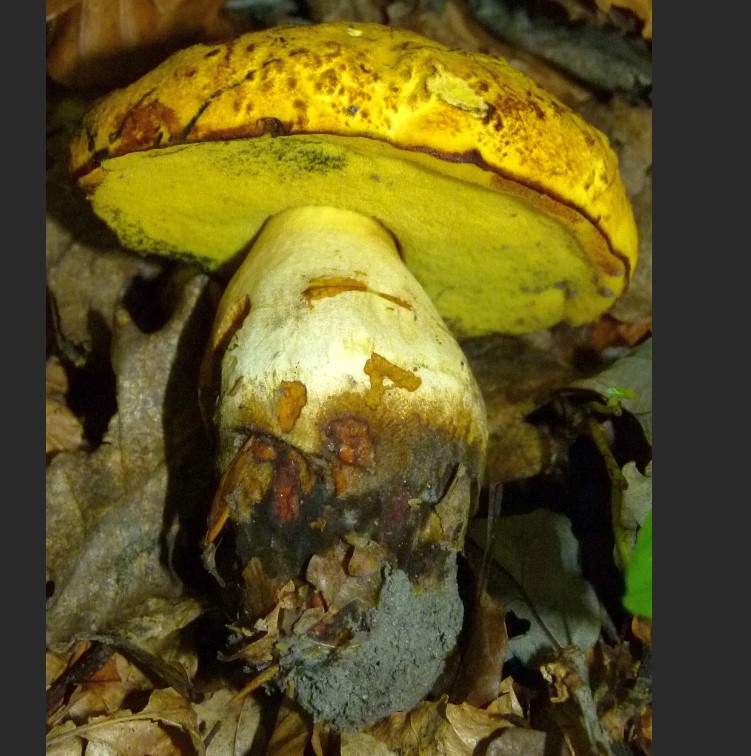
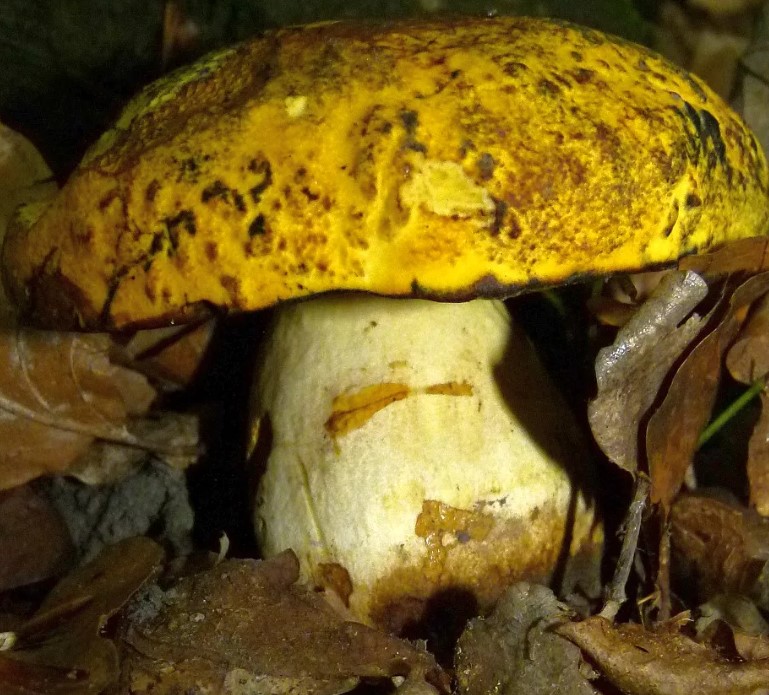
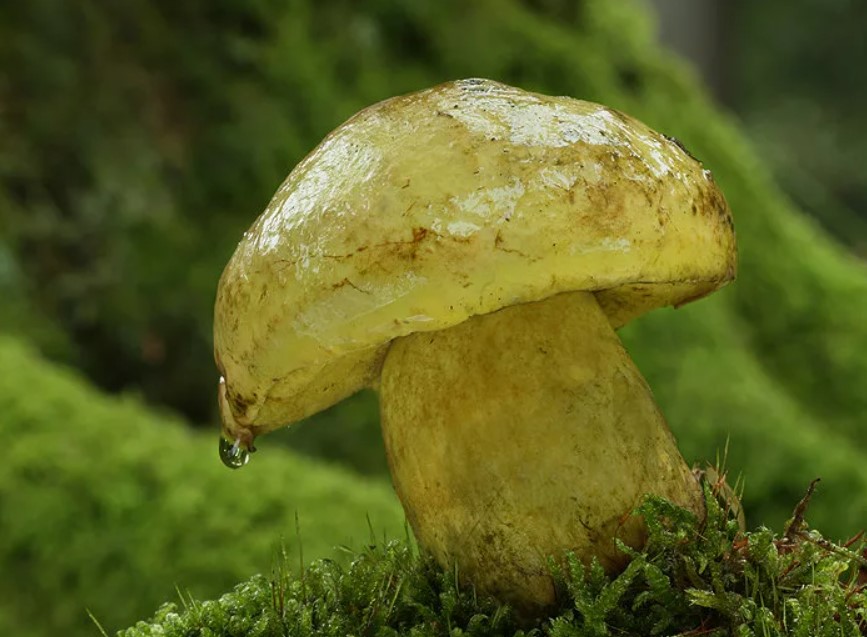
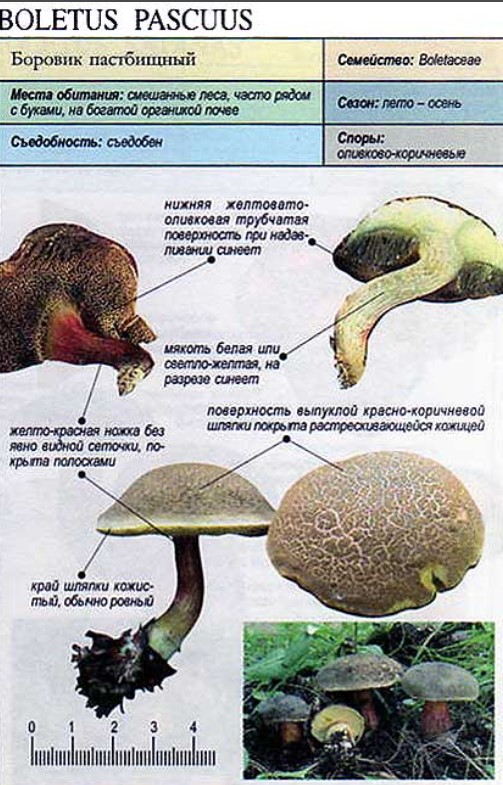
- 4.8 Boletus pascuus, Cracked Boletus
- 4.9 Royal boletus (Boletus regius)
- 5 Conditionally edible species of boletus
- 6 Types of inedible but non-toxic boletus mushrooms
- 7 Types of toxic boletus mushrooms
- 8 Little-studied, controversial species of boletus
Genus Borovik and White mushroom
In fact, the porcini mushroom is just one of the most popular varieties of the genus Boletus. That is, "porcini" is not the name of a single mushroom, but the name of an entire genus (Boletus), which belongs to the Boletaceae family.
Besides the porcini mushroom, the Boletus genus includes approximately 300 other species, including both edible and inedible species of various types. Some classifications even include members of the Xerocomus genus within the Boletus genus. For example, the Cracked Boletus (Boletus pascuus, Xerocomus chrysenteron).
Description of the genus Boletus
Boletus mushrooms are most often found in mixed forests and prefer to grow in regions with a temperate climate.
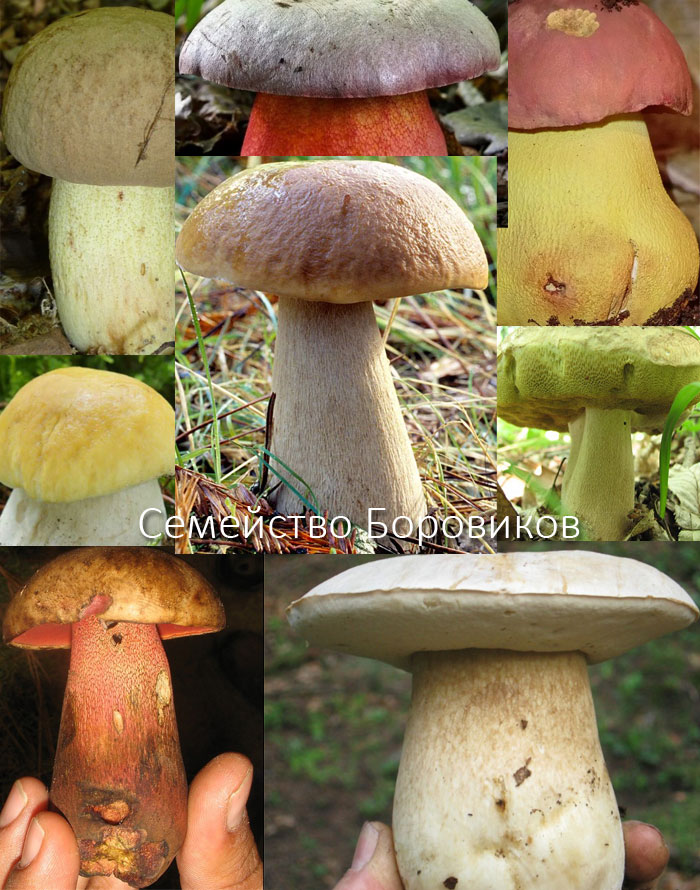
- The fruiting body is massive and cap-stemmed.
- The cap is round, voluminous, with smooth or velvety skin.
- The stem is thick, the surface is usually fibrous.
- The flesh is light-colored and may have a yellowish tint. After cutting, it turns blue, red, or remains unchanged.
- The spore powder is distinguished by its brown shades of color.
- The hymenophore is tubular, the pores are red, yellow or white (extremely rare).
Description of the White Mushroom (Boletus edulis)
The porcini mushroom received its name for its unique property of not changing color after drying. Another theory holds that the name originated from its white flesh.
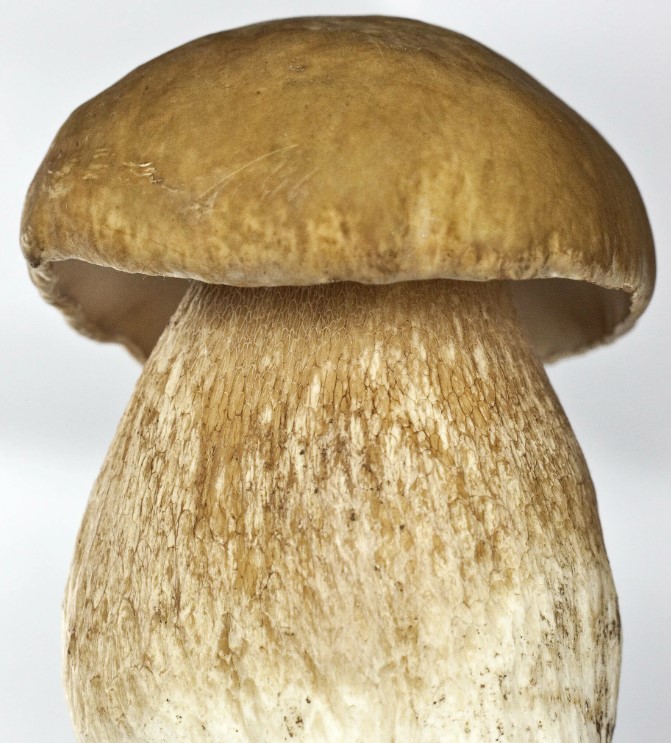 The appearance of the porcini mushroom is easily recognizable:
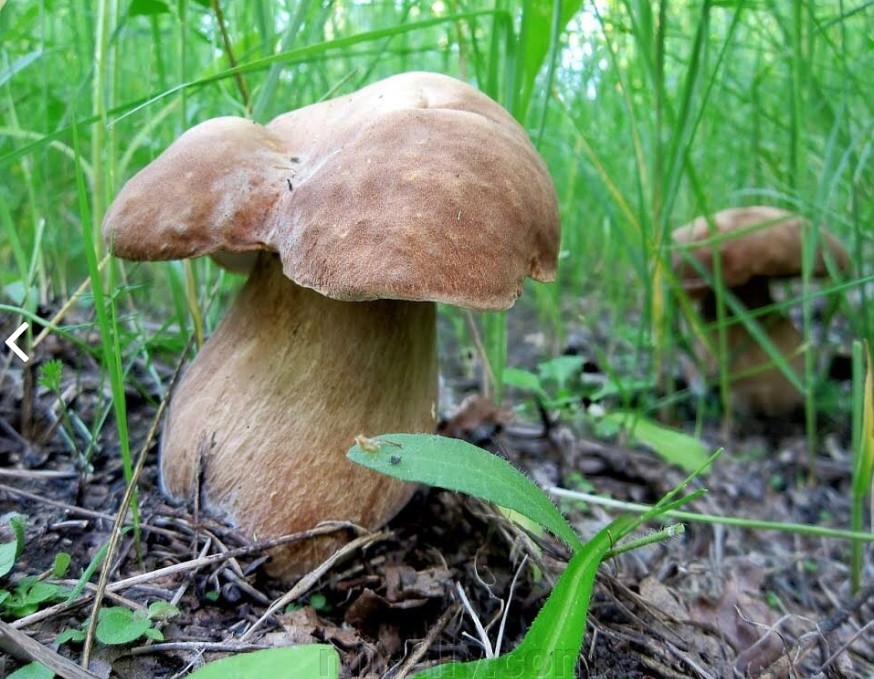
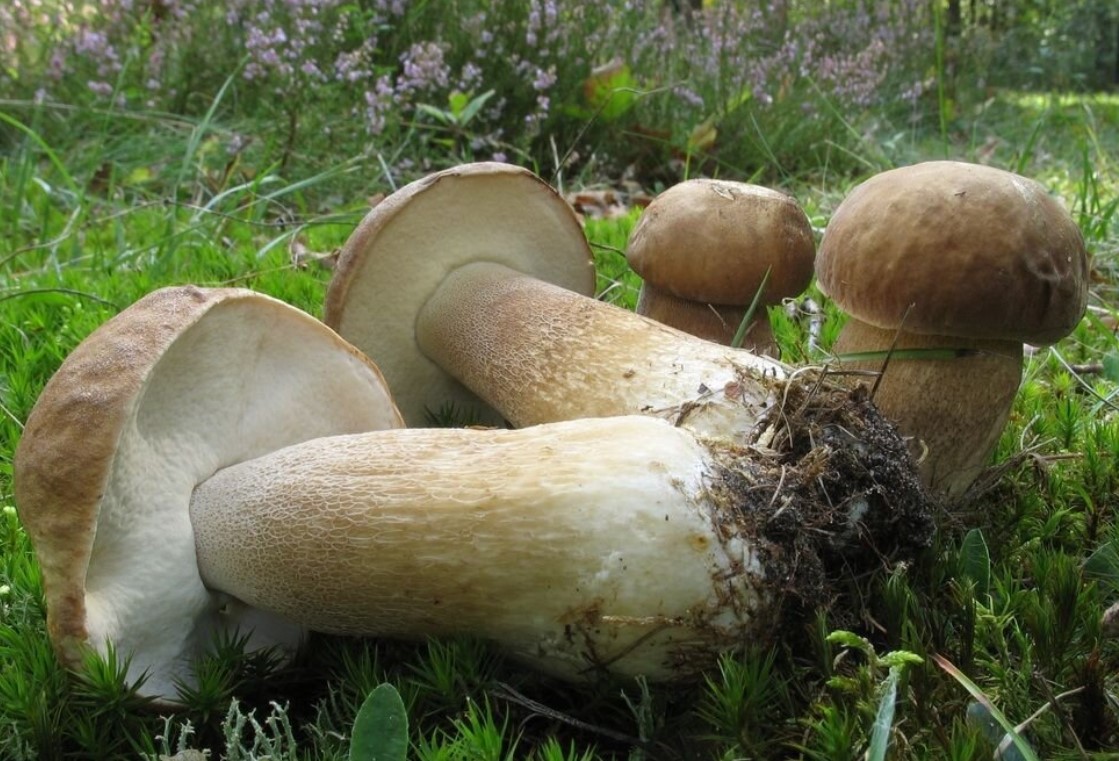
- The cap is round, convex, brown or brownish in color with a reddish tint.
- The stem is like a barrel – thick, fleshy, white in color.
- The flesh is white, becoming yellowish with age.
Read more about the White Mushroom in the articlePorcini mushrooms: 18 species + 2 inedible lookalikes, description, 97 photos, where and when they grow, preparation.
Boletus and porcini mushroom: differences
The porcini mushroom has clearly defined appearance characteristics. Boletus mushrooms are very common in nature, so the color of their stems, caps, and flesh can vary greatly. Porcini mushrooms, on the other hand, always have light-colored flesh and stems.
Excellent edible porcini mushrooms of the 1st category
Porcini mushroom dishes have always been renowned for their unrivaled flavor and aroma. Below are descriptions of the best varieties of edible porcini mushrooms.
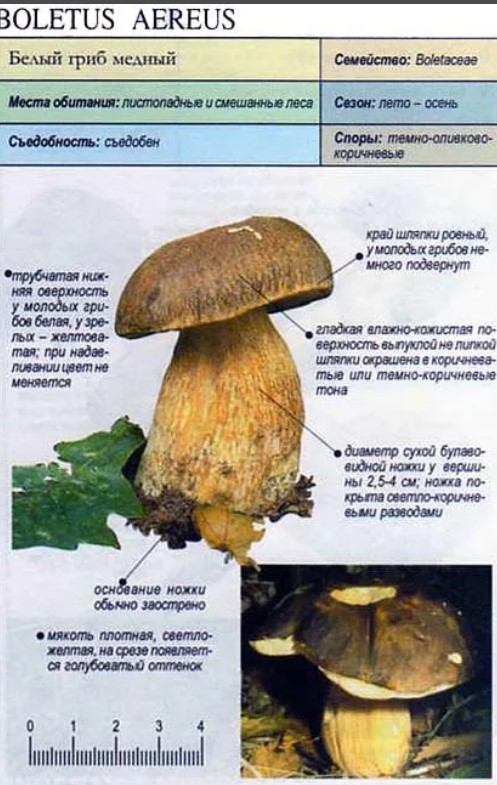
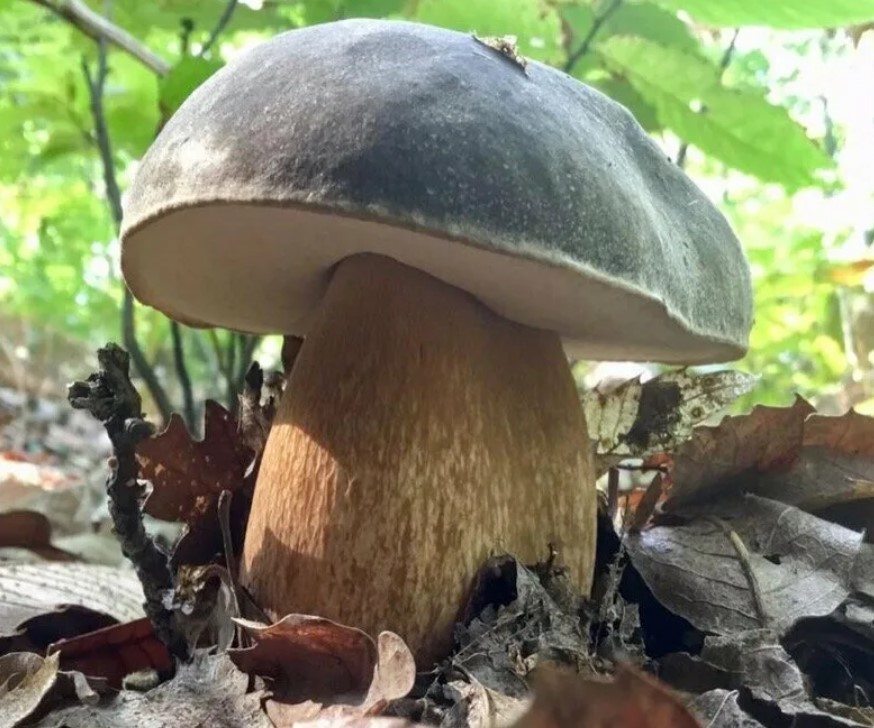
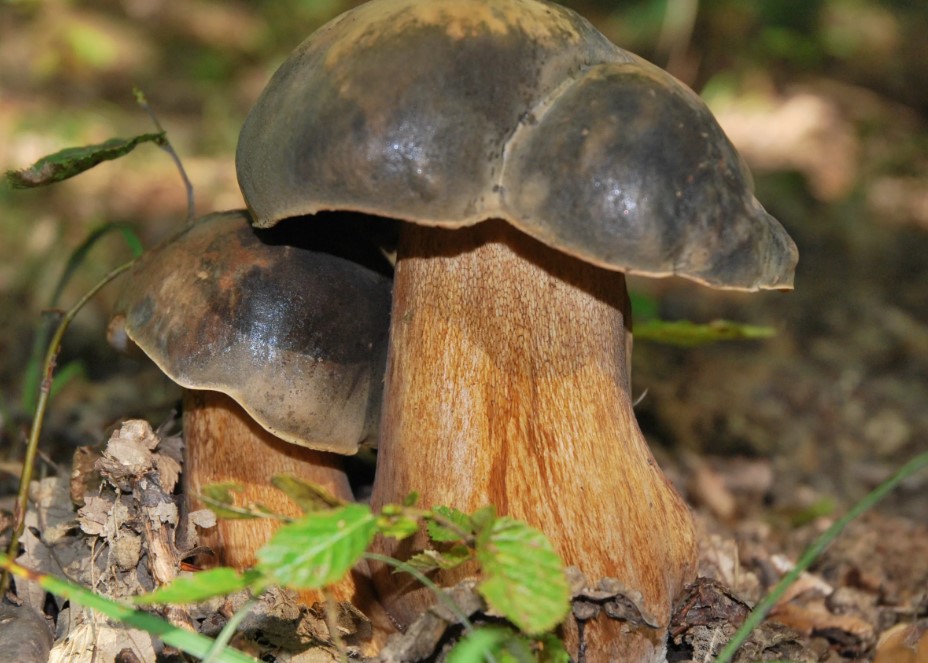
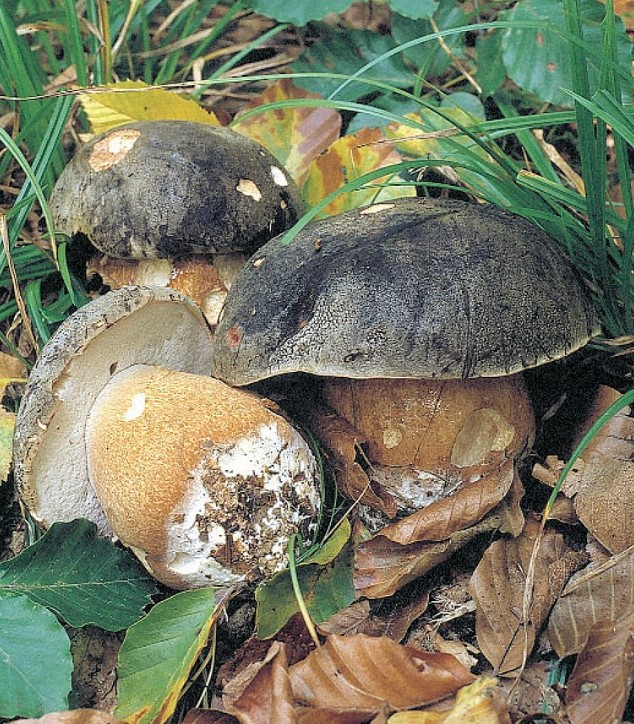
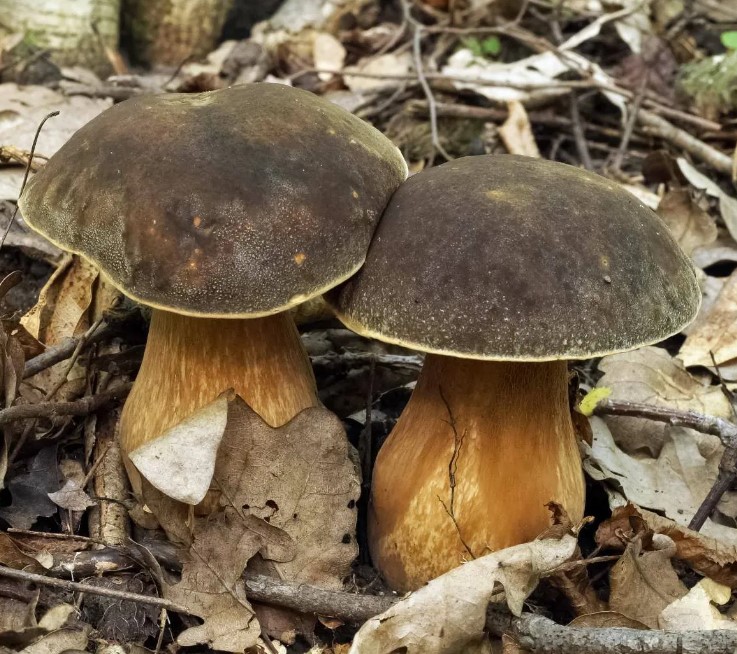
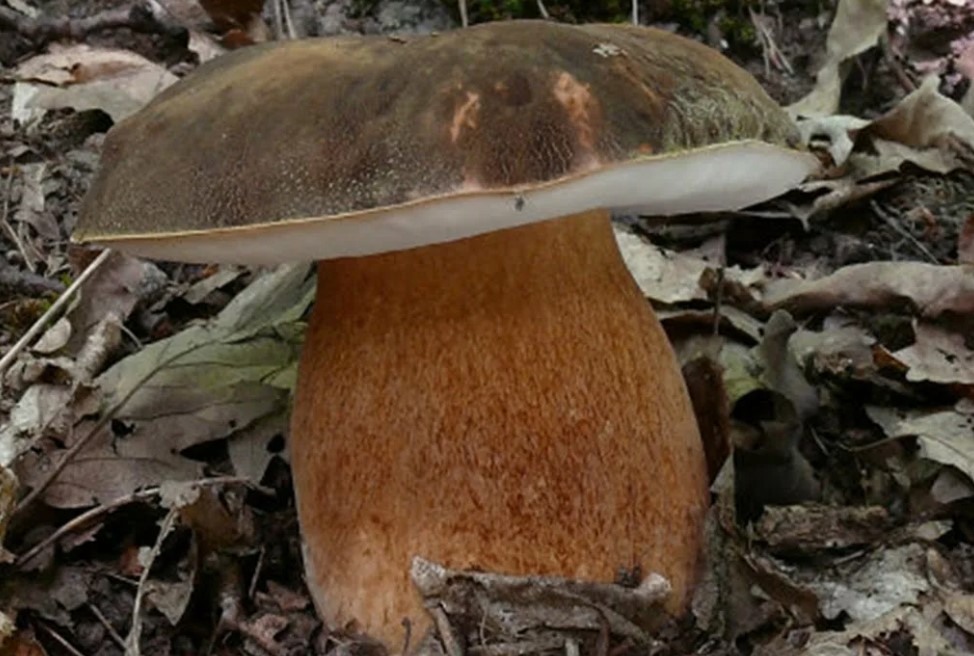
Copper boletus, bronze boletus (Boletus aereus)
| View | Description | Collection deadlines | Where to look |
| Copper boletus, bronze boletus (Boletus aereus) | When young, the cap is spherical. As they mature, it becomes flat. The skin is very dark, almost black. The flesh is white and does not change color when cut. The stem is fleshy, reddish-brown, with a light mesh surface. | July-October | Deciduous forests in regions with warm climates. They prefer plains. |
Photo gallery of the dark bronze porcini mushroom
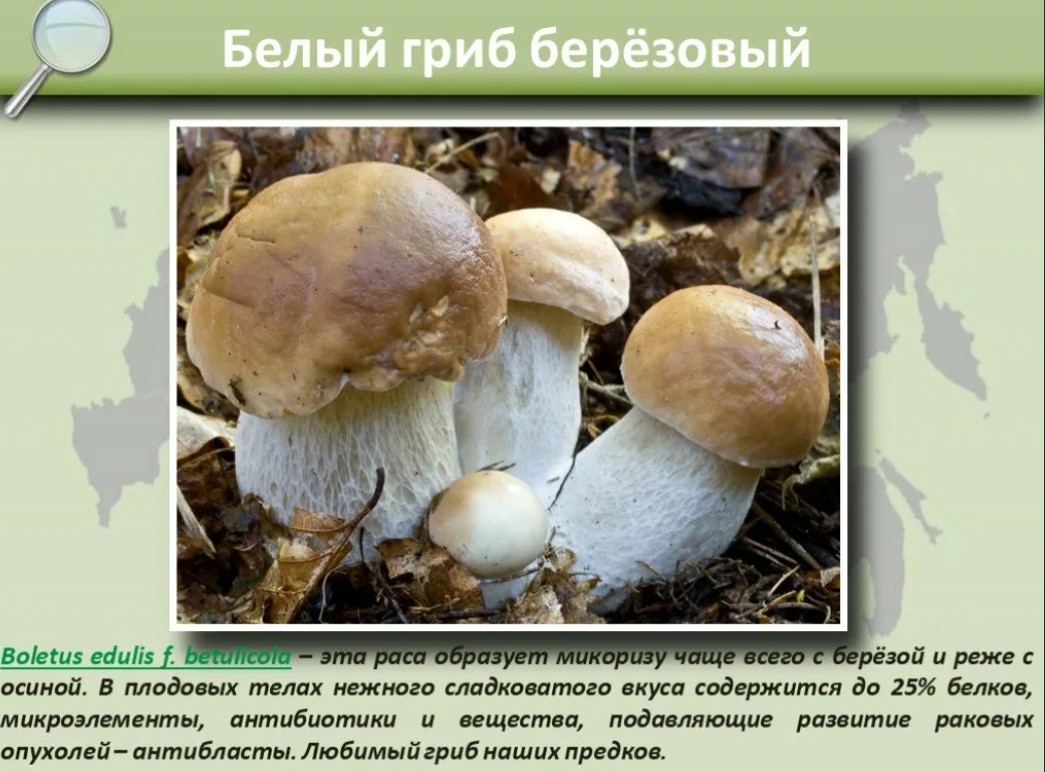
Birch porcini mushroom (Boletus betulicolus)
| View | Description | Collection deadlines | Where to look |
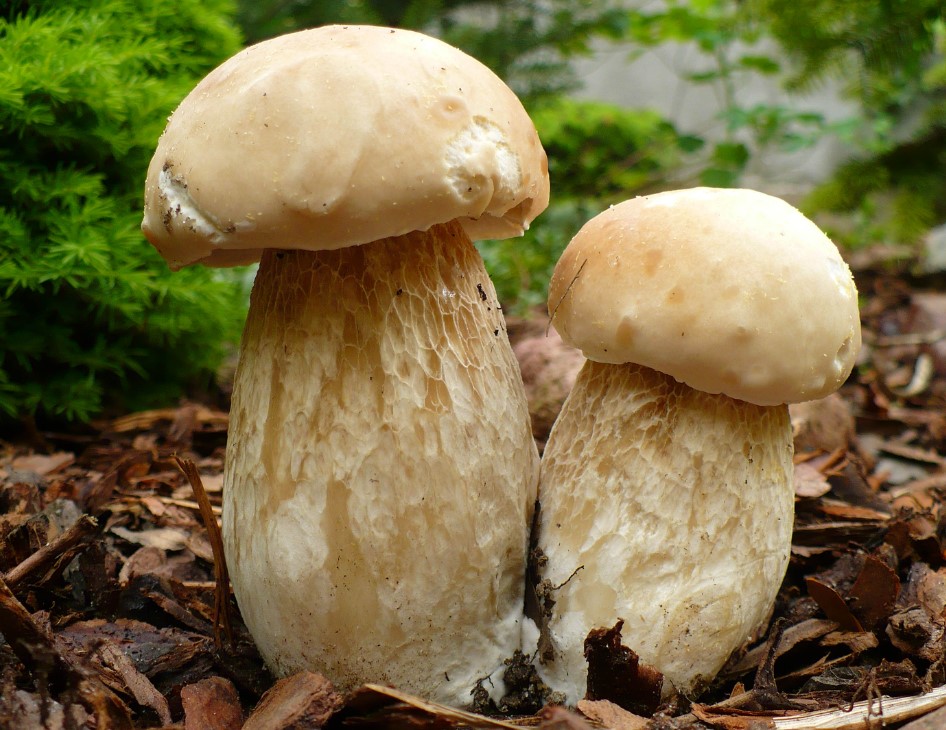
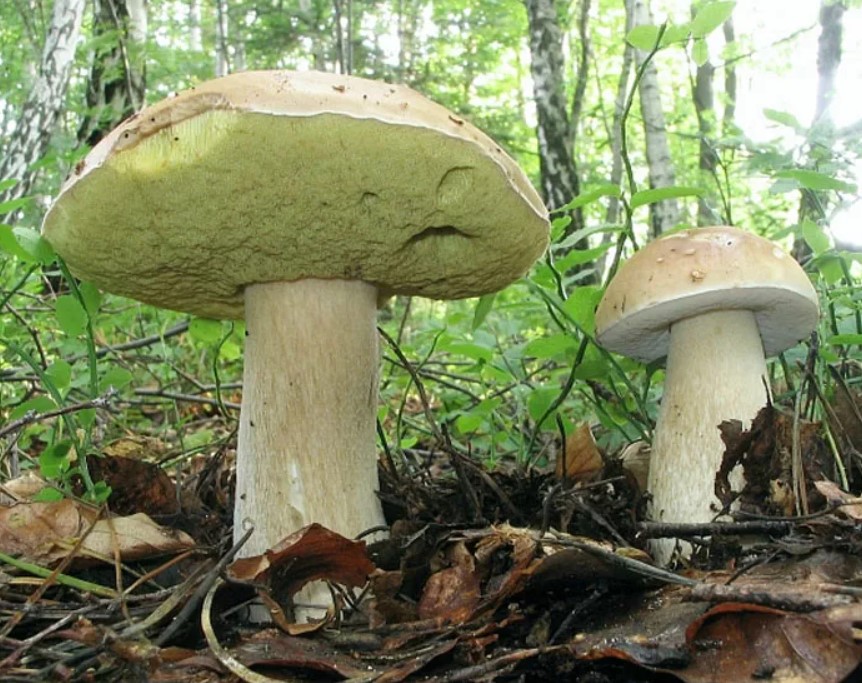
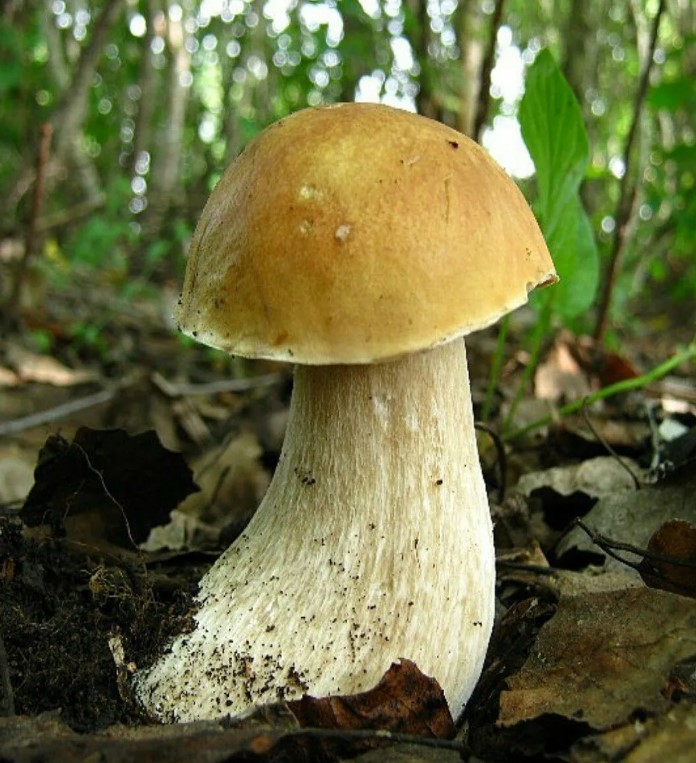
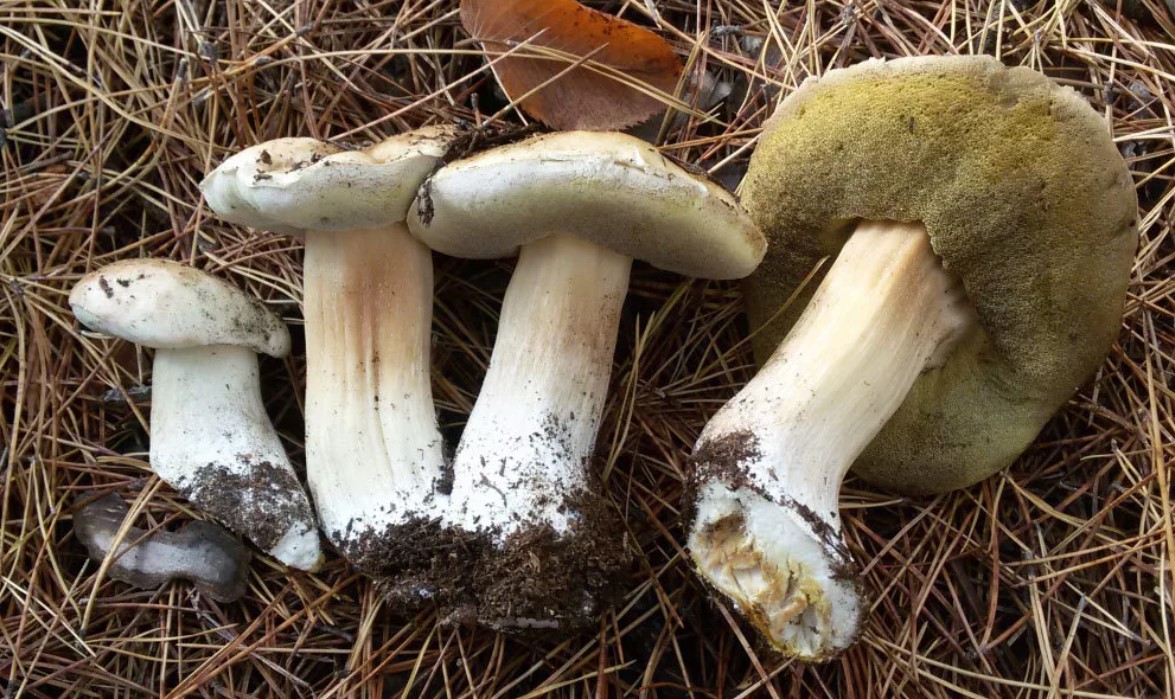
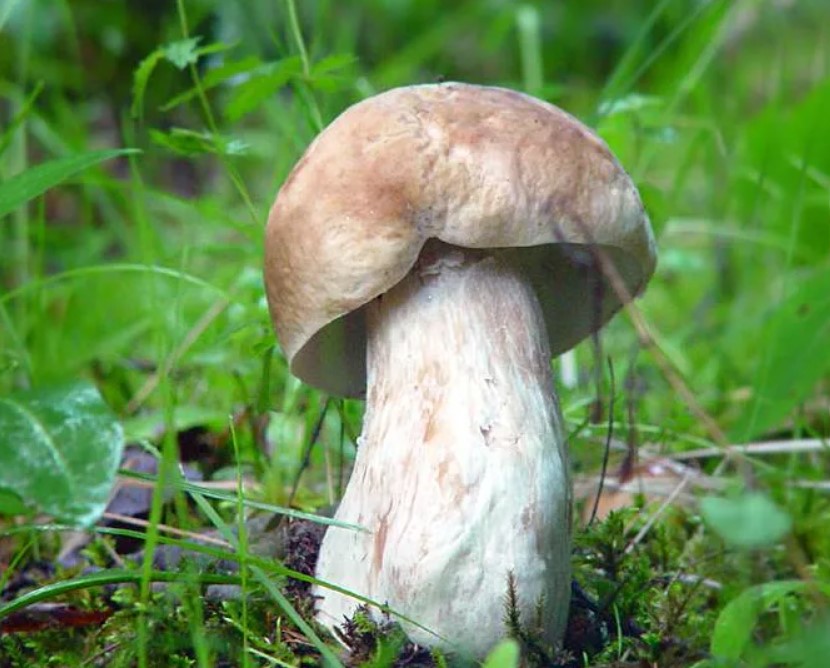
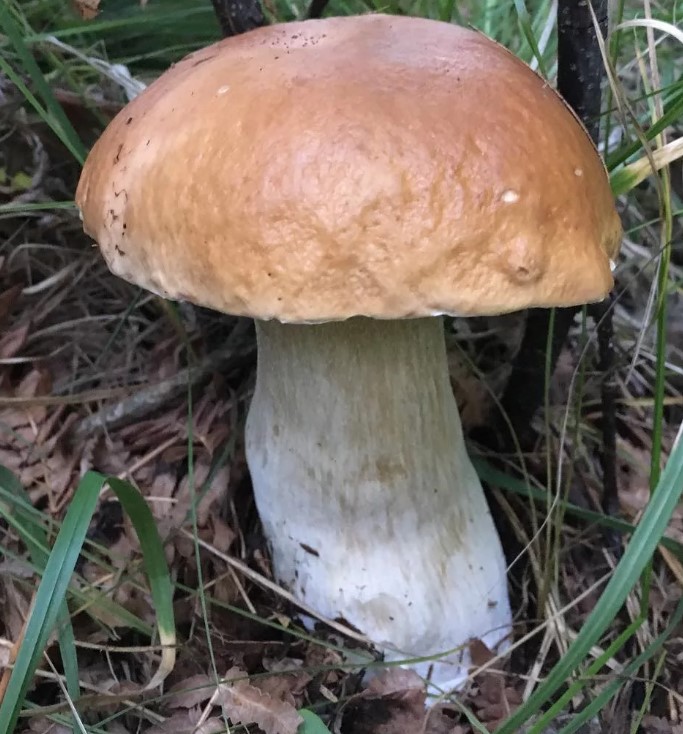
| Birch porcini mushroom (Boletus betulicolus) | The cap is up to 15 cm in diameter and cushion-shaped. The skin is smooth, ocher or light yellow. The flesh color remains unchanged where cut. The stem is up to 12 cm long and up to 4 cm in diameter. The color is whitish-brown. No vestiges of the veil remain. | June-October | Edges of birch forests, often found in large numbers along roads, provided there are birch trees nearby. |
Photo gallery of white birch mushroom
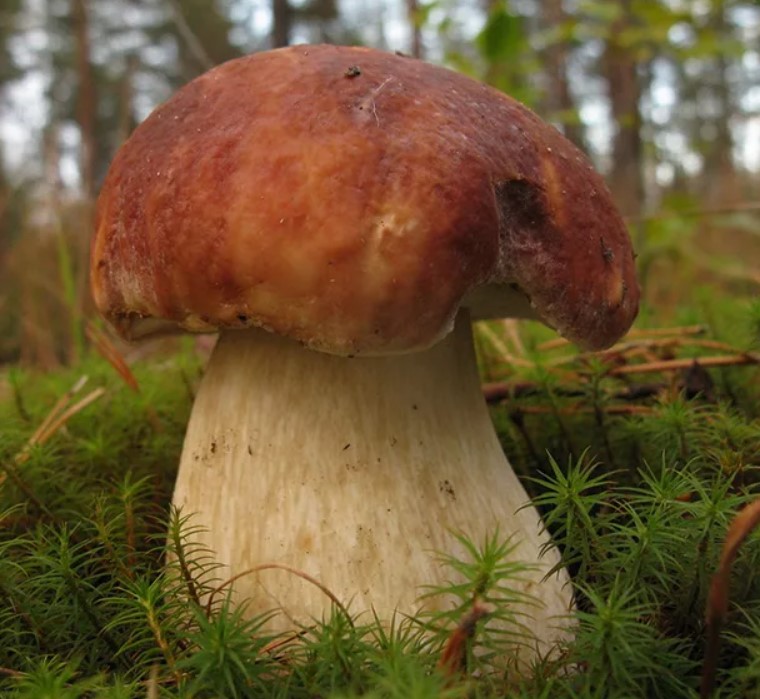
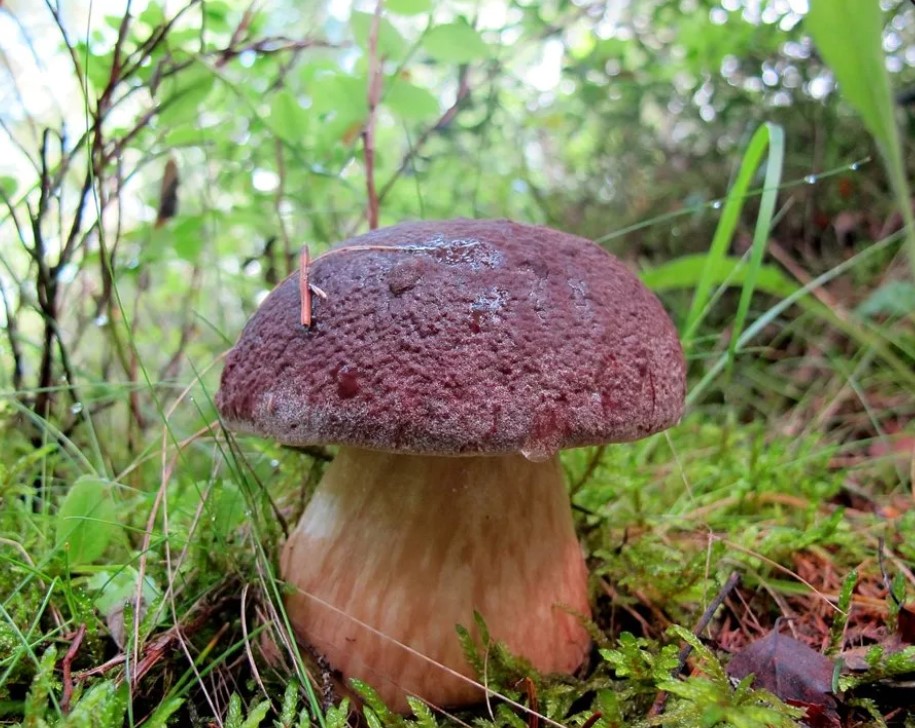
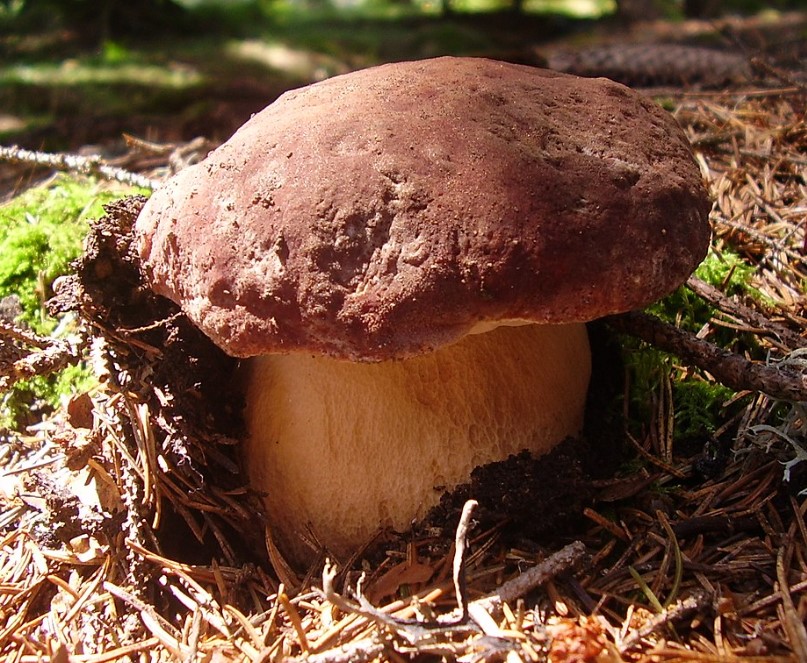
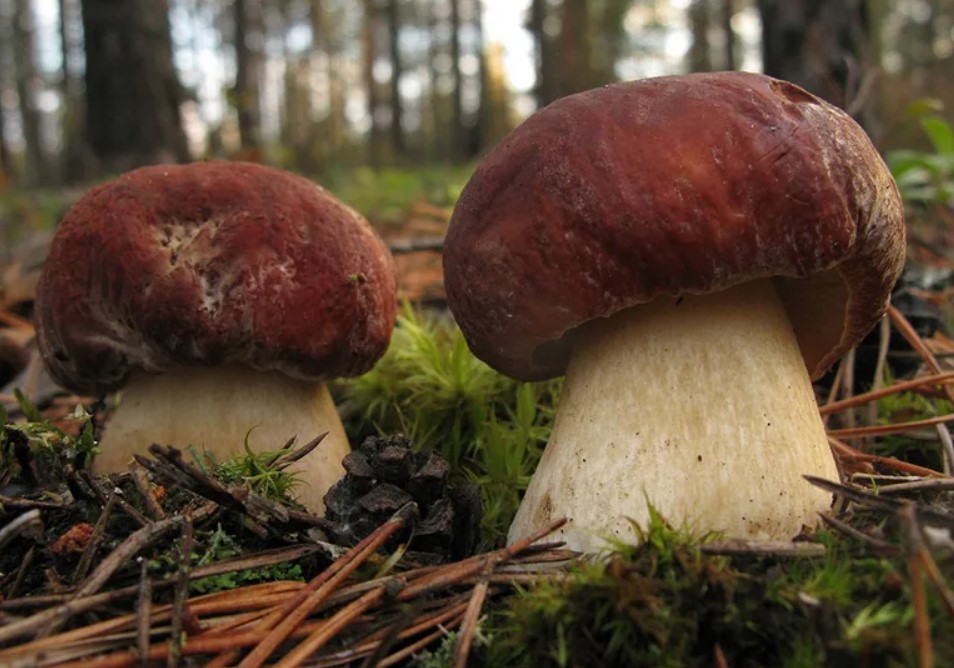
Pine boletus (Boletus pinicola, Boletus pinophilus)
| View | Description | Collection deadlines | Where to look |
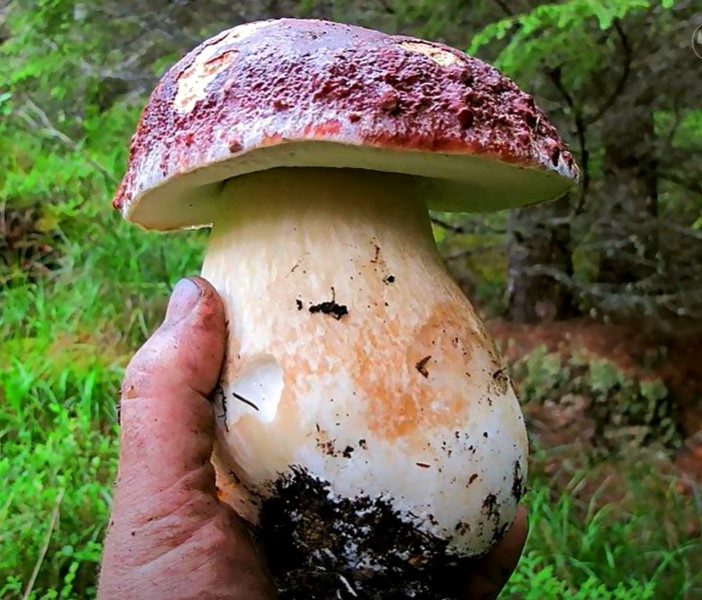
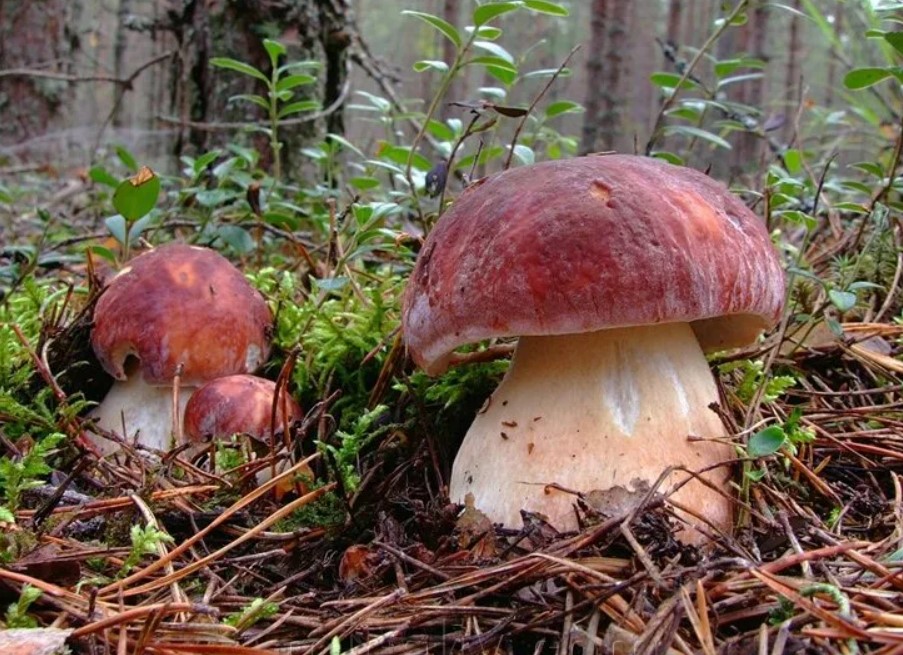
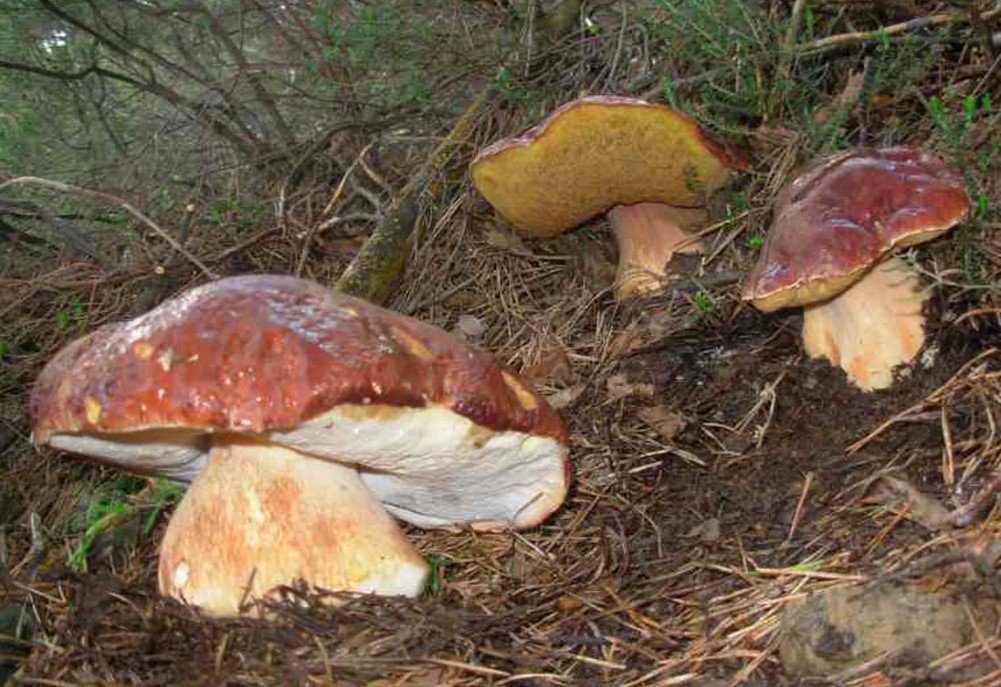
| Pine boletus (Boletus pinicola, Boletus pinophilus) | The cap reaches 20 cm in diameter and is spherical in shape. It flattens with age. The color is red or wine-colored. The stem is slightly lighter than the cap, with a reticulated surface. The dense flesh remains unchanged when cut. | July-October | Coniferous forests |
Photo gallery of the pine boletus
White oak mushroom (Boletus reticulatus)
| View | Description | Collection deadlines | Where to look |
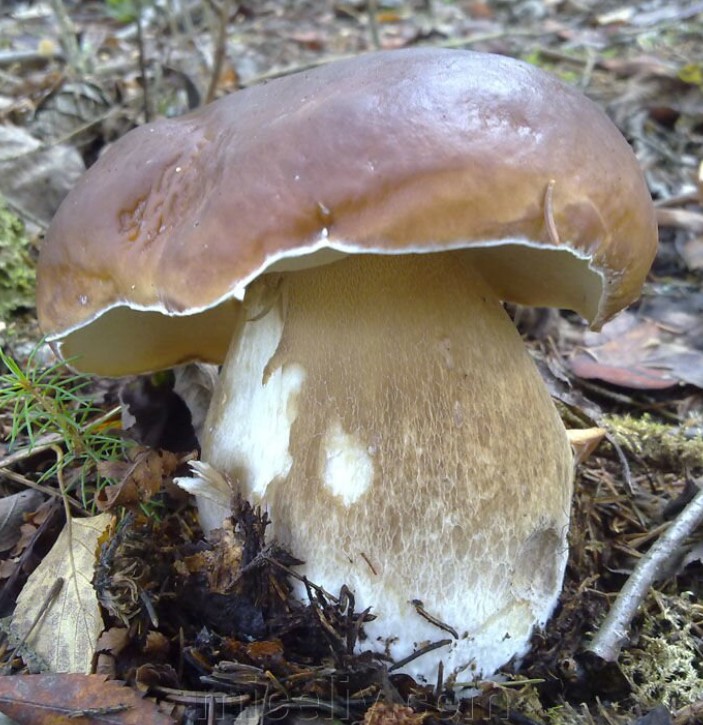
| White oak mushroom (Boletus reticulatus) | The cap is 5 to 30 cm in diameter, spherical in shape, and comes in varying shades of brown. The skin is velvety and can crack if dehydrated. The stem is up to 25 cm high and up to 7 cm in diameter. The flesh remains the same color after cutting, and feels springy when pressed. | May-October | Coniferous forests. |
Photo gallery of white oak mushroom
Other types of edible boletus of the 2nd category
Mushrooms from the second group have slightly less nutritional value than the first, but their taste is still no worse.
Boletus appendiculatus
| View | Description | Collection deadlines | Where to look |
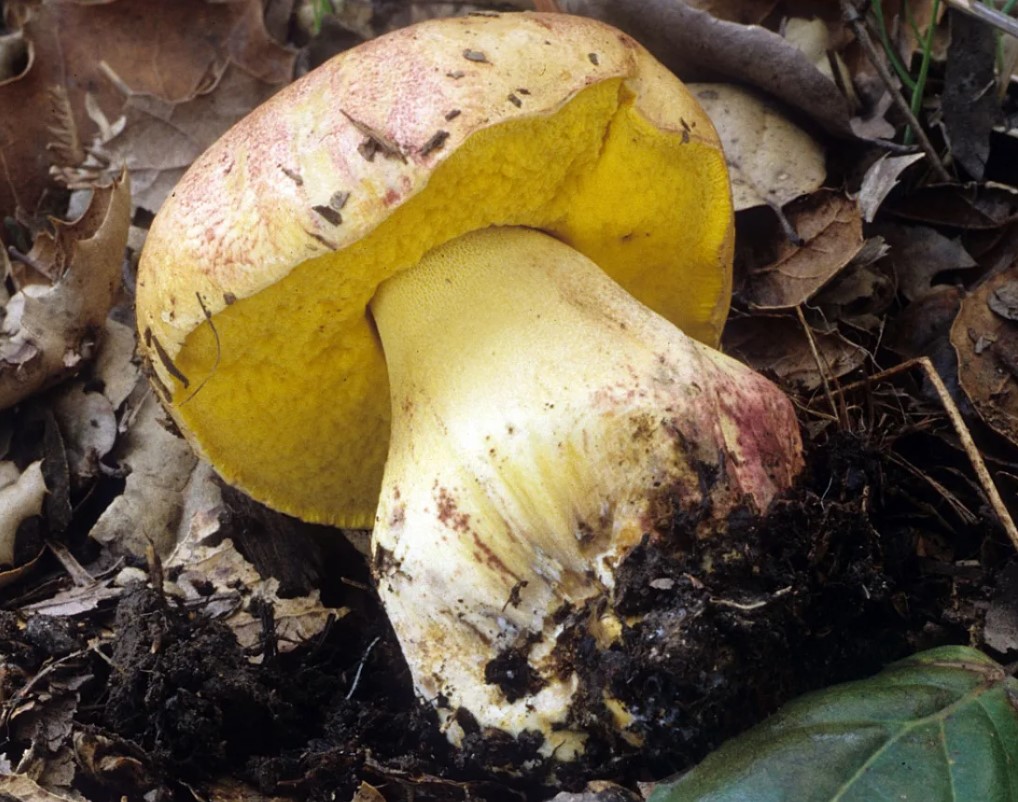
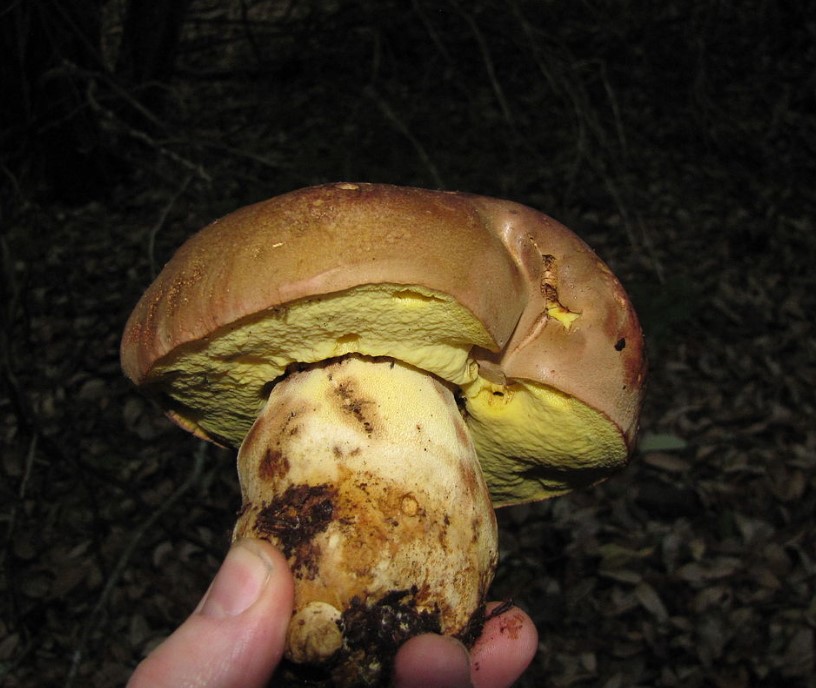
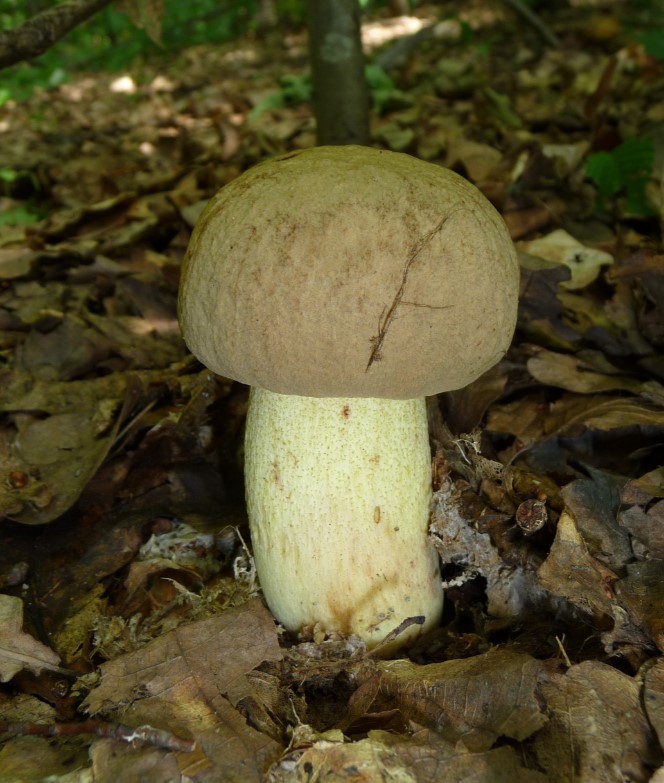
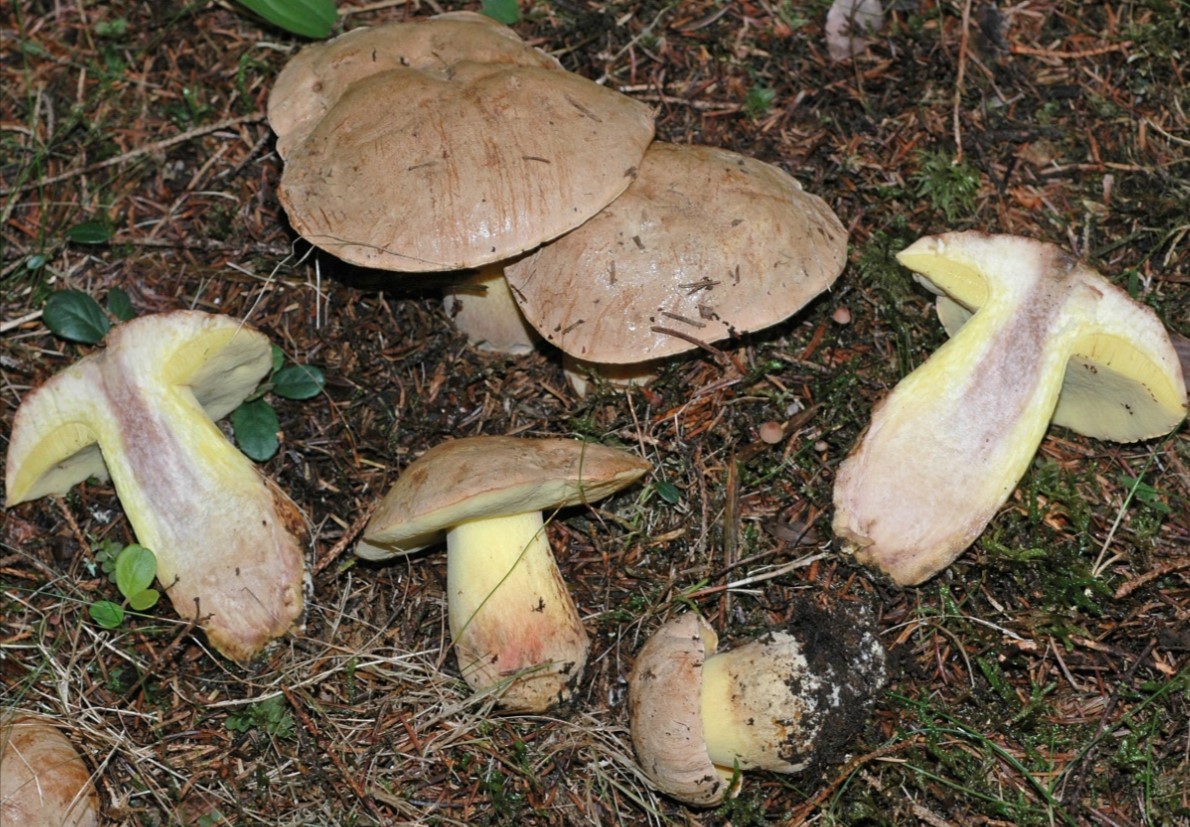
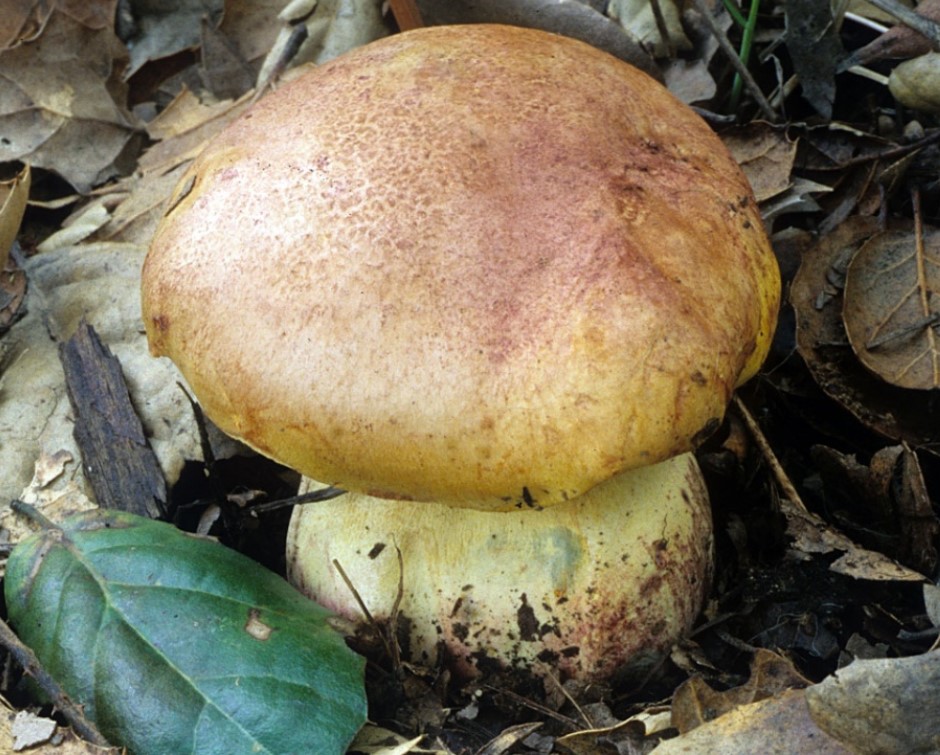
| Boletus appendiculatus | The cap is up to 20 cm in diameter, convex, and reddish-brown or golden in color. When cut, the flesh takes on a bluish tint. The stem is conical, up to 15 cm in height, and has a lemon-colored mesh surface. | Summer-autumn | Deciduous forests of Southern Europe. |
Photo gallery of the boletus maidenhair
Burrows's boletus (Boletus barrowsii)
| View | Description | Collection deadlines | Where to look |
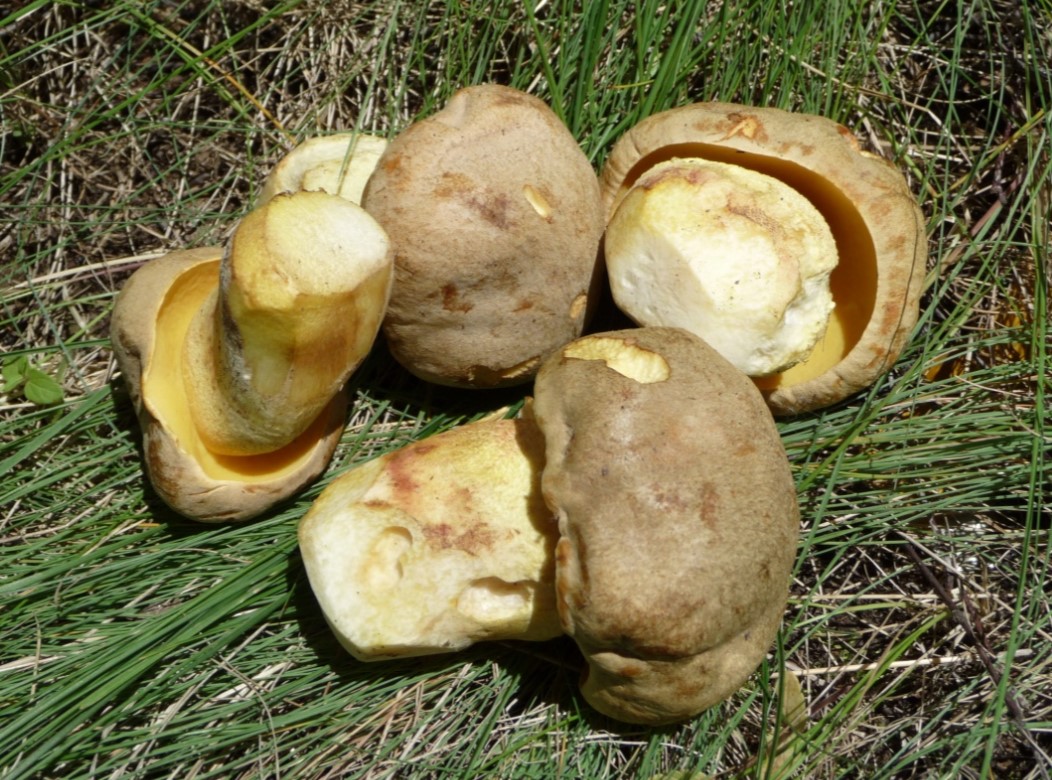
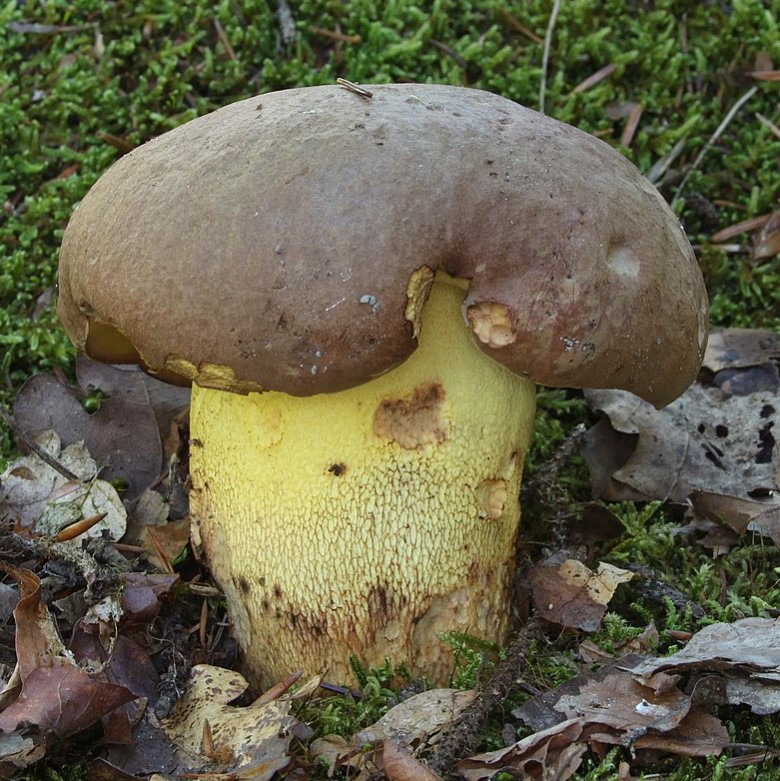
| Burrows's boletus (Boletus barrowsii) | The cap diameter ranges from 7 to 25 cm; young mushrooms have a rounded cap, while adults have a flatter one. The color is grayish or yellowish-brown. The stem is up to 25 cm tall, club-shaped, and light in color. | June-August | Coniferous and deciduous forests of North America. |
Photo gallery of Burroughs's boletus
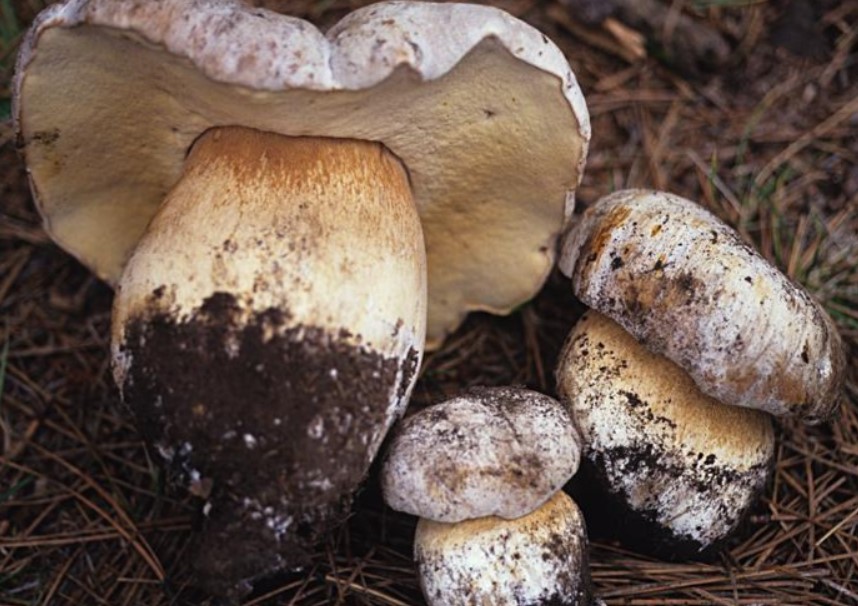
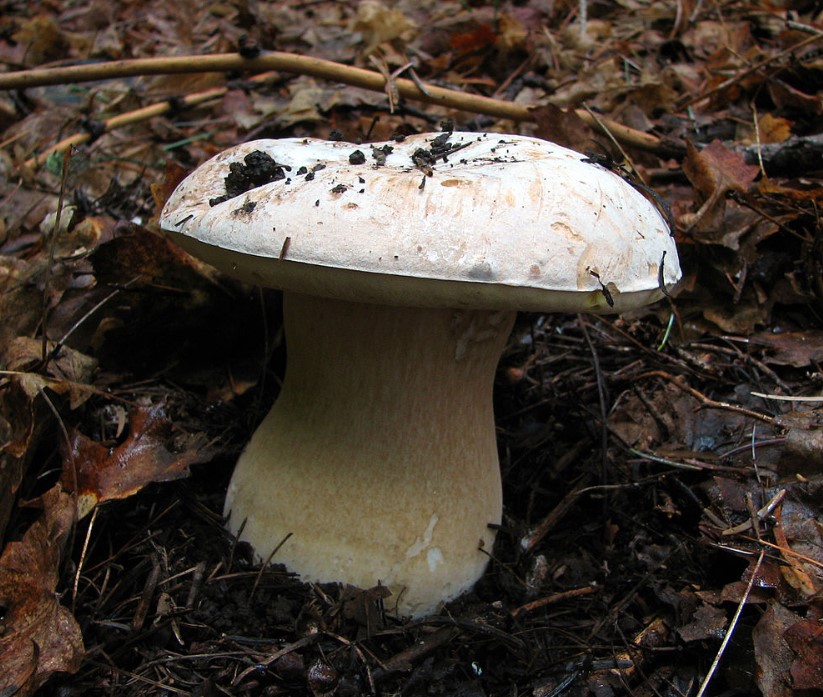
Boletus bicolor
| View | Description | Collection deadlines | Where to look |
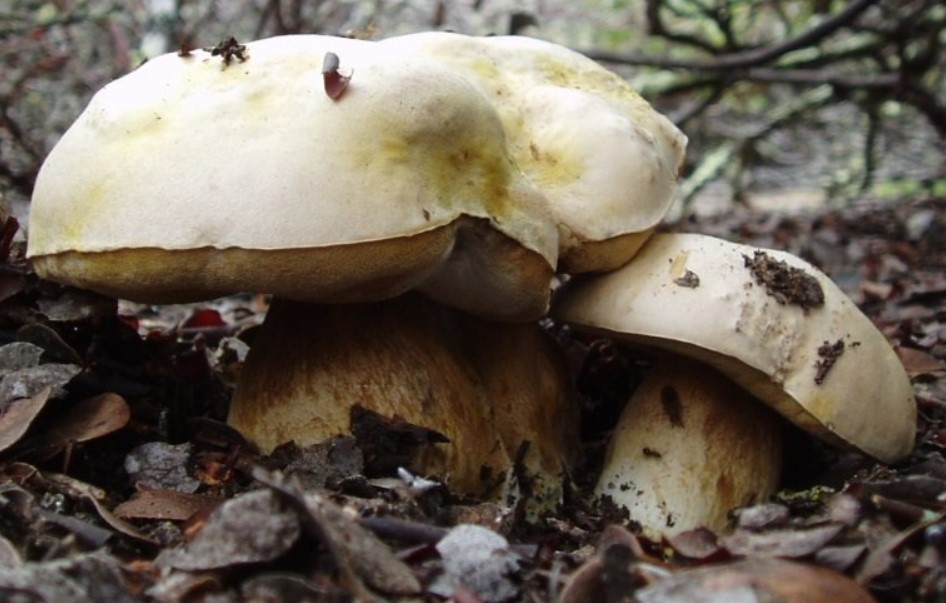
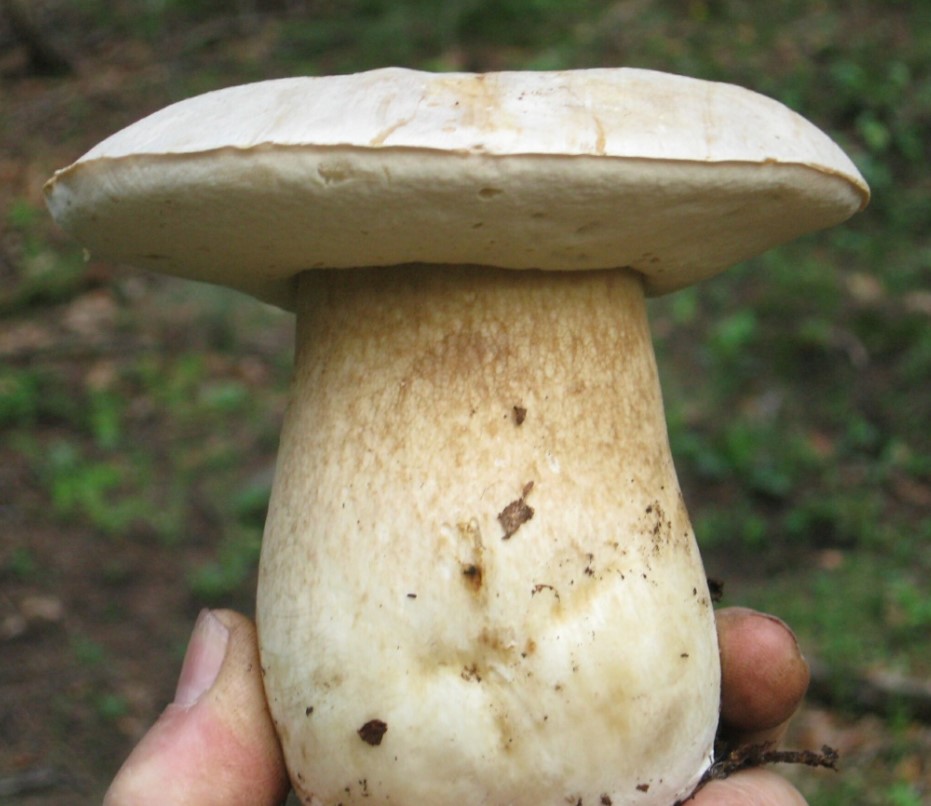
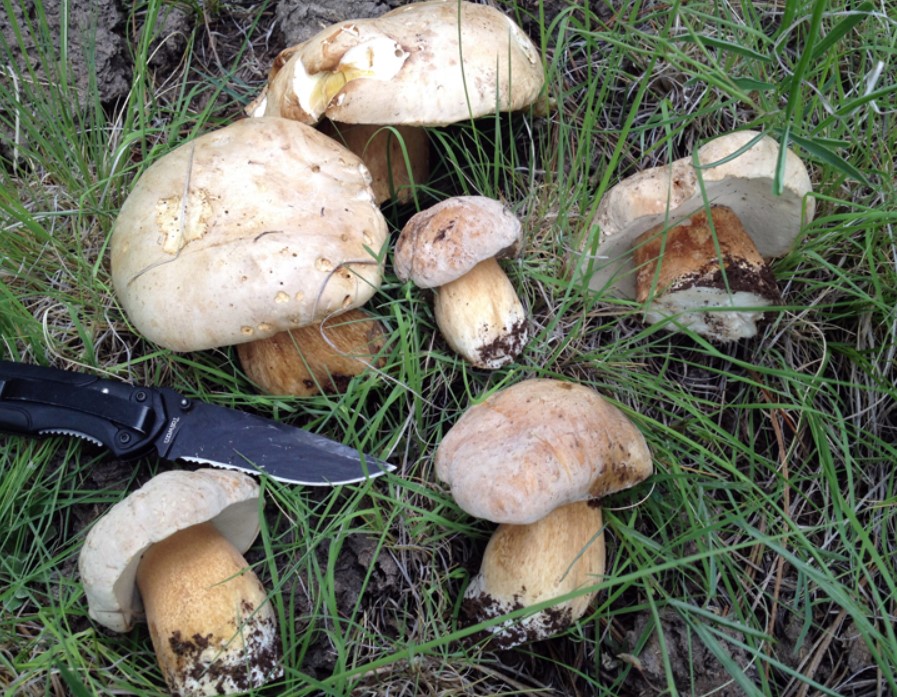
| Boletus bicolor | The cap is spherical and pinkish-red in color. The flesh is yellow, but takes on a bluish tint when cut. | June-September | North America. |
Photo gallery of bicolor boletus
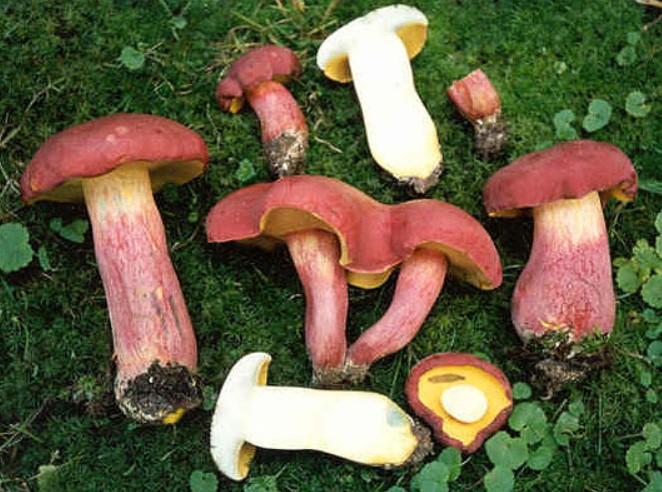
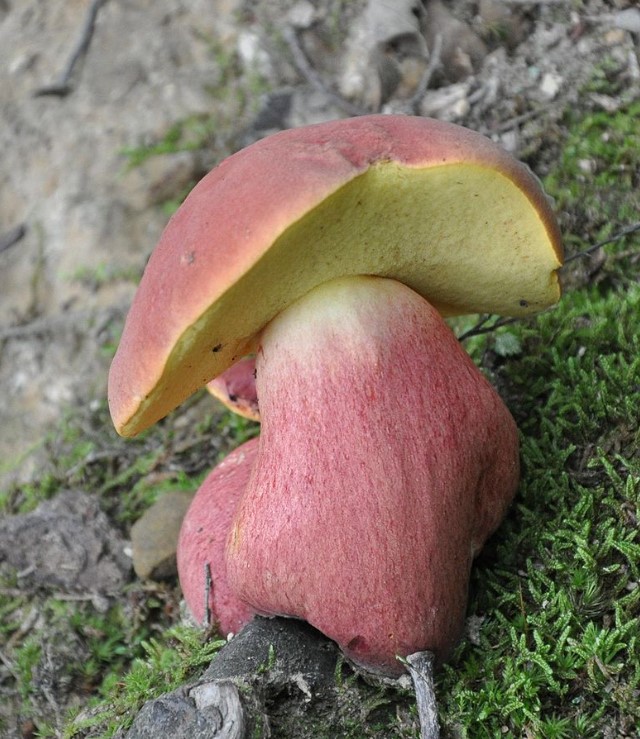
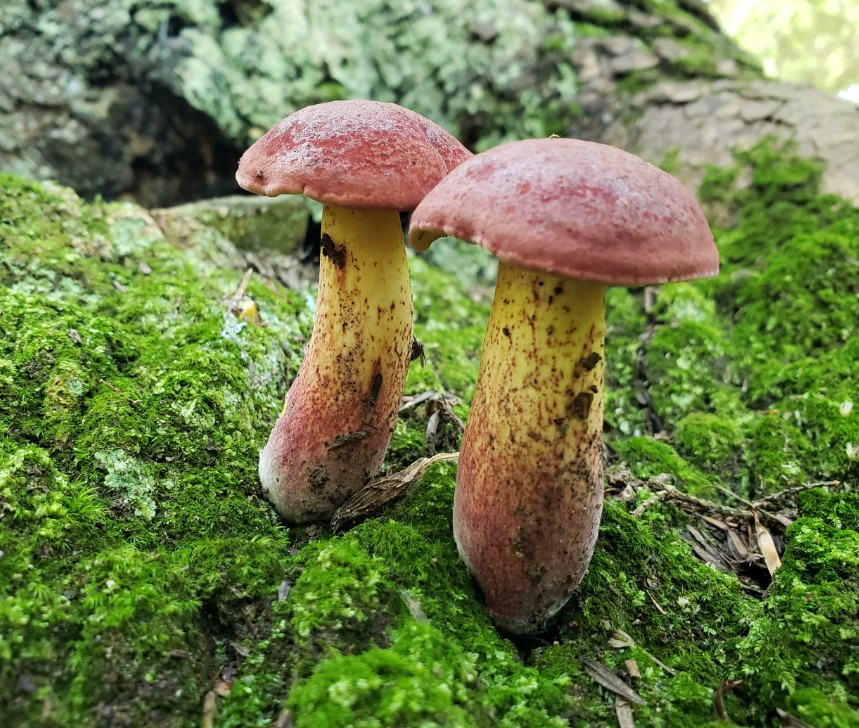
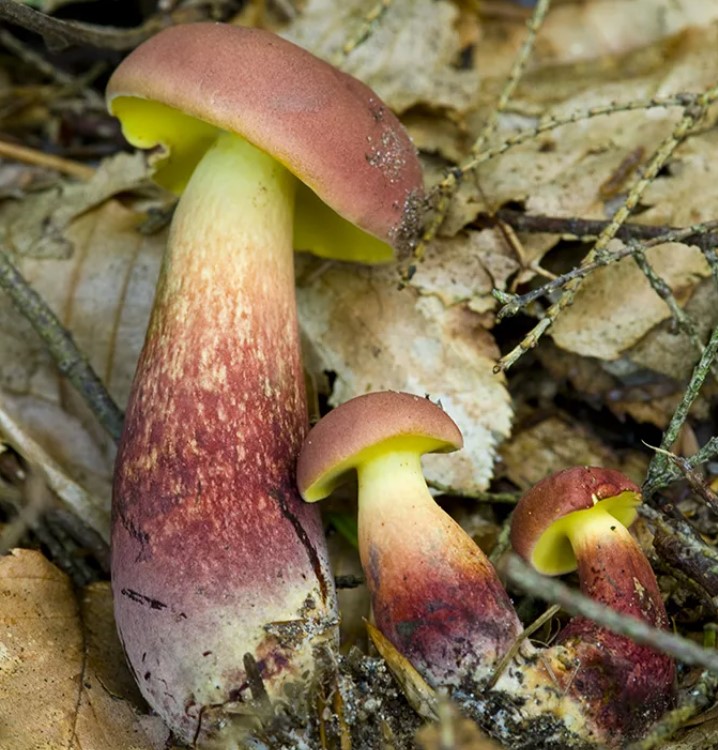
Fechtner's boletus (Boletus fechtneri)
| View | Description | Collection deadlines | Where to look |
| Bolet, Fechtner's boletus (Boletus fechtneri) | The cap ranges from 5 to 15 cm in diameter and is hemispherical in shape, flattening as it grows. Its color ranges from silvery to brown. The stem is up to 15 cm tall and slightly thinner at the top than at the base. The flesh is white, but may develop a blue tint after cutting. | June-September | Broadleaf forests. |
Photo gallery of Fechtner's boletus
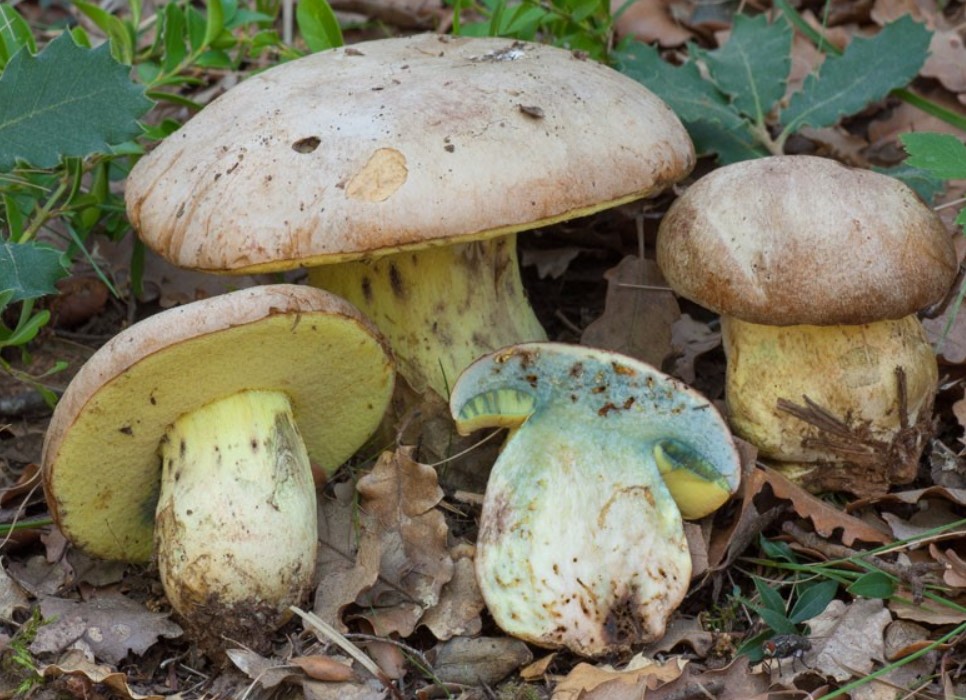
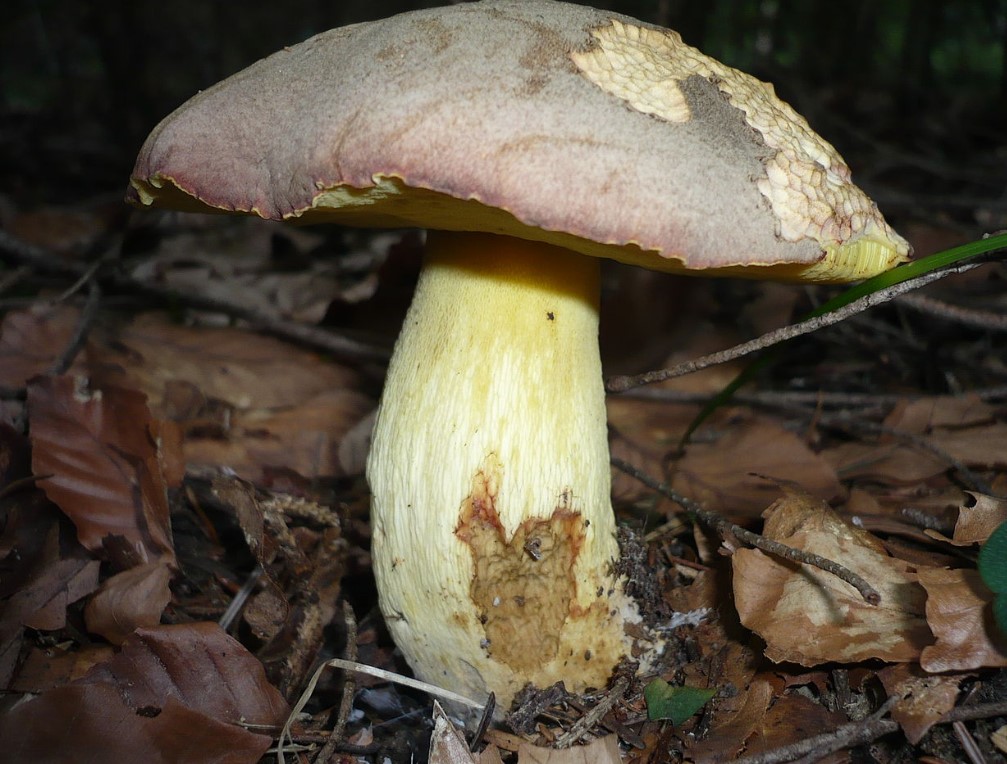
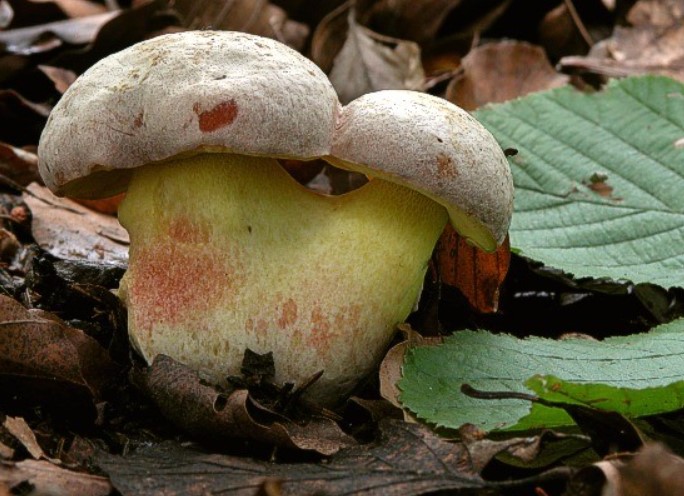
Read more about porcini mushrooms that turn blue when cut in the articleWhite mushrooms turn blue when cut: 11 types and how to tell which ones are edible and which ones aren't.
Frost's boletus (Boletus frostii)
| View | Description | Collection deadlines | Where to look |
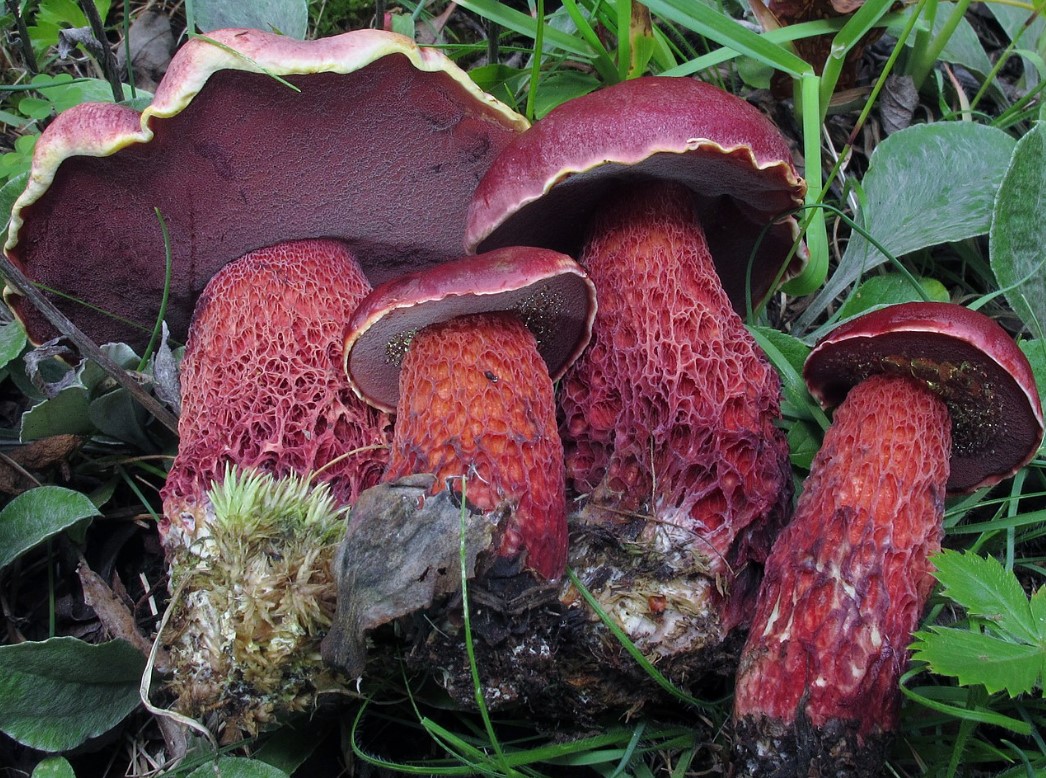
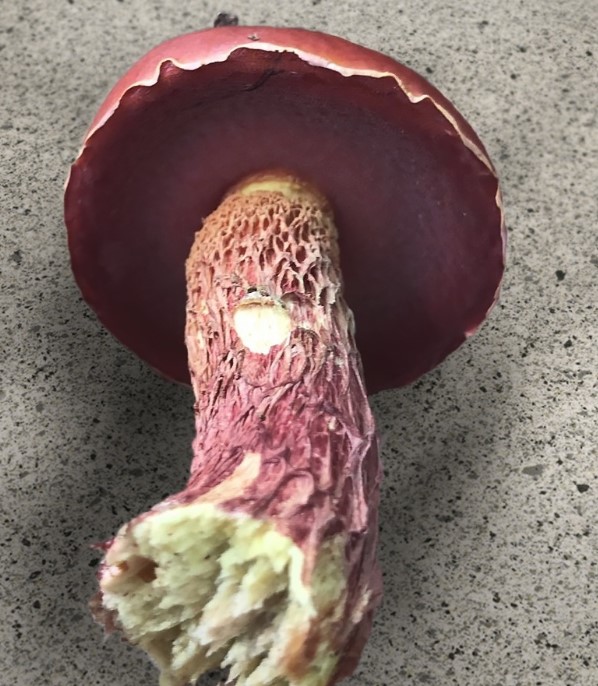
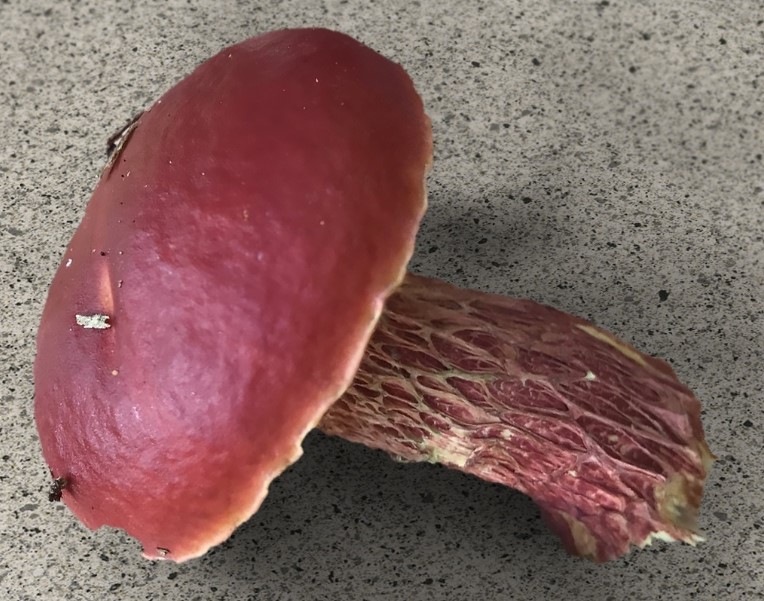
| Frost's boletus (Boletus frostii) | The cap diameter is up to 15 cm, and its shape varies from round to flat. It is red. The stem is up to 12 cm long, has a reticulated surface, and is red in color, with yellowish patches at the base. | June-September | North America. |
Photo gallery of Frost's boletus
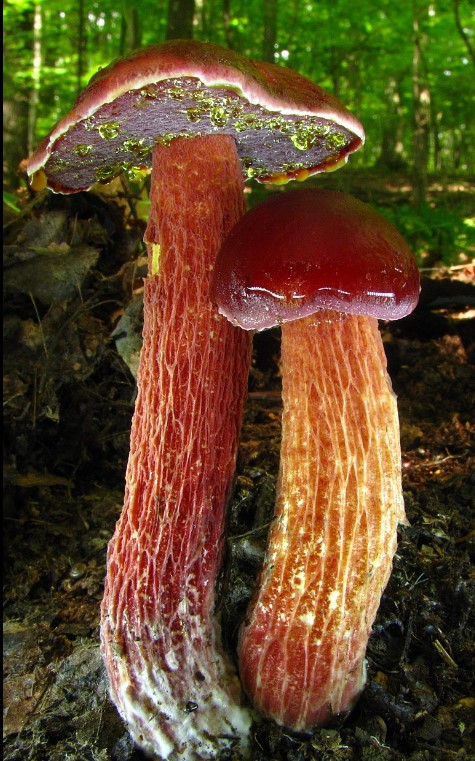
Boletus impolitus (Boletus impolitus)
| View | Description | Collection deadlines | Where to look |
| Boletus impolitus (Boletus impolitus) | The cap is up to 15-20 cm in diameter and convex. In mature mushrooms, the shape flattens out slightly. The skin is brown and can be wrinkled or smooth. The stem is up to 15 cm tall, reddish-brown at the base and yellowish at the top. | July-October | Forest and forest-steppe of the central and southern European part of Russia, Middle Volga. Rarely found in coniferous forests. |
Photo gallery of the semi-white mushroom
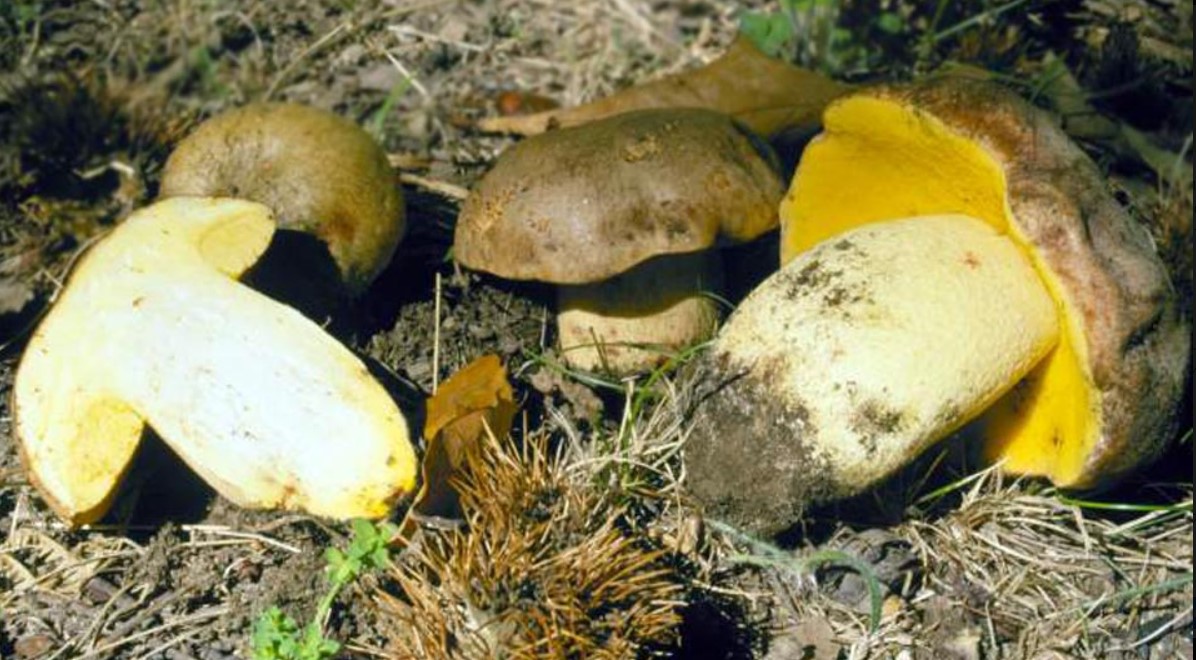
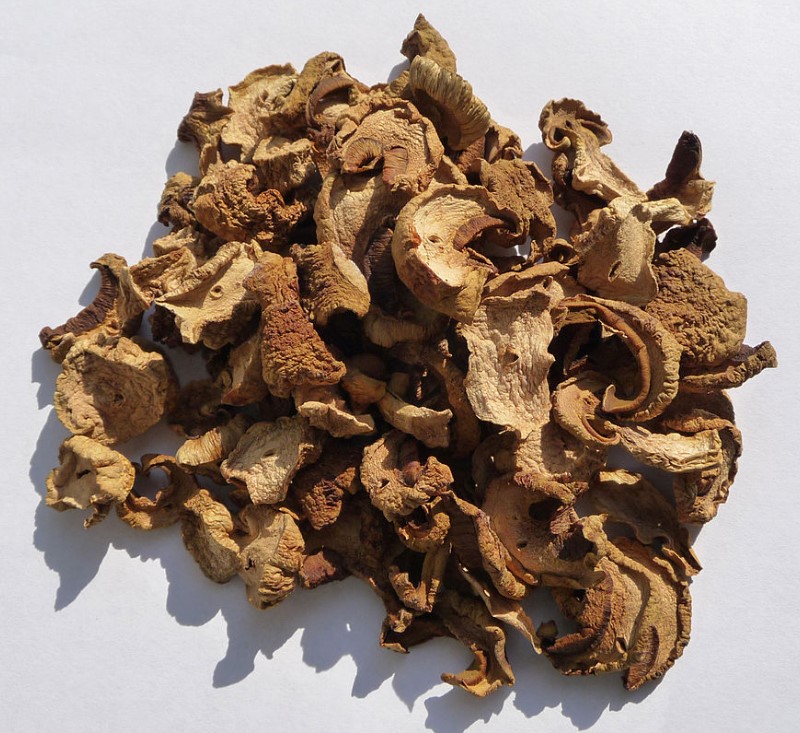
Yellow Boletus, Junquilla Boletus (Boletus junquilleus)
| View | Description | Collection deadlines | Where to look |
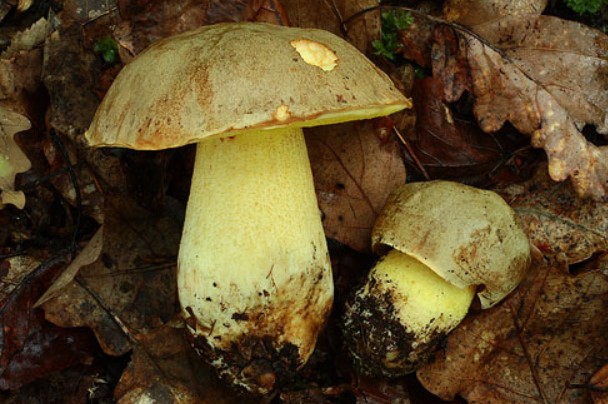
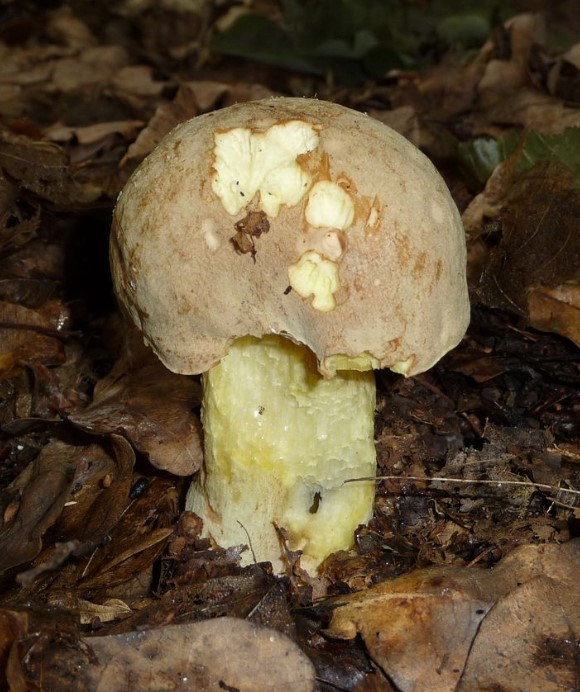
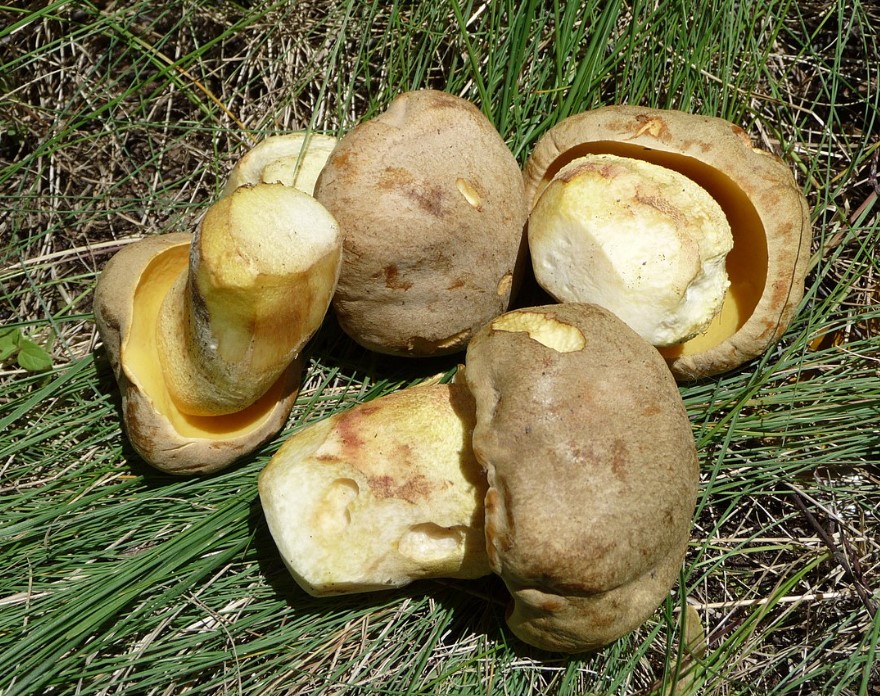
| Yellow Boletus, Junquilla Boletus (Boletus junquilleus) | The cap is up to 16 cm in diameter, changing from spherical to flatter as it grows. The color is yellow-brown. The stem is up to 12 cm tall and lacks a mesh surface. The color is yellow-brown. The flesh is dense, yellow, turning blue after cutting. | July-October | Oak and beech forests of Western Europe. |
Photo gallery of yellow boletus
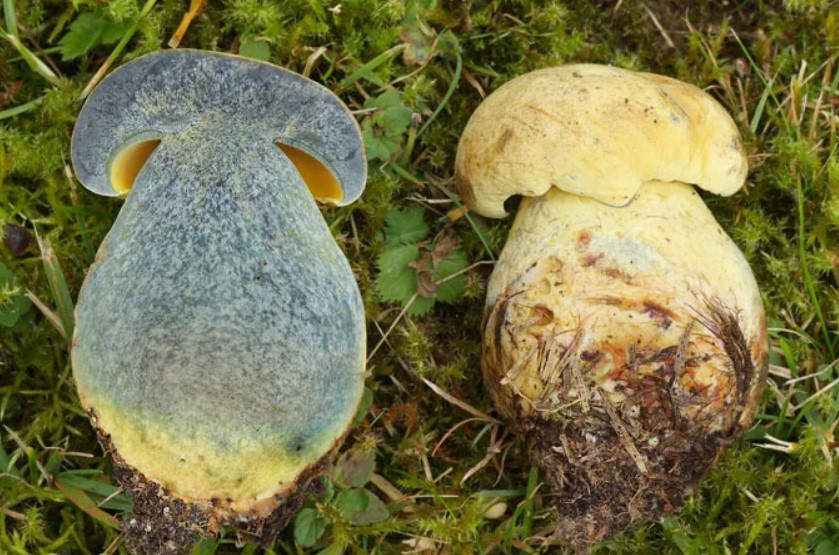
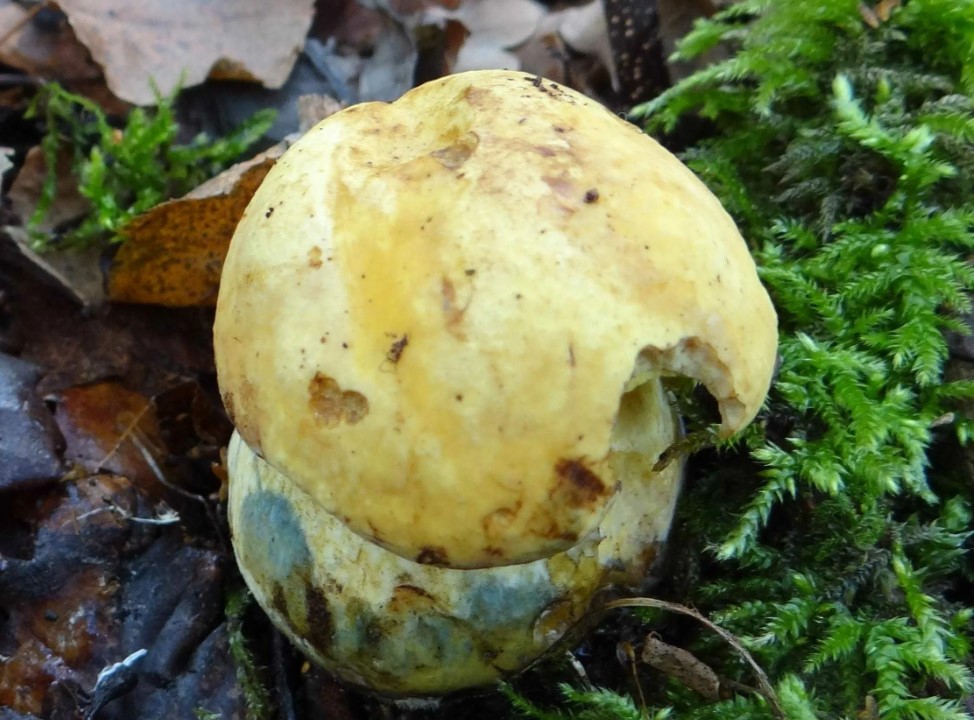
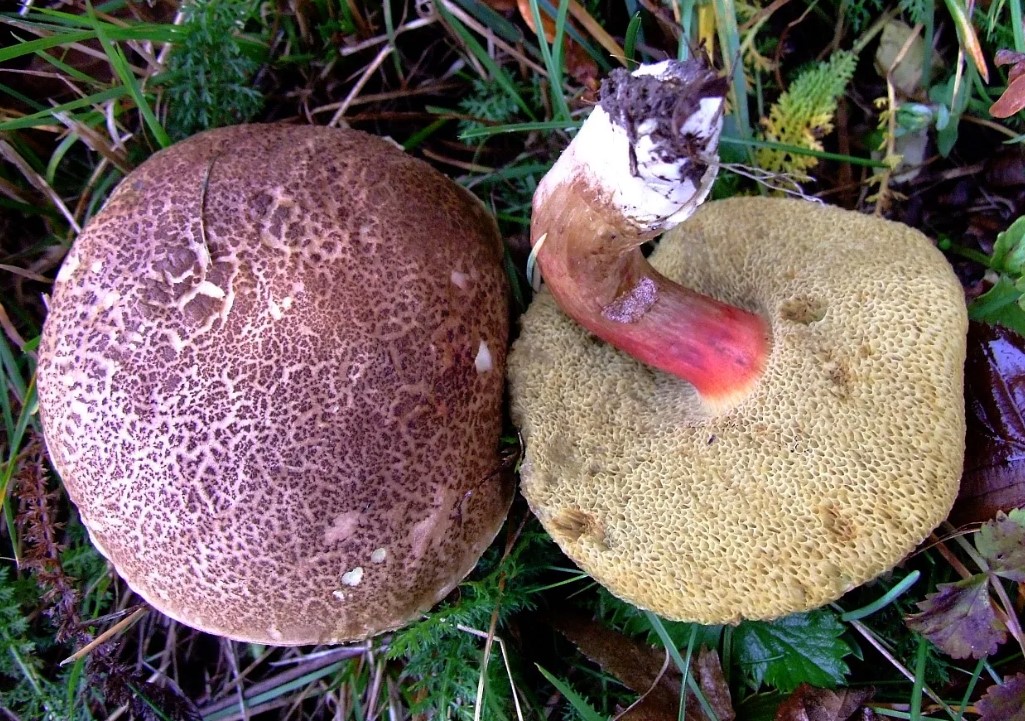
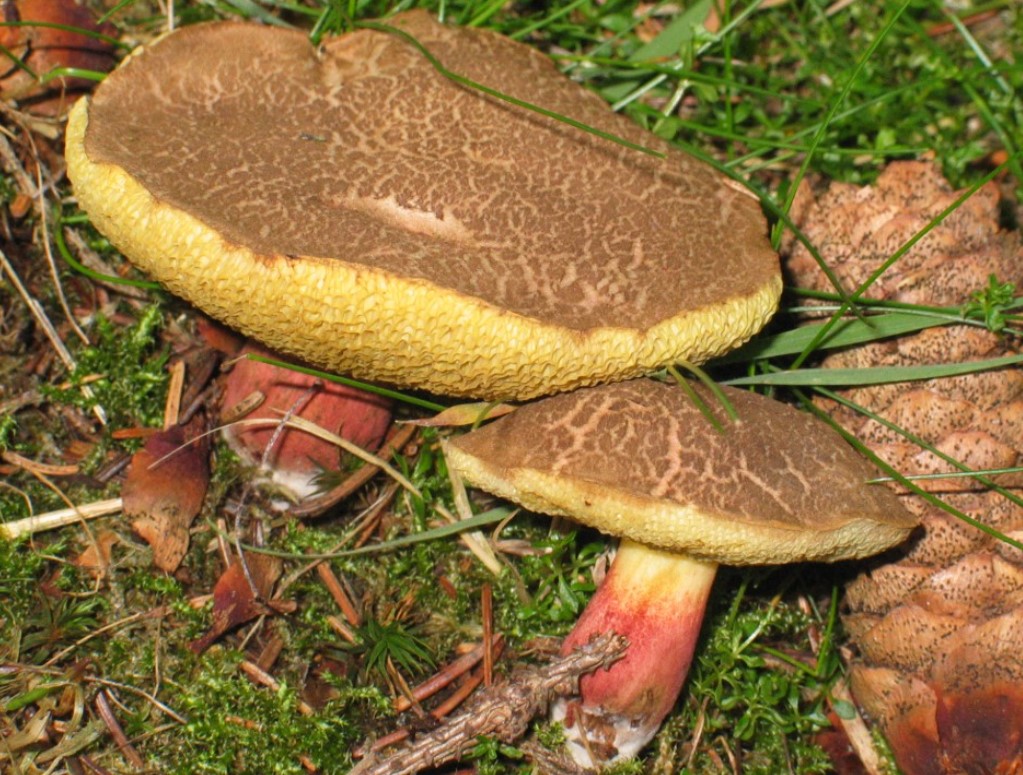
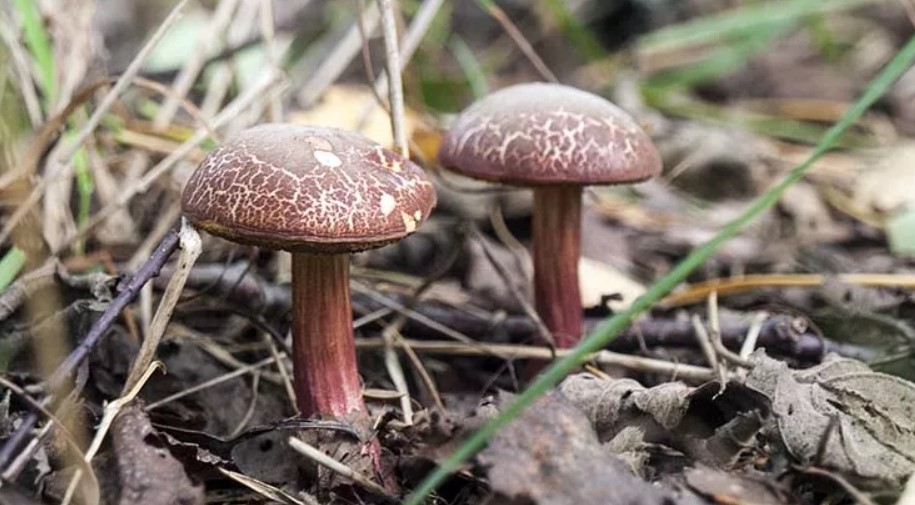
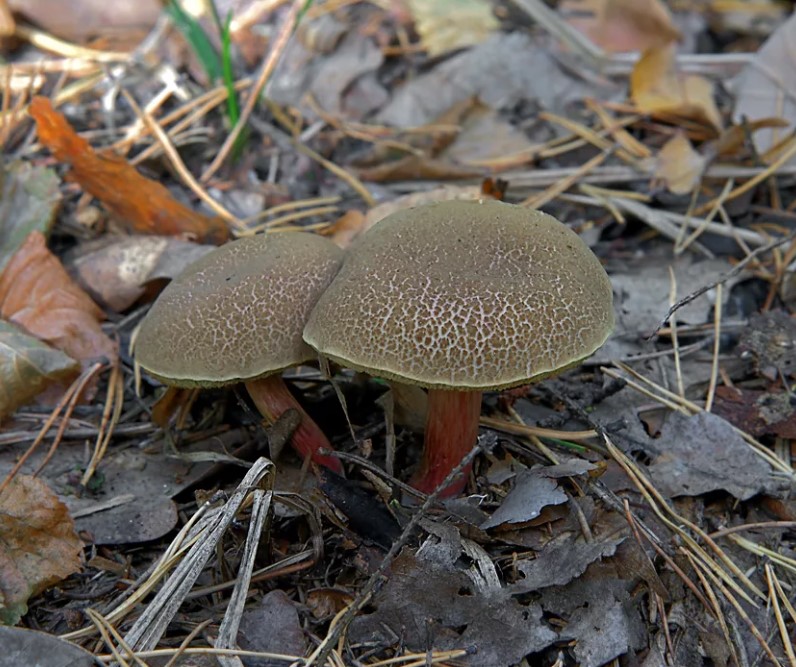
Boletus pascuus, Cracked Boletus
| View | Description | Collection deadlines | Where to look |
| Boletus pascuus | The cap ranges from 3 to 10 cm in diameter, ranging in color from reddish to brown. The skin is reticulated and cracks pink. The stem, up to 10 cm tall, is yellowish in color, with a reddish tint at the base. | July-September | Deciduous and mixed forests. On acidic and well-drained soils, it can also grow in coniferous forests. |
Photo gallery of the boletus edulis
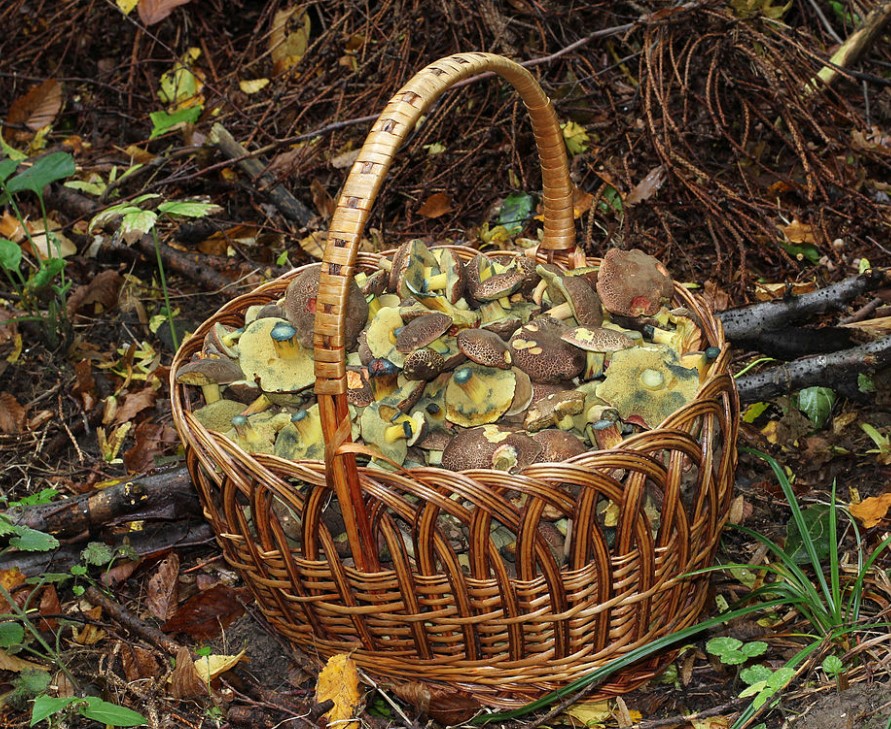
Royal boletus (Boletus regius)
| View | Description | Collection deadlines | Where to look |
| Royal bolete (Boletus regius) | Young mushrooms have a spherical cap, which later becomes flat. The center may be concave. The light-colored flesh becomes bluish when cut. The stem is 5-15 cm tall and yellowish-brown. The upper surface is covered with a mesh. | June-September | Deciduous forests, prefers calcareous and sandy soils. |
Photo gallery of the royal boletus
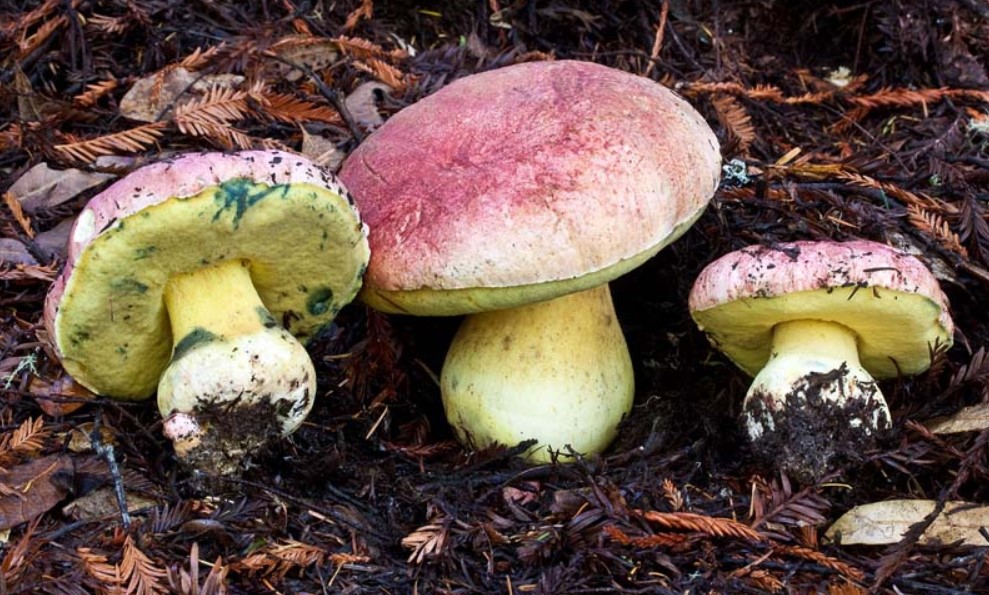
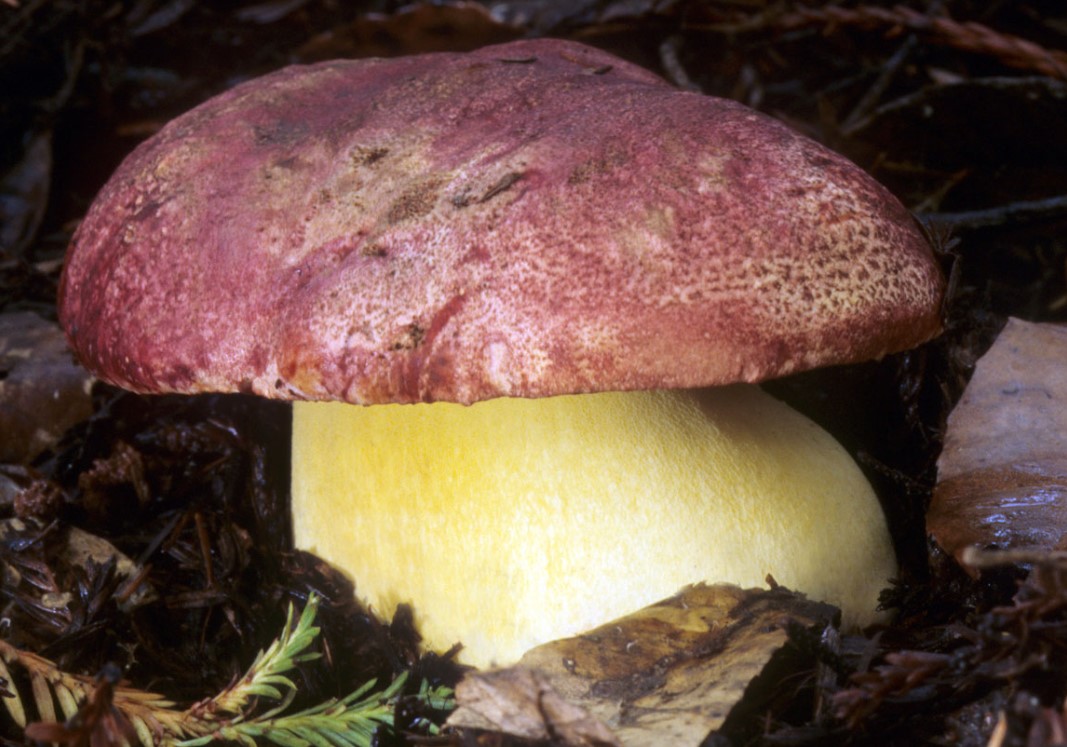
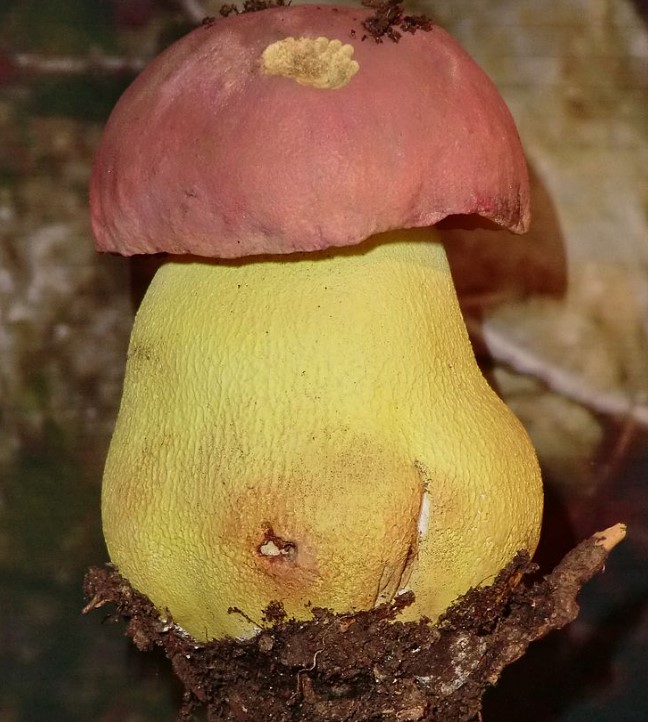
Conditionally edible species of boletus
Conditionally edible mushrooms are those specimens that do not have a pronounced taste, but can be used as food after heat treatment.
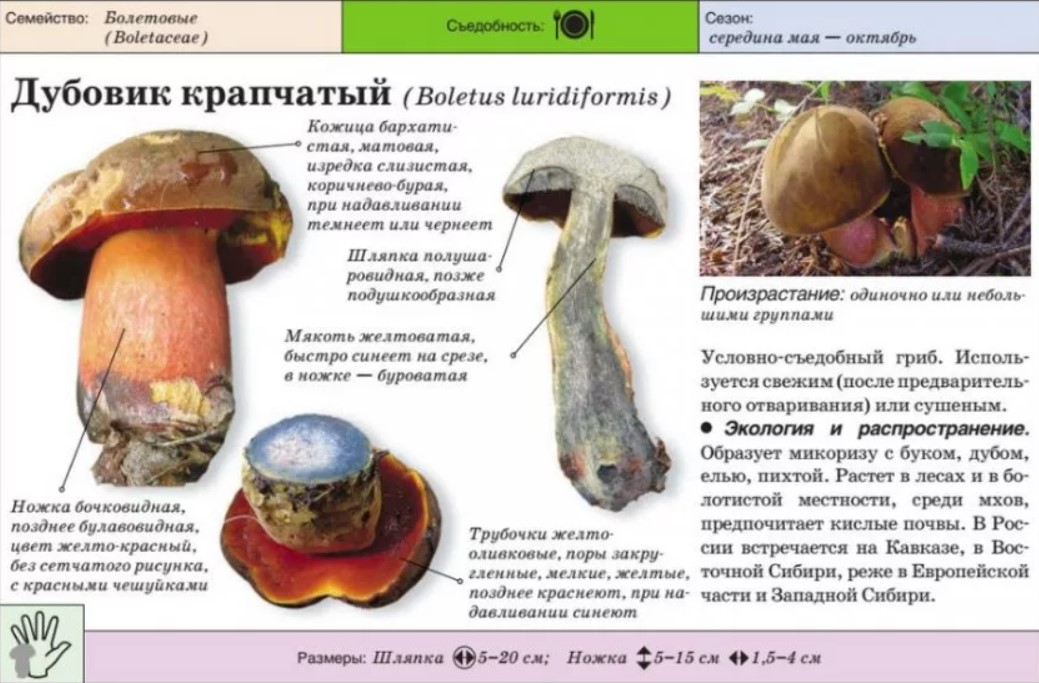
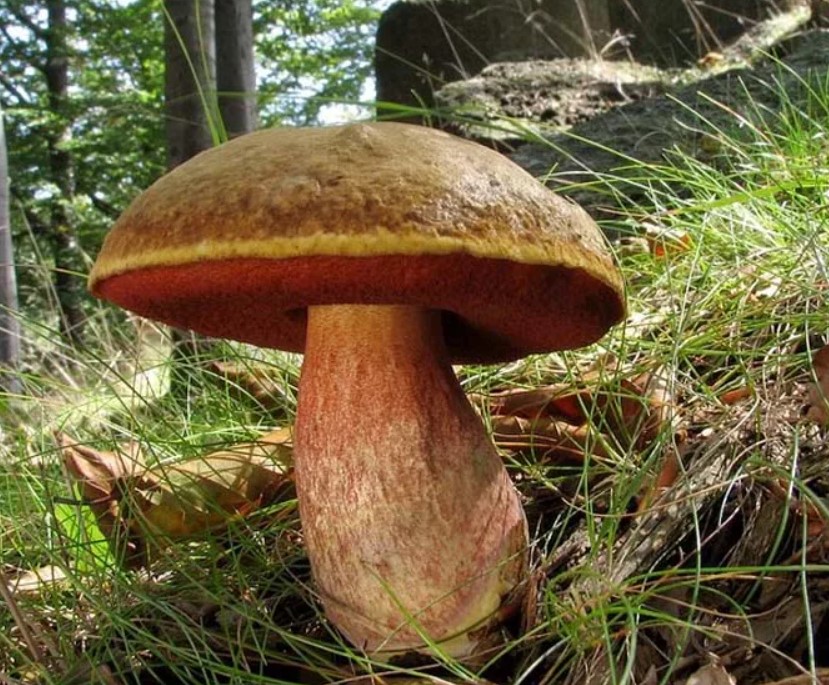
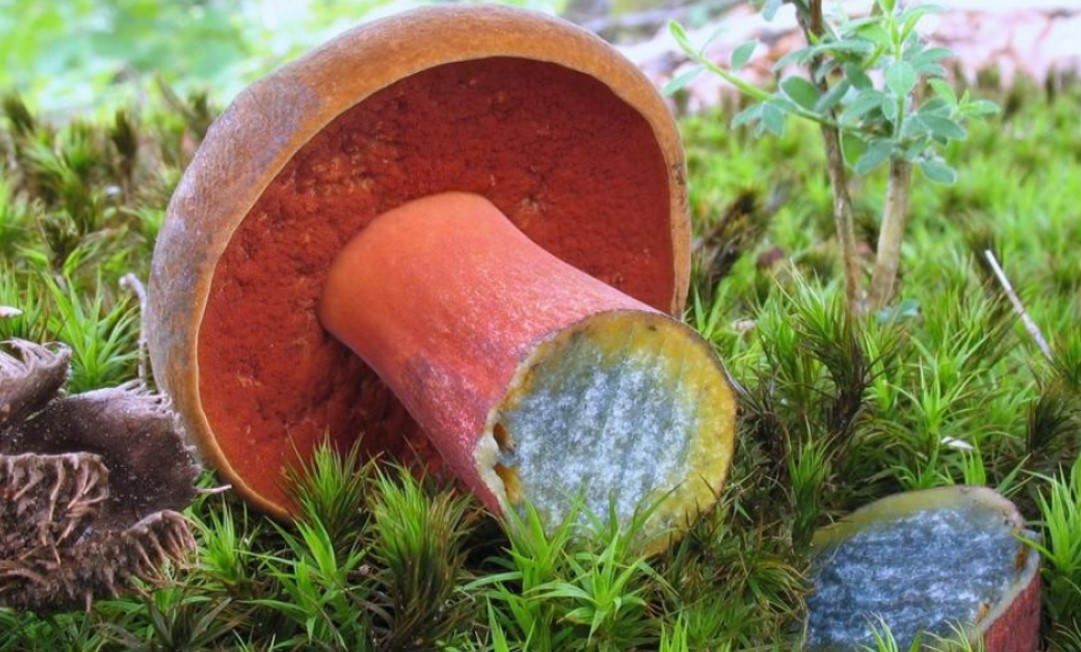
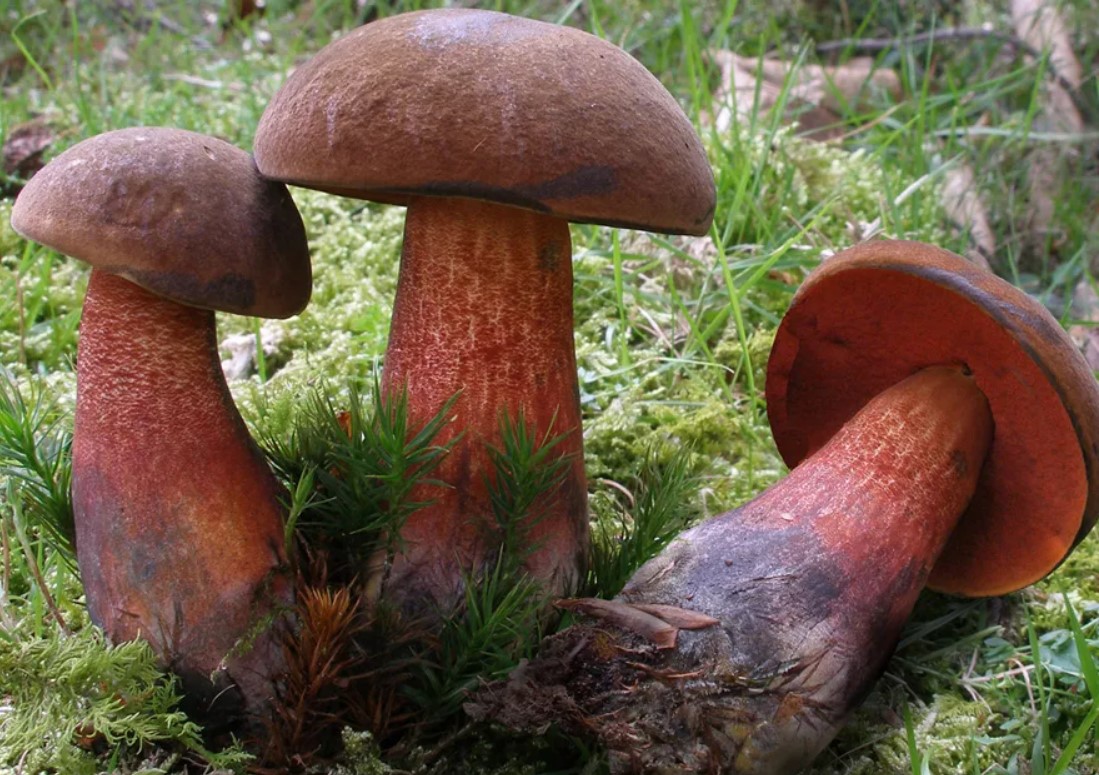
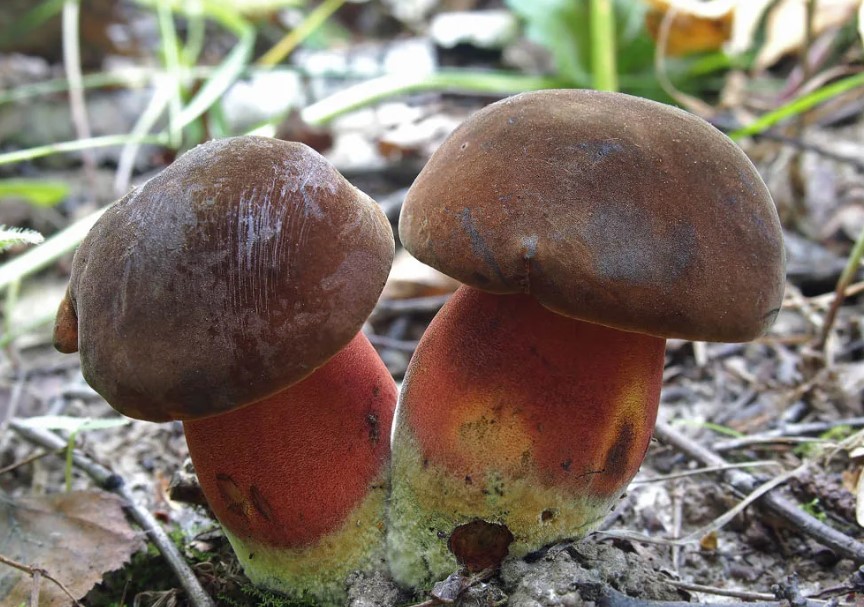
Speckled oak boletus, Boletus erythropus
| View | Description | Collection deadlines | Where to look |
| Boletus erythropus | The cap is 5 to 20 cm in diameter, spherical in shape, and has a velvety skin. The skin is dark chestnut in color, with a reddish or olive tint. The stem is up to 15 cm tall and thickens at the base. The flesh is yellow, turning blue-green when cut. | May-October | It grows in coniferous or deciduous forests where there are swamps and mosses. |
Photo gallery of speckled oak
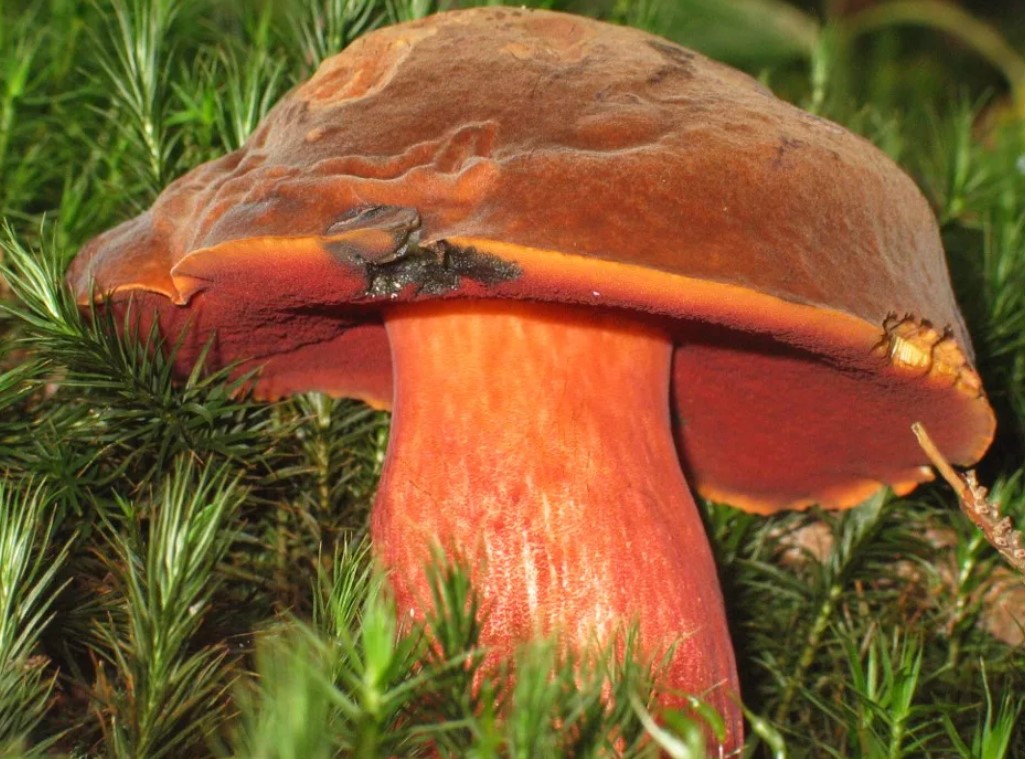
Boletus luridus (Olive-brown boletus)
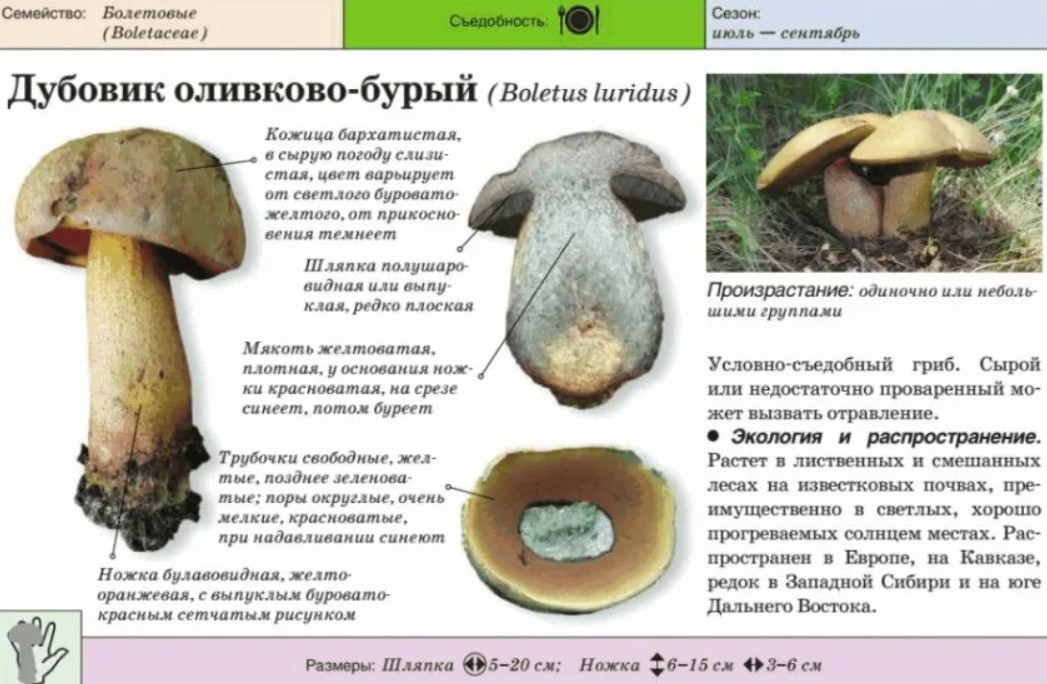
| View | Description | Collection deadlines | Where to look |
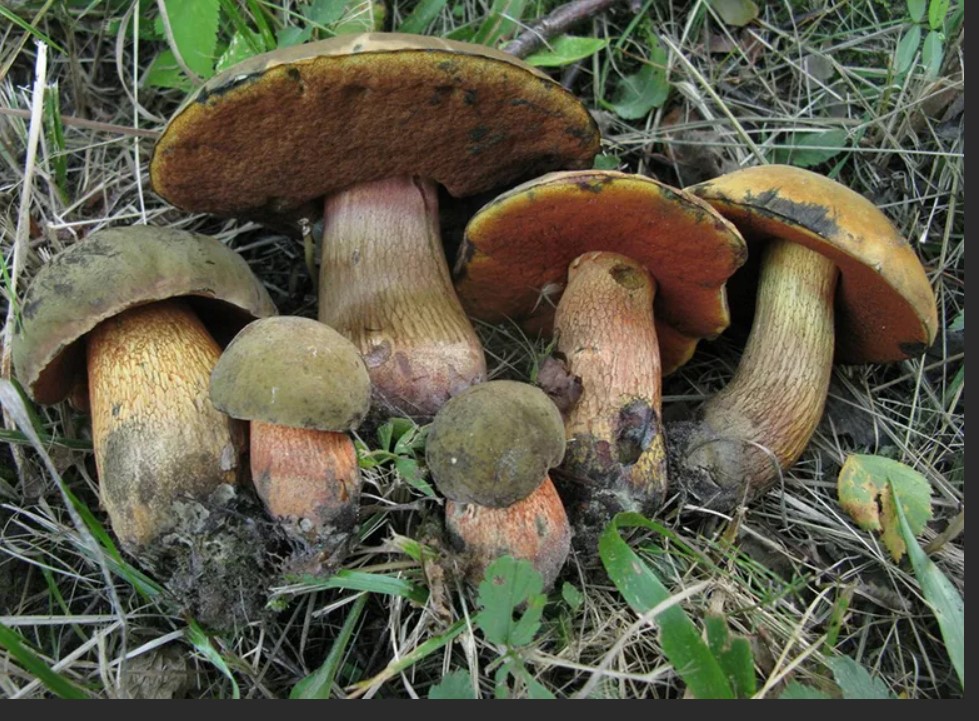
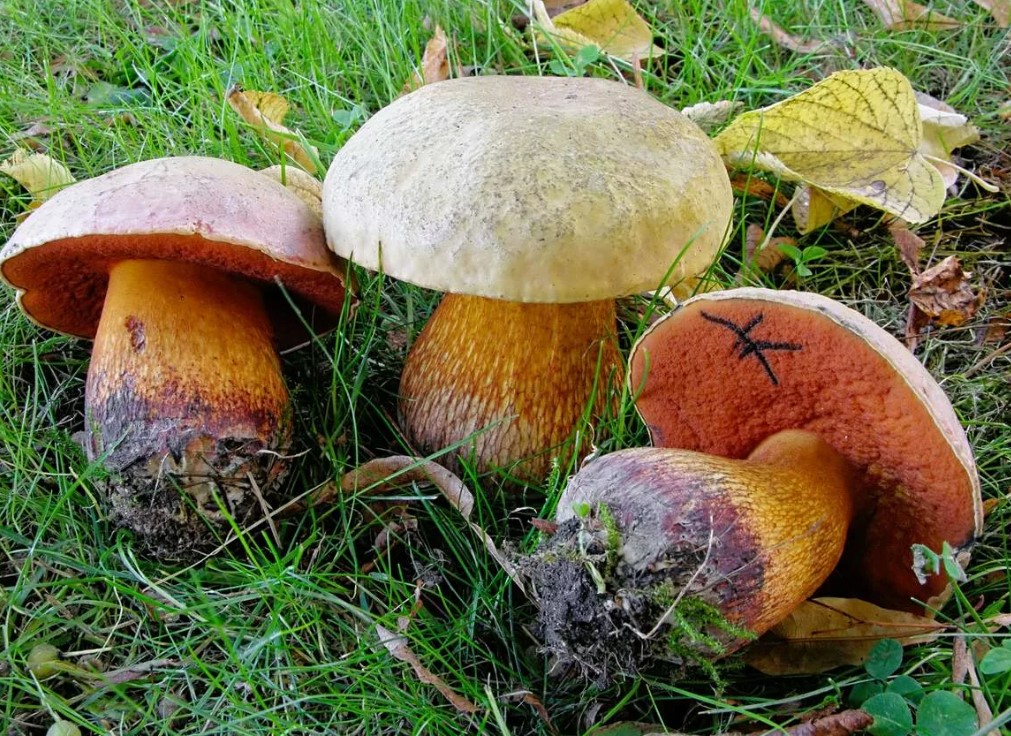
| Boletus luridus (Olive-brown boletus) | The cap is hemispherical, olive-brown, and has a velvety skin. Pressing it immediately darkens the skin. The flesh is reddish, but turns brown after cutting. The aroma is subtle. The stem is up to 15 cm tall, yellowish, brown at the base, with a similar mesh surface. | June-September | Well-warmed deciduous and mixed forests. |
Photo gallery of olive-brown oak
Types of inedible but non-toxic boletus mushrooms
Inedible non-toxic mushrooms will not cause severe poisoning; after heat treatment, some of them may become edible, but the taste will not be the most pleasant.
Boletus purpureus
| View | Description of how to distinguish | Danger | Spreading |
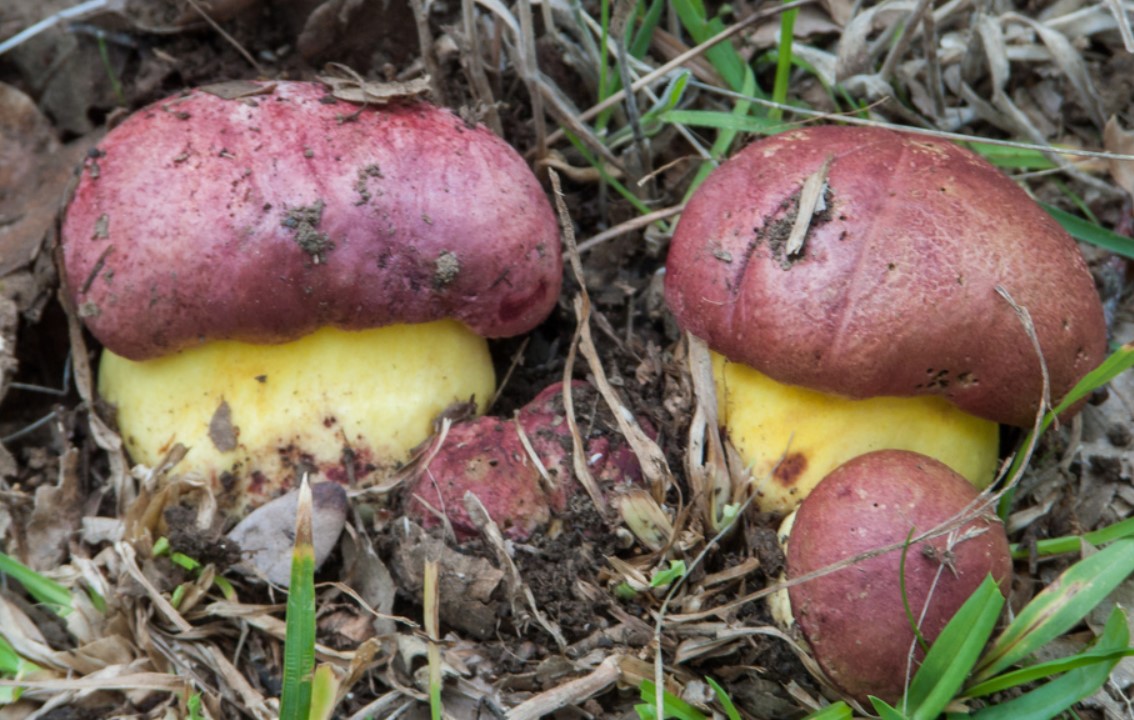
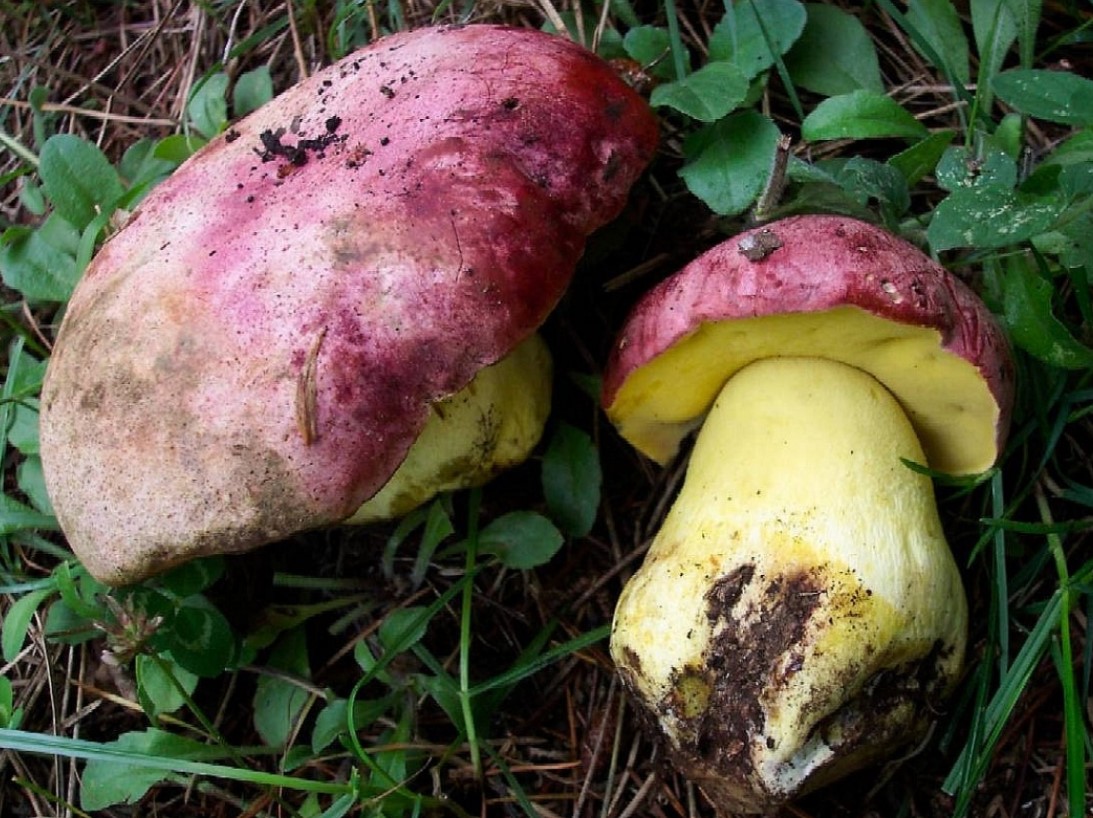
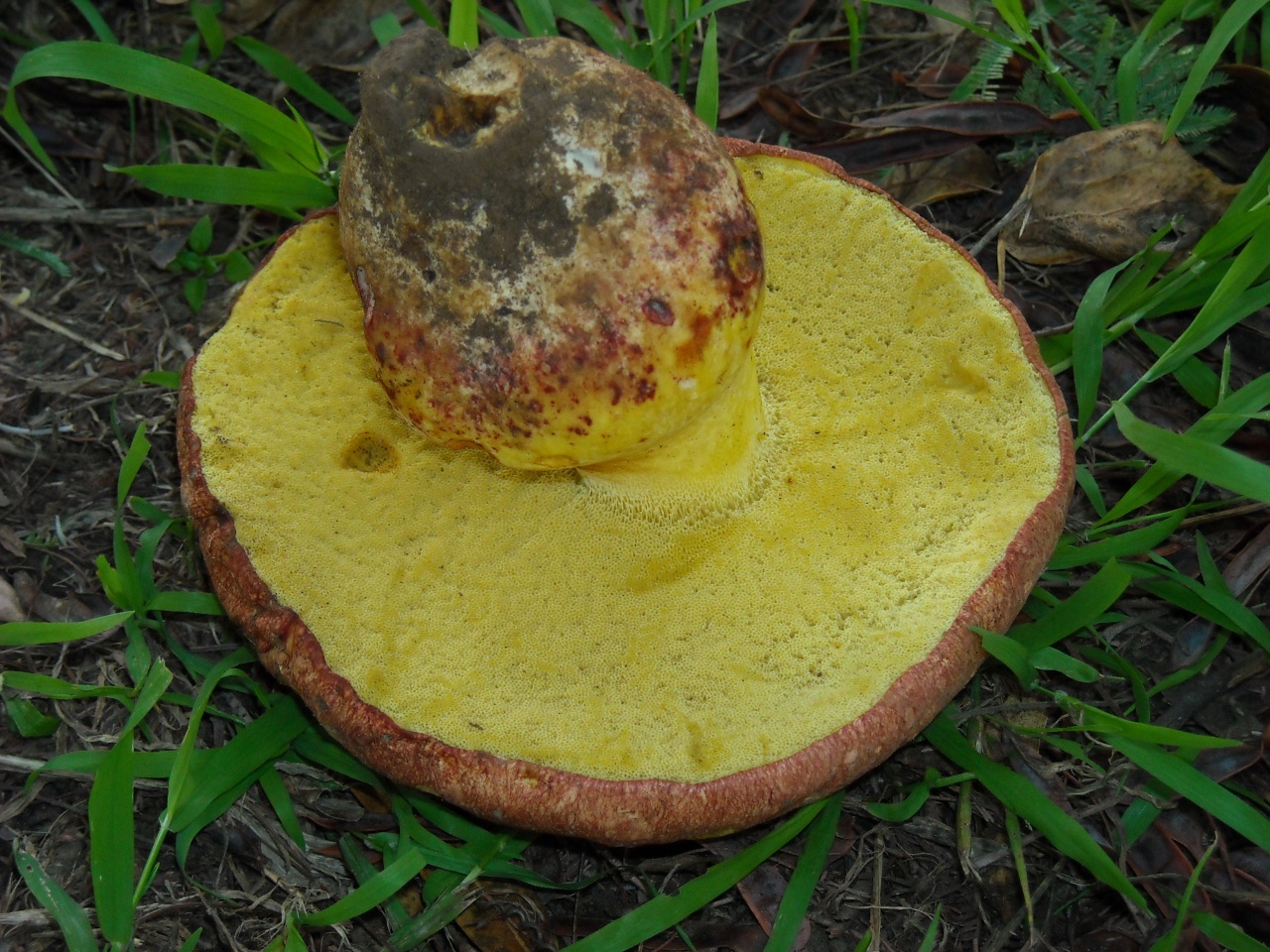
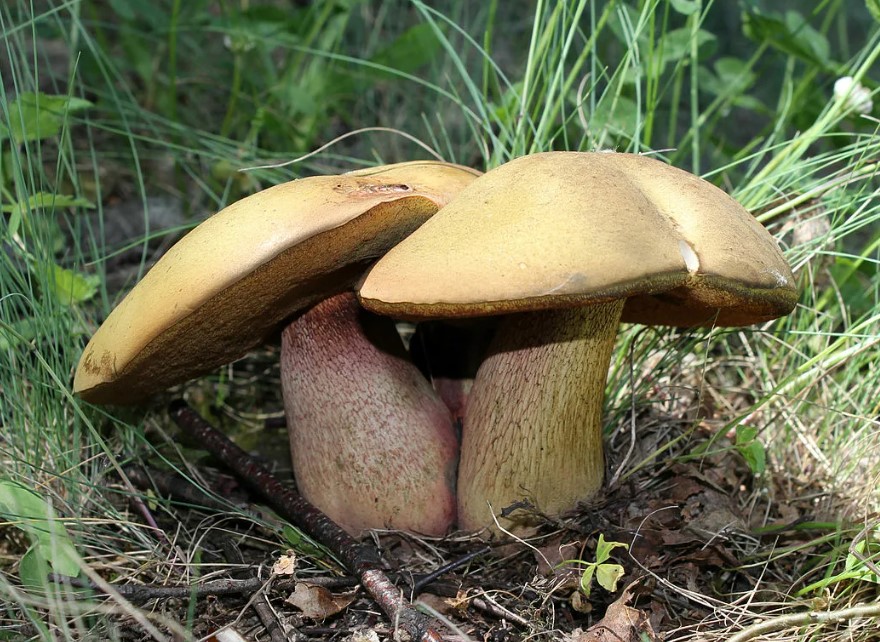
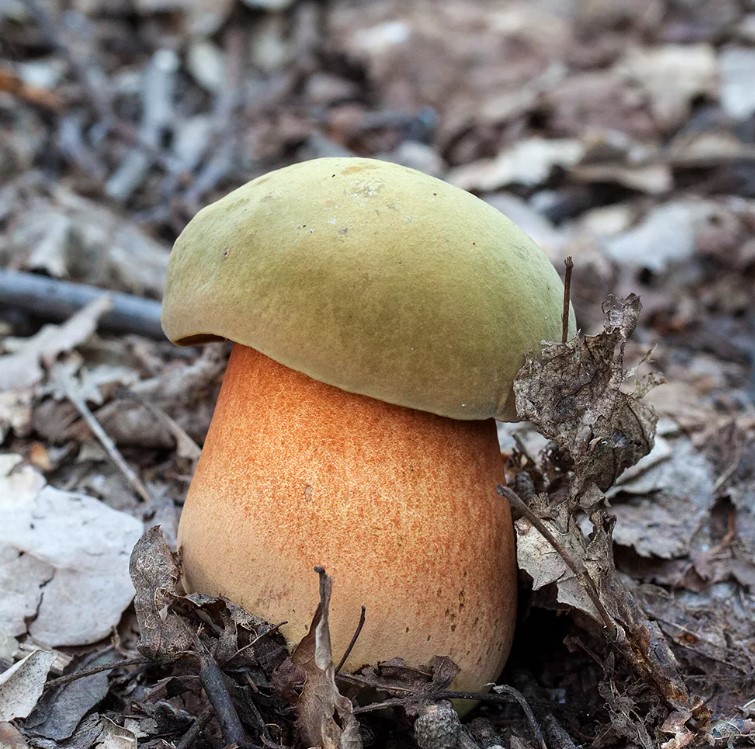
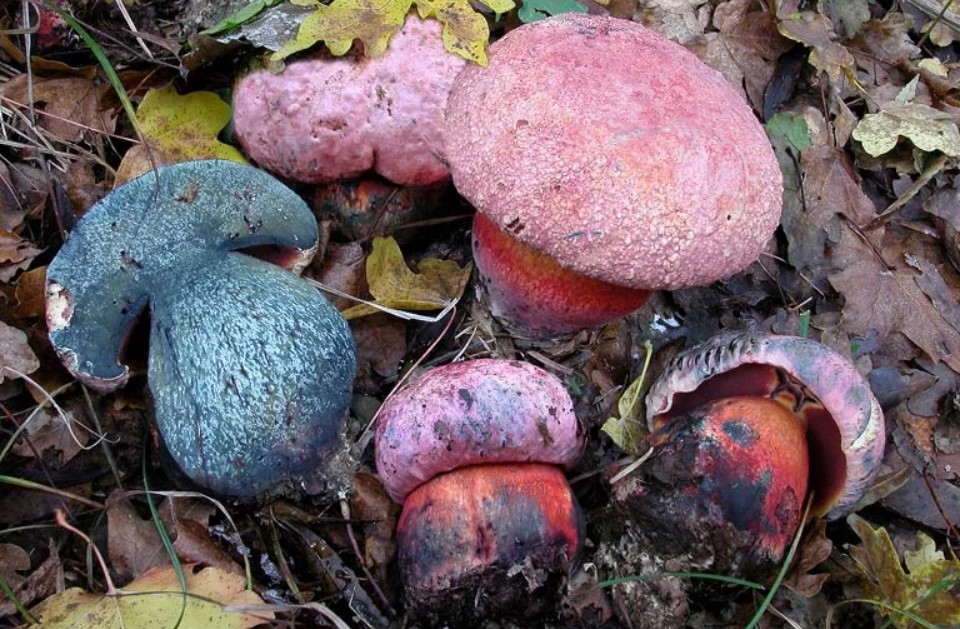
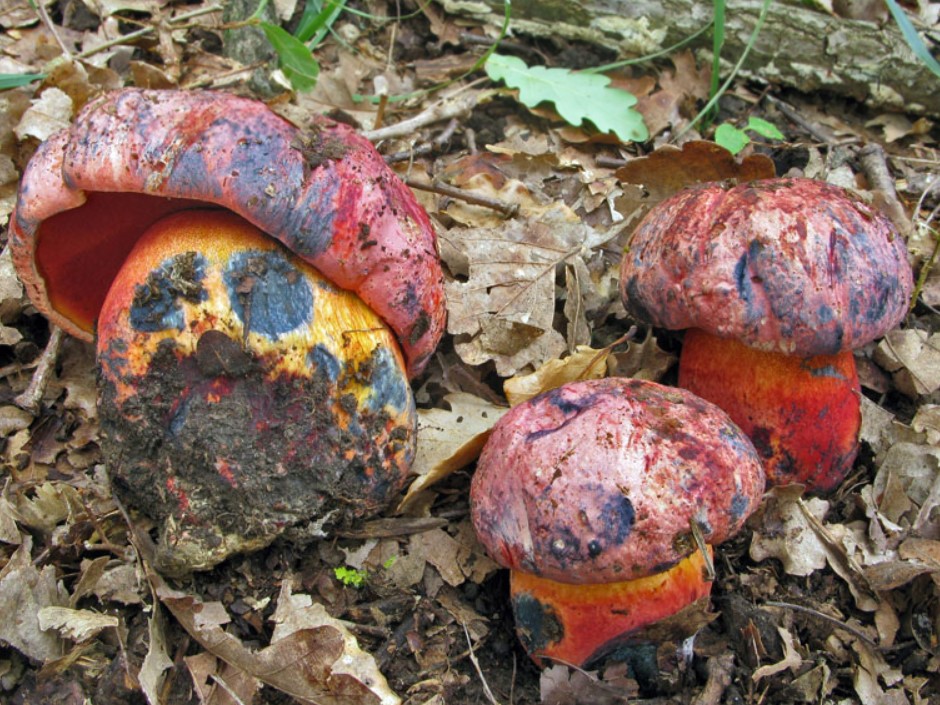
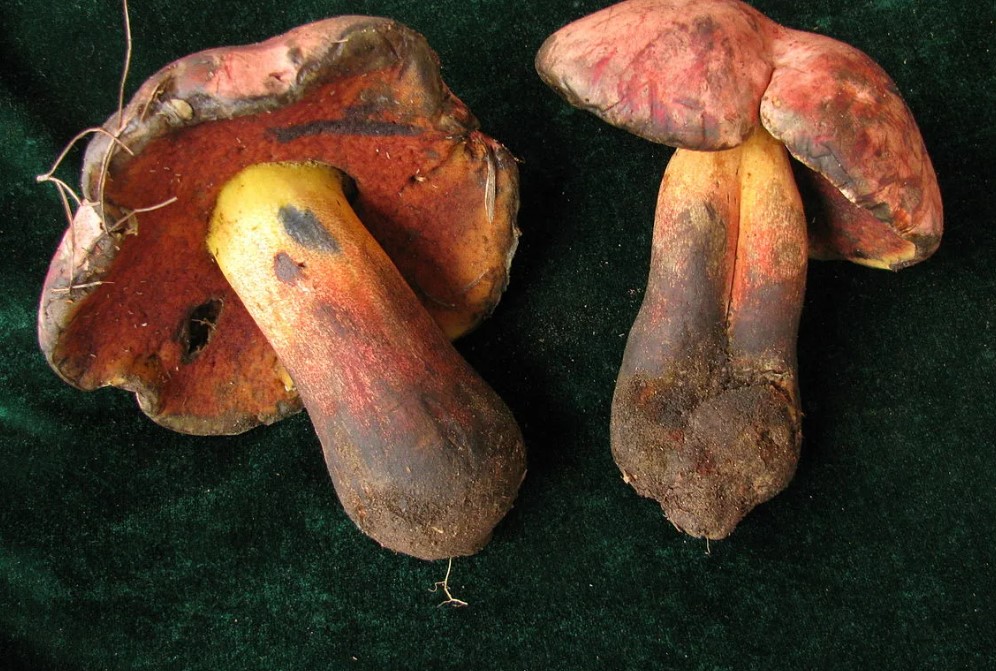
| Boletus purpureus | The cap is up to 20 cm in diameter, unevenly colored, with reddish zones spreading across an olive-gray background. Dark spots appear when pressed. The stem is up to 15 cm tall and club-shaped. It is lemon-colored with a reddish mesh surface. The flesh is yellow, turning red with age. When cut or damaged, it turns dark blue. | This mushroom is little studied, so it's best not to pick it. It's rare and considered inedible. | Mixed and broadleaf forests in regions with warm climates. |
Photo gallery of pink-purple boletus
Kele's Oak (Boletus queletii)
| View | Description of how to distinguish | Danger | Spreading |
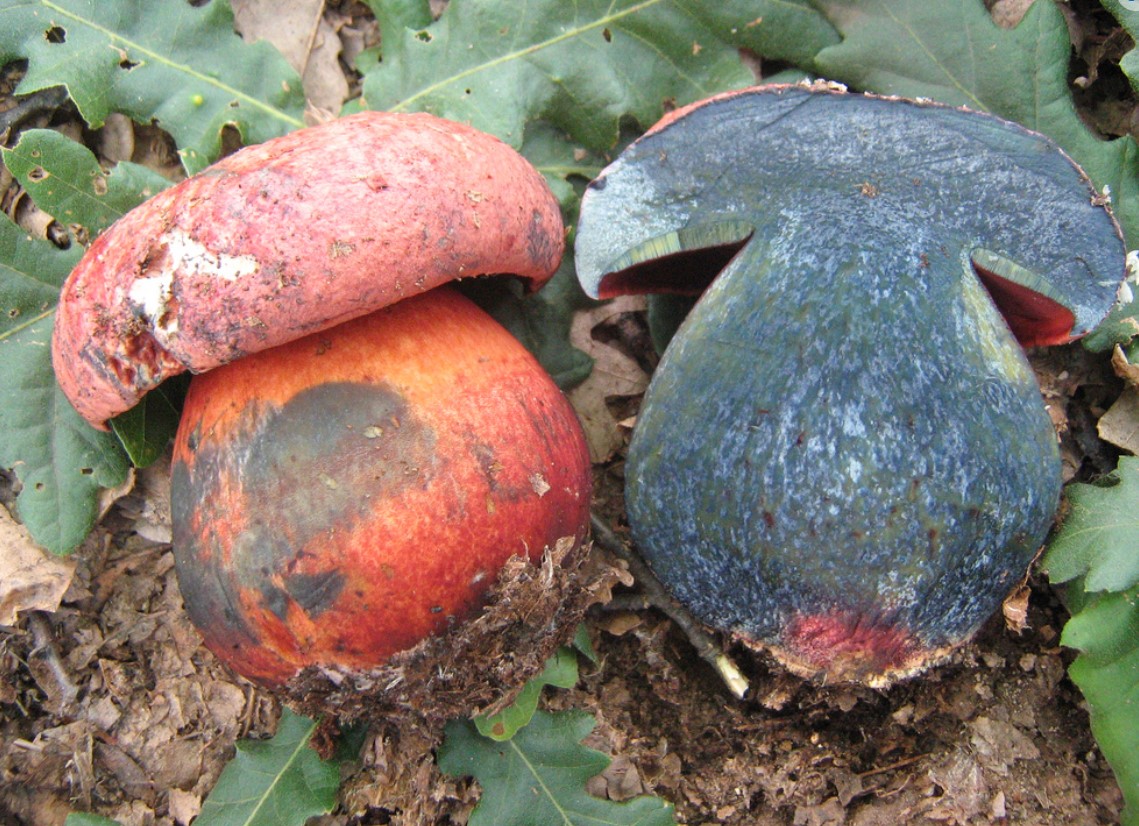
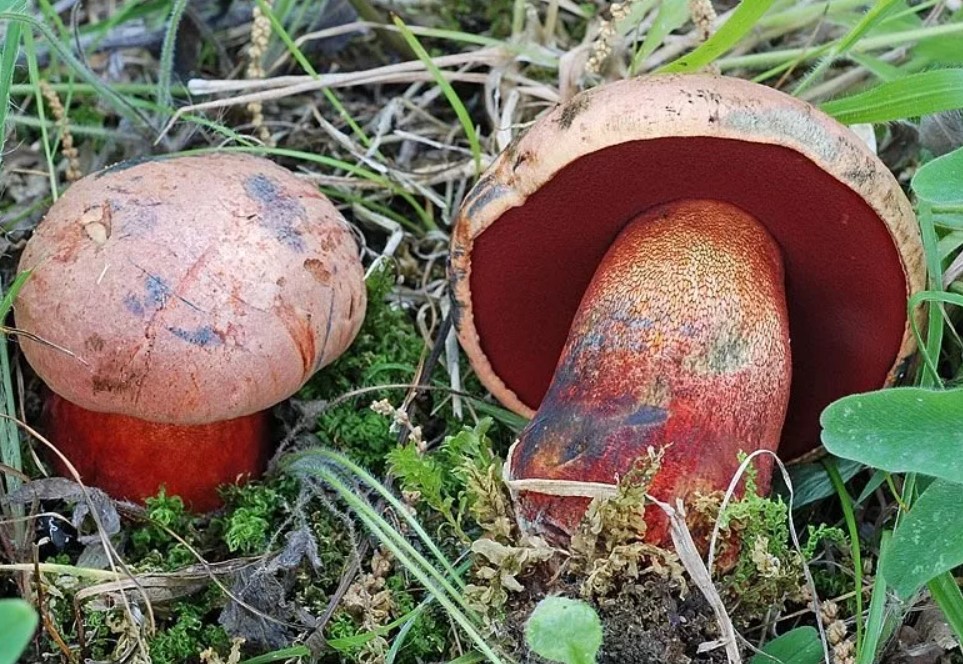
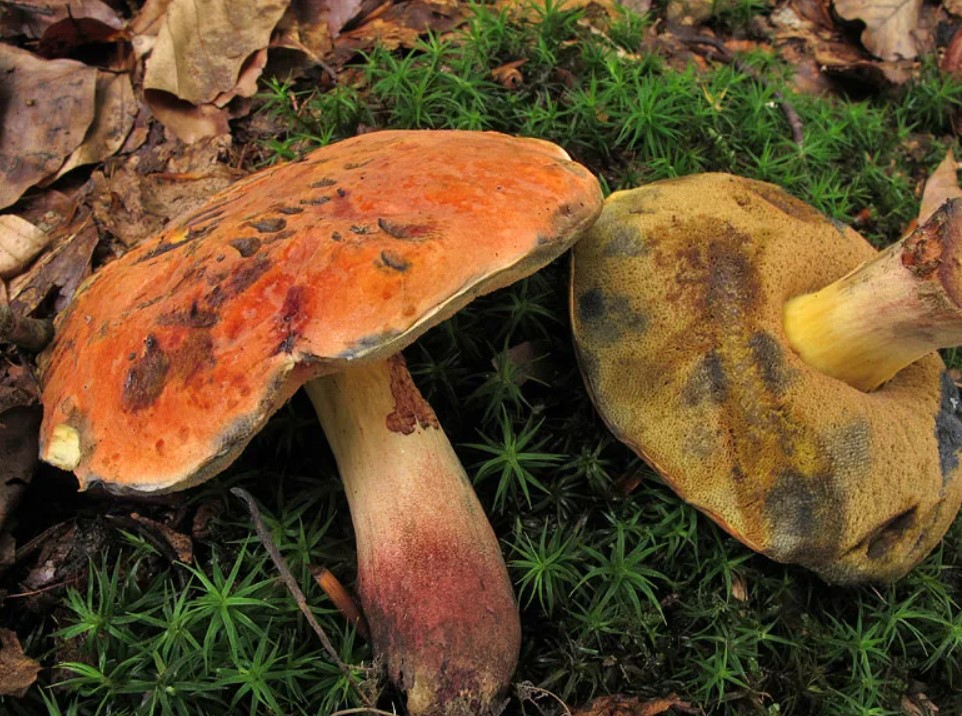
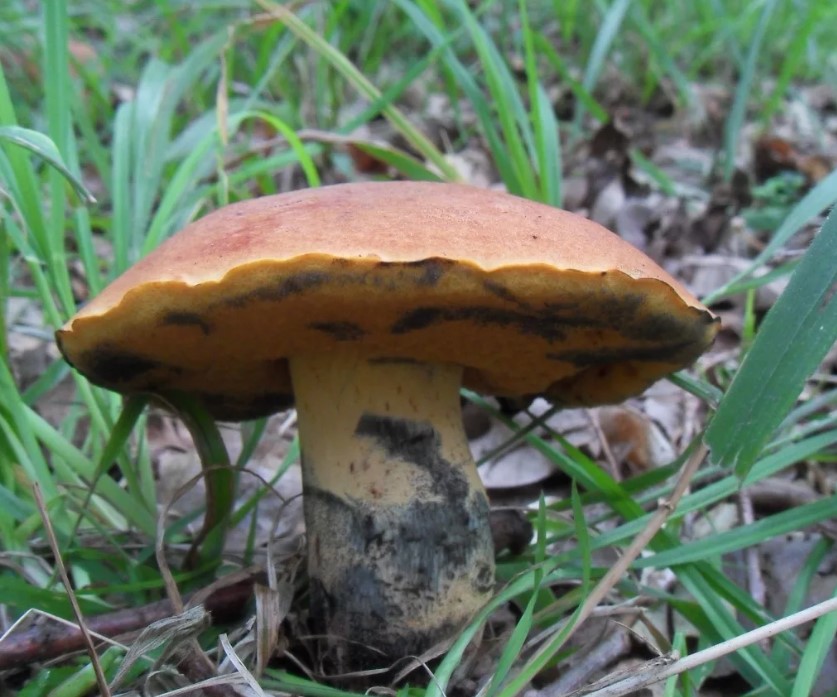
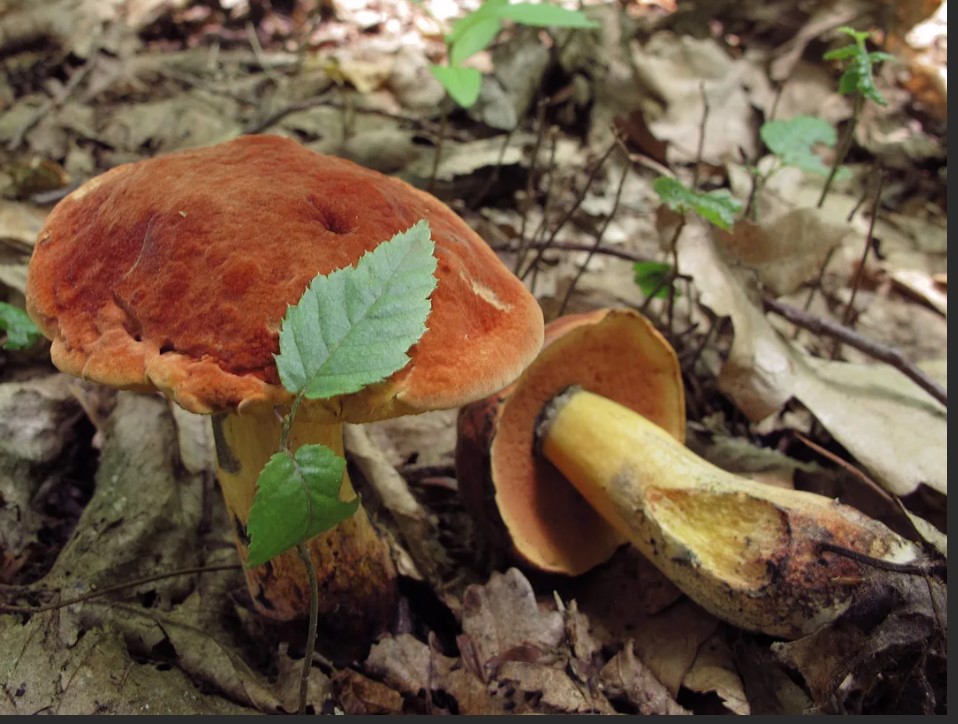
| Kele's Oak (Boletus queletii) | The cap is 5 to 15 cm in diameter, convex, and brown or yellowish in color. The stem is up to 15 cm tall, widening at the base. The flesh is yellow, firm, and turns blue when cut. | This mushroom is conditionally edible. It must be cooked before use. | It prefers well-lit deciduous forests and is less common in coniferous forests. It grows in clearings and prefers acidic and hard soils. |
Photo gallery of Kele oak tree
Boletus radicans
| View | Description of how to distinguish | Danger | Spreading |
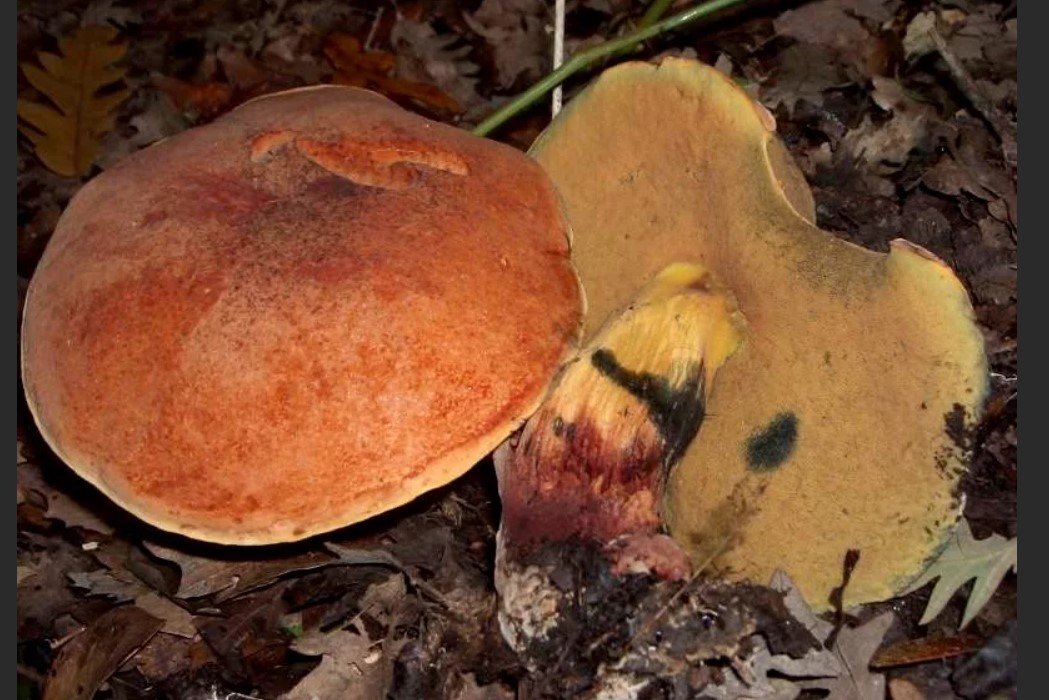
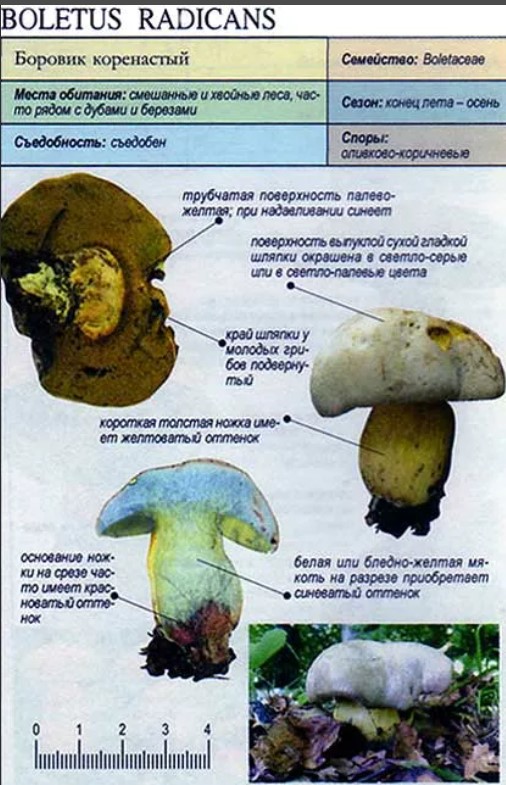
| Boletus radicans | The cap ranges from 6 to 30 cm in diameter, initially spherical, then convex. The color is grayish, the skin is velvety, and may crack over time. The flesh is yellowish, but immediately turns blue when damaged. The stem is up to 12 cm tall, cylindrical, yellow, and may have a faint mesh on the surface. | The flesh has a bitter taste, so it is better not to eat the mushroom. | Dry deciduous forests of the southern regions of Europe. |
Photo gallery of stocky boletus
Types of toxic boletus mushrooms
Unlike conditionally edible mushrooms, which contain minimal toxins, boletus mushrooms are considered toxic. Harmful substances remain even after cooking.
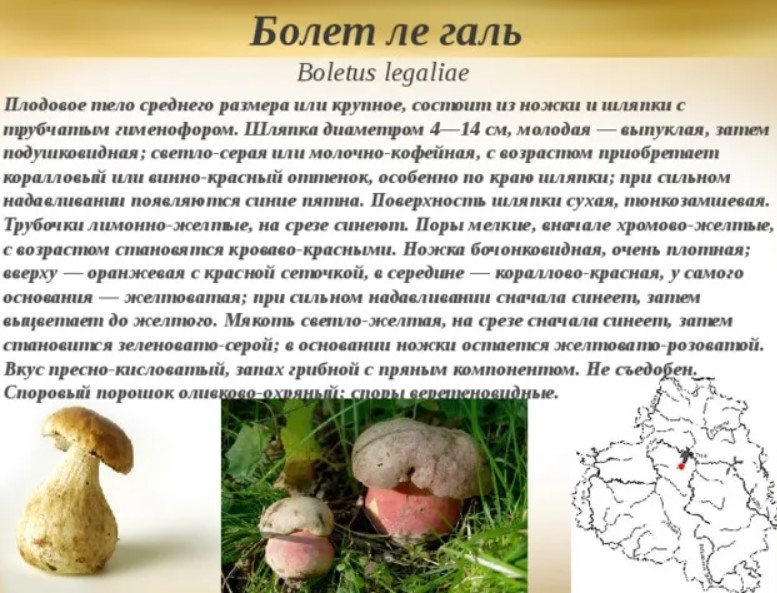
Boletus legaliae, Le Gall's boletus (Boletus legaliae)
| View | Description of how to distinguish | Danger | Spreading |
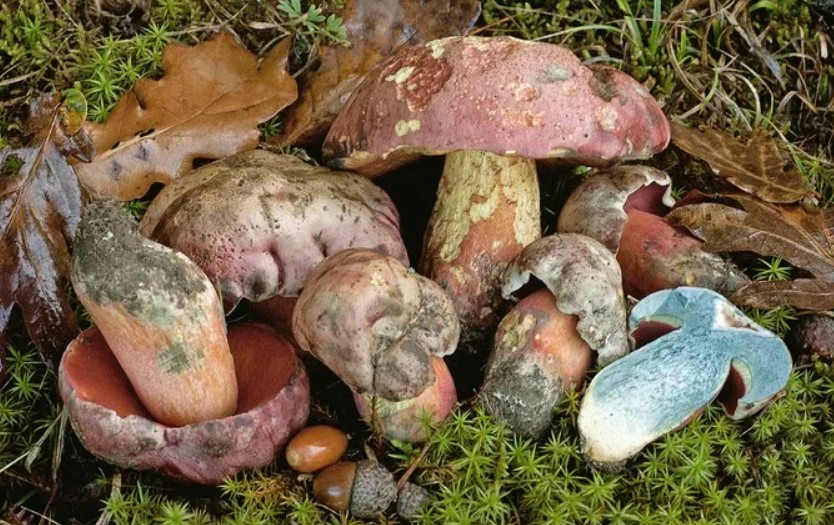
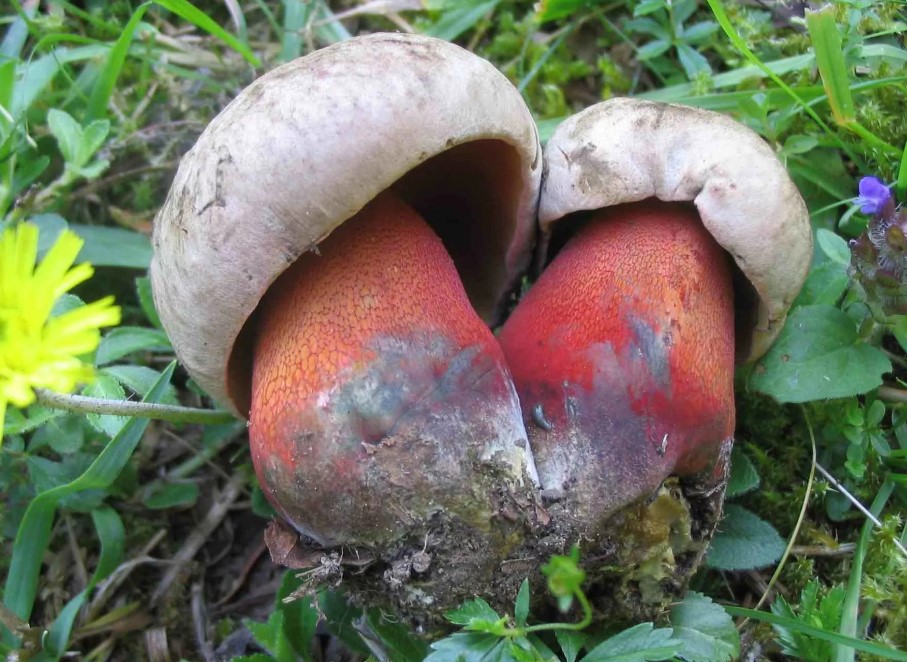
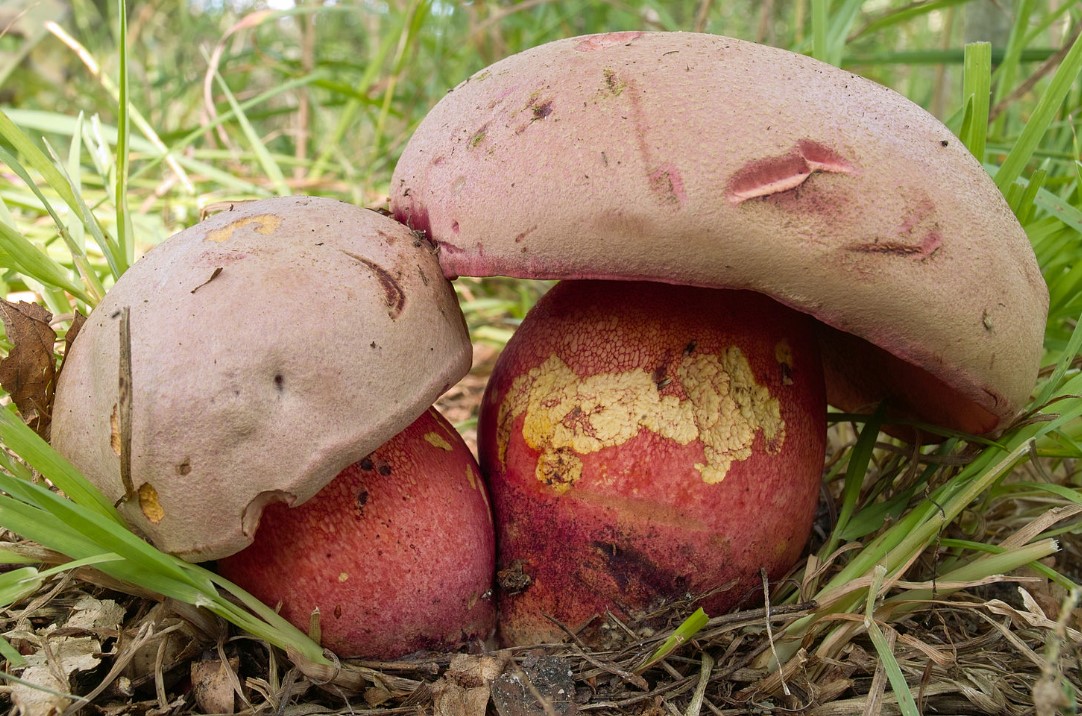
| Boletus legaliae, Le Gall's boletus (Boletus legaliae) | The cap is hemispherical. The skin is smooth and pinkish. The stem is the same color and swollen. A reddish mesh can be seen near the top. Length ranges from 8 to 16 cm. | Inedible mushroom, causes food poisoning. | Deciduous forests of Europe. |
Photo gallery of boletus le gal
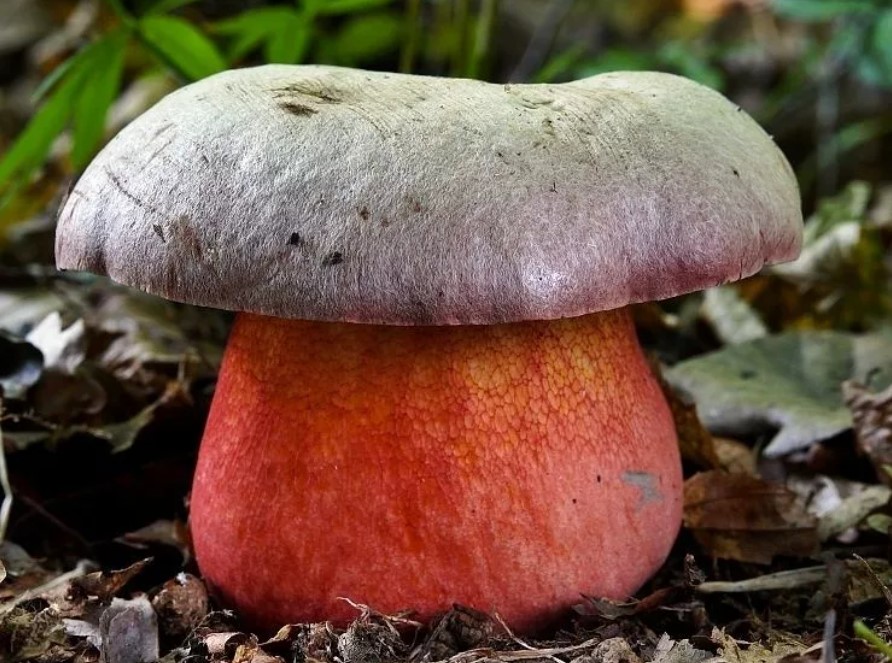
Boletus pulcherrimus (Boletus pulcherrimus)
| View | Description of how to distinguish | Danger | Spreading |
| Boletus pulcherrimus (Boletus pulcherrimus) | The cap diameter ranges from 7.5 to 25 cm, the surface is woolly, and the color is reddish-brown. The stem is very thick, 7 to 15 cm high, brown with a reddish tint, and has a small mesh at the base. | Causes intestinal poisoning and is considered inedible. | It forms mycorrhiza with coniferous trees, but is found only in mixed forests of North America. |
Photo gallery of beautiful boletus
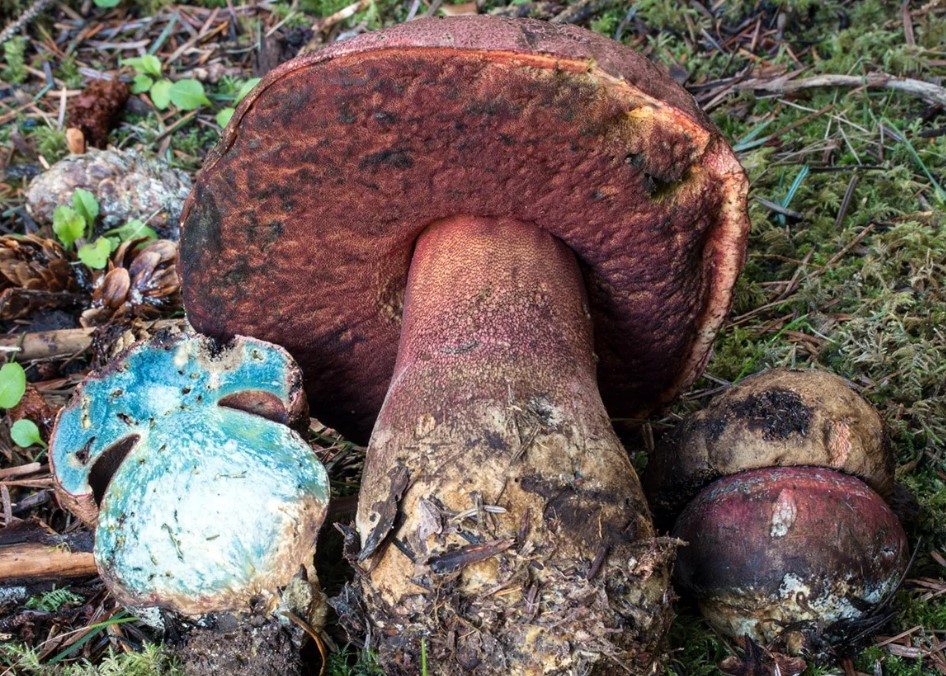
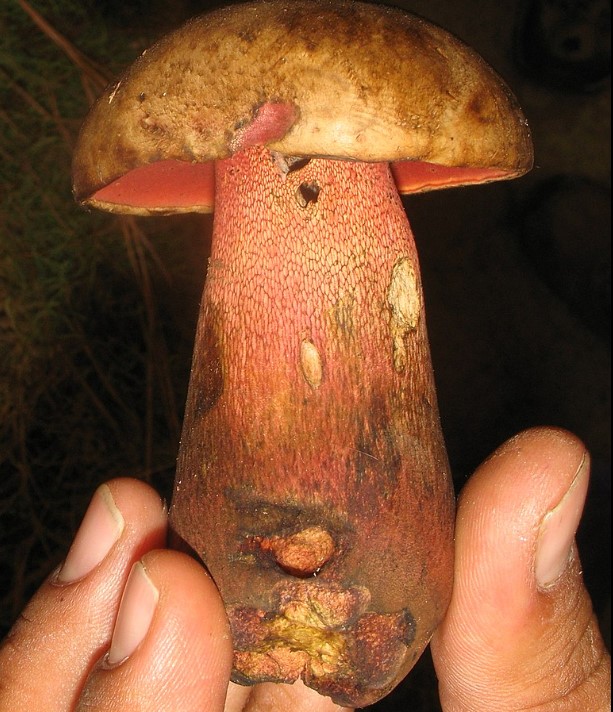
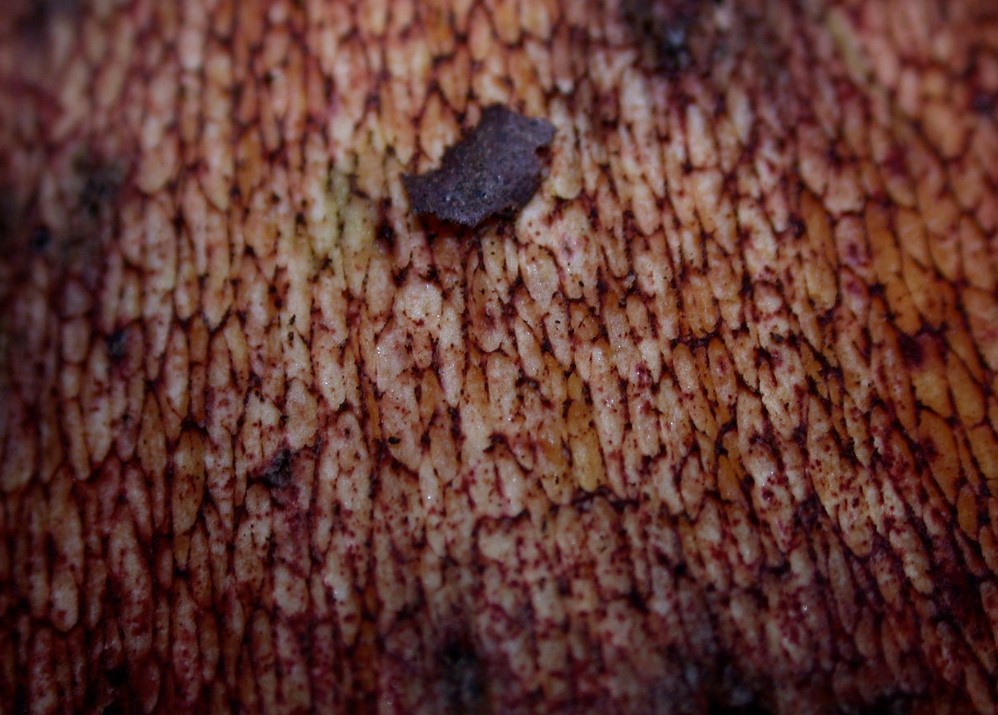
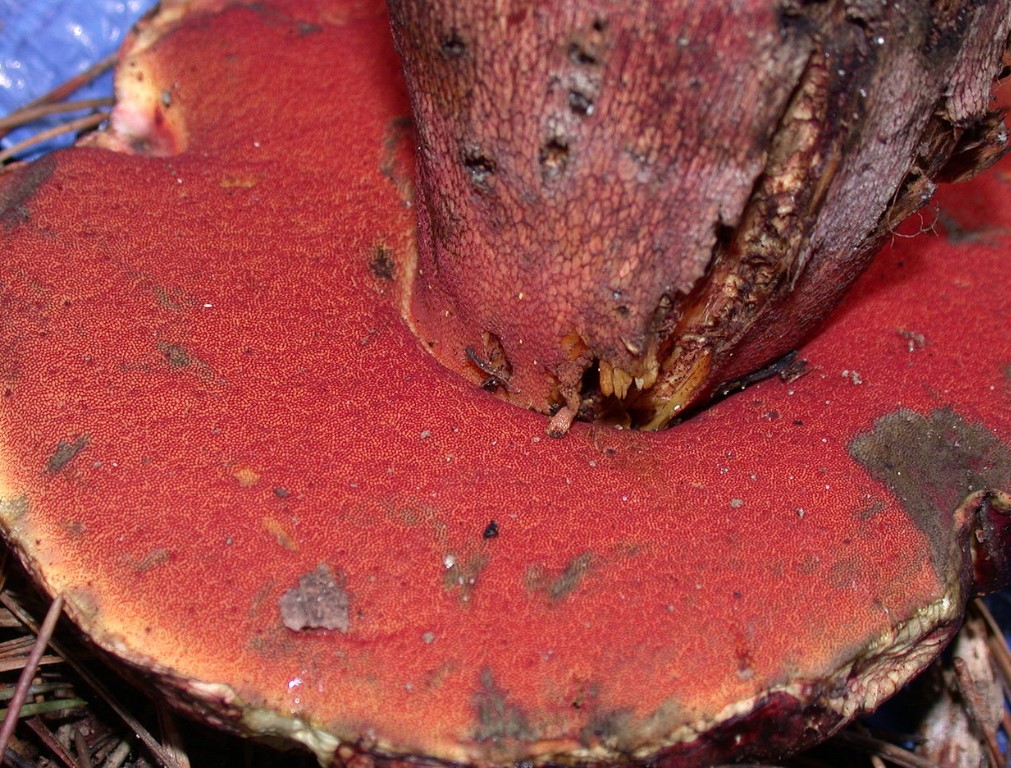
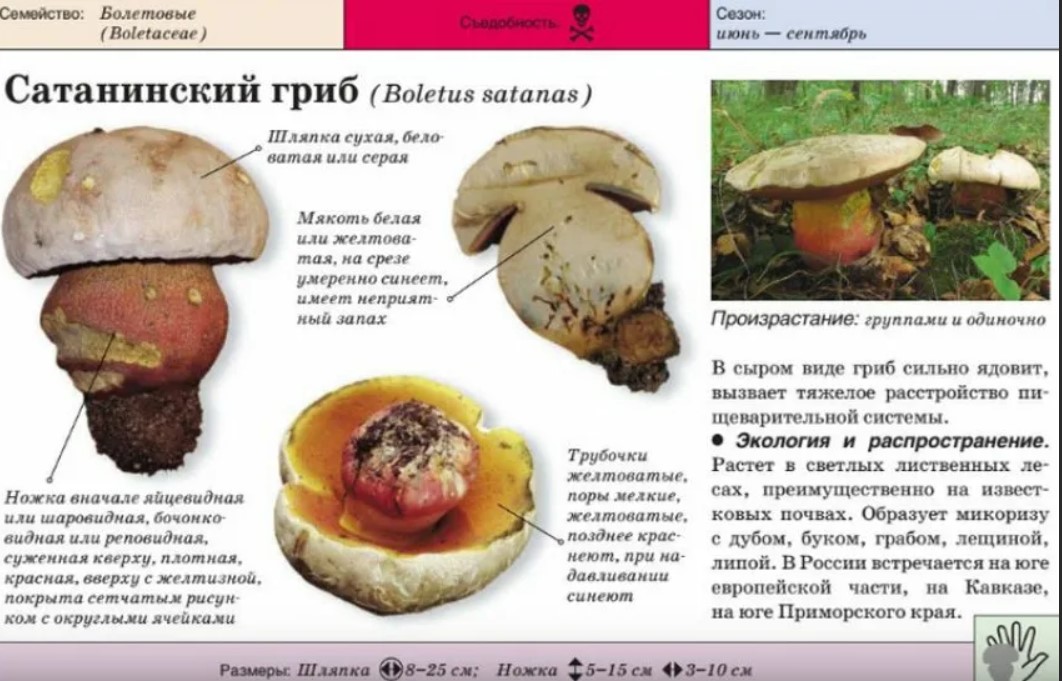
Satan's mushroom (Boletus satanas)
| View | Description of how to distinguish | Danger | Spreading |
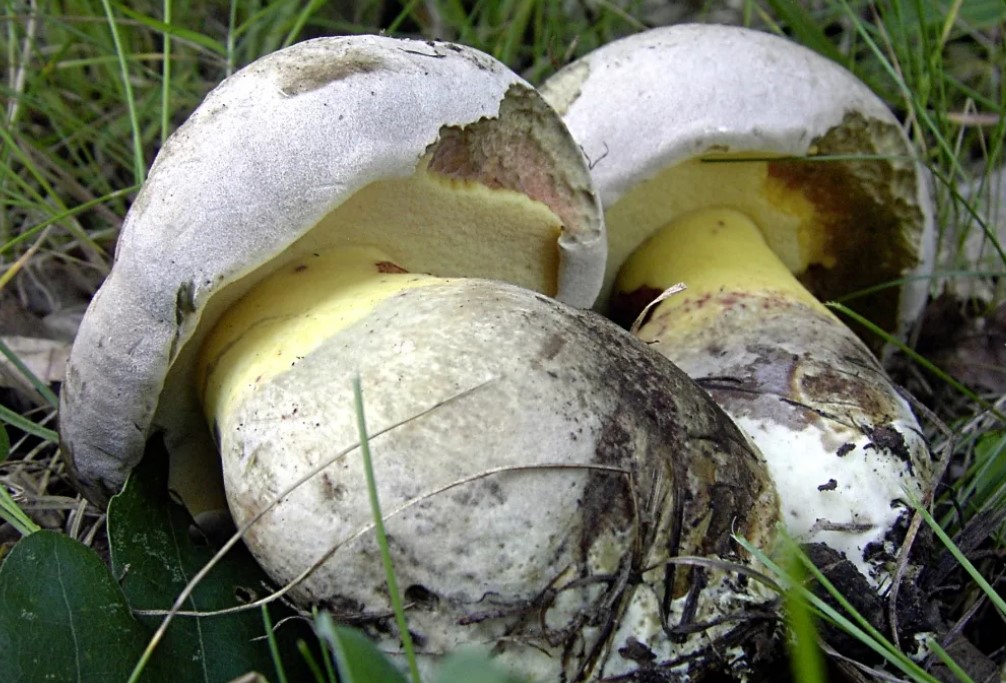
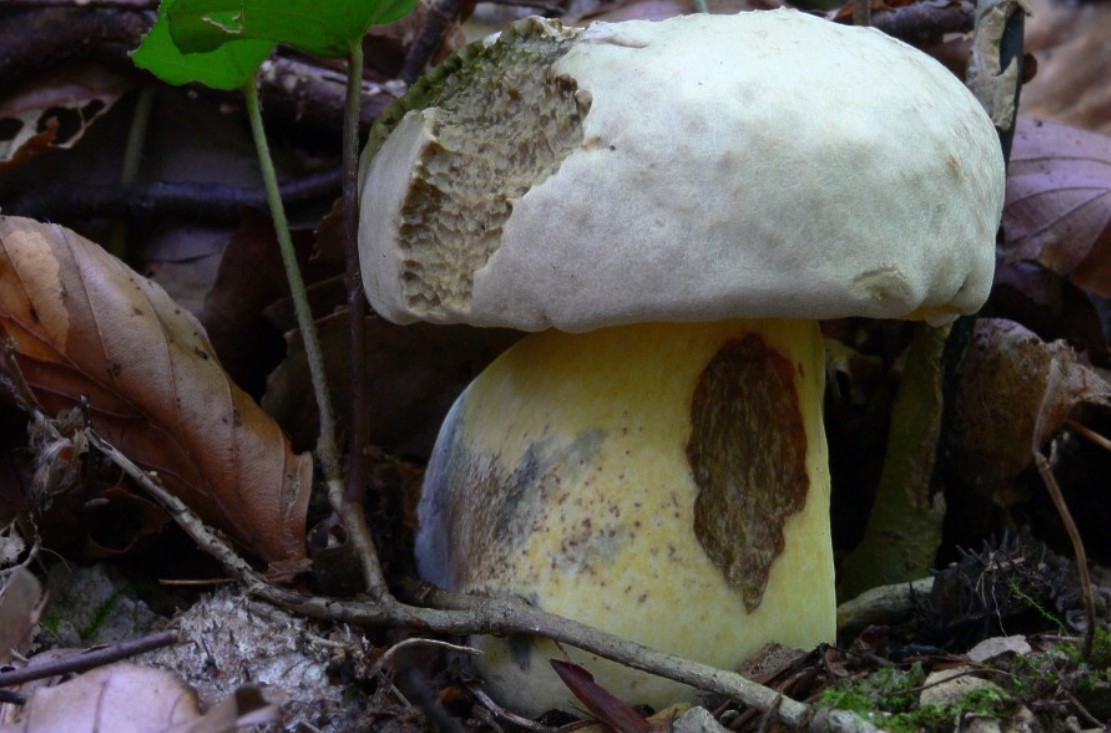
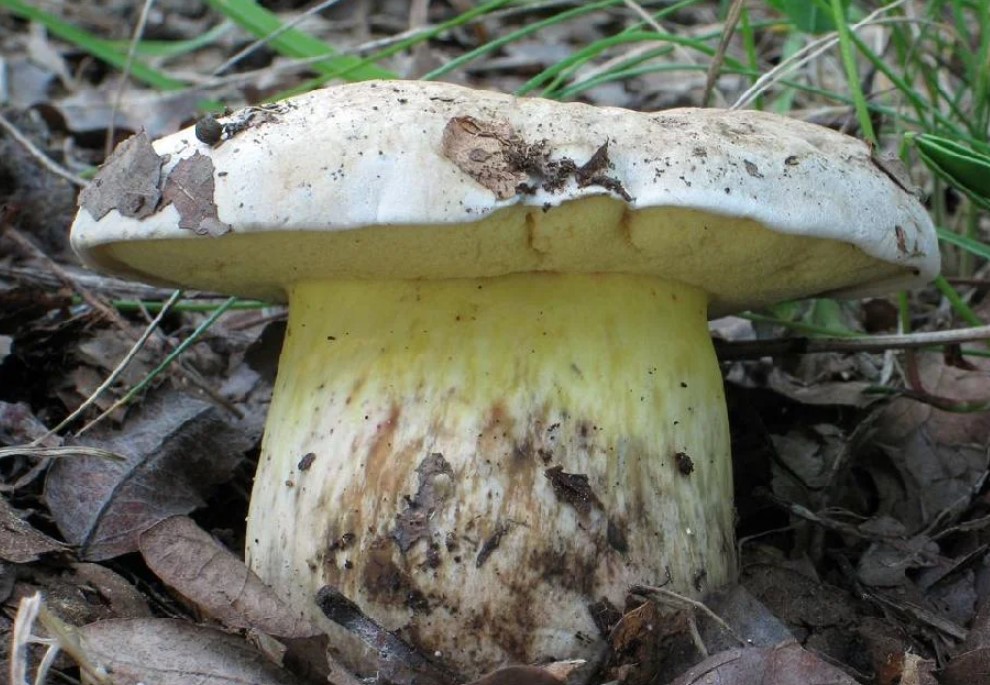
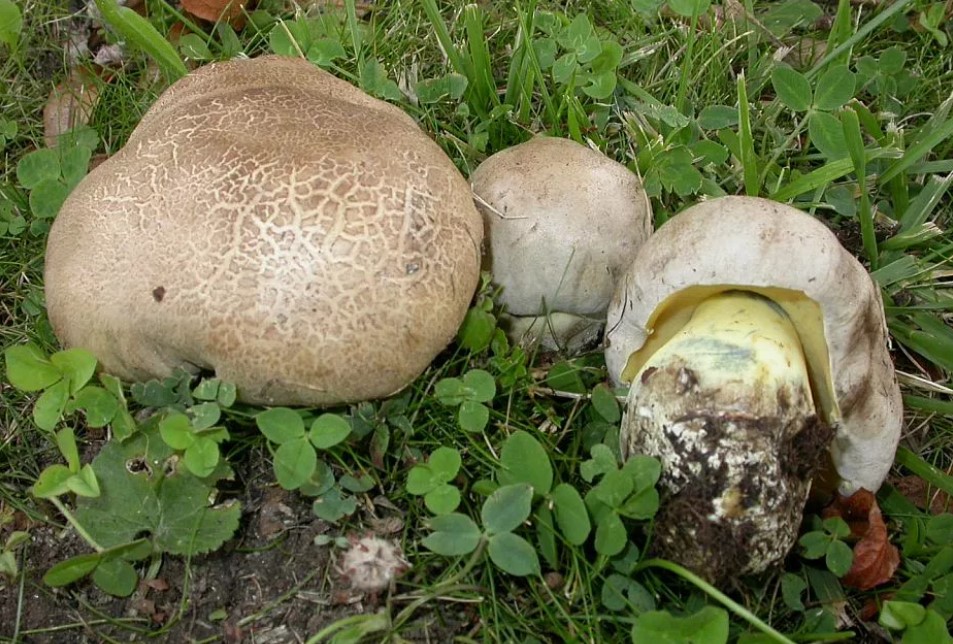
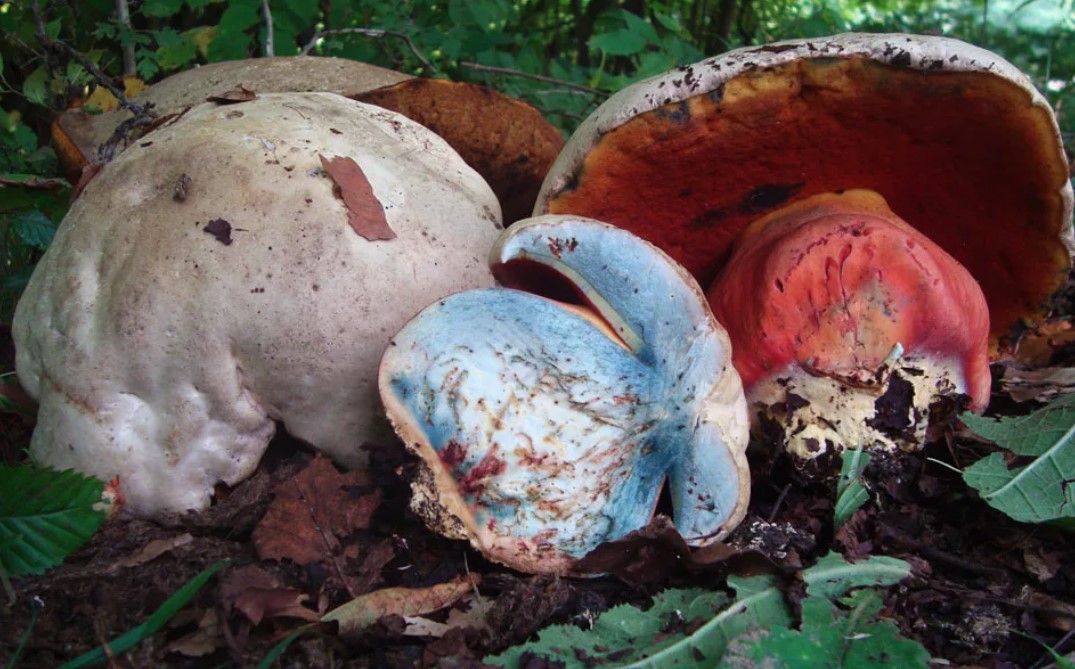
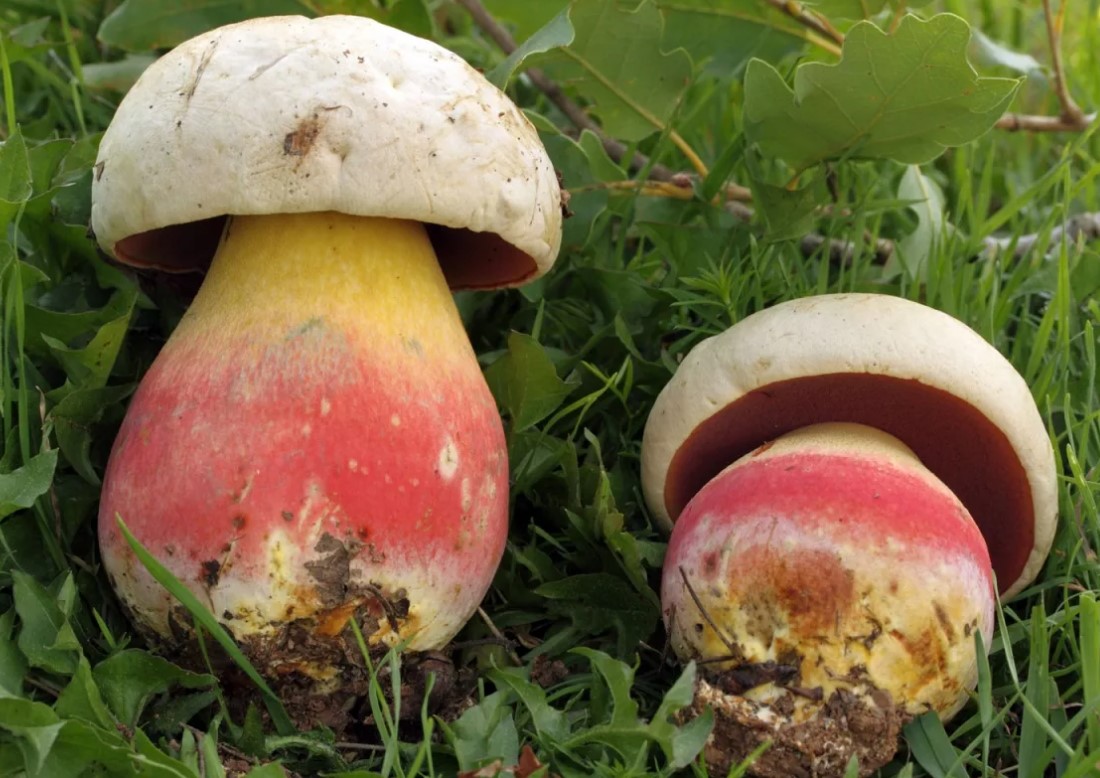
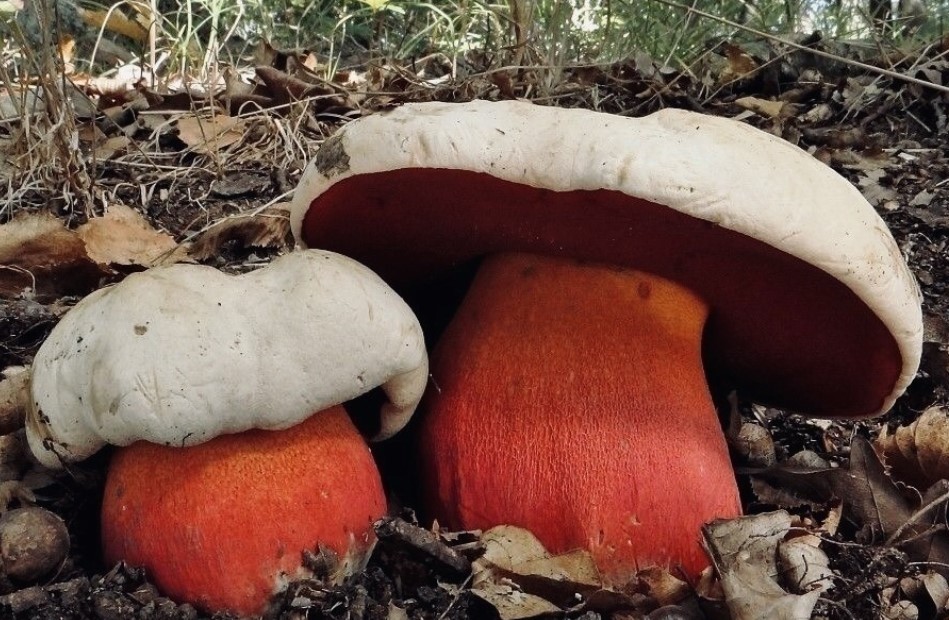
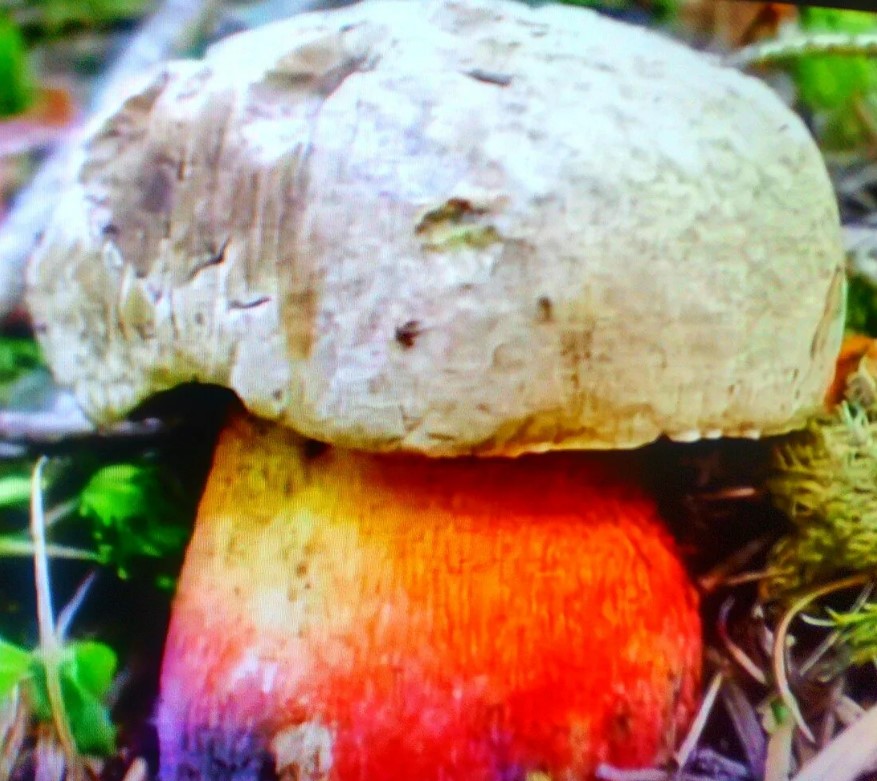
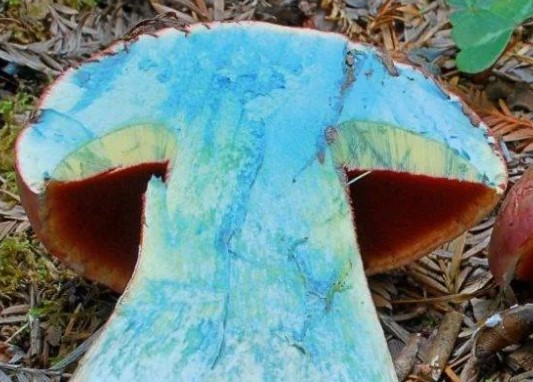
| Satan's mushroom (Boletus satanas) | The cap can reach 30 cm in diameter and is hemispherical in shape. Its color ranges from grayish-white to yellow or olive, with pinkish streaks on the surface. The flesh is yellowish, turning blue when cut. The stem is up to 15 cm high and up to 10 cm thick. The shape begins spherical, then becomes barrel-shaped, tapering toward the top. The surface is covered with a mesh. | A poisonous mushroom, although in some countries it is considered conditionally edible. | Prefers southern regions, grows in well-lit deciduous forests. |
Photo gallery of satanic mushroom
Little-studied, controversial species of boletus
Among the boletus mushrooms, there are poorly studied specimens that are extremely rare, which is why their toxicological properties are practically unknown.
False Satan's Mushroom (Boletus splendidus)
| View | Description | Where it grows | Edibility |
| False Satan's Mushroom (Boletus splendidus) | The cap, up to 10 cm in diameter, has sharp edges and a convex shape. The color is milky-coffee, turning pinkish-brown with age. The flesh is light yellow, turning blue when cut, and has a slightly sour aroma. The stem, up to 8 cm tall, is yellow, but the base is reddish. The mesh located on the surface is also the same color. | Beech and oak forests in warm climates. | It is considered inedible because its toxic effects have not been studied. |
Photo gallery of the false satanic mushroom
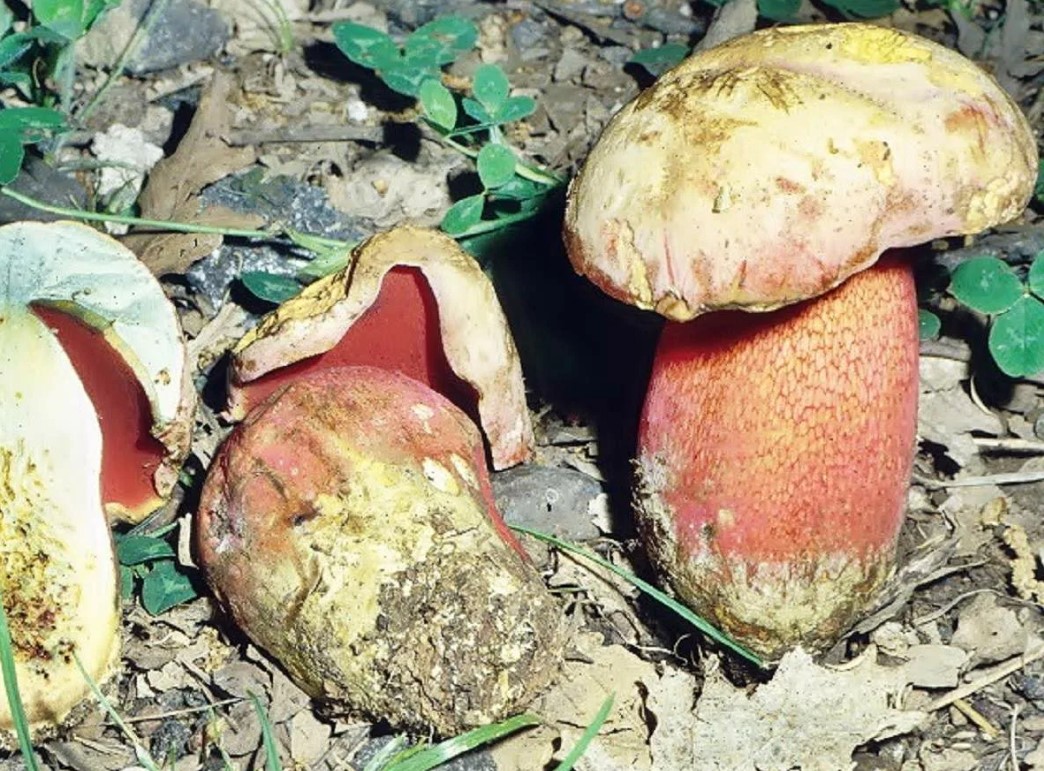
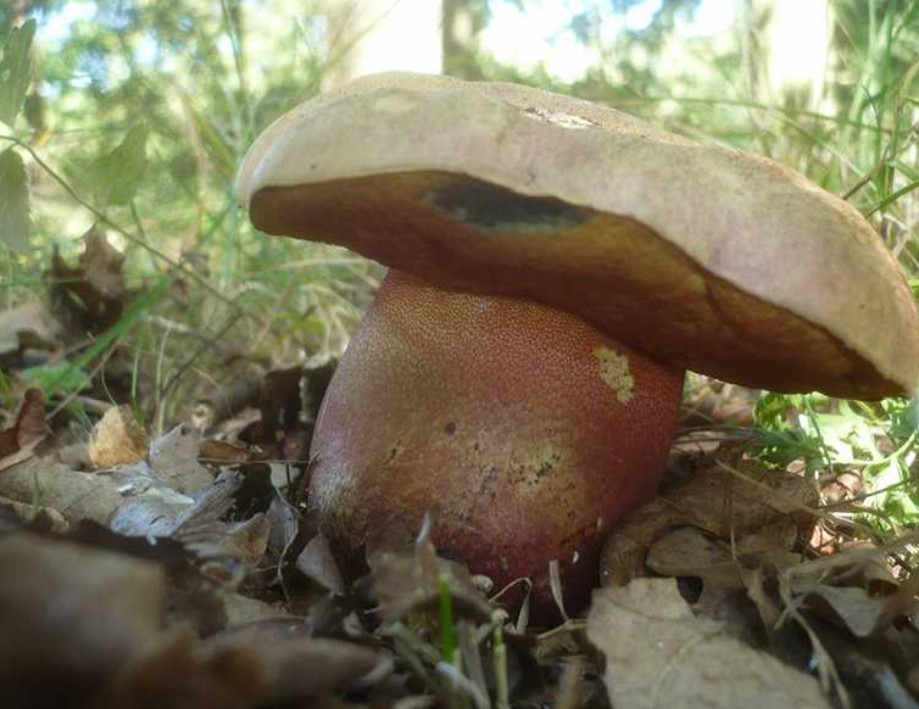
Pink boletus (Boletus rhodoxanthus)
| View | Description | Where it grows | Edibility |
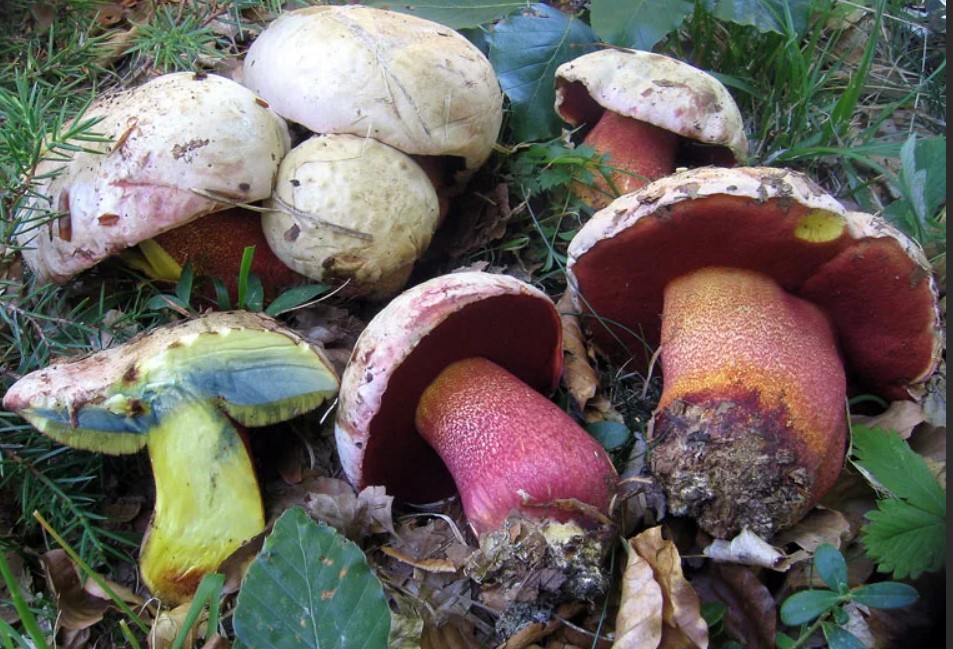
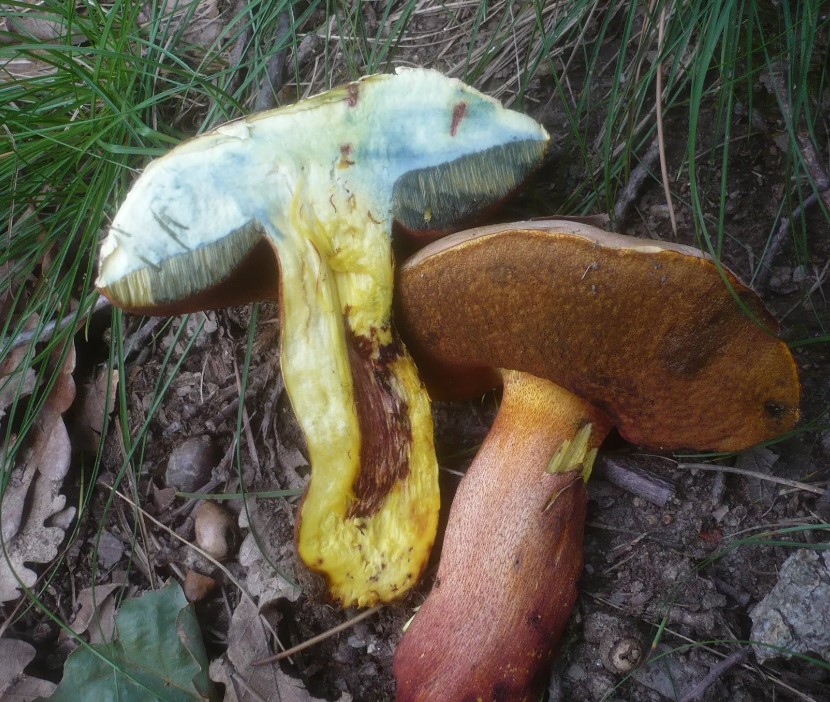
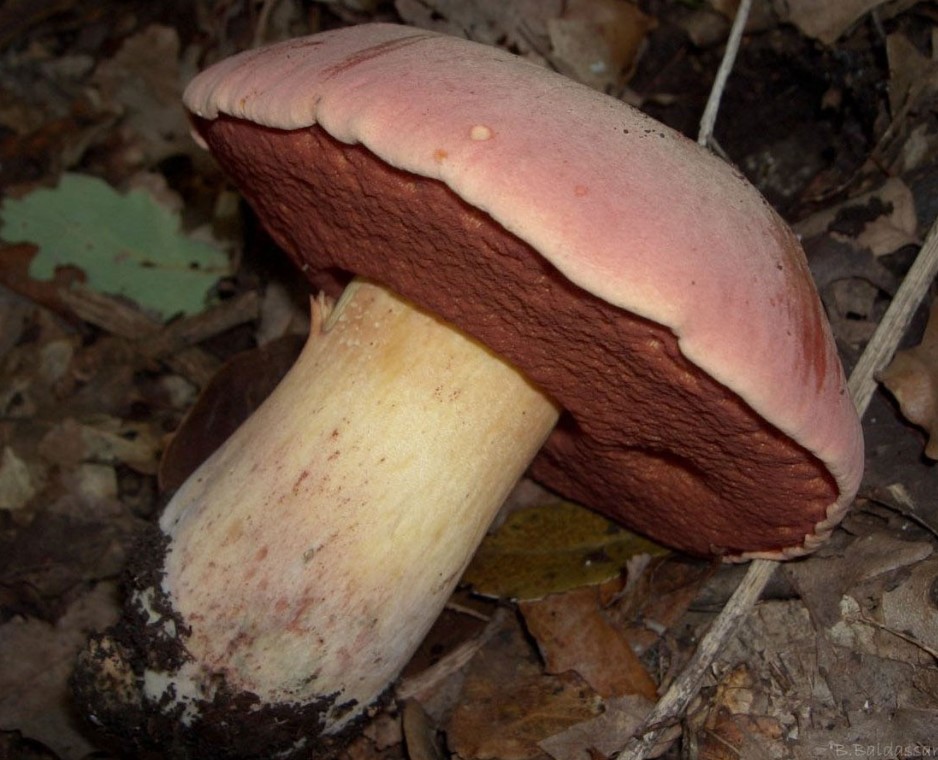
| Pink boletus (Boletus rhodoxanthus) | The cap is cushion-shaped with a depressed center; in young mushrooms, it is spherical. The diameter ranges from 7 to 20 cm. The skin is usually smooth, brownish or dirty yellow in color, with reddish edges. The mushroom reaches 20 cm in height, the base of the stem is pointed, its upper part is yellowish, and the lower part is red. The flesh turns blue when cut. | Extremely rare. Prefers beech and oak forests. | The mushroom is considered poisonous. |
Photo gallery of pink-skinned boletus