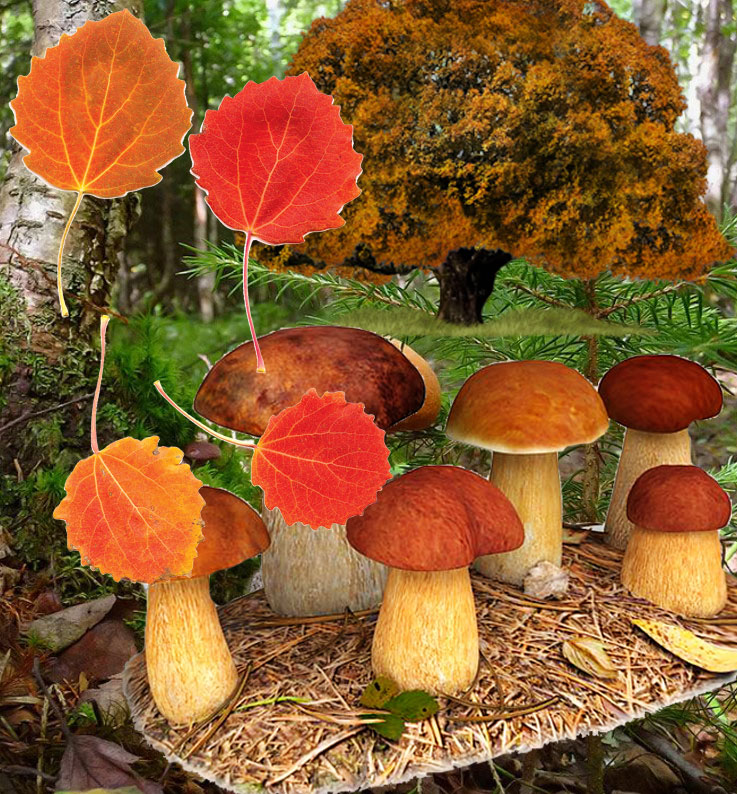
In the second half of summer, vibrantly colored mushrooms—aspen mushrooms—pop up here and there in the forests. They're easy to recognize—their caps are a riot of red and orange. It's believed that these mushrooms got their name because their coloring closely resembles autumn leaves. Almost all aspen mushroom species are edible; where to find them and how to distinguish them is discussed in the article below.
Content
- 1 Aspen mushrooms: general characteristics
- 2 Where do aspen mushrooms grow?
- 3 The benefits and harms of aspen mushrooms
- 4 Composition and nutritional value of aspen mushrooms
- 5 Why does the aspen mushroom darken when cut?
- 6 9 types of aspen mushrooms with photos and descriptions in tables
- 6.1 Red aspen mushroom (Leccinum aurantiacum)
- 6.2 Red-brown or yellow-brown aspen mushroom (Leccinum versipelle)
- 6.3 White aspen mushroom (Leccinum percandidum)
- 6.4 Black-scaled aspen mushroom (Leccinum atrostipiatum)
- 6.5 Oak aspen mushroom (Leccinum quercinum)
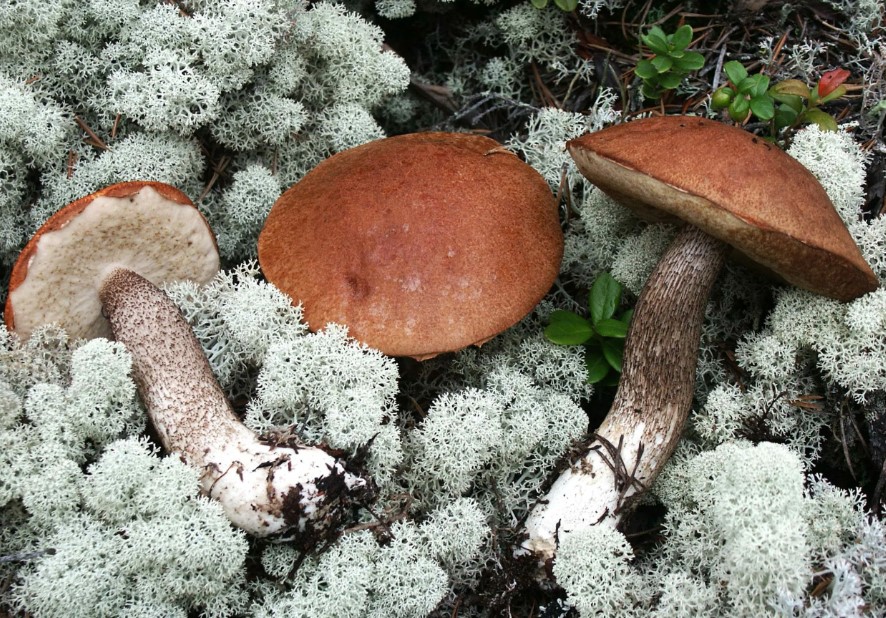
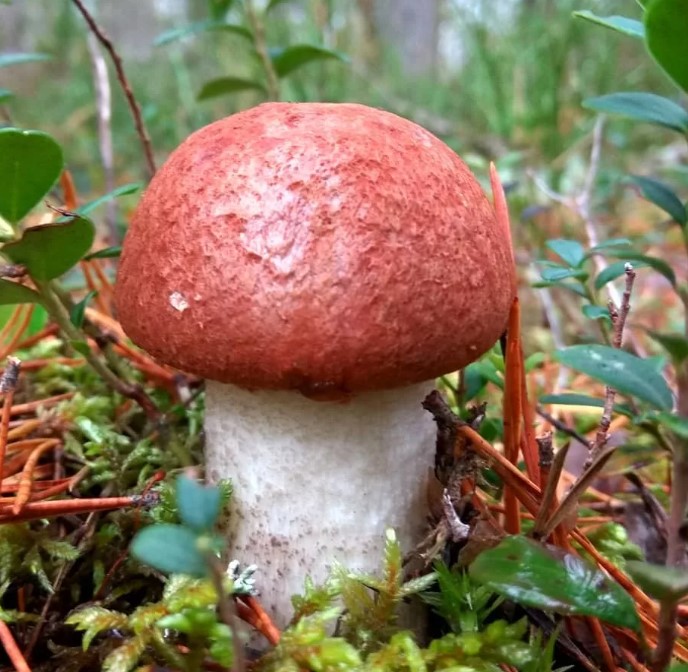
- 6.6 Pine boletus (Leccinum vulpinum)
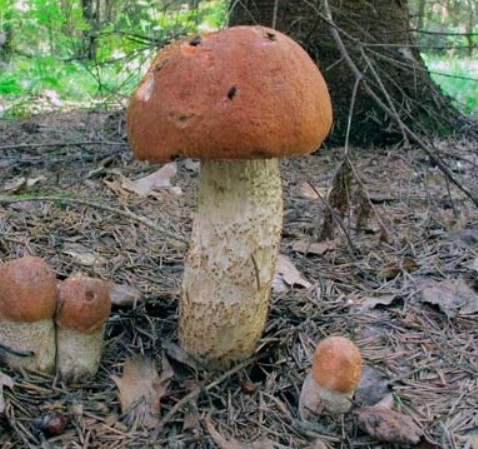
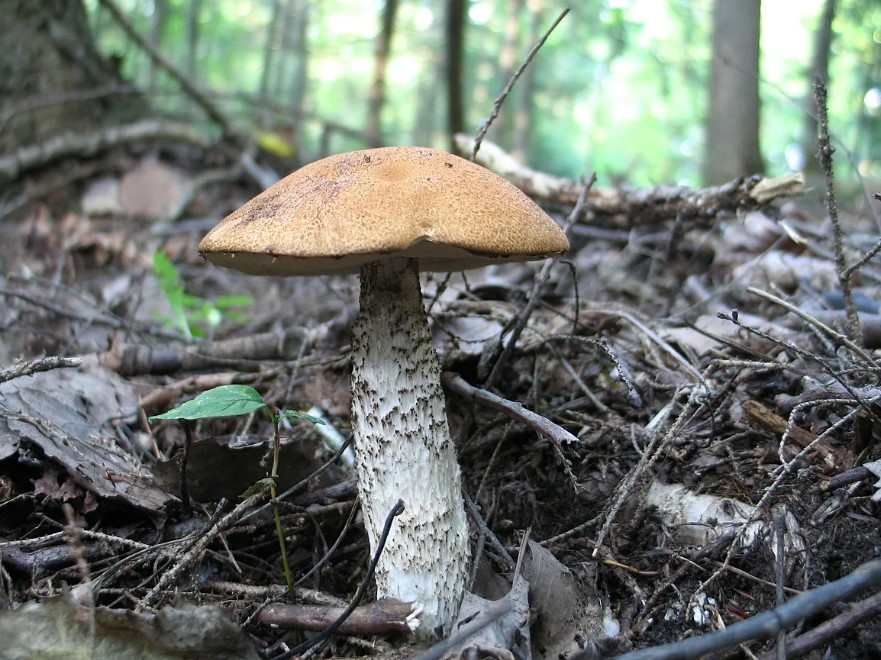
- 6.7 Spruce aspen mushroom (Leccinum piceinum)
- 6.8 Painted-legged aspen mushroom (Leccinum chromapes, Tylopilus chromapes, Harrya chromapes)
- 7 An inedible mushroom similar to the aspen mushroom: similarities and differences
- 8 An edible mushroom similar to the aspen mushroom
- 9 Medicinal properties of aspen mushrooms
- 10 How to collect and store aspen mushrooms
- 11 Culinary uses of aspen mushrooms
Aspen mushrooms: general characteristics
The name "Boletus" covers many species of mushrooms in the genus Leccinium. But since almost all of them are edible and delicious, those who enjoy the quiet game don't always bother distinguishing between the species.
The mushroom's main distinguishing feature is its orange-red cap, the color of which closely resembles autumn leaves. This fact sometimes explains its name. But the most common explanation is the location where boletus mushrooms grow: they are most often found near aspen and other deciduous trees.
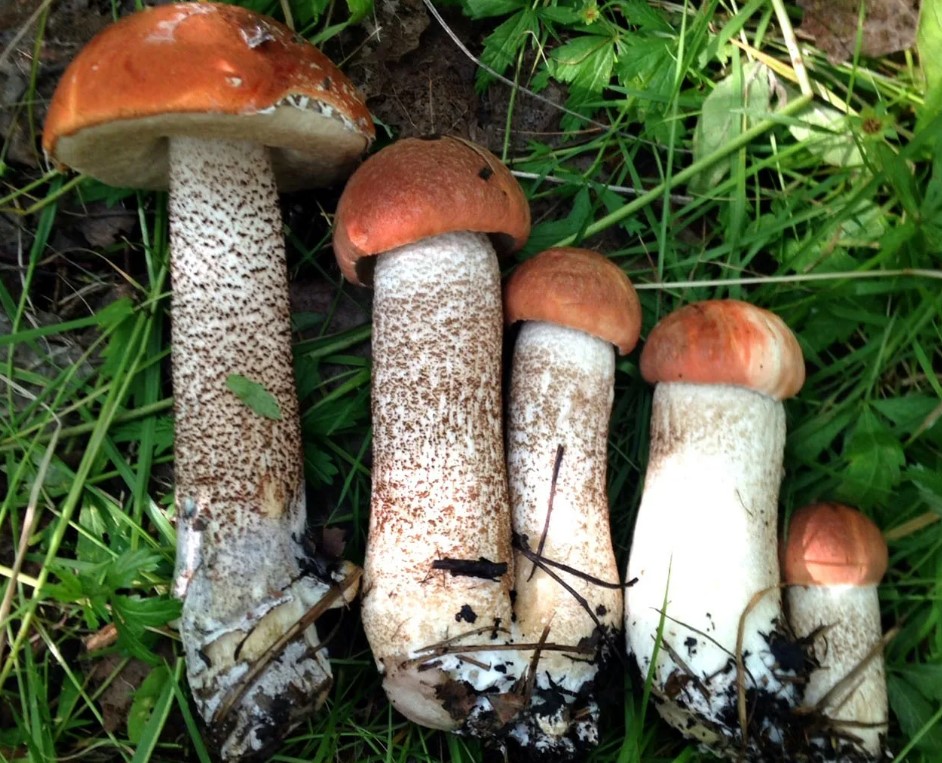
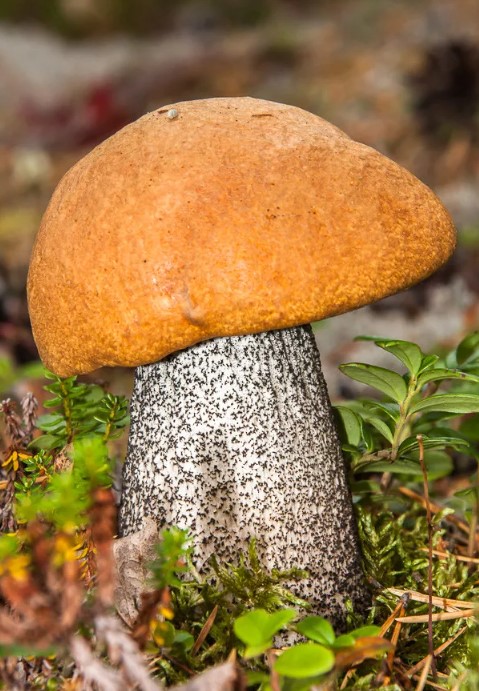
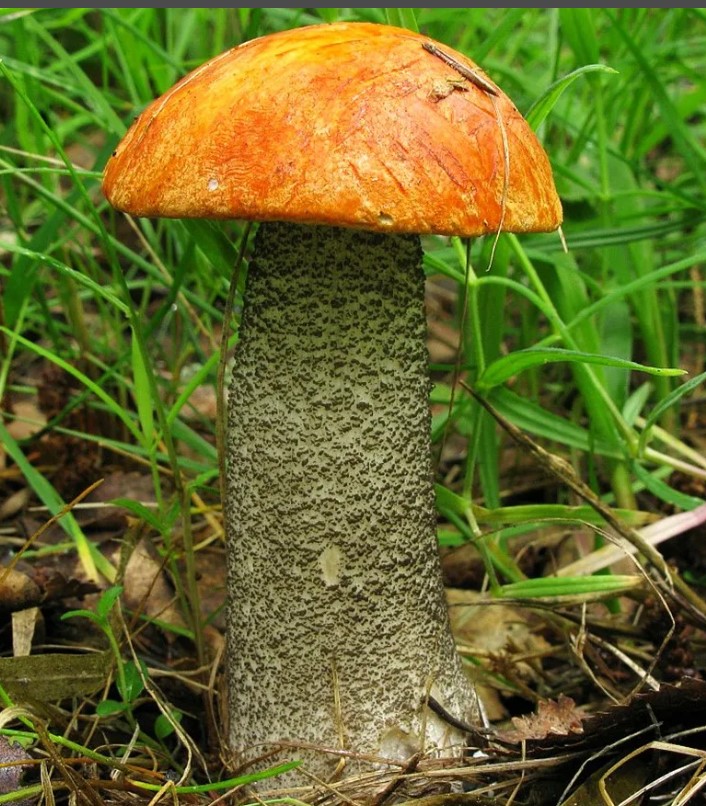
The cap grows up to 20 cm in diameter. In young mushrooms, it is tightly pulled down onto the stem, but with age, it opens up, and the aspen mushroom begins to resemble the classic mushroom pictured. The color is reddish-orange, but cream-colored specimens are sometimes found.
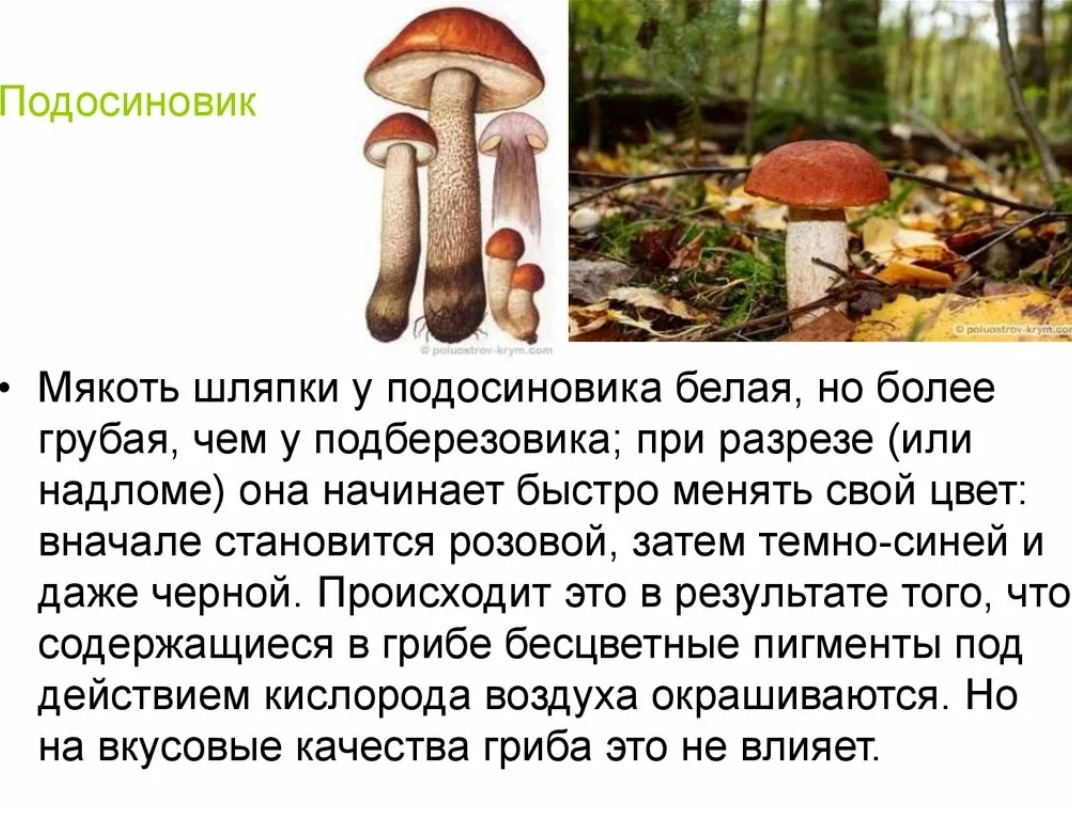
The flesh is light-colored and when broken, first turns purple and then takes on a grayish-blue hue.
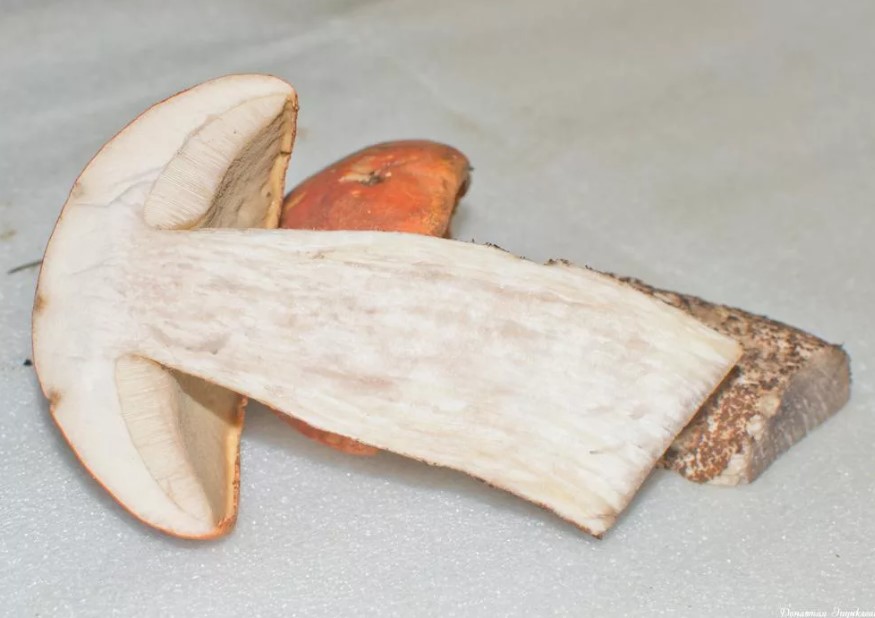
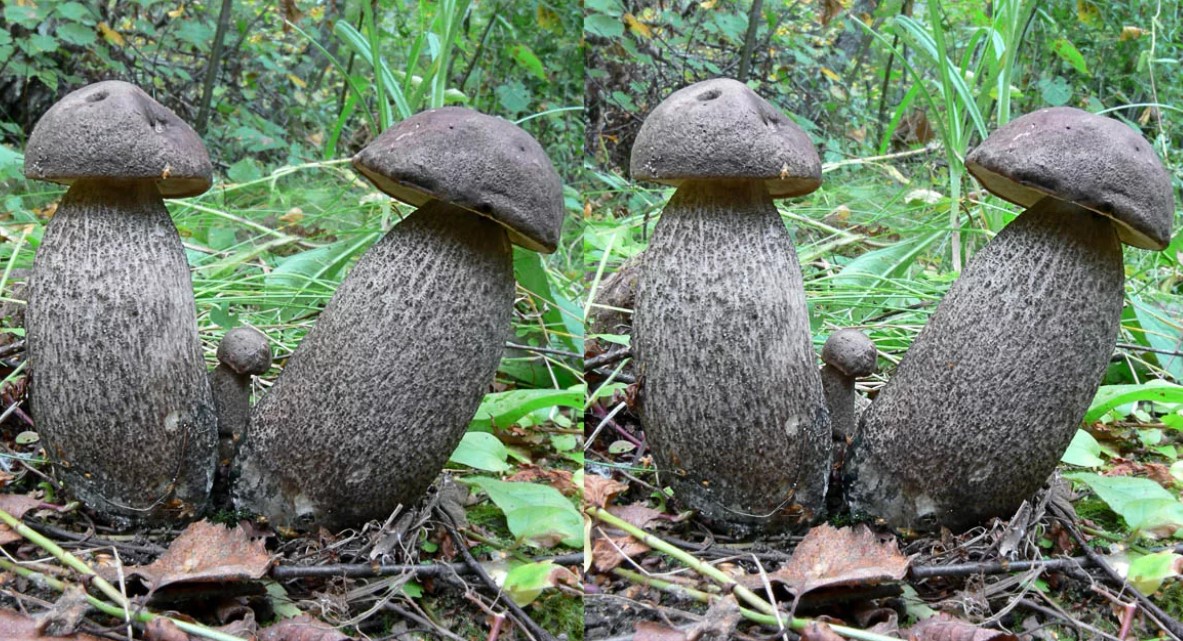
The stem is stocky and dense, ranging from 10 to 18 cm in height and up to 3 cm in diameter. Small, hard protrusions are located across the surface, which turn black with age. Only part of the stem is above ground, so when harvesting aspen mushrooms, they are twisted off rather than cut off with a knife to avoid damaging the mycelium.
Where do aspen mushrooms grow?
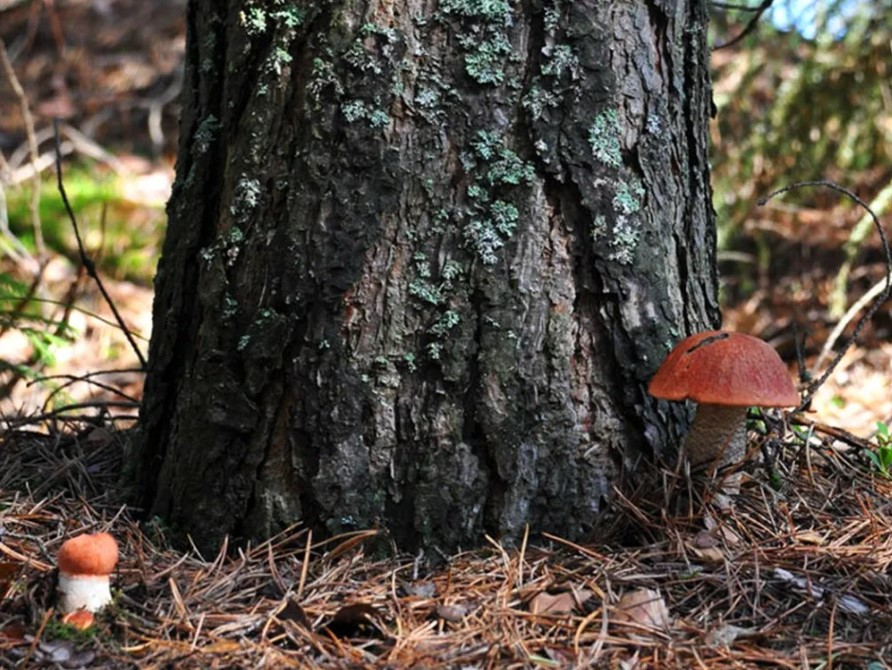
Aspen mushrooms are widespread throughout Europe and North America. They grow in deciduous forests alongside poplars, birches, aspens, willows, beeches, and chestnuts. These mushrooms are virtually unheard of in coniferous forests in Europe, but they can occasionally be found in Russia and North America.
As the name suggests, it was long believed that mycorrhizae mushrooms formed exclusively with aspen trees. However, this is not true. Due to the diversity of species, the habitats where these mushrooms grow also vary. Sometimes, aspen mushrooms can even be found among thickets of ferns and holly grasses.
As a rule, ripening occurs from mid-summer to autumn, but in some regions, aspen mushrooms begin to be collected as early as spring.
The benefits and harms of aspen mushrooms
Aspen mushrooms have many properties beneficial for humans:
- The composition is rich in proteins, minerals and fiber.
- The calorie content of mushrooms is very low, so they can be used in a diet menu.
- Eating mushrooms normalizes blood sugar levels; aspen mushrooms can be eaten by people suffering from diabetes.
- Amino acids strengthen the body's immune system, remove toxins, and the protein composition is identical to animal meat.
- Vitamins and nutrients help restore microflora.
However, don't overindulge in aspen mushrooms, as they are considered difficult to digest. Also, never pick mushrooms in polluted areas. They act like a sponge, absorbing toxic deposits, which can cause intoxication.
Composition and nutritional value of aspen mushrooms
100 grams of fresh aspen mushrooms contain only 22 kcal. They also contain the following nutrients:
- retinol;
- unsaturated fatty acids;
- amino acids;
- niacin;
- vitamin C;
- potassium;
- calcium;
- fluorine;
- phosphorus;
- tannins;
- disaccharides.
Niacin (vitamin PP) is essential for humans. It helps with oxygen exchange, accelerates metabolism, and normalizes nervous system function. Saturated fats help protect blood vessels from cholesterol and support heart muscle function.
Why does the aspen mushroom darken when cut?
The flesh of the aspen mushroom is creamy, but after cutting, it turns bluish-purple. This occurs because the variegated acid in the flesh contains phenolic compounds. These compounds produce the tint when exposed to oxygen.
 You might be interested in this article.White mushrooms turn blue when cut: 11 types and how to tell which ones are edible and which ones aren't.
9 types of aspen mushrooms with photos and descriptions in tables
All aspen mushrooms are edible, but the color of the cap and the texture of the flesh may vary depending on the species.
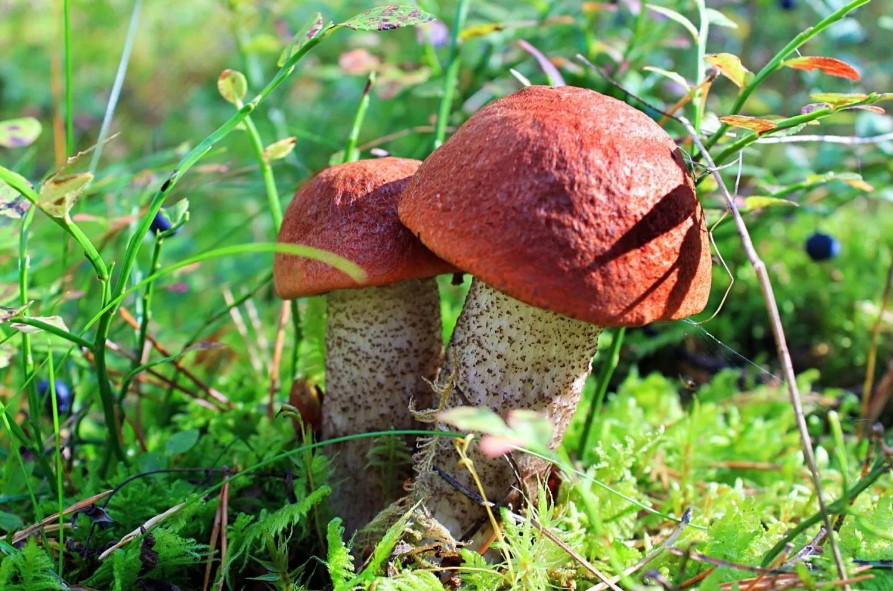
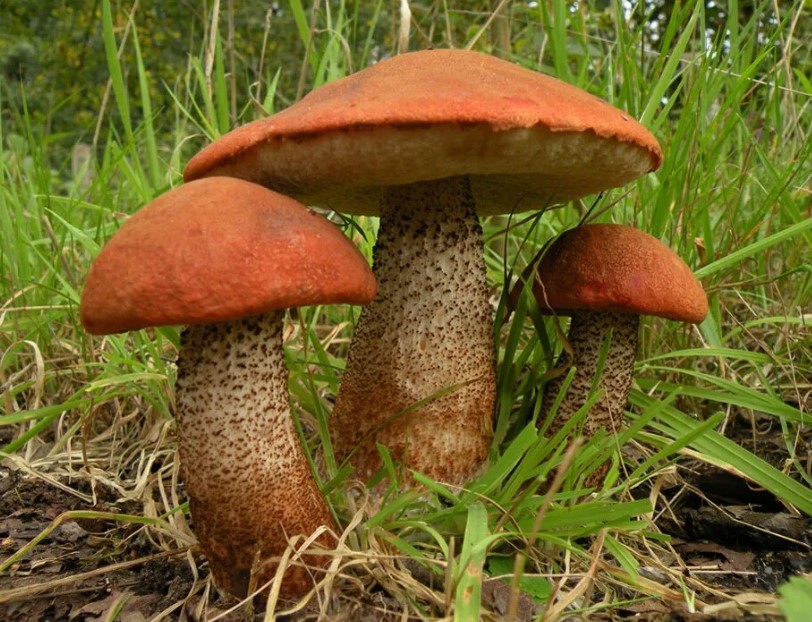
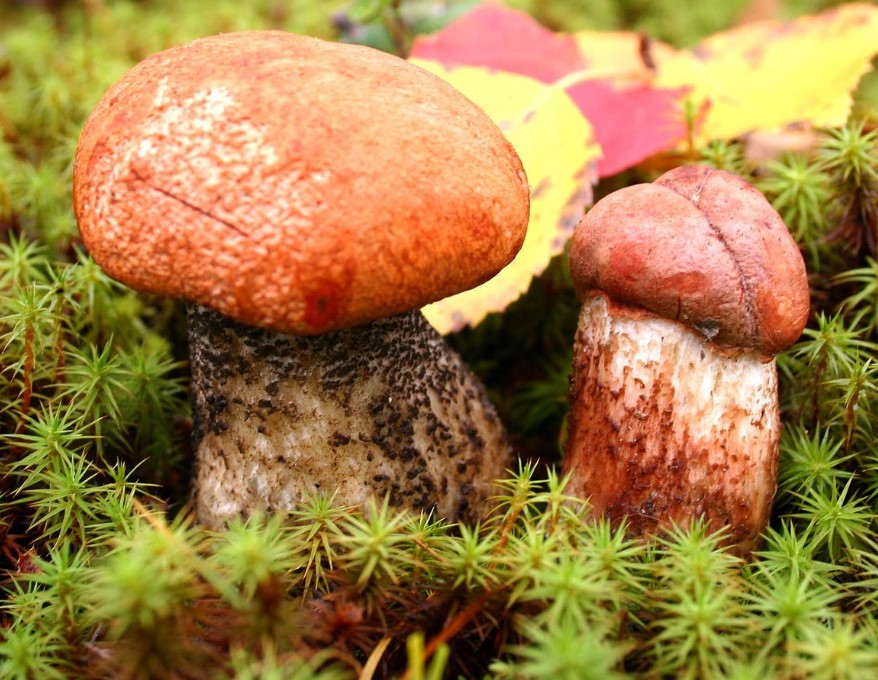
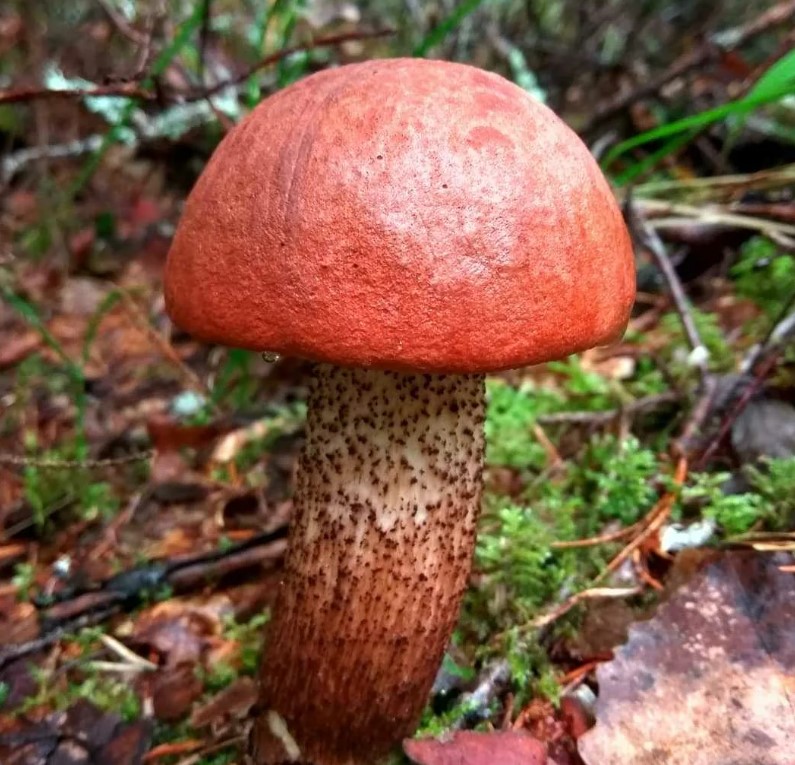
Red aspen mushroom (Leccinum aurantiacum)
| Description | Nutritional value | Harvest season | Spreading |
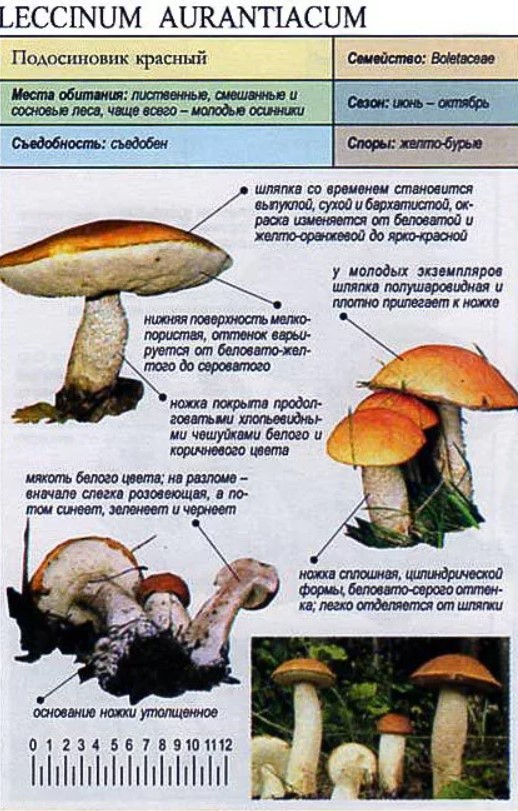
| The cap, 4 to 15 cm in diameter, is orange or brown. The skin is smooth and very difficult to peel. The flesh is firm and darkens quickly when cut. The stem is up to 15 cm tall, up to 5 cm in diameter, and has a flared base. | It is considered the second mushroom after the porcini mushroom in terms of taste. | June-October | It grows in deciduous and mixed forests, most often near aspens and poplars. |
Red aspen mushroom photo gallery
Red-brown or yellow-brown aspen mushroom (Leccinum versipelle)
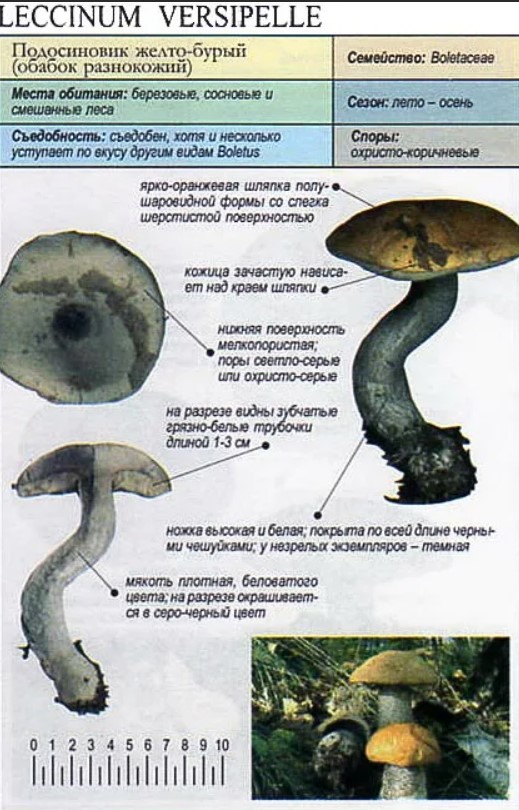
| Description | Nutritional value | Harvest season | Spreading |
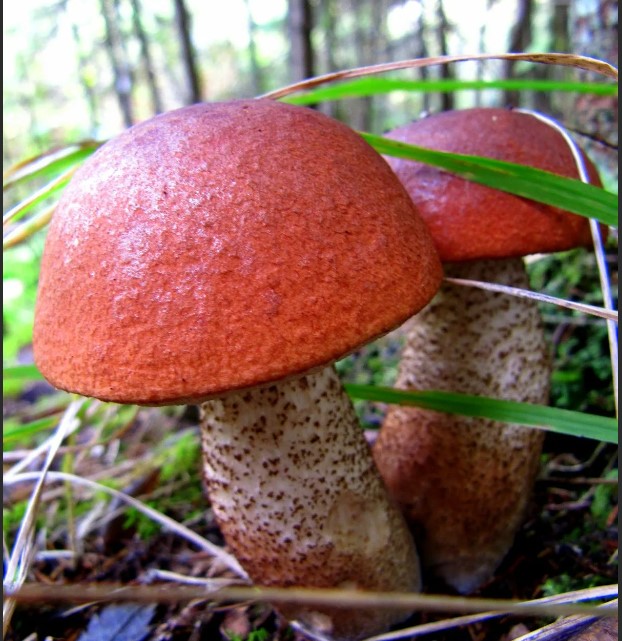
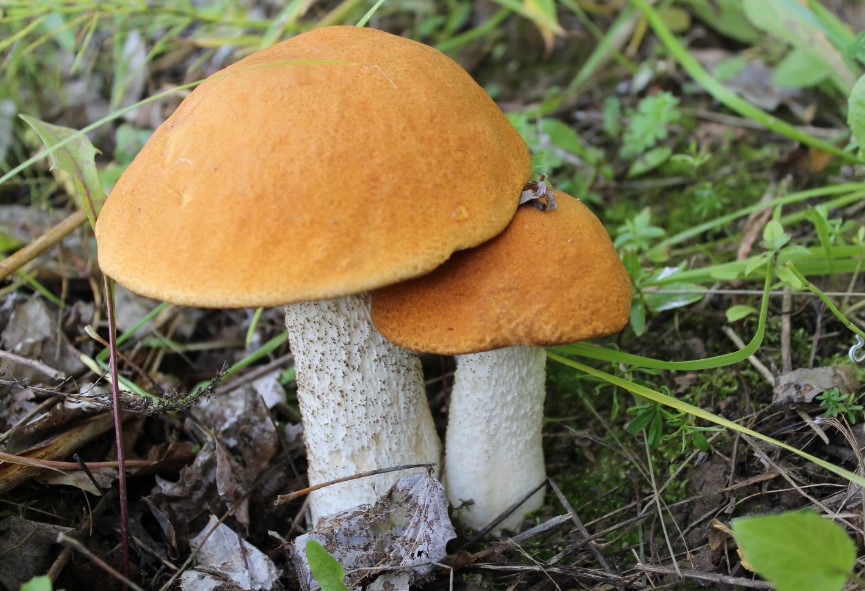
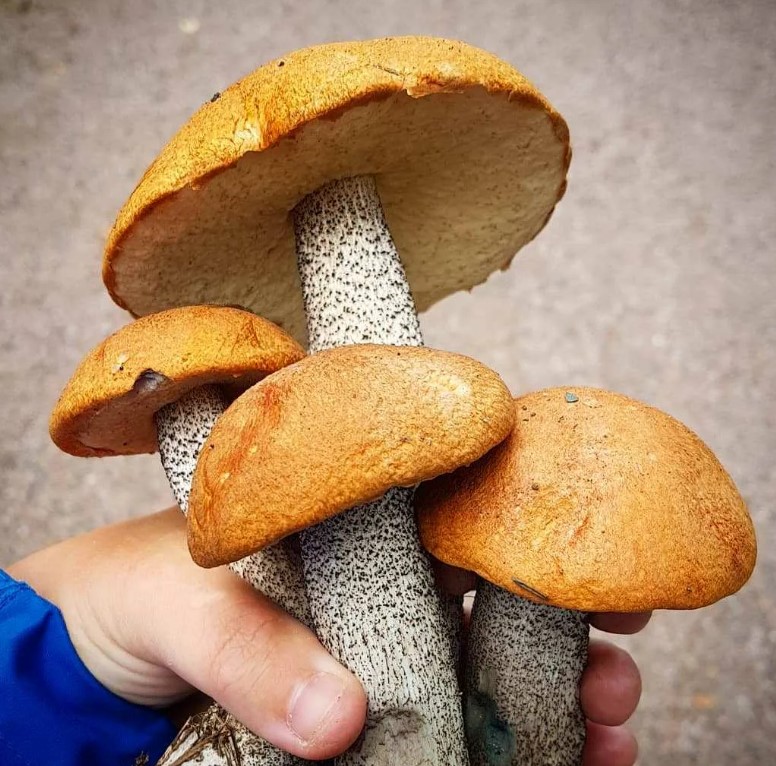
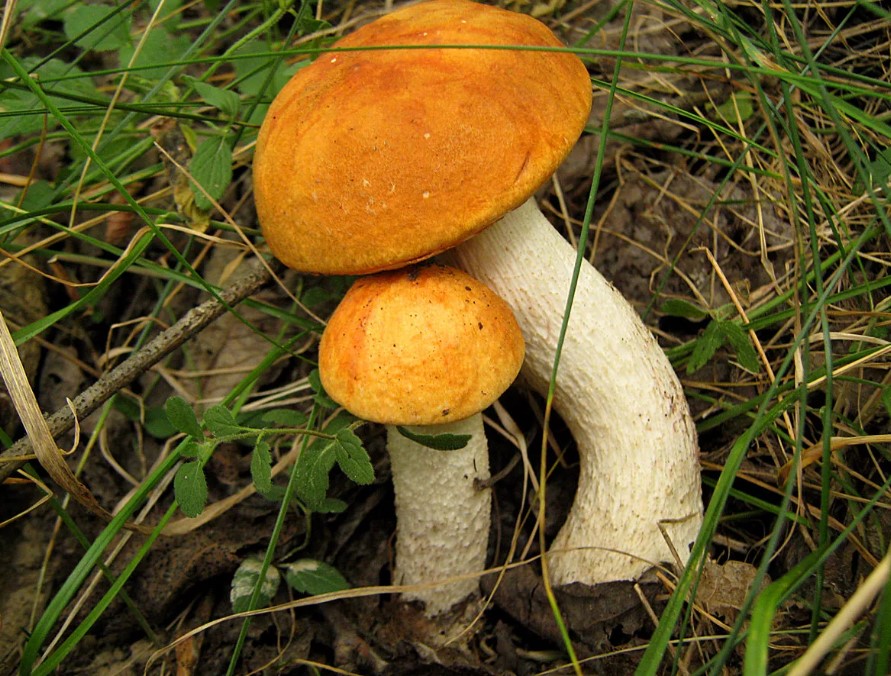
| The cap is large, up to 25 cm in diameter, orange-yellow or yellow-brown in color. The skin is dry and may hang over the cap margin in young specimens. The white flesh turns pink when cut, then darkens to purple-black. The stem, 7 to 22 cm tall, is light-colored and covered with small scales. | It is recommended to boil the mushroom before cooking; it is used for all types of dishes and preparations. | June-September | Birch and mixed forests, can hide under ferns. |
Photo gallery of the yellow-brown aspen mushroom
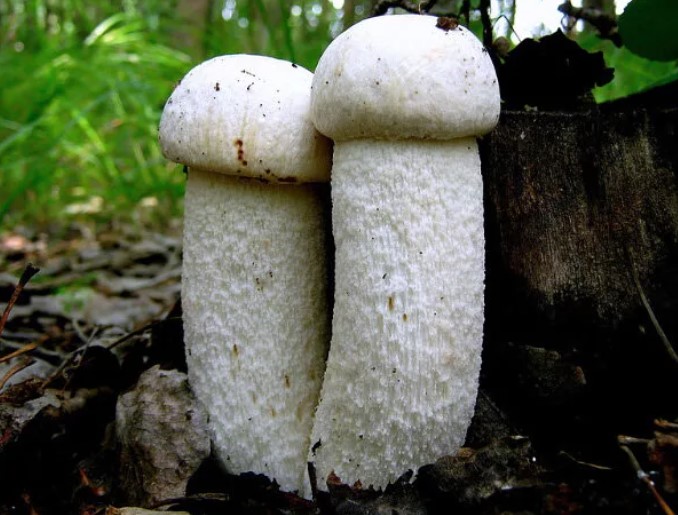
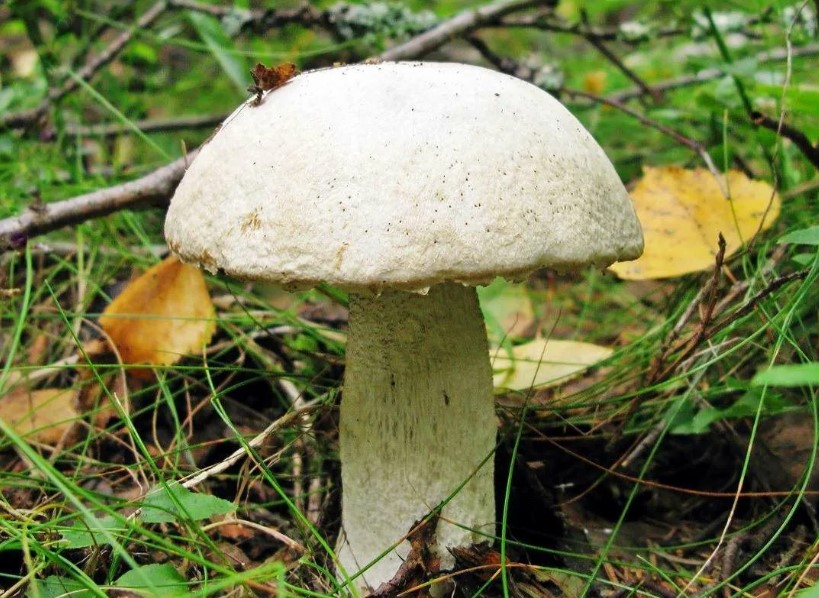
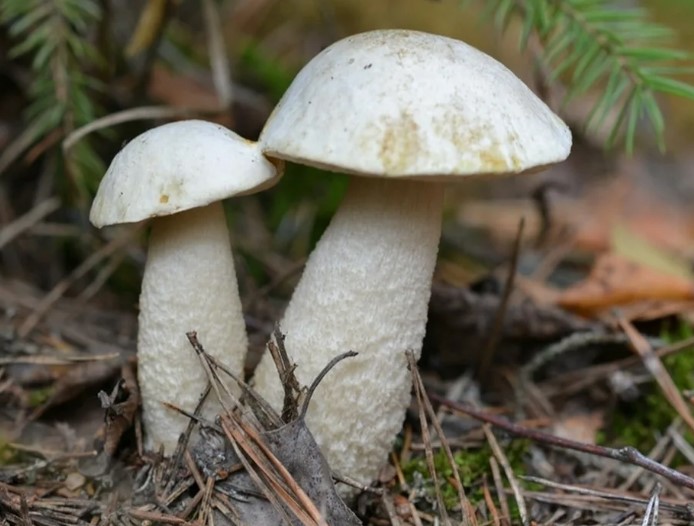
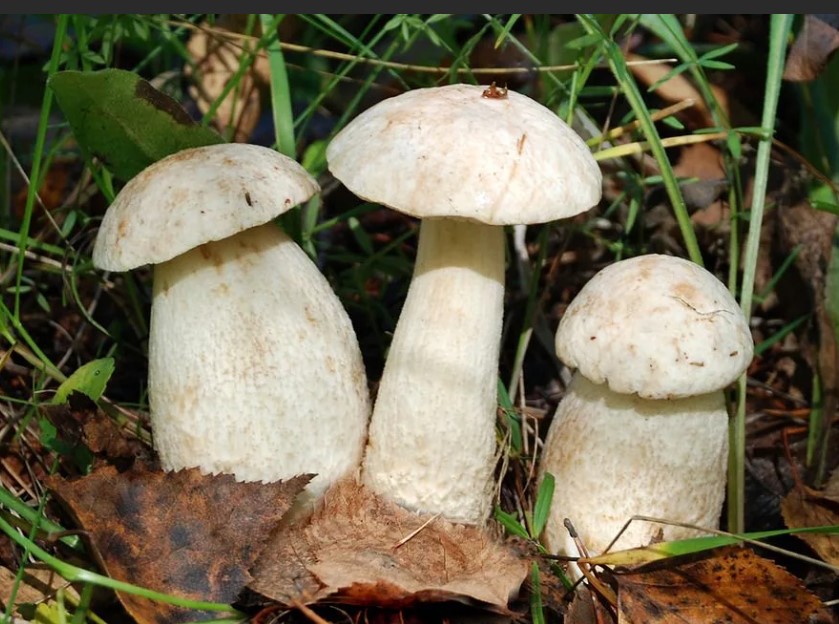
White aspen mushroom (Leccinum percandidum)
| Description | Nutritional value | Harvest season | Spreading |
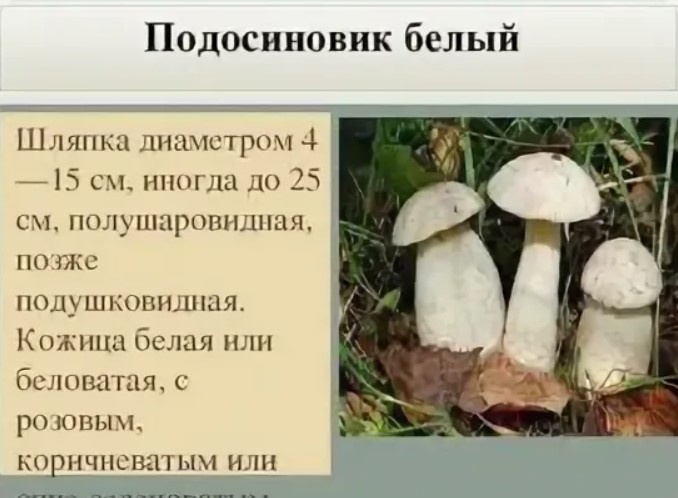
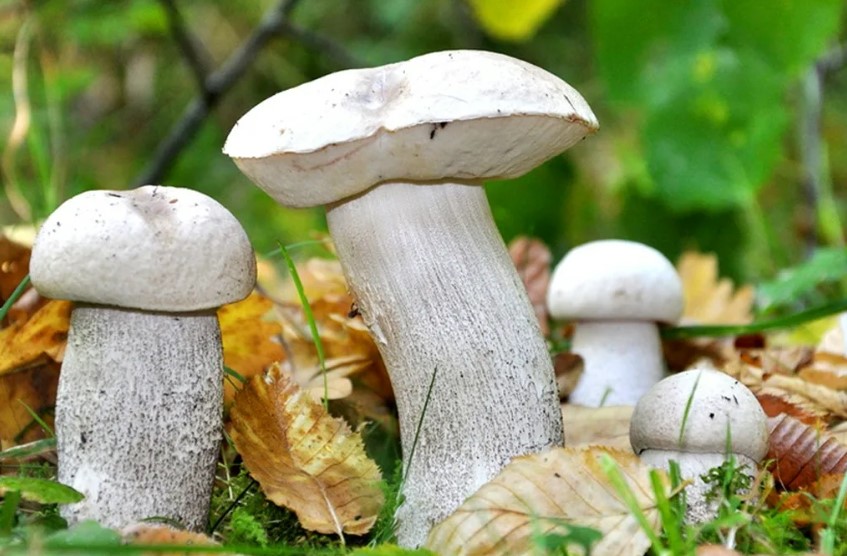
| The red-cap boletus has white skin with a blue-green, pink, or brown tint. The stem is tall, and dark fibrous scales can be seen on the surface. The flesh darkens near the cap when cut, and turns purple on the stem. | Suitable for all types of workpieces. | June-September | Loves shady aspen forests, and is sometimes found in spruce forests. |
Photo gallery of white aspen mushrooms
Black-scaled aspen mushroom (Leccinum atrostipiatum)
| Description | Nutritional value | Harvest season | Spreading |
| The cap is brick-red, the stem is grayish-white. The flesh darkens when cut. | Belongs to the edible mushrooms of the 2nd category, suitable for preservation; it is recommended to remove the stem from mature mushrooms. | July-November | Grows in aspen forests. |
Photo gallery of the black-scaled aspen mushroom
Oak aspen mushroom (Leccinum quercinum)
| Description | Nutritional value | Harvest season | Spreading |
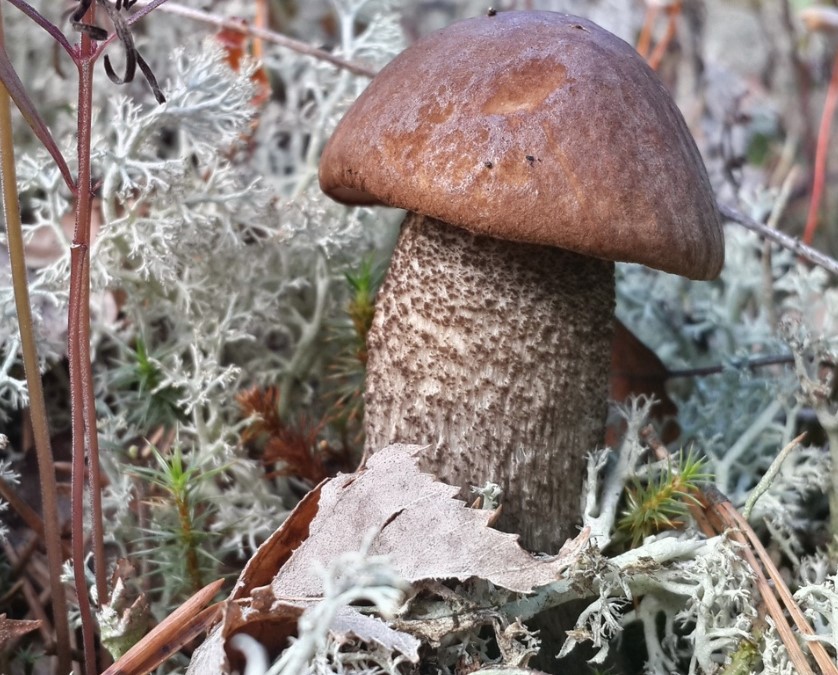
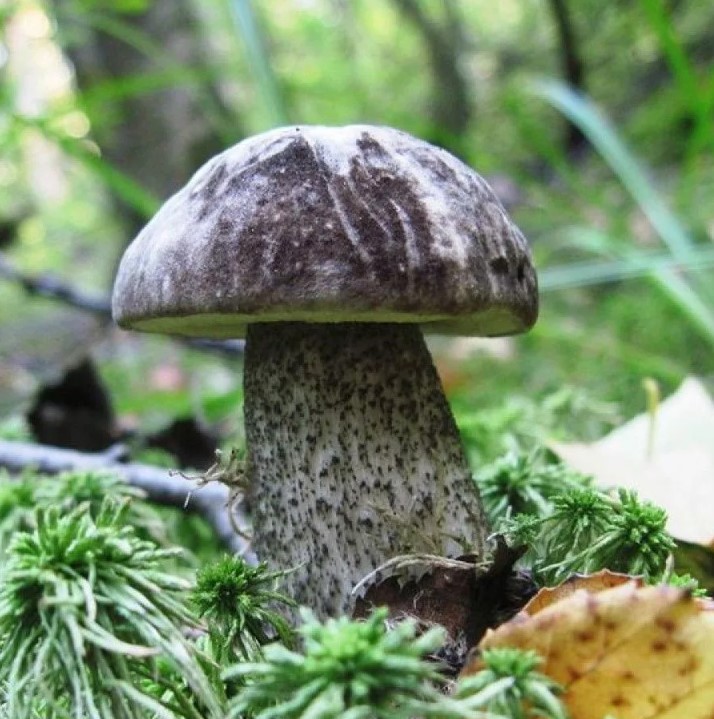
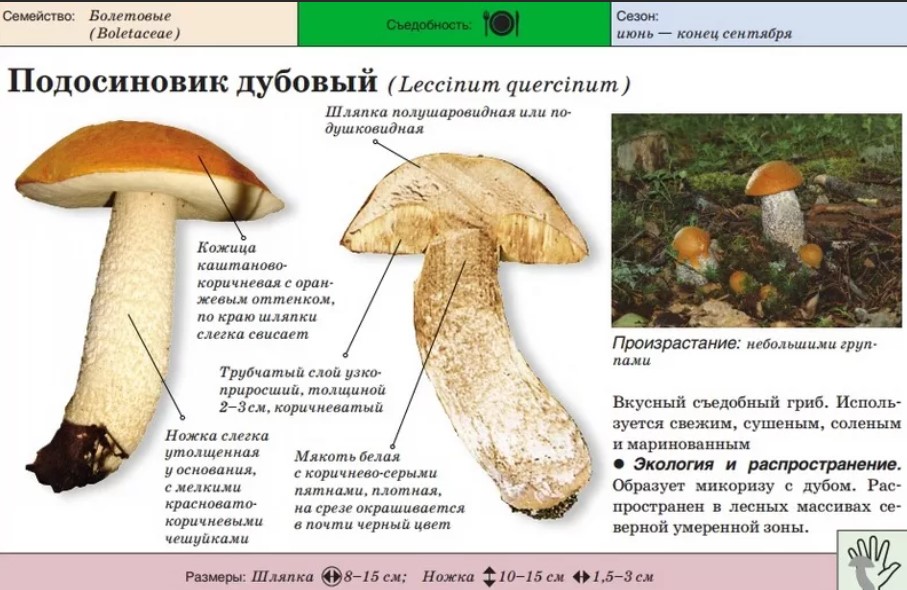
| The cap is up to 15 cm in diameter, brownish in color, and dome-shaped. The skin is dry and cracks when dehydrated. The stem is up to 15 cm high and up to 5 cm in diameter. | Small mushrooms are best used for pickling, while larger ones are best fried, dried, boiled, and frozen. | July-October | Deciduous forests where oak trees grow. |
Photo gallery of oak boletus
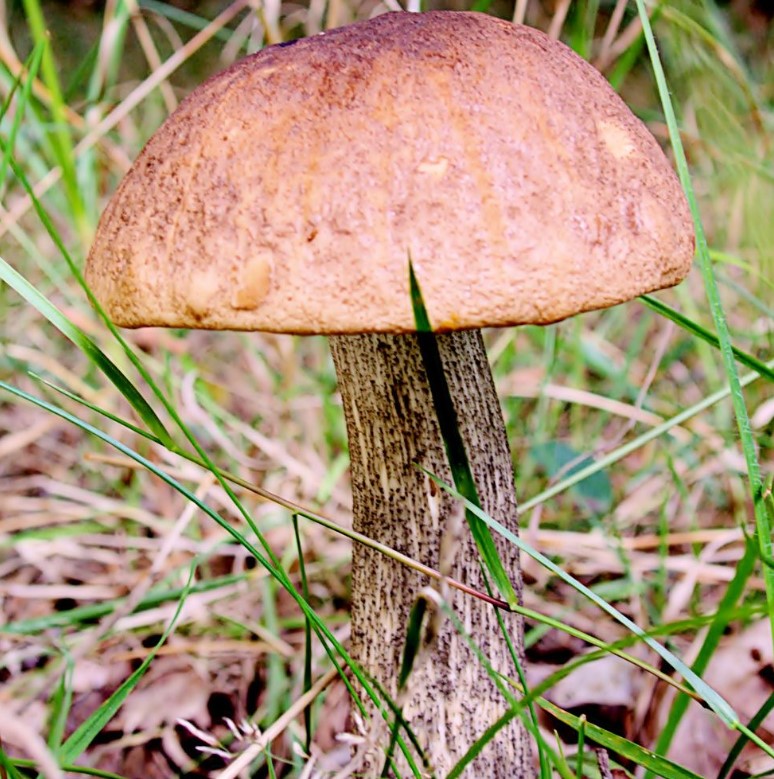
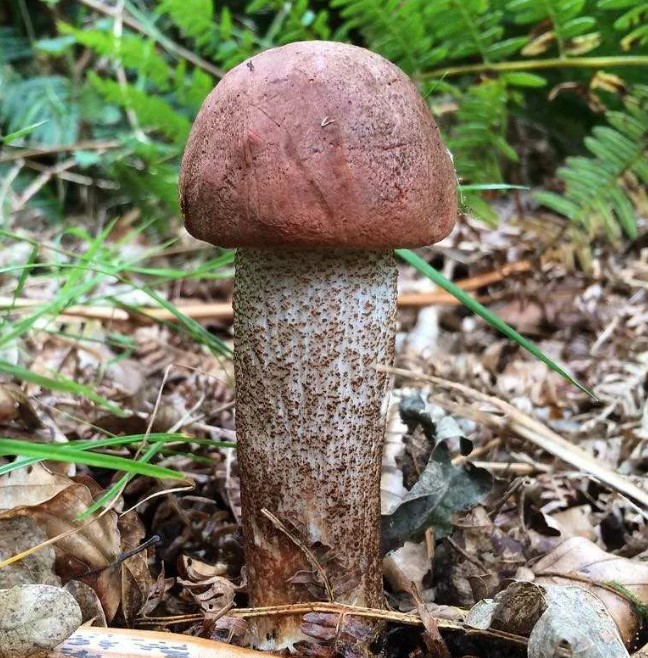
Pine boletus (Leccinum vulpinum)
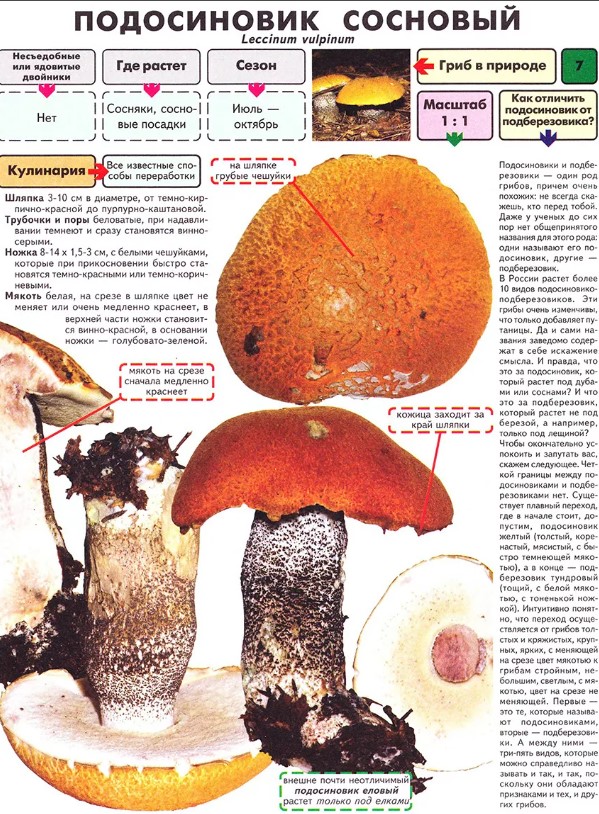
| Description | Nutritional value | Harvest season | Spreading |
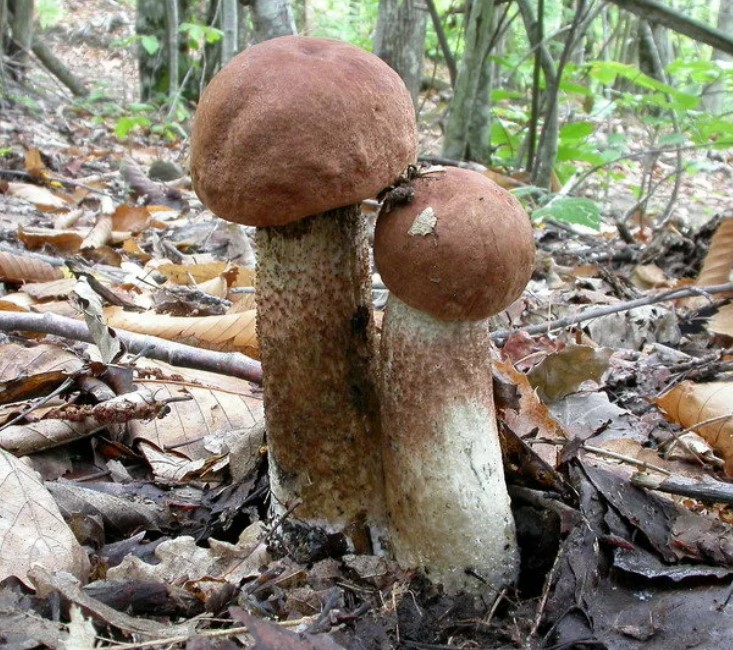
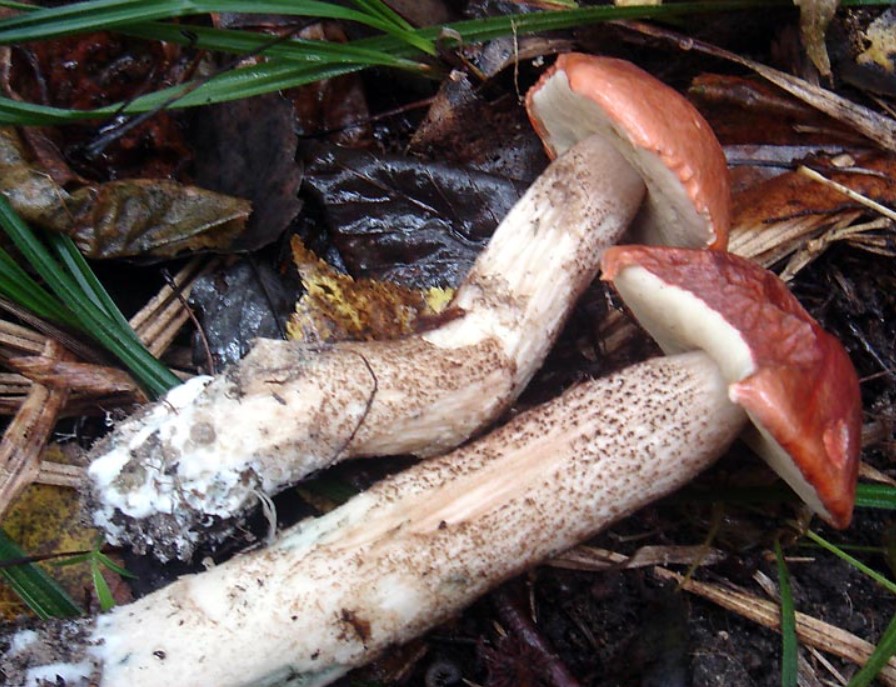
| The cap is dark crimson, varying in shape from spherical to cushion-shaped. The stem is cylindrical but can widen considerably at the base. The flesh darkens when cut, but sometimes dark spots can be seen on the surface of the mushrooms even without this. | Used in preserves; for freezing, it is better to take young specimens; it is advisable to remove the stems. | June - October | The mushroom prefers coniferous forests and grows in mossy areas near pine trees. |
Photo gallery of the pine aspen mushroom
Spruce aspen mushroom (Leccinum piceinum)
| Description | Nutritional value | Harvest season | Spreading |
| The cap is chestnut-colored, and the stem is brown and relatively short. A distinctive feature of the mushroom is its modest size, with a maximum cap diameter of 10 cm. | Used for pickling and marinating | July-October | It grows in coniferous and mixed forests, preferring to settle near spruce trees. |
Photo gallery of spruce boletus
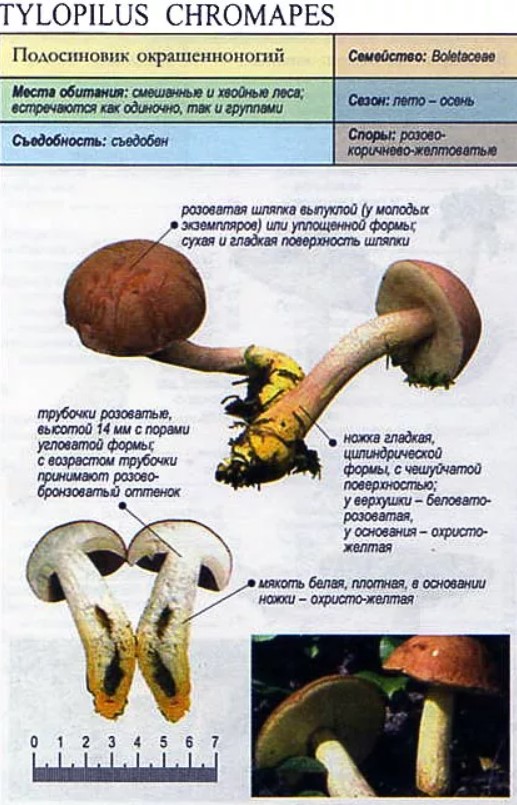
Painted-legged aspen mushroom (Leccinum chromapes, Tylopilus chromapes, Harrya chromapes)
| Description | Nutritional value | Harvest season | Spreading |
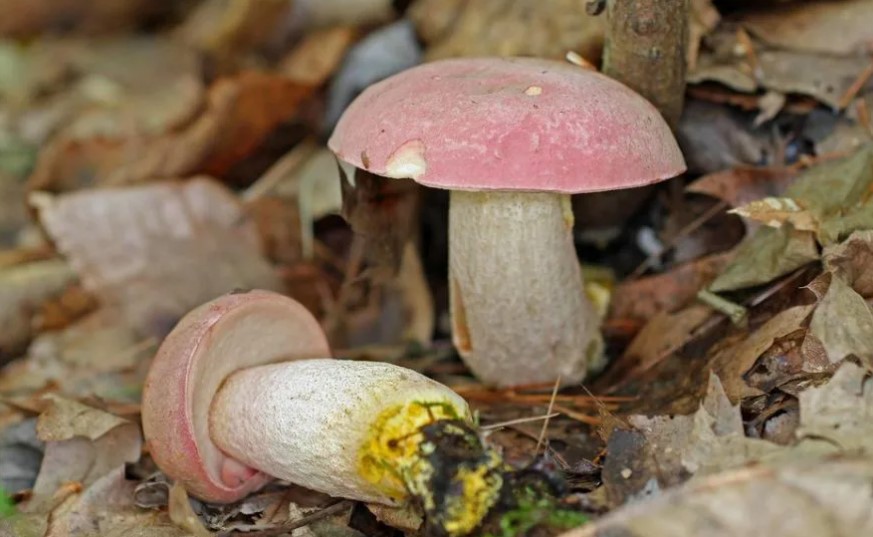
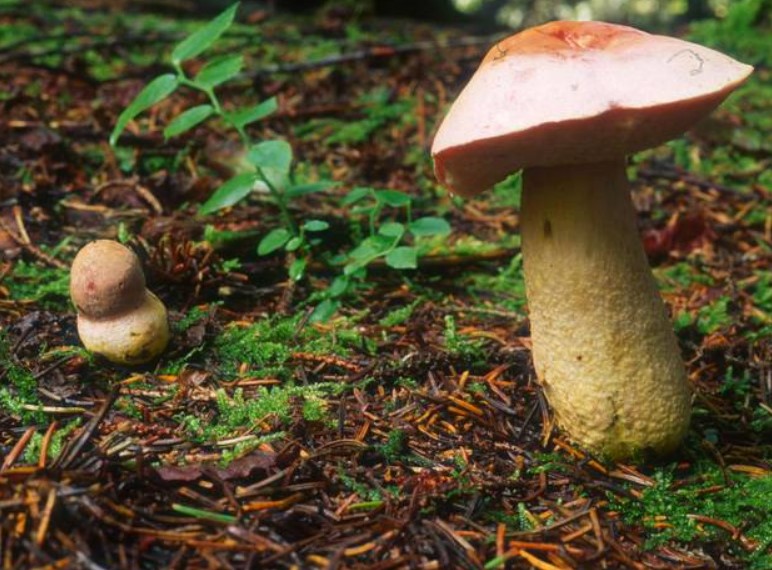
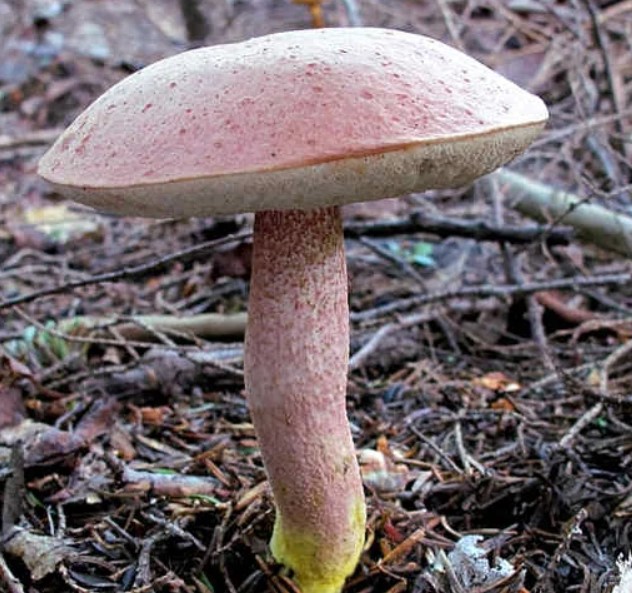
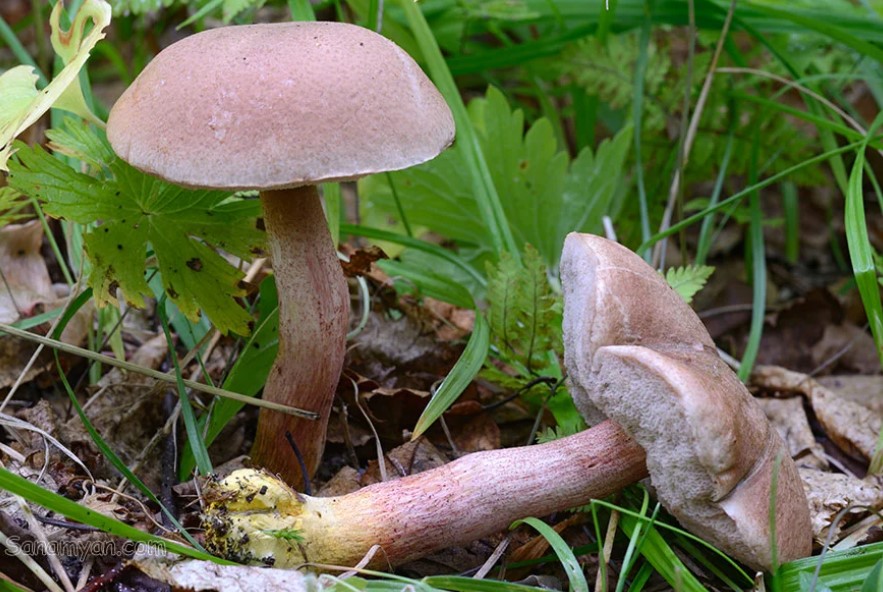
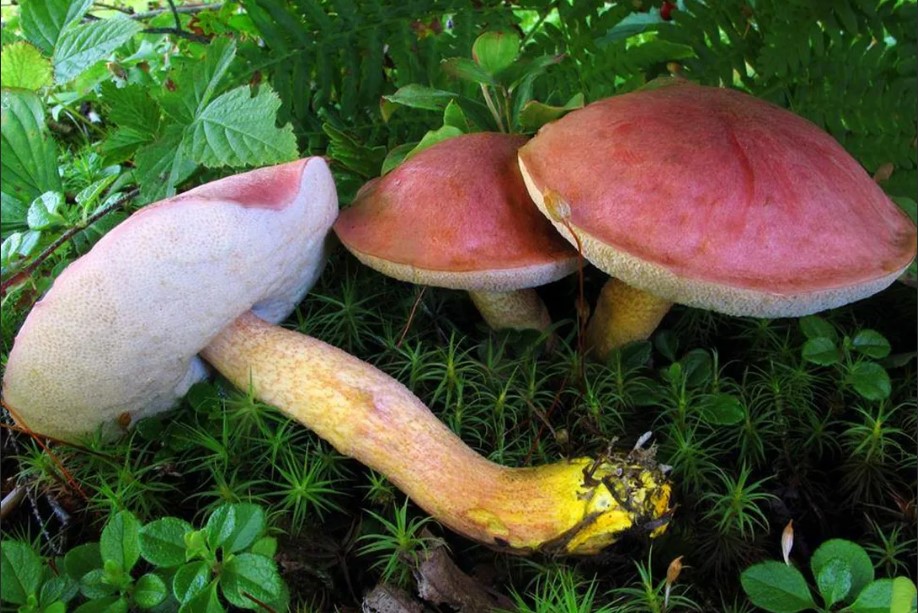
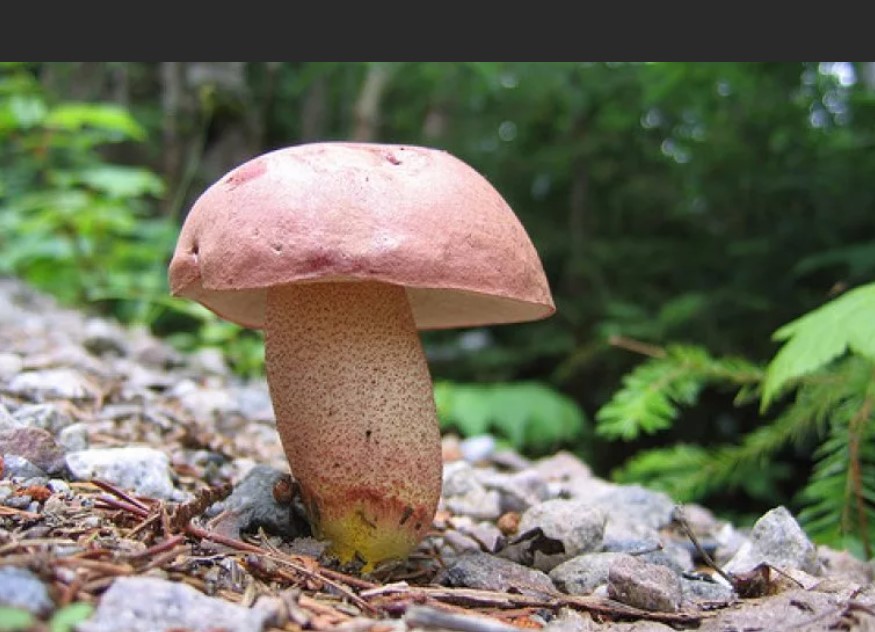
| This mushroom is extremely rare; in some regions, picking it is strictly prohibited. It is distinguished by its light-colored cap with a pinkish tint and a creamy stem, tinged with brown at the base. | A conditionally edible mushroom. It needs to be boiled before consumption. It is also suitable for pickling. | July-October | Deciduous and mixed forests |
Photo gallery of the aspen mushroom with a coloured leg
An inedible mushroom similar to the aspen mushroom: similarities and differences
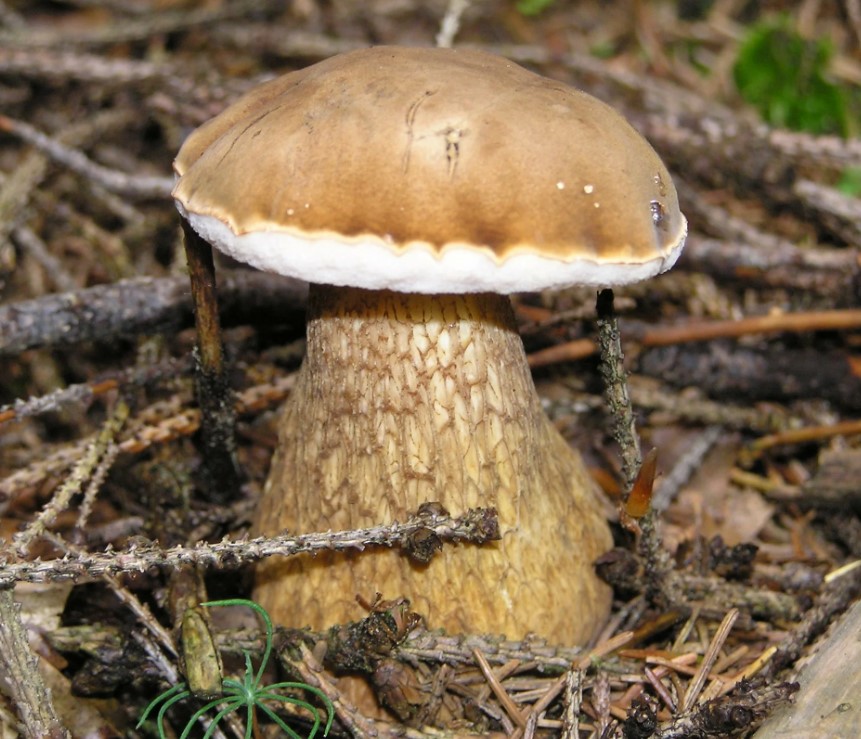
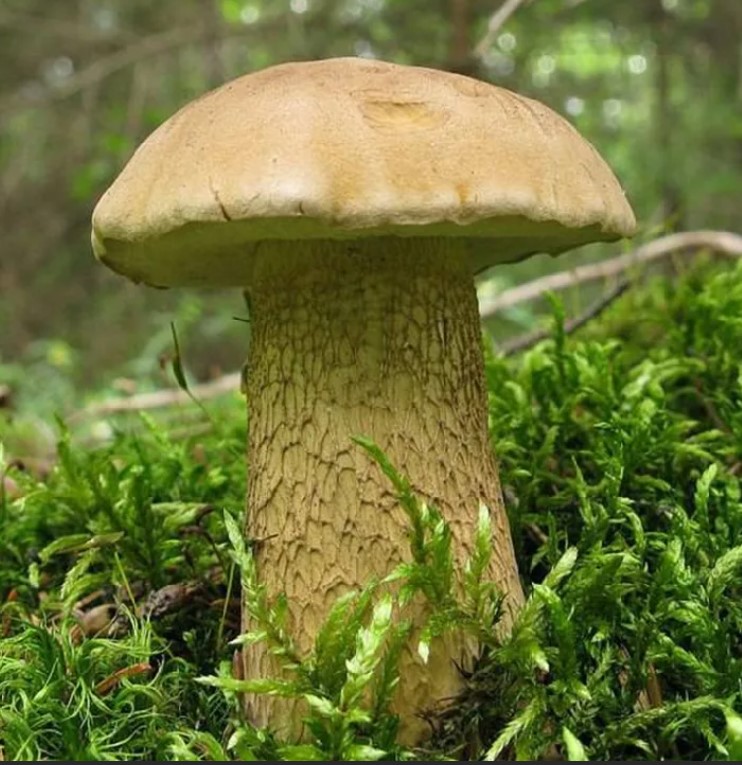
There are no false aspen mushrooms, but there is a mushroom that looks very similar. It's called the bitterling or gall mushroom because of its distinctly bitter taste.
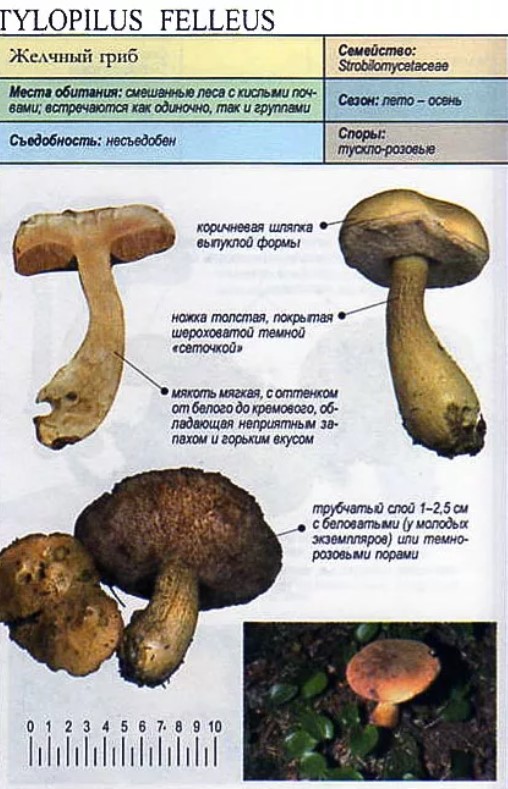
At first glance, the mushrooms are completely indistinguishable from each other. But if you look closely, you can see signs of difference.
- Cut color. The flesh of the bitterling mushroom turns pink or red when oxidized, while that of the aspen mushroom turns blue.
- Stem. The false mushroom is distinguished by its stem, which is covered with an unusual yellowish or reddish mesh.
- Habitat: Bitterling can be found exclusively in spruce forests.
Gall Mushroom Photo Gallery
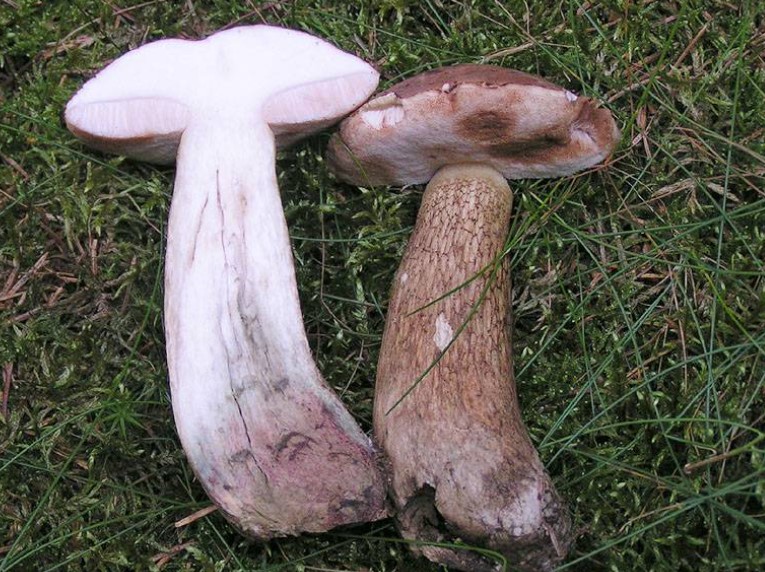
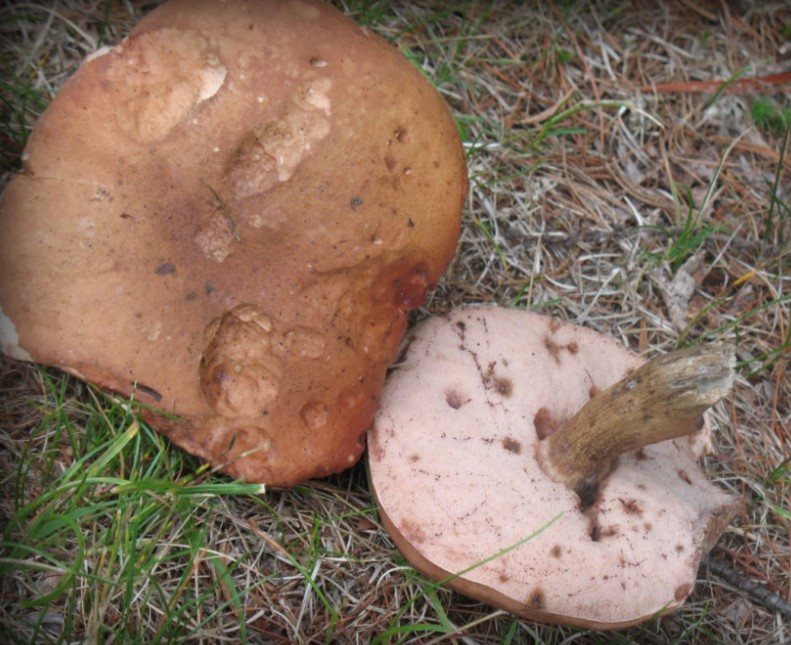
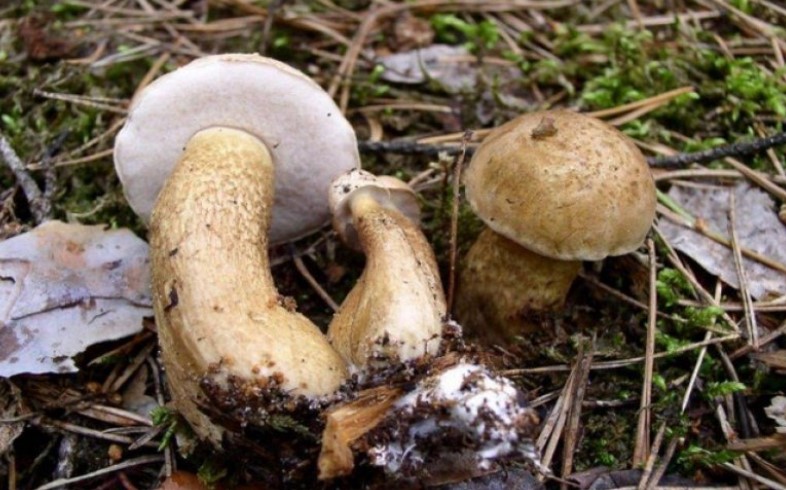
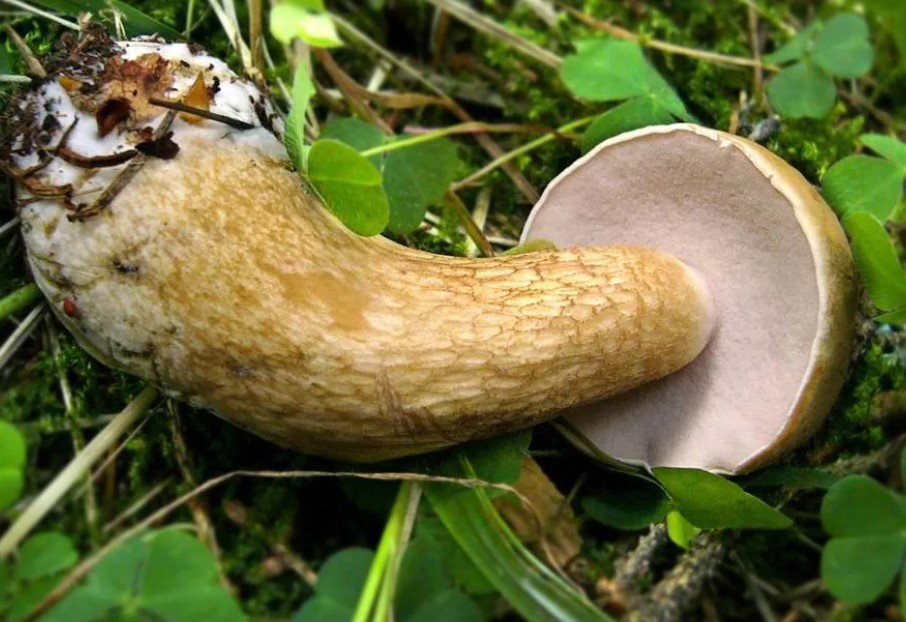
Read more about bitterling mushrooms, how to distinguish them from good mushrooms, and whether they can be eaten in the article.False porcini mushroom (gall, bitter): 20+ photos and description, similar varieties, how to distinguish from the real thing.
An edible mushroom similar to the aspen mushroom
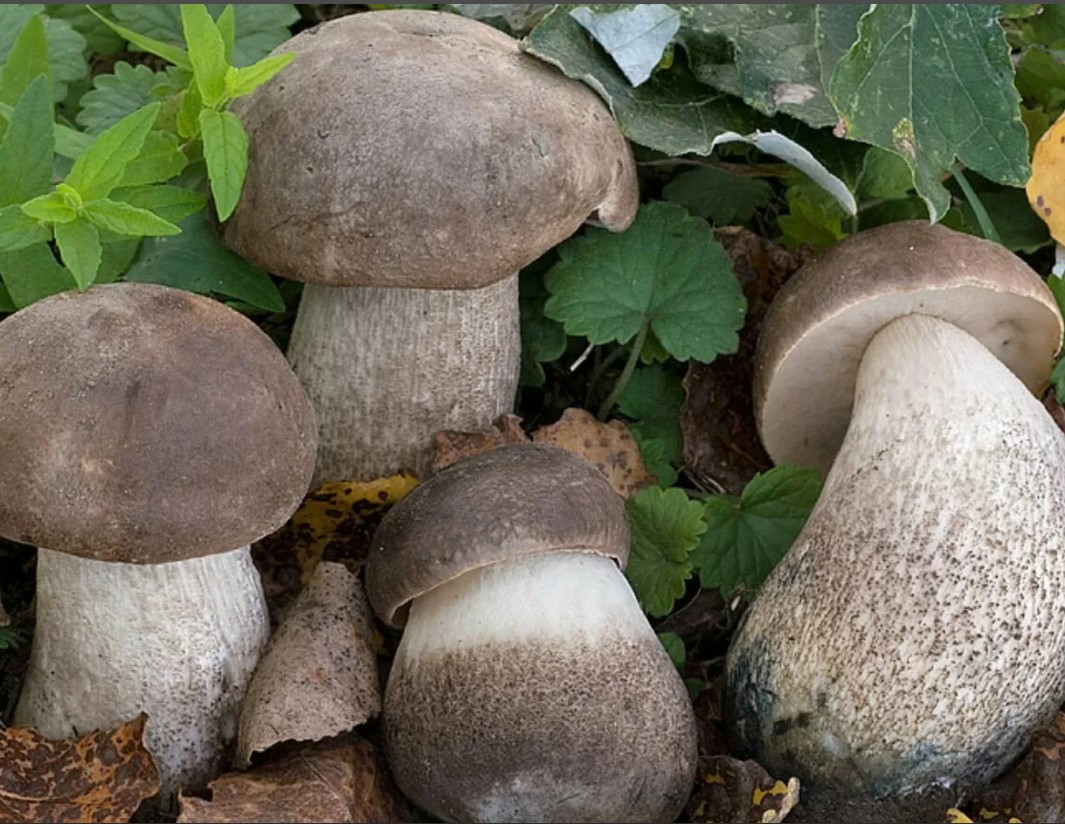
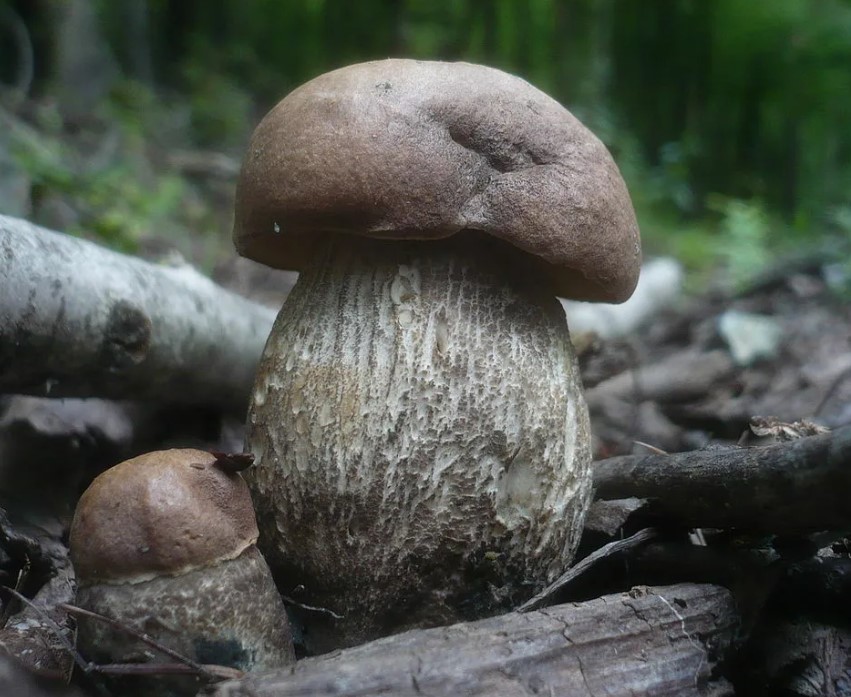
The aspen boletus has a distinctive appearance, but it is often confused with another edible mushroom, the rough-sided birch boletus. It grows near poplar and aspen trees. The shape of the fruiting body, the texture of the flesh, and the features of the stem are very similar to those of the aspen boletus. However, there are some differences. The cap is brown, and the flesh darkens after some time, not immediately, when cut. The flesh is very dense, so wormy specimens are extremely rare.
Photo gallery of the hard birch bolete
Medicinal properties of aspen mushrooms
Aspen mushrooms are widely used not only in cooking, but also in folk medicine and homeopathy.
The nutritional content makes the product effective for the following conditions:
- anemia;
- acne;
- anemia;
- atherosclerosis;
- gastrointestinal diseases;
- infections.
Tinctures, powders, and capsules are made from aspen mushrooms to treat illnesses, support immunity, raise hemoglobin levels, reduce inflammation, etc.
Today, a whole new field of medicine has emerged and is actively developing – fungotherapy (treatment with mushrooms)
How to collect and store aspen mushrooms
The aspen mushroom harvest season runs from July to October. However, the mycelium peaks in September. Aspen mushrooms are easy to recognize—they're identified by their red or bright orange cap. You can search for them in coniferous or mixed forests, armed with a knife. However, experienced mushroom pickers recommend avoiding leaving part of the stem in the mycelium; instead, it's best to remove the mushroom from the ground.
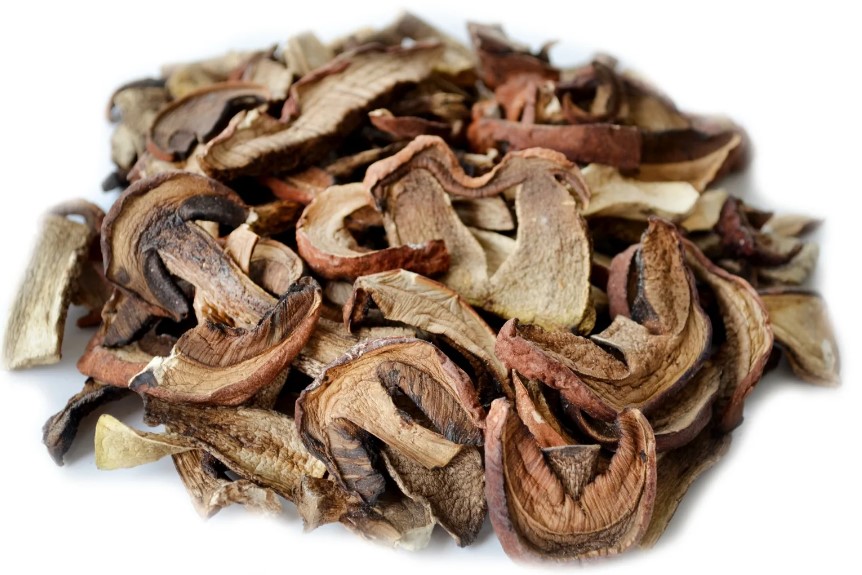
Mushrooms should be processed immediately after picking; they won't keep. Dried mushrooms have the longest shelf life—up to 12 months. Frozen aspen mushrooms will keep without losing their quality for up to 6 months. They cannot be refrozen.
Culinary uses of aspen mushrooms
Aspen mushrooms are widely used in cooking. They are excellent for preserving for the winter, making soups, and making side dishes.
Mushrooms should be processed as quickly as possible, preferably within the first 24 hours after harvesting. After cooking, aspen mushrooms lose their color; their vibrant color is retained only after pickling.
Both the cap and stem are edible. However, some gourmets find the underside of the mushroom a bit tough.
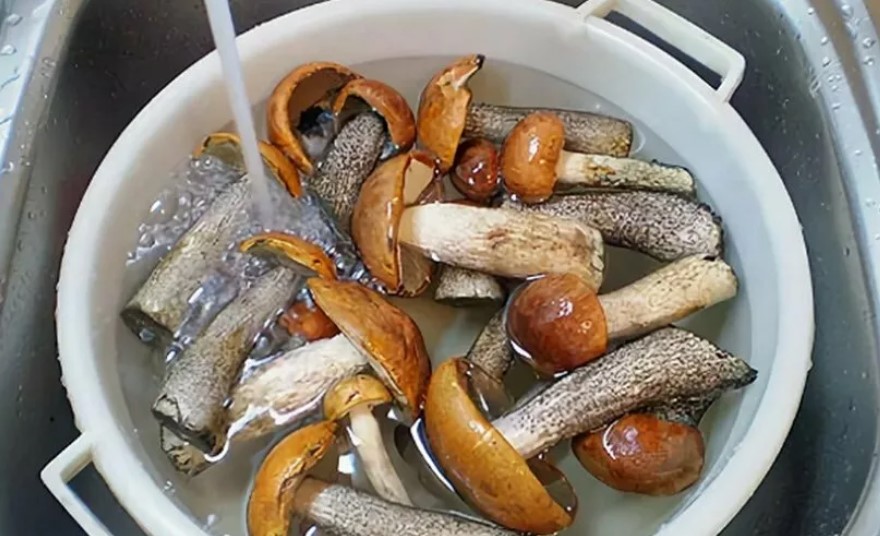
Before processing, mushrooms should be cleared of forest debris and at least a third of the stem should be cut off at the base. For cooking, mushrooms are usually boiled, then used fresh for drying and freezing.
- Drying. The mushrooms are cleaned of forest debris and sand, cut into pieces, and placed in a slightly ajar oven preheated to 40-50 degrees Celsius (104-122 degrees Fahrenheit). Drying outside is also possible, but this will take up to a week. Dried mushrooms make very flavorful, richly colored soups.
- Freezing. Wash the mushrooms, cut them into small pieces, boil them, cool them, and portion them out. Then, place them in the freezer. Fresh boletus mushrooms can also be frozen, but they will take up much more space.
- Pickling. It's best to use the caps for pickling. Rinse them and boil them for 20 minutes. Next, take a container, sprinkle the bottom with salt, add a few sprigs of dill and a couple of cloves of crushed garlic. Stack the mushrooms cap-side down, and sprinkle each row with salt. Next, cover the container with a smaller lid and place a weight on top. After a week, the mushrooms can be placed in sterilized jars, pouring the resulting solution over them.
- Marinating. You can use the caps and well-cleaned stems. Boil the mushrooms for 30 minutes. You can prepare the marinade separately using any favorite recipe, or you can add bay leaves, spices, salt and pepper to the same water, boil for another 5 minutes, and pour into jars.
- Caviar. Boil the mushrooms for 20 minutes. Fry the onions and carrots separately. Grind everything together in a meat grinder or blender, transfer to a frying pan, and simmer until the water evaporates. Then, place in jars, cover with odorless vegetable oil, and seal.
- Salad. Boil the mushrooms for 30 minutes and chop finely. Boil the potatoes and dice them, then add the chicken breast and celery. Mix everything together, season with salt, and dress with sour cream or mayonnaise.
- Julienne. Boil the aspen mushrooms for 10 minutes, chop the cooked chicken breast, place it in small bowls, and add the sliced mushrooms. Pour a mixture of sour cream and beaten egg over the top, sprinkle with cheese, and bake in a preheated oven for 25-30 minutes.