Planting roses in the fall requires a creative approach, as unpredictable climate conditions, the characteristics of the variety, and the need to select suitable soil make growing these flowers a rather painstaking process.
Content
- 1 When to plant roses in autumn
- 2 Rose planting dates in autumn 2024 + according to the lunar calendar
- 3 Planting roses in open ground: nuances and technology
- 4 Transplanting roses to another location in the fall
- 5 Rose cuttings in autumn and other propagation methods
- 6 Top.tomathouse.com warns: mistakes when planting roses
- 7 Fertilizing roses
- 8 Preparing roses for winter
- 9 Top.tomathouse.com recommends: winter-hardy rose varieties for the middle zone
When to plant roses in autumn
The optimal time for planting cuttings in the soil is considered to be September or October. This way, the rhizome will have time to take root before the first frost.
In the Moscow region, cold weather arrives late, but in Siberia and the Urals, subzero temperatures are observed as early as late autumn. Therefore, growing these plants in the northern regions of the country requires early planting and the selection of frost-resistant varieties.
Planting roses in autumn has a number of advantages that guarantee a strong and flowering bush next year:
- During this period, air humidity is 70-80%, which is 10-20% higher than in spring. This level increases the rate of plant survival.
- Due to the large amount of rainfall, roses do not need to be watered as often.
- The soil is warm, which affects the acclimatization of the flowers. The soil temperature is above 14°C.
However, there are varieties that can only be grown if planted in spring. For example, the very popular and unusual Black Prince and Floribunda rose varieties are planted in May and June. They are trained into standard trees with spherical crowns in a variety of colors. Therefore, such plants can only be grown if planted in spring or early fall, but only in southern regions.

How plant a rose in spring on the website top.tomathouse.com.
Rose planting dates in autumn 2024 + according to the lunar calendar
When planting roses in the fall, it's important to adhere to precise timing so that the flower takes root before frost sets in and the roots have enough time to strengthen.
By region
The timing of rose planting directly depends on the weather conditions in the region:
- In the south of Russia – mid-to-late October.
- In Siberia and the Urals - late August - mid-September, but it is better to postpone planting until spring.
- In the Central Belt (Moscow Region) - in September.
When to plant roses in the fall according to the 2024 lunar calendar
| Month | Favorable days | Unfavorable, prohibited days |
| August | 1-3 (until 14:08), 6-13 (until 13:00), 15 (from 20:51)-17, 20 (from 9:25 p.m.)-21, 24-26 (until 6:04 a.m.), 26 (until 6:04 a.m.)-28 (from 11:47 a.m.) (climbing), 28 (from 11:47 a.m.)-30 (until 8:08 p.m.) | 3 (from 14:13), 4, 5 (until 14:13), 18, 19, 20 (until 21:25) |
| September | 4 (from 04:55) - 9 (until 20:25), 12 (from 05:36 a.m.) -14 (until 10:52 a.m.), 16 (from 12:39 p.m.), 20 (from 12:02)-22 (until 1:23 p.m.), 22 (from 1:23 p.m.)-24 (until 5:49 p.m.) (braided), 24 (from 5:49 p.m.)-26, 29 (from 12:42 p.m.)-30 | 2 (from 04:55), 3, 4 (until 04:55), 14 (from 10:52 a.m.)-16 (until 12:39 p.m.), 17 (from 05:34), 18, 19 (until 05:34) |
| October | 1 (until 21:49),3 (from 21:49)-6, 9 (from 12:38 pm) - 11 (until 19:31 pm), 13 (from 22:55) - 15, 18 (from 14:26)-19, 20-21 (climbing), 22-24 (08:24), 26 (from 18:47)-31 (until 15:46) | 1 (from 21:49), 2, 3 (until 21:49), 11 (from 19:31 pm)-13 (until 22:55 pm), 16 (from 14:26), 17, 18 (until 14:26) |
Planting roses in open ground: nuances and technology
Roses can be planted in spring or autumn, the main thing is to fully comply with the technology.
Selecting a seedling
The first step in rose propagation is choosing the planting material. Roses can have open or closed rhizomes and be grown in local or international nurseries.
Bushes with the first type of roots are planted immediately after purchase, as they are sold during the active growing season. With proper care, they take root easily.
Domestic specimens are purchased only in the fall and from reputable breeders. Foreign seedlings are carefully inspected for budding; if so, they are planted in the spring.
Pay attention to the flowering period of the specimens and their frost resistance (relevant for northern regions).
Location
Roses prefer well-lit areas; the more sun they receive, the more buds they produce. However, areas exposed to direct sunlight are unsuitable, as the petals will fade and burn, and the tips will become sunburned.
Shaded locations are strictly prohibited, as the flowers tend to reach for the sun, stretching and then weakening. Such locations increase the risk of disease and pest attacks. Drafty locations are also unsuitable, as gusts of wind can break rose stems.
The optimal option is the south-eastern part of the garden.
Roses prefer to be kept away from buildings and other plants. These flowers should not be grown after stone fruit crops, as they significantly deplete the soil, especially groundcovers.
Soil
Roses prefer light, breathable soil. Water and oxygen reach the rhizomes well in black soil and loam.
Sandstone and sandy loam soils aren't the best choice; they get heated by the sun in summer and freeze quickly in winter. These temperature fluctuations damage the rhizomes. Professional gardeners remedy this by adding equal parts of peat, lime, and rotted manure to such soil. If the soil dries out quickly, add clay, spreading it into the planting hole to a depth of 7-8 cm. In mid-September, when preparing for winter, add a solution of monopotassium phosphate.
Planting scheme for different varieties of roses
In September, bush varieties are planted deeper than in the nursery soil, as this prevents the seedlings from bulging during cold weather. Climbing varieties are planted even deeper, which encourages additional root suckers.
- When planting, the roots of the plant are spread evenly in different directions and sprinkled with soil so that it is in close contact with the flower and there are no voids.
- Nutritious soil is poured into a mound at the bottom of the hole, and roses are placed on it.
- The hole is filled with soil, compacted and watered.
- A 20 cm layer of soil is poured around the base of the bush to protect the plant's roots from frost.
- After compacting the soil, it is watered with several buckets of water (per bush).
- After the moisture has evaporated, the surface is covered with dry soil, and holes are made around the seedlings to add water.
The spacing between park roses is 75 cm to 1 m, as they have a spreading crown when mature. The spacing between hybrid tea, polyanthus, and floribunda roses is 30 to 60 cm.
Transplanting roses to another location in the fall
Roses are easy-to-care-for flowers that tolerate repotting well. The optimal time is September-October. They are best planted on a cloudy day or in the evening.
- The bush is carefully dug up, being careful not to damage the root system (this process is more difficult when transplanting mature roses). Minor damage is not serious, and the roses heal quickly.
- Dig around the bush in a circle, gradually digging deeper into the soil. When the taproot is reached, it is cut off. The plant is removed from the hole, keeping the root ball intact. The flower is transported to the new location in plastic wrap, tarpaulin, or a large bag.
- Prepare a hole slightly larger than the root system, 5-6 cm deep. Water the plant thoroughly, and mulch the hole.
Tall shrubs are tied to a support, as wind often causes them to lean and bend, making it difficult to straighten them. Pruning is postponed until spring.

Rose cuttings in autumn and other propagation methods
There are several options for propagating roses:
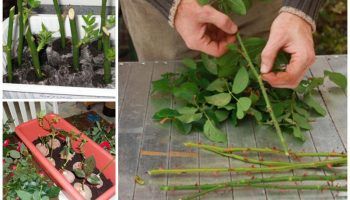
- Cuttings. The advantage of this method is that roses don't produce wild shoots. The cutting is taken near a leaf bud and then grown in a growth stimulating solution. After the rhizome appears, the flower is planted outdoors.
- Budding. A T-shaped incision is made in the stem bark, near ground level. A bud of a cultivated plant variety is placed into the incision and secured with plastic film. The procedure is not difficult, but it does require experience.
- Using seeds. This method is rarely used, as flowering is expected over several years. The germination rate of this planting material is low.
- Layering. Climbing and shrub roses are propagated this way, as they have long, strong stems. A cut about 8 cm long is made at the base of the shoot, and a match is inserted into the cut. This section of the stem is placed in the ground and secured, with the free end connected to a stake. The rooted plant is separated from the mother bush.
The Burrito Method
A new method has been developed in America: the "burrito." This traditional Mexican filling dish is prepared in a way that mimics this reproductive process.
- In the fall, cuttings are taken to lengths of 15-20 cm, leaving the strongest stems. The cuttings are cut below a bud at the bottom and between shoots at the top. The cuttings are cleaned, and the strongest ones, free from disease and pests, are selected.
- The cuttings are wrapped in newspaper. The cuttings are the filling, and the paper is the "burrito."
- The resulting roll is moistened and wrapped in plastic. Store at approximately 18°C.
- Air the jar once every 7 days and check for rot. If mold appears, it's best to throw the jar away.
- After approximately 28-30 days, roots should form at the cut sites. Then, the cuttings are planted in open ground.
Top.tomathouse.com warns: mistakes when planting roses
When planting roses in the fall, there are possible mistakes:
- To encourage rooting, the rose is planted in peat. The rose rots and dies. The solution is to plant it in mineral-rich loam.
- During cultivation, the roots bend upward. Slow growth and development are observed. Prevention: After planting, monitor the root system.
- The grafting depth is too deep. The ideal depth is 5 cm; otherwise, the flowers will wilt and die.
Fertilizing roses
In spring, fertilizer is applied before the plant begins to actively grow, once the temperature has warmed. Possible options:
- bury half a bucket of mullein around the bush;
- 20 g of ammonium nitrate or urea are scattered on the moistened soil and watered;
- use special fertilizers for roses, be sure to use nitrogen-containing ones;
- mulch with compost.
In summer, to ensure abundant flowering, roses are fed several times with organic solutions (mullein, chicken manure, ash), by spraying them on the flowers in the evening.
Autumn fertilizing should replenish nutrients in the soil, depleted after flowering, and prepare the plant for winter:
- watered with phosphorus-potassium fertilizers (25 g superphosphate, 10 g potassium per 10 l of water);
- In September, nitrogen fertilizers are excluded, as they promote the growth of young shoots, which is not necessary when preparing roses for winter:
- When cold weather sets in, the bushes are mulched.
Preparing roses for winter
Roses are extremely sensitive to cold, so they require some protection during the winter.
Trimming
Proper pruning helps roses survive cold weather better. Lower foliage and shoots are the first to suffer from disease, so they should be completely removed as early as mid-September. The remaining steps depend on the rose variety.
Climbing varieties are pinched at the growing point, while bush and species varieties are cut back to the base. This procedure is performed 1-2 weeks before covering, leaving only 3-5 stems.
Shelter for the winter
At temperatures between 5 and 7°C, the shrubs are covered with spruce branches and wire frames, shaped like a semicircle, are installed underneath. The structure is covered with plastic or roofing felt.
A suitable height is 40-50 cm. The dimensions depend on the number of seedlings. At temperatures below -10°C, the film is pressed lightly against the soil.
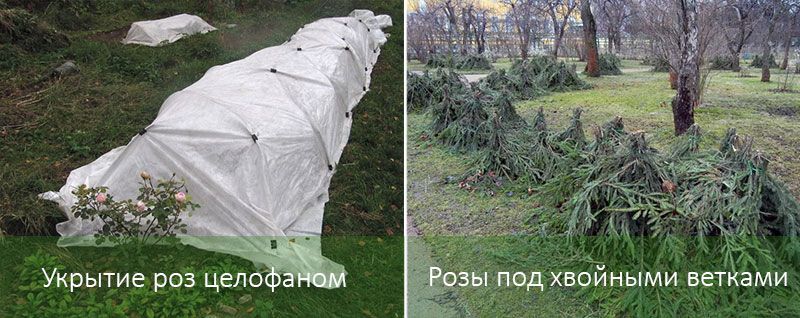
Young standard roses are carefully bent toward the ground and pinned with wire. The grafting site is lightly covered with soil or compost. Mature bushes can be left standing and covered with a bag of dry leaves.

Climbing roses are carefully separated from the support along which they were twining, placed on spruce branches and insulated.
In spring, the structure is dismantled only after a little ventilation, so that the flowers do not get burned.
Proper preparation for winter will help keep your plants healthy and beautiful.
Top.tomathouse.com recommends: winter-hardy rose varieties for the middle zone
The following rose varieties are ideal for cultivation in the central zone (Moscow region):
| Variety | Variety | Description | Flowers |
| D. Austin | Charles Austin. | A shrubby plant, up to 150 cm in height. The scent is fruity. | The inflorescences are racemose. The buds are pale orange. |
| Princess Alexandra of Kent. | A round bush, growing up to 90 cm in height and 60 cm in width. The scent is lemon-currant. | Large, double. Diameter: about 12 cm. Color: pink. | |
| Crown Princess Margaret. | A climbing plant reaching a height of 2.5 m. The stems are arched and require support. Flowering period: from June to mid-autumn. |
Apricot. | |
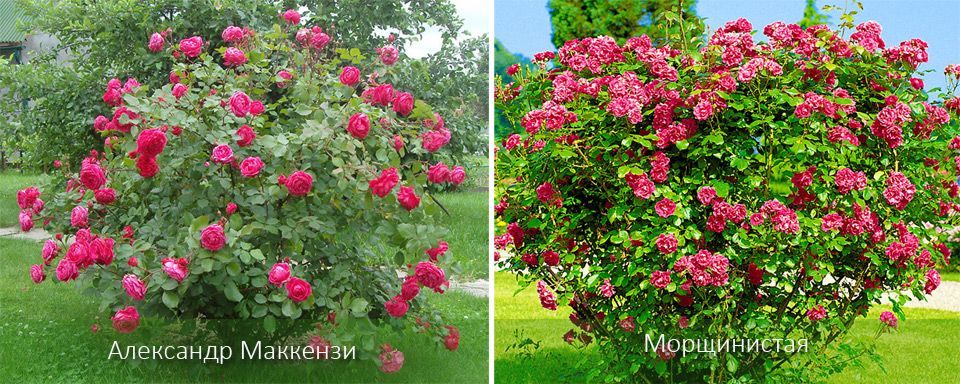
| Park | Wrinkled. | A vigorous shrub, the trunk reaches 150 cm in height. The shoots are covered with large thorns. A frost-hardy variety, it thrives in temperatures down to -40°C. Petals are widely used for making jam. |
Semi-double, diameter about 12 cm. |
| Alexander Mackenzie. | A shrub up to 200 cm in height and up to 150 cm in width. The shoots have thorns. | Terry. Color: raspberry-red. | |
| William Baffin. | Native to Canada, the shrub grows up to 3 m tall and about 2 m wide. It has good immunity to fungal diseases and is grown in the shade. |
Semi-double, deep pink, white core. | |
| Frost-resistant (can overwinter without shelter) |
Alba. | A shrubby plant with strong, erect shoots, up to 2.8 m in height. Flowering lasts for a month. | Terry, snow-white. |
| Shrubs. | A semi-climbing variety of shrub, up to 3 m high. | Light pink. | |
| Agnes. | They grow on any soil, including sand. | Creamy yellow. | |
| Hybrid tea | Gloria Day. | A shrubby plant, the trunk reaches 1 m. | Large, double flowers. Color: rich yellow, with a pink edge. |
| Blue Moon | A bush reaching 90 cm. Susceptible to attacks by powdery mildew. | Purple, lush. | |
| Double Delight. | A shrub that grows up to 1 m. It is immune to fungal diseases. | Contrasting, rich pink. | |
| Nicole. | Two-color cut flower variety. | Bright red inside, white outside. | |
| Paradise. | Grows up to 1 m. The shoots have many thorns. High resistance to fungal diseases. In winter, it must be covered, otherwise the plant will die. | White and red. |

All varieties of roses will decorate any corner of the garden, giving it a cozy and well-groomed look. It's important to follow the planting and care recommendations for these beautiful plants.