Any mushroom picker knows that mushrooms should be picked after a warm rain. They grow faster in high humidity. One of the fastest-growing species in Russia is the butter mushroom. Let's look at how quickly they develop and when you can begin harvesting. We'll also explain in detail how to grow these mushrooms at home.
Content
What does the growth of butter mushrooms depend on?
The growth rate of absolutely any mushroom, including boletuses, directly depends on the nutrition and respiration of the mycelium. It is a complex living mechanism—something between animals and plants.
The following factors influence the growth rate:
- Substrate moisture level. It should be sufficiently moist (at least 70% humidity), but not wet. This will speed up the mycelium's development.
- Topsoil temperature. The mycelium of butter mushrooms is located at a depth of at least 10-15 cm below the surface. For active growth, this layer must be sufficiently warmed. To achieve this, the temperature should fluctuate between 18°C and 30°C for 3-4 days. This will allow the soil to warm up to the required level.
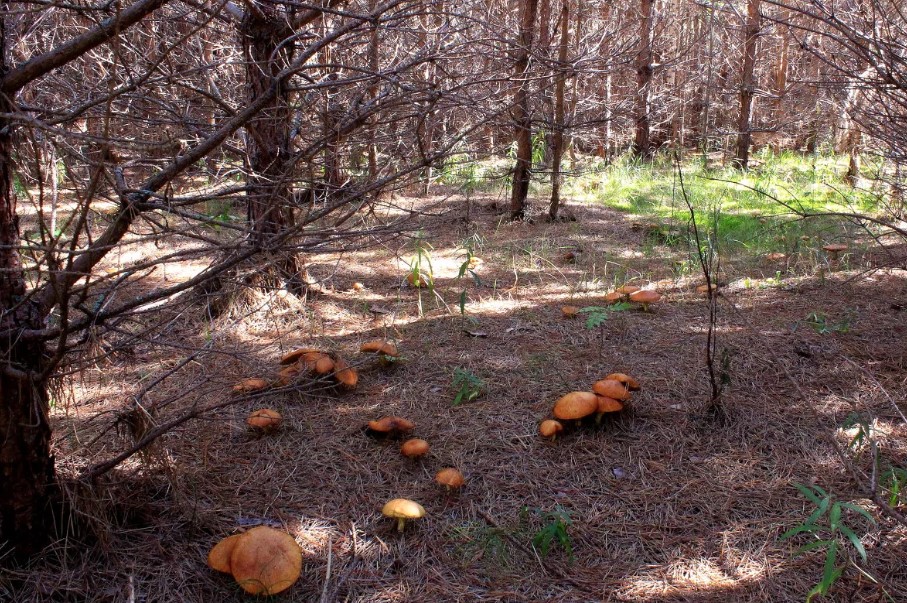
- Lighting. Butterlets mostly appear in well-lit areas. They are almost never found in the shade.
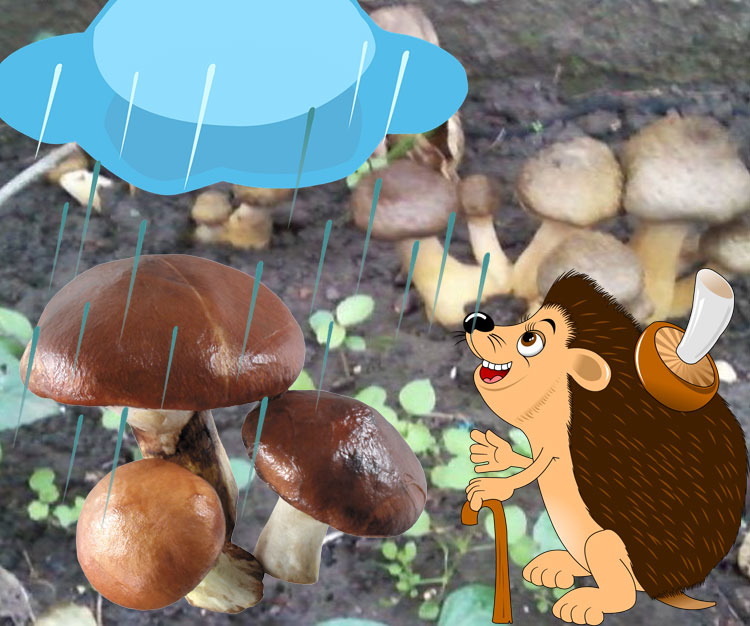
Beginner mushroom pickers believe that mushrooms grow after rain due to the abundance of water. The rate of development is influenced by all of these factors combined. Under favorable conditions, boletuses grow by 90-150 mm per day.
Post-Rain Development Rates
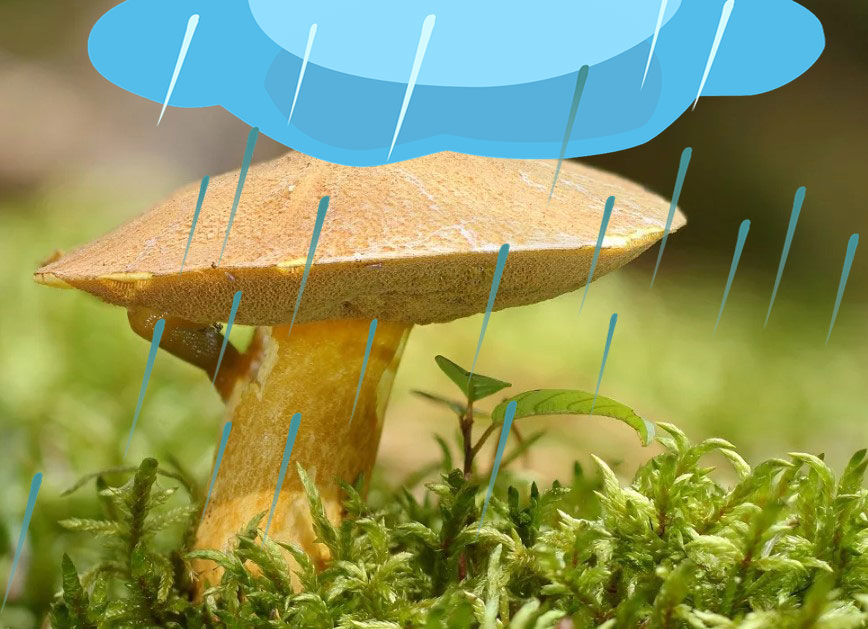
If it rains and the sun shines, the growth rate accelerates several times compared to the conditions described above. A harvest appears within 2-3 days. However, to ensure the boletus mushrooms reach their peak size, it's best to harvest them later—after 5-7 days.
In the sun
If the sun comes out immediately, the growth rate will be even faster. Mushrooms grow 150-300 mm per day. Maximum size is observed on the fifth day.
In cloudy weather
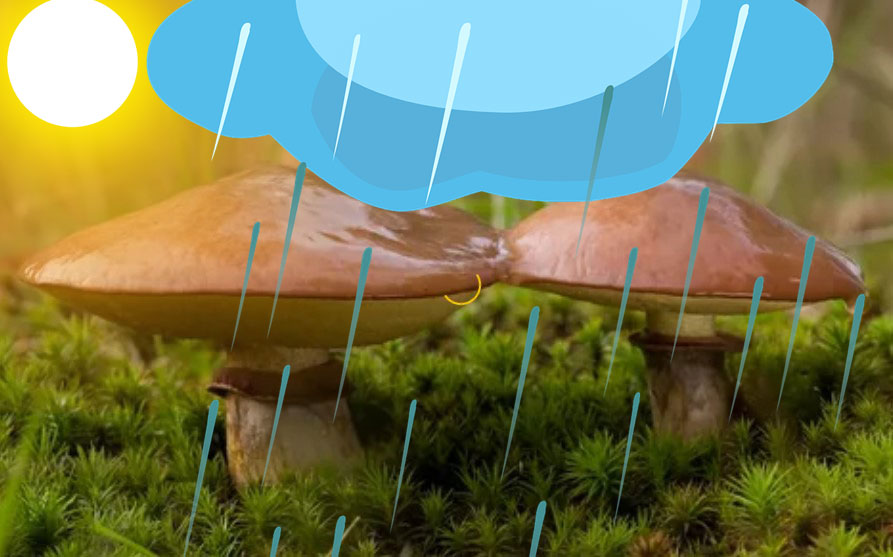
In such weather, the sun's rays don't warm the soil, so the ground temperature will be slightly lower. This slows growth. The first harvest only appears 4-5 days after rain. It's best to start picking mushrooms on the 7-8th day.
Read about butter mushrooms in the following articles:
The benefits and harms of butter mushrooms, calorie content, and use in folk medicine + recipes.
Growing butter mushrooms at home and in the garden
To get a good harvest of butter mushrooms, you don't have to go to the forest to collect them. You can grow them on your own plot.
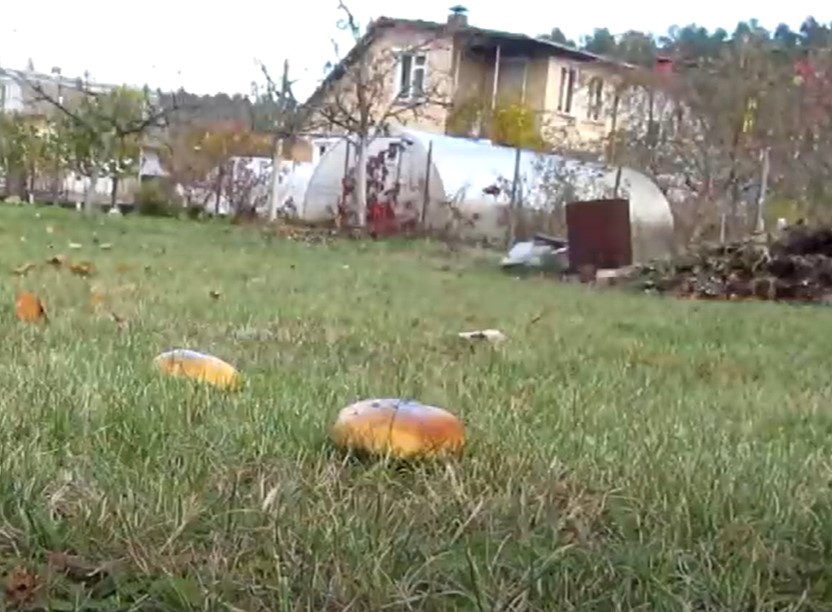
Planting material
You can buy mycelium from various mushrooms, including butter mushrooms, at the store. It's quite inexpensive:
- about 120-300 rubles - ordinary;
- A little more expensive is cedar.
However, when purchasing ready-made mycelium, there's a risk of encountering an unscrupulous seller. This could result in nothing growing at all, or a completely different species. Therefore, many mushroom pickers prefer to grow mycelium from overripe fruiting bodies collected in the wild.
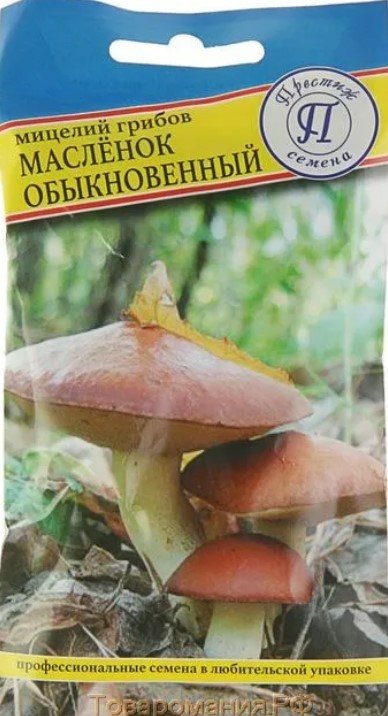
Please note! Artificially grown mycelium may not produce a harvest when planted in a garden.
Conditions for growing butter mushrooms
Butter mushrooms are a mycorrhizal fungi species, meaning they grow exclusively near the root systems of trees (conifers).
If planting material is collected in the forest, it's important to pay attention to the tree under which it grew. The planting location is chosen based on this. For example, if the fruiting bodies were collected under a spruce, they should be planted under a similar tree in the garden. Keep in mind that the conifer should not be older than 15 years. The younger the tree, the better the yield. Older trees absorb all the nutrients, leaving virtually nothing for the mycelium to thrive, which impairs its growth.
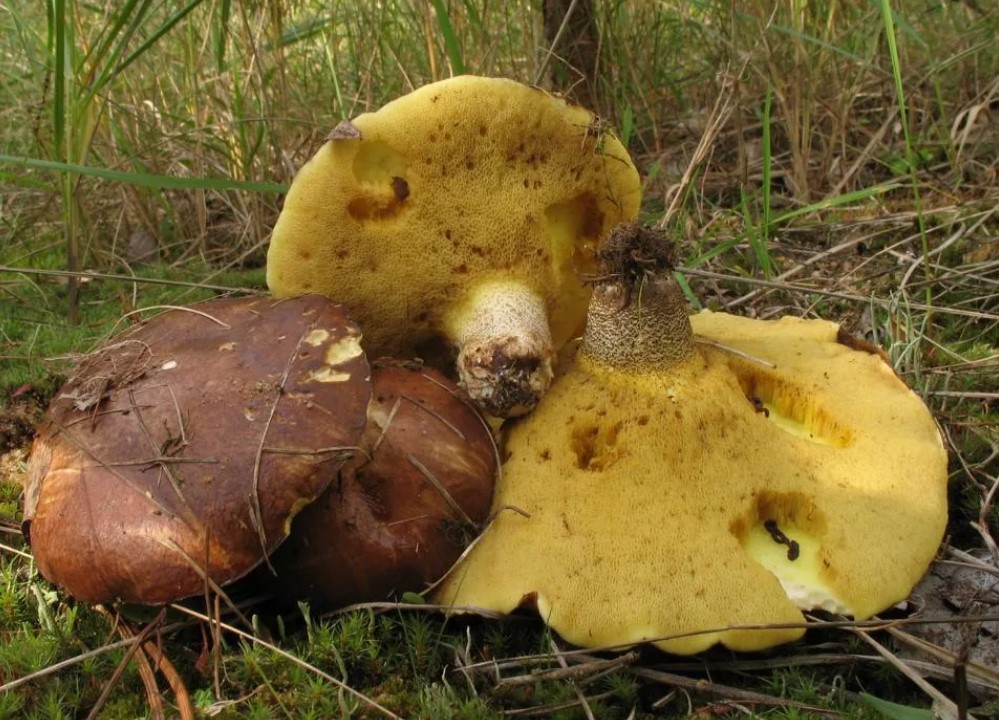
Planting butter mushrooms outdoors
Planting takes place in the spring. First, dig a hole about 20 cm deep under the chosen tree. Prepare the mushroom substrate as follows:
- Place fallen leaves, grass, etc. on the bottom.
- Add the soil mixture. If using soil from your own plot, mix it with humus first.
- Spread the mushroom mycelium in a thin layer.
- Lay out fallen leaves again, etc.
- Cover everything with garden soil.
The planted mycelium needs to be watered. This is done with a spray bottle to avoid washing away the soil, but to thoroughly saturate the top layer with water. To retain moisture longer in the soil and protect the mycelium from overheating and freezing, it is recommended to mulch the planting area.
Keep the soil slightly moist. Water using drip irrigation if necessary.
The mycelium should be covered for the winter. In the spring, when warmer weather arrives, remove the cover. You can leave a few leaves as mulch.
Planting butter mushrooms at home
Unlike oyster mushrooms or button mushrooms, butter mushrooms cannot be grown at home on a balcony or windowsill. As mentioned earlier, they are a mycorrhizal fungus that requires a tree.
But it is possible to grow mycelium at home:
- Fill a 3-liter jar with peat, filling it halfway. Tamp it down lightly.
- Separately prepare a solution (1.5 liters of liquid, 1.5 teaspoons each of granulated sugar and yeast). Bring it to a boil.
- Pour into a prepared jar.
- Fill the jar with sawdust up to the neck. Seal.
- Leave to infuse in a warm place overnight.
- After the specified time has elapsed, drain the liquid and mix the rest thoroughly.
- Make small holes in the substrate and plant the caps with spores in them.
- Make a hole 1.5 cm in circumference in the nylon lid. Seal the jar with it.
- Insert a foam stopper into the hole. Leave the jar at +23…+25 °C for 90 days.
After the specified time has elapsed, the mycelium is transferred to a temperature of +6 °C before being transplanted into the garden.
Harvesting butter mushrooms at the dacha
It takes at least 5-7 years for the mycelium to fully develop. Therefore, don't expect a particularly bountiful harvest in the first few years. However, the yield will gradually increase with each subsequent season. The mycelium can bear fruit for up to 15 years. After this period, new mycelium will need to be planted.
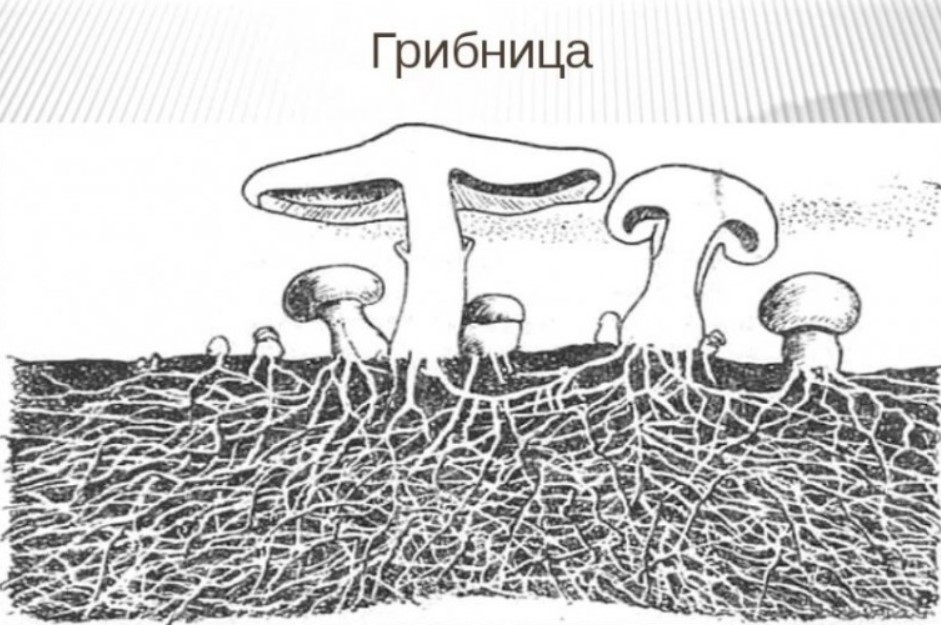
To ensure a stable butter mushroom yield, it is recommended to plant several myceliums of different ages in the same plot. The mycelium is sown every 1-3 years. The fruiting bodies are harvested by hand in the fall, twisting off the stems or cutting them off with a knife.
For your information! Garden butter mushrooms, unlike wild ones, are always clean and worm-free, as forest pests are not present in gardens.
If you provide optimal conditions for mushrooms, you can reap a bountiful harvest. They can be used to prepare a variety of delicious dishes, frozen for the winter, or pickled.
Industrial cultivation of butter mushrooms
This type of business is not profitable, as growing butter mushrooms indoors is impossible, and growing them outdoors requires a large area with young coniferous trees. Therefore, these mushrooms are grown only for hobbyists on private plots.
However, if you plant several mushroom spawns in your garden that produce a good harvest, you could start a small business, selling small batches of mushrooms. However, this won't generate significant profits, as the price tag for butter mushrooms is low.
Reviews and advice from mushroom pickers on growing butter mushrooms
It is very difficult to grow wild mushrooms, including butter mushrooms, artificially.
Because they need the same conditions. For that, you need pine trees growing.
Then these inhabitants of the pine forest will sprout for you too.
For them, they prepare soil fertilized with pine needles or soil from the forest.
You also need to bring mycelium and overgrown mushroom caps.
Bury the mycelium near the trees and pour water over the crushed mushroom caps.
Pour water over the mycelium. Water the mycelium frequently with the mixture of old mushrooms.
Instead of mycelium, you can simply bury the caps of the butter mushrooms.
My butter mushrooms grow beautifully in the coniferous corner. There are pine trees, spruce, junipers, and even cedar. At first, we'd bring mushrooms from the forest and pour out the water after washing and processing them. Yes, we'd let it sit for a day or two, then pour it out. At first, a single "ribbon" of butter mushrooms appeared, then more appeared each year. We always leave a couple of mushrooms uncut. We collect enough for soup and fried dishes at a time. We also tried growing porcini mushrooms, aspen mushrooms, and birch boletes, but it didn't work; apparently, our "forest" isn't suitable for them.
I throw mushroom scraps under the fence and trees. The milk mushrooms, russula, and birch boletes have taken root. Some of the mushroom spawn has gone beyond the fence. I harvest the mushrooms there, too.
The piglets hatched themselves))) And there were a lot of butter mushrooms on the lawn near the pine and fir trees, but the mycelium burned in the sun in 2010.