In cold regions of our country, such as Siberia, gardeners have a difficult time choosing tomato seeds that will produce a good harvest. This is because the soil in this part of the country is poorer than in other places. There is a high risk of spring and autumn frosts. Therefore, special varieties have been developed.
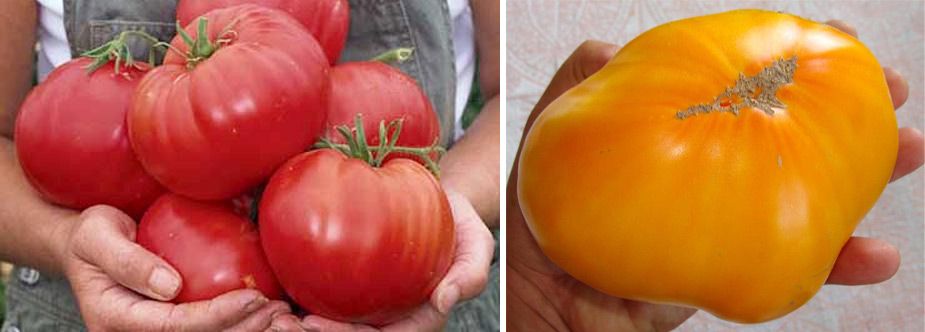
Content
- 1 Cold Climate Selection Guidelines
- 2 Advantages of Siberian-bred tomato varieties
- 3 High-yielding, large-fruited tomatoes of Siberian selection for greenhouses
- 4 Siberian-bred tomato varieties for open ground
- 5 Large-fruited, universal (tomatoes from the Siberian Garden company)
- 6 Medium-sized tomato varieties of Siberian selection
- 7 Mini tomatoes
Cold Climate Selection Guidelines
The first thing you need to do is choose a variety. Not the one that tastes better or is larger, but the one that's the most resilient and easy to grow.
For example, tomato seeds of Siberian selection are used for growing in harsh climates.
Advantages of Siberian-bred tomato varieties
The popularity of universal varieties grows annually. This is understandable: the risk of losing your "protégés" is reduced, and temperature fluctuations are no problem for them. They were specially bred to ripen during the short Siberian summer and don't require much sunlight. There are quite a few varieties of these tomatoes, varying from size to cultivation method.
What's so special about Siberian tomatoes? Regular varieties require constant care, stable climate conditions, and consistent temperature fluctuations.
All these shortcomings have been eliminated through Siberian selection. This specially bred variety is designed for cultivation in climates with predominantly frozen soil. The lack of abundant nutrients in the soil is not an obstacle to the growth of these tomatoes. These tomatoes possess a number of specific properties that make them superior to other varieties:
- The rather rapid ripening is due to the lack of a proper warm period. The short summer forced them to acquire this ability.
- Undemandingness in light is associated with the predominantly cloudy, rainy weather in the growing region.
- High tolerance to low plant temperatures, especially in conditions of high humidity.
- Resistance to most diseases that tomatoes are susceptible to.
- Even with the small size of individual varieties, the overall yield is quite large.
- Excellent taste qualities are achieved by crossing several species, which is how Siberian selection emerged.
Wide range of uses, from fresh eating in its original form or adding to salads, to canning, making tomato juice and puree.
There are no complicated, "supernatural" tips or recommendations for growing. However, there are some general care guidelines:
- It is necessary to ensure timely supply of water to the soil to avoid drought.
- To achieve large ripe fruits, it is necessary to use mineral fertilizers, the frequency of which can reach up to 3 times.
- Most varieties require stem support due to their size. Some even require support for the fruit itself, as their weight can cause them to break off.
- Timely detection of pests that can ruin the harvest. Also
- Disease control is necessary, they are resistant to most of them, but not all.
- Particular attention should be paid to monitoring the condition of the soil, maintaining the required level of humidity (when growing in a greenhouse), and the need for pollination.
High-yielding, large-fruited tomatoes of Siberian selection for greenhouses
Of course, not all varieties are available on the market, and some are quite rare. A solution to this problem is to purchase seeds of the most productive Siberian varieties by mail. They are relatively inexpensive and offer several advantages when grown in Siberian conditions.
The Beauty of Siberia
This variety is early maturing, meaning it can be grown well before summer. The bush reaches a height of 1.5 m and requires support. Its particularity lies in its planting method—preferably in greenhouses. High-quality fertilizer and proper care are essential.
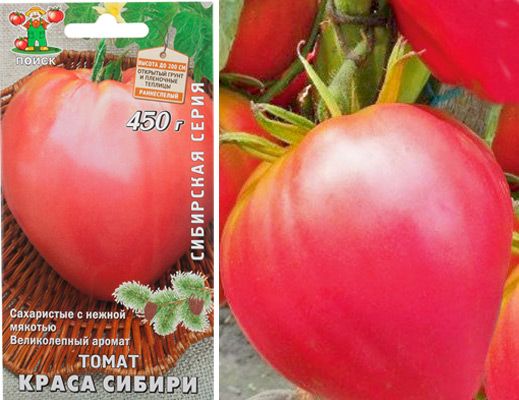
A ripe specimen of this variety reaches almost 900 g-1 kg.
nobleman
Heart-shaped tomato, the weight of a ripe specimen is 0.5 kg, in rare cases 1 kg.
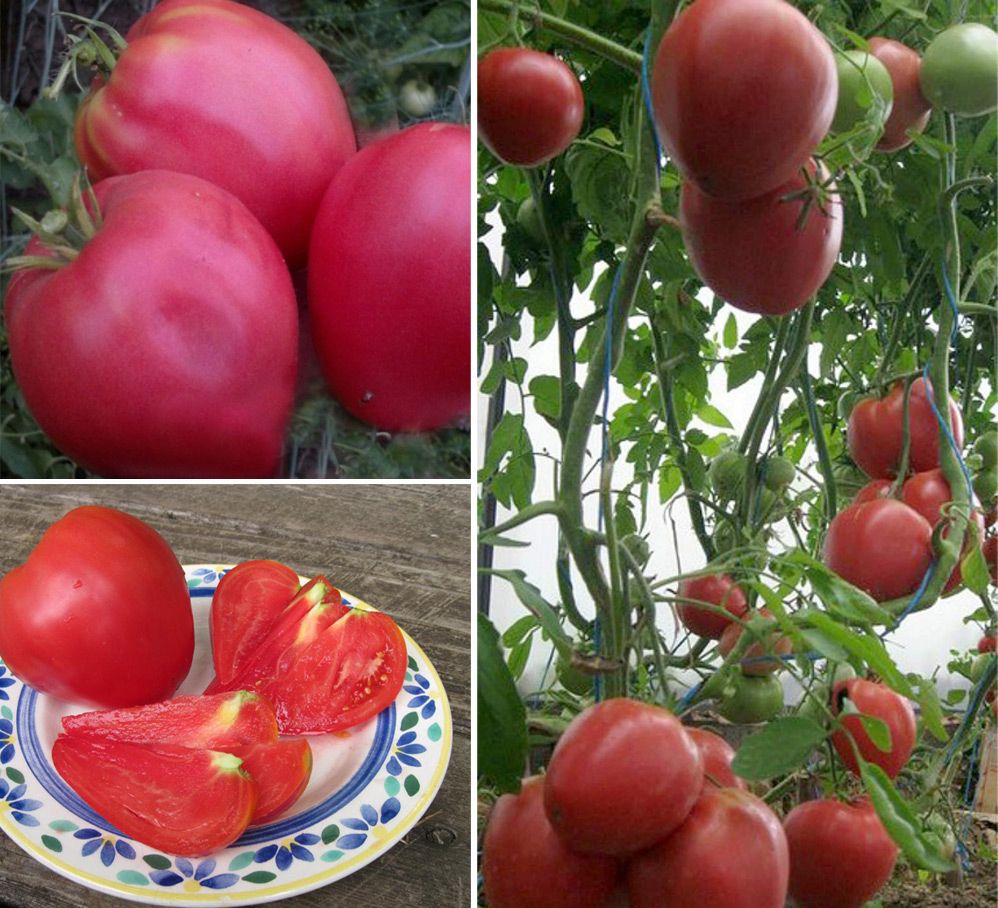
Highly resistant to plant diseases, unpretentious and easily tolerates temperature changes.
Alsou
In fact, it's the most popular tomato among Siberians. A ripe tomato can weigh up to 0.5 kg. The bush is small, ranging from 80 cm to 1 m in height.
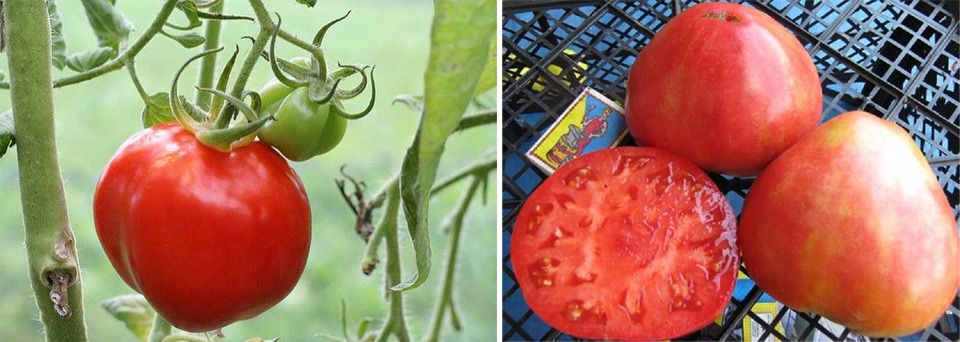
It has a sweet taste with a hint of sourness. Its advantages include good transportability.
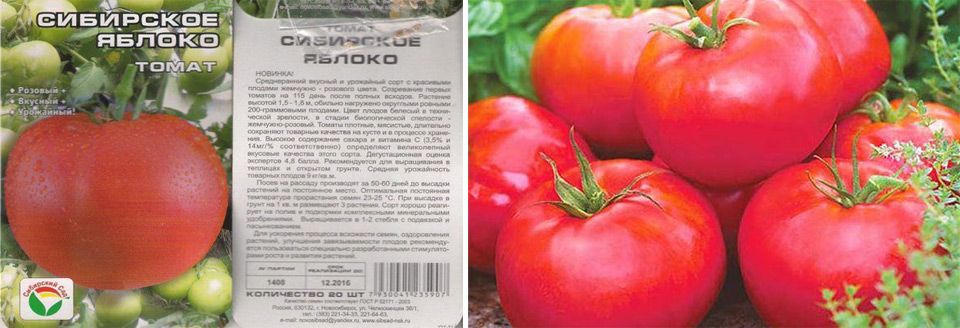
Siberian apple
Ripens fairly early, yielding a large, sweet crop. The variety grows up to a meter in height.
Sensei
Possibility of cultivation both in warm and cold climates.
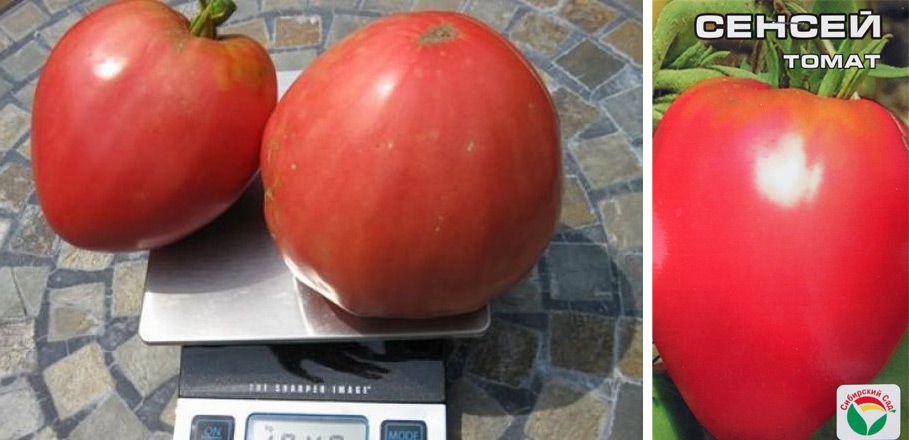
The harvest ripens until the first frost, after which it should be transferred to room temperature and will continue its process.
Grandma's secret
The tomato's unique size is unlimited, sometimes reaching impressive, gigantic proportions. The bush grows to about 170 centimeters.
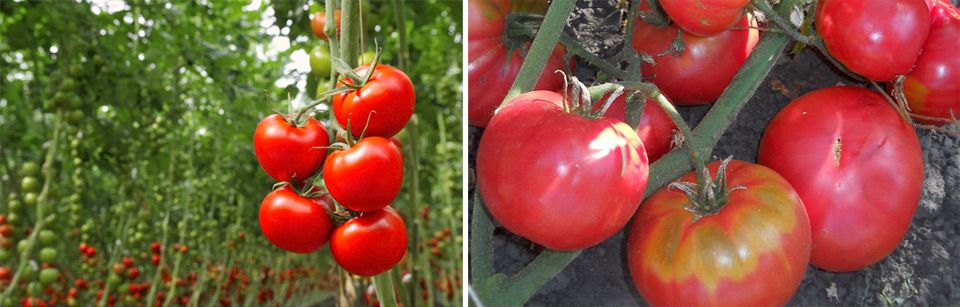
The fruits themselves are sweet and bright crimson. They are included in the Siberian Garden tomato catalog.
Eagle's beak
Named for the characteristic shape of the ripe fruit. Elongated at the tip, it resembles a bird's beak. This variety also grows to an unlimited size. However, the bush reaches a height of well over 2 meters.
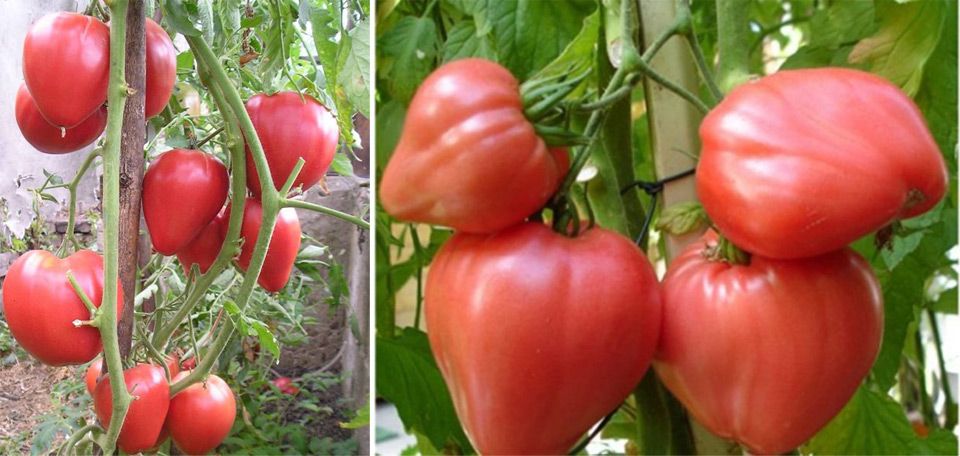
Experts recommend growing it indoors due to its properties.
St. Andrew's surprise
Seed planting begins in mid-March. It has earned its uniqueness compared to others due to its undemanding light requirements.
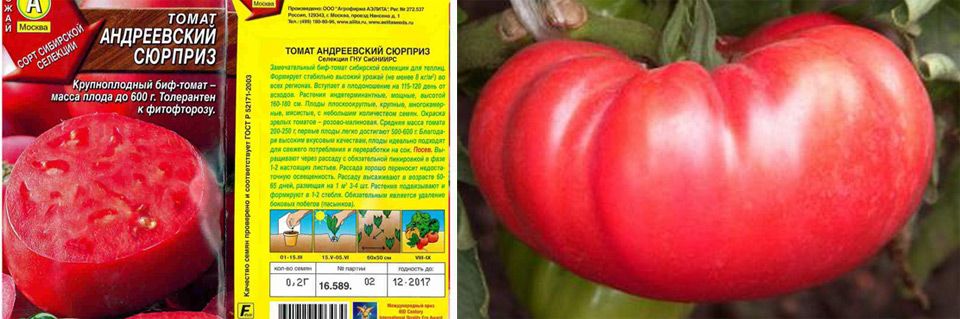
It is enough to keep the boxes with bushes on the windowsill.
Siberian-bred tomato varieties for open ground
A distinctive feature of these tomatoes is their ability to bear fruit and produce a good harvest in the harsh conditions of the Northern region. The most popular, specially bred varieties are:
Heavyweight of Siberia
Heart-shaped when ripe. Weight: approximately 600 g, skin: fairly thick. Small bush size.
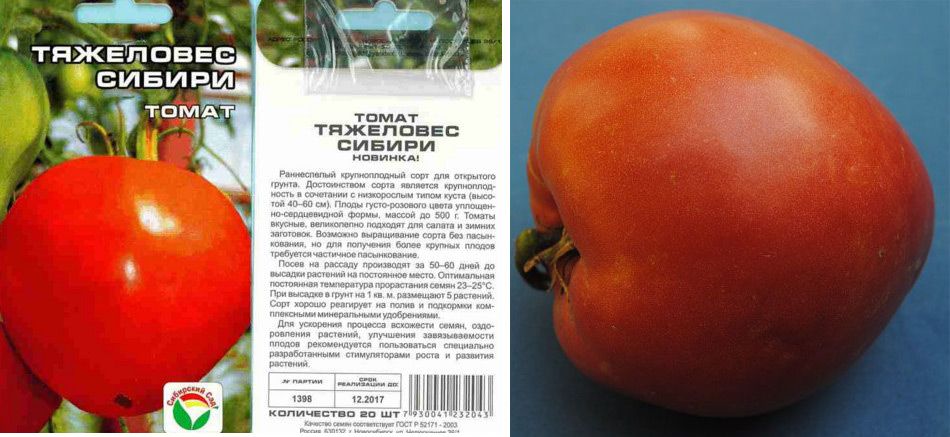
The stems and fruits themselves need to be supported, as their weight can cause them to break off. The ripening color is red.
Abakan pink
They gained their popularity thanks to the unique flavor of their flesh. Ripe tomatoes are shaped like a heart, a symbol of love.
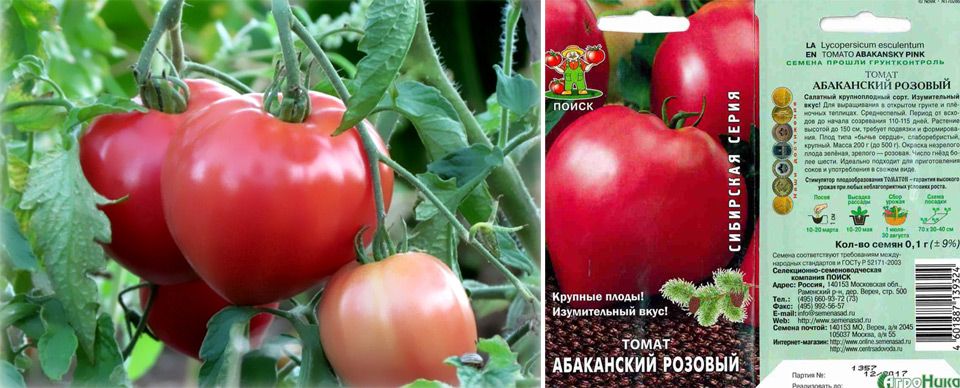
Weight reaches up to 400 g.
Buffalo heart
The shape is also heart-shaped, the bush grows to 1 m in height. Fruiting is long-lasting, with the first harvest ripening in just over 3 months.
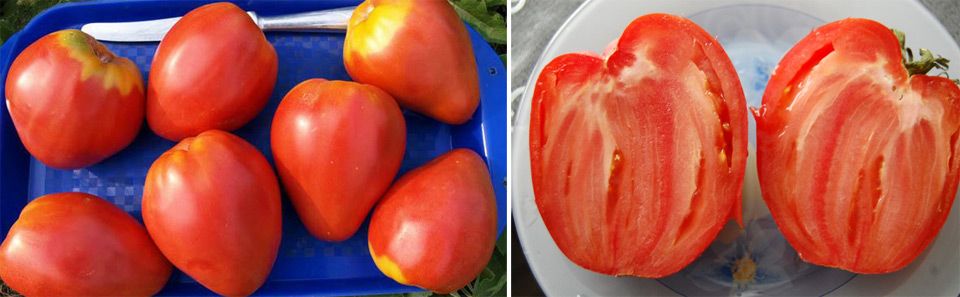
The main advantage is resistance to diseases and ease of tolerance.
Siberian Troika
Grows well in open ground. A compact variety, it doesn't exceed 60 cm in height. Ripe fruits weigh 300 g.
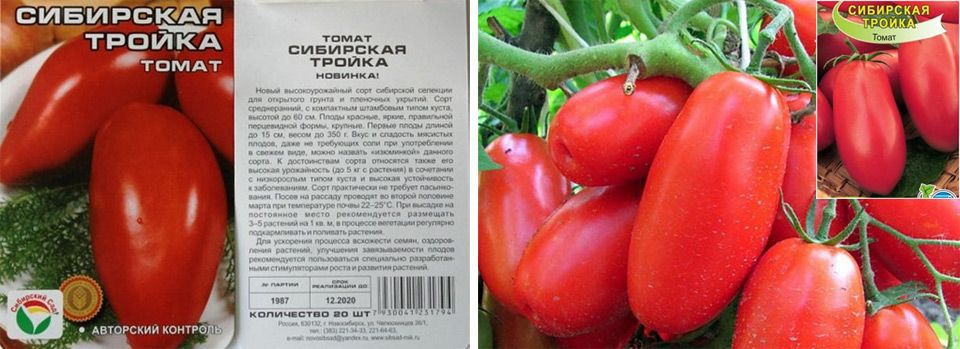
Despite their small size, they possess a distinctive, excellent flavor. They have a regular, elongated oval shape.
Stellate sturgeon
It also prefers open ground. It is an undemanding plant, growing up to one and a half meters tall. Fruits can weigh up to 1 kg.
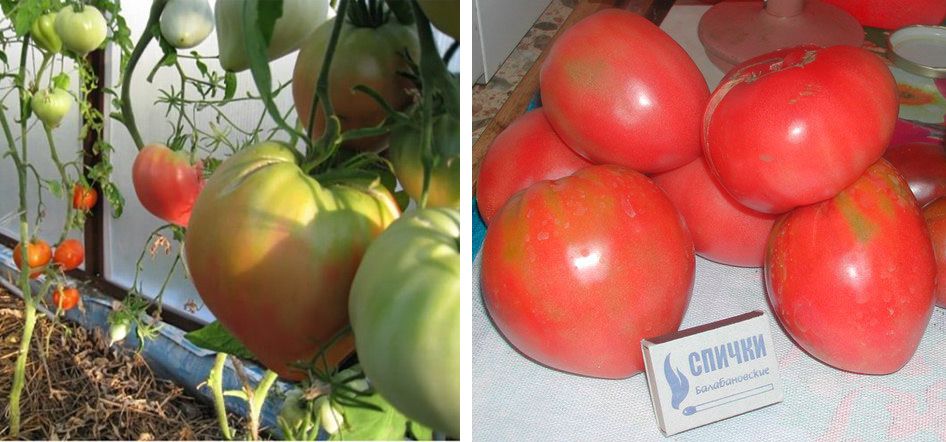
It has high resistance to common diseases that affect tomatoes.
Siberian trump card
A truly harsh variety.
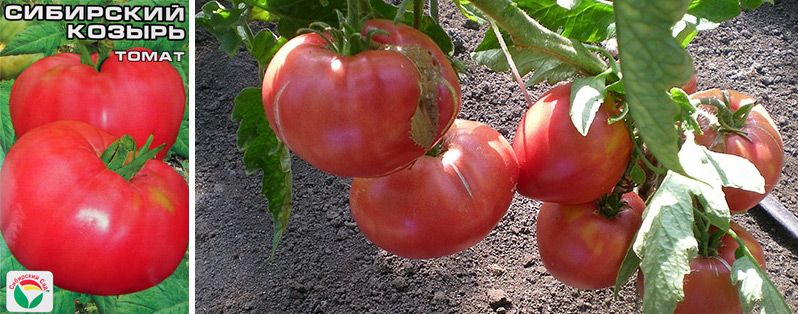
It easily tolerates any weather and steadily progresses in growth even in rather difficult environmental conditions.
Large-fruited, universal (tomatoes from the Siberian Garden company)
Distinctive features: unpretentiousness, high taste qualities.
Bull's forehead
A high-yielding variety, one bush can produce up to 9 kg of fruit, the weight of an individual one is about 600 g.
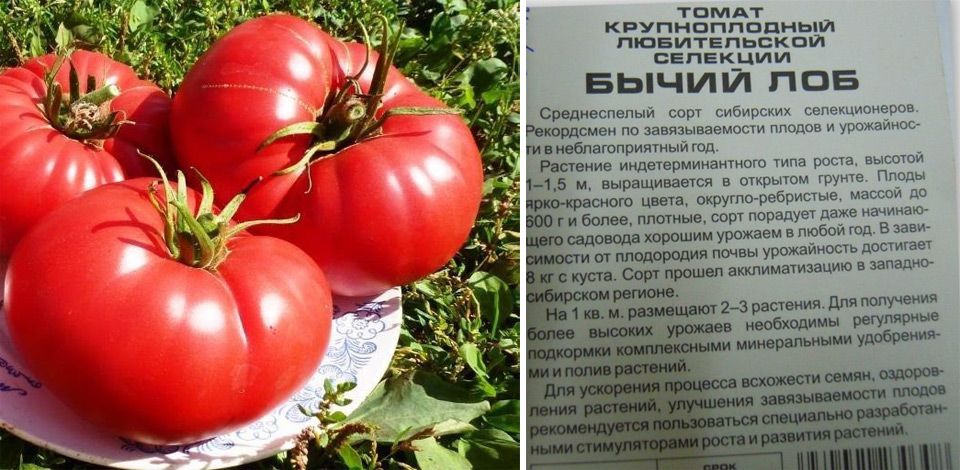
The color is orange, with a reddish tint.
King of the Giants
The name suggests the size of the fruit. The bush grows up to 170 cm tall, and the fruit weighs up to 1 kg.
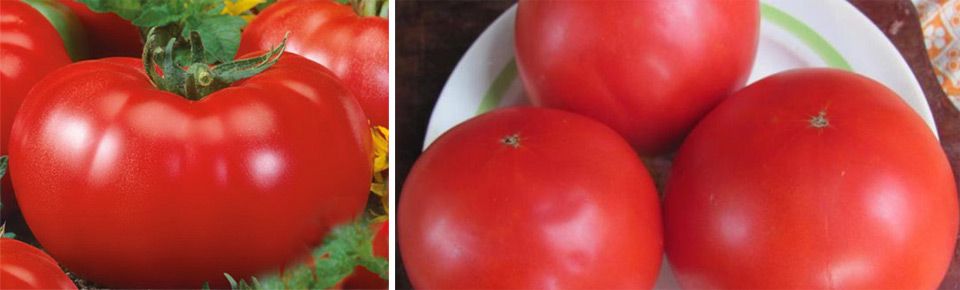
Resistant to various pests and diseases.
Eagle's beak
No, it's not the same one. It's a completely different variety, although there are some similarities. The shape also resembles the beak of a famous bird.
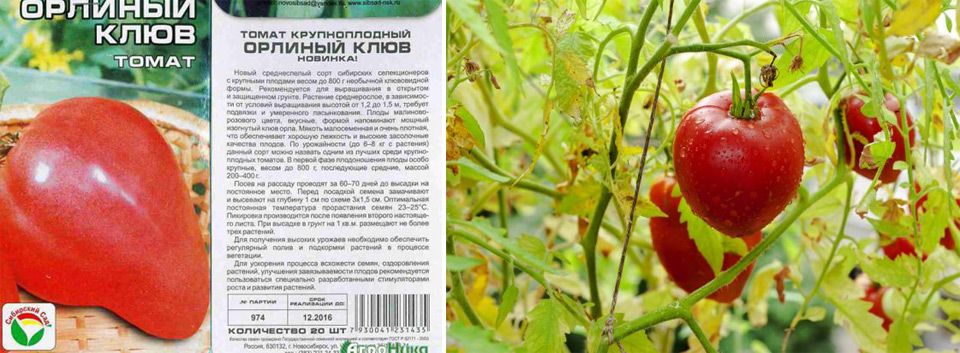
Height up to 1.5 m, weight reaches 800 g, cultivation is mainly and recommended in open ground.
Golden domes
Must be grown in a greenhouse. The color is golden, with a hint of orange in places. Requires staking.
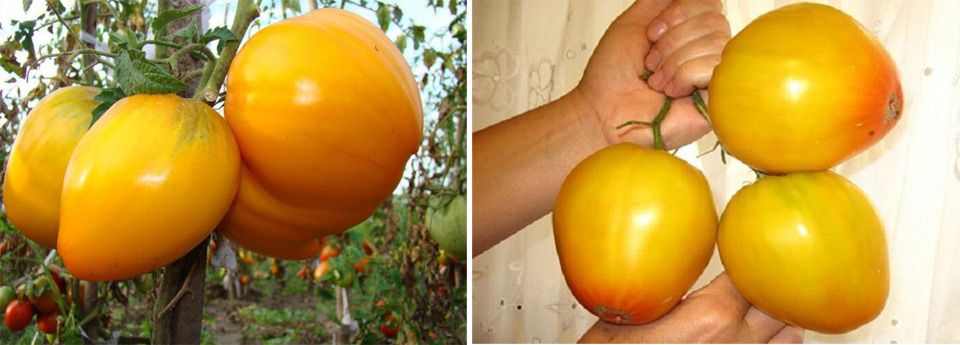
A fairly large variety, with a bush of unremarkable size, the weight of the fruits reaches almost a kilogram.
Monastic meal
It's orange in color and easy to grow. The ripe fruit is slightly flattened and round.
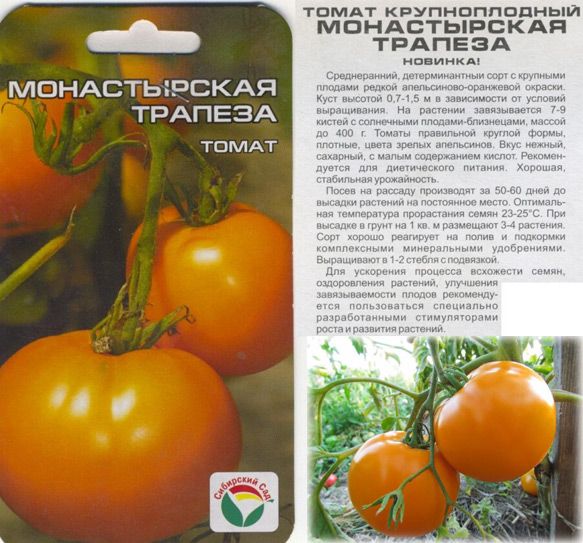
If all the nuances of cultivation are observed and high-quality fertilizer is used, it is possible to achieve a weight of an individual specimen of 400 g.
Goose egg
A cluster-bearing variety known for its good yield. It grows up to 2 m tall, with each tomato weighing up to 300 g.
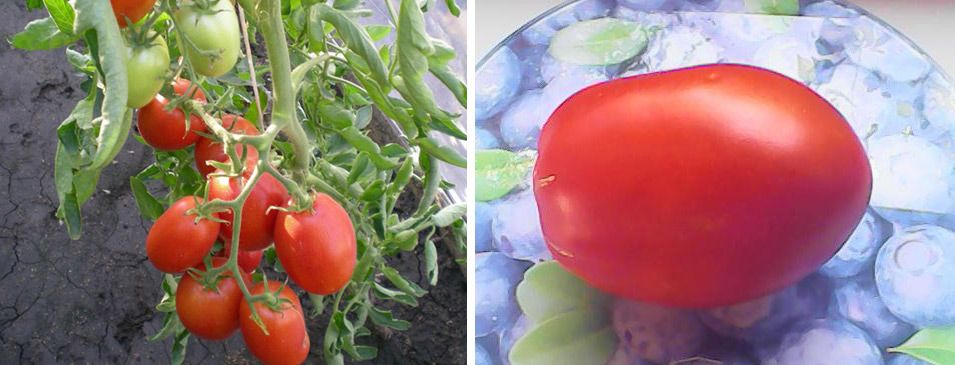
When ripe, the color is dark, pinkish. It can also be bright red.
Novikov's Giant
It has a very sweet taste and large size.
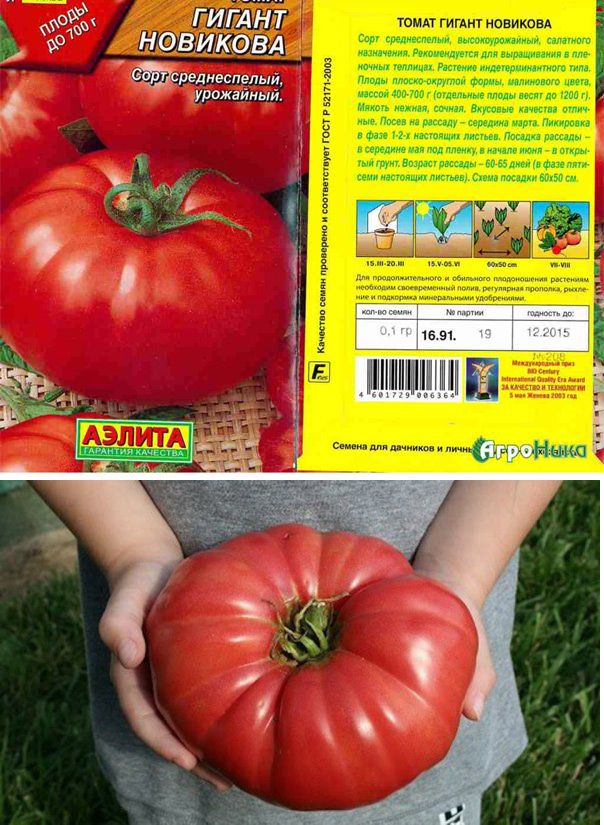
Under certain conditions, with due consideration of all the nuances, the height reaches 2 meters, and the weight of one tomato can reach up to 1 kg.
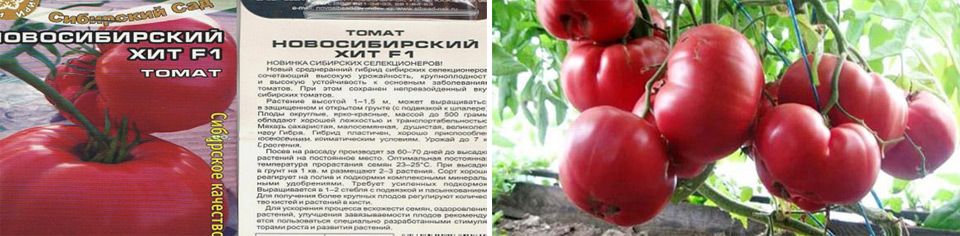
Novosibirsk hit
A recently developed variety. Physically, the fruits are unremarkable: round, red in color. They perform well when stored under appropriate conditions and when transported.
Medium-sized tomato varieties of Siberian selection
Original, small, but resistant to bad weather conditions and tomato diseases.
Siberian malachite
A long-ripening variety. The harvest is quite late, after the bulk of the fruit has already been picked.
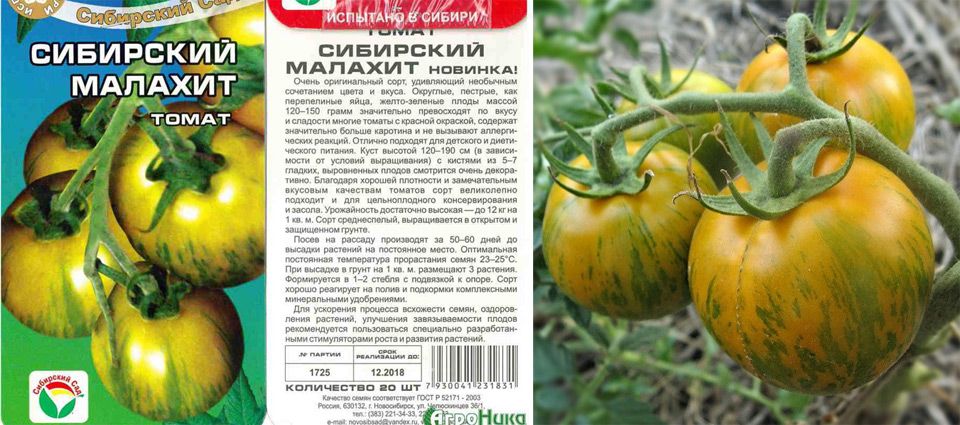
The bush is very tall, reaching 2 m. It has a unique coloration, green with yellowish notes. Compared to other varieties, it weighs only 130 g.
Siberian surprise
A new product, recently introduced. Its shape is unique: elongated, slightly flattened at the tip. They vaguely resemble peppers due to their elongated shape.
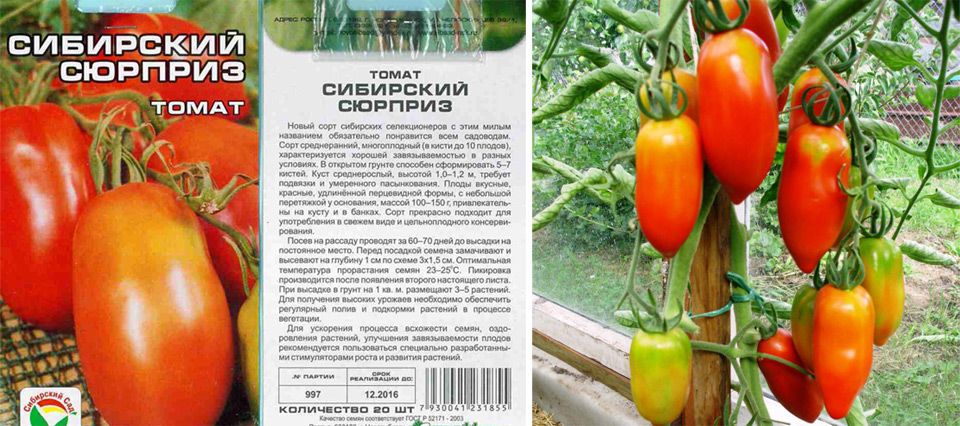
The weight is small, up to 130 g per tomato.
Scarlet candles
The variety is barely 10 years old since its creation.
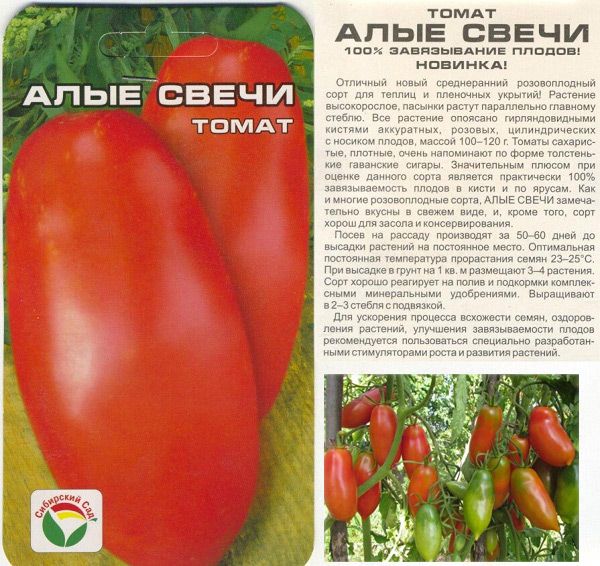
Growth is unlimited, but depends on the nutrients in the soil. They resemble candles in shape, but their color is not scarlet. This is due to the imaginative vision of the cultivar's discoverers.
Fox
The height barely exceeds a meter, the weight is very small in comparison with others, only 100-110 g. It tolerates temperature fluctuations and diseases well.
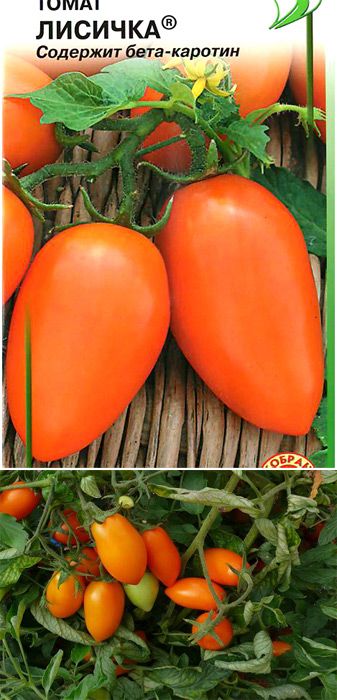
When ripe they have an orange tint.
Demidov
This variety is virtually indistinguishable from dozens of others in its category. It produces round, pinkish fruits.
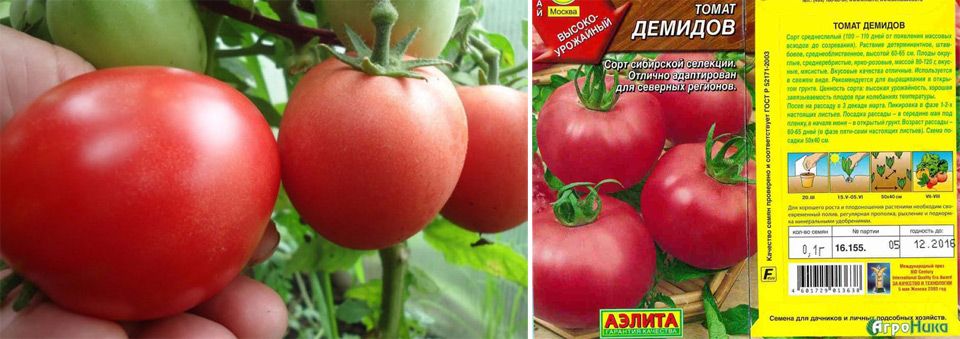
The average weight is small, about 120 g.
Siberian early ripening
A common variety with a bush height of up to 60 cm, with average-sized fruits weighing from 60 to 100 g.
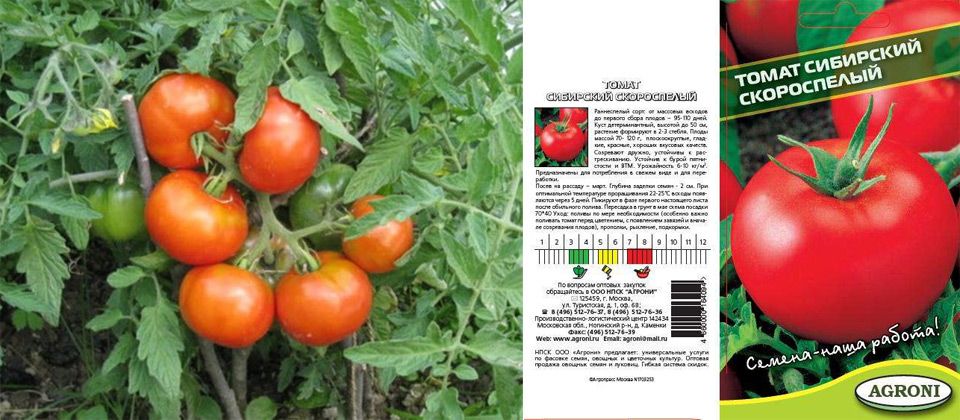
Suitable for both open and protected soil cultivation. It is completely unpretentious.
Greek
A hybrid, in a sense. Above-average height, 180 cm. Standard weight, up to 120 grams. Excellent flavor, but nothing special.
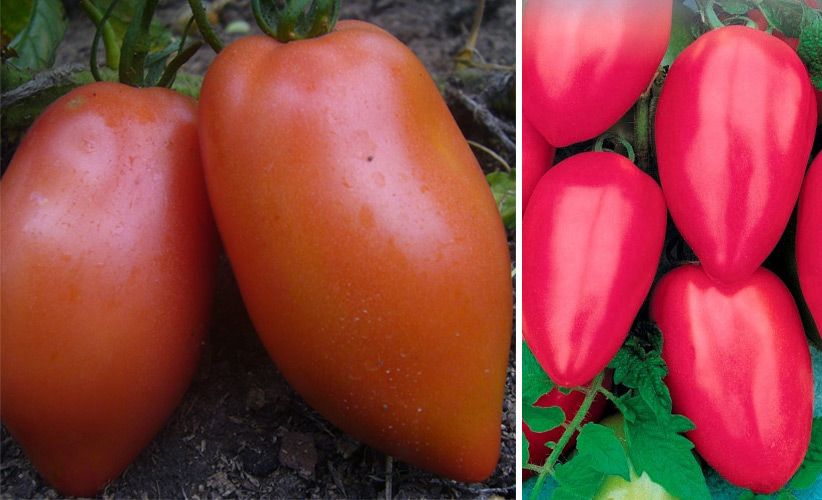
Ripe fruits are primarily used to make light salads, perfect for summer. They can also be canned.
Chinese disease resistant
Like all its "brothers" in this species, it is disease-resistant and doesn't require any special growing conditions. A mature fruit weighs 200 g.
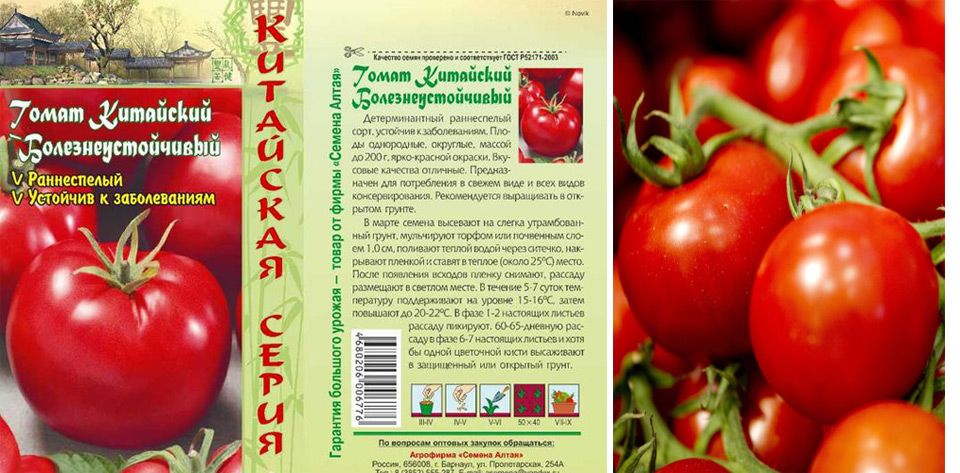
Grown for fresh consumption and canning.
Rugby
One of several new varieties, developed relatively recently. It has bright red ripe fruits. The shape is slightly elongated and cylindrical.
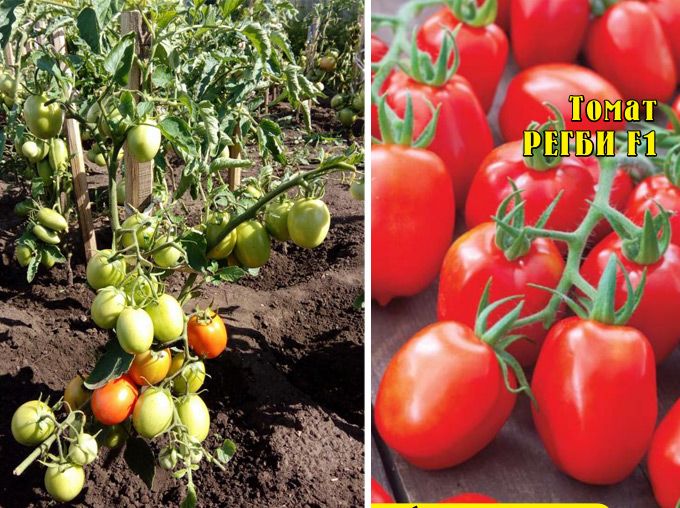
The taste is excellent, unremarkable, but also unlike any other variety. A ripe tomato weighs between 90 and 110 grams.
Ultra-early
As the name suggests, the ripening process won't take very long, especially compared to other tomato varieties.
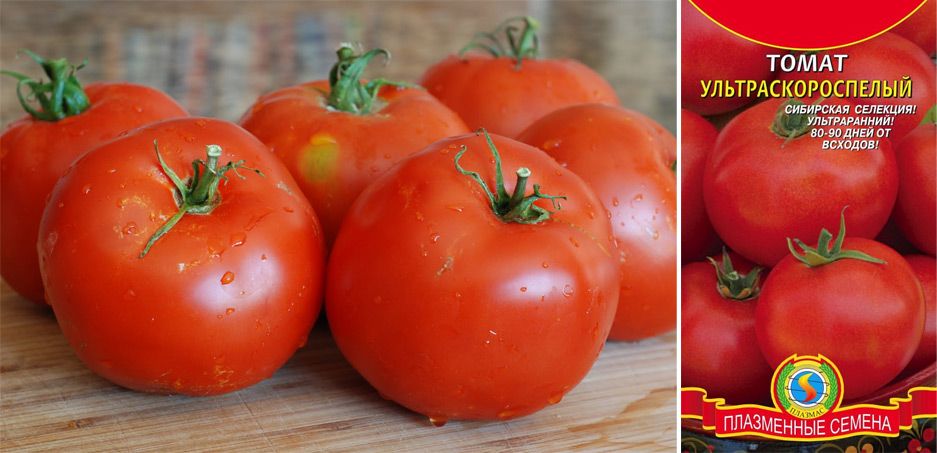
The ripening process is complete in just over two months. It has no special growing requirements, is undemanding, and is disease-resistant. It weighs only 100 grams when ripe.
Petrusha the gardener
This variety, with its comical name, is a hybrid. It's short, reaching only 60 cm in height. The fruits are slightly elongated, resembling a cylinder.
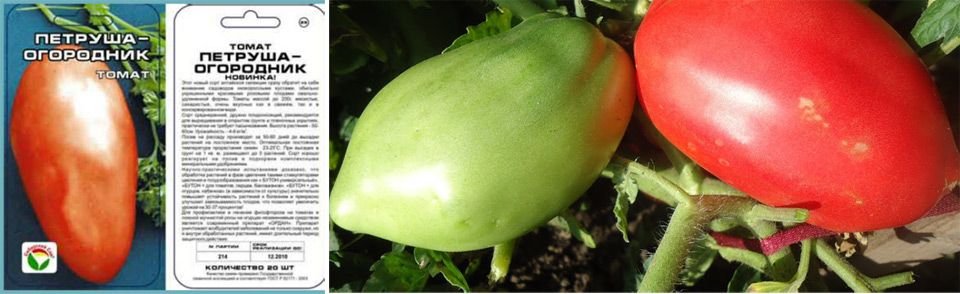
The color is bright pink, with a glossy finish. The weight is 300 grams, which is excellent given the height of the bush.
Danko
A common variety, up to one and a half meters in height, not particularly popular with gardeners due to the thin skin of the fruits it produces.
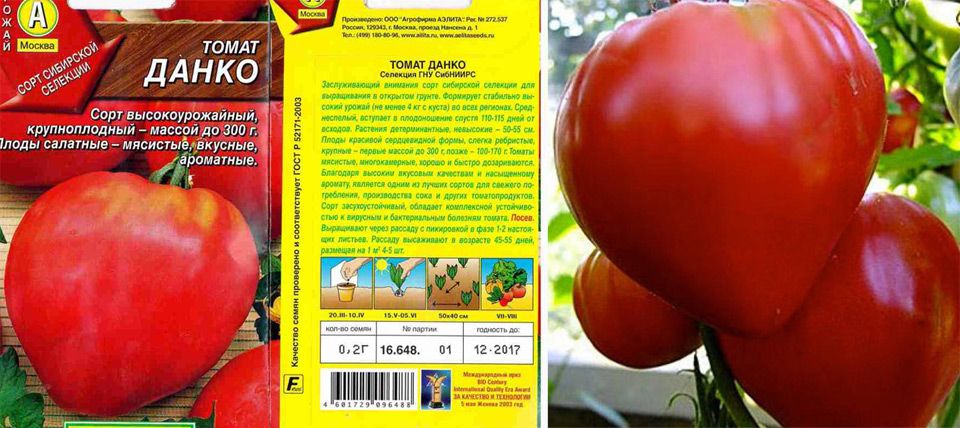
However, it has excellent flavor and is versatile in use. It is drought-resistant.
Anastasia
A beautiful feminine name, it embodies tenderness and beauty. Similarly, the variety named after a beautiful girl is distinguished by its beautiful appearance.
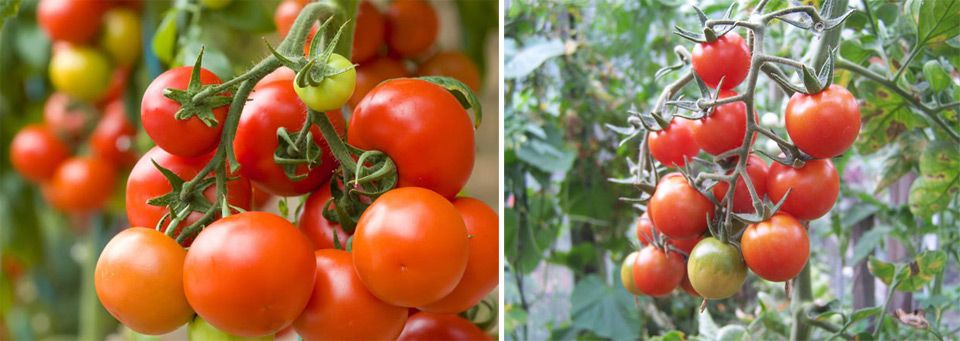
Bright red, sometimes even burgundy, round shape, weight up to 100 grams.
Mini tomatoes
Although all the varieties presented belong to the same species, there are still differences in care and cultivation.
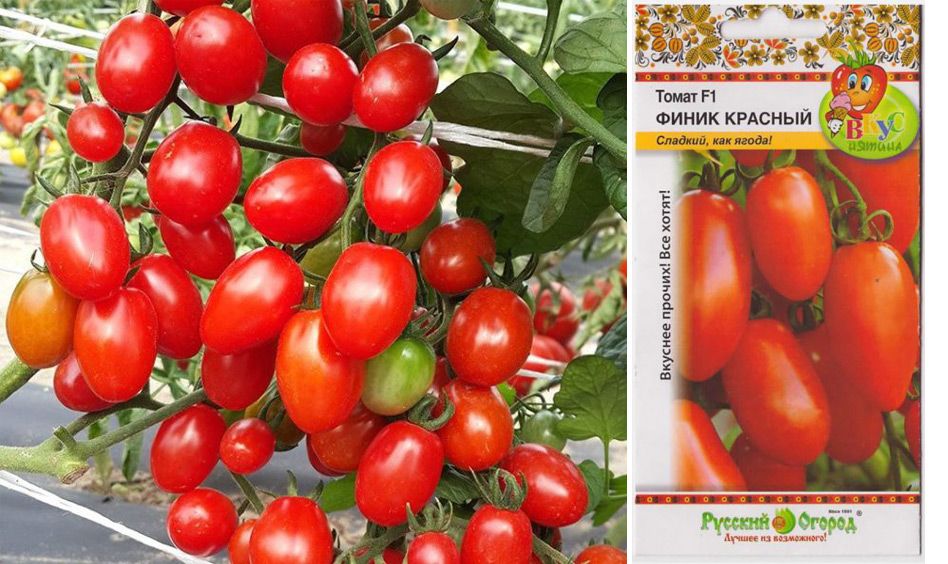
Siberian date palm
A mid-season hybrid of standard size. The name refers to the small size of the fruits, as well as their weight, which is approximately 30 g.
 .
.
A distinctive feature is the ability to stay fresh for a long time.
Bull's eye
Slightly above average height, up to 2 m. Smooth, round tomatoes, very light in weight, only 30 g. Often used as an ornamental variety due to its small size.
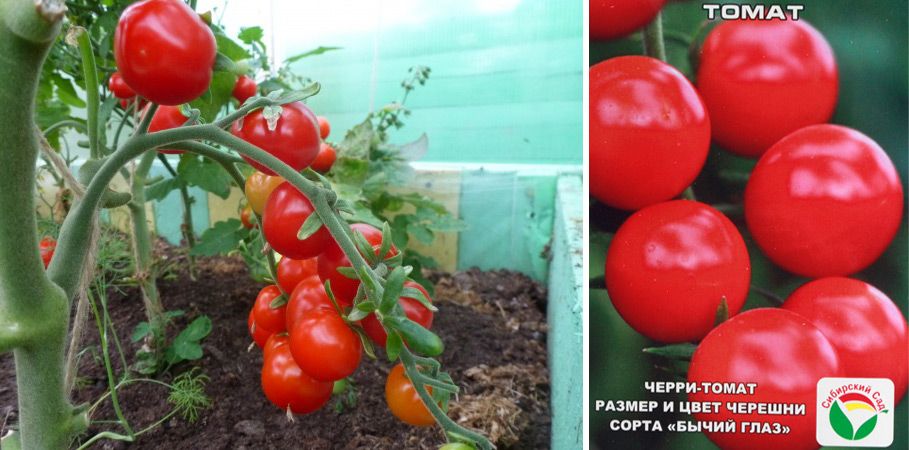
It tastes very sweet.
Countryman
Prefers open ground. There's probably no variety easier to care for than this one. It weighs light, up to 80g.
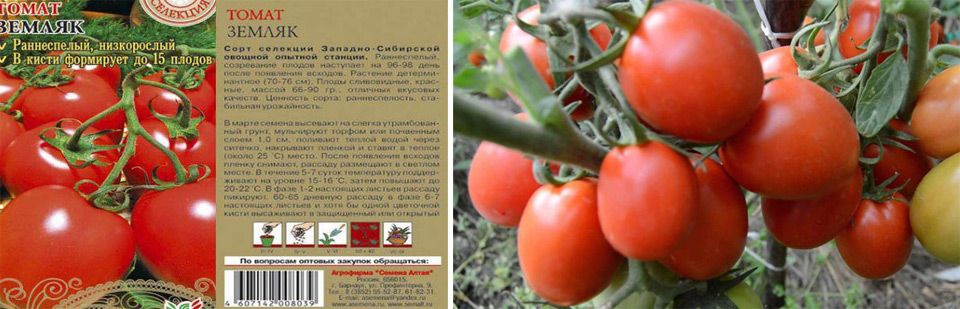
Moreover, the yield percentage is very high, up to 4 kilograms from one bush.
Gardening is a relaxing and profitable pastime. If done right, it can be considered a second job; fresh vegetables, especially during the colder months, are in high demand.
Siberian gardeners are lucky in this regard, thanks to both the short summers and varieties specifically bred for these regions. They boast excellent flavor, in no way inferior to varieties grown in the warmer climes of our vast homeland. They are also immune to virtually all diseases that tomato plants are susceptible to. They are completely undemanding of growing conditions, which is a huge plus.
As you can see, Siberian-bred tomato seeds are the most productive in short summers and variable temperatures. Another advantage is the vast selection of varieties, allowing every gardener to find their perfect match. These include both large "giants" and small tomatoes. Each has a distinct flavor, and each has excellent culinary applications.