A hammock is perfect for relaxing in the summer at your country house. It's a simple yet comfortable piece of furniture that allows you to unwind outdoors. There are different types of hammocks, and you should choose one based on your preferences, needs, and budget.
Materials for hammocks
First, let's look at the materials hammocks are made from and consider which one is better.
Mesh hammocks
The most inexpensive and simple option. These "hanging beds" aren't particularly comfortable. The cells and knots are made of a special rope. The material is quite durable, but it puts a lot of pressure on the back. It's best used with a blanket or a flexible mattress.
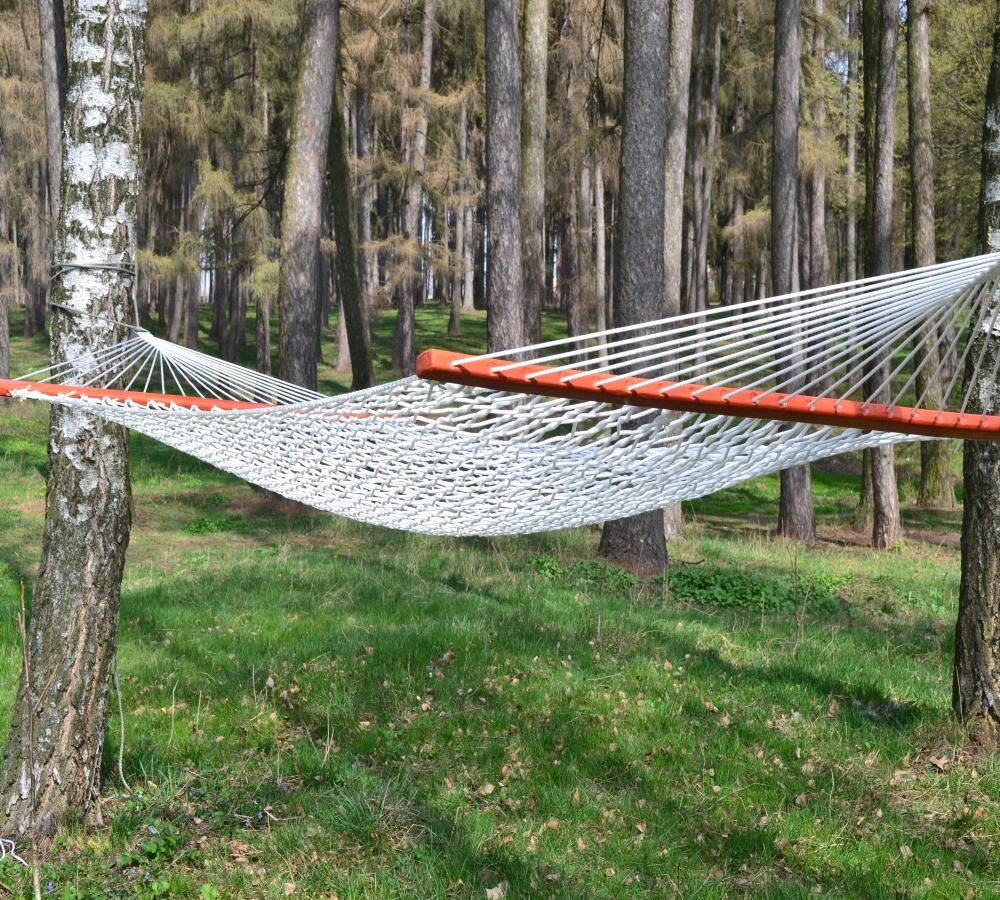
Mesh hammocks aren't designed for heavy loads. They can support 80-100 kg, no more. Therefore, two people won't be able to relax on such a bed.
The product folds and unfolds easily, making it easy to transport. It's the lowest cost compared to other models.
Fabric hammocks
One of the most popular options. Typically, cotton or burlap is used. Those who prefer firmer beds are recommended to choose a burlap hammock. This hammock will be durable, reliable, and rigid.
However, for those who prefer soft surfaces, this option is not suitable. Cotton is a more preferable material; it is soft, durable, and environmentally friendly. Hammocks are available in a variety of colors and can be decorated with all sorts of patterns. The maximum load capacity for cotton hammocks usually does not exceed 160 kg. In most cases, this is sufficient even for two people.
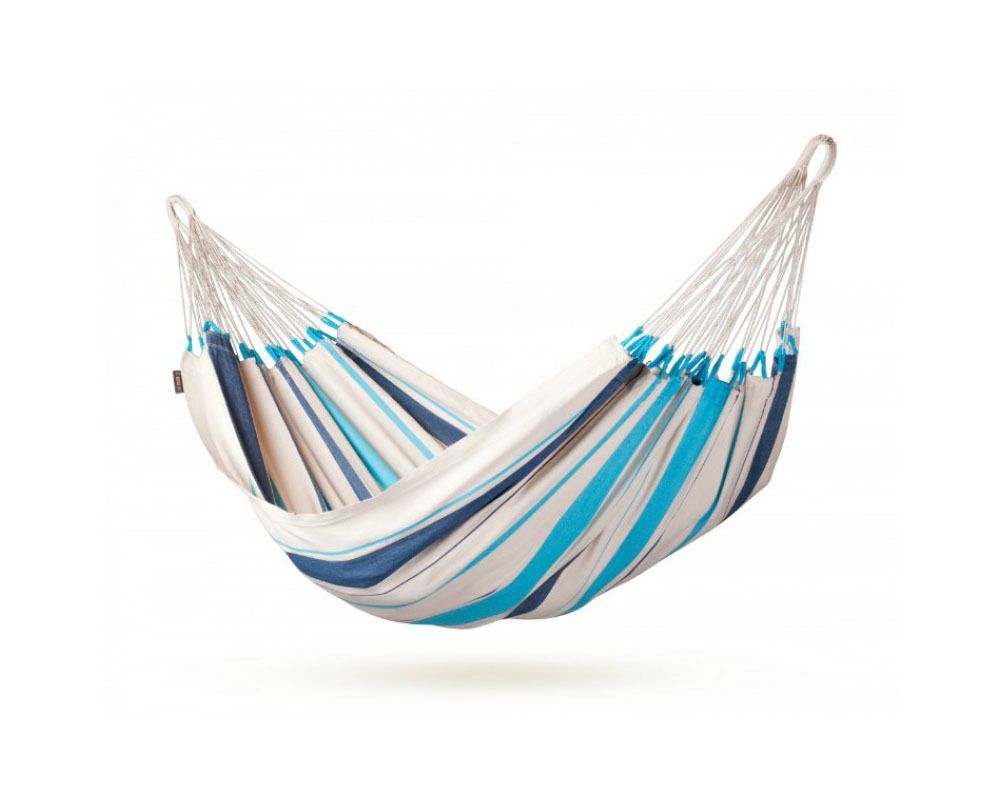
The main disadvantages of fabric hammocks:
- Insufficient moisture resistance. Moisture accumulation causes the shape to deteriorate and increases the risk of mold formation;
- Sensitivity to UV radiation. The product loses color saturation fairly quickly. It's best to keep the hammock in a shaded area, away from direct sunlight.
Polyester and nylon hammocks
Polyester is often combined with cotton. These hammocks offer all the benefits of cotton products, but are additionally protected from moisture and UV rays. However, the maximum load-bearing capacity is significantly reduced.
Nylon is also combined with various materials, but this increases the cost. Therefore, manufacturers use nylon exclusively; these hammocks are distinguished by their vibrant, acid-colored finish.
Both options have advantages:
- moisture resistance;
- long service life;
- compactness;
- affordable price.
Wooden wicker hammocks
The reliability, durability, and comfort of these hammocks directly depend on the quality of the weave and the skill of the weaver. A high-quality product is the best choice of all the above. It is sufficiently soft and firm, not too flexible compared to fabric alternatives, ensuring ease of use.
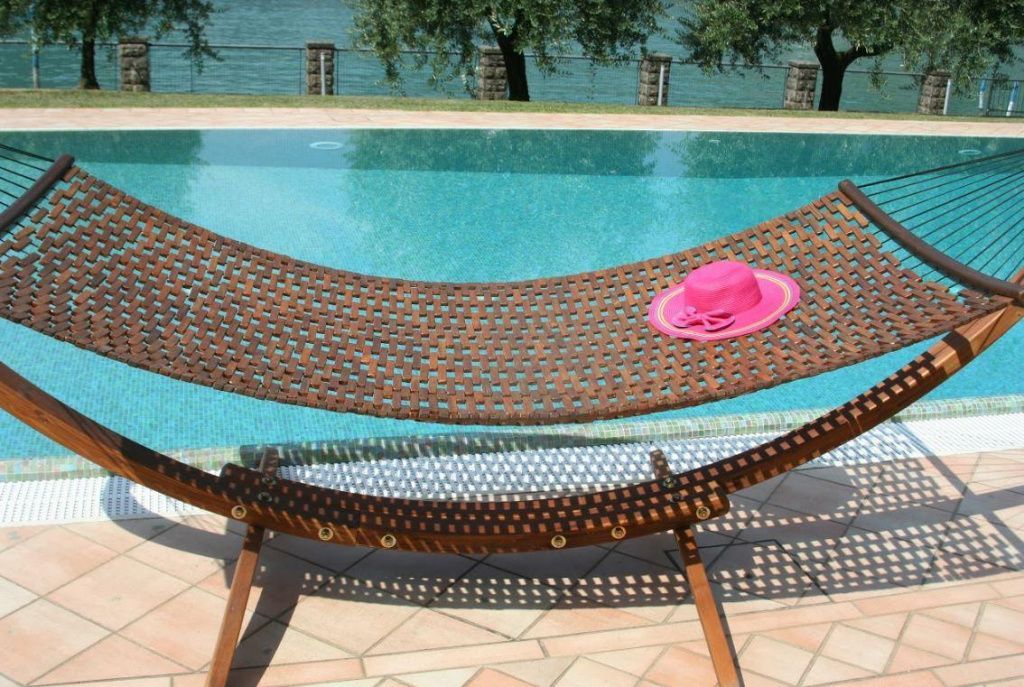
These hammocks also excel in aesthetics. Wood has an elegant, natural, and attractive appearance. High-quality material can withstand very heavy loads.
Important differences between hammocks
Simple hiking hammocks usually don't have slings. More advanced models are equipped with slings made of wood or other material. A hammock without slings is easier to transport, making it ideal for hiking. However, resting in one for long periods is difficult due to the constant hunching of the back. These models are also not suitable for two people.
Hammocks are classified as either tourist or sports hammocks. Different models can be equipped with additional features, such as:
- mosquito net;
- rain awning;
- sleeping bag;
- lighting fixtures (built-in LED lamps);
- heating system, etc.
Models with additional accessories should be chosen based on your needs. The more additional features, the more expensive the hammock.
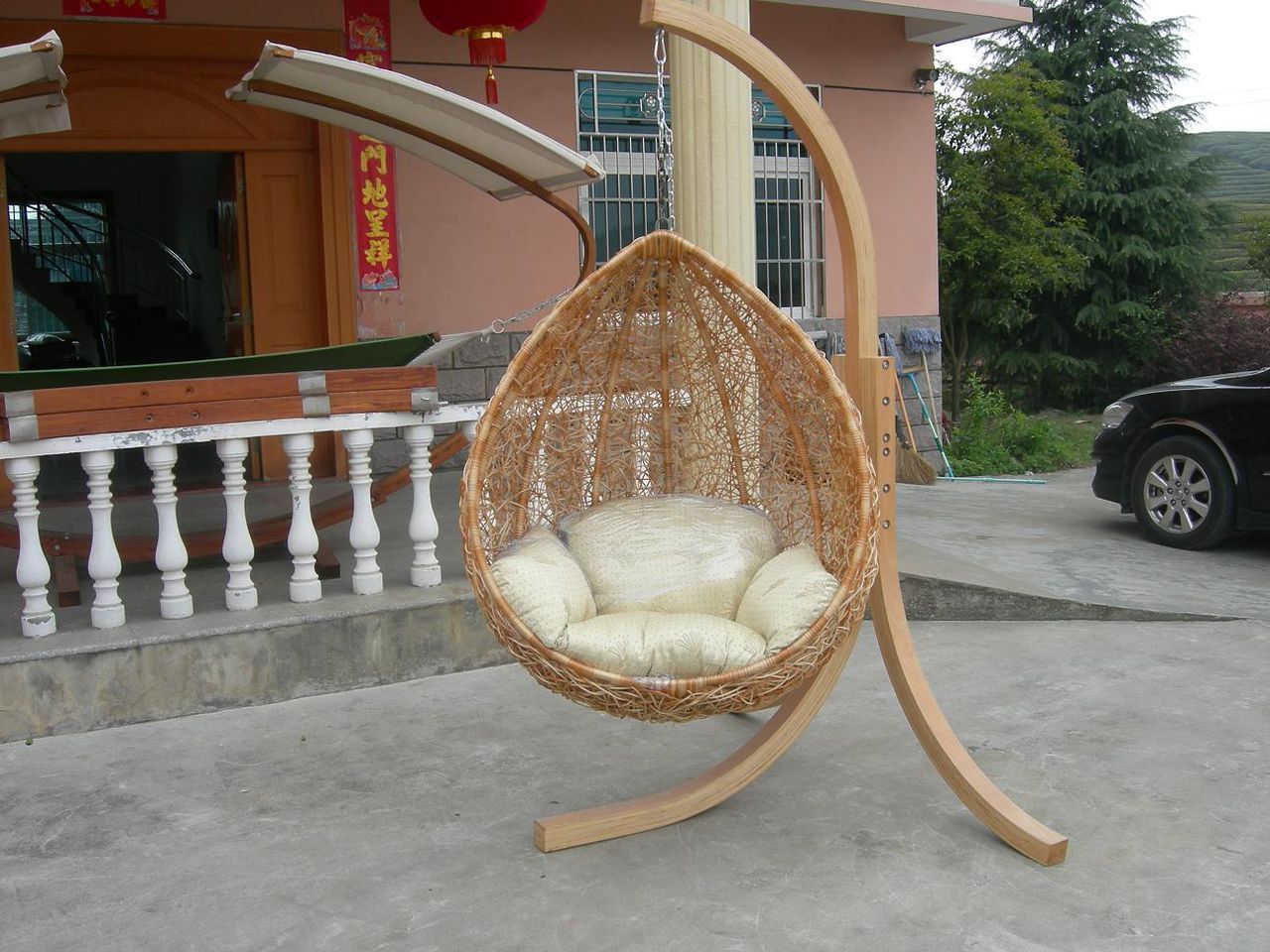
Hammock chairs deserve a special mention. They're not suitable for camping because they're large and awkward to set up. Their shape is more like a hanging chair than a comfortable lounger.
Method of fastening hammocks
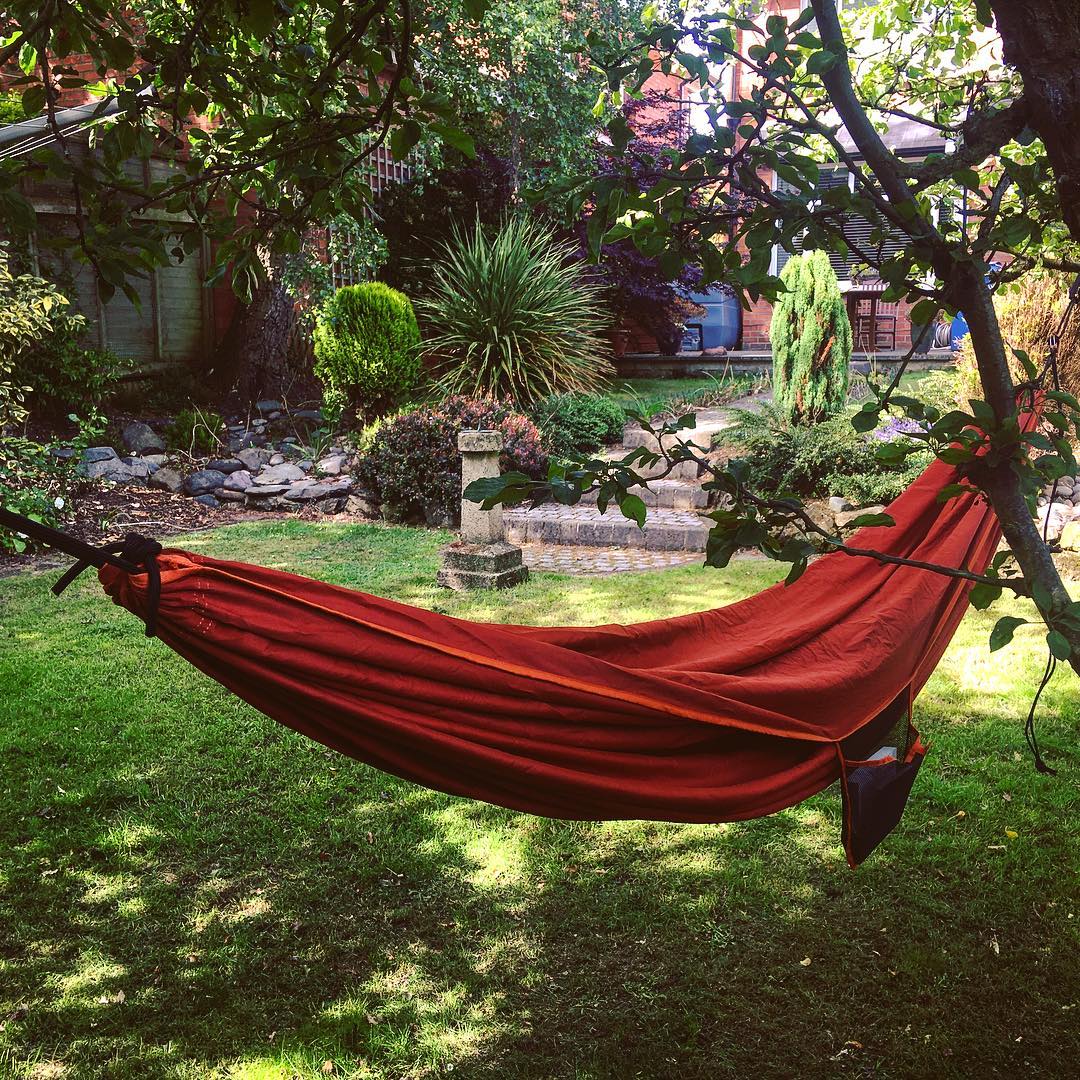
Classic hammocks are attached to two adjacent trees. The tree trunks should be thick enough to support the expected load. The heavier you are, the thicker the trunk should be.
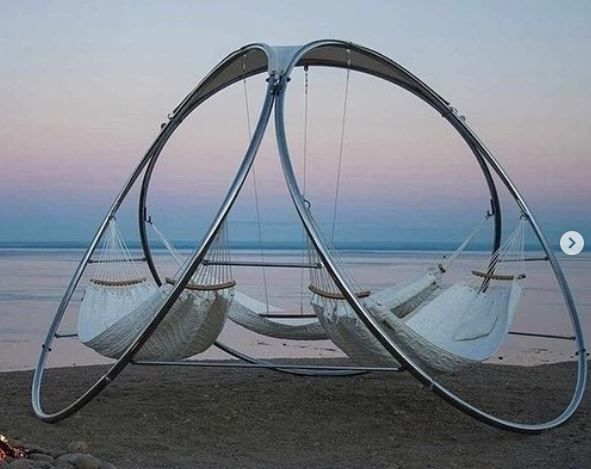
If you don't have sturdy trees in your garden, you can consider frame hammocks. These can be installed almost anywhere, but they are, of course, more expensive.
You can simply dig in two wooden posts at least 15 cm thick. Usually, holes 60-80 cm deep are sufficient.
There are models with a single vertical mount. These are suitable for hanging on a crossbar or indoors. In the latter case, simply attach the hammock to the ceiling.
Recommendations for selection
When choosing a hammock for your summer house or for hiking, consider the following criteria:
- Location. Are there trees for a bed? Is a mosquito net necessary?
- Acceptable materials. Polyester hammocks are best for open areas. For shaded areas, burlap or cotton hammocks are best.
- Requirements. For casual relaxation, a standard cotton hammock is suitable. If you plan to spend frequent outdoor activities (hunting, fishing, or active hiking), nylon or polyester hammocks are a better choice.
- The number of people who will be relaxing in the hammock at the same time. It's best to choose a model designed for at least two people.
- Maximum load capacity. Before purchasing, you should check the weight capacity of a particular model.
- Service life. Models without mounting bars are inferior to their counterparts with the necessary parts in terms of strength and convenience. They are very difficult to repair. Hammocks with mounting bars are more durable.
- Design and cost. Models with intricate designs tend to be more expensive. Hammocks in a solid color or with simple decorations are less expensive but less visually appealing.