Wind breaking trees and shrubs, and ripping off unripe fruit? This is a problem for many gardeners. But did you know that all this can be avoided by installing windbreaks on your property? In this article, I'll tell you how to choose the right ones and protect your property at a reasonable price.
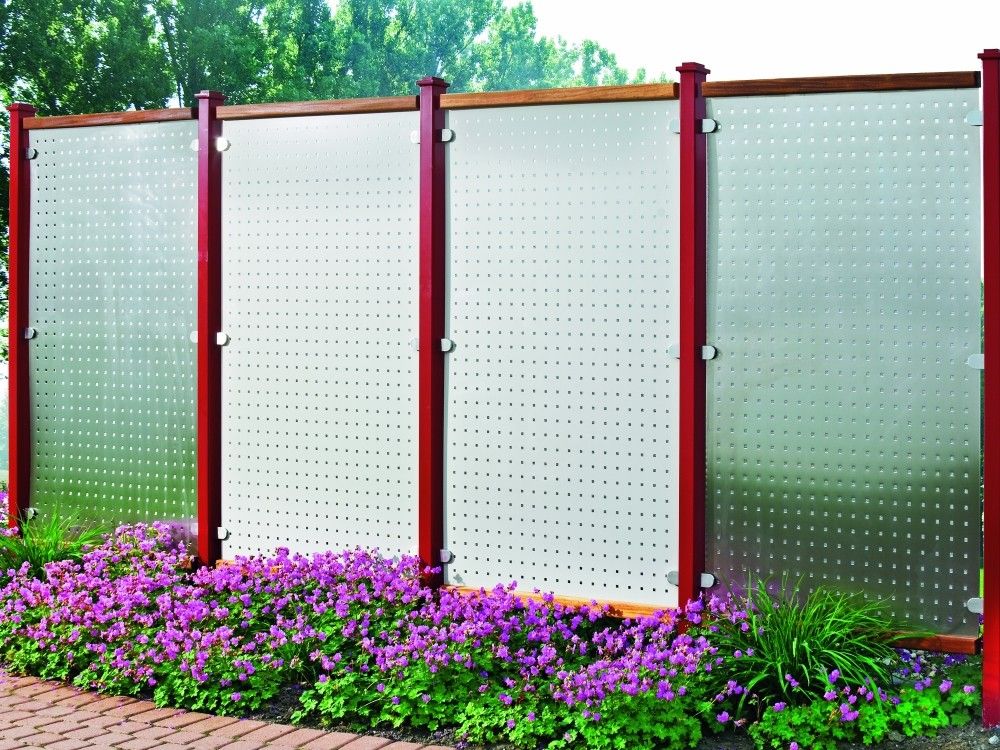
Windproof structures
To ensure that structures provide maximum protection from the wind, their height should be 1.5 or 2 meters.
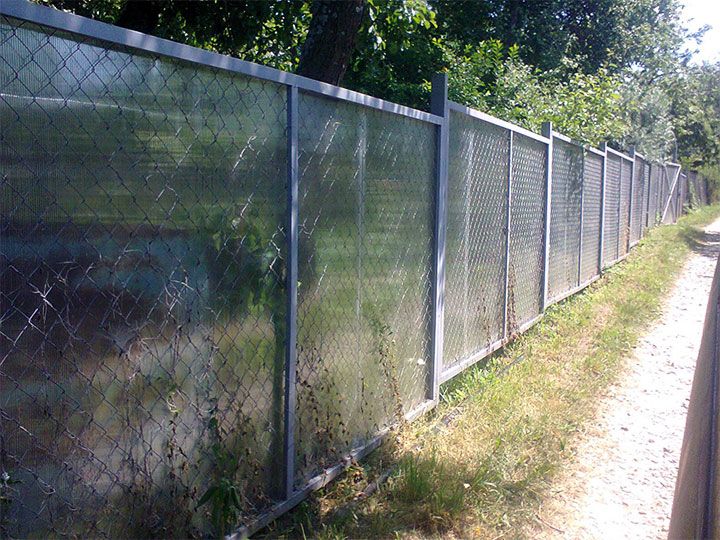
Possible materials:
- Polycarbonate mesh or chain-link fencing. However, such fencing alone won't be sufficient to block the wind; climbing plants should be planted along it.
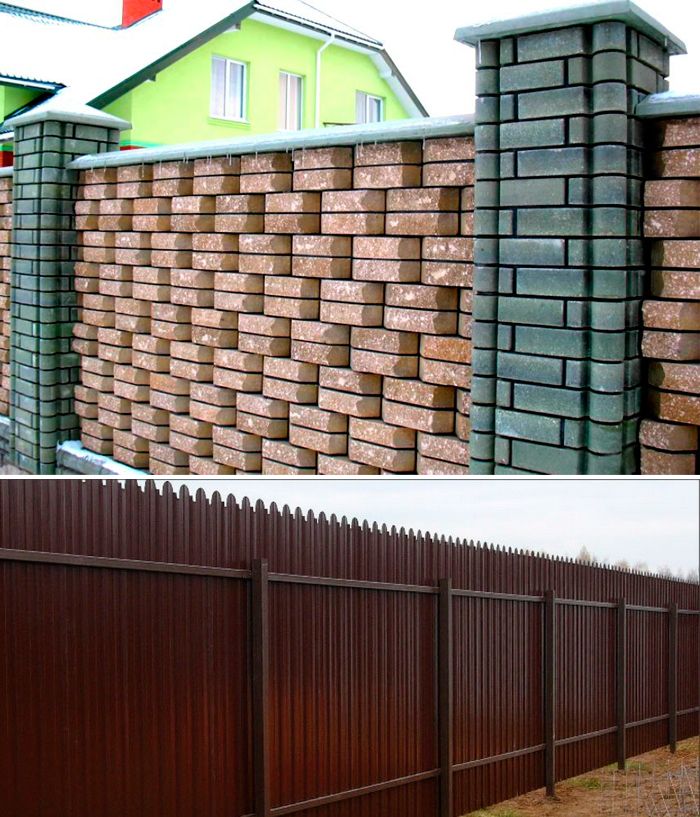
- Brick. Excellent protection, but a significant drawback: the cost.
- Metal profile. The sheet must be painted, otherwise it will become very hot in the sun, not only reflecting heat but also damaging the plantings, which will simply burn.
Structures along the perimeter of the site
Additional buildings around the property's perimeter can provide effective wind protection. If carefully placed and constructed, a shed, bathhouse, greenhouse, or woodshed can significantly reduce wind flow. A small gazebo will provide a comfortable place to relax with friends and enjoy a cup of tea.
Windscreens
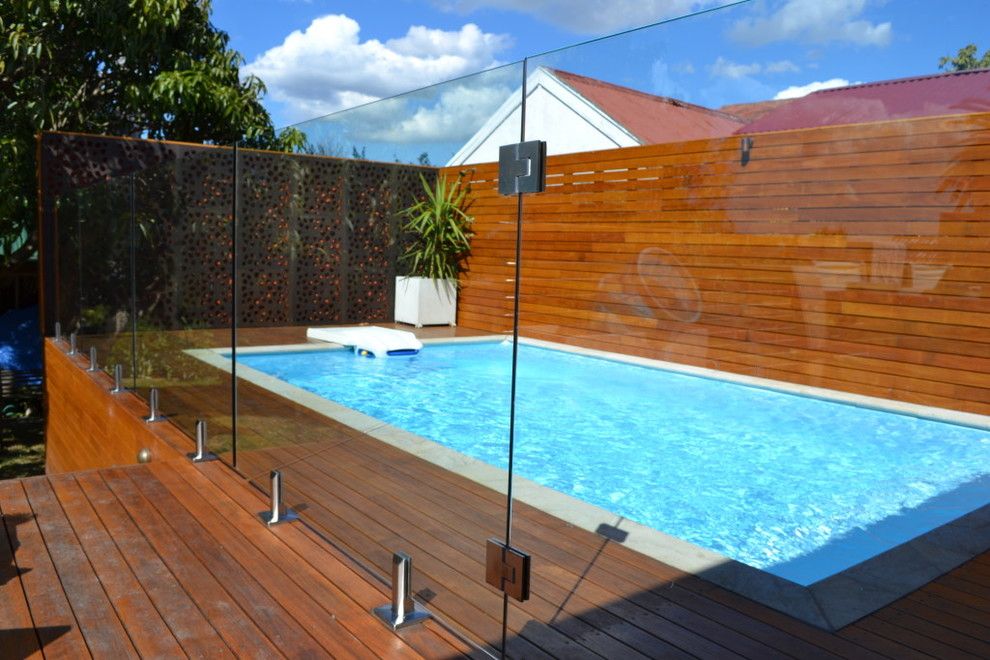
Wind screens are used to protect specific areas (like playgrounds and swimming pools). They should be installed after studying the wind patterns. Various materials are used, including wood, steel, and polycarbonate. The screen can be solid or permeable.
Hedges
When using this wind protection method, it's important to consider the height and density of the plant's canopy. Shrubs planted in a single row will reduce wind force by 40%. Protective plantings do not interfere with natural air circulation. Ornamental coniferous varieties are most often used.
For a windbreak hedge you can plant:
- rose hip:
- lilac;
- elderberry;
- viburnum.
Coniferous plants:
- spruce;
- pine;
- fir.
Deciduous trees:
- birch;
- maple;
- chestnut;
- willow.
Owners whose land is located near noisy roads are advised to plant a three-tiered hedge. This will provide protection not only from the wind but also from noise and dust.
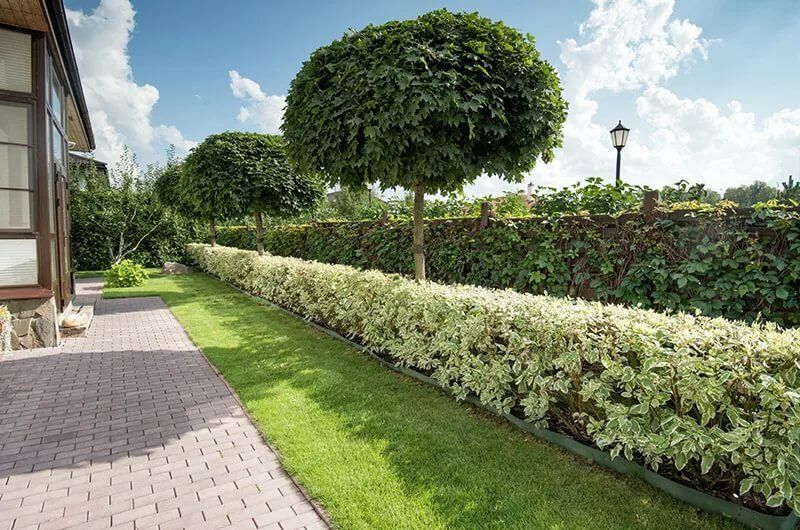
In the first row, tall and medium-sized coniferous and deciduous trees that do not require careful maintenance are planted.
Fruit tree varieties can be planted in the second row.
The third row is with bushes.
Young seedlings can be protected from the wind using a windbreak. To do this, drive in a sturdy stake, secure it with a support, and tie the seedling to it.