Acalypha is a houseplant belonging to the Euphorbiaceae family. Its natural habitats include tropical forests in southeast Asia and the Pacific islands.
The genus includes approximately 250 species. The plant is so well known that one of the characters in the popular computer game Skyrim bears its name, Acalypha.
Content
- 1 General description of acalypha
- 2 Types and varieties for growing at home
- 3 Home care rules by season in the table
- 4 Container, soil, replanting, pruning
- 5 Watering
- 6 Fertilizer
- 7 Reproduction
- 8 Growing errors and pests
- 9 Top.tomathouse.com explains: Poison or medicine?
- 10 Reviews of acalypha from gardeners
General description of acalypha
The flower's appearance is very reminiscent of nettles. The leaves are ovoid, pointed at the tips, and light green in color.
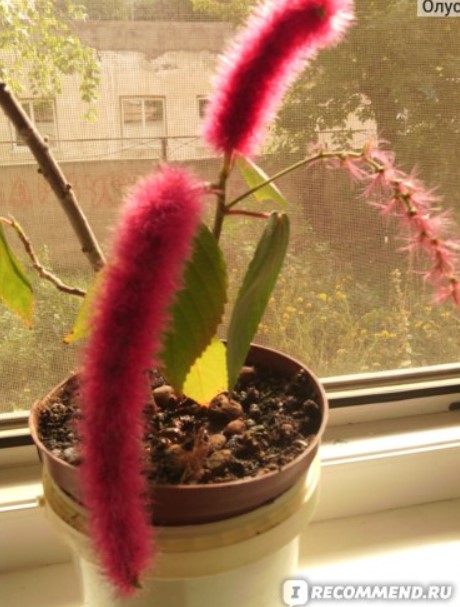
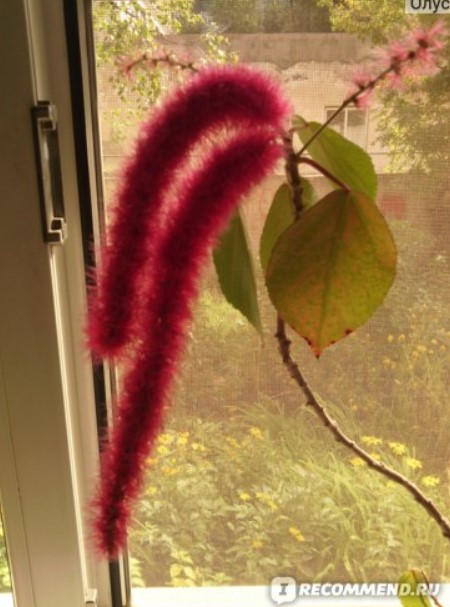
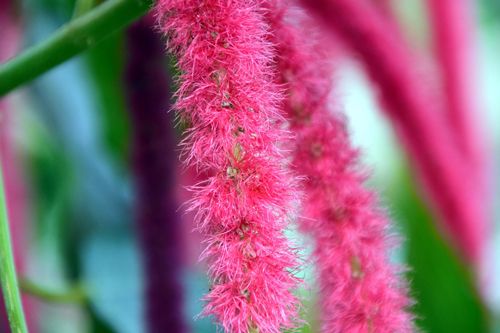
The inflorescences are unique, resembling fluffy tails, which is why the plant is called "fox tail" or "cat tail." The plant is small in size, ranging from 30 to 70 cm.
Types and varieties for growing at home
There are several varieties of acalypha that can be grown indoors. Below are photos of the plants, which make excellent bouquets.
| View | Description |
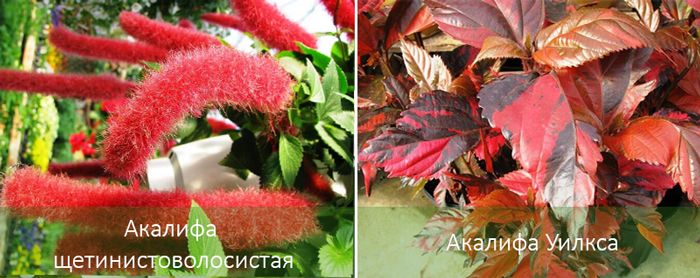
| Wilkes (Acalypha wilkesiana) 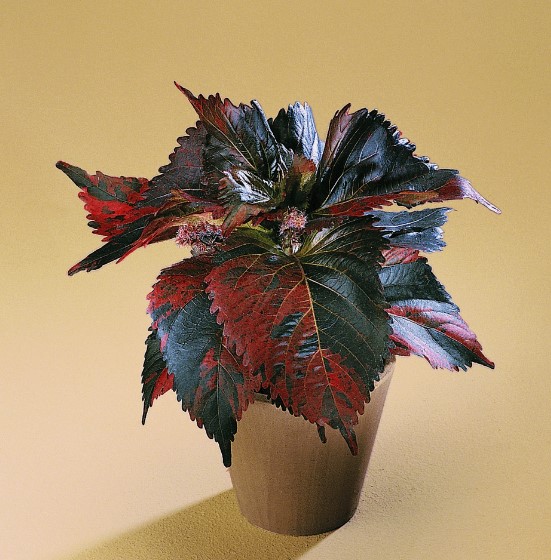 |
A meter-tall shrub. The stem is copper-red and hairy. The leaves are 20 cm long and 15 cm wide. The foliage is bronze, with copper or light pink spots. |
| Bristly haired (hispida) (Acalypha hispida) 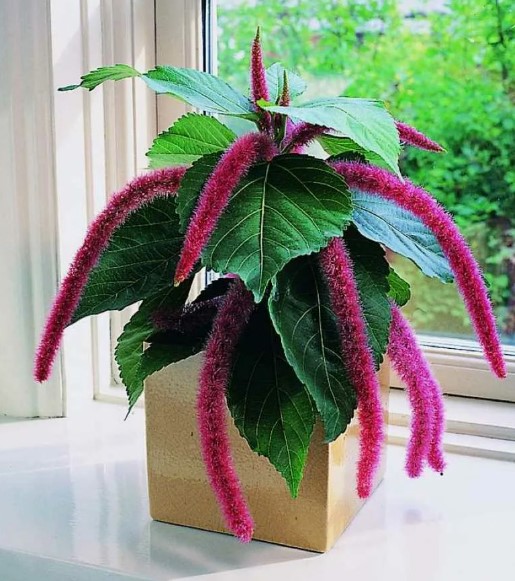 |
It has bright green foliage, and the inflorescences are bristly foxtail hairs, 35-40 cm long, and colored crimson and scarlet. |
| Indian (Acalypha indica) 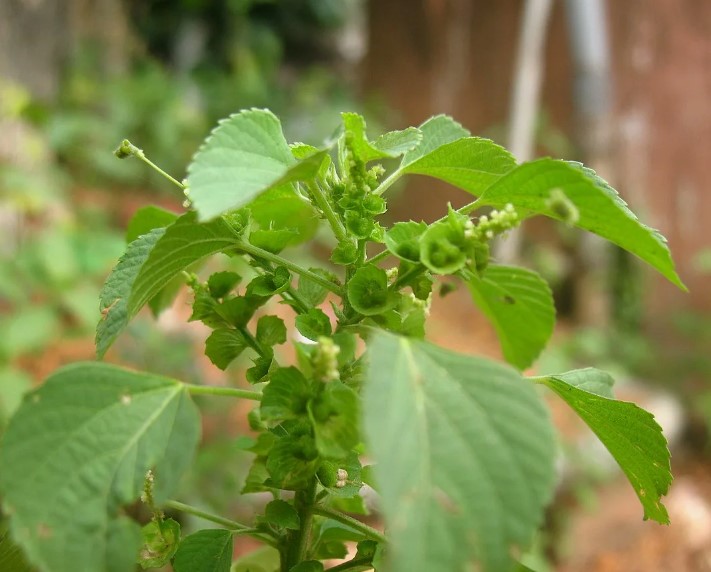 |
A shrub up to half a meter tall, with sparse branching. Leaves reach 4-6 cm in length, with five veins at their bases. Flowering is brief, from July to March. |
| South (Acalypha australis) 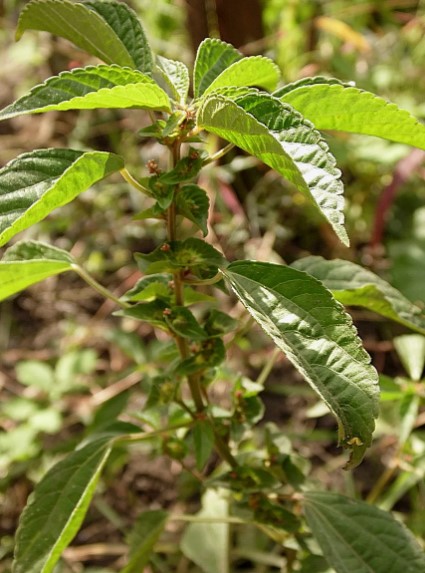 |
A weed. It grows up to half a meter in height, with ribbed shoots covered in sparse but stiff hairs and extensive branching. The foliage is thin and 4-5 cm long. It blooms in July and August and has axillary inflorescences. |
| Haitian (Acalypha chamaedrifolia) 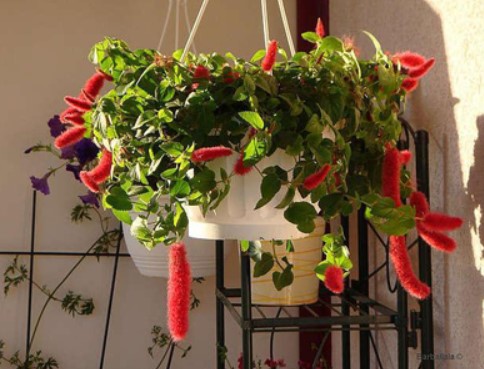 |
The heart-shaped leaves are 3 to 4 cm long and light green. The inflorescences range from 4 to 10 cm in size. Indoors, it is usually grown as a trailing plant, that is, in a pot. |
| Godsefa (Acalypha godseffiana) 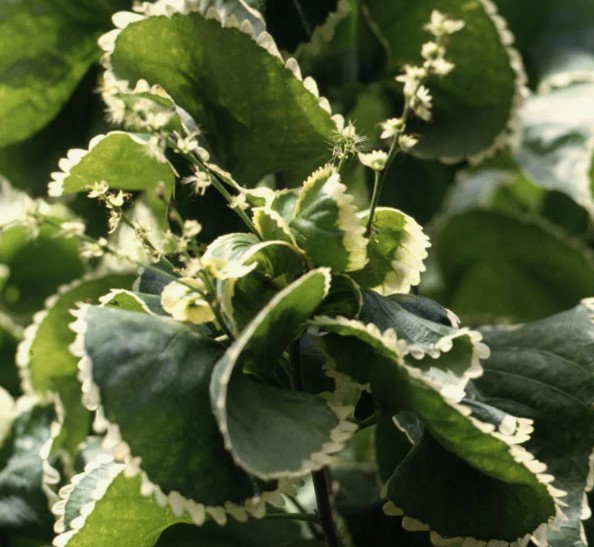 |
A Wilkas hybrid with wide oval-shaped leaves up to twenty centimeters long. Color ranges from green to copper-red or gold. |
| Californian (Acalypha californica) 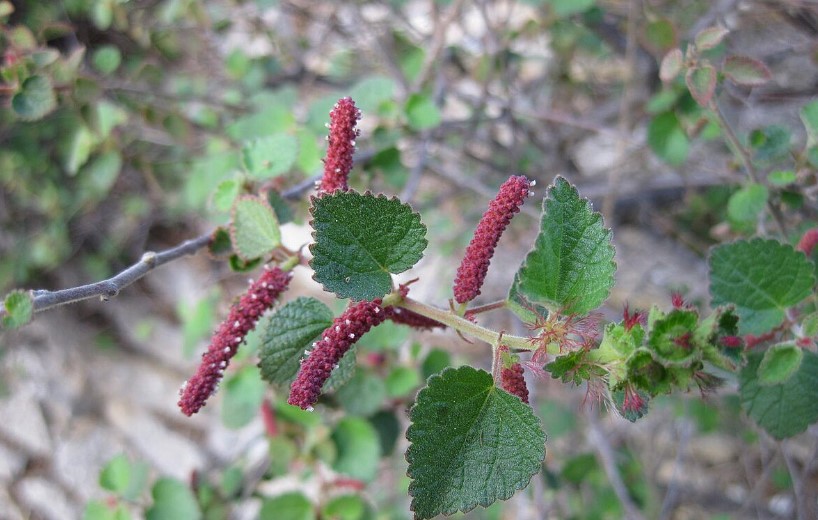 |
The leaves are salad-colored and have large serrated edges. The inflorescences are a rich pink. |
Home care rules by season in the table
Home care for foxtail varies depending on the season.
| Season | Lighting | Humidity level | Temperature conditions |
| Spring | It requires bright but indirect light. It's best to place the pot indoors, near an east- or west-facing window. If placed on a south-facing window, it will need to be protected from direct sunlight. | More than 70%. The plant should be sprayed as often as possible. It's best to place the acalypha container on a tray filled with damp pebbles. | The plant prefers to grow in warmth, so the temperature should be +20-25 degrees. |
| Summer | Bright lighting, without exposure to direct sunlight. | ||
| Autumn | Humidity should be at least 70%. It is not recommended to place Acalypha near heaters. Humidification should be maintained using all available methods. | The optimal temperature is 18 degrees Celsius. At 15 degrees Celsius, the plant will die. | |
| Winter | Lighting should be intense; artificial lighting may be necessary. Variegated acalypha varieties will lose their color if they don't receive enough light. |
Container, soil, replanting, pruning
A wide clay or plastic pot is suitable for growing acalypha. This container is filled with light, porous soil, with the following approximate composition:
| River sand, peat, leaf and turf soil | In equal proportions |
| Peat, turf soil, river sand and humus | In equal quantities |
Young plants need to be repotted in the spring. Mature acalyphas need their growing containers and soil changed every three to four years. Repotting follows this plan:
- the pot is disinfected, a drainage layer consisting of expanded clay, small crushed stone, foam chips and brick is placed in the container;
- the height of the drainage layer is two to three centimeters;
- wear protective gloves, as the plant juice is poisonous;
- the fox tail is carefully removed from the old pot, making sure to preserve the soil lump,
damaged areas of the roots are removed; - the plant is placed in the center of the new container; while adding soil, the pot needs to be shaken a little and the soil compacted;
- then it is watered, placed in a permanent place and sprayed.
To increase the bushiness of the bush, during the growing season it is necessary to pinch the shoots on the two upper buds two or three times.
Watering
It's important to maintain constant soil moisture, so watering frequency depends on the temperature. Generally, watering acalypha once every three days is sufficient. The water should be warmed to 30 degrees Celsius.
Fertilizer
During the growing season (from March to September), fertilize the acalypha every two weeks with any suitable houseplant fertilizer, prepared according to the instructions. The use of natural fertilizers is prohibited, as they can burn the roots.
Reproduction
There are two ways to propagate acalypha:
- seeds;
- cuttings.
Since seed propagation is time-consuming, it is preferable to propagate by cuttings, using shoots approximately 10 cm long. Acalypha is not propagated by layering.
Growing errors and pests
When growing foxtail, inexperienced gardeners can make a number of mistakes, the negative effects of which are aggravated by pests:
| Growing Mistakes/Causes | Pests/Possible Damage |
| Elongation of stems, reduction in the size of foliage - insufficient lighting. | Small beige dots appear on the leaves – aphids. |
| Yellow and brown leaves, drying out of tips – frequent drying out of the soil in the container. | A barely noticeable, irregularly shaped spot appears on the leaves – whiteflies. |
| Formation of a wrinkled surface on the leaves is a sign of non-compliance with the watering regime. | There is a thin and barely noticeable thread on the petioles and stems, and whitish spots form on the underside of the leaves – spider mites. |
| The appearance of brown, wet spots on the leaves is a sign of overwatering and low air temperature. | The plant is covered with small dirty-white lumps that resemble fluff and cotton wool - mealybugs. |
| Drying and falling leaves indicate that the plant is not being fertilized enough and lacks nutrients. | Yellow and red spots on the leaves are scale insects. |
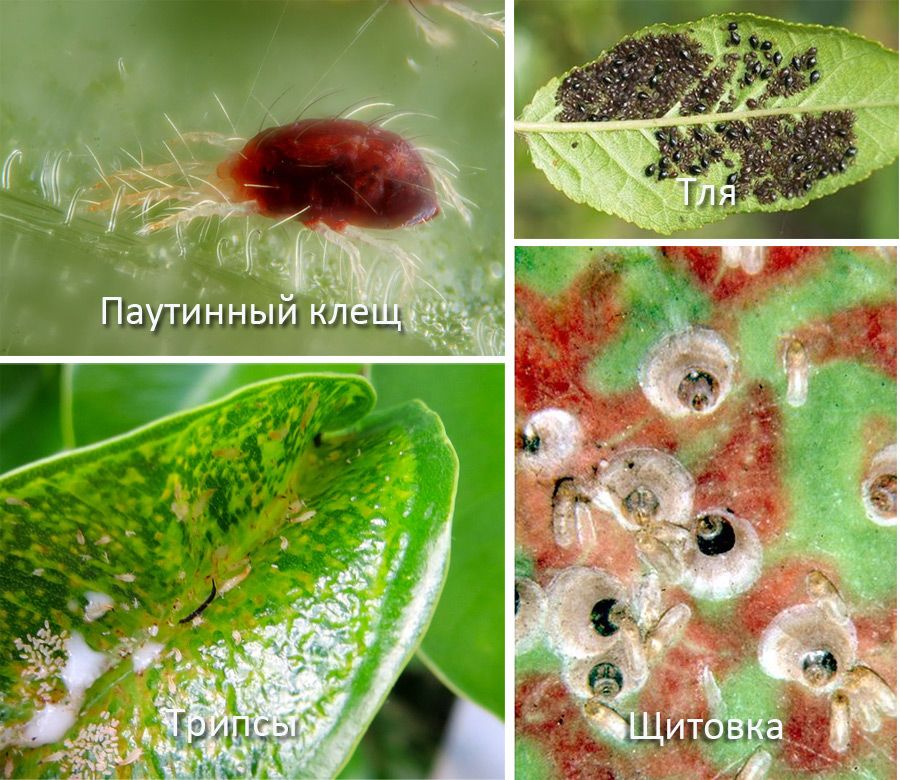
Pest control is carried out using special insecticides.
Top.tomathouse.com explains: Poison or medicine?
Astrologers and people who follow the teachings of Feng Shui find this plant very useful, noting that acalypha has a good effect on the cardiovascular system.
Moreover, a flower fills the home with positive energy, improving the mood of its owners. It was once fashionable to give a flower to a partner, as it gave the person strength of spirit.
Although the acalypha looks like a nettle, it will be an excellent decoration for the interior, and it can also be used for landscaping a summer cottage.
The main thing is to carefully care for the plant and wear rubber gloves when removing weeds, as there is a risk of the toxic sap coming into contact with the skin and causing an allergic reaction.
Reviews of acalypha from gardeners
Acalypha is a flower with pink fluffy “caterpillars” that never stop blooming!
A friend gave us this handsome plant when we moved. We immediately fell in love with this unique flower, covered in fluffy blooms. Our son immediately christened them "Caterpillars," and the name "Smile" stuck.
They left in a hurry, all his previous owner had managed to say about him was that he was a "water guzzler." That's all. They took a child into the house, not knowing his name, how to care for him, or what he liked.
Here's some background information:
An ornamental foliage and ornamental-growing plant of the Euphorbiaceae family. A tall shrub with oval, matte-green leaves with serrated edges and long, pointed tips, bearing drooping, spike-shaped, fluffy, bright red inflorescences. It blooms year-round.
Name of Acolipha:
The Latin name of the genus "Acalypha" comes from the Greek word "acalephe," meaning "nettle," as the leaves of the Acalypha resemble those of the nettle. The inflorescences of the Acalypha are popularly known as "foxtails" or "cattails."
We almost killed this little one in the first month! I'm not a gardener. I've had cacti and other plants on my windowsills that need watering once a month or less... so developing the habit of watering them on time wasn't easy. And then there was the water sucker! It needed to be moistened every day, but we'd let it dry out. The caterpillars faded, the leaves fell off. When things got worse, I put a bottle of water next to it and forced myself to remember its care. And lo and behold, our water sucker came back to life! After a period of drought, in a period of abundance, it became even more beautiful than before! The inflorescences became thick and vibrant, and new leaves started growing at the top (the center is still bare).
We also learned about the flower that it:
Loves the sun (thankfully, we have a south-eastern exposure)
It needs some crown shaping. If left unpruned, it'll grow over five feet tall!
He doesn’t like drafts, but in our house he often stands near an open window and tolerates it.
It blooms all year round! And that's especially pleasing. Many of my gardener friends keep some kind of grass on their windowsills, and then for two or three days a year they're delighted to see some flowers appear. They take lots of photos so they won't forget what they look like... And our handsome plant always has fluffy pink blossoms hanging from it!
Olus
recommends