Aspen and birch boletes belong to the spongy mushroom family and are considered among the best mushrooms. One of their advantages is their versatility. They are excellent for any cooking method: frying, boiling, stewing, and marinating. We'll explain how to prepare these mushrooms for cooking so they fully develop their flavor.

Content
- 1 Nutritional value of birch boletes and aspen boletes
- 2 How to clean and process aspen and birch boletes after picking them in the forest
- 3 General rules for processing aspen and birch boletes before cooking
- 4 Tools required for processing
- 5 Is it necessary to remove the spongy layer?
- 6 Do aspen mushrooms need to be soaked and how much?
- 7 Do boletus mushrooms need to be soaked?
- 8 Wet method for cleaning birch and aspen mushrooms
- 9 Dry method of cleaning birch and aspen mushrooms
- 10 Rules for processing birch boletes and aspen boletes for different preservation methods
- 11 Tips for housewives
- 12 Recommendations from experienced mushroom pickers on cleaning and preparing birch and aspen boletus mushrooms
Nutritional value of birch boletes and aspen boletes
They are growing aspen mushrooms And birch boletes mainly in deciduous forests and are in great demand among mushroom pickers.

These valuable mushrooms contain a large amount of vitamins, micro- and macroelements:
- calcium;
- phosphorus;
- sodium;
- manganese;
- potassium;
- iron and others.
Percentage of useful elements:
- 36% proteins;
- 5% fat
- 23% fiber;
- 15% sugar.
Proteins are complete, meaning they are easily broken down in a short period of time. Their content helps remove toxins from the body and reduces the risk of kidney disease.
How to clean and process aspen and birch boletes after picking them in the forest
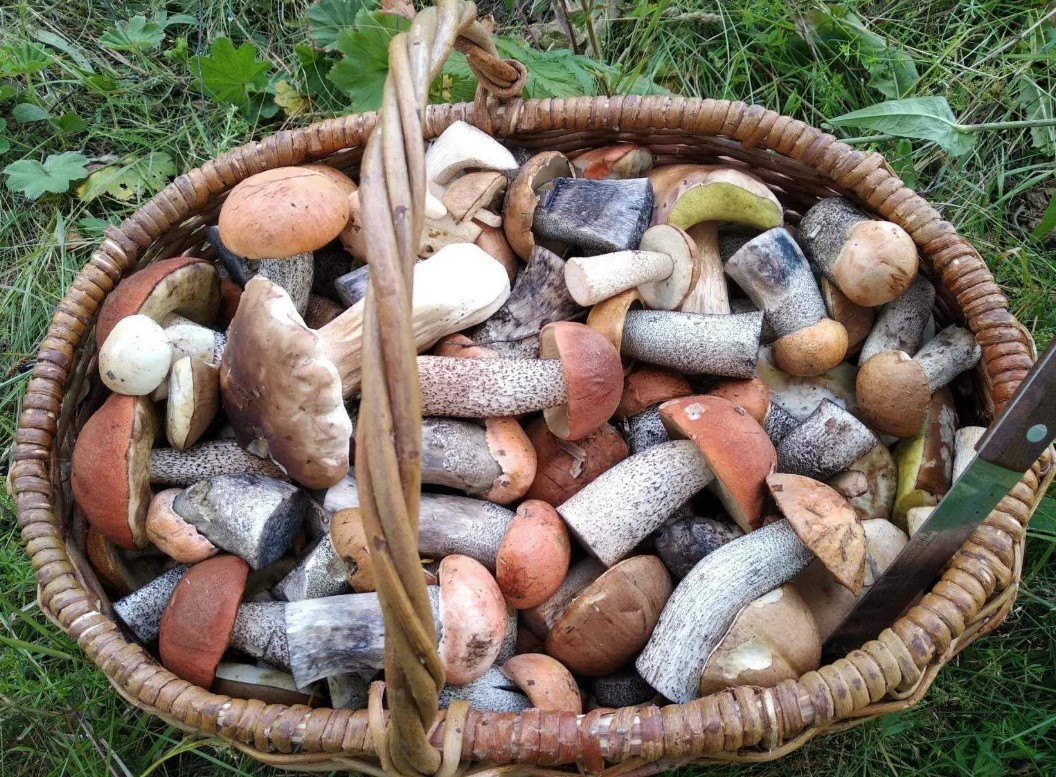
These mushrooms absolutely require cleaning. The first cleaning should be done while they're still in the forest. Each mushroom should be cleared of any forest debris. Then, check for worms and damaged areas. If any are present, trim these areas with a knife to prevent spoilage of the surrounding mushrooms in the basket.
General rules for processing aspen and birch boletes before cooking
Once picked, mushrooms shouldn't be stored for long. If you can't process them the same day, refrigerate aspen and birch boletes overnight. Washing isn't always necessary. Dry processing is most often used.
Tools required for processing
For processing you will need:
- a small, sharp knife that makes it easy to remove damaged areas and debris;
- sponge and paper towels to remove soil.
All of this can be taken with you to the forest for initial cleaning right on the spot.
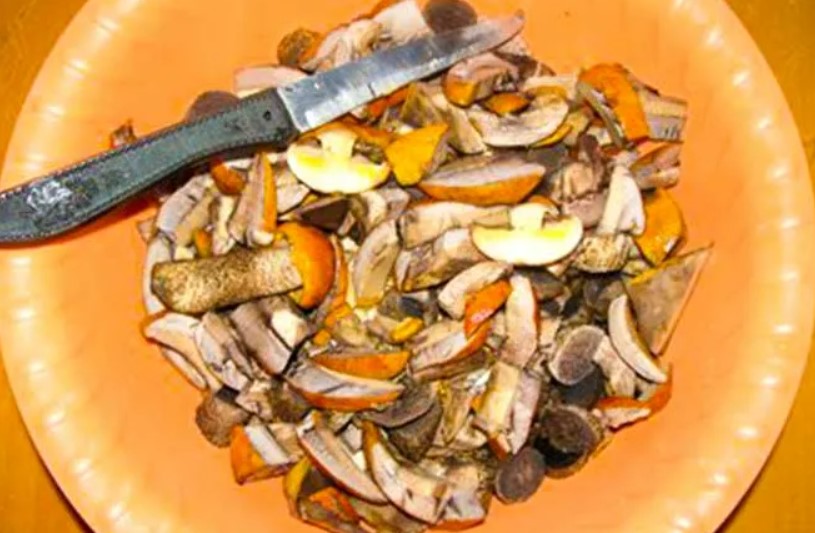
Is it necessary to remove the spongy layer?
The spongy layer underneath the cap is edible. However, traces of various insects can sometimes be found underneath. For this reason, it is recommended to remove it.
Do aspen mushrooms need to be soaked and how much?
If you plan to fry or pickle aspen mushrooms, soak them in cold, salted water. Change the water twice during the process to remove any harmful substances.
If they are going to be dried or frozen later, there is no need to soak them.
To get rid of worms, you can soak the mushrooms for an hour in 1 liter of water with 40 grams of salt. Avoid soaking them overnight, as their spongy texture will absorb the liquid and cause them to lose flavor and firmness.
Do boletus mushrooms need to be soaked?
Experienced mushroom pickers believe that birch boletes should be soaked in water. This is done to remove the mushrooms' bitterness and to remove toxins, preventing poisoning. This is especially important when preserving them.
For your information! Avoid picking mushrooms near highways and industrial plants, as they contain many hazardous substances. Even soaking for several hours will not completely remove them. Also, avoid picking very old mushrooms, as they have absorbed a significant amount of toxins during growth.
Wet method for cleaning birch and aspen mushrooms
To prepare mushrooms by frying or boiling, a wet cleaning method is used.
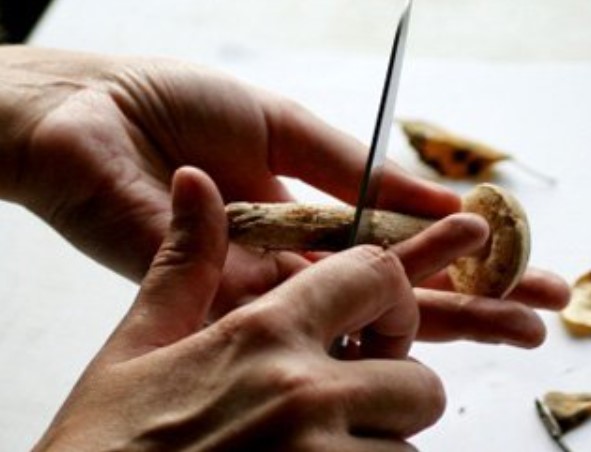
It is as follows:
- Sort the mushrooms, removing the caps and stems. Place any wormy specimens in cold, salted water for 1 hour.
- Remove the outer fibers from the mushroom stem with a knife.
- Remove damaged areas from the pulp.
- Use a damp sponge to remove dirt from the caps.
- Remove the spongy layer from mature mushrooms.
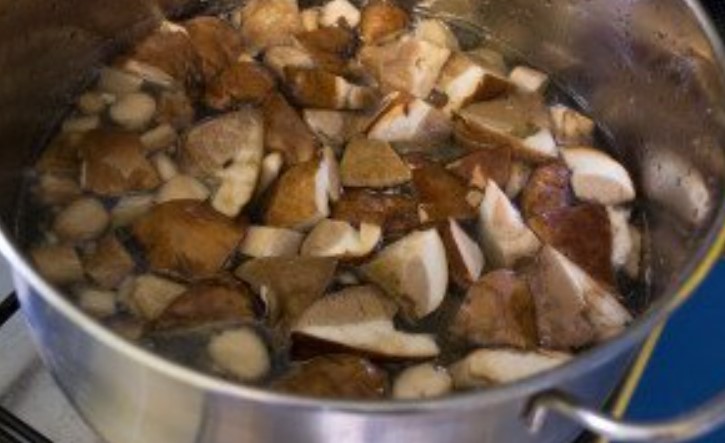
- Cut into pieces and rinse with water.
After this, you can soak them before cooking.
Dry method of cleaning birch and aspen mushrooms
For subsequent drying or freezing of mushrooms, it is worth using the dry cleaning method:
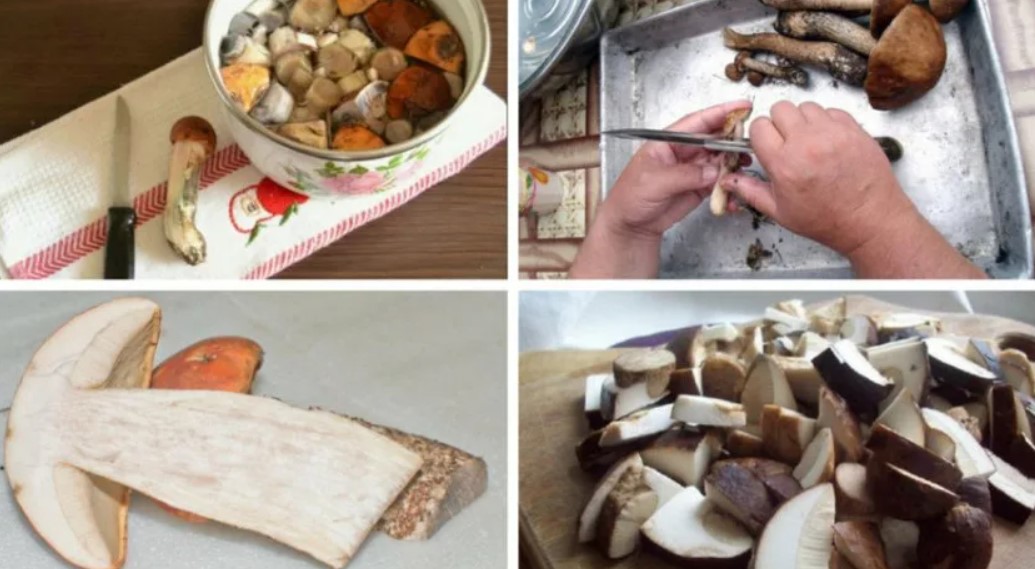
- Sort out quality mushrooms.
- Use a brush to clear away forest debris.
- Remove the remaining dirt with a knife.
- The top layer of the leg must be scraped off.
- Cut off damaged areas.
- Divide large mushrooms into pieces.
There's no need to soak the mushrooms further. They can be dried or frozen immediately.
Rules for processing birch boletes and aspen boletes for different preservation methods
Each cooking method has its own rules for processing mushrooms.
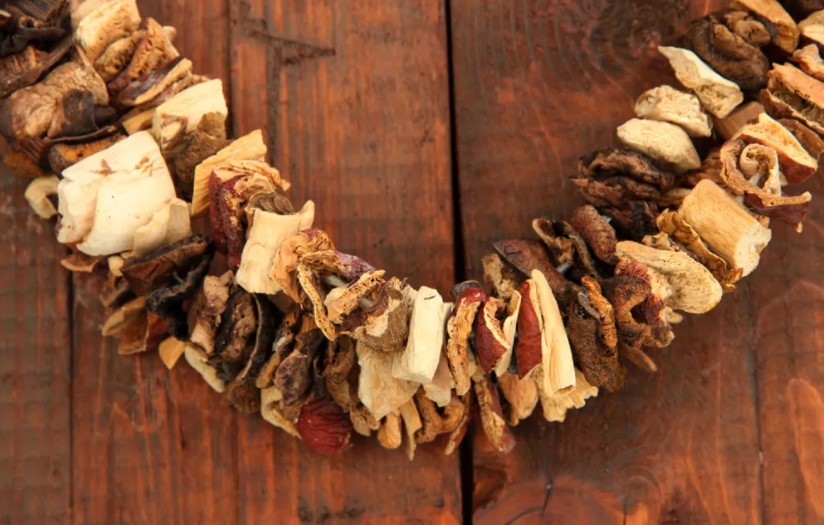
Drying
Aspen and birch boletes that will be dried must be cleaned using only the dry cleaning method. Mushrooms that have absorbed water will not dry completely, which will negatively impact their storage.
Freezing
Don't wash or soak fresh mushrooms before freezing, as the water absorbed can break the fibers and ruin their appearance. This damaged structure will reduce their shelf life and will cause them to lose their flavor.
Frying
Before frying, mushrooms need to be prepared. This can be done in two ways:
- After cleaning the mushrooms, cover them with cold water and bring to a boil. Then reduce the heat to medium and simmer for an hour.
- Place them in cold water and boil for 5 minutes. Then repeat the process, but keep them on the stove for 20 minutes.
Everyone chooses the method that is more convenient for them.
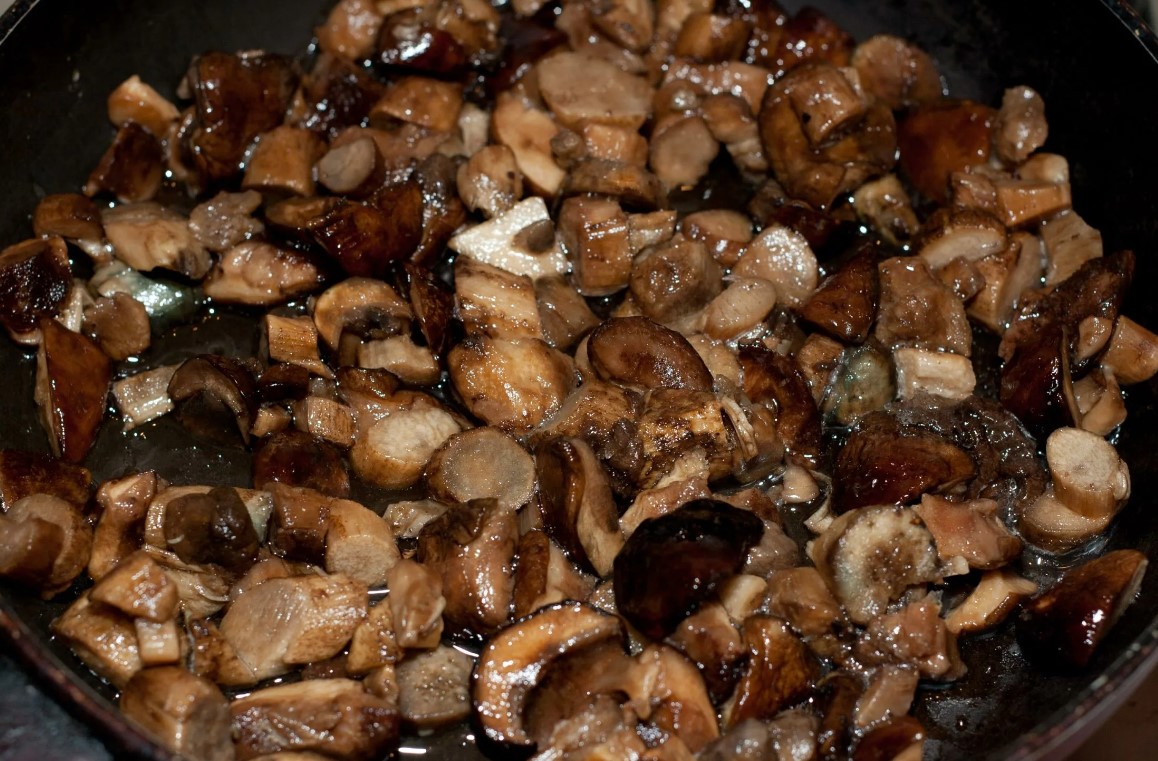
However, some mushroom pickers recommend not boiling noble mushrooms, but frying them immediately after cleaning them thoroughly. See below.
Salting
Before pickling, the mushrooms should be boiled twice. The first time, boil them for 30 minutes, then drain the water and boil them again for 10 minutes.
Tips for housewives
To process mushrooms correctly, it is recommended:
- When harvesting, immediately remove any wormy or rotten areas.
- To avoid poisoning, the harvest must be processed on time.
- Before frying, it is necessary to clean the caps, otherwise their skin will be too tough.
- To prevent mushrooms from spoiling, do not use a wet cleaning method before drying and freezing.
- You shouldn't soak them for a long time, so as not to lose the taste and density of the mushrooms.
Under no circumstances should you neglect to process mushrooms. Not only their taste but also their safety depend on it. Although aspen and birch boletes are considered edible, they, like any other mushroom species, have the potential to accumulate toxic substances. While this won't be fatal, mild poisoning is guaranteed. Adhering to proper cleaning and processing procedures will help prevent this.
Recommendations from experienced mushroom pickers on cleaning and preparing birch and aspen boletus mushrooms
Friends, who cleans the stems of mushrooms (aspen mushrooms, birch boletes)? I'm talking about the light terry cloth on the stem itself... I see a lot of people do it... But honestly, it never even occurred to me. I just remove dirt (soil) from the very bottom, at the root.
I wash all mushrooms that aren't for pickling or drying first, then chop and boil them. Then I either freeze or fry them. I don't peel any of them.
There's no need to peel anything; just wash, chop, and process. You can cook the mushroom porcini or fry it. When boiling the mushroom porcini, never drain the water after it boils; it should be dark, but skim off any foam.
I wash the caps of aspen mushrooms with a hard sponge to remove the outer layer. I think it's better and more accurate this way. My mother used to scrape the caps with a knife, but it took a long time.
The scales make the broth darker.
These scales can irritate the stomach walls and cause heartburn.
We clean) it doesn't take that much time) grandmothers always cleaned
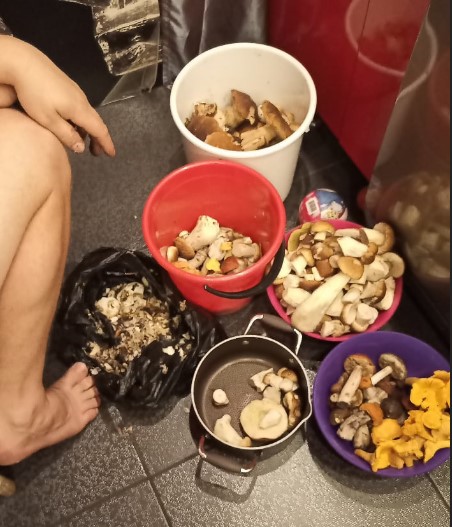
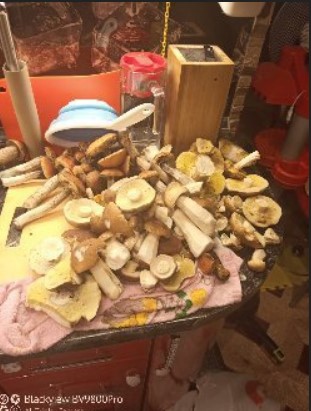
I NEVER boil fine mushrooms! I just fry them; they evaporate in their own mushroom juices first, and any nasty bits, if any, disappear. But if you boil them first, then fry them, there won't be any mushroom flavor. What the hell is the point of using foam rubber? It'll be tasteless.
It's all about whether to cook them or not. But if you want to experience the taste of real mushrooms from the forest, don't cook them. But only if you're sure they're edible!
It's advisable. Let the excess dirt and worms fall off.
Select, clean aspen mushrooms and chelish mushrooms do not need to be boiled. Old and slightly wormy ones are best boiled.