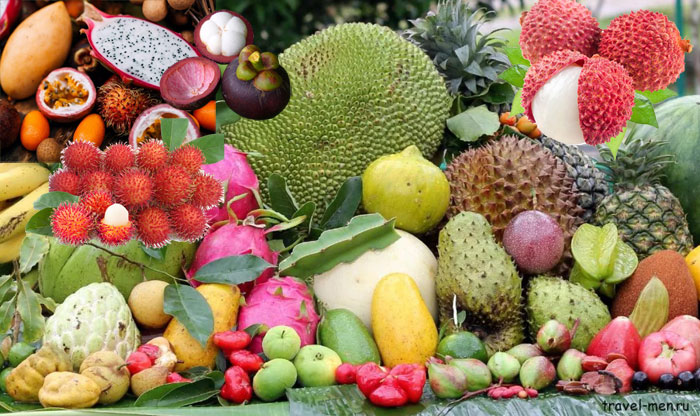
Fruits once considered exotic and unfamiliar have become commonplace. Some of these tropical varieties can now even be grown locally, as they have adapted to the cold temperatures of our climate zone.
However, there are still some exotic fruits that remain rare in megamarkets due to high transportation costs and a short shelf life. Yet in the tropics, they are a daily staple for both locals and tourists.
Content
- 1 Fruits from exotic countries
- 1.1 Aki
- 1.2 Ambarella
- 1.3 Pineapple
- 1.4 Acai
- 1.5 Bail
- 1.6 Bam-balan
- 1.7 Guava
- 1.8 Durian
- 1.9 Jackfruit
- 1.10 Jaboticaba
- 1.11 Cainito
- 1.12 Carambola
- 1.13 Kiwano
- 1.14 Kumquat
- 1.15 Cupuacu
- 1.16 Kuruba
- 1.17 Langsat
- 1.18 Lychee
- 1.19 Longan
- 1.20 Mamey
- 1.21 Mango
- 1.22 Mangosteen
- 1.23 Passion fruit
- 1.24 Marang
- 1.25 Marula
- 1.26 Naranjilla
- 1.27 Noni
- 1.28 Papaya
- 1.29 Pepino
- 1.30 Pitaya or dragon fruit
- 1.31 Pomelo
- 1.32 Puteria (Magic Fruit)
- 1.33 Rambutan
- 1.34 Salak
- 1.35 Sapodilla
- 1.36 Sugar apple
- 1.37 Sour cream apple
- 1.38 Tamarind
- 1.39 Chompoo
- 1.40 Citron
Fruits from exotic countries
We'll tell you about exotic fruits that you absolutely must try, and sometimes you can only do this abroad.
Aki
| Names | Aki, блигия, blighia sapida, ackee. |
| Description |
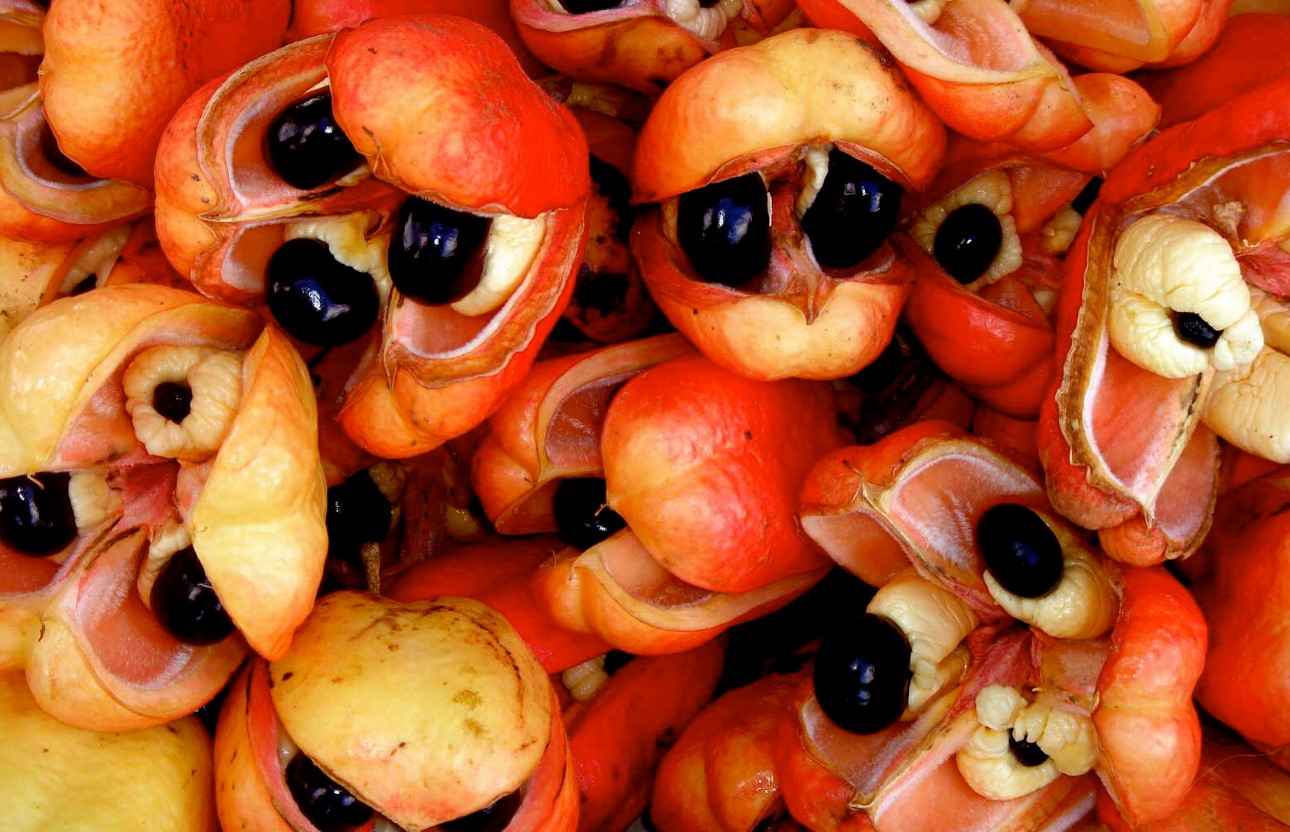
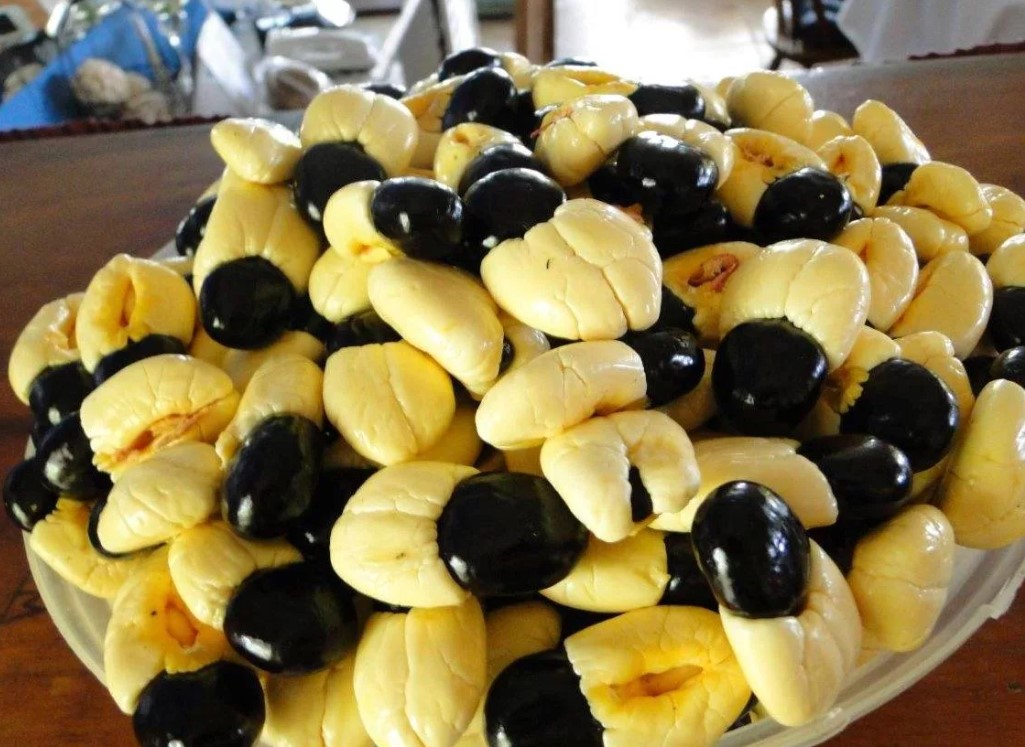
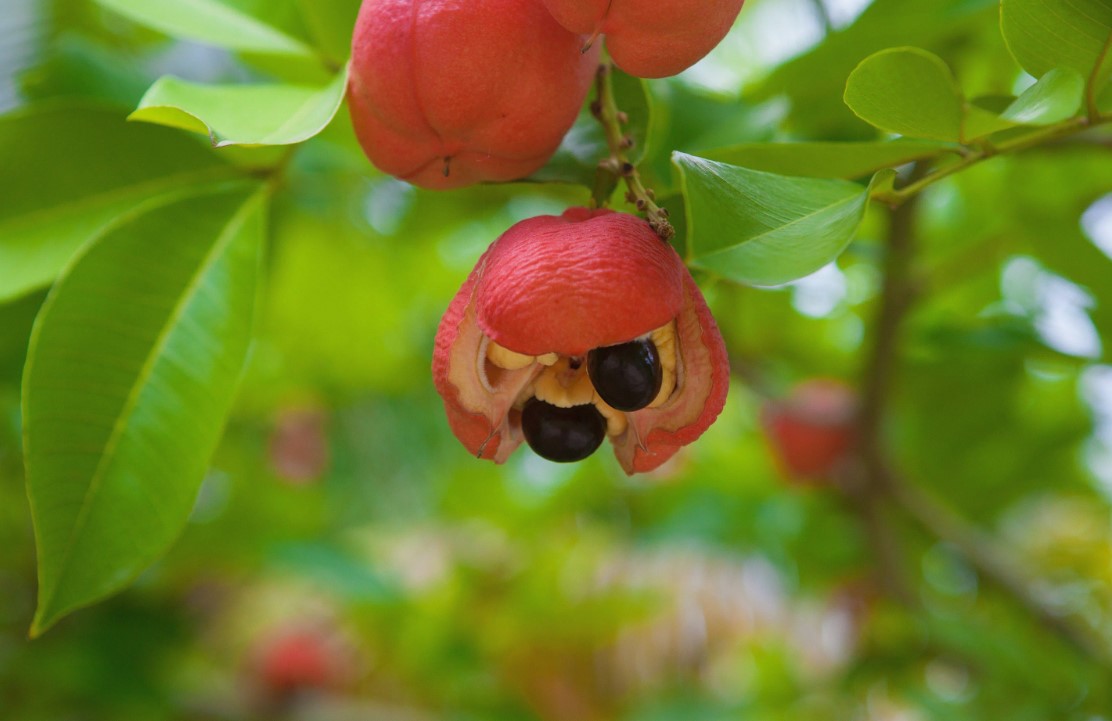
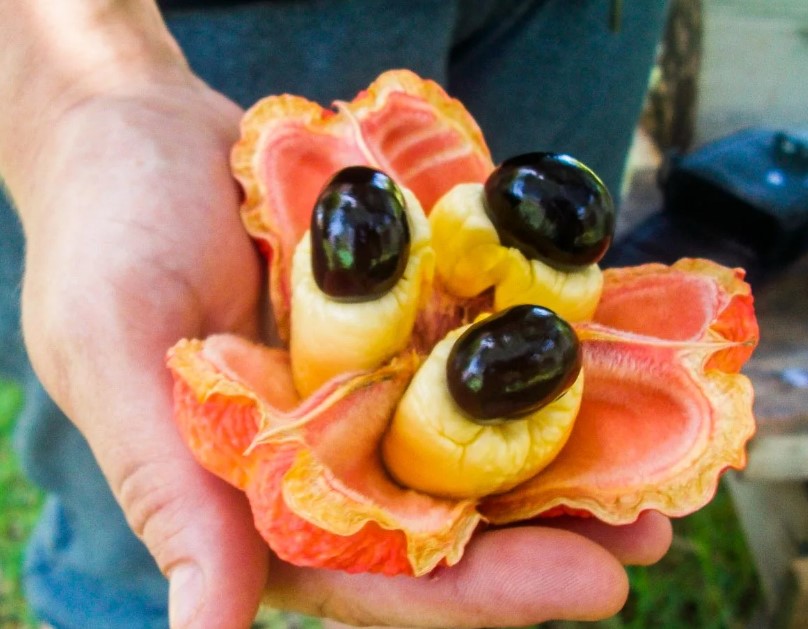
The fruit is pear-shaped and about 7-10 cm long. When ripe, it is red-yellow. Before ripening, it is green. Unripe ackee fruits are highly toxic. They contain a substance called hypoglycin, which, when consumed, can cause severe vomiting and liver damage. In some cases, this can even lead to coma and death. |
| Taste | The ripe fruit has a soft, creamy color. It has a unique flavor that's difficult to describe. It lacks pronounced notes of sweetness, acidity, and bitterness. However, many say it tastes somewhat like walnuts. |
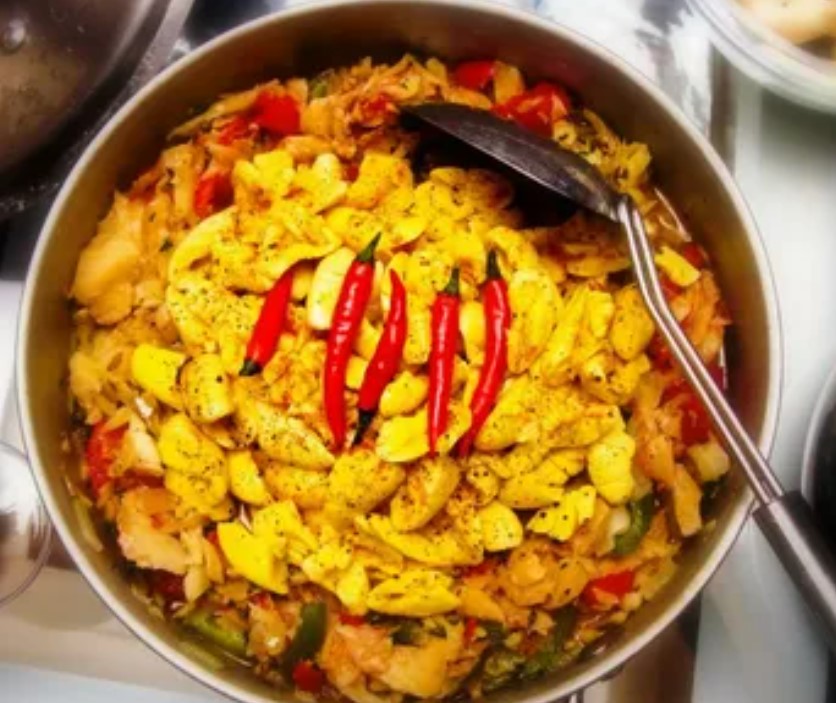
| Where to try | Ackee and saltfish are national dishes of Jamaica, Hawaii, and South America. |
| Harvest season | January-March, June-August |
Rules for selection and how to eat
The only edible part of the fruit is the pulp. The seeds are never eaten, as they are toxic, and the degree of ripeness does not change the amount of poison they contain. Even the pulp is rarely eaten raw; it is usually boiled for 10-15 minutes to remove any remaining toxins.
Benefits and contraindications
The fruits have many beneficial properties. They are rich in vitamins, polyunsaturated fatty acids, and minerals, which:
- have antioxidant properties, can slow down the aging process and strengthen the body's immune system;
- promote the elimination of toxins;
- regulate the functioning of the heart and blood vessels;
- improve vision;
- help digestion and promote proper functioning of the stomach and intestines.
However, you shouldn't consume too much of the pulp, even after cooking. This is because it contains palmitic acid, which, when accumulated, can cause liver cell damage, as well as ceramides, which can lead to various diseases.
These fruits are strictly prohibited for children, pregnant and breastfeeding women, and those with allergies. People with dietary restrictions should also be aware of the high calorie content of this fruit, which is just over 150 kcal per 100 g.
Photo gallery of ackee and dishes made with it

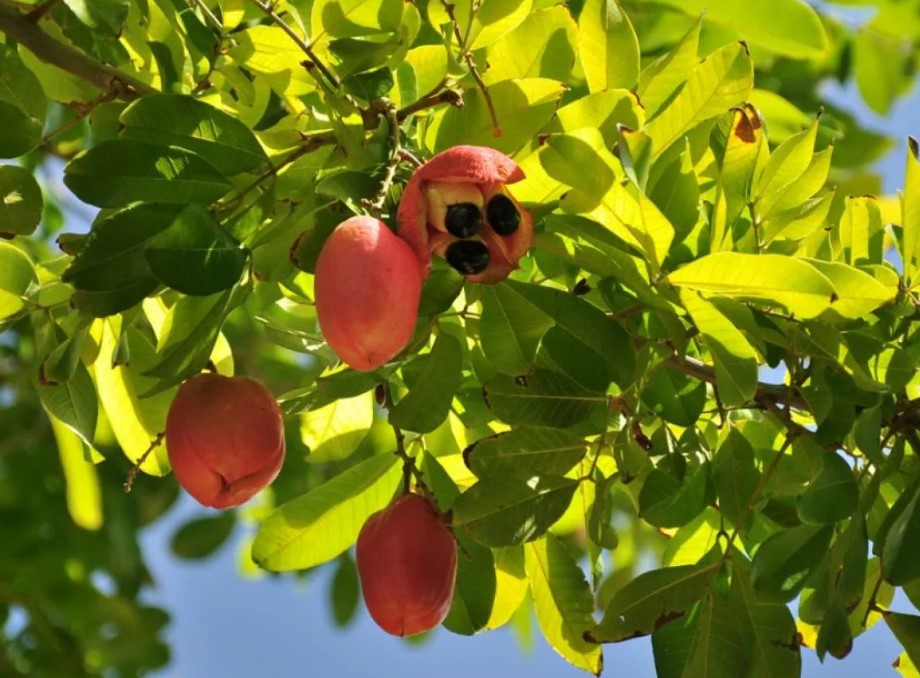

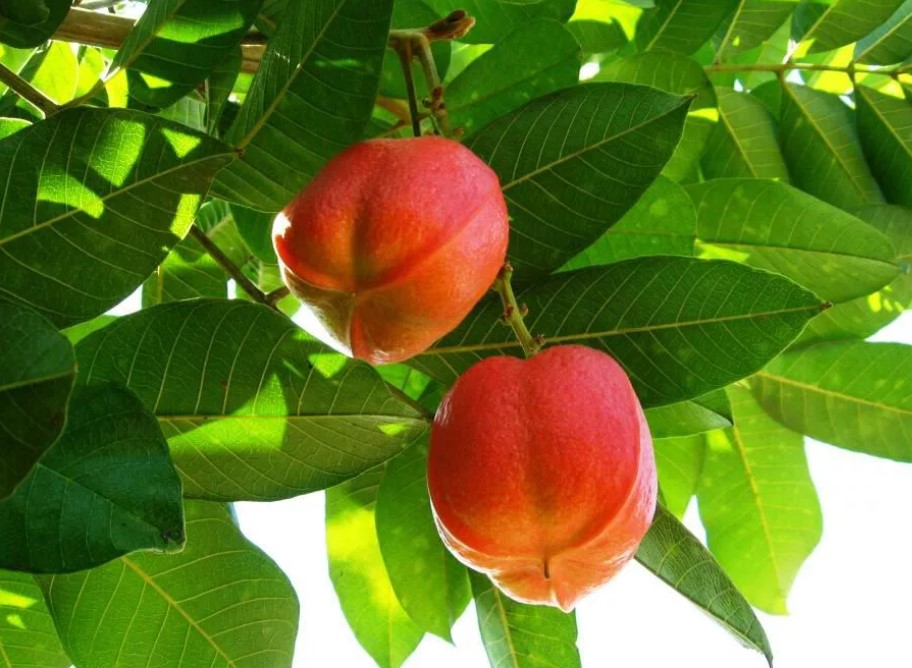
Application
Ackee fruits are used not only in cooking but also in medicine for their beneficial properties. The seeds, despite being poisonous, are the most commonly used part. They are dried and ground into powder, often mixed with dried bark and leaves. In Jamaica, this mixture is believed to cure any ailment. In Cuba, the pulp is used, ground with sugar and cinnamon, believed to be effective against intestinal ailments.
The green fruits are also used by locals to make soap. The poisonous parts of the tree (leaves, bark, and seeds) are used to extract the toxin, which is used as a coating for fishing equipment, paralyzing aquatic life.
Reviews
Ambarella
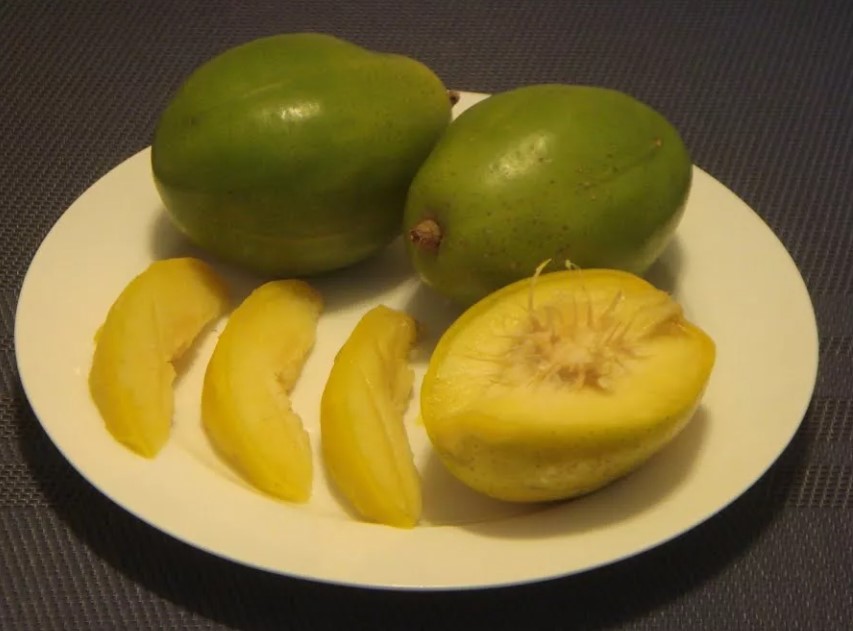
| Names | Cithera apple, yellow plum, Polynesian plum, sweet mombin. |
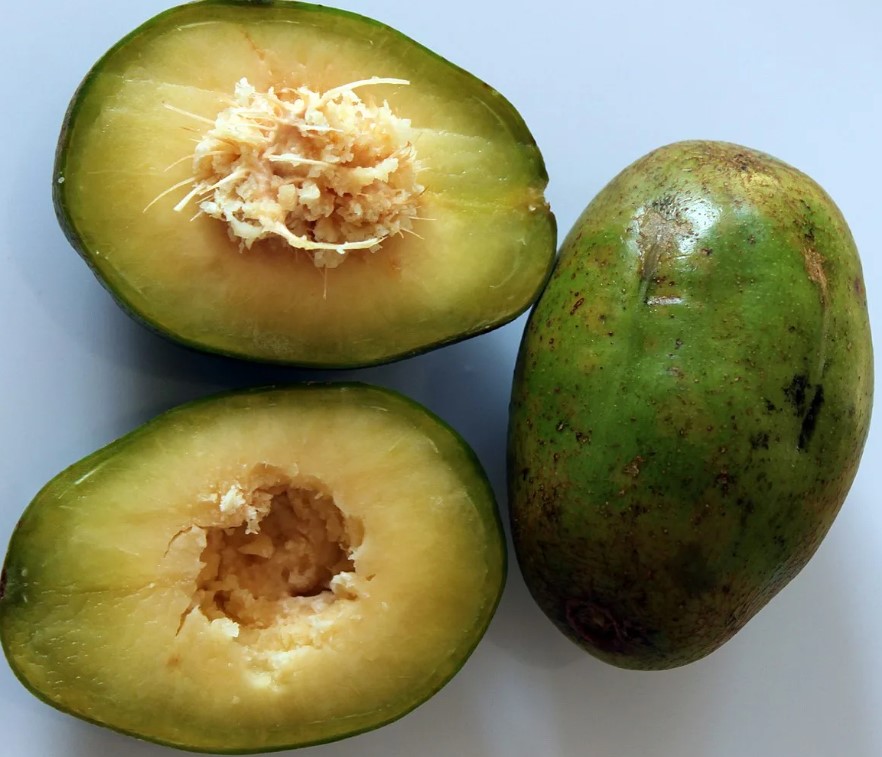
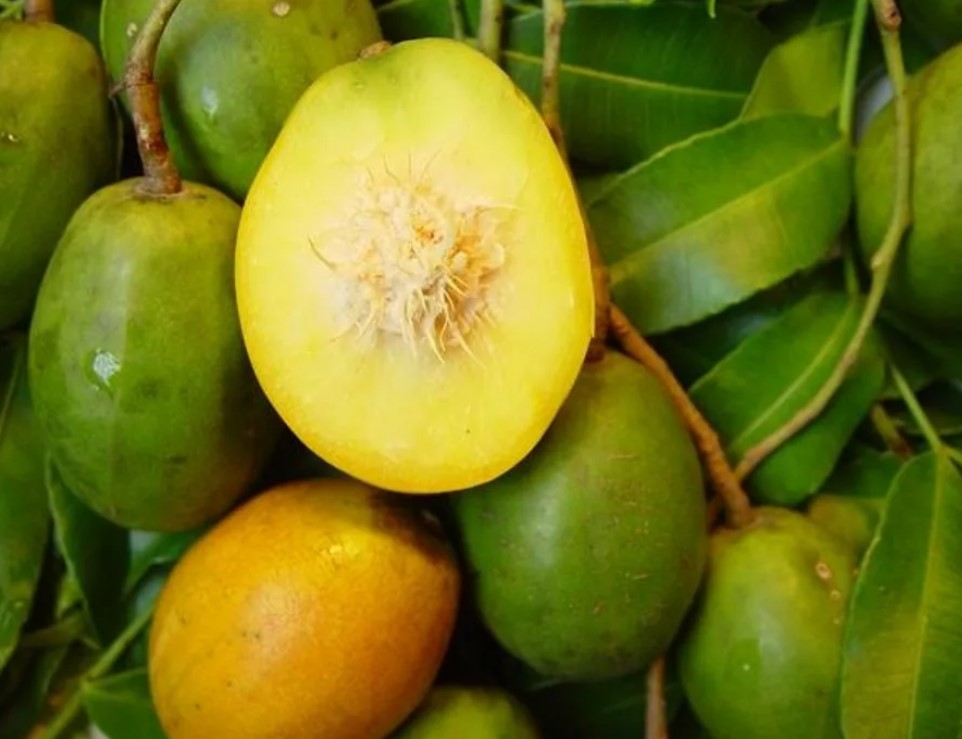
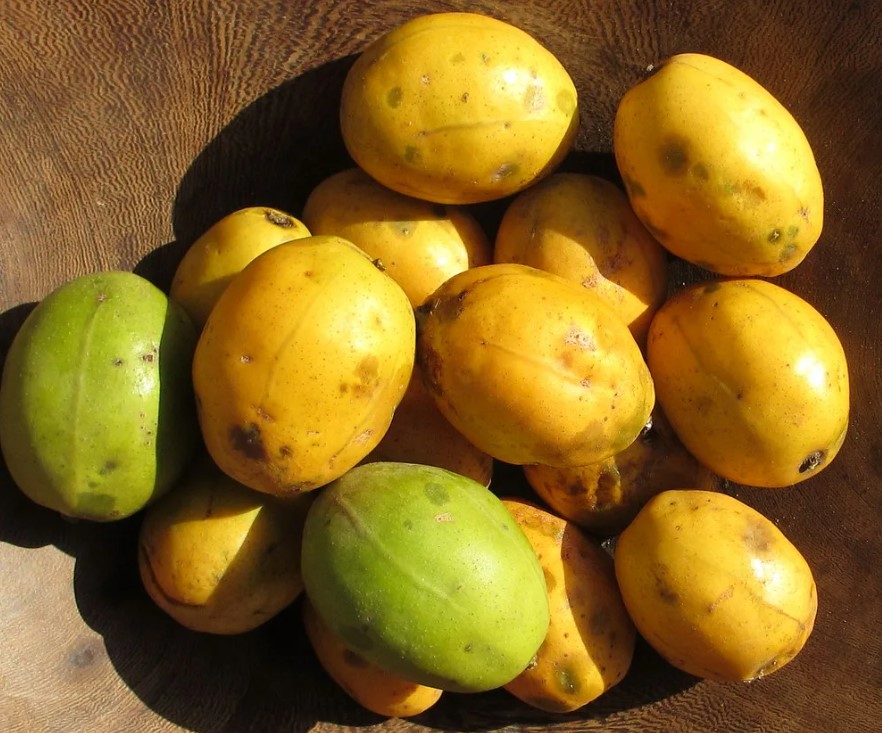
| Description | The oval-shaped fruits have a golden sheen. They grow in clusters and have a thin, tough skin. Inside is yellowish flesh surrounding a hard, spiky pit. |
| Taste | Something between a mango and a pineapple. |
| Where to try | Regions with tropical and subtropical climate. |
| Harvest season | July-August |
Rules for selection and how to eat
Both ripe and unripe fruits can be used. To determine ripeness, pay attention to the skin color:
- golden yellow – in ripe fruits;
- dark green - in unripe fruits.
Important! When selecting ripe fruit, be sure to check the skin for any physical damage.
Benefits and contraindications
The fruit has no harmful properties and has no specific contraindications for consumption. However, people with an individual intolerance to ambarella may experience discomfort after consuming it due to allergic reactions.
But even if you don't have an allergy, it's important to consume the fruit in moderation to avoid possible digestive problems and diarrhea.
Ambarella photo gallery
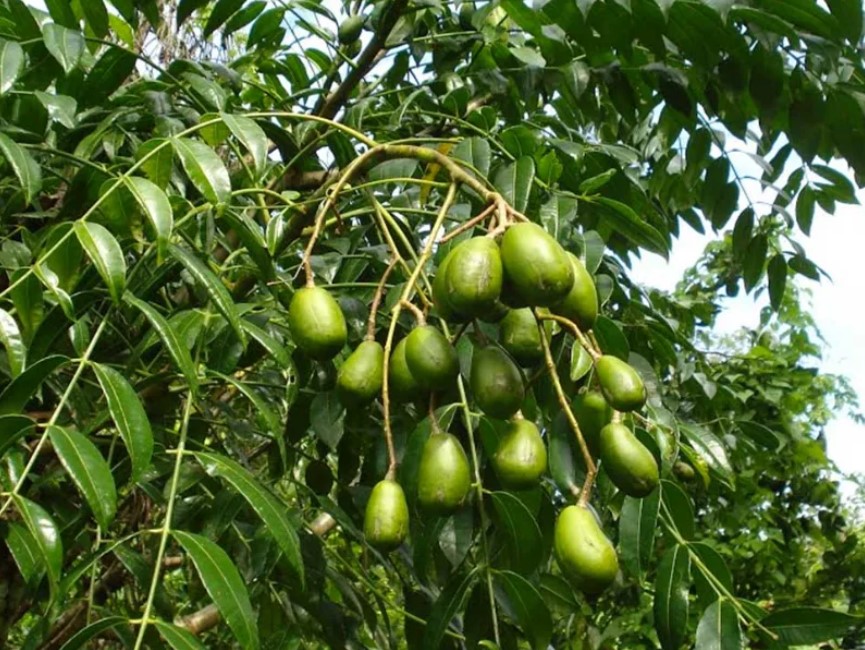
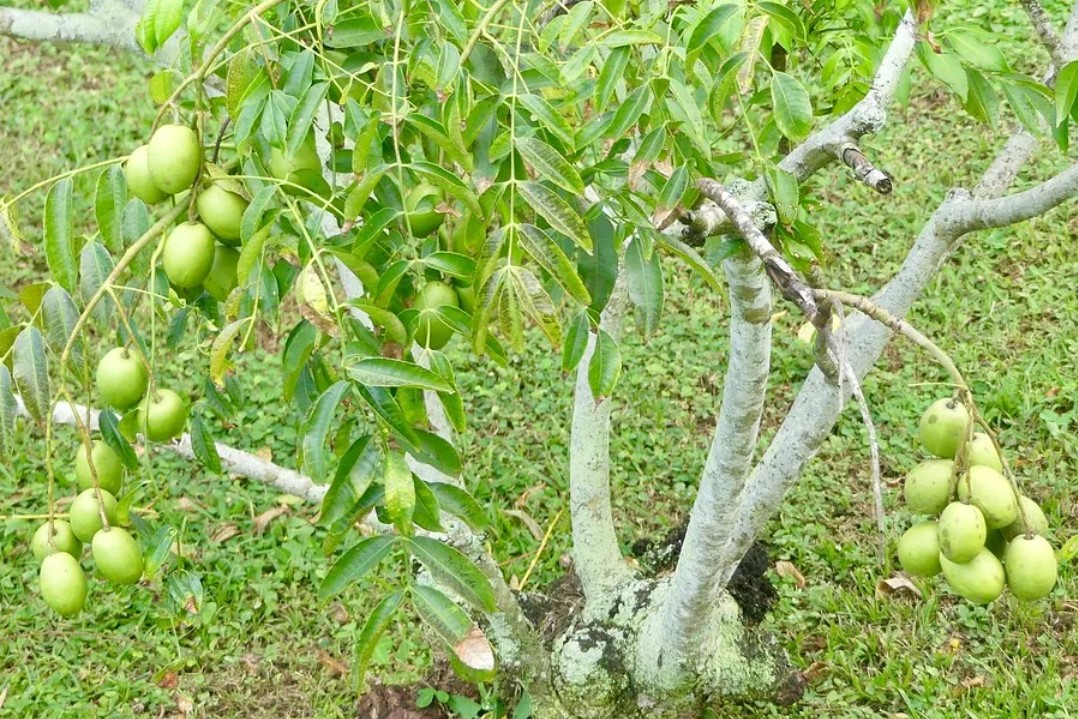
Application
Ambarella is used for culinary purposes:
- in soft drinks;
- juices;
- jam;
- sauces;
- jelly;
- jams;
- confiture;
- marinades;
- seasonings for soups and meat dishes;
- vinegar.
The fruits are not the only edible part of the plant: young leaves can also be eaten.
All parts of the plant are used as animal feed.
Ambarella also has medicinal uses, in particular, it is used to treat burns and wounds.
Reviews of Ambarella
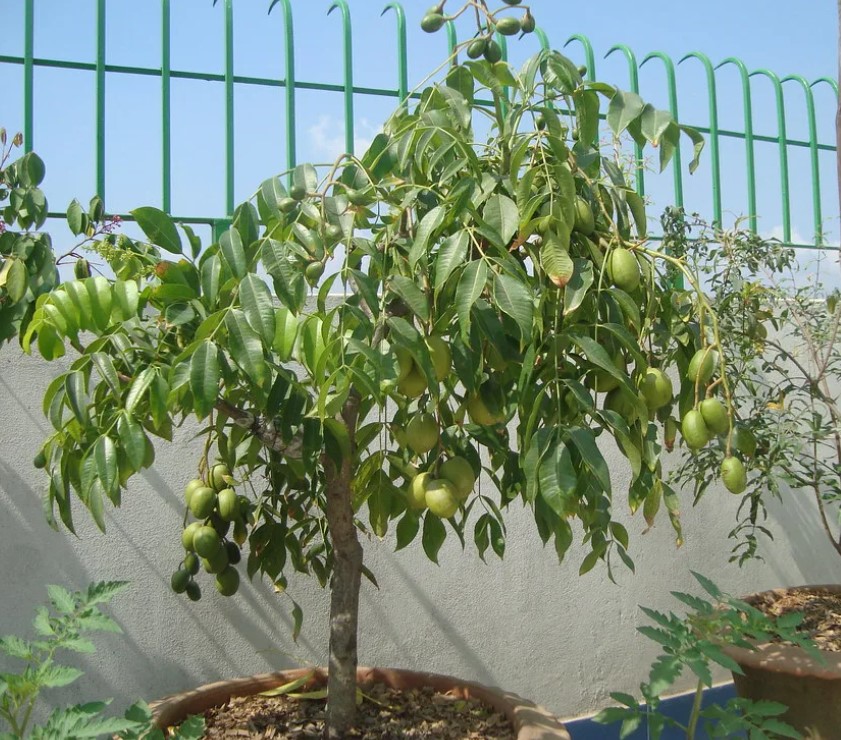
Ambarella (Spondias Cytherea, Spondias dulcis), or Sweet Mombin, is a species of fruit tree from the Mombin genus of the Anacardiaceae (Sumac) family.
Ambarella should not be confused with Amborella, a plant native to New Caledonia and one of the most primitive modern representatives of angiosperms. Ambarella is deciduous, growing up to 18 m tall, with leaves 20–60 cm long, elliptical in outline, odd-pinnate, with 9–25 ovate-lanceolate leaflets. The flowers are white or cream-colored, collected in panicles up to 35 cm long. The fruits are oval, 6 to 9 cm long, with a thin, tough skin, collected in clusters. The skin of ripe fruits is golden-yellow. Inside is a crisp, juicy, aromatic, golden-yellow fibrous pulp and a large, hard stone with 1–5 flat seeds, covered with numerous thin, curved spines sometimes more than a centimeter long.
Ambarella is native to the islands of Melanesia and Polynesia, from where it has spread widely throughout the tropics of the New and Old Worlds. It is widely cultivated in Malaysia, Sri Lanka, the Philippines, Indochina, Australia, and, to a lesser extent, Gabon and Zanzibar. In 1782, it was introduced to Jamaica and from there spread to other Caribbean islands, Central American countries, Venezuela, Suriname, and Brazil.
Ambarella fruits are sweet and can be eaten raw, or used to make juices, jellies, and marmalades. Unripe fruits are stewed as vegetables, added to soups and curries, and preserved in sweet and sour marinades.
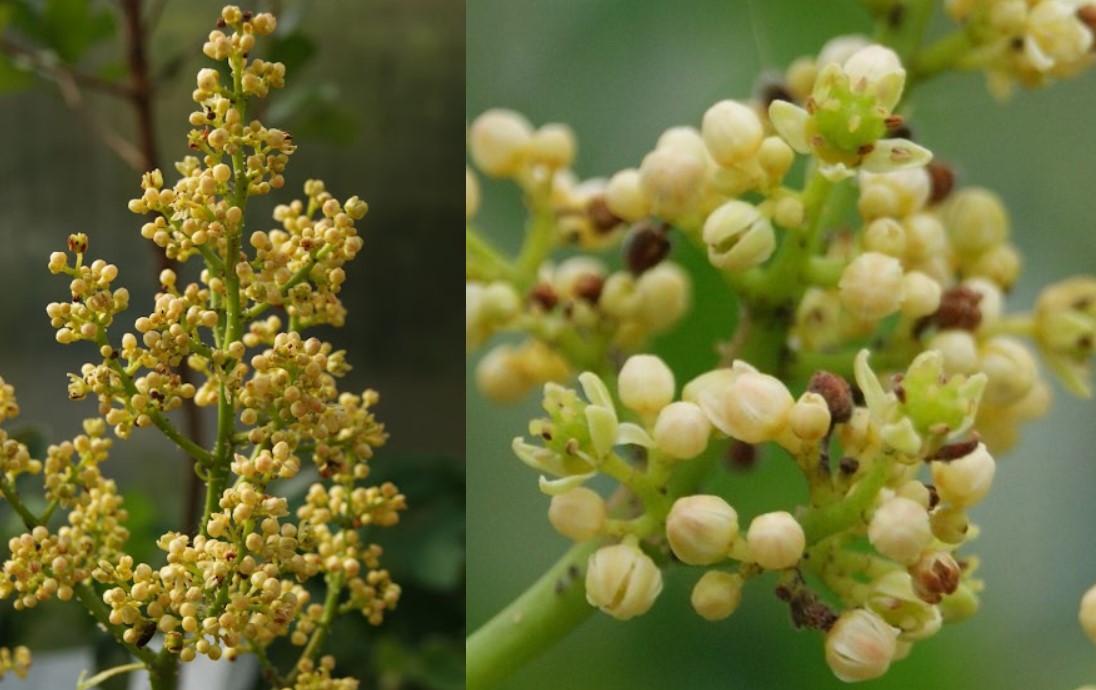
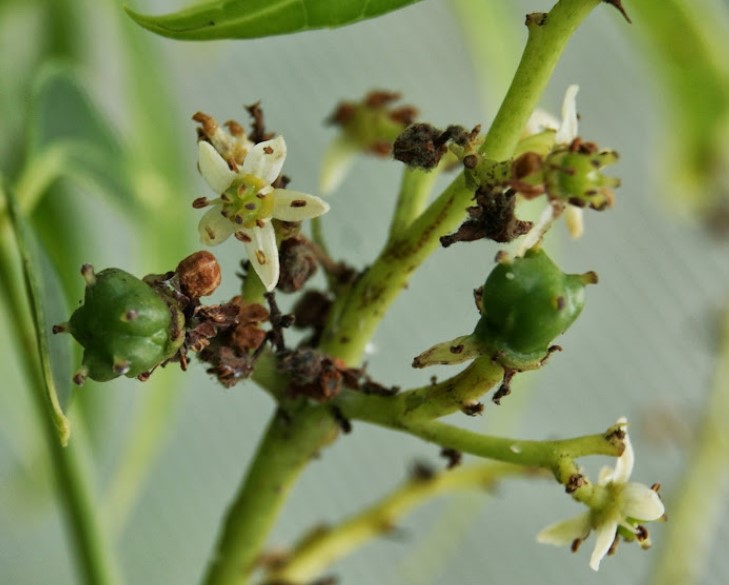
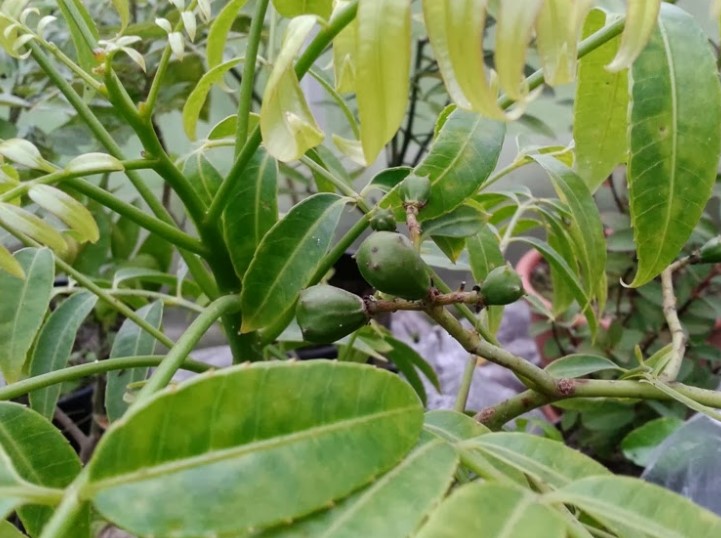

Pineapple
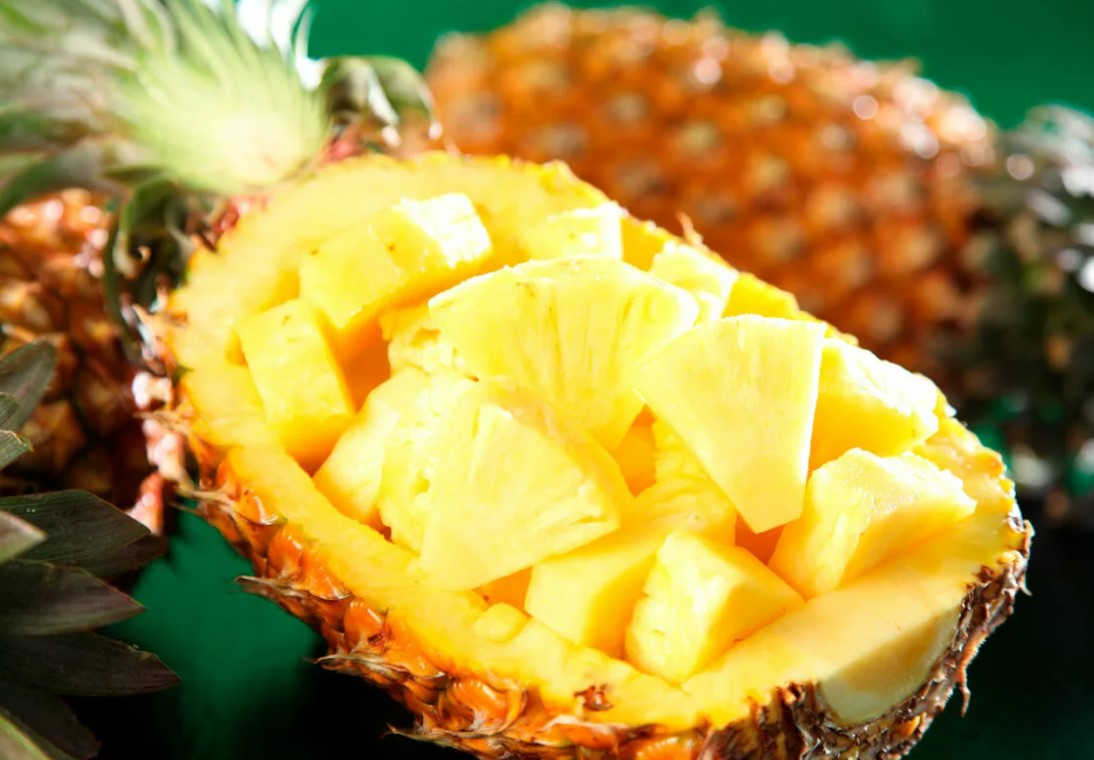
| Names | Pineapple, anánas. |
| Description |
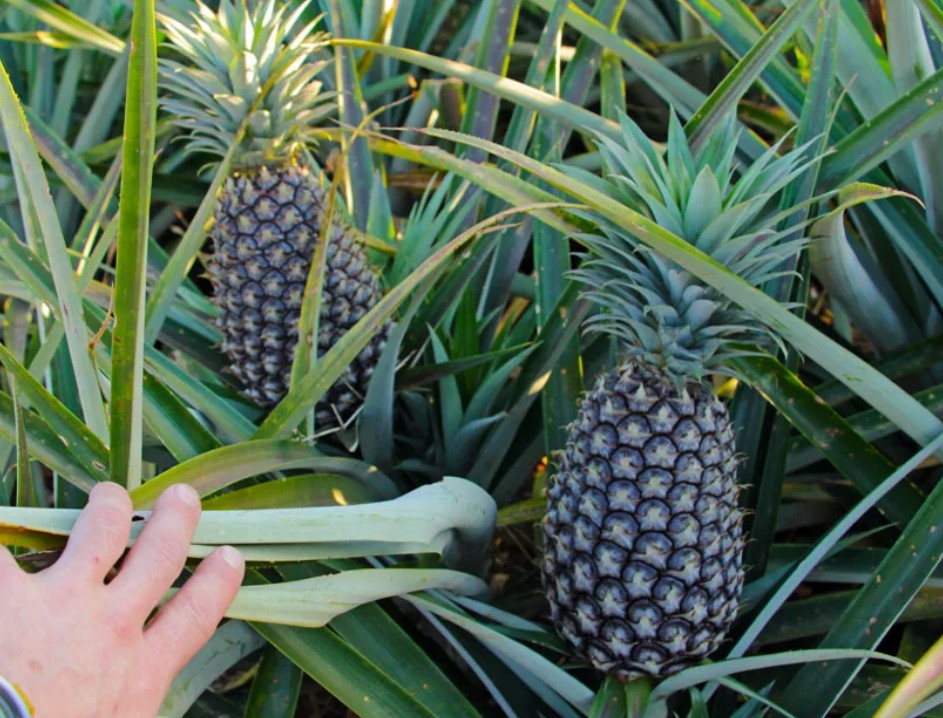
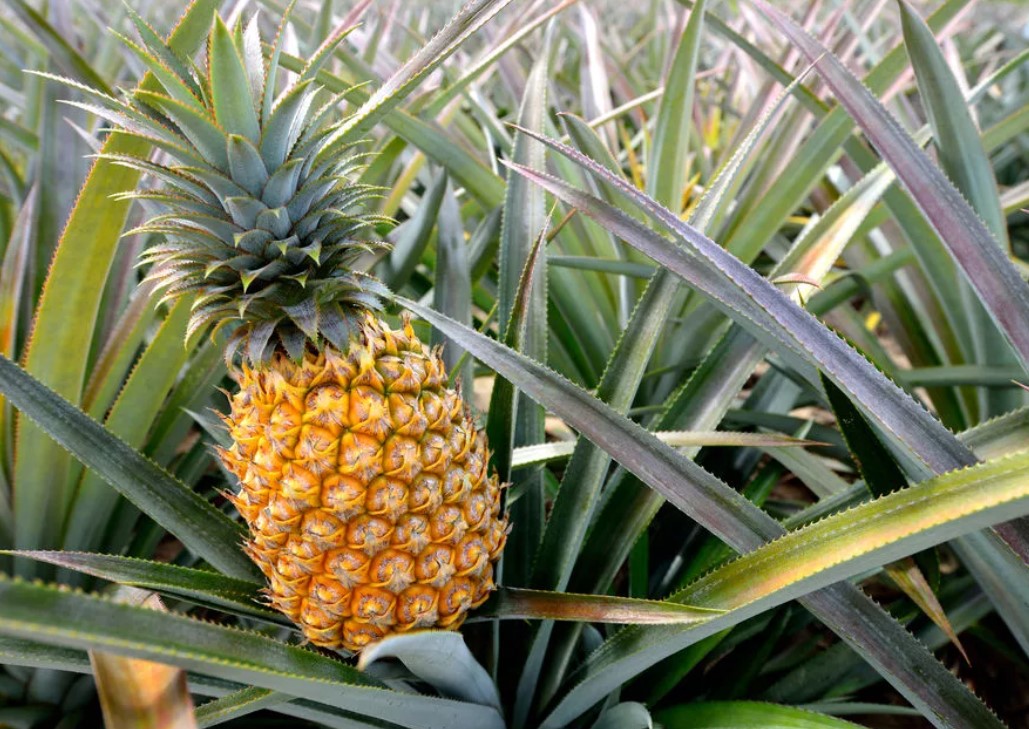
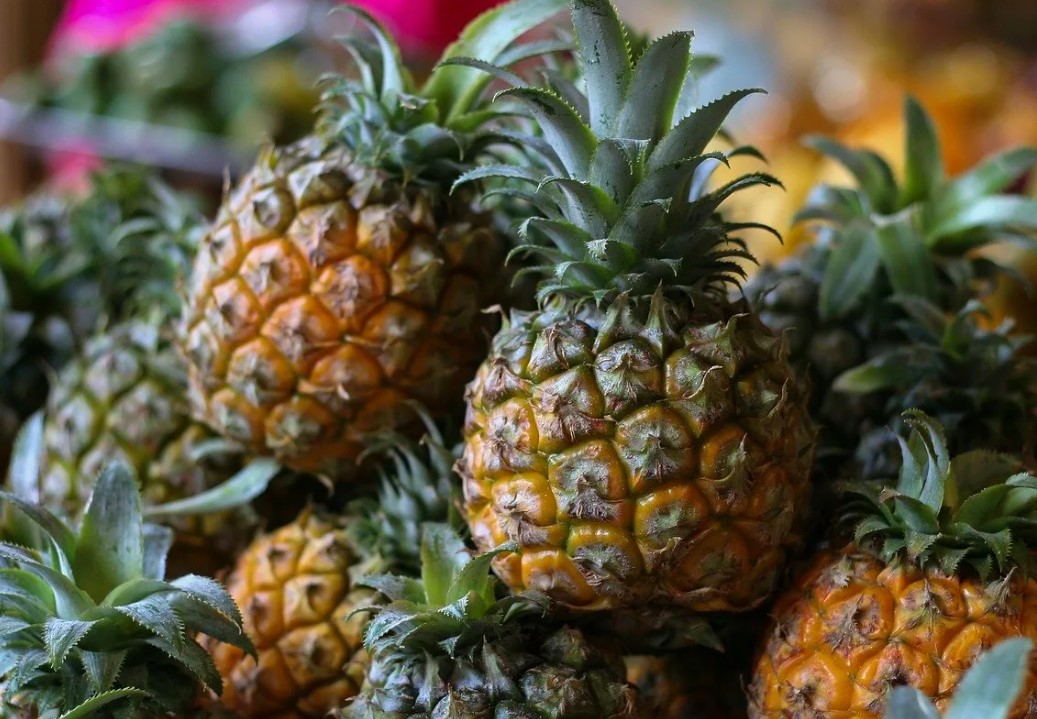
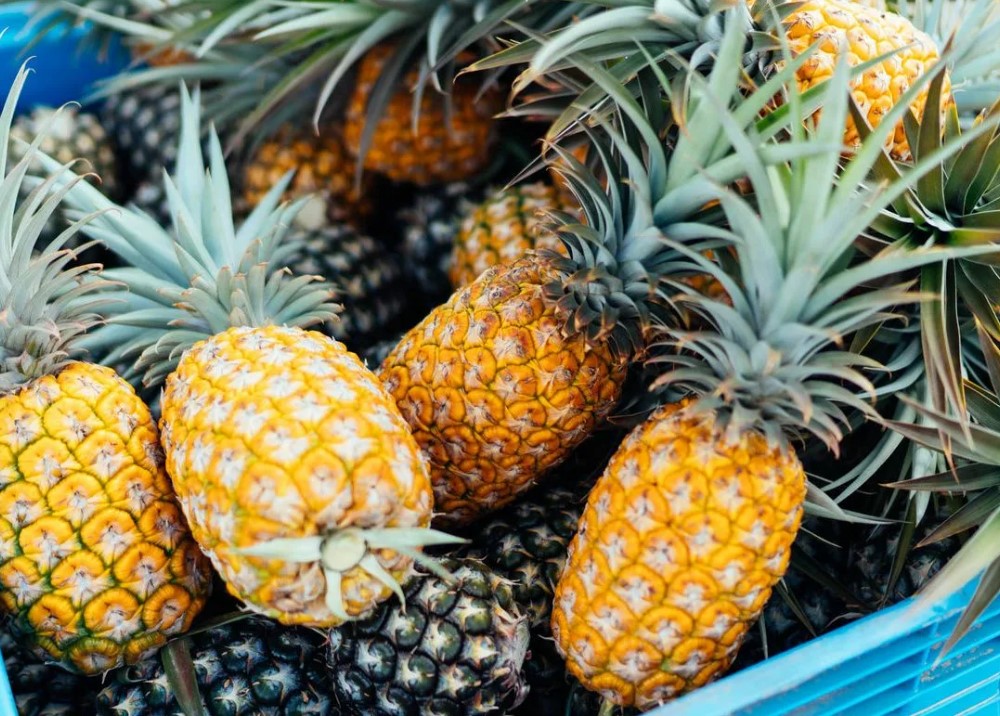
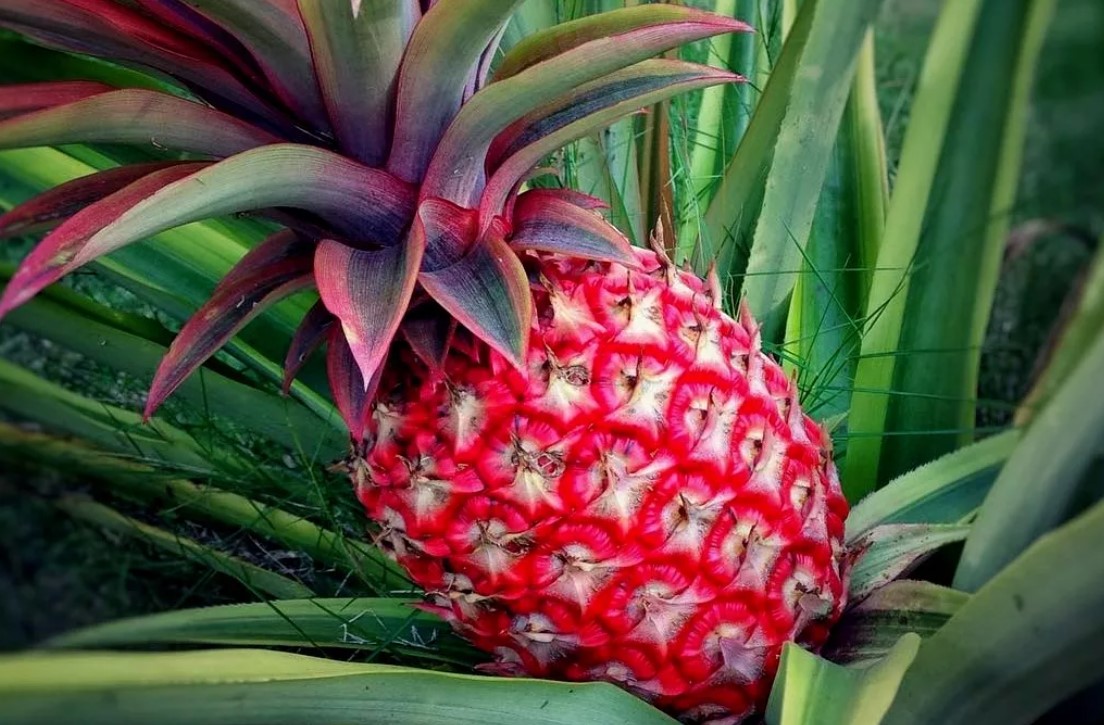
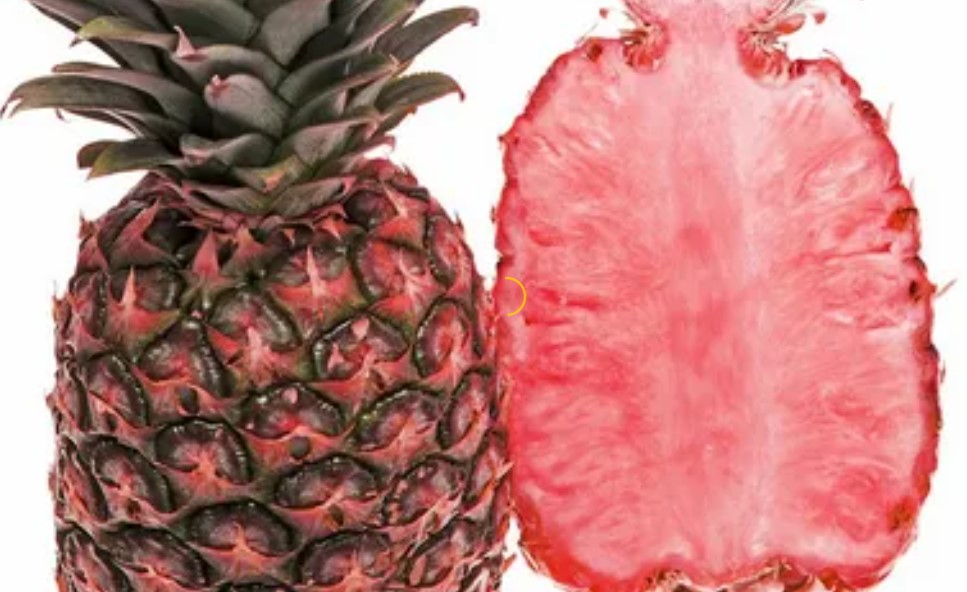
This fruit can be found in almost any store. However, it's important to keep in mind that the varieties sold in Russia and those found in exotic countries differ significantly. For example, there's a black pineapple (Antigua) that grows in the West Indies. It's the sweetest variety of this fruit. There's also a red pineapple with pink flesh. Once fully ripe, the pineapple takes on its typical shape and can weigh up to 2 kg. Its outer layer turns golden-brown, and a tuft of short leaves appears at the top. Cultivated varieties do not produce seeds. |
| Taste | The flavor of pineapple can be described as sweet and refreshing. It has a bright, citrusy, fruity aroma with slightly tart notes. Pineapple has a juicy and mellow texture, with succulent, wavy fibers. It's sweet, yet has a pleasant tartness that lends it a certain freshness. All of this creates a vibrant flavor. |
| Where to try | Tropical countries. Fruit usually appears in the first half of summer, but some varieties bear fruit as late as December. |
| Season | All year round. |
Rules for selection and how to eat
To choose a delicious pineapple, pay attention to the following points:
- Ripeness. The fruit should have a bright green rind with a golden hue on the top. The main part should be clean, without blemishes or dark spots.
- Aroma. The pineapple should have a pleasant aroma. Smell the top and bottom to assess its scent. If it's sweet and fruity, the pineapple is ripe.
- Consistency. When you press lightly on the crust, it should give, but not be too soft or too hard. The optimal consistency should be springy, with a slight resistance.
Pineapple should only be eaten when it's ripe and peeled. Unripe fruit can burn mucous membranes.
Benefits and contraindications
The benefits of pineapple are as follows:
- is a rich source of vitamin C, which supports the immune system and promotes healthy skin;
- contains the enzyme bromelain, which has anti-inflammatory properties and helps improve digestion;
- Contains antioxidants that help fight free radical damage and slow down the aging process;
- contains manganese and copper, which are important for the normal functioning of the body.
The only contraindication is an allergy to the fruit. Furthermore, it should be noted that large amounts of the fruit can irritate the mucous membranes of the mouth and stomach due to the enzyme bromelain it contains. Pineapple can interact with certain medications, so consult a doctor before consumption. However, these contraindications are rare, so the fruit is considered safe for consumption.
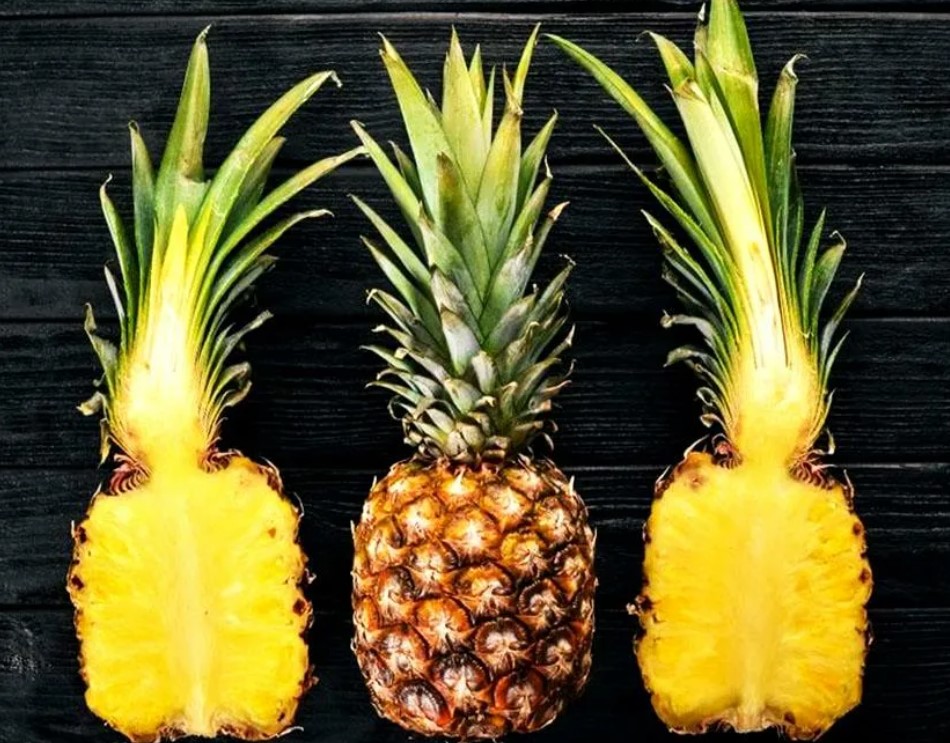
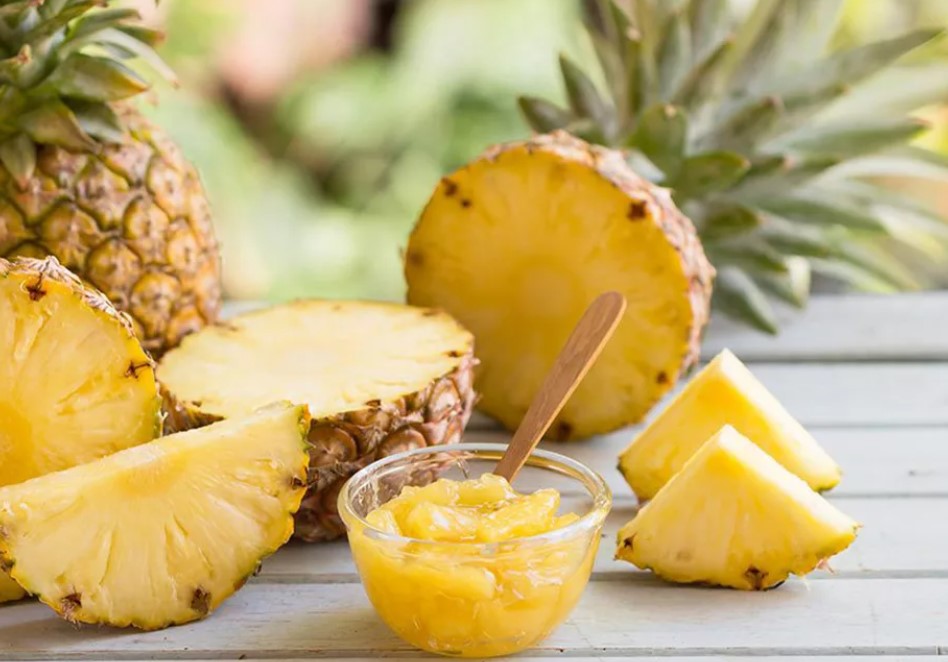
Pineapple Photo Gallery
Application
It is widely used in cooking, both fresh and added to various dishes.
Furthermore, the leaves of this plant contain strong fibers, which is why it is also used as a fiber crop.
Reviews of the benefits of pineapple
What are the benefits and harms of this fruit, how can pineapple help you lose weight, and what can you cook with it?
Hi all!
I'll soon be rebranded as a food blogger. Chocolates, candies, spices, butter, broccoli (by the way, have you read my review of broccoli? No? I share my signature recipe for a delicious soup there!) and just about anything else I've written about.
And now I finally got around to writing about my exotic love – pineapple!For another 5 years, this was truly exotic for us - the prices were completely outrageous, compared to many fruits, but now the pricing policy is pleasantly pleasing and we can buy this deliciousness more often.
Frankly, I'm not exactly an expert when it comes to choosing a pineapple. Even though I'm standing in the store, slyly sorting through the fruit, sniffing it, and looking closely, it probably looks like I know my stuff.
Although I will still say what exactly I pay attention to when choosing.
First, the green tops (the tops, or whatever you call them) should be as green as possible. The yellower they are, the longer they'll last in the store.
Secondly, I look at the bottom, at the cut. It should be the same color and appearance as the rest of the piece, meaning no whiteness or signs of rot.
Third, the aroma. Especially at the cut end—fruit that's been sitting for a long time develops an overly intense odor. Compare the aroma of fresh, just-picked fruit with one that's been sitting at room temperature for a couple of days.
Fourth, elasticity. Some are either broken or have been dropped—they have really soft spots. I don't buy those.
Next, how to store it properly—though who keeps it for long? Well, certainly not me. It should sit at room temperature for a maximum of 1-2 days, allowing it to ripen a bit. If you need it longer, it's best to store it in the refrigerator.
The next question is how to clean it, it’s not an apple after all. Smile
It's all elementary.
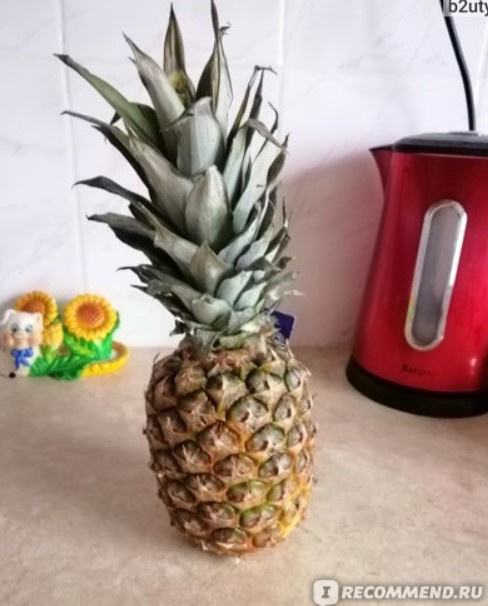
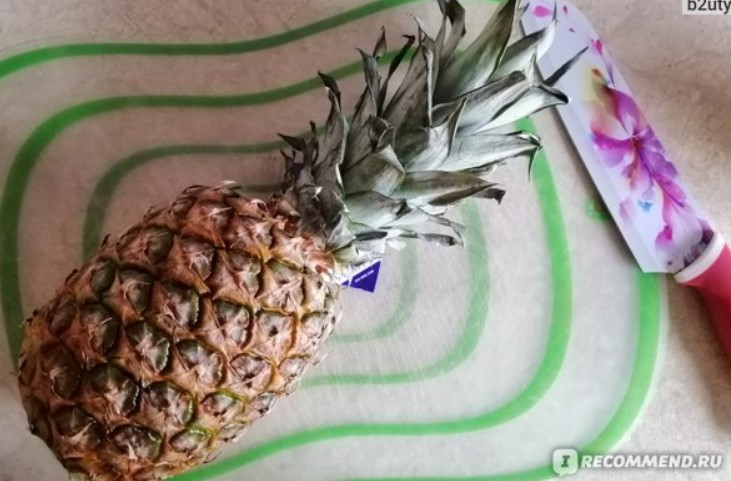
Let's take a pineapple.
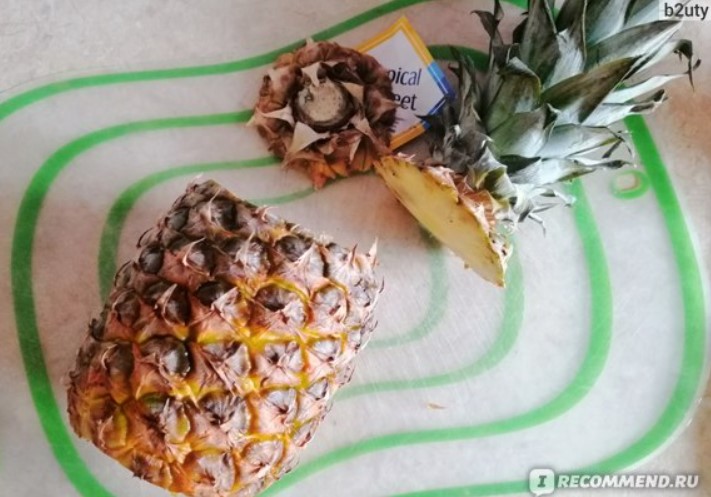
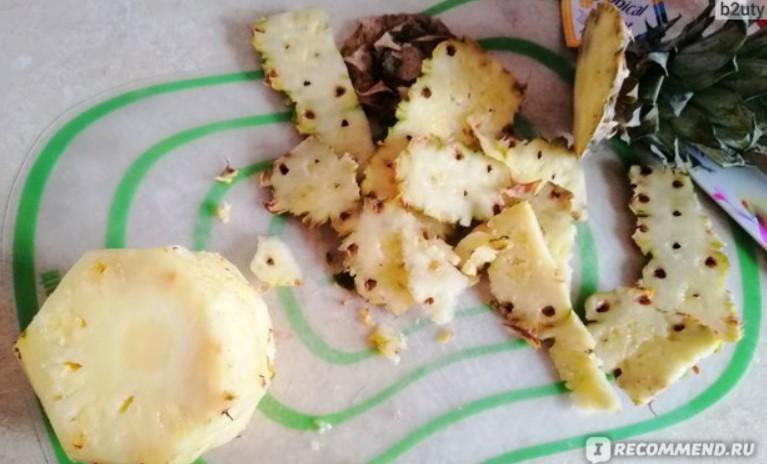
Cut off the tops and bottom.
We clean the edges, removing the hard parts.
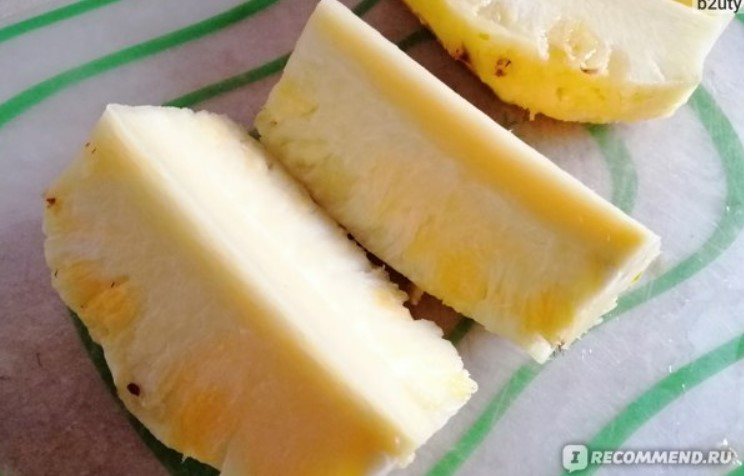
I cut it into 4 pieces and remove the very fibrous middle.
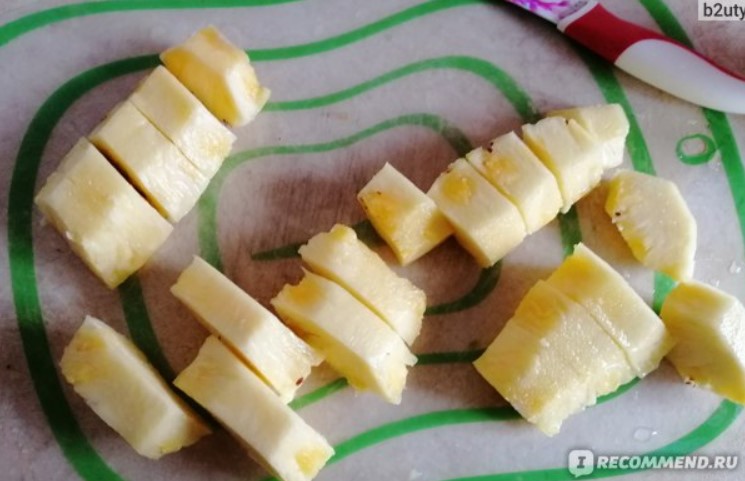
I cut it into portions and it’s ready!
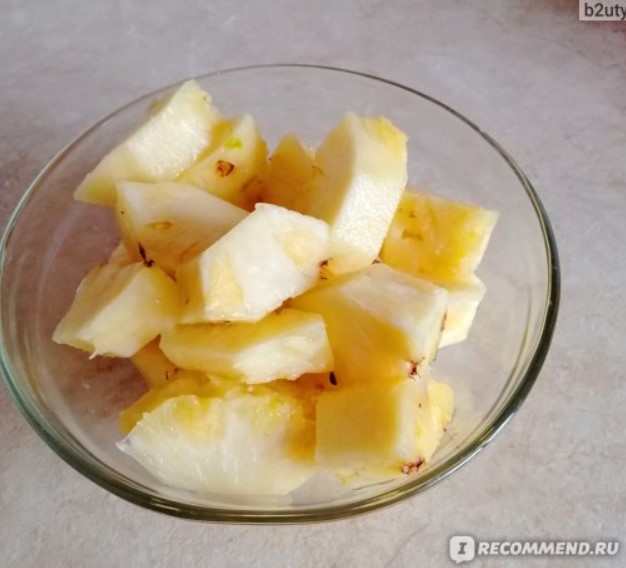
You can put it in the refrigerator like this. I store it in a glass container with a lid. This way, it stays fresh for quite a long time.
Fresh pineapple is perfect for eating just the way it is. I don't like adding fresh pineapple to anything, making up recipes, or going overboard... Why bother? When the fruit is wonderful on its own.
At most, it's like an additive to cocktails.
Especially when the pineapple is sweet, tasty, juicy...
It's often recommended for those looking to lose weight. It's low in calories, plus it contains that famous bromelain (which newspapers and magazines are now advertising, or rather, pills containing this substance, which are supposed to magically shed 20 kg in a week).
While these magical properties are partly true, due to the high potassium content, consuming this fruit in its pure form ultimately removes excess fluid from the body. As a result, after a pineapple-only fast, you'll definitely see a slimmer face, as excess puffiness will subside.
Regarding a fasting day, the ideal option is to eat one piece of fruit per day, divided into at least four meals. Drink plenty of fluids between meals. However, the stomach condition in this case... In my opinion, this isn't the healthiest option.It contains many vitamins and microelements.
Why does Google recommend using it? It just makes you want to throw out your medicine cabinet and stock up on the superfruit.
fights colds,
strengthens the immune system,
has a disinfectant effect,
prevention of thrombosis and thrombophlebitis,
improves the functioning of the cardiovascular system,
prevention of heart attack and stroke,
reduces pressure,
normalizes kidney function,
promotes weight loss,
removes toxins from the body,
fights intestinal parasites,
prevention and treatment of cancer,
reduces muscle and joint pain,
helps to recover after physical exertion,
increases potency,
removes excess fat from the face,
fights cellulite,
gives the skin firmness and elasticity,
removes calluses.
However, people with stomach problems should consume it with caution. Pineapple is quite acidic and can adversely affect the gastrointestinal system in these cases, especially if you have gastritis or an ulcer.Plus, dentists say that it can damage enamel and that after eating fruit you should wait at least an hour before brushing your teeth.
Although I believe that there is much more benefit in it.
But if you want to make something delicious, it's best to use canned fruit. I'll share a couple of recipes with this ingredient that my family absolutely loves and that I always make for the holiday table.
Let me start by saying that I don't make sweets with it. Well, cakes and pastries just don't work for us. And jelly—pineapple doesn't get along with gelatin at all, just like it doesn't with kiwi. It liquefies the substance, and it won't set properly. The only solution is to increase the gelatin dosage. This is always something to consider.
Instead, I cook with sweet canned pineapple... salty dishes! And surprisingly, it's perfect for this.
The first, signature and basic dish is SALAD!
I first tried it at a local pizzeria, which used to be (though there's still a Cosa Nostra) near my university. The place is decorated in an Italian mafia theme, and even the waiters are dressed in police uniforms, hence the salad's name—"Alibi." From the first bite, I fell in love with the salad.The composition is elementary:
boiled chicken fillet,
canned corn,
canned pineapple.
Add some good mayonnaise and… DONE!Chicken has a neutral flavor, and the end result is a delicious salad. Best of all, it cooks in just a couple of minutes—the only time it takes is boiling and dicing the chicken. Otherwise, just open the jars.
This salad is the first to disappear from our table and is eaten by even the most discerning gourmets. Wink
SECOND - this is a hot dish!
What do we need?Take raw chicken fillet, salt, pepper, mayonnaise, hard cheese and canned pineapple.
We cut the fillet into slices, like chops. We add salt, pepper, and mayonnaise—that is, we marinate it.
Place on an oven-safe dish. Top with canned pineapple chunks, and you can even add a little sweetened pineapple juice. Next, sprinkle with grated cheese, seal with foil, and pop it in the oven!
It turns out to be a very aromatic, sweet and salty hot dish that my whole family loves. It's practically a tradition to make this salad and hot dish together. Sometimes I swap the pineapple in the hot dish for canned peaches. It's also delicious.
It's just chicken fillet, so it's neutral in taste (there's no specific aftertaste like in chicken thighs), and you can mix it with something sweet and it won't be nauseating).
But that's only with canned fruit! Luckily, it's easier to find in the store, and the price is even more affordable than fresh.
Overall, I think my love for this superfruit is clear! It's packed with benefits, acts like medicine, and most importantly, it's DELICIOUS!
Whether fresh or canned, everyone will find something to suit their taste.
Yes, it's not as healthy in canned form, plus there's a lot of sugar in the syrup... But you can buy it in bulk to cook with for the holidays.
So what can I say about pineapple?
TASTY? Yes!
USEFUL? Yes!And this is the main thing!
I RECOMMEND!
b2uty
recommends
Acai
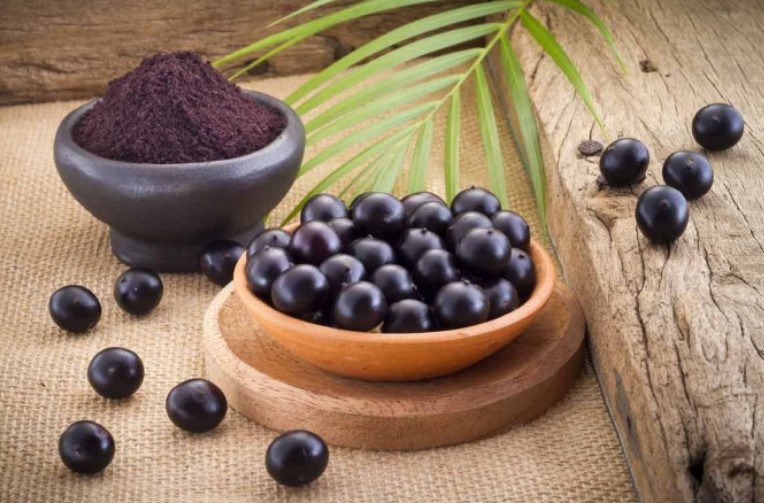
| Names | Acai, euterpe oleracea, fountain of youth, superfood, Amazonian pearl. |
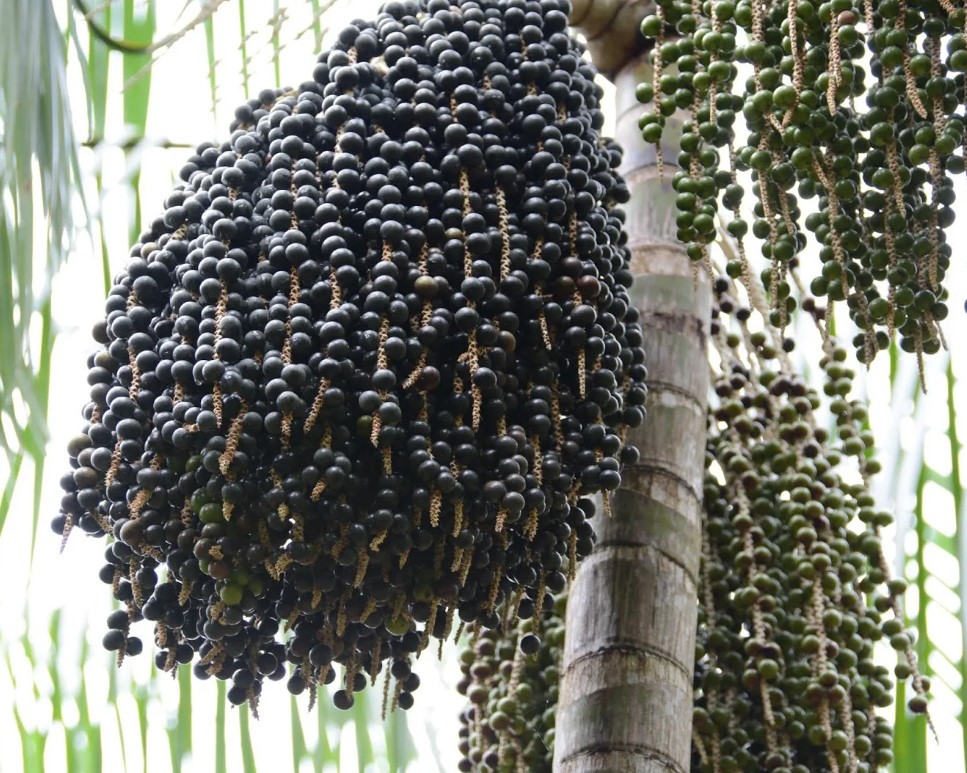
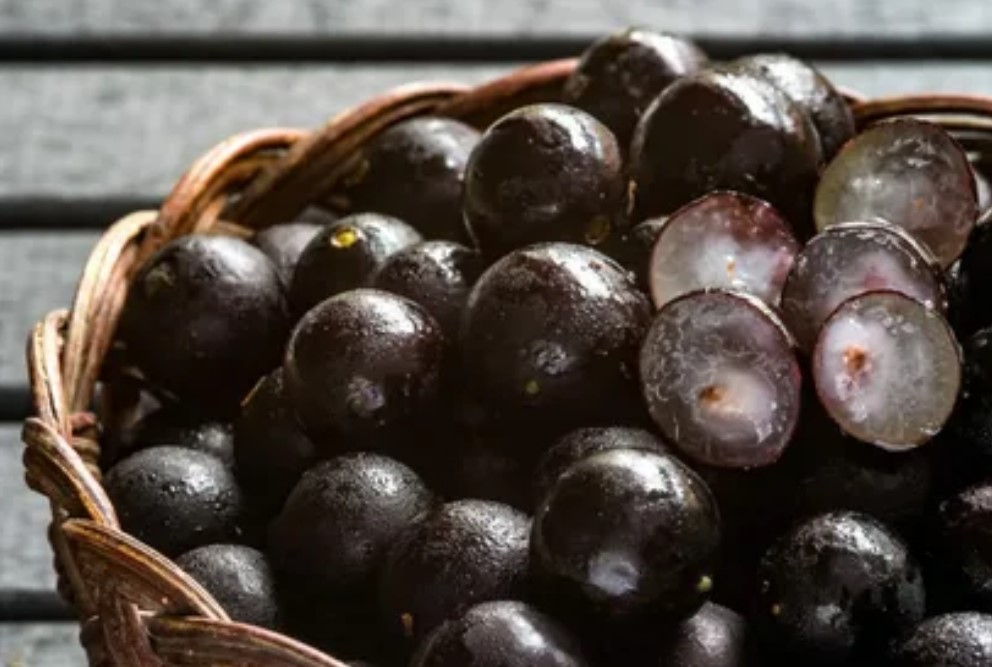
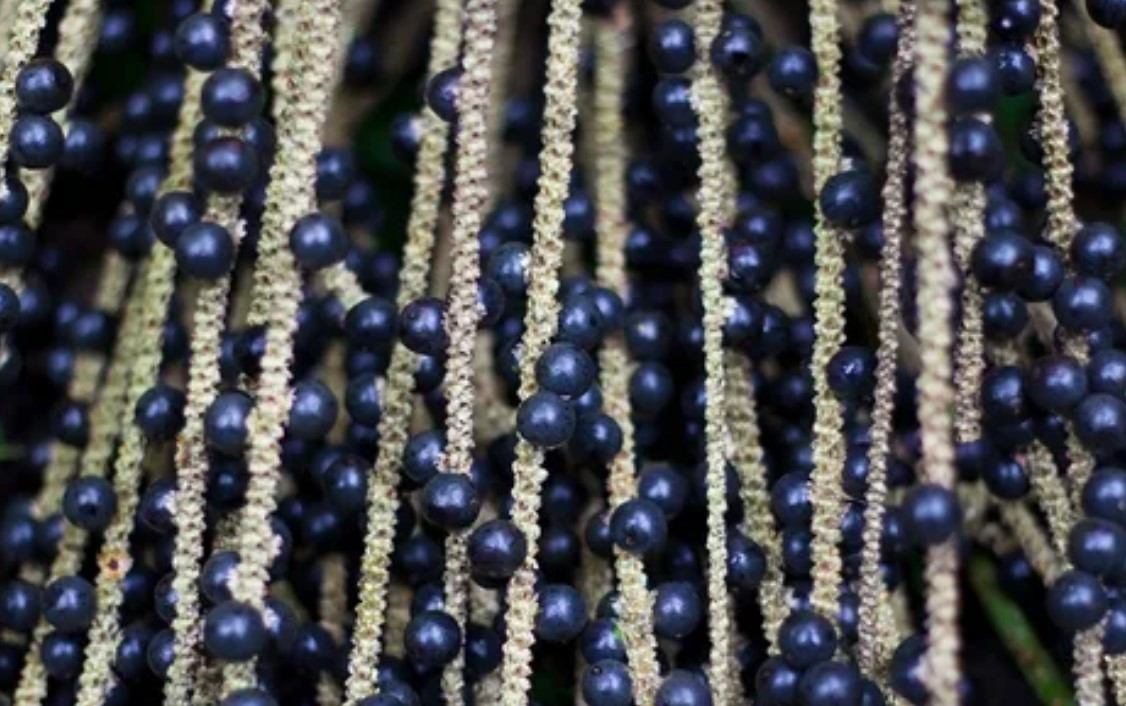
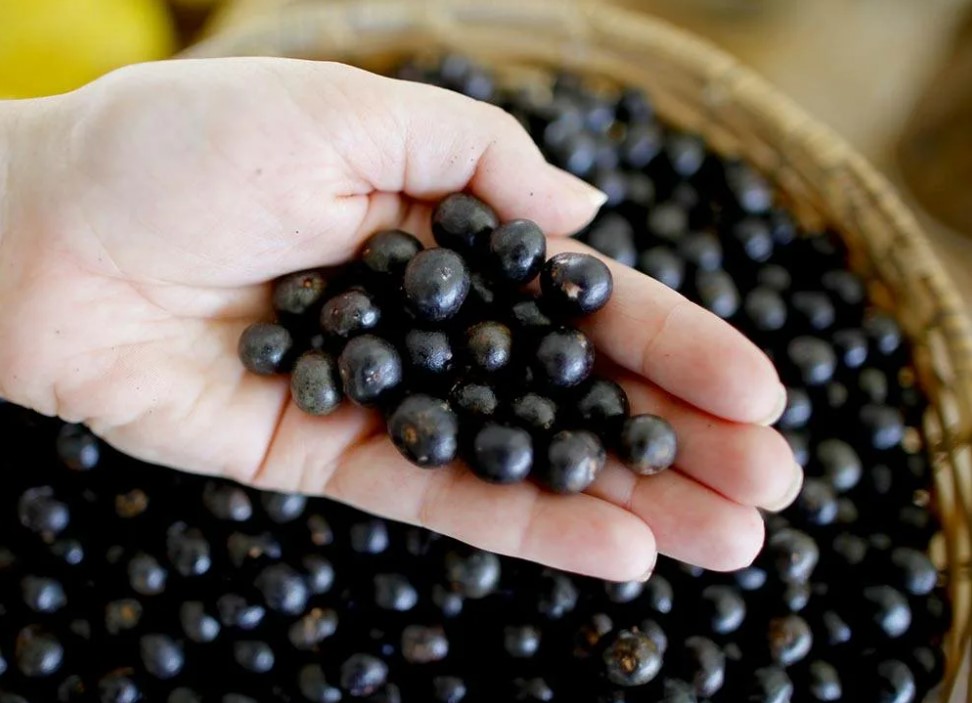
| Description | A drupe-shaped, dark purple berry. Each panicle contains 500 to 900 fruits. They resemble chokeberries in appearance. |
| Taste | The taste of wine has a light chocolate hue. |
| Where to try | The banks of the Amazon (natural growing conditions), tropical countries (cultivation). |
| Harvest season | Twice a year. |
Rules for selection and how to eat
The berries are only suitable for consumption for a few hours after picking, so they should be eaten immediately.
Benefits and contraindications
Berries have a wide range of beneficial properties:
- reduction of inflammation;
- detoxification of the body;
- improved sleep;
- toning the body;
- moisturizing and increasing skin elasticity;
- regulation of metabolism and digestion;
- prevention of cardiovascular diseases;
- strengthening the immune system and protection against enteroviruses;
- increasing mental and physical activity;
- improving memory and performance;
- prevention of cholesterol deposition and development of atherosclerosis;
- normalization of blood pressure;
- stress reduction;
- improving blood circulation and preventing blood clots;
- slowing down cellular and general aging;
- acceleration of metabolism;
- stimulation of the development of beneficial bacteria in the intestines;
- destruction of cancer cells and prevention of tumor development.
The acai berry is also popular in the beauty industry for its ability to promote healthy skin and hair, improve complexion, and slow down cellular aging.
It should be taken into account that they also have contraindications:
- pregnancy and breastfeeding;
- high blood pressure;
- diseases of the stomach and liver;
- hepatitis;
- cardiovascular pathologies.
Berries should definitely be consumed in moderation.
Acai berry photo gallery
Application
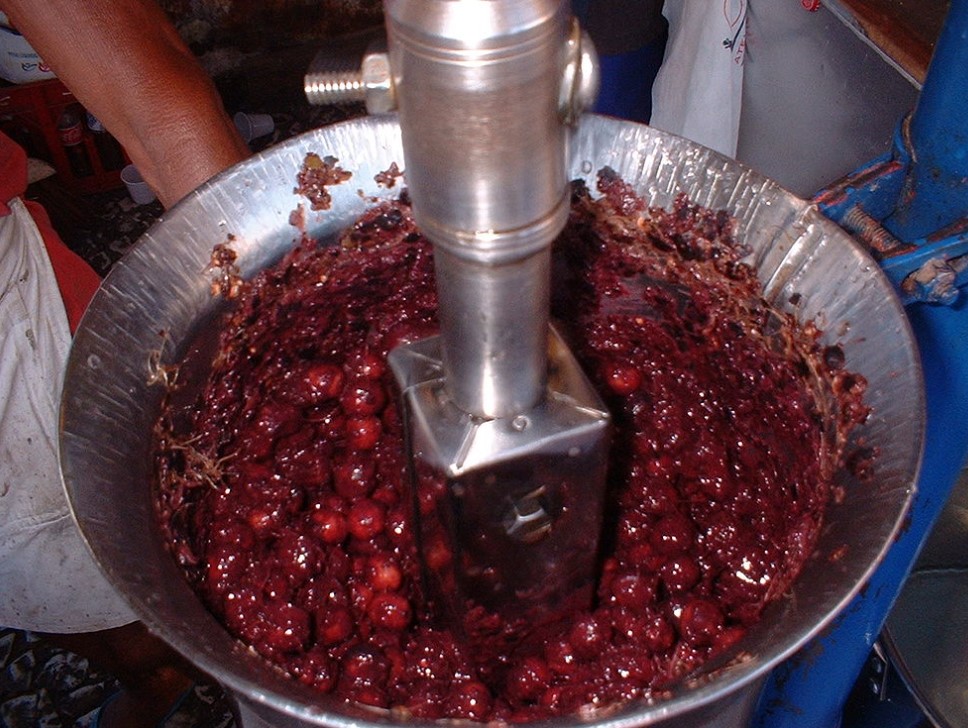
The berries are used for culinary and medicinal purposes. Since they are only usable for a few hours after picking, they are used to make juice, capsules, and powder.
Reviews of acai berries
It's hard to find genuine and honest reviews these days, but I can tell you from a friend who bought this powder to lose weight. She didn't experience any side effects. She simply felt better, which is understandable, as acai has excellent antioxidant properties.
And our rose hips or fresh garlic are no worse than these berries, with the same properties. And the acai berry hype is overblown these days, as is the case with any new, unknown product.
Scientists haven't fully studied the berry yet, so it's too early to draw any conclusions. It can also cause allergies, but this is individual.
And such a boom about these berries came about because of the book written by A. Schaus, which is called:
It's all happening again; there was such a boom with goji berries, but it quickly died down. And acai berries are low in calories.
Bail
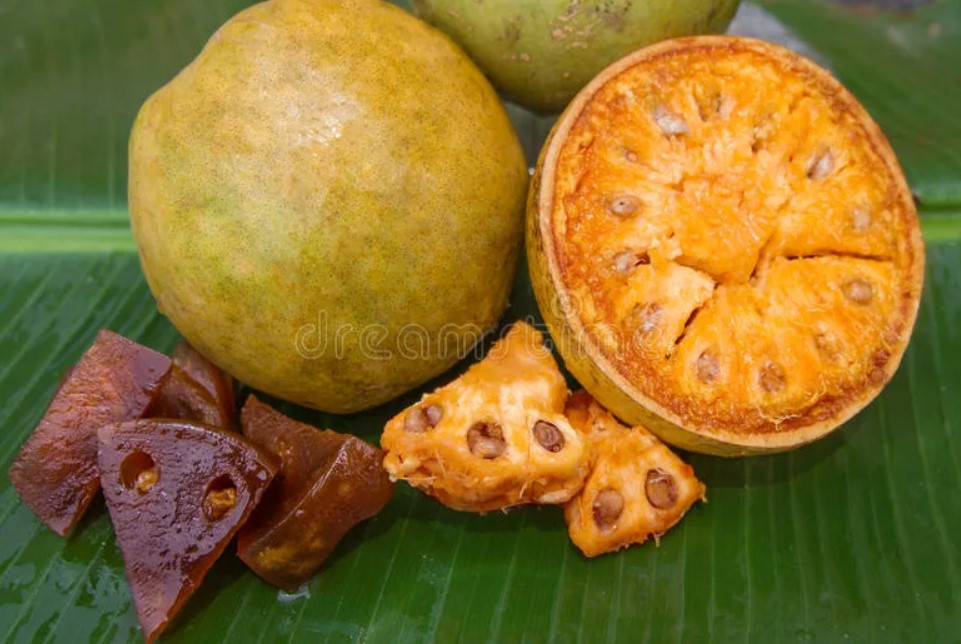
| Names | Stone apple, Bengal quince, marmalade aegle, marmalade aegle, marmelos, aēgle marmēlos, bael. |
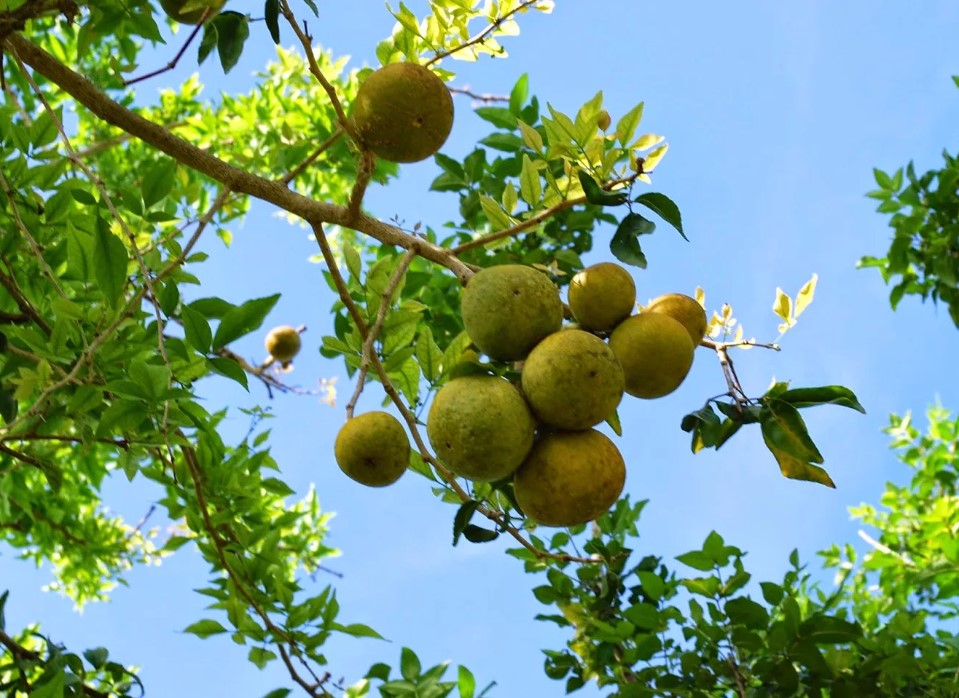
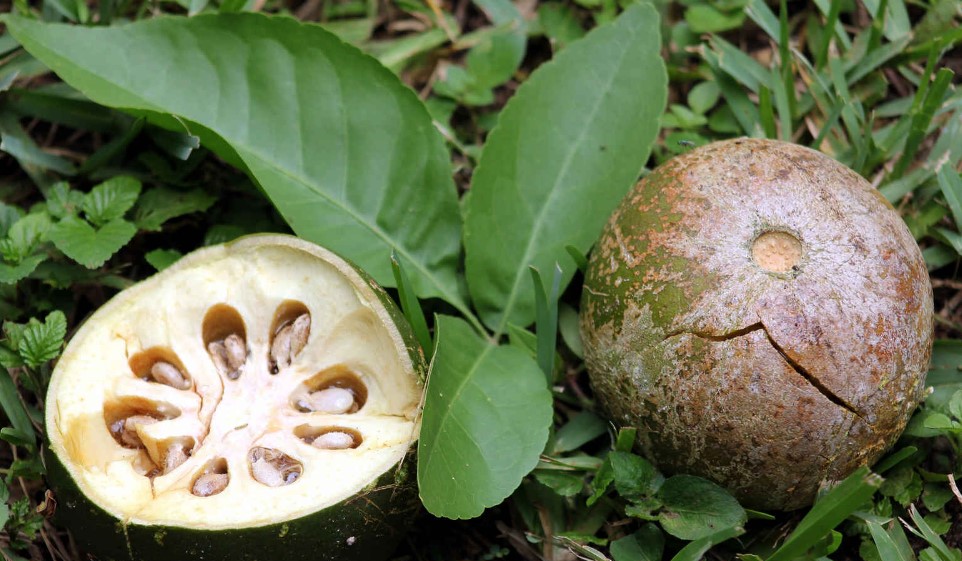
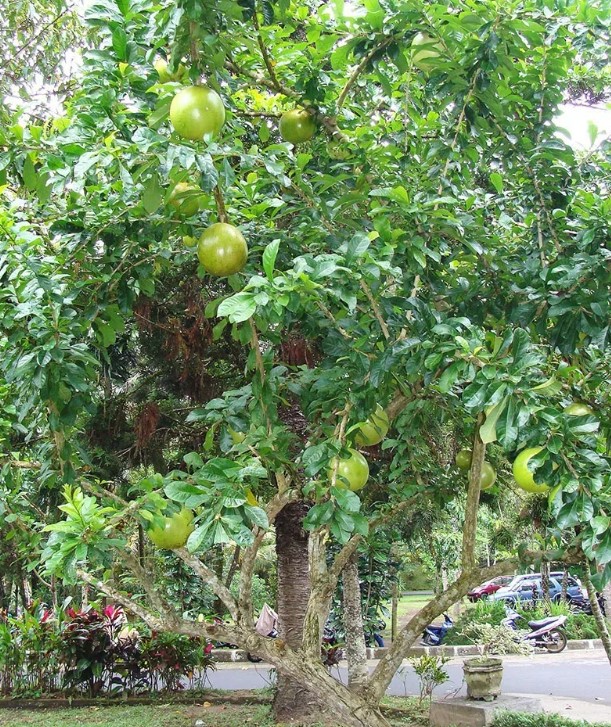
| Description | The fruits are round or elongated. The outer surface is thin and woody, green-gray when unripe and yellowish when ripe. Inside is a core and 8-20 triangular sections with thin, light-brown partitions. These sections are filled with pale orange flesh. |
| Taste | Sour-astringent, with a pink-cinnamon aroma. |
| Where to try | Asian states. |
| Harvest season | November-December. |
Rules for selection and how to eat
The choice depends on how you plan to use them. For example, if you plan to eat them fresh, choose ripe fruits with yellowish skin. If you want to store bael for a long time, choose unripe fruits with green skin.
Unripe fruit can ripen and be stored in a cool place for up to 3-4 months. For tea, choose unripe fruit. Cut them into slices and dry.
Stone apple is a great snack on its own, but due to its throat-irritating properties, it's usually used in combination with other foods. It's often used in desserts, such as ice cream, jellies, and fruit salads. Candied pieces of this fruit are a unique treat.
Benefits and contraindications
Stone apple has the following beneficial properties:
- Gastrointestinal tract. Ripe bael fruits have a laxative effect. However, consuming this fruit is not contraindicated even in cases of diarrhea, as the substances they contain can effectively normalize bowel function. Dried unripe bael fruits are ideal for restoring bowel function, as they contain a large amount of glycosides that combat intestinal infections. It is believed that just one bael fruit can rid the body of giardia. Consuming it improves appetite, significantly speeds digestion, and relieves painful bloating.
- Immune system. The vitamins contained in bael help strengthen the immune system. Ascorbic acid plays a key role in this process.
- Skin. Matum promotes elasticity and firmness, and is actively used to combat papillomas and psoriasis. It also strengthens the skin's defenses against the effects of a humid environment.
- Respiratory system. Tea made from the fruit of the stone tree is an excellent mucolytic, capable of improving symptoms of sore throats, tonsillitis, sinusitis, flu, bronchitis, asthma, acute respiratory infections, and other inflammatory diseases of the upper respiratory tract.
- Nervous system. B vitamins, which can improve nerve conductivity, have a particularly beneficial effect on the central nervous system. For example, 100 grams of bael contains more than half the daily requirement of riboflavin.
- Cardiovascular system. Cleansing blood vessels with bael is an excellent preventative for atherosclerosis and coronary heart disease.
However, it should be taken into account that this fruit also has contraindications:
- throat irritation;
- individual intolerance;
- high sensitivity of mucous membranes.
The leaves are not recommended for pregnant women, as they may cause abortion. Furthermore, the greens negatively affect female reproductive functions and may cause infertility.
Some sources indicate that with prolonged consumption of large quantities of bael fruits, the tannin they contain may have a carcinogenic effect on the body.
Photo gallery of Bail
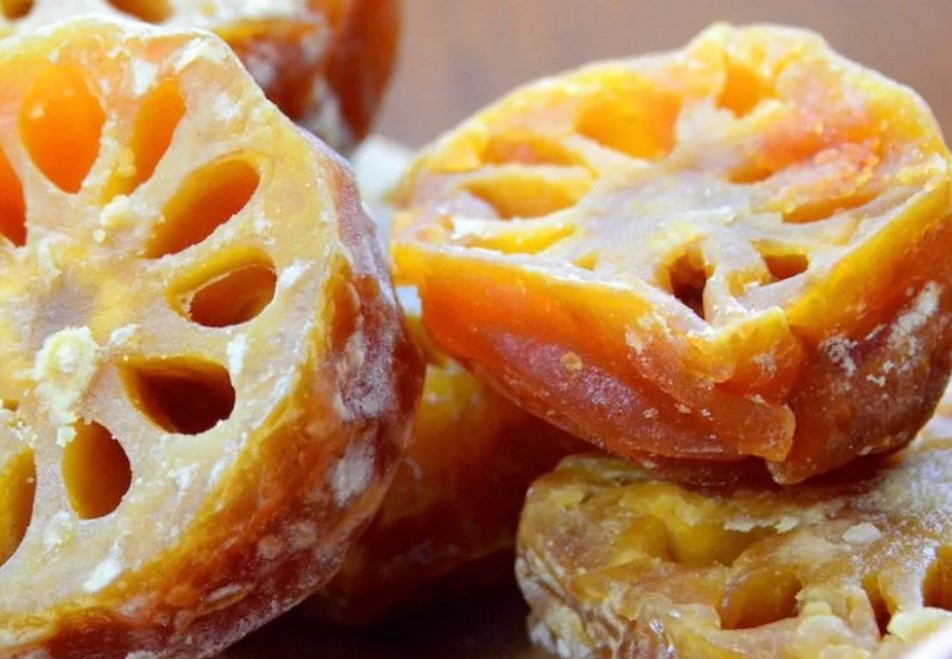
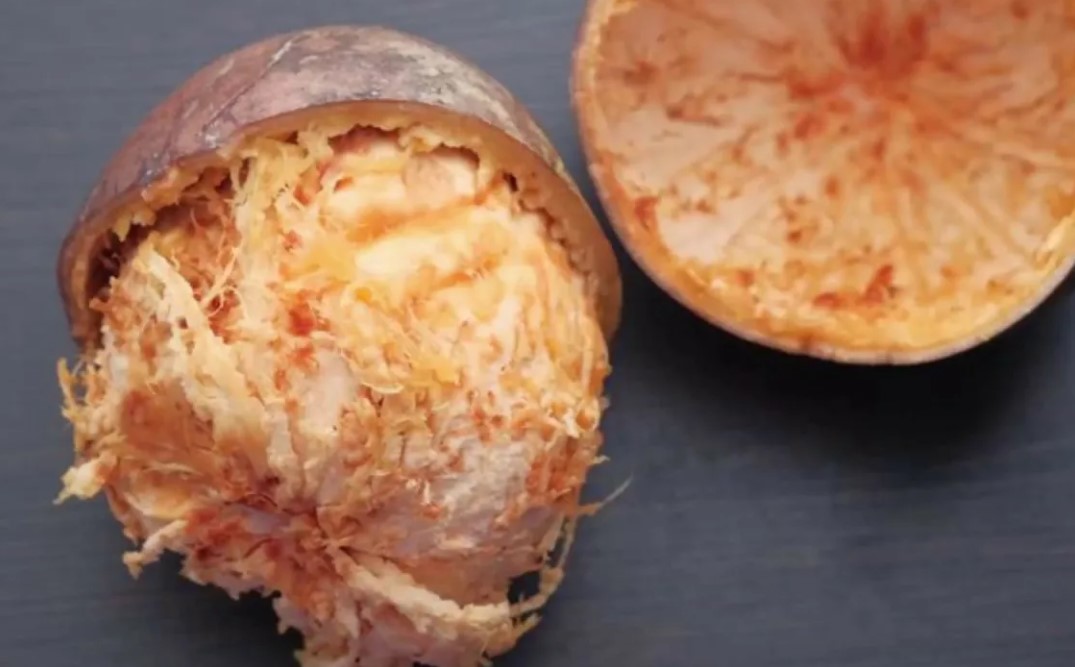
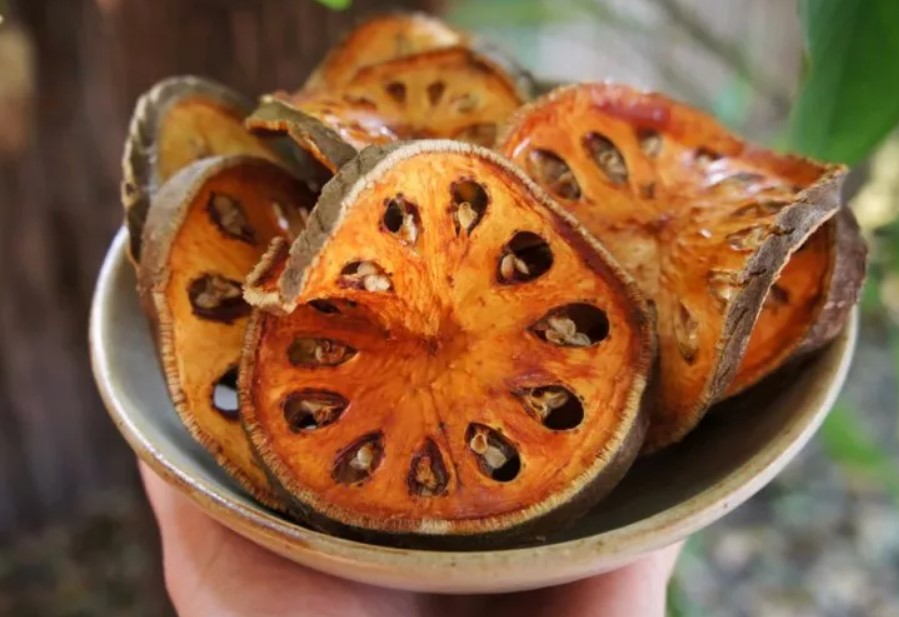
Application
Bael is widely used for various purposes:
- Household Uses. Individual parts of the plant are used in the home. The fruit pulp, due to its cleansing properties, is used as toilet soap and laundry detergent to remove stubborn stains from fabrics. The seeds of unripe wild bael fruits contain a sticky substance that can be used as a household glue. Its strength also allows it to be used in jewelry for setting small gemstones. Whole fruits are a source of yellow dye, which is used on various types of fabrics, especially silk and cotton.
- Construction. Adding the adhesive substance matum to cement mortars and plaster makes them stronger and more water-resistant. Mixing watercolors with this substance makes them resistant to external influences. Stone apple wood is strong and used in construction, but it doesn't have great durability, so it's not in high demand.
- In cosmetology. Using the pulp as a toilet soap not only effectively cleanses the skin but also has nourishing properties, imparting radiance and smoothness, and possessing antibacterial properties. Therefore, bael can be an excellent remedy for dermatological skin problems (acne, inflammation, and rashes). An essential oil is extracted from the fruit peel, which imparts a pleasant aroma to hair. Rubbing it into the roots strengthens hair, making it strong and beautiful. The extract from the flowers is used in the perfume industry.
- Arts and crafts. The fruit's durable shell makes it suitable for creating various small home decor items, such as snuffboxes and jewelry boxes. These items are sometimes decorated with precious metals to add a touch of sophistication. Bael wood is also used to make small household items. It may not be particularly durable, but with proper processing, it acquires a refined appearance.
- Medicine. Bael has a long history of medicinal use. Powders and decoctions are made from it. Dried fruits at varying stages of ripeness are also used to treat certain ailments.
Reviews of bael fruit
Bam-balan
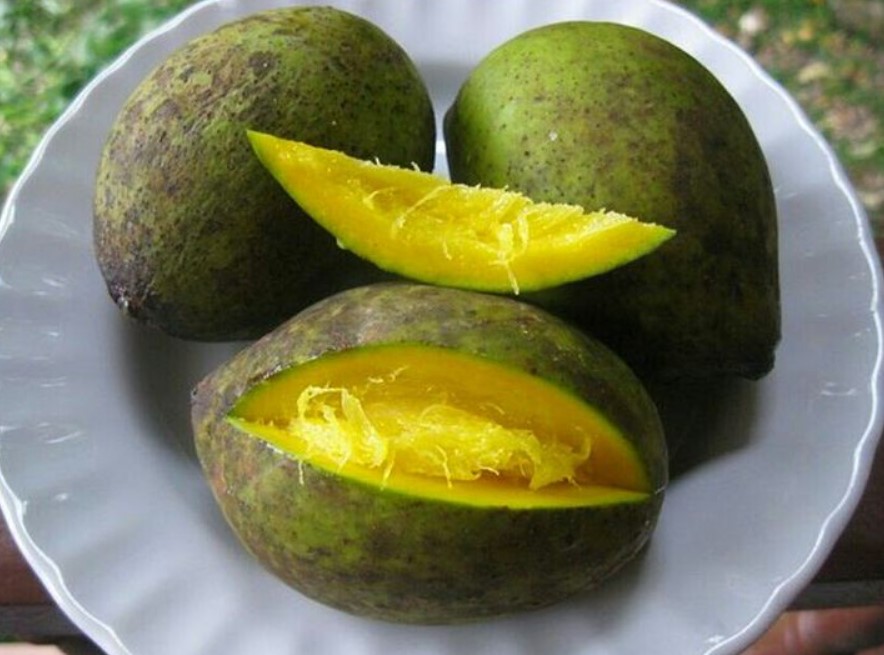
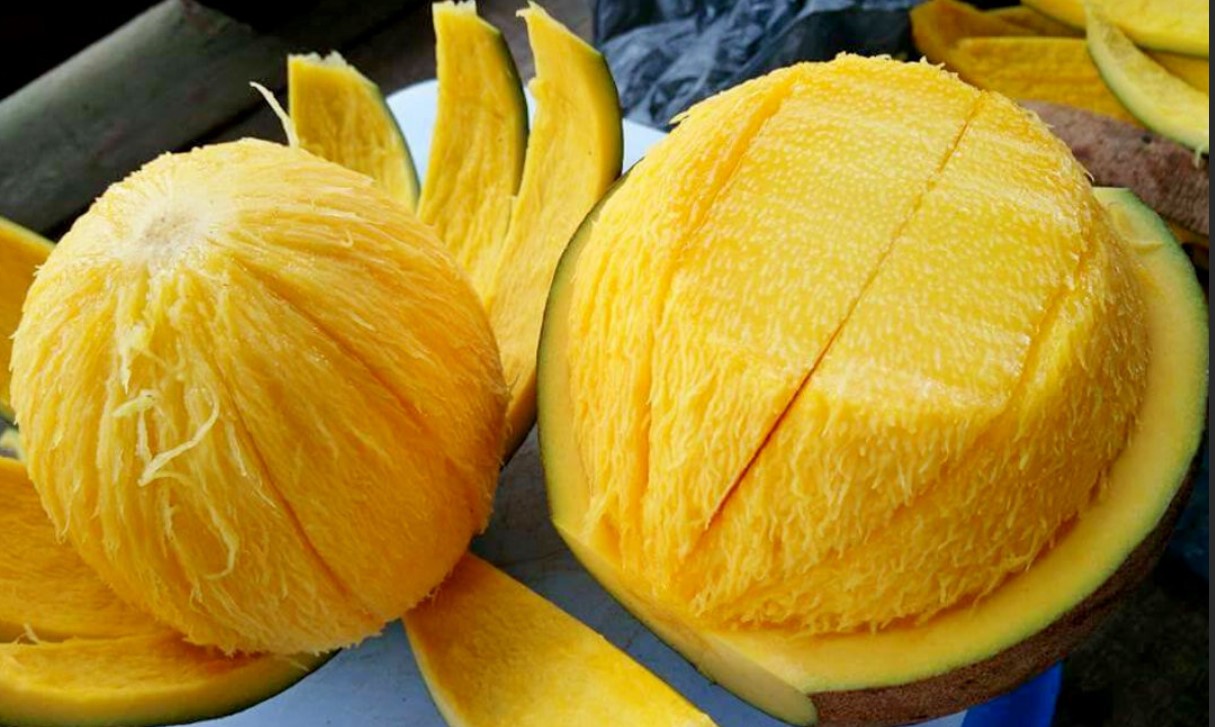
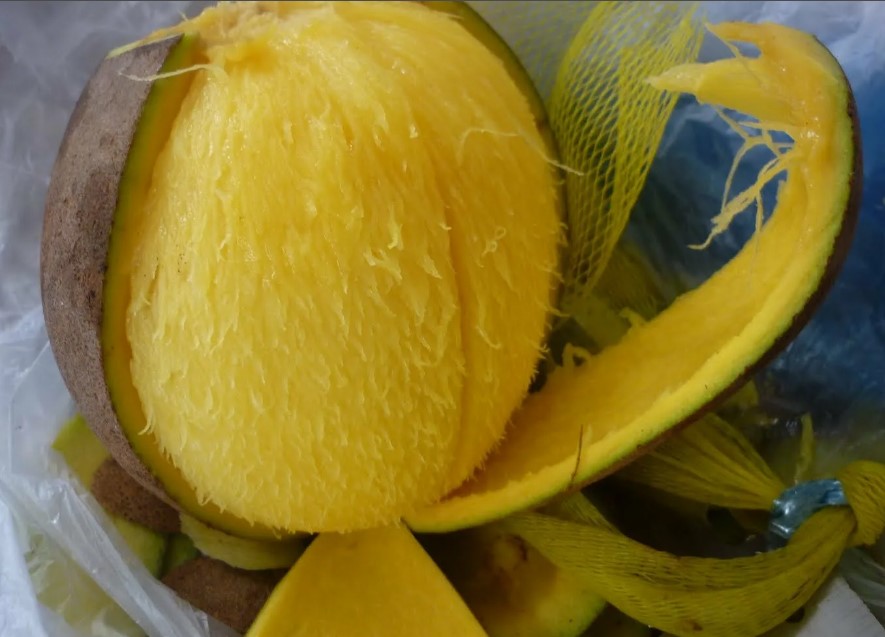
| Names | Bambangan, bam-balan, mangifera pajang kostermans. |
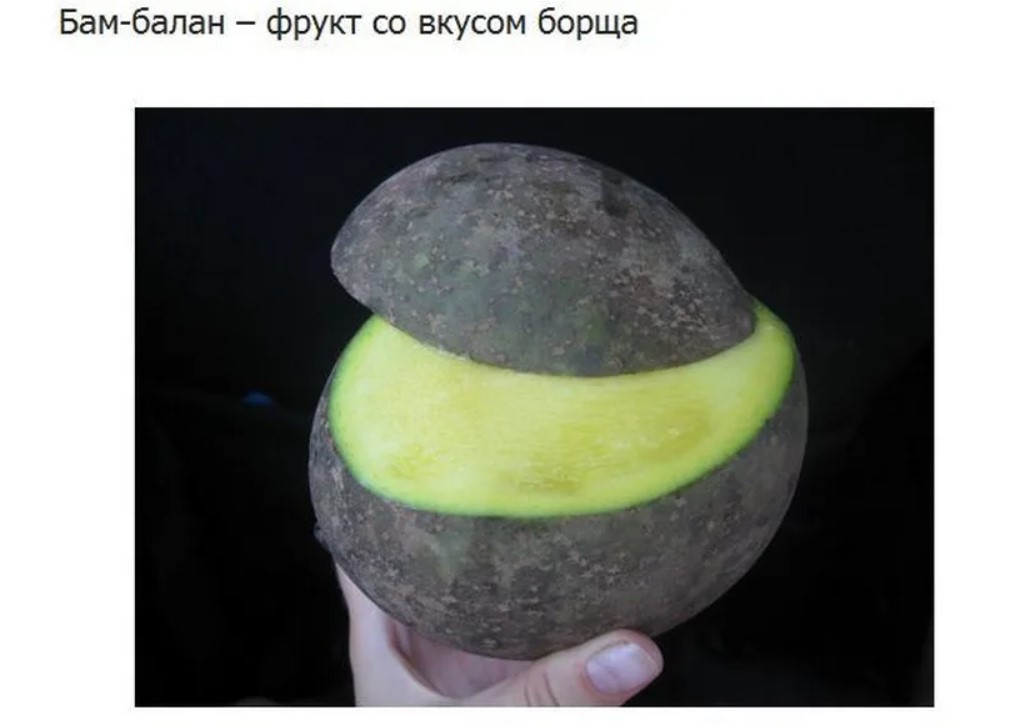
| Description | An oval, brown fruit with a pungent aroma. Weight up to 2 kg. |
| Taste | Rich borscht. |
| Where to try | Borneo Island. |
Rules for selection and how to eat
You can eat it fresh or add it to various dishes. However, before doing so, you need to peel off the dark skin.
Benefits and contraindications
It has numerous health-promoting properties for our bodies. It has no contraindications, except for individual intolerance.
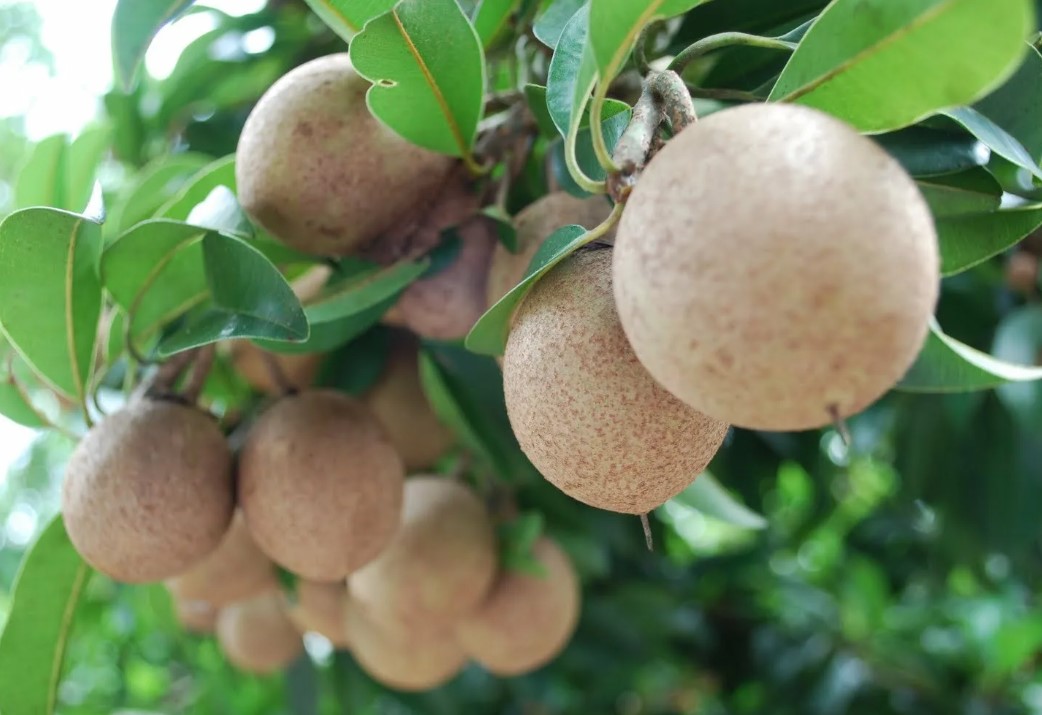
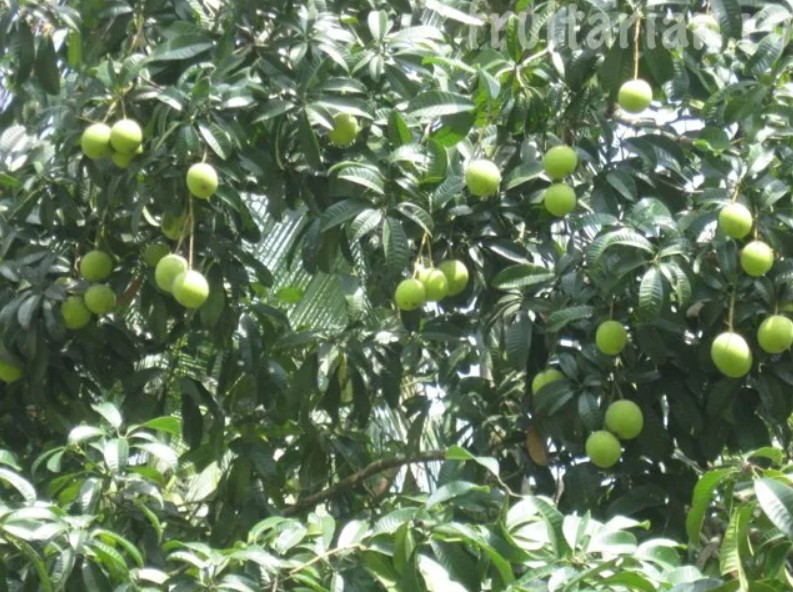
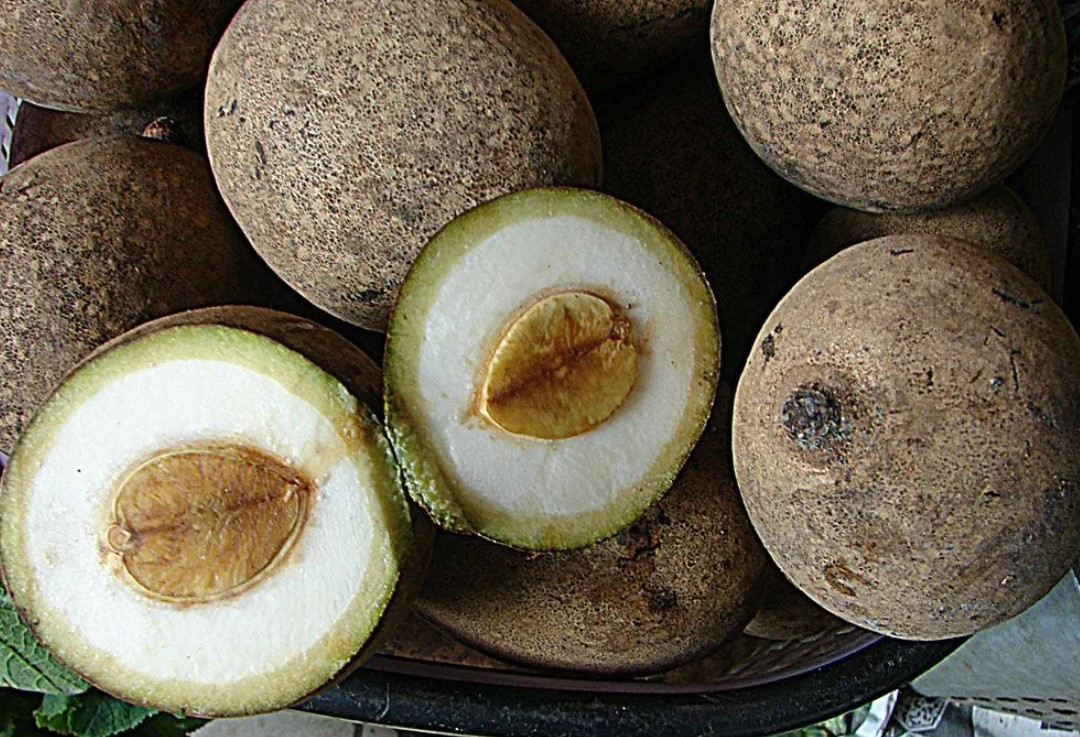
Bam-balan photo gallery
Application
The fruit is used for culinary purposes.
Reviews of Bam-Balan
On the island of Borneo, in the Malaysian part, there's a very unusual fruit, known locally as bam balan. It resembles a round-oval Malaysian mango, but is dark in color, as if it were a vegetable. It's very fragrant, with a scent reminiscent of cempedak. When ripe, bam balan is slightly soft, like a mango, and very aromatic. It's eaten the same way as a mango—peel the skin.
When I was told this fruit tasted like borscht, I thought it was just a hint of borscht, but when I took a bite, I was shocked! Such a distinct, distinct flavor of borscht with sour cream and mayonnaise all at once! An incredibly vibrant borscht flavor, and nothing else. Such an amazing fruit.
Guava
| Names | Guiava, guava, guava, psidium. |
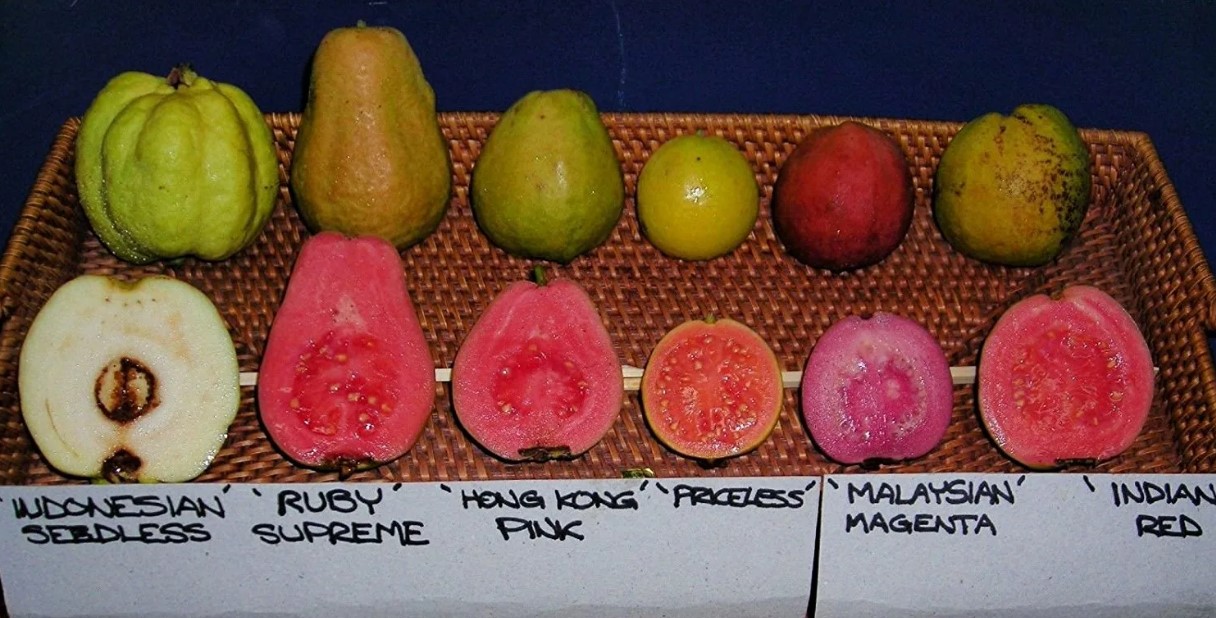
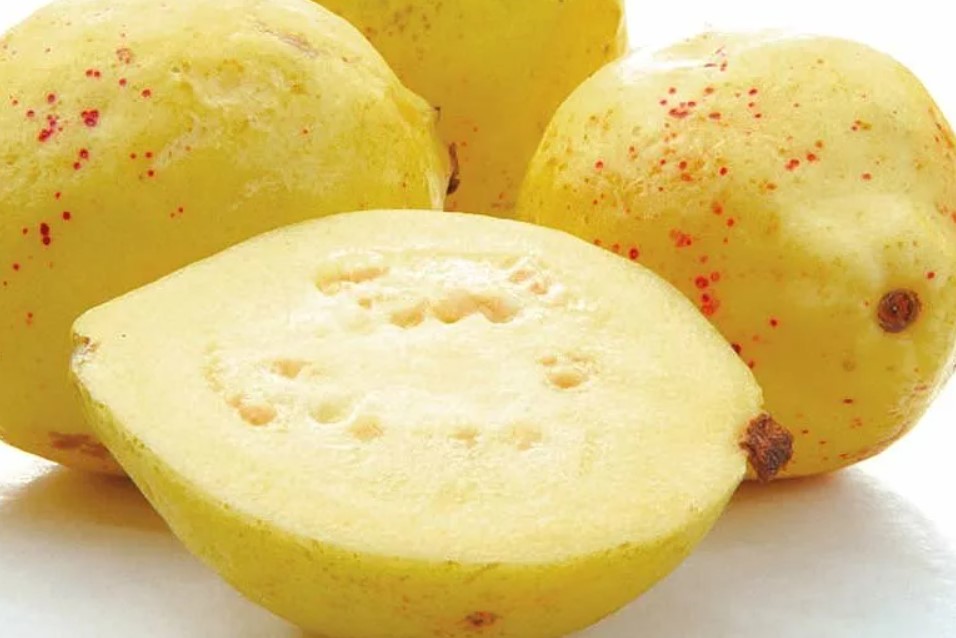
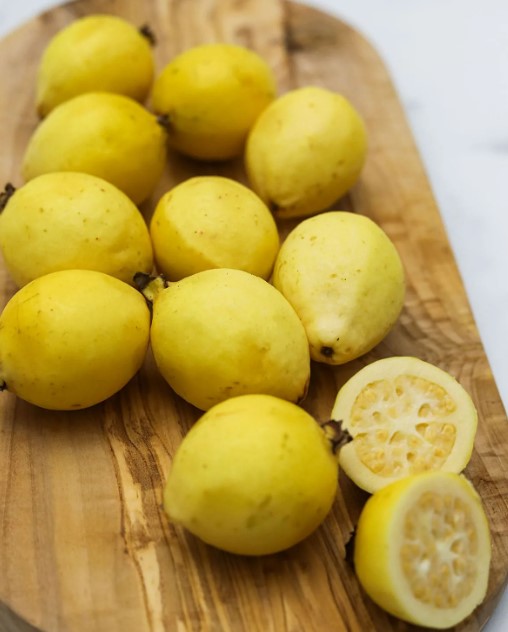
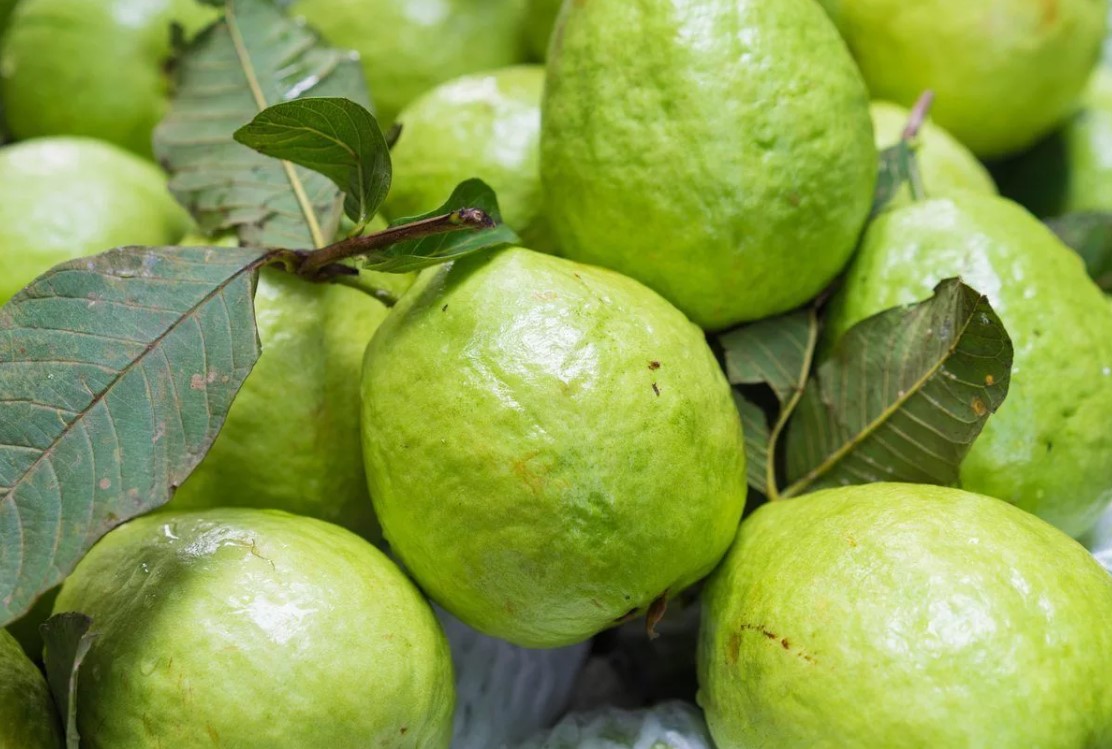
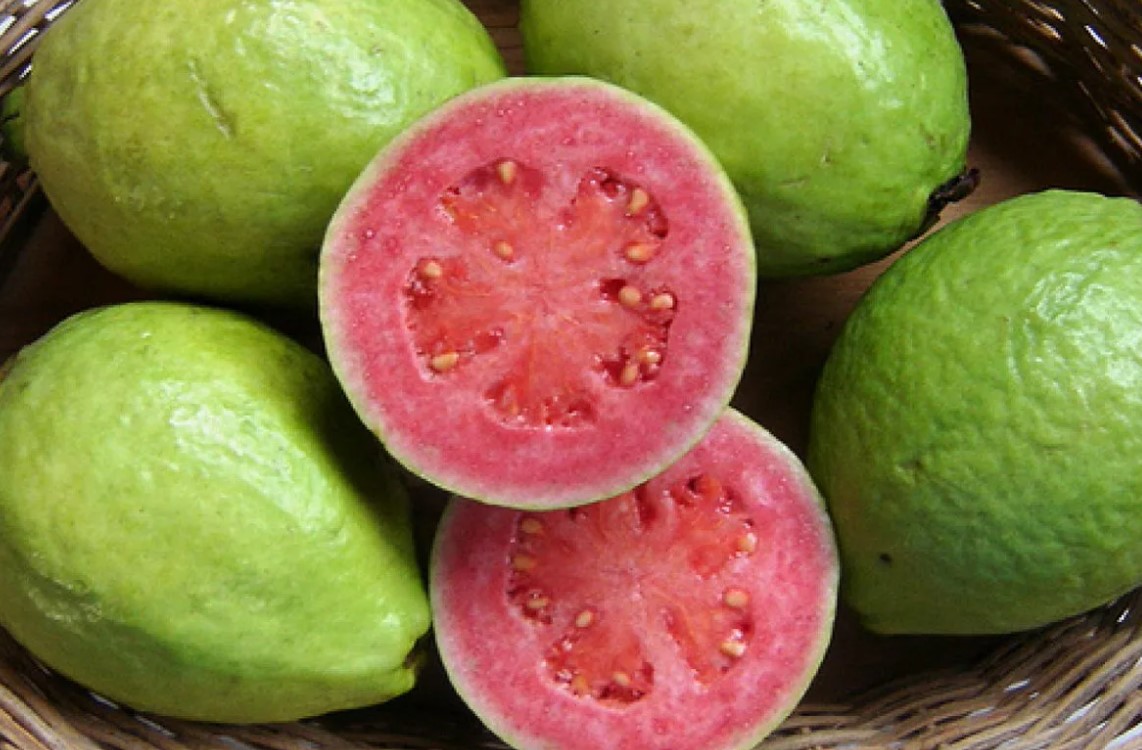
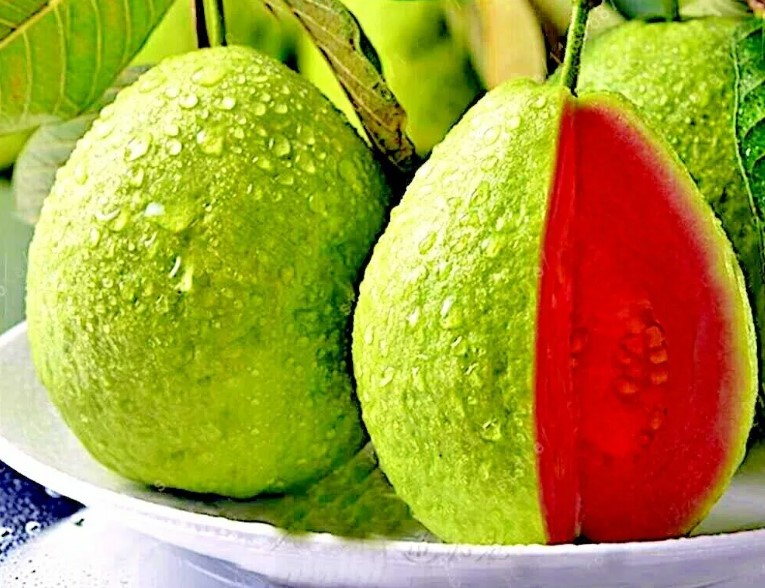
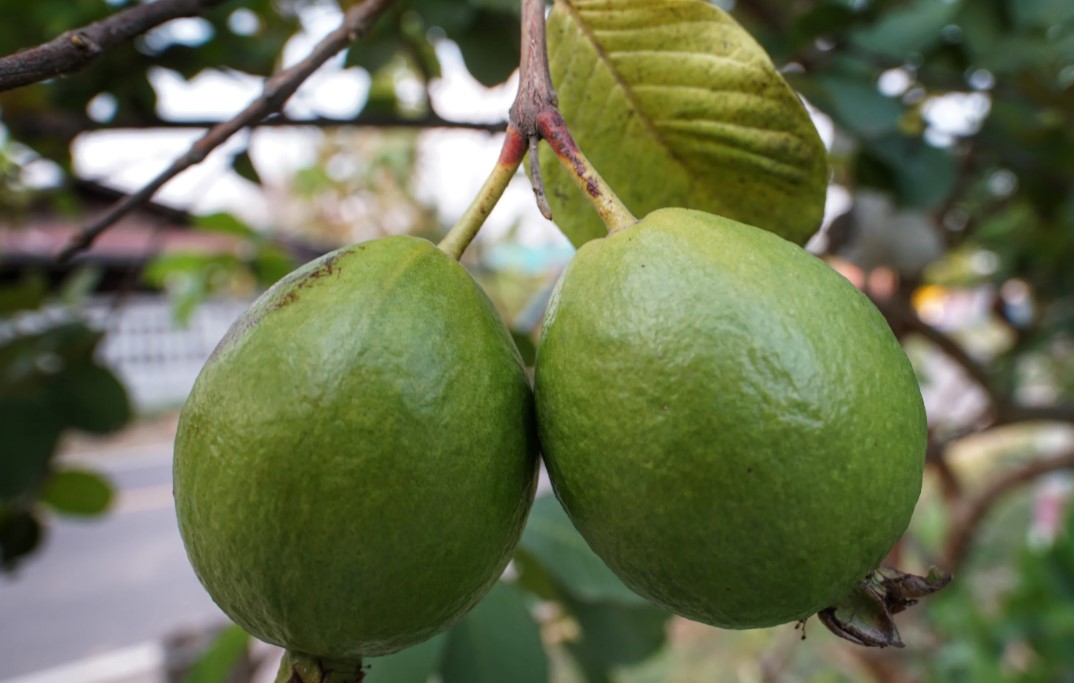
| Description | The fruit is round, elongated, or pear-shaped. The flesh is white, yellow, pink, or red, depending on the variety, and contains hard yellow seeds (sometimes seedless). |
| Taste | Sweetish or sweetish-sour. |
| Where is it distributed? | Southeast Asia. |
| Season | All year round. |
Rules for selection and how to consume
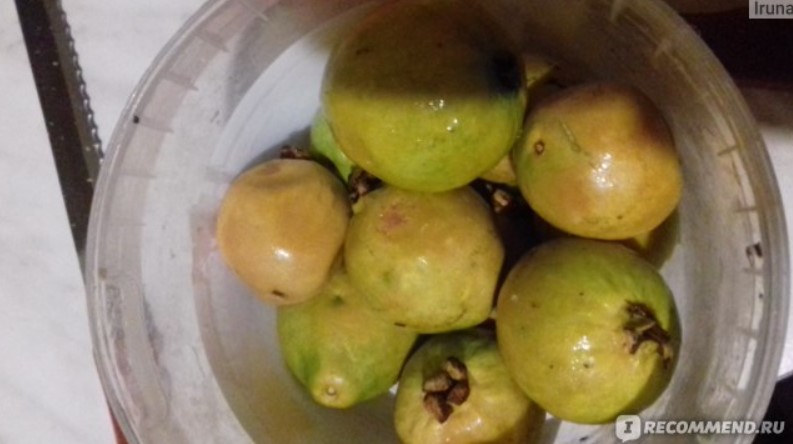
Only fully ripe fruits should be selected, as unripe ones are sour and can adversely affect kidney function. Once ripe, the fruit turns yellow and is eaten with the peel. However, if purchased in Russia, it is recommended to peel it first, as it is treated with chemicals to extend its shelf life, which are not beneficial to the body.
Benefits and contraindications
Guava is rich in pectin. This substance detoxifies, improves digestion, and stimulates heart function. However, it should be consumed in moderation.
Guava Photo Gallery
Application
Guava fruits are used for culinary purposes. They can be eaten fresh or used to make various drinks, preserves, jellies, jams, and candies.
Guava Reviews
Guava. A delicious, aromatic fruit. It's very helpful for long-term constipation.
I tried guava for the first time.
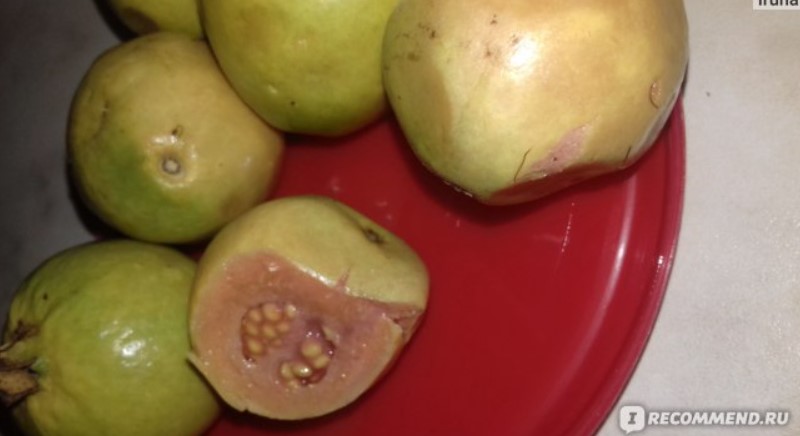
The fruit looks like a small apple.
I cut it open and immediately smelled a scent that was unusual to me. I can't even compare it to anything.
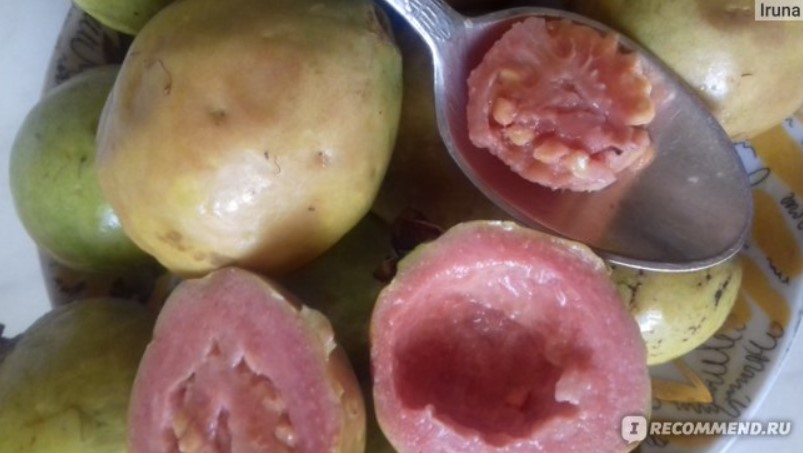
Inside the color is pink and there are many hard seeds.
I tried it first, seedless and peeled. It had a slight tartness and a hint of sweetness, and the flesh was soft, juicy, and delicious.It leaves a long, aromatic aftertaste.
The bones are very hard, but they can also be swallowed without chewing.
The peel is edible, I read about this later.
It is harsher and adds bitterness and even astringency.
I'm currently undergoing treatment for an ulcer. I've taken antibiotics and other medications, which have caused me significant bowel problems. I can't get my bowels working properly without laxatives and enemas. I drank a lot of water and ate beets every day, but it wasn't enough.
I ate three pieces of fruit in the evening (it was my first time trying it and I wanted to try more guava), and in the morning I was surprised by the effect. Everything went smoothly.
Guava is essential for gastrointestinal problems. It combats constipation and improves digestion.
As a laxative, just three at night is enough. Guava seeds cleanse the intestines well, as I've personally experienced. Therefore, the fruit is eaten whole, like an apple, or without the peel; it easily separates with a spoon.
Guava is healthy, you can read about it on the Internet.
Of course, guava tastes better without the peel, as the peel adds bitterness, but with the peel it is healthier.
Contraindications
Excessive consumption of guava (more than 1 kg at a time) can cause stomach upset. People prone to allergies should consume guava with caution. Those prone to kidney stones should also avoid unripe guava.
If you have the opportunity to travel to countries where it grows, be sure to try it and you can even bring some home for yourself or as a treat.
It's a shame they don't sell it in our city. It's a good, natural, tasty, and safe remedy for constipation.
Advantages
A unique, expressive aroma
Bright exotic taste
Iruna
recommends
Durian
| Names | Durian. |
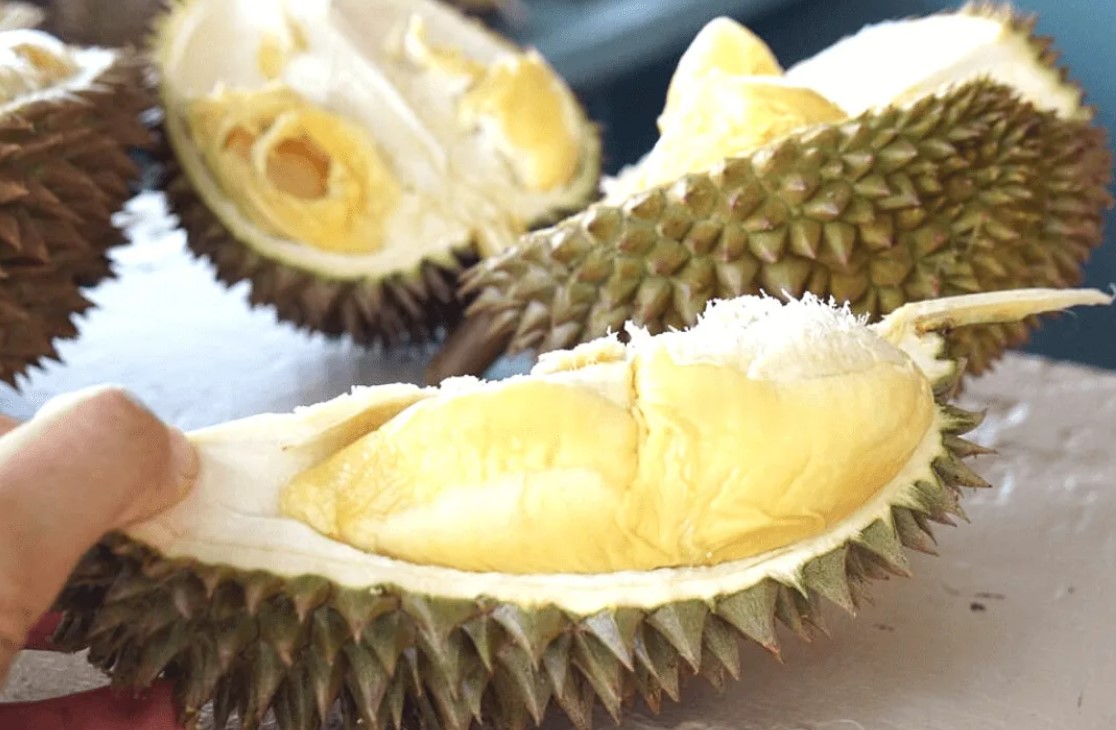
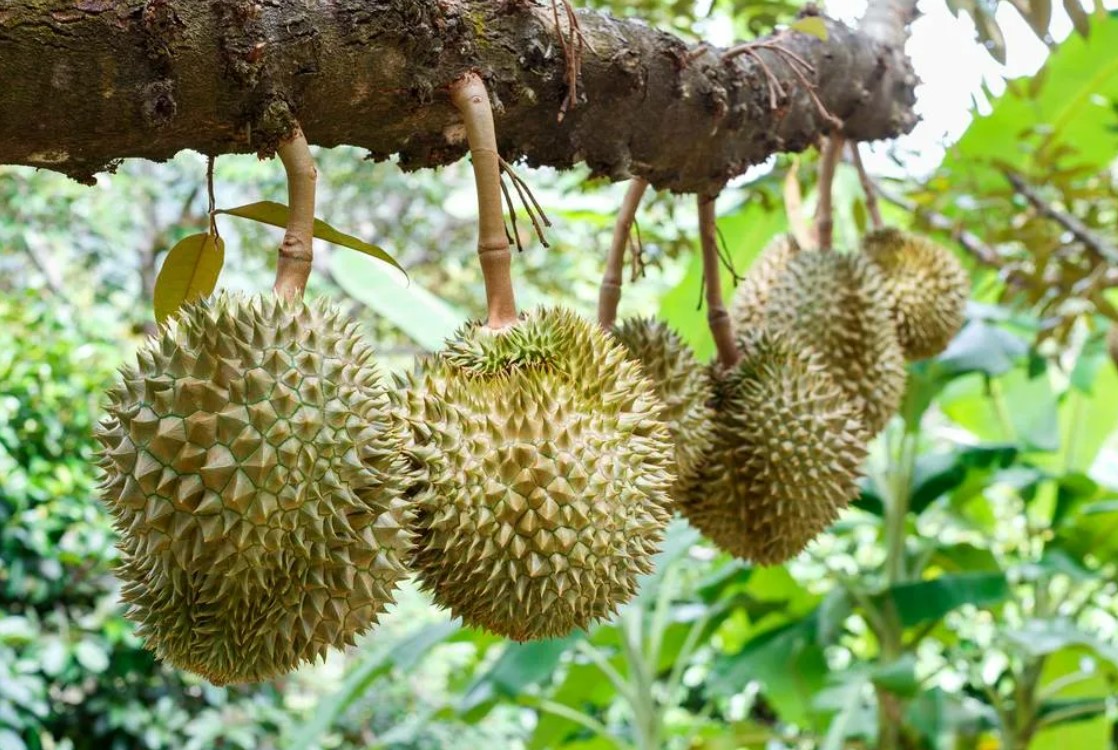
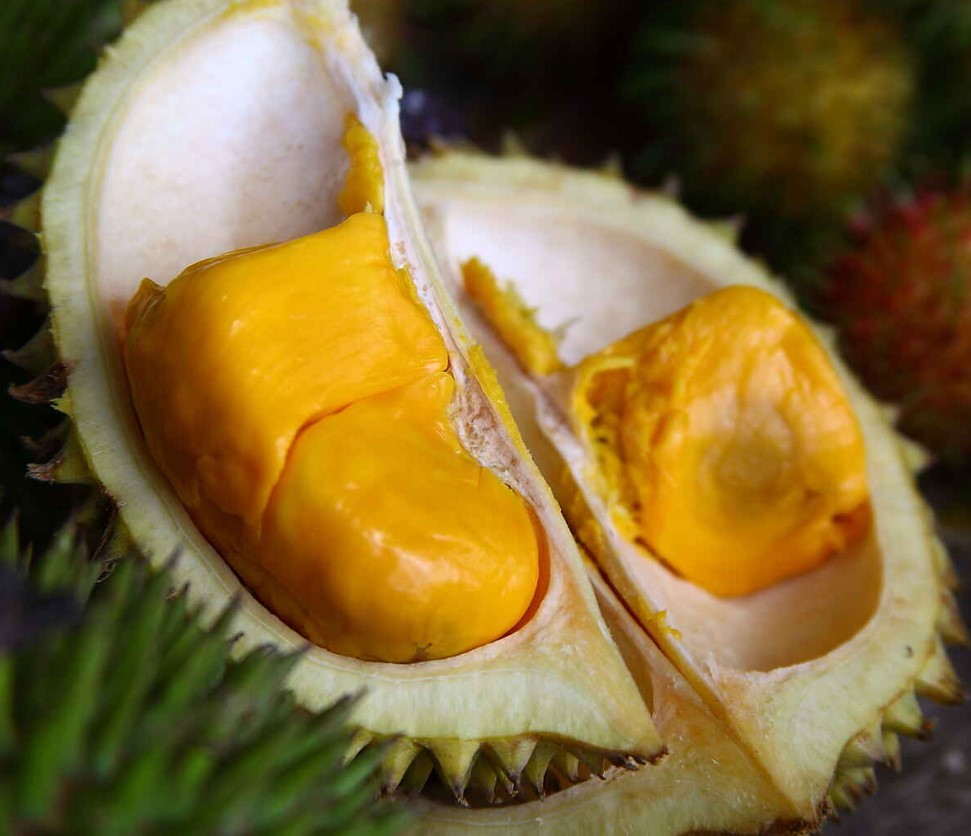
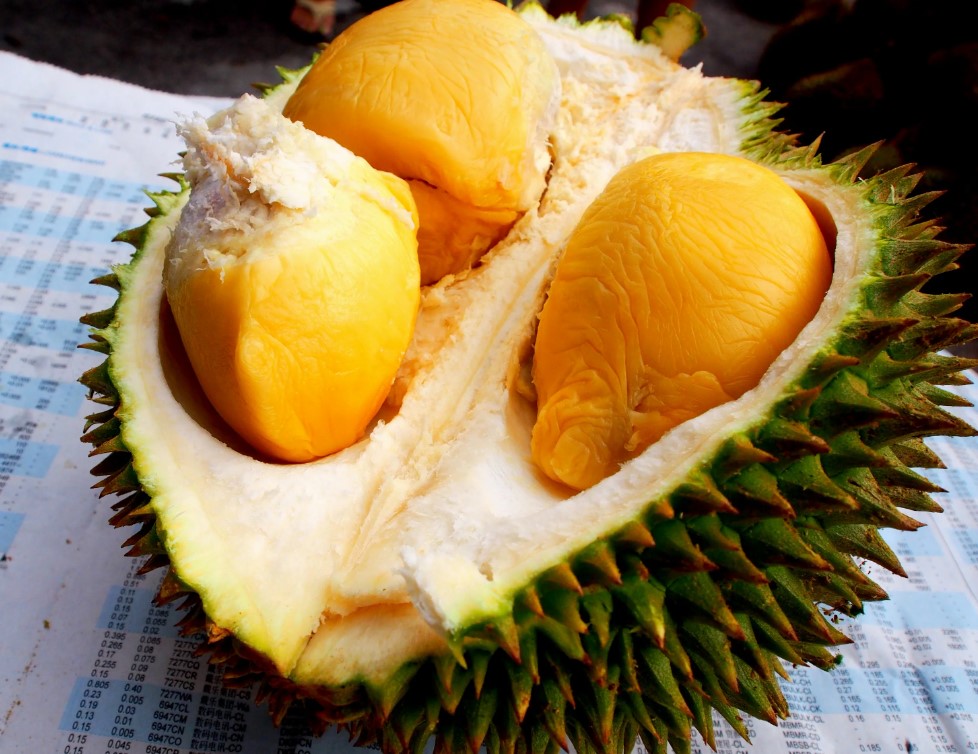
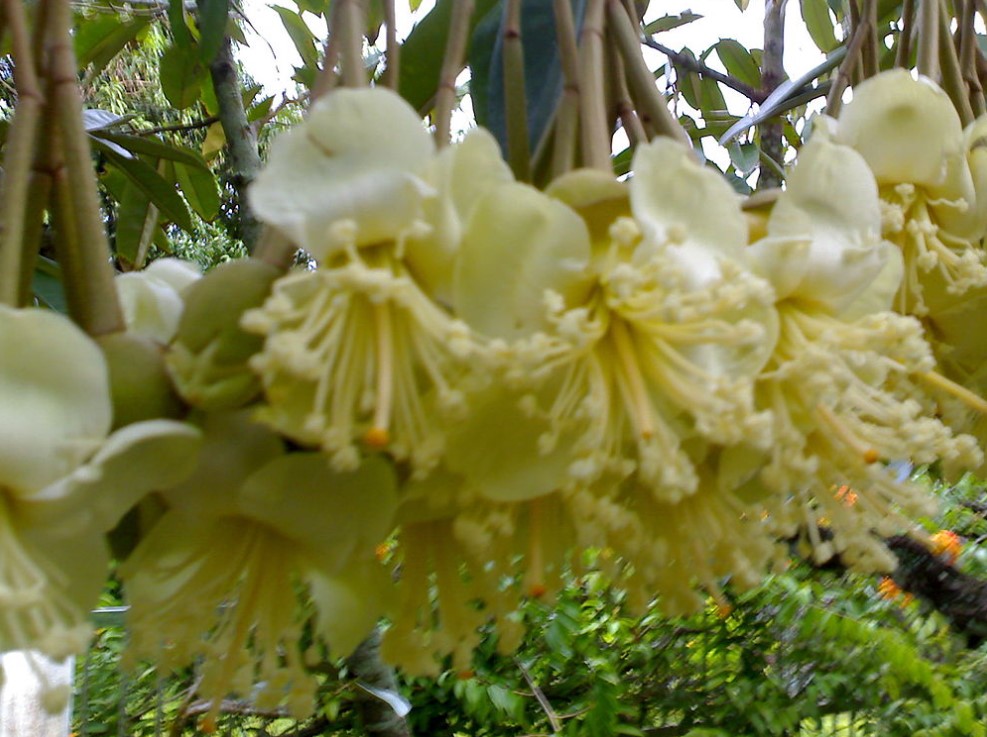
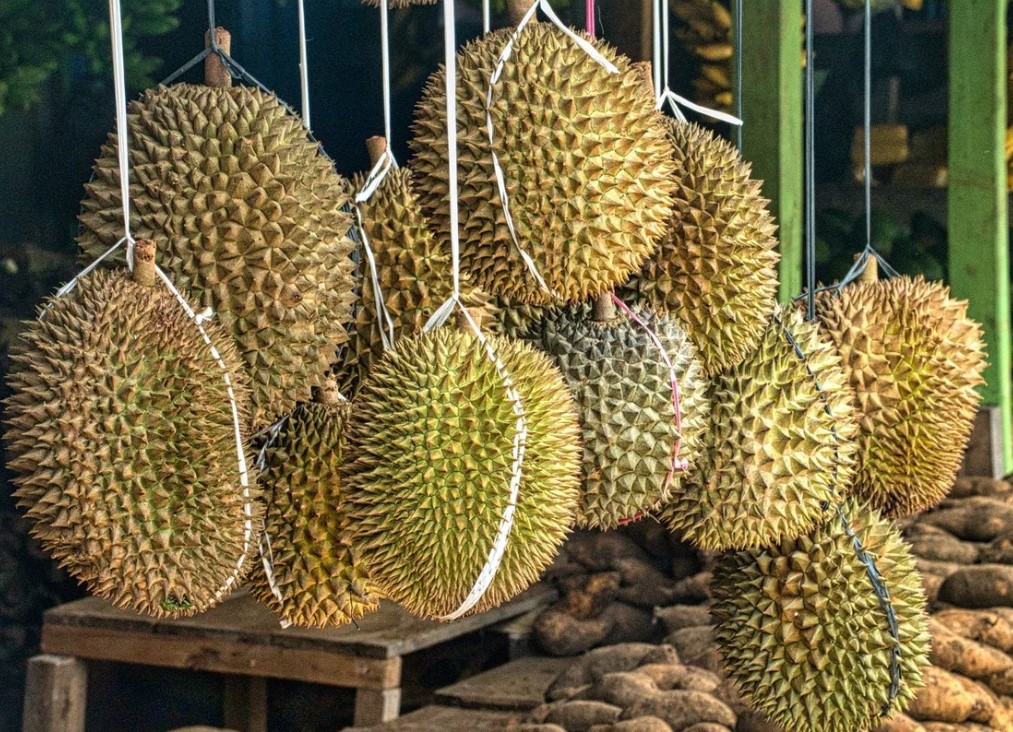
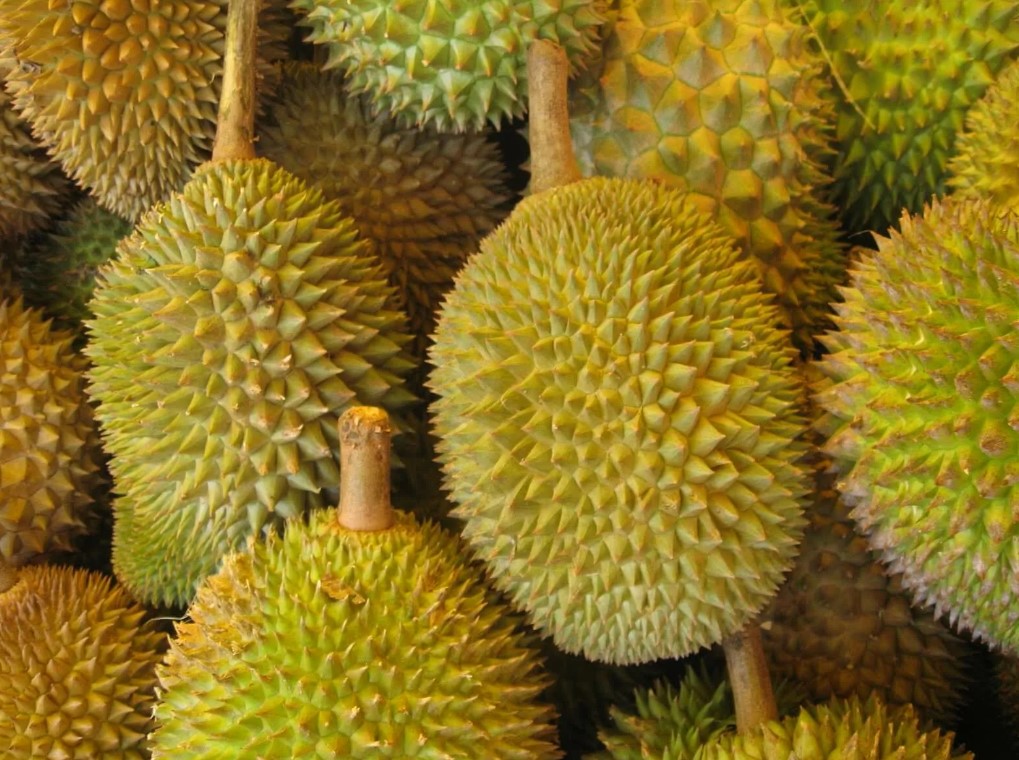
| Description | Large fruits can grow up to 30 cm in length and weigh up to 8 kg. The outside is covered with pyramid-shaped spines, and the inside contains juicy and tender pulp, divided into 5 chambers. |
| Taste | Opinions on the taste are divided. Some say it resembles a nut-cheese spread, while others find it similar to custard. |
| Where to taste | Southeast Asia. |
| Season | April-September (depending on the region). |
Rules for selection and how to eat
It's important to note that the fruit has a distinctive ammonia-like odor. If you smell it when cutting into a durian, it doesn't mean it's spoiled. For this reason, it's prohibited from being brought into hotels and transport. Durian can't be carried on airplanes. It's usually sold dried or canned.
When choosing fruit, follow these rules:
- Instead of trying to choose the fruit yourself, ask the seller to do it for you.
- Press down on the inside contents. It should squeeze through like butter.
Also, avoid drinking alcohol before tasting this fruit. This combination can have negative health effects.
Benefits and contraindications
Healthy and filling. It's a powerful aphrodisiac. If consumed with alcohol, it can significantly increase blood pressure, leading to serious complications.
Durian photo gallery
Application
The fruit is used for culinary purposes. Its unpleasant odor disappears 15-20 minutes after cutting.
Durian fruit reviews
Smelly delicious. Mmm, how I miss you...
Price: 140 rubles
I tried durian for the first time in Phuket last year. Before the trip, I read a lot about exotic fruits; I wanted to try them all because I love fruit. It was my first time in Asia, and everything there was exotic and new. I'd read and heard a lot about the famous durian, even watched videos, because people say it's stinky, smelling like garbage or rotten meat. But no matter how this wonderful fruit smells, it's very healthy and is considered the king of fruits in Thailand.It is useful for the following:
It reduces and relieves constipation, prevents anemia, has a beneficial effect on the skin, strengthens bones and teeth, regulates blood sugar levels and prevents the development of diabetes, stabilizes the thyroid gland, improves digestion, relieves migraine pain, and also helps with depression.
High season April – August.
So, forget about Phenibut and other antidepressants, you need durian.
The main thing is to avoid combining the fruit with alcohol, as it will increase blood pressure and cause stomach upset due to the various enzymes contained in durian and their interaction with ethanol. Pregnant women should also avoid the fruit.
Durian is a plump, green fruit with a thorny skin. This summer, I flew to Vietnam, and the first fruit I ate upon arrival was a durian. I bought it at the market, and by the time I got it back to the hotel (you can't bring it into a hotel according to Asian regulations, but I took the risk. I ate it, packed the inedible part into two bags, and took it outside to the trash), I scraped my leg on it. The durian scratched my leg like a cat had dug its claw in with all its might. So be careful and ask the vendor to peel the fruit.
In Thailand, peeled durians are sold everywhere, packaged in plastic trays. However, the rule is to eat the fruit within the first 15 minutes, otherwise the aroma will be too strong, which isn't everyone's cup of tea. So, my colleague and I initially tried the durian peeled and packaged in a plastic tray. My first impressions were: I was eating raw dumplings.
Literally a couple of minutes and you can taste the nutty flavor, followed by a sweet, very tasty (to me) aftertaste. It's a divine, smelly, incomprehensible fruit! I ate it with pleasure. My colleague didn't understand it, but she ate it too.
But it's quite fatty. No, it's not oil or lard, but you can feel the fat. Durian is VERY filling. After eating it, you didn't feel hungry until the next day (we ate it during the day).
The photo above shows a cross-section of the fruit, and you can see how much pulp there is; in relation to the skin and the white inedible layer, one-third of it is edible.
Before leaving Phuket, we went to the night market and they were selling whole durians there. We bought a small one (a little over a kilogram), they peeled it for us right there and we ate it "on the spot."
It turned out to be much tastier than the one we bought on a tray. Fresh, delicious, sweet, with a light, pleasant, nutty aroma with a hint of "exotic."
The pulp was like puree. The fruit separates from the skin in large segments, each containing a large seed. The pulp peeled away from the seed itself, and it was simply incredibly delicious!
Yum-yum.))))
This summer in Vietnam, I decided to eat a lot of fruit, including durian. I ended up eating it only twice during my vacation. While in Thailand we often drank alcoholic cocktails and whiskey, and therefore didn't pair durian with alcohol, in Vietnam I was constantly on the go, constantly engrossed in something, and I simply forgot to eat. Coming back to the hotel in the evening, I'd eat whatever fruit I had in the fridge, and I only remembered about durian on the first day of my vacation and again halfway through.
Compared to Thai and Vietnamese durian, I found the Vietnamese one sweeter. But maybe I just got the wrong kind.
The price in Phuket is 80 baht/kg (140 rubles), in Nha Trang 50,000 dong/piece (140 rubles).
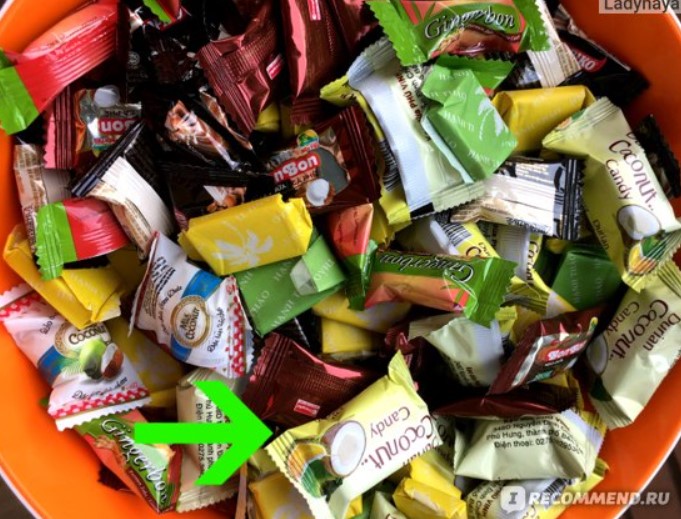
On the last day of my vacation, I stopped at the store and bought a variety of candies, including durian. I've marked the tastiest soft toffees with an arrow. If you want to treat your family and friends, bring them some durian-flavored candies; they're delicious and less stinky.
I consider durian to be the most delicious fruit worth trying, and you might even love it. But, as they say, "tastes differ," so give it a try.
And I miss this exotic fruit and its amazing taste.
Also read my mega review of Vietnam/Nha Trang, follow this link
Ladynaya
recommends
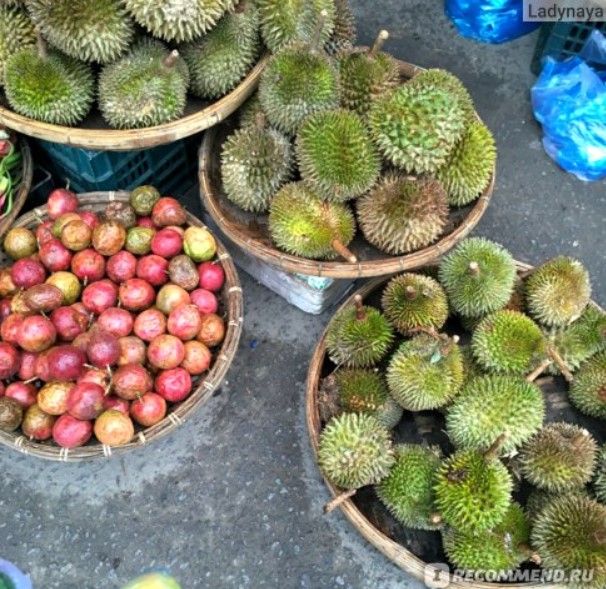
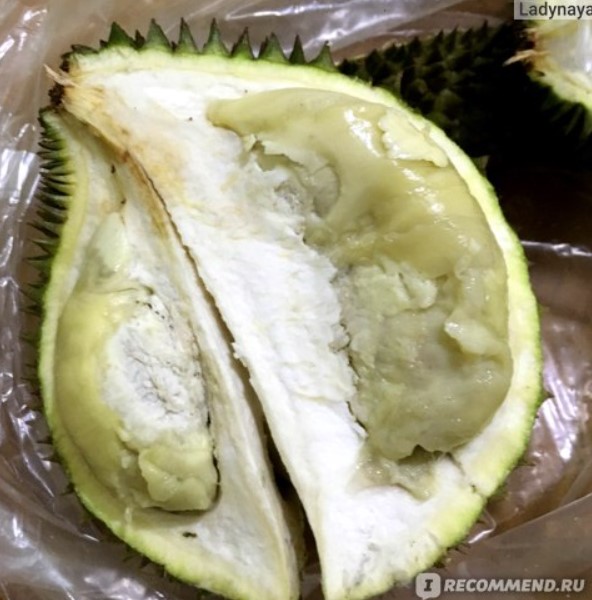
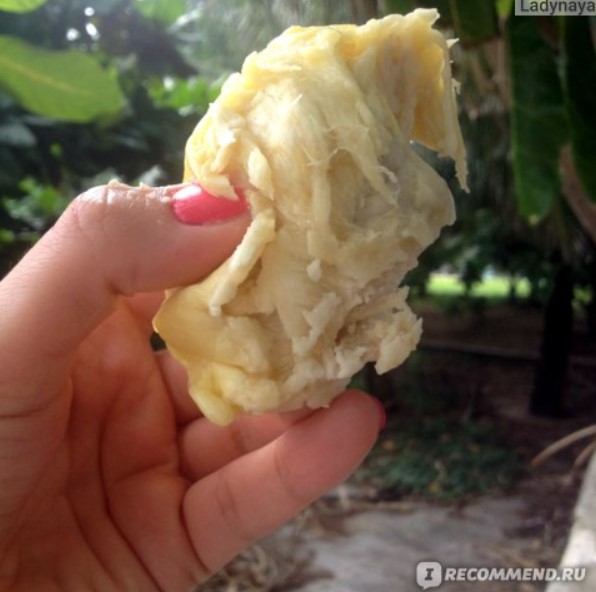
Review: Durian fruit is the king of fruits for everyone! Except Russians.
ADVANTAGES:
Lots of vitamins
FLAWS:
Taste and smell
As the Thais say, "Hell outside, heaven inside." We didn't experience any heaven there. We were in Thailand during durian season. We decided to try it anyway—it's the king of fruits, after all. The guide told us that if a durian sits cut open for more than 10 minutes, all flavor is lost. We arranged for the fruit vendor to cut the durian in front of us. It cost 2,000 rubles. And then came the long-awaited moment when we were lucky enough to try it. We started tasting it and almost threw up. It tasted like pea puree. But it's packed with vitamins! I'll say this: "Everyone should try it, but durian is an acquired taste." If you find yourself in Asia, you definitely have to try it!
Jackfruit
| Names | Jackfruit, Indian breadfruit, qanun, nangka, khanoon. |
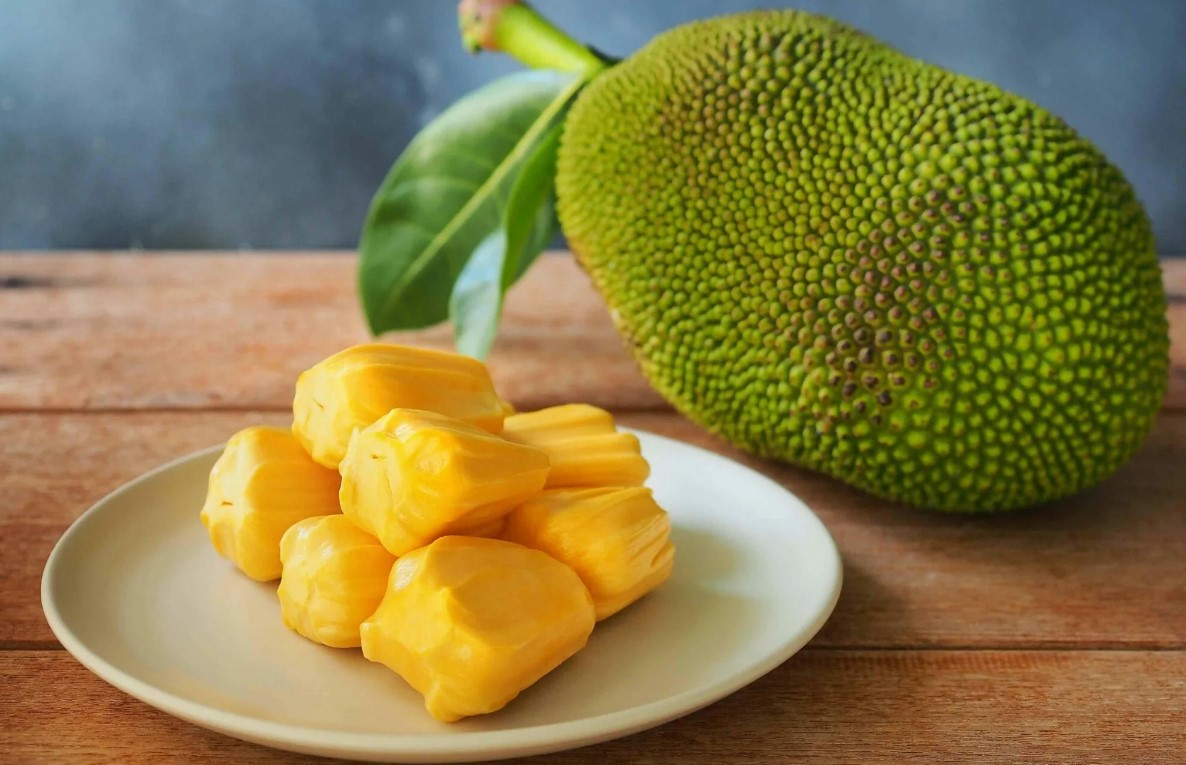
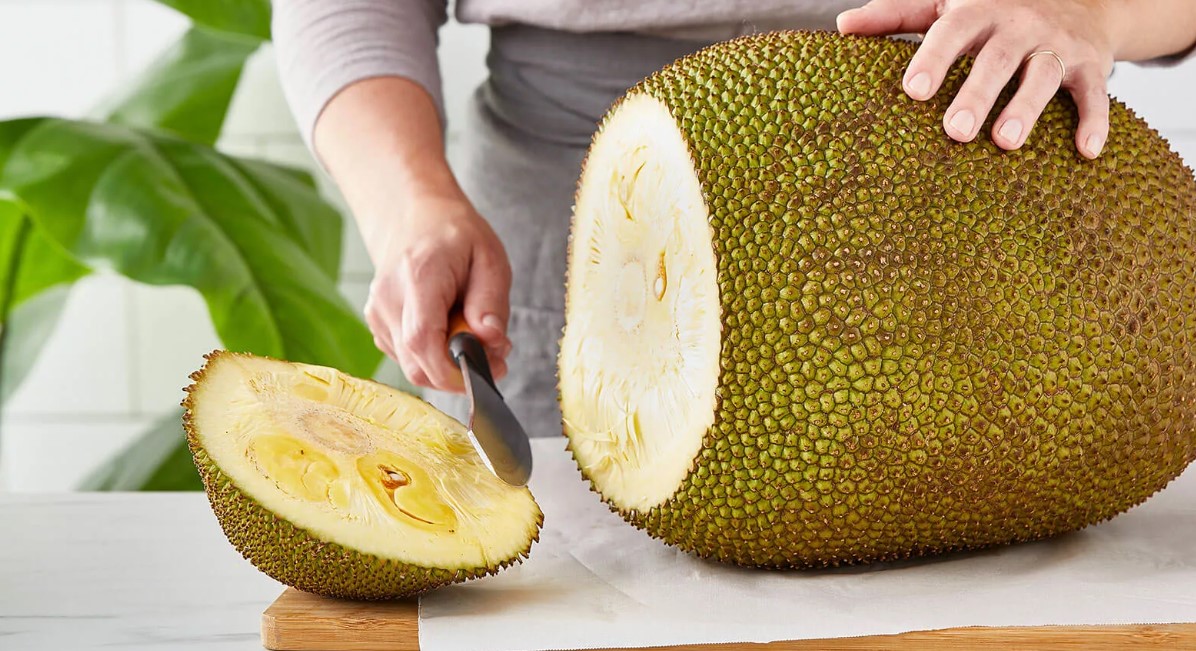
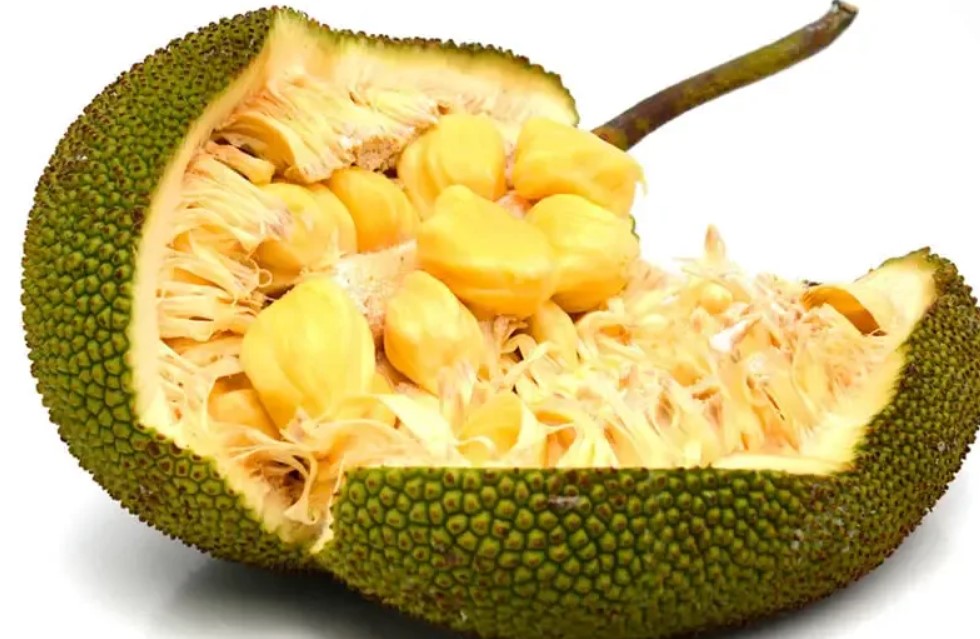
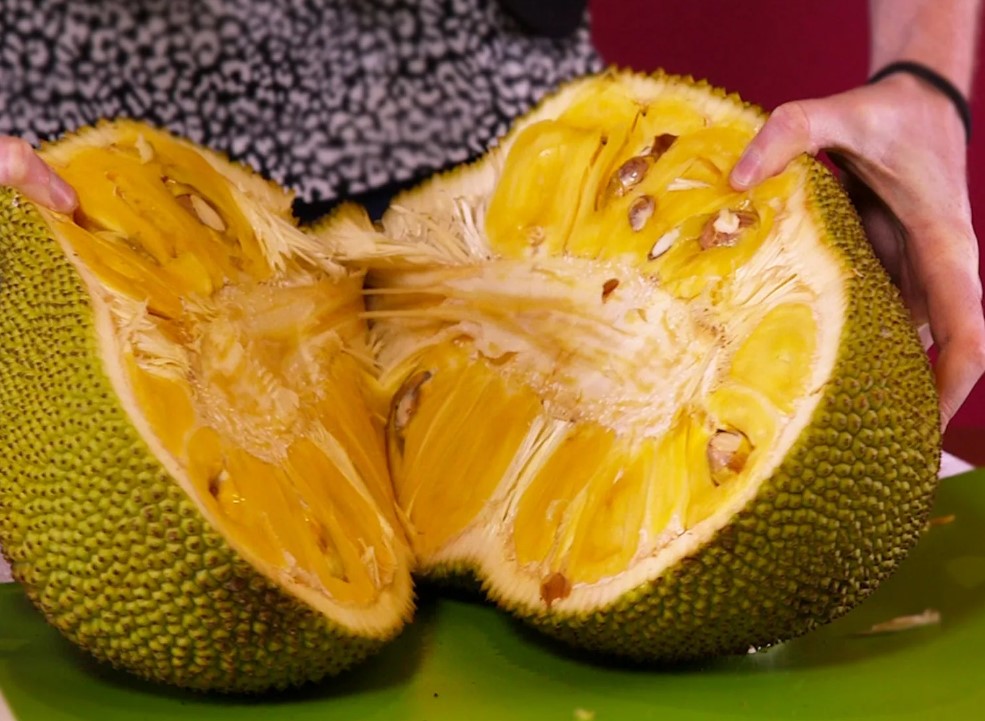
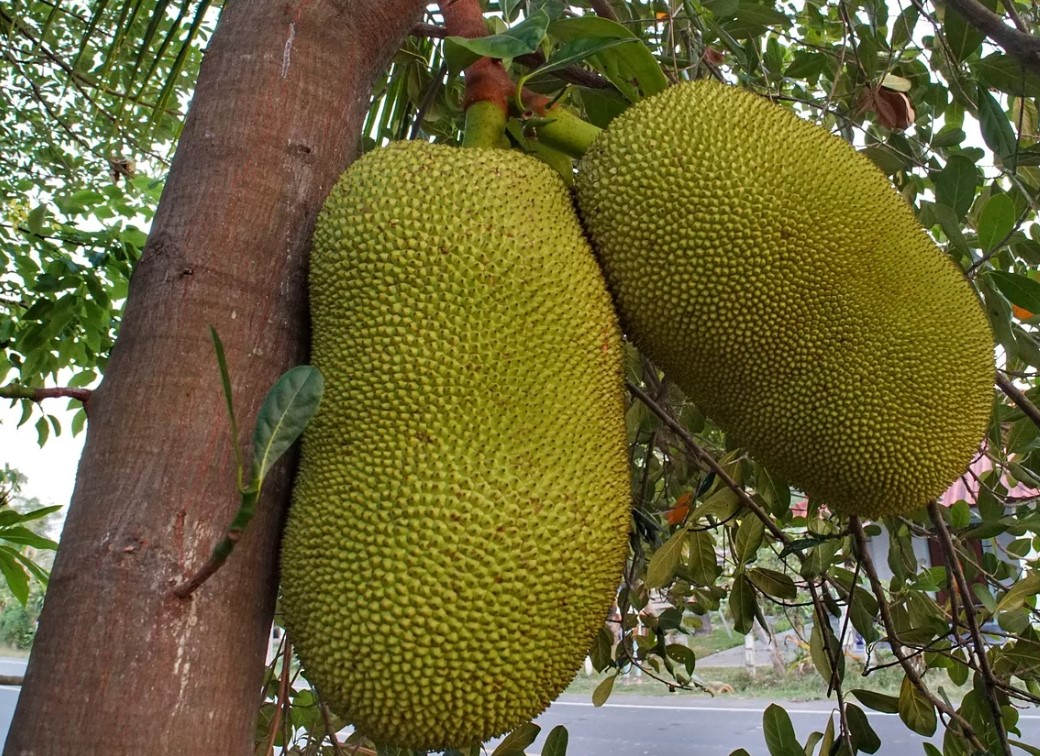
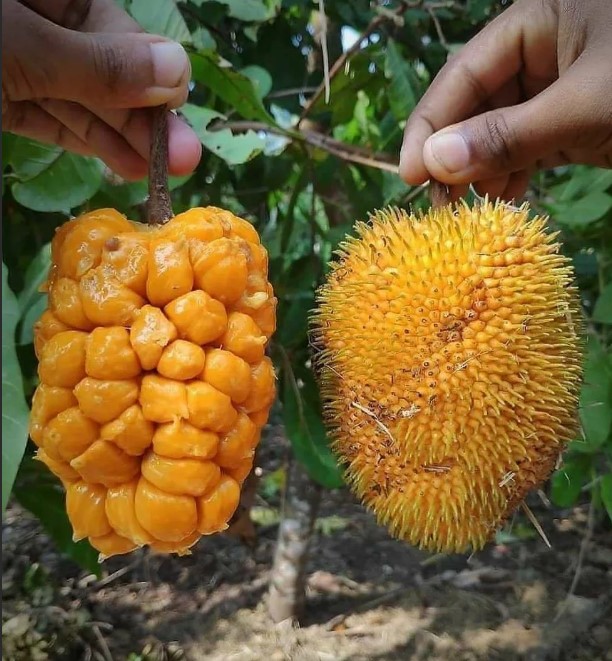
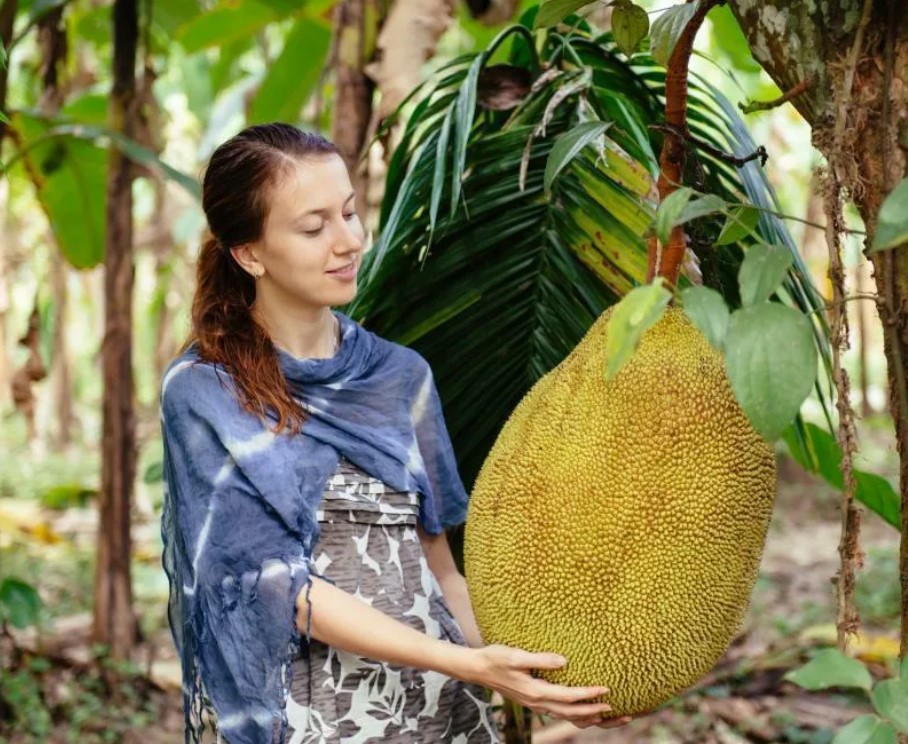
| Description | Jackfruit can range in length from 20 to 90 cm and weigh up to 34 kg. Inside, it is divided into large sections filled with pulp. The fruit itself is large, thick, spiky, and yellow-green. |
| Taste | Sweet, with notes of melon, pastille and duchesse. |
| Where to try | Southeast Asia. |
| Season | January-August (depending on the region). |
Rules for selection and how to eat
Jackfruit resembles durian, but this is only a superficial resemblance. They have a different taste, and the fruit has no unpleasant odor and is suitable for transportation. To select a ripe fruit, tap it. When ripe, it makes a sound similar to a watermelon. It is sold peeled, as this giant fruit can be difficult to handle. Ripe fruits are eaten fresh, while unripe ones are cooked.
Benefits and contraindications
They contain up to 40% carbohydrates. They are also rich in vitamin A, sulfur, potassium, calcium, and phosphorus. Some people experience throat discomfort, such as spasms and difficulty swallowing, after eating jackfruit. This usually subsides within an hour or two and may be an allergic reaction. Caution is advised.
Jackfruit photo gallery
Application
Used for culinary purposes. It is in high demand among tourists.
Jackfruit Reviews
Fruits are so unusual! I'm trying a stinky fruit and growing mini-tropics on my windowsill 🌴
Price: 1300 rubles
Good day, friends!What kind of fruit is jackfruit? Let's find out.
Generally, it is also called breadfruit or eve, the largest fruit in the world, scientifically its name is Artocarpus heterophyllus, family mulberry (relative of ficus, mulberry and fig), native to India.
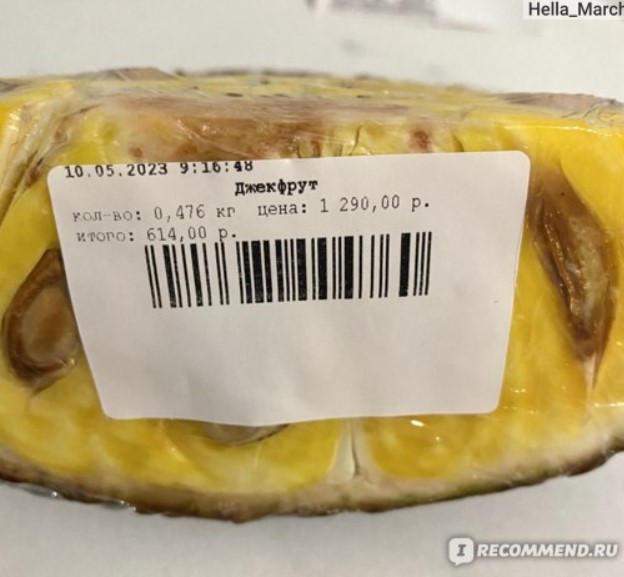
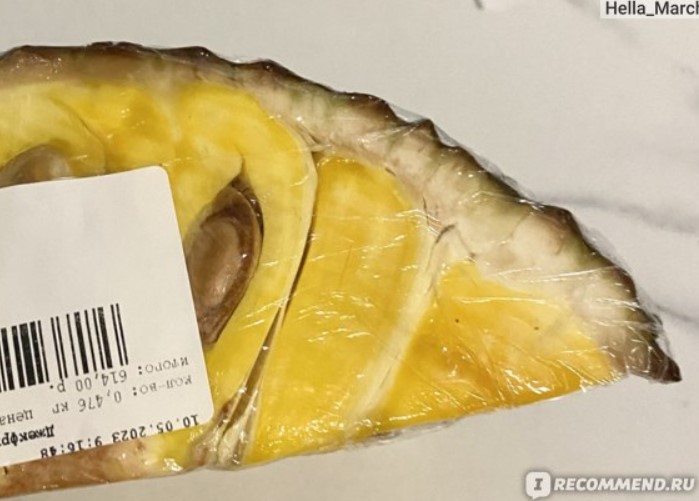
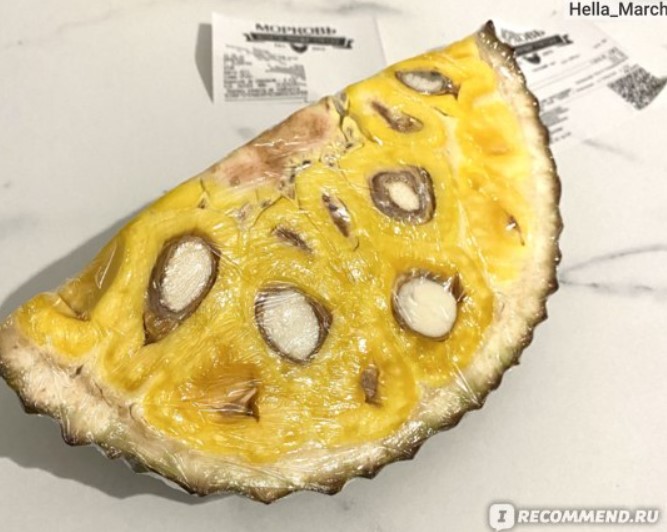
In my native Russia, you can find it in stores with fresh fruits and vegetables. I bought it at Morkovi, a kilogram costs about 1,300 rubles, so I took a small slice to try.
When choosing, trust your nose. If a slice smells strange, take another one; fresh fruit smells very pleasant.
The fruit is captured
They have it wrapped in film, but I advise you to hurry home after buying it, as the fruit quickly spoils and starts to smell 🤭
It's very beautiful and bright, it looks like a pineapple in some way.
We open it - there are a lot of seeds in it, I found 6 whole ones, another 3 were cut (I don’t throw away the seeds, I’ll grow them 💚)
The aroma is simply amazing! It's so unique, I don't even know what to compare it to. I detect creamy-sweet notes, fruity ones like tutti-frutti gum, something reminiscent of melon and peach... A very multifaceted aroma, I think it depends greatly on the degree of ripeness.
The smell of rotting fruit, on the other hand, is simply awful! (The peels in the trash made themselves known after just 3 hours.) It smells like rotting fruit, very unpleasant 😖
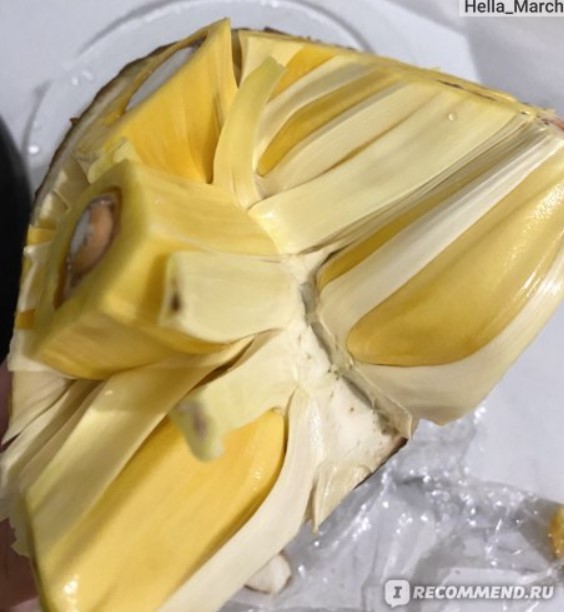
The fruit is easy to peel; simply turn it inside out—the segments will separate easily. The skin may begin to ooze a sticky juice, which is typical of mulberries.
We need the dark yellow ones for food, although I also liked the light yellow ones, they are more herbaceous and dense (I don’t know if you can eat them, but I ate them and nothing bad happened)
The seeds come out easily, but they are very slippery.
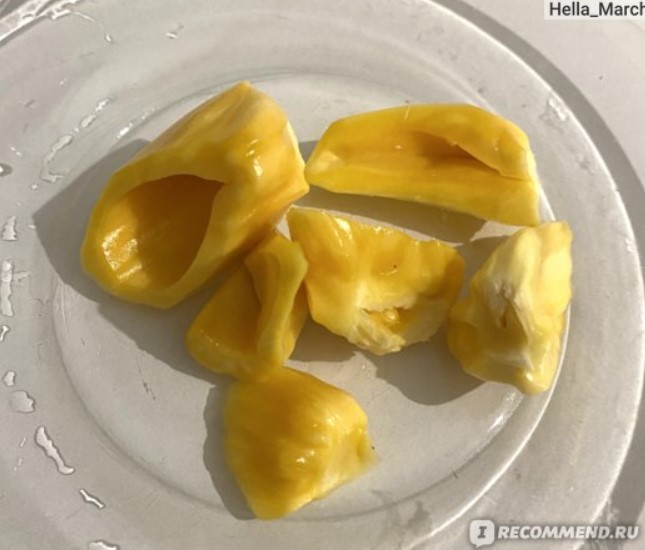
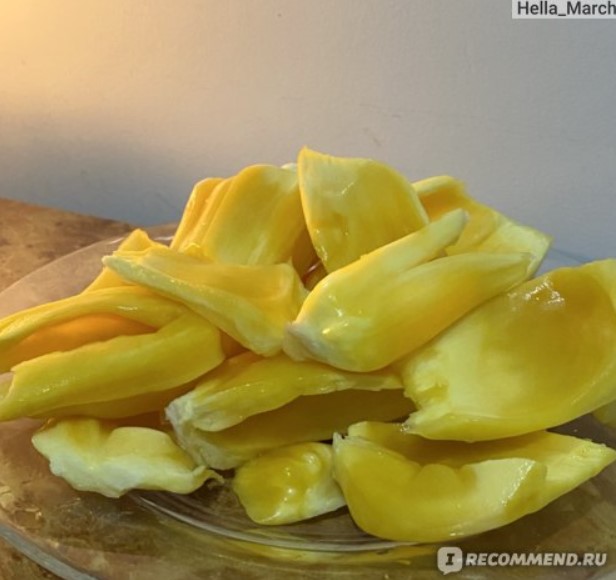
The pulp tastes like tutti-fruiti: sweet, with a slight tartness reminiscent of pineapple, and a hint of creaminess. The texture is reminiscent of mango, a little bit of melon, but I'd describe it as something completely unique!
I'll show you a pile of delicious slices 👇🏻
I absolutely loved this fruit—a real tropical treat right in your home! The key is to choose a ripe, fresh fruit.
By the way, I didn’t like the jackfruit chips – they had some kind of dried, strange smell.
I definitely recommend it! Expands your taste buds 💛
🍃 🍃 🍃
And this is what the jackfruit plant itself looks like, which you can grow yourself on your windowsill (they say it may even start bearing fruit in the third year)
Advantages
Delicious
Multifaceted taste
Unusual
Nutritious
Sweet
Flaws
A bit pricey
The peel smells bad and gets very dirty.
You need to eat quickly, after a few hours it stinks.
Hella_March
recommends



Jaboticaba
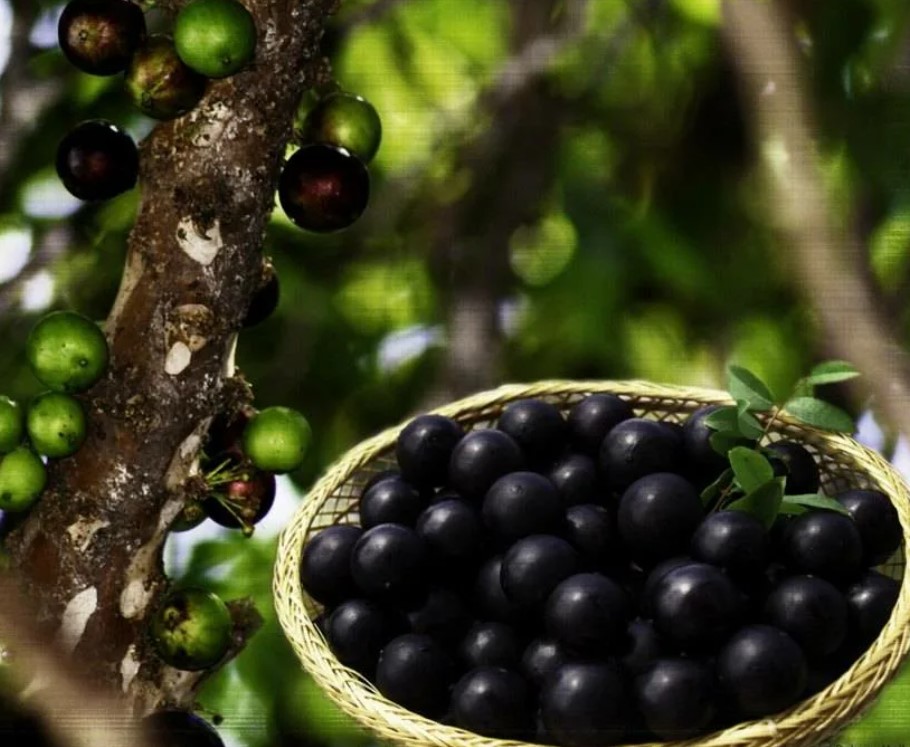
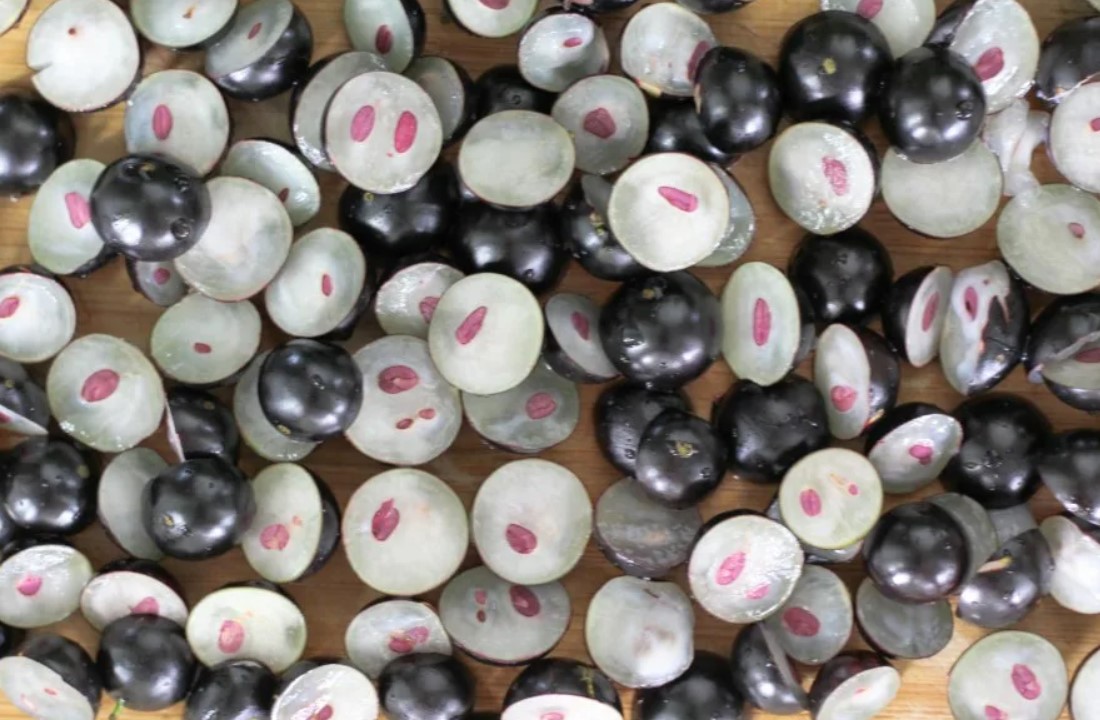
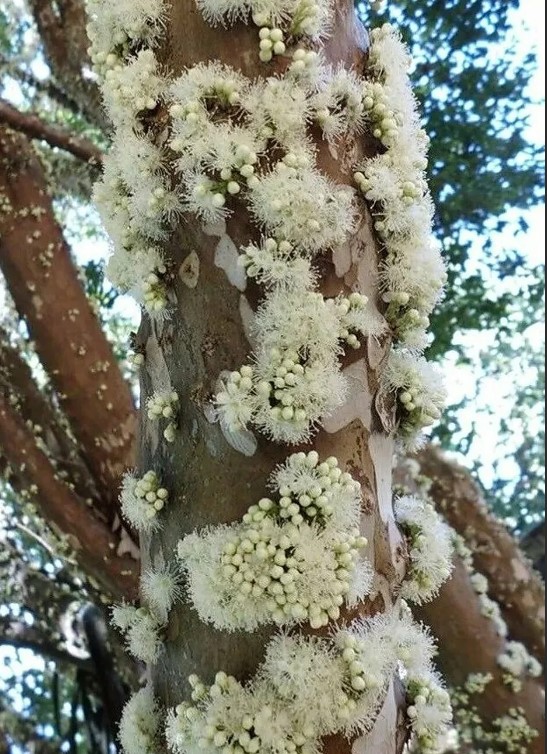
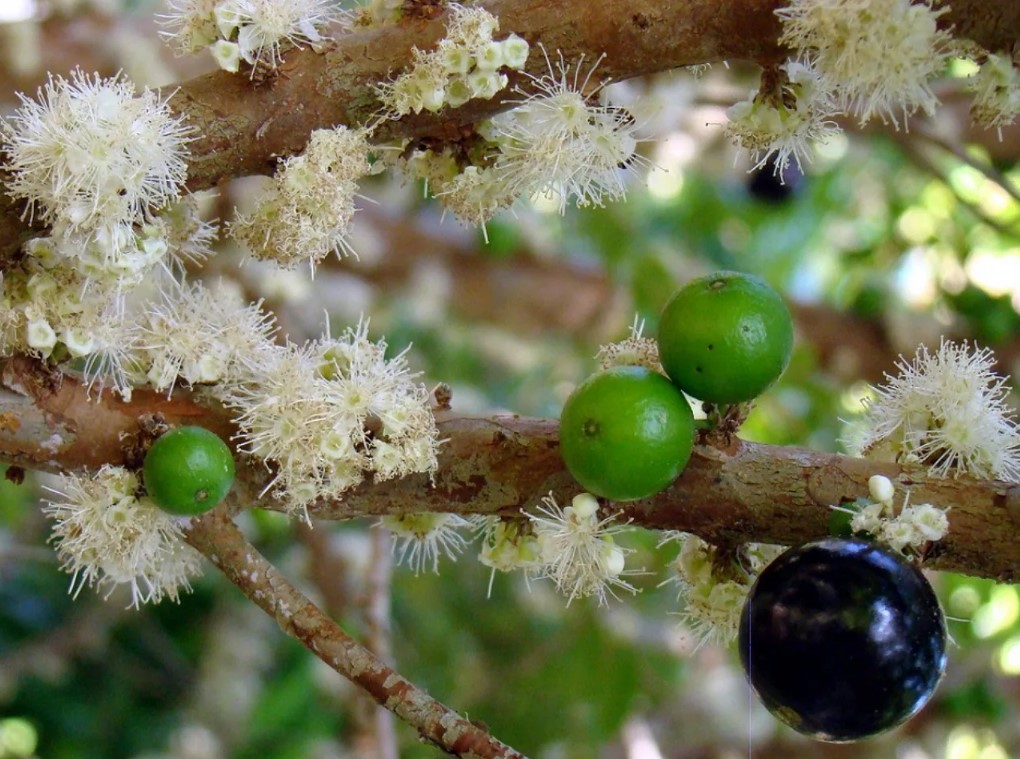
| Names | Jabuticaba, myrciaria caulifloria, Brazilian grape tree. |
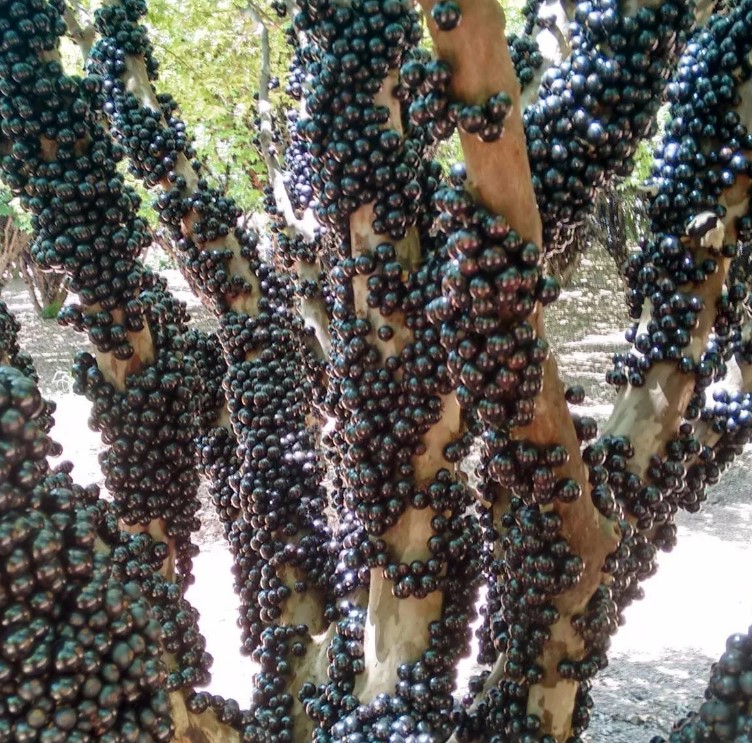
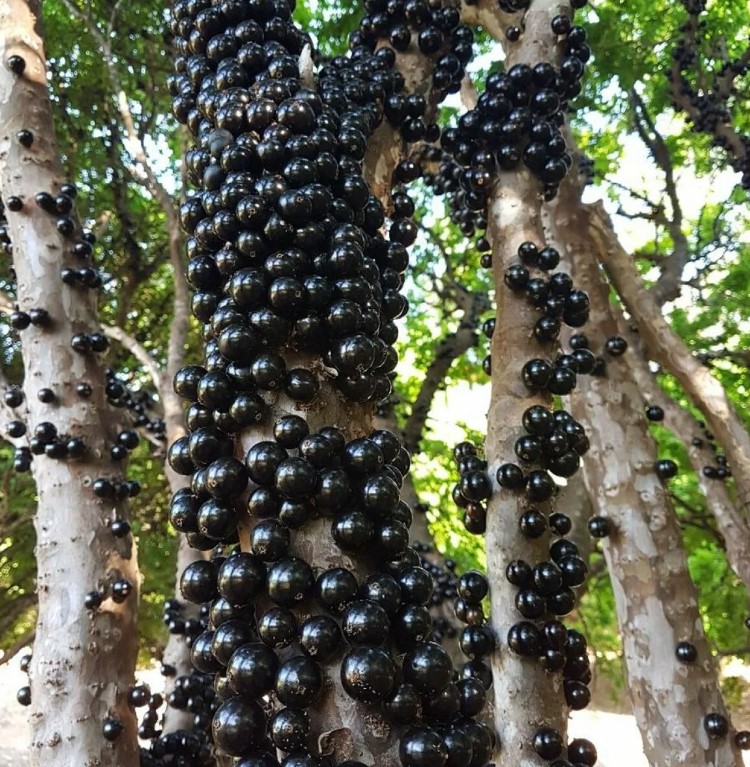
| Description | They resemble black grapes and grow in clusters on the trunks and main branches of the tree. |
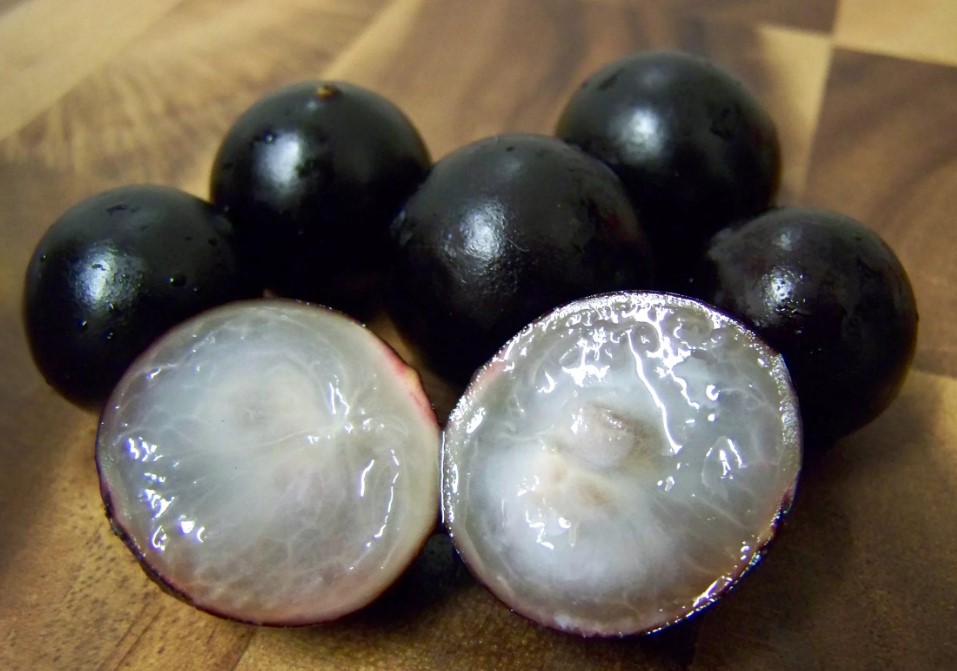
| Taste | It resembles grapes, but the pulp is more tender, with a slight bitterness. |
| Where to try | Countries with tropical climate. |
| Season | . |
How to choose and eat
Jabuticaba fruits are used in smoothies and sauces for red meat. They are also used to make a sweet wine, which is aged for 50 days. The fruits can also be baked to create a sweet treat. It's important to process the berries as quickly as possible if they are not to be eaten fresh.
Benefits and contraindications
The berries have the following beneficial properties:
- strengthening the immune system;
- normalization of the gastrointestinal tract;
- improving heart function;
- cleansing the body of toxins;
- treatment of dysentery;
- slowing down aging due to antioxidant properties;
- fight against vitamin deficiency;
- acceleration of tissue regeneration.
The berries can only cause harm if consumed in excessive quantities. In this case, the following side effects are possible:
- allergy;
- problems with stool;
- impaired kidney and liver function;
- acute toxicosis.
Berries are contraindicated during pregnancy, breastfeeding, epilepsy, diabetes, individual intolerance, and thrombophlebitis.
Jaboticaba photo gallery
Application
Jaboticaba is used in landscape design. Although the plant doesn't have a unique appearance or stunning flowers, it is still an excellent choice for standard landscaping. Flowering jaboticaba has pink foliage that exudes a wonderful fragrance. It is also well-suited for bonsai trees. Adding this plant to a winter garden can enhance its overall appearance.
The fruits are used for culinary purposes. They can be used to make jellies, marmalades, juices, and various types of alcohol. In Brazil, the pulp is often used to make red wine, and the peel is used to color other products. However, their slow growth and sensitivity to cold limit their industrial use. Furthermore, due to their short shelf life, the berries are not widely used outside of Brazil.
The plant is also used to create a natural dye that produces a bright red color without the use of synthetic additives.
Jaboticaba fruit reviews
Cainito
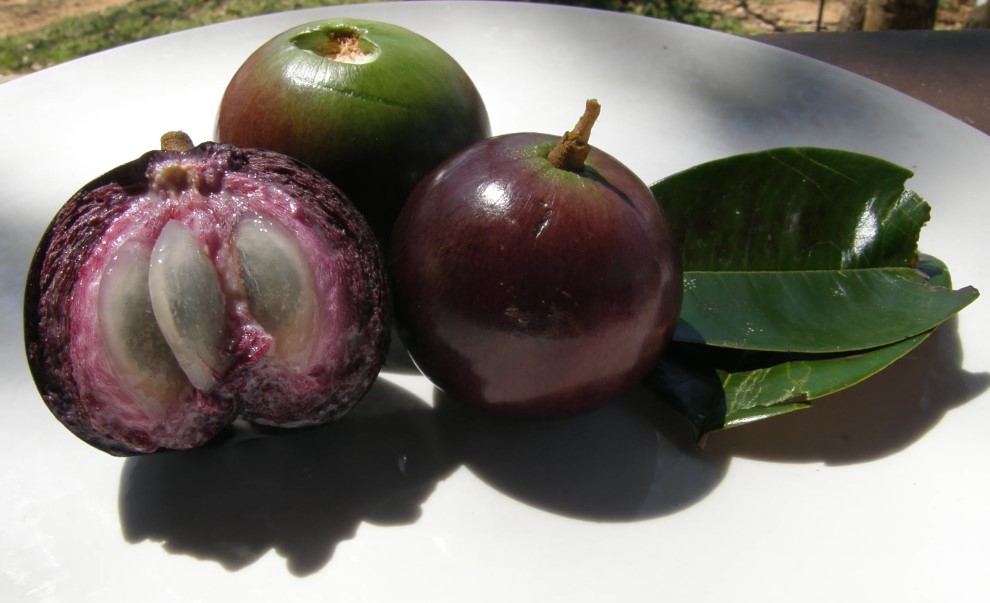
| Names | Star apple, cainito, chrysophyllum cainito. |
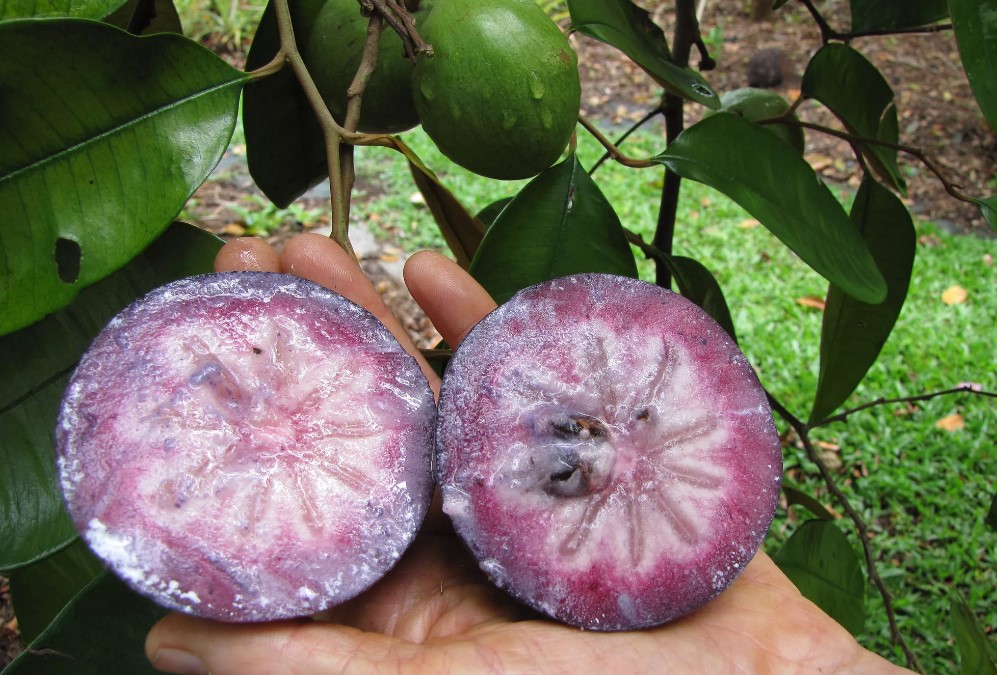
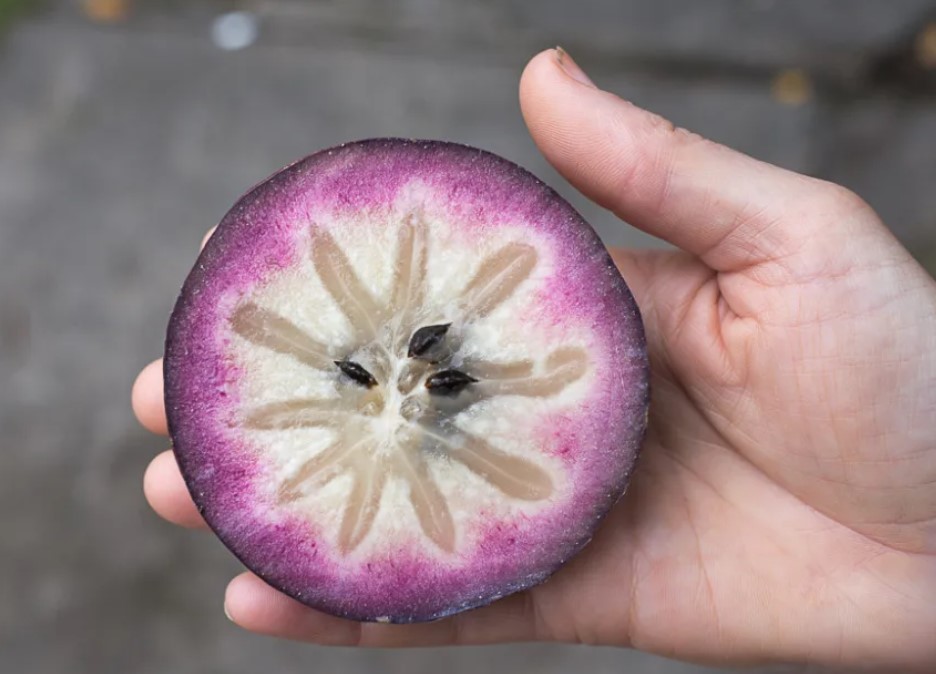
| Description | It has an oval or round shape. The skin can be green, purple, or brown, depending on the variety. The outer layer is thin, but underneath lies a thicker, inedible layer that protects the sweet, sticky, gelatinous flesh inside. When sliced, it takes the shape of a star. |
| Taste | Apple. |
| Where to try | Native to Central America, it is also cultivated in South America, India, Indonesia, Malaysia, Vietnam, Tanzania, and West Africa. |
| Season | February-March. |
Rules for selection and how to eat
Buy only ripe fruit. Star apples can be stored for about three weeks in the refrigerator and are easily transported, making them a great souvenir to bring back from your trip. They're best eaten cold. Cut them in half and scoop out the flesh with a spoon. The peel is inedible.
Benefits and contraindications
These are highly nutritious fruits with a high ascorbic acid content. However, they should be eaten in moderation to avoid vitamin C overload.
Photo gallery of kainito
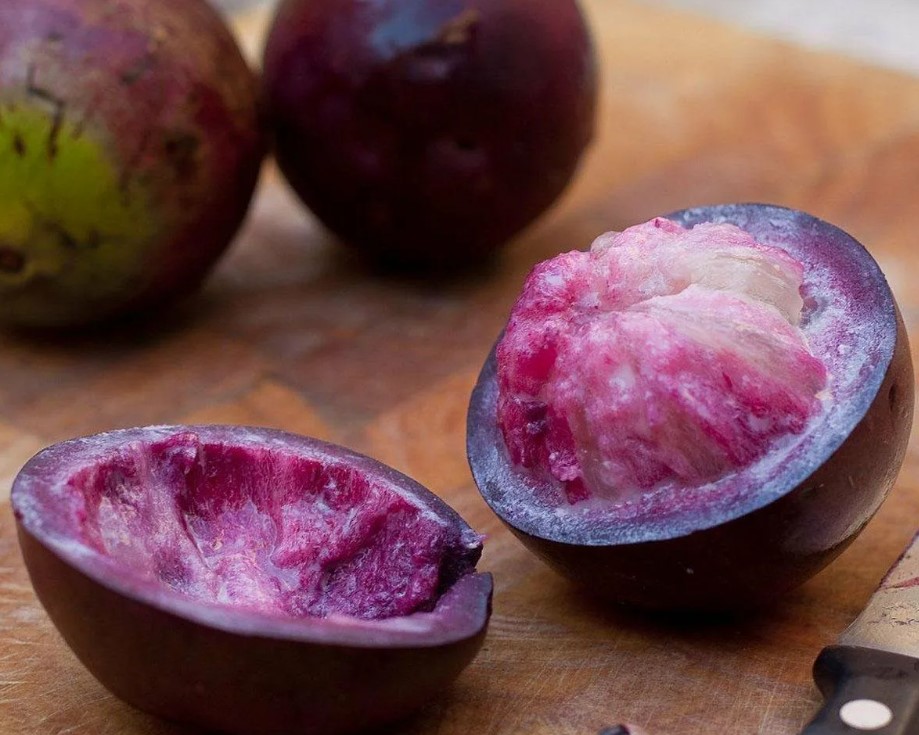
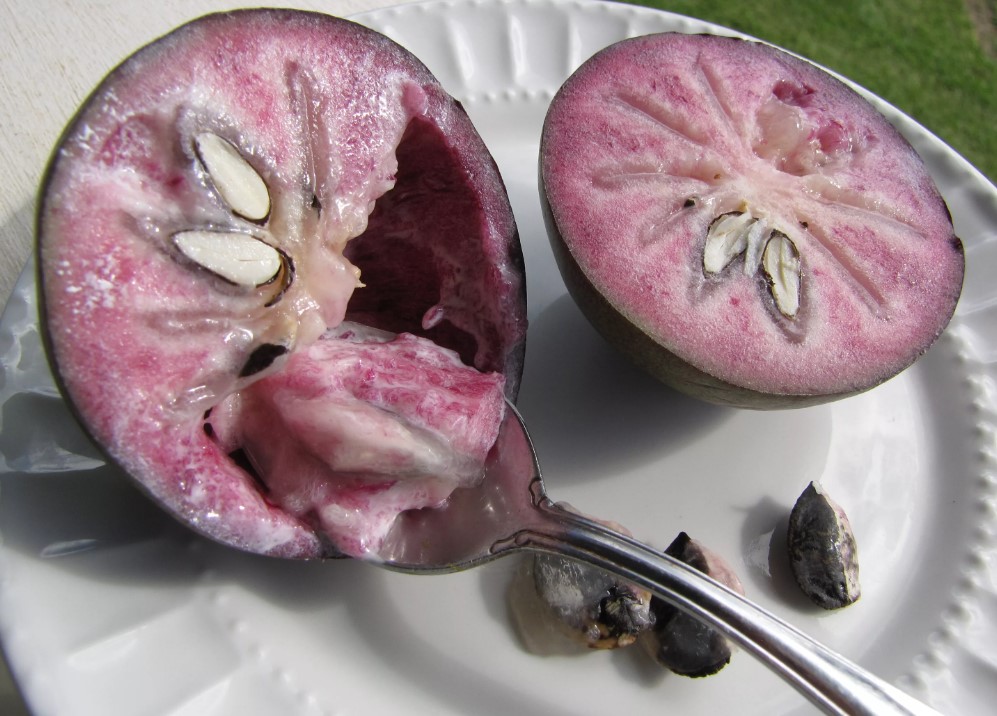
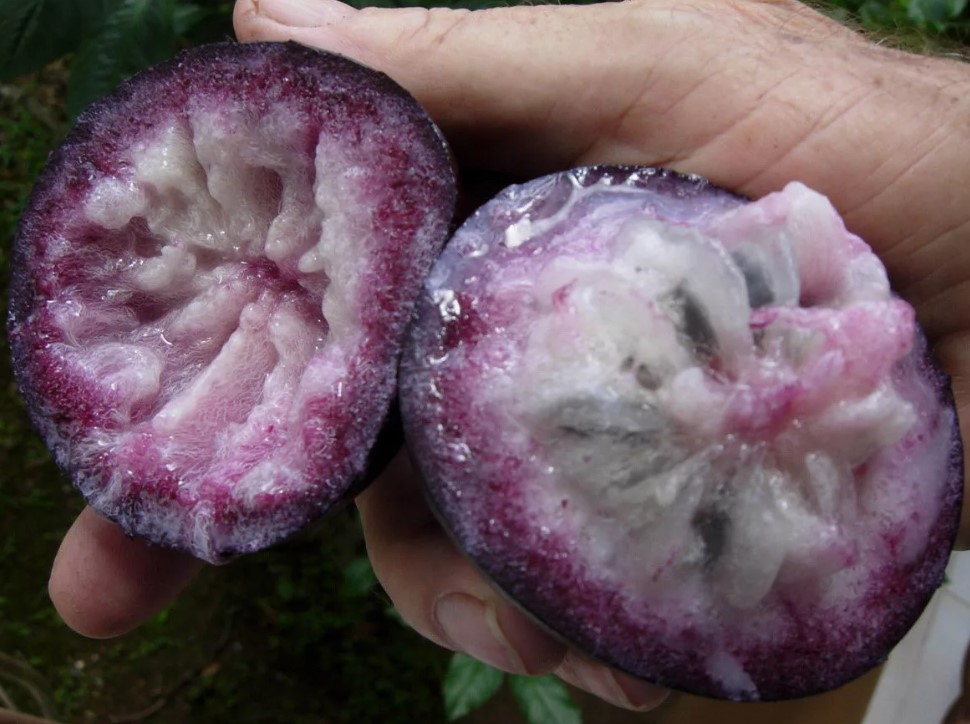
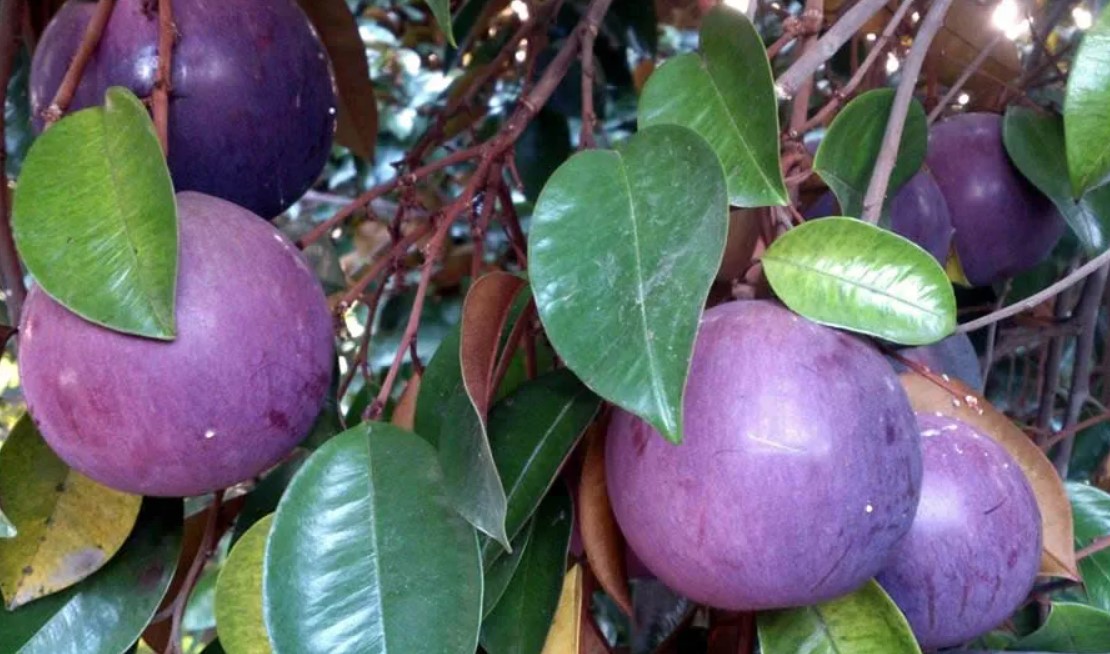
Application
The fruits are eaten fresh, but they are also used to make juices and desserts.
Reviews of Cainito
So yummy... mmm
Continuing my reviews of exotic fruits, this time I'll be talking about the Star Apple, also known as Cainito or Caimito. What a beautiful name =))The Star Apple is expressed in Asia, America, India, and generally in those countries where there is a tropical climate.
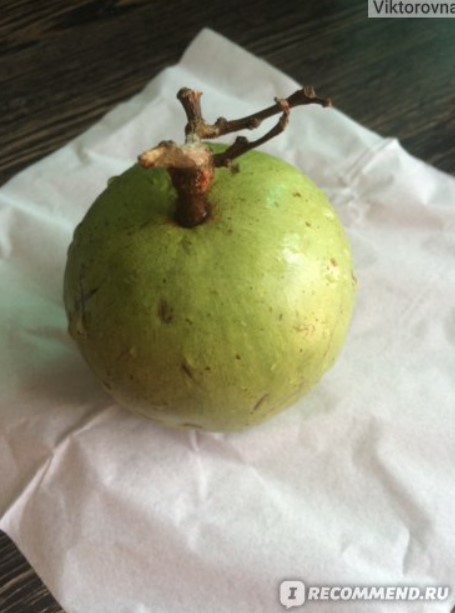
The star apple looks absolutely nothing like an apple! At first, I thought it was either a guava or an unripe grapefruit =))))
The fruit is round, larger than an apple, with a soft skin and no aroma. I know there are two types of Star Apples: green, like mine, and purple, almost like an eggplant. I don't know if this affects the taste. I'll tell you about the green Star Apple.
When choosing a Star Apple, you need to check its softness—this means it's ripe, even if the skin is slightly wrinkled.
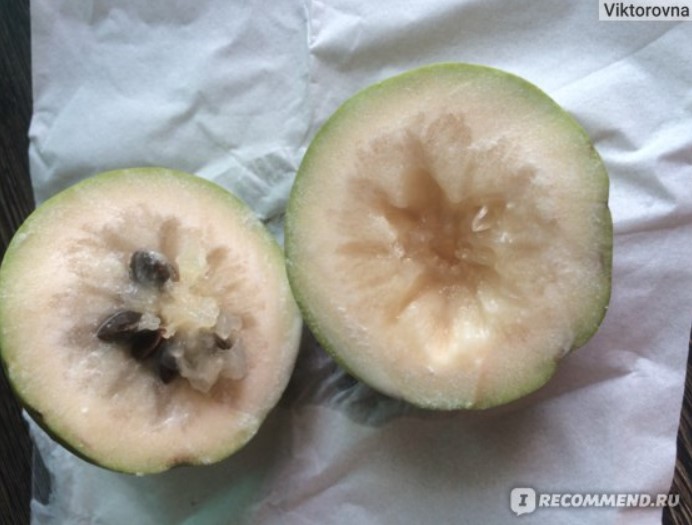
The aroma when cut is pleasant, delicate, fruity.
And why is it called the Star Apple? Because if you cut it crosswise and divide it in half, you can see a star - this is the place where the seeds are located.
Only the pulp of the star apple is eaten; the peel is inedible, as it tastes bitter. The pulp is traditionally eaten with a spoon, as the fruit is juicy. Another interesting thing about this fruit is that its juice is white, like milk.
The fruit has a very pleasant, nutty-fruity flavor, reminding me of a nut cake, like ground hazelnuts. Simply incredibly delicious!
The seeds are very similar to those of persimmons.
Star apples are incredibly healthy, just like any other fruit! They're loaded with iron, calcium, and phosphorus, and they're also rich in vitamin C.
I make desserts and compotes from the Star Apple, and use it as juice in combination with other fruits.
I recommend it!
Viktorovna
recommends
Carambola
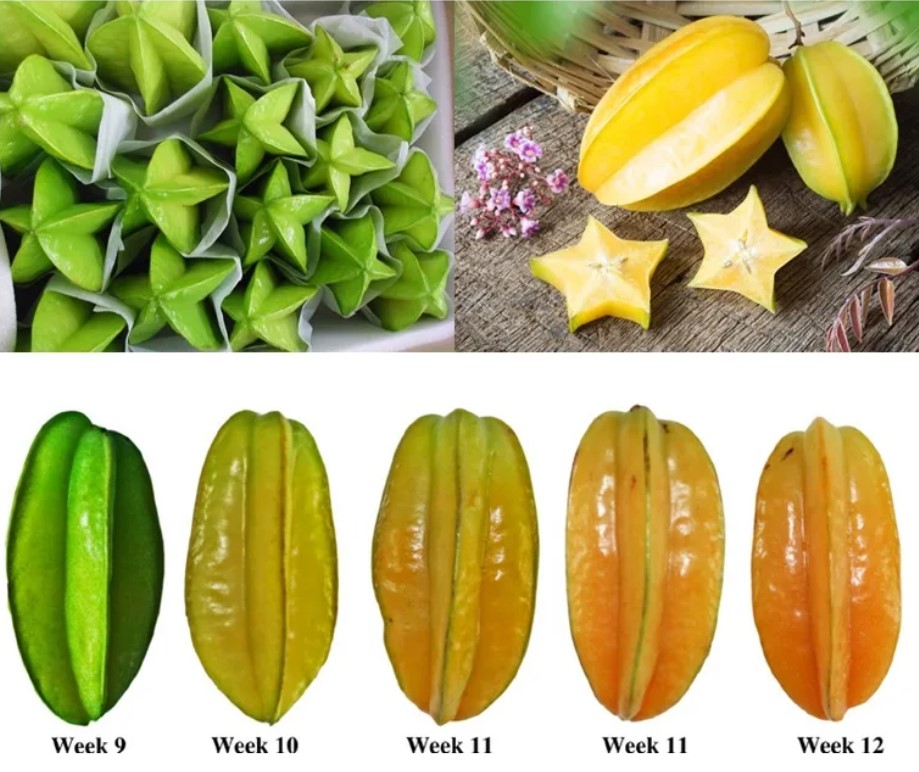
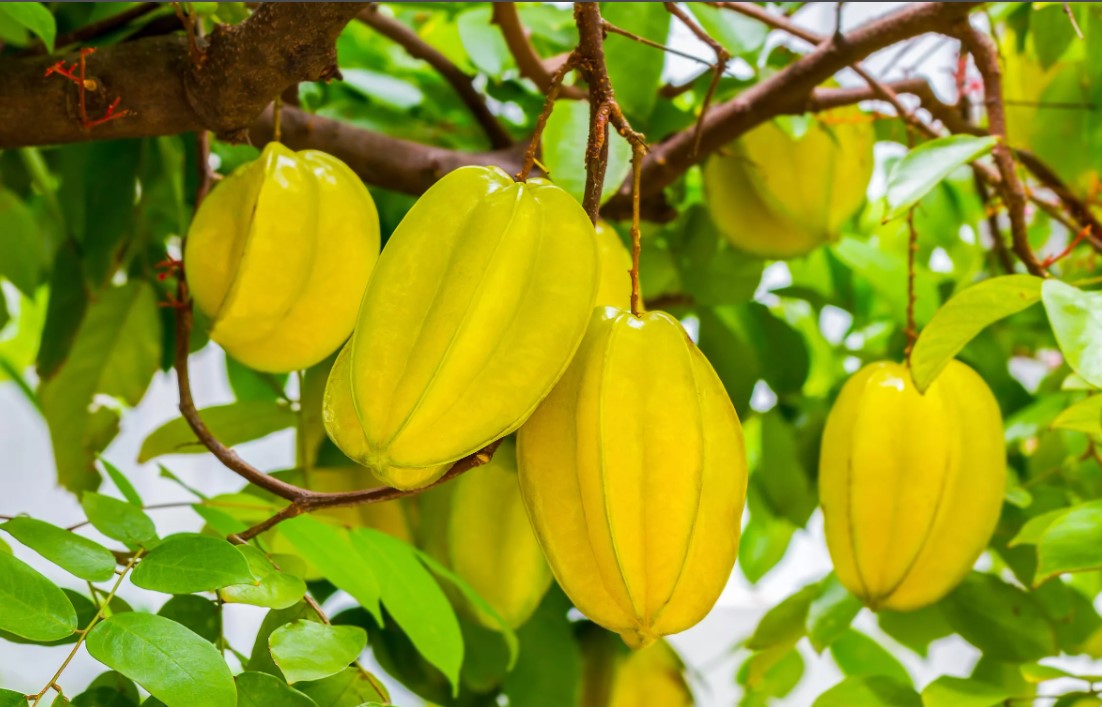
| Names | Carambola, starfruit, kamrak, ma fyaq, star-fruit, tropical stars. |
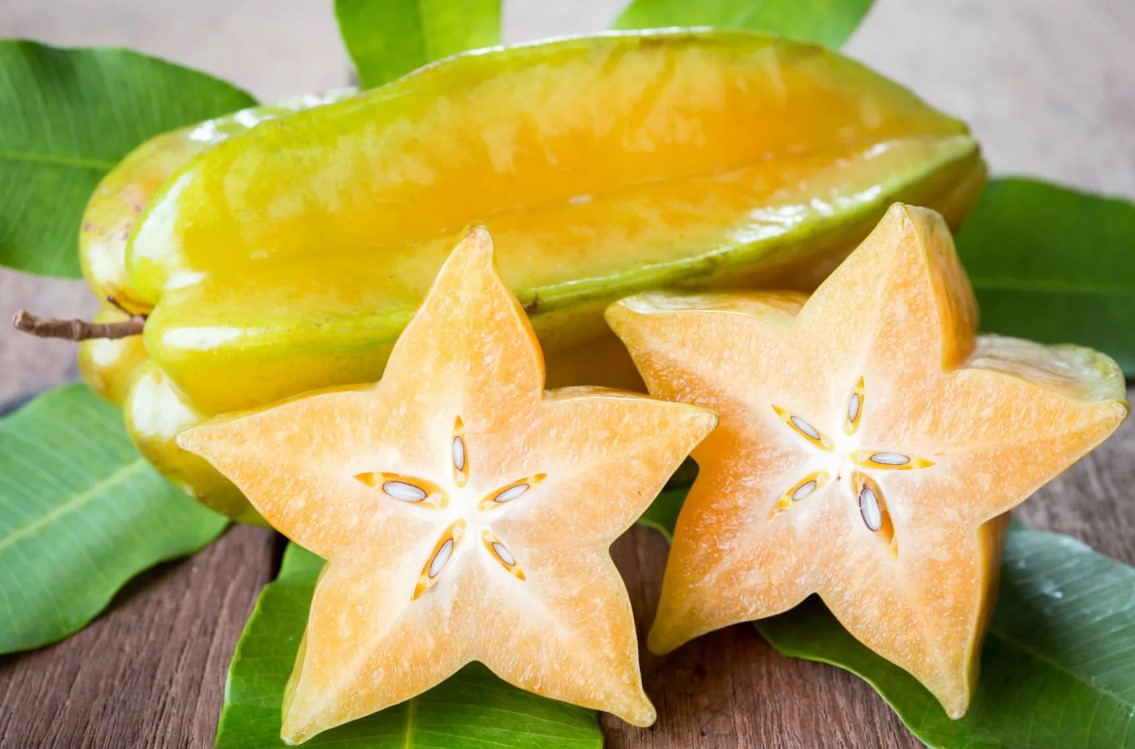
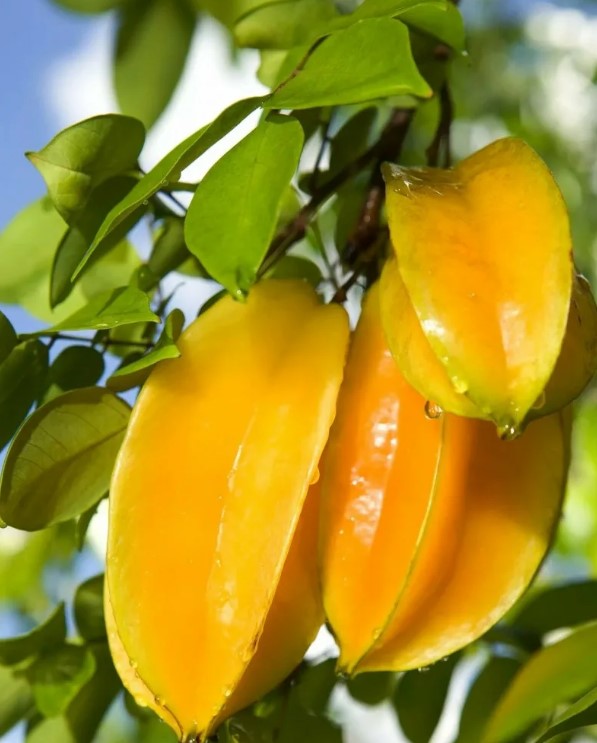
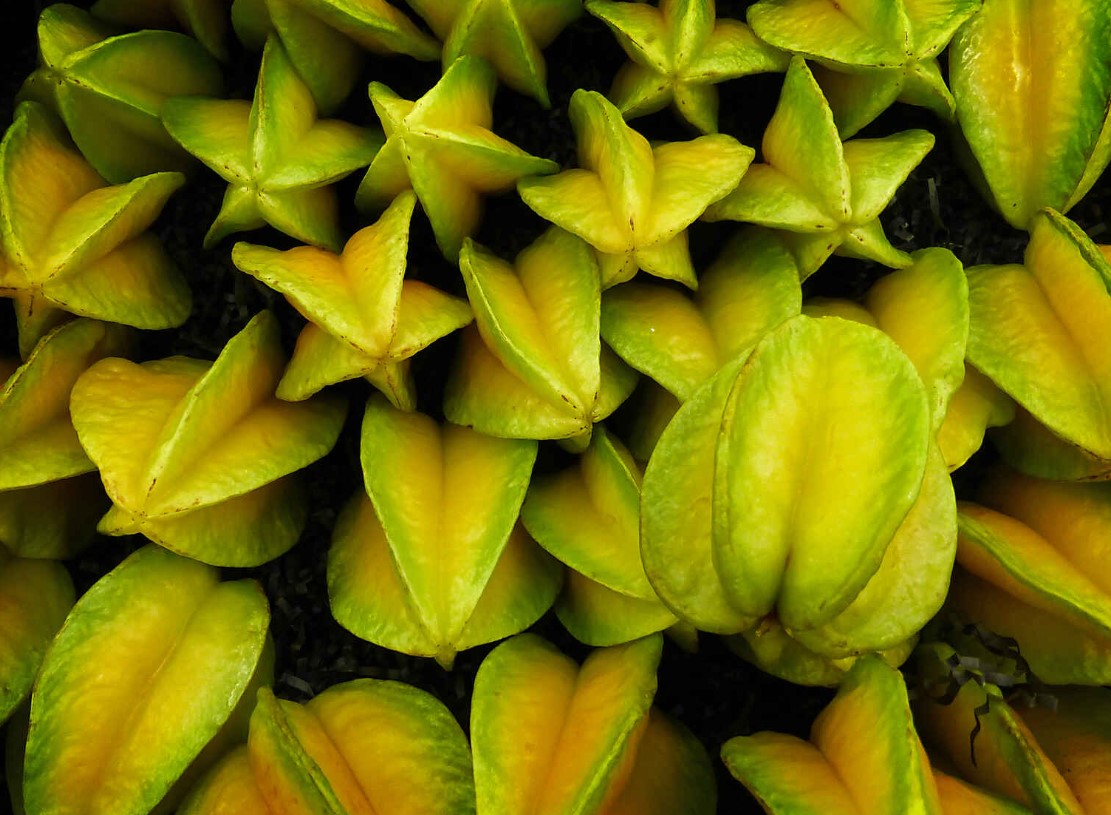
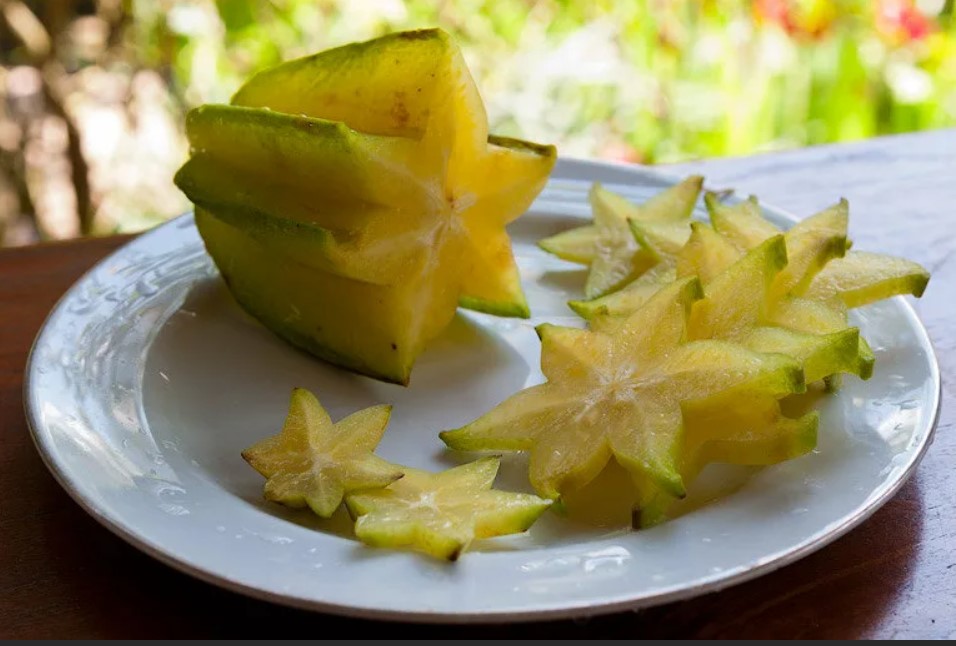
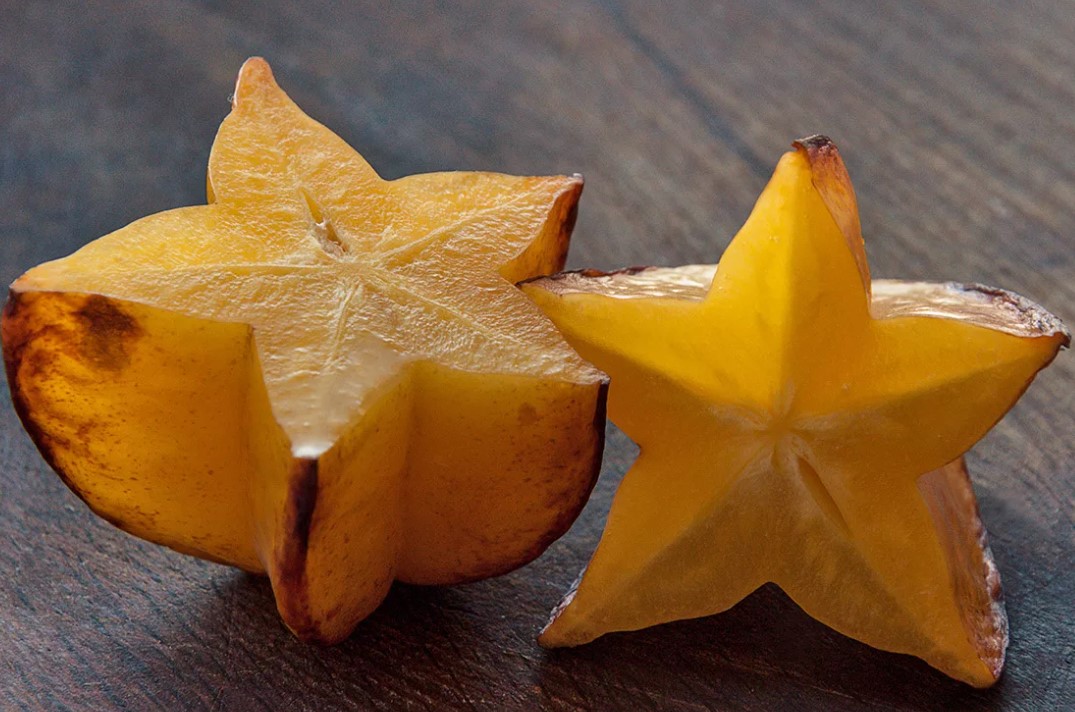
| Description | With a ribbed texture and yellow-green color, it is renowned for its unique shape. When sliced, it forms a vibrant star, making it a beautiful decoration for special occasions. |
| Taste | Sweet and sour. |
| Where it is found | Southeast Asia, Florida and Hawaii. |
| Season | All year round. |
What to look for when buying and how to eat
There's no need to peel the fruit. Eat it whole.
Benefits and contraindications
Rich in vitamin C, calcium, iron, and sodium, they are also low in calories—only 35 kcal per 100 g—making them an excellent choice for those trying to lose weight. These fruits are a must-try for anyone interested in a healthy and balanced diet. However, it should be noted that they are contraindicated for those with kidney problems, as they contain a lot of fluid.
Photo gallery of carambola
Application
Can be consumed fresh, added to cocktails or salads directly with the peel.
Reviews of carambola
Carambola. Why you shouldn't buy this fruit at Auchan!
Price: 80 rubles
Auchan near Moscow offers a wide selection of exotic fruits and vegetables. And every time you visit, you're tempted to try all these exotic delights!Today I bought a carambola. Honestly, I didn't even know about this fruit until now (yes, I'm that ignorant).
It was this one that immediately caught my eye! A star-shaped fruit! What hasn't nature come up with! Lovely!
It was individually wrapped. And there was a price tag: 80 rubles. I didn't immediately realize it was per piece! I thought it was per kilogram. Well, 80, so 80.
Exoticism is worth it!
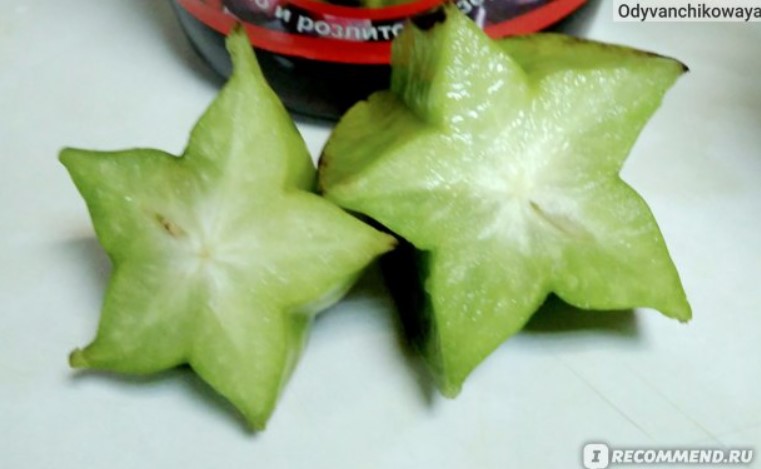
But the taste... was disappointing. Have you ever eaten grass? The regular stuff that grows in your yard? No? Well, this tastes like ordinary green grass!
The fruit is clearly not ripe; it is evident that it is brought to us in this state and does not have time to ripen.
Eh... Auchan, of course, pleases with its variety, but because of things like this, I don’t want to buy there anymore.
Advantages
It makes beautiful stars.
Flaws
It can be difficult to find on sale
Tough
Immature
Odyvanchikowaya
does not recommend
I tried this fruit in Cuba and was delighted. Beautiful, juicy, and not too sweet.
Hello everyone, dear friends.
Today, I decided to write a review of the carambola fruit. I tried it in Cuba, not Russia. I'll say right away that I really liked it. The review is divided into two parts: Appearance and Taste.Appearance: A greenish, lamp-shaped fruit. When cut, it has star-shaped shapes. The skin is thick and tough, but can be removed. It has seeds like a tangerine, but there are few of them. Unfortunately, I haven't bought star fruit in Russia.
Taste: It tastes like apple mixed with melon. The star fruit is juicy. Yes, it's an exotic flavor, but it's very pleasant. Yes, it's not sweet, but fruit doesn't have to be sweet.
Advantages
Rich in vitamins and minerals
It makes beautiful stars.
Perfectly refreshing in the heat
Pleasant taste
Juicy
Alyonochka___
recommends
Kiwano
| Names | Horned melon, African cucumber, cucumis metulifer. |
| Description |
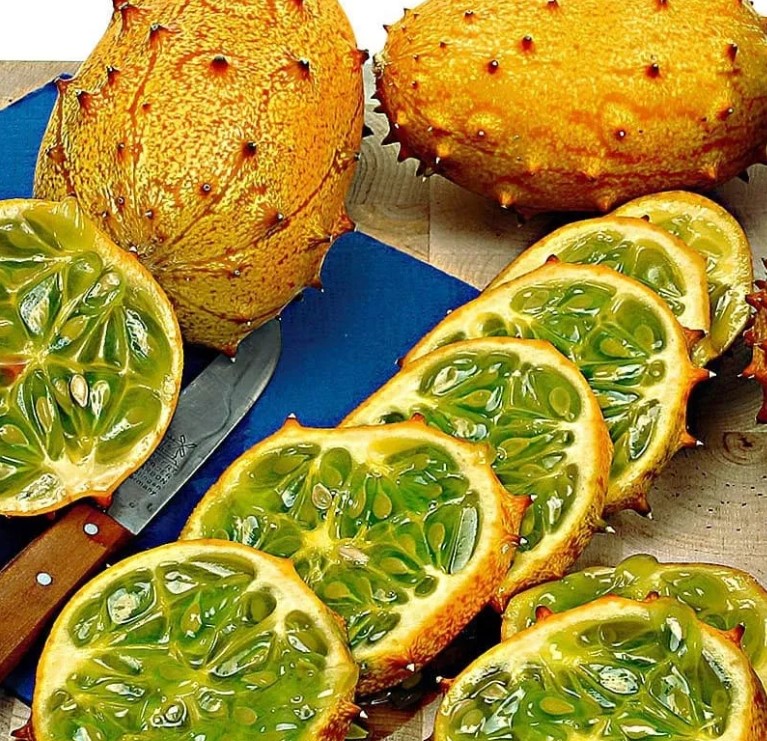
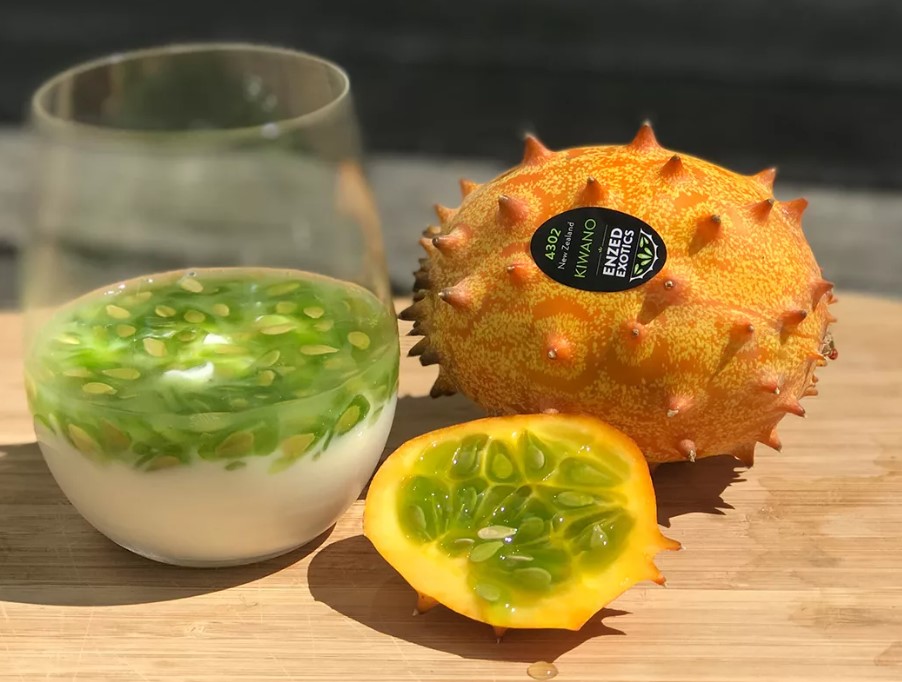
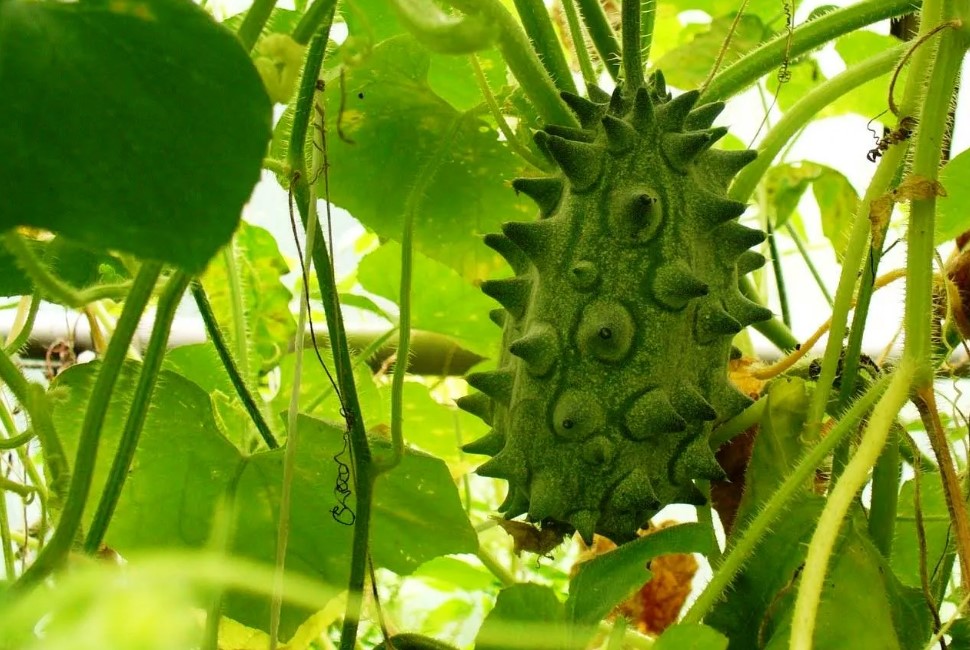
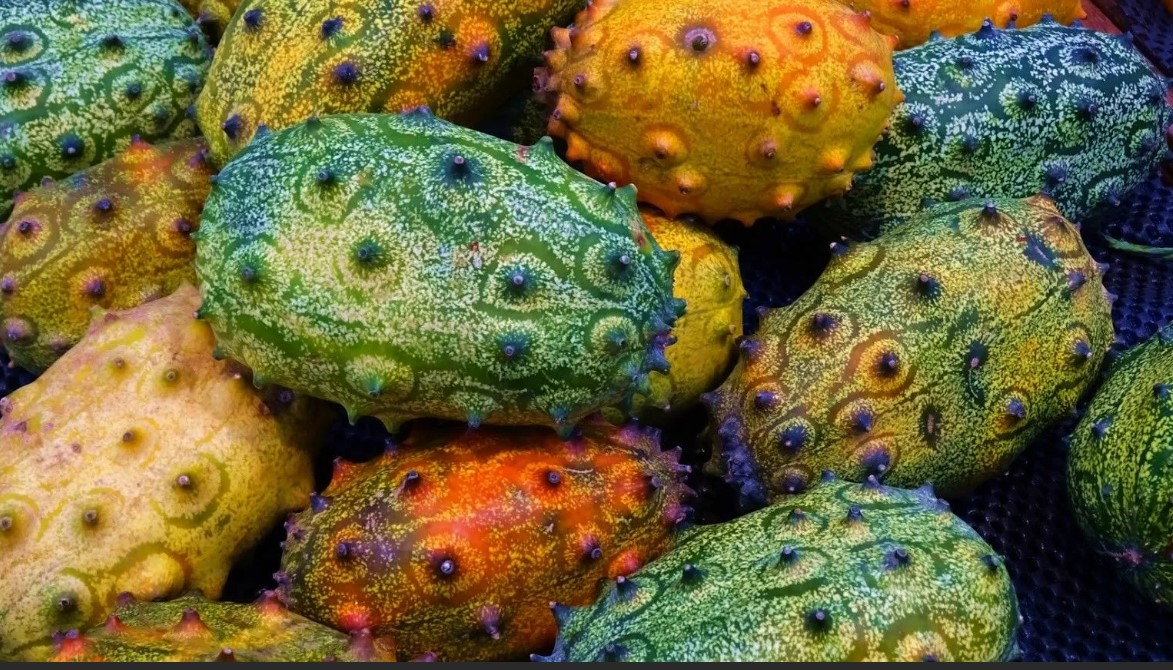
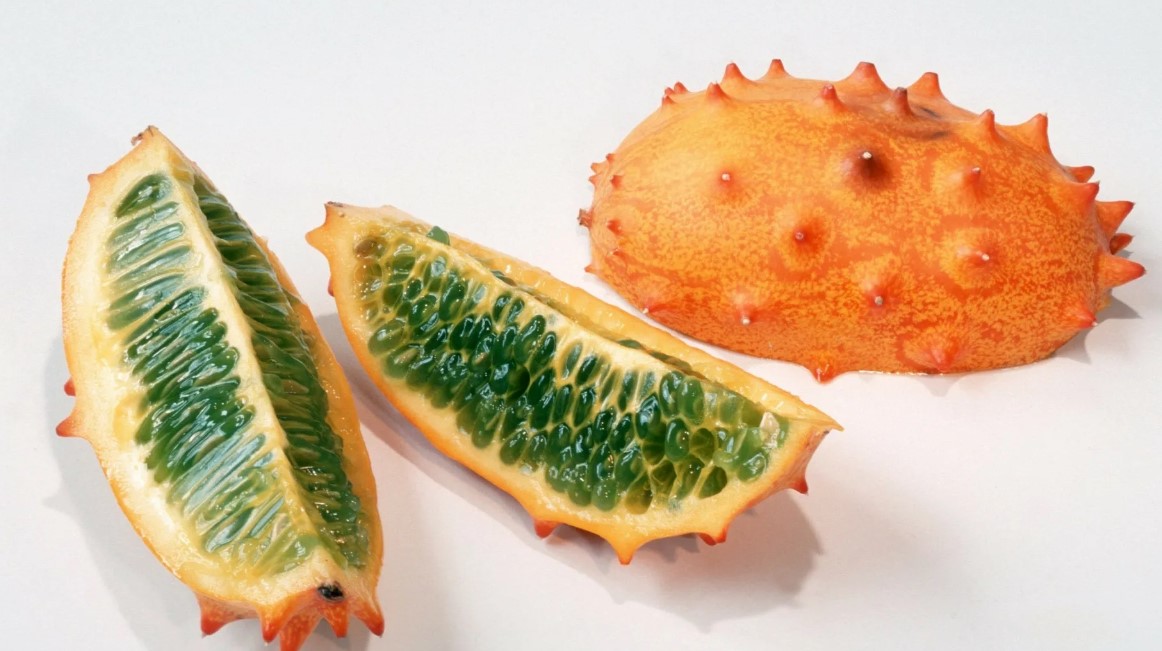
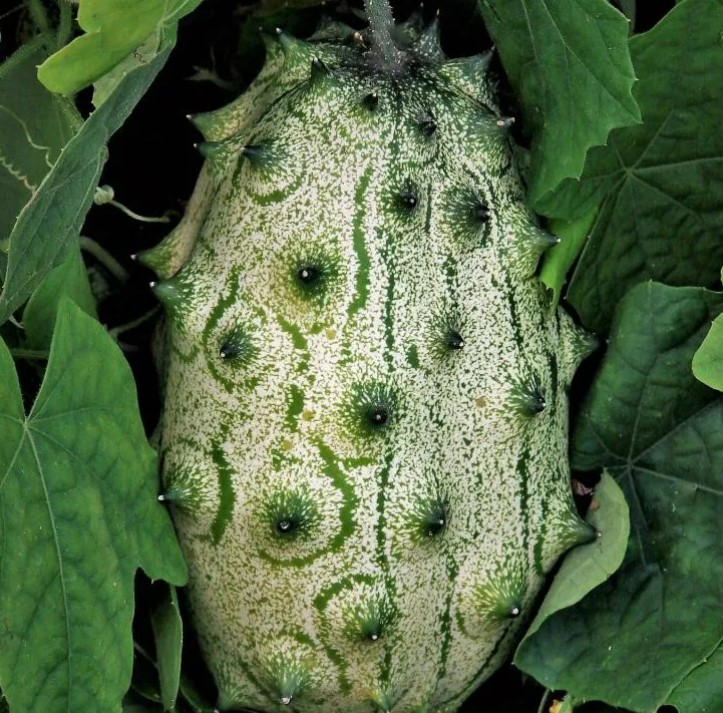
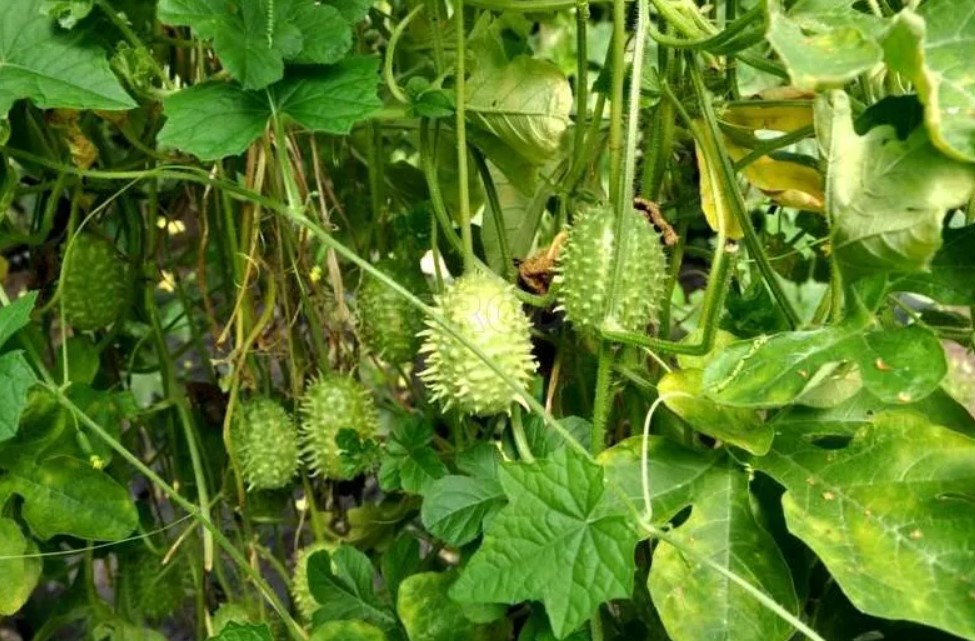
Once this plant produces fruit, it becomes covered in spines, resembling tiny hedgehogs. Kiwano can grow to the size of an orange and has a cylindrical shape. Once ripe, the flesh remains bright green, while the skin turns yellowish-red. The consistency is jelly-like. The flesh is filled with seeds. |
| Taste | More sour than sweet. |
| Where to taste | Africa, New Zealand, Israel, Australia, China, Malaysia, Italy, Germany, USA. |
| Season | All year round. |
How to choose and eat
When the fruits are fully ripe, yellowish spines appear on the surface, and the interior turns a vibrant green. The elongated fruits are not peeled but rather sliced, like melons or watermelons.
Benefits and contraindications
Rich in potassium and often considered a storehouse of this essential nutrient, it is especially beneficial for those with cardiovascular disease. The fruit also helps strengthen the immune system and improve muscle tone. The tough skin of the fruit is edible and contains a large amount of ascorbic acid and fiber.
African cucumbers are 89% water and are considered low-calorie: 100 grams of fresh cucumber contains only 40 calories. This makes them an excellent choice for those seeking a healthy diet.
There are no known risks associated with consuming kiwano. However, those prone to allergies should exercise caution. The fruit may be unusual for our bodies, so it is recommended to try it in small quantities the first time. Closely monitor any reactions. If there are no adverse effects, enjoy its unique flavor.
Kiwano photo gallery
Application
In spicy salads, it's usually paired with salt, pepper, and lemon juice. It can also be added to fruit blends, milkshakes, and multi-fruit juices.
Kiwano reviews
Unusual, refreshing, rich aroma, incredibly useful
I've been growing kiwano for two years now. The whole family loves it. It has a rich green banana aroma and a slightly tart flavor. I read a review here from someone who claimed it smelled like grass. 😁 Apparently, she has a bad sense of smell. I don't know how anyone can confuse the smell of banana with grass these days, especially since the aroma is so distinct. Perhaps she got an overripe, stale fruit. Kiwano makes amazing jam and adds a unique flavor to salads. As I said earlier, I've been growing it for two years and don't plan to stop. Incidentally, a bar buys most of my harvest to add to their popular cocktails.
Advantages
Delicious
Dietary
Unusual
Low in calories
Useful
Mayana
recommends
Kumquat
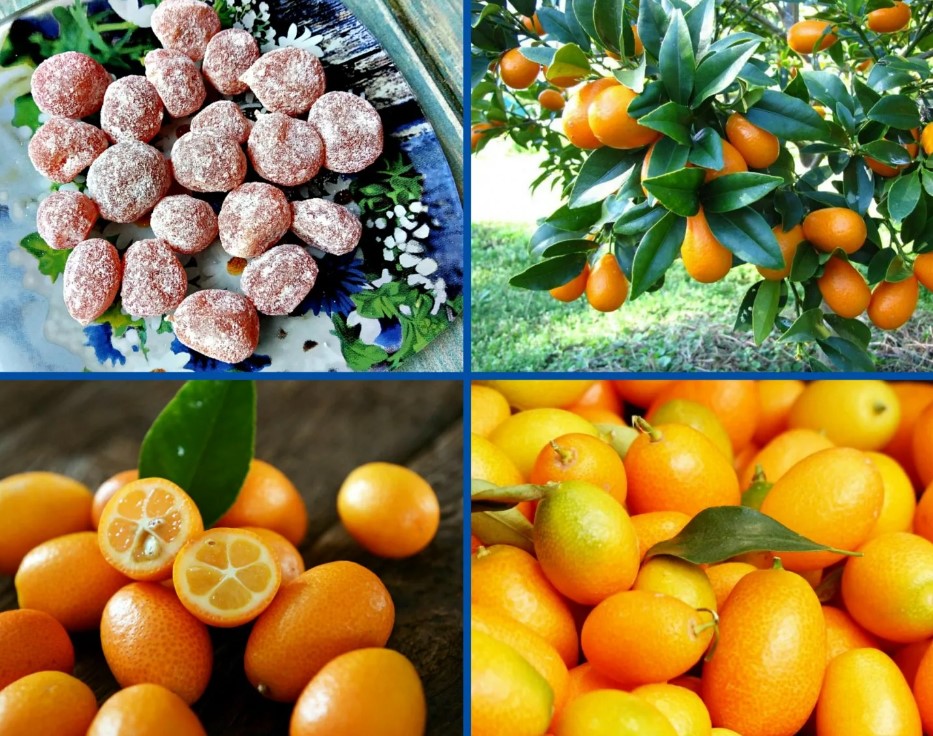
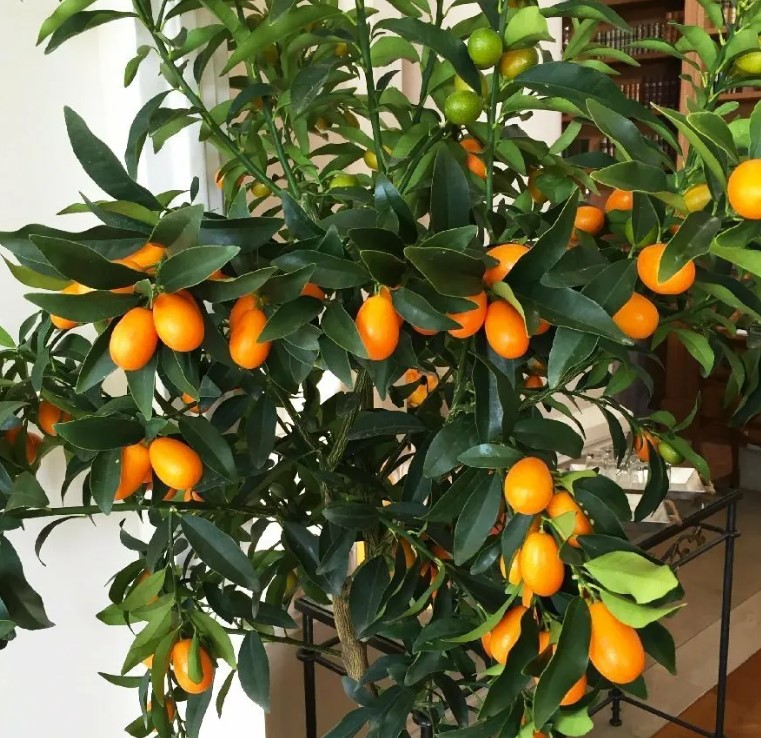
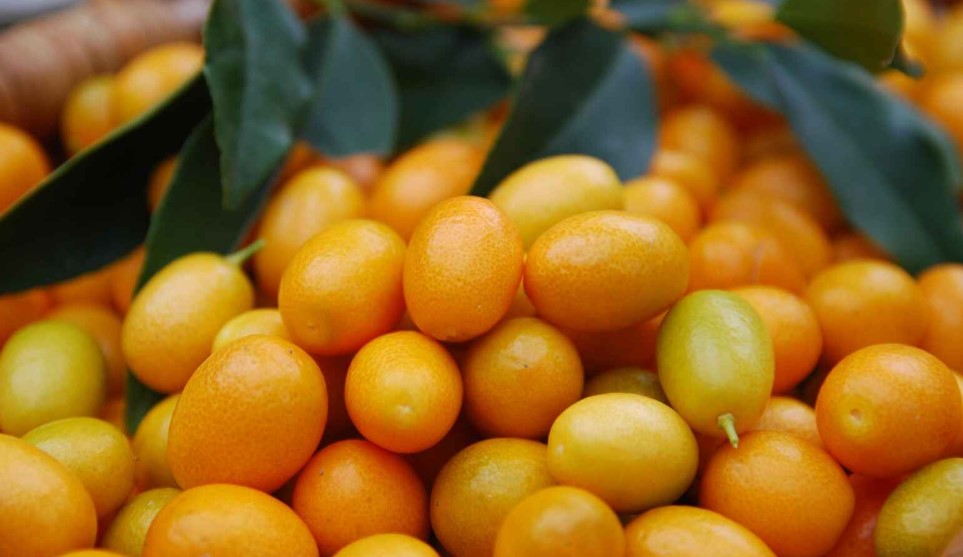
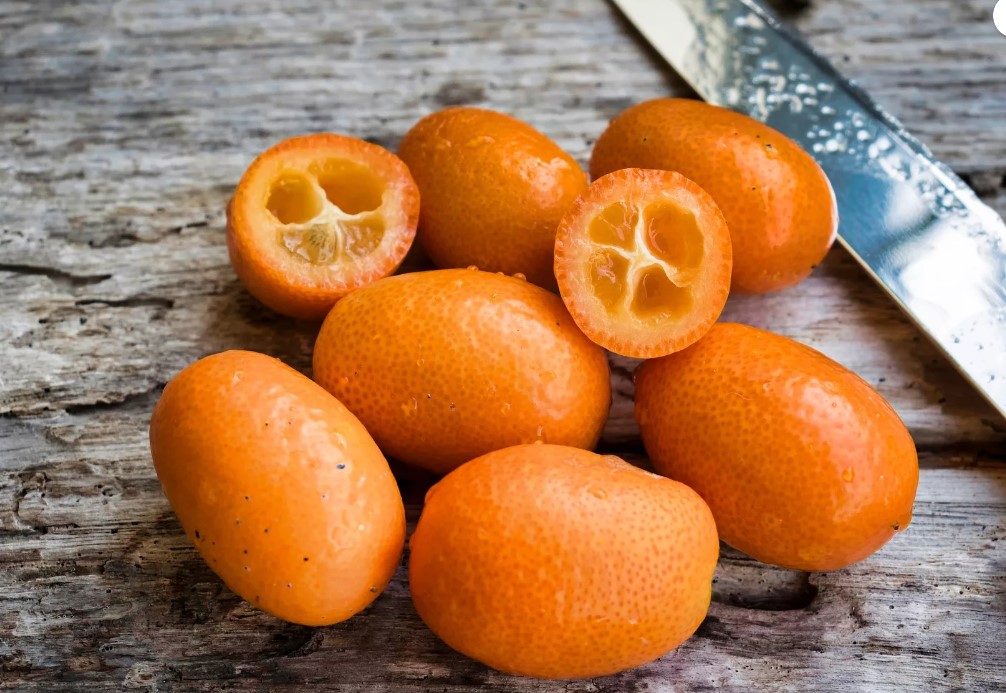
| Names | Kumquat, fortunella, kinkan, Fortunella. |
| Description | Outwardly, it resembles miniature tangerines, which weigh no more than 30 g. |
| Taste | The pulp is slightly more sour than orange, the peel is sweet. |
| Spreading | Southeast Asia, Middle East, Corfu, Florida. |
| Harvest season | May-June. Available for purchase all year round. |
Rules for selection and how to eat
Consumed with the peel.
Benefits and contraindications
The fruit is rich in vitamin C. The only contraindication: allergy to citrus fruits.
Kumquat photo gallery
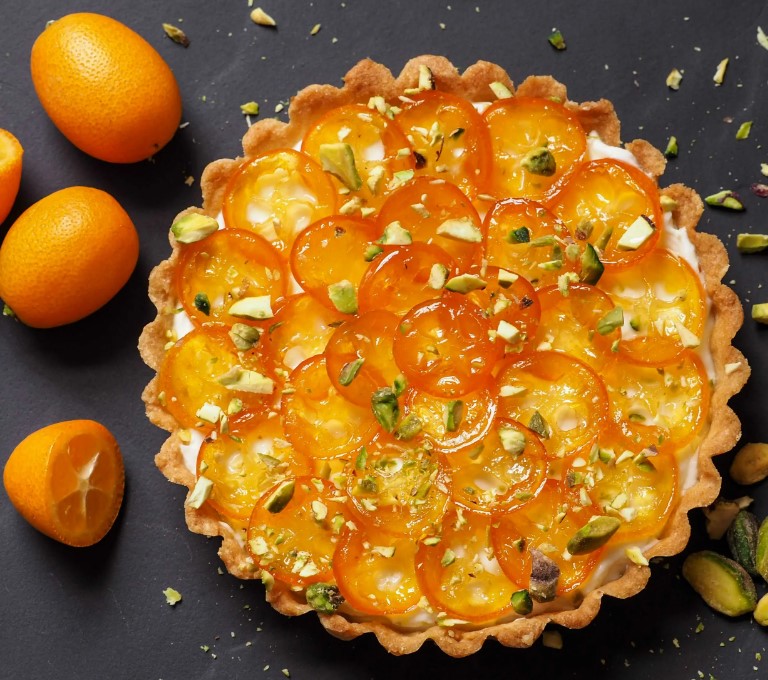
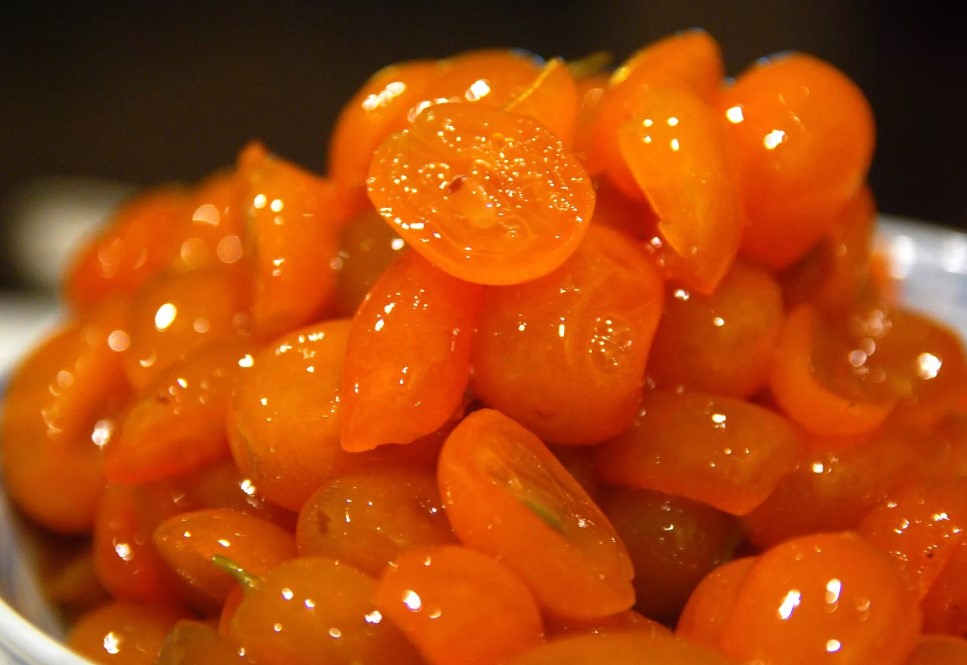
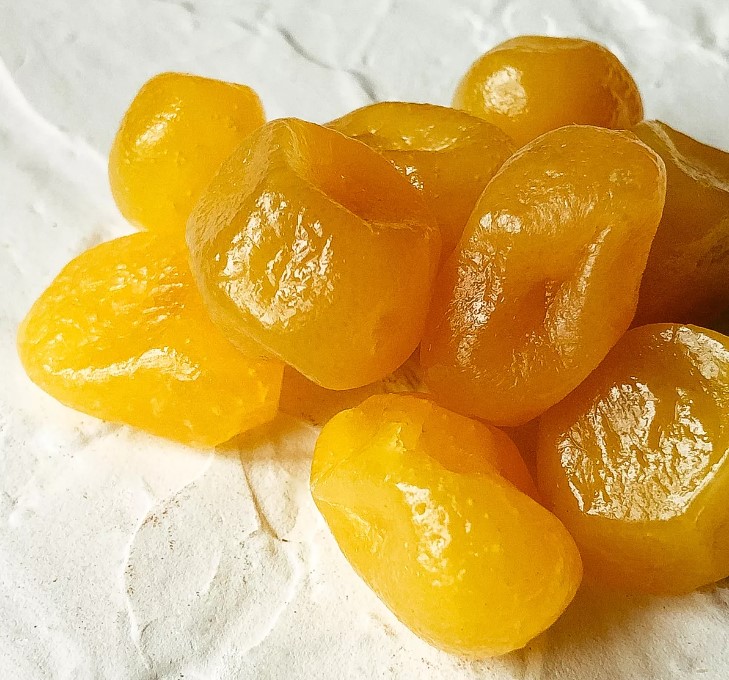
Application
They are consumed raw and processed. They are also grown as a houseplant.
Kumquat Reviews
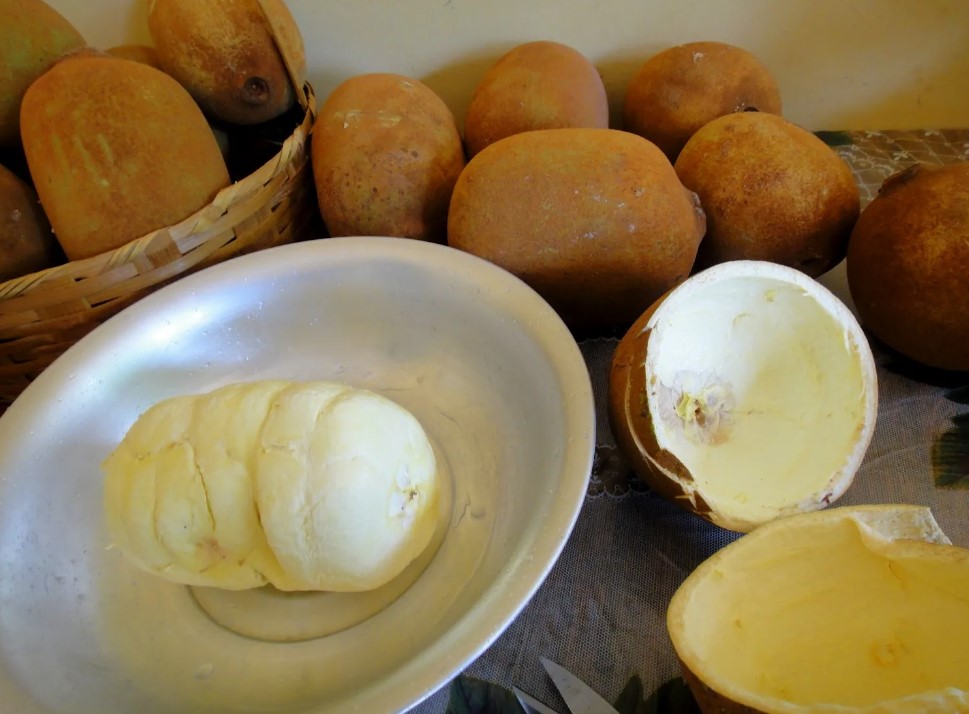
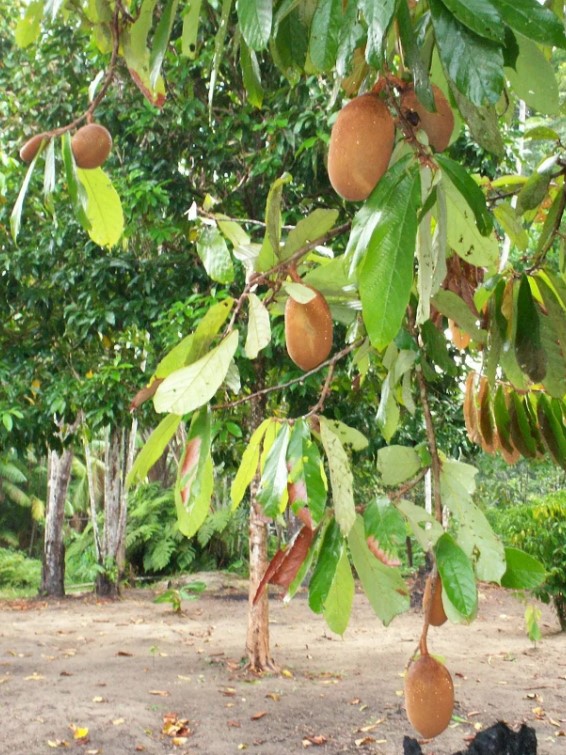
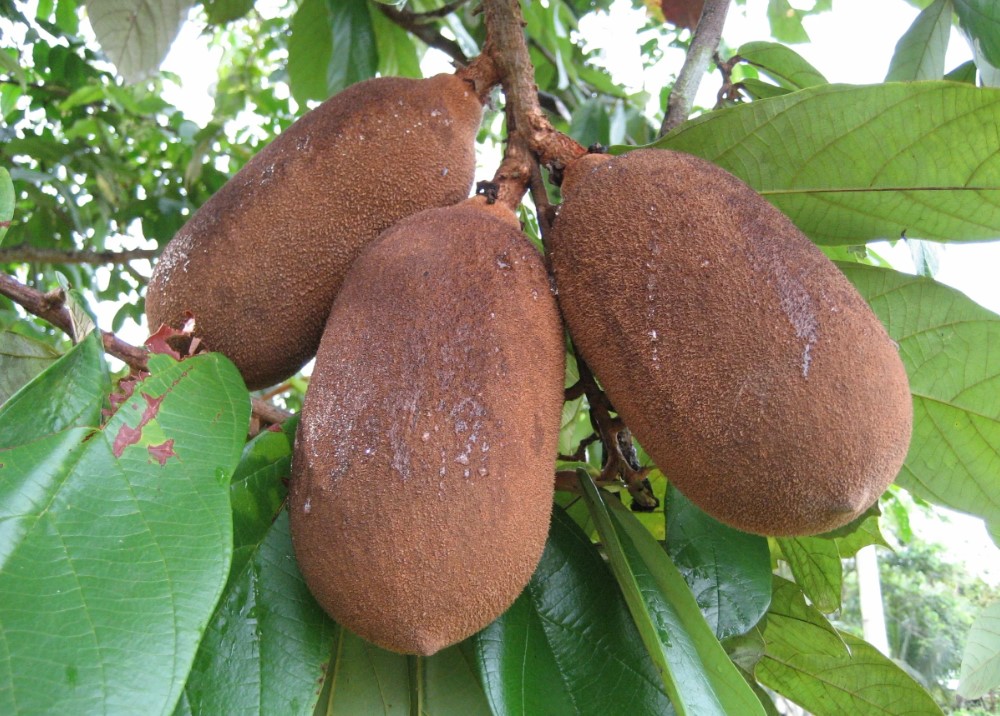
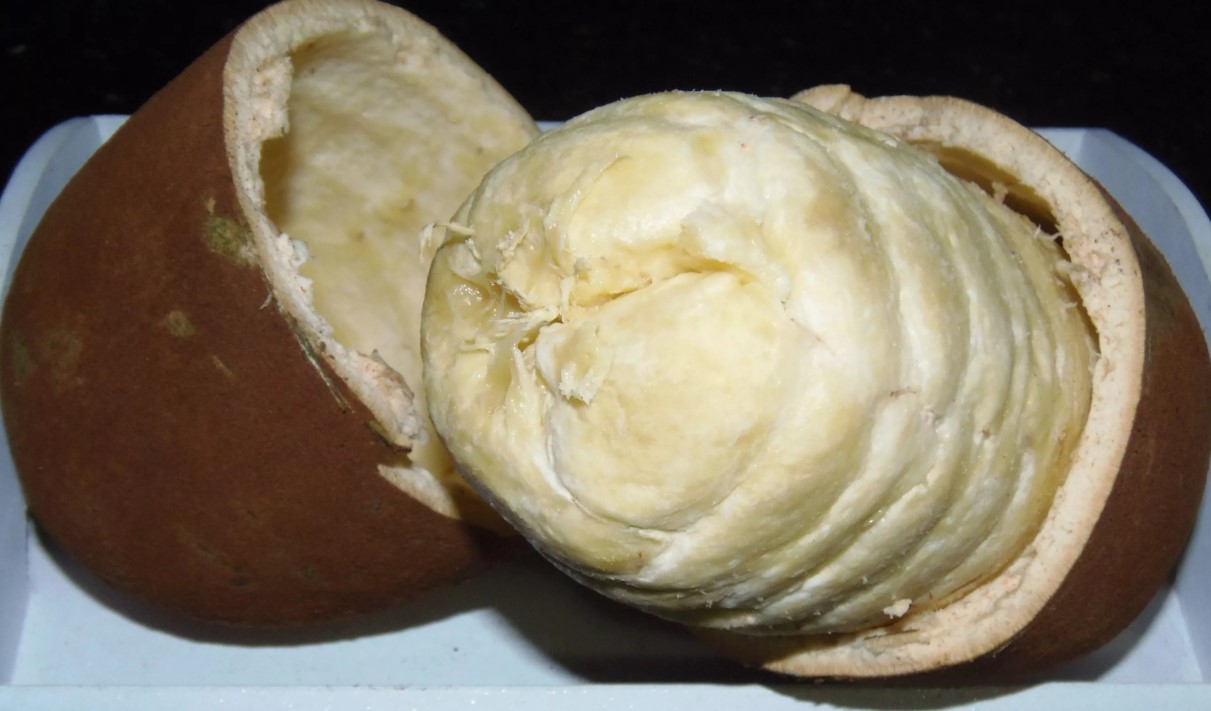
Cupuacu
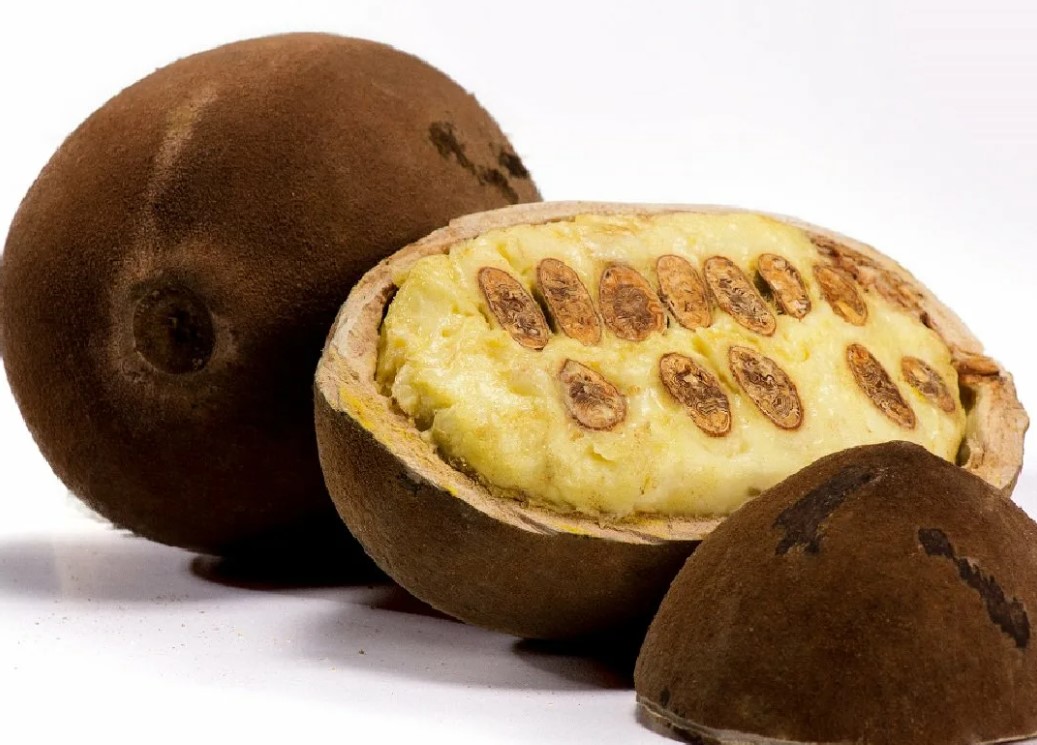
| Names | Cupuaçu, theobroma grandiflorum. |
| Description | Resembles a melon. The skin is reddish-brown. |
| Taste | Sweet and sour. |
| Spreading | Tropics. |
| Season | All year round. |
Rules for selection and how to eat
The tastiest fruit is the one that falls naturally. It is cut in half and the pulp is eaten.
Benefits and contraindications
The fruits are rich not only in antioxidants but also in B vitamins, amino acids, and flavonoids. These components contribute to the fruits' medicinal and nutritional properties.
Cupuacu is contraindicated for pregnant and lactating women, those with allergies and diabetes.
Cupuaçu photo gallery
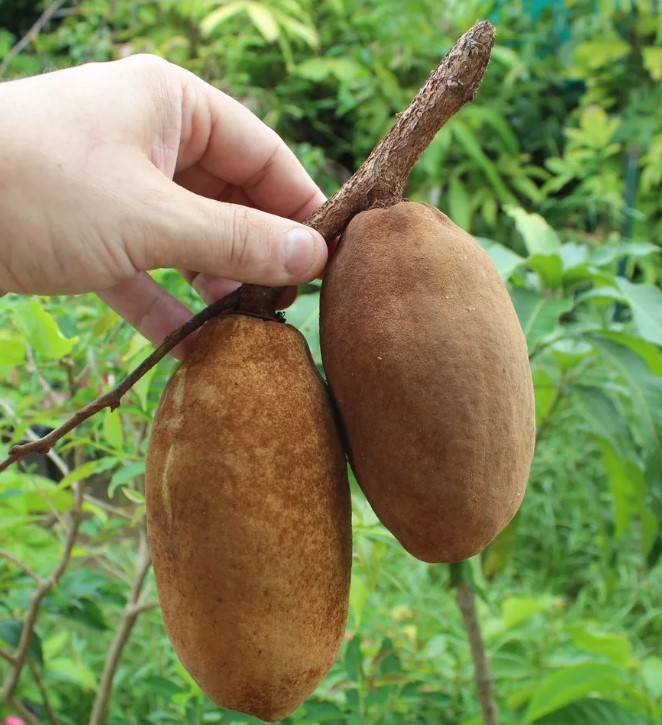
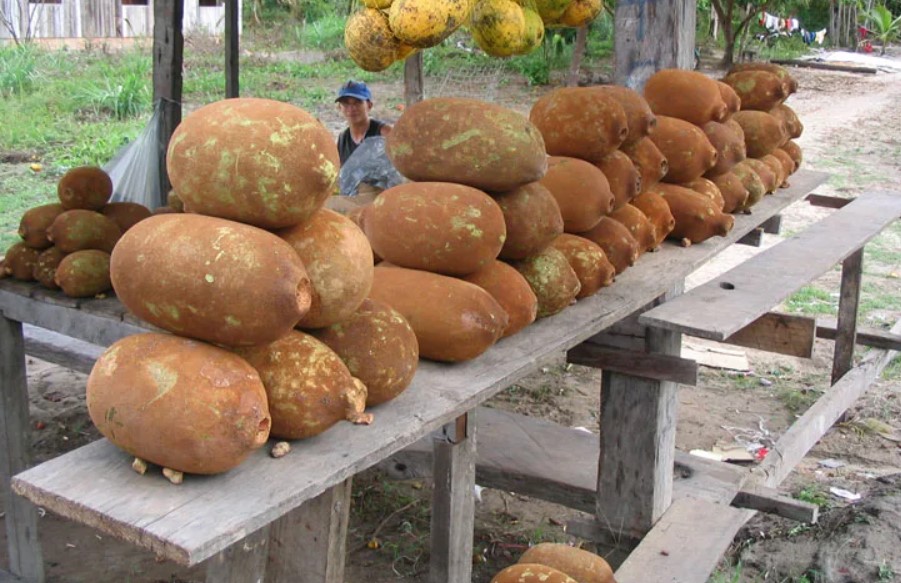
Application
They can be added to baked goods and ice cream, and the seeds can be used to make white chocolate. The seeds are also used in cosmetics and medicine.
Reviews of Cupuacu
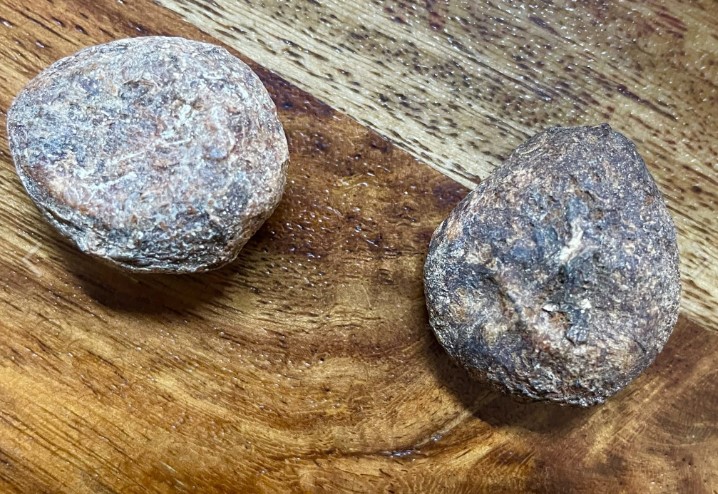
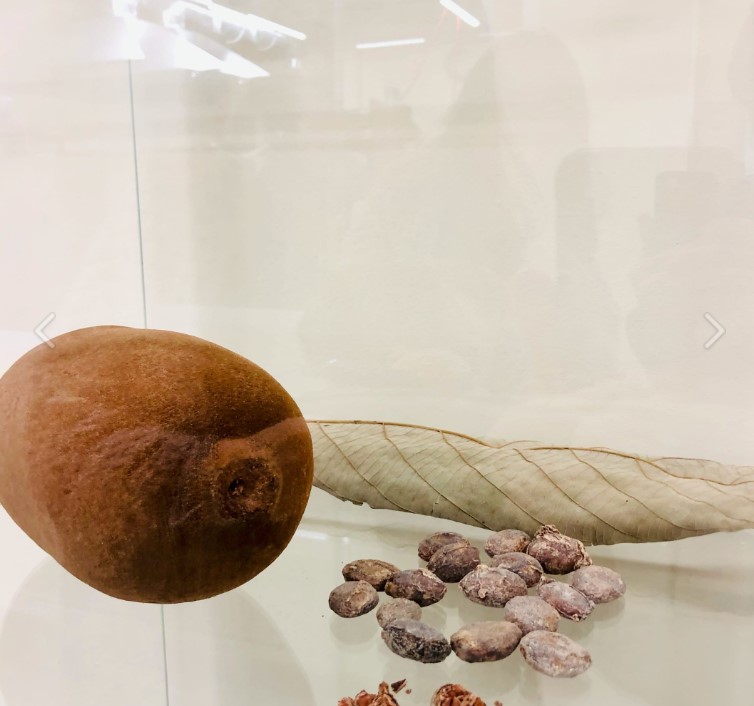
Friends, I received these Cupuaçu beans as a gift from Amazing Cacao. They are very different in shape from the cocoa beans we are used to, they are more rounded and flat.
The taste is also different: it is sweet and delicately creamy with woody notes, a unique spiciness and a more moderate bitterness compared to cocoa.
Cupuaçu butter is not used in mass chocolate production due to its low melting point. However, it has a pleasant taste and a unique aroma. Its softening and moisturizing properties make it suitable for cosmetics, skincare, and hair care.
The pulp makes up about a third of the fruit, and it's very aromatic (the scent can be detected even through the thick peel) and pleasant to the taste. Cupuaçu pulp is used in making yogurt, ice cream, and beverages. It's also used to make various desserts and candies. It's also enjoyed fresh.
Brazilians consider Cupuaçu to be a medicinal fruit.
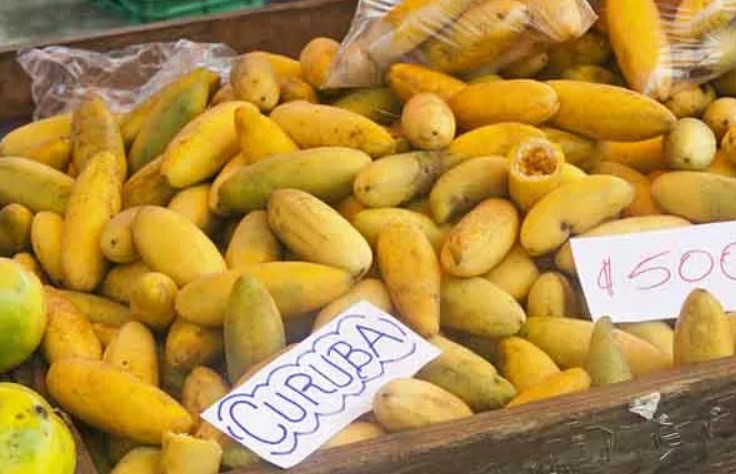
Kuruba
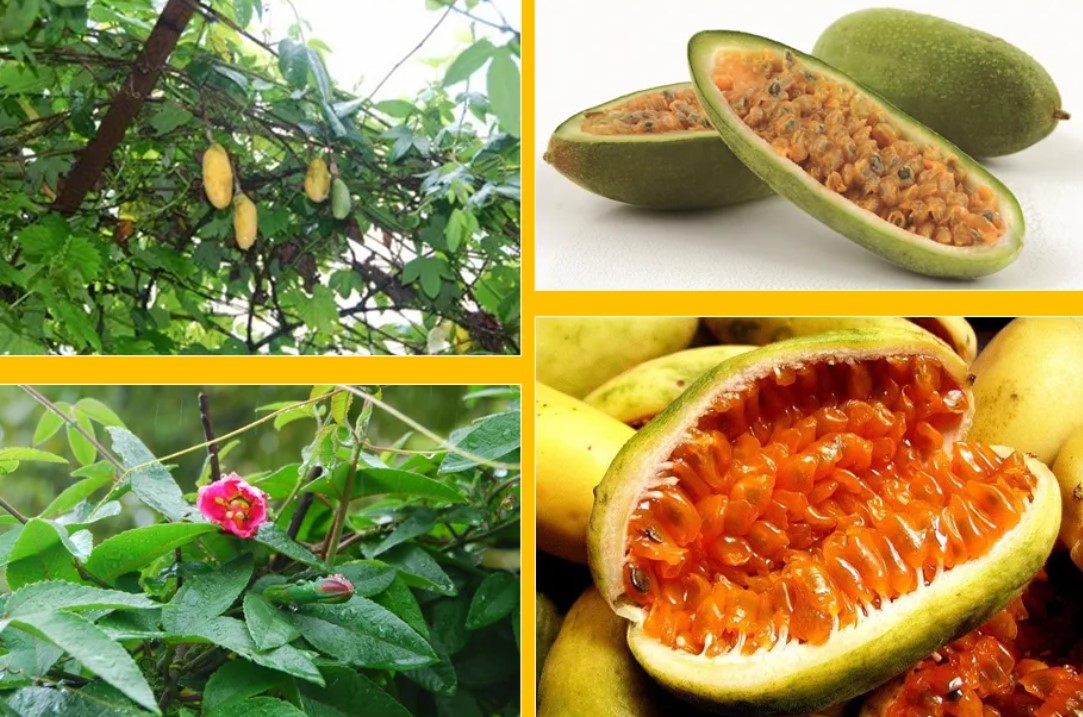
| Names | Curuba, banana granadilla |
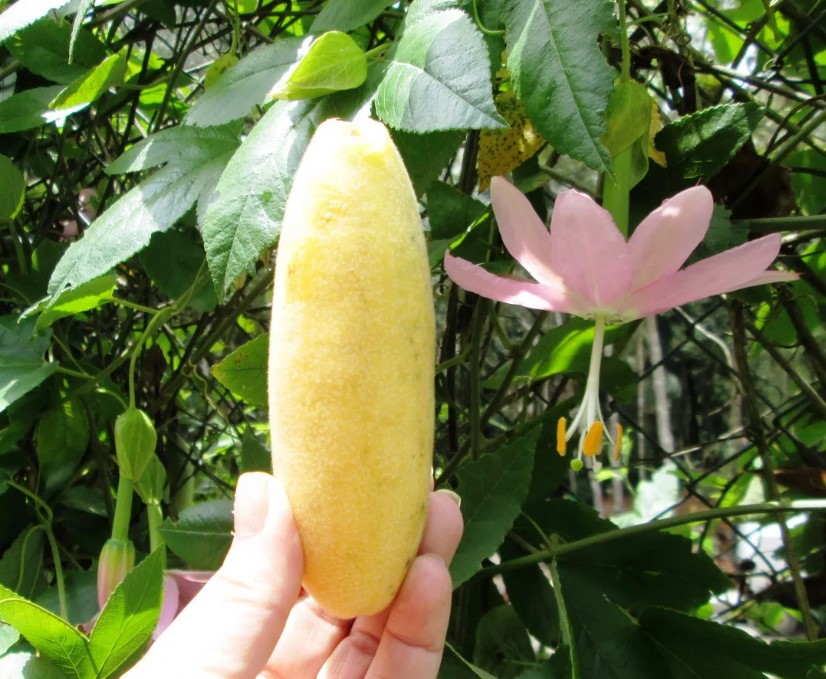
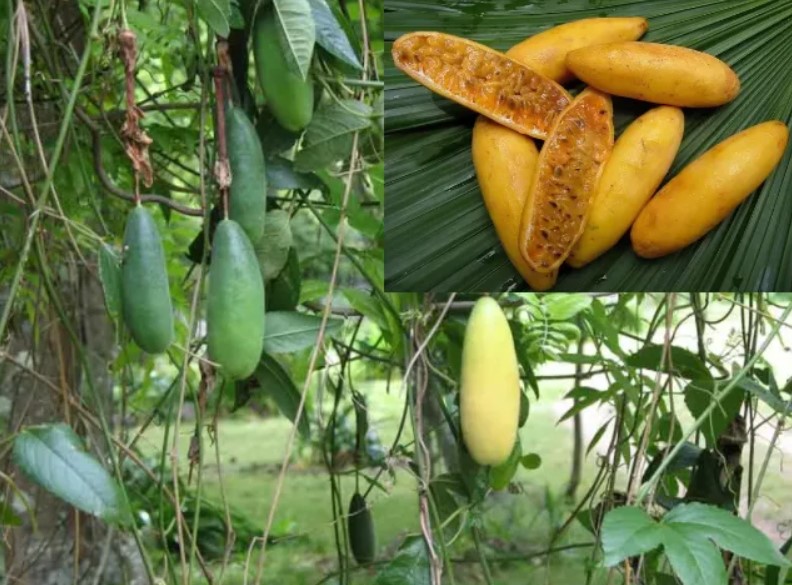
| Description | The fruits are covered with a thick orange skin with a greenish tint. |
| Taste | Sweet and sour. Similar to passion fruit. |
| Where to taste | India, New Zealand, Argentina, Colombia, Bolivia, Uruguay, Peru. |
| Harvest season | All year round. In India and New Zealand, March–November. |
Rules for selection and how to consume
The fruits are peeled and usually eaten fresh. Only ripe fruits are edible. They should have light yellow or dark green skin.
Benefits and contraindications
Increases body tone and regulates metabolic processes. This improves peristalsis and promotes the removal of toxins, waste, and heavy metal salts from the gastrointestinal tract. Contraindications:
- individual intolerance and allergy;
- gastrointestinal problems;
- cognitive impairment.
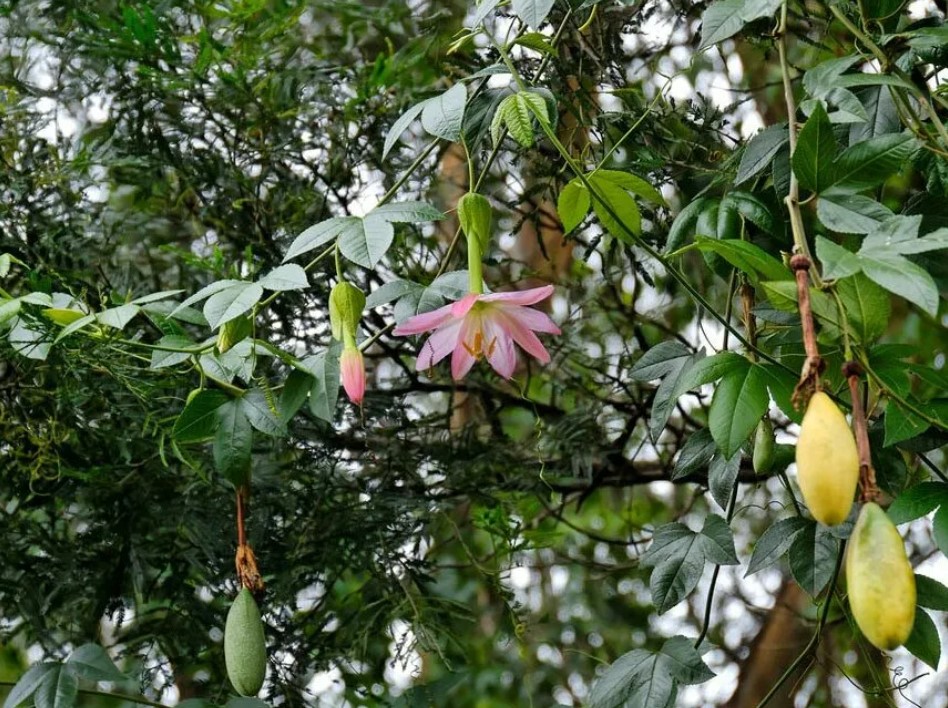
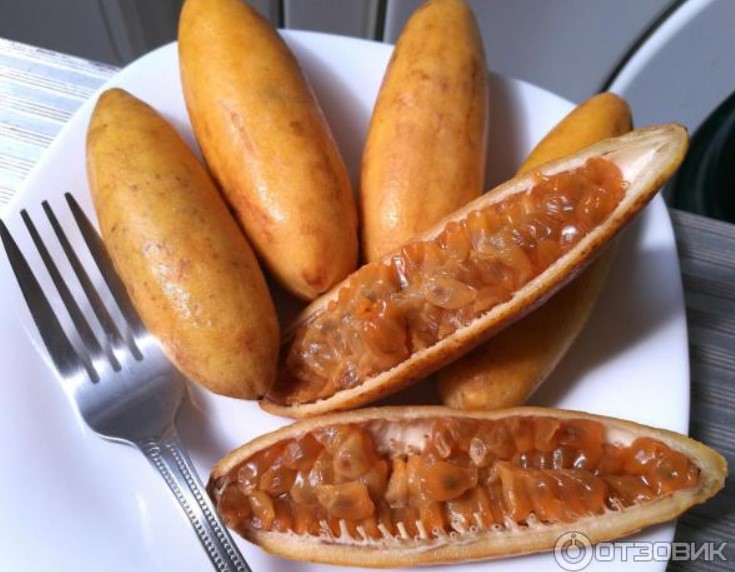
Kuruba photo gallery
Application
In fresh state or used in various sweet dishes and drinks.
Kuruba Reviews
Review: La Gran Bodega's Banana Granadilla Fruit - Curuba (Curuba) or Passionflower - banana on the outside, passion fruit on the inside
ADVANTAGES:
An interesting exotic fruit that tastes similar to passion fruit.
FLAWS:
No
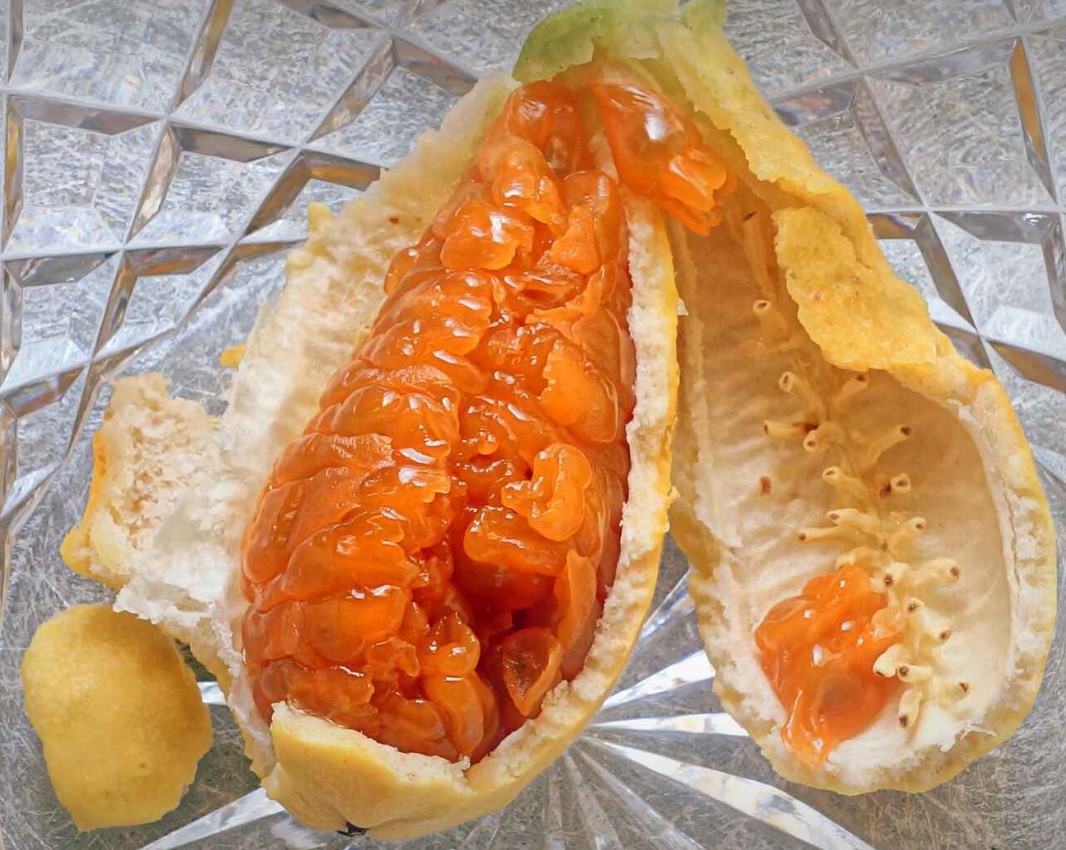
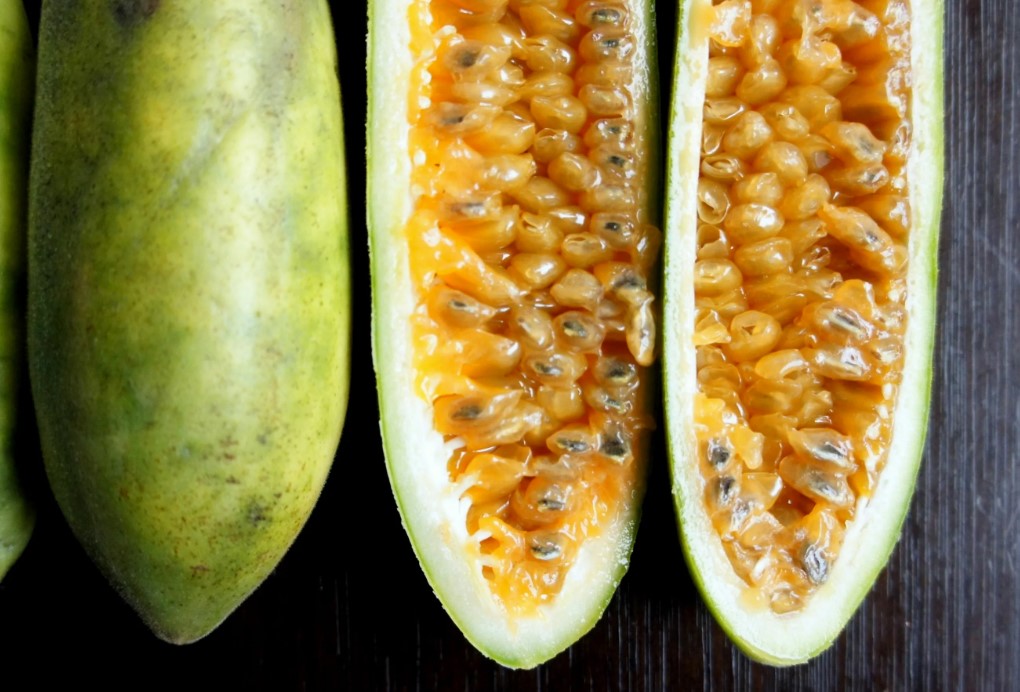
Why is this fruit called the "Banana Granadilla"? It's all because of its appearance. The shape and color of the fruit are very similar to a banana—small, smooth, and 5 to 12 cm long. But inside, it's practically a passion fruit.
Although, to me, the seeds look more like a pomegranate, only the color is orange.
Kuruba belongs to the same Passiflora family as Granadilla and Passionfruit. I've already written reviews about them, and now it's the turn of this member of the family.
Banana granadilla is less common in stores than the other two members of the family, and like many exotic fruits, it is not exported abroad. However, in our favorite store, La Gran Bodega de las Frutas y Verduras, it is often found, along with other unique local fruits.
If you've noticed, I use "La Gran Bodega" in the titles of most of them, marking the chain as a brand, as they don't have their own label. They simply bring in their wines from orchards and fields all over the country, and this store sells them.So, the Kuruba, or Banana Granadilla, has a soft skin, unlike its cousins, and is easy to cut lengthwise, like a boat. Each seed is surrounded by a juicy capsule-shaped pulp, like a pomegranate; when you bite into it, the juice flows out.
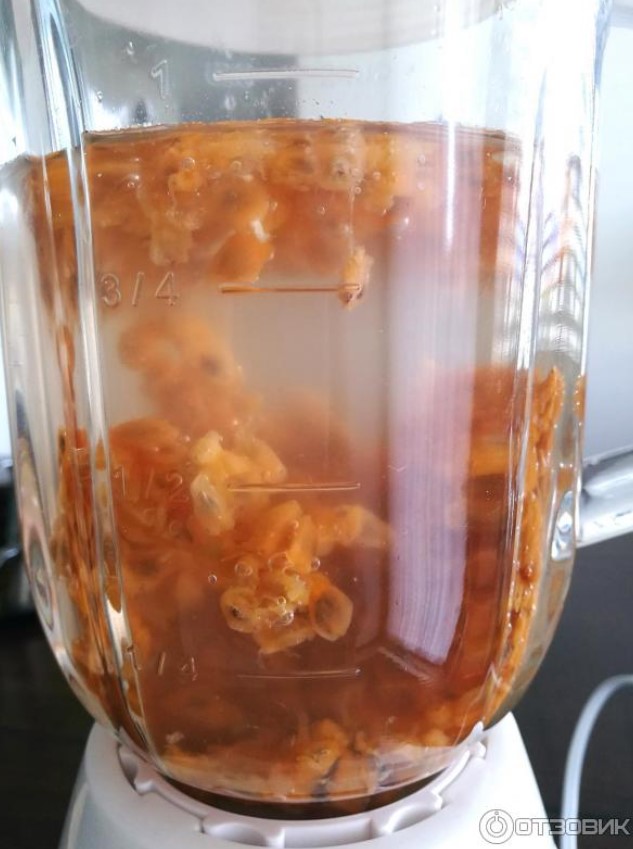
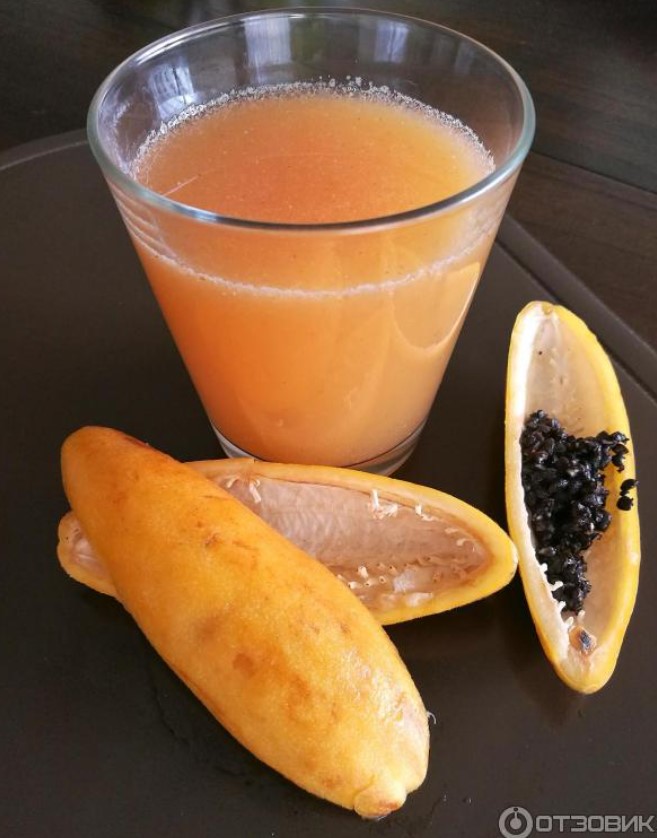
The seeds are very hard; even a blender won't break them up. The flavor is similar to passion fruit, but more tart and sweet, with almost no acidity.
Curuba is mainly used for desserts (sorbet, ice cream, jelly) and drinks. The simplest is batido, which is the local name: water + sugar + the pulp of any fruit. I used five fruits for a 3-liter jar. I scooped out the insides and put them in a blender, adding cane sugar to taste and water.
Beat for a couple of minutes, and it's ready!
The seeds are heavier than water, so they sink to the bottom of the container, making it easy to drain the liquid. The photo below shows what they look like. The resulting drink is a beautiful orange color, similar to carrot juice, although the taste is, of course, quite different.
This fruit has been used as a food since pre-Columbian times and has since spread throughout the world's tropical regions. You can also find kuruba in India and New Zealand.
In Europe, Passiflora tenderness is often grown as a houseplant because it's a vine with beautiful pink flowers. I've never personally encountered it in the wild, but I have seen a similar plant from the same family blooming, with bright red flowers.
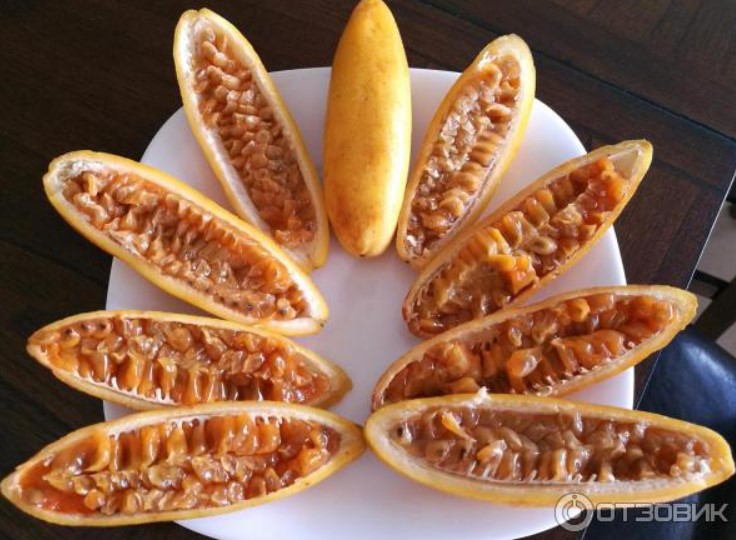

Langsat
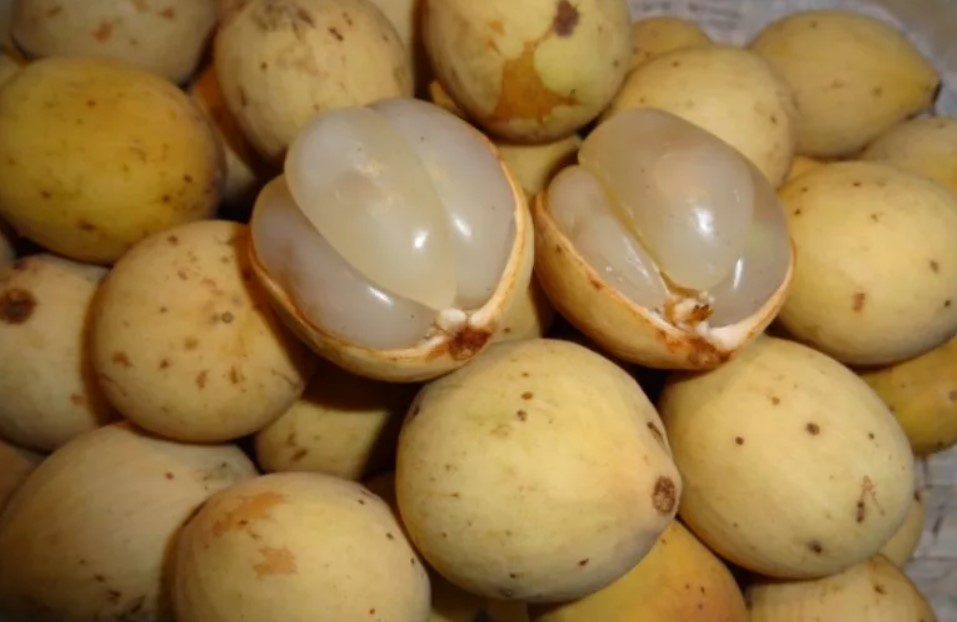
| Names | Longkong, Lonkon, Langsat, Lonngkong, Langsat. |
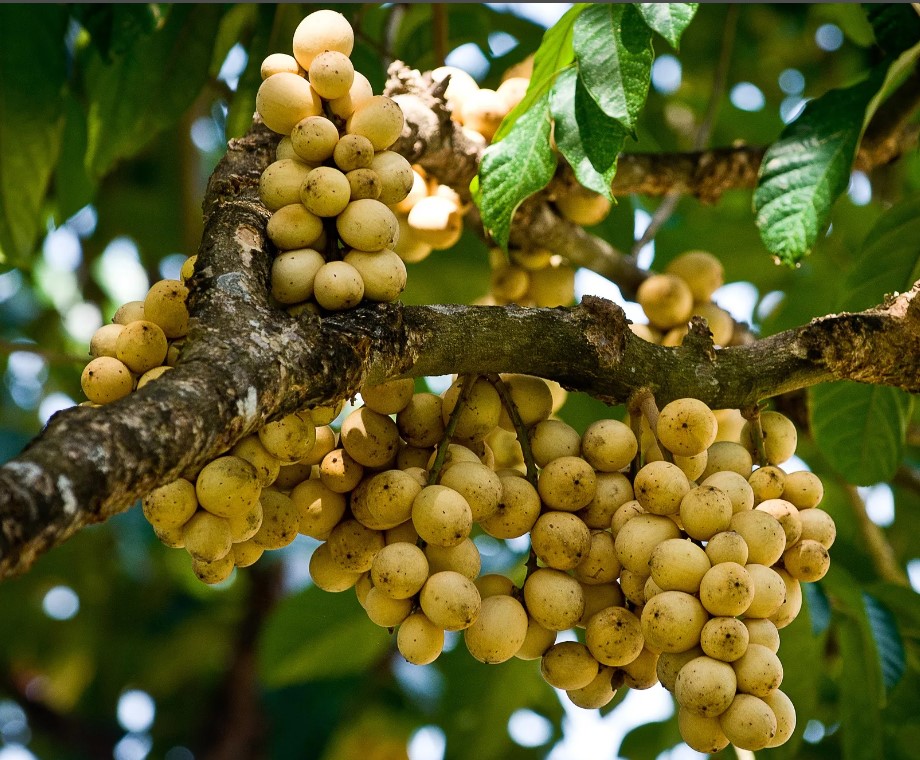
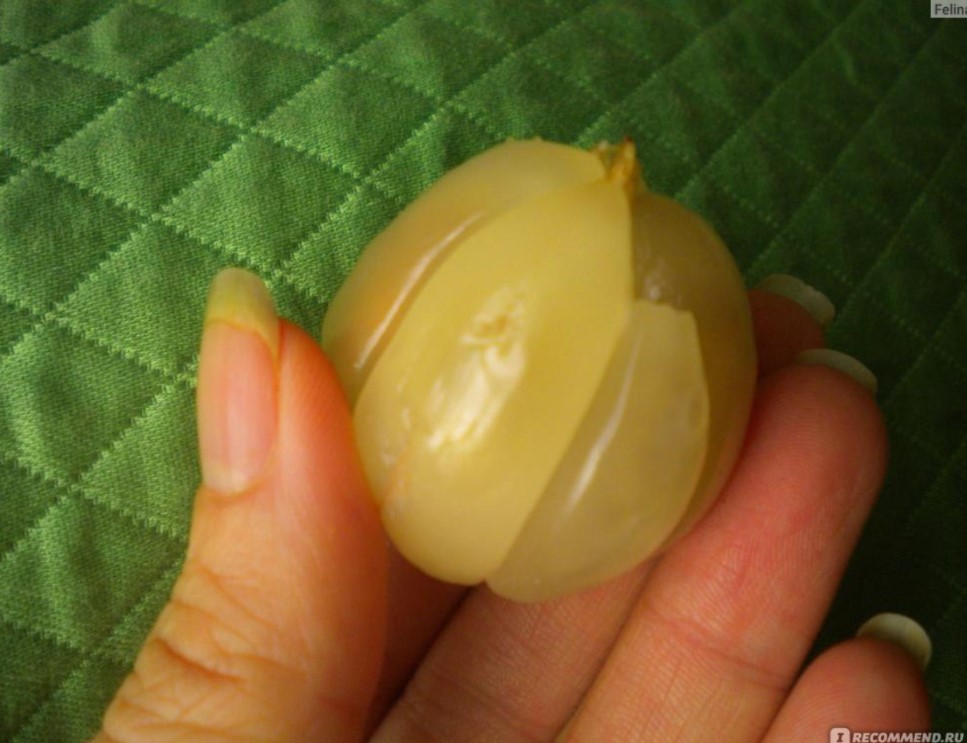
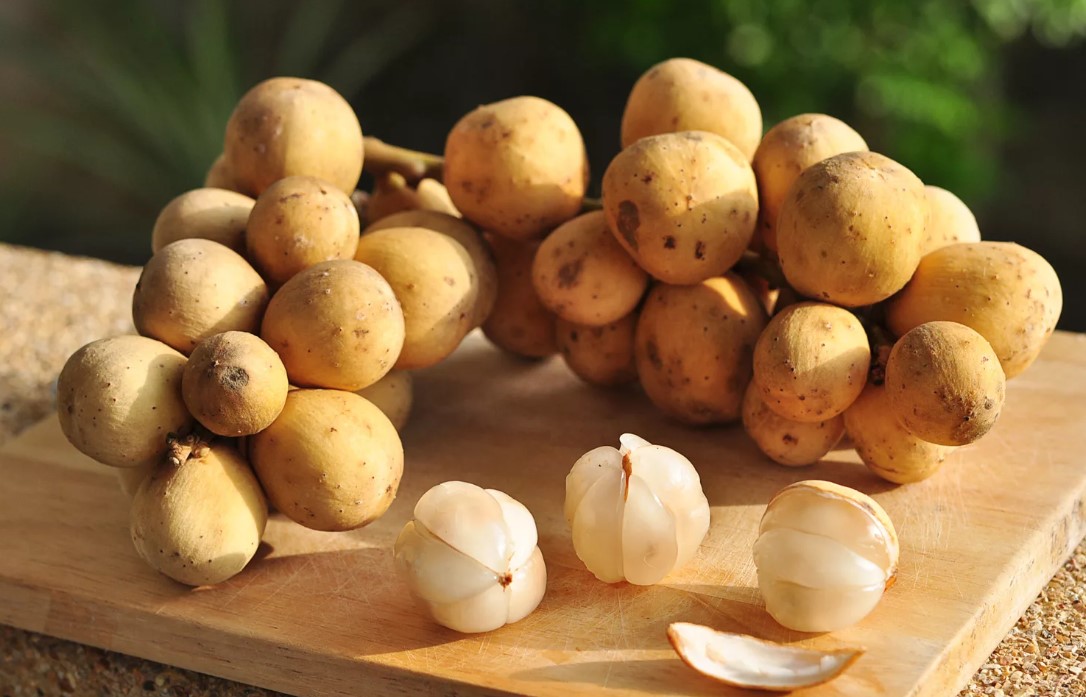
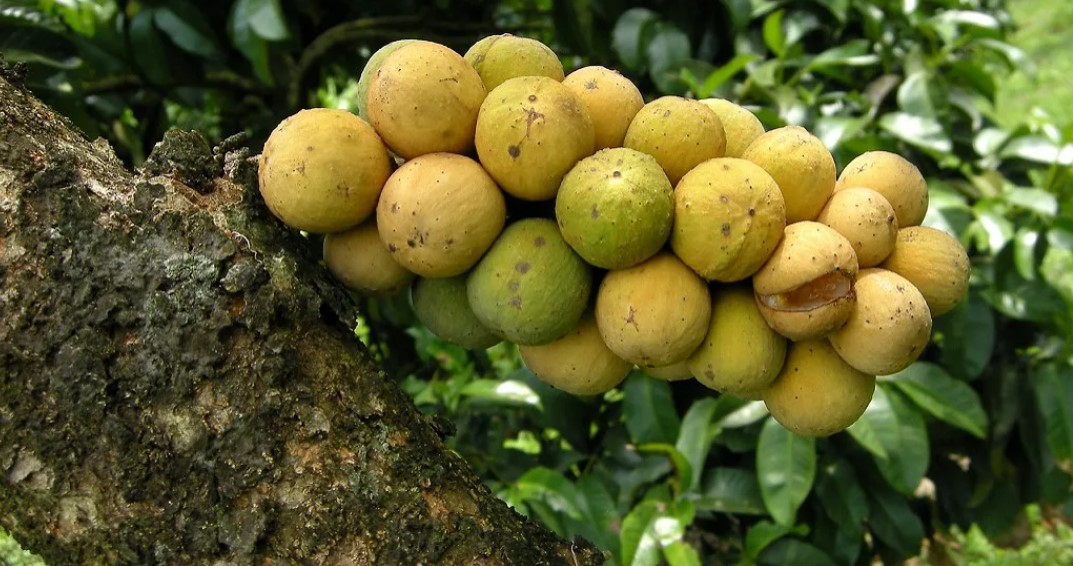
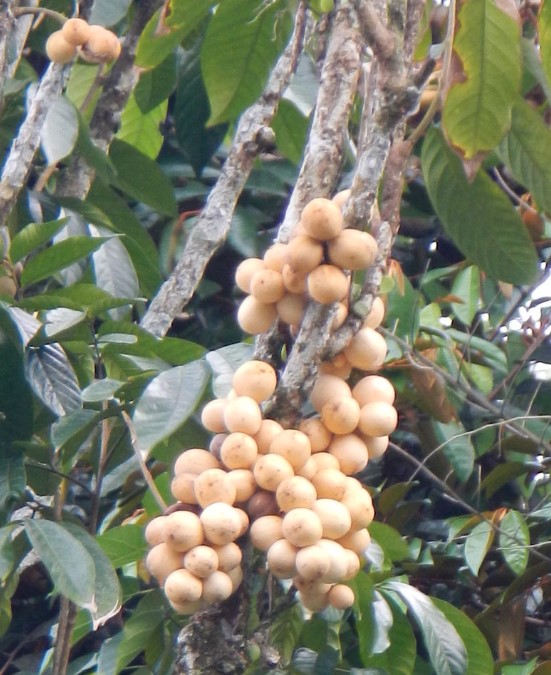
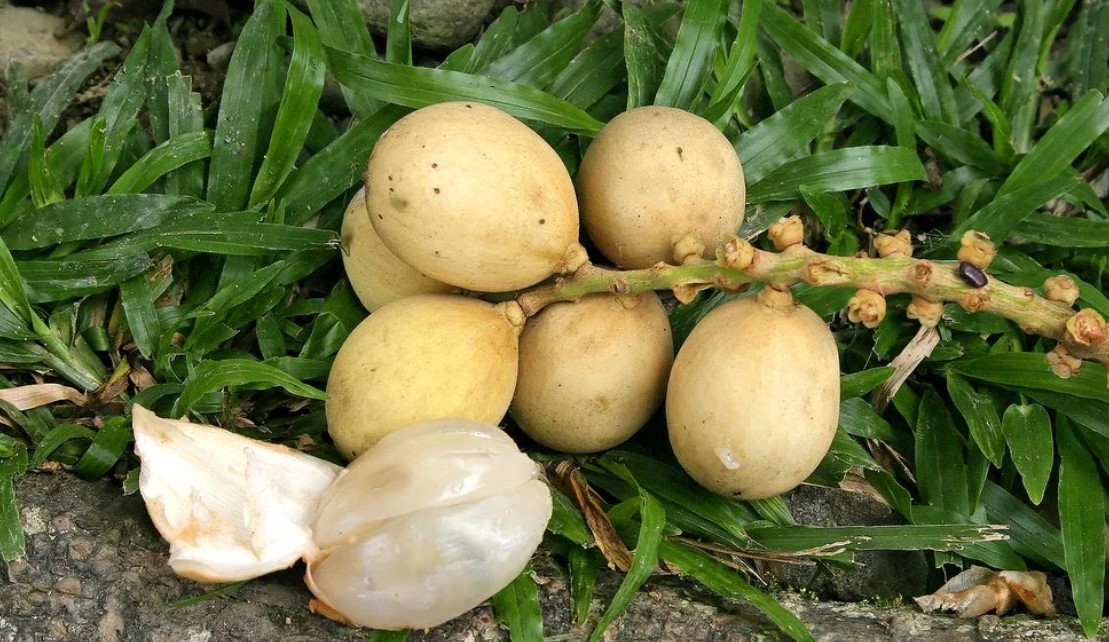
| Description | It resembles a small potato, only slightly larger. The skin is yellowish. After peeling, it resembles garlic. |
| Taste | Usually very sweet, but there are also sour varieties. |
| Where to try | Tropics. |
| Harvest season | July, January. |
Rules for selection and how to eat
It can be eaten raw, cooked, preserved, or used in drinks. When choosing the fruit, make sure the skin is free of cracks and damage, otherwise it will spoil quickly. It can be stored in the refrigerator for 4-5 days.
Benefits and contraindications
It is a good source of calcium, phosphorus, carbohydrates and vitamin C. Contraindicated in case of allergic reaction to the fruit.
Langsat Photo Gallery
Application
For culinary purposes, as a repellent (when burned, the peel emits a specific smell that repels insects), in Thai medicine as a medicinal product.
Langsat reviews
An unusual exotic fruit
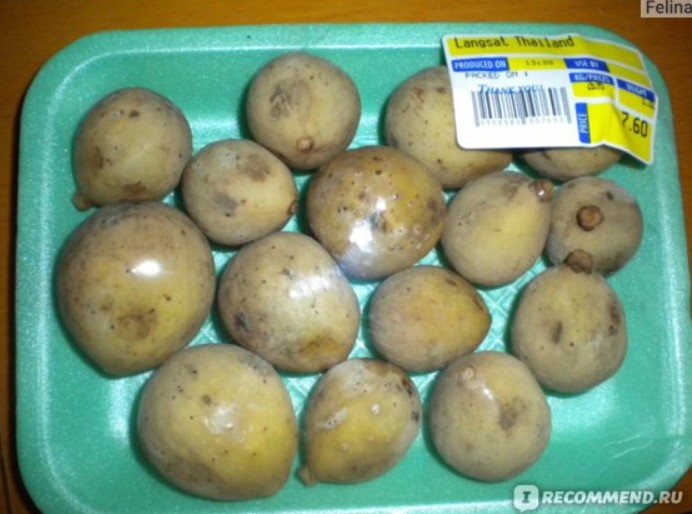
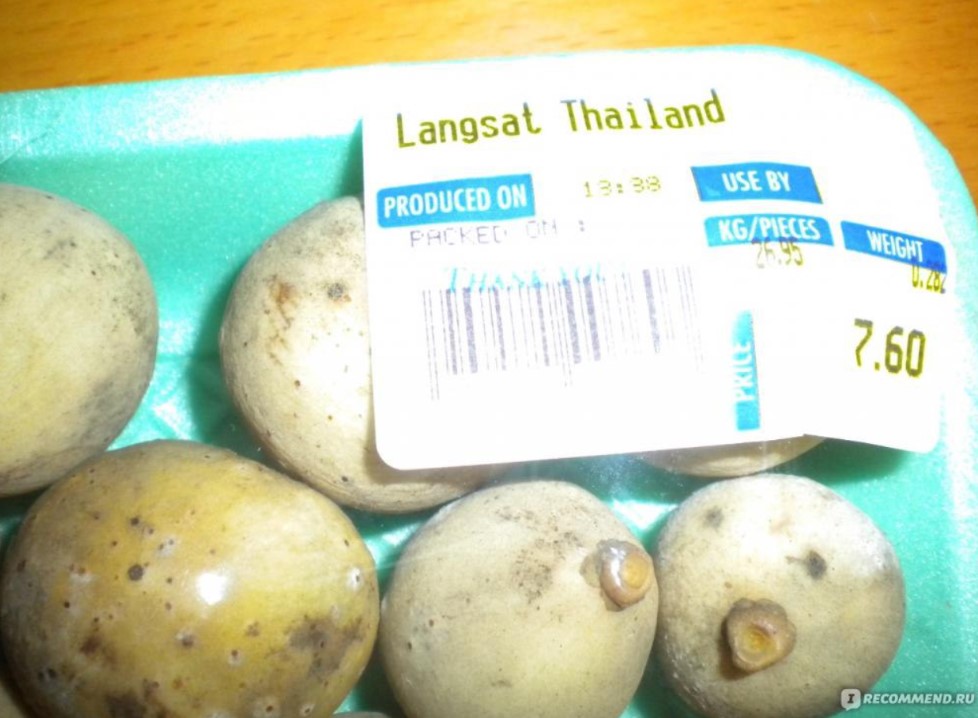
Another exotic fruit I encountered in the vastness of a Ras Al Khaimah supermarket, where I was running around wide-eyed, throwing all the exotic fruit I'd never seen before into my basket. It didn't look very presentable, frankly—it looked like a small potato, so I hesitated at first—whether to buy it or not. Curiosity won out.
This fruit had a thin, tough skin that was difficult to peel off (I later read that it contained latex. Apparently so!) Under the skin was yellowish-gray flesh, juicy and grape-like in consistency. The taste was sweet with a slight tartness. It tasted a bit like currants, but tastier. Inside were some seeds (I wouldn't recommend biting into them—they're bitter!)
We went through almost three hundred grams of the fruit in no time, and we've since bought more. If you ever come across them, buy them—they're worth a try!
Felina
recommends
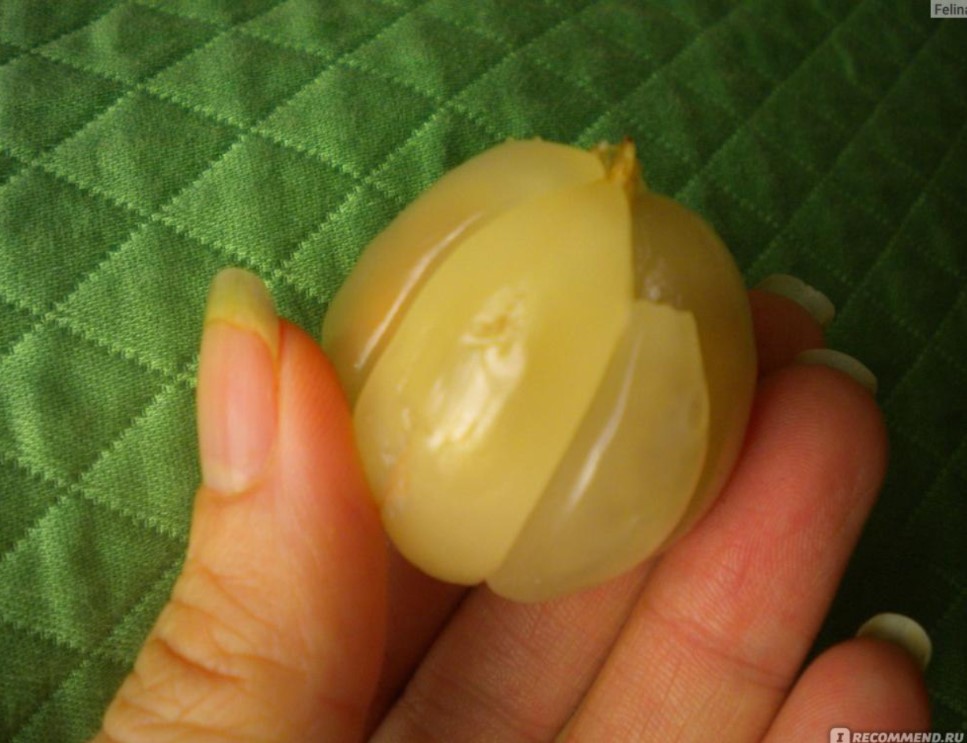
Lychee
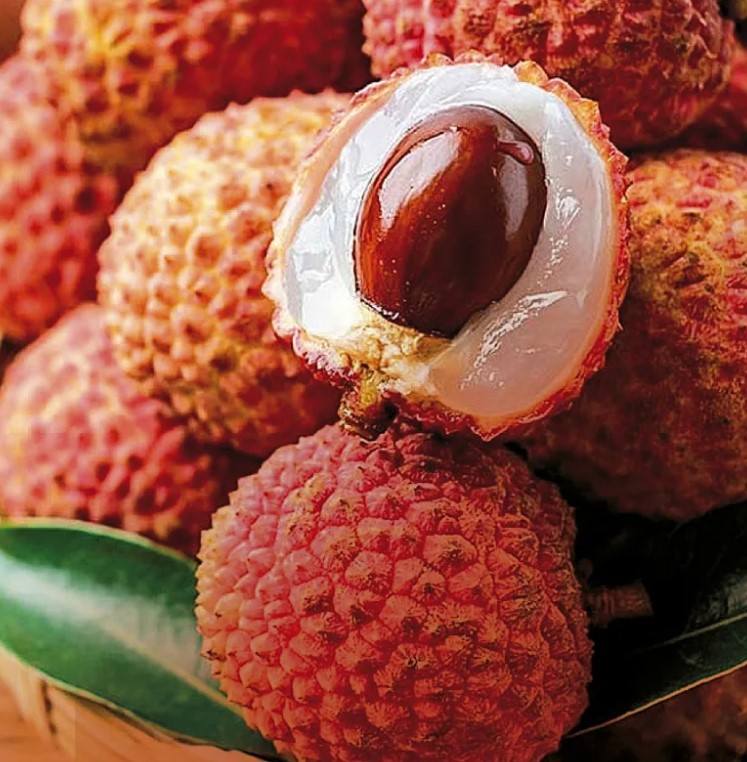
| Names | Lychee, litchi, Chinese plum, litchi. |
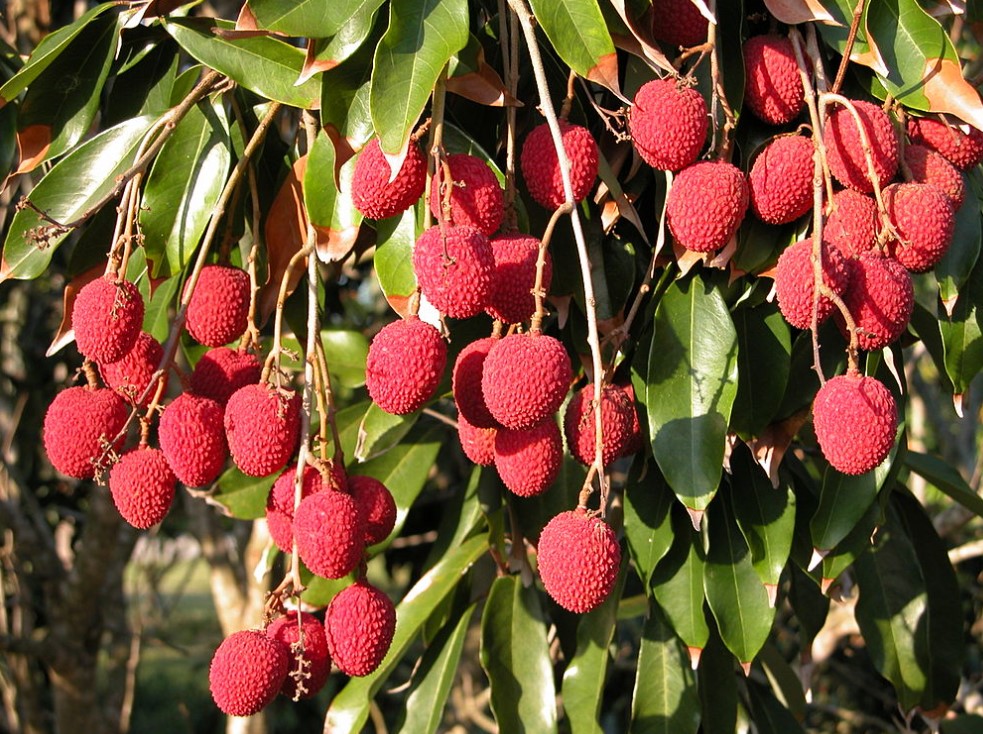
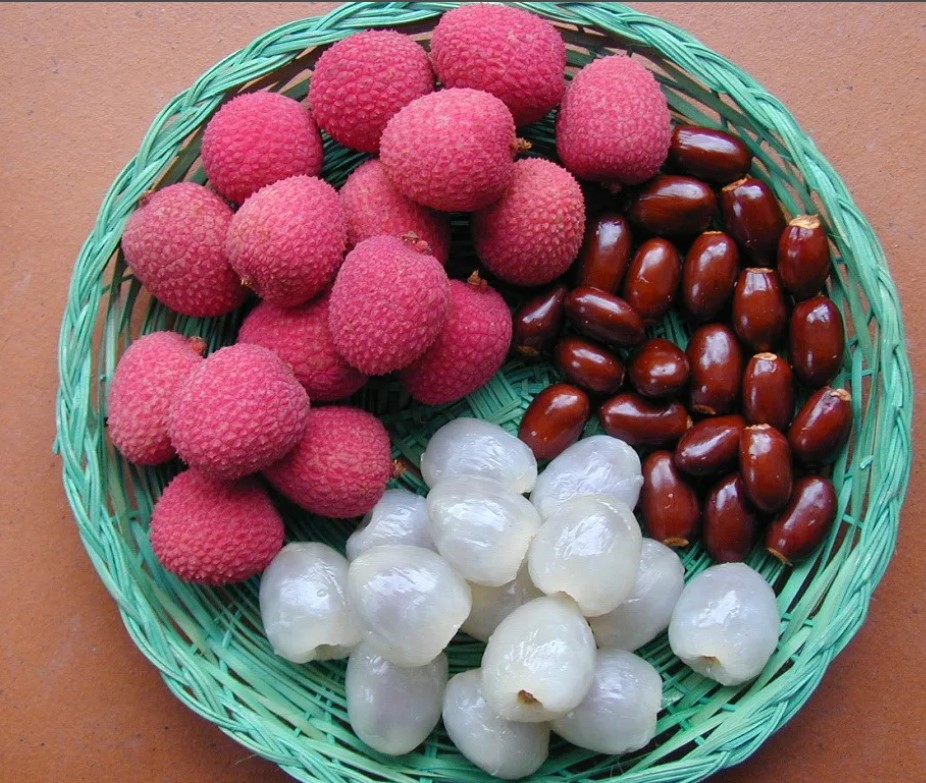
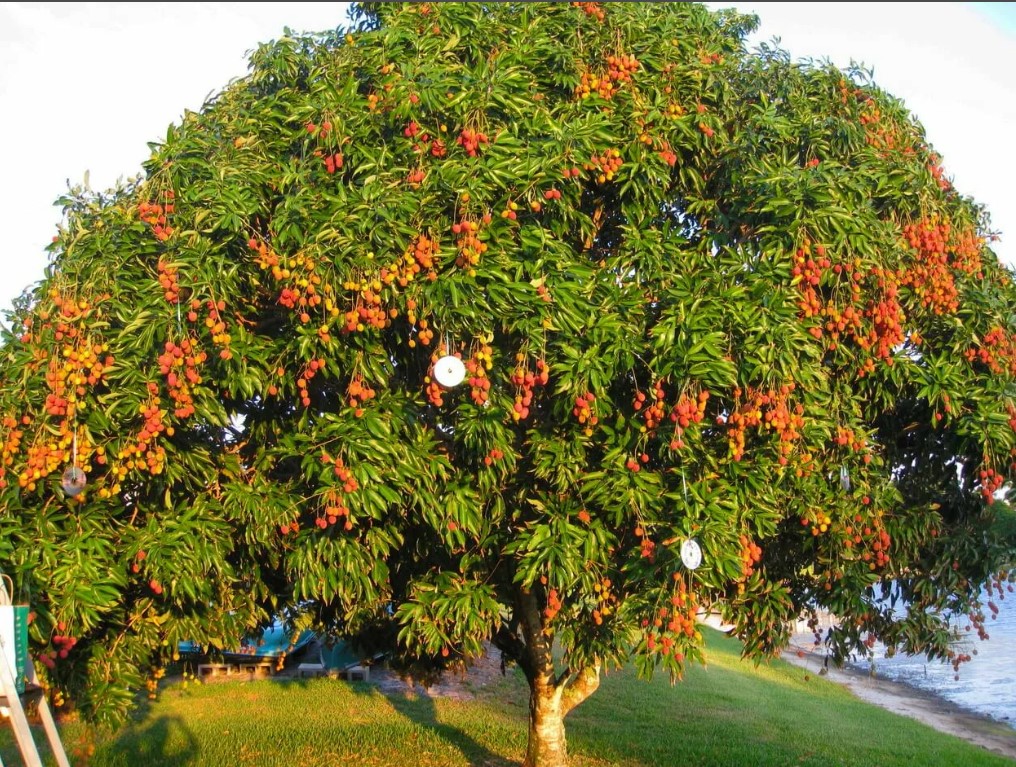
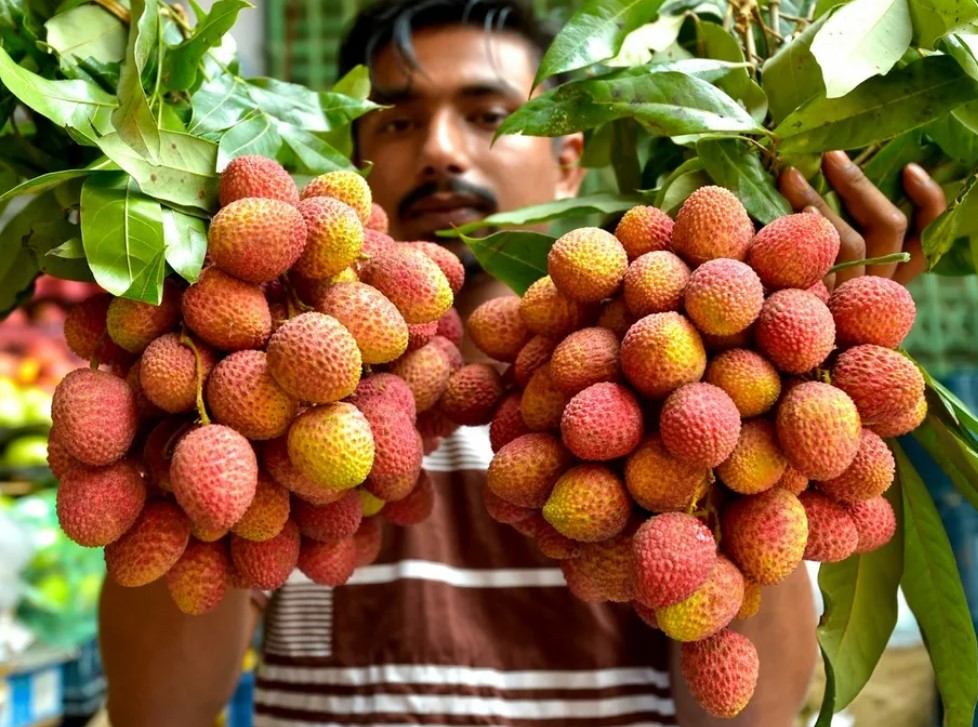
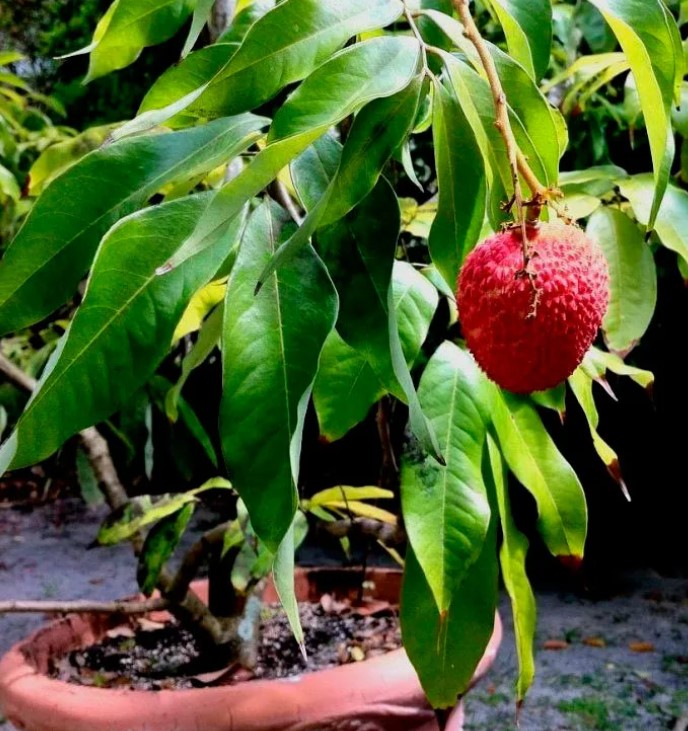
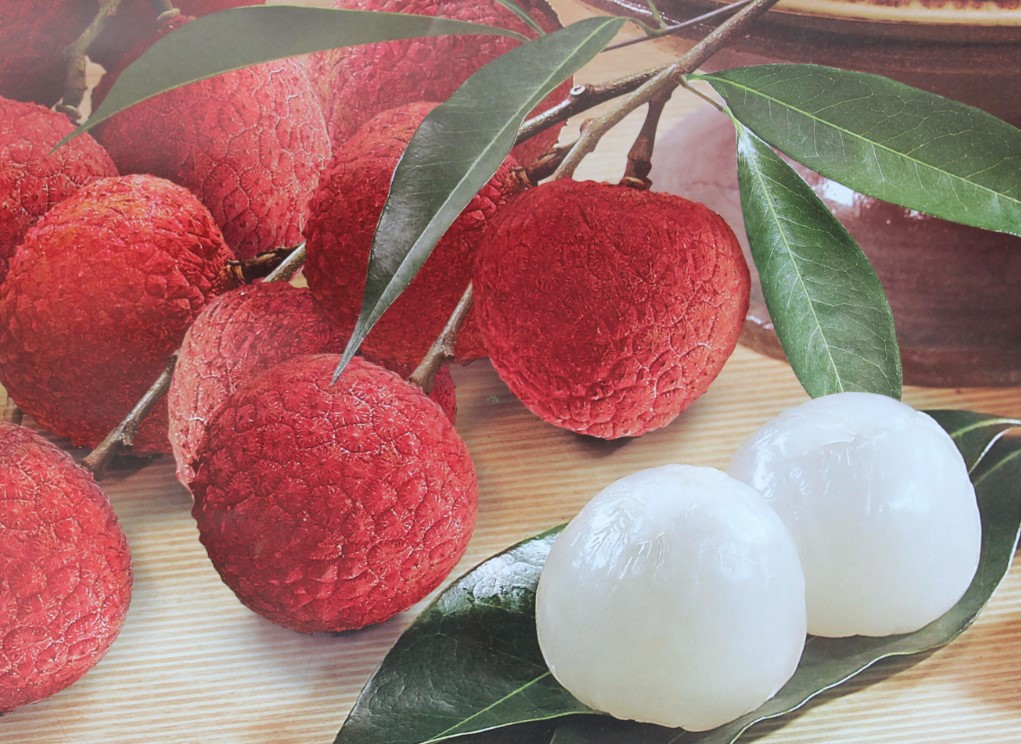
| Description | The fruits, shaped like pears or round, grow in clusters. Beneath the bright red skin lies translucent white flesh. |
| Taste | Juicy, sweet like grapes. |
| Where to try | Thailand, Cambodia, Indonesia, Australia, China. |
| Harvest season | Late spring-early summer in the subtropics. |
Rules for selection and how to eat
Fresh, edible fruits are always brightly colored. If they begin to darken, it's best to avoid purchasing them, as this will detract from their flavor. Lychees are eaten without the skin, which is easily peeled by hand. They can be stored in the refrigerator for up to 2 weeks, or frozen without the skin for up to 3 months.
Benefits and contraindications
Lychee is rich in carbohydrates, pectin, potassium, magnesium, and vitamin C. It also contains a high concentration of niacin, which helps prevent atherosclerosis. Contraindications include allergies and individual intolerances. Excessive consumption may cause gastrointestinal problems.
Lychee photo gallery
Application
It is consumed fresh and used in cooking and folk medicine.
Lychee Reviews
Review: Lychee Fruit – It's become my favorite fruit, an aphrodisiac! I eat it in a completely different way, without losing a drop of juice!
ADVANTAGES:
Exceptionally delicious
FLAWS:
Rarely available for sale
Hooray, Magnit blessed us with exotic lychees from Madagascar for the New Year. It's one of my favorite fruits, maybe even my favorite. The price isn't prohibitive—180 rubles per kilogram—but the edible yield is about half, as it includes the peel and pit.
For me, lychee is a dessert from nature itself.
Under the skin is hidden a sweet, delicate liquid; there is not much of it, but it is exceptionally tasty, tender and sweeter than the whitish pulp, which, however, also has an excellent taste.
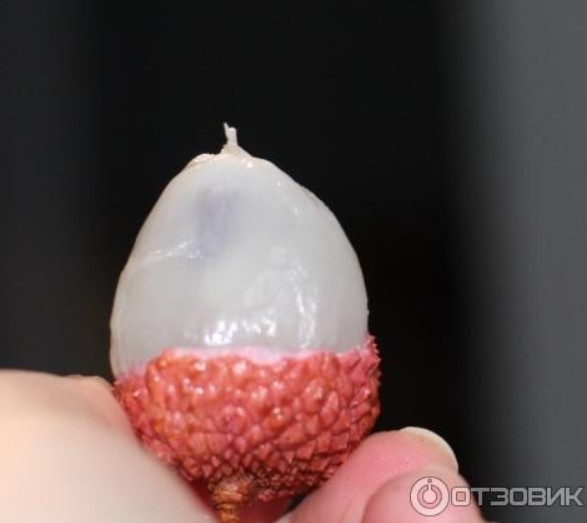
Usually lychees are peeled. Like this.
It is relatively easy to clean, but not in one motion.
But I like to eat differently, when no one sees me) I bite into the peel and first suck out the precious juice)
So that not a single drop goes to waste. Then you can clean it.
You can also skillfully cut it in your mouth and then spit out the skin. But of course, I won't do that at the table.
Lychee has a unique, refreshing flavor. It's somewhat like grapes, but with a tropical twist.
Lychees are beneficial and even an aphrodisiac.
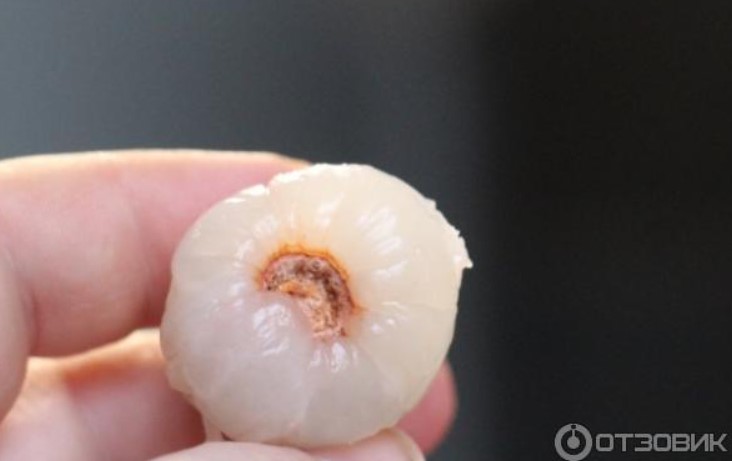
This is where the stalk is attached.
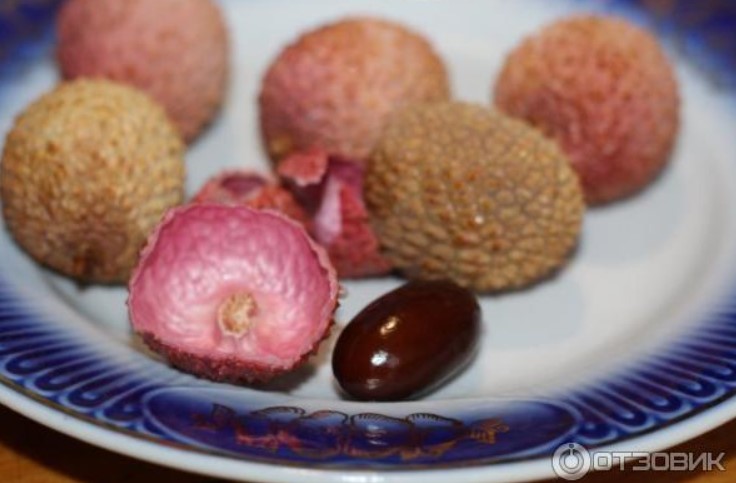
The seeds come in different sizes. Some are larger, some are smaller.
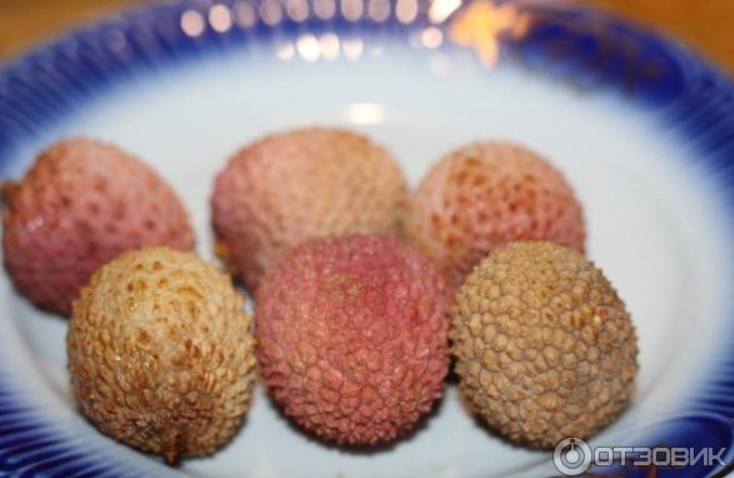
Lychee with a beige tint is slightly softer compared to lychee with a reddish tint.
But both are good.
There were no spoiled ones in this batch; spoiled ones may have a dark color and a flabby appearance.
Price: 180 ₽

Longan
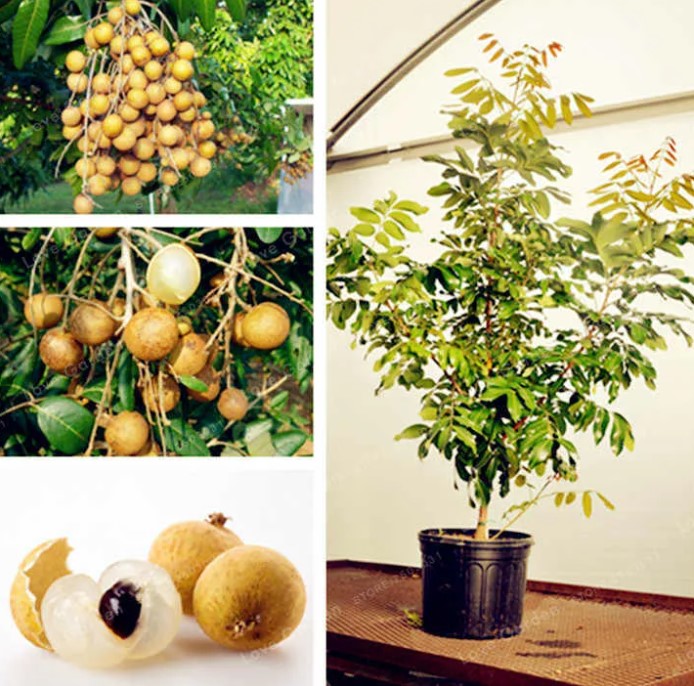
| Names | Longan, Lam-yai, Dragon's Eye. |
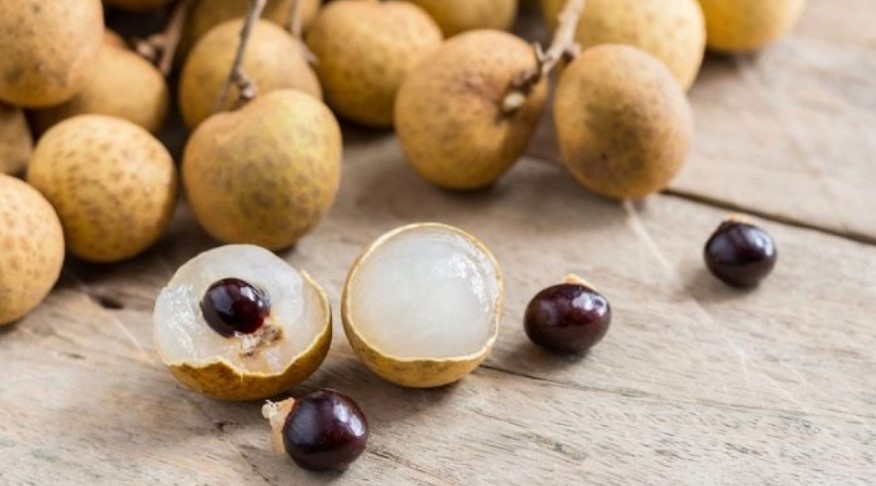
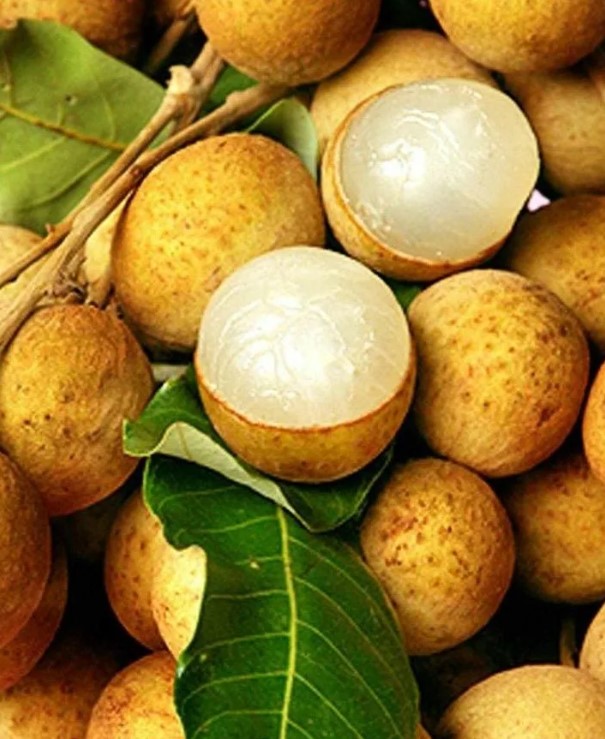
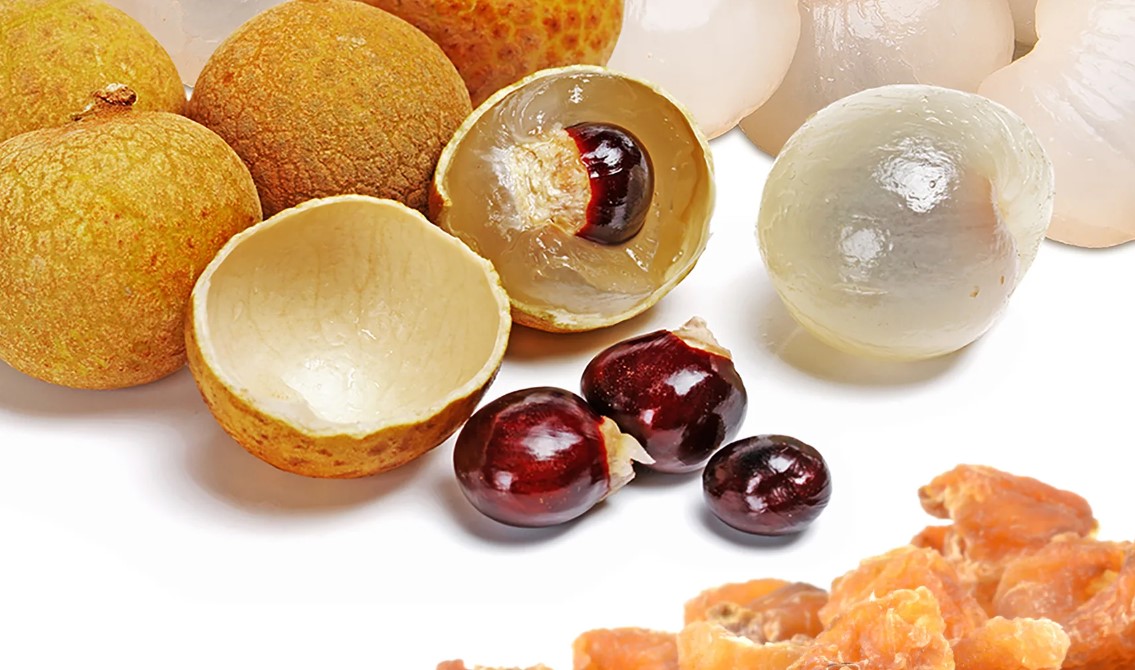
| Description | A round, brown fruit that resembles a small potato. |
| Taste | Very sweet and juicy, a little musky. |
| Where to try | Thailand, Vietnam, Cambodia, China. |
| Harvest season | Summer. |
How to choose and eat
The skin should be firm, without cracks, otherwise the fruit will spoil quickly. The fruit tastes best when freshly picked, not when it's been stored for a few days. Only the flesh of the longan is edible, so it should be peeled first.
Benefits and contraindications
It's rich in sugar, vitamin C, calcium, iron, and phosphorus, as well as various bioacids beneficial for the skin. However, it shouldn't be consumed in large quantities, as it can cause a fever.
Longan photo gallery
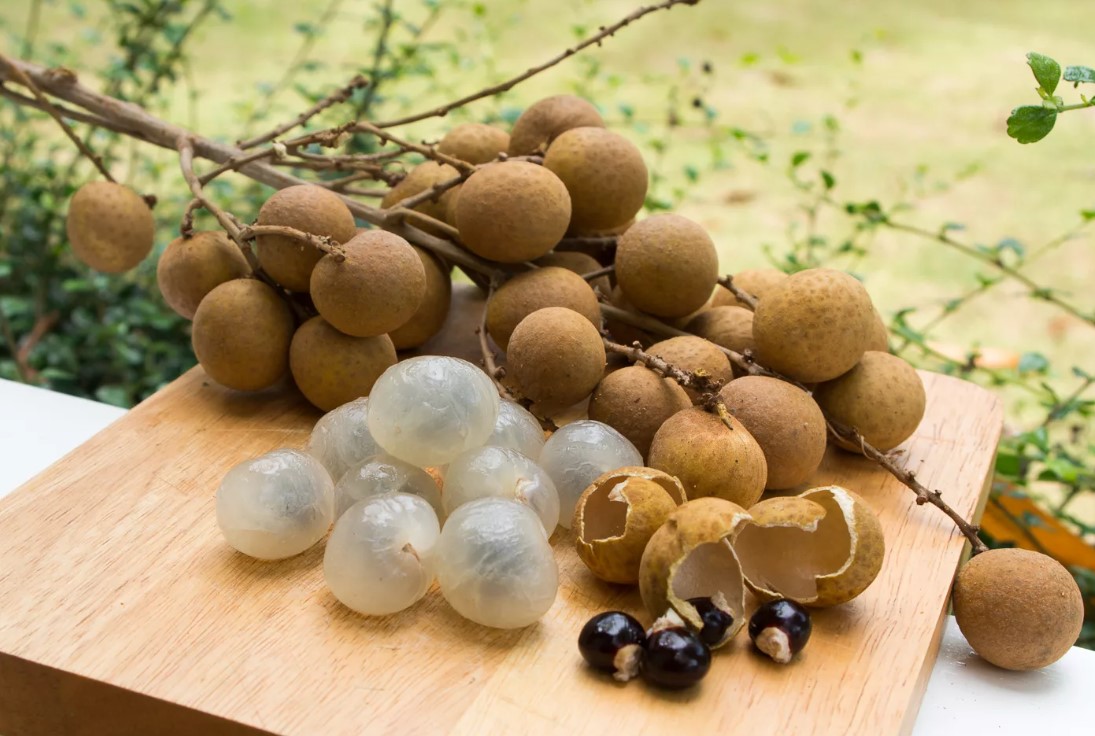
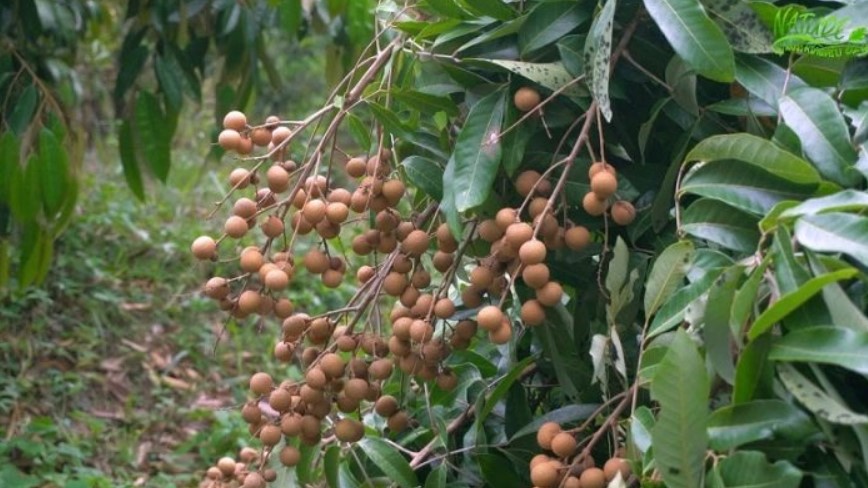
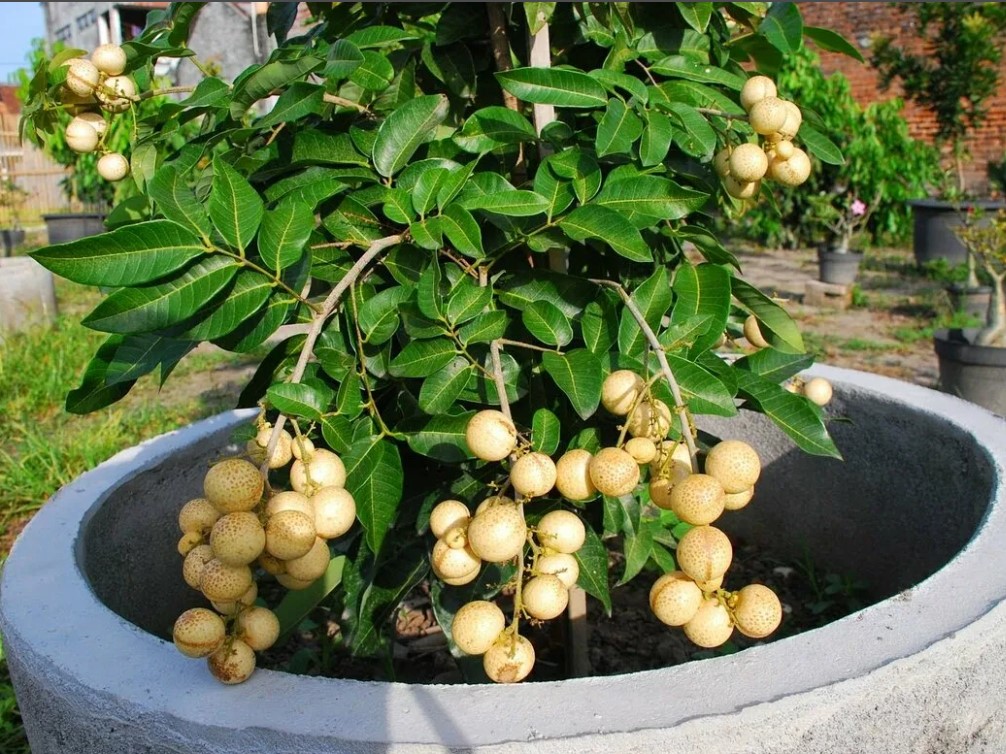
Application
Used in cooking and alternative medicine.
Longan Reviews
Review: Longan Fruit - "Dragon's Eye" or Potato?
ADVANTAGES:
Tasty, healthy
FLAWS:
Expensive
Good day to all!
I would like to share my opinion about such an exotic fruit as longan.
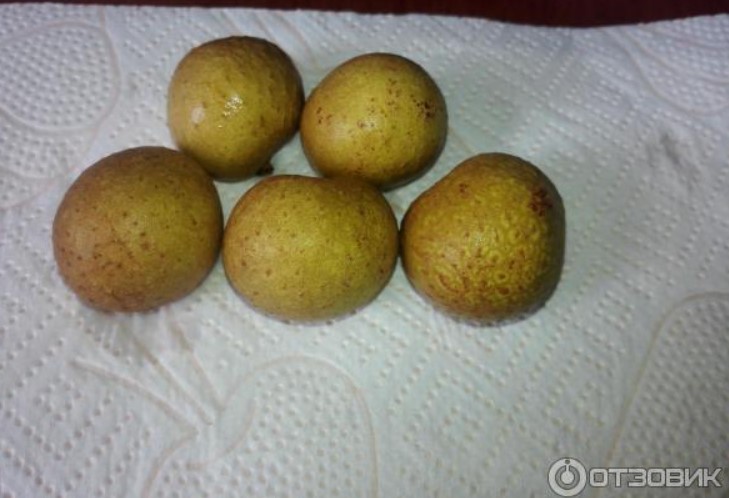
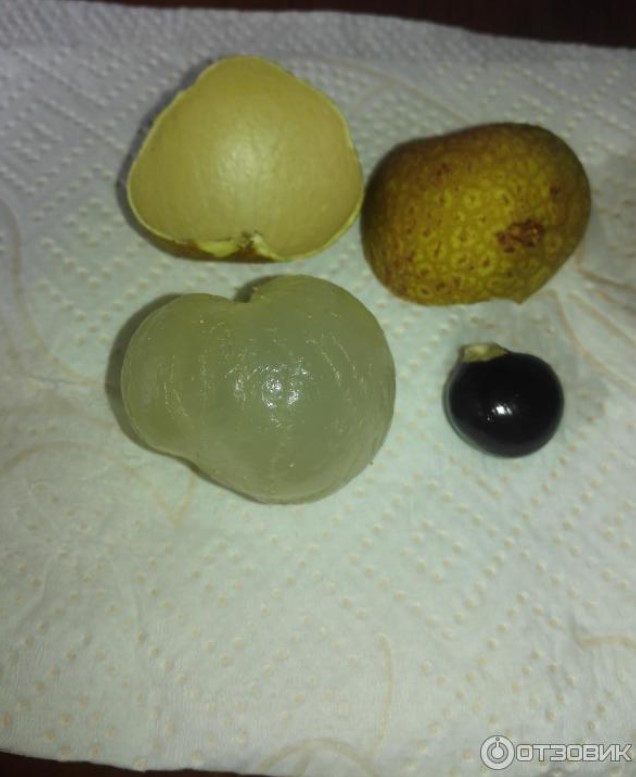
There are so many of these different fruits that I even get confused by the names, but my husband, who stubbornly continues to grow plants from them, knows exactly which one is which.Longans are small, also known as "dragon's eye." They look to me like grapes, nuts, or even small potatoes.
The skin of the longan is quite thin and can be easily removed by prying it off with a fingernail.
The fruit has a fairly large, shiny stone.
The pulp of longan is very juicy, sweet, even slightly cloying.
I'm writing this review and wondering what it tastes like... Honestly, it tastes weird... It's sweet and that's it. It's juicy, reminiscent of grapes, with a subtle hint of melon at times.
I've read a lot about the health benefits of longan; it contains a large amount of vitamin C, as well as many other beneficial substances. But we sometimes buy it just to eat it, as it's too expensive for vitamin supplements. It costs about 120-140 rubles per 100 grams. For that price, you can get about 9-10 medium-sized fruits.
By the way, the longan seed germinates very easily.
This is what our tree looks like after six months of growing.
I like the fruit itself, I can indulge myself sometimes, but buying it on a regular basis is still a bit expensive.
But still, I recommend it to those who love exotic fruits!
Thank you for your attention to my review!

Mamey
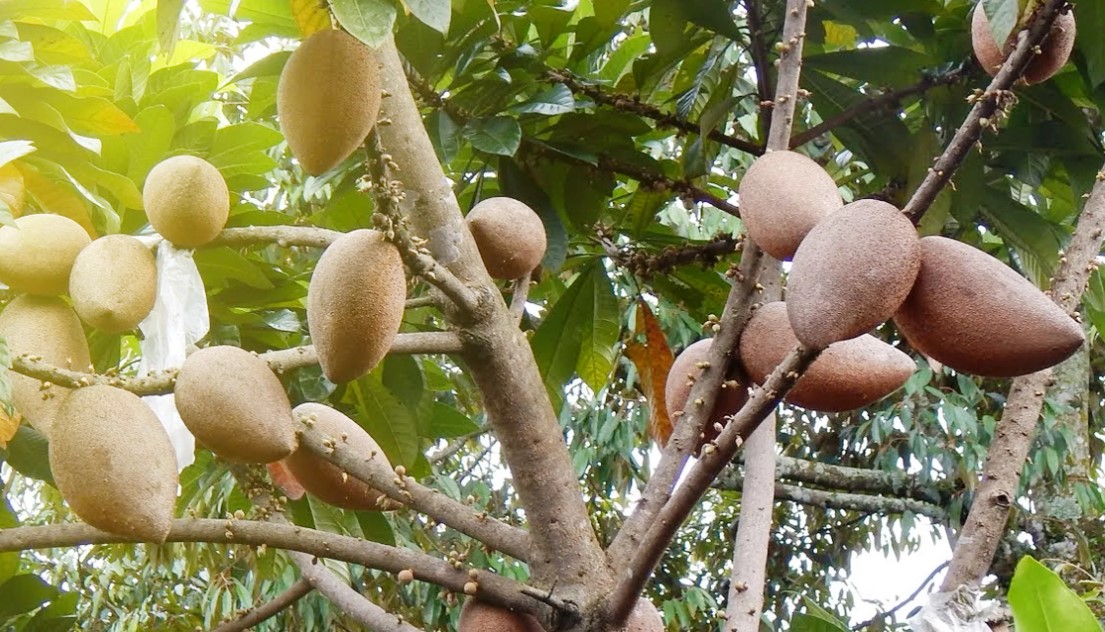
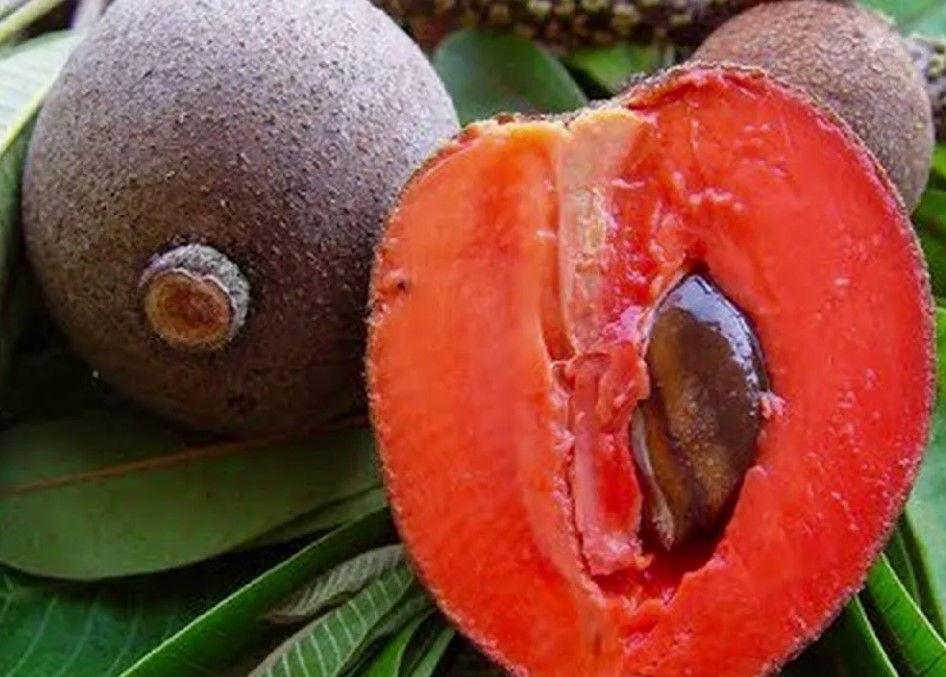
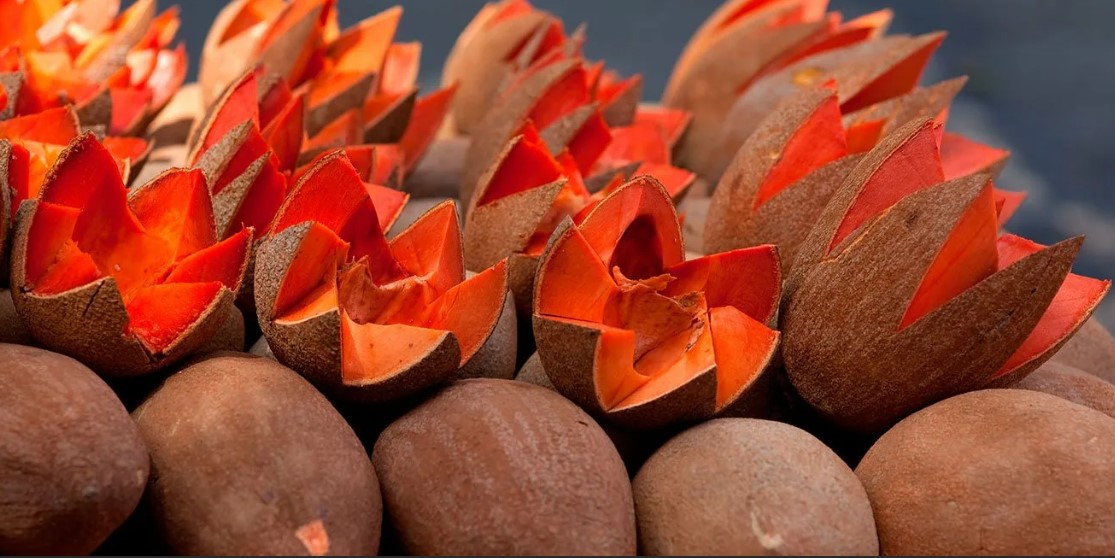
| Names | Mameya, mamey, mamey, red sapote. |
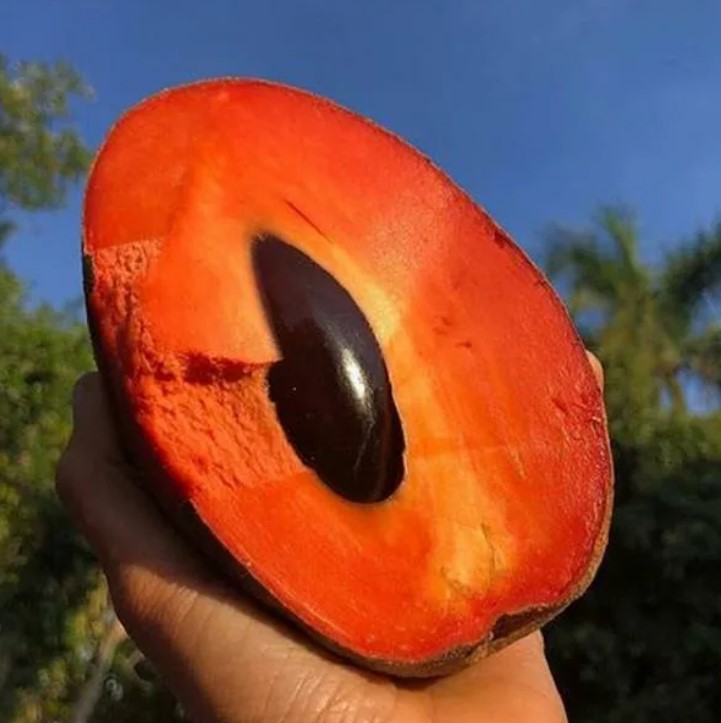
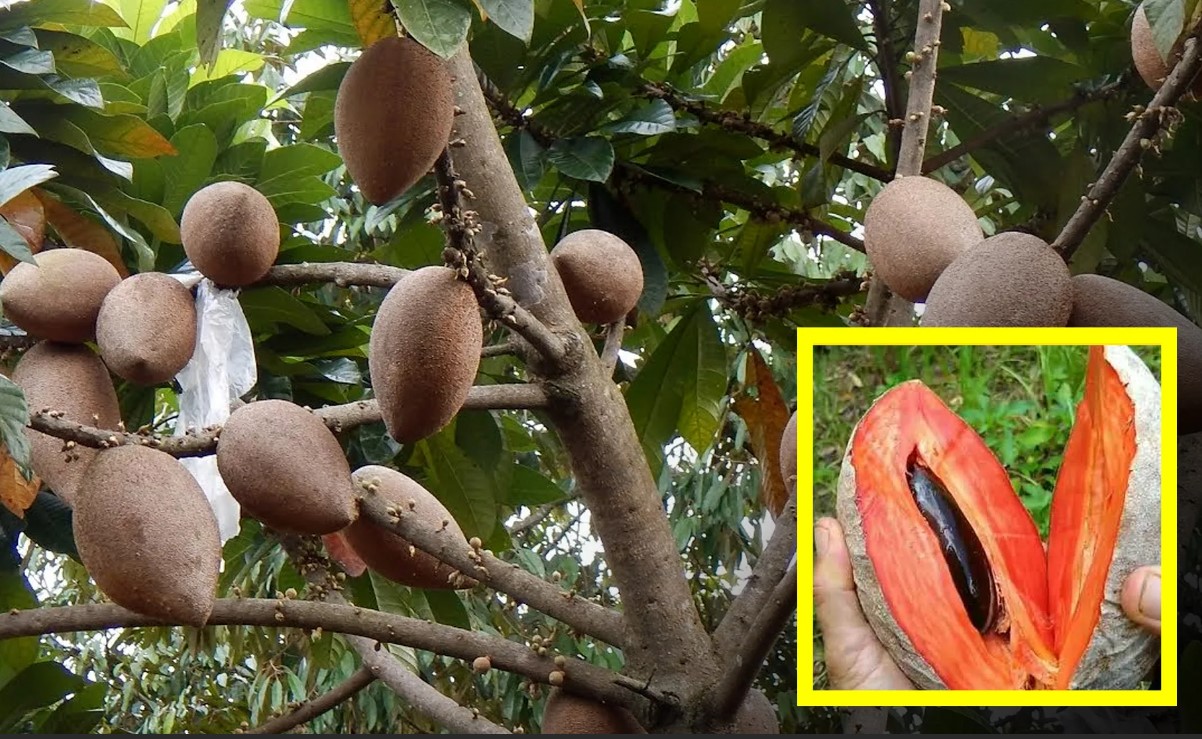
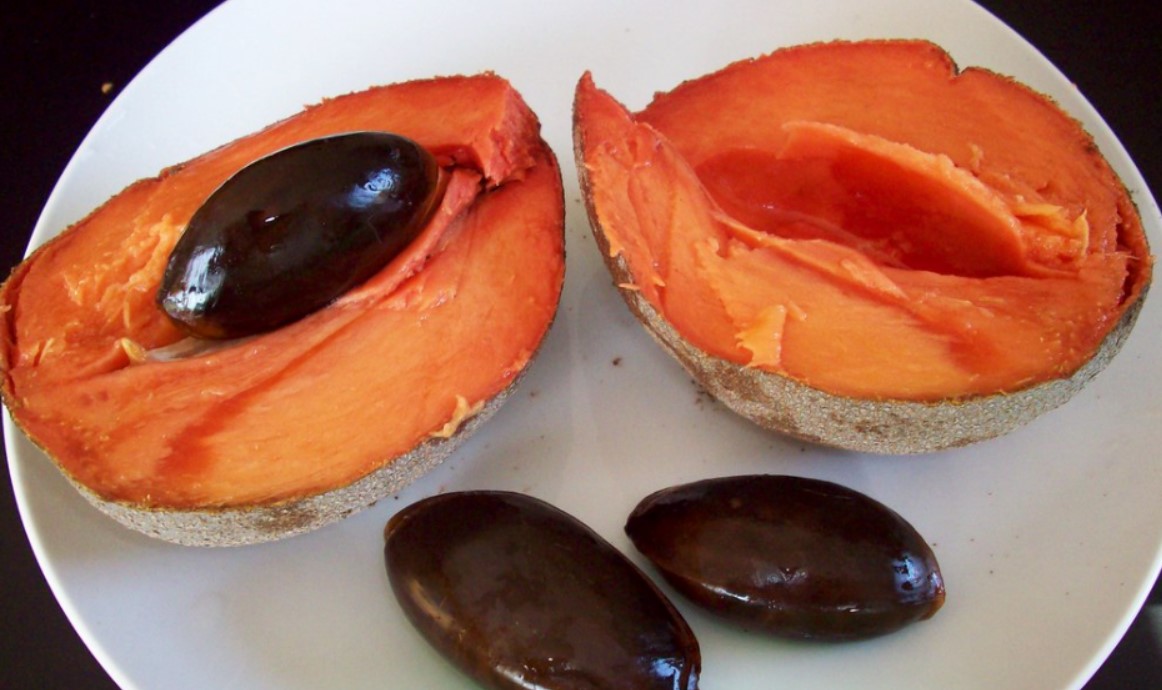
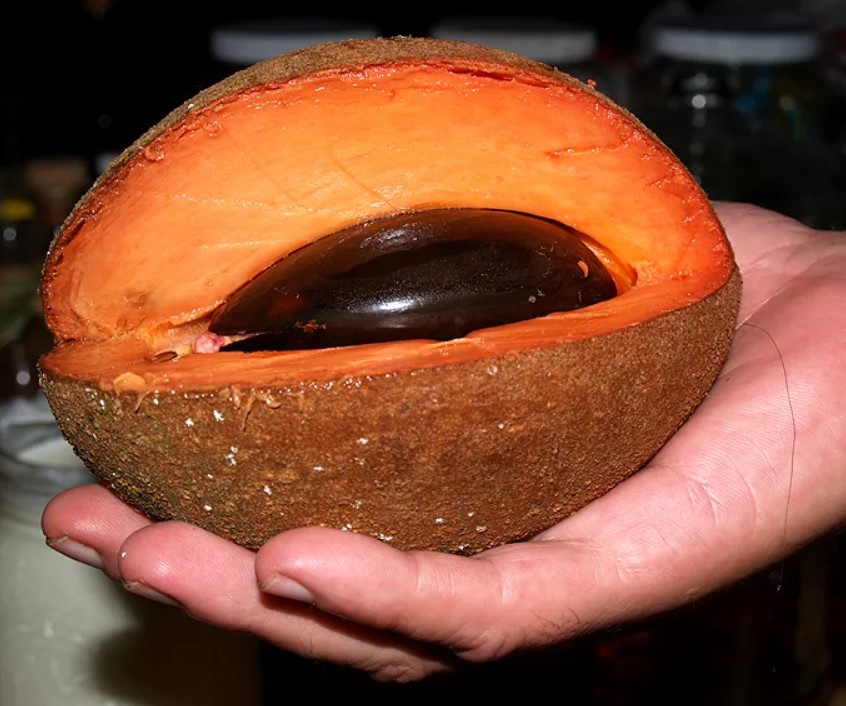
| Description | The fruit is round, reaching 30 cm in diameter. It has a tough, dark-brown skin covered with scales. As it ripens, the skin softens. The flesh ranges from pink to dark red. Inside is a large, dark seed, which can reach 7 cm in diameter. |
| Taste | Sweet, reminiscent of apricot. |
| Where to try | Colombia, Mexico, Ecuador, Venezuela, Antilles, Florida, Hawaii, Southeast Asia. |
| Harvest season | All year round. |
How to choose and eat
Before eating, ripe red sapote fruits should be washed and carefully peeled to remove the outer layer of scales. Then cut in half, remove the seeds, and eat the pulp with a spoon. For convenience, the fruits can be sliced.
Benefits and contraindications
It is a rich source of essential nutrients that can benefit the body and improve overall well-being. Children under 3 years of age and pregnant women should avoid consuming it. This fruit is contraindicated for those with diabetes, obesity, or individual intolerance.
Mameya photo gallery
Application
They are eaten fresh, added to pies and cakes, and preserved. Unripe fruits are used to make jelly.
Red Sapote Reviews
Review: Zapote Fruit - Not Impressive
ADVANTAGES:
Sweet
FLAWS:
What are the downsides to fresh fruit? There aren't any.
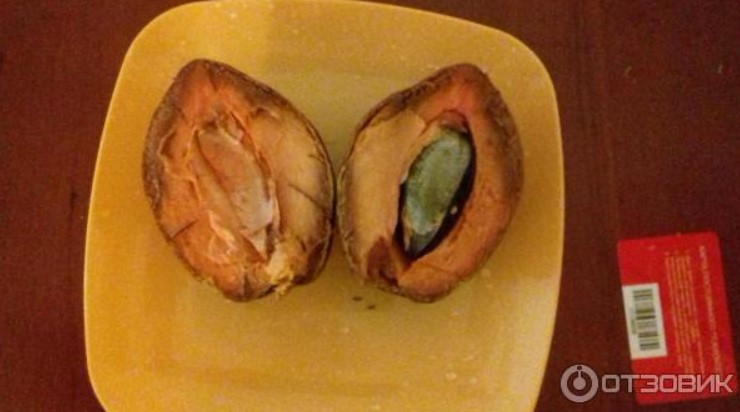
The fruit looks like a large potato. It has a brown skin, orange flesh, and a fairly large seed inside.
The taste is similar to persimmon and apricot. Sweet, not astringent, with firm flesh.
I bought this fruit at a market in Havana. There, they call it mamey—red sapote.
It's always interesting to experience something new in a foreign country.
Mango
| Names | Mango, mango. |
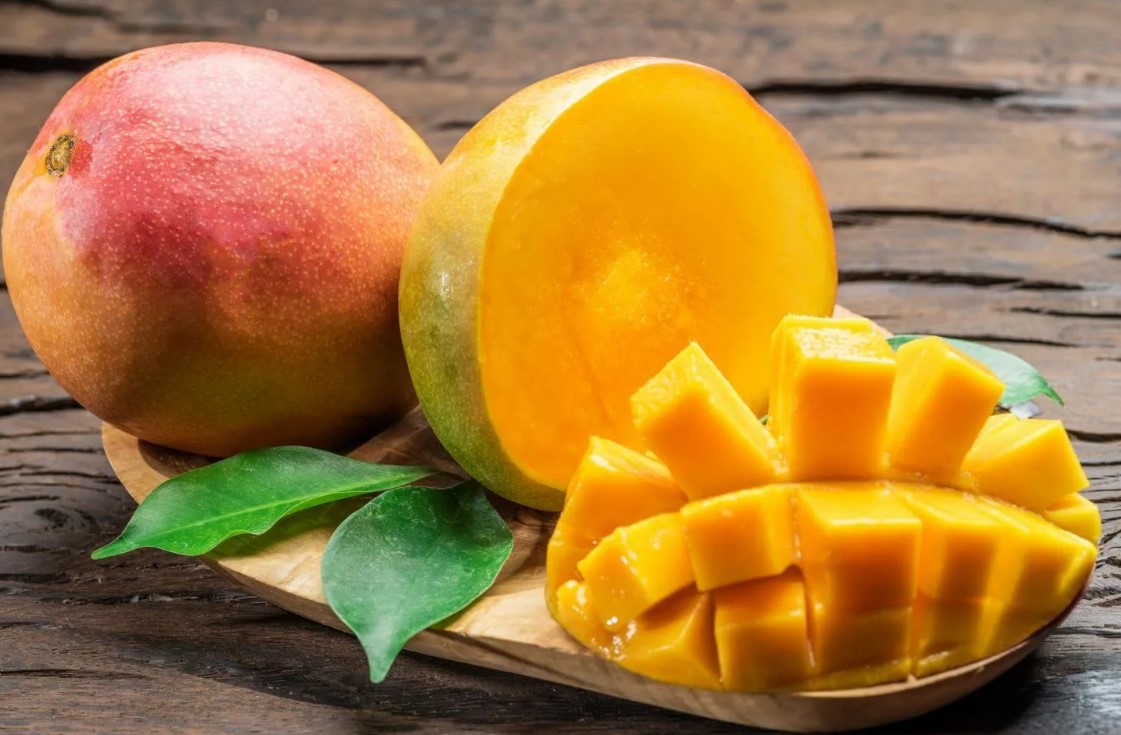
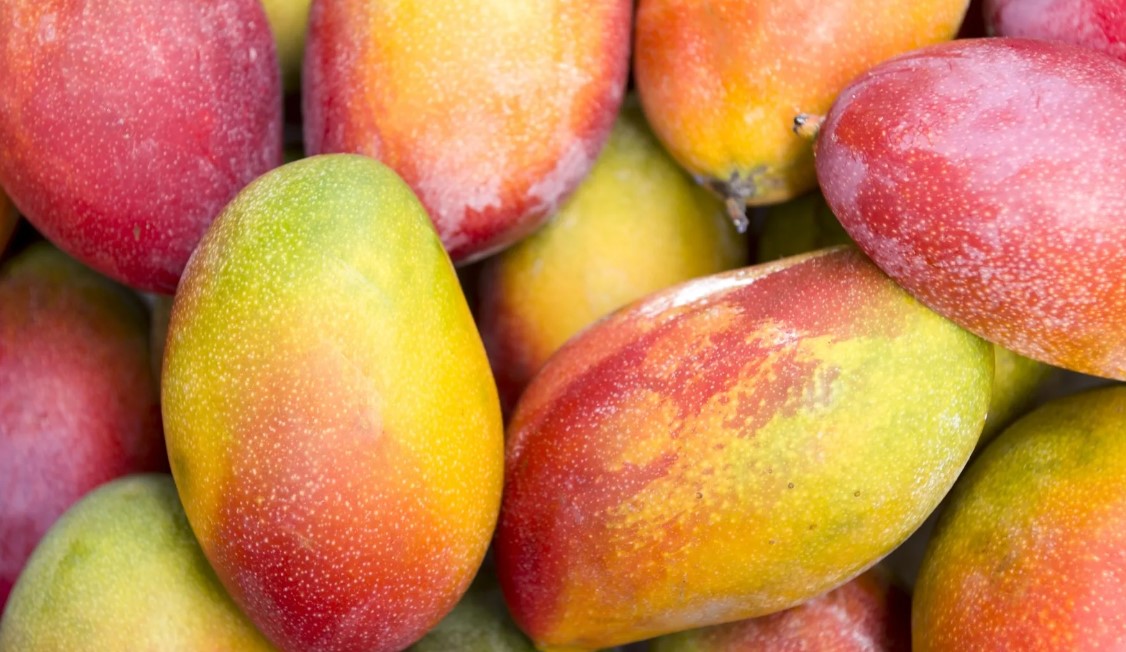
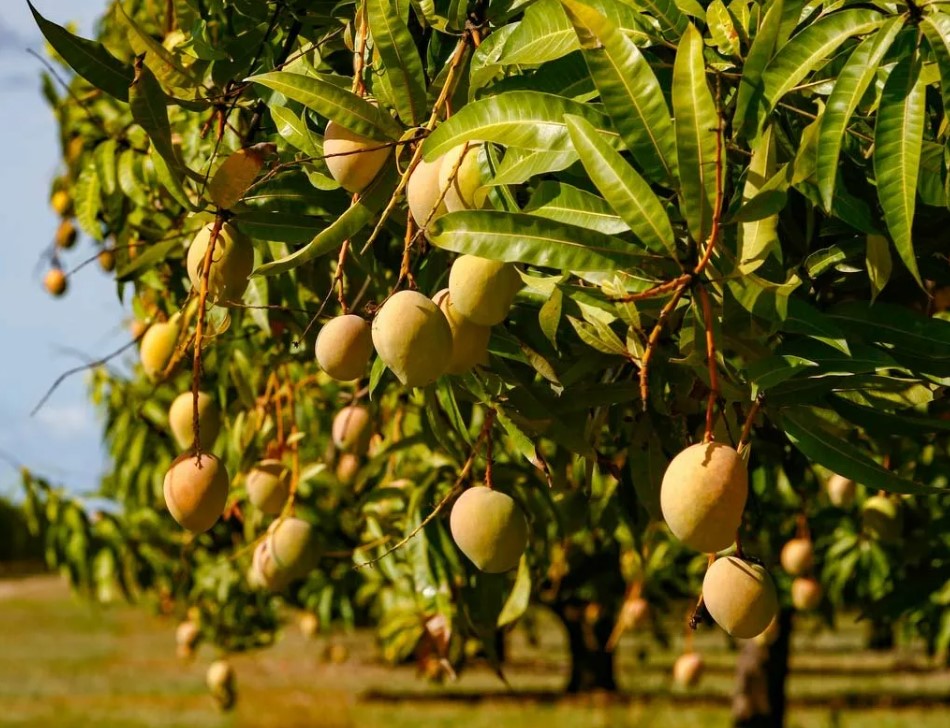
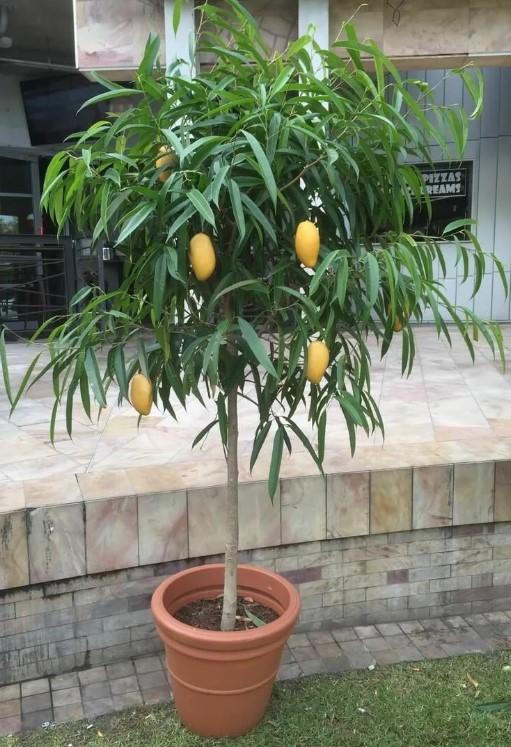
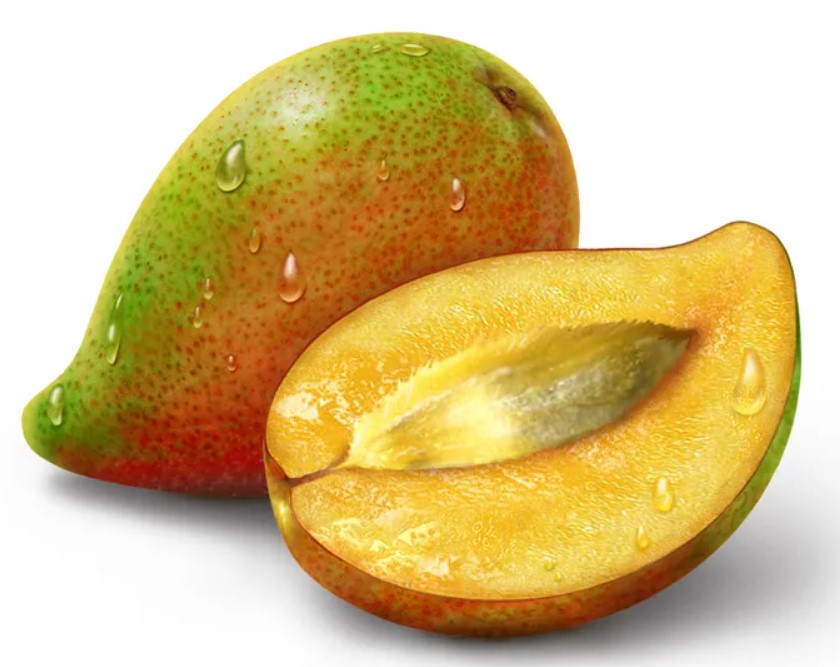
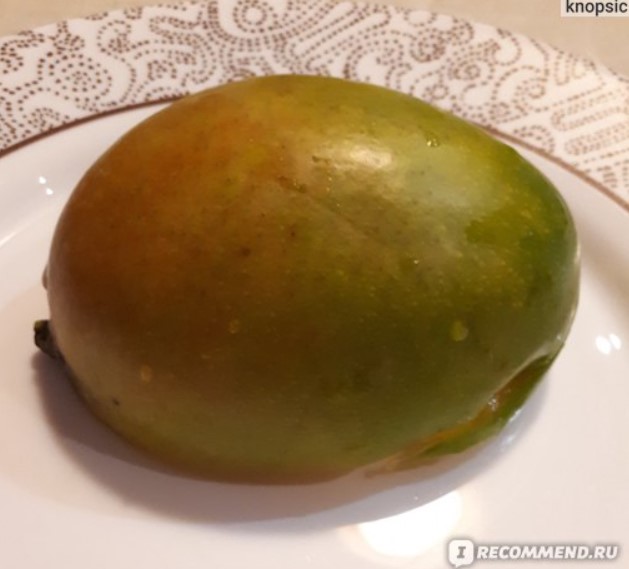
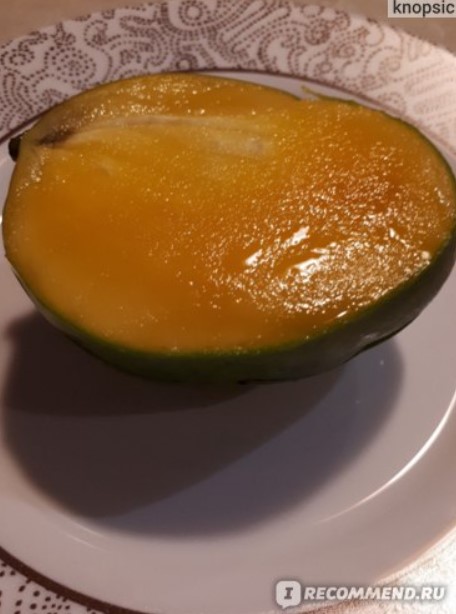
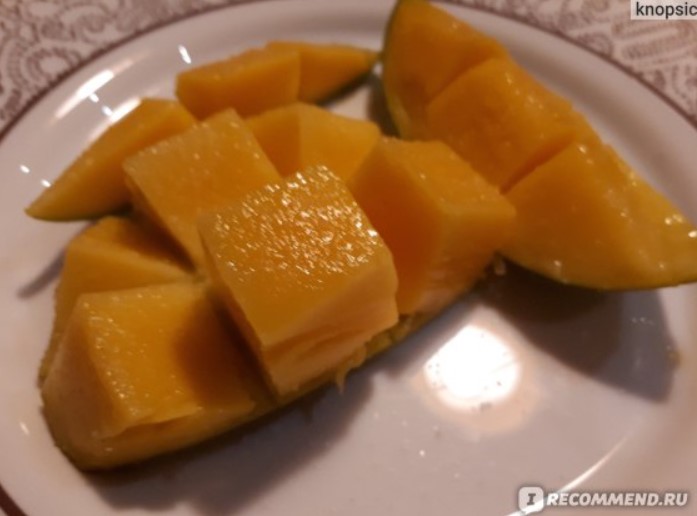
| Description | The fruits are large, ovoid, elongated, or spherical. The flesh is yellow-orange. |
| Taste | Juicy, sweet. |
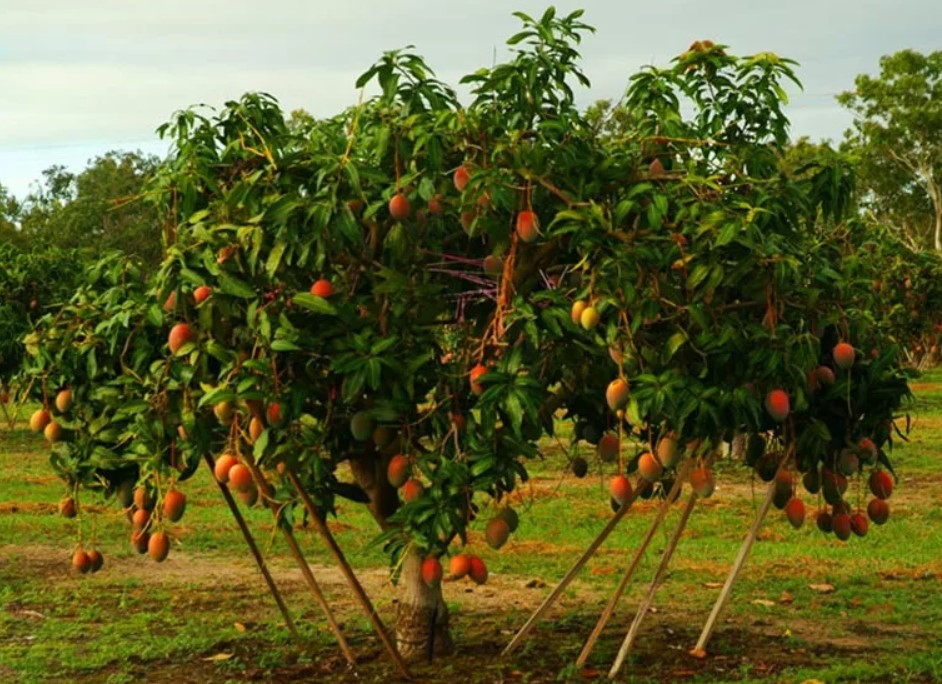
| Where to try | Philippines, India, Thailand, Indonesia, Myanmar, Vietnam, China, Pakistan, Mexico, Brazil, Cuba, Egypt. |
| Harvest season | All year round depending on the country. |
How to choose and eat
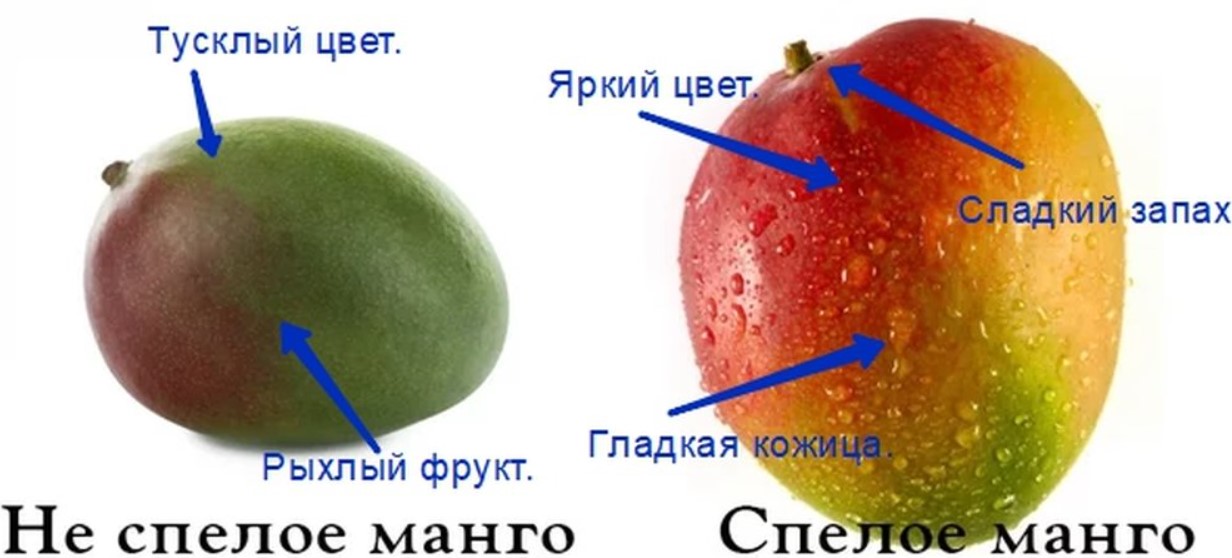
A mango's color doesn't determine its ripeness, as it varies by variety. In fact, some people prefer to eat unripe mangoes, and sprinkle unripe ones with salt and pepper. If you prefer ripe fruit, you can place the mango in a dark place at room temperature, and it will be ready to eat in a week. Peel it before eating.
Benefits and contraindications
Contains essential amino acids that can only be obtained through food. Mangoes contain five times more carotene than tangerines. They are also a rich source of vitamins and minerals. Some nutritionists believe that a mango-milk diet is the most complete and balanced.
Contraindications: allergies, diabetes, gastrointestinal problems, dermatitis, pancreatitis.
Mango photo gallery
Application
Used in cooking and alternative medicine in India and other Asian countries.
Mango Reviews
Mmmmmmango... One step from hate to love.
Hi everyone, thanks for stopping by this review. I love fruit and often buy it. One time, a friend was telling me about mangoes and was surprised I'd never tried them. She described them so vividly that I went to the supermarket that very day and bought some.
Oh, how disappointed I was! It was hard, and tasted like carrots with hints of strawberry. I'm not a big fan of carrots, so I happily tossed it in the trash, vowing I'd never buy it again. I shared my impressions with a friend, and it turned out I'd gotten an unripe one. We decided to buy it again, this time following these tips:
— the fruit should not be too hard;
- must not have any defects;
- should have a pleasant aroma.
Today I have exactly this on my table, and I know this because I've already eaten half of it.
A ripe mango has bright, juicy flesh with a rich aroma.
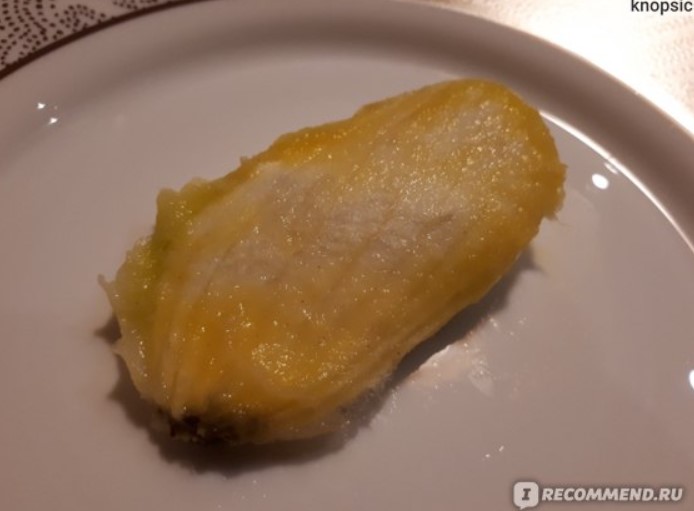
I cut out the bone, by the way, it’s very interesting, large and flat.
I love salting mangoes. Yes, that's right, I have such a strange preference. By the way, it's recommended to eat unripe mangoes with salt, but I eat ripe ones; in my opinion, salt adds a rich flavor. And the taste of a ripe mango is unforgettable: it's unlike any other fruit, juicy and sweet.
Choose ripe fruit; eating unripe fruit can cause an upset stomach. If you can't find any at the store, don't worry. Keep unripe fruit at room temperature for a few days until it ripens. Avoid eating the mango peel, as it's a strong allergen. Otherwise, mangoes are a complete health food! I love this fruit and highly recommend you try it.knobsic
recommends
Mangosteen
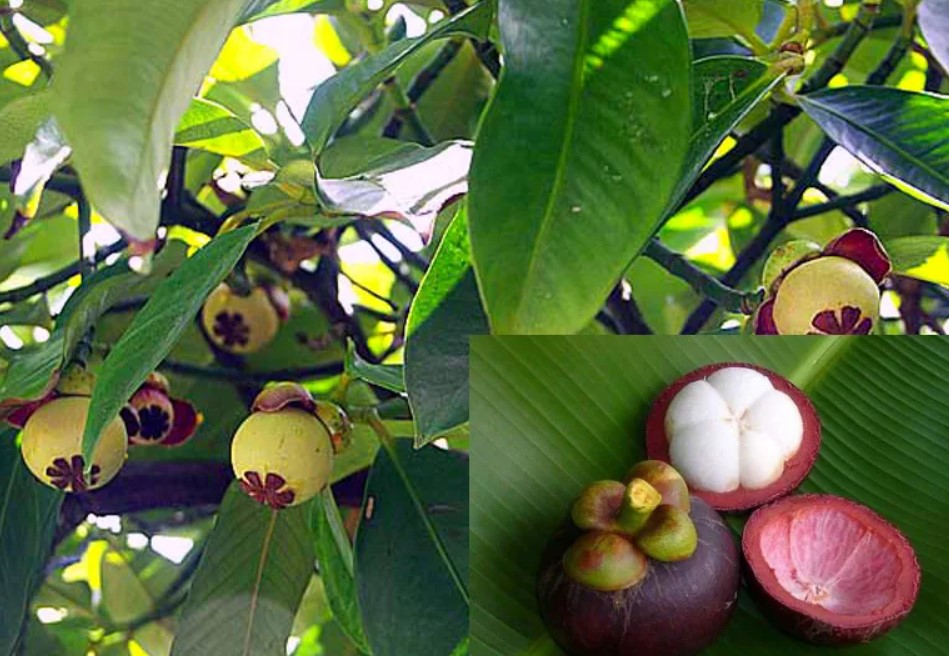
| Names | Mangosteen, mangosteen, mangosteen, mangosteen, mangosteen, garcinia, mankut. |
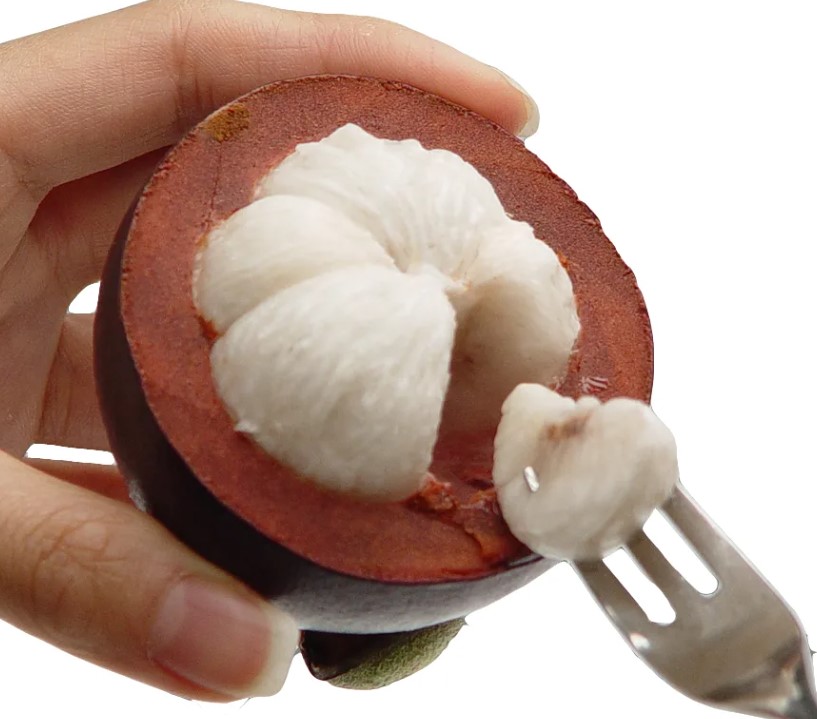
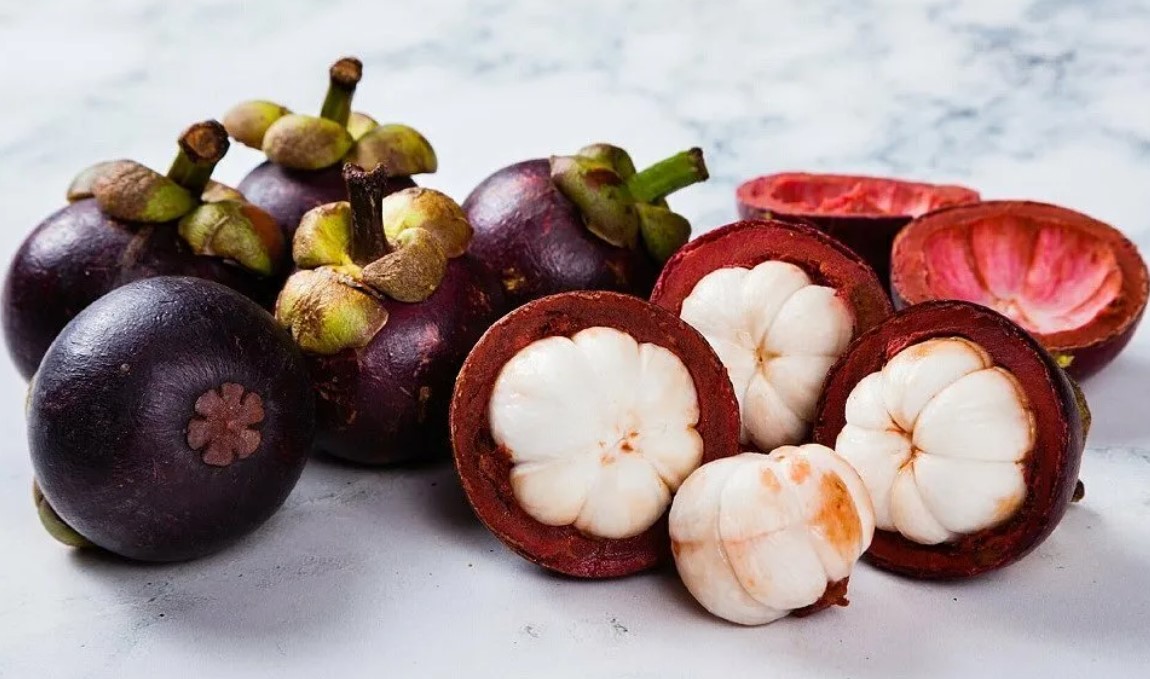
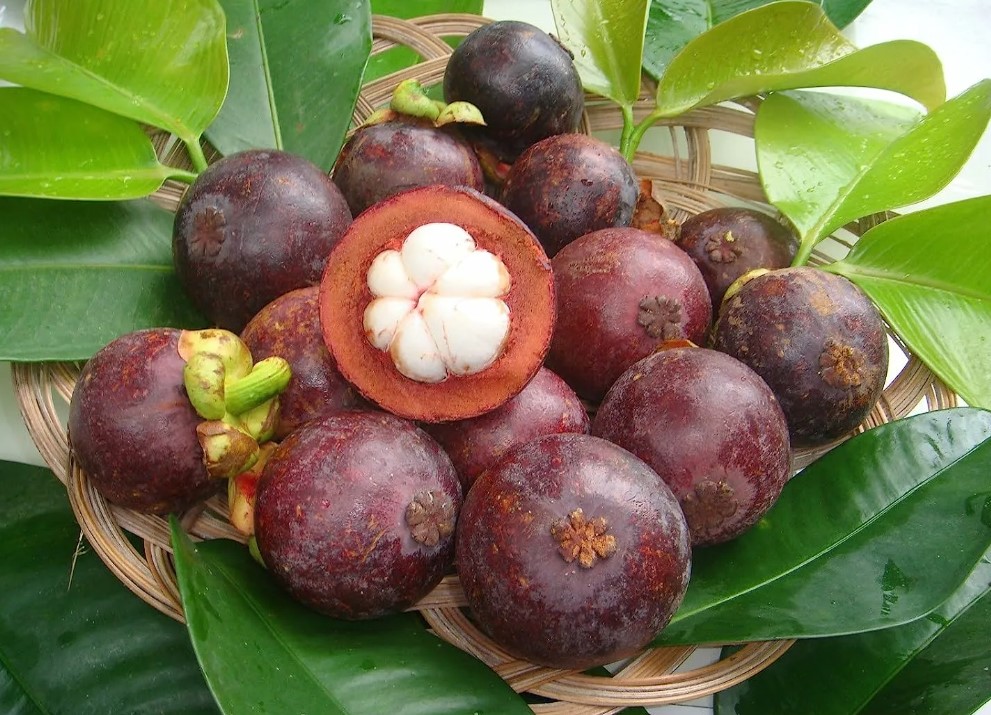
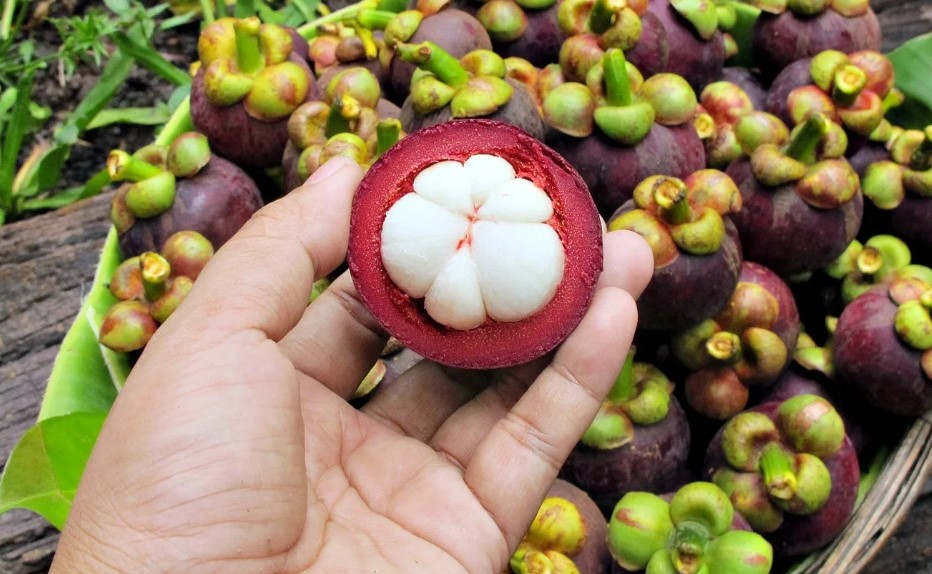
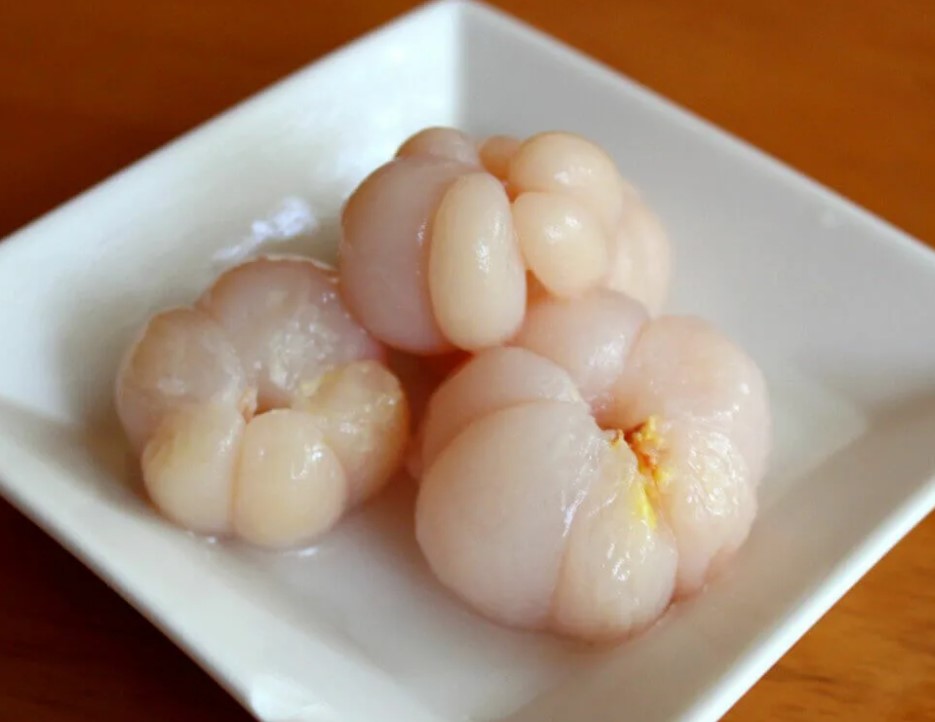
| Description | The fruit resembles a small, dark purple apple. It has a thick, inedible skin and contains edible pulp resembling garlic cloves. |
| Taste | Sweet, with a slight sourness. |
| Where to try | Southeast Asia. |
| Harvest season | Mid-April - mid-October. |
How to choose and consume correctly
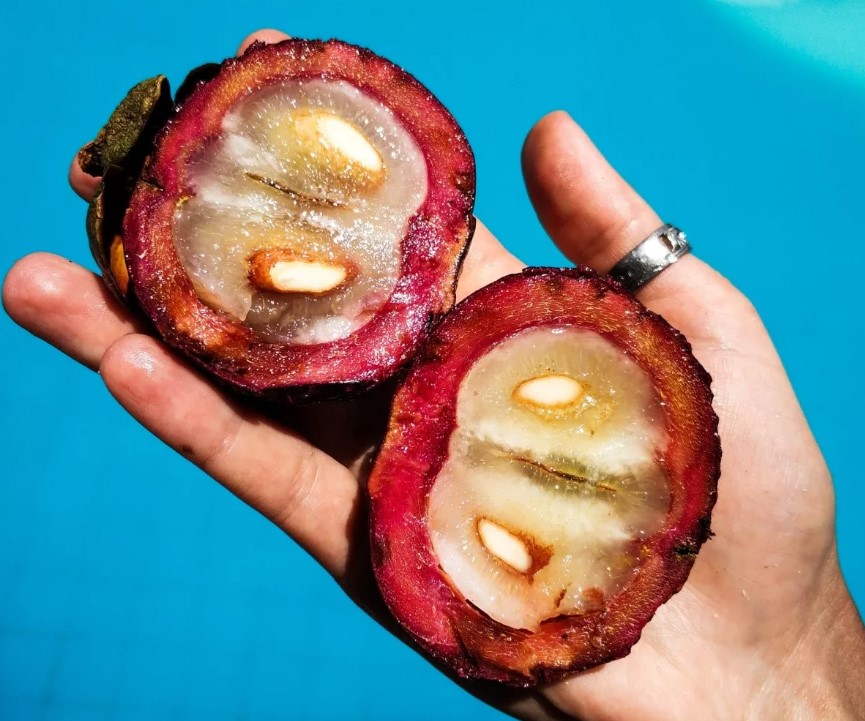
Sometimes, diseased mangosteens are encountered with dark, creamy, sticky, and unpleasant-tasting flesh. These fruits are difficult to identify without opening them. Sometimes, this can be determined by touch—the skin is hard and dry, like wood (healthy fruits are slightly soft and pliable).
When opened, the mangosteen peel releases a purple sap that is impossible to remove. The best way to peel the fruit is to lightly score the peel with a knife around the entire perimeter, then separate it in half and peel off the skin.
Benefits and contraindications
Contains natural biologically active substances that can reduce inflammation. Contraindicated in cases of individual intolerance.
Mangosteen Photo Gallery
Application
It is used for fresh consumption, preparation of preserves and juices, and also in alternative medicine.
Mangosteen Reviews
Review: Mangosteen - The Most Delicious Fruit
ADVANTAGES:
Delicious, amazing
FLAWS:
It's expensive in Moscow
I love to travel and have been to many places. My favorite destination has always been warm Asia: India, Cambodia, Laos, Thailand, Vietnam, Sri Lanka, China. And it is here, in these countries, that you will find that amazing, yet completely unappealing fruit—the mangosteen.Slightly larger than a chicken egg, more round in shape. It has small leaves at the stem. The skin is thick, eggplant-brown. And inside, it's incredibly delicious. White or milky segments, similar to tangerines or garlic. And the taste is simply indescribable. I can't compare it to anything else; for me, it's the taste of mangosteen. Sweet, but not overpowering or cloying, delicate and vibrant.
Mantussine is quite easy to clean, you can do it by hand if you have nails, and even with utensils.
If you decide to try it in Asian countries, you should check the season in advance. For example, November is not mangosteen season in Sri Lanka.
They cost next to nothing in Asia. Incidentally, I easily took 5 kg of them from Thailand in a regular bag (for about 500 rubles), and there were no issues. In Moscow, I saw mangosteens at the "Polish Fashion" store on Vernadsky Avenue, but they were already 500 rubles for four. But even at that price, they're worth it.
Very tasty, unusual, amazing. I highly recommend it.
Passion fruit
| Names | Passion fruit, maracuja, mara kuya. |
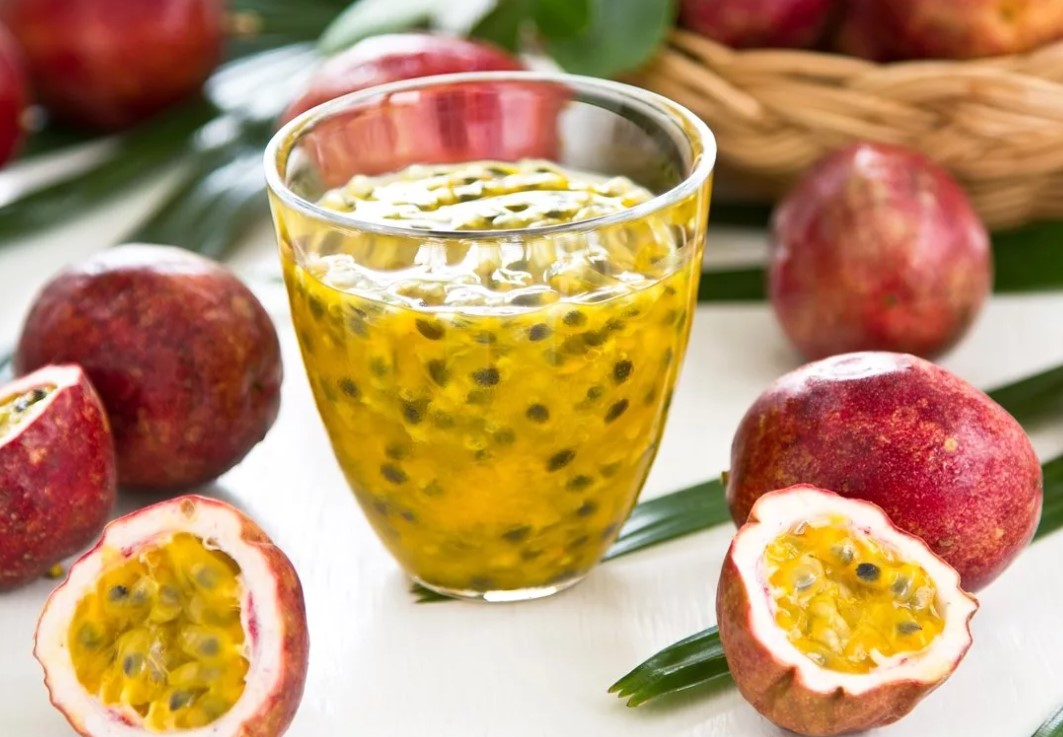
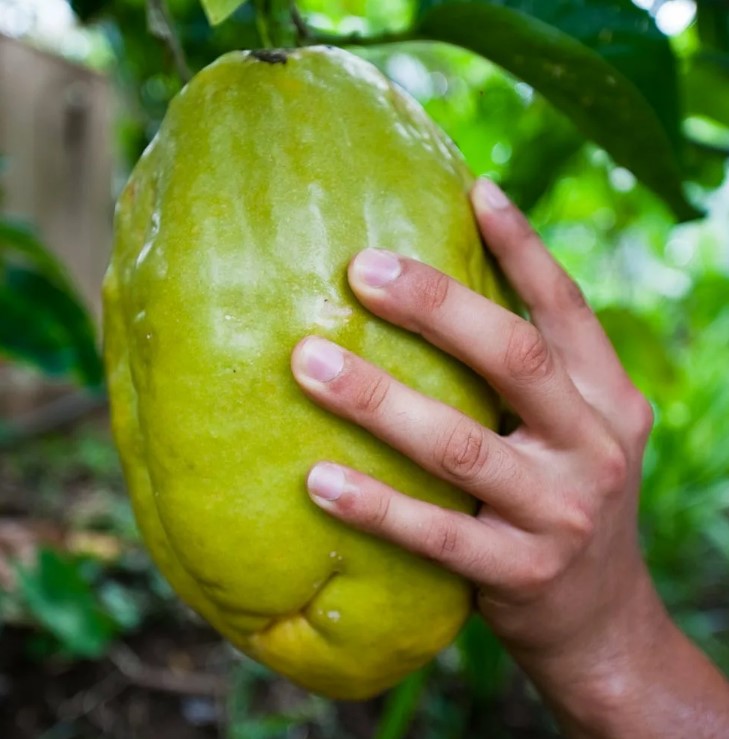
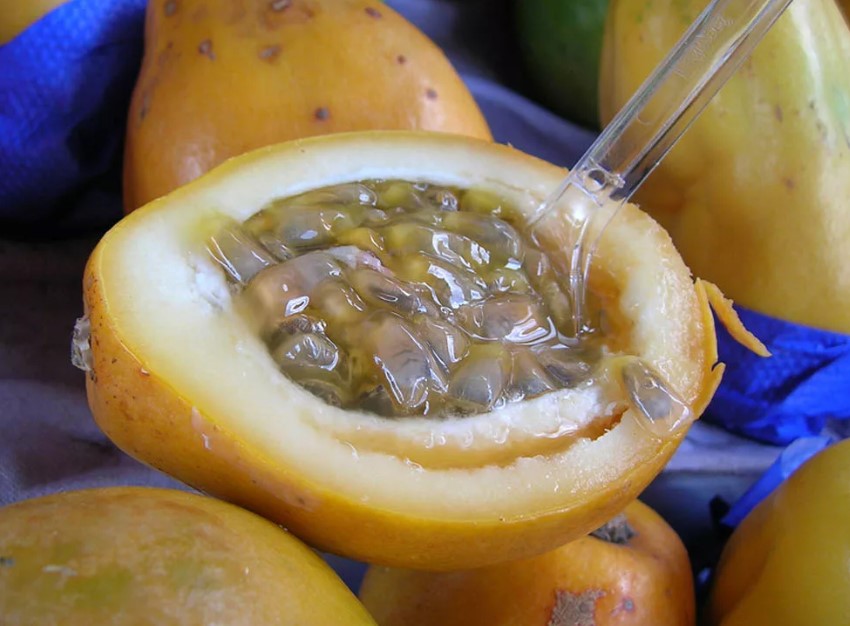
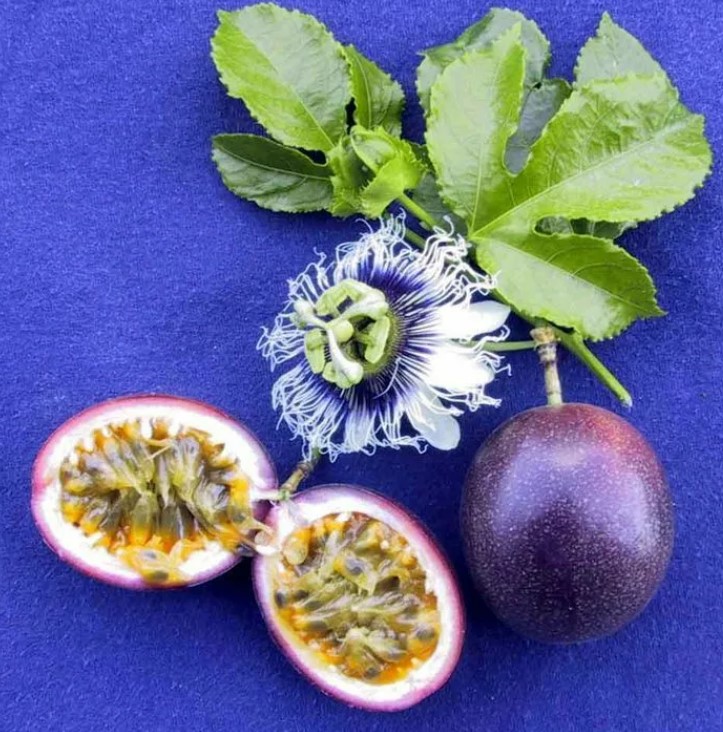
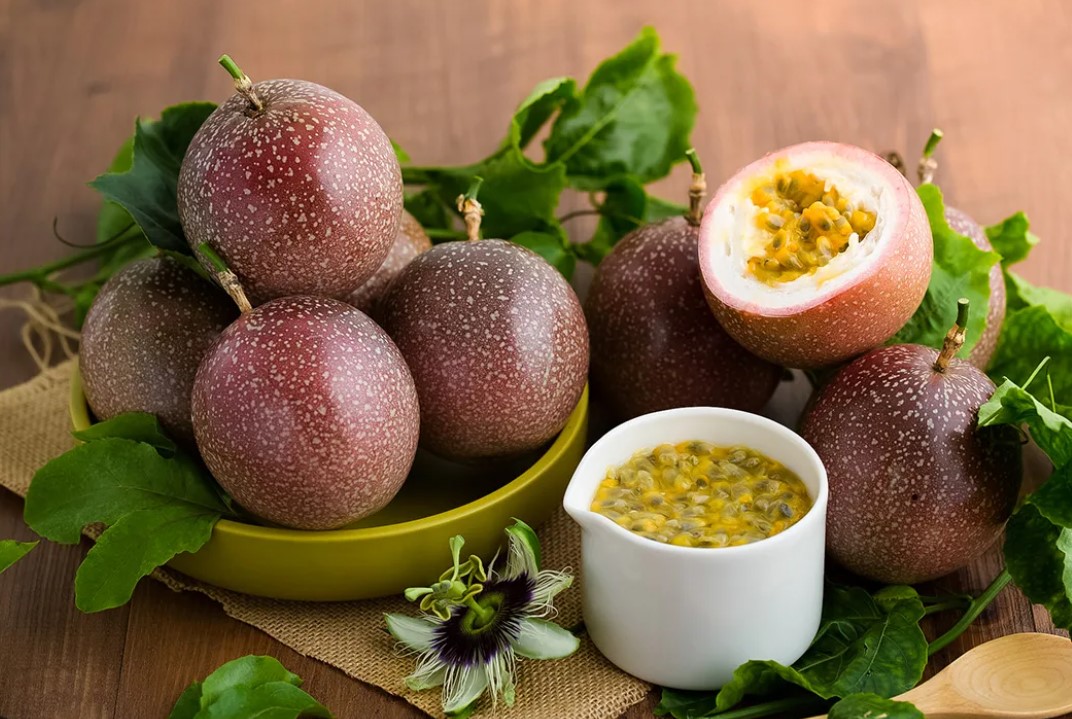
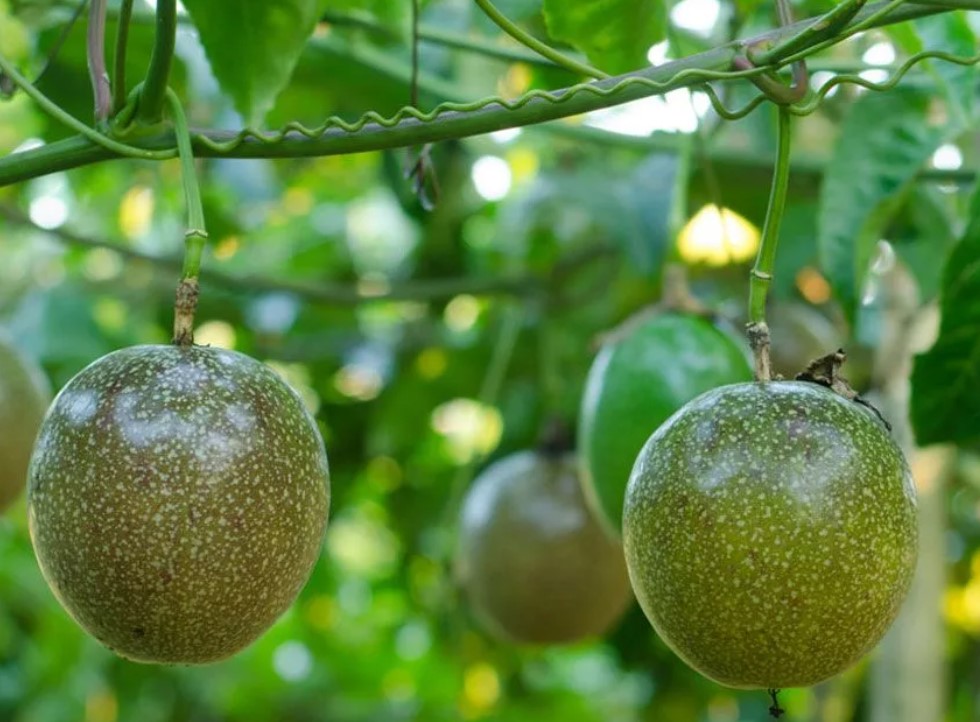
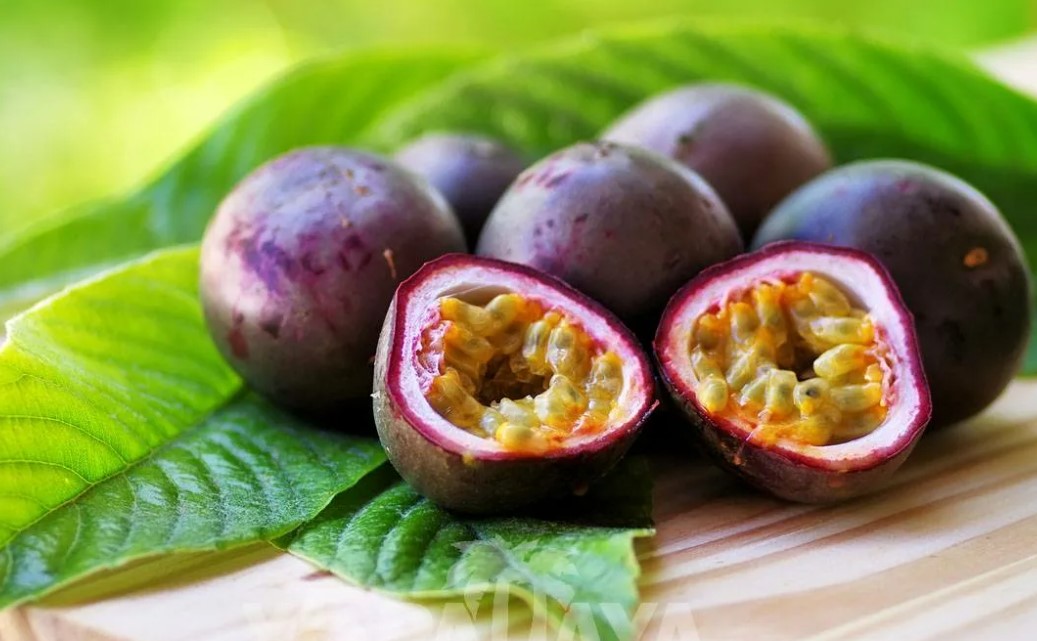
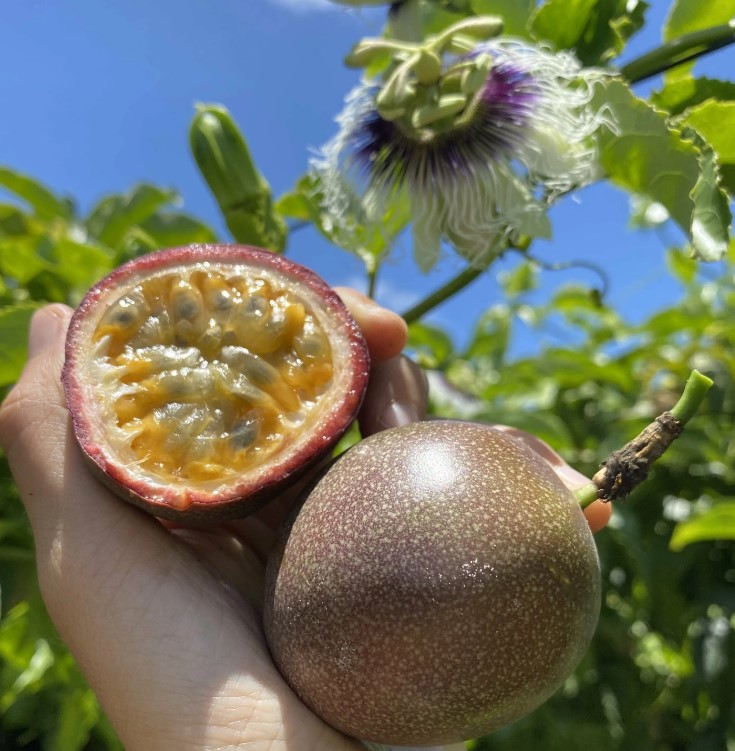
| Description | Oval, dark purple or yellow fruits from 6 to 12 cm in length; there is a giant green-yellow variety with pink and white flesh. |
| Taste | Sweet. |
| Where to try | Brazil, Southeast Asia, South Africa, Australia, Hawaii, Krasnodar Krai, Crimea. |
| Harvest season | All year round. |
Rules for selection and how to eat
The fruit is cut into two parts. The pulp is eaten with a spoon.
Benefits and contraindications
It removes uric acid from the body. It is also a powerful antipyretic and sedative. Eating one fruit before bed is believed to be an effective sleep aid.
Passion fruit should not be consumed in large quantities to avoid side effects. 100 g per day is sufficient.
Passion fruit photo gallery
Application
It is used in cooking, cosmetology and dietary nutrition.
Passion fruit reviews
A fruit I could eat every day.
Hello everyone! Today I'll tell you about the delicious passion fruit.My relatives brought me a variety of fruits from Thailand, and the one I remember most was passion fruit. It's a shame I only ate half. It looks like a regular round fruit that's easy to cut, but it's best to cut it on a plate to avoid the juice getting everywhere. As soon as I cut it, an incredible aroma hit my nose, so juicy and unusual. At first, I wasn't too keen on the appearance; I thought the "seeds" were hard, but they weren't. Eventually, I tried it and fell in love with the sweet and sour taste. It's now my favorite fruit, and no matter how hard I tried to find it in our city, I couldn't find it. Now, whenever I go anywhere, I'll be eating kilos of it. Laughing out loud
I highly recommend everyone try this incredible fruit. Happy shopping and have a wonderful day! See you there!
Advantages
*Tasty
Unlike anything else!
Bright aroma
Evonika
recommends
Marang
| Names | Marang, Marang. |
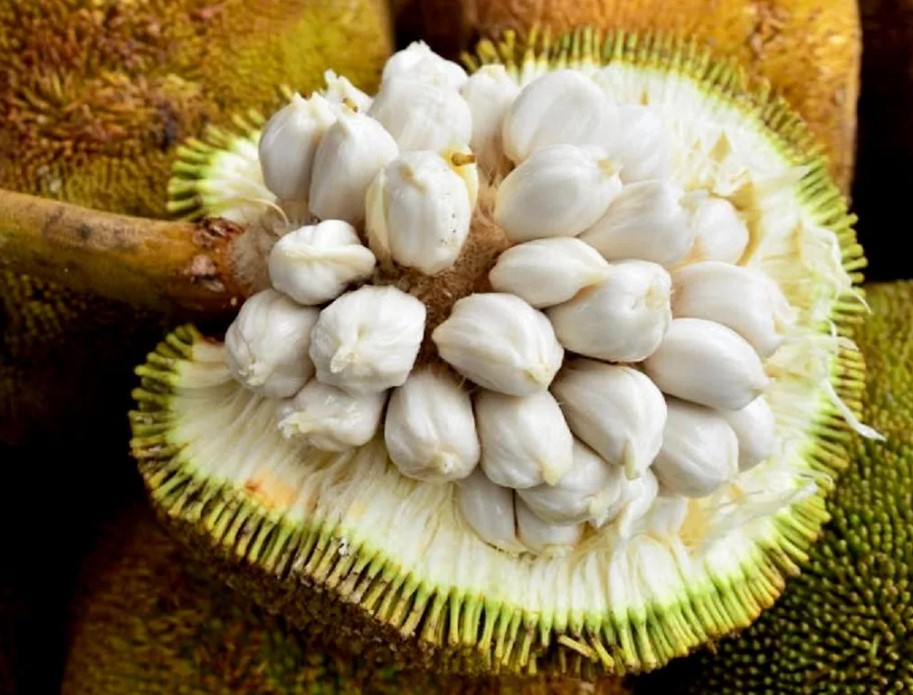
| Description | Round or oblong, typically 15-20 cm long and 13 cm wide, weighing up to 1 kg. The skin is covered with soft spines that harden as they ripen. As the fruit ripens, it changes color from green to yellow. |
| Taste | Something between ice cream and pastila. |
| Where to try | Philippines, Brunei, Malaysia, Borneo Island, Australia. |
| Harvest season | August-end of April. |
Rules for selection and how to eat
To open a ripe fruit, simply cut the peel and gently twist it. It's best to eat the fruit immediately after opening (within a few hours), as exposure to air quickly degrades its flavor and nutritional properties. The seeds are also edible, but they must be boiled or roasted first.
Benefits and contraindications
The micro- and macronutrients contained in the fruit have a positive effect on virtually all body systems. Potassium promotes nerve impulse transmission, sodium regulates metabolism, calcium maintains healthy bones and teeth, and iron promotes oxygenation and wound healing at the cellular level. Contraindicated during pregnancy and in diabetics.
Maranga Photo Gallery
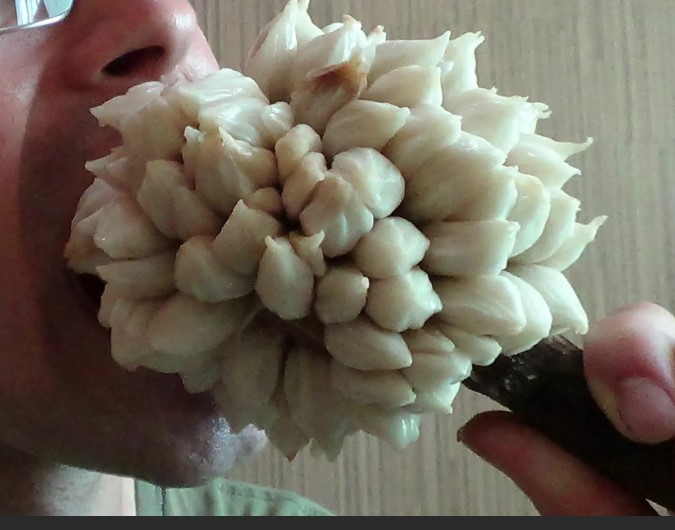
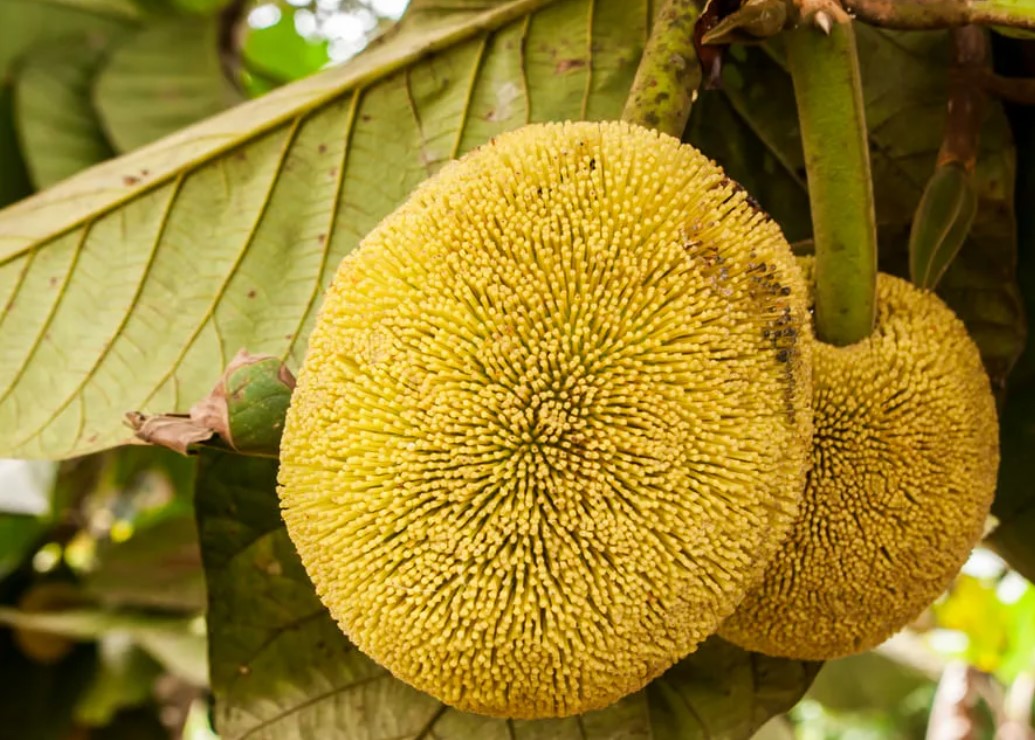
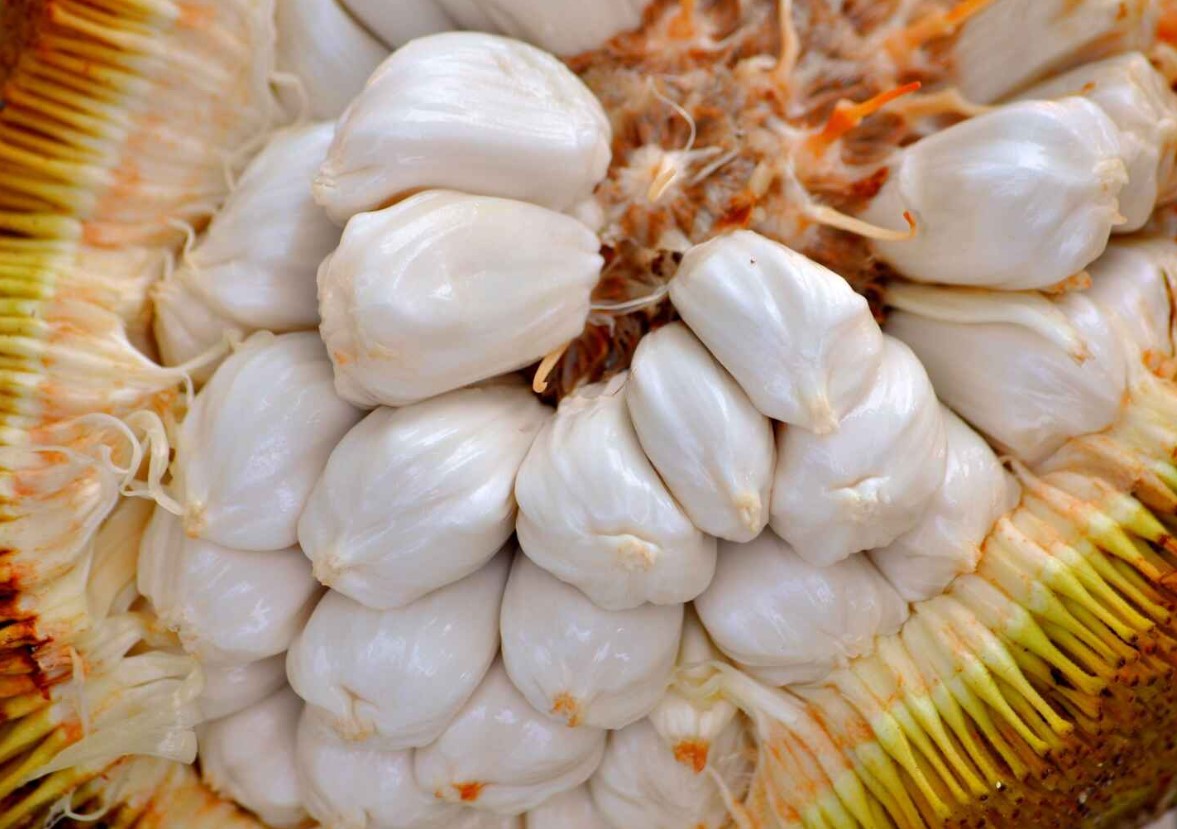
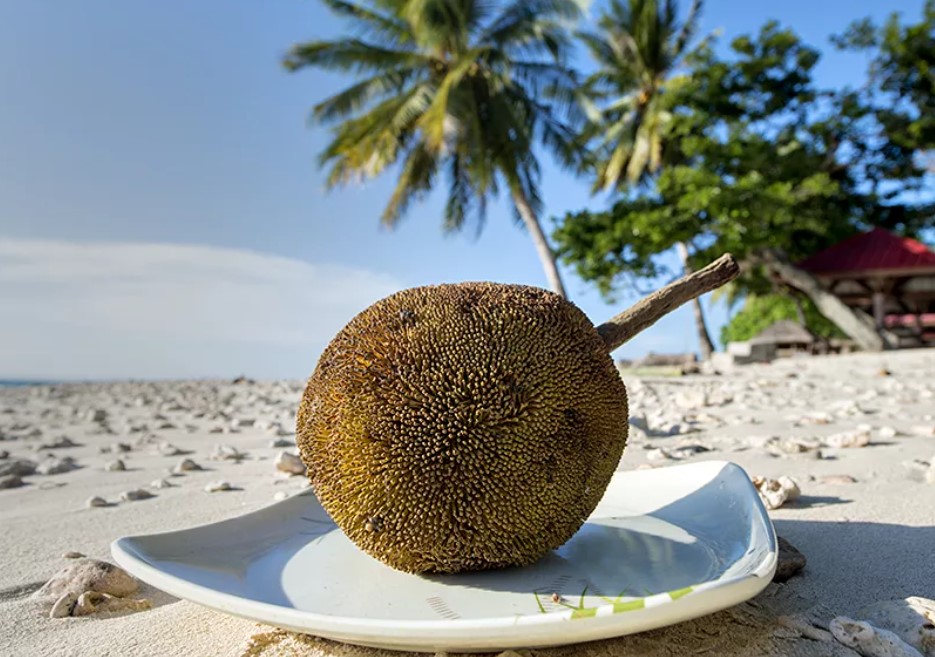
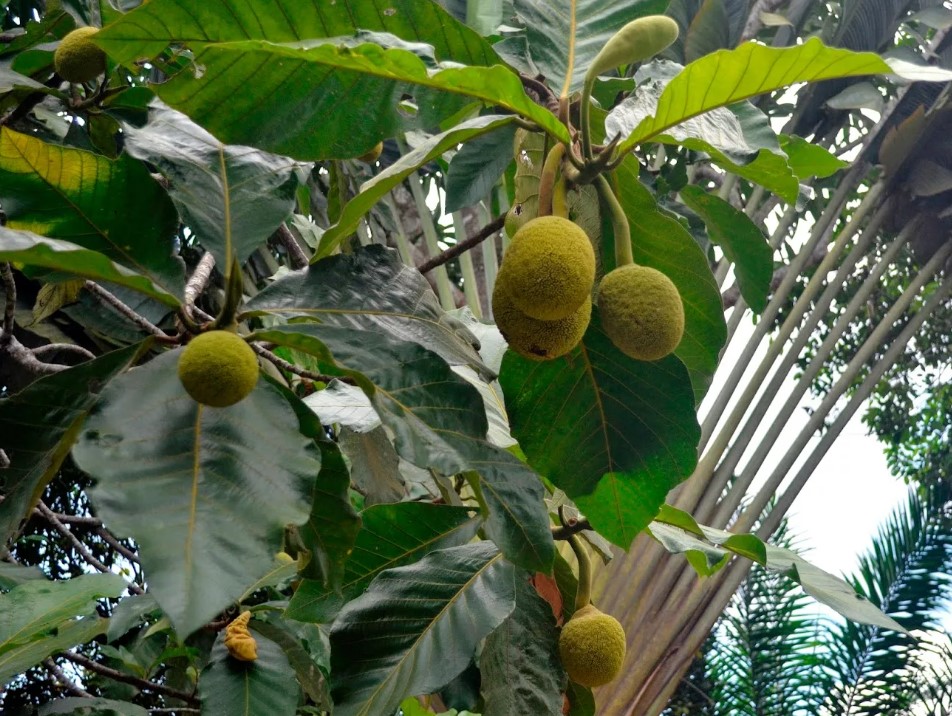
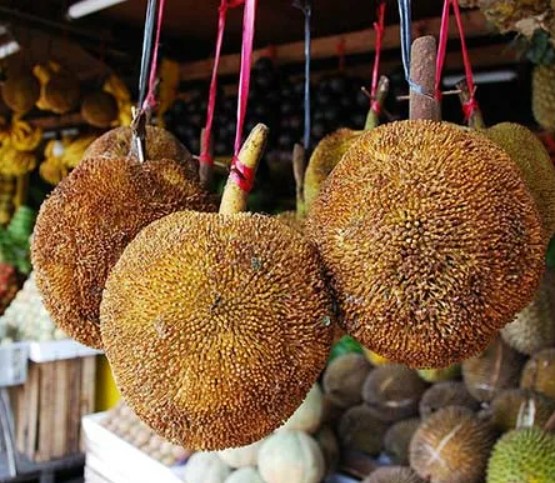
Application
In cooking and alternative medicine.
Maranga Fruit Reviews
Marula
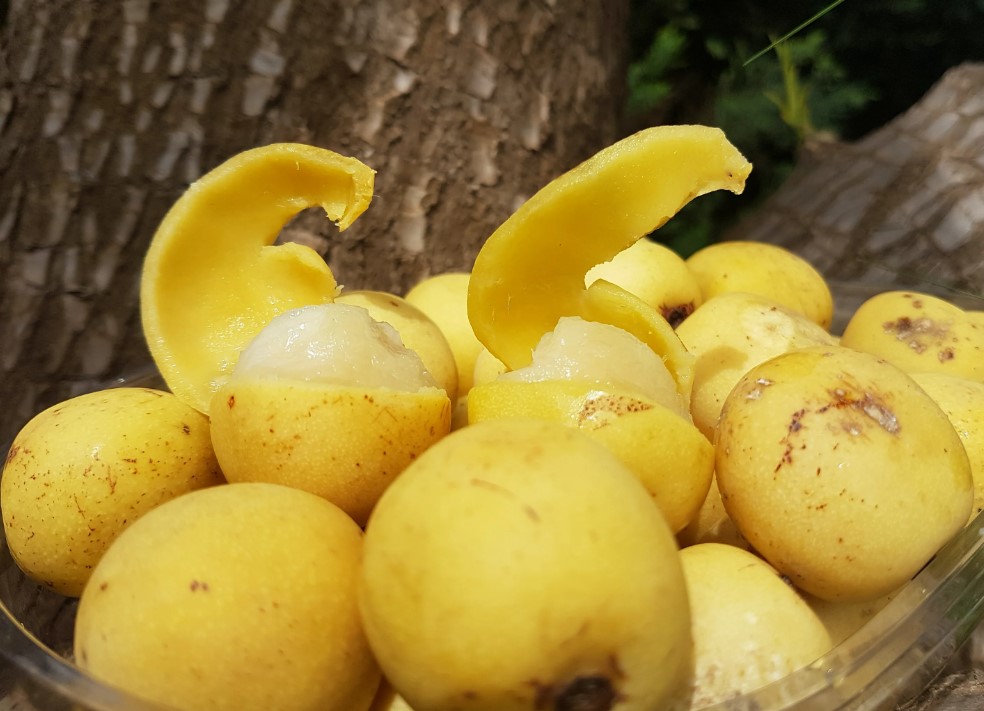
| Names | Marula, Sclerocarya birrea, marula. |
| Description | The fruit is large, plum-like in appearance. It is golden-yellow in color, with a thick, smooth, and soft skin. Beneath the skin lies juicy, tender, gelatinous white or cream-colored flesh, as well as a large almond-shaped pit containing seeds. |
| Taste | Sweet, tart, with spicy and refreshing notes. |
| Where to try | South Africa. |
| Harvest season | March-April, September-October. |
Rules for selection and how to eat
Can be eaten raw, used to make jam and alcohol.
Benefits and contraindications
It contains a large amount of ascorbic acid, antioxidants, and microelements. The fruit is contraindicated for people with food allergies and while taking certain medications.
Marula Photo Gallery
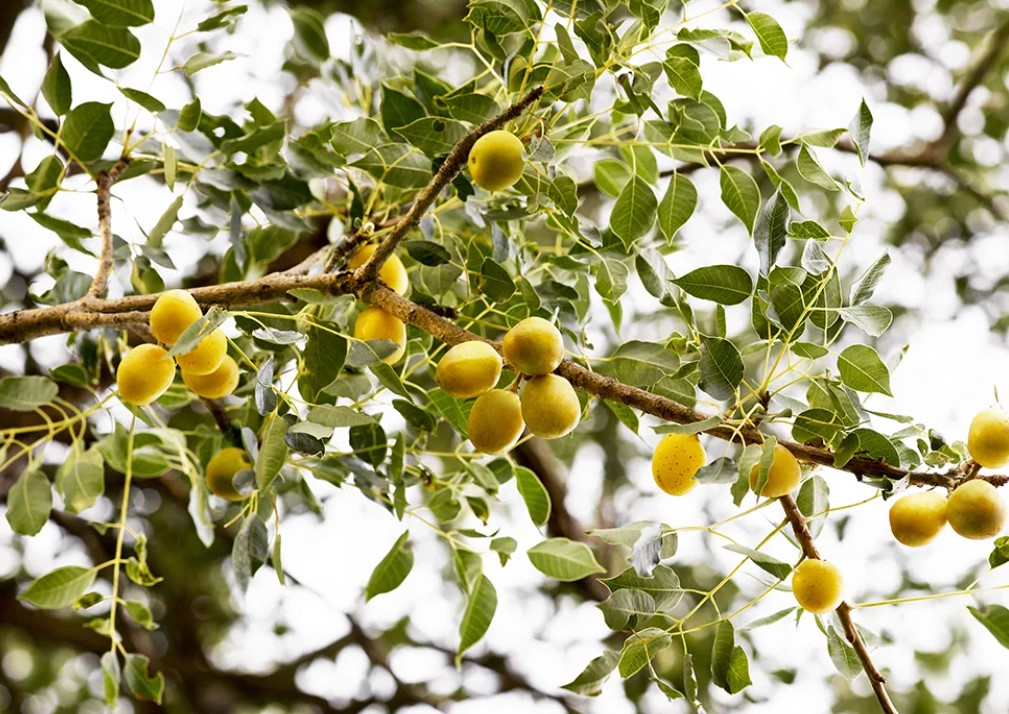
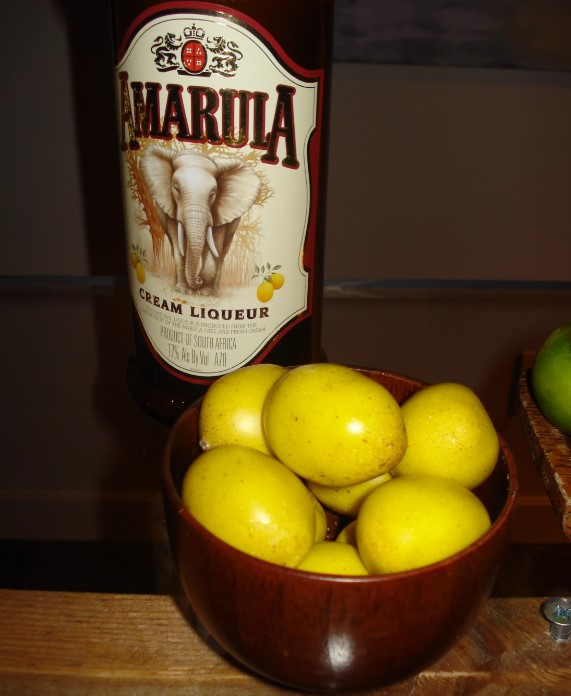
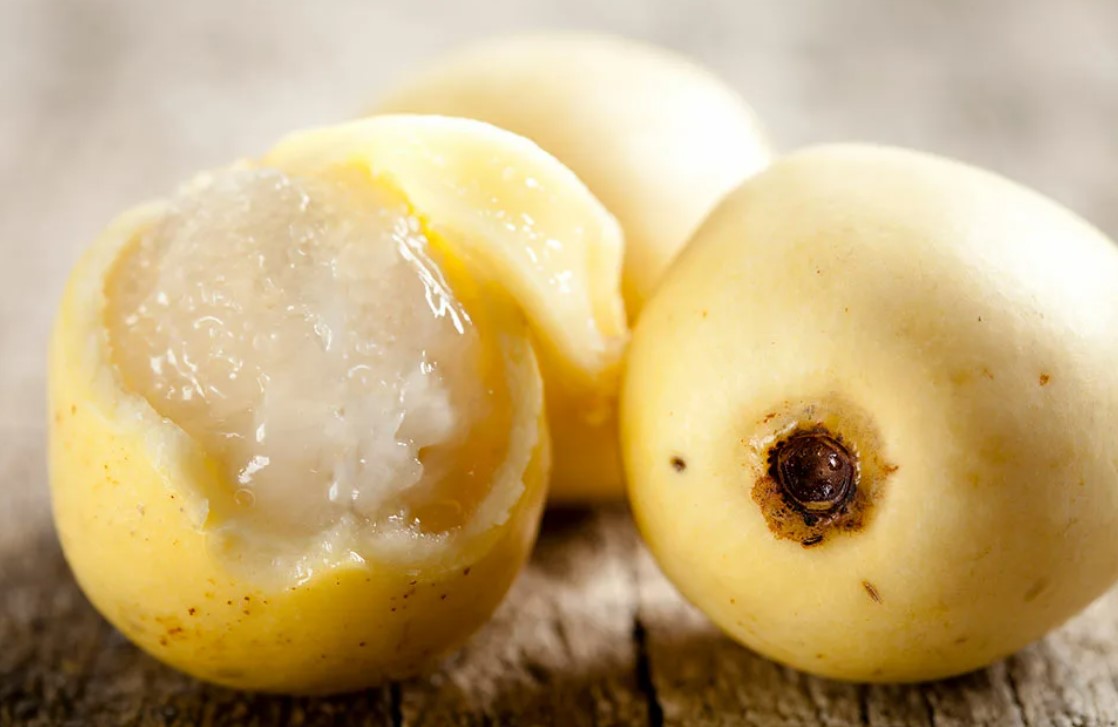
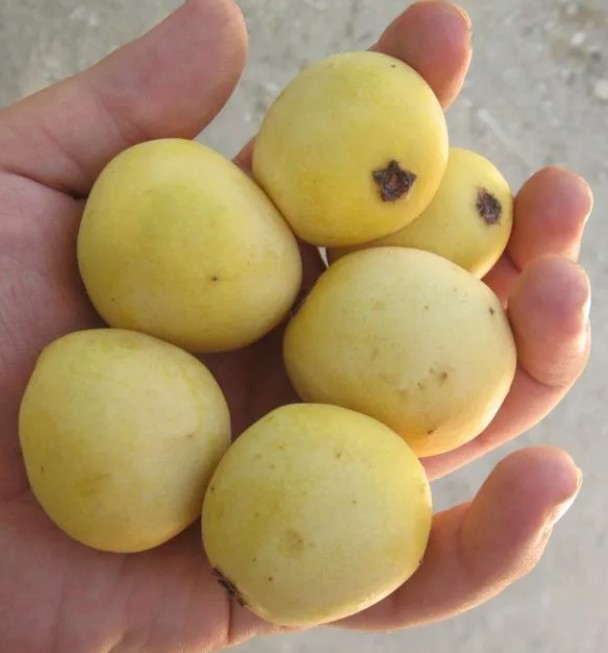
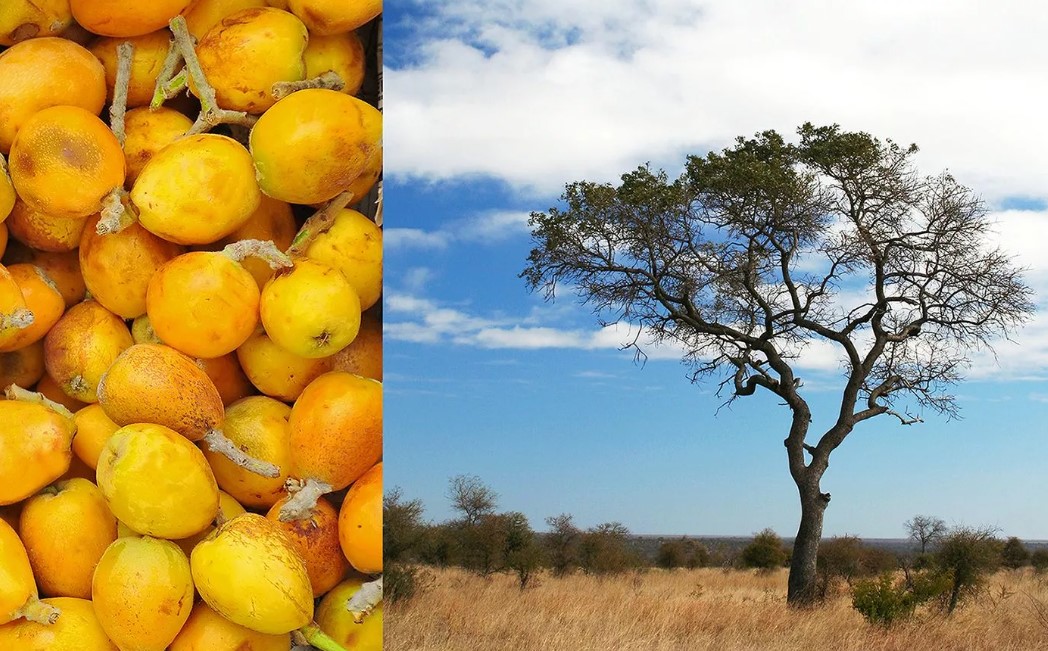
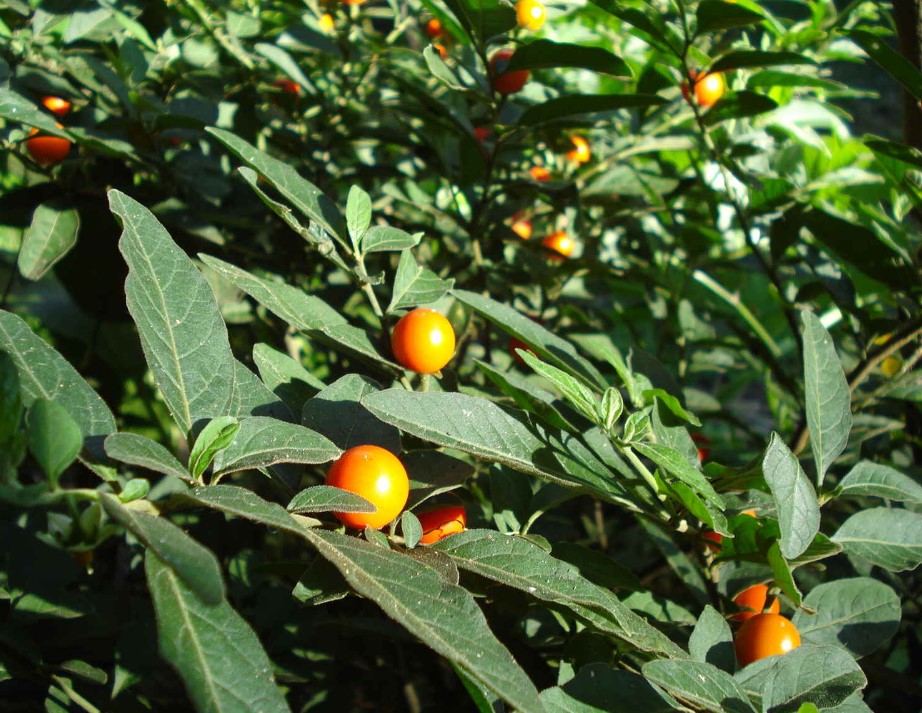
Application
Cosmetology, traditional medicine, landscape design, cooking.
Marula Reviews
Naranjilla
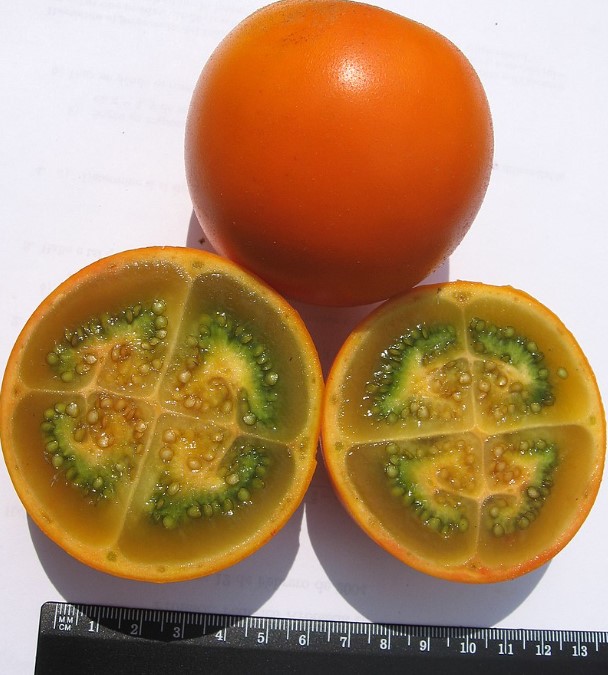
| Names | Quitos nightshade, Naranjilla, Solanum quitoense, naranjilla, lulo. |
| Description | The fruits are round-elliptical, orange, up to 6 cm in diameter. They are covered with white hairs that are easily removed. |
| Taste | Sweet and sour. Reminiscent of a mixture of pineapple, passion fruit, and strawberry, with hints of tomato. |
| Where to try | Venezuela, Panama, Peru, Ecuador, Costa Rica, Colombia, Chile. |
| Harvest season | September-November. |
Rules for selection and how to eat
Fruits with blemishes or soft spots should not be consumed. The fruit should be eaten with a spoon, scooping out the pulp.
Benefits and contraindications
The fruit is rich in vitamins A, C, and B, iron, phosphorus, magnesium, calcium, and antioxidants. Thanks to its diuretic properties, naranjilla promotes weight loss by removing excess fluid from the body. The fruit has no contraindications and is suitable even for the elderly and children.
Naranjilla photo gallery
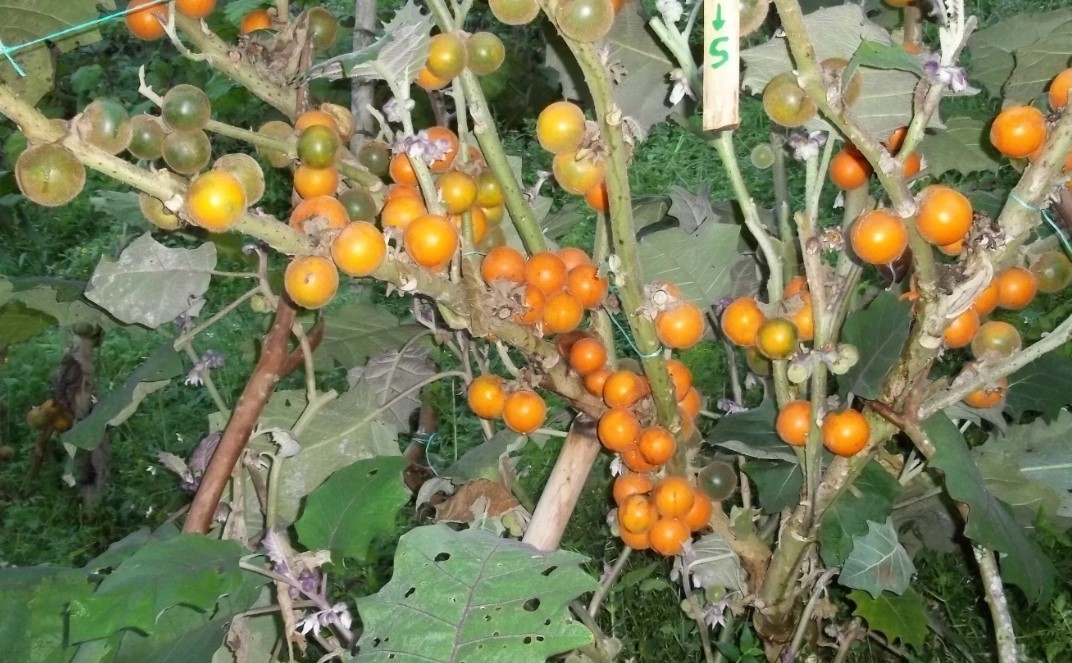
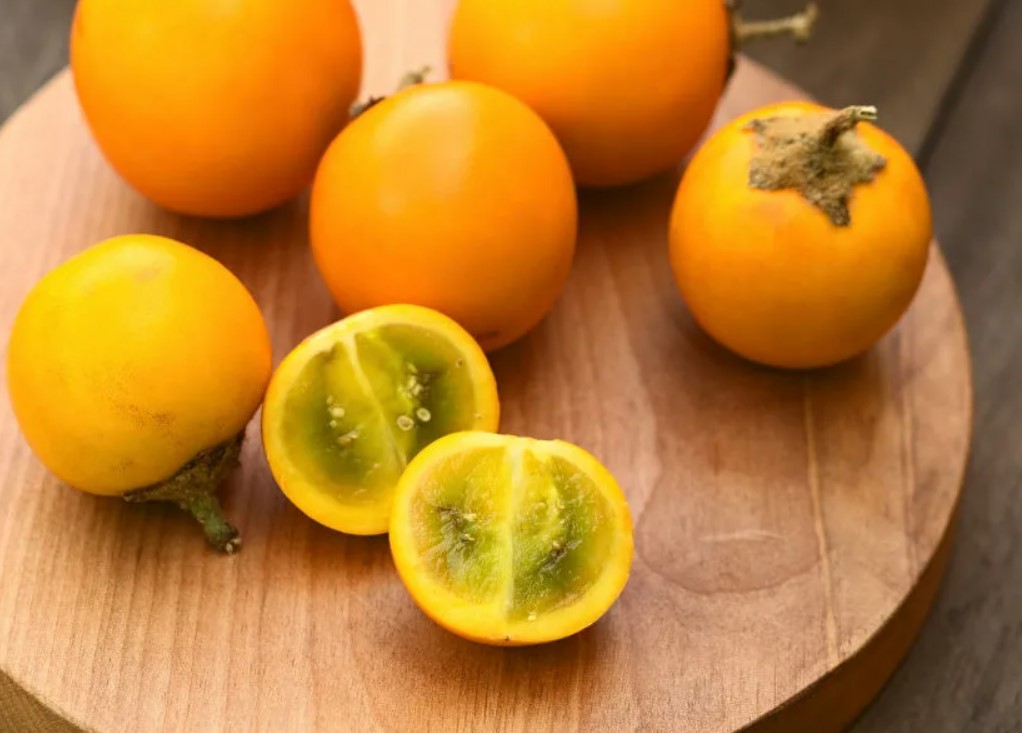
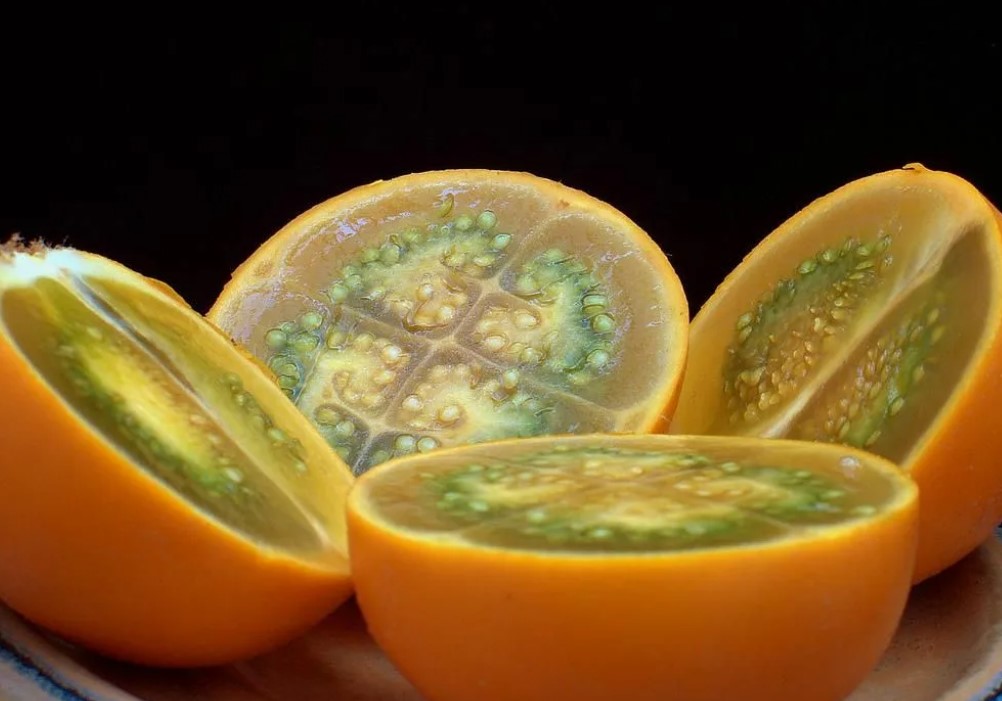
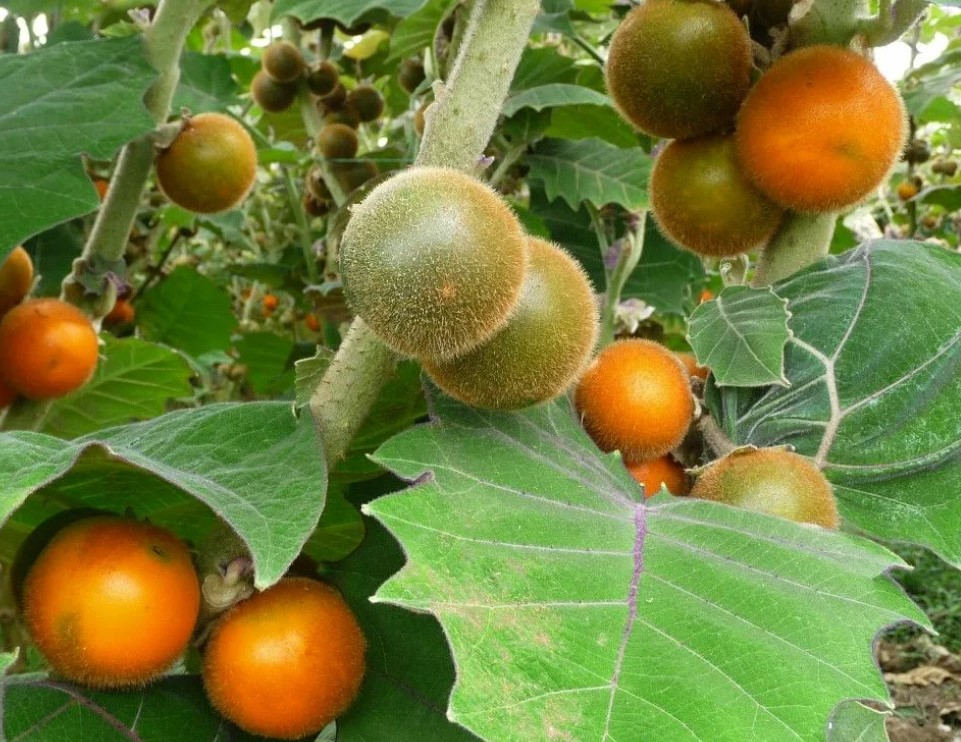
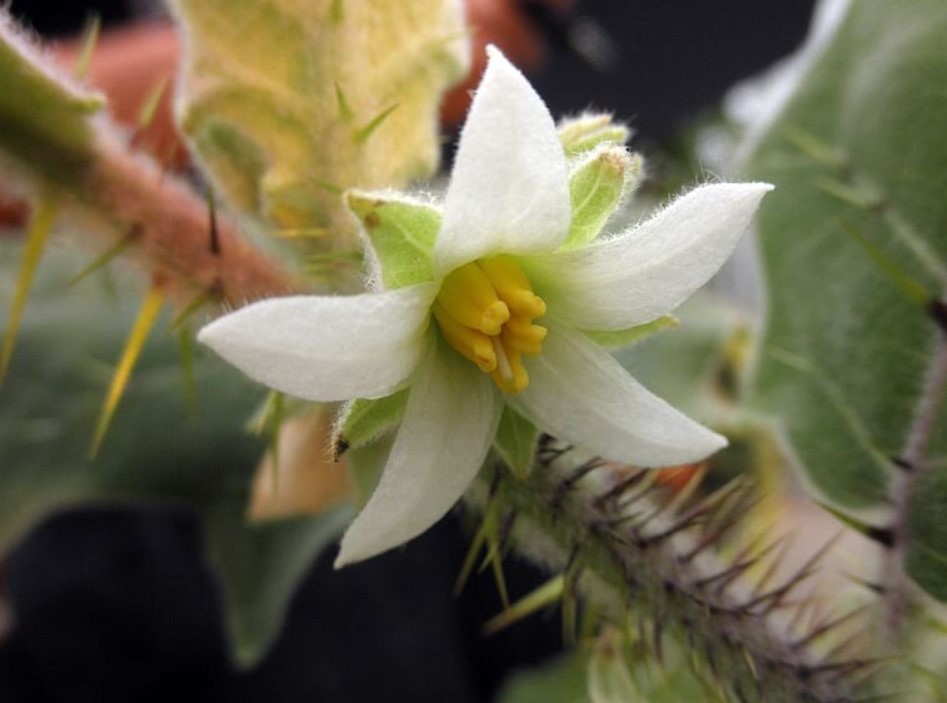
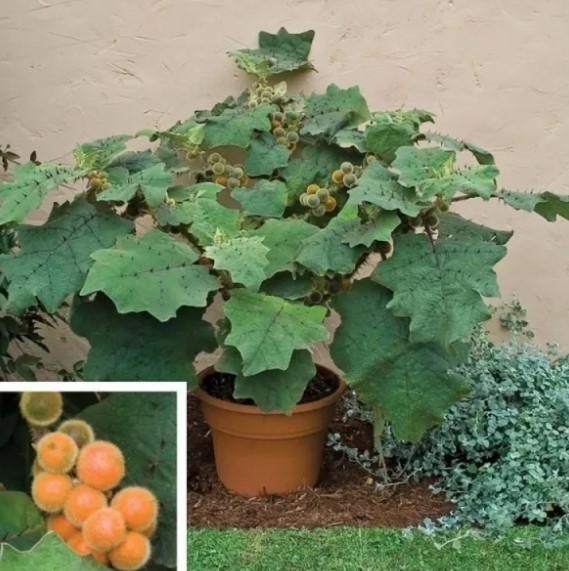
Application
Used for making juices, fruit drinks, and desserts.
Reviews of Naranjilla
Noni
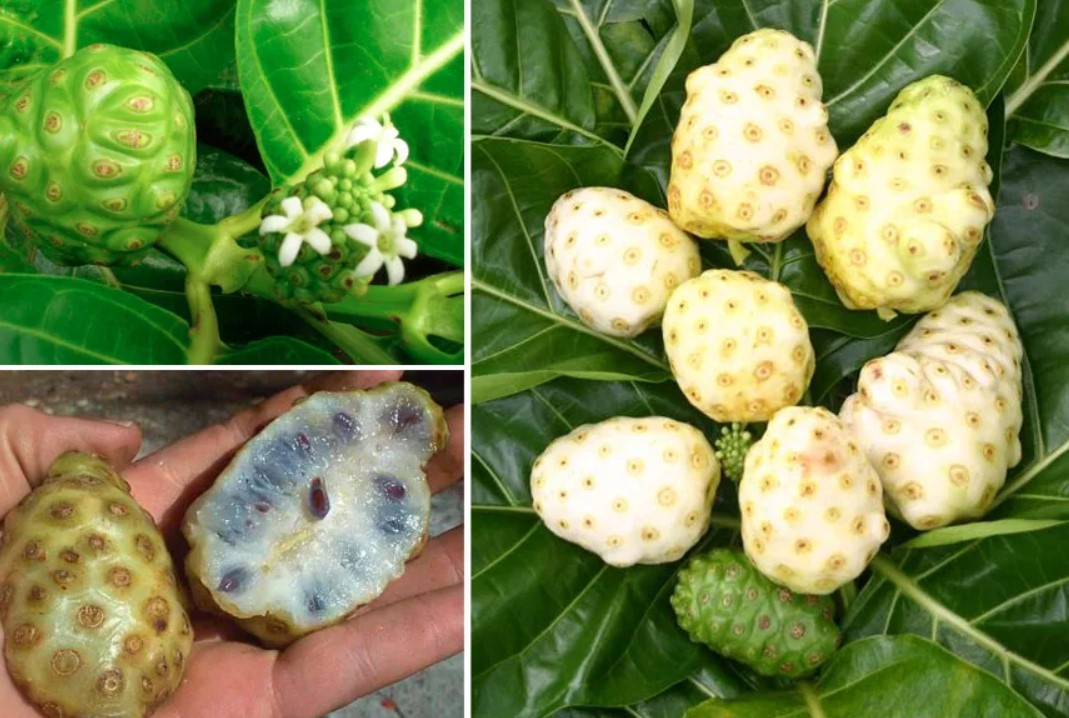
| Names | Noni, Indian mulberry, cheese fruit, pork apple |
| Description | The fruit is about the size of a potato or a large plum, and its skin is translucent. As it ripens, the color ranges from green, yellow, to almost white. |
| Taste | Bittersweet. |
| Where to try | Malaysia, Polynesia, Australia, Southeast Asia. |
| Harvest season | All year round. |
Rules for selection and how to eat
It can be eaten raw, but is more often used to make juices, salads and desserts.
Benefits and contraindications
Considered the healthiest fruit, locals claim it can cure virtually any ailment. Contraindications: individual intolerance, kidney problems, acute gastrointestinal diseases, and diabetes.
Noni Fruit Photo Gallery
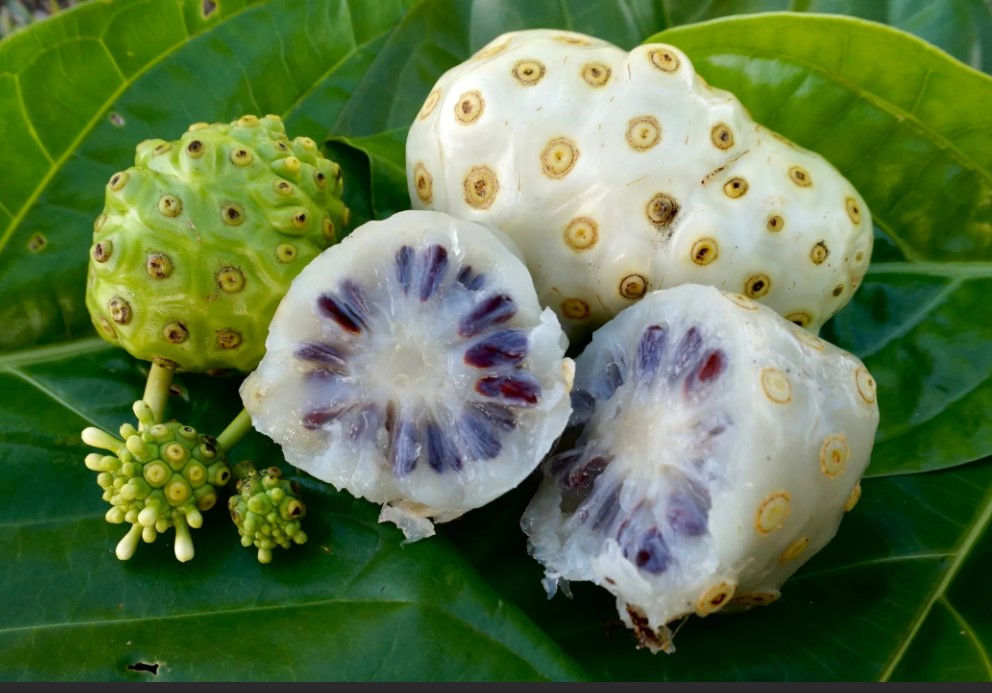
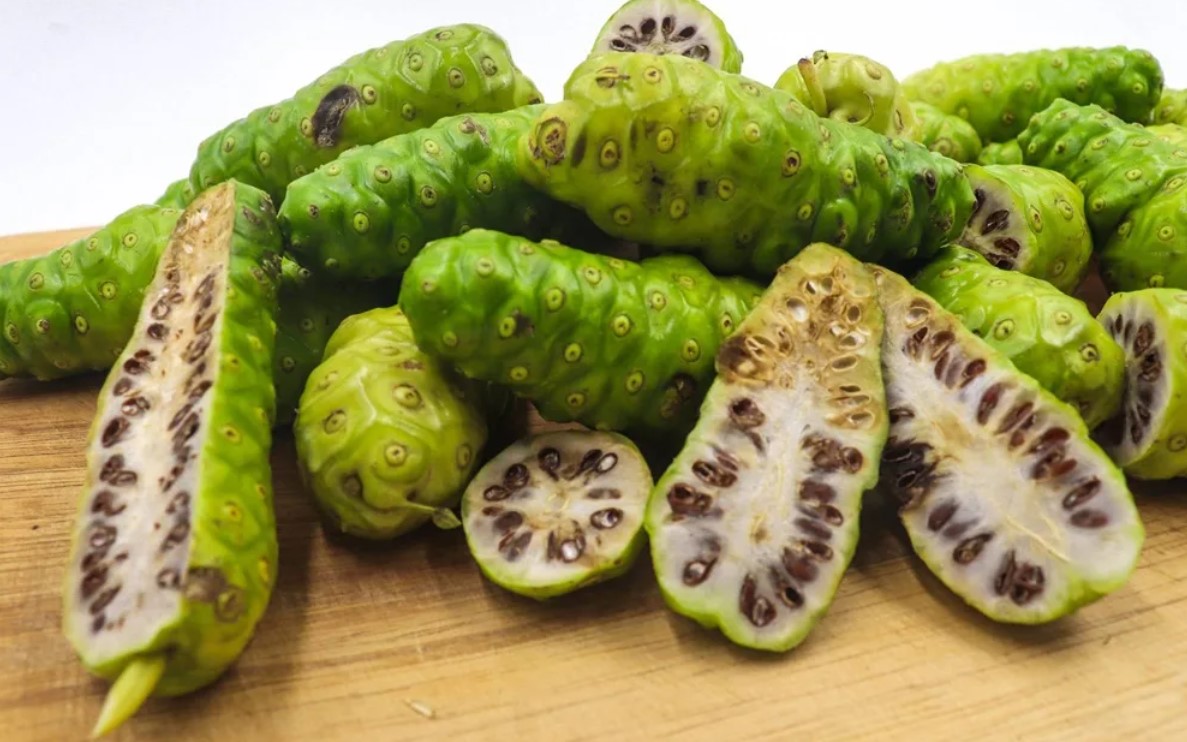
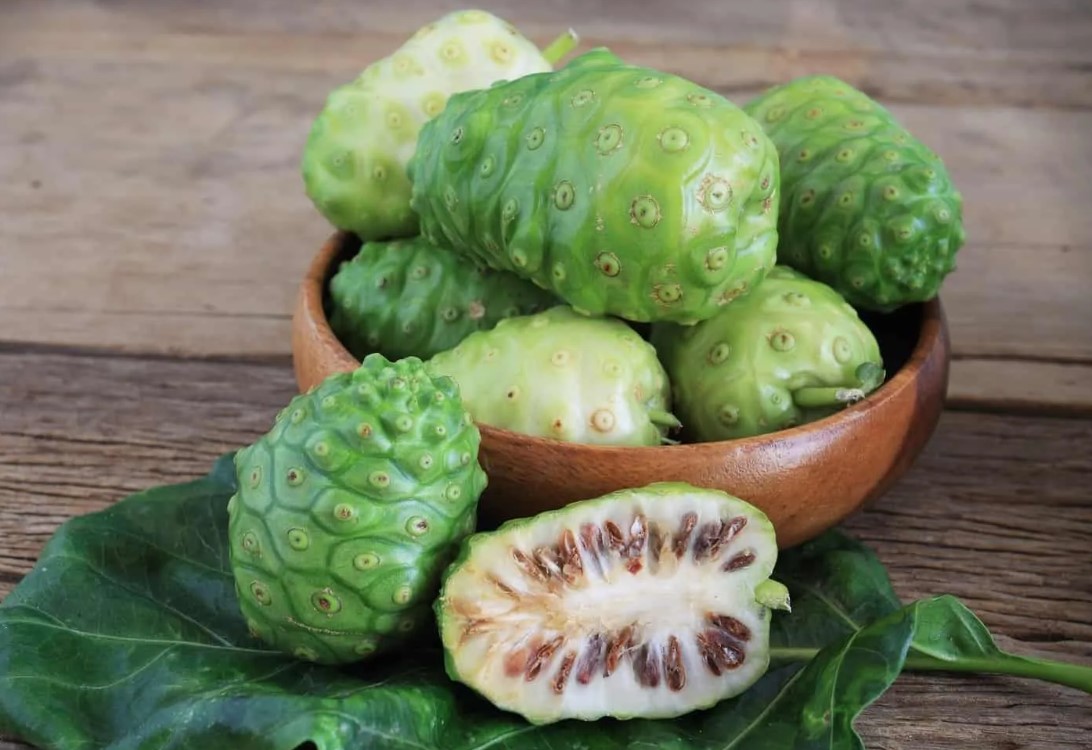
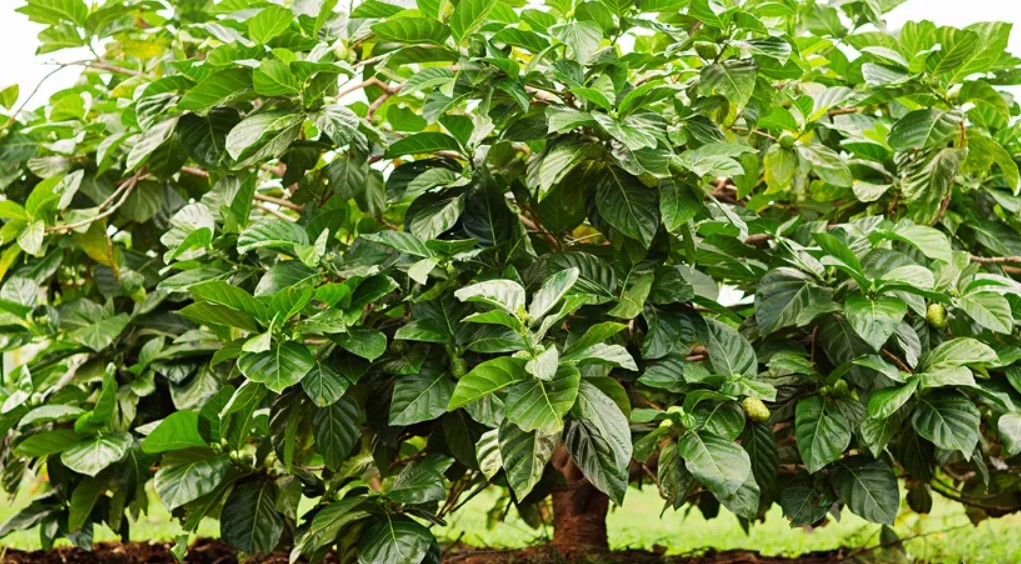
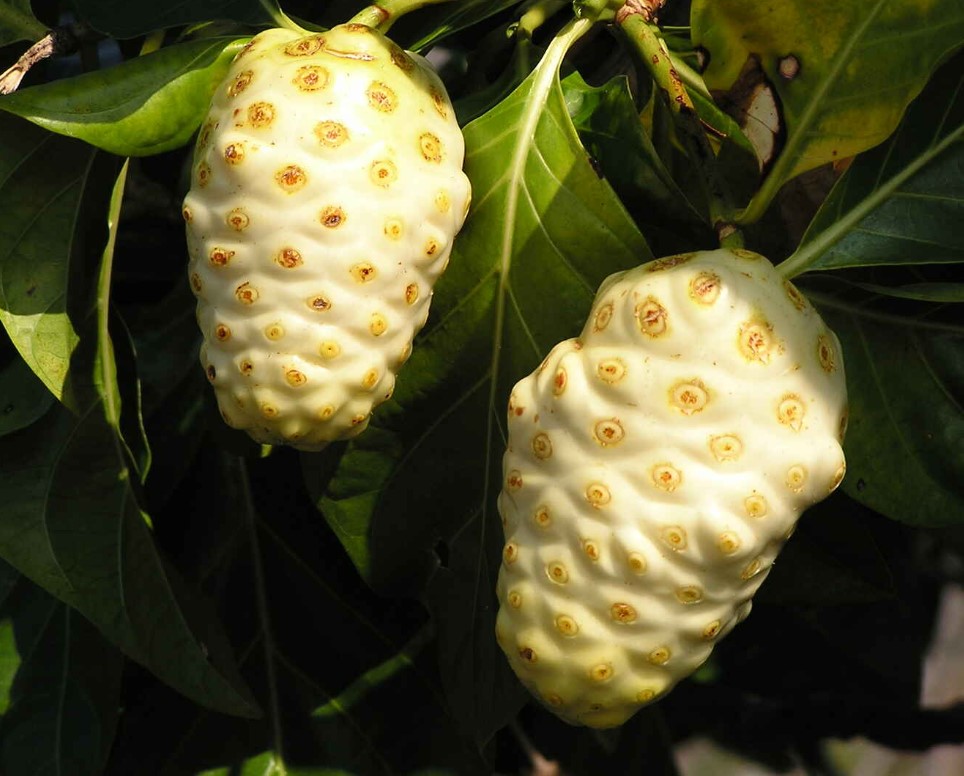
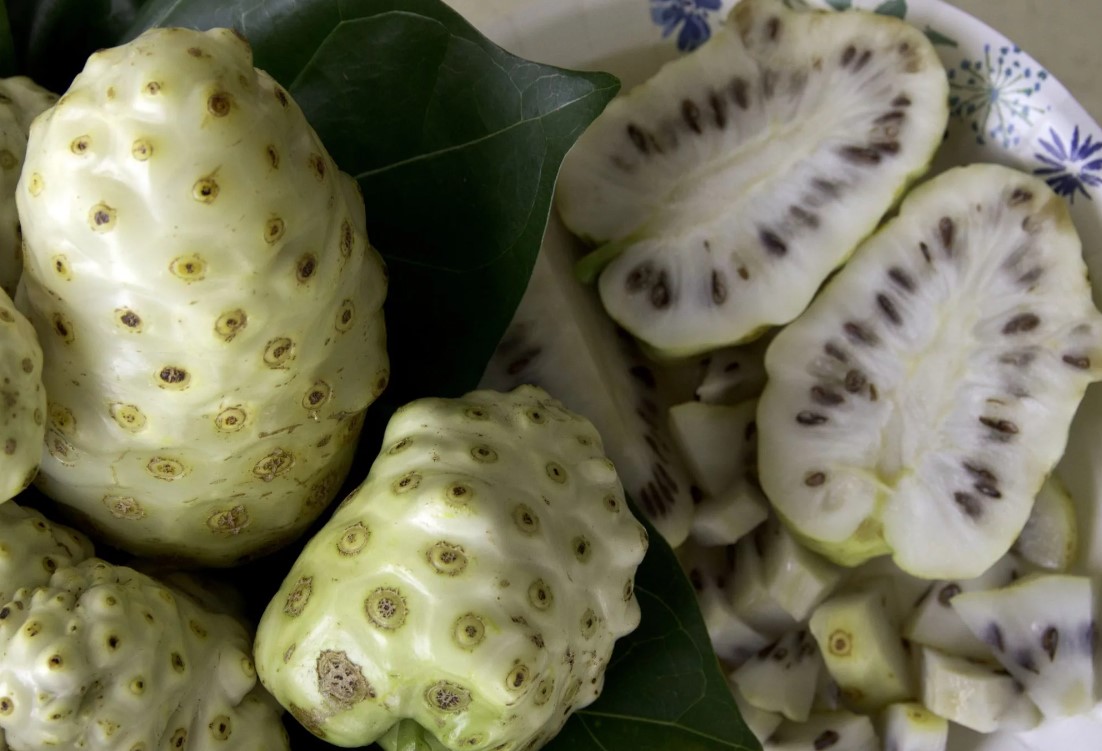
Application
Cooking and traditional medicine.
Noni Reviews
Review: Exotic Fruit "Noni" - Noni Fruit - The King of All Medicinal Plants
ADVANTAGES:
This fruit contains a large amount of vitamins, enzymes and minerals, as well as carbohydrates and amino acids, which are essential for the body and help return it to normal.
FLAWS:
The Noni fruit has a distinctive smell, like moldy cheese, and a bitter taste. It's also naturally available, as this fruit isn't grown in Russia.
Noni fruit juice is a functional, healthy food at the cellular level. It cleanses the body of waste, toxins, poisons, and parasites. It helps restore immunity. I've been drinking it for four years now, and there are positive results. Incidentally, this noni juice has no contraindications, and it's safe for children. My child has been drinking it since birth! It can be diluted with water, added to tea, and it's delicious! This fruit is also used to make excellent cosmetics, free of additives!
Papaya
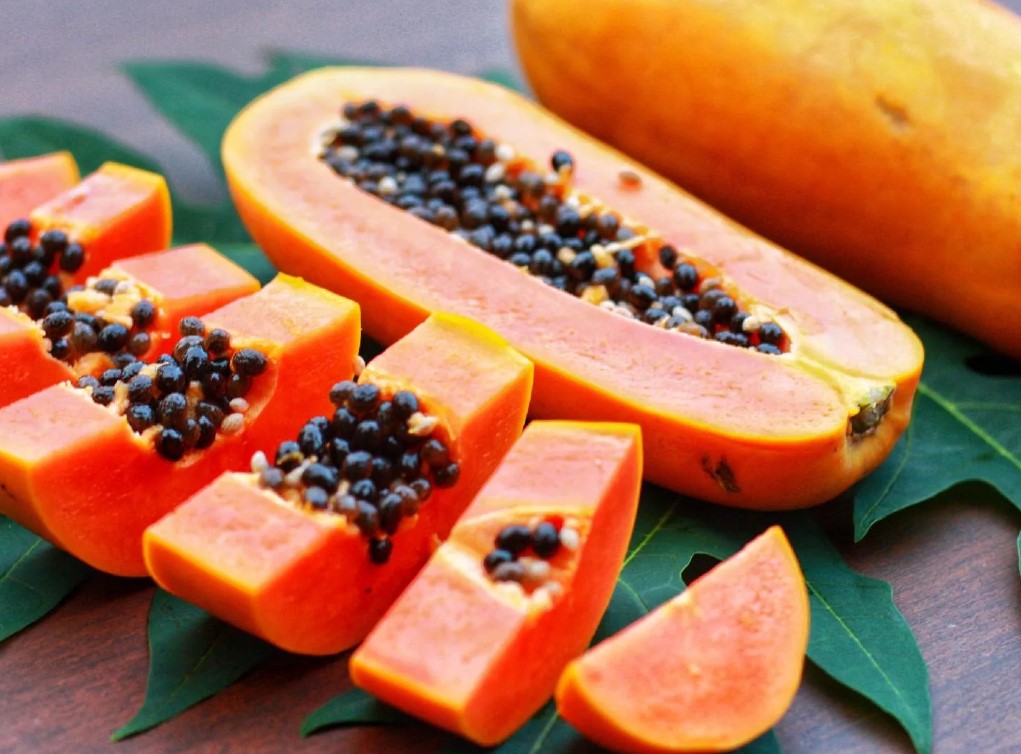
| Names | Papaya. |
| Description | Large in size (up to 20 cm in length), with yellow-green skin, cylindrical in shape. |
| Taste | Something between a melon and a pumpkin. |
| Where to try | India, Thailand, Sri Lanka, Bali, Indonesia, Philippines, Mexico, Brazil, Colombia. |
| Harvest season | All year round. |
Rules for selection and how to eat
Only ripe fruits are tasty. They are firm, with slightly bruised, greenish-orange skin. When fully ripe, papayas are usually eaten raw, with the skin and seeds removed. Alternatively, they can be cut in half, the seeds removed, and the flesh eaten with a spoon. Unripe fruits can be used in soups, sauces, meat dishes, and salads, or baked.
Benefits and contraindications
Contains papain, a substance that aids digestion. Papaya also provides calcium, sodium, iron, and phosphorus. This fruit is contraindicated in cases of intolerance or allergy.
Papaya photo gallery
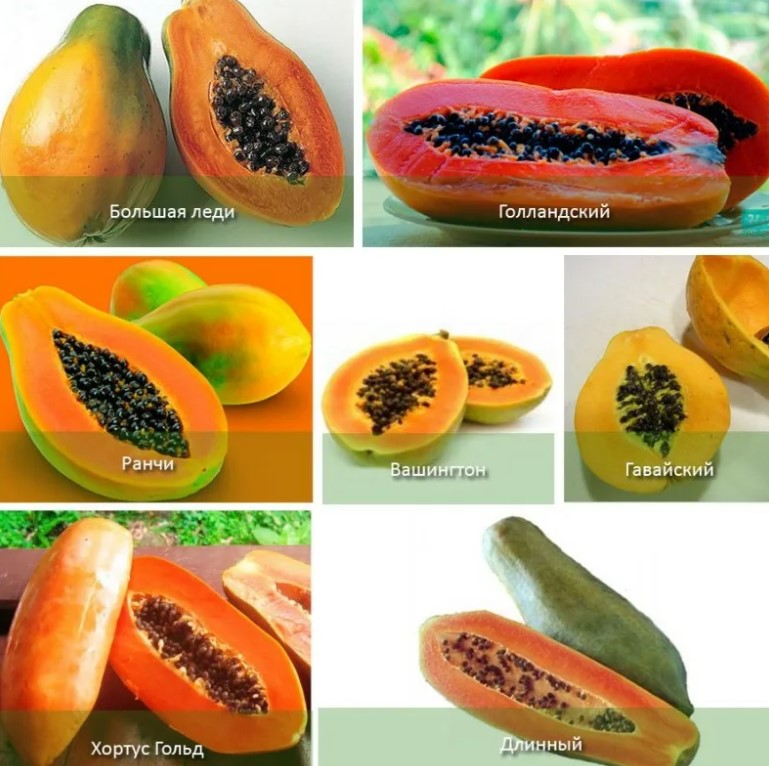
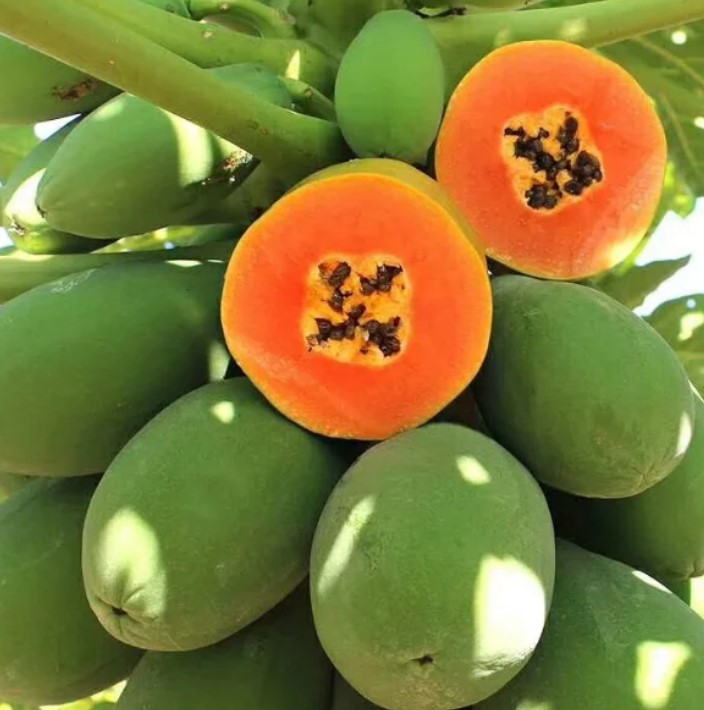
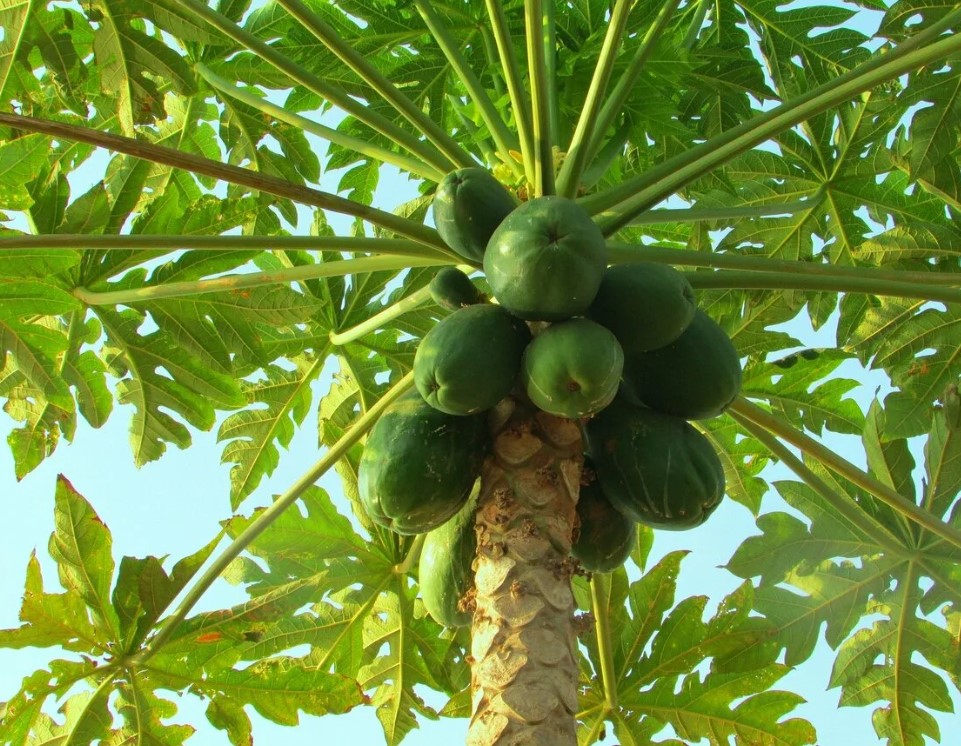
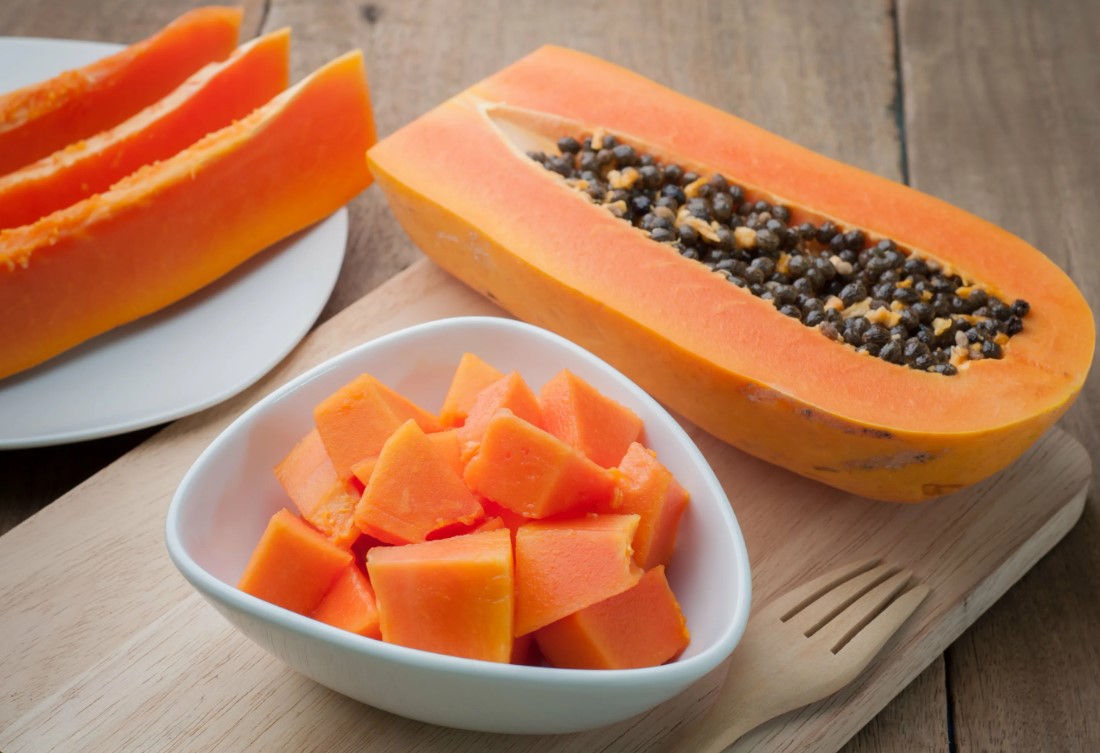
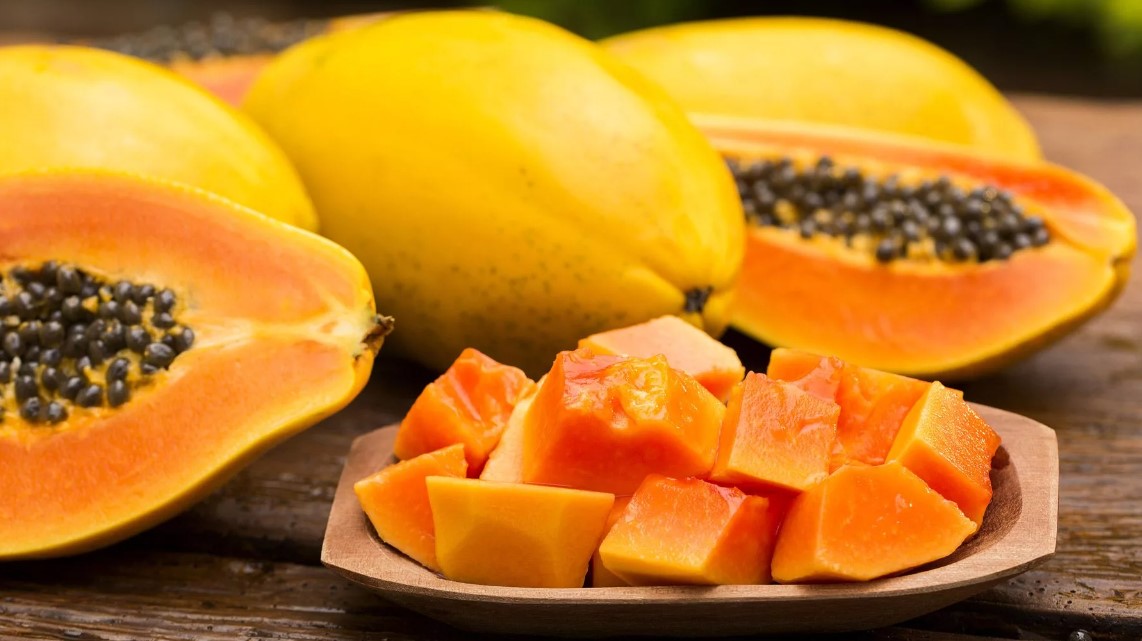
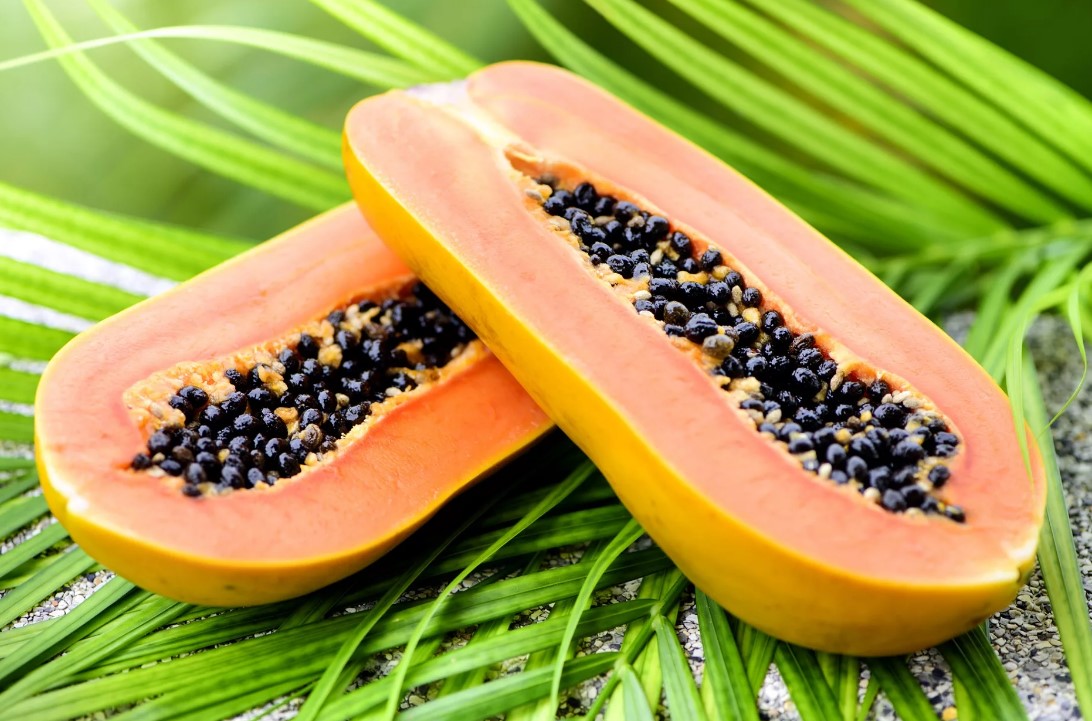
Application
The main use is for food.
Papaya Reviews
Pepino
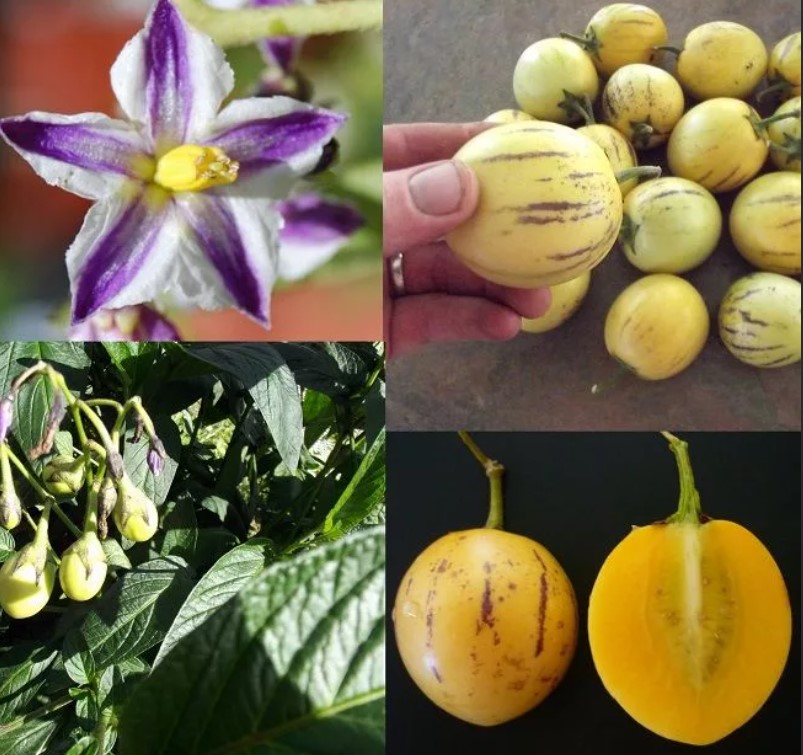
| Names | Melon pear, pepino, sweet cucumber, solanum muricatum, pepino dulce. |
| Description | The fruits vary in size, shape, color, and quality depending on the variety. Some have a unique, exotic coloring: a bright yellow base with jagged purple spots. When ripe, the flesh may be yellow or colorless. |
| Taste | Sweet and sour. |
| Where to try | Peru, Chile, New Zealand, Türkiye, Egypt, Cyprus, Indonesia. |
| Harvest season | All year round. |
Rules for selection and how to eat
You need to choose ripe fruits. Underripe and overripe ones are tasteless. They are usually eaten raw with the seeds, and sometimes even without peeling.
Benefits and contraindications
Improves overall health and regulates many processes. The plant's biologically active components have a positive effect on thyroid function and help stabilize blood pressure. Contraindications: pregnancy and breastfeeding, fruit intolerance, and gallstones.
Pepino photo gallery
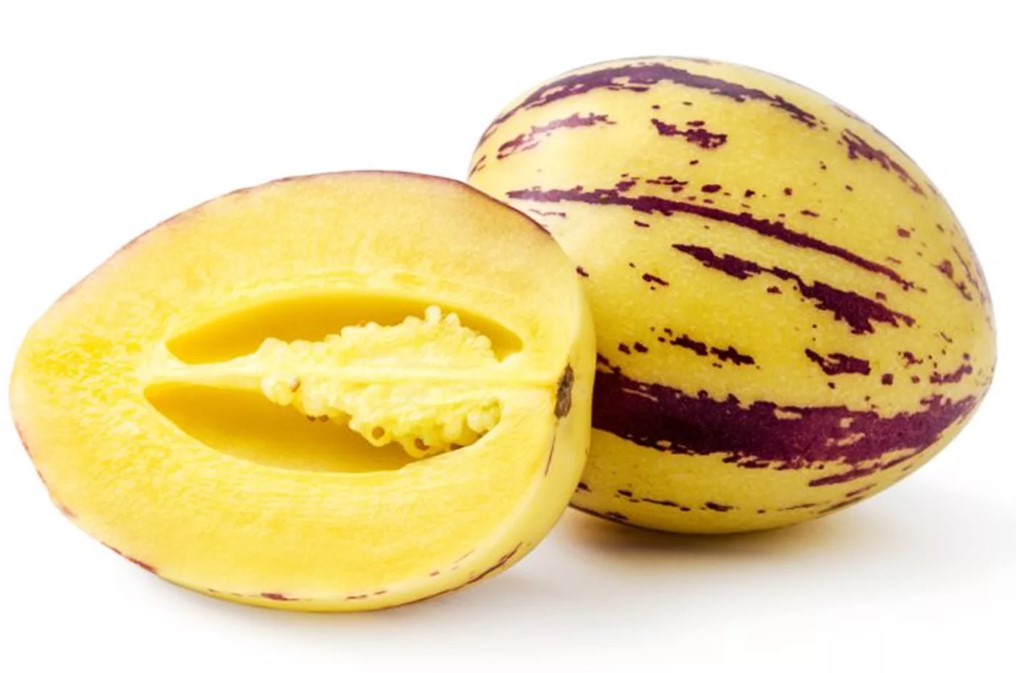
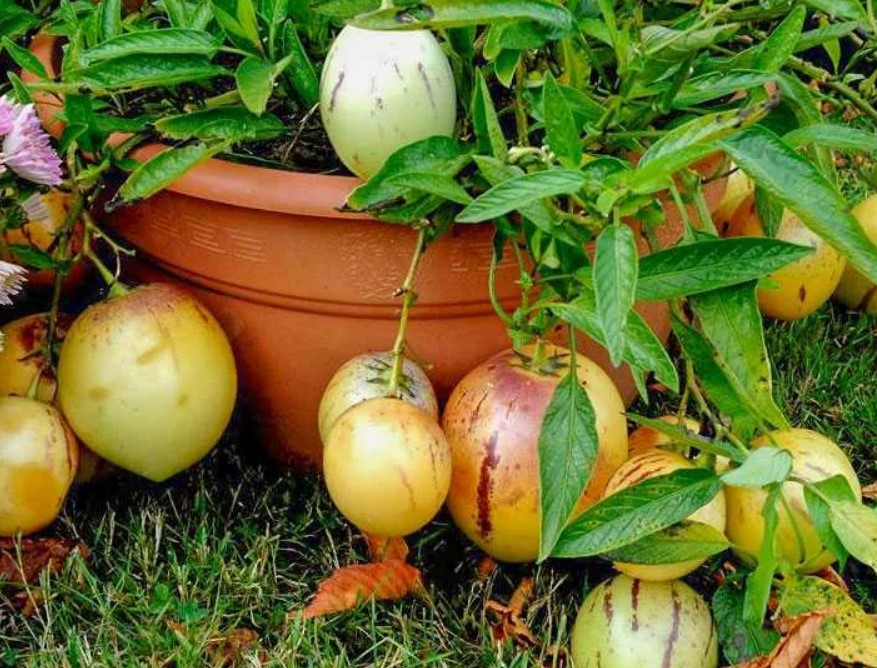
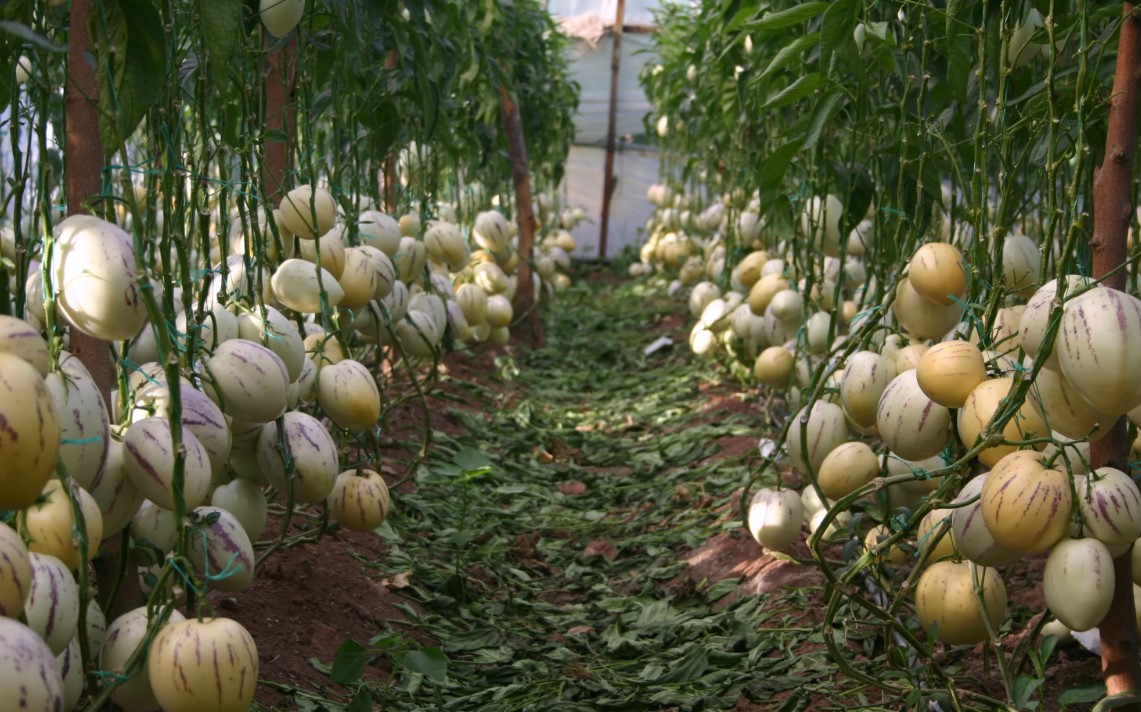
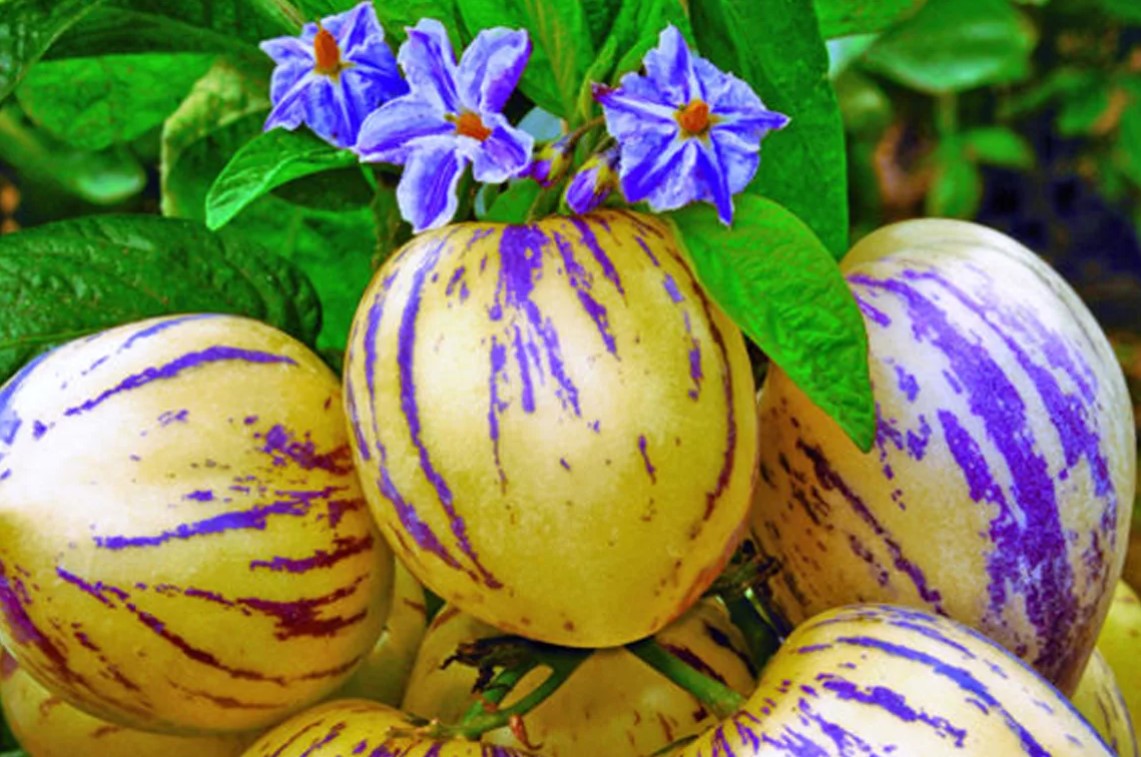
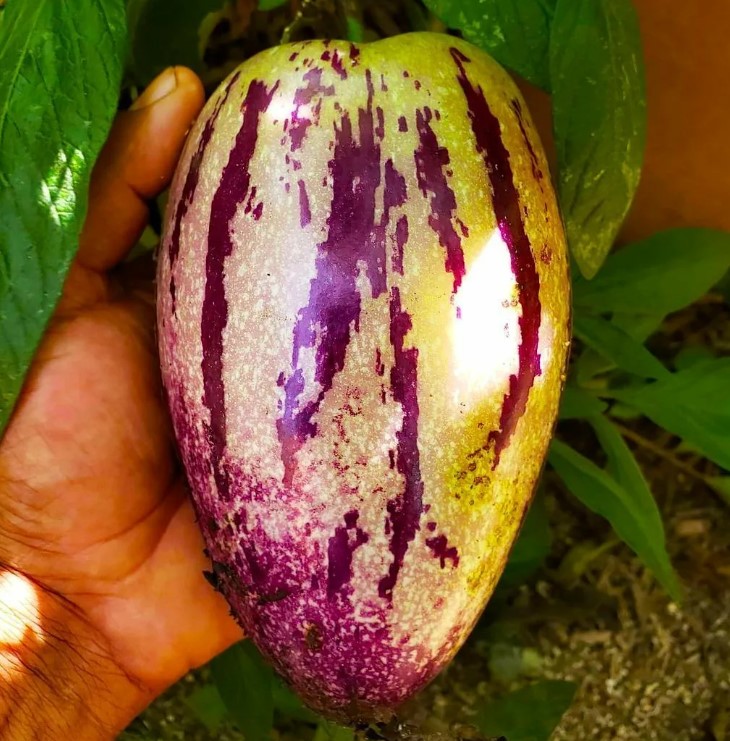
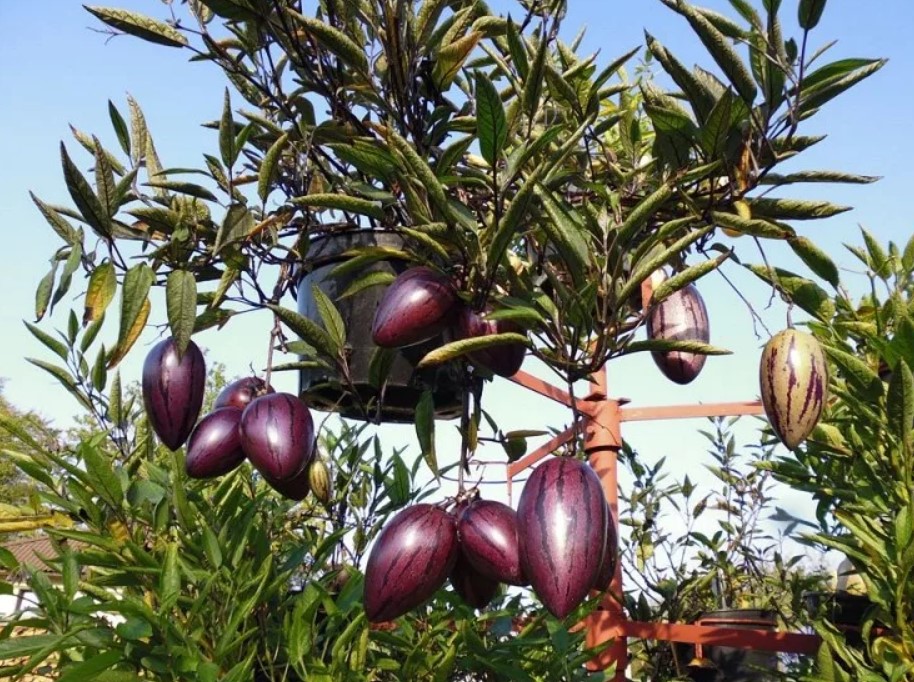
Application
In Japan and South America, it's used in fruit salads and desserts. In New Zealand, it can be found in soups and sauces, served with meat, fish, and seafood. It can also be canned, salted, dried, frozen, and used to make jams, preserves, and compotes.
Reviews of Pepino
What a nasty thing for 137 rubles each!!!
Curiosity sometimes makes us do stupid things. This wonderful fruit, though I now consider it more of a vegetable (it's a member of the nightshade family, after all), I spotted on the supermarket shelf. It cost 137 rubles each, so naturally, I thought it must be incredibly delicious…
pepino
The pepino was oblong, purple, speckled with dark stripes. When I cut it in half, I saw seeds inside, surrounded by a curly mass that immediately reminded me of eggplant (and for good reason)! The flesh was whitish-beige. The taste... well, what can I say, COMPLETE DISAPPOINTMENT!!! Closer to the skin (you have to cut it off), the taste was like a completely unsweet, unripe melon. And closer to the center, it practically tasted like raw eggplant! Only juicier. And this abomination is worth that price??? Those who sell and import this stuff have no conscience. Don't waste your money on this crap!
pepino
Later, I read online that pepino is called a melon cucumber. Each time I become disillusioned with exotic fruits, my desire to experiment further diminishes.Advantages
No
Flaws
Absolutely tasteless
Expensive
Mammari
does not recommend
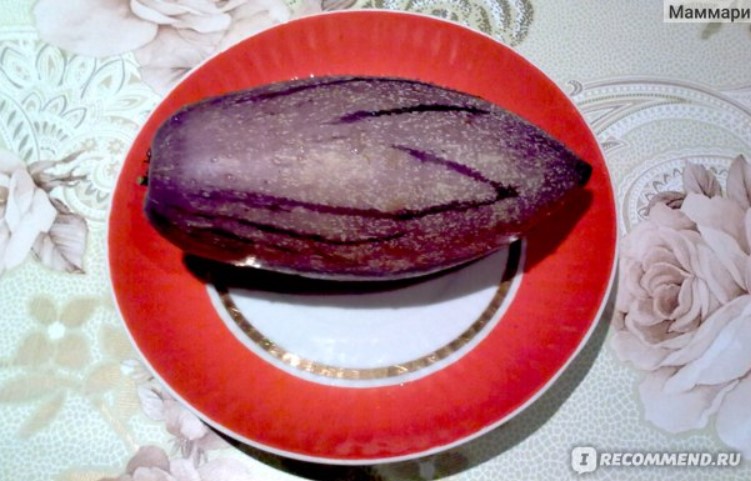
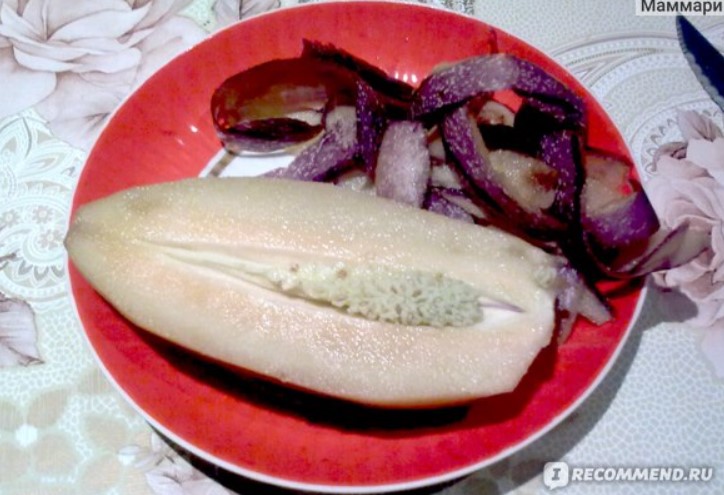
Pitaya or dragon fruit
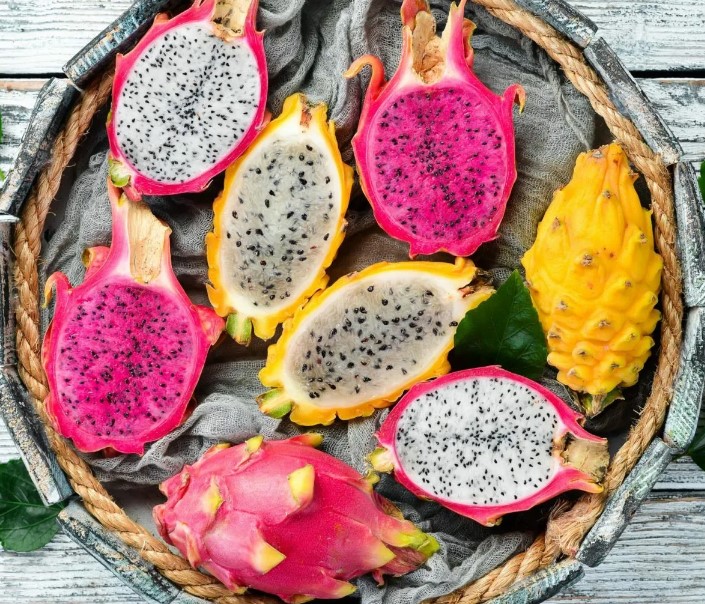
| Names | Dragon's Eye, pitahaya, pitaya, long yang, dragon fruit, pitaya. |
| Description | The fruits are large, oblong, palm-sized, with red, pink, or yellow skin. The flesh is white or red, dotted with small black seeds. |
| Taste | Delicate, sweet, not too pronounced. Reminiscent of a cross between banana and kiwi. |
| Where to try | Vietnam, Thailand, Philippines, Indonesia, Sri Lanka, Malaysia, China, Taiwan, part of Japan, USA, Australia, Israel. |
| Harvest season | All year round. |
Rules for selection and how to eat
Some dragon fruits may have virtually no flavor, but those with a bright red color do. A spoon is the easiest way to eat a halved dragon fruit.
Benefits and contraindications
Dragon fruit pulp is filled with water and contains small seeds rich in tannin, which is important for maintaining good vision. Diabetics can eat it without restriction, as it helps lower blood sugar levels. However, it's important not to overindulge in this exotic fruit, as it can cause diarrhea.
Pitaya photo gallery
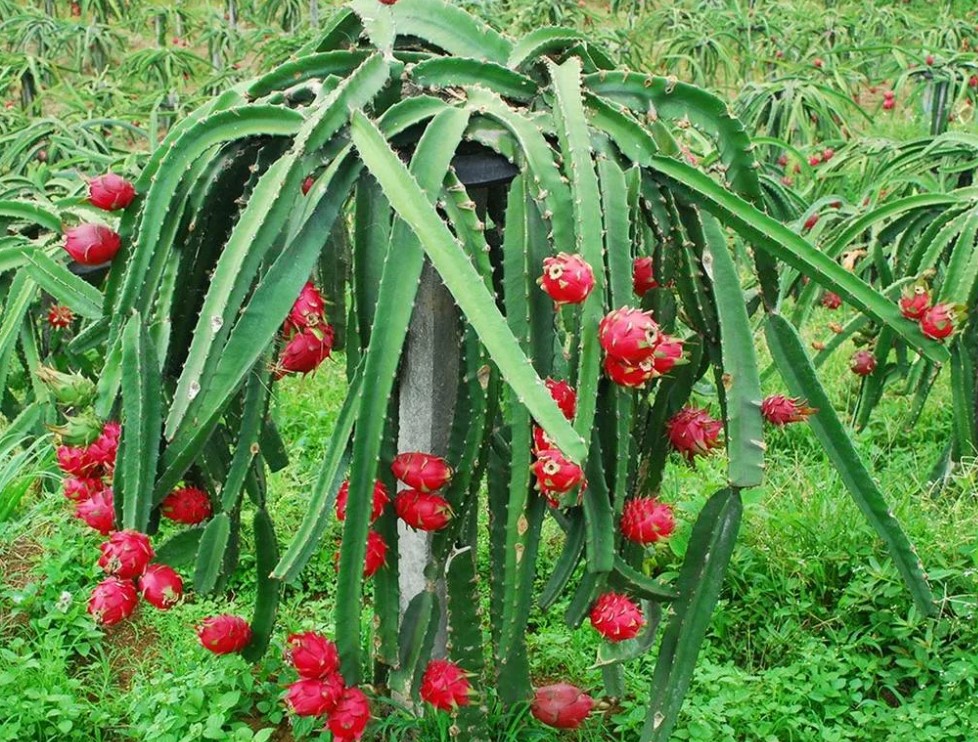
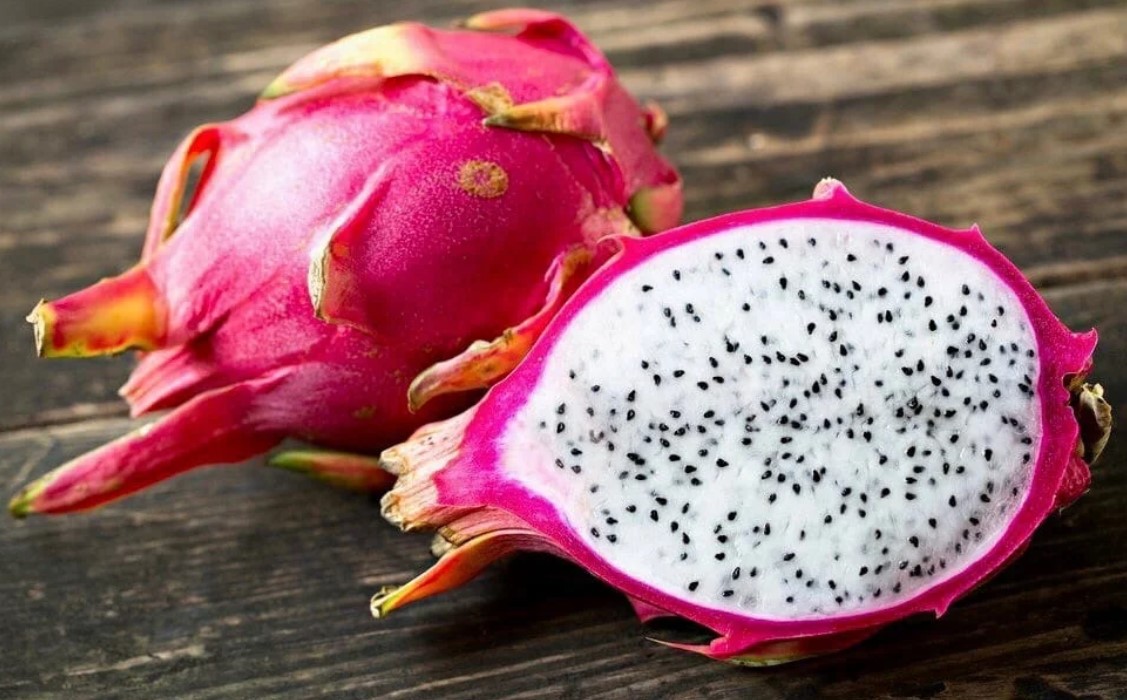
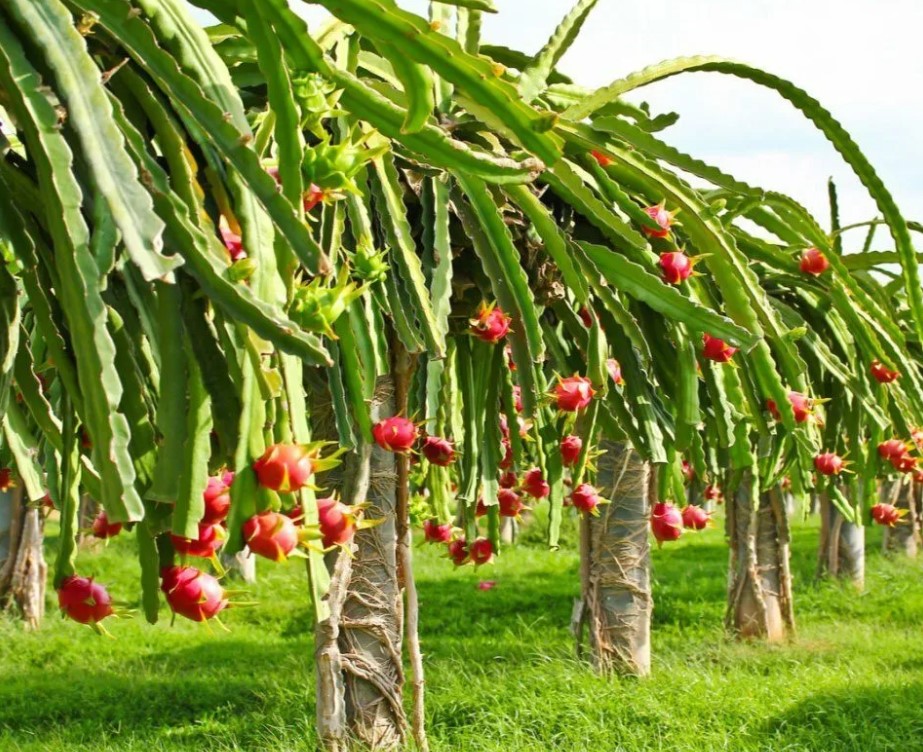
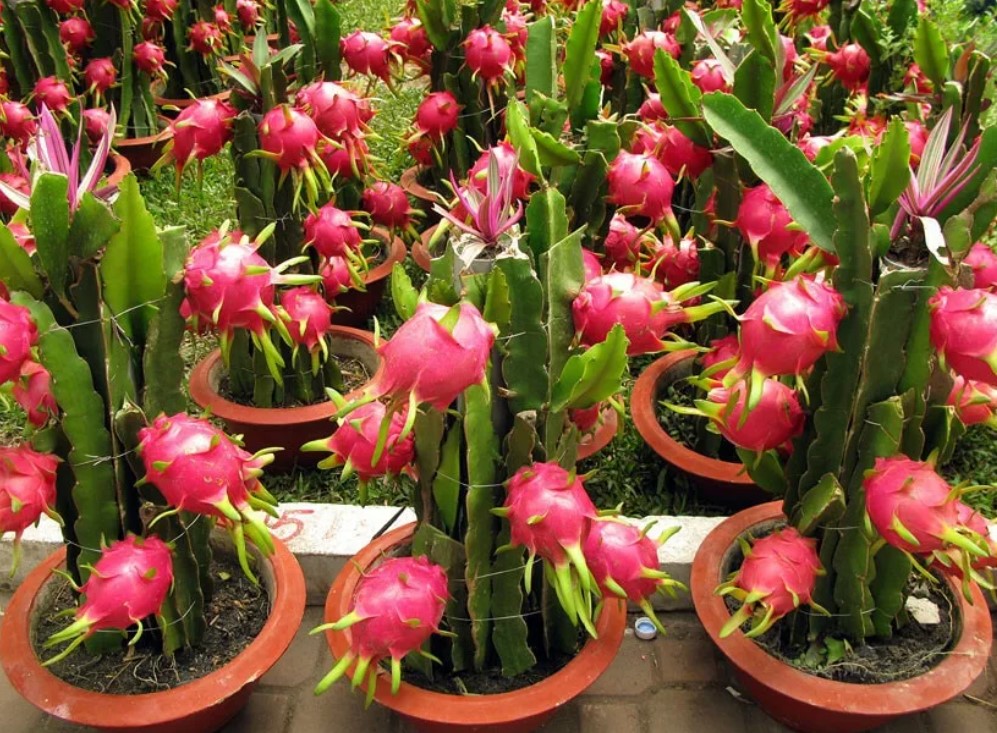
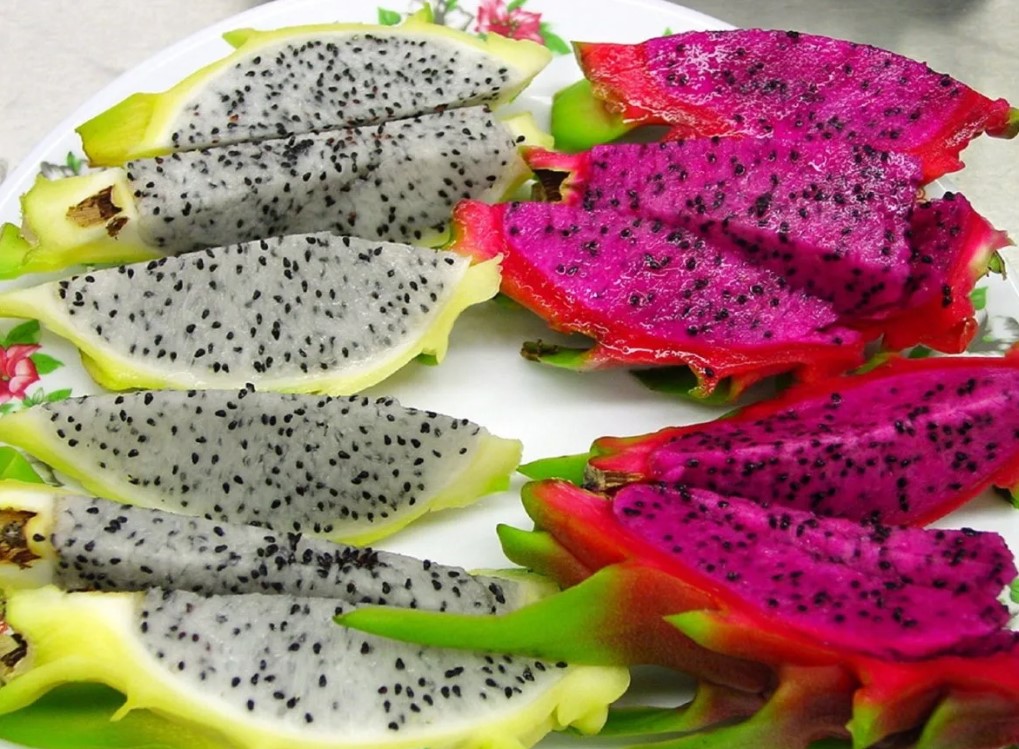
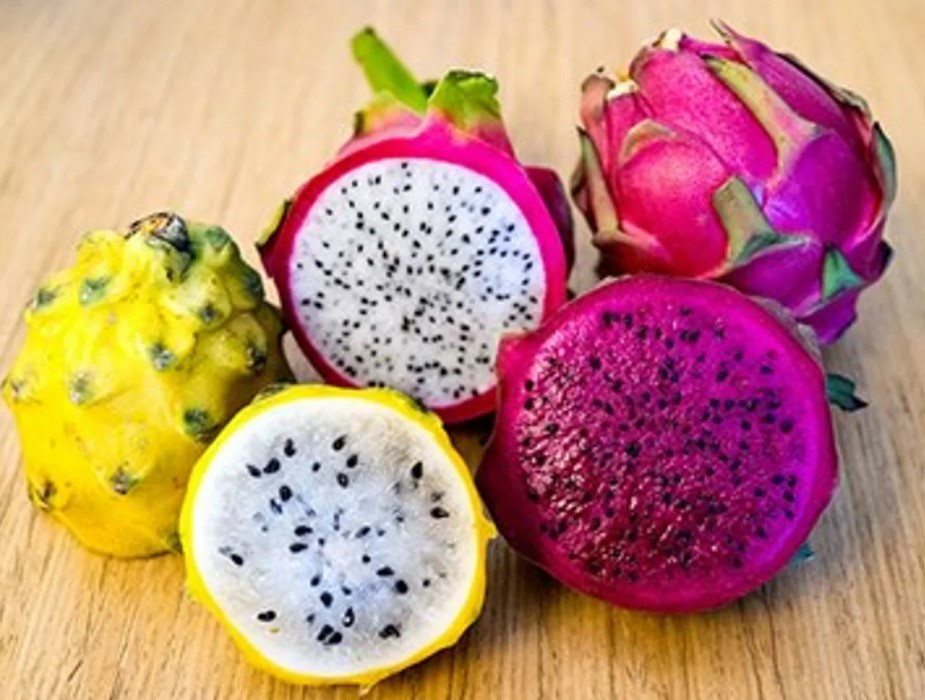
Application
Used for culinary purposes.
Pitaya Reviews
Review: Pitahaya (Dragon Fruit) - Variegated Fruit
ADVANTAGES:
Appearance.
FLAWS:
Taste.
I love to try exotic fruits and, of course, I couldn’t pass by pitahaya (dragon fruit).
This fruit attracts attention due to its striking appearance.I've been wanting to buy a dragon fruit for a while now. I'd been told its taste would be disappointing, and I knew this from reading about it online. And recently, I finally bought one for 270 rubles apiece.
When I got it home, I cut it in half and inside was bright white flesh with small black seeds, it all looked beautiful.
The consistency of the dragon fruit's flesh reminded me of a kiwi. It's quite watery, but firm inside. When you bite into its flesh with a spoon, you expect the kiwi's sourness, but it's not there. It's basically just a tasteless kiwi. I can't say the fruit has a nasty taste. It's just that there's no taste. There's no smell.
The only other thing I can note about the taste is the aftertaste. After eating the dragon fruit, there's a pleasant freshness in your mouth (not much).
Overall, it's an acquired taste; I can't say I'd eat it again. But it's worth trying once in a lifetime.
Pomelo
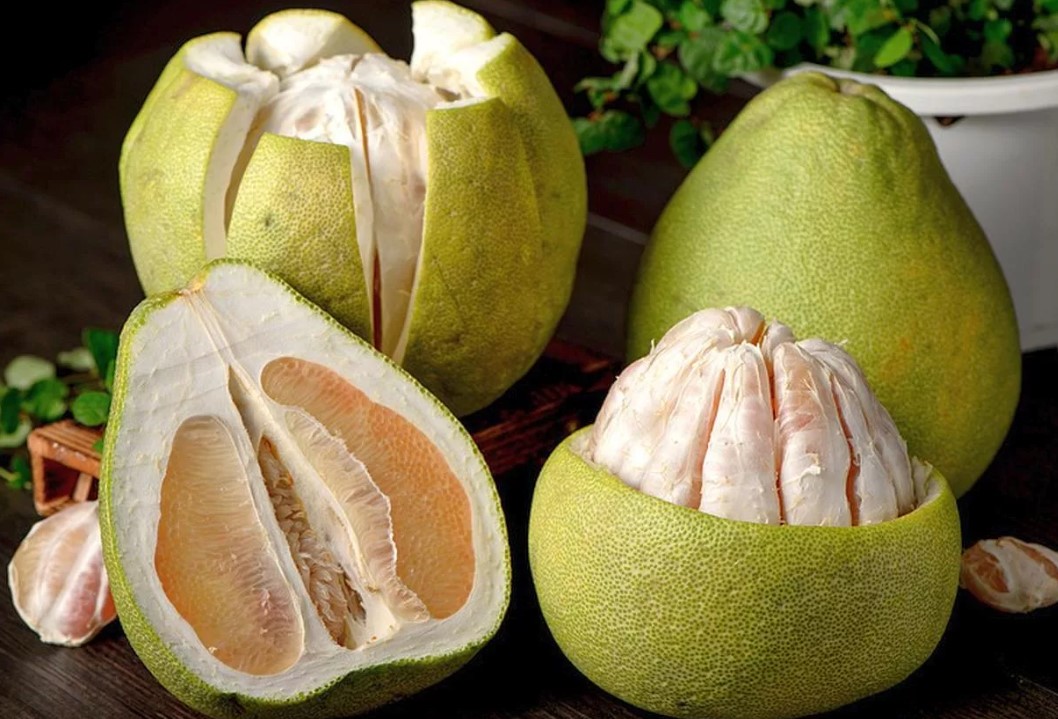
| Names | Pomelo, pamela, pomelo, Chinese grapefruit, shaddock. |
| Description | The citrus fruit resembles a large grapefruit with sweet, white, pink or yellow flesh. |
| Taste | Sickeningly sweet. |
| Where to try | Malaysia, China, Japan, Vietnam, India, Indonesia, Tahiti, Israel, USA. |
| Harvest season | All year round. |
Rules for selection and how to eat
When choosing a pomelo, focus on the smell. The stronger the smell, the tastier the fruit. The pomelo is peeled, and the pulp is eaten.
Benefits and contraindications
The fruit is rich in vitamins C, B, PP, and A, as well as fiber, pectin, potassium, calcium, iron, and phosphorus. It contains few carbohydrates, making it a low-calorie product—only 30-35 kcal per 100 g.
Pomelo photo gallery
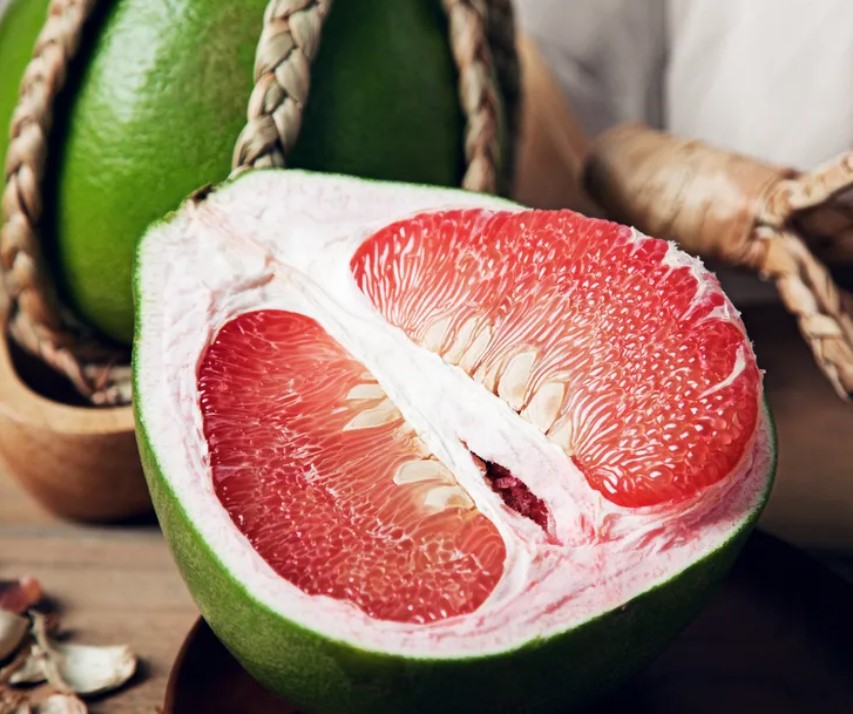
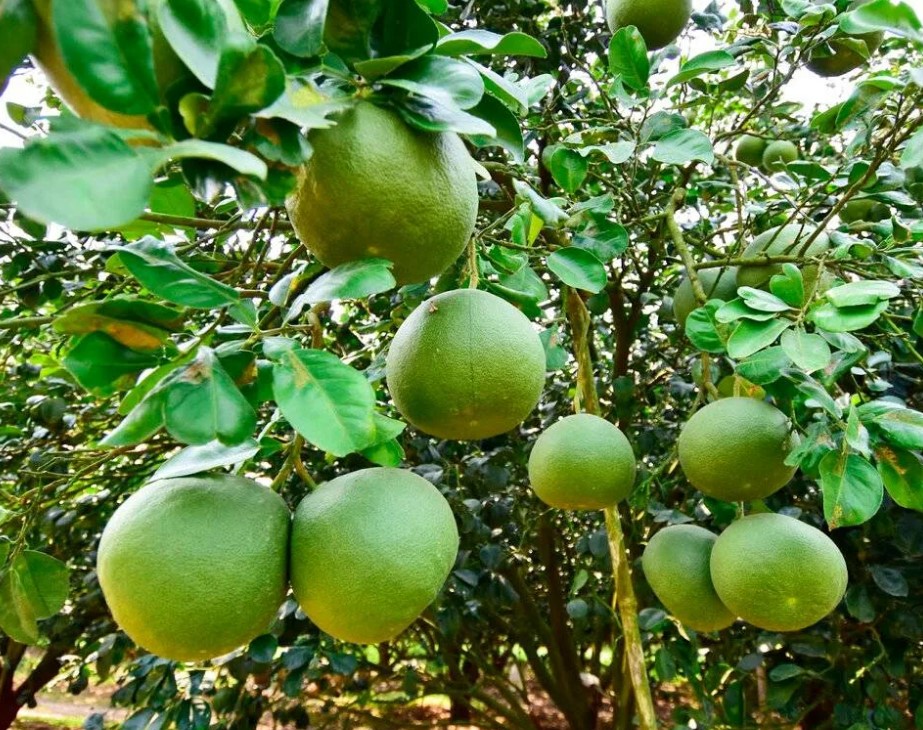
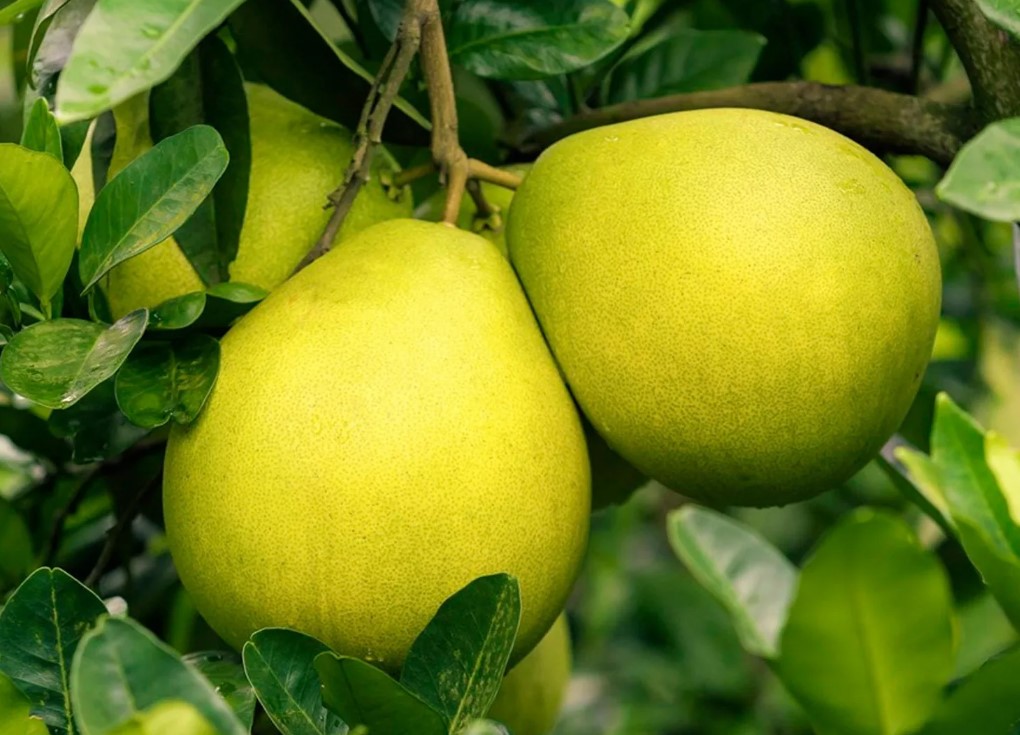
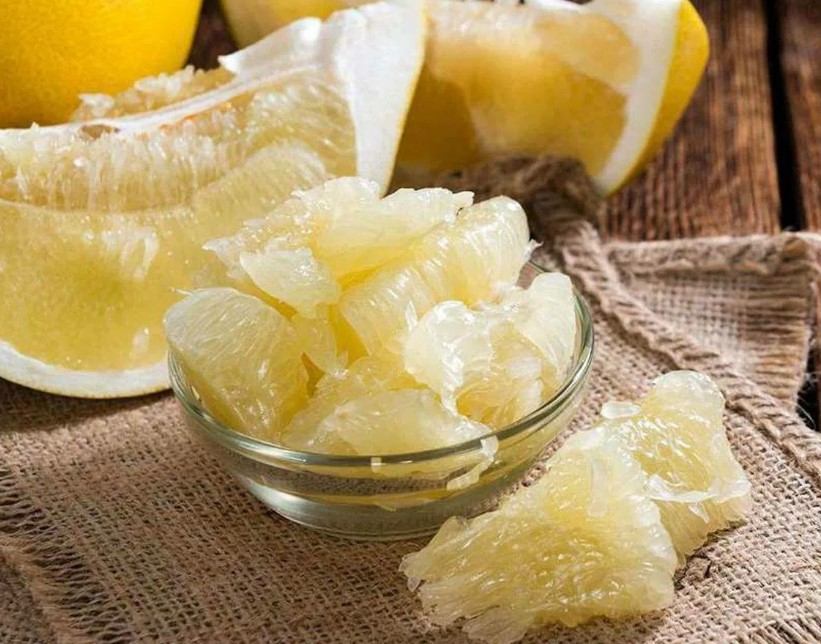
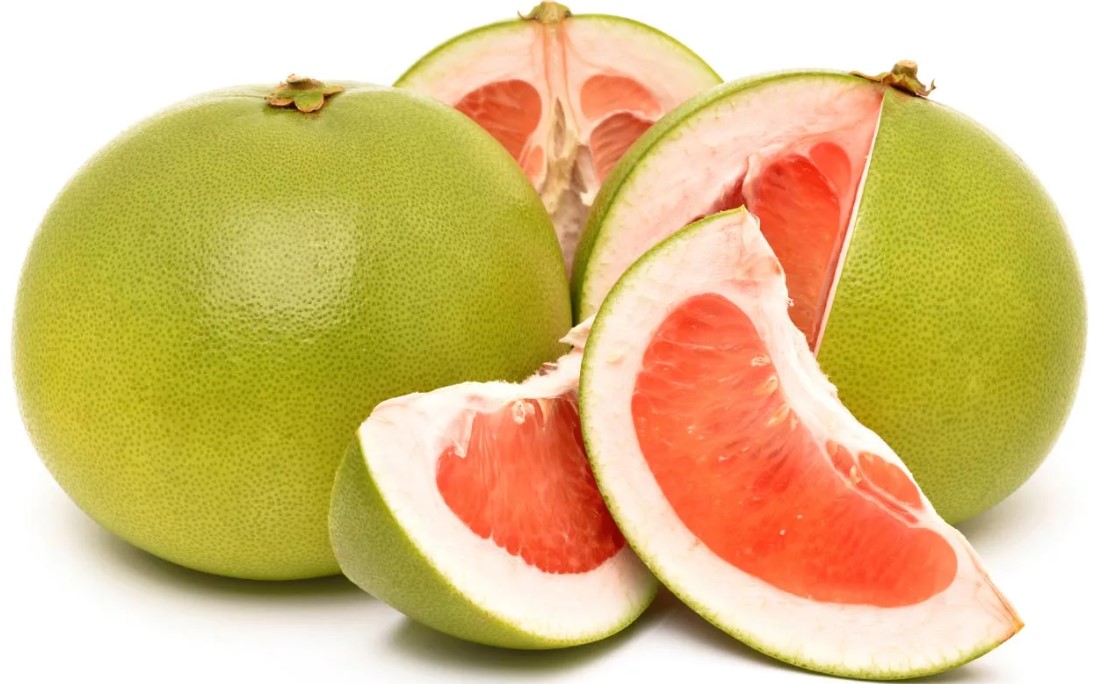
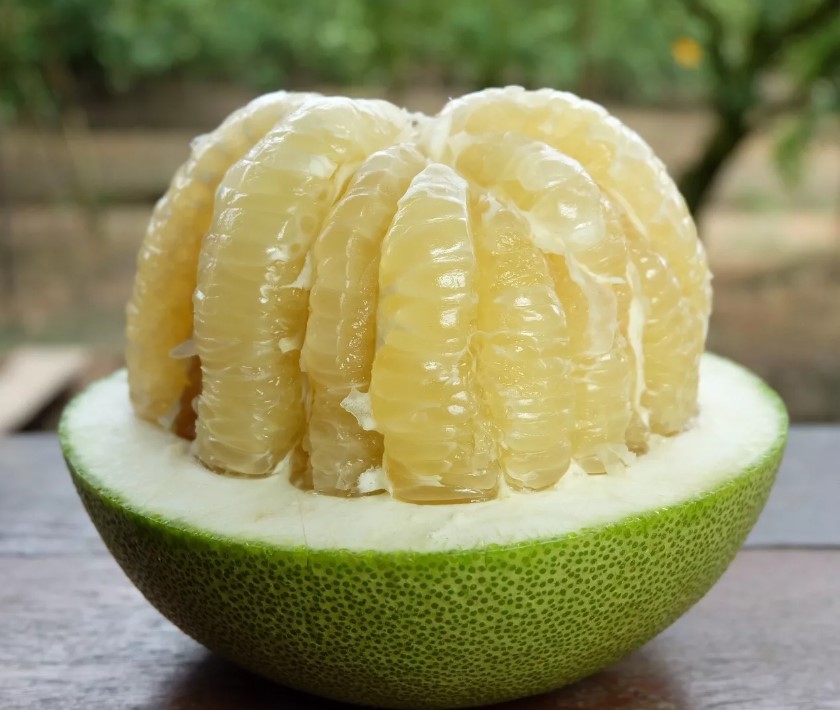
Application
Cooking and cosmetology.
Reviews of pomelo
Review: Pomelo is a healthy and tasty fruit.
ADVANTAGES:
Tasty, healthy
FLAWS:
Price
I tried this fruit at the beginning of February. It was so delicious. We bought three more and ate them. But the price isn't that cheap. The price is worth it for such a fruit.
Puteria (Magic Fruit)
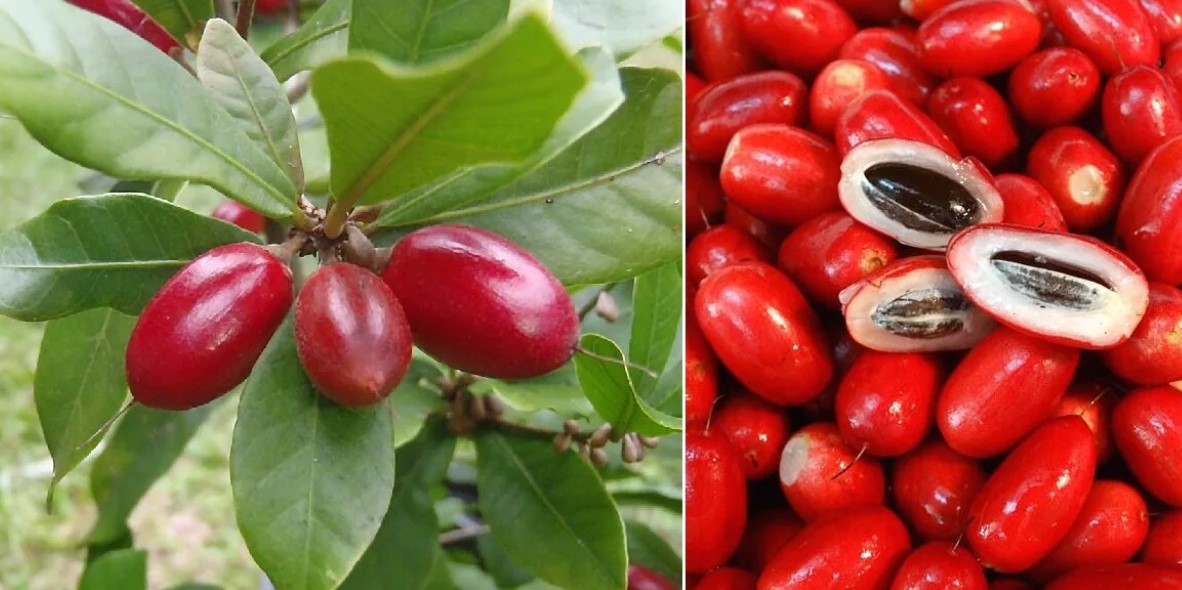
| Names | Puteria, magical fruit, wonderful berries, sweetish puteria. |
| Description | The fruit is a small red drupe containing a single white seed about the size of a coffee bean. |
| Taste | The fruit's unique feature is that after eating it, everything you eat seems sweet for an hour. This is due to the miraculin it contains, which tricks the taste buds. This makes everything sweet seem tasteless. |
| Where to try | West Africa, Puerto Rico, Taiwan, Japan, Australia, Australia, South Florida. |
| Harvest season | All year round. |
Rules for selection and how to eat
Can be eaten fresh or canned. Chew the berries for a few seconds, then swallow or spit them out.
Benefits and contraindications
It's a rich source of vitamins, minerals, antioxidants, amino acids, and fiber, making it extremely beneficial for our health. However, excessive consumption of pueraria can be harmful. The sugars and fats it contains can lead to obesity and increase the risk of cardiovascular disease. Furthermore, some people may experience allergic reactions to certain ingredients.
Photo gallery of Puteria
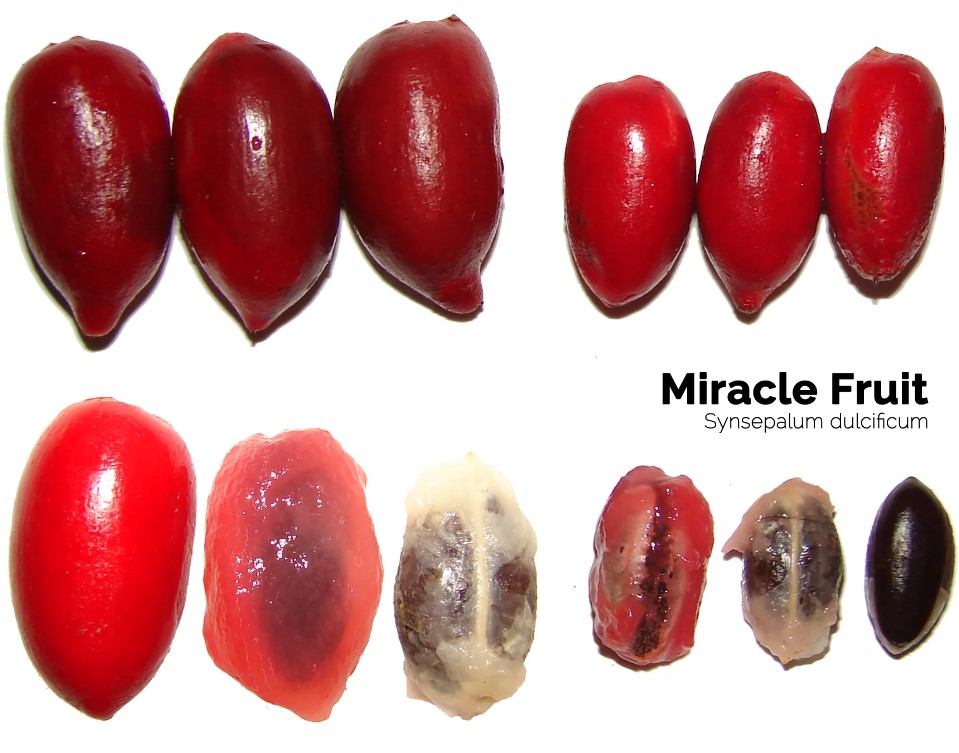
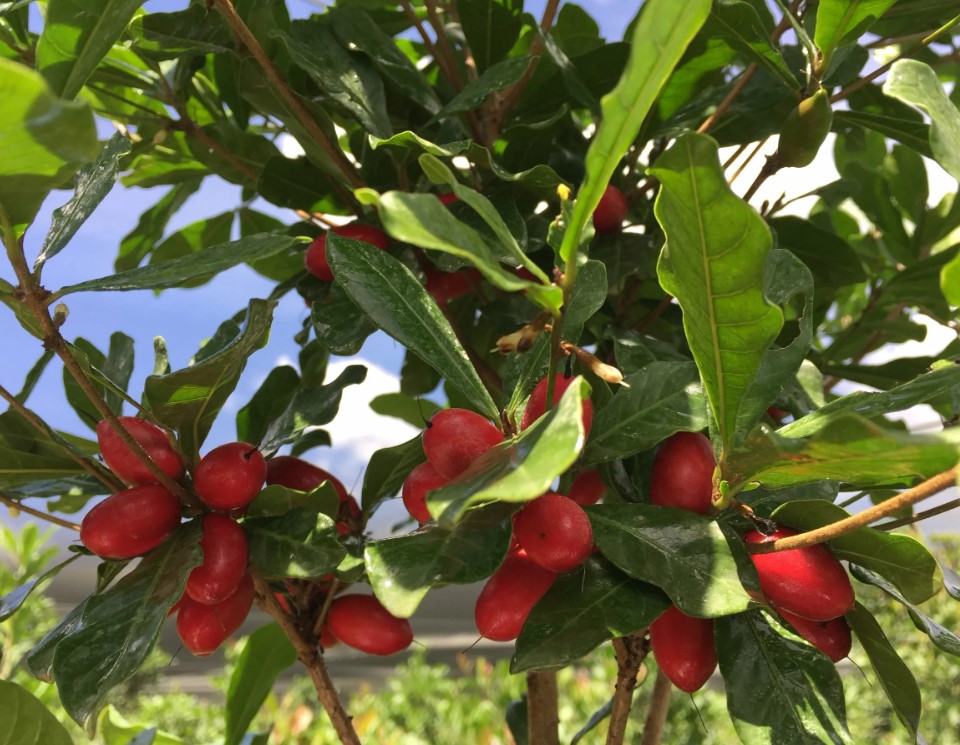
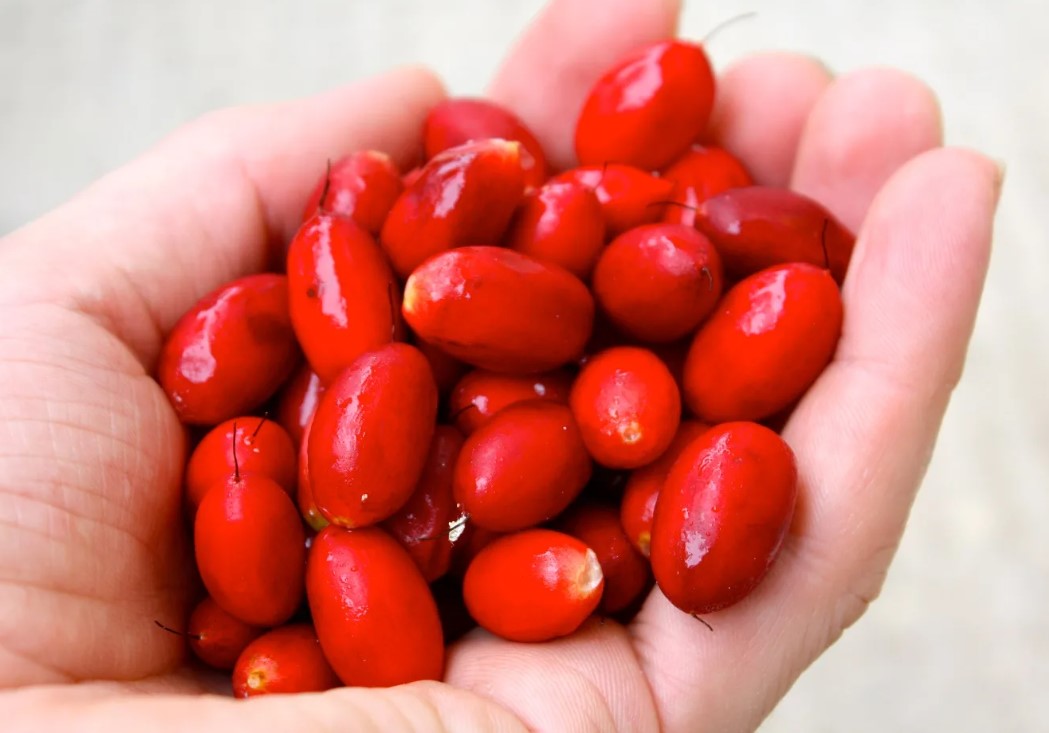
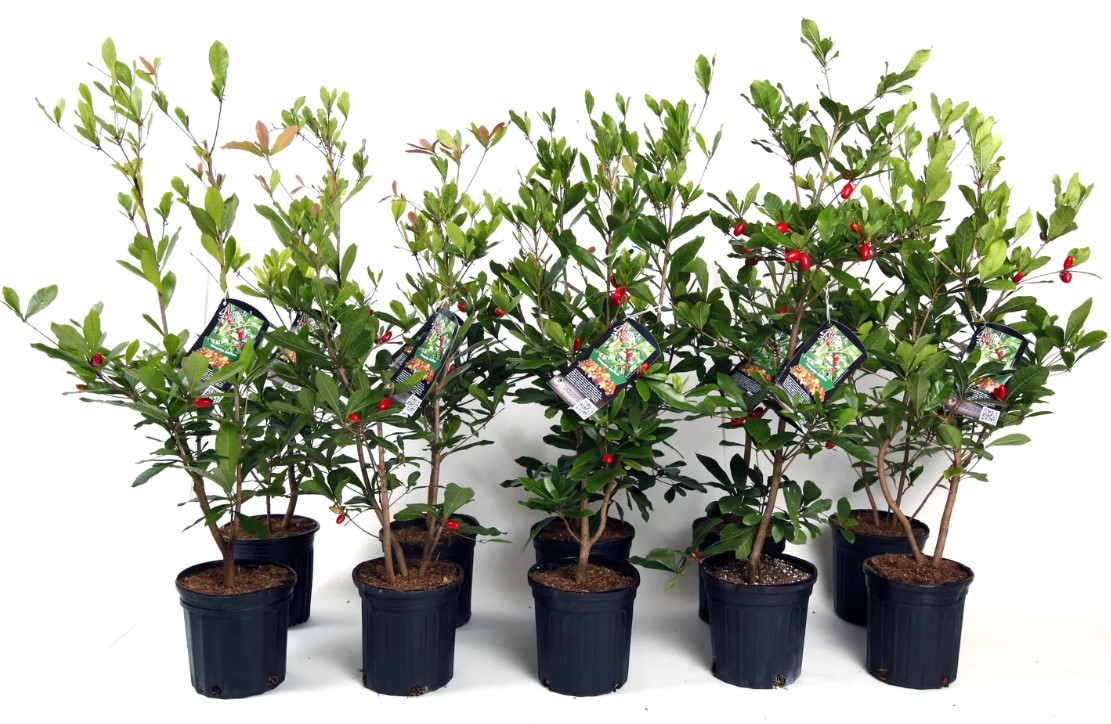
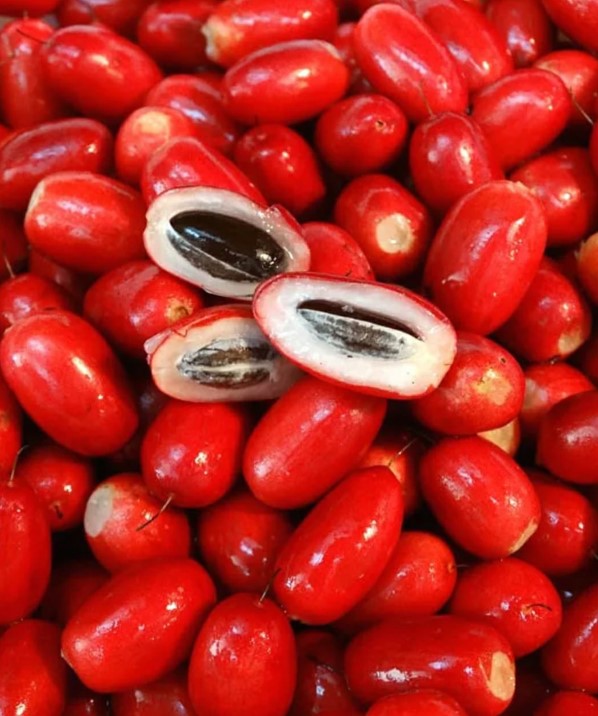
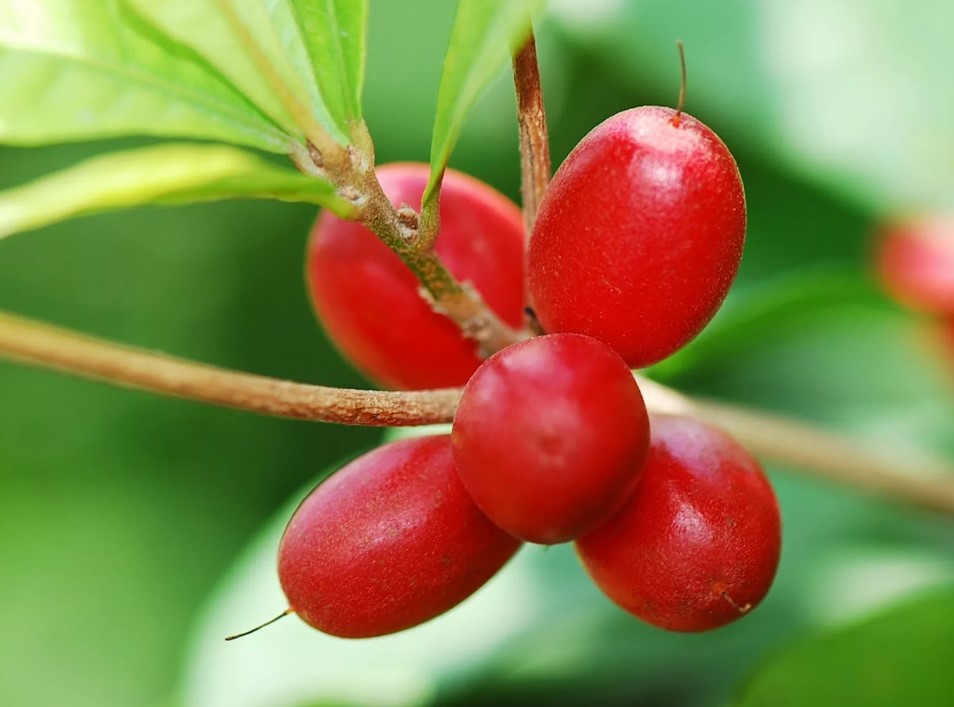
Application
Consumed by humans and animals, grown as a houseplant.
Reviews of the puteria berry
Rambutan
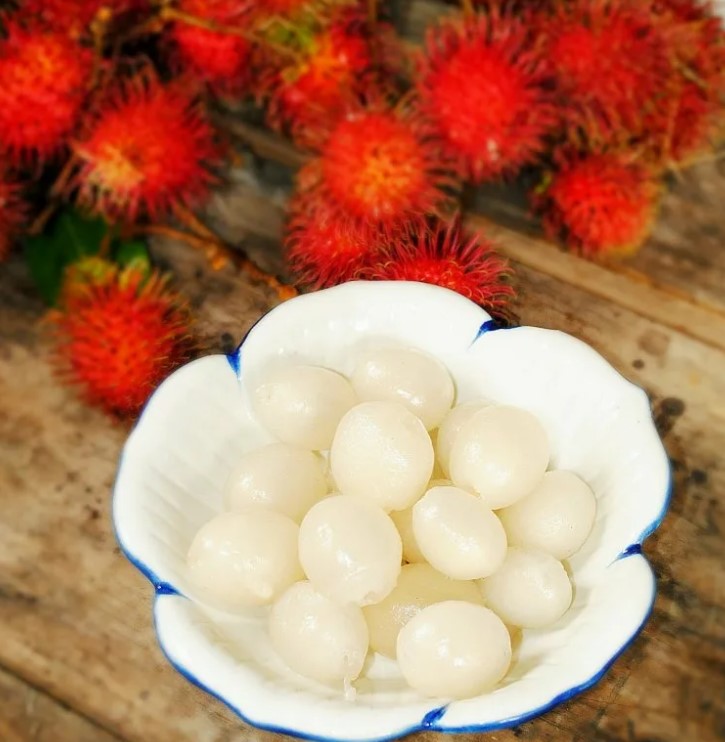
| Names | Rambutan, nephelium lappaceum. |
| Description | A relative of the lychee, it visually resembles a walnut but has a hairy, red, yellow, or white skin. |
| Taste | Sweet. |
| Where to try | Southeast Asia. |
| Harvest season | April-October. |
Rules for selection and how to eat
When choosing, rely on color: the pinker the better. The flesh is edible. To access it, twist the fruit at the center. The peel is inedible.
Benefits and contraindications
Fresh rambutan is rich in carbohydrates, proteins, and beta-carotene. It also contains minerals. It is a good source of vitamin C and beauty-promoting B vitamins. Contraindicated for those with peptic ulcers or intolerances.
Rambutan Photo Gallery
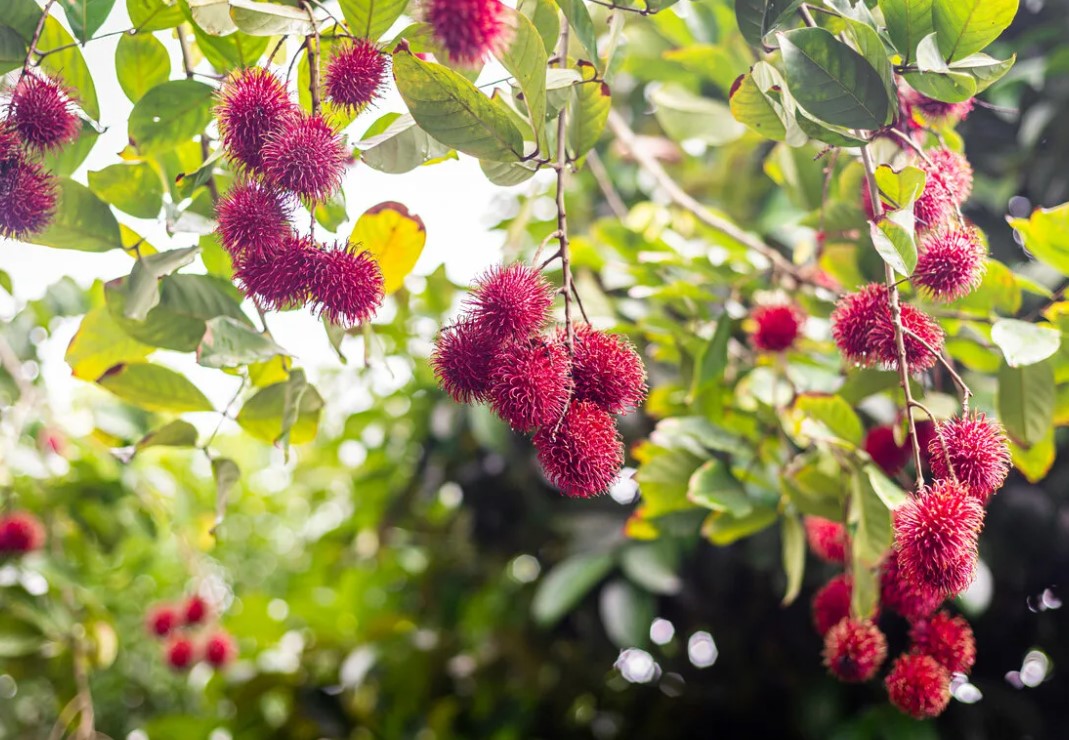
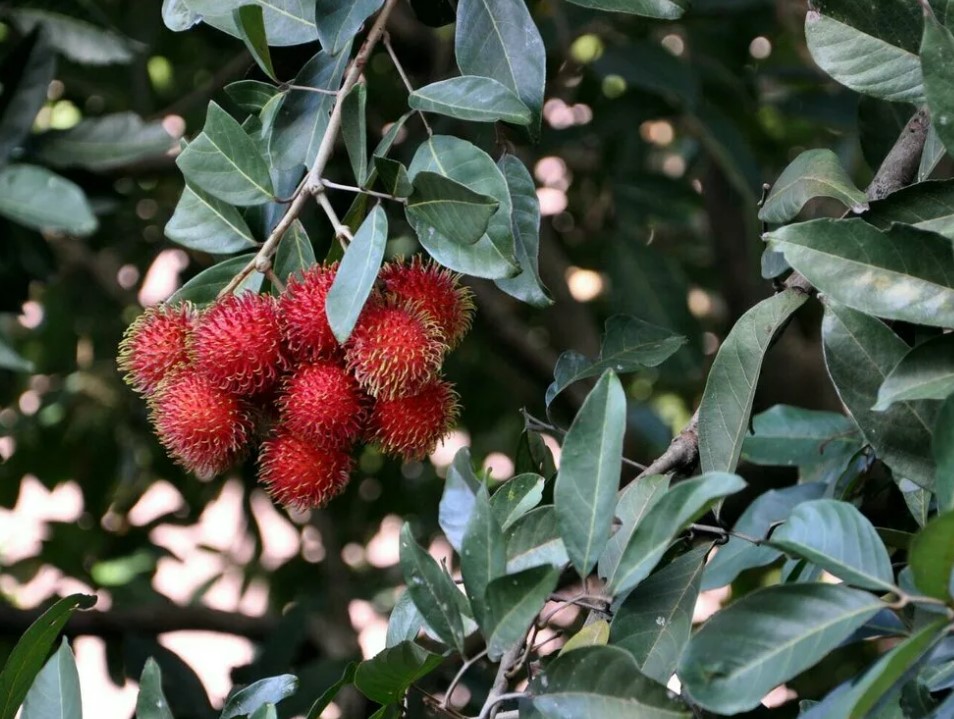
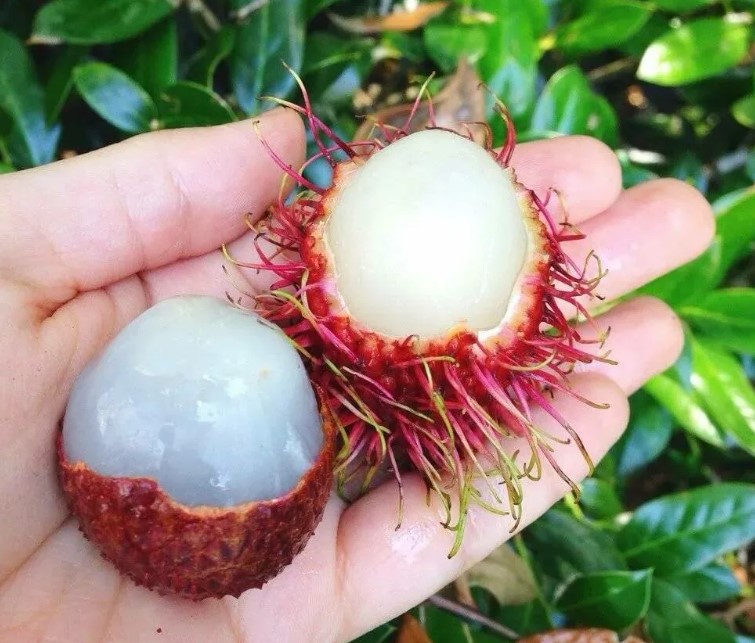
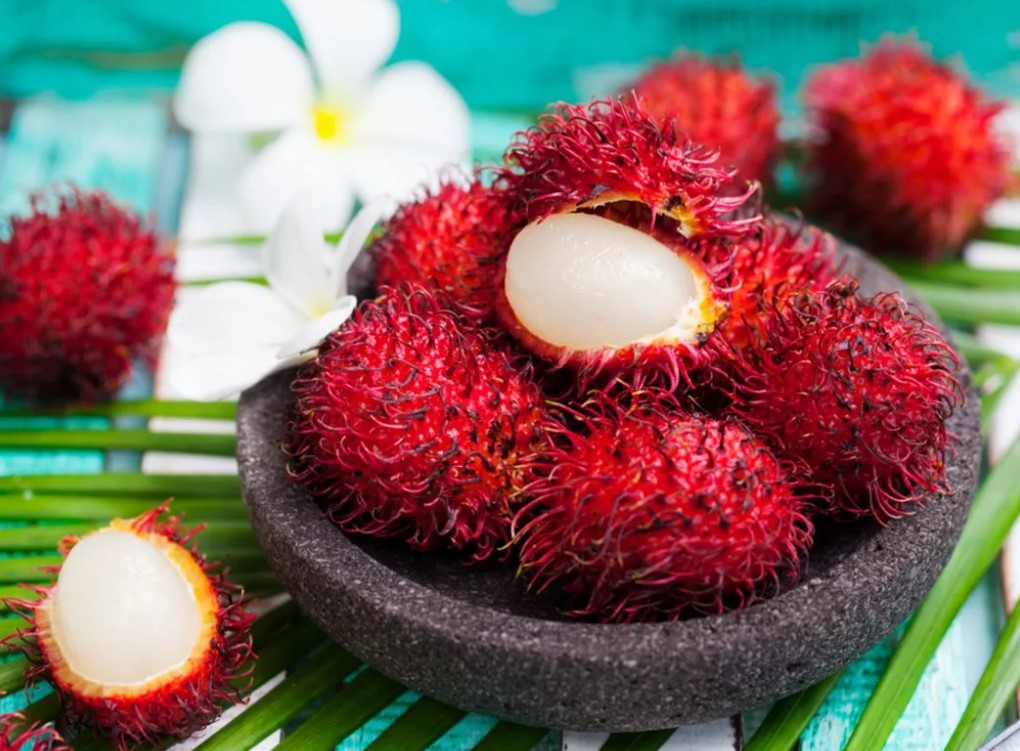
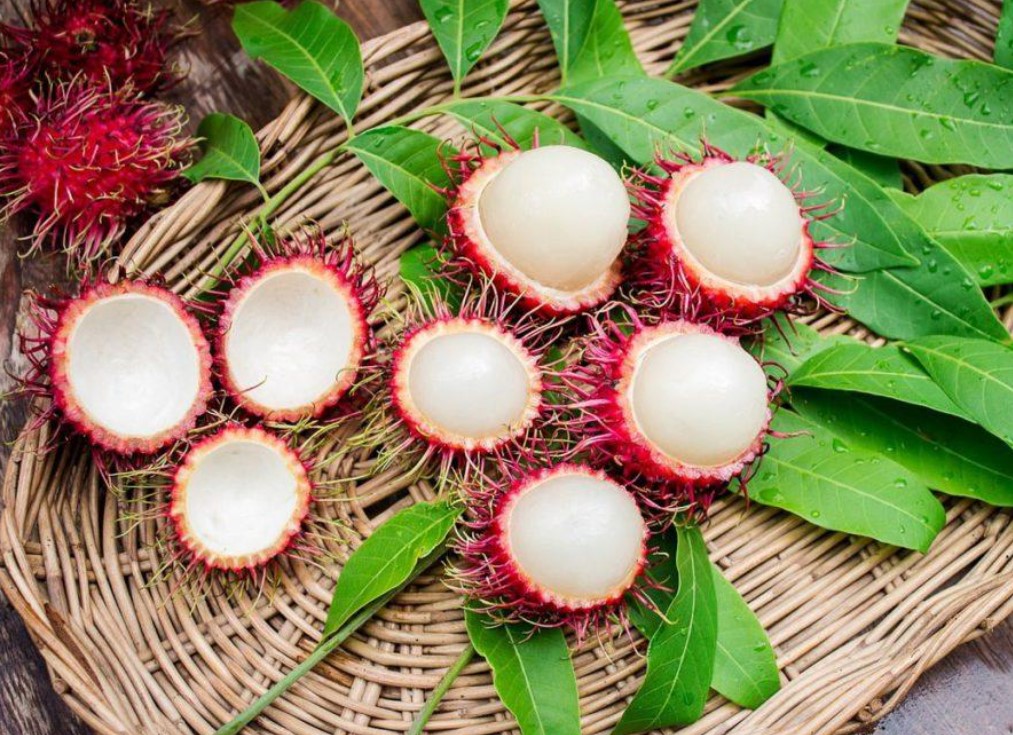
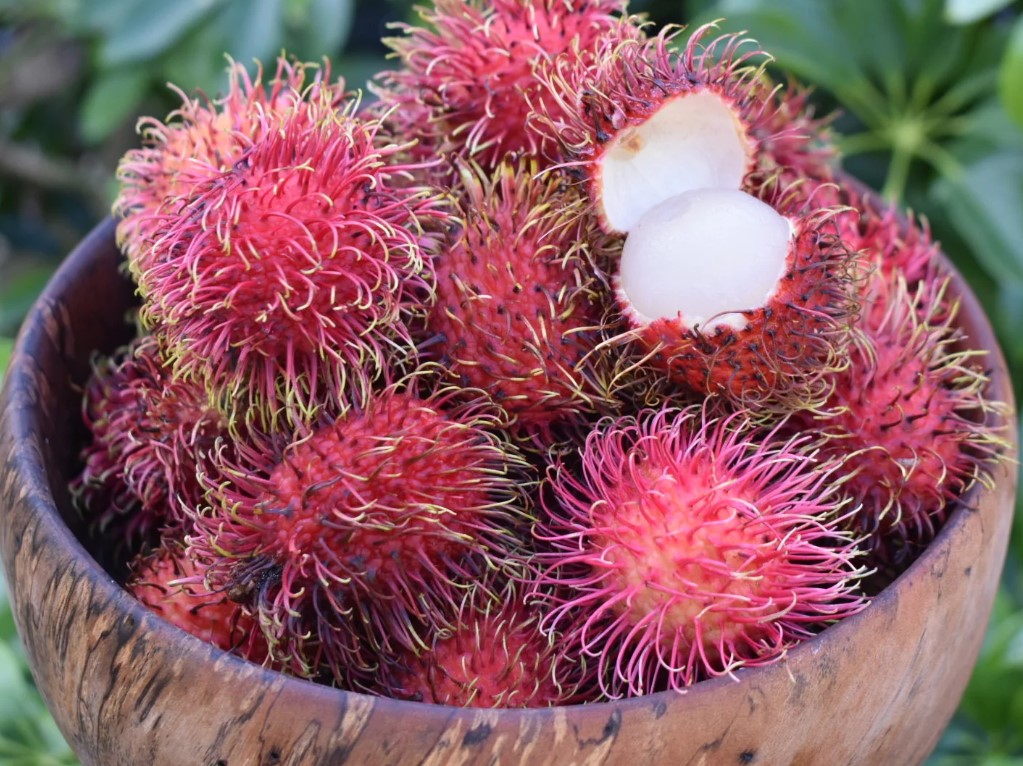
Usage
The fruits can be eaten fresh or preserved with sugar. Raw seeds are poisonous, but roasted seeds are safe to eat.
Rambutan Reviews
It looks a lot like a lychee, and a lychee looks like a grape.
The appearance of this fruit is so captivating, it's impossible to pass by without wanting to try this mysterious rambutan. You need to remove the red peel and extract the white part, which is what's eaten. Rambutans are related to the lychee, perhaps because they taste so similar.
The fruit's flesh is white, almost translucent, and gelatinous, with a pleasant aroma and sweetness. The fruit is rich in proteins, vitamins, carbohydrates, and minerals—nitrogen, ash, magnesium, sodium, manganese, zinc, potassium, and phosphorus.
Rambutan is very beneficial for the skin and also has a positive effect on digestion. Unlike durian, I liked rambutan.
Svetlanach
recommends
Salak
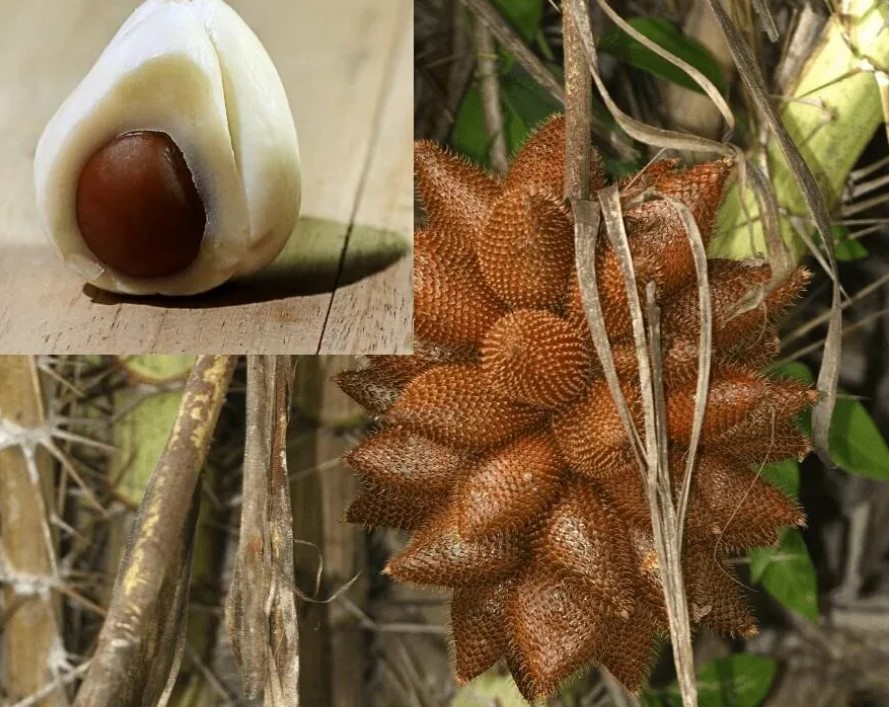
| Names | Sala, salak, rakum, snake fruit, snake fruit, sala. |
| Description | A prickly, exotic fruit. Round or oblong, red or brown in color, with a spiky skin. Inside are three sweet segments. |
| Taste | Rich and sweet. Reminiscent of pear and persimmon. |
| Where to try | Thailand, Indonesia, Malaysia. |
| Harvest season | All year round. |
Features of selection and how to consume
When selecting the fruit, make sure the skin is undamaged. Peel the skin with a knife. Be careful, as the thorns will dig into the skin. The pulp is eaten.
Benefits and contraindications
Contains tannin, which helps remove toxins from the body. It has astringent, hemostatic, antidiarrheal, and antihemorrhoidal properties. However, this exotic fruit should be consumed in small portions, especially for the first time. Not recommended for children under 5 years of age.
Snake Fruit Photo Gallery
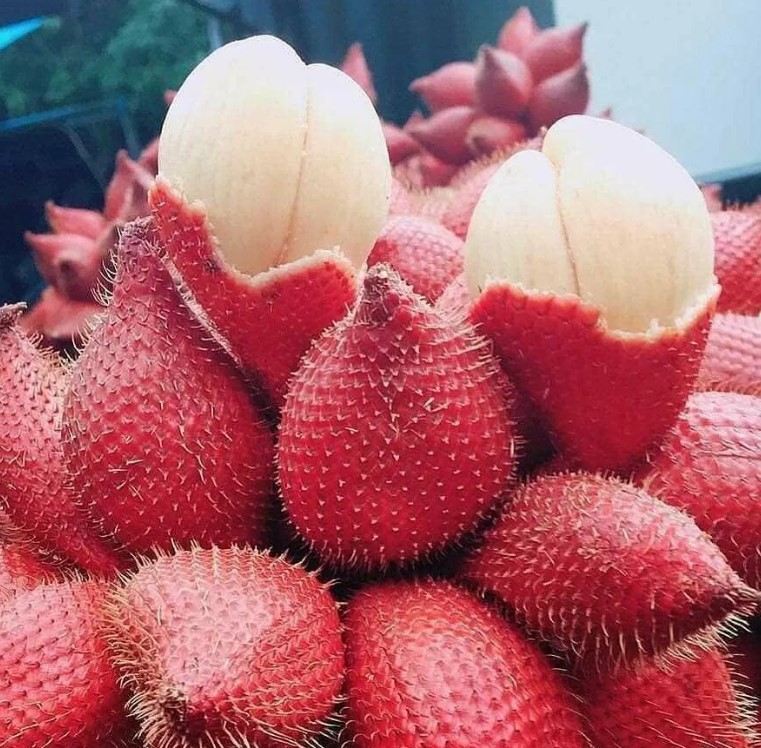
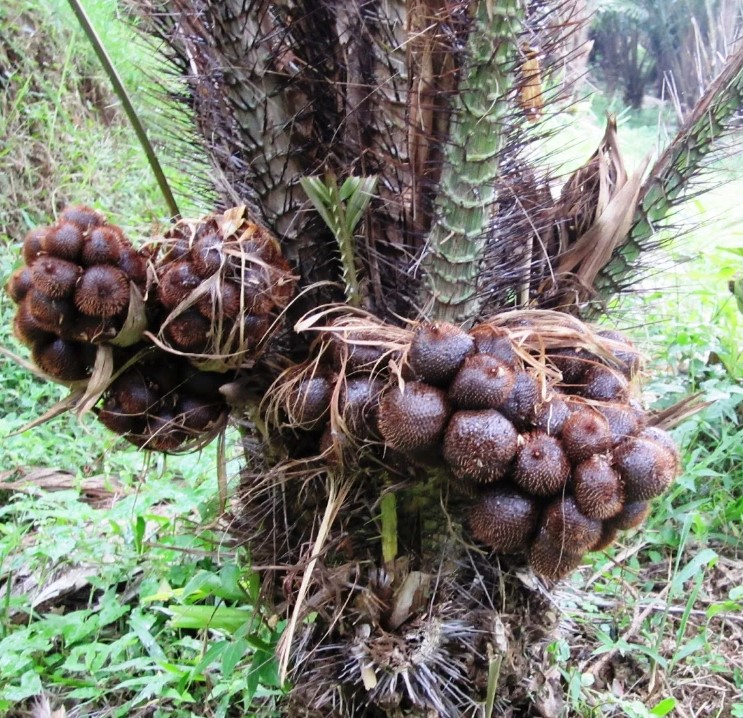
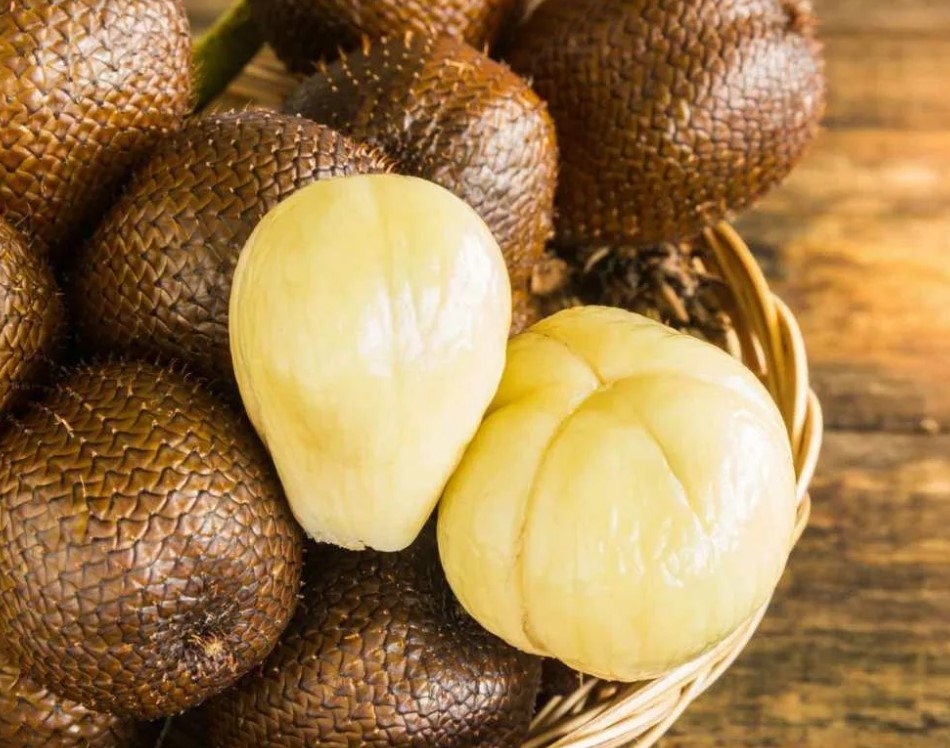
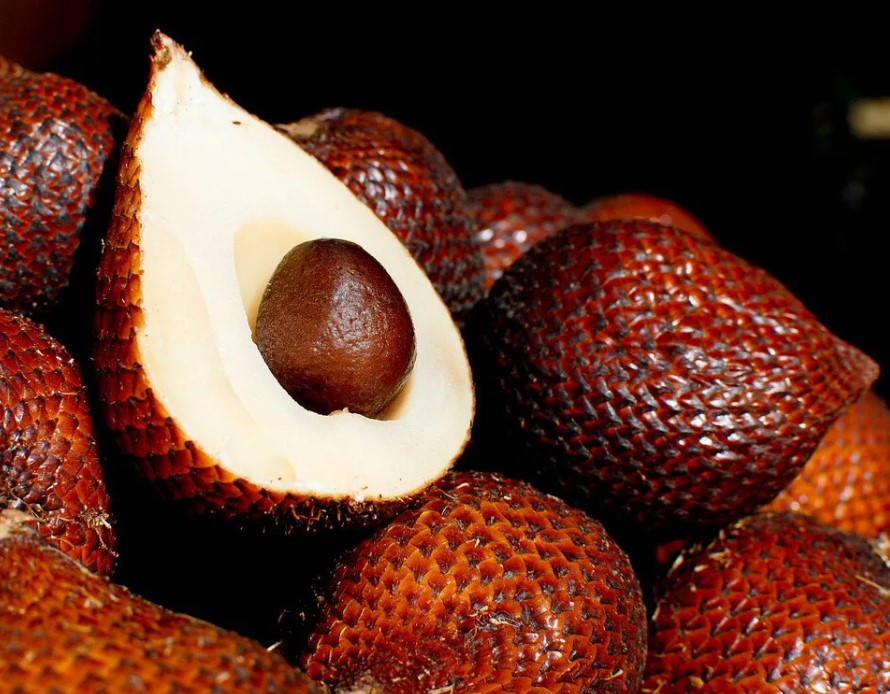
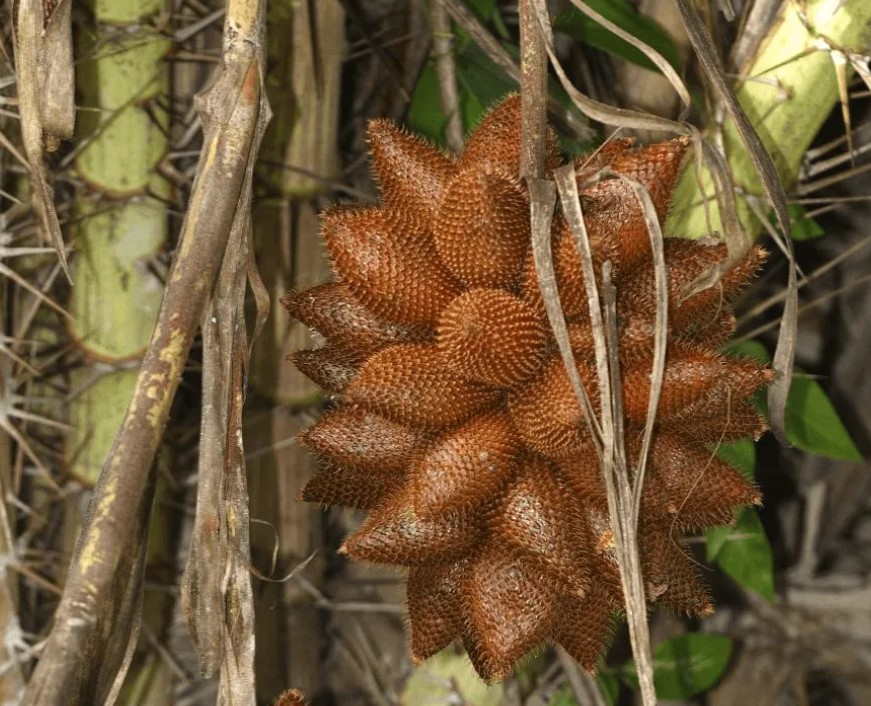
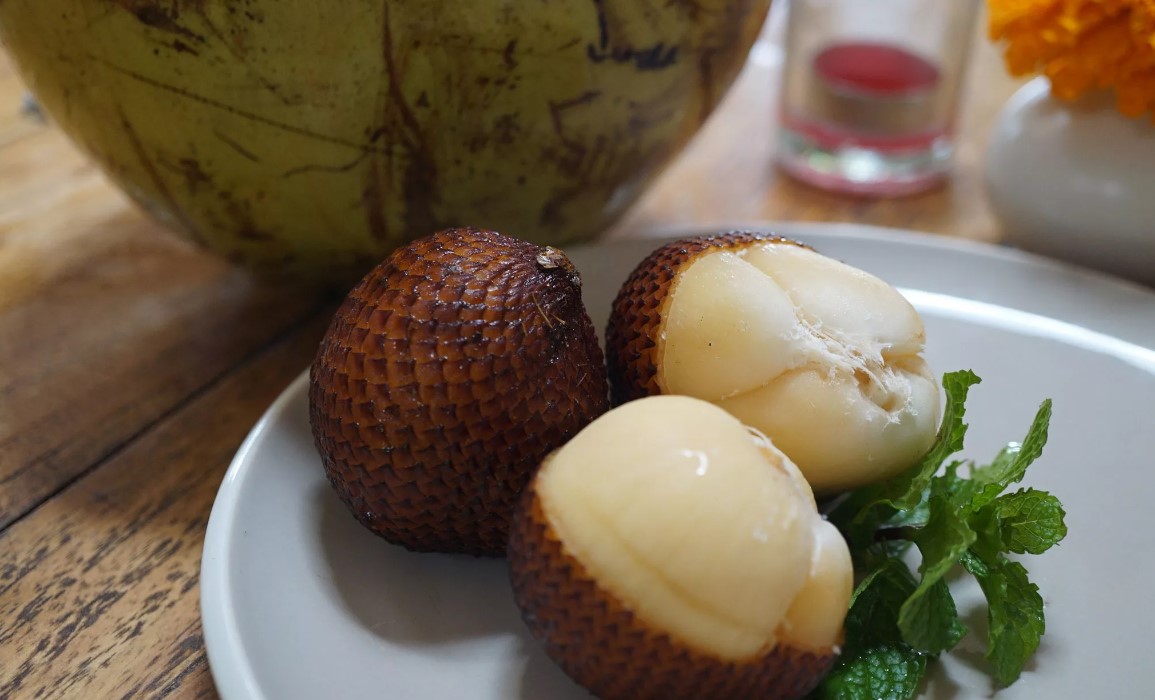
Application
They are not only consumed fresh, but also used as an ingredient in the preparation of various dishes.
Reviews of the fruit salak
Review: Exotic Salak Fruit Prodijy Land - Fragrant Snake Skin

ADVANTAGES:
taste
FLAWS:
price, hard to find
I saw a very unusual fruit at the Lenta hypermarket the other day—salak. I decided to grab a pack to try it. Yes, it's not cheap, but I've never seen such an exotic fruit before, and I don't want to miss the opportunity.
The packaging is a clear, convenient 200-gram container. It has a label at the bottom with all the necessary information. This miracle was brought from Thailand, which is not surprising.
Inside are the fruits themselves. They're small, about the size of a kiwi. They look intimidating—teardrop-shaped, hard, with a skin reminiscent of snake skin. They're also a bit sharp to the touch, so be careful handling them! As I learned online, these fruits grow on unique palm trees, which are also quite prickly. Apparently, this is their defense mechanism.
Opening them is quite easy. There are two options: either press hard with your fingers, which will cause the skin to crack easily, or cut it with a knife. I managed without a knife, but one finger still got a paper cut. So, again, you have to be careful with them.
Inside is the fruit itself. It's a pleasant creamy color with a huge black seed inside. You shouldn't eat the seed, of course. The flesh is very reminiscent of lychee or longan in texture. The aroma from the peel and fruit is very distinctive—it reminded me of valerian or any herbal medicine in alcohol. Not everyone will like it. However, it's fine for me.
The taste of "snake fruit" (as it's also called) resembles a combination of pineapple, grapes, and strawberries. But very distantly. It has its own unique flavor. It's sweet, with a slight bitterness and tartness, but not cloying.
I liked salak for its taste more than longan or lychee, which, for some reason, I can't find in stores anymore. So I highly recommend trying it! Moreover, according to some reports, this fruit is good for the liver and vision, and it has virtually no contraindications.
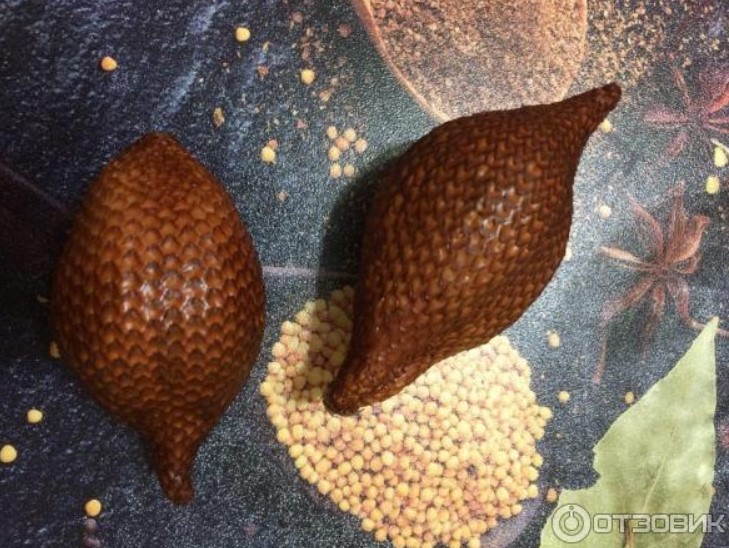
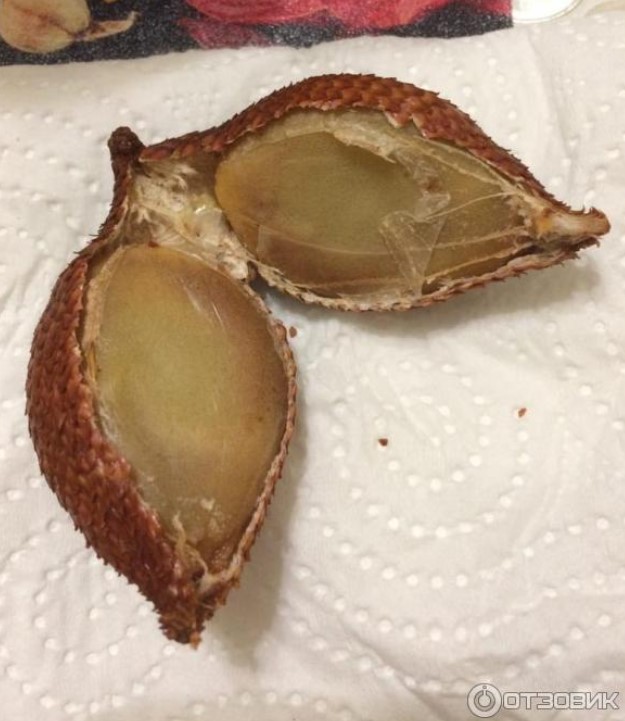
Sapodilla
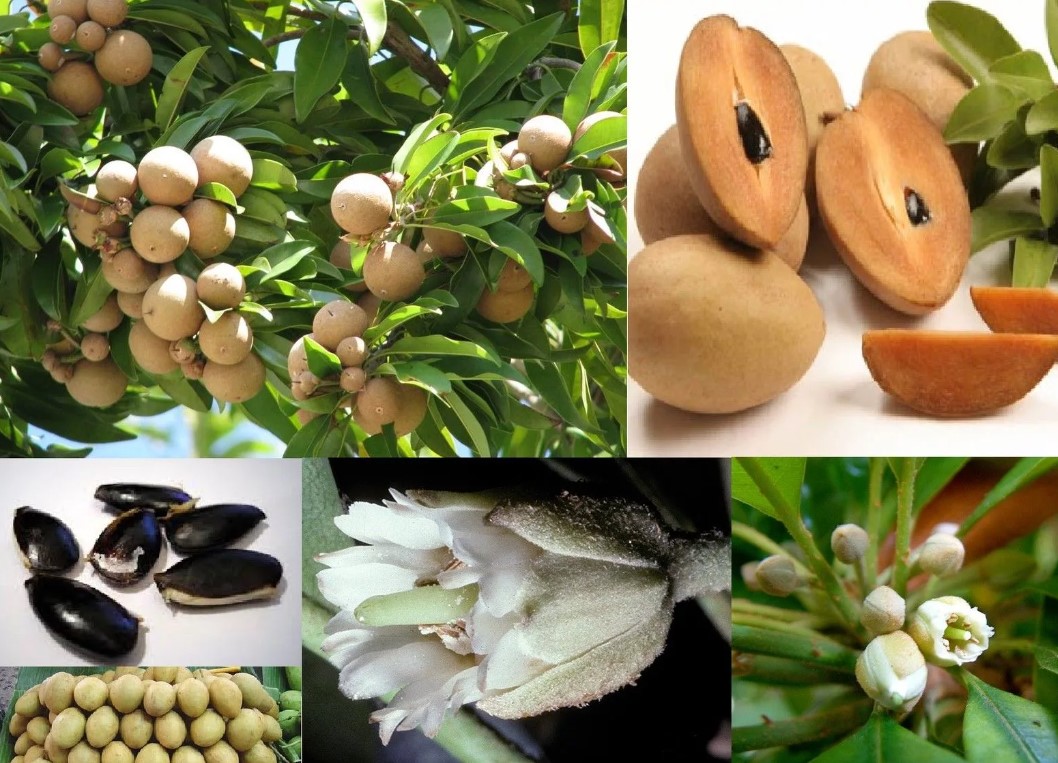
| Names | Sapodilla, sapotilla, chiku, sapotile tree, oil tree, achra, manilkara zapota. |
| Description | The fruit is round or oval in shape, 5-10 cm long, and weighs 100-170 g. Its structure is similar to that of a persimmon. When fully ripe, the fruit is covered with a rusty-brown skin. |
| Taste | Milky caramel. |
| Where to try | Vietnam, Thailand, Philippines, Cambodia, Malaysia, Indonesia, Sri Lanka, India, Hawaii. |
| Harvest season | September-December. |
Rules for selection and how to eat
The fruit should be free of any damage, as this will cause it to spoil quickly. Peel the fruit before eating.
Benefits and contraindications
The fruit is 75-85% water. It contains up to 23% carbohydrates, 0.6% protein, 1.0% fat, 0.5% ash, and 20% crude fiber. This fruit is a good source of vitamins A and C, plant proteins, carbohydrates, iron, potassium, and calcium. Contraindicated in people with allergies, pregnancy, and diabetes.
Sapodilla photo gallery
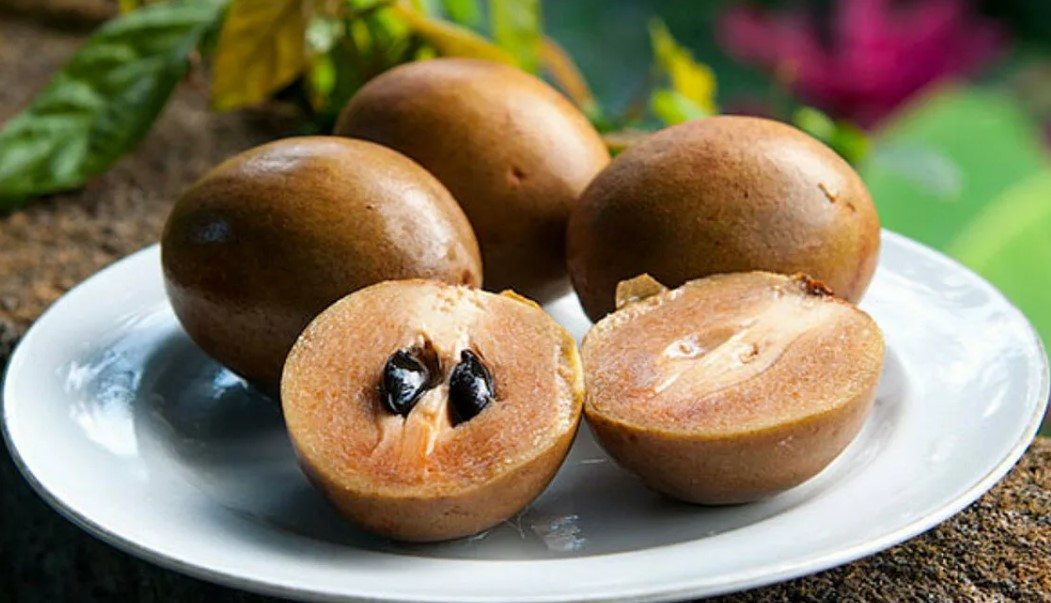
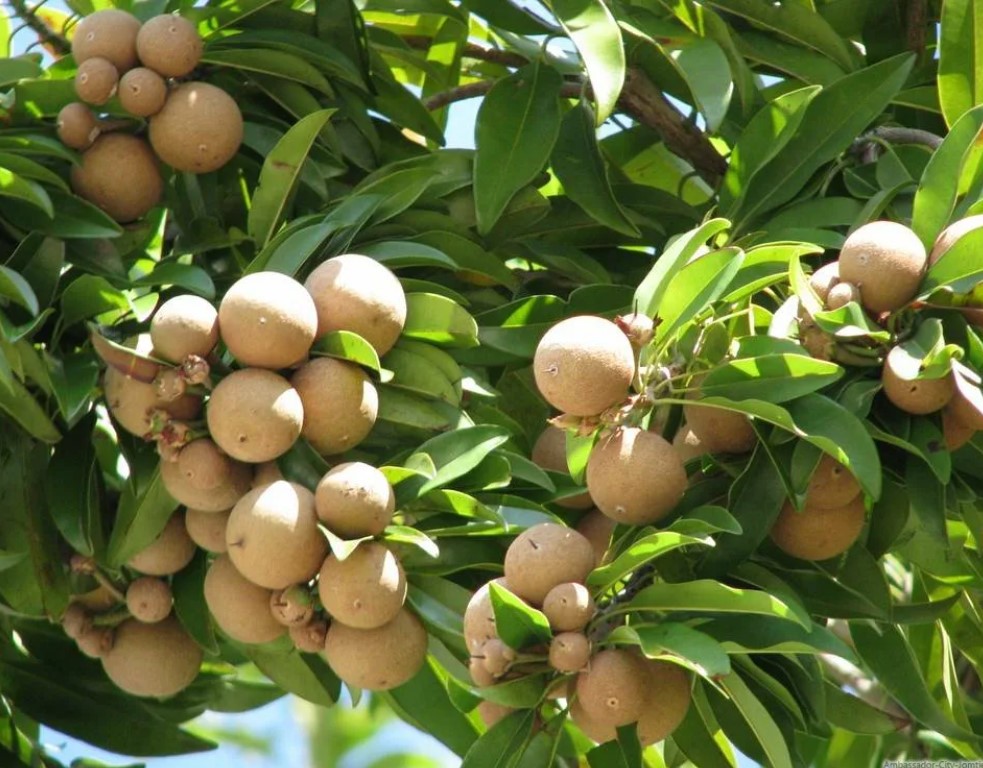
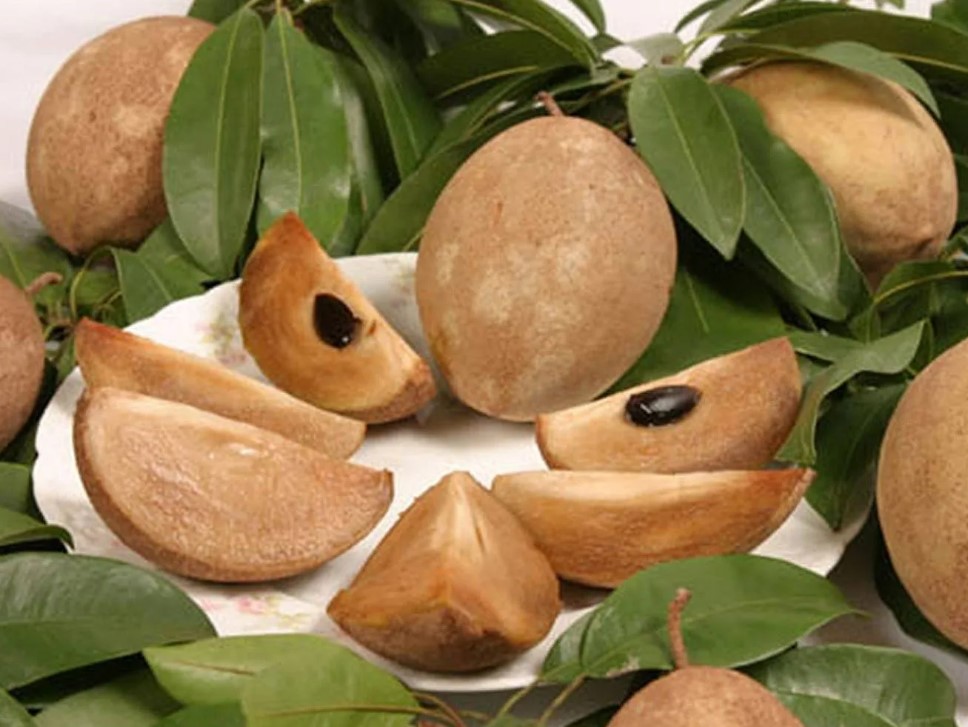
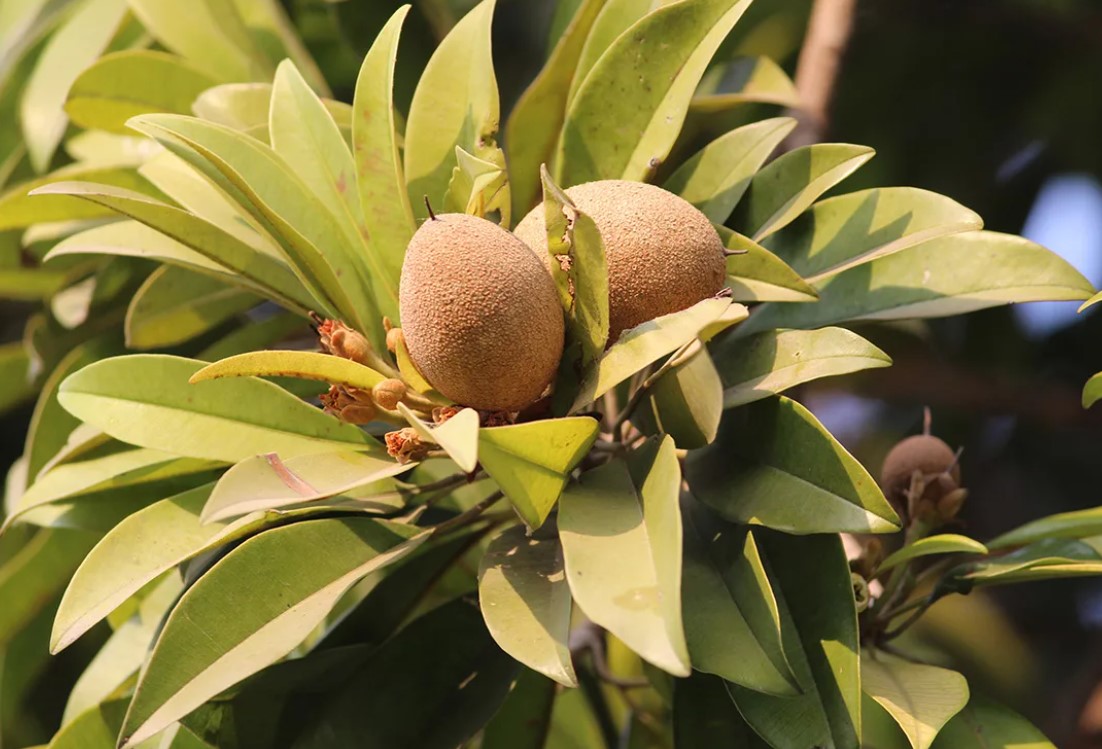
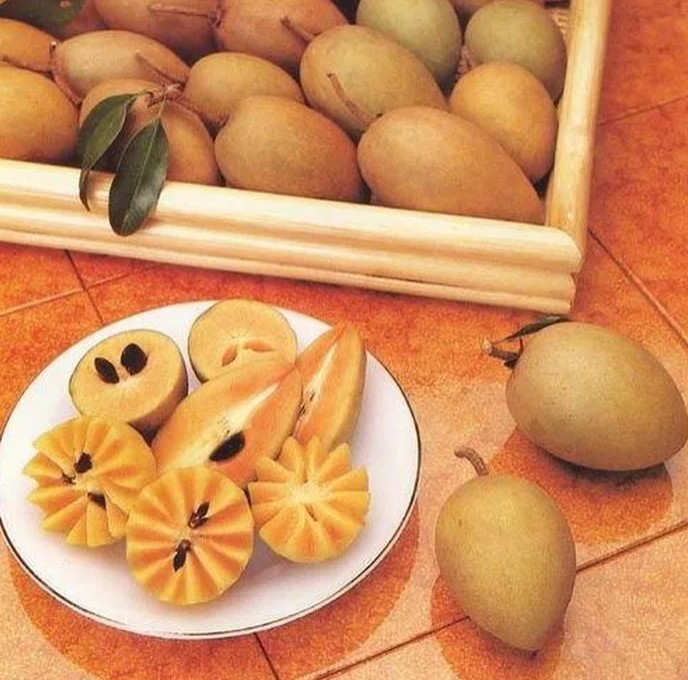
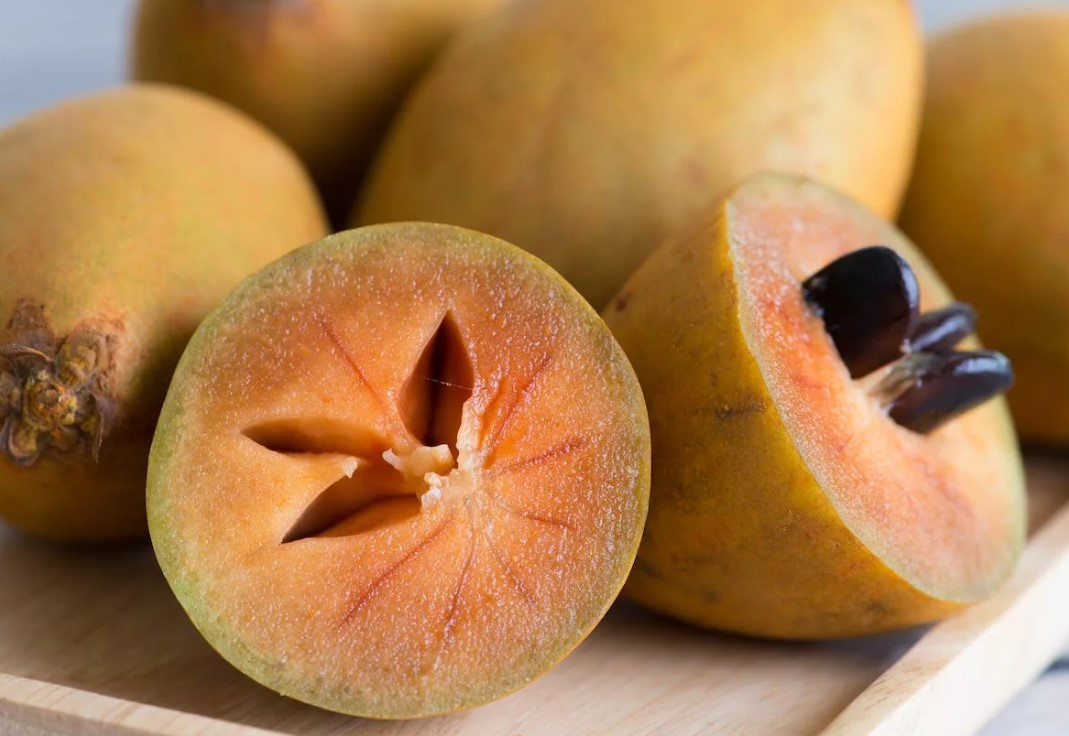
Application
It is eaten fresh and added to pies and wine. The plant produces a milky juice, which is used to make gum. Unripe fruits are used in traditional medicine. They are also a valuable ingredient in cosmetics.
Sapodilla fruit reviews
What is this, a potato? No, it's a fruit!
I'll tell you about another very unusual exotic fruit called Sapodilla.It grows in Asian countries: Vietnam, Thailand, Indonesia, Malaysia, and the Philippines. Sapodilla is a relative of the star apple. But they taste completely different!
Sapodilla resembles a medium-sized potato, almost perfectly round or oval, slightly elongated, pale brown in color, and with a rough surface. That's where the similarities between the fruit and vegetable end.
To choose sapodilla, you need to look for a fruit that is soft and slightly wrinkled, which means it is ripe and very sweet.Sapodilla doesn't have any aroma as such, even after cutting, well, maybe a little fruity.
Inside, as you can see in the photo, Sapodilla is brownish-orange in color.
It's eaten by cutting it in half with a spoon, or you can peel it and just bite it off. The peel is not eaten.Sapodilla's flesh is tender, starchy, very sweet, and melts in your mouth. It tastes like chocolate persimmon to me; it's not astringent or tart.
In addition, Sapodilla has seeds that are very similar to persimmon seeds - oblong and dark.
Sapodilla is used to make preserves, jellies and is also eaten on its own.
Sapodilla is a very healthy fruit with a whole range of beneficial properties!
I highly recommend trying it! You'll definitely love it!
Viktorovna
recommends
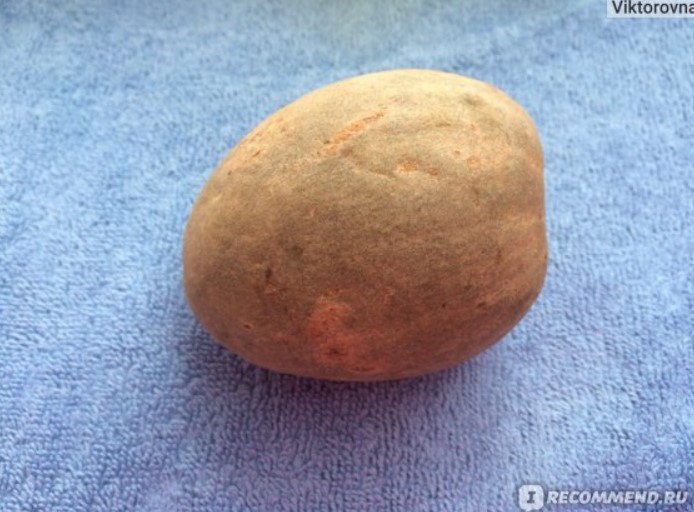
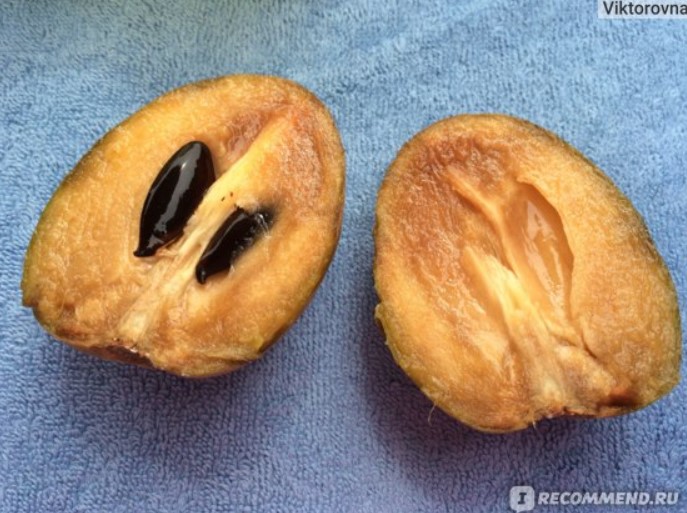
Sugar apple
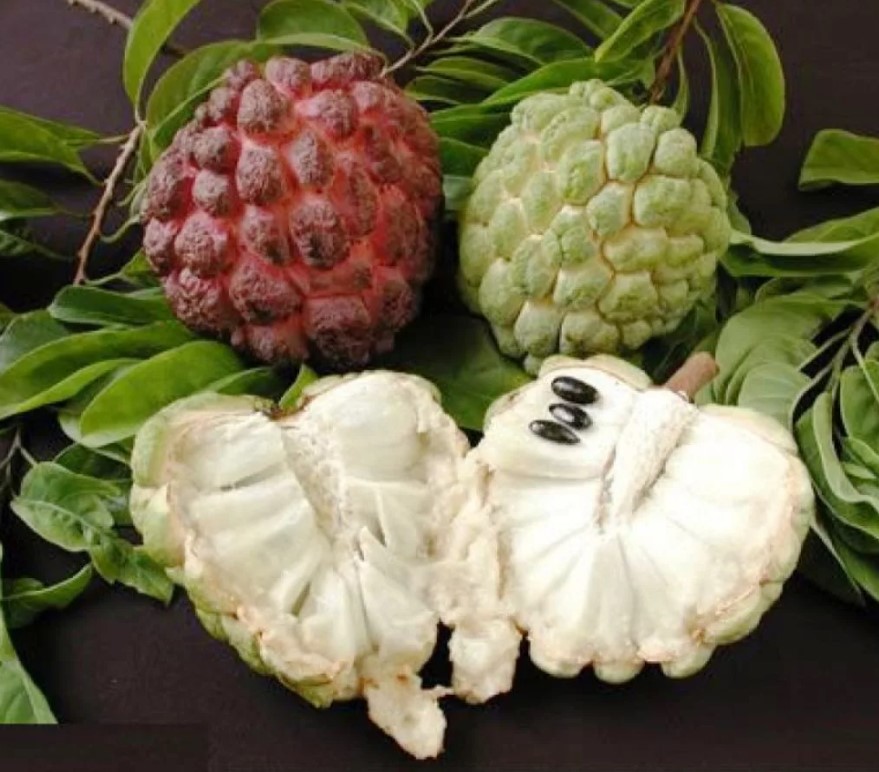
| Names | Sugar apple, Annona squamosa. |
| Description | The fruit has a bumpy skin of a swamp-green or pinkish color. |
| Taste | Very sweet. |
| Where to try | Thailand, Philippines, Vietnam, Indonesia, Australia, China. |
| Harvest season | June-September. |
Rules for selection and how to eat
When ripe, the fruits are moderately soft to the touch. Unripe fruits are firm, while overripe ones crumble easily. To eat the fruits, the rough outer skin is usually broken open, and segments of the pulp are removed, removing the seeds.
Benefits and contraindications
A decoction of the leaves is used as a tonic and antipyretic. An infusion of the bark, roots, and unripe fruits has astringent properties and can be useful in the treatment of dysentery. Contraindicated for pregnant women and young children.
Sugar Apple Photo Gallery
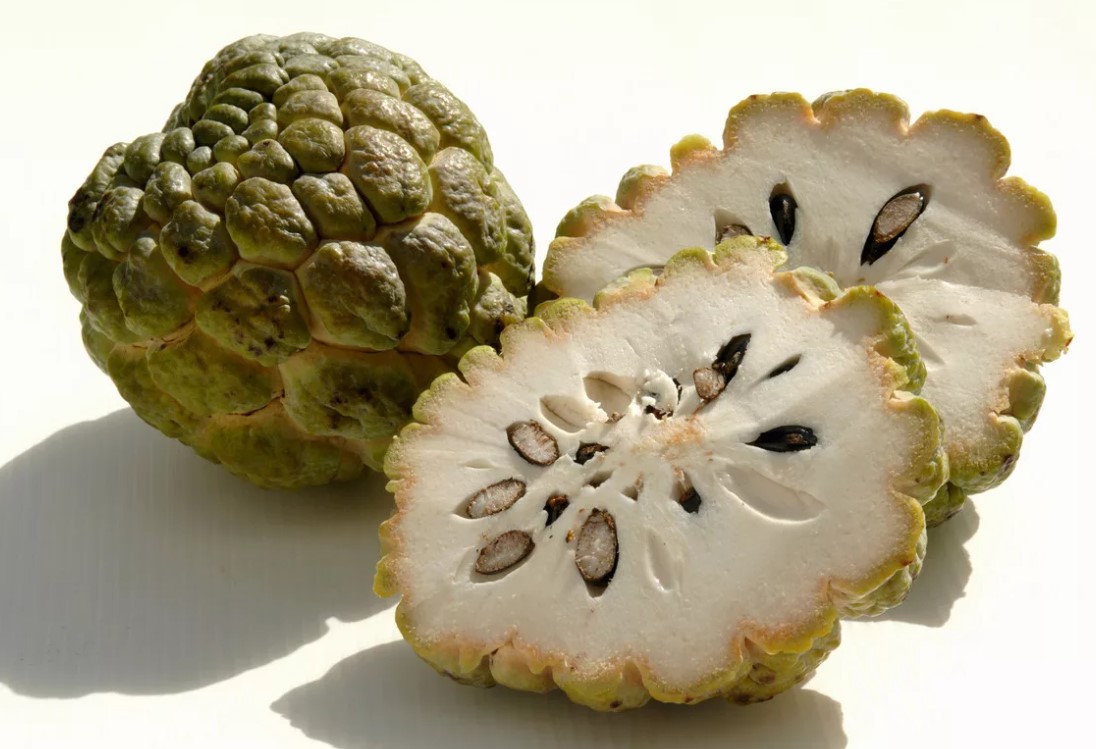
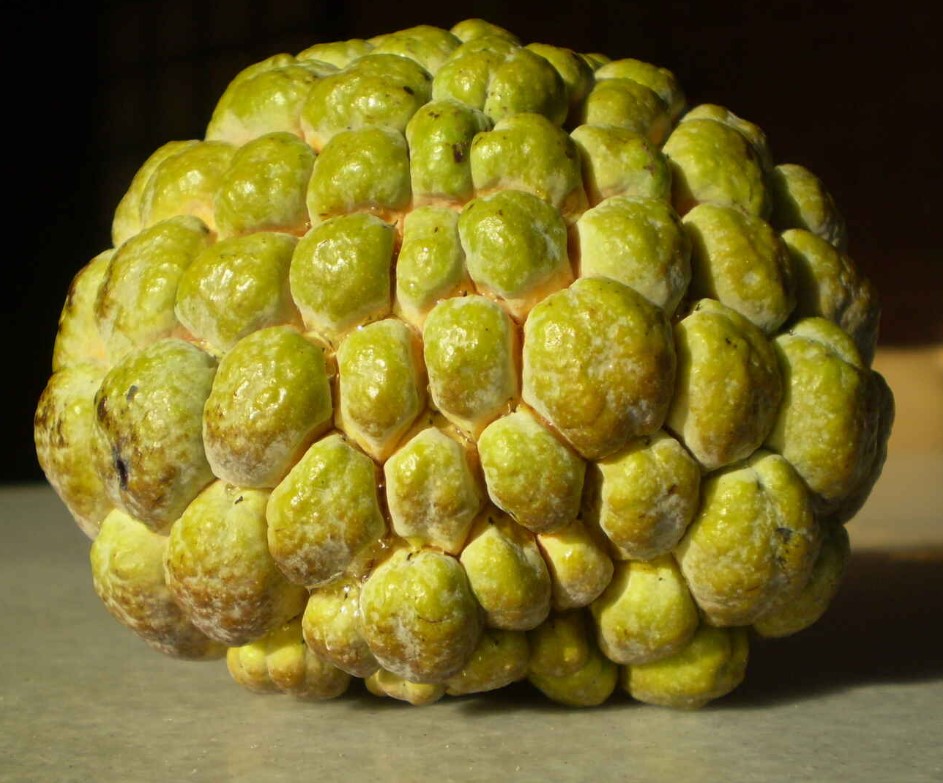
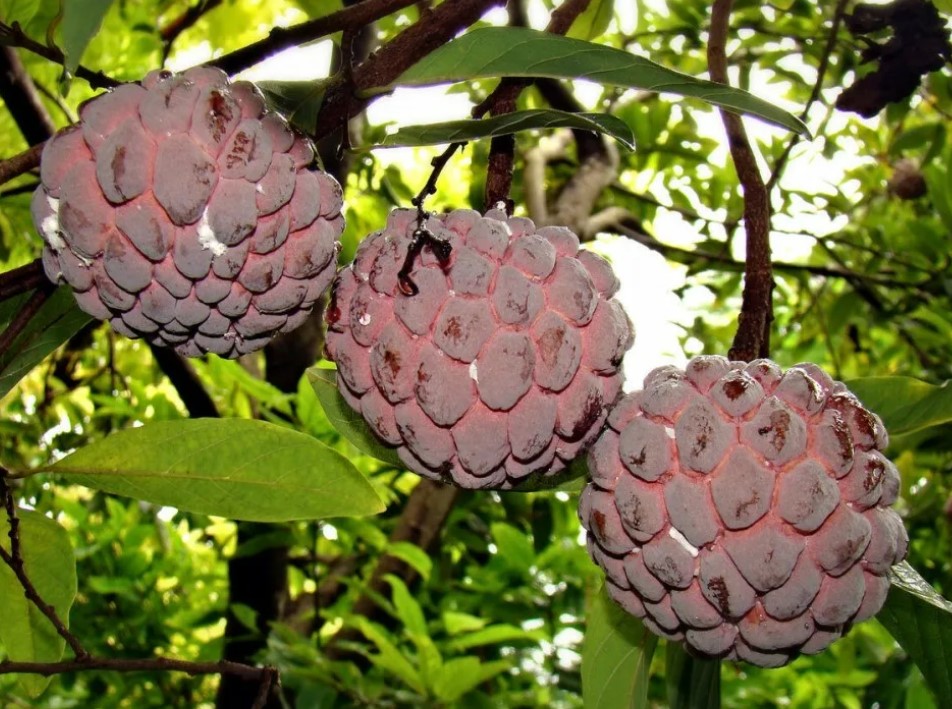
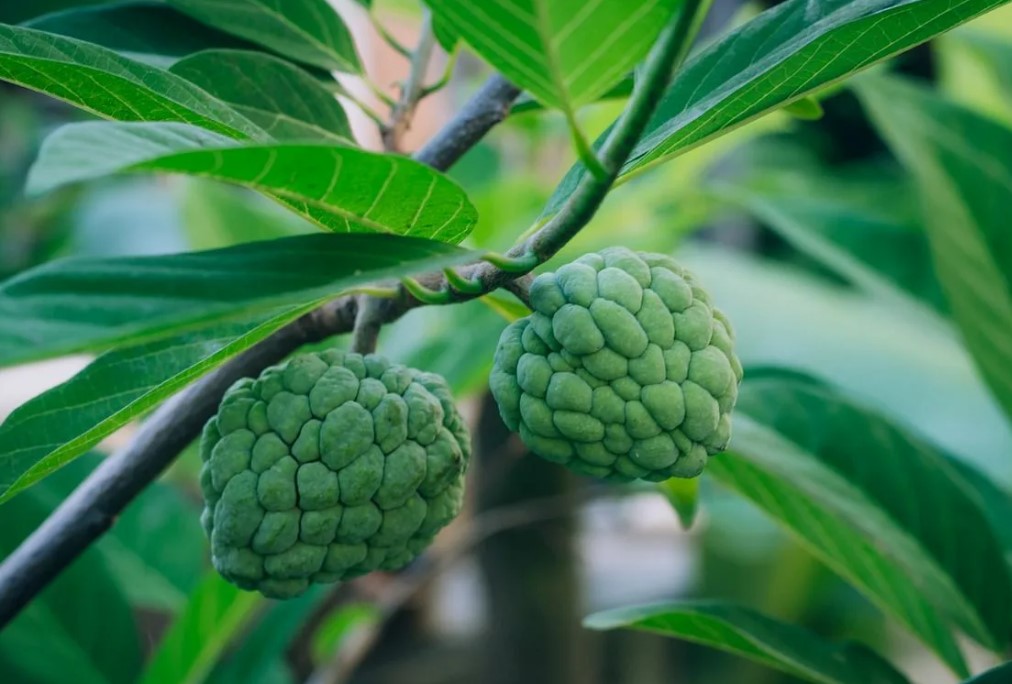
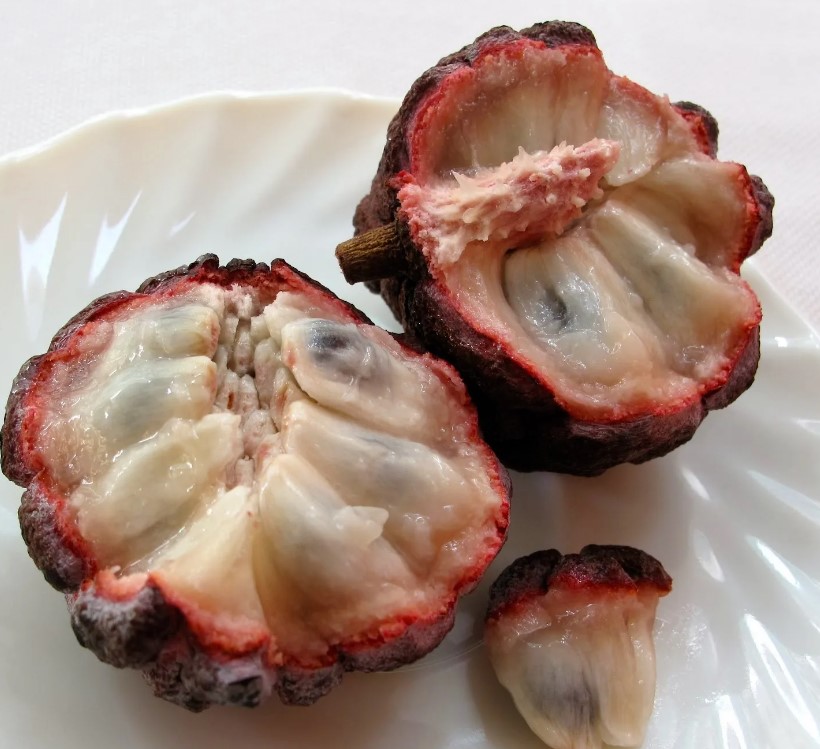
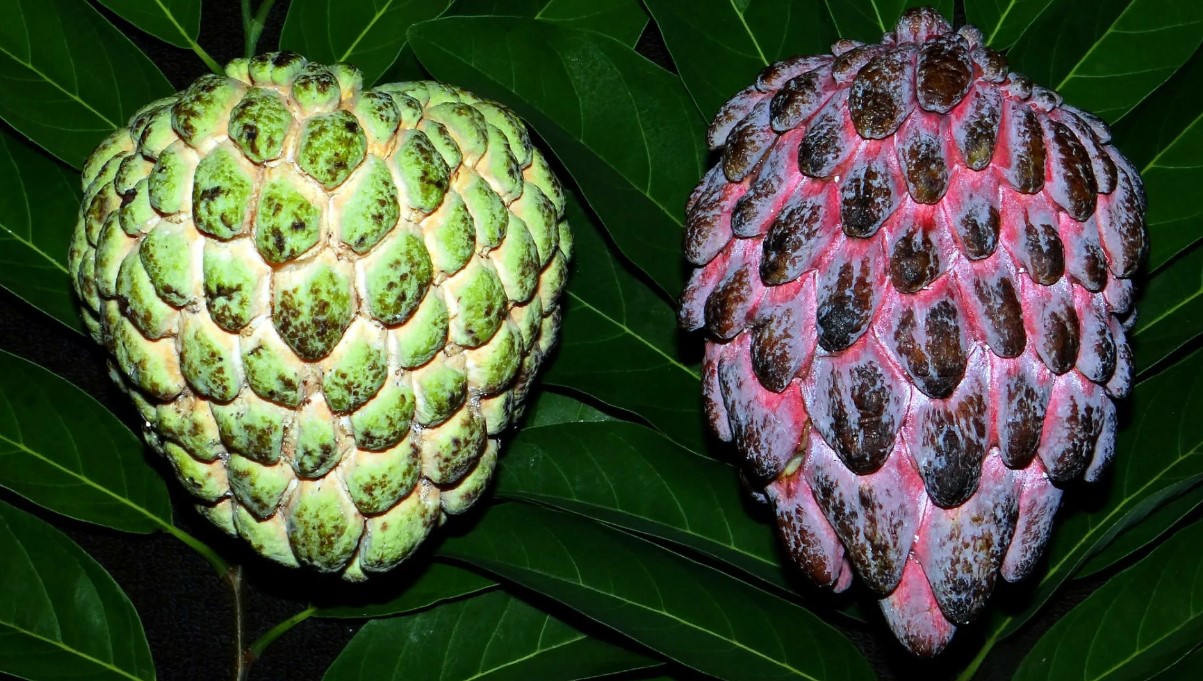
Application
The fruit is eaten. It also produces oil, which is used to make peanut butter and soap. Locals use the fruit to treat various ailments.
Sugar Apple Reviews
Fruit with a creamy taste!
The eshta, also known as the sugar apple, resembles a pine cone. A ripe eshta is greenish-yellow on the outside, with black spots. Unripe eshtas are green, while overripe eshtas are almost black.It smells slightly like Christmas tree. Smile
The flavor is very delicate, sweet, and creamy. It's somewhat reminiscent of strawberry yogurt. The ripe fruit is very juicy, and your hands will be covered in juice, so it's best eaten with a spoon.
There are seeds, black, smooth.
We'd never seen this fruit in Russia, and we wanted to bring it back and at least show it off to our family. Of course, by the time we got home, it was already rotten. We figured that's probably why they don't bring it here—it spoils quickly.
I don't remember how much Eshta costs in our money.
Advantages
Gentle
Sweet
Like strawberry yogurt
juliamuza
recommends
Sour cream apple
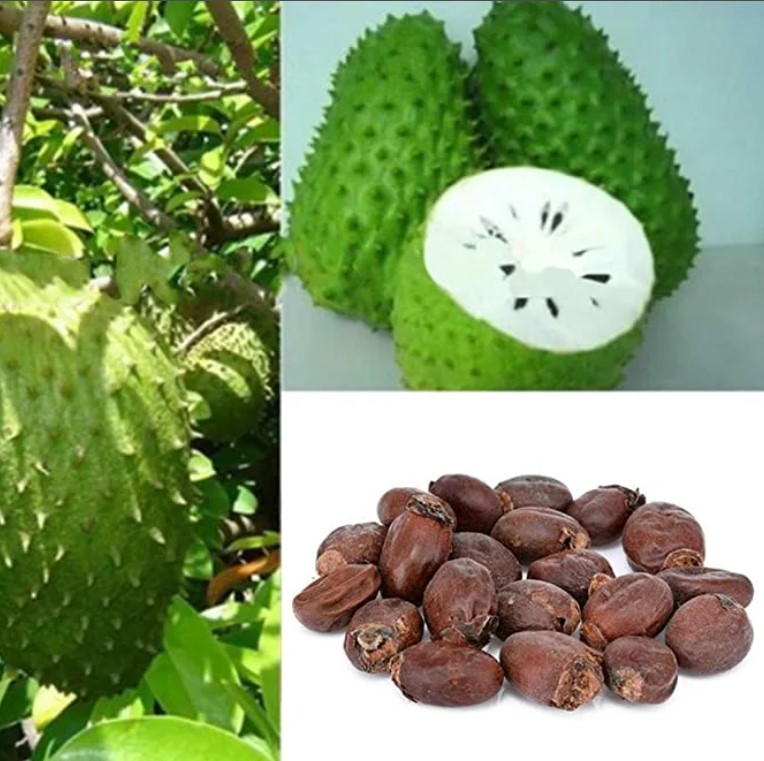
| Names | Sourdough, anona, soursop, graviola. |
| Description | The fruits are oval or heart-shaped. They can weigh up to 7 kg. The skin is rough and hooked. The flesh is cream-colored. |
| Taste | Reminds me of lemonade with a pleasant sourness. |
| Spreading | Bermuda and the Bahamas, Mexico, Peru, Argentina. |
| Harvest season | All year round. |
Features of selection and how to consume
The fruit should be uniformly soft. If there are any rotten areas, it's best to discard the sample. The fruit is divided into 2 or 4 pieces. The pulp is used. It's not necessary to use a knife for cutting. The fruit breaks apart easily by hand.
Benefits and contraindications
Improves gastrointestinal and liver function. It removes uric acid from the body and promotes weight loss. The seeds are poisonous and should not be eaten. Avoid getting the juice in your eyes. Excessive consumption of the fruit can cause Parkinson's disease.
Photo gallery of soursop
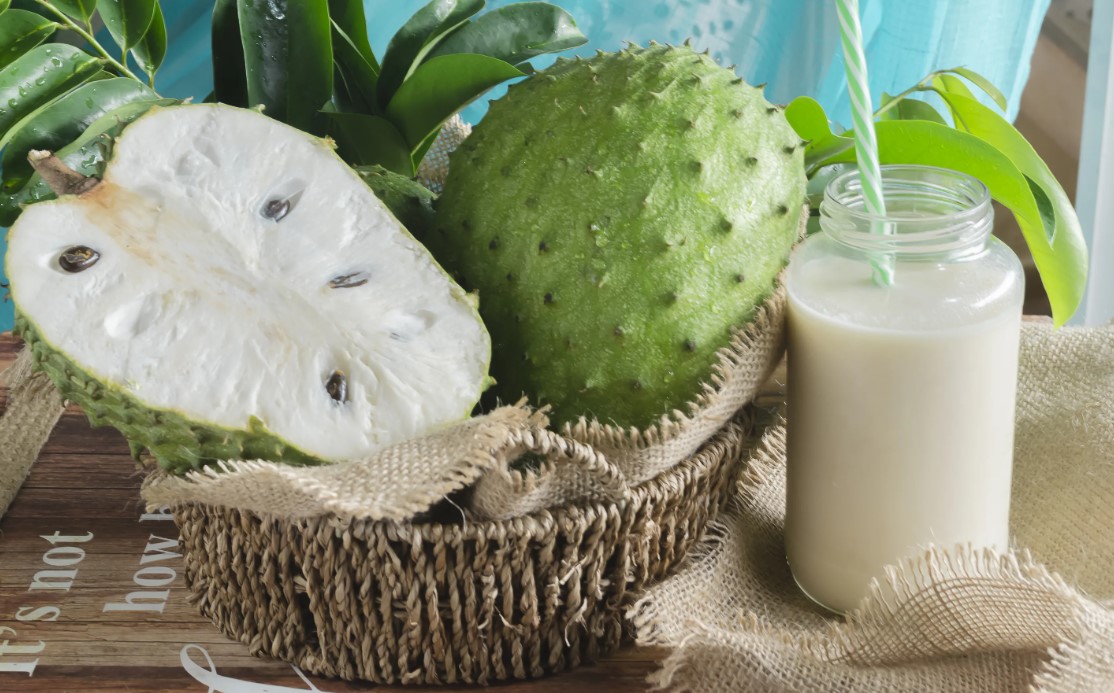
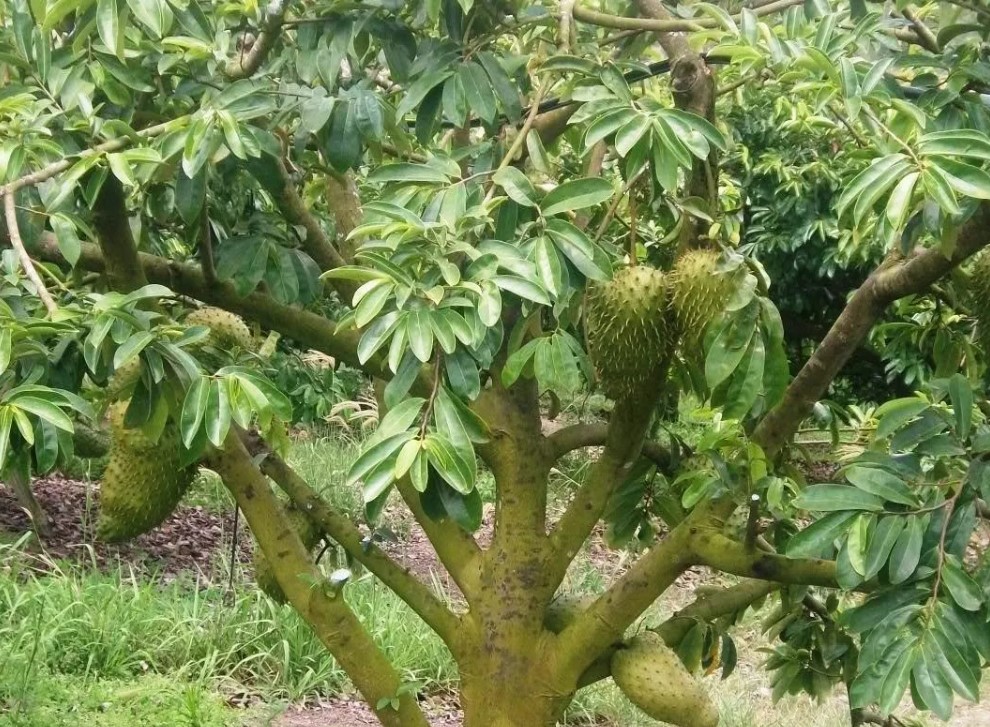
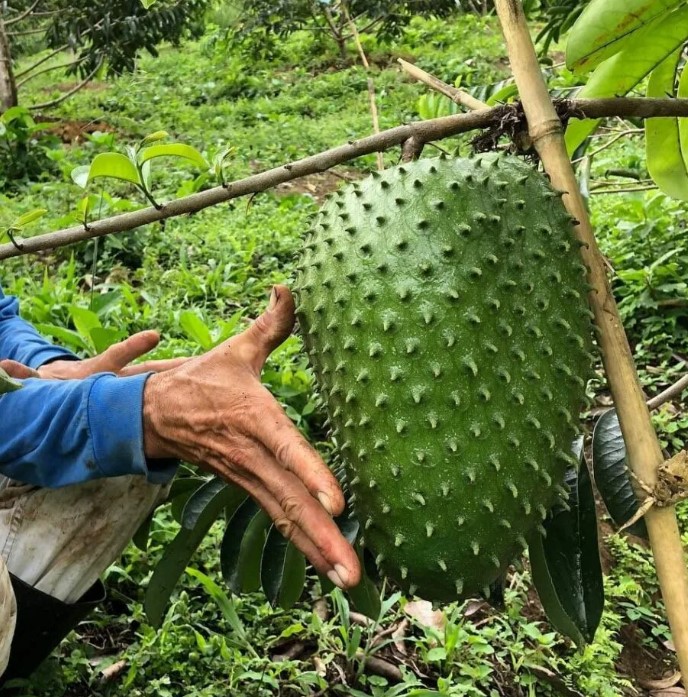
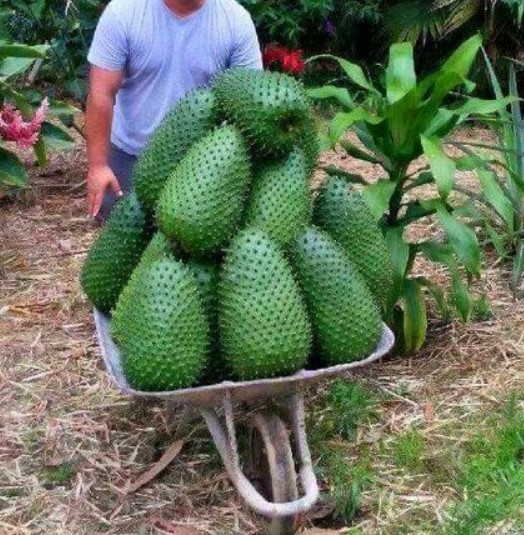
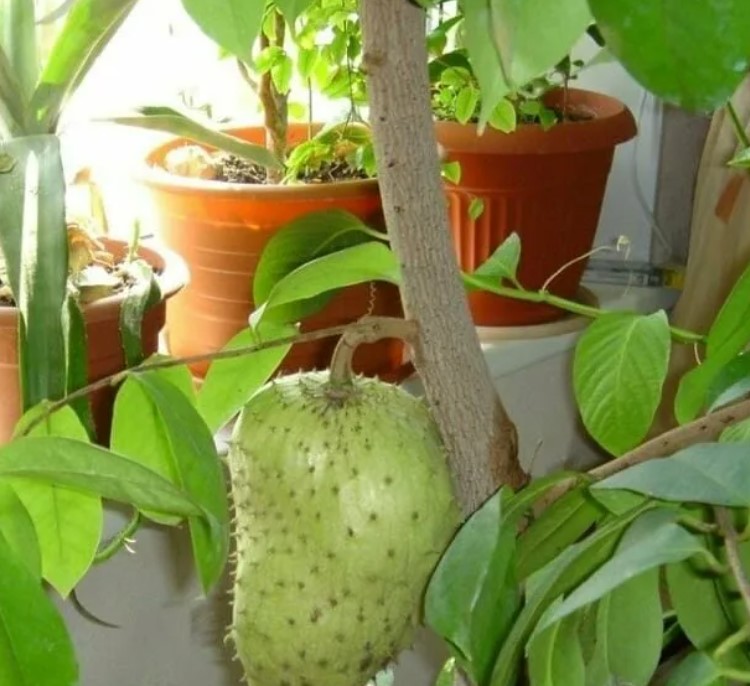
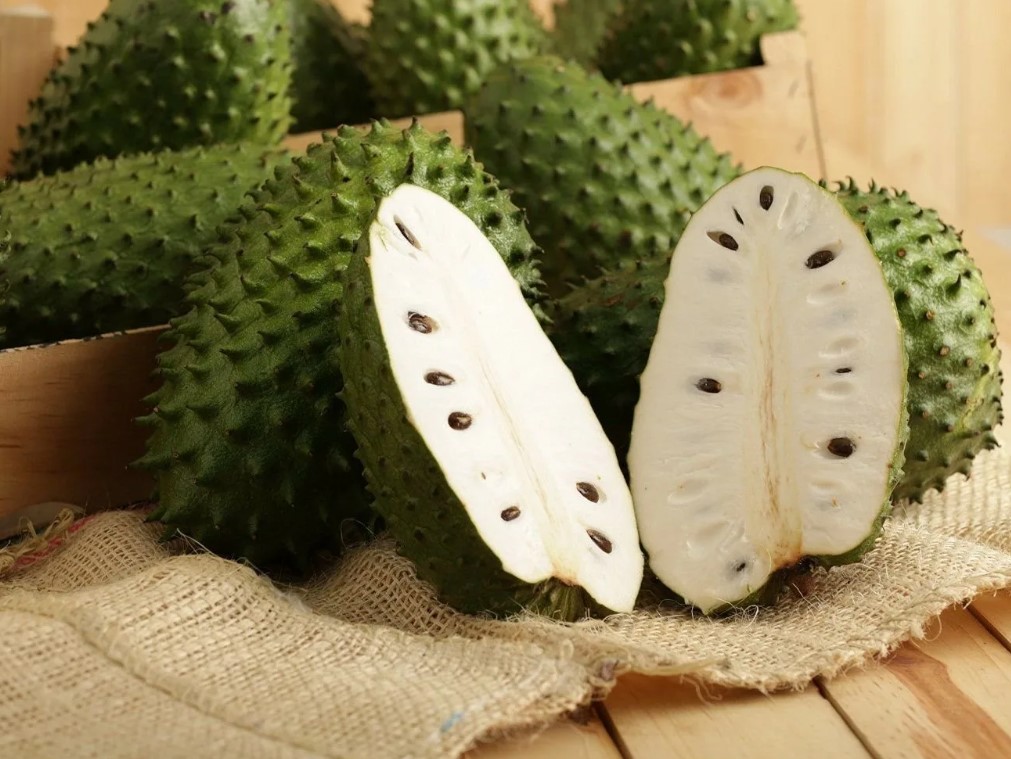
Application
Used for culinary purposes, alternative medicine, and to obtain essential oil.
Reviews about Anon
Tamarind
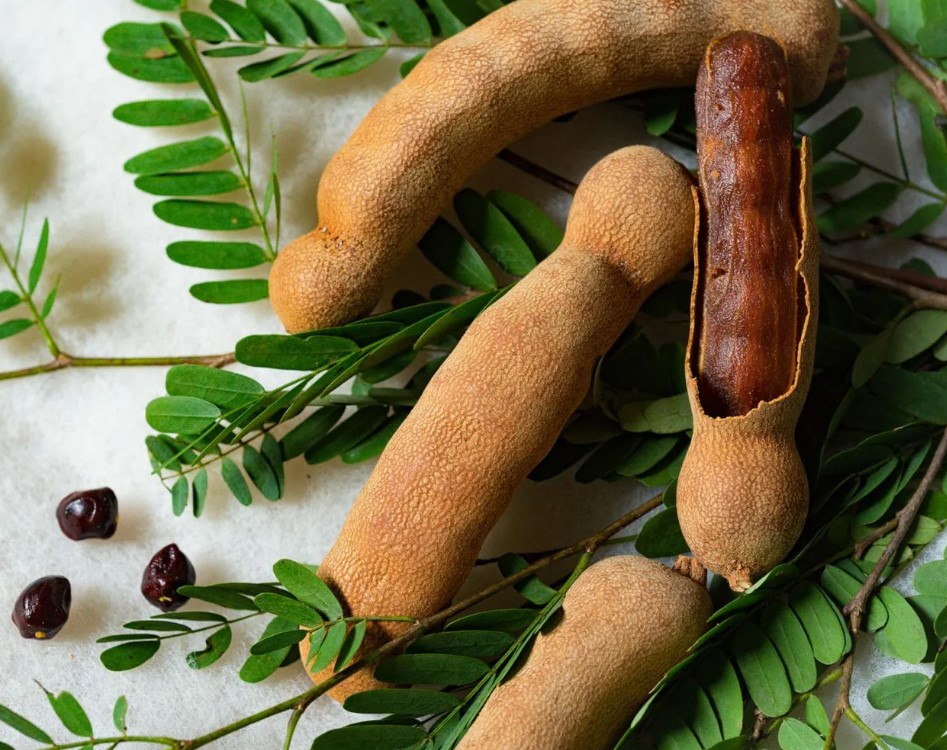
| Names | Indian tamarind, Indian date, tamarindus indica. |
| Description | It has a long, flat shape. The skin is hard and brown. As the fruit ripens, the skin becomes harder and cracks. |
| Taste | Sweet and sour, sometimes with bitterness and spicy notes. |
| Where to try | Thailand, Australia, Sudan, Cameroon, Oman, Colombia, Venezuela, Panama. |
| Harvest season | October-February. |
Rules for selection and how to eat
Avoid fruits that are too dry, or have rotten or blackened areas. Fruits are generally eaten raw, after peeling and seeding.
Benefits and contraindications
It has a beneficial effect on the entire body, improving the cardiovascular system, digestion, boosting immunity, balancing hormones, and even improving reproductive function. Contraindicated for use with blood-thinning medications.
Tamarind photo gallery
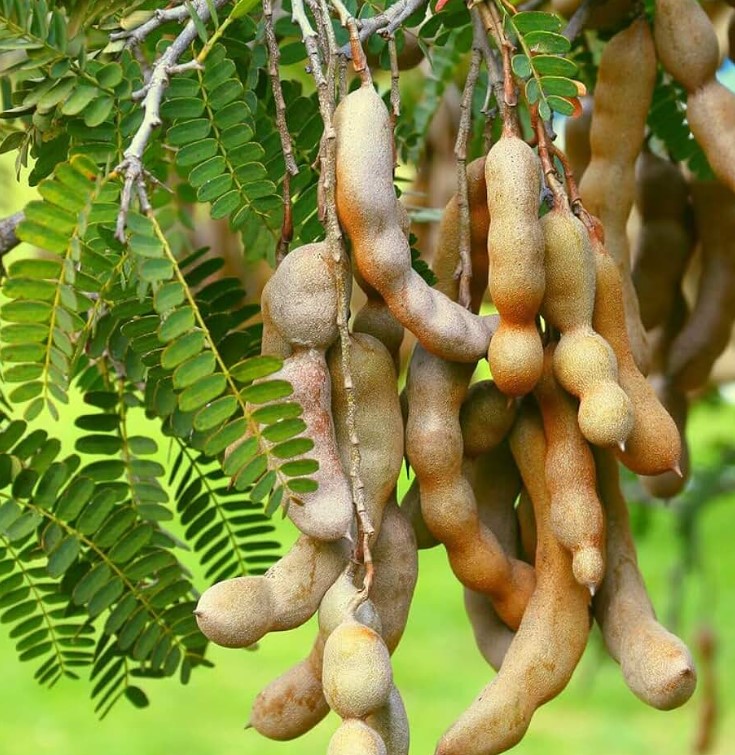
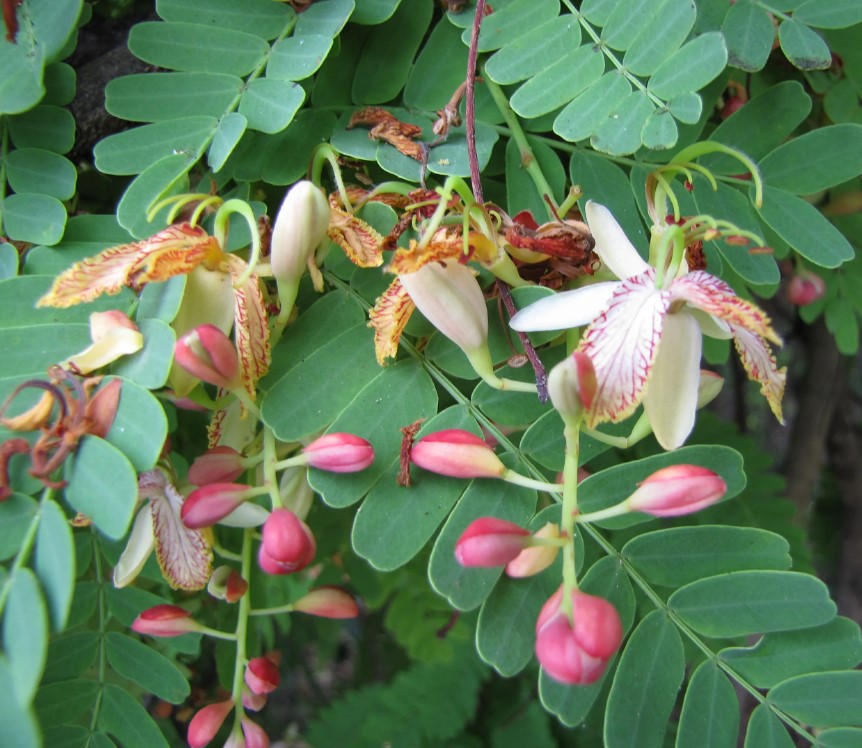
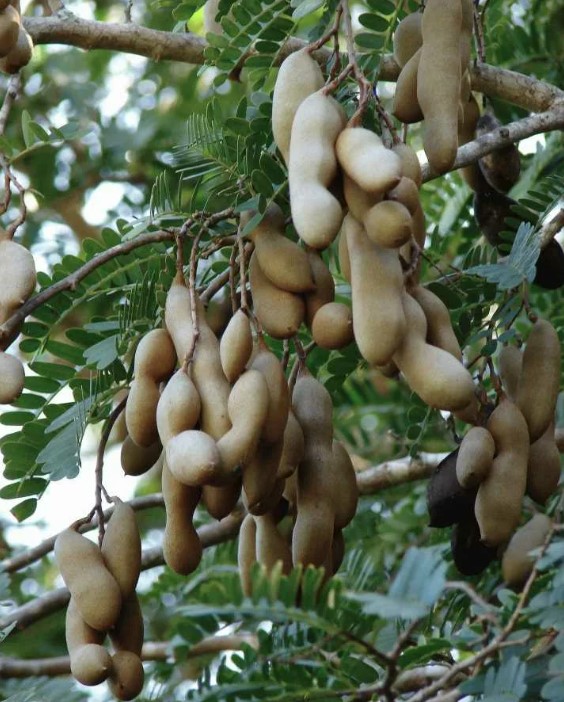

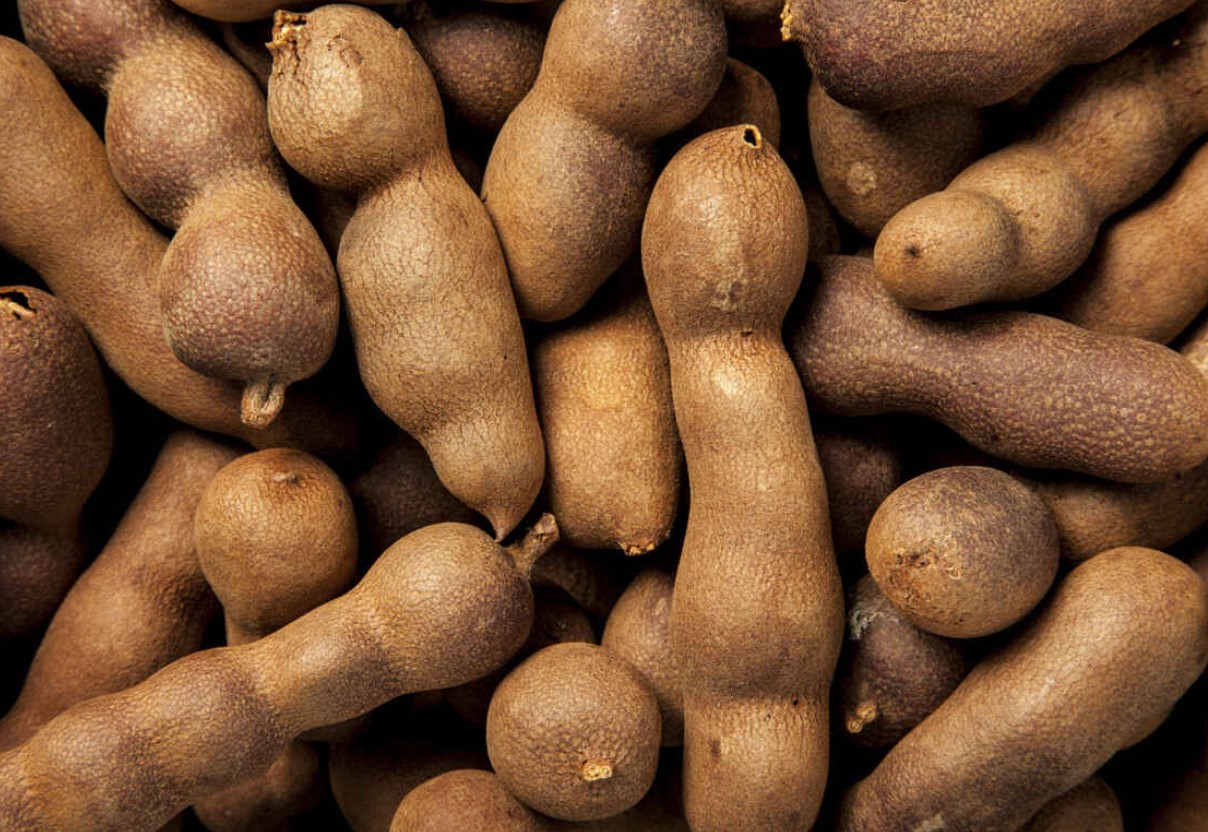
Usage
It can be used to make desserts. It is also highly valued in the cosmetics industry. The pulp is used to make masks and creams, and the shell is used for scrubs. Oil can also be extracted from its seeds.
Tamarind Reviews
Exotic dried fruit and beautiful plant!
I bought tamarind in Vietnam completely spontaneously. While buying mangoes, I noticed some clear bags with strange contents. They were sealed in packets of about 20 and cost mere pennies. I bought some and started googling what these mysterious things were.It turned out that this is a fruit called tamarind, which is very widely used throughout Asia.
Tamarind, or Indian date, grows in clusters on tall, bushy trees. It's used to make seasonings and jams, and is added to sauces, desserts, and drinks. As a medicine, it's primarily used for digestive ailments, as well as to normalize blood pressure and even aid weight loss.
Having learned how delicious and healthy it is, I rushed to buy some as gifts for my family. Smile
What is this unusual fruit? It's a pod (by the way, tamarind belongs to the legume family) that's light brown, smooth, and pleasant to the touch.
When pressed, the shell cracks and underneath we see dark flesh with hard veins.
The taste is somewhere between prunes, figs, and dried apples. Sweet and sour, pleasant. Inside are smooth, hard seeds.
These are the ones that caught my attention. I'm always tempted to plant everything.
Without much hope, I stuck a few seeds into a small pot, labeled them, and waited. It was January, so it seemed a bit early for planting. But the sprouts emerged within two weeks, and they were very strong.
sprouts
On the 20th day, I planted them permanently in a large pot. They grew by leaps and bounds, mostly in height. I had to pinch some of them to keep them from stretching and to encourage branches.As a result, they grew to 1.5 meters.
I couldn't take a good photo of the whole tree, it had grown too tall and it lives on a sunny windowsill.
If I stand under it, I see this above my head:
bottom view
The leaves are small, velvety to the touch, it does not like touching, if you touch it for a long time, it gets offended and folds up:
After the touching, Simka got into the frame
And the rest of the time it’s fluffy and beautiful.
At night it also folds its leaves and opens with the first rays of the sun.
closed for the night
I wouldn't say it's fussy. It tolerates direct sunlight just fine and loves to drink. But a couple of times a year it "molts." It turns yellow and sheds almost all its leaves, then grows fresh ones with renewed vigor. At first, this scared me, thinking my plant was doomed, but luckily I have a few fruits stashed away just in case.I recommend buying tamarind not just to eat, but also to plant it. It's very exciting, and you'll be delighted with the results!
Enjoy your shopping and have a good mood!
simkapimka
recommends

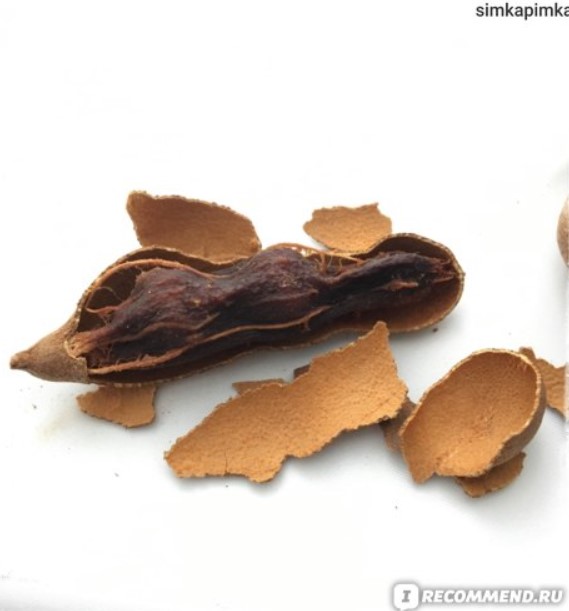
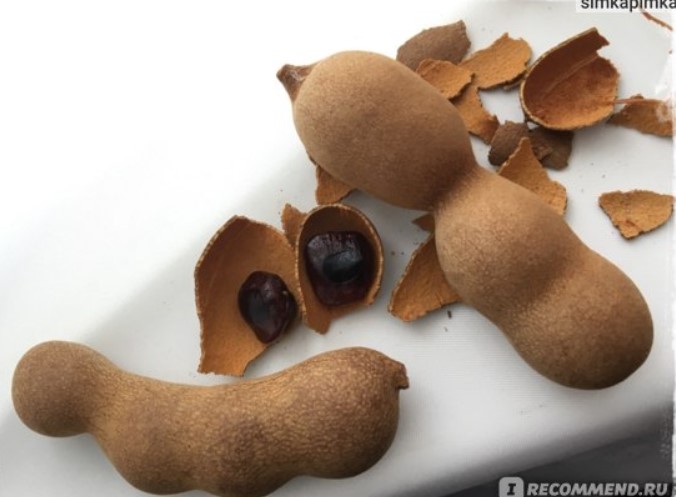
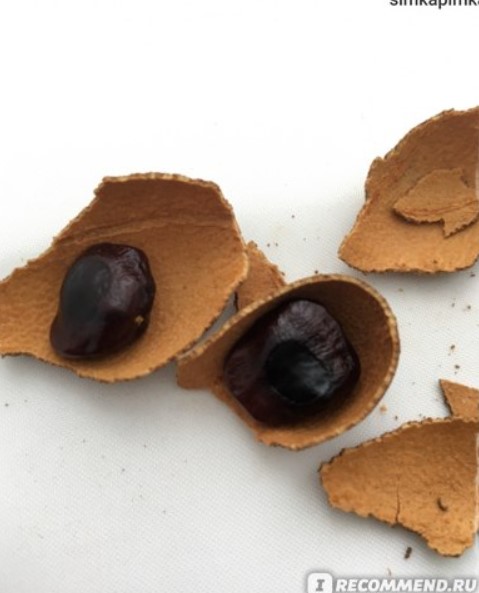
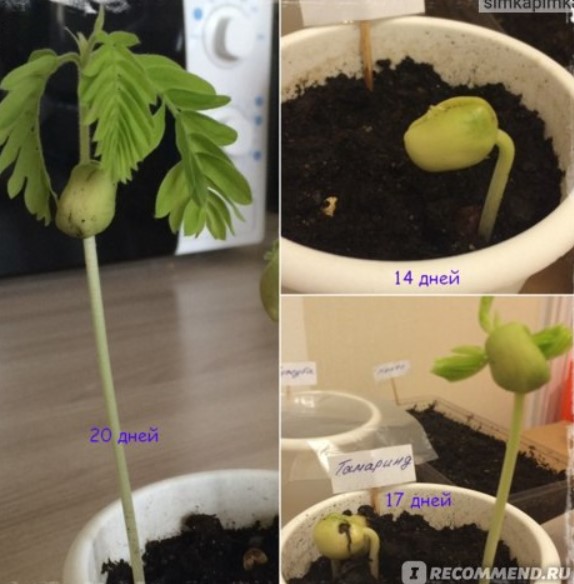






Chompoo
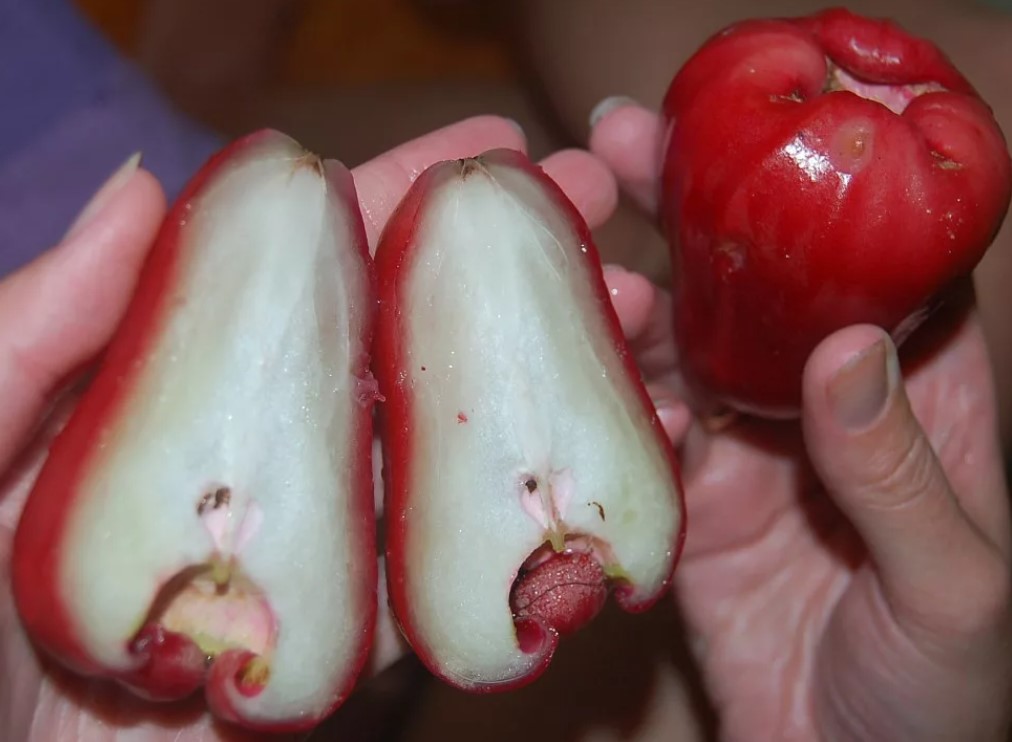
| Names | Chompoo, chompoo, rose apple. |
| Description | Reminiscent of bell peppers, they can be red or light green. |
| Taste | Fruity, sweetish, with a hint of sourness. |
| Spreading | India, Malaysia, Thailand, Sri Lanka, Colombia |
| Harvest season | All year round. |
Rules for selection and how to eat
There is no need to peel it, because the skin is edible and there are no seeds.
Benefits and contraindications
It is low in calories, improves skin and hair condition, improves gastrointestinal function, lowers blood pressure, and has an antiseptic effect. It is contraindicated for those with hypotension, pregnant women, and those with allergies.
Chompu photo gallery
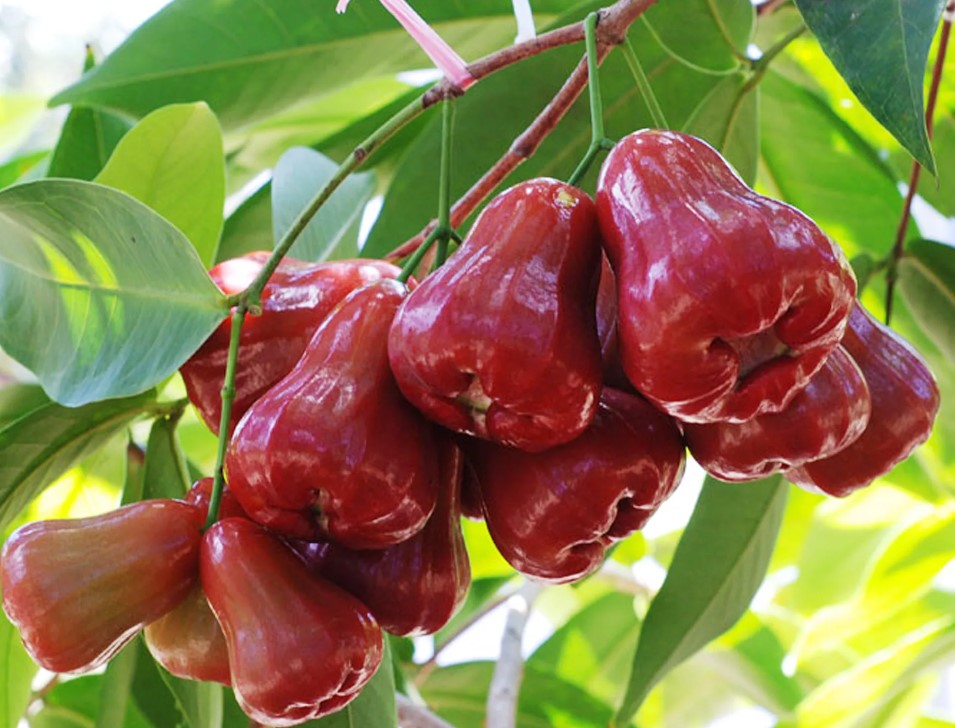
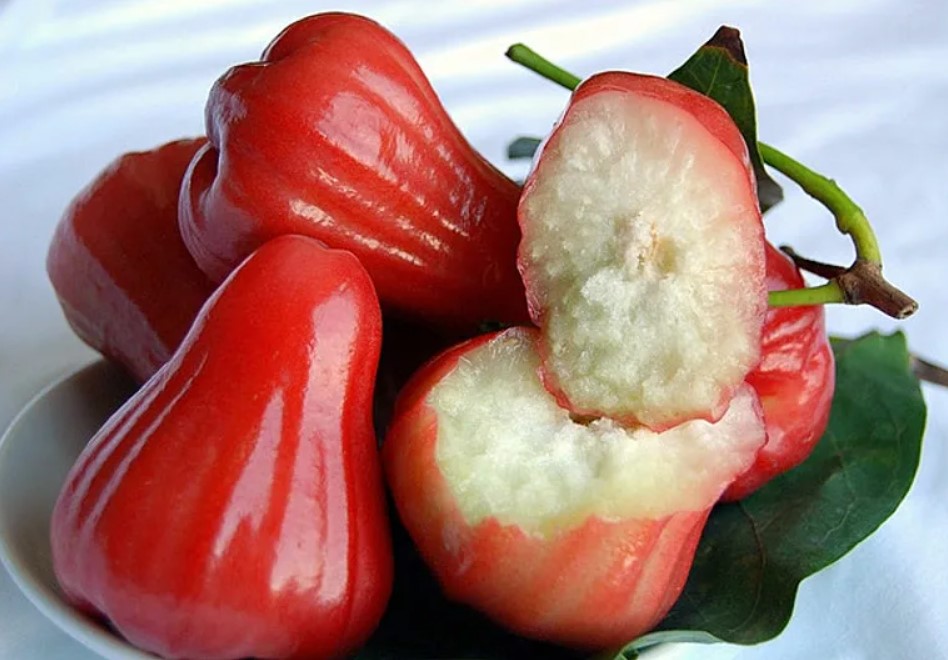
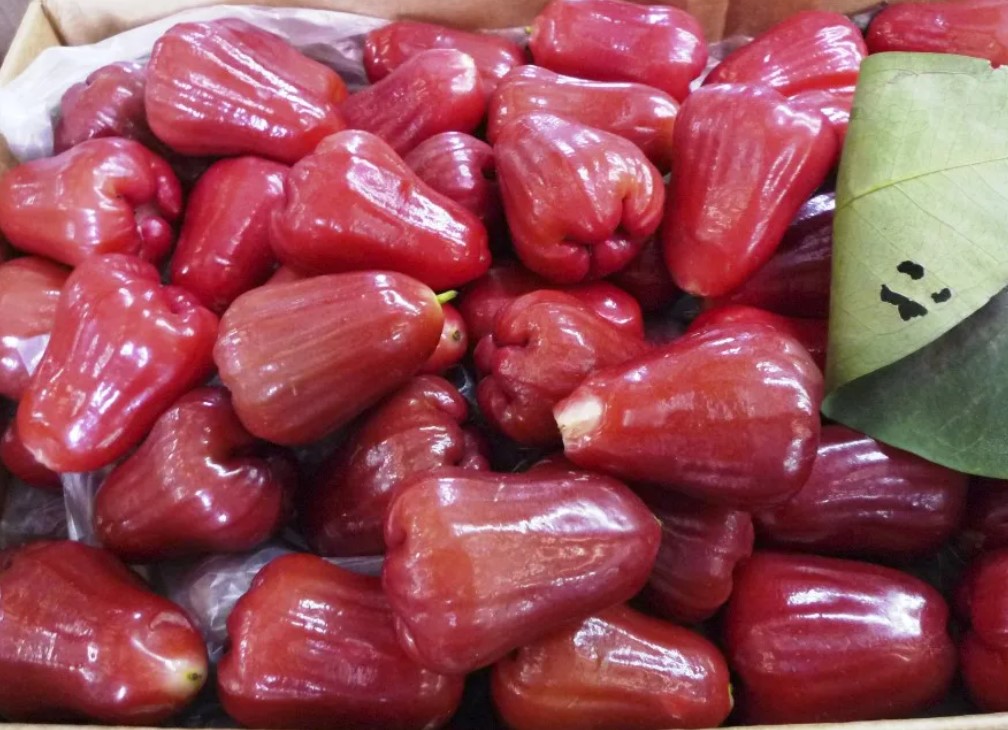
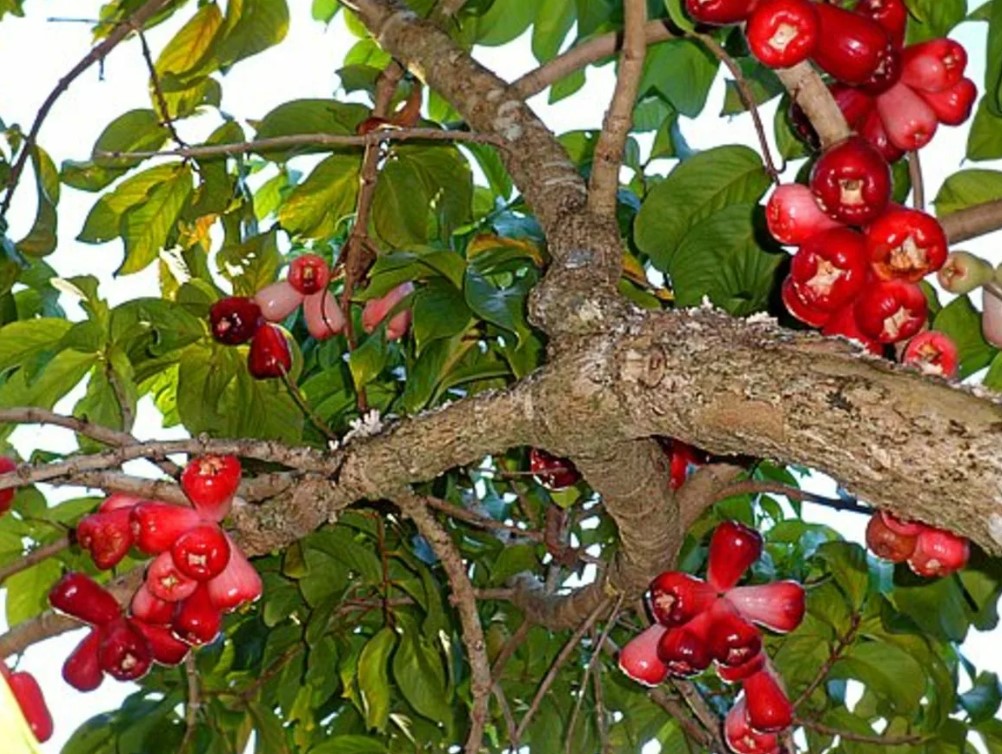
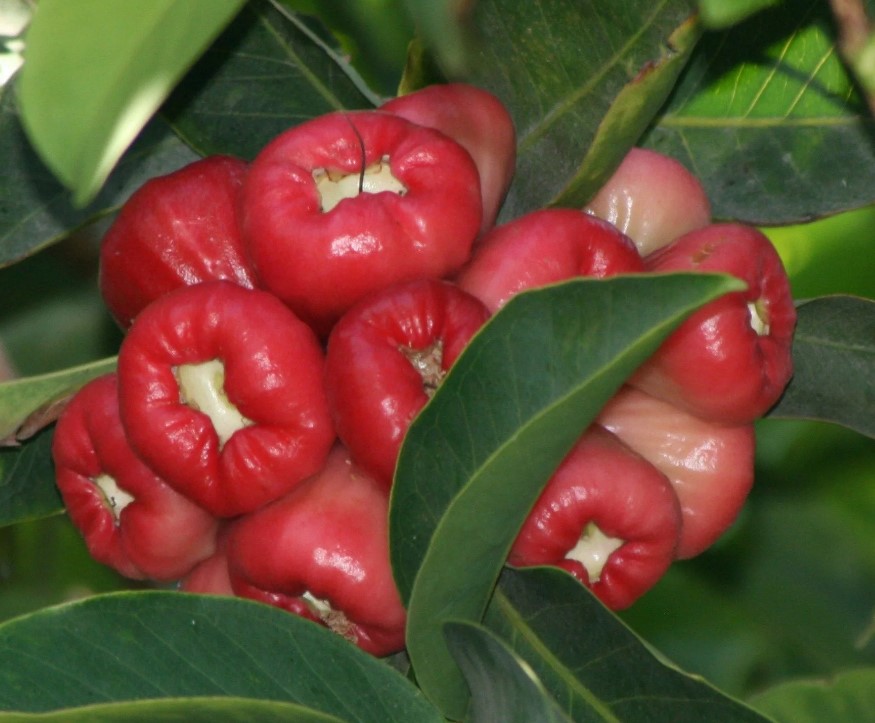
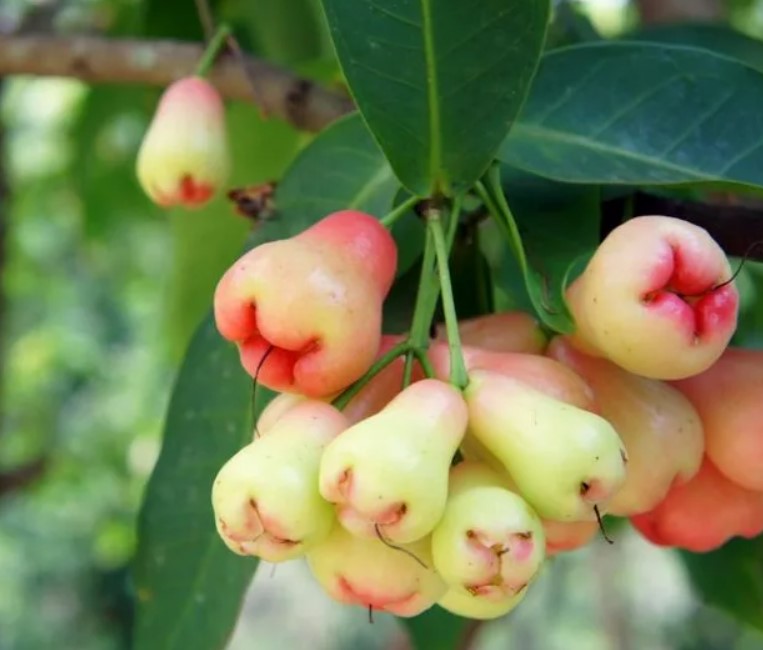
Usage
The fruit is used to make sweets and drinks. It can be eaten fresh. It is also an ingredient in the cosmetics and perfume industries.
Otzывы о чомпу
Pink Apple for those in the know
Thailand and Southeast Asia are so rich in exotic fruits that tourists visiting for a couple of weeks are overwhelmed by the choices, often falling on more familiar delicacies like mangoes, watermelons, and pineapples. Rose apple, or Chomphu, is a fruit for more discerning connoisseurs.Like many Asian fruits, such as papaya, durian, and jet fruit, rose apple has an unusual taste. It's not sweet, but rather watery. The flavor is very delicate and unobtrusive. It quenches thirst very well and won't harm your figure. You can enjoy it completely comfortably in hot weather without worrying about extra calories.
Although chomphu is called a "pink apple," the fruit actually comes in three colors: white, pink, and green. The lighter the color, the sweeter the flesh.
Thais eat this fruit with salt, sugar, and pepper. We foreigners, however, can easily eat it and enjoy its natural flavor, without any seasoning. Or we can add a little honey or sugar.
This fruit can be purchased at all markets in Thailand, as well as in supermarkets.
Try it yourself and be sure to let your kids try it. It's not for nothing that chomphu is called a child-friendly fruit. It doesn't need to be peeled and is seedless.
Advantages
Safe for children
Dietary
Low-calorie
Suitable for any dish
Pleasant taste
Universal taste
Quenches thirst
Citron
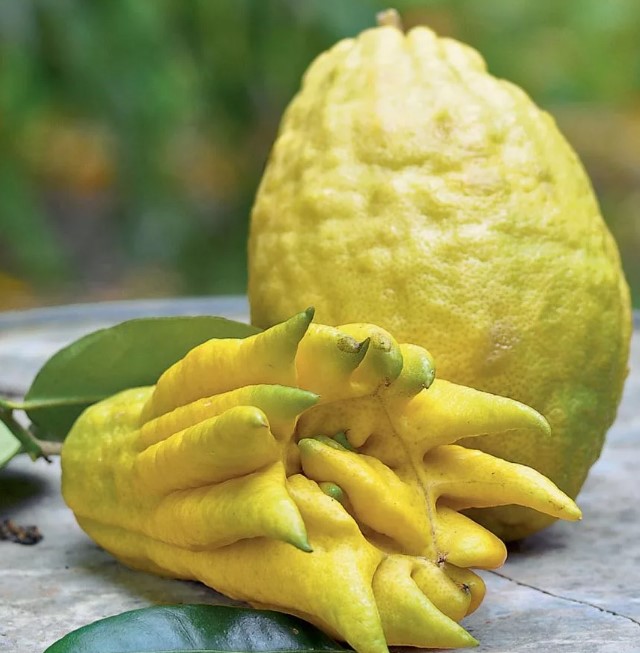
| Names | Cedrate, citrus medica, citron, Buddha's hand, cedrate, Corsican lemon. |
| Description | The fruits are round and yellow, reminiscent of a lemon with a bumpy surface. |
| Taste | Sour or sweet and sour, sometimes with bitterness. |
| Spreading | East Asia. |
| Harvest season | October-December. |
Selection and correct consumption
When a fruit dries out, peeling it becomes difficult. Normal fruit is peeled before eating.
Beneficial properties and possible harm
Thanks to its high nutrient content, it has a comprehensive positive effect on organs and systems. However, it is contraindicated for ulcers, erosive gastritis, viral hepatitis, and acute pancreatitis.
Photo gallery of citron
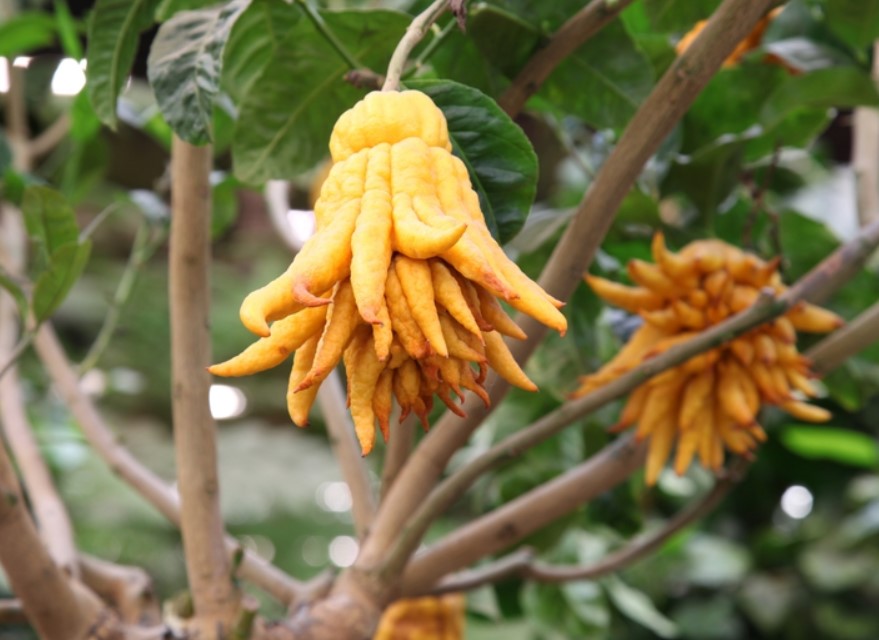
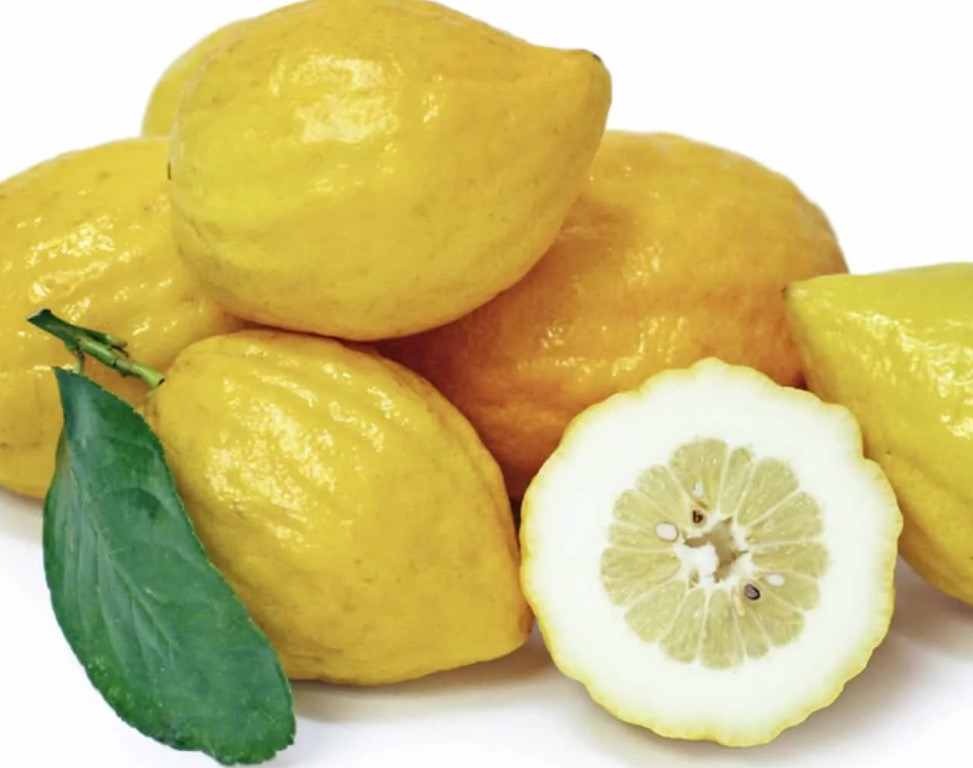
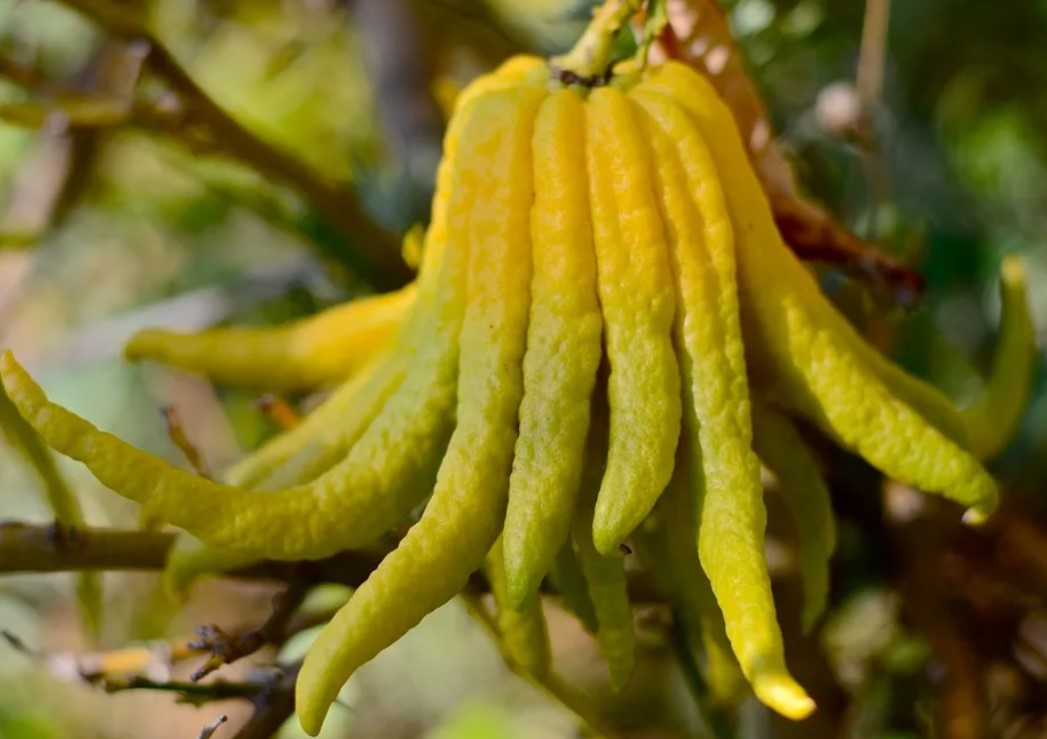
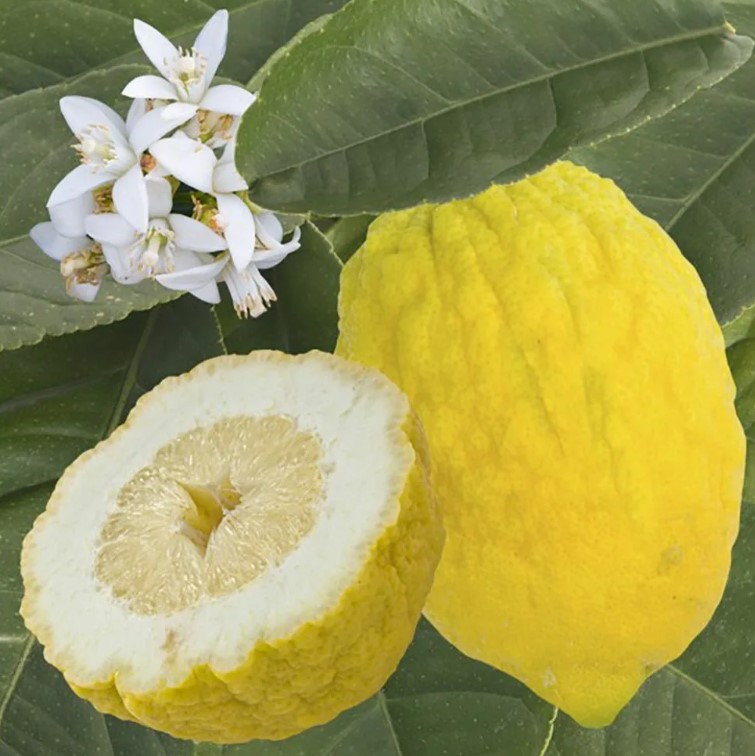
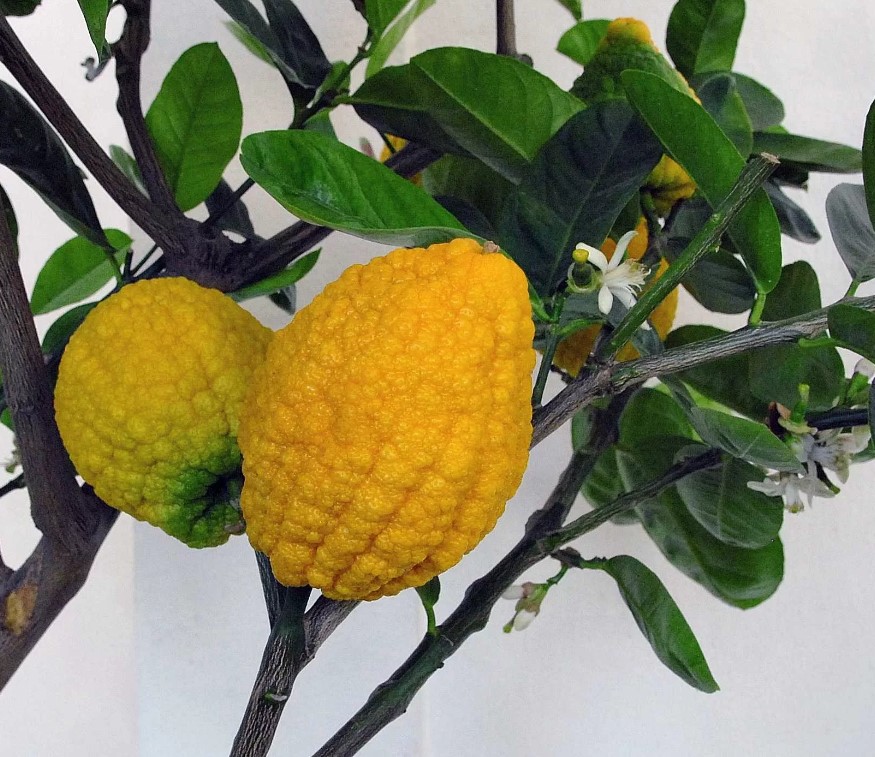
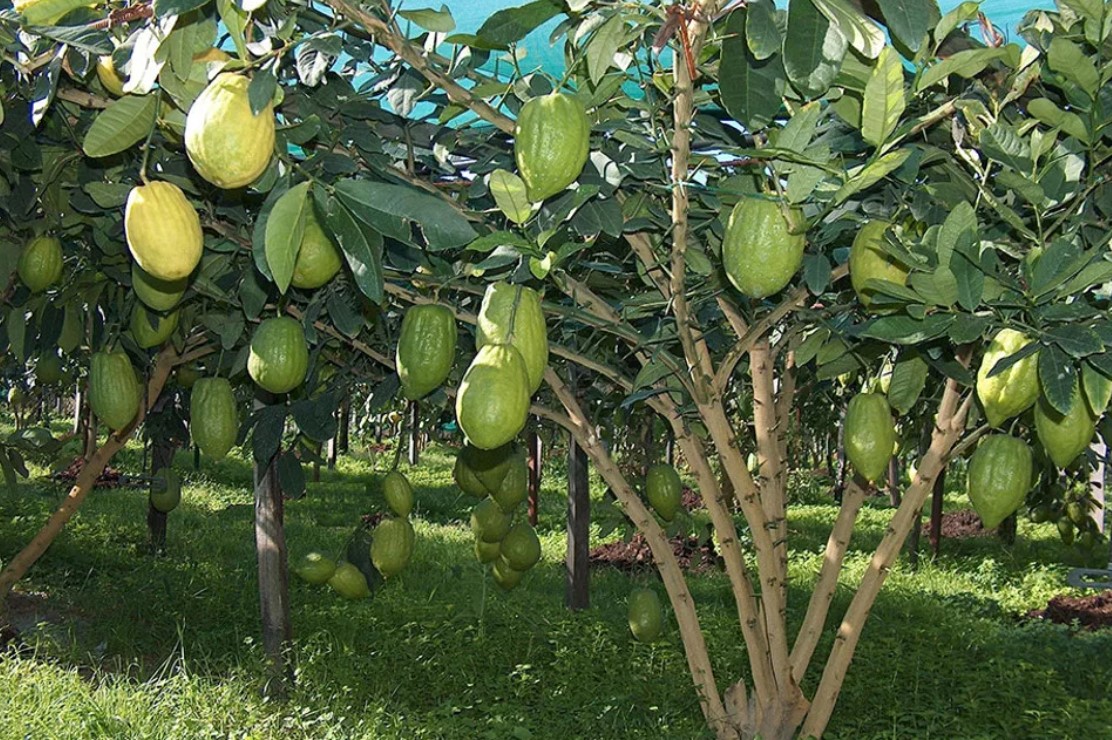
Application
For culinary purposes, as a houseplant, and in alternative medicine.
Reviews of citron