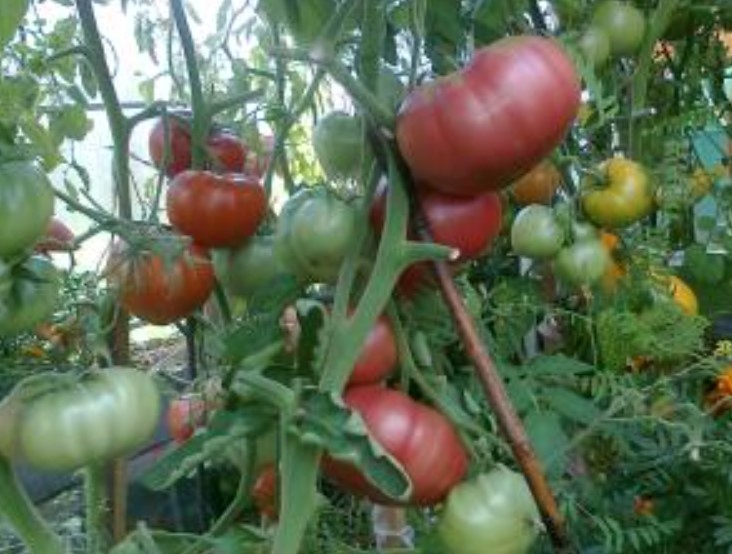
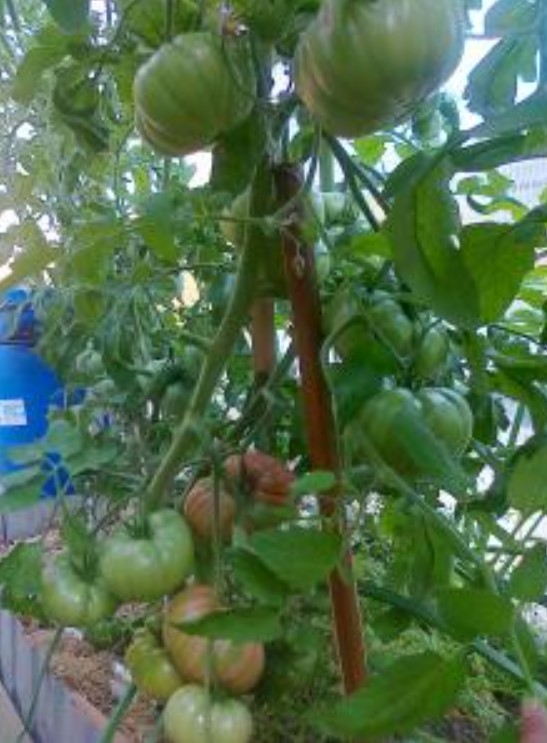
The Wild Rose tomato has a pleasant tomato flavor and juicy flesh, making it indispensable for salads, sauces, and juice. Its easy cultivation allows for excellent yields both in open ground and in plastic greenhouses.
Content
- 1 Characteristics of the Wild Rose tomato variety in a table
- 2 The history of the Wild Rose tomato variety
- 3 A detailed description of the Wild Rose tomato variety
- 4 Advantages and disadvantages of the Wild Rose tomato variety
- 5 Growing the Wild Rose tomato variety
- 6 Resistance of the tomato variety Wild Rose to diseases and pests, prevention, control
- 7 Harvesting, using and storing the Wild Rose tomato variety
- 8 Comparison of the Wild Rose tomato variety with other varieties in the table
- 9 Gardeners' reviews of the Wild Rose tomato variety
Characteristics of the Wild Rose tomato variety in a table
The table below shows the main characteristics of the Wild Rose tomato variety.
|
Ripening period (number of days from full germination to ripening) |
105-115 days |
| Description | An early-ripening, indeterminate tomato variety. Suitable for both open-field and greenhouse cultivation. |
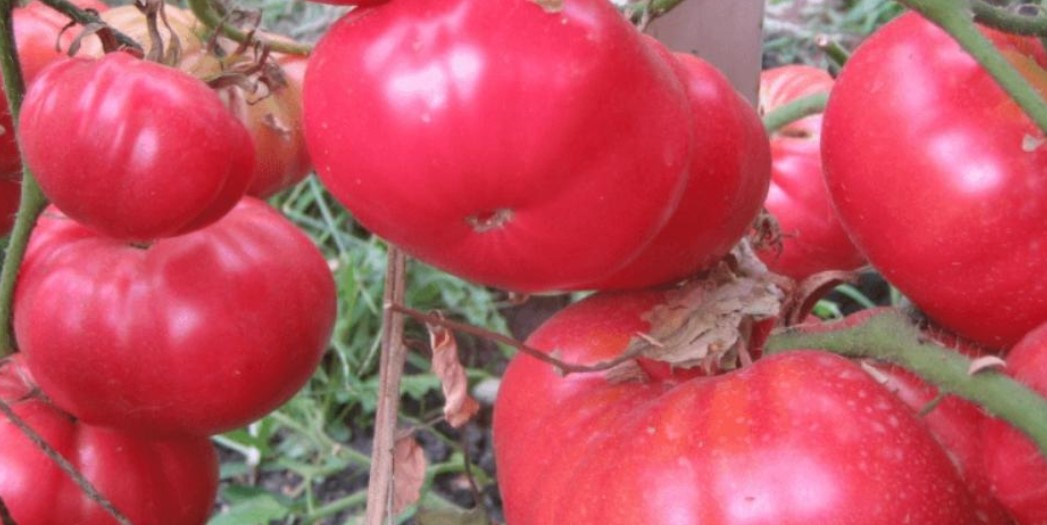
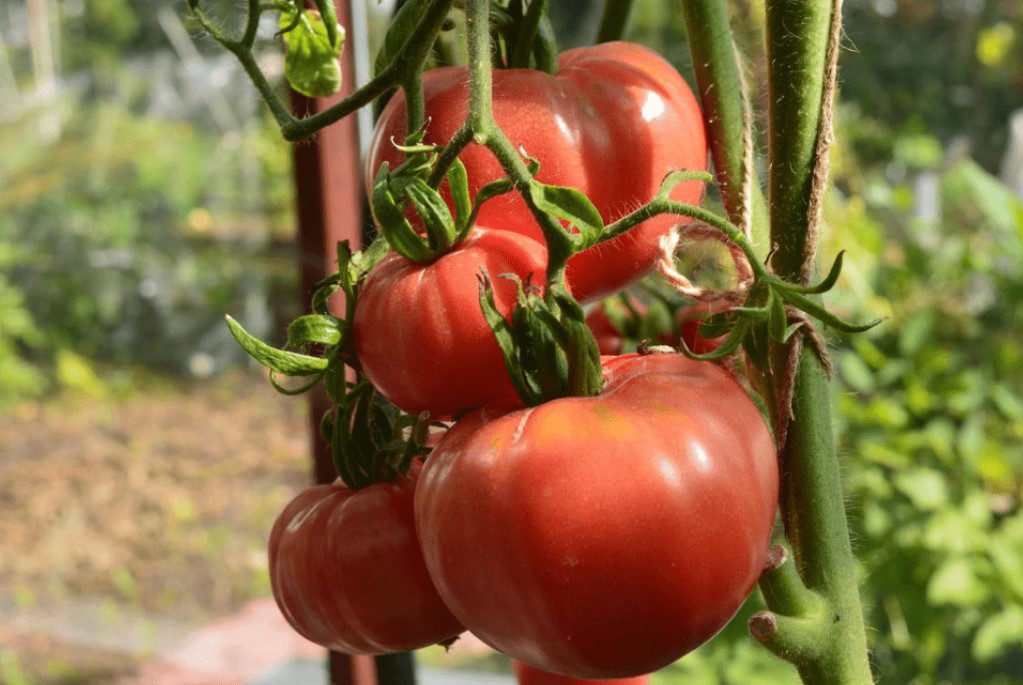
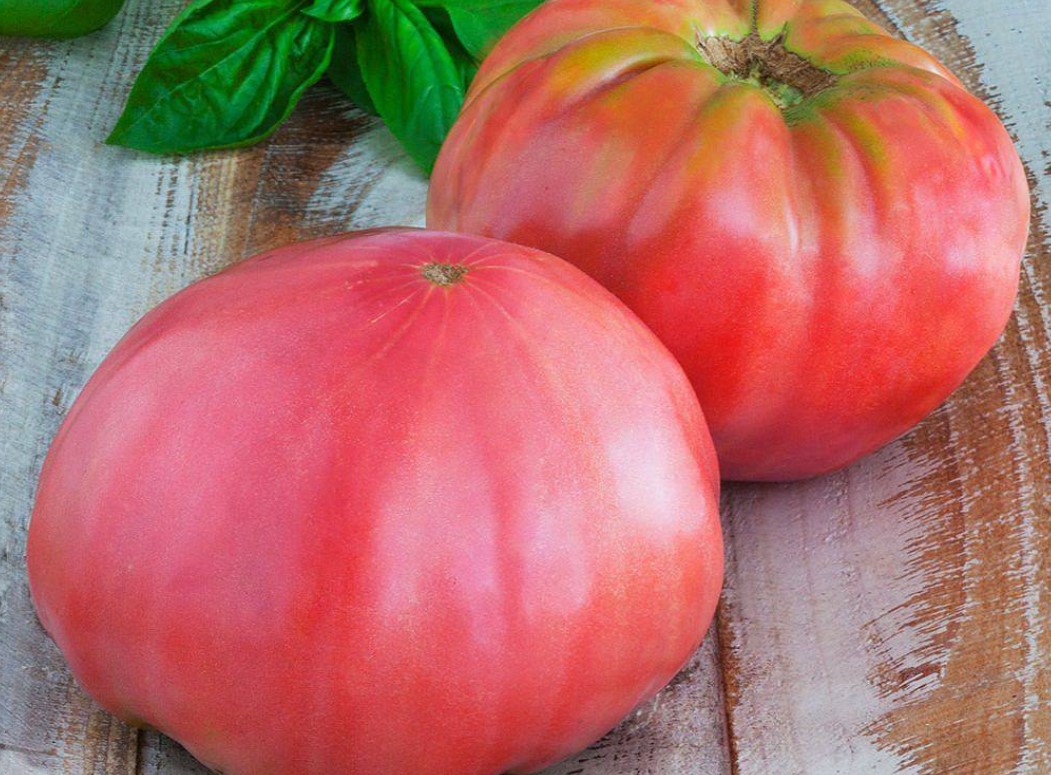
| Fetus | The fruits are smooth, round, and pink in color. |
| Fruit weight | 300-350 g |
| Taste | Great |
| Usage | Consume fresh. |
| Marketability | Average |
| Shelf life | Average |
| Yield of commercial fruits | Up to 6 kg per 1 sq.m. |
| Disease resistance | Resistance to tobacco mosaic virus. |
| Agricultural technology | Tall shoots require tying and support; seeds are planted in the second ten days of March, and after 60 days the seedlings can be moved to open ground or a greenhouse. |
| Growing regions | Northern, Northwestern, Central, Volga-Vyatka, Central Black Earth Region, North Caucasian, Middle Volga, Lower Volga, Ural, West Siberian, East Siberian, Far Eastern |
| 1999 | |
| Originator | Agrofirma Aelita LLC |
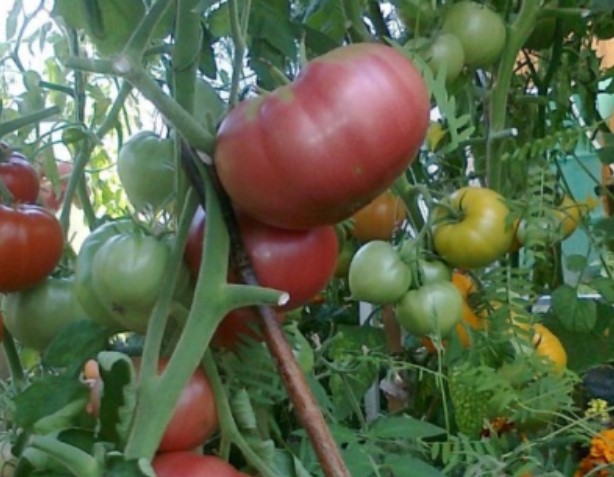
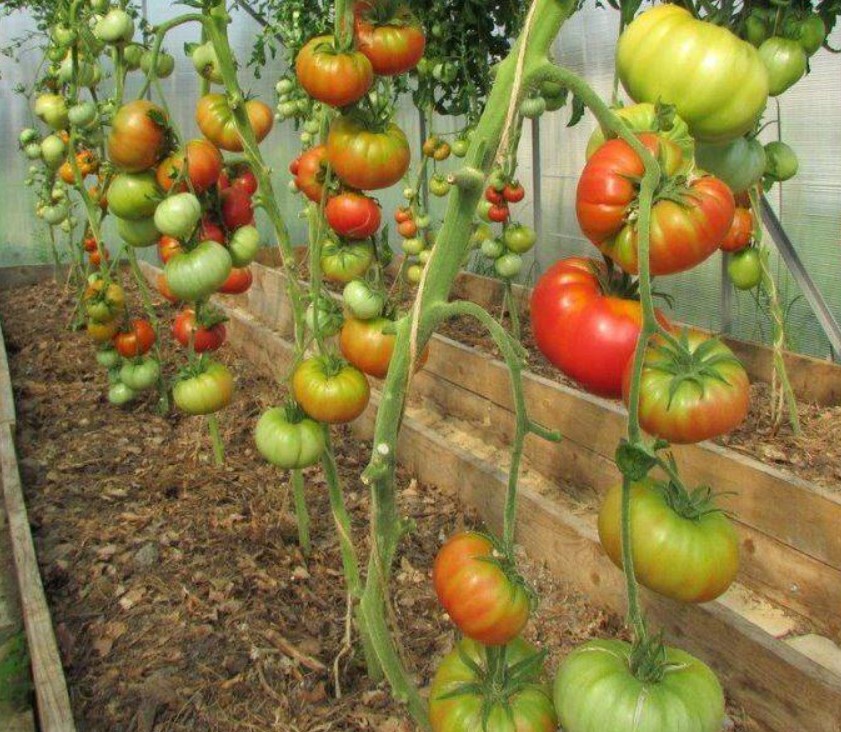
Photo gallery of the Wild Rose tomato variety
The history of the Wild Rose tomato variety
The history of the Wild Rose tomato dates back to the early 1990s. At a research institute in Tiraspol, four breeders began developing a new crop with excellent taste and varietal characteristics. This is how the Wild Rose tomato was born, and in 1999, with the support of the Aelita agricultural firm, it was added to the State Register of Vegetable Crops.
A detailed description of the Wild Rose tomato variety
The Wild Rose tomato demonstrates its best varietal performance when grown in unheated greenhouses or plastic shelters in various regions, or in open ground in southern Russia. It easily tolerates drought, high temperatures, and cold snaps without reducing subsequent yield.
Characteristics of the bush
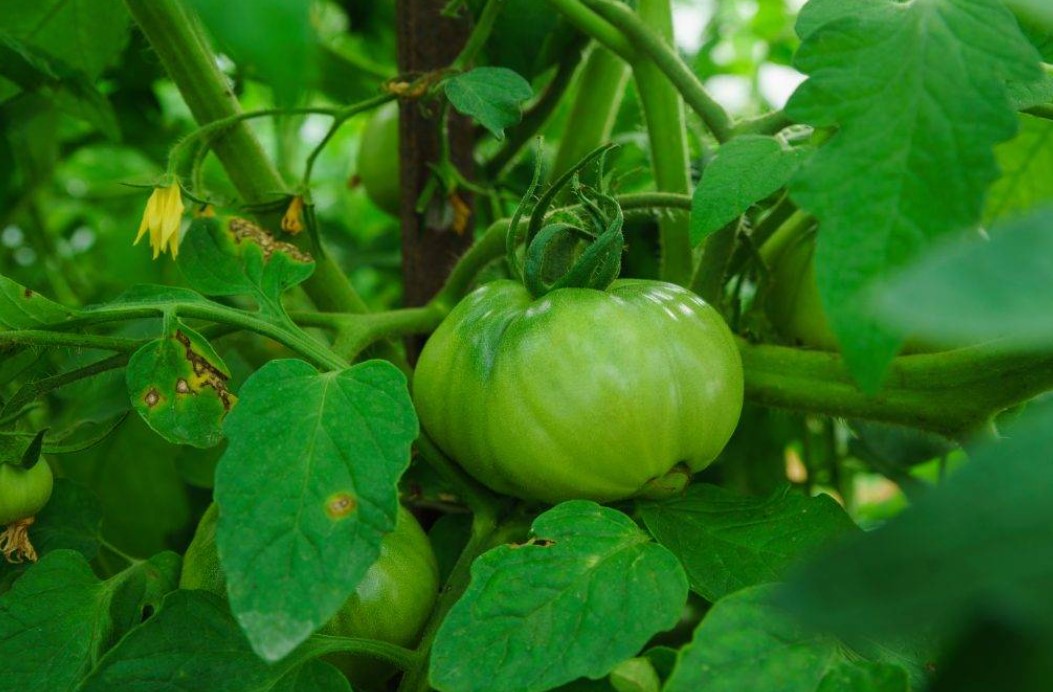
The bushes are tall, with indeterminate shoots growing up to 250 cm, spreading vigorously and bearing foliage. The leaf blades are large, slightly corrugated, and richly green. The first cluster appears after the 9th leaf, with subsequent clusters forming at intervals of 1-2 leaves.
Fruit characteristics
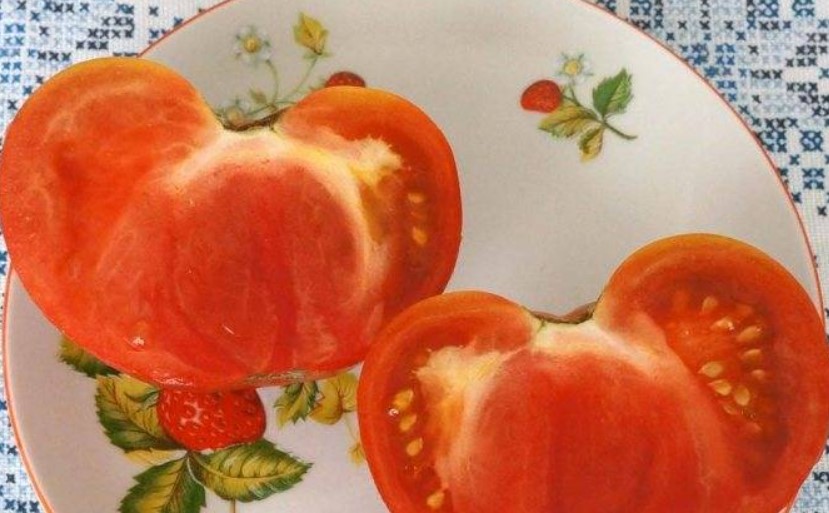
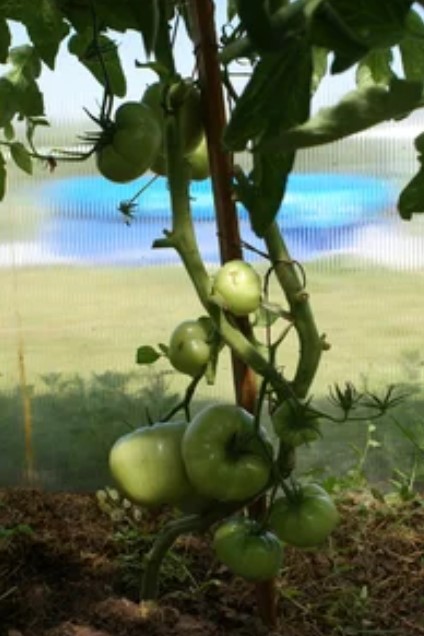
The fruits are round, slightly flattened toward the center. The color changes from green to pink, and a green spot may remain near the stalk. Each cluster produces 1 to 9 fruits, averaging 300 g in weight. The flesh is juicy, tasty, and aromatic. The skin is thin, which can complicate transportation and reduce the shelf life of the harvest.
Ripening time and yield
The fruits ripen early, and harvesting can begin as early as 105 days after the first shoots emerge. This period typically lasts from late July to late August.
The yield is high: with proper care, up to 6 kg of ripe tomatoes can be harvested from 1 square meter.
Advantages and disadvantages of the Wild Rose tomato variety
The table below lists the main advantages and disadvantages of the Wild Rose tomato variety.
| Advantages | Flaws |
|
|
Growing the Wild Rose tomato variety
The Wild Rose tomato is easy to grow, so classic agricultural methods for growing tomatoes are used.
Sowing seeds and growing seedlings
The Wild Rose tomato is grown from seedlings. Seeds can be purchased at the store or collected from ripe tomatoes. If you choose the latter option, you'll need to disinfect them by soaking them in a weak solution of potassium permanganate for 20 minutes and then treating them with a growth stimulant.
It's best to buy specialized soil for planting, but you can also mix equal parts garden soil, humus, and sand, then disinfect it. This can be done in three different ways; any of the following will do:
- Heat the mixture in the oven.
- Freeze the ground outside at sub-zero temperatures.
- Pour with a solution of potassium permanganate.
For planting tomatoes, you can choose a wooden box, a large container, cut-down juice boxes, or plastic bottles. However, it's best to plant seeds in peat pots, as they minimize root damage during transplanting, as the peat gradually decomposes in the soil.
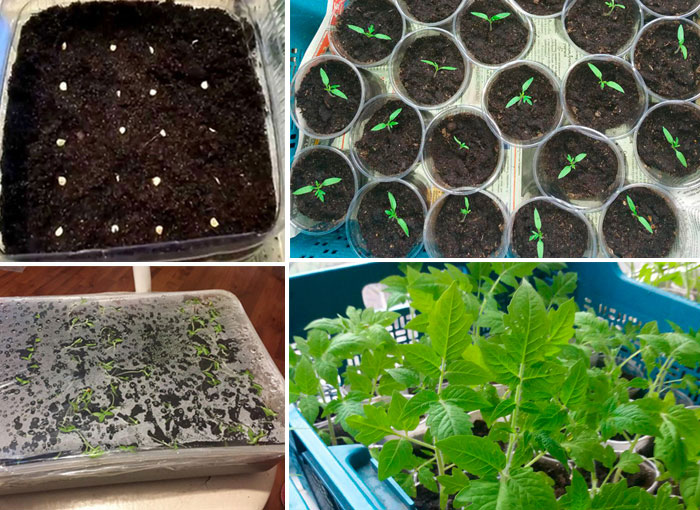
Fill the container 2/3 full with soil, then make indentations no larger than 15 mm in depth, spaced 3 cm apart. Place the seeds in the indentations and sprinkle them with soil. Water the seeds using a syringe or spray bottle. Cover the container with plastic wrap or glass and store in a warm room. To prevent excess moisture from accumulating, periodically remove the cover and ventilate the container.
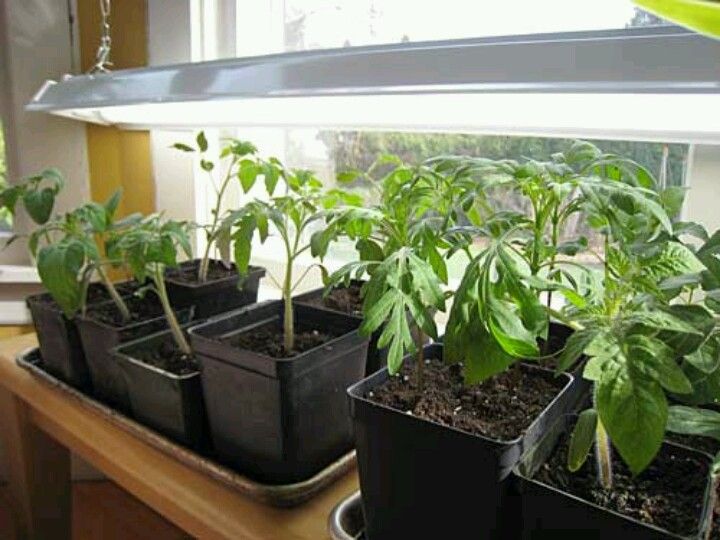
As soon as the shoots emerge, it's important to remove the film and move the seedlings to a cooler room. Here, it's important to ensure the tomatoes receive sufficient moisture and light, so many gardeners use a grow light to provide supplemental lighting.
Planting in the ground
Sixty days after the first sprouts appear, tomatoes can be transplanted into a greenhouse or open ground. By this time, the shoots will have at least five true leaves, and the root system will be strong enough to adapt to the new conditions.
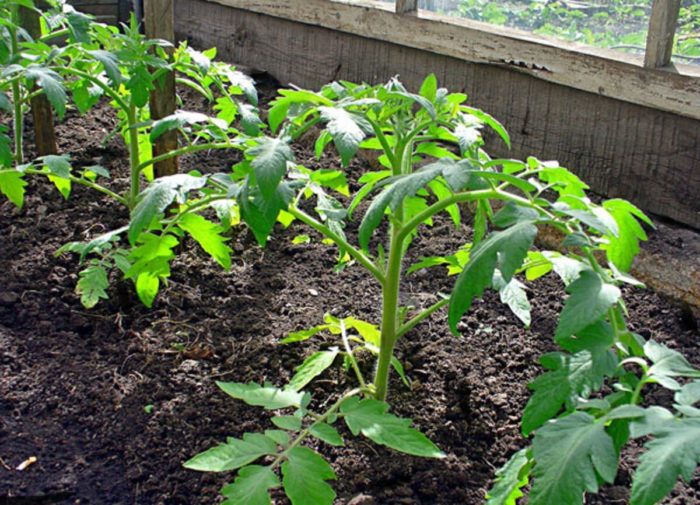
The soil in the garden bed is prepared in advance; in the fall, it is dug up together with manure, and in the spring, superphosphates can be added to it and it is dug up again.
To plant tomatoes, dig holes about 20 cm deep and space them 50 cm apart, as the Wild Rose variety is quite spreading. Leave 60-70 cm between rows for ease of maintenance.
You can add a handful of ash and humus to the bottom of the hole, mixing it with the soil. Each plant is transplanted into a separate hole and covered with soil. After planting, water the plants, making a depression around the stem to prevent the water from spreading throughout the bed and washing away the roots.
Care
The Wild Rose tomato has tall shoots that require staking. The support system can be planned in advance; some gardeners use a rope, one end of which is dug into the hole when planting the tomatoes, and the other end is secured to a beam in the greenhouse. During the growing season, side shoots are removed, and it's best to train the plants into a single stem, removing any excess shoots.
The bushes need to be watered once a week. When planting outdoors, watering should be adjusted based on weather conditions. The plants tolerate drought well, but overwatering the soil can lead to rot.
To strengthen the immune system and protect tomatoes from pests and bacteria, it is recommended to spray them with a solution of Bordeaux mixture or Fitosporin once every 10-14 days.
Periodically, it is necessary to weed and loosen the plantings to reduce the risk of pests, improve aeration, and remove competitors for light and air.
If you planted in poor soil, it's important to provide additional nutrition throughout the season. It's best to use a complete tomato fertilizer, applied three times at 14-day intervals.
Resistance of the tomato variety Wild Rose to diseases and pests, prevention, control
The Wild Rose tomato has a strong immune system, making it resistant to almost all tomato diseases.
To prevent plants from being attacked by rot bacteria, it's important to follow watering guidelines, specifically avoid overwatering the soil and regularly ventilate the greenhouse. For prevention, spray with Bordeaux mixture, and if disease does occur, it's best to use specialized treatments.
| Disease | Signs | Treatment |
| Late blight | Brown spots appear on the leaves, which then spread to the fruits. | Spray with Fitosporin at the initial stage; if the affected area is large, you can use Kurzat, Acrobat, or Ridomil. |
| Blossom end rot | Brownish-brown spots appear on the top of the fruit. | Tomatoes cannot be treated; after removing damaged fruits, the plantings must be sprayed with calcium nitrate (1 tablespoon per 10 liter bucket of water). |
| Fusarium wilt | The lower leaves turn yellow and wither, and then this process moves up the bush, and the plant dies. | Spray tomatoes with a Trichodermin solution once every 10-14 days. To prevent this, remove weeds and other plant debris, and disinfect the planting material. |
| Brown spot | Brown spots appear on the reverse side of the leaf blade. | Diseased leaves must be destroyed, and plants must be sprayed with Acrobat, Ridomil, Ordan. |
| Fruit cracking | The skin on the tomatoes is cracking and the fruits are starting to rot. | It is necessary to adhere to a watering regime to avoid fluctuations in drought and over-watering of the soil. |
About various tomato diseases, how to avoid and combat them Read on our website.
Harvesting, using and storing the Wild Rose tomato variety
Wild Rose tomatoes are harvested 105-115 days after the first shoots emerge. Due to their variable size, the variety's marketability is considered average. The fruits are quite large, and the thin skin tears very easily, making this variety unsuitable for whole-fruit pickling. However, these tomatoes make delicious juices, sauces, and pastes. They can also be used in salads.
The harvest cannot be stored for long periods of time, as the flesh does not hold its shape well, and the thin skin breaks under its weight. Therefore, it is recommended to process the entire harvested crop as soon as possible after harvesting.
Comparison of the Wild Rose tomato variety with other varieties in the table
Please note! How can you easily convert centners/ha to kg/sq.m? Simply divide by 100! For example, the Abakansky Pink tomato yields 400 centners of marketable fruit per hectare. This equals 4 kg per square meter. It's that simple! Also, keep in mind that typically no more than 3-4 plants are planted per square meter. This way, you can calculate the yield per bush. In the case of the Abakansky Pink, it's about 1 kg.
| Variety | Ripening period (number of days from full germination to ripening)
Yield of commercial fruits |
Brief description | Fetus |
| Wild rose | 110-115 days
600 c/ha |
An early-ripening indeterminate variety for open ground and greenhouses. Requires staking and training. Suitable for salads. Heat- and salinity-tolerant. | Round, smooth, pink, 300-350 g. Excellent taste. |
| Abakan pink | 120 days or more
400 c/ha |
A late-ripening determinate variety for open ground and greenhouses. Requires staking and training. Suitable for salads and processing into tomato products. | Flat-round, slightly ribbed, medium density and pink in color, 200-500 g. Good taste. |
| Bull's heart (red color) | 120-125 days 300-400 c/ha Important! There are other colors besides red, see the article (hover over the variety name to jump). |
A late-to-mid-late determinate variety for open ground and greenhouses. Requires staking and shaping. Suitable for salads. | Heart-shaped, smooth, fleshy, red, 108-225 g. Excellent taste. |
| Big Dipper | 100-110 days
1150-1450 c/ha |
An early-ripening indeterminate variety for open ground and greenhouses. Requires staking and shaping. Suitable for salads. | Flat-round, slightly ribbed, medium density, pink, 210-260 g. Good taste. |
| Katya is pink | 80-85 days
1600-1800 c/ha |
An early-ripening determinate variety for open ground. Suitable for salads. Marketability: 84-90%. | Flat-round, medium density, smooth, pink, 120-130 g. Good taste. |
| Mikado Pink | 90-95 days 500-600 c/ha |
A mid-early indeterminate variety for greenhouses. Suitable for salads. | Flat-round, large, ribbed, medium density, pink, 300-360 g. Excellent taste. |
| Pink Bush | 90-100 days
227-480 c/ha |
An early-ripening determinate variety for open ground. Suitable for salads. Marketability: 95%. | Round to flat-round, slightly ribbed, medium density, pink, 110-150 g. Excellent taste. |
| Pot-bellied house | about 100 days
820-920 c/ha (greenhouse and under film) |
An early-ripening indeterminate variety for open ground and greenhouses. Requires staking and shaping. Suitable for salads. | Pear-shaped, ribbed, medium density, red, 200-260 g. Good taste. |
| Pink honey | 111-115 days
380 c/ha (open ground) |
A mid-season determinate variety for open ground and greenhouses. Suitable for salads. Marketability is 96%, and the yield of ripe marketable fruits is 90%. | Round, ribbed, pink, 160-200 g. Excellent taste. |
| Pink elephant | 112 days 620-820 c/ha |
A mid-season semi-determinate variety for greenhouses. Suitable for salads, canning, and processing into tomato products. | Flat-round, fleshy, medium- to strongly ribbed, notched to smooth top, pink, 280 g. Excellent taste. |
| Pink spam | 99 days
2560 c/ha |
An early-ripening indeterminate variety for greenhouses. Suitable for salads and canning. | Heart-shaped, firm, smooth, pink, 190 g. Excellent taste. |
| Pink flamingo | 110-115 days
234-349 c/ha |
A mid-season determinate variety for open ground. Suitable for salads and processing into tomato products. Marketability: 68-87%. | Round, slightly ribbed, medium density, pink, 75-110 g. Excellent taste. |
Gardeners' reviews of the Wild Rose tomato variety
An excellent tomato that easily tolerates temperature fluctuations. It's perfect for growing in a dacha where you only visit on weekends—Wild Rose doesn't suffer much from drought. And these tasty tomatoes make excellent juices and sauces, and they're also unrivaled in summer salads.
Today I will share with you my experience of purchasing these particular seeds of this variety.
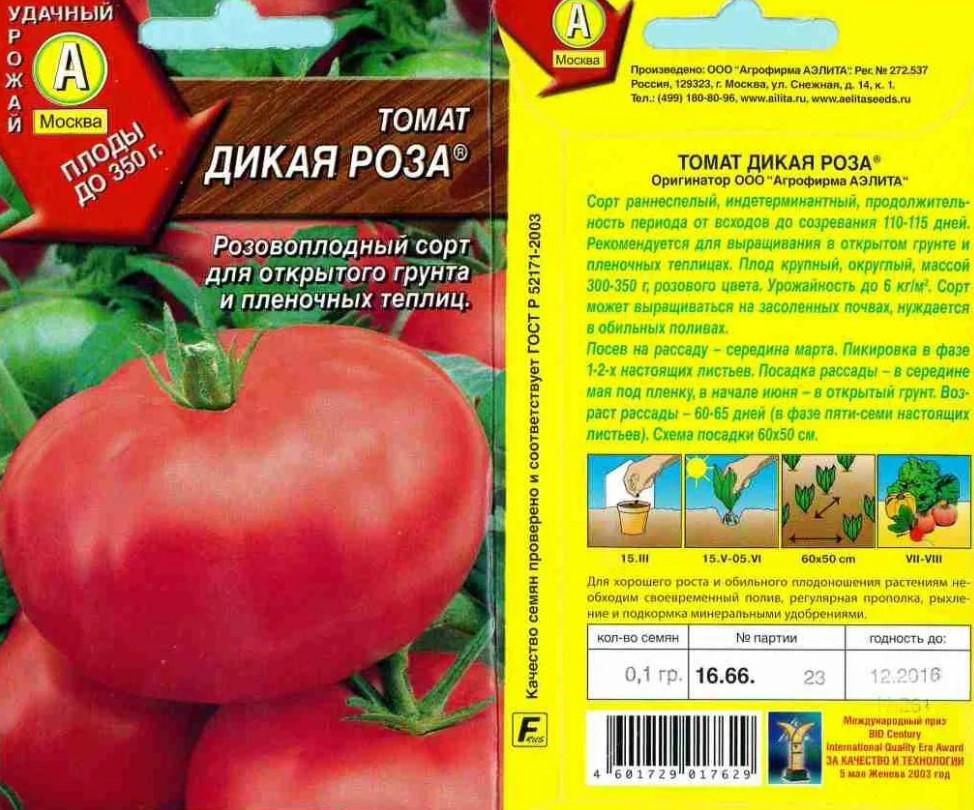
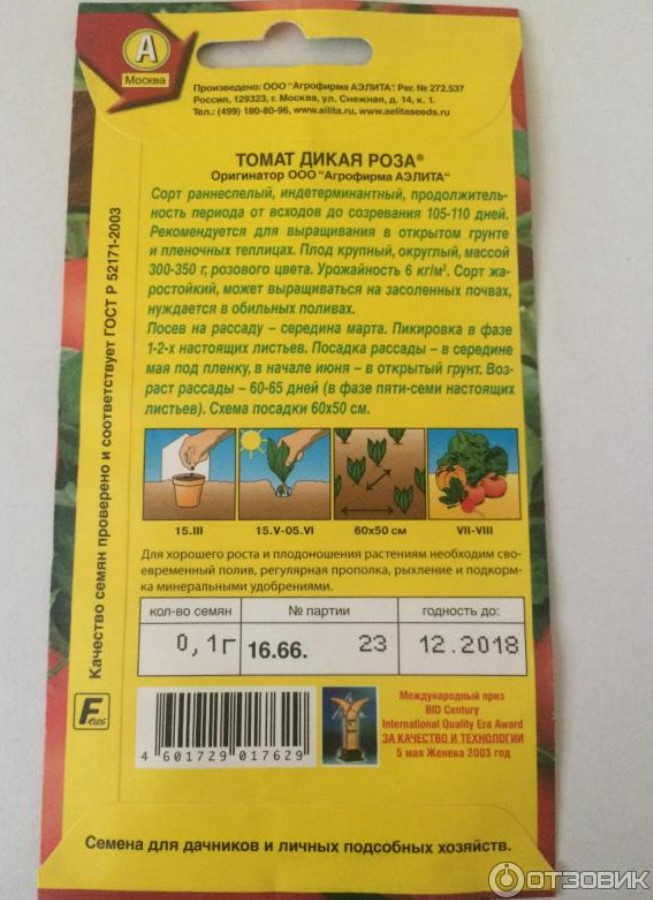
As you already know, I often write about seeds. And just recently, I acquired a couple of new varieties from the Aelita agro-firm.In this review, I'll be talking about the "Wild Rose" tomato seeds. As always, I'll start with the packet of these seeds, which is perfectly packaged. Let's take a look.
We are all very familiar with the quality of this producer's seeds, and there are no questions about it, nor can there be any. The price is also practically clear, it remains at about the same level from year to year. I bought this particular packet this spring for only twelve rubles.
The package is designed according to a standard template. It's bright and easily recognizable, which is a plus in my opinion. I can easily spot it on the shelf. Those who buy seeds at large chain hypermarkets understand what I'm talking about.
It looks something like this: a huge rack with a multitude of these bags hanging face down, grouped together. We simply can't see the back until we pick one up. Now, see the back—see the photo.
Everything is very high-quality and beautiful, informative, and the text is very easy to read. Of course, I've gotten used to buying these seeds. The expiration date is always listed, but the amount of seeds in this packet is only 0.1 grams.
We already know what this weight might look like from the example of another tomato variety from the same producer, the Aelita agrofirm, which I wrote about just yesterday.
My Review of the Seeds
You can take a look at it if you want.
As they say about a fly in the ointment.
Thank you for reading, I hope this information will help you in the future.

Hooray! I really liked the Wild Rose. The tomatoes turned out large, 400 grams or more each, which isn't much, but I really liked the taste and appearance, and they were overall good. This is the first time I've had large tomatoes and indeterminate ones this year.
Wild Rose: A pink-fruited tomato, early maturing, tall (produces strong side shoots). Weighing 300-350g, the fruit is flat-round. I really liked it (it sets fruit well and abundantly, and the fruits are large and salad-like).
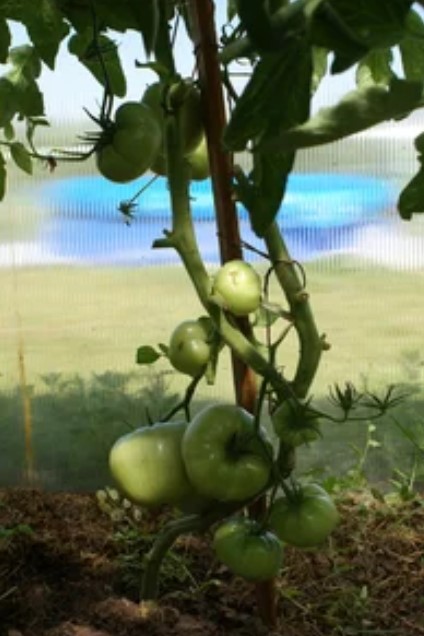
In the Ural region, this is definitely a very late-ripening, yet very tasty and beautiful, large-fruited variety. Here, it's definitely a single-stemmed variety, with an average yield. When sown in the first ten days of March and planted in the greenhouse in mid-May, the first blanched fruits appear in mid-August, turning red (pink) by September. I won't plant more than one bush, but one is a must!
Siberian Garden seedsIn 2012, nothing good came out of the two bushes planted, in 2013, a second attempt
2014 already from its own seeds