Eucomis (eucomius, eucomius, pineapple lily) is all the name of a single plant belonging to the Asparagus family. It gets its name from its distinctive appearance—in Greek, the word eucomius translates as "beautiful curl."
The plant is native to southern Africa, where a temperate climate prevails. Eucomyus cultivation is similar to that of gladiolus—the herbaceous plant reproduces through its root, specifically the bulb.
Appearance and characteristics of eucomis
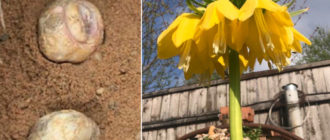
Like any plant, eucomis has a base. This is a large bulb with a glossy surface, resembling an egg in appearance. This base allows for the development of a strong root system, providing stability to the entire plant.
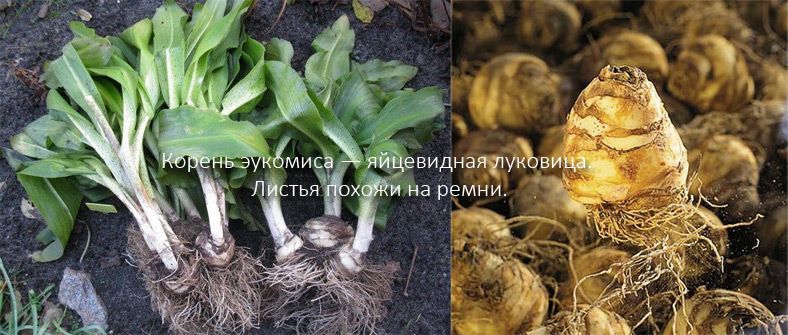
The leaves are long, belt-shaped, and can reach up to 60 cm in length. Their surface is glossy and green, but brown spots may appear closer to the rhizome.
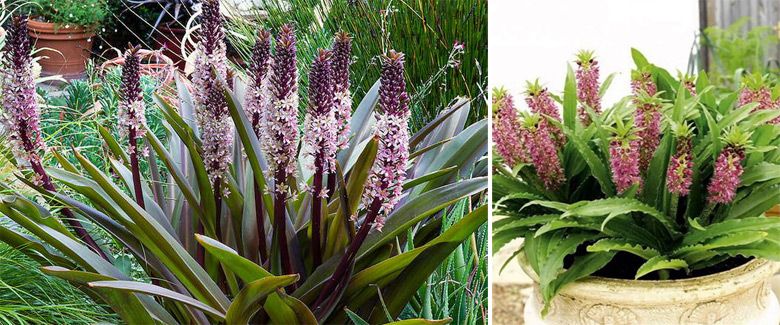
During flowering, the plant produces a long stalk reaching 1 meter, the top 30 cm of which are densely covered with small white or burgundy inflorescences. The multifaceted seed pod is considered the ripe fruit. The eucomis flower's appearance resembles a pineapple, which has earned it such popularity among amateur gardeners and the nickname "pineapple lily."
Eucomis species
Experienced breeders distinguish the following types of eucomis:
| View | Description |
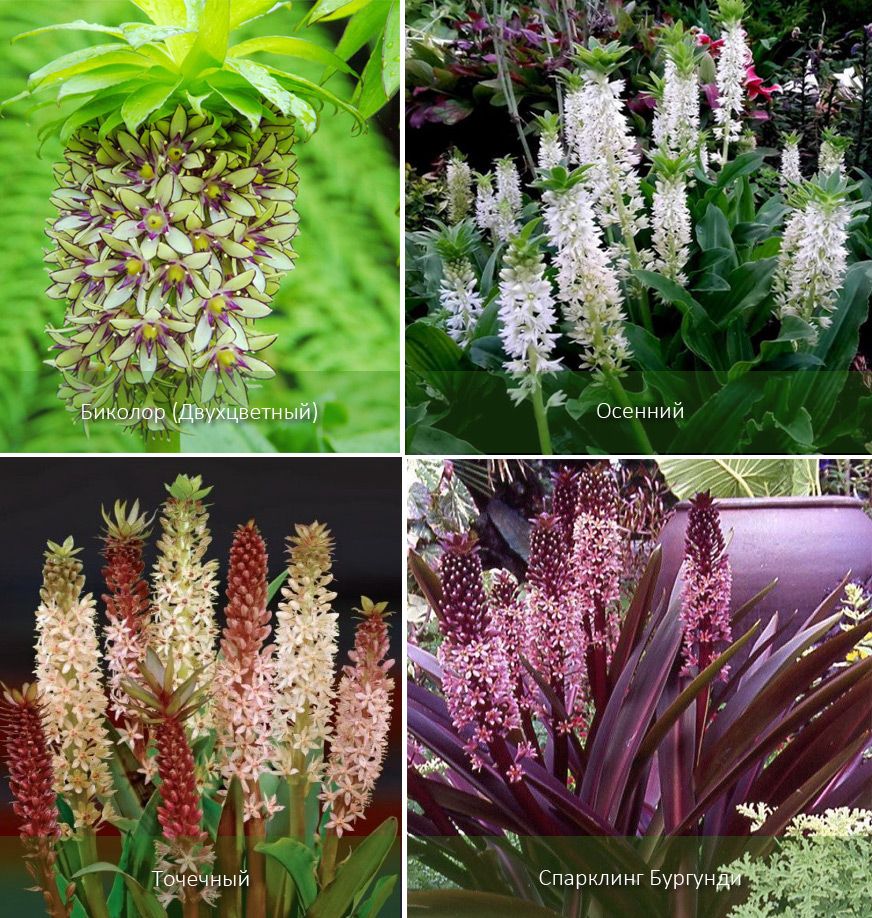
| Bicolor (Two-color) | A top-selling variety, it's considered an ornamental variety. The flower stalk initially develops reddish spots, which later blossom into light green flowers with pink edges. |
| Point | The most common. It reaches 60 cm in height, and the flowers have a greenish tint. It gets its name from the small dark spots on the leaves. |
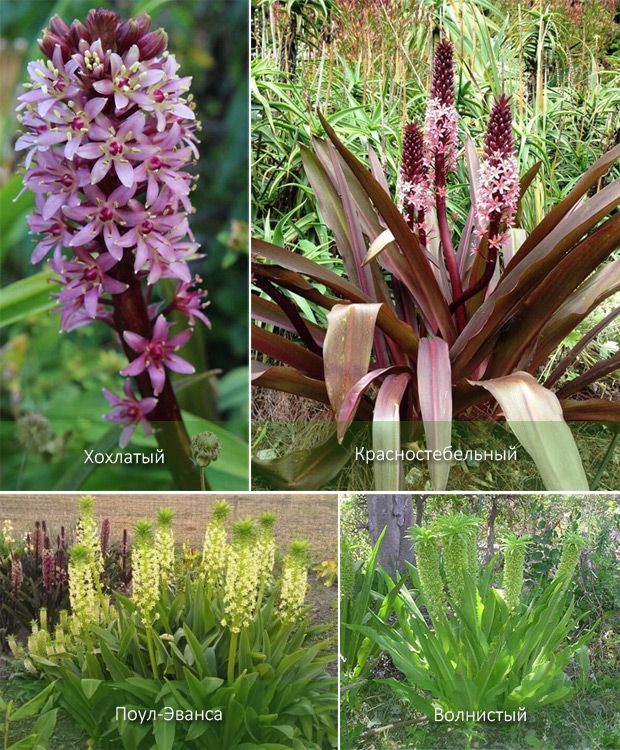
| Red-stemmed | It has spade-shaped leaves and a red bract. |
| Wavy | It can grow up to a meter in height, the edges of the leaf blades are slightly wavy and covered with dark spots, which clearly characterizes this species. |
| Autumn | Mainly autumn type, low-growing (up to 30 cm), blooms late and feels good even with light frosts. |
| Pole-Evans | It is distinguished by its white and green flowers. |
| Crested | Popular in temperate climates. Tall, up to 1 m. Inflorescences are 30 cm. Shades include pink, purple (very similar to lilac), and green. |
| Sparkling Burgundy | The foliage is reddish, the flower stalks are pink and burgundy. |
Features of planting eucomius
Even a novice amateur gardener can handle planting. In sunny locations, the bulbs are planted directly into the ground, preferably in May.
The distance between plants should be about 20 cm within a row and 35 cm between rows.
In the middle zone, eucomis is mainly grown as a potted plant.
All work related to planting eucomis is best done in March. To ensure the plant takes root well, follow this plan:
- Find suitable containers for planting bulbs - pots that are necessary for the plant's large root system.
- Prepare the soil with turf, humus, sand (1:1:1), or regular garden soil, and treat it with TMTD fungicide. This will prevent the spread of various fungi.
- Plant the bulbs by burying them in the soil so that the top of the soil is above the surface.
- The pot containing the planted bulb should be kept in a warm room. Water it along the very edge, carefully ensuring the soil remains slightly moist at all times. Once the eucomyus begins to grow, you can increase the frequency of watering.
- After the bulbs have sprouted, they need to be taken outside along with the container and placed in a quiet, windless place, or the plant should be planted at the end of May along with the pot, when the soil has completely warmed up.
Eucomis prefers sunny places, so the planting site should not be in the shade.
When removing a sprouted bulb from its pot, be careful not to damage the roots. Otherwise, the plant may die.
Growing Eucomis
Once the bulb begins actively growing and during flowering, the plant requires ample watering. After each watering, including rain, loosen the soil around the eucomis, removing any weeds. After flowering has finished, watering should gradually taper off.
Yellow leaves, indicating the plant is preparing for winter, are a signal to stop watering altogether. In cold and temperate regions, eucomis bulbs are removed from the open ground and stored in the refrigerator.
When growing in a pot, the flowering period can be extended artificially. Feed the rhizomes with a mineral complex diluted in water at least once every two weeks. However, it's important to note that the fertilizer should not contain nitrogen, as this mineral negatively affects eucomyuses.
Reproduction of Eucomius
There are two methods of propagation: vegetative and seed.
The first method preserves the varietal characteristics of the parents. As the bulb grows in the soil, small offspring form. During dormancy, i.e., during the cold season, these should be carefully separated from the mother bulb. Plant them in the ground in spring or early summer. This method also includes propagation by leaf cuttings.
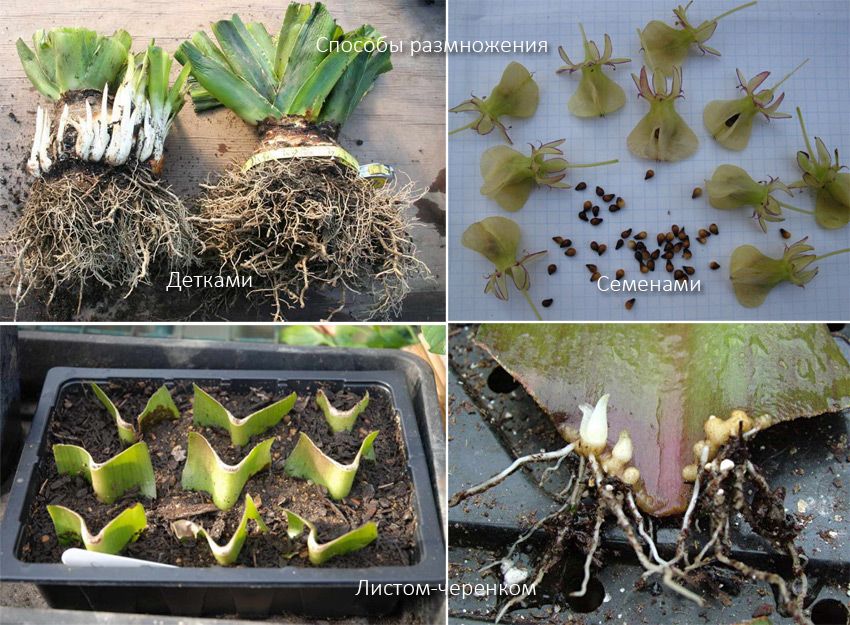
Eucomis can also be propagated by seed. These are collected immediately after ripening and sown in pots. After some time, young seedlings will appear in their place. Eucomis propagated by seed should not flower until the fifth or sixth year of life.
Problems with replanting and growing eucomis
The main problem is considered to be premature yellowing of the plant's leaves. This, like the presence of brown spots, indicates the development of a fungus on the eucomis. Overwatering is most often the cause. To prevent further damage to the plant, remove it from the soil and inspect the bulb. It is important to ensure there are no rotten spots. If any are present, carefully remove them, treat them with a fungal control agent (Fundazol, Topaz, Spor), and repot them in new soil.
The plant can also be attacked by insects, including spider mites, mealybugs, whiteflies, and aphids. These can be controlled with Actellic or Actara.