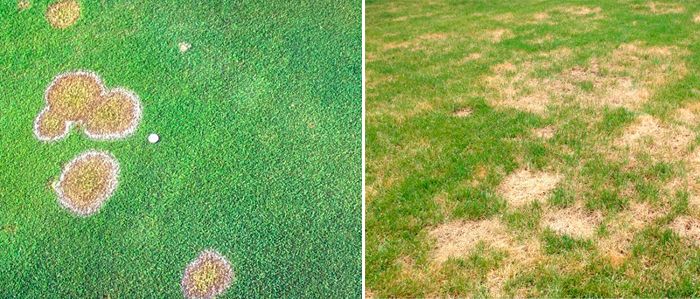
When a lawn turns yellow, even after so much effort, throwing up your hands is useless. You need to urgently save the green carpet with yellow spots and create favorable conditions for the grass. From personal experience, I know that the sooner you identify the cause of the yellowing, the better your chances of avoiding the lawn overturn.
Causes of grass yellowing
There are many factors, ranging from poor soil preparation to unfavorable weather, which vary from year to year. Grass can change color in summer and fall. Sometimes, the lawn begins to dry out in the spring, just when everything is starting to grow.
Soil condition
When your lawn turns yellow after winter, the first thing to do is check the groundwater level. Flooding can be caused by the layout of neighboring properties or by disruptions to stormwater drainage.
Another possible reason for yellowing grass is inappropriate soil acidity.
Bluegrasses don't like excess alkaline elements. Cereals suffer when the soil is too acidic. Ryegrass grows equally well anywhere, but it has another problem: it forms tussocks, which can also turn yellow when there's insufficient nitrogen.
Incidentally, soil acidity increases when the lawn is frequently walked on. The soil compacts, natural drainage channels become clogged, and water accumulates in small puddles.
When purchasing seeds, it's important to determine the expected load right away. It's one thing to walk across a lawn with a lawnmower, and quite another to play football. Each grass has its own purpose.
I remember how excited we were when we bought the lawn mix. It looked beautiful in the picture. The shoots were uniform. But when the kids went on vacation, our lawn started to look pathetic – like the skin of an abandoned dog.
Too much or too little fertilizer
Another cause is a lack of nitrogen and iron. Grass is fertilized with ammonia mixtures only until midsummer. When ammophoska or urea are applied later, the grass grows vigorously and has poor frost resistance. Excess nitrogen has serious consequences. One time, the lawn turned completely yellow after the winter. All the new growth died.
Red threads are a characteristic sign of nitrogen deficiency. Symptoms usually become noticeable in the fall. Small scorch marks appear on the lawn, and the thinned grass withers and breaks off. The lawn takes on the appearance of a sun-bleached carpet.
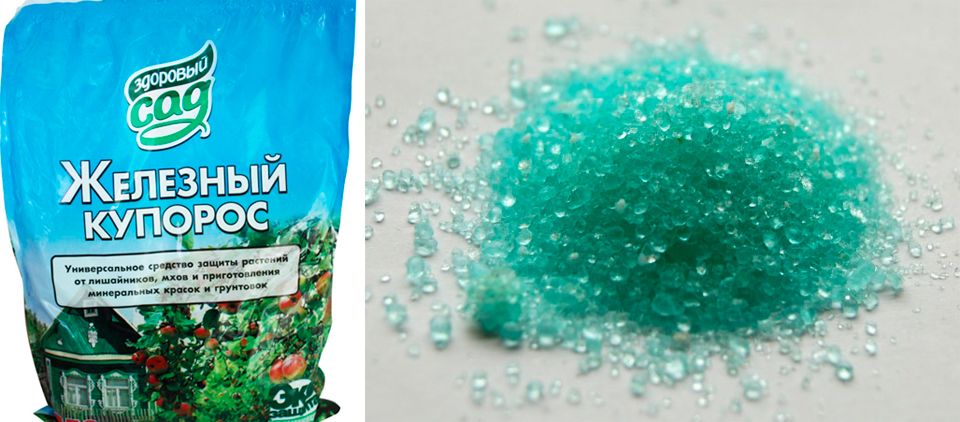
Ferrous sulfate is a good preventative for fungal infections and moss growth. When summers are warm and rainy, spores develop more quickly. Frequent fog and prolonged rains promote moss growth.
It's advisable to apply micronutrients annually in the fall. When the soil becomes poor, the grass deteriorates, new growth points fail to form, and the bushes stop spreading. Roots begin to choke the underground growth, causing bald spots to appear.
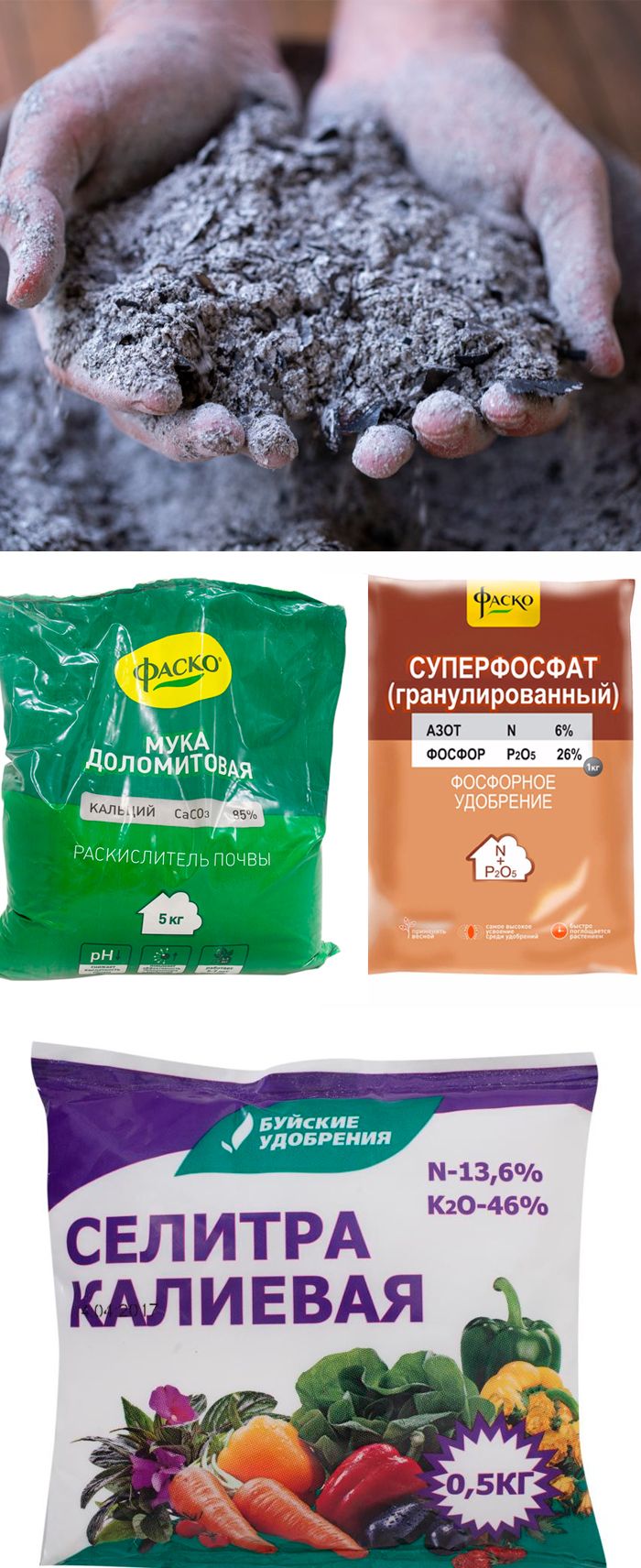
Lawns require fertilizing no less than other garden crops. So-called sports lawns—the curly, dense grass that springs underfoot—are particularly vulnerable. They require careful maintenance and complex fertilizers.
Restless winter
During winter, a lawn needs to hibernate, like a bear in its den. It's best not to disturb the grass. The roots need to rest without any pressure. A layer of snow doesn't count. But after pouring an ice rink or going for walks making snowmen, the lawn will definitely not cope. In the spring, the grass will come up in clumps, and the bare spots will quickly turn yellow. Unfortunately, only digging can help such a lawn. The grass will have to be reseeded.
Patchy freezing or damping-off of lawns in winter is also not uncommon. During prolonged thaws, a dense crust forms on the snow.
The more uneven the green carpet is (it is impossible to perfectly level the soil without special equipment), the more spots there will be in the spring.
Incorrect watering
I specifically emphasize the word "incorrect." Excess water is just as dangerous for some grass species as too little. Drought-resistant crops suffer in rainy years. In areas where they grow, additional drainage is urgently needed—digging narrow channels around the perimeter to allow water to drain.
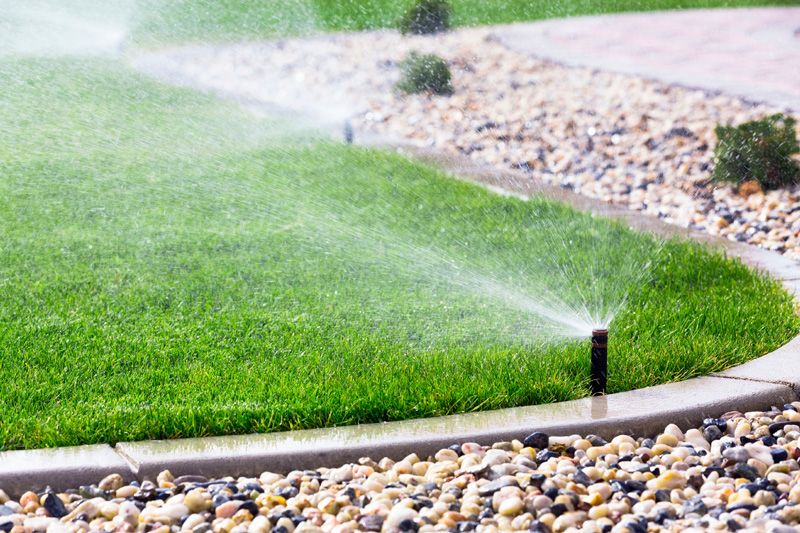
Insufficient watering is dangerous for bluegrass.
On hot days, when the sun is at its zenith, it's best not to turn on automatic watering. The drops act like lenses, burning the grass. The lawn isn't ready for both tanning and watering at the same time.
In warm regions, where everything you plant grows, this problem isn't so obvious. In temperate climates, the Urals, Siberia, and other areas with unstable weather, plants aren't accustomed to the heat; it's stressful for them.
The contrast between cold water pumped from the well and hot air can be fatal.
Oh, these animals
When yellow spots began appearing on the green carpet in the fall, my husband and I couldn't figure out the cause for a long time. Everything became clear when we saw the dogs' "trophies."
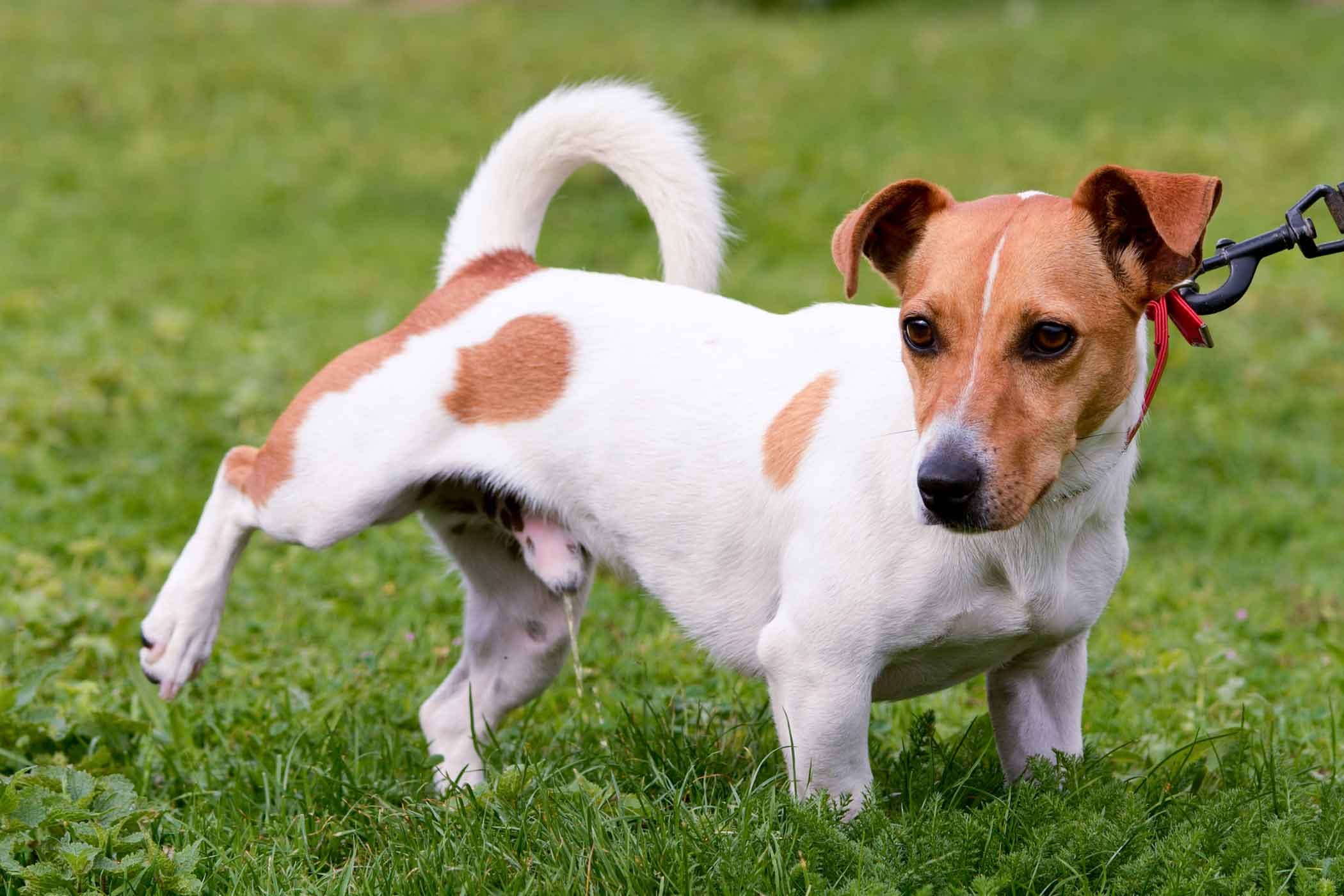
It turned out the neighbor's dog had taken to running onto our lawn to relieve himself. When the excrement was small, the lawn digested it. But when the "fertilizer" became too much, the grass began to grow poorly.
Bad haircut
Grass blades also suffer from improper cutting. When the grass is too tall, more than 8 cm, it withers and interferes with the roots. They lack light and oxygen. When too much is cut, less than 5 cm per top, the lawn dries out quickly. This is especially noticeable in dense plantings. The roots begin to become exposed, and the grass blades dry out quickly.
Solving yellowing problems
What to do depends on the cause of the grass growth problems. If you regularly fertilize your lawn, adding nitrogen in the spring and summer, and phosphorus, potassium, and calcium in a 2:1:1 ratio in the fall, everything will be fine. Some people forget about aeration—they use a pitchfork or special tools to pierce the turf to a depth of up to 30 cm.
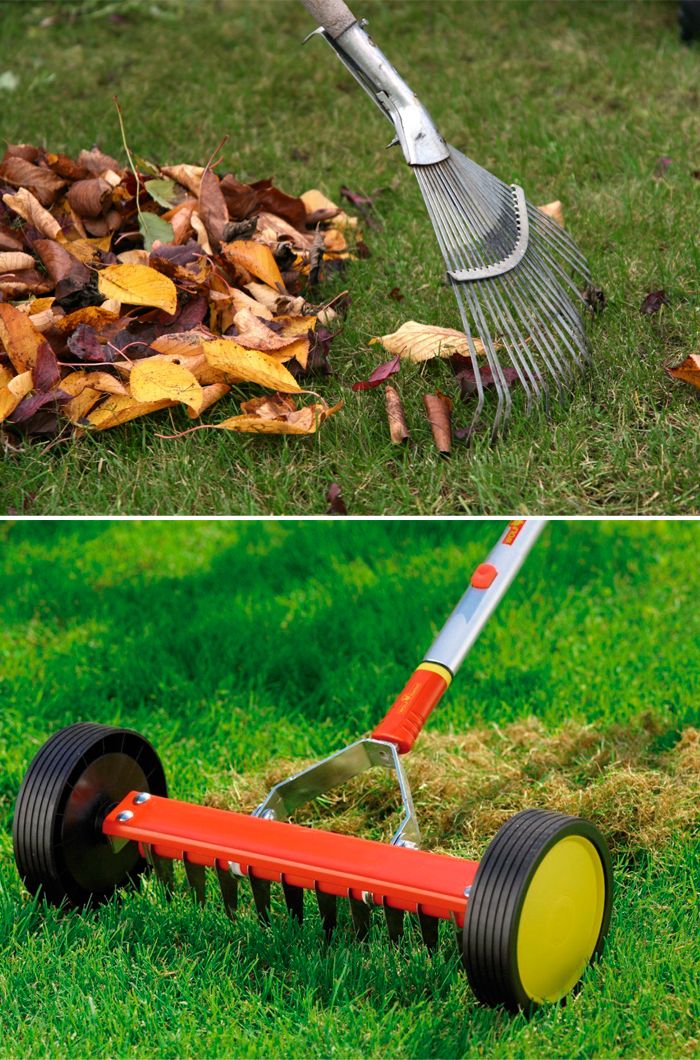
Periodically, you should remove the plant matter that accumulates after mowing. This procedure is called scarification. Personally, I rake the lawn with a fan rake to avoid pulling up clumps of grass. I do this every year; that's enough. Before winter, it's helpful to mulch the lawn with humus. This creates a loose layer that allows the roots to breathe. If you take good care of your lawn, it won't turn too yellow, and any minor "ailments" will quickly resolve.