The truffle is considered a delicacy mushroom, as it does not grow in every country, and it is not so easy to breed it in artificial conditions.
Several varieties of truffles can be found in Russia. In this article, we'll tell you where to find these mushrooms.
Content
- 1 Regions where truffles grow in Russia
- 2 What truffles grow in Russia?
- 3 A complete description of truffles growing in Russia in tables + photos
- 3.1 Black summer truffle (Tuber aestivum)
- 3.2 Black winter truffle (Tuber brumale)
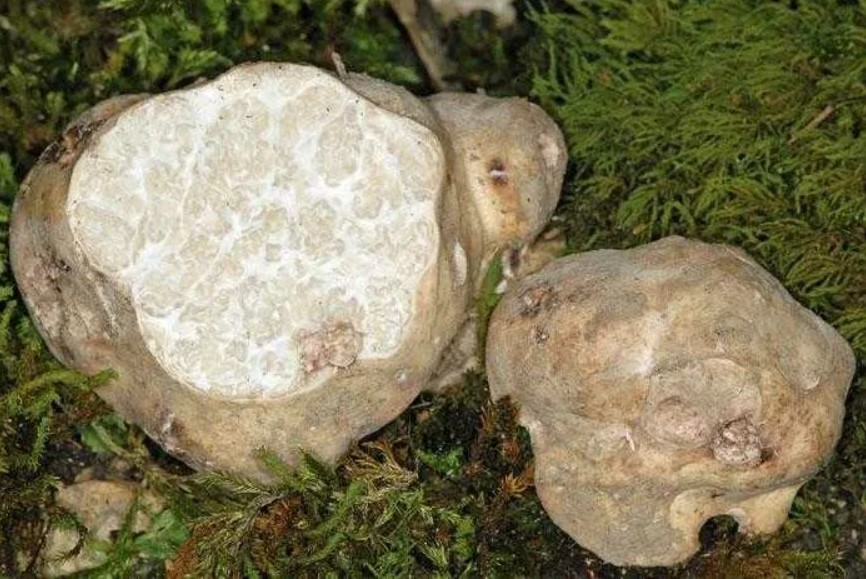
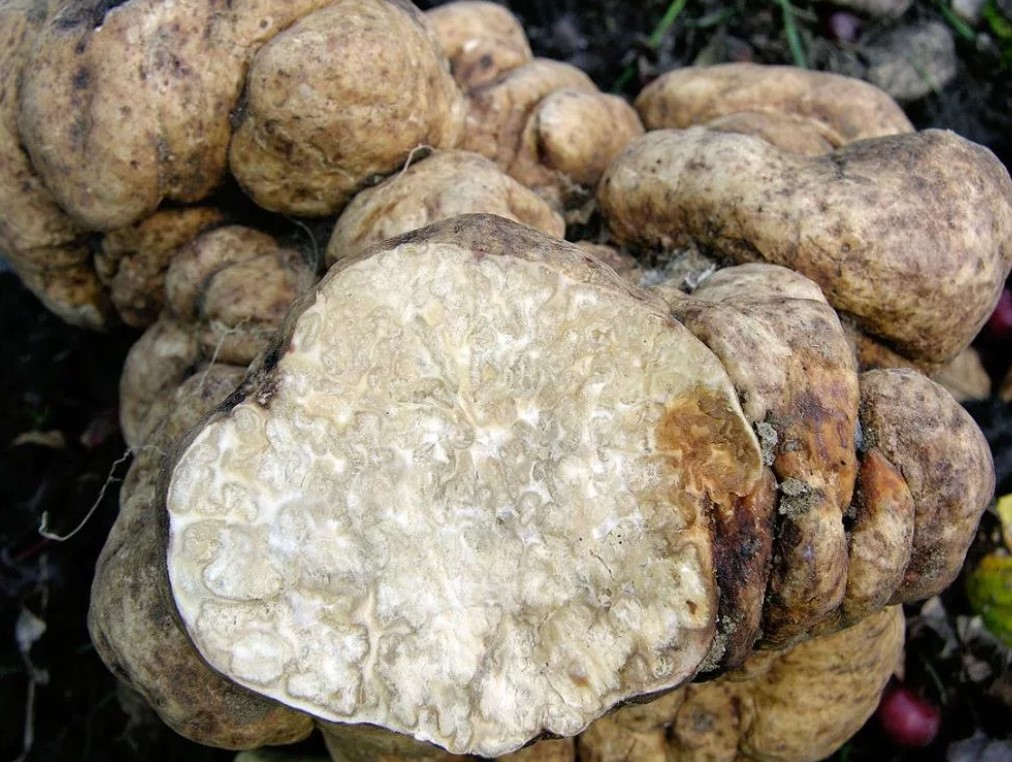
- 3.3 White truffle Trinity (Choiromyces venosus, also Choiromyces meandriformis)
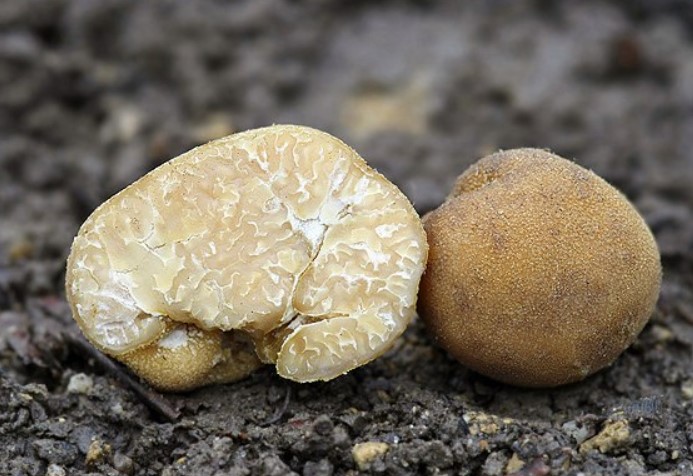
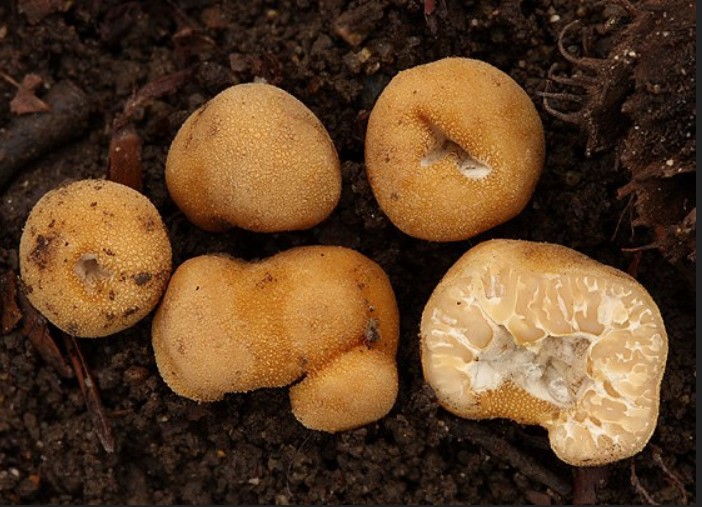
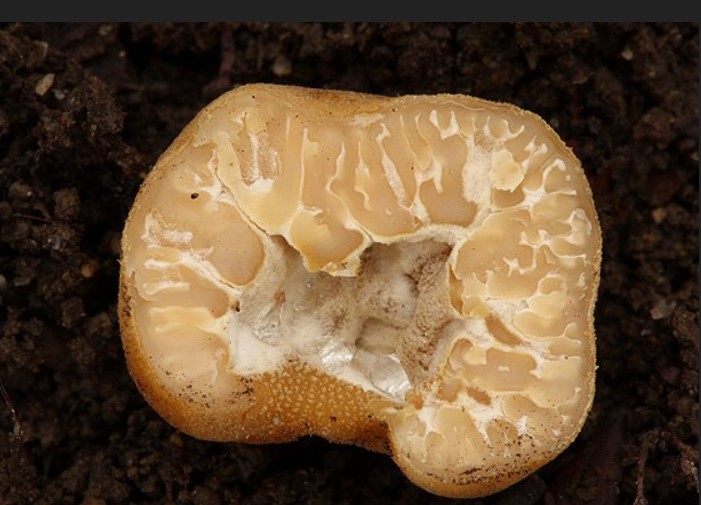
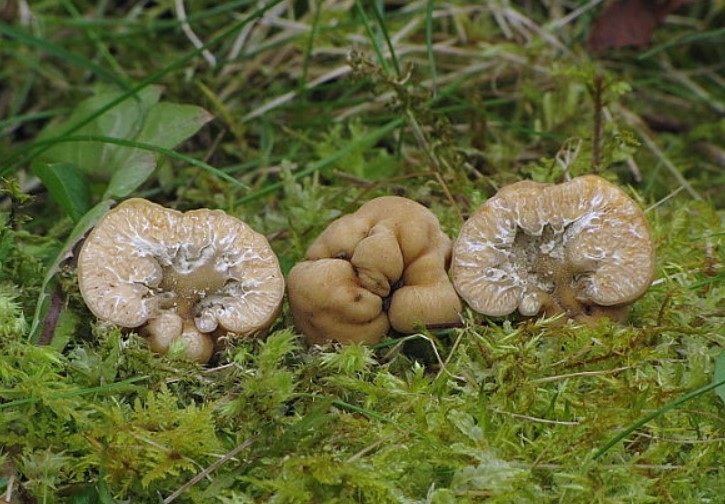
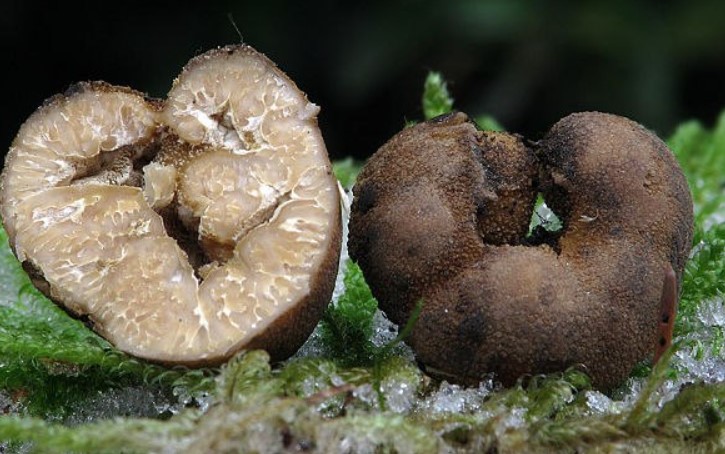
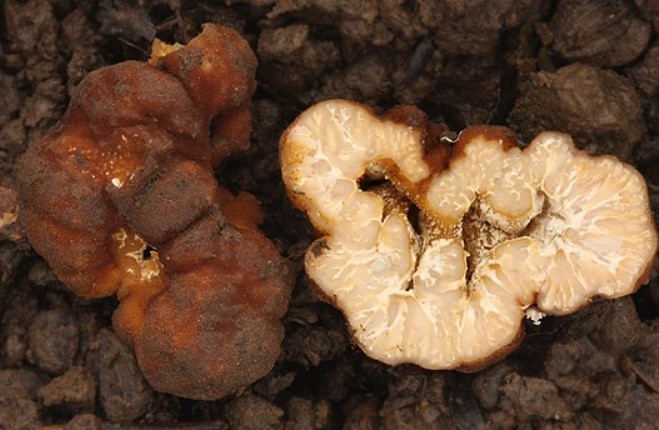
- 3.4 Duron white truffle (Tuber excavatum)
- 3.5 White variegated truffle (Tuber maculatum)
- 3.6 White truffle (Tuber puberulum)
- 3.7 Red truffle (Tuber rufum)
- 3.8 Shiny red truffle (Tuber nitidum)
- 4 How to harvest truffles yourself
- 5 Animals for truffle hunting
- 6 How to grow truffles at home
- 7 How much do truffles cost in Russia?
Regions where truffles grow in Russia
Truffles prefer warm weather, so they are not found in every region of our country.
Where to look for truffles in European Russia
In the European part of Russia, truffles can be found in the following areas:
- Oak and beech forests around Voronezh.
- The forests within a radius of several kilometers around Tula and Orel are where white truffles grow.
- Black truffles can be found in forested areas around Belgorod, Tver, and Podolsk. They are less common in the Leningrad region.
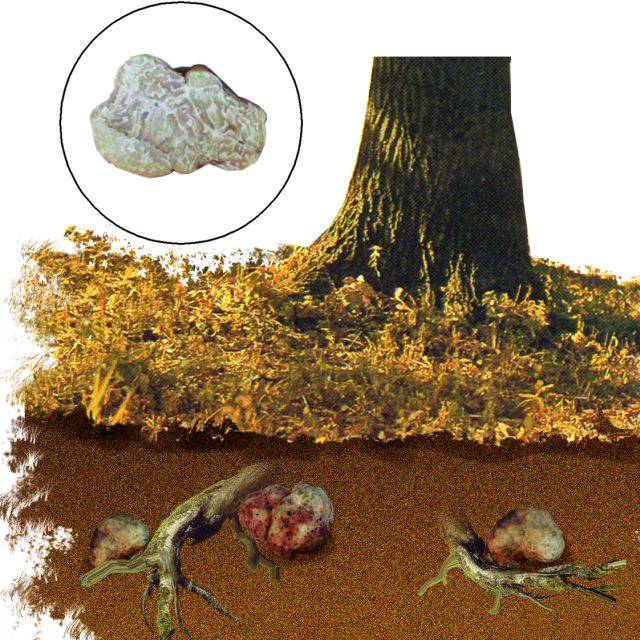
Where truffles grow in Crimea and the Caucasus
You should look for truffles in beech and oak forests located near the following places:
- North Ossetia.
- Steppes of the Crimean Peninsula.
- Caucasian regions.
- Anapa.
- Gelendzhik.
- Lake Abrau-Dyurso.
Where truffles grow in Siberia
Despite the special demands on weather conditions, truffles thrive in northern regions. Sometimes residents boast a harvest of several kilograms of select mushrooms. Truffles are best sought in the coniferous and deciduous forests of the Tomsk and Chelyabinsk regions.
What truffles grow in Russia?
There are over 30 varieties of truffles, all divided into groups based on specific characteristics: color, ripening time, and growing location. Below, we'll look at which truffles grow in Russia.
A complete description of truffles growing in Russia in tables + photos
Black and white truffles are found in Russia, and there are different varieties of each. These are described in the tables below.
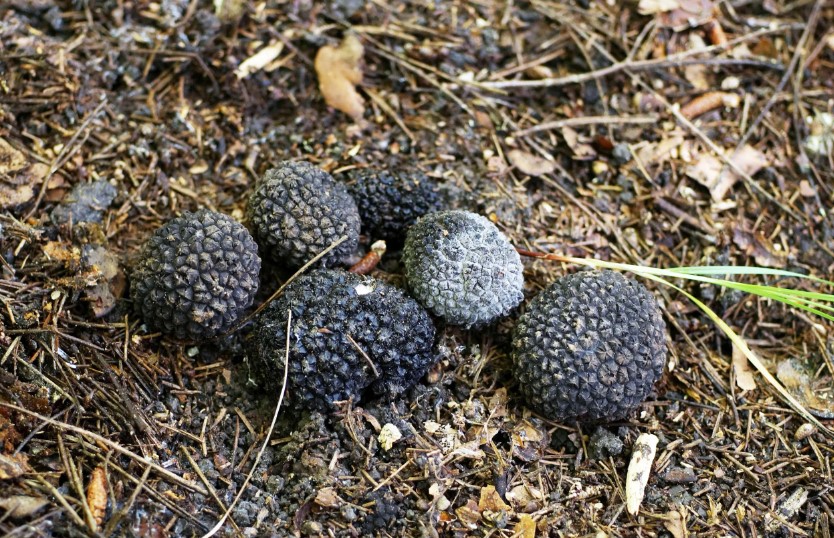
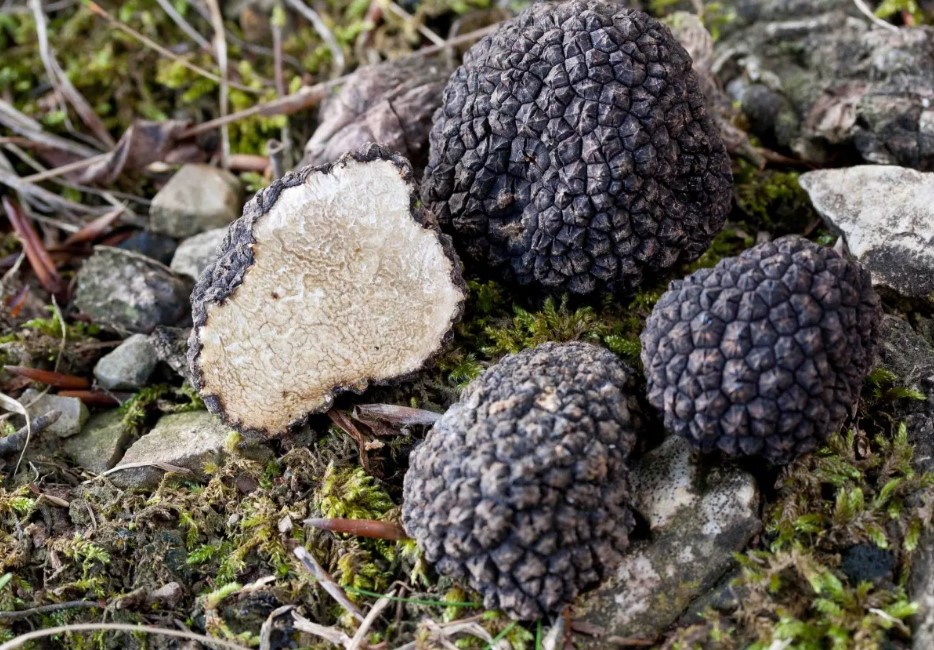
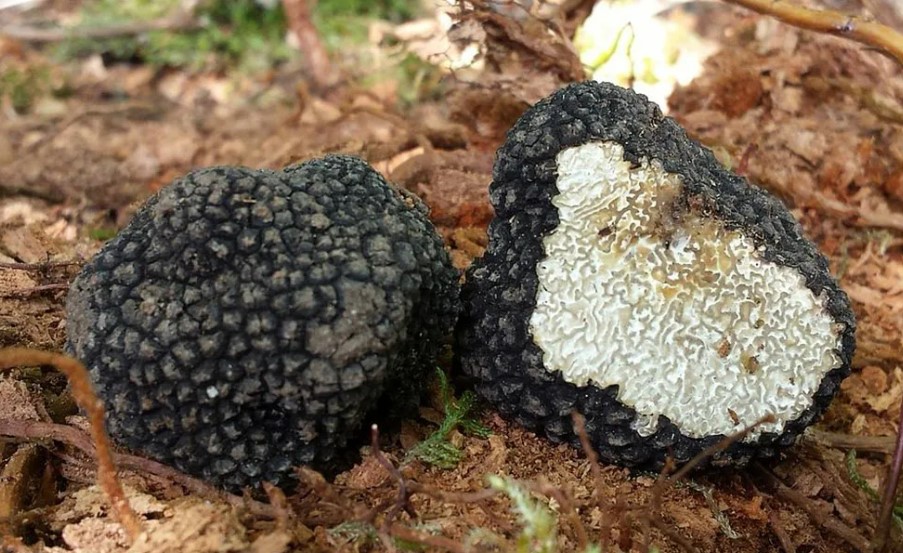
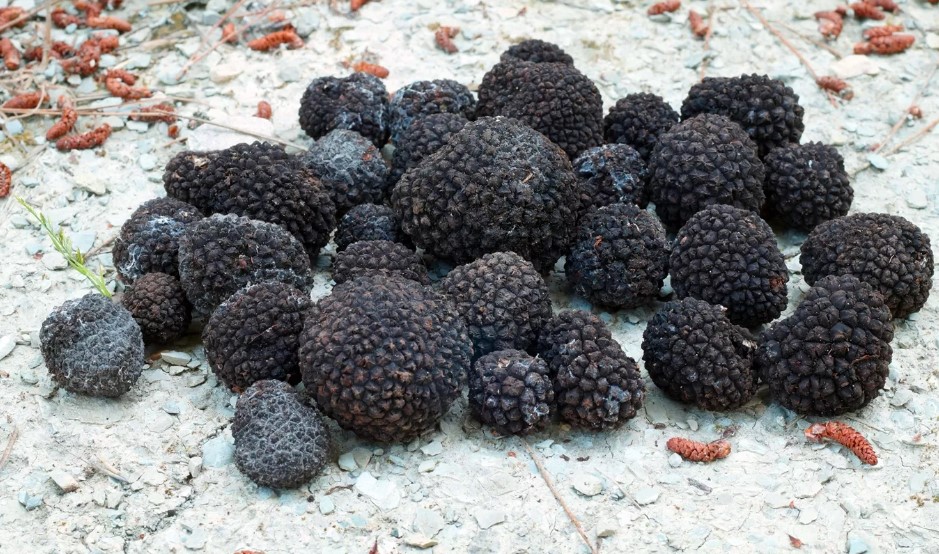
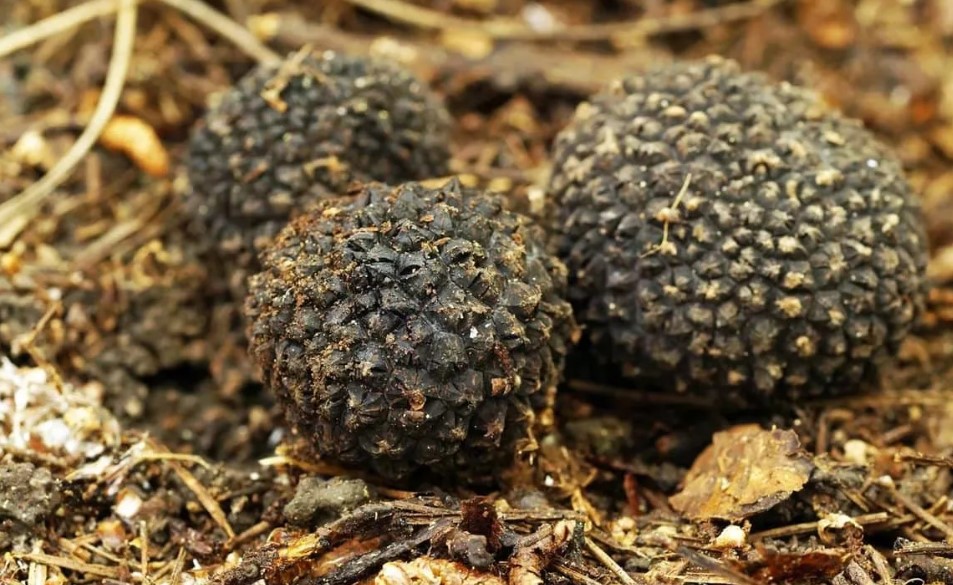
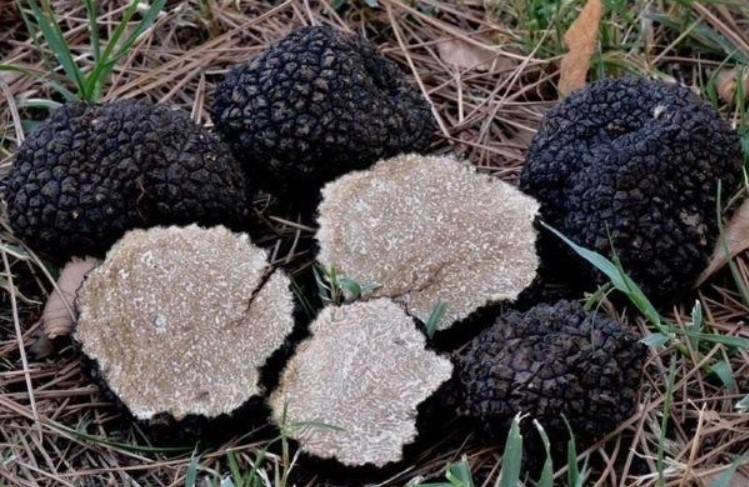
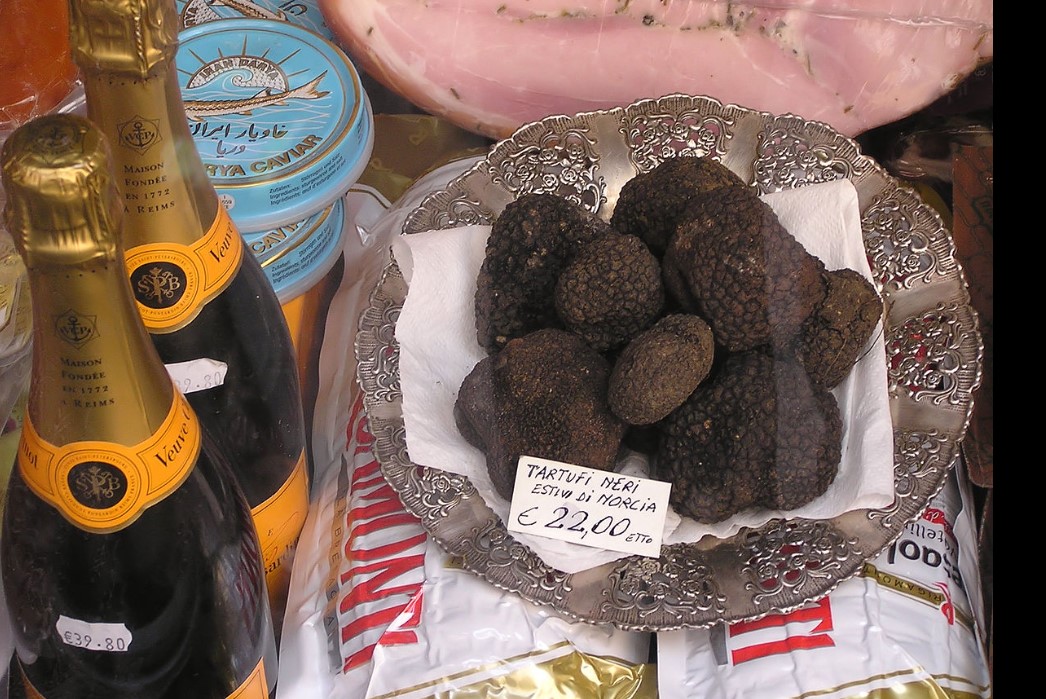
Black summer truffle (Tuber aestivum)
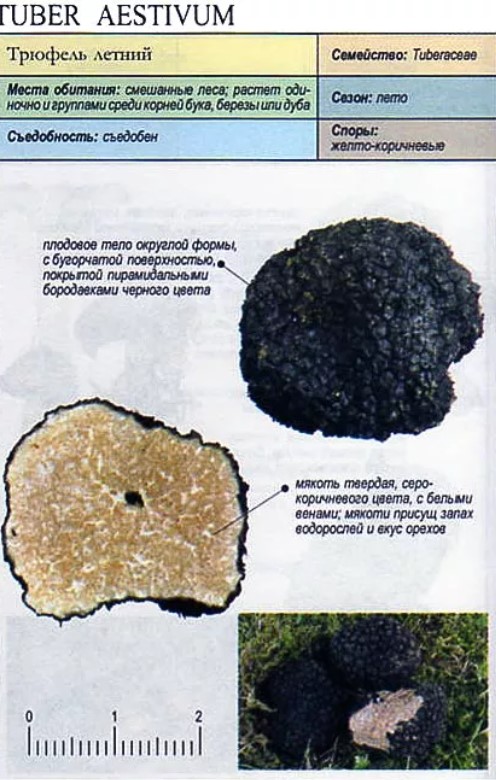
| Name | Description | Culinary qualities | Where to find in Russia |
| Black summer (Tuber aestivum) | Diameter from 2 to 10 cm, weight from 20 to 400 g. | A delicacy mushroom used to flavor various meat dishes, desserts, and sauces. It has a distinctive truffle-like aroma. | It grows in the southern regions of Russia (Stavropol, Crimea, the Black Sea coast of the Caucasus), preferring oaks, pines and hazels. |
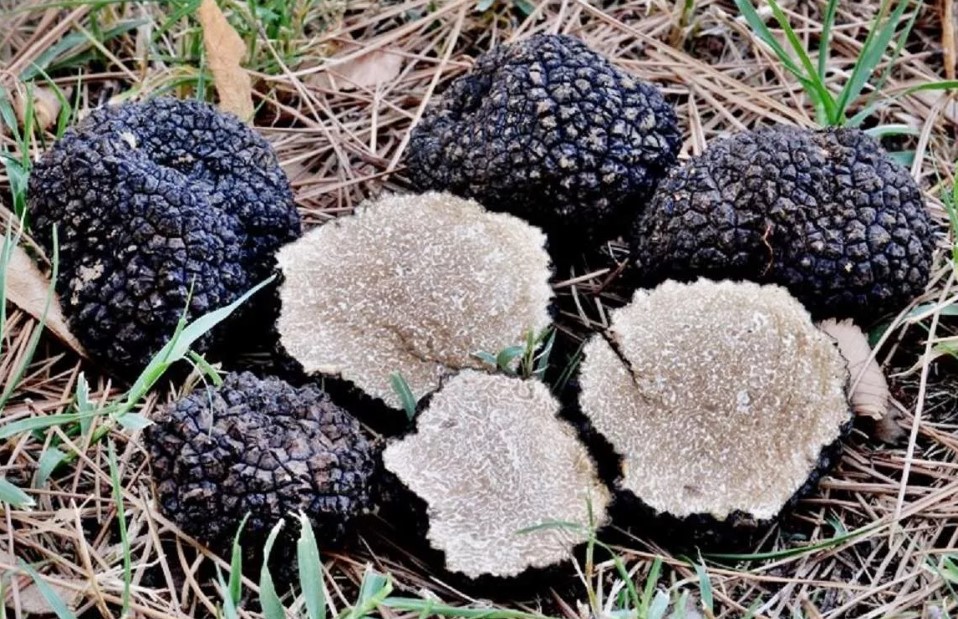
Photo gallery of summer truffles, black Russian truffles
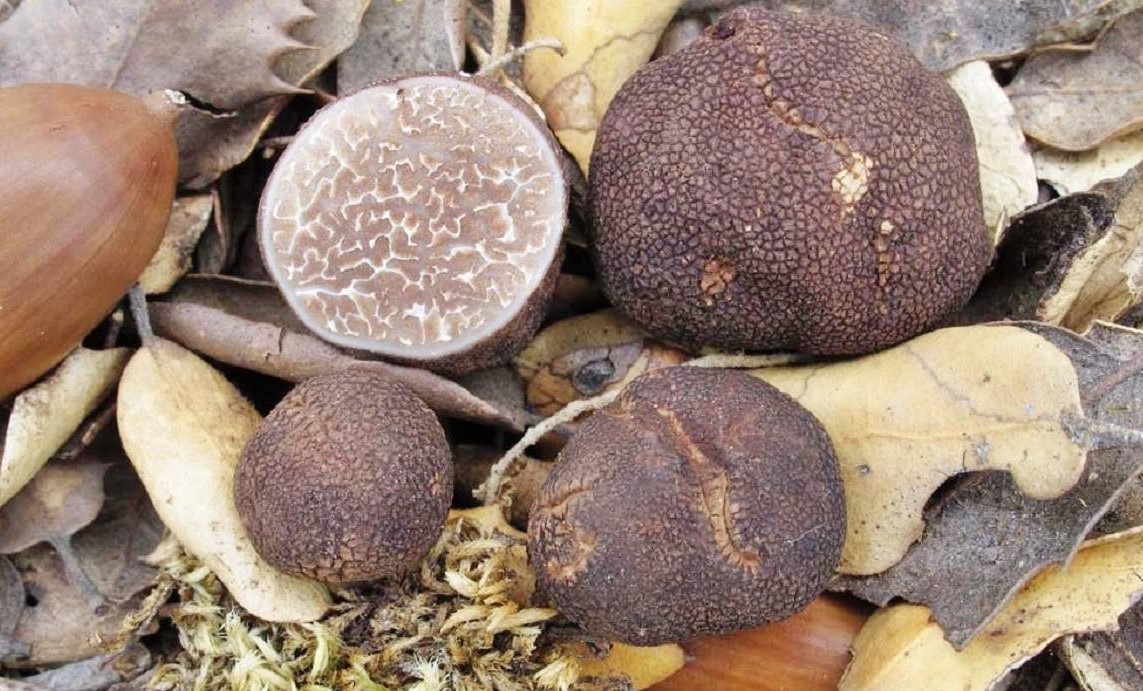
Black winter truffle (Tuber brumale)
| Name | Description | Culinary qualities | Where to find in Russia |
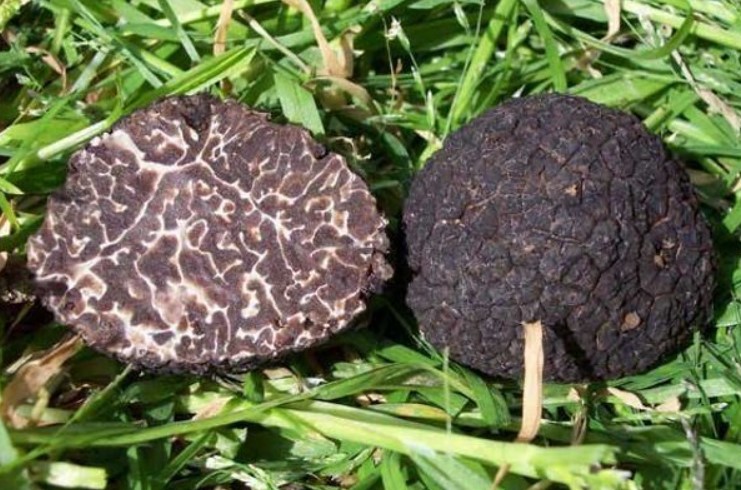
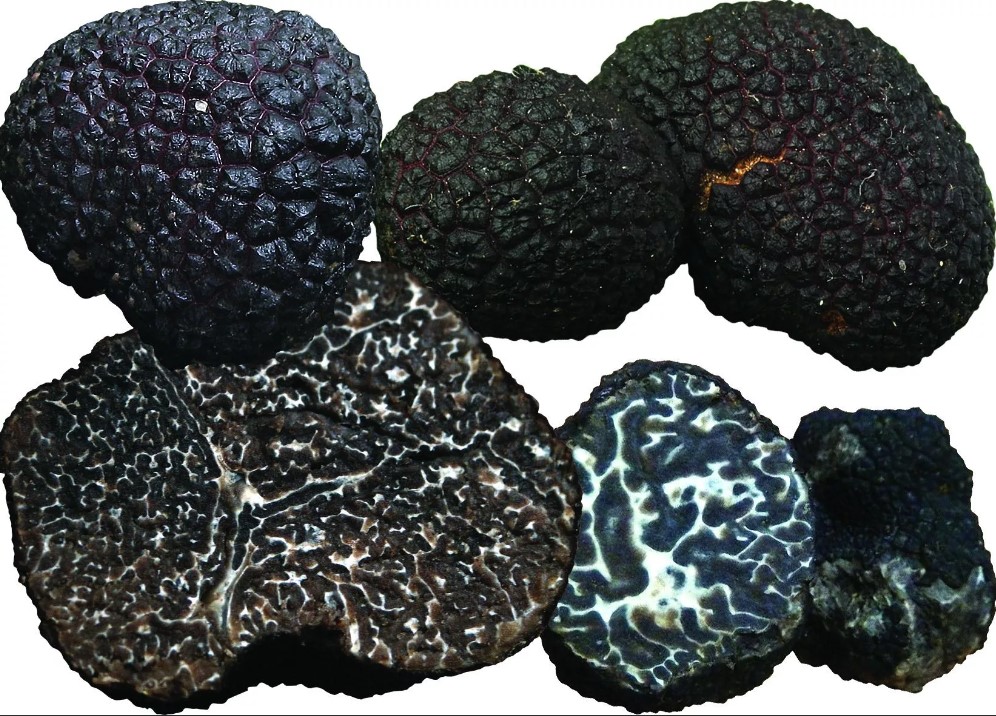
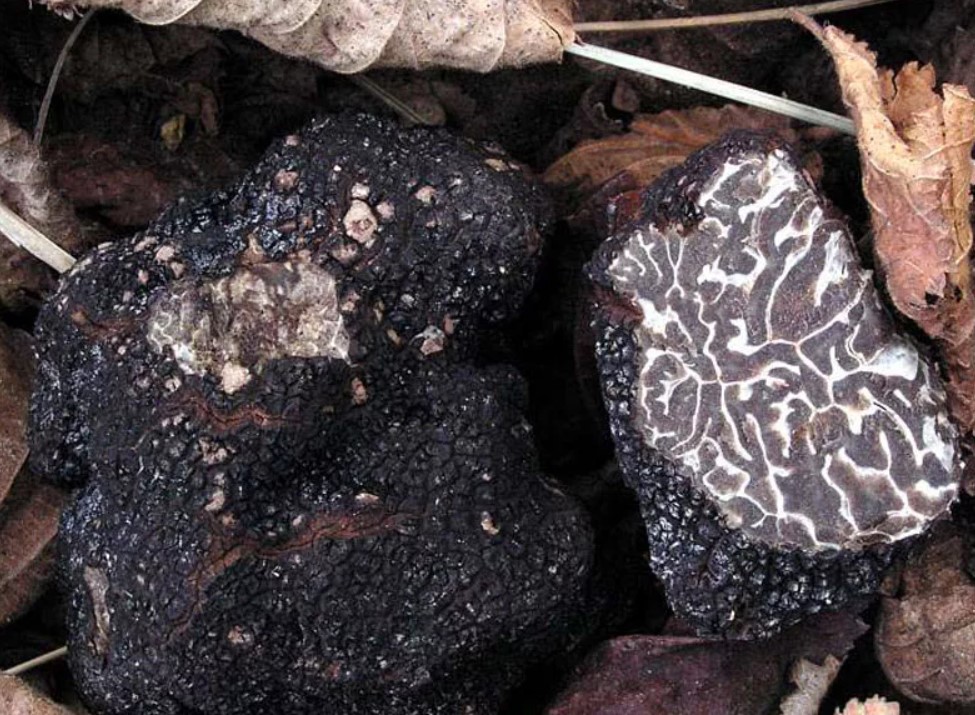
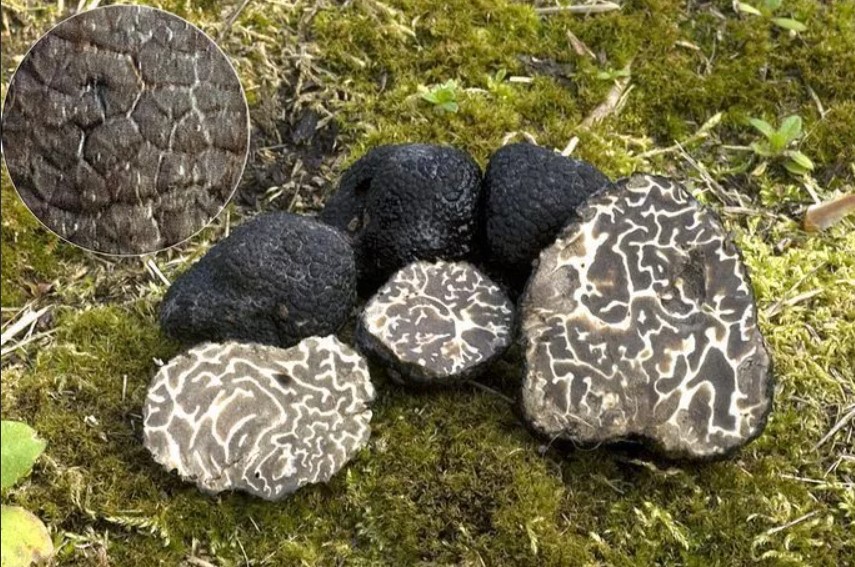
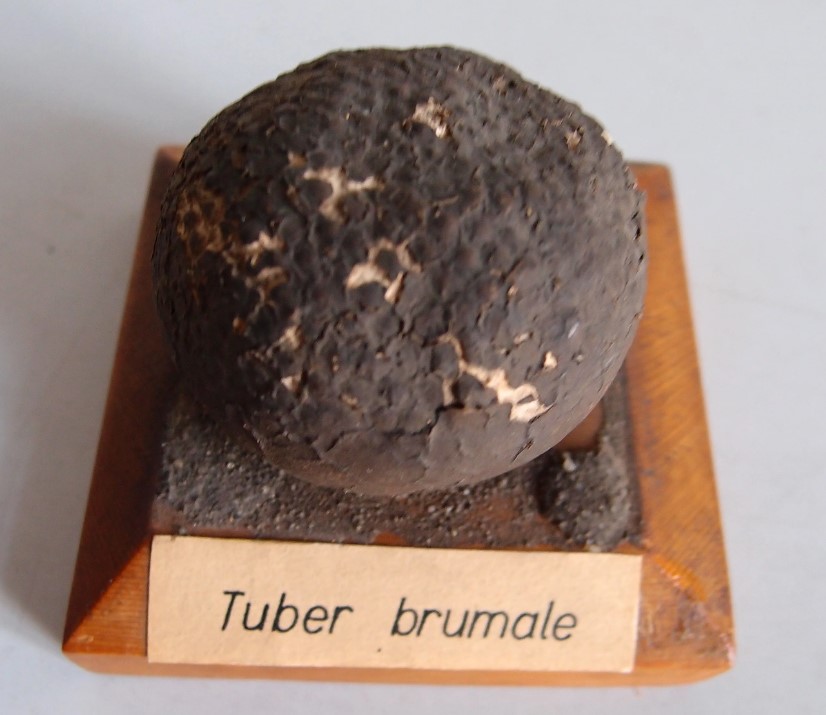
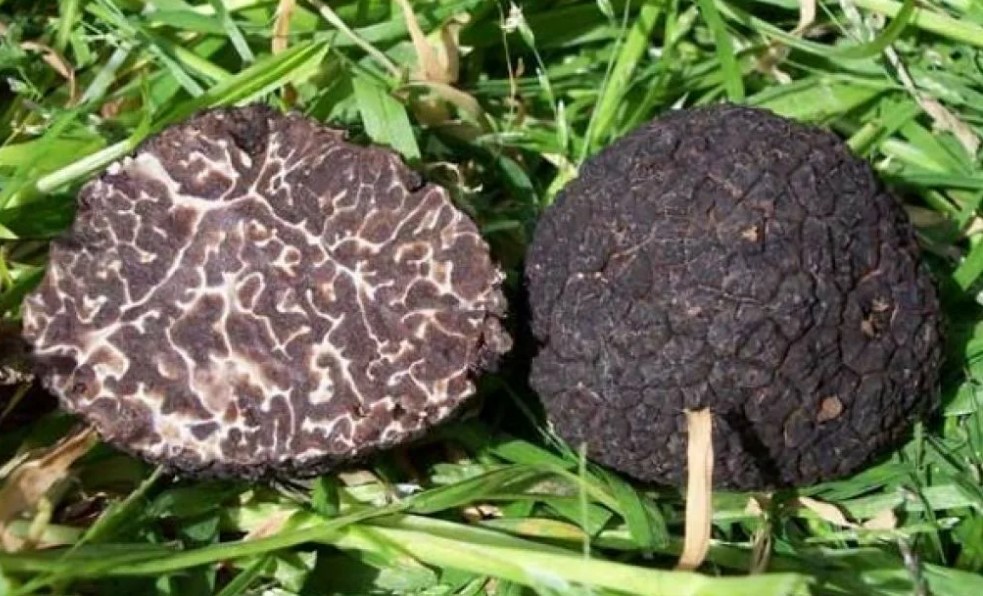
| Black winter (Tuber brumale) | The diameter ranges from 1 to 10 cm, the color is reddish-purple, darkening with age. Weight ranges from 1 to 320 g. Giant specimens are also found. | It has a distinct musky aroma with hints of earthiness, which many find off-putting. It's used in meat dishes, sauces, and gravies. | Crimea, Tuapse. Grows in forests near linden and hazel trees. |
Winter truffle photo gallery
Read about other types of black truffles in the articleBlack truffle mushroom: 48 photos, 8 species, descriptions in tables, where it grows, and how much it costs in Russia.
White truffle Trinity (Choiromyces venosus, also Choiromyces meandriformis)
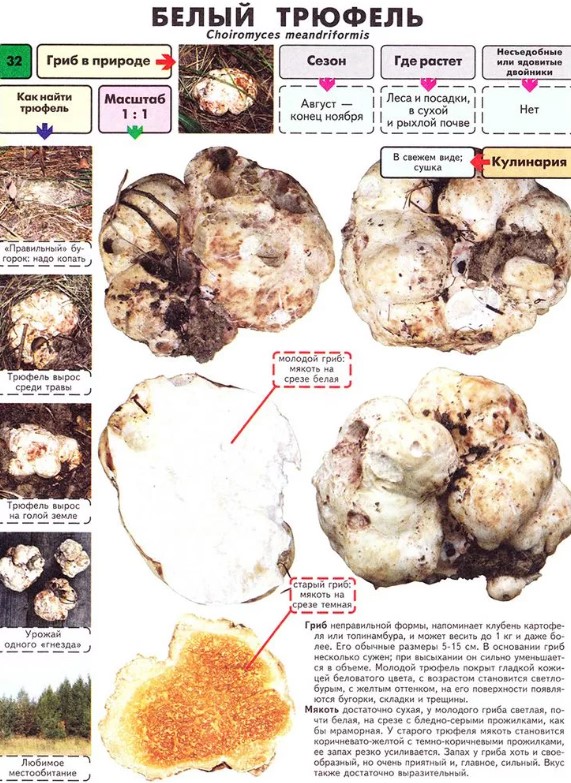
| Name | Description | Culinary qualities | Where to find in Russia |
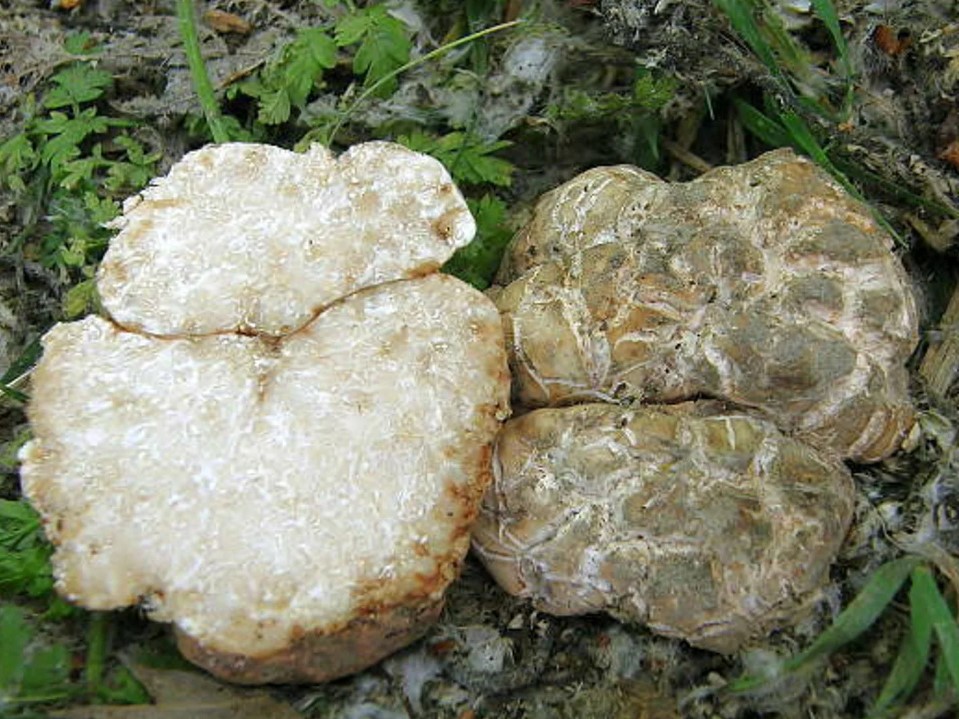
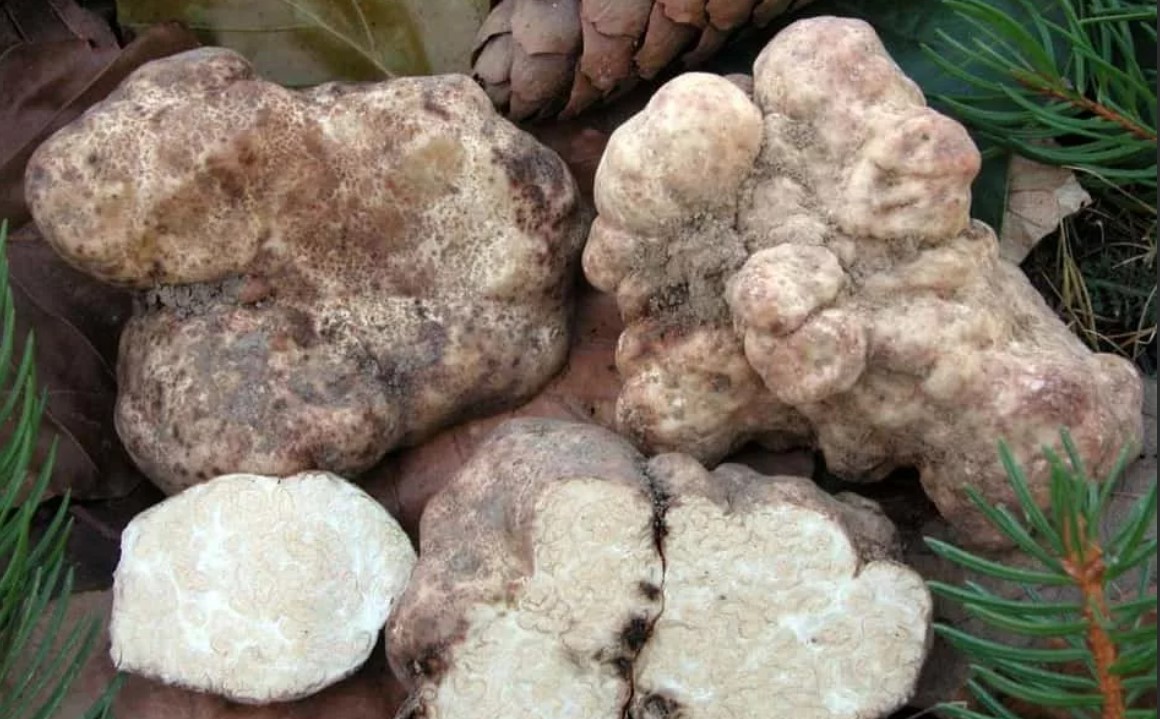
| White truffle (Choiromyces venosus, also Choiromyces meandriformis) | Diameter from 1 to 7 cm, weight from 8 to 150 g. | The mushroom is aromatic, but the flavor is not very good. It is used for seasonings and oils. | European part of Russia, middle Volga region. |
Photo gallery of the white Troitsky truffle
Duron white truffle (Tuber excavatum)
| Name | Description | Culinary qualities | Where to find in Russia |
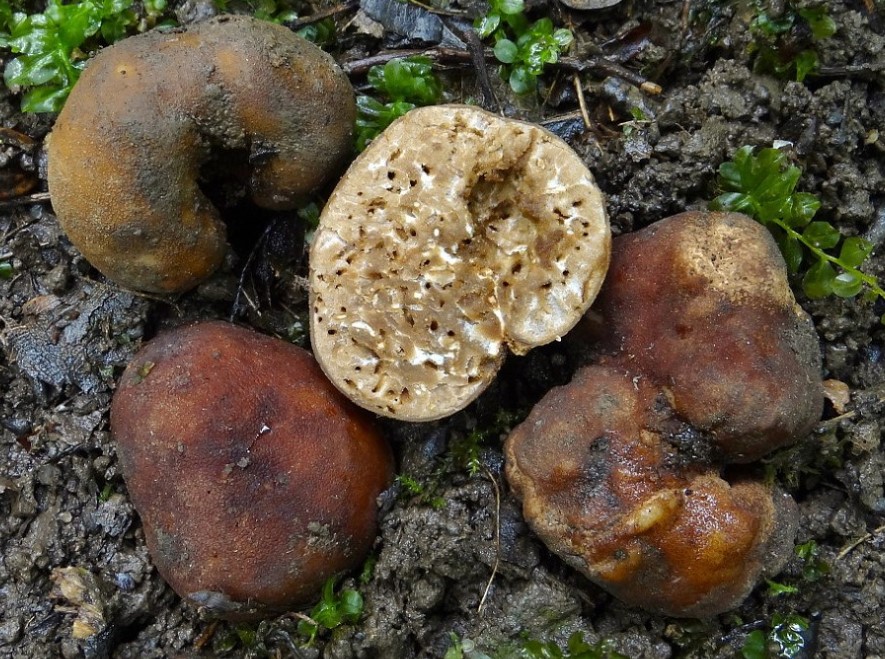
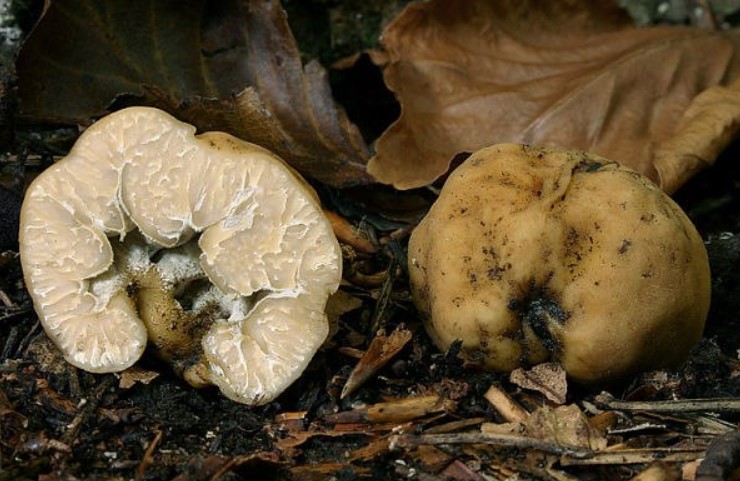
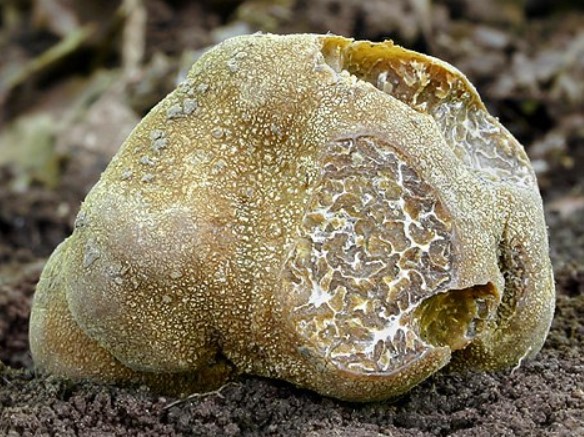
| White Duron truffle (Tuber excavatum) | The diameter is 1-4 cm, weight from 5 to 80 g. | The aroma is sweet and spicy, the flesh is dense, suitable for seasonings and oil. | Warm regions of the European part of Russia. |
Photo gallery of the Duron white truffle
White variegated truffle (Tuber maculatum)
| Name | Description | Culinary qualities | Where to find in Russia |
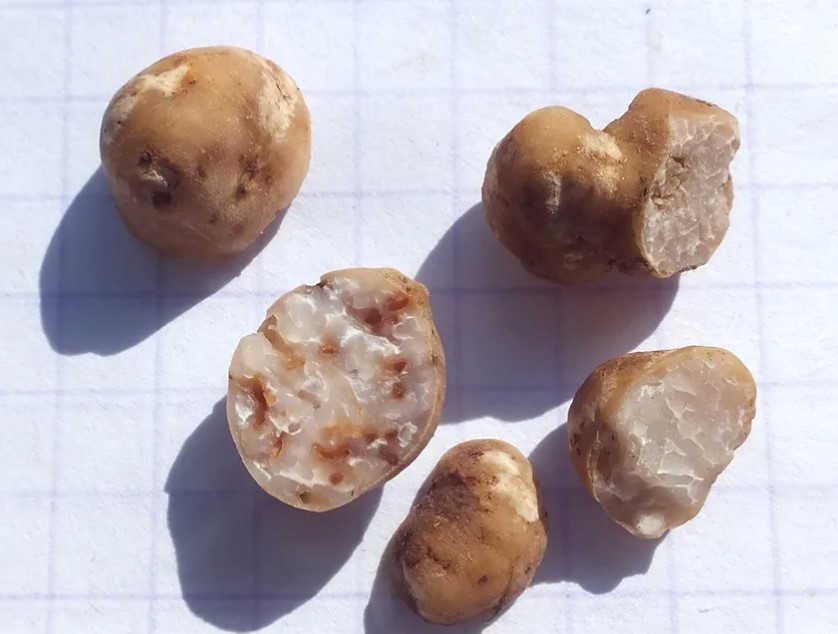
| White variegated truffle (Tuber maculatum) | Diameter from 1 to 7 cm, weight up to 200 g. | The pulp is slightly bitter, but has a pleasant truffle aroma. It is used to make truffle oil. | European part of Russia, found in coniferous and deciduous forests. |
Photo of a white variegated truffle
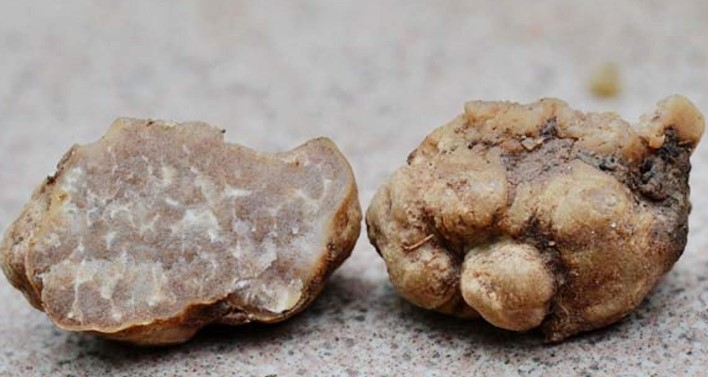
White truffle (Tuber puberulum)
| Name | Description | Culinary qualities | Where to find in Russia |
| White truffle (Tuber puberulum) | Diameter from 0.5 to 2 cm, weight does not exceed 30 g. | It has no culinary value, as it does not have a distinct taste or aroma. | European part of Russia. |
Photo of a white truffle
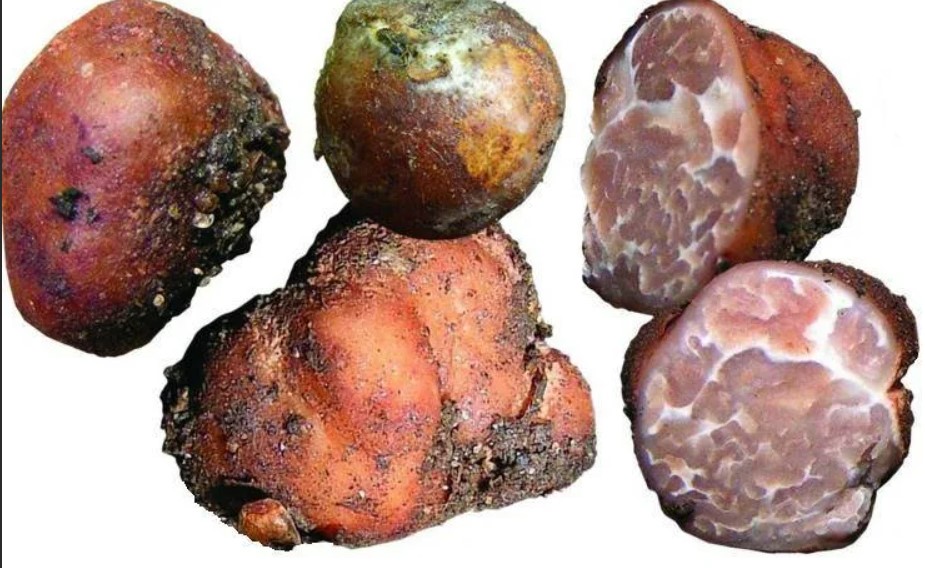
Red truffle (Tuber rufum)
| Name | Description | Culinary qualities | Where to find in Russia |
| Red truffle (Tuber rufum) | Diameter from 1 to 4 cm, weight from 5 to 80 g. | The aroma is wine-coconut-pear. The flesh is firm. It is processed into spices and seasonings. | European part of Russia, found in both coniferous and broadleaf forests. |
Photo of a red truffle
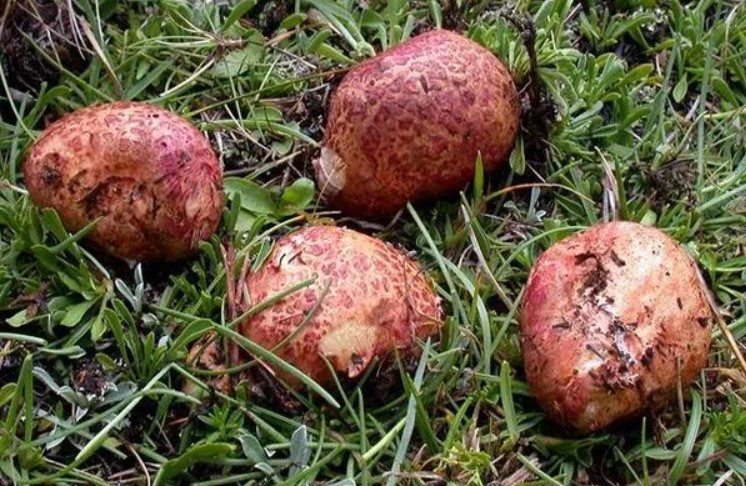
Shiny red truffle (Tuber nitidum)
| Name | Description | Culinary qualities | Where to find in Russia |
| Shiny red truffle (Tuber nitidum) | Diameter from 1 to 3 cm, weight from 5 to 45 g. | The aroma has wine-herbal-coconut notes. The pulp is very dense. It is used for seasoning and adding flavor to dishes. | It is widespread in the European part of Russia and the Urals. It grows in coniferous and deciduous forests. |
Photo gallery of the red shiny truffle
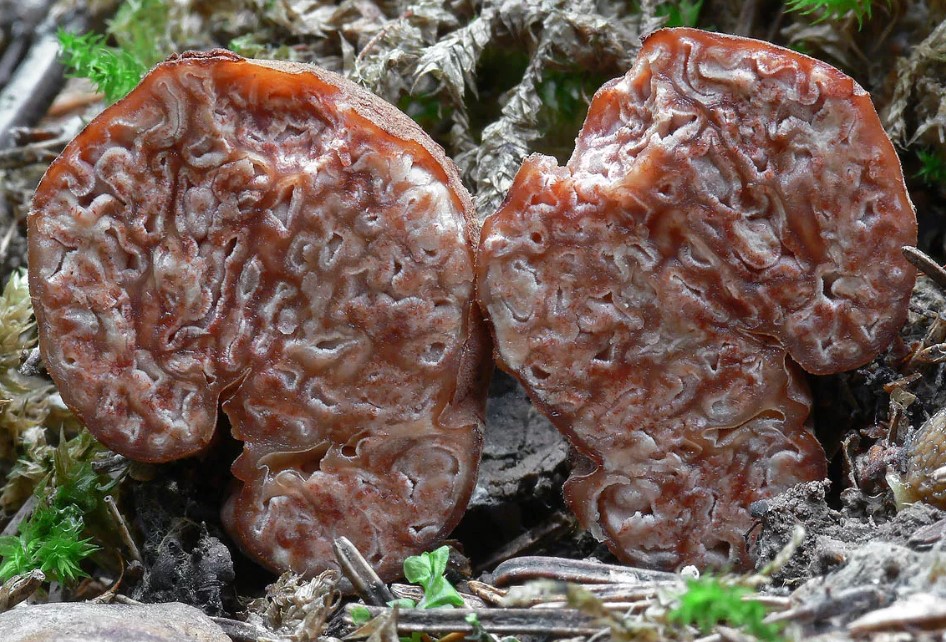
Read the article to learn about different types of truffle mushrooms.Truffles: photos, 18 species, where they grow, when to collect them, descriptions in tables, and applications.
How to harvest truffles yourself
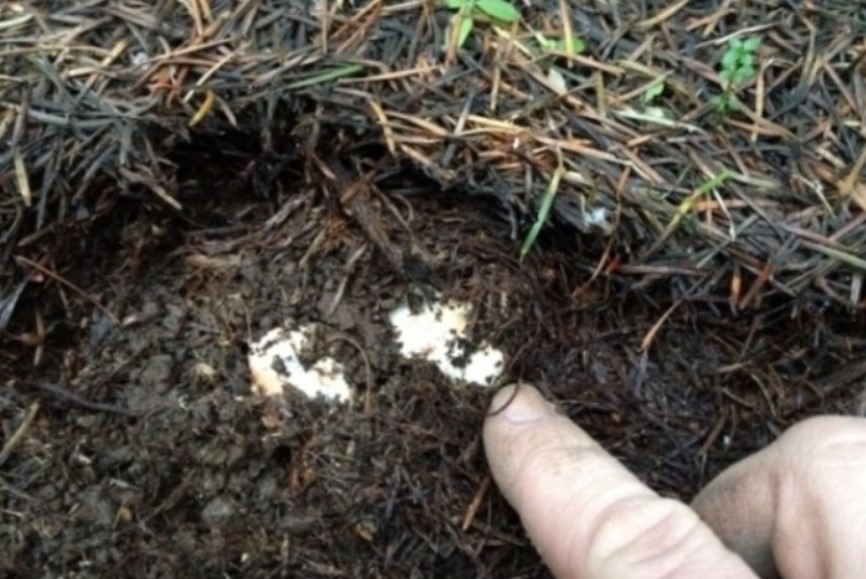
Truffles grow underground, and when a mushroom ripens, flies begin to hover around it, attracted by its pleasant aroma, while nearby vegetation dies. This is how experienced mushroom pickers locate their precious prey.
But finding the mushroom isn't enough; it's also important to carefully remove it. Clear the soil around the mound, feel for the mushroom's body, and pry it out with a sharp knife. Carefully separate the mushroom from the rootstock, being careful not to damage the mycelium. If you pick it roughly, damaging the rhizome, no more mushrooms will grow in that spot.
Animals for truffle hunting
Truffles have been known to humans since ancient times. During the Tsarist era, truffle hunting was popular in Rus'. In the 19th and 20th centuries, specially trained bears, attracted by the mushroom's aroma, were used.
Abroad, pigs were initially used for this purpose. They unerringly found truffles, even if they were located deep underground. But there was one problem: pigs were reluctant to hand over their spoils, eager to devour the delicacy they'd found.
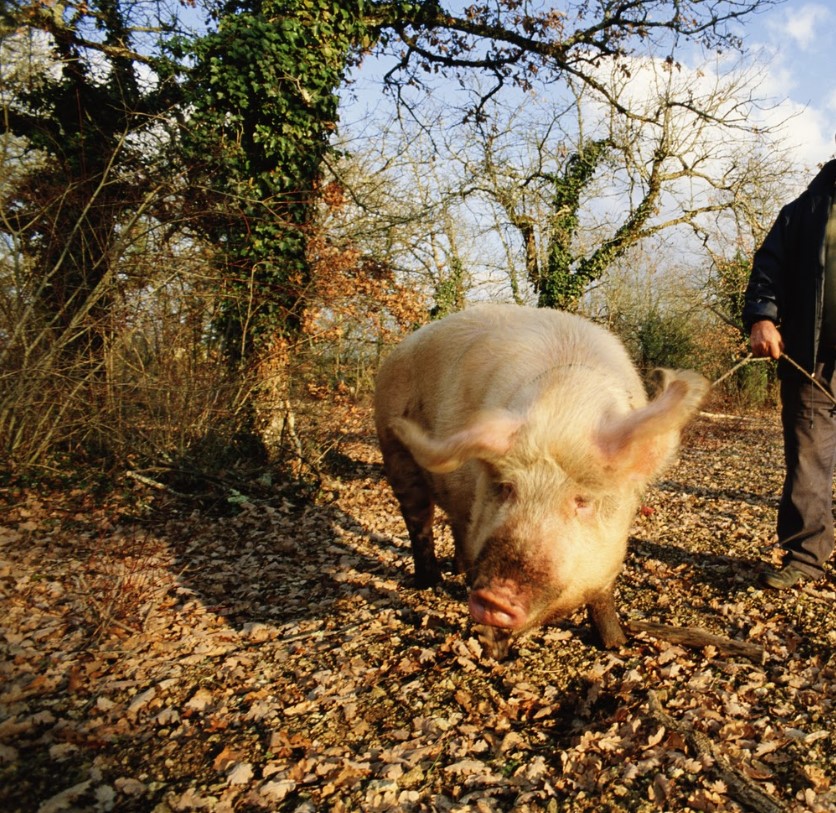
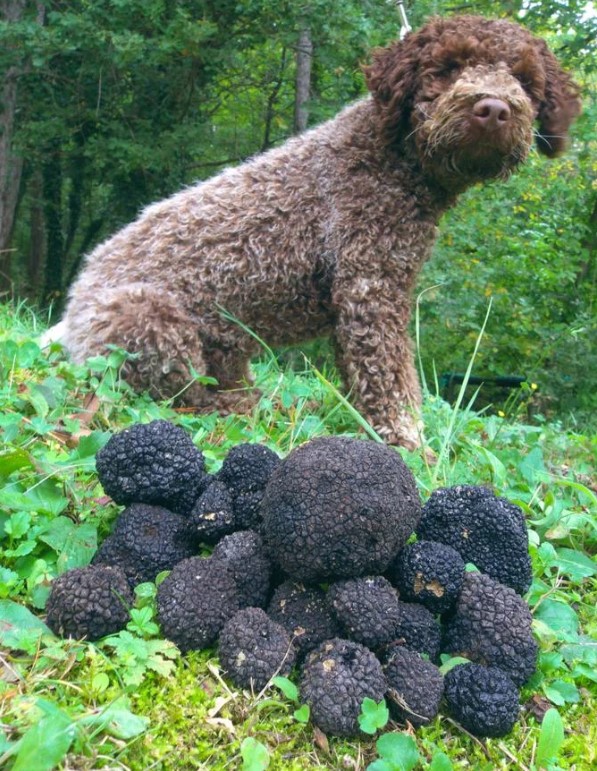
That's why, a little later, dogs began to be trained to search for truffles. From puppyhood, a small amount of this mushroom was added to their milk to induce a craving for this delicacy. Or, a stick used for playing with truffles was rubbed with truffles; then the animals associated its scent with something pleasant, and they willingly went out to search.
How to grow truffles at home
Growing truffles at home is a challenging task, but it can be done. However, don't expect a quick harvest.
If you buy spores, you need to allow 11-13 months for mycelium development. Therefore, the harvest will not be ready for harvest for at least two years.
Ready-made mycelium costs almost twice as much as spores, but a harvest from such a product can be obtained within a year.
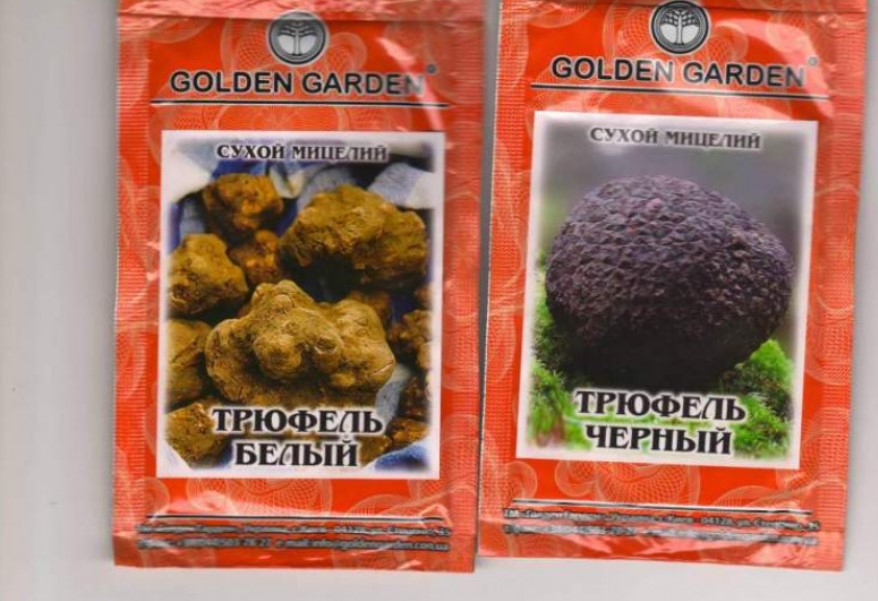
The peak yield of truffles occurs only in the 3rd-4th year of the mycelium’s life.
The following conditions are necessary for the development of the fungus:
- Trees with which truffles create a symbiosis.
- Temperature +16…+25 degrees.
- Low humidity.
- No drafts.
- Protection from direct sunlight.
- Alkaline soil.
The truffle is planted as follows:
- A hole no more than 75 cm deep is dug.
- A tree is placed in it, the roots of which are infected with mycelium.
- The hole is carefully filled with soil.
- Abundant watering is carried out.
- The surface is covered with film.
If desired, you can use fertilizers, which can be found for truffles in specialized stores.
How much do truffles cost in Russia?
The cheapest truffle in Russia is the black summer truffle, with prices starting at 27,000 rubles per kilogram.
The most expensive option is the white Magnatum truffle, which costs 55,000 rubles per 100 grams. The mushrooms are sold by a small number of farmers and private farms, who offer their products online.
In the capital's restaurants, the cost of dishes with truffles starts at 650 rubles.