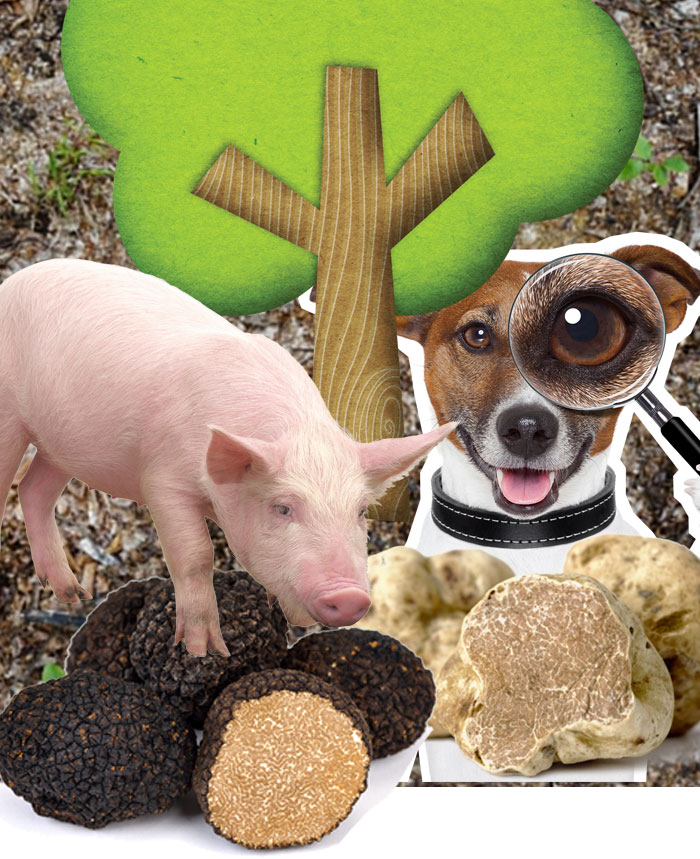
The truffle mushroom is unusual not only for its distinctive shape but also for the exorbitant price of individual specimens. Since ancient times, it has been considered affordable only to nobles and the very wealthy. In this article, we'll explain what's so special about this mushroom.
Content
- 1 Historical information about the truffle mushroom
- 2 Description of the truffle mushroom
- 3 What does a truffle mushroom taste like?
- 4 Where does the truffle mushroom grow?
- 5 When and how to pick truffle mushrooms
- 6 18 species of mushrooms from the genus Truffle with descriptions in tables + photos
- 6.1 Summer truffle, black Russian truffle (Tuber aestivum)
- 6.2 Burgundy truffle (Tuber uncinatum)
- 6.3 Winter truffle (Tuber brumale)
- 6.4 Bianchetto truffle, white March truffle (Tuber borchii)
- 6.5 Fluffy truffle (Tuber gibbosum)
- 6.6 Duron white truffle (Tuber excavatum)
- 6.7 Italian truffle, Piedmontese (Tuber magnatum)
- 6.8 White variegated truffle (Tuber maculatum)
- 6.9 Perigord truffle, black truffle, French truffle (Tuber melanosporum)
- 6.10 Black autumn truffle, Lorraine (Tuber mesentericum)
- 6.11 Red shiny truffle (Tuber nitidum)
- 6.12 Oregon white tuber (Tuber oregonense)
- 6.13 White truffle (Tuber puberulum)
- 6.14 Chinese truffle (Tuber indicum)
- 6.15 Red truffle (Tuber rufum)
- 6.16 Pecan Truffle (Texas Red Truffle) (Tuber lyonii)
- 6.17 White ochre truffle (Tuber fulgens)
- 6.18 Himalayan truffle (Tuber himalayensis)
- 7 What can truffle mushrooms be confused with?
- 8 Calorie content of truffle mushrooms
- 9 The benefits and harms of truffle mushrooms
- 10 How to cook truffle mushrooms and their culinary uses
- 11 Is it possible to grow truffle mushrooms at home?
- 12 How to store truffle mushrooms
Historical information about the truffle mushroom
The truffle mushroom has a rich history. It is said to have been a staple of the tables of nobles in ancient times. Leading world figures such as Napoleon Bonaparte, Philip IV, Charles V, and others also indulged in this delicacy.
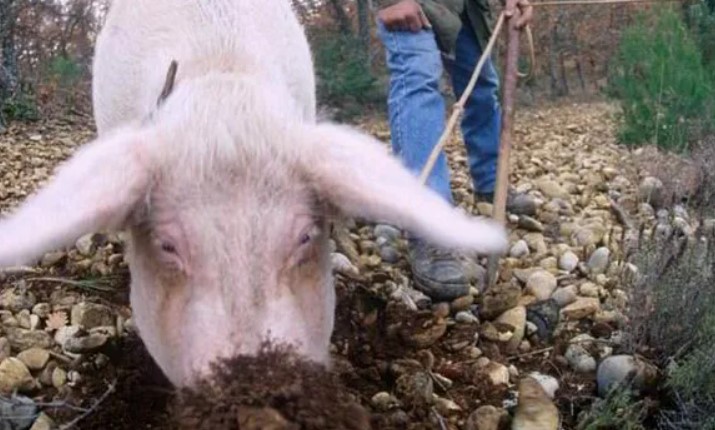
It is believed that Saint Antonio, strolling through the forest with a staff and a pig, was the first to discover this mushroom. Piglet, in fact, is credited with the discovery.
Today, truffles are still considered a delicacy; the most valuable are the large specimens; the nut-sized mushrooms are used to make exquisite sauces and additives.
Description of the truffle mushroom
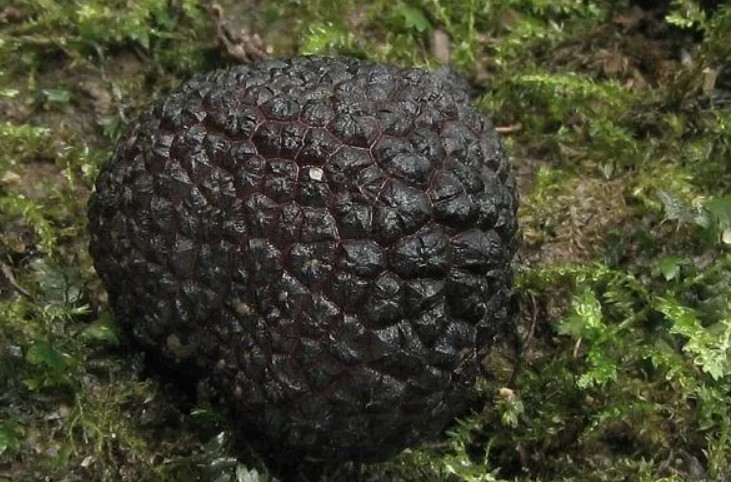
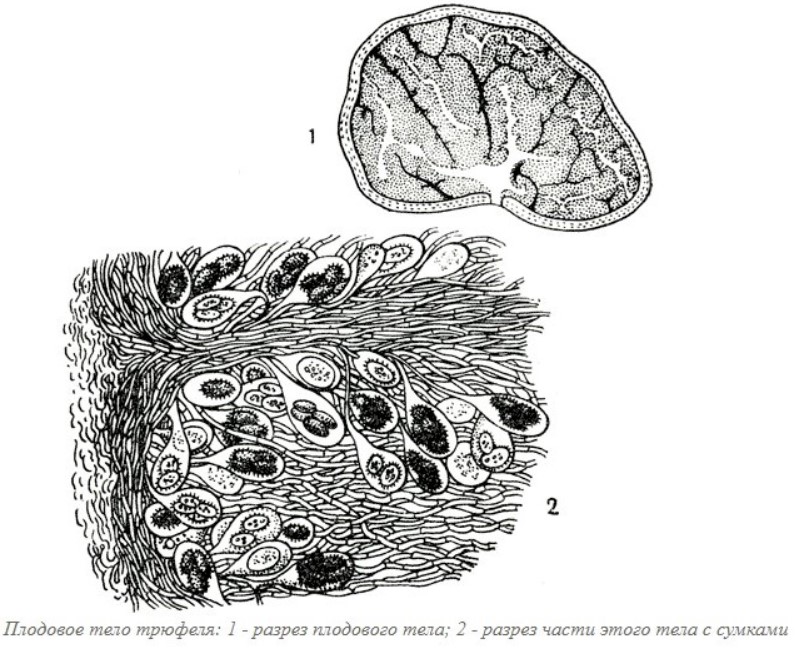
Truffles belong to the genus of ascomycetes. Their main distinguishing feature is a fleshy, tuberous body, completely hidden underground.
The mushroom is considered edible, moreover, it is a delicacy.
The fruit is round and uneven in shape. The flesh is slightly cartilaginous and fleshy. Truffle mushrooms range in size from as small as a nut to as large as a potato tuber. Medium-sized specimens are considered the most valuable.
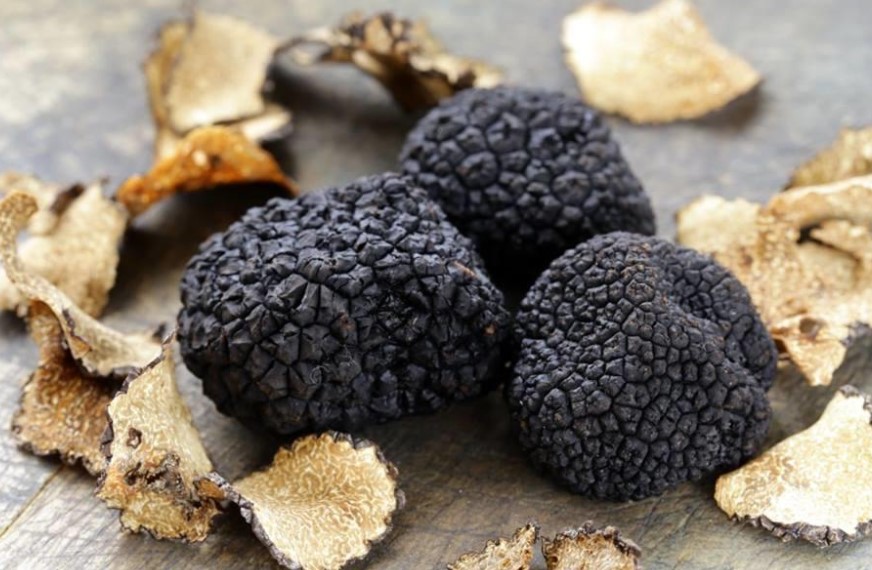
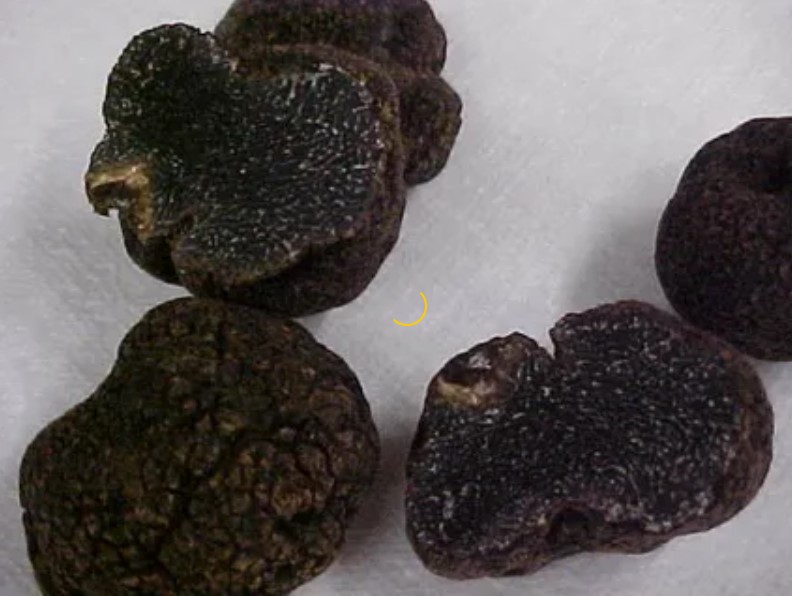
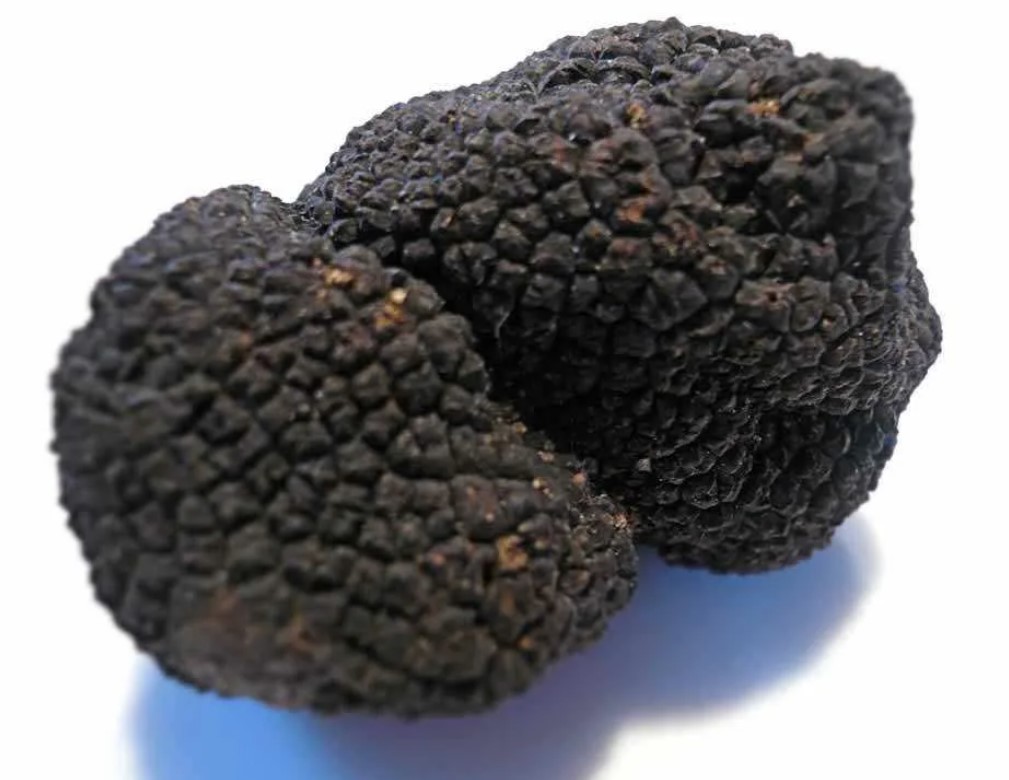
The body surface is wrinkled, some compare it to warts. Smooth specimens are rare. The flesh is marbled, with alternating black and white stripes.
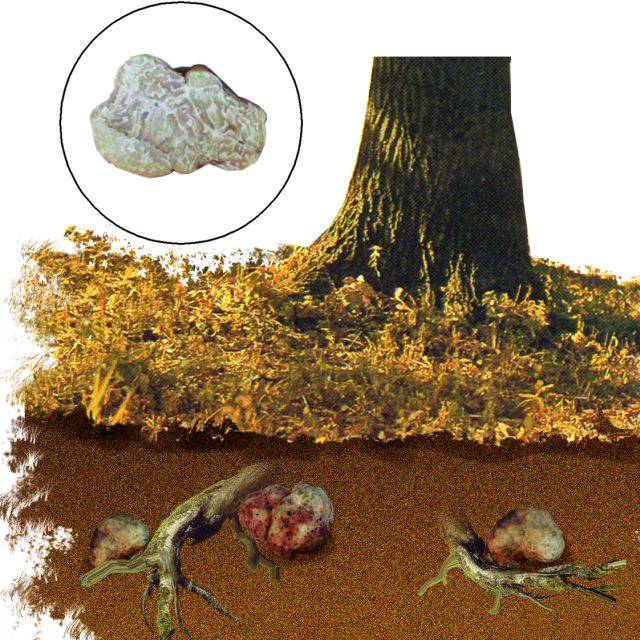
Truffles grow in deciduous forests, and are less commonly found under fir and pine trees, where they can grow to a depth of 100 cm. The fungus feeds on nearby tree roots, forming mycorrhiza with them.
What does a truffle mushroom taste like?
The truffle has a unique flavor reminiscent of walnuts and roasted sunflower seeds. Some connoisseurs note that the mushroom emits a subtle aroma of seaweed.
It is eaten raw, with heat treatment kept to a minimum to ensure the truffle does not lose its flavor or nutrients.
Where does the truffle mushroom grow?
The most valuable truffle species are found in oak forests in southern France, northern Italy, Switzerland, Spain, Serbia, Albania, Hungary, and Australia. Today, this delicacy has begun to be cultivated in a number of other countries. The only species that will not grow anywhere else but Alba is the white truffle.
In Russia, there are also varieties of valuable truffles: summer black, white, and shiny red.
Mushrooms require moist, calcium-rich soil with good drainage. Temperatures should be at least 10 degrees Celsius (50 degrees Fahrenheit), otherwise the mushroom will freeze. Truffles also require nearby tree roots, preferably beech, hazel, birch, or oak.
The mushroom is located at a distance of 15-100 cm from the ground, so it is not easy to get.
Read the article to find out where and what kind of truffles grow in Russia and how to find them.Where truffles grow in Russia, regions, and tables with mushroom descriptions.
When and how to pick truffle mushrooms
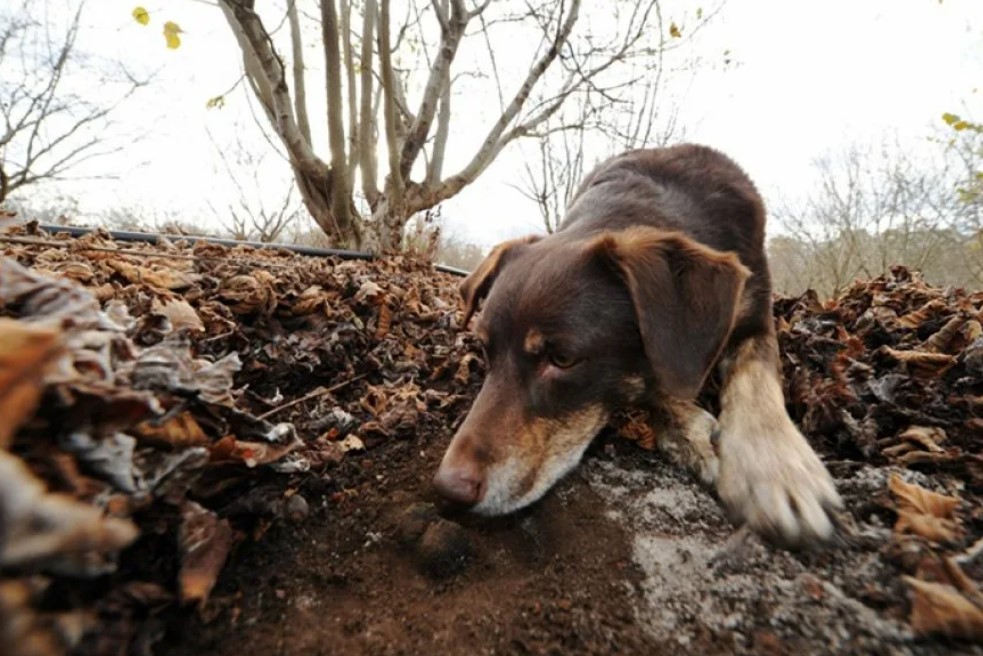
Because the mushroom is located quite deep underground, especially in the forest, finding it on your own is practically impossible. Experienced trackers search for it in trusted locations using truffle flies, which can be spotted above the mushroom's growth. However, this is difficult and painstaking work, so trained animals are most often used to search for these truffle delicacies.
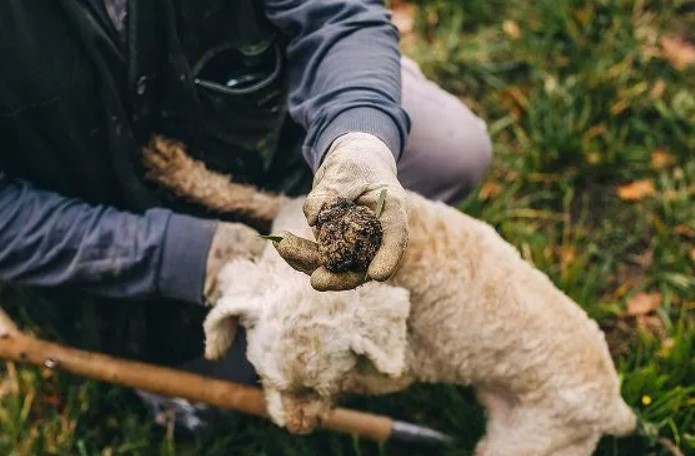
At first, it was pigs, but they quickly tired of the "silent hunt" and were reluctant to hand over their catch, preferring to eat it themselves. So now dogs hunt truffles. In our country, in the 1980s, they tried using bears for this purpose, but the project proved too costly.
18 species of mushrooms from the genus Truffle with descriptions in tables + photos
Let's look at 18 species of the truffle genus, their characteristics, growing areas and harvest season.
Summer truffle, black Russian truffle (Tuber aestivum)
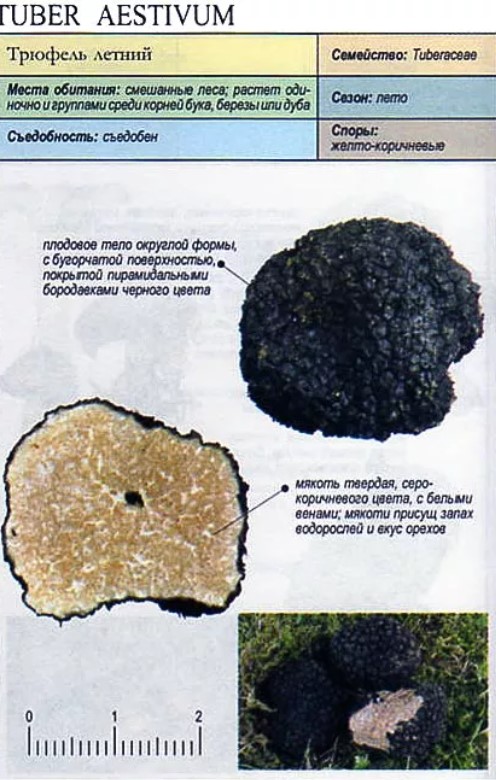
| View | Description | Peculiarities | When it ripens | Where to look |
| Summer truffle, black Russian truffle (Tuber aestivum) | The body diameter reaches 10 cm, weighing approximately 400 g. The skin color changes from white to yellowish and gray-brown as it grows. The flavor is nutty. | There is a slight aroma of seaweed. | June-October. | Transcaucasia, Crimea, European Russia, and Europe. Prefers hazel, pine, and oak trees. |
Photo gallery of summer truffles, black Russian truffles
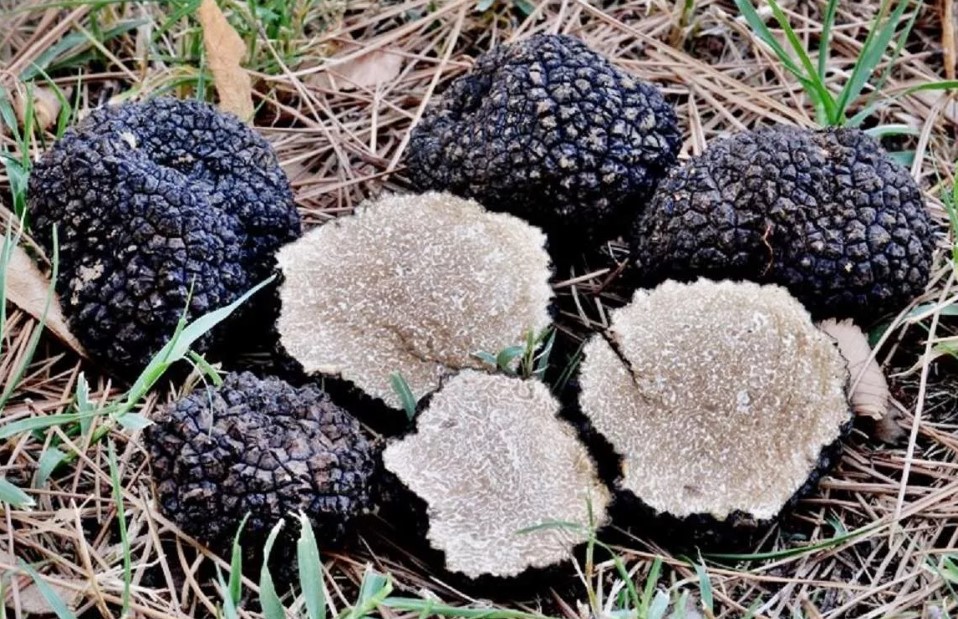
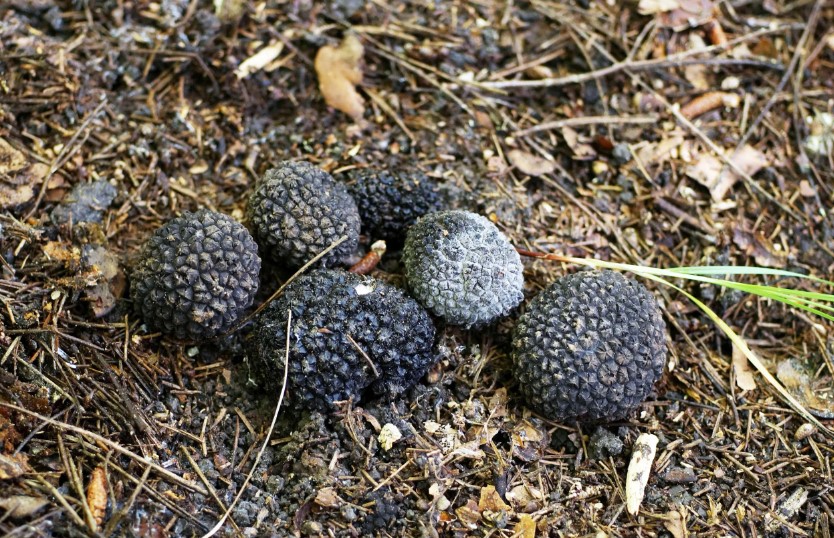
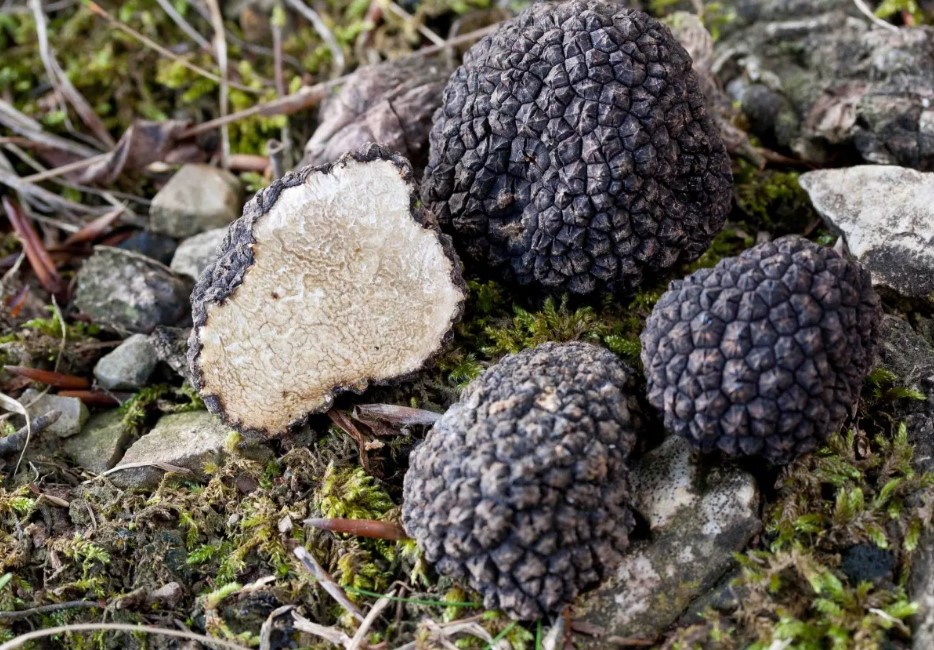
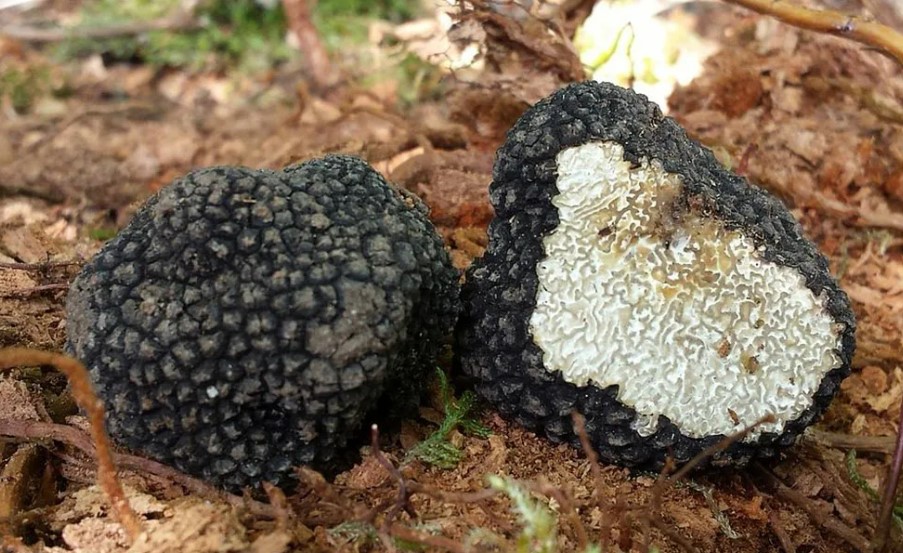
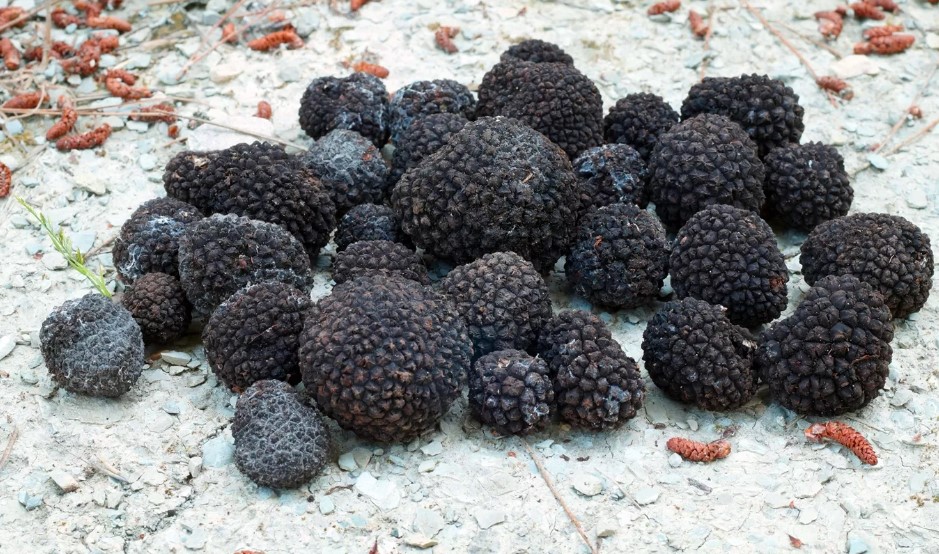
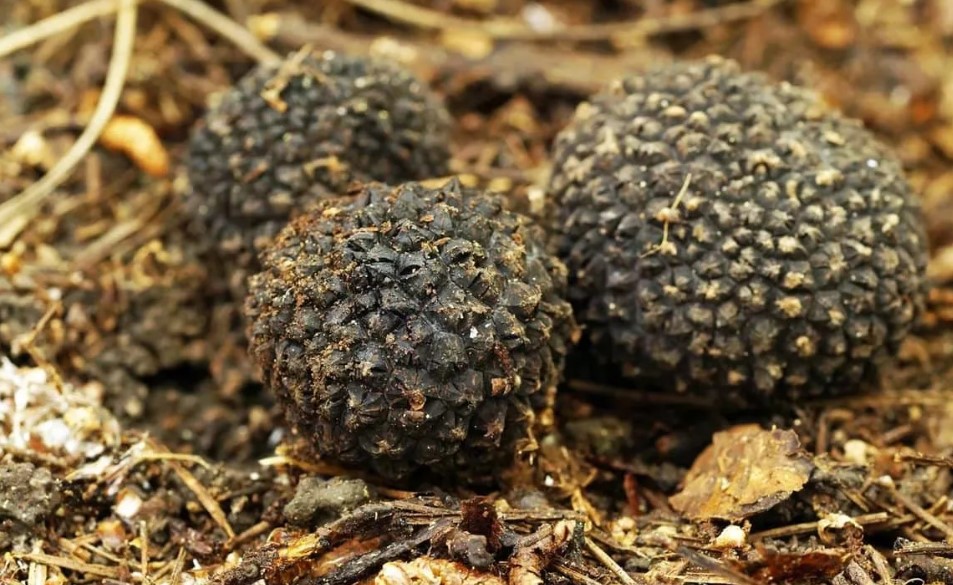
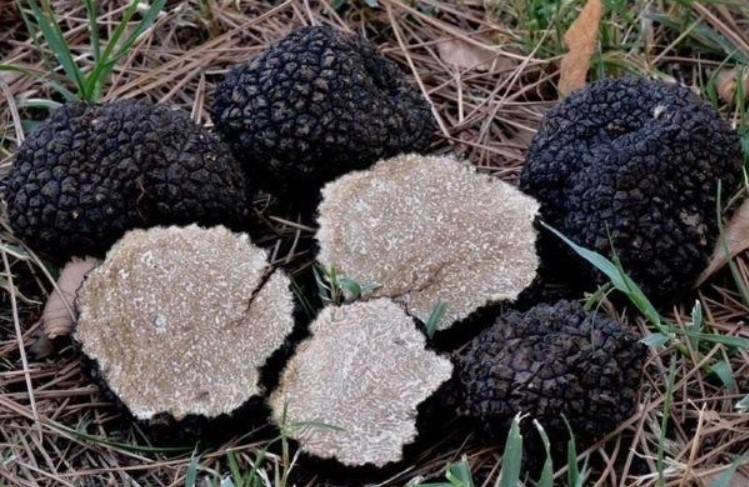
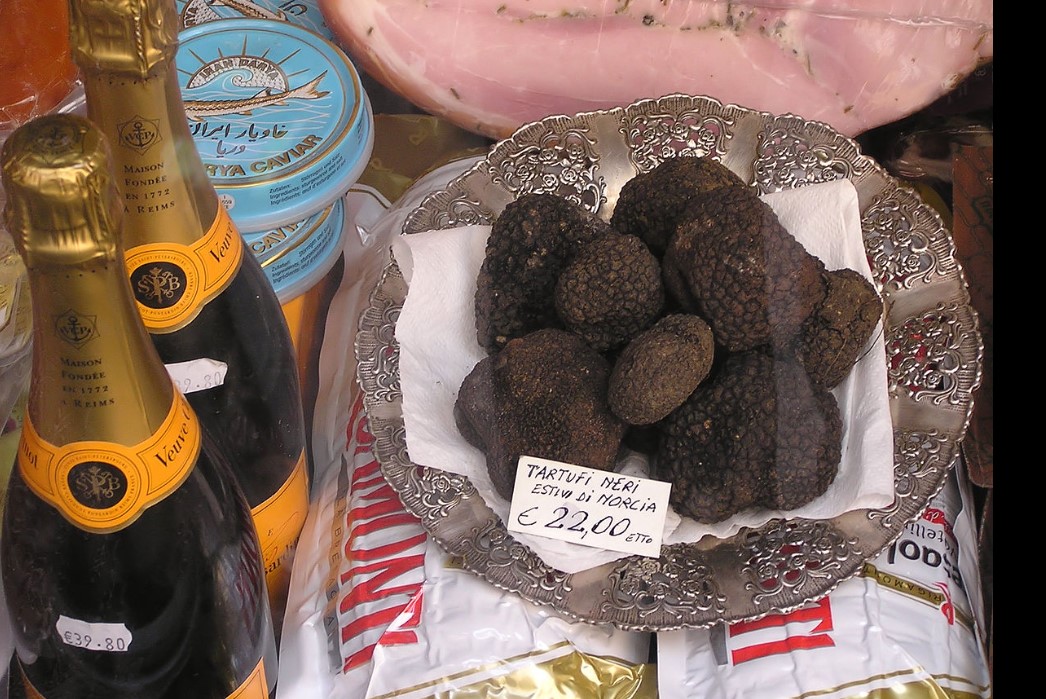
Read more about black truffles in the articleBlack truffle mushroom: 48 photos, 8 species, descriptions in tables, where it grows, and how much it costs in Russia.
Burgundy truffle (Tuber uncinatum)
| View | Description | Peculiarities | When it ripens | Where to look |
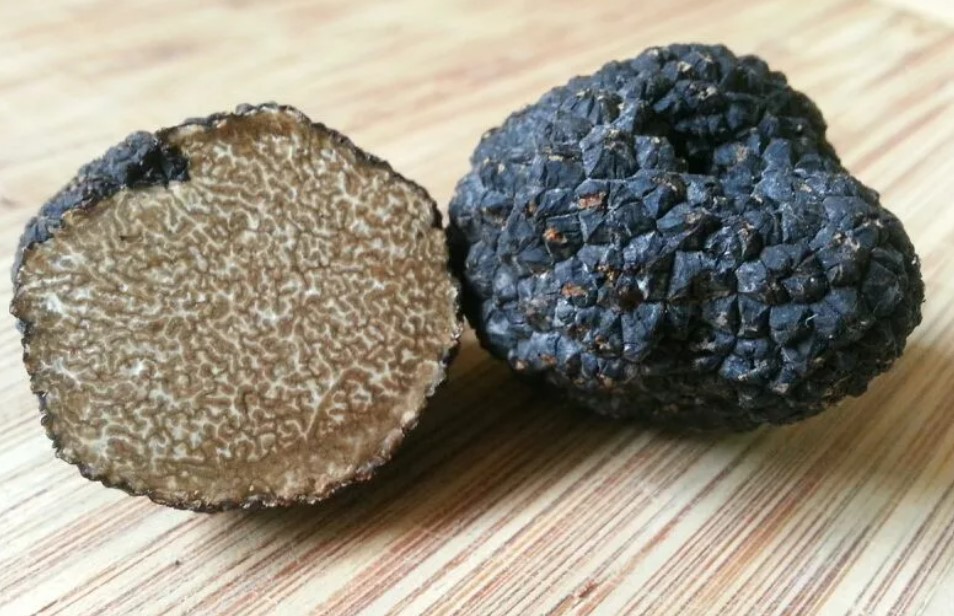
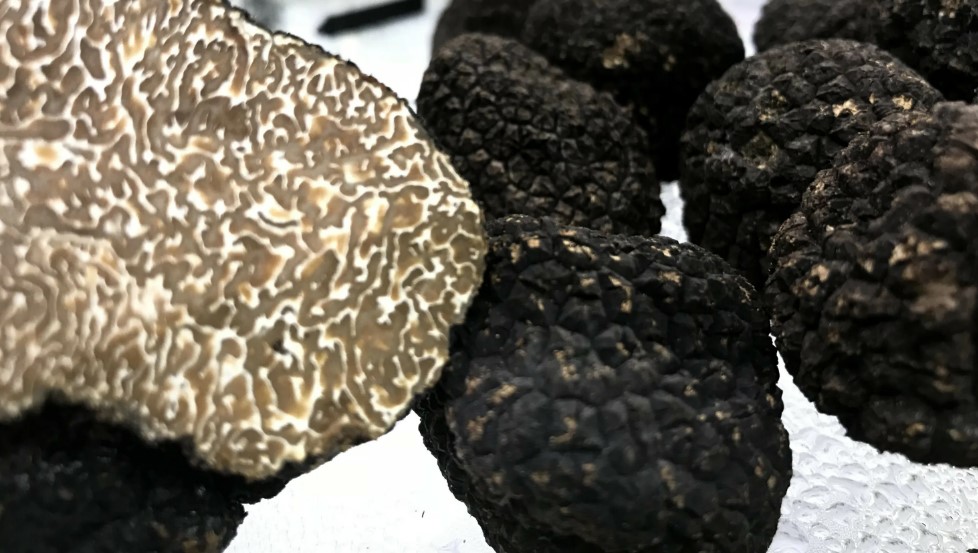
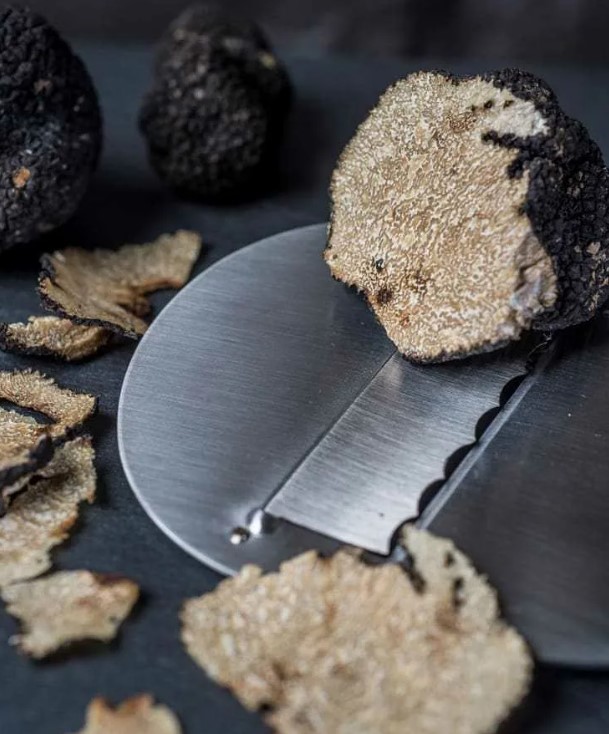
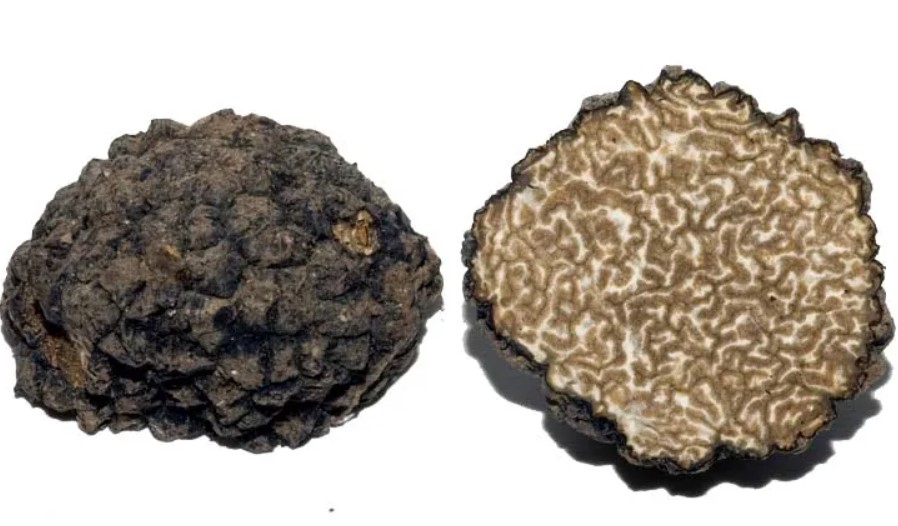
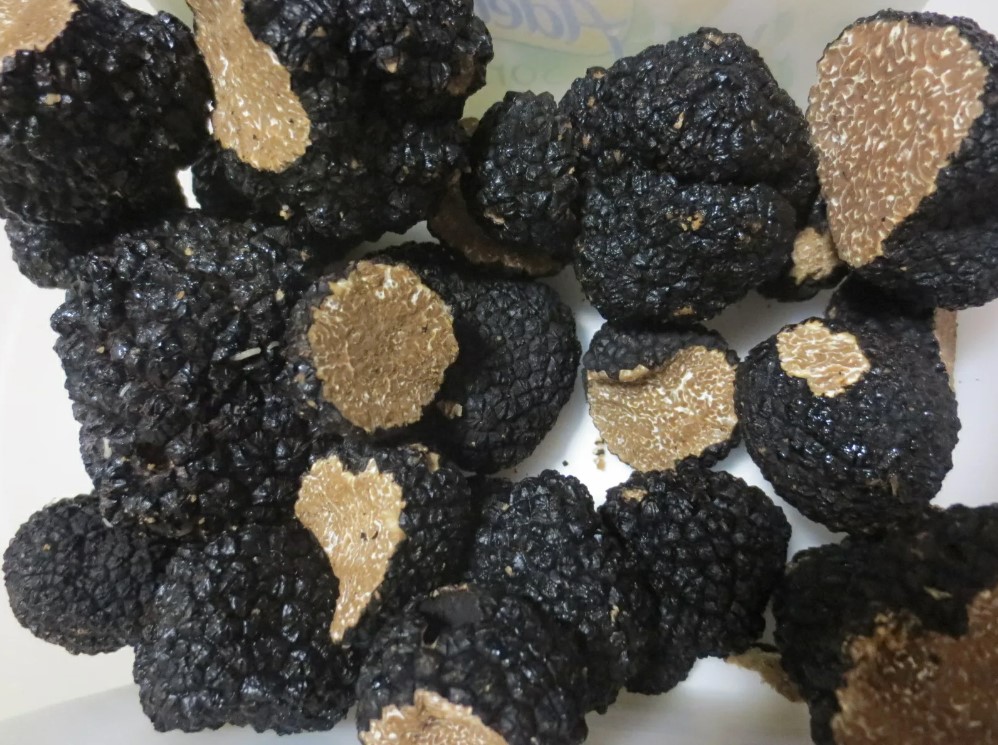
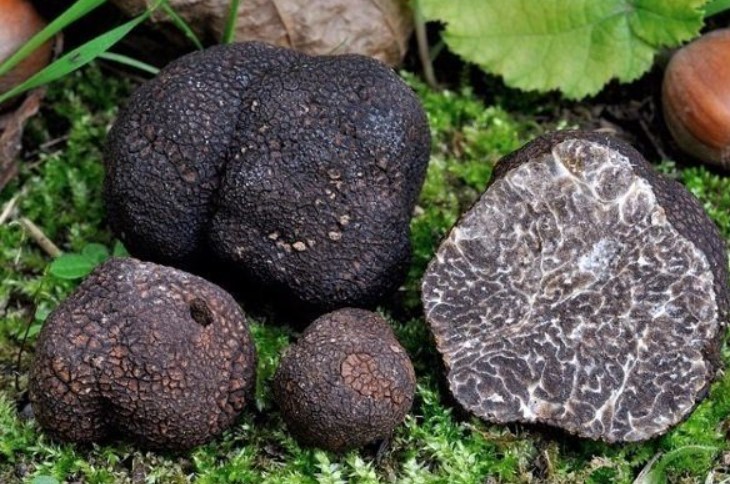
| Burgundy truffle (Tuber uncinatum) | The round body of this truffle is similar to the previous one. When ripe, the flesh is brown with noticeable white veins. | A chocolate-flavored, roasted hazelnut-scented raisin, it's a delicacy, second only to the Périgord raisin in value. Some sources describe it as conditionally edible. | September-January | France, Italy, Spain. Roots of deciduous trees (usually oaks), less often conifers. |
Photo gallery of Burgundy truffles
Winter truffle (Tuber brumale)
| View | Description | Peculiarities | When it ripens | Where to look |
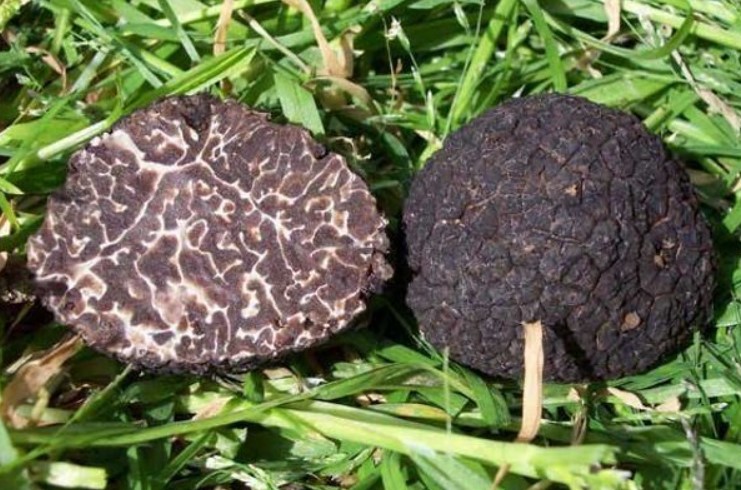
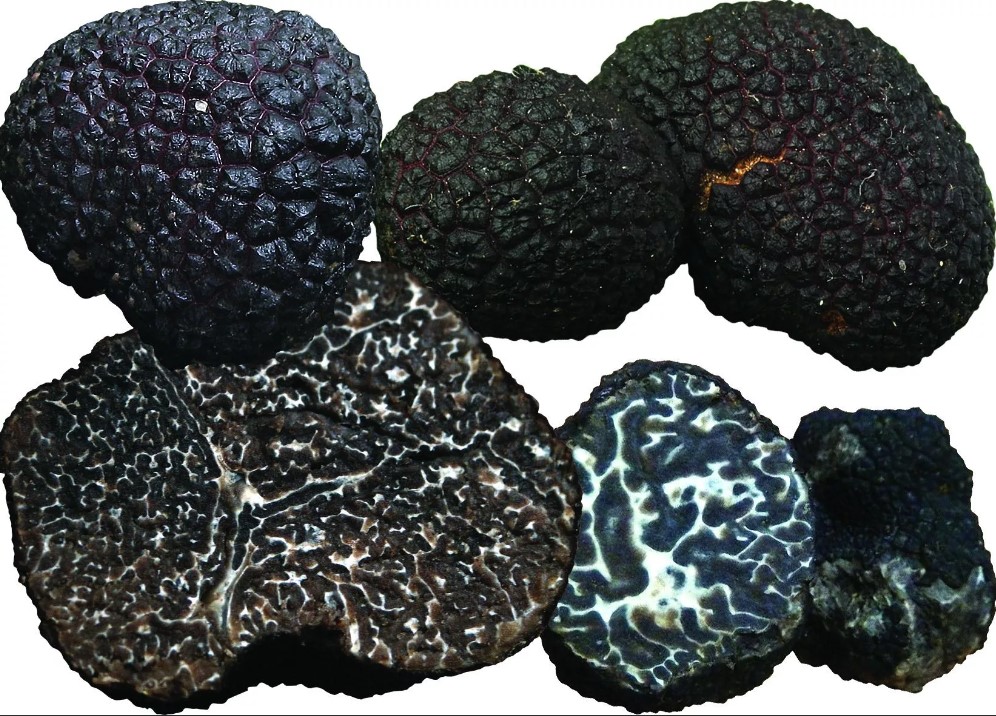
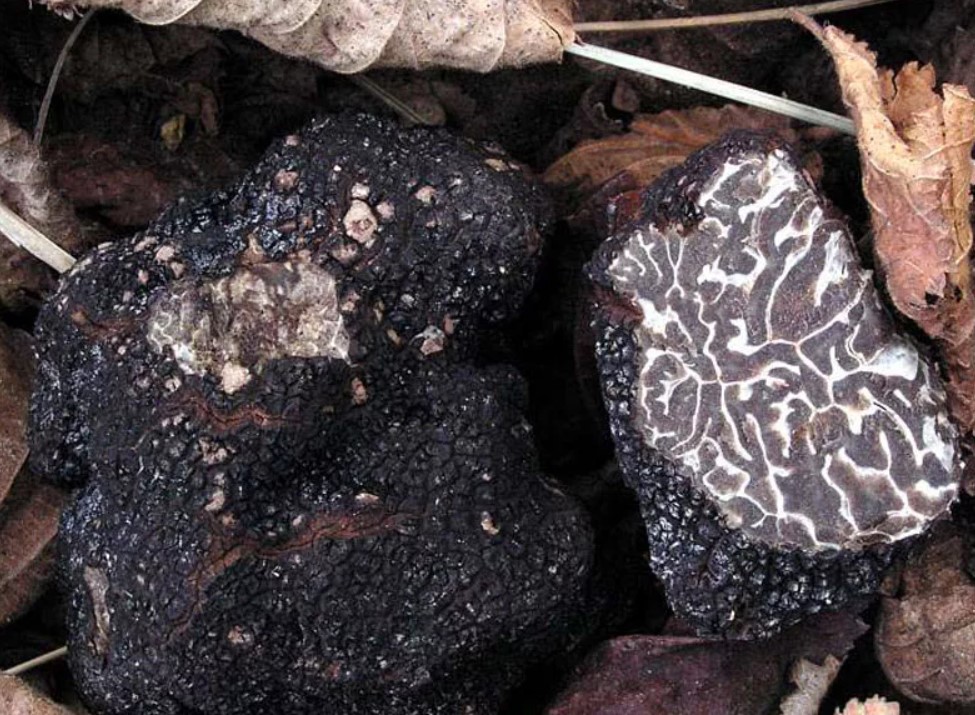
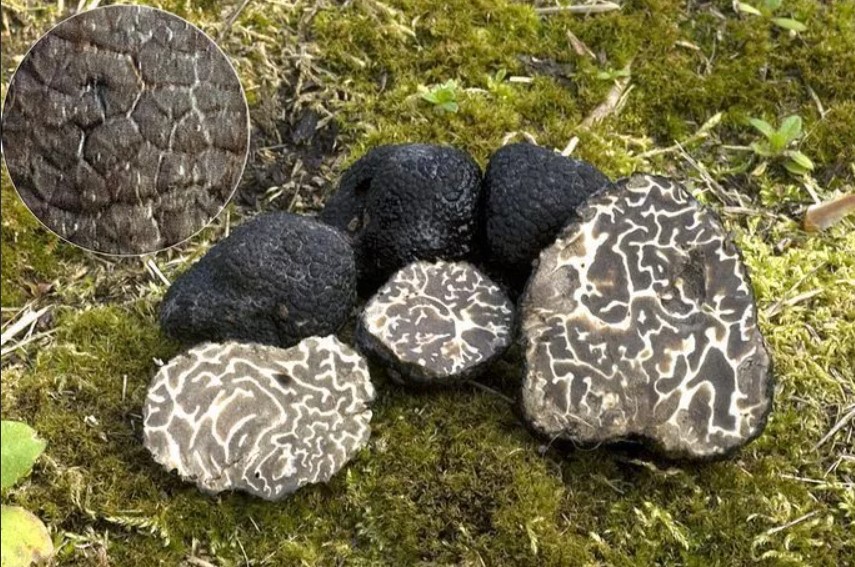
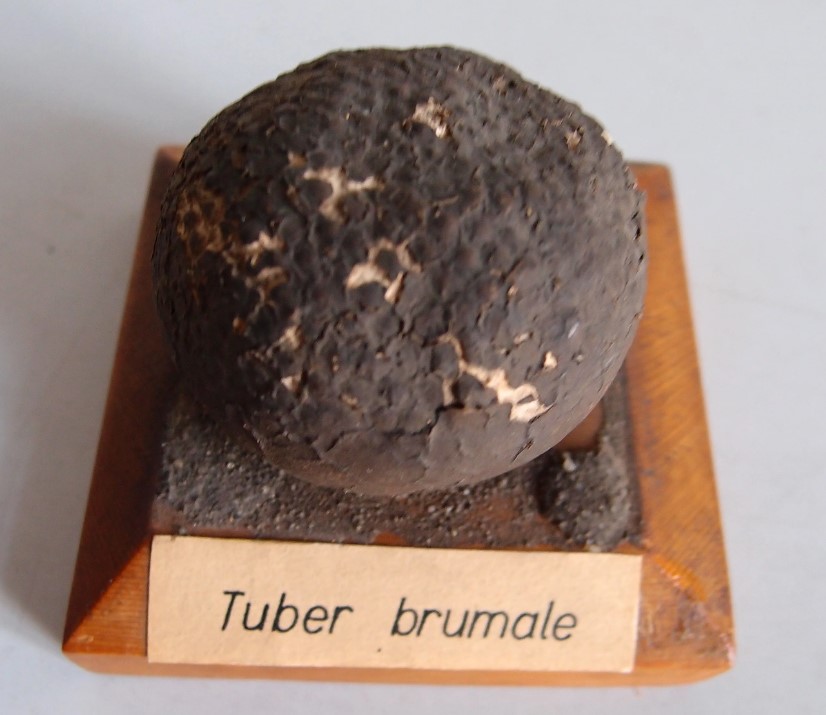
| Winter truffle (Tuber brumale) | The fruiting body is spherical, ranging in diameter from 8 to 20 cm, and weighing up to 1.5 kg. The surface is warty, reddish-purple in color, and turns black as it develops. | It lies at a depth of up to 45 cm. | November-January. | France (especially the south), Italy, Switzerland. Prefers moist soil near hazel and linden trees. |
Winter truffle photo gallery
Bianchetto truffle, white March truffle (Tuber borchii)
| View | Description | Peculiarities | When it ripens | Where to look |
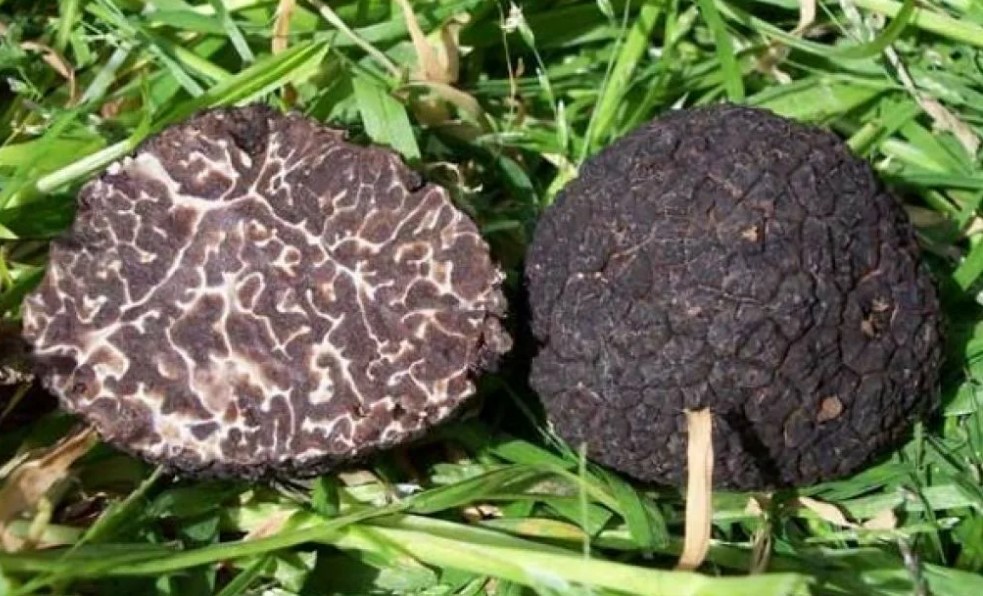
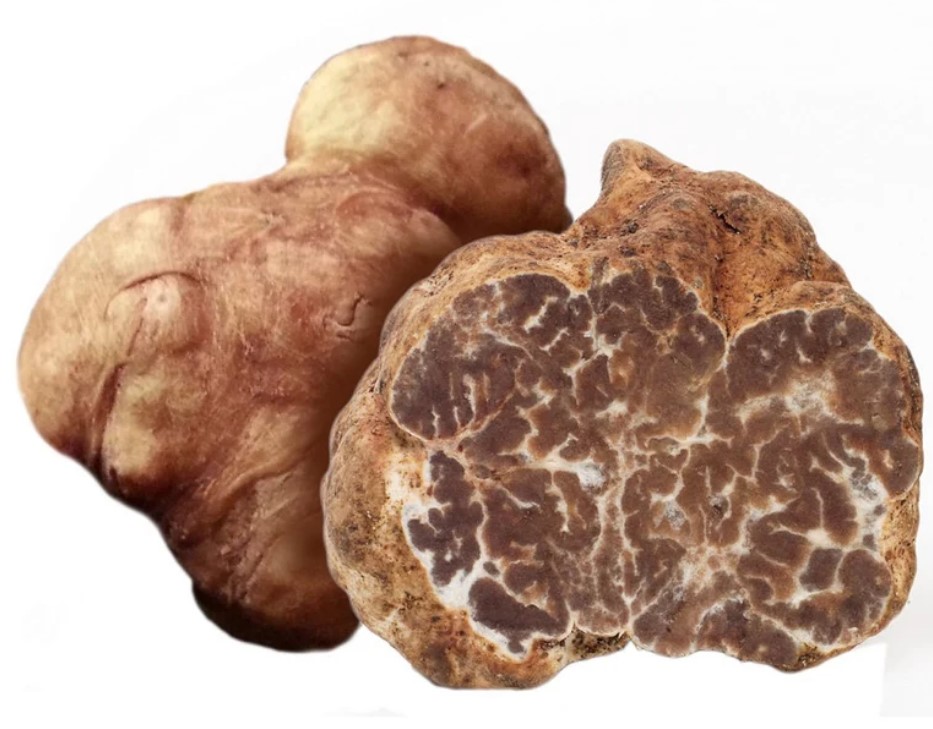
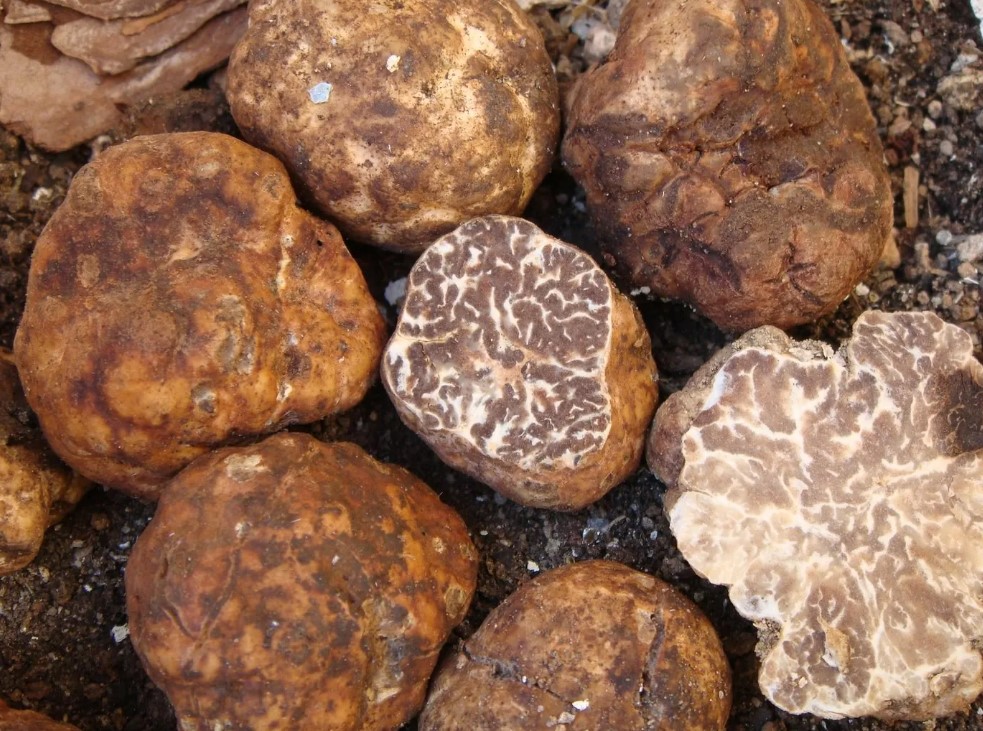
| Bianchetto truffle, white March truffle (Tuber borchii) | The fruiting body is small, from 2 to 6 cm in diameter, the color changes from white to brown. | The flesh of a young mushroom is aromatic, with light notes of garlic, but as the mushroom develops, it acquires a repulsive odor. | December-April. | Europe, Crimea. Very rare in Russia. |
Photo gallery of Bianchetto truffles
Fluffy truffle (Tuber gibbosum)
| View | Description | Peculiarities | When it ripens | Where to look |
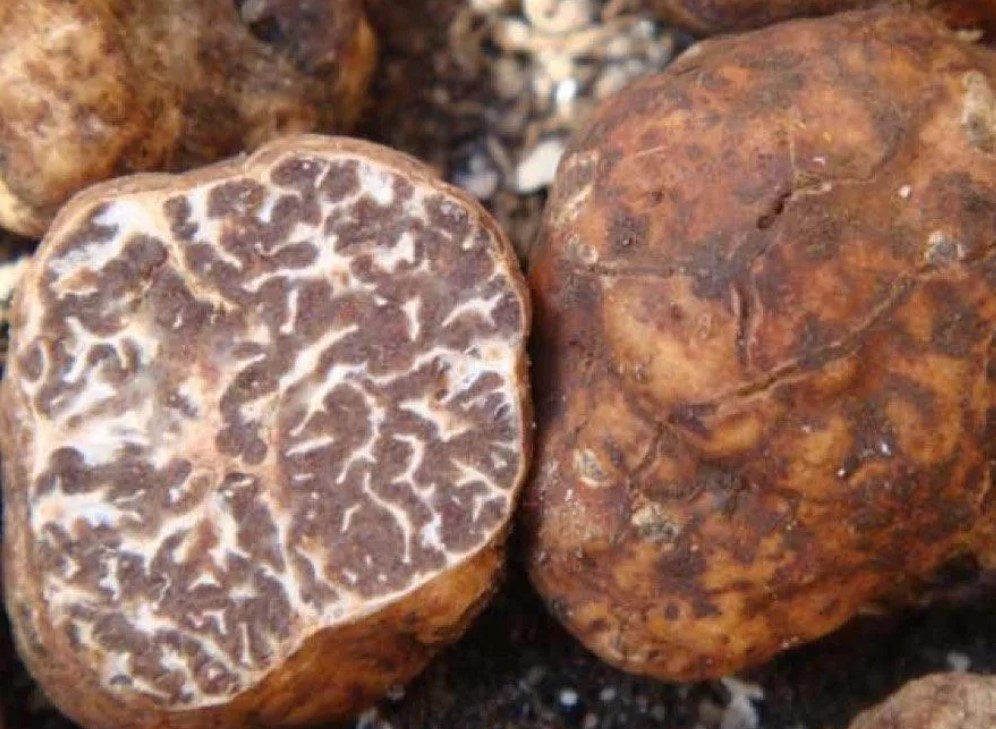
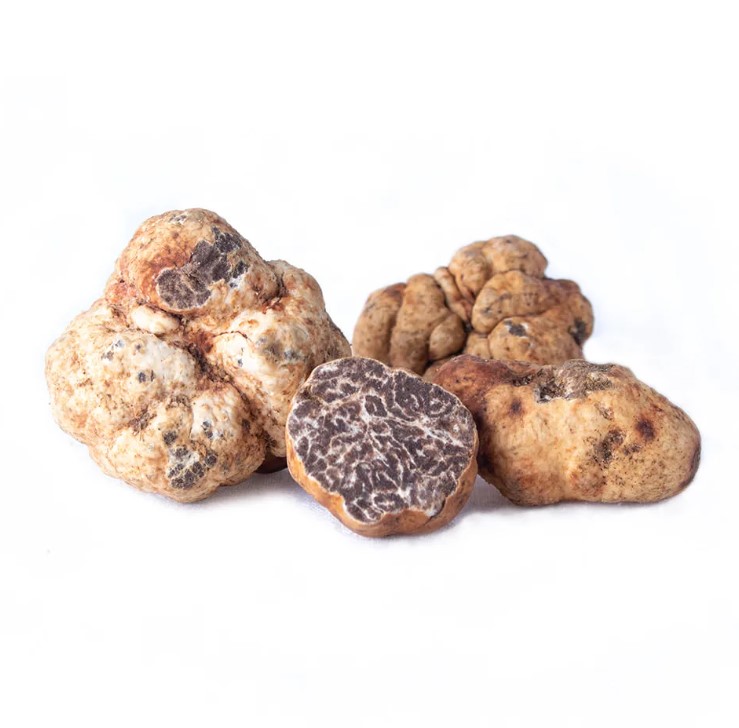
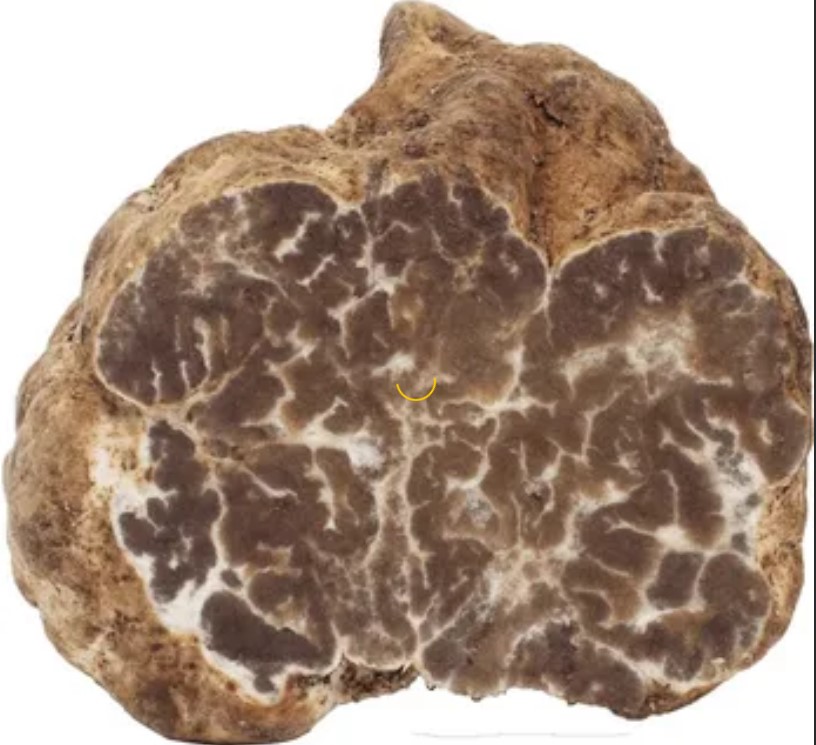
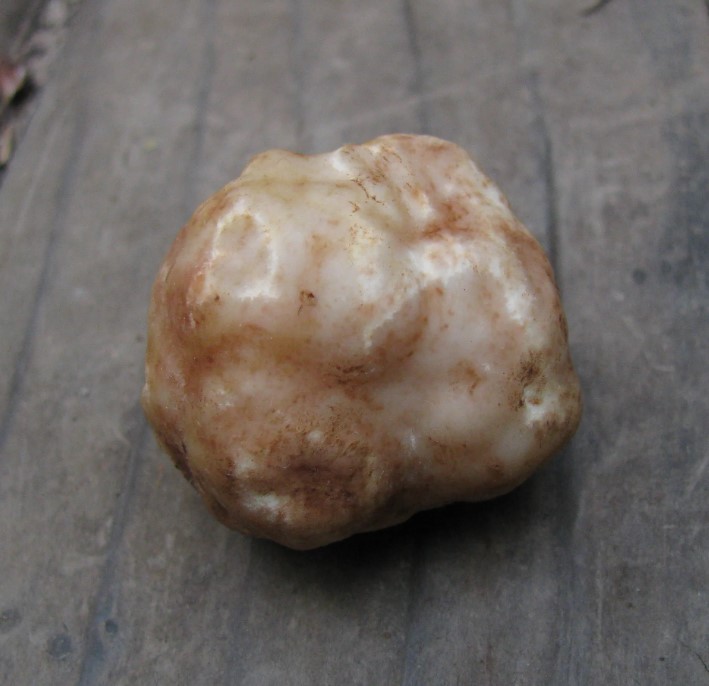
| Fluffy truffle (Tuber gibbosum) | The body is spherical, with an uneven, smooth surface of beige color. | Most often used to add flavor to dishes. | October-March. | Northwestern United States, prefers Douglas fir. |
Photo gallery of the fluffy truffle
Duron white truffle (Tuber excavatum)
| View | Description | Peculiarities | When it ripens | Where to look |
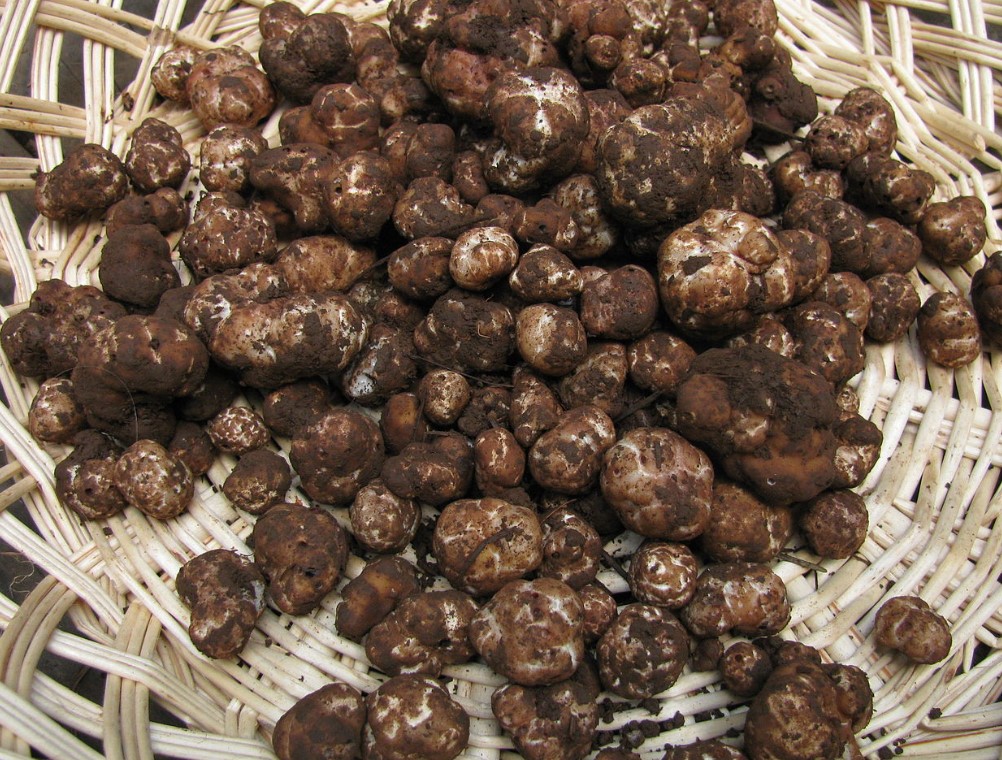
| Duron white truffle (Tuber excavatum) | Small fruiting body, no more than 4 cm in diameter. Color from white to beige. | The aroma is spicy-sweet. | September-November, under good conditions fruiting is extended by a month. | In Russia, it is found in deciduous and coniferous forests in regions with a favorable climate. |
Photo gallery of the Duron white truffle
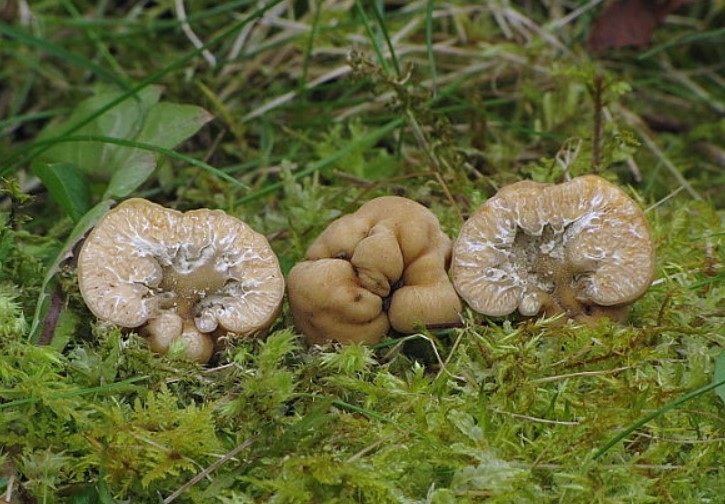
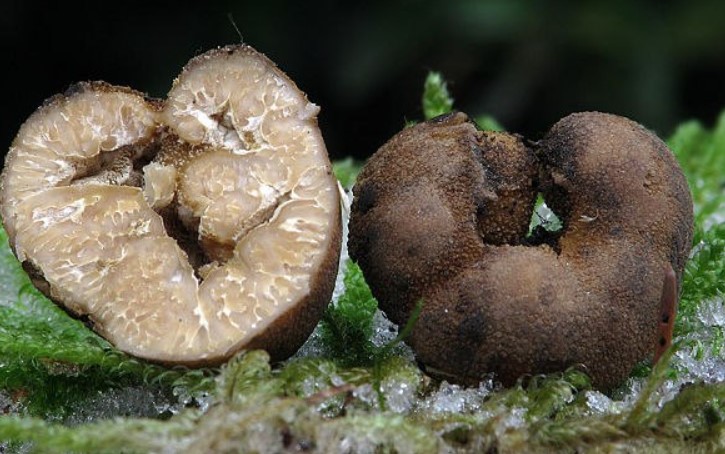
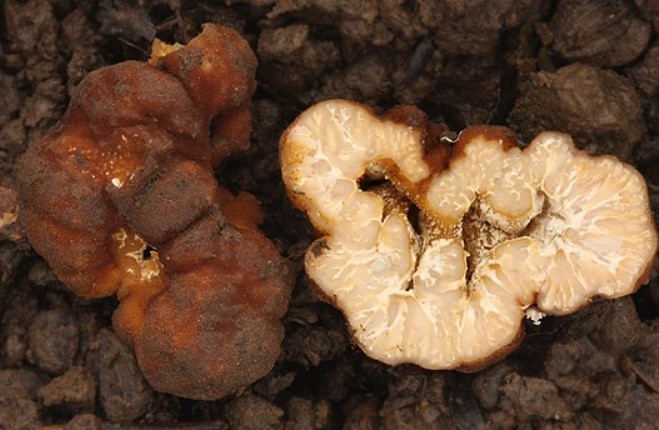
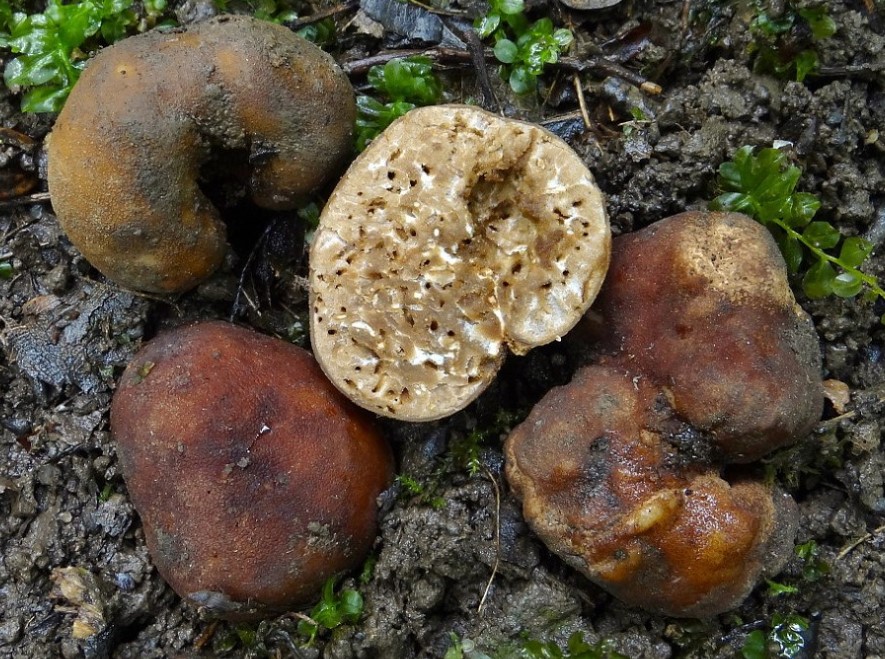
Italian truffle, Piedmontese (Tuber magnatum)
| View | Description | Peculiarities | When it ripens | Where to look |
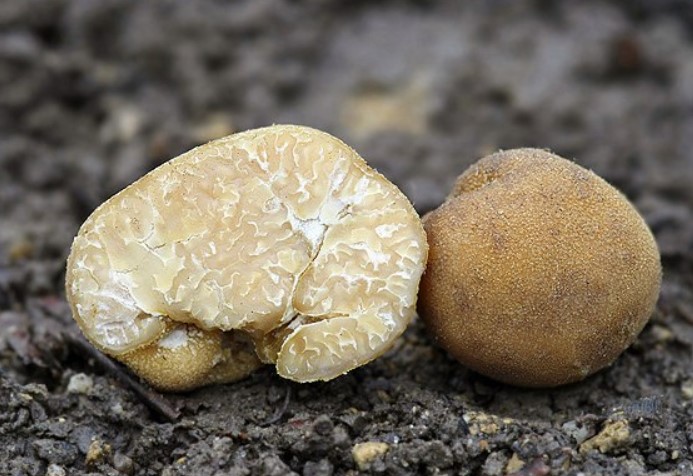
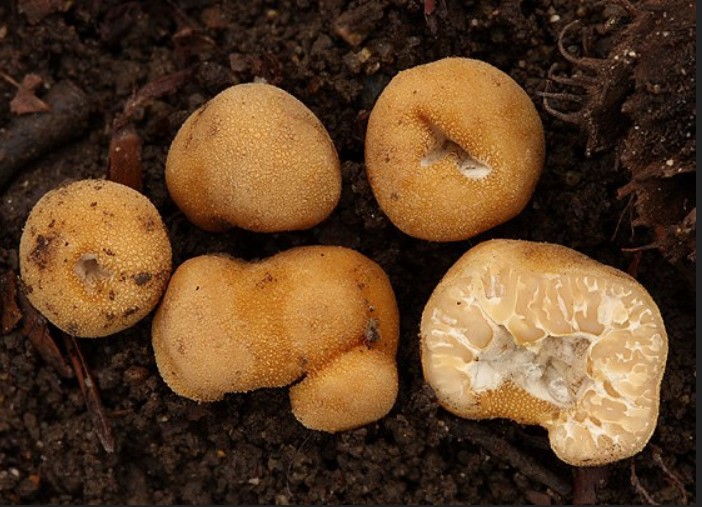
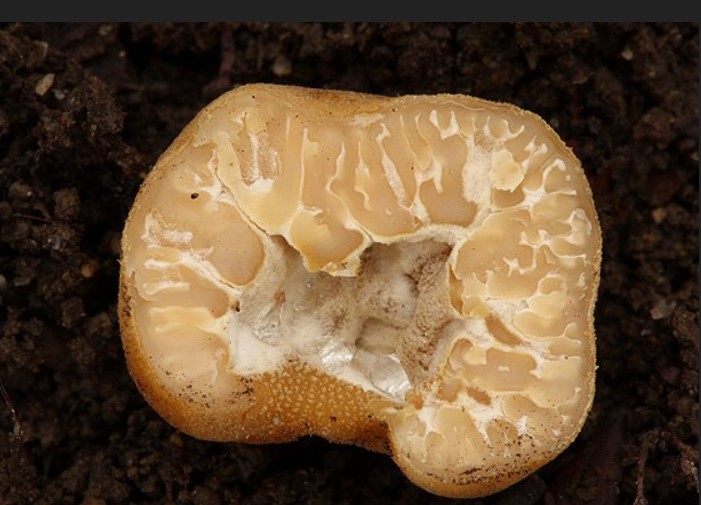
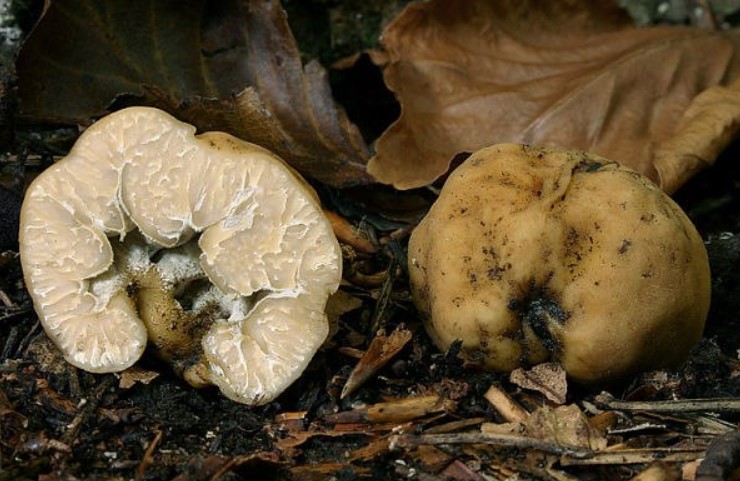
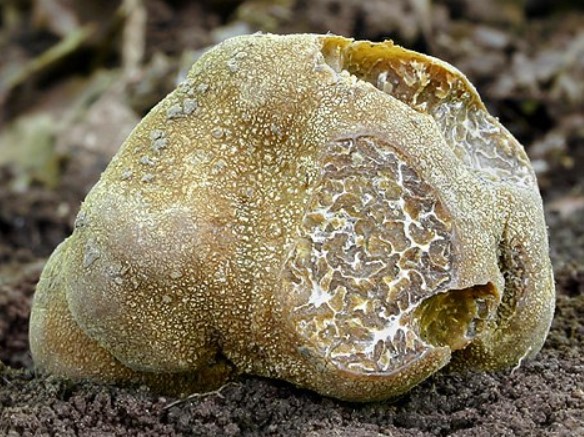
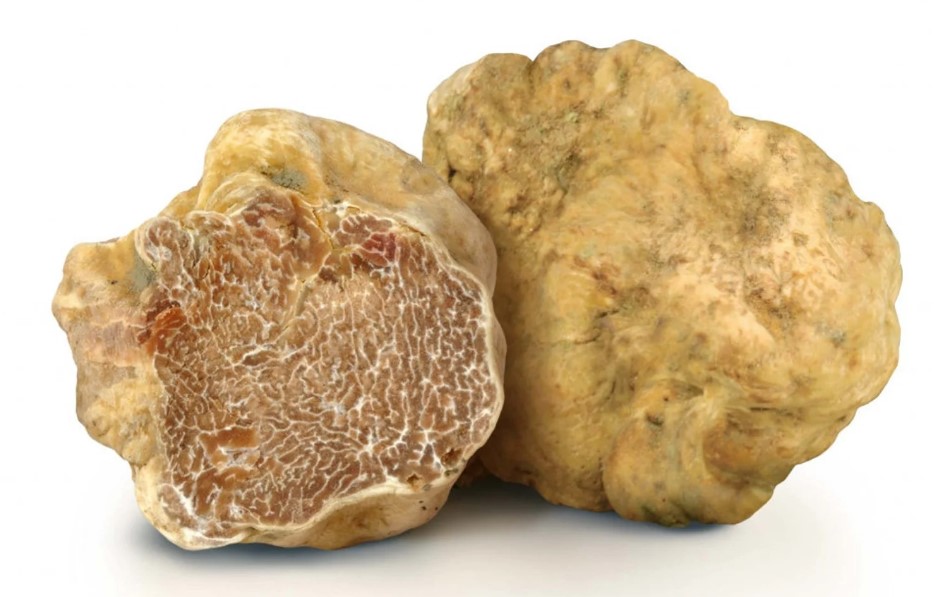
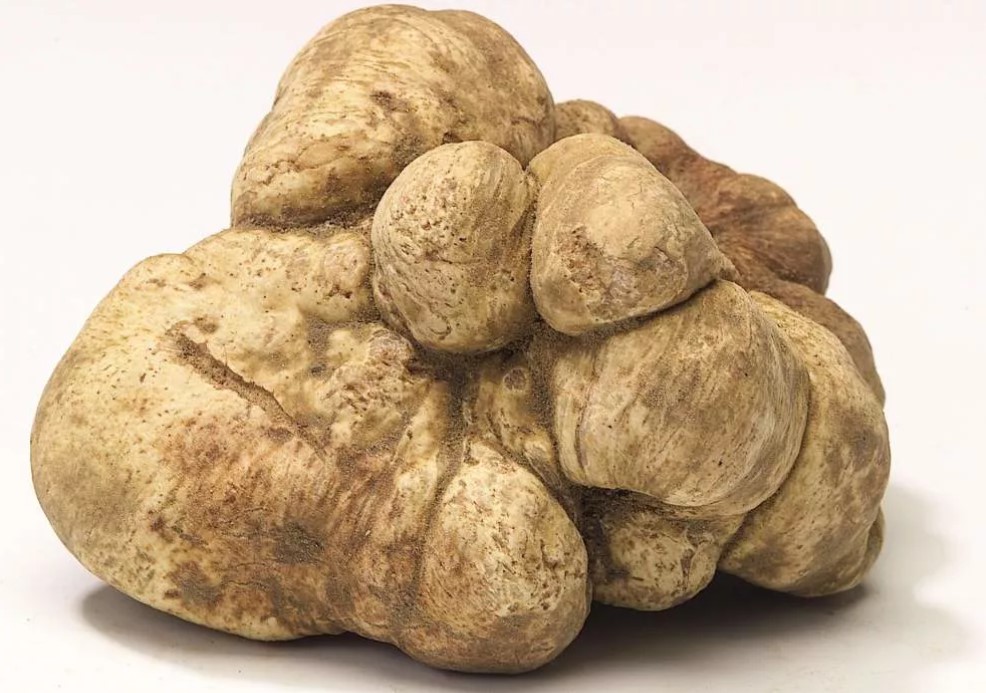
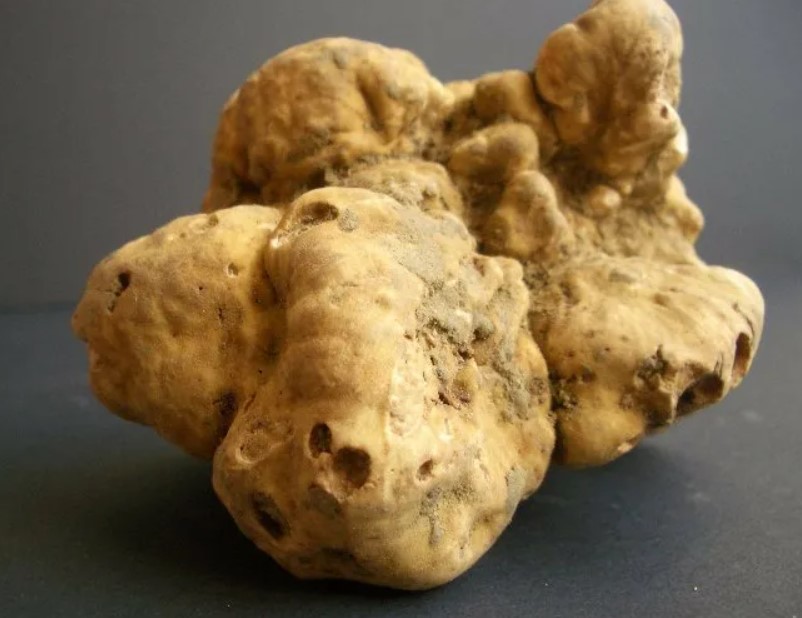
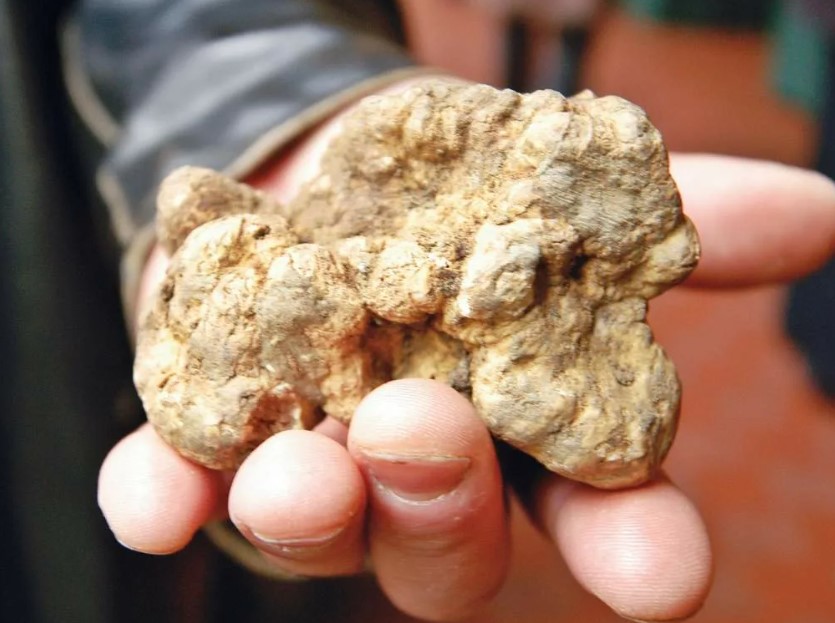
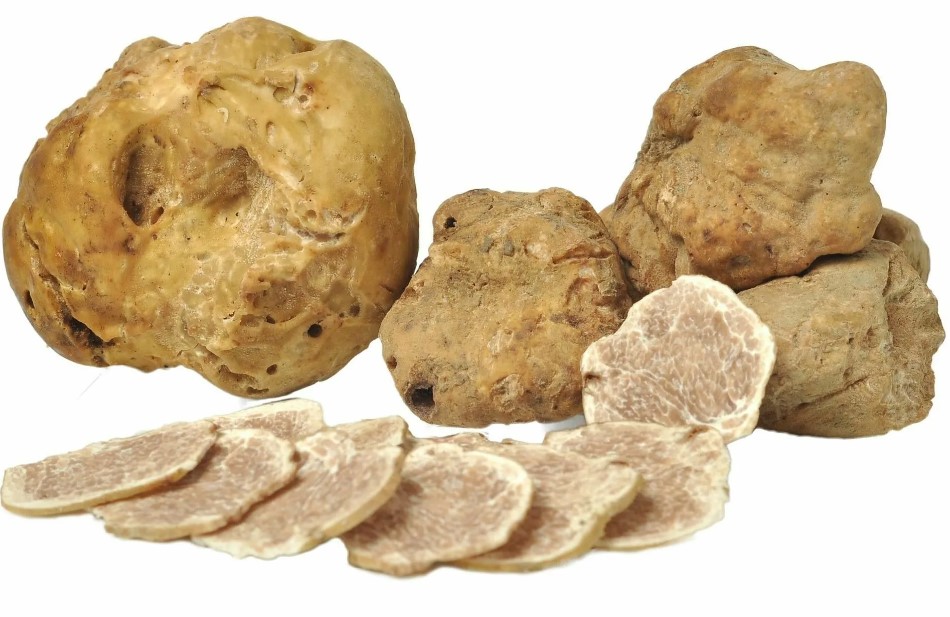
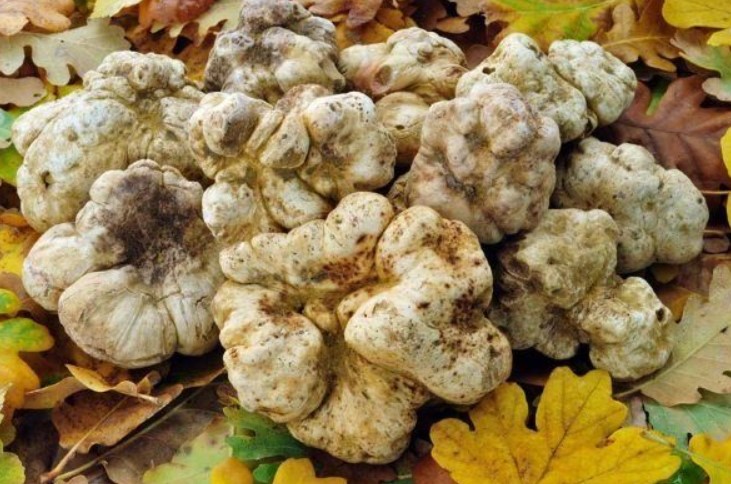
| Italian truffle, Piedmontese (Tuber magnatum) | The diameter of the fruiting body is from 2 to 12 cm. Weight is from 30 to 300 g. The skin is velvety, quite thin, the color is from ocher to brown. | The world's most expensive mushroom, with a cheesy, garlicky aroma. | From summer to winter, depending on conditions. | Italy, Piedmont. Prefers oak, poplar, or willow. |
Photo gallery of Italian truffles
White variegated truffle (Tuber maculatum)
| View | Description | Peculiarities | When it ripens | Where to look |
| White variegated truffle (Tuber maculatum) | The fruiting body grows up to 15 cm in diameter and weighs 200-300 g, with some specimens weighing up to 500 g. The body is rounded and flattened, resembling a potato, and is yellowish-brown in color. The flesh is yellowish with contrasting veins. | The truffle has the aroma of roasted sunflower seeds and is used for flavoring. | End of June - beginning of September. | Europe, including the European part of Russia. Can form mycorrhizae with both coniferous and deciduous trees. |
Photo of a white variegated truffle
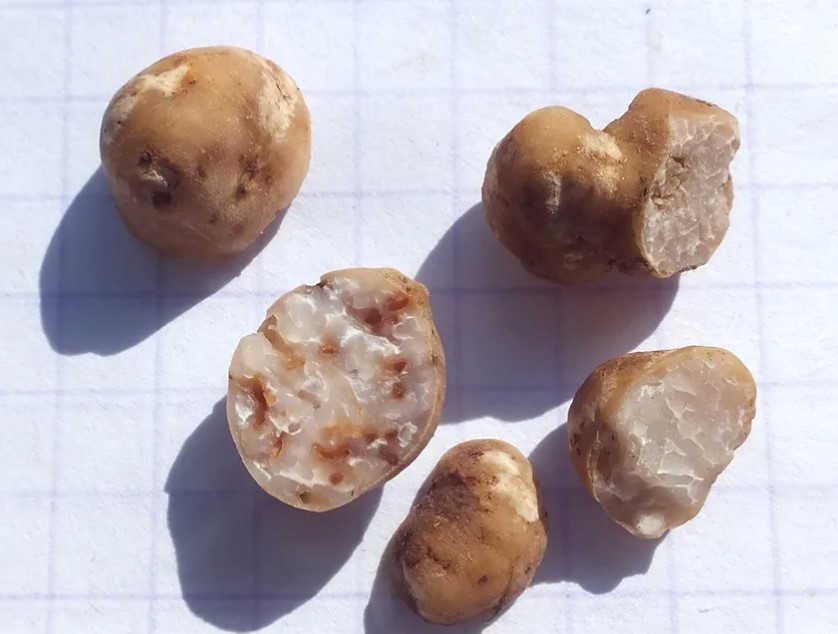
Perigord truffle, black truffle, French truffle (Tuber melanosporum)
| View | Description | Peculiarities | When it ripens | Where to look |
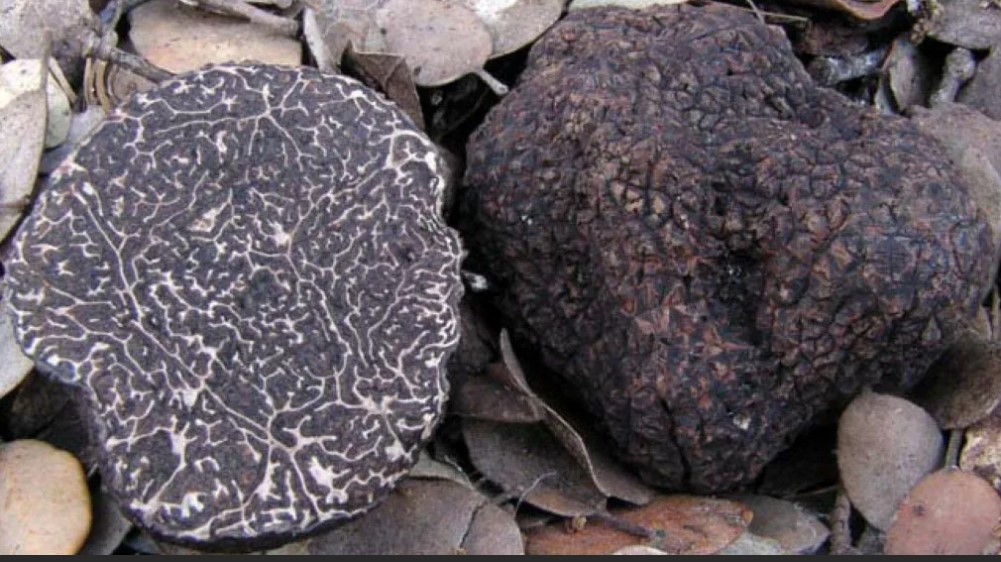
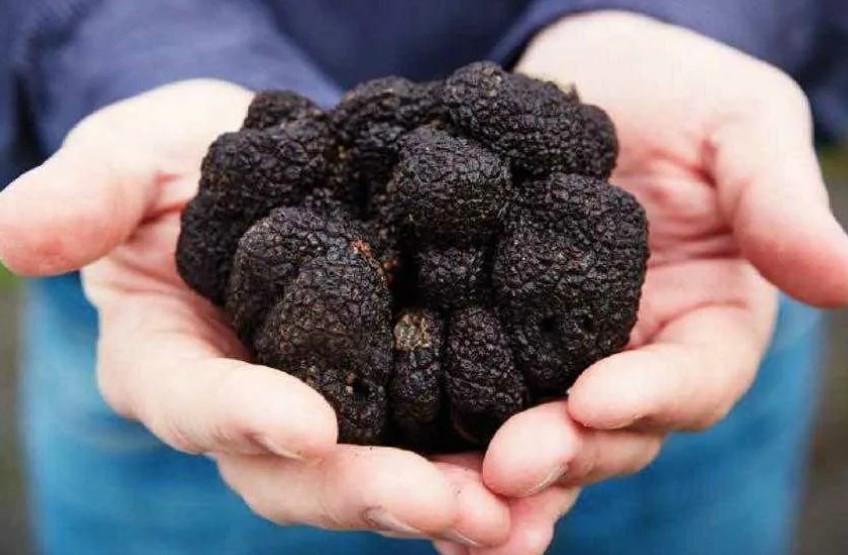
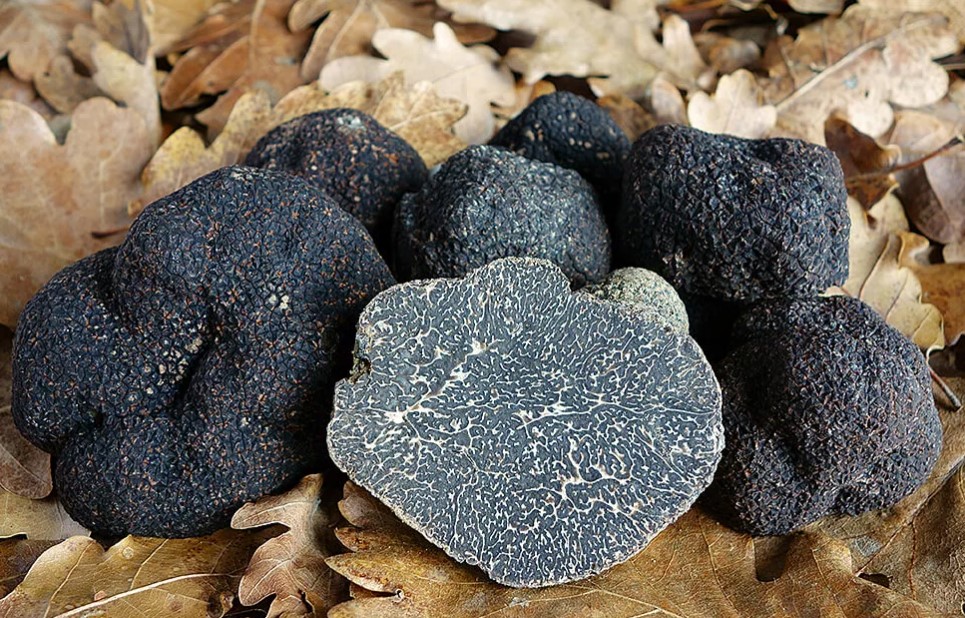
| Perigord truffle, black truffle, French truffle (Tuber melanosporum) | The fruiting body ranges from 3 to 9 cm in diameter, with a color that ranges from reddish-brown to black. The surface has 4-6 facets, and the skin is bumpy. | One of the most expensive types of truffle. | November-March. | France, central Italy, Spain. It forms mycorrhizae primarily with oak and is cultivated artificially in other countries, particularly China. |
Photo gallery of the Périgord truffle
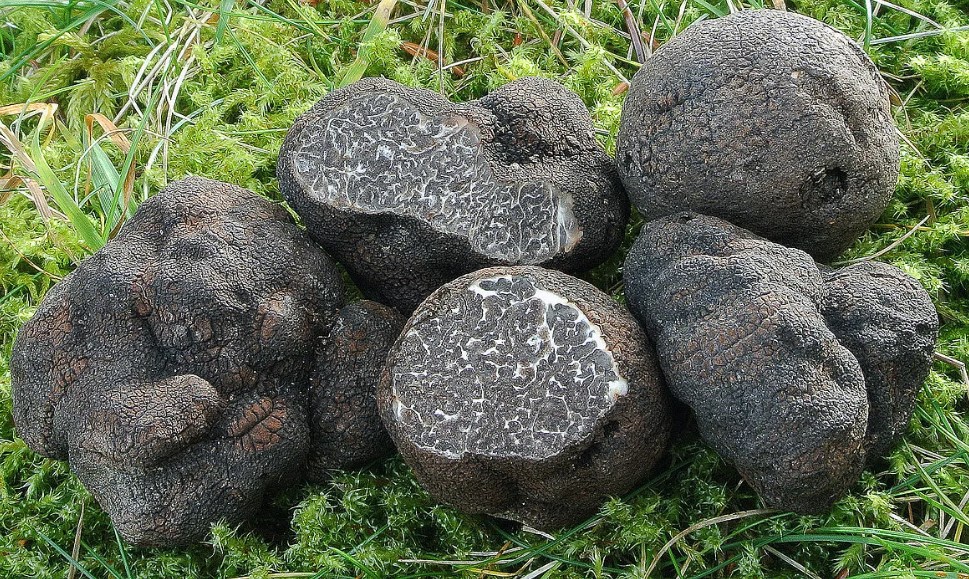
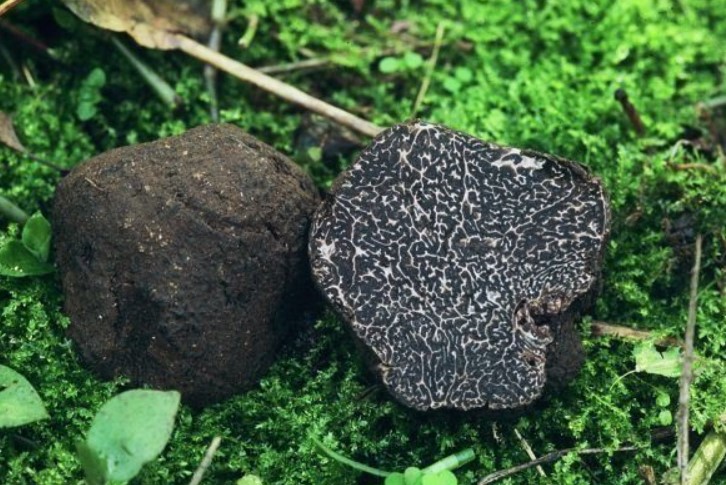
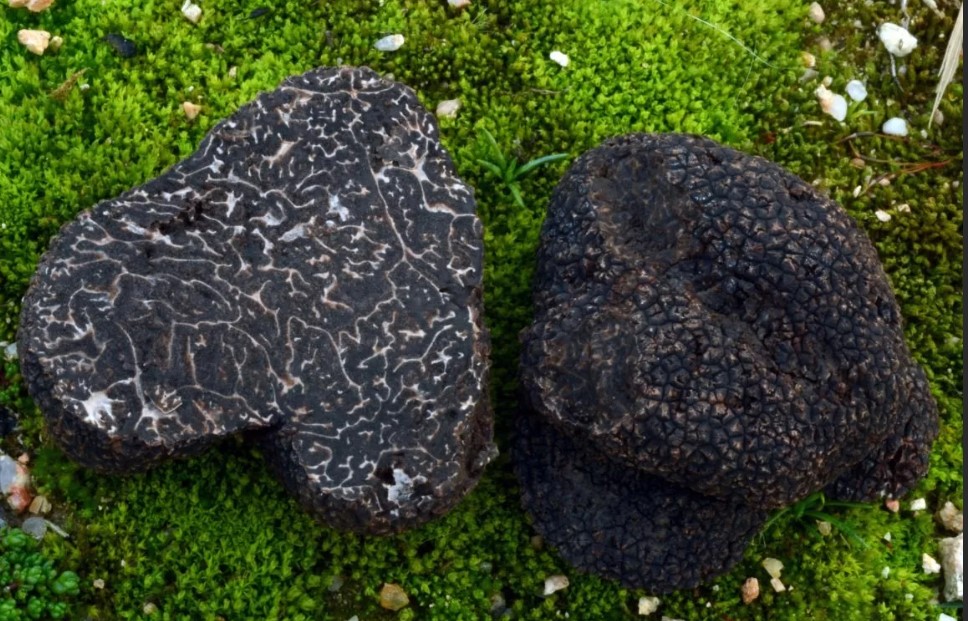
Black autumn truffle, Lorraine (Tuber mesentericum)
| View | Description | Peculiarities | When it ripens | Where to look |
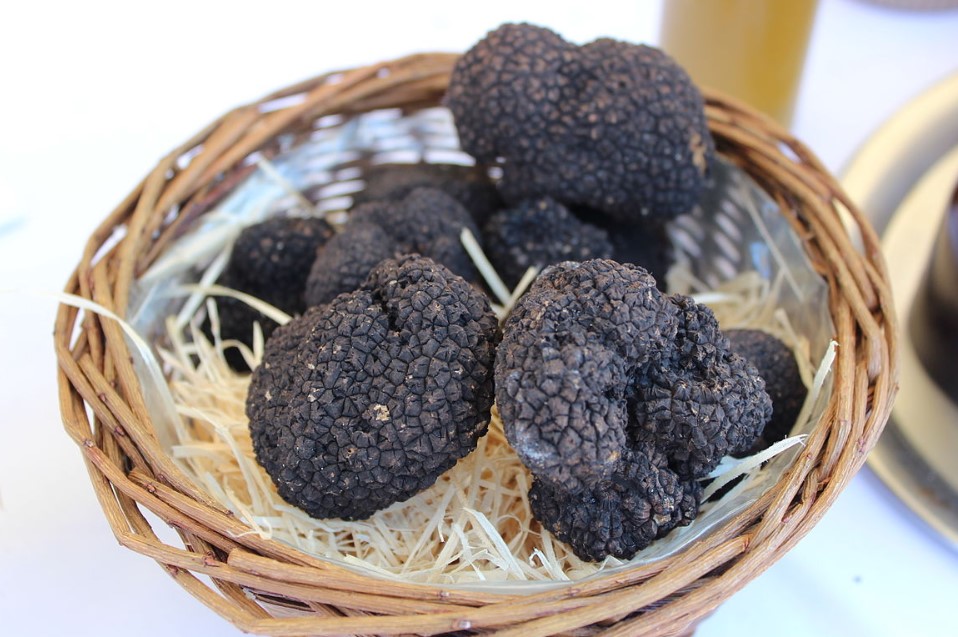
| Black truffle, autumn, Lorraine (Tuber mesentericum) | The tuber is round, up to 8 cm in diameter and weighing approximately 320 g. The color is black, the flesh is chocolate-colored, streaked with white. | A classic version of truffle, a delicacy. | Autumn. | Central and southern Europe, prefers beech and oak forests. |
Photo gallery of the black autumn truffle
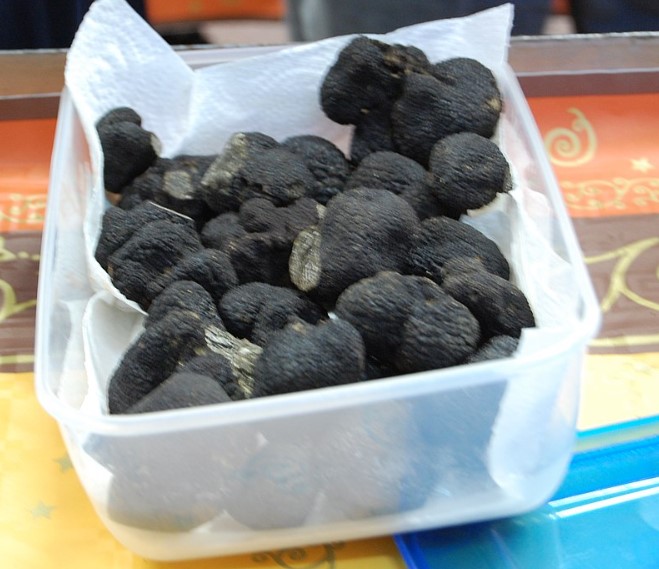
Red shiny truffle (Tuber nitidum)
| View | Description | Peculiarities | When it ripens | Where to look |
| Red shiny truffle (Tuber nitidum) | Body weight up to 45 g, diameter from 1 to 3 cm. The surface is smooth, shiny, wrinkles appear in mature mushrooms. | One of the most common types of truffle, found in Russia, it has a coconut, herbal, and wine-like flavor. | May-August, under good conditions the period is extended by a month. | Europe, Asia, including Russia. Broadleaf and coniferous forests. |
Photo gallery of the red shiny truffle
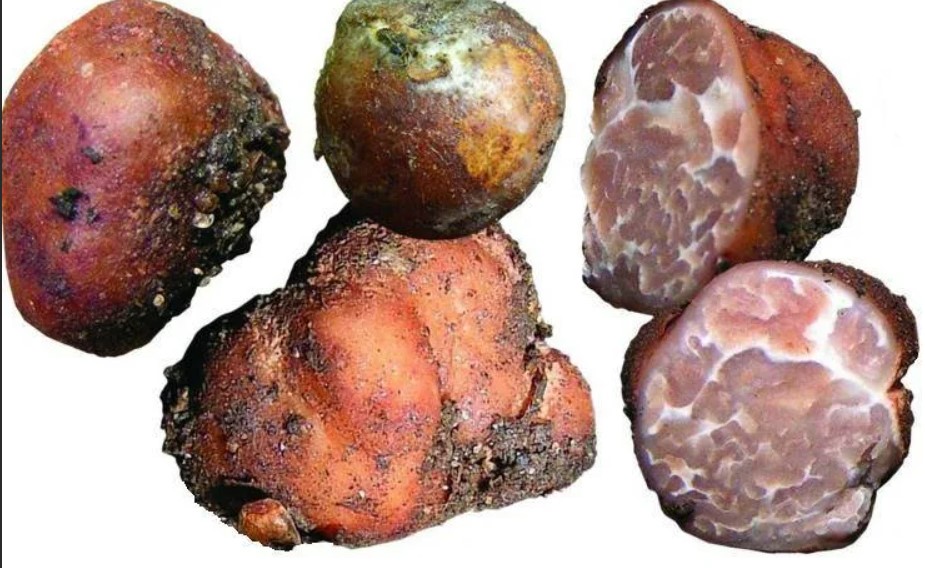
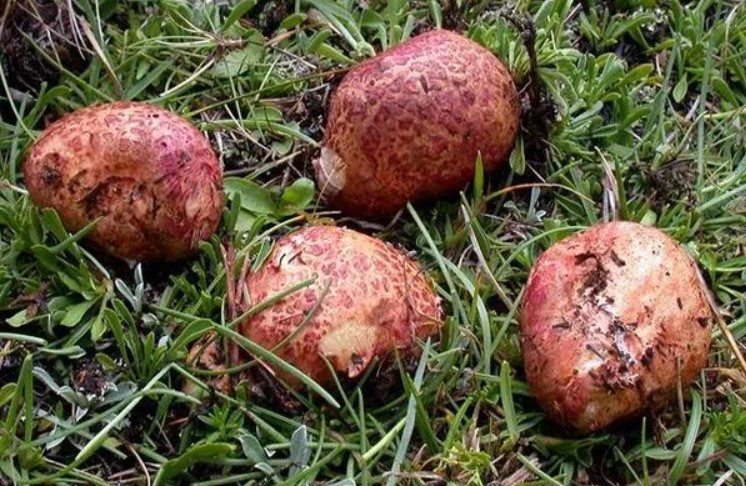
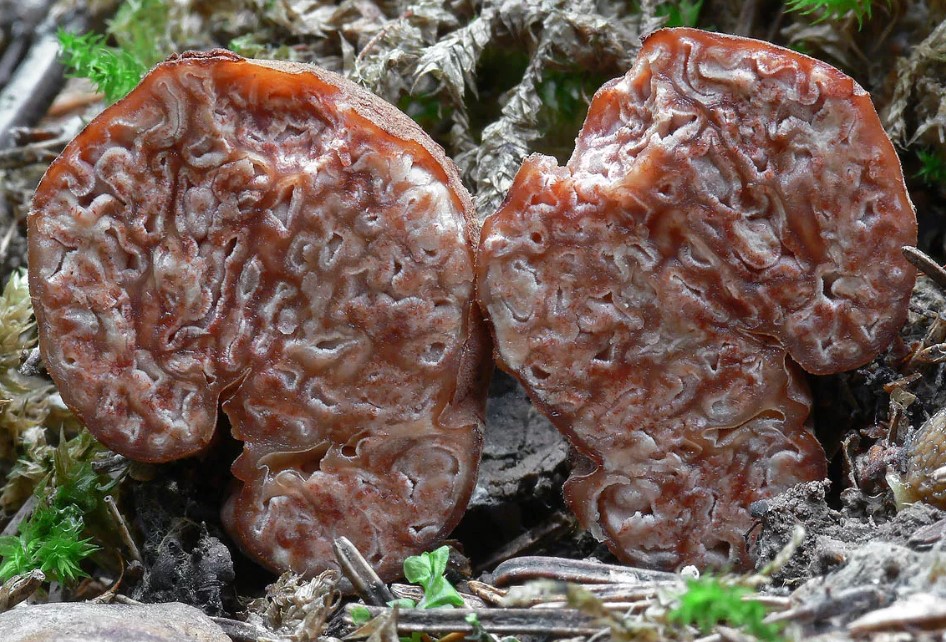
Oregon white tuber (Tuber oregonense)
| View | Description | Peculiarities | When it ripens | Where to look |
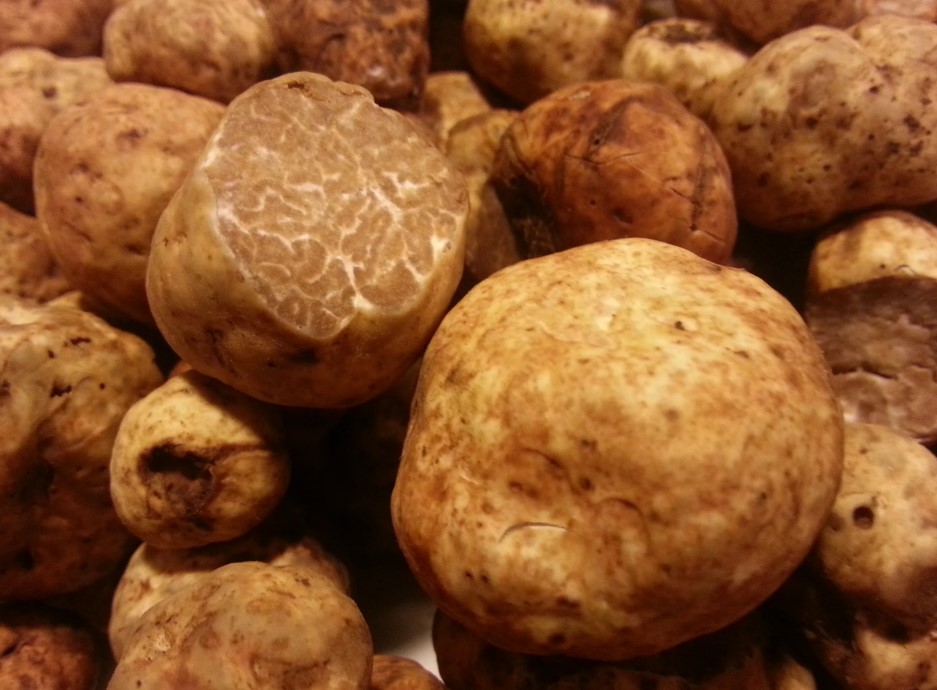
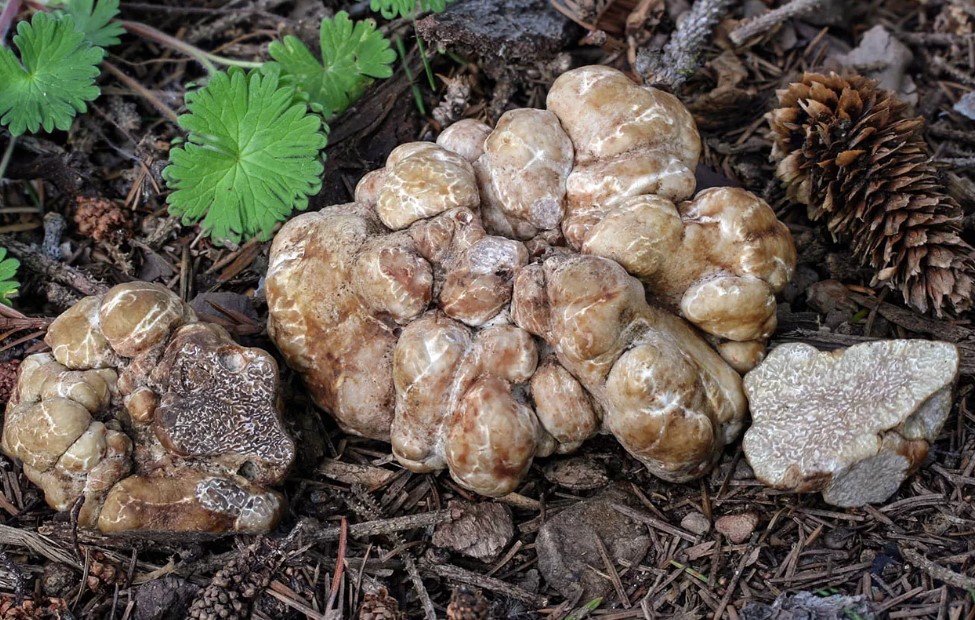
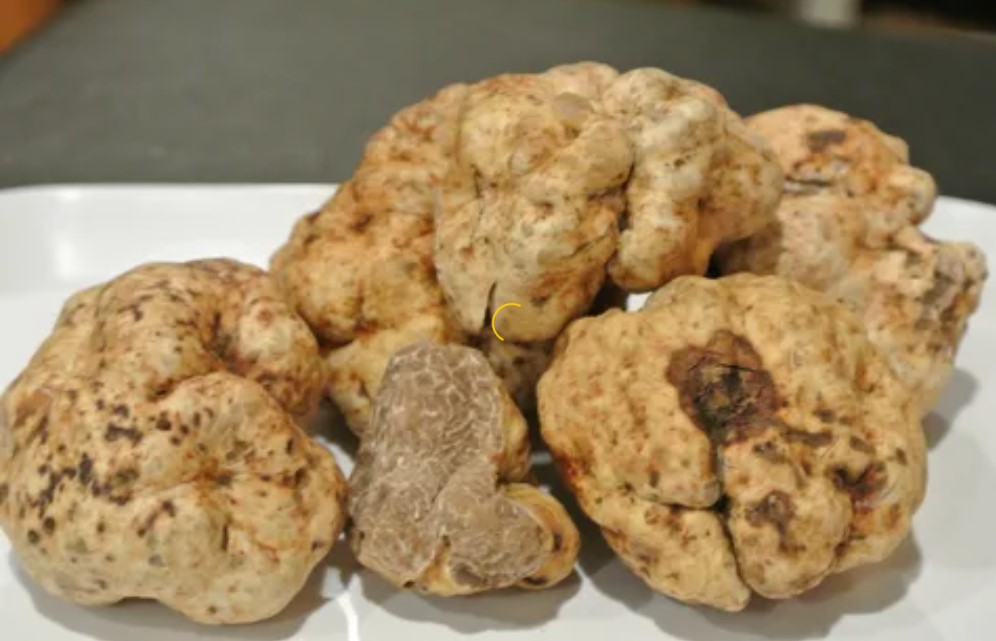
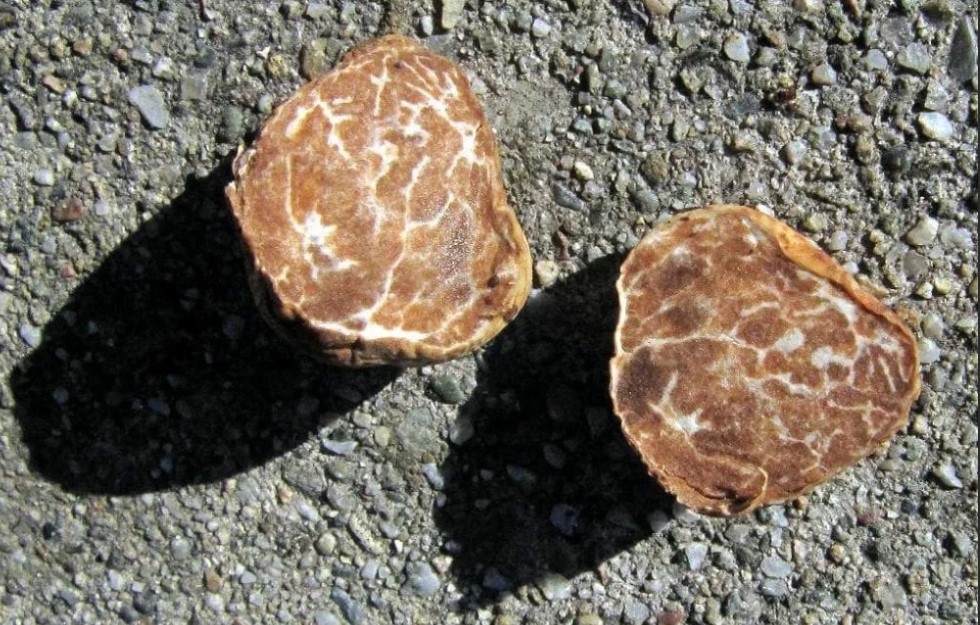
| Oregon white tuber (Tuber oregonense) | The weight reaches 250 g, the body diameter is 7 cm. The color is light, but as it grows, it becomes brownish with red spots. | It has a pleasant floral-herbal aroma and grows to a depth of 45 cm. | There are two ripening periods: March-May and October-January. Under favorable conditions, it can begin earlier and end later. | Canada, west coast of the USA. Prefers coniferous forests. |
Oregon White Truffle Photo Gallery
White truffle (Tuber puberulum)
| View | Description | Peculiarities | When it ripens | Where to look |
| White truffle (Tuber puberulum) | Body weight is 3-20 g, diameter up to 2 cm. | The mushroom has no distinct taste or aroma. | April-October. | France and Italy. Prefers coniferous and broadleaf forests. |
Photo of a white truffle
Chinese truffle (Tuber indicum)
| View | Description | Peculiarities | When it ripens | Where to look |
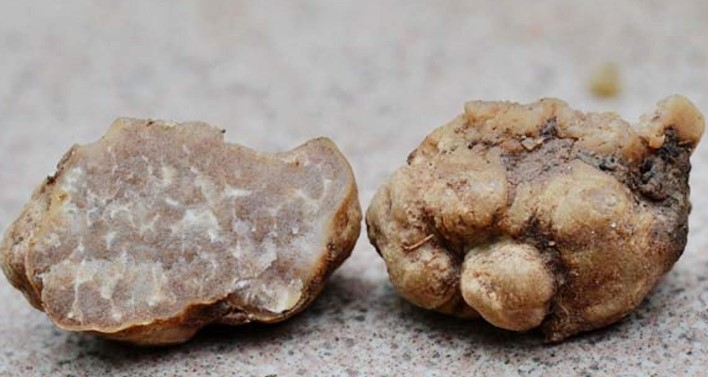
| Chinese truffle (Tuber sinensis) | The body is tuberous, up to 9 cm in diameter. The surface color is dark gray or brown, the texture is ribbed. The flesh is marbled brown. | The mushroom is only eaten after being cooked due to its very tough flesh. Its flavor is pleasant and nutty, but it's significantly inferior to other mushrooms. | December-February. | India, China. Gets along with chestnut, oak, and pine. |
Photo gallery of Chinese truffles
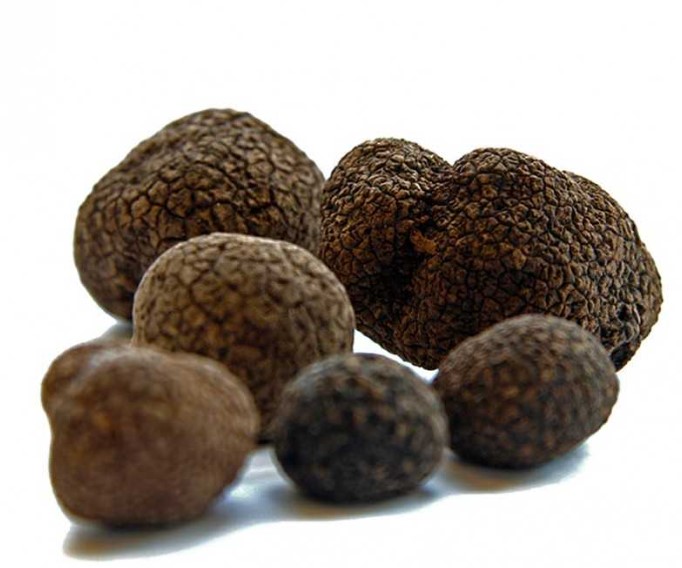
Red truffle (Tuber rufum)
| View | Description | Peculiarities | When it ripens | Where to look |
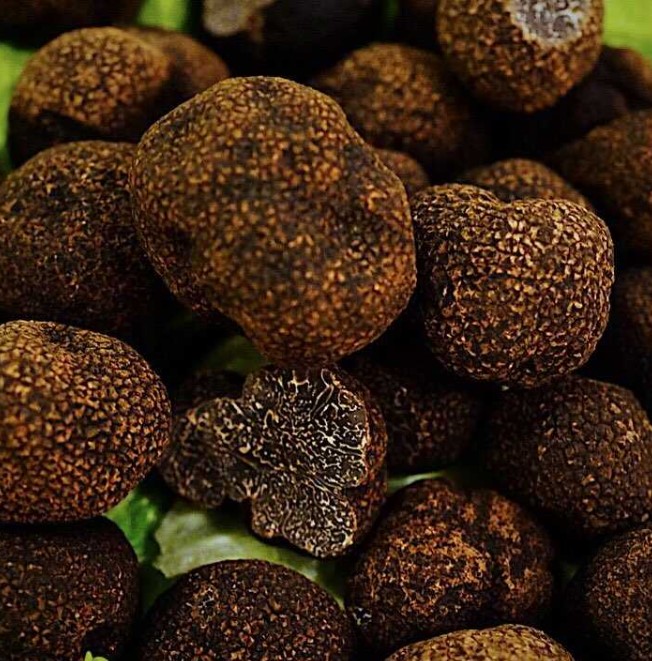
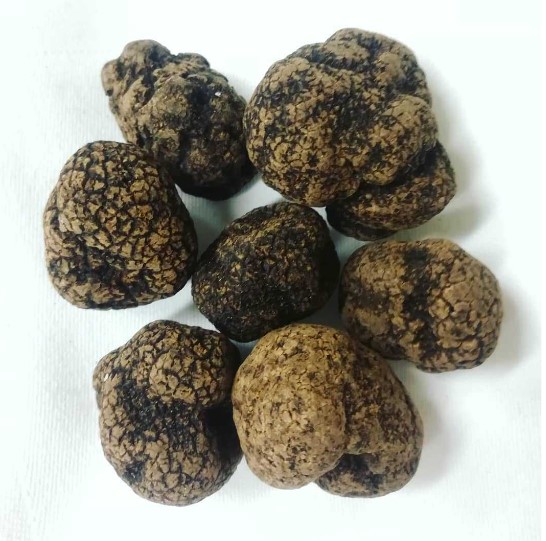
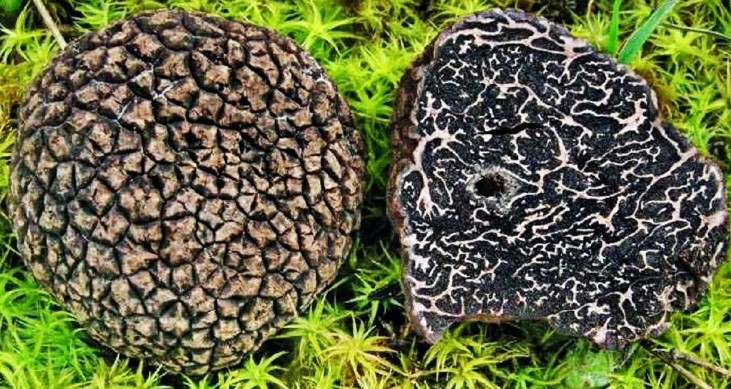
| Red truffle (Tuber rufum) | The body weight is 5-60 g, the diameter is no more than 4 cm, the skin is red, rough. | It has a distinct aroma of wine, coconut and herbs. | October-January. In favorable conditions, it lasts longer, from August to February. | Deciduous and coniferous forests. |
Photo of a red truffle
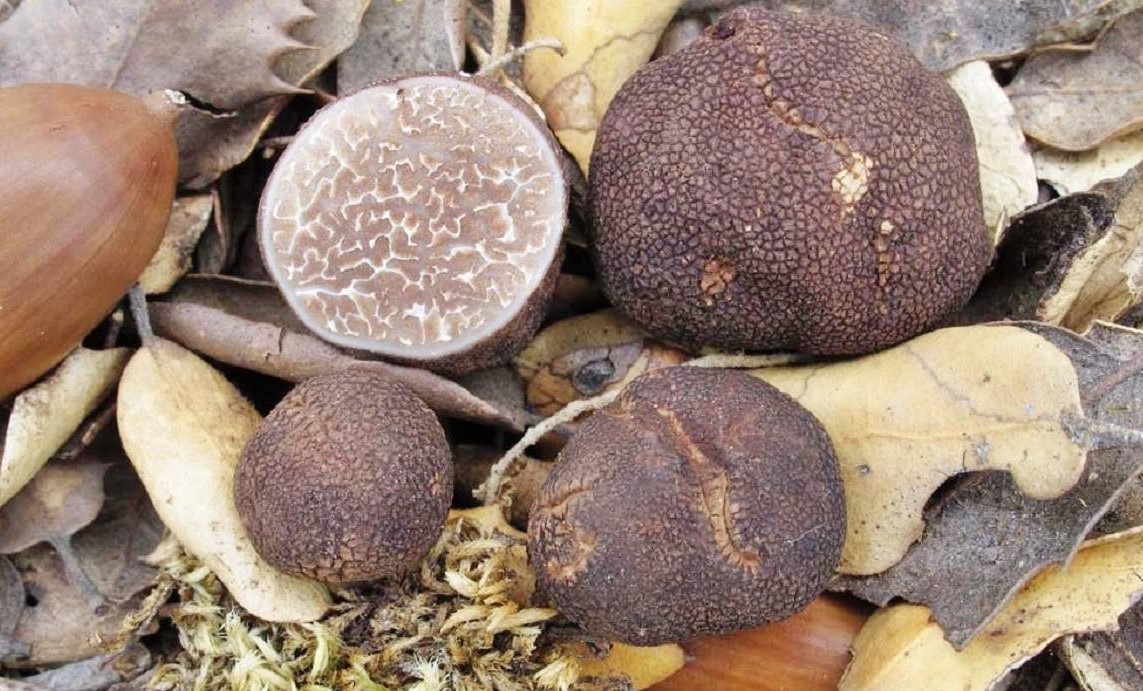
Pecan Truffle (Texas Red Truffle) (Tuber lyonii)
| View | Description | Peculiarities | When it ripens | Where to look |
| Pecan Truffle (Texas Red Truffle) (Tuber lyonii) | The body is covered with a light-brown shell. Its texture can be smooth or furrowed. The diameter ranges from 0.5 to 12 cm. | It lies at a depth of 15-20 cm. | August-December. In regions with a warm climate, it bears fruit until February. | Southeastern United States. Favourite in nut plantings. Can be found at the base of chestnut and oak trees. |
Pecan Truffle Photo Gallery
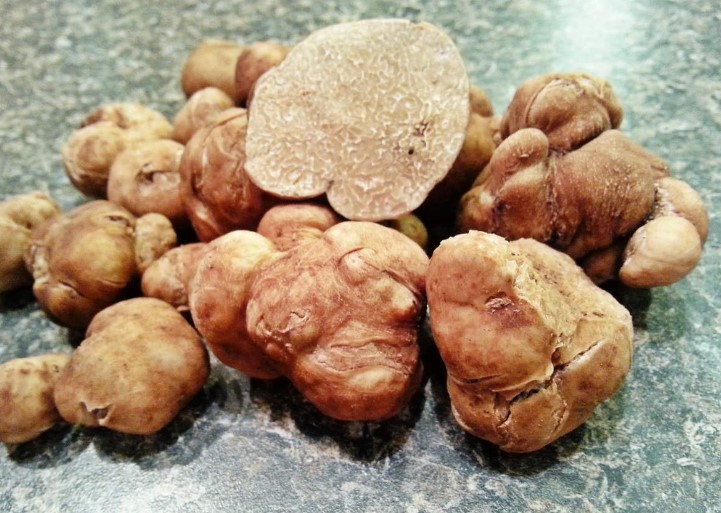
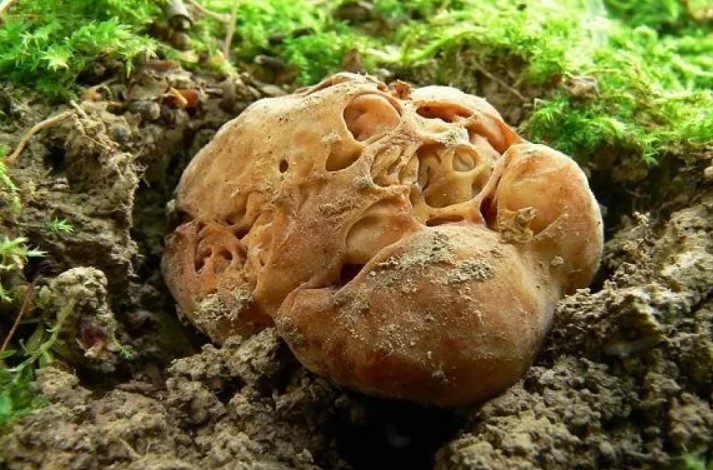
White ochre truffle (Tuber fulgens)
| View | Description | Peculiarities | When it ripens | Where to look |
| White ochre truffle (Tuber fulgens) | The body shape is irregular, the surface is smooth, and the color is white, although with age it may turn yellow and acquire reddish spots. The diameter is up to 12 cm. | When dug up, truffles quickly lose their shape and flavor. They are found at depths of up to 30 cm. | August-November. | Found in the European part of Russia up to the Urals. Mixed forests. |
Photo of a white ochre truffle
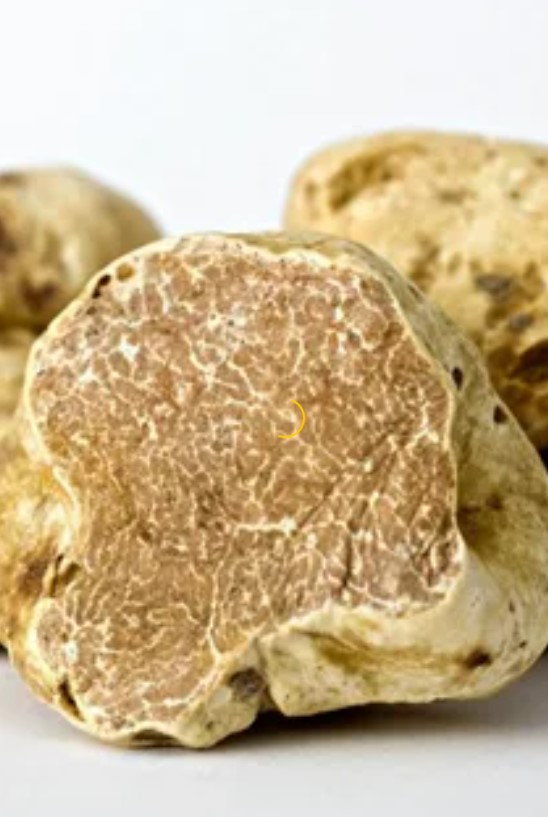
Read more about white truffles in the articleWhite truffle mushroom: what it looks like, description, 50+ photos, where and when to look.
Himalayan truffle (Tuber himalayensis)
| View | Description | Peculiarities | When it ripens | Where to look |
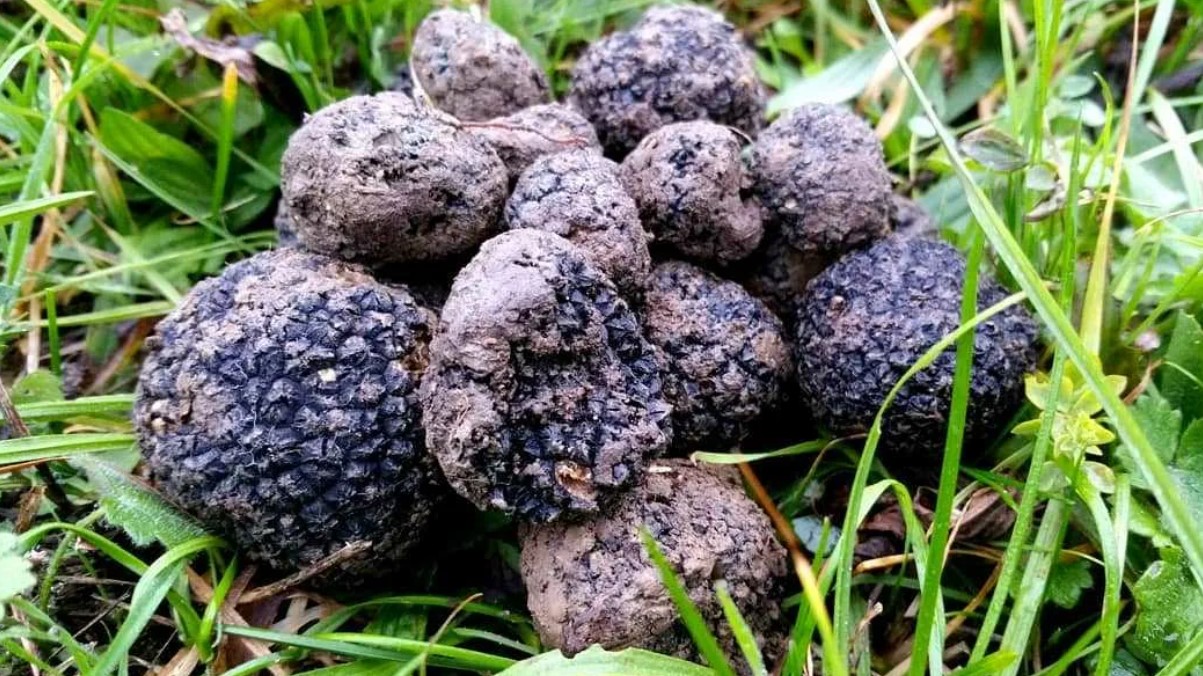
| Himalayan truffle (Tuber himalayensis) | The weight of the fruiting body is from 5 to 50 g, the diameter is no more than 2 cm, the color is dark brown, almost black, the flesh is dark purple. | It lies at a depth of 30 cm. | December-February. | Grows in Tibet under Himalayan pine trees. |
Photo gallery of the Himalayan truffle
What can truffle mushrooms be confused with?
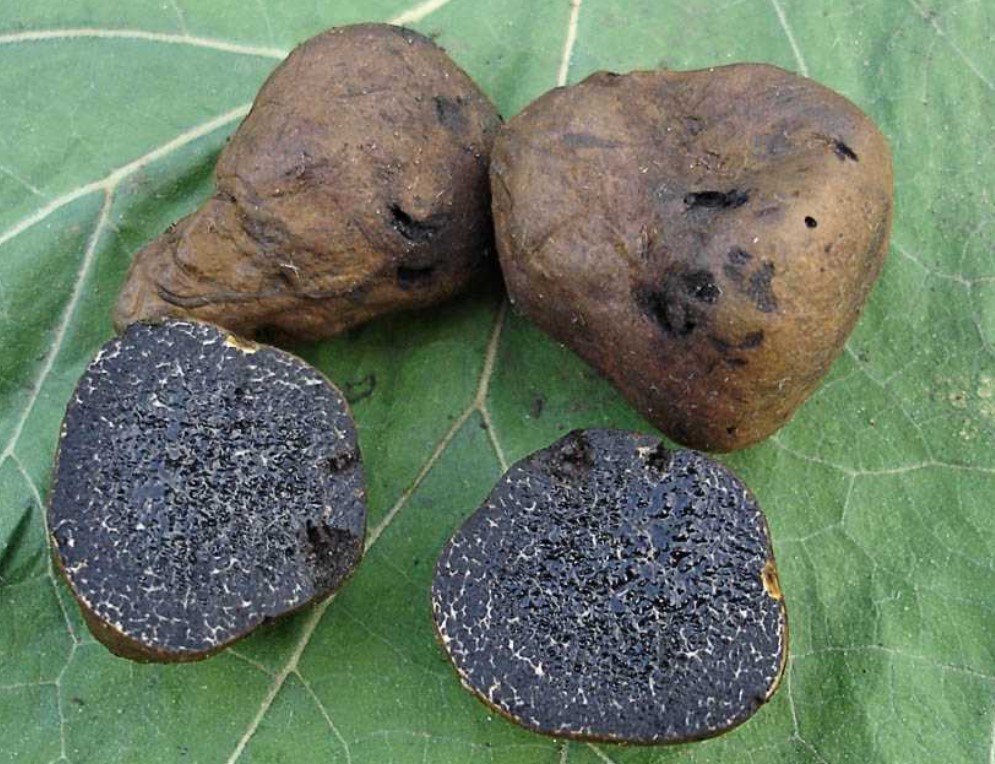
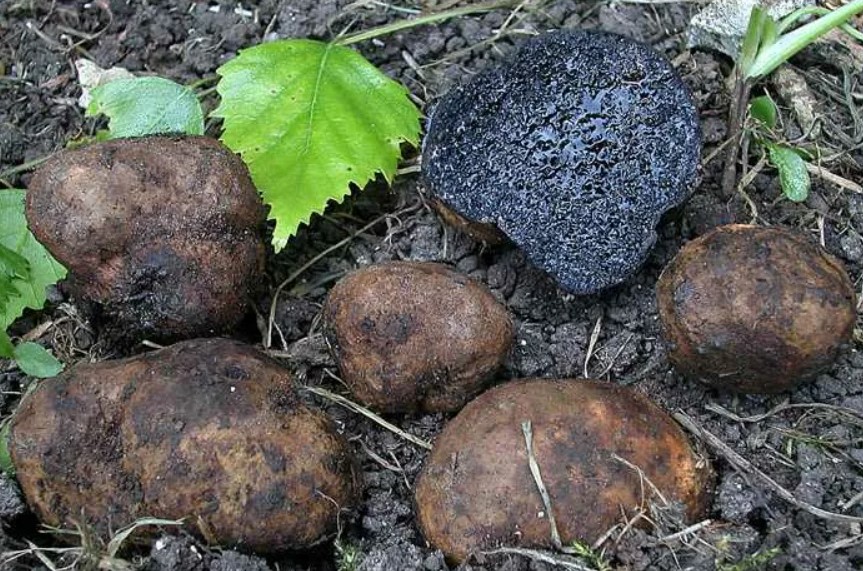
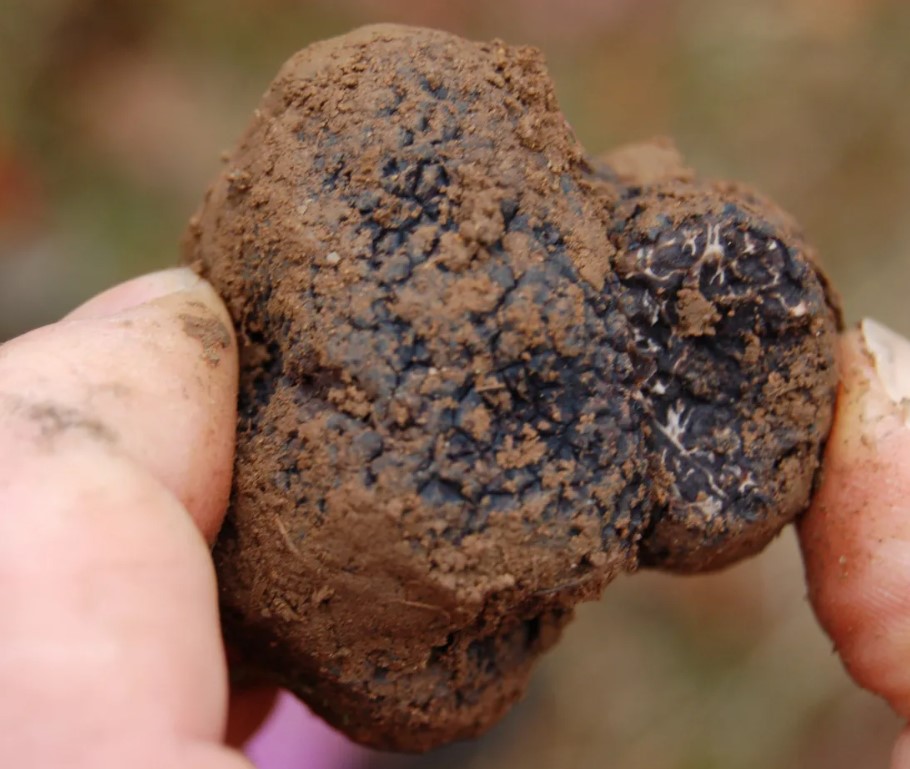
True truffles belong to the genus Tuber, fetching exorbitant prices (up to 200,000 per kilogram) and possessing an exquisite taste. However, there are also truffle-like varieties in the mushroom kingdom. However, they belong to different genera – Choiromyces, Elaphomyces, and Terfezia. These are often confused with the world-famous delicacy.
Even though there are edible specimens among the lookalikes, their taste is far from that of a truffle.
Among the inedible truffle look-alikes are:
- Parga, or deer truffle. Belonging to the Elaphomycetes family, it grows up to 15 cm in diameter and grows to a depth of 15 cm.
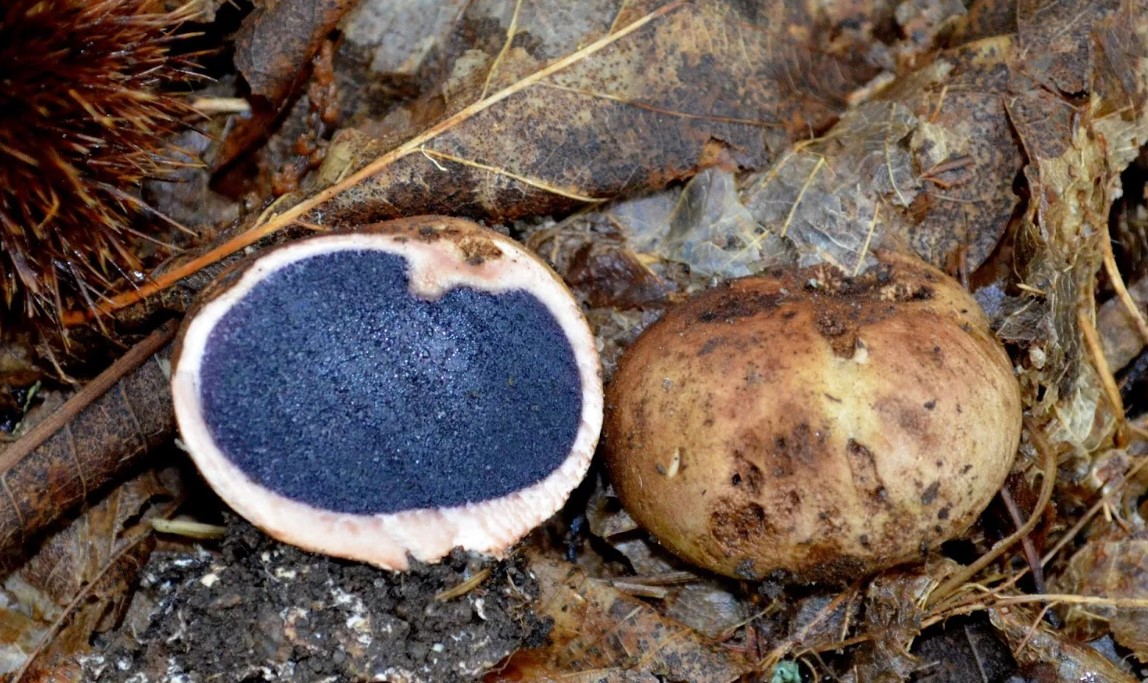
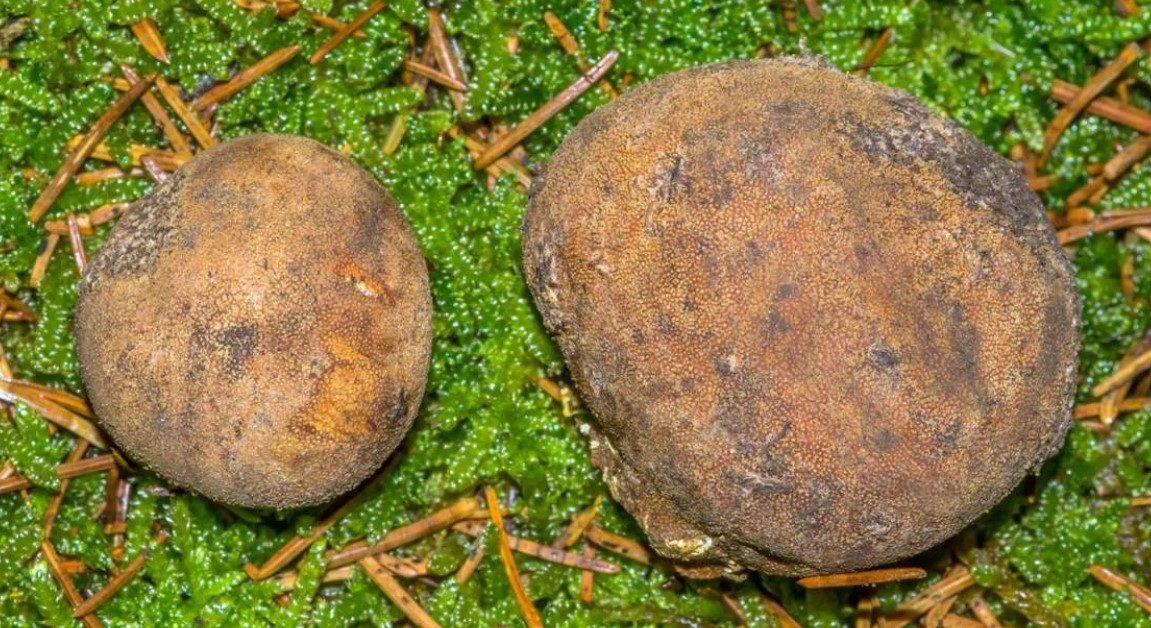
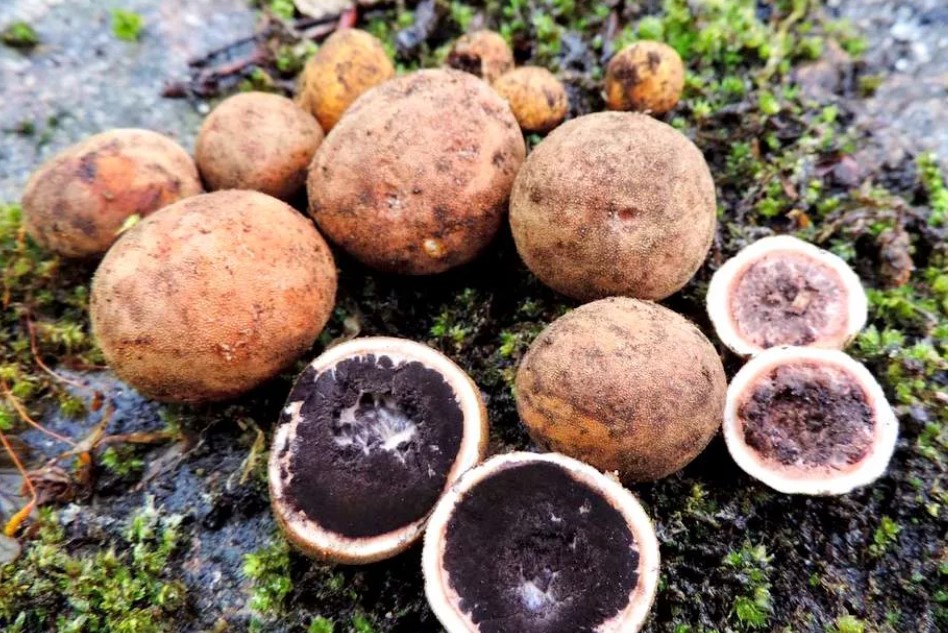
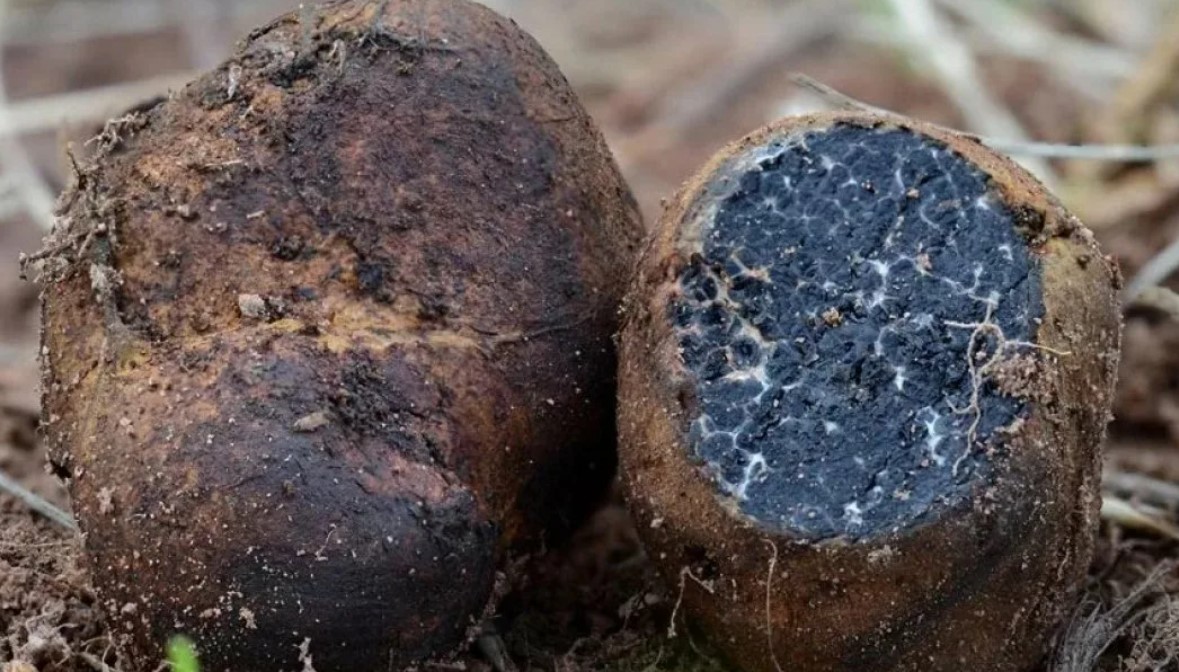
- The false truffle, or melanogaster, belongs to the family Pigweed and is closely related to the pig mushroom. Its body is shaped like a brown tuber, with a mesh-like skin. The flesh is sponge-like, with a gelatinous interior that exudes a fruity aroma.
Calorie content of truffle mushrooms
100 grams of truffles contain only 24 kcal. The mushroom also contains:
- Carbohydrates – 2g;
- Fats – 0.5 g;
- Protein – 3 g;
- Dietary fiber – 1 g.
Most of the mushroom is water – 90 g.
The benefits and harms of truffle mushrooms
Since ancient times, truffles have been considered a powerful aphrodisiac, so noblemen of both sexes actively consumed them. Indeed, the mushroom does have this effect; it enhances male potency. Furthermore, truffles normalize gastrointestinal function, stabilize the nervous system, and have an antioxidant effect on the body.
The only contraindication for consumption is intolerance to the product. Otherwise, moderate consumption of truffles will not cause any harm, even to children.
But it's important to remember that truffles, like sponges, absorb various substances from the soil. Therefore, it's important to eat only those products that have been harvested in ecologically clean areas.
How to cook truffle mushrooms and their culinary uses
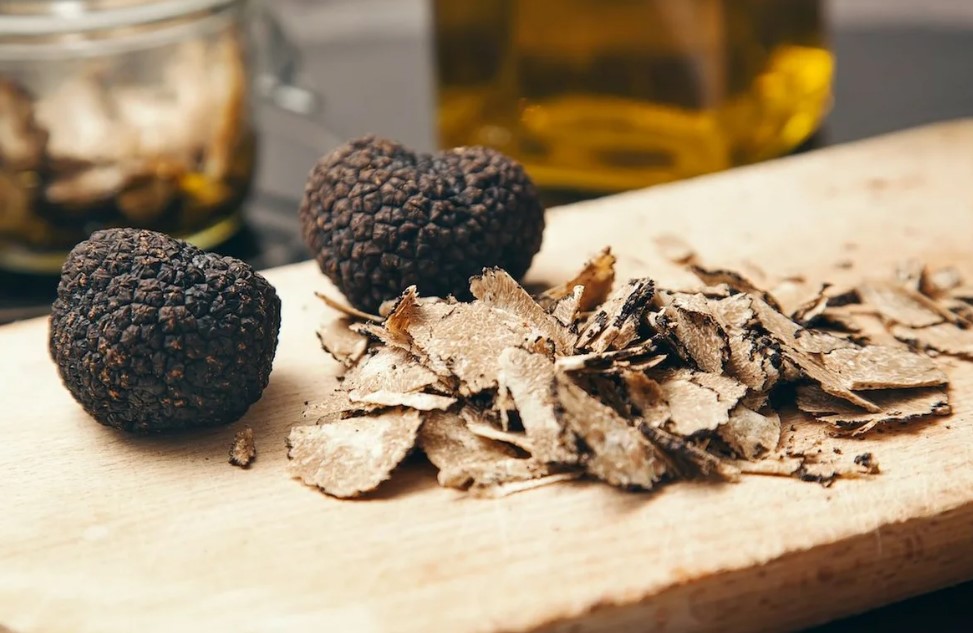
Truffles are eaten almost raw; prolonged cooking spoils their flavor and destroys their aroma. Therefore, they should be sliced or grated immediately before serving.
The finer the truffle shavings, the more flavorful the mushroom will be. Chefs even use a special knife for slicing it—a mandoline. Truffles develop their flavors best when cooked with fat, making them a perfect pairing with foie gras, butter, and cream.
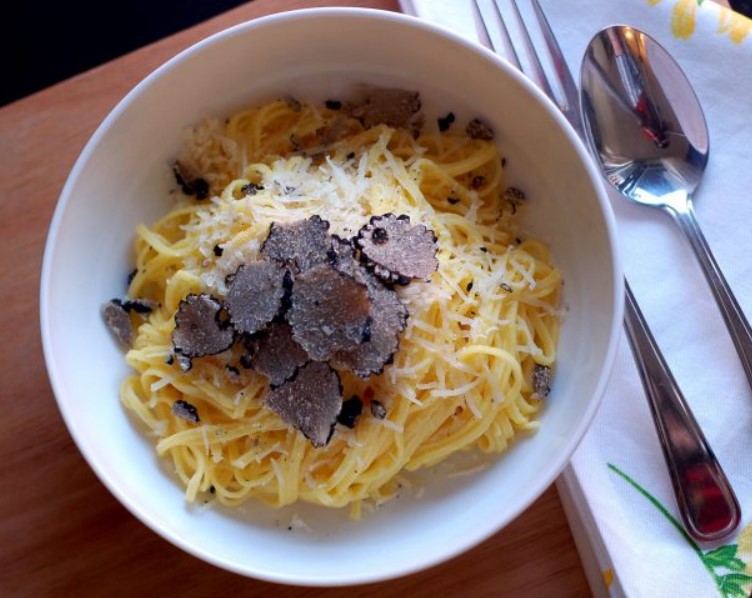
8-12 g of truffle is enough for one person to experience all its extraordinary taste.
In cooking, this exquisite mushroom is often paired with very simple ingredients, as it should be the centerpiece of the dish. A small amount of mushrooms is added to sauces and egg mixtures used to season pasta and rice.
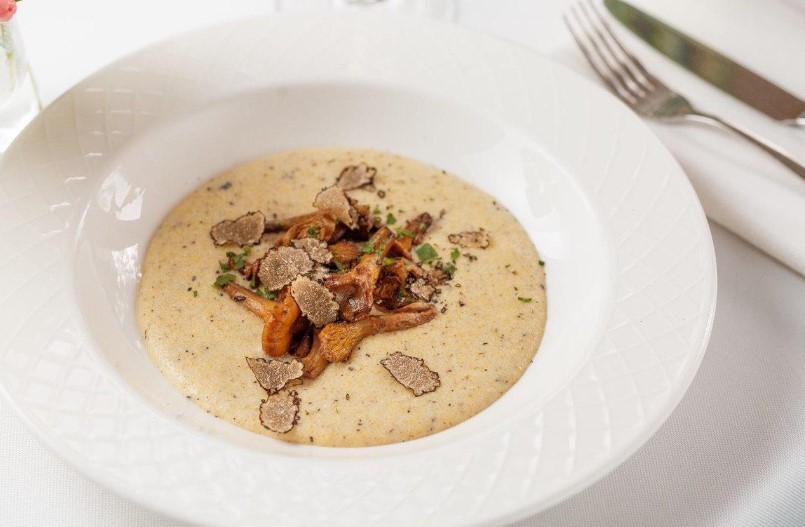
You can find truffle oil, cheese, and even flour on sale.
Is it possible to grow truffle mushrooms at home?
Growing mushrooms at home is very difficult, but possible. However, it's not cheap. It requires expensive mycelium, special soil, and a ventilation, air conditioning, and heating system. The investment is only worth it if mushroom growing becomes a business.
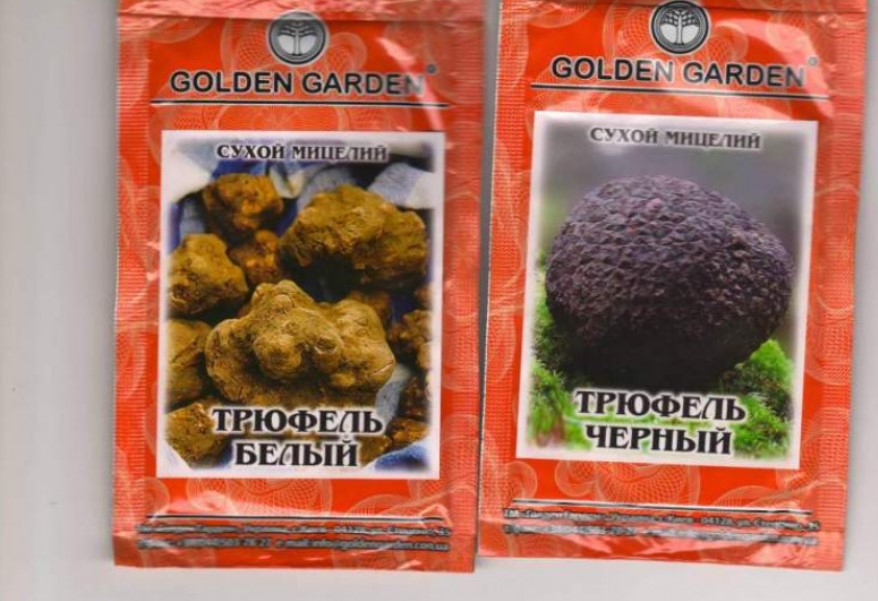
You can try growing mushrooms in a greenhouse on your property. But it won't work. Regions with winter temperatures below 5 to 10 degrees Celsius are absolutely unsuitable.
If a suitable site has been found, it should be filled with specialized soil rich in lime, calcium, and humus. The soil should be well-moistened, but not soaked at the roots.
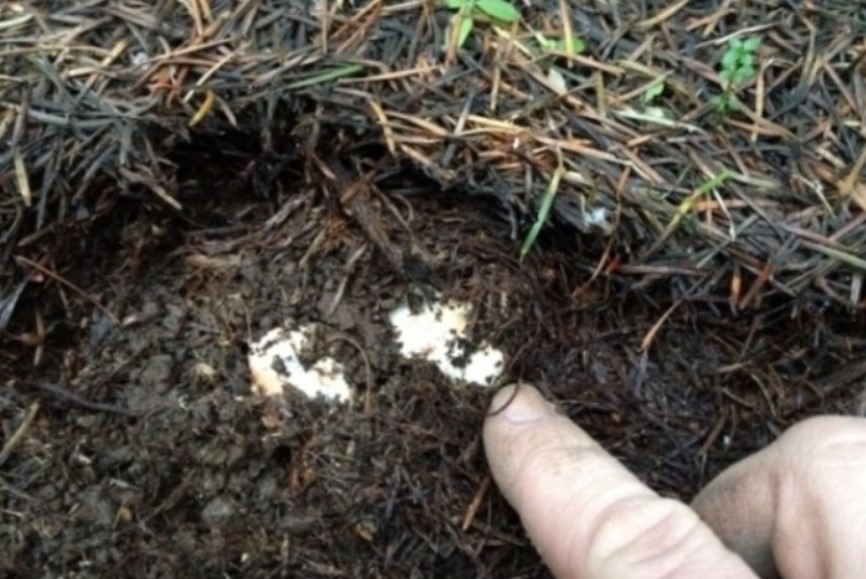
The next step in growing truffles is planting hazel or oak seedlings, as truffles form mycorrhiza with these trees. The soil around the roots is mulched with disinfected, last year's oak leaves. When planting, the previously purchased mycelium is added to the hole. Next, water the plants with warm water. Under favorable conditions, the first truffles will begin to emerge in a year or two, but a good harvest shouldn't be expected immediately.
How to store truffle mushrooms
Due to their high moisture content, truffles don't have a long shelf life. Their maximum shelf life is 4 days in the refrigerator when stored in an airtight container. For added security, you can stuff the spaces between the mushrooms with dry rice; it will not only retain moisture but also absorb the unique aroma. Frozen, the mushrooms will keep for up to 2 weeks.
Another way to preserve freshness is to drizzle the mushrooms with olive oil. This will reduce the risk of mold and prevent rapid evaporation. If completely covered, truffles will last about 14 days.