Mustard requires little care, grows quickly, and improves soil quality. These qualities make it an ideal green manure crop. In our country, two types of mustard are commonly grown: blue, or Sarepta, and white.
Content
- 1 What kind of mustard is used as green manure?
- 2 Mustard properties for the garden: advantages and disadvantages
- 3 Soils on which mustard is used
- 4 What shouldn't be planted after mustard?
- 5 When to sow mustard
- 6 Sowing technology
- 7 Consumption of mustard seeds per hundred square meters
- 8 Caring for mustard crops
- 9 When to mow mustard and is it worth digging?
- 10 Tips from experienced gardeners
- 11 Experienced gardeners' reviews of mustard as a green manure
What kind of mustard is used as green manure?
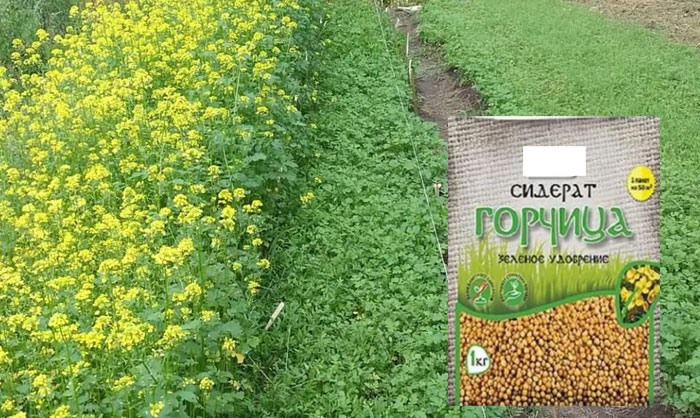
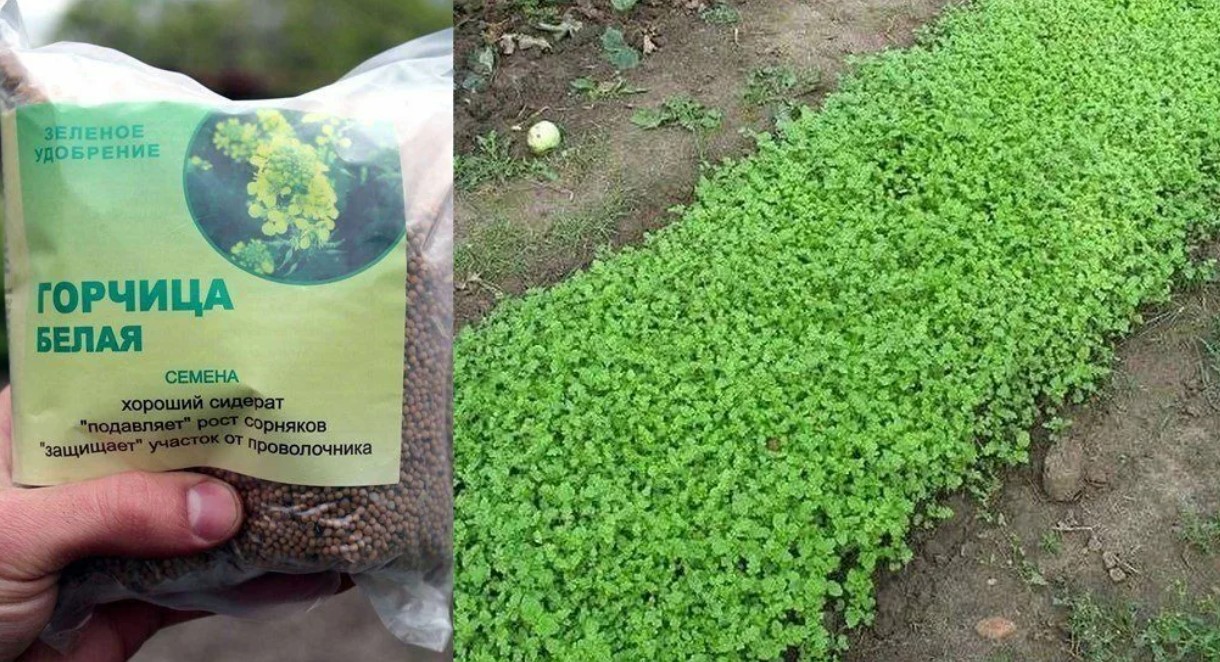
Mustard is considered a good green manure crop for gardeners. Both Sarepta and white mustard are used as green manure, but in most cases, the white variety is chosen.
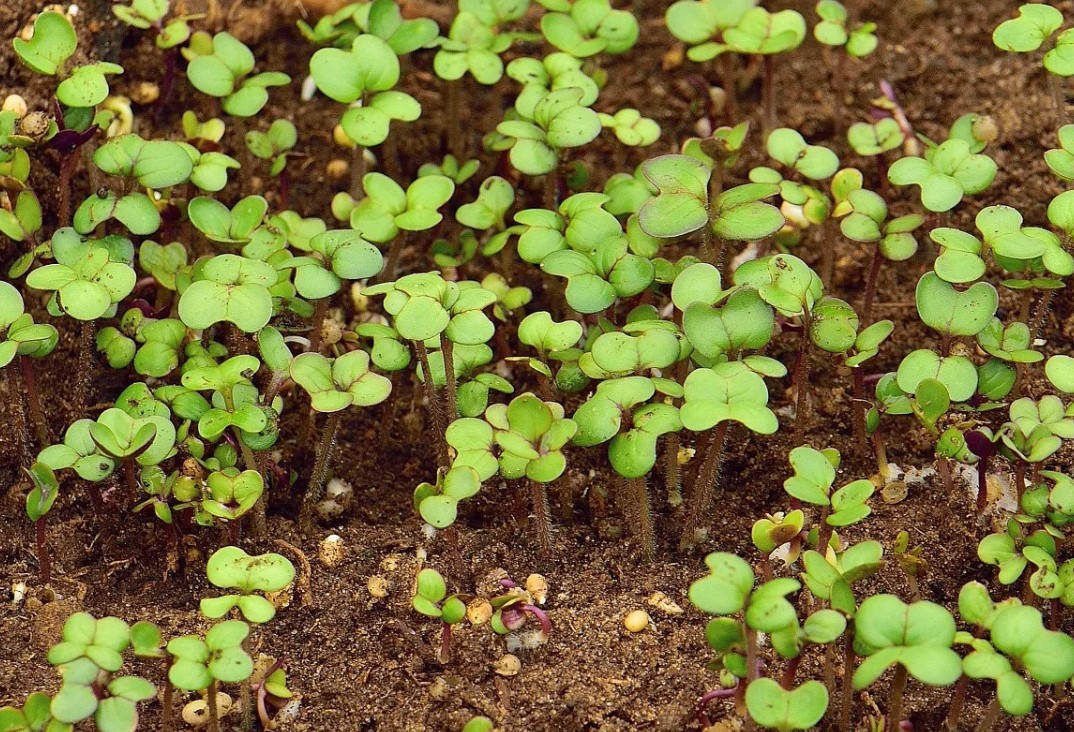
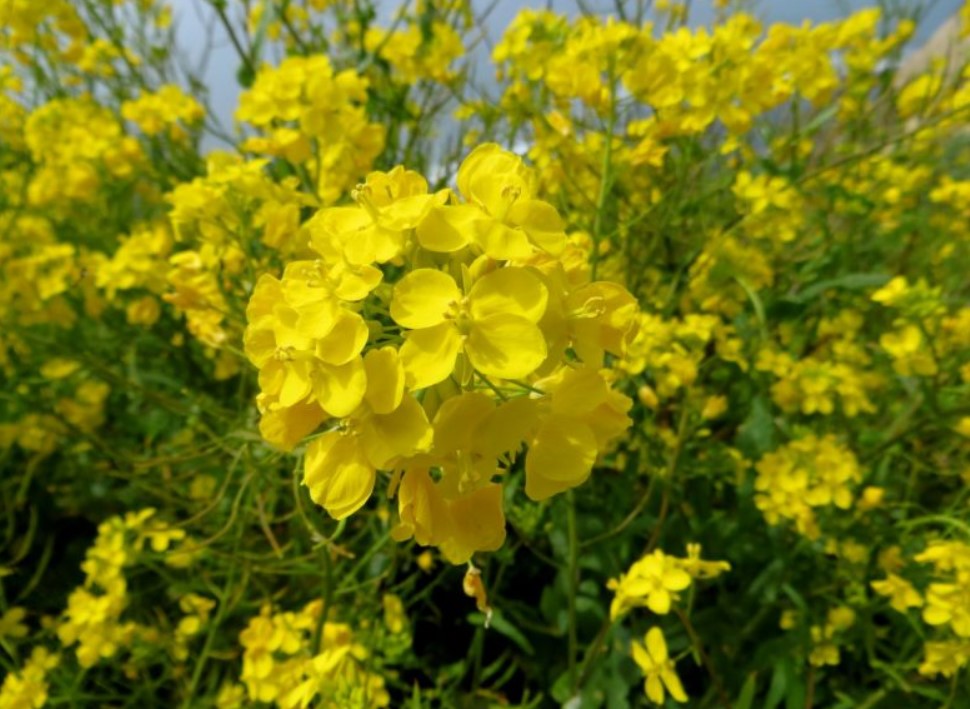
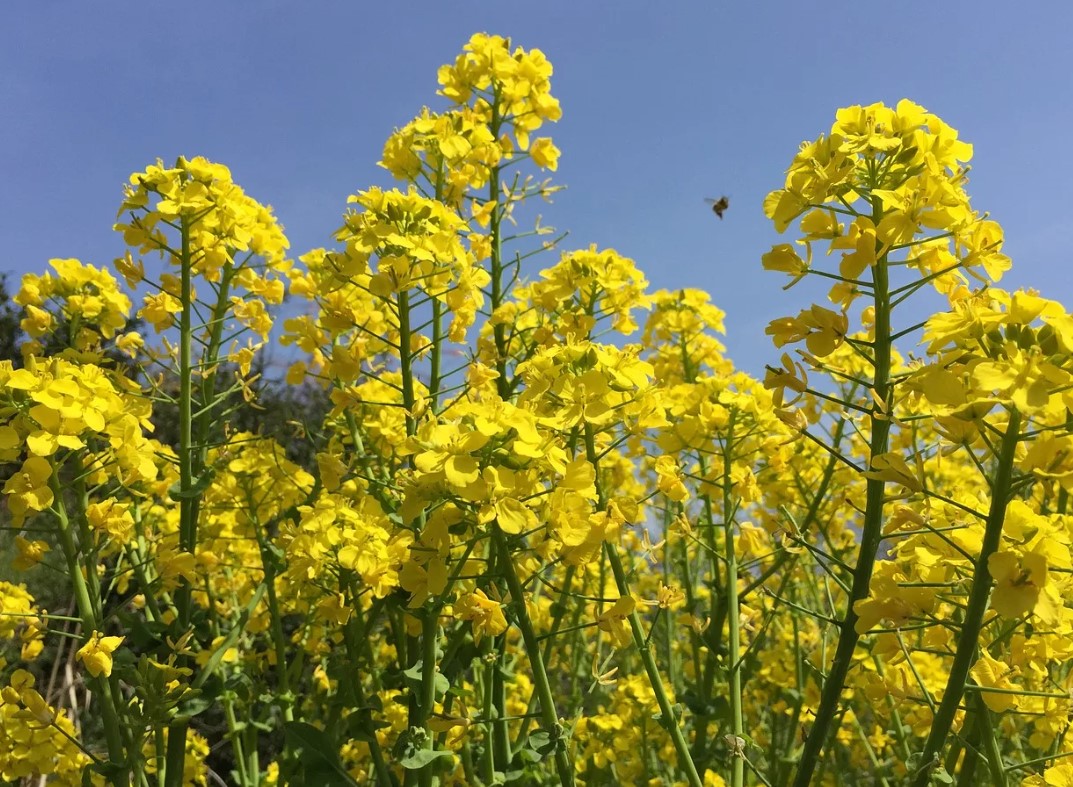
White mustard is used as a green manure because it germinates faster than Sarepta mustard and can withstand temperatures as low as -5°C, allowing it to be planted in early spring and late fall. This plant can reach a height of up to 0.8 m. Furthermore, this crop has a rich chemical composition, containing high levels of nitrogen, potassium, and phosphorus. These nutrients are released into the soil through the decomposition of plant material. It blooms from late June until the beginning of the fall season.
Comparison of Sarepta and white mustard as green manure
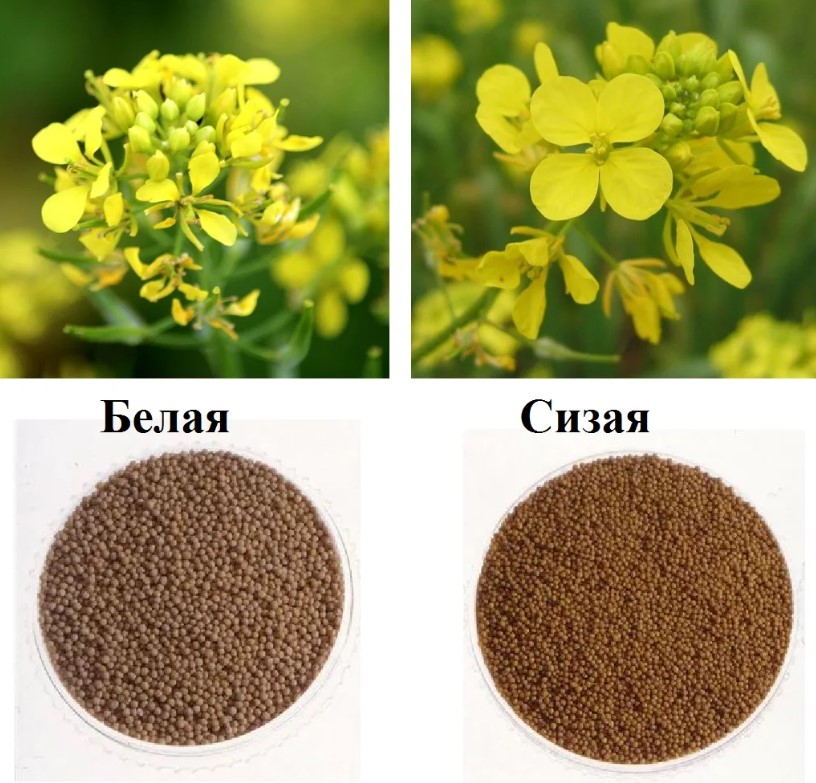
In the table we will look at the differences between white and blue mustard.
| Parameters | White mustard | Sarepta mustard (gray, blue) |
| Priming | Dislikes waterlogged and acidic soil. Drained bogs can be used. | Waterlogged soil is not suitable. |
| Drought resistance | Low. Moisture-loving. | Average |
| Seed germination temperature | +1…+2 °С | +2…+4 °С |
| Frost resistance | Cold-resistant. Seedlings can withstand temperatures down to -6°C, and during flowering – down to -2°C |
Less cold-resistant. Seedlings emerge at temperatures up to -3°C |
| Growing season in days (from sowing to seed collection) | 60-70 | 85-100 |
| Height (cm) | Green part up to 50-70, during flowering 80-100 | Before flowering - 60-80, during flowering - 100-150 |
| Type of seeds | The color is pale yellow, the shape is round | Black-gray, sometimes yellow, oval-round |
| Weight per thousand seeds (g) | 5-6.5 | 2-4 |
Mustard properties for the garden: advantages and disadvantages
Mustard is an indispensable assistant in the garden.
Its planting on the site has many advantages:
- loosens and improves the soil, making it more permeable to air and moisture;
- inhibits the growth of weeds by releasing glycosides sinalbin and sinigrin into the soil;
- prevents the appearance of fungi due to the presence of essential oils in the constituent components;
- repels pests (wireworms, mole crickets and cockchafers);
- slightly acidifies the soil;
- helps to reduce the period of crop rotation and sowing new plants on the same plot much earlier than usual;
- prevents the washing away of nutrients from the soil.
However, this green manure also has its disadvantages:
- has a good effect on fertile soil, but improvement of the composition of poor soil occurs at a slow pace;
- may suffer from various diseases, including rust, alternaria and powdery mildew;
- accumulates and returns to the soil only phosphorus, potassium and nitrogen;
- When grown on acidic soil, frequent fertilization with lime or chalk is required to normalize the pH level.
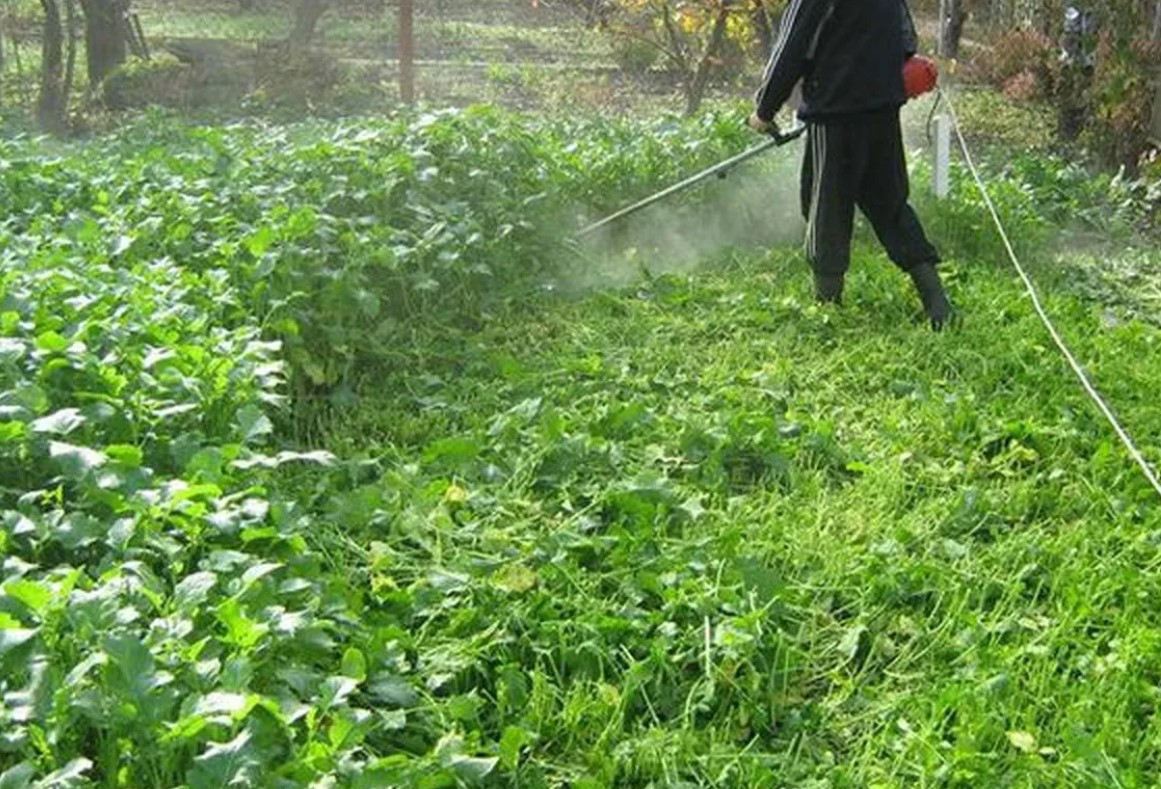
Furthermore, after flowering, mustard shoots become tough and decompose slowly. Therefore, when using this plant, it must be mown down during the budding period.
Soils on which mustard is used
To ensure mustard benefits your garden, it's important to sow it correctly. It's recommended to plant it in soil composed of peat and sand, or in black soil with a neutral to slightly acidic pH. This will reward you with a bountiful harvest and enrich the soil with essential micronutrients.
It is not recommended to sow mustard in loamy, saline, or acidic soils. In such conditions, mustard growth will be hindered, and the plant will not produce a lush green mass. Furthermore, the soil will become more acidic, making it impossible to grow most vegetable crops in the area.
What shouldn't be planted after mustard?
Mustard is not a universal green manure. After growing it, avoid planting the following crops for 3-4 years:
- any types of cabbage;
- radishes and radishes;
- turnip;
- spinach and rutabaga;
- watercress;
- horseradish.
If these plants are planted after mustard, they will be at risk of dangerous fungal infections. Furthermore, their growth will be slow.
When to sow mustard
As with any other plant, it is important to choose the right planting time for mustard.
Sowing in autumn
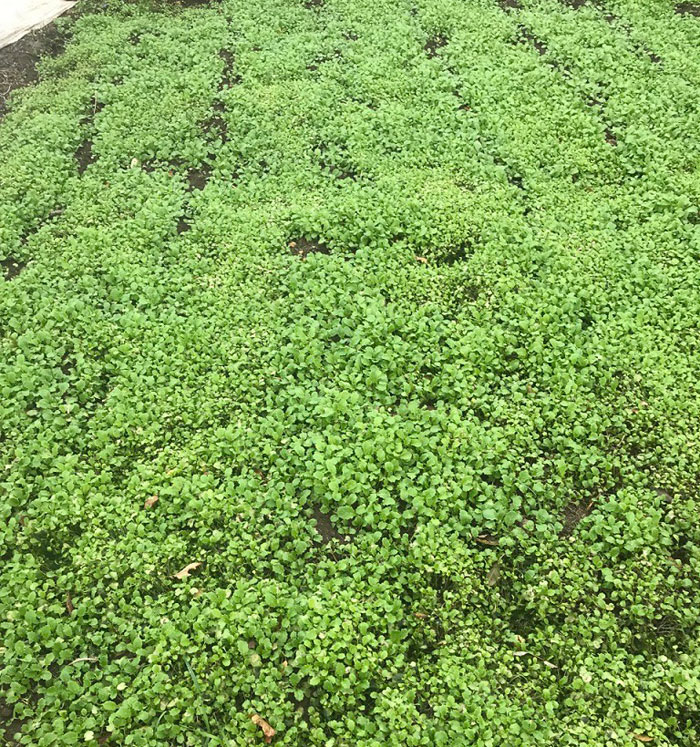
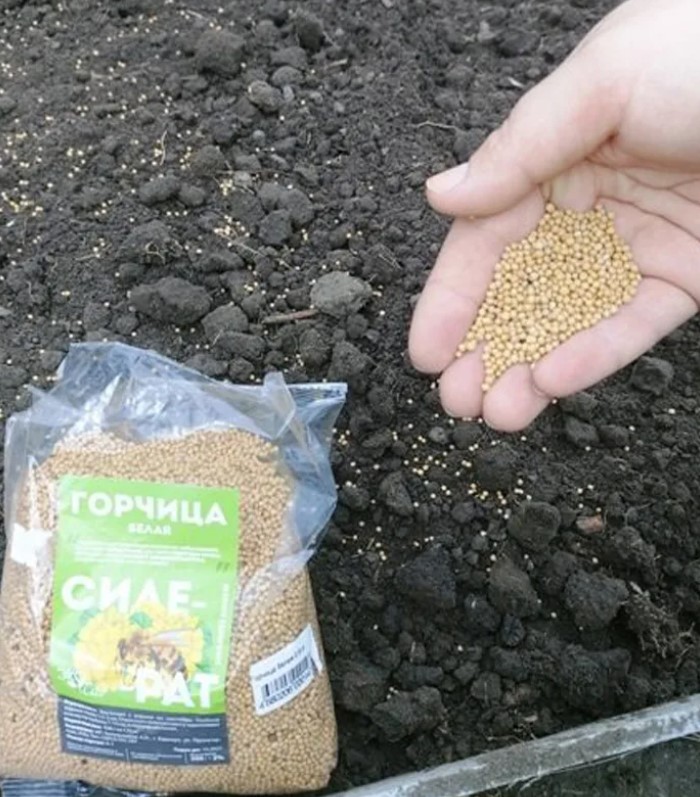
Mustard seeds are sown from late August to mid-November. The exact timing depends on the regional climate. In temperate climates, September is the best time to sow, while in Siberia and the Urals, late August is the best time. In southern regions, the plant is planted until early winter.
Before frost, the grass should be mowed and spread on the ground. Over the winter, the mustard will rot and fertilize the soil. Also, if left undisturbed, it will protect the soil from freezing.
Sowing in spring
In the south, mustard is sown in late winter, and in mid-spring in the central part of Russia and Siberia. Favorable conditions, such as warm soil and air, promote rapid germination. When temperatures reach 10°C, seedlings emerge within three days.
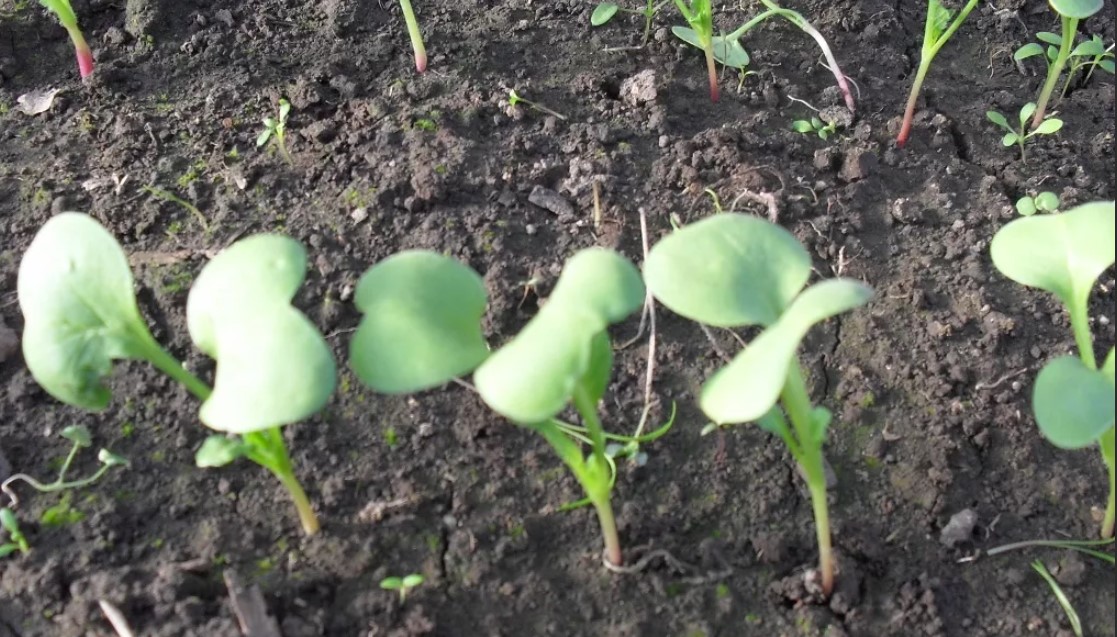
When sowing, keep in mind that the plant will need at least 1.5 months to produce good green mass. Therefore, plan your green manure sowing so as to avoid having to shift the planting dates for vegetables.
Sowing in summer
In summer, mustard is often used as a green manure after harvesting other crops. The herb promotes rapid restoration of soil fertility. Mustard should be mown from late July to mid-September.
Sowing technology
Sowing doesn't require any special knowledge or skills. Thanks to the plant's low maintenance, care and soil cultivation are straightforward.
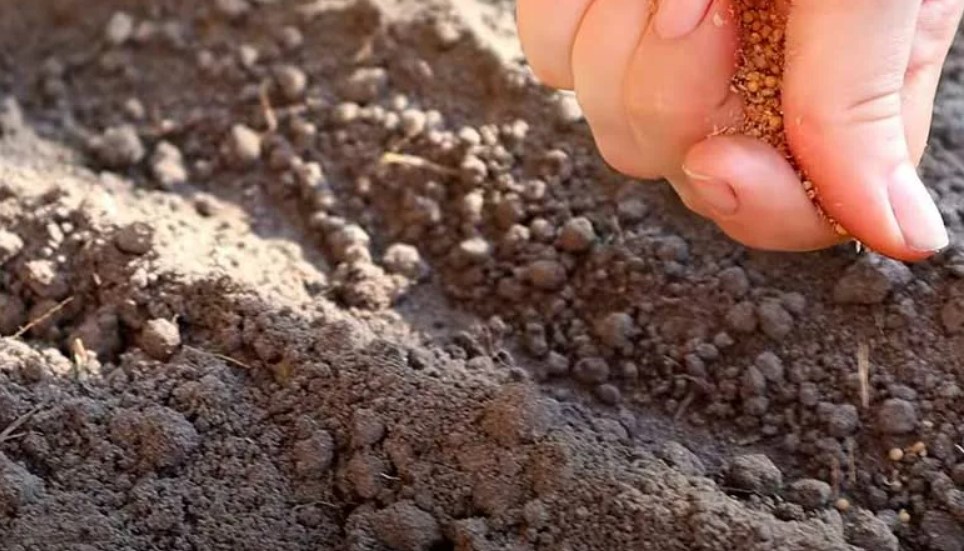
To ensure that the plant sprouts on time, the following sowing rules must be observed:
- When choosing a planting site, consider how mustard interacts with other plants. It's best to avoid areas where cruciferous crops were previously grown. The ideal location for mustard should be sunny and well-protected from the wind.
- Before sowing, you should dig up the soil, remove the roots of weeds and water it generously with cooled water.
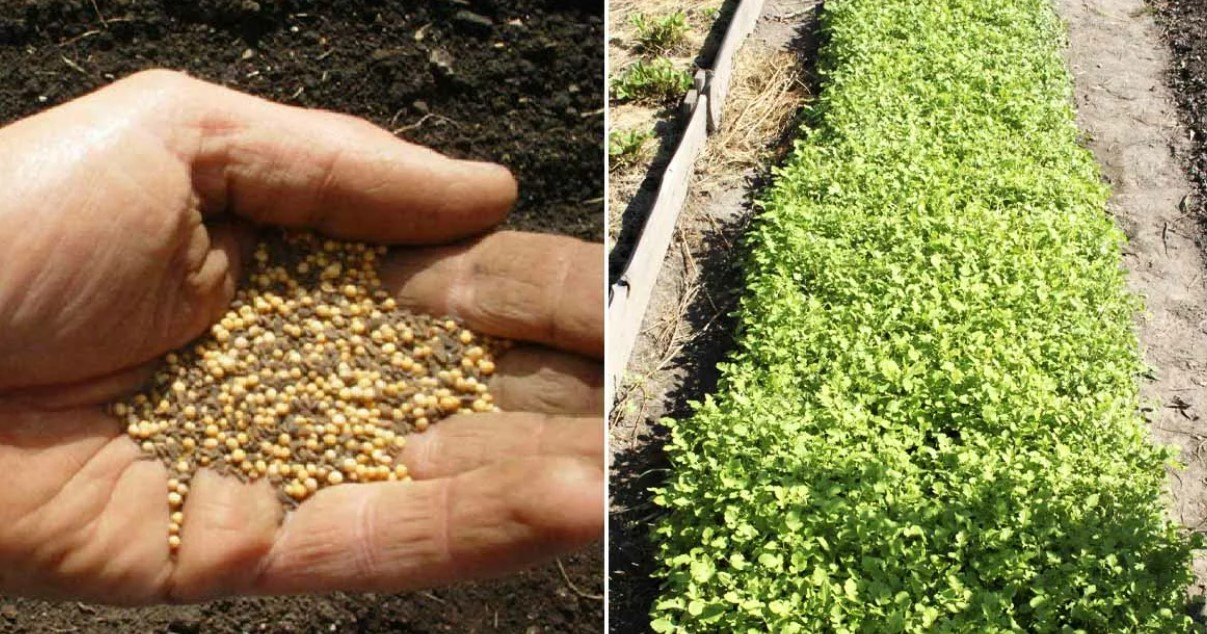
- Mustard seeds should be planted in shallow furrows 12-15 cm apart. The sowing depth should not exceed 1/3 of a finger.
- For each square meter of garden you need about 4-5 g of seeds.
- After sowing, the seeds should be lightly covered with soil.
- The seeded area is watered using a garden watering can.
The first shoots can be expected within 4 days. To ensure natural mustard development, it is not recommended to use chemicals of unknown origin. However, if necessary, you can fertilize the plants with "Baikal."
Consumption of mustard seeds per hundred square meters
The amount of mustard green manure seed required depends on the soil type. The heavier the soil, the more seeds will be needed. If you add too little to a heavy substrate, many plants may simply fail to germinate.
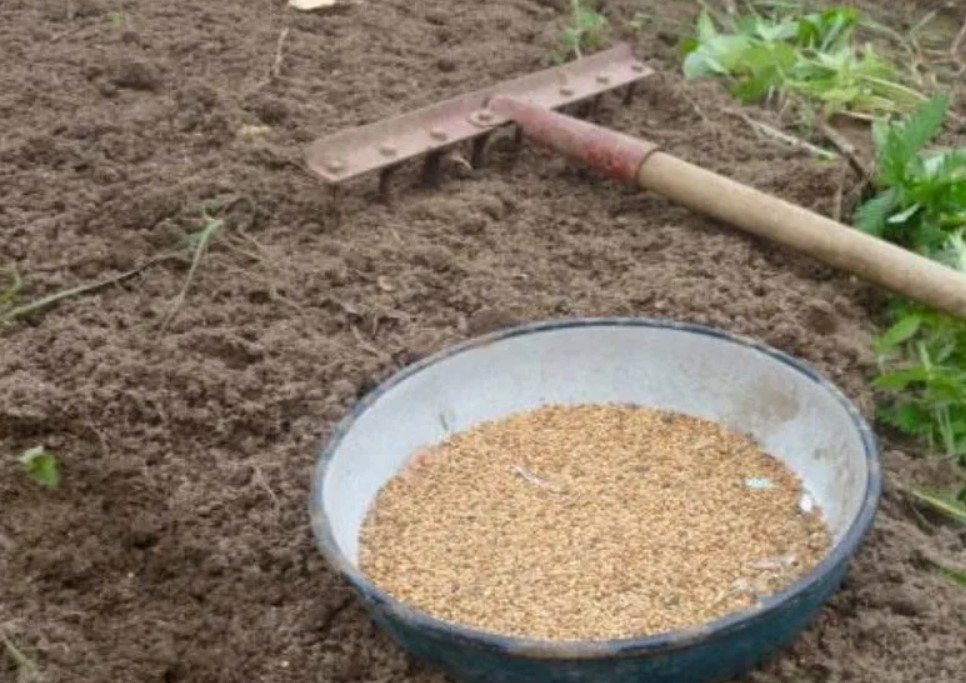
Standard sowing rates for mustard seeds per 100 square meters of land differ from those of other green manure crops because they produce a significant amount of foliage in a short period of time. Mustard plants can reach a height of 1 meter, and their length, under favorable conditions, can reach up to 1.4 meters.
The table shows the consumption rates of mustard seeds per hundred square meters depending on the variety and soil.
| Soil type | Consumption rate per 100 m2 (g) | |
| White | Sarepta | |
| Sandy | 200 | 150 |
| Clayey | 300 | 250 |
| Black soil | 100 | 150 |
Caring for mustard crops
When growing mustard as a green manure, you need to follow a few simple rules for caring for it:
- The plant reacts poorly to drought because its roots are shallow and unable to draw moisture from deeper soil layers. During hot and dry periods, water the plant at least once a week, using about a bucket of water per square meter.
- Mustard grows well without fertilizer. However, you can apply complex mineral mixtures or mullein infusions during the initial growth stage. The fertilizer should contain nitrogen, which promotes the development of green mass.
- To promote rapid growth, it's recommended to occasionally loosen the soil around the mustard roots to improve oxygen access. Weeds don't need to be removed, as they grow sparsely. If they do appear, they should be promptly removed from the soil.
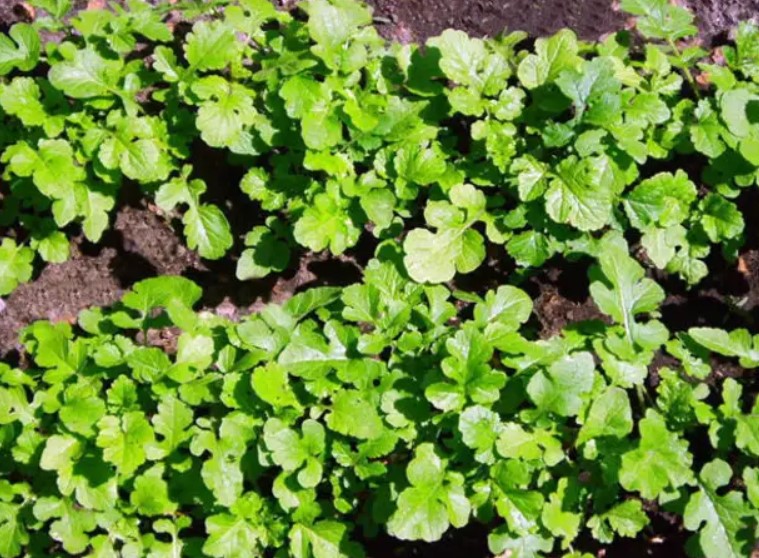
Mustard grows most vigorously at temperatures above 10°C. Seeds also germinate at 2°C to 3°C, but green manure growth slows under these conditions.
When to mow mustard and is it worth digging?
Mustard grows well in areas with good access to sunlight. However, overgrown green manure requires pruning.
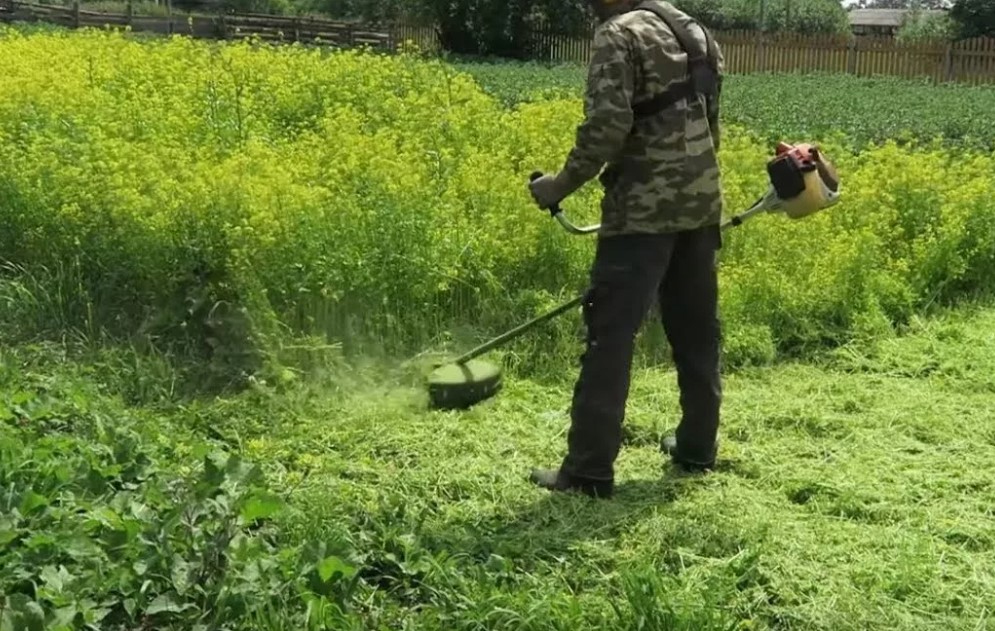
This must be done for the following reasons:
- When a plant begins to flower, all of its structural elements become coarse. This causes decomposition to take longer.
- During flowering, mustard plants focus their energy on developing flowers, which then develop into seed pods. During this time, mustard's beneficial soil-improving properties diminish.
- If you don't mow down the mature plant, the ripe seeds will scatter randomly across the entire area after flowering. This will turn the beneficial plant into a weed.
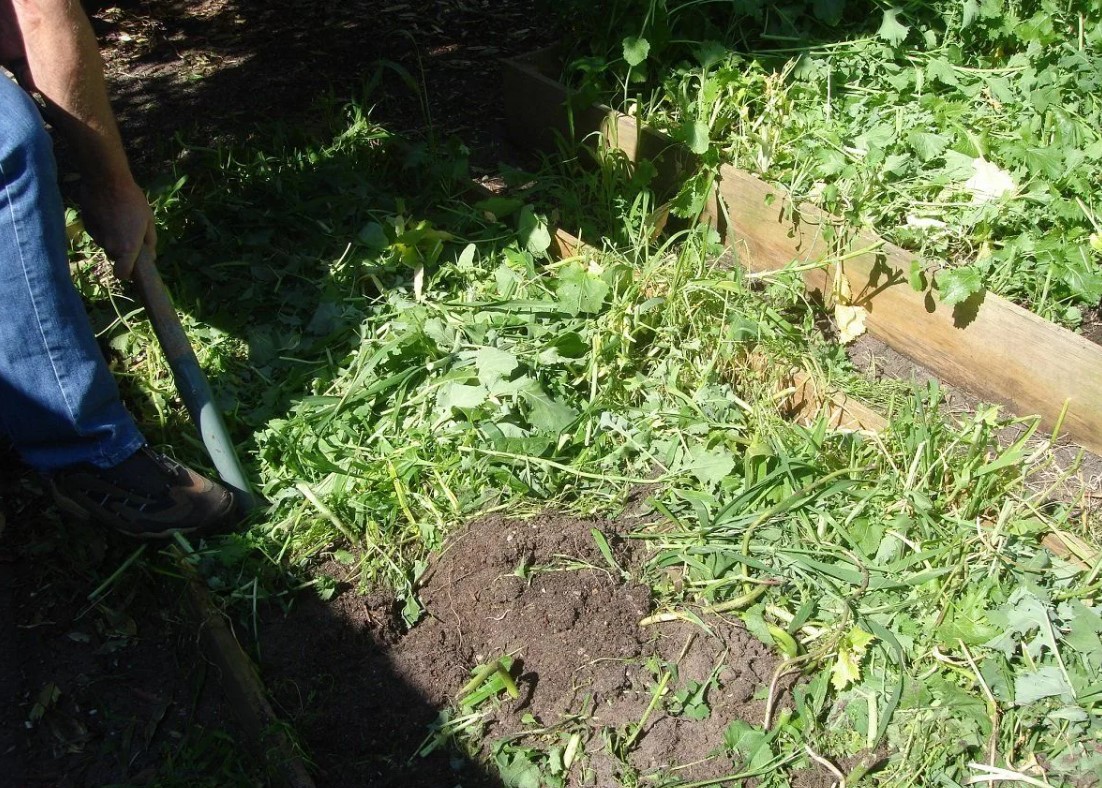
Experienced gardeners recommend digging up green manure crops approximately 40 days after the seedlings emerge. This allows them to concentrate the greatest amount of nutrients.
Tips from experienced gardeners
Growing mustard as a green manure is a relatively simple task, easily mastered even by beginners. Experienced gardeners offer helpful tips to ensure a bountiful green manure harvest without the hassle:
- First, you need to thoroughly prepare the bed: level the surface and remove any residue from previous crops. This preliminary preparation will ensure good seed-to-soil contact without any obstructions.
- It is better to sow the seeds before the rain;
- If the soil is dense, don't press the seeds too deeply into the soil. Place them closer to the surface.
- In case of sandy soil, seeds can be sown at a greater depth.
- To get the best fertilizer for the soil, you should mow on time.
- In spring, mustard seeds should be planted in furrows, and in autumn they should be scattered.
When mustard grows, its stems should be mown down. However, the mown sprouts don't need to be thrown away—they can be used as garden fertilizer or as feed for livestock or poultry.
Many gardeners use mustard as an antiseptic. Folk medicine enthusiasts cultivate mustard for use in ointments and compresses. Mustard preparations are actively used to treat colds. Mustard green manure is not only a soil fertilizer but also a significant benefit to our environment.
Experienced gardeners' reviews of mustard as a green manure
You can't put this mustard on your hair, but it can improve the soil.
Cost: 50 rubles.
I didn't know what green manure was until I saw dense, green, young growth in my neighbors' beds at the end of summer. Mine was already starting to wilt, but my neighbor's previously empty beds were lush and green.
A small return to summer, at least for a while.A star that received power from heaven
This is how the word "sidera" sounds when translated from Latin, from which our green manure crops originate.
Since then, I've been as concerned about soil fertility and restoration as my neighbor. But either I'm a weakling, or my seeds are failing me, but somehow the seeds I'd sown earlier refused to sprout.
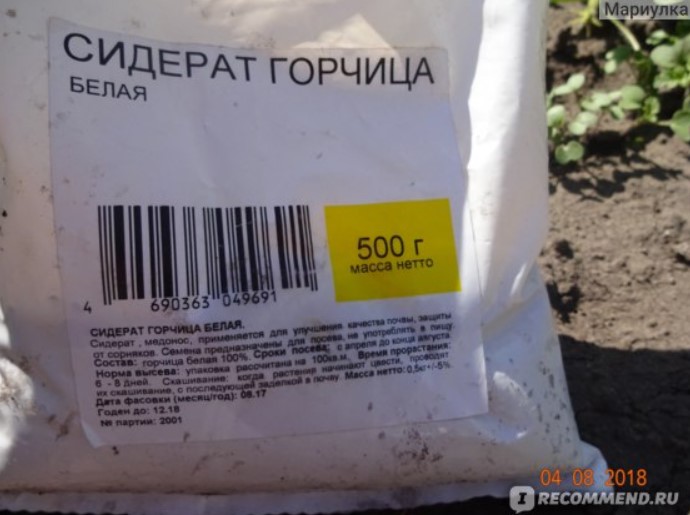
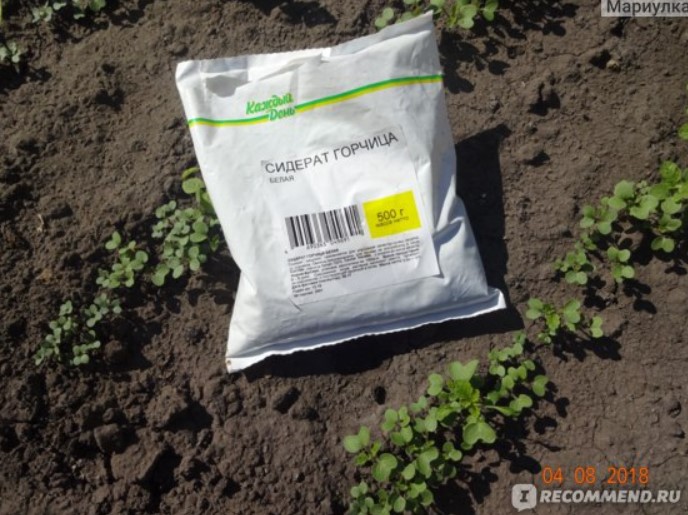
Until a hefty bag of white mustard green manure from the company “Every Day” was purchased at Auchan.
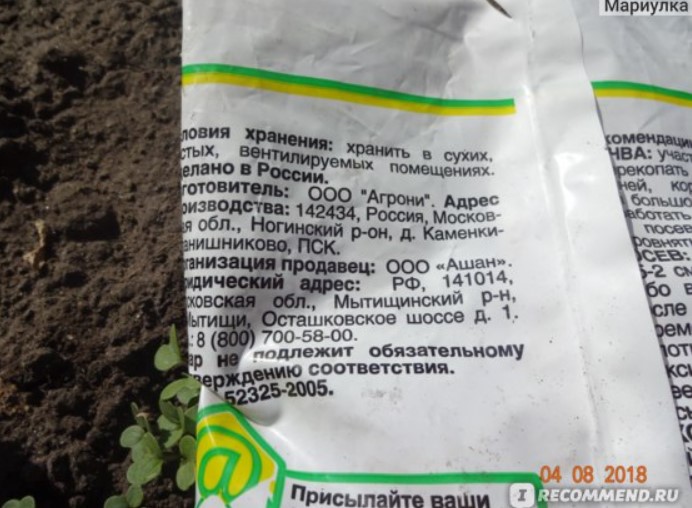
COMPOUND:White mustard 100%
WEIGHT: 500 gr.
Seeding rate:The packaging is designed for 100 sq. m.
What are green manure crops for?
— everything is briefly indicated on the packaging
so that your beds live without weeds and improve the composition of the soil.
— and in more detail
Green manure is a green manure grown specifically to improve soil health. After the growing season, these plants enrich the soil with nitrogen and nutrients and help control weeds.
White mustard
It is especially important for crop rotation. The plant's root system secretes special organic acids. These react with the soil, resulting in the release of poorly soluble phosphates.
They are also an excellent source of potassium and help to make nutrients that are difficult for plants to digest easily.
sowing mustard green manure
MY TESTI own:
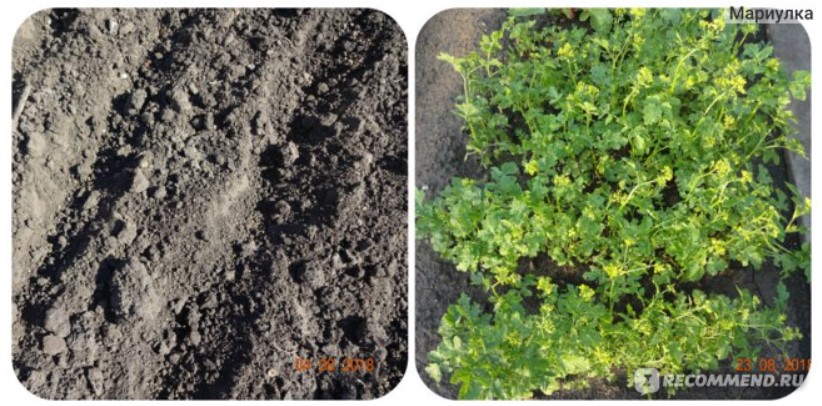
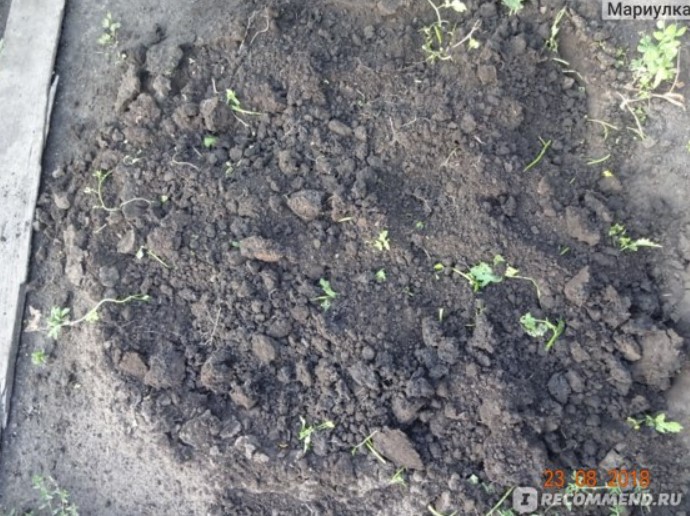
Black, loose soil that sticks a little after rain. In dry weather, it becomes very hard and difficult to break apart. Earthworms are plentiful, but you can never have too many worms…
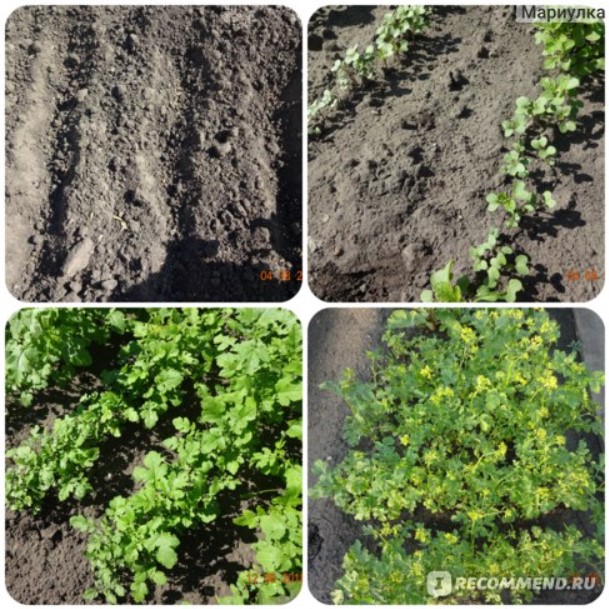
1st planting. Mid-to-late July
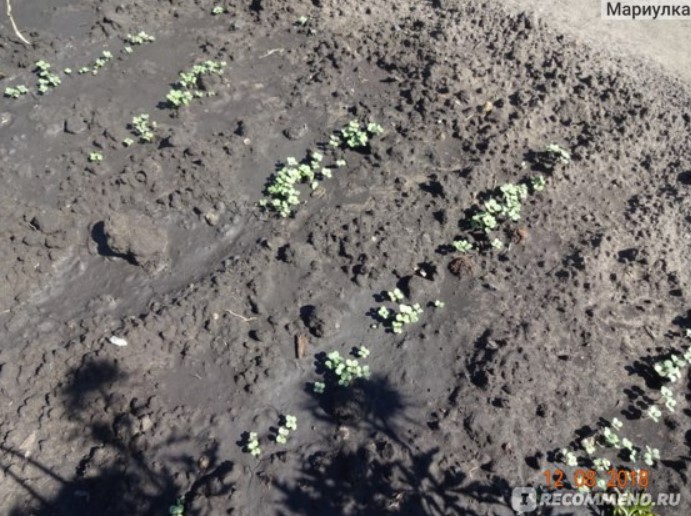
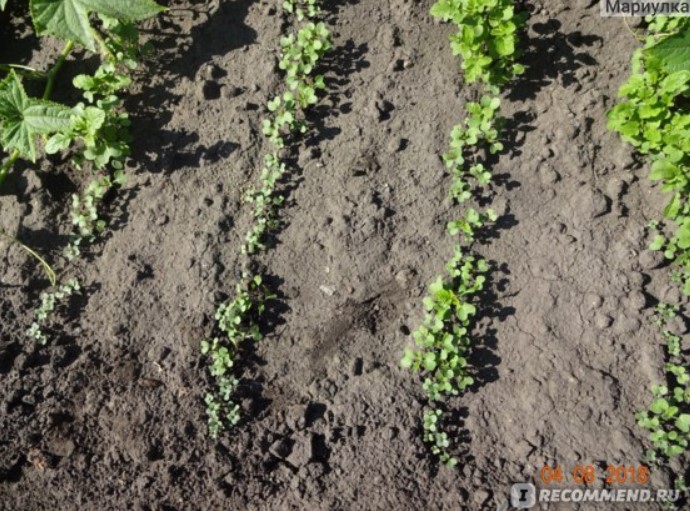
I started sowing green manure as soon as the beds began to clear of radishes - germination rate was 90% a week after planting, with a single heavy watering
2nd planting. Early August
After harvesting the onions, there is another stage of seed placement and the same percentage of germination after 6-7 days
3rd planting. Mid-to-late August
After harvesting peas. Everything is identical.
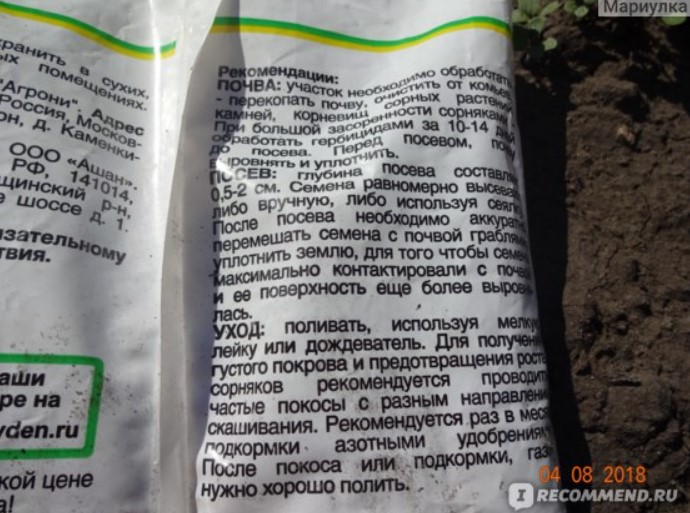
I plant the seeds in furrows, usually made with a gardening tool like a cultivator, to a depth of 1.5–2.5 cm. I sow by hand, closing the furrows by lightly tamping the soil. I water generously with a watering can.
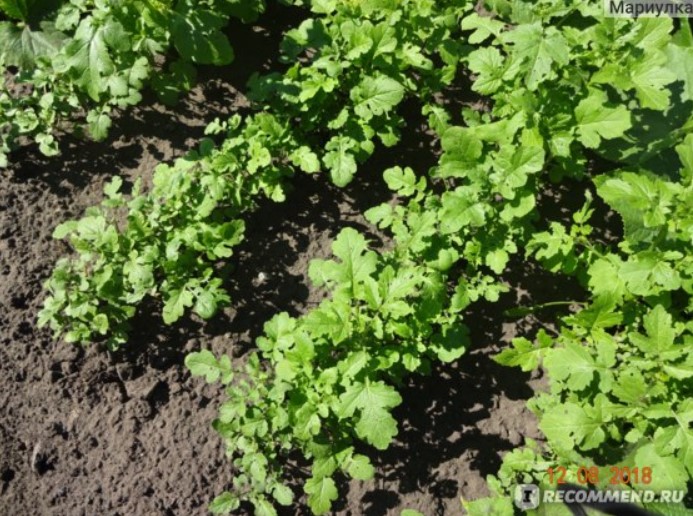
After a week, all the seedlings are exposed to the sun. Then, light watering is given once a week. They reach flowering in about 3-4 weeks under favorable weather conditions.
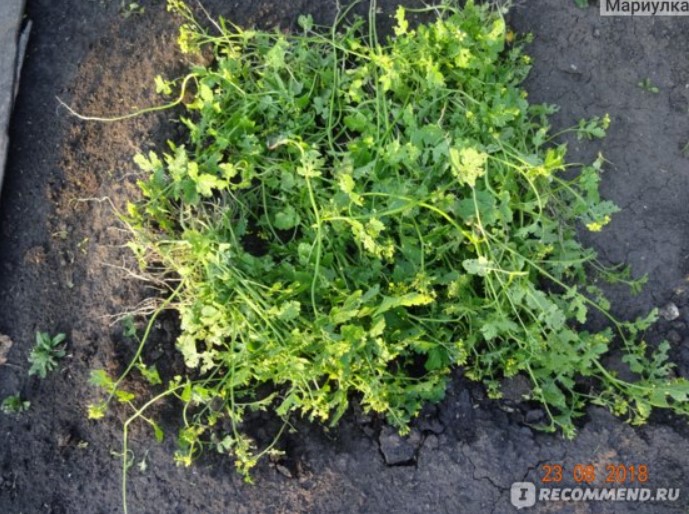
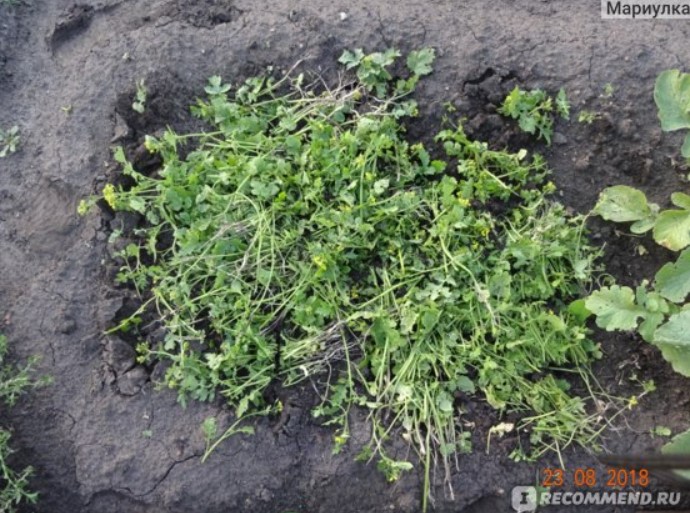
I don't have a lawn mower, so I pull them out by hand. Their roots are close to the surface, but the plant is fragile and doesn't always pull everything out. Which, in fact, is even more beneficial. The roots will rot and be eaten by worms, which will benefit us.
I then chop up the green mass of plants with a shovel
and I dig it up. I water it with rain.
IMPORTANT!
Do not grow plants until the trunks become woody, as the benefits will be significantly reduced.
And do not allow seeds to form, otherwise you will have an uncontrollable field of green manure for the next season.
If the mustard gets buried under the snow, it's no big deal; everything will be clean in the spring after the snow melts, and no additional cleaning will be necessary. Mustard is so delicate that it will be absorbed into the soil along with the melted snow.
The seeds are not intended for consumption!
The seeds are large enough that you can sprinkle them and see what falls where.
It's quite a large package. After planting four beds, I lost very little, perhaps 5-10 percent.
The shelf life is at least one year, but seeds can usually be used for another 2-3 years after the expiration date. Therefore, the next year will be a test.
But I'm so glad that the "White Mustard" green manure from "Every Day" didn't let me down! In this case, Auchan rules!
I recommend purchasing and wish everyone HEALTH, and to gardeners and consumers an EXCELLENT HARVEST, obtained without nitrates and chemicals, but naturally, without losing the benefits for the body.
Mariulka recommends
Review: Mustard plant is a good fertilizer for the garden.
ADVANTAGES:
Fertilizing the garden soil.
FLAWS:
No.
We've been using mustard seeds as green manure in our garden for about eight years now. We're happy.
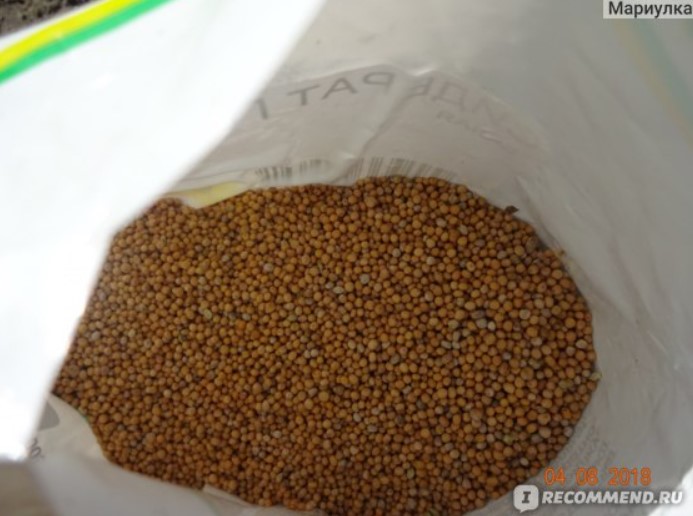
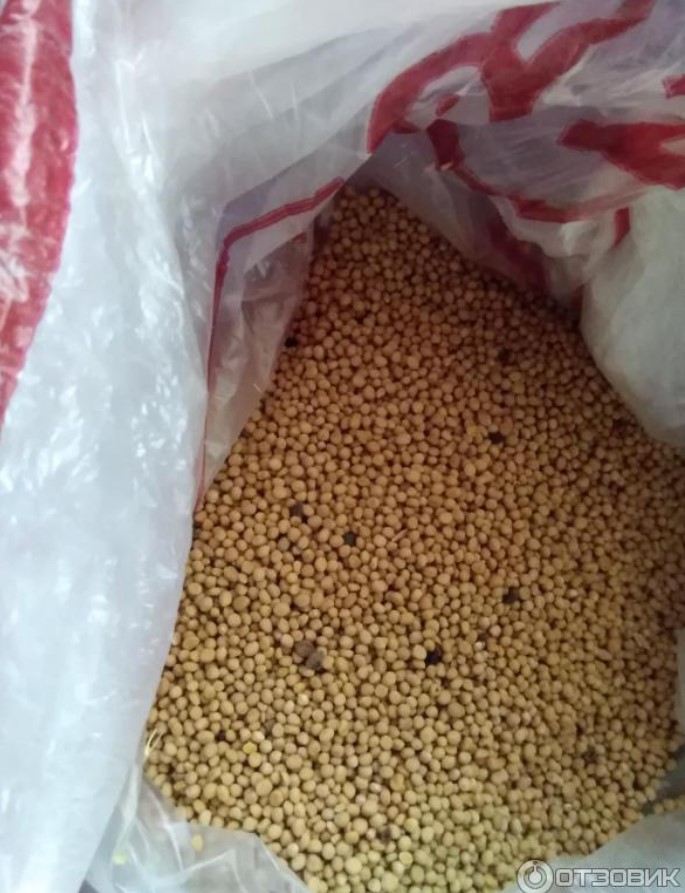
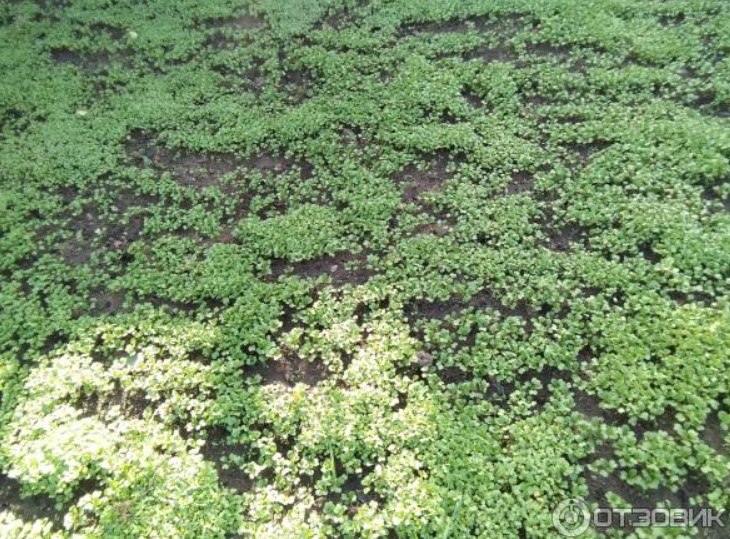
We usually plant mustard in late summer or early fall. It's best to do it at the very end of summer, so it covers the entire bed. This is, of course, provided we use good-quality seeds.The seeds themselves are round and brown. Some are well-shelled, others poorly shelled.
Mustard suppresses weed growth, so next season you'll have to work much less on your garden beds. We've seen it for ourselves.
In addition, it “protects” the area from wireworms.
Mustard is a simple garden fertilizer. No soil preparation is required. Simply remove the harvested crop and excess debris (of which there is little), rake the soil, scatter mustard seeds randomly, and rake again. It's best to keep the soil moist.
The seeding depth is 1.5 cm.
By the way, Colorado potato beetles can't stand the smell of this herb. Simply place mustard plants between potato beds.
In general, it is irreplaceable in the garden.
Review: Mustard plant is very useful, suppresses the growth of weeds
ADVANTAGES:
a very useful plant for summer residents and gardeners
FLAWS:
not revealed, only positives
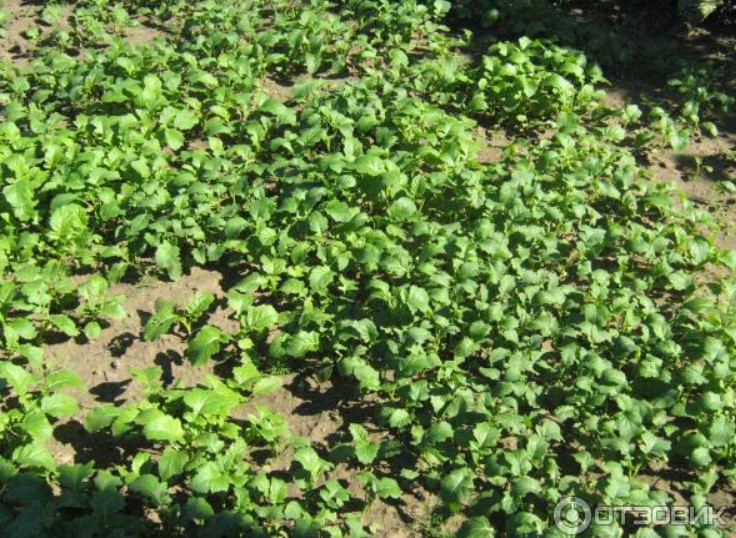
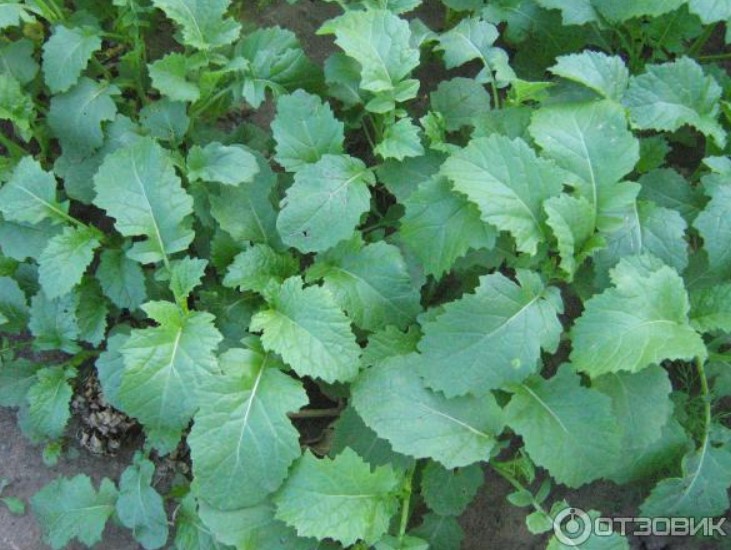
For over 20 years, my husband and I have had a 10-hectare dacha plot, where we happily live and work from early spring until late fall. Many gardeners know that working the land and fighting weeds and pests isn't easy. Growing and harvesting a good harvest requires a lot of hard work. The land where we grow our vegetables, shrubs, and trees also requires fertilization and protection from various pests and insects.For several years after harvesting onions, potatoes, and other vegetables, my husband and I plant mustard seeds in the cleared plots of land, which we cultivate for subsequent incorporation into the soil. Before planting, we usually dig the soil or till it with a cultivator, scattering the seeds evenly, leveling the soil with a rake, and then thoroughly watering the soil. Mustard seeds have a good germination rate.
Mustard is undemanding in terms of heat and can withstand temperatures as low as -6°C (41°F). Seeds begin to germinate at temperatures of 1-2°C (33°F). Mustard seeds can be planted not only in newly cleared areas of soil but also at any time, from early spring to late fall. Sow seeds at a depth of 1.5-2 cm (6-8 inches). The seeds typically germinate quickly, and the optimal growing time is 8-10 weeks before flowering. Within a month, the entire area is typically covered with a carpet of greenery, looking very attractive.
All parts of this plant contain essential oil, which repels various pests and also has a disinfectant effect. Mustard clears the soil of wireworms, which damage root crops, especially potatoes, and suppresses the growth of various weeds, which is very pleasing. Fertilizers applied under mustard are better absorbed. When the seeds germinate, the white mustard roots penetrate deep into the soil, facilitating the access of oxygen, air, and moisture, resulting in a loose, soft soil. Mustard enriches the soil with humus, phosphorus, and nitrogen, which are essential for growing vegetables, fruits, and berries.
When mustard begins to bloom with yellow flowers, the plot becomes very beautiful. During the flowering period, mustard pollen produces a growth stimulant called EPIN.
If you plant mustard in early spring, before planting the main vegetable crops, such as tomatoes, peppers, eggplants, etc., you should dig up the mustard and water the soil well so that the stems and leaves of the plant quickly decompose and provide good fertilizer.
We usually buy mustard seeds in garden and vegetable stores for 120 rubles per 1 kg, and sometimes, if we're lucky, at the market for 30 rubles per half-liter jar.
Review: Mustard Plant - Inexpensive, Lots of Benefits
ADVANTAGES:
Unpretentious, inexpensive, very useful
FLAWS:
Didn't find it
Hi all!
I think many people work on their own plots of land. And everyone tries to care for it in different ways. Some use fertilizers, others regular manure or compost. We always fed the land with natural sources when we had a lot of livestock. But time goes by, and some things disappear, just like our household. Constantly buying the same manure is quite expensive. One truck (about 5-6 tons) costs about 7,000 rubles. We have 40 acres of land, and one truck won't do the job. We then planted rye, but it's very coarse. And then, after mowing, you can't dig up the growing stalks with the soil.But right now, I want to tell you about this wonderful plant: common mustard. We came across it when we saw a farmer in a neighboring village planting it every year at the end of summer. We decided to give it a try; there was no risk involved.
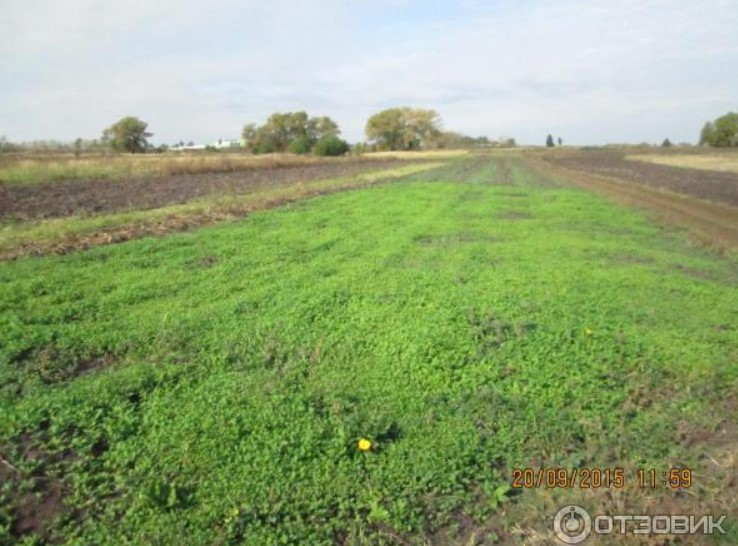
Having bought about 20 kilograms of mustard, we began to wait for the harvest to begin. We waited until we had harvested everything, and on the same day, we sowed the mustard. This process begins around mid-August. Starting the next day, every three to four days, we watered the areas where the mustard had been sown. The results were immediate. Within just a week or two, the mustard had begun to sprout.
We continued watering as before, waiting for it to grow to a certain size. And finally, by the end of September, it had reached our desired height, 35-40 cm.
Next, I do this. I don't mow it, but rather take a shovel and simply begin digging everything up before winter. That's it. Over the winter, the green mustard freezes and gradually turns into humus, thus naturally fertilizing the soil with its nutrients.
Moreover, I can say that mustard roots are very good at loosening the soil. After using them, the soil becomes as soft as fluff.
We have been using it for more than one year, and we continue to use it!)
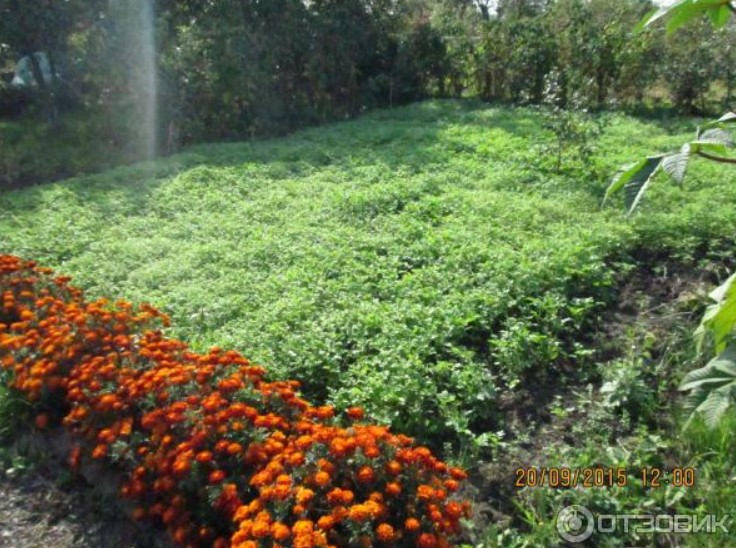
Review: Mustard Plant - A Very Good Green Manure
ADVANTAGES:
Improves soil structure, increases fertility, affordable
FLAWS:
May be susceptible to Cruciferous diseases and attract birds
A neighbor once advised me to plant mustard in her garden and told me what it is used for:
— so that the soil is cleared of late blight, slugs, scab, wireworms and insects that harm crops;- if the soil structure has been eroded, mustard completely restores the fertile layer;
— is able to retain nitrogen in the soil;
- many cultivated plants, grapes and fruit trees grow faster with the help of mustard;
— mustard roots, reaching 2 meters, perfectly loosen the soil and it is saturated with oxygen and nutrients;
On average, I use 150-200 grams of seeds per hundred square meters: I scatter them over the beds, harrow them with a rake and water them.
Mustard seeds germinate quickly (3-4 days after sowing) and are impressive. Good-quality seeds should be firm and smooth, free of any rotten spots. When the greens reach 20-25 cm in height, they can be dug. I don't dig the garden; I work the greens into the soil so they stay on top. Once the greens rot, you can plant whatever you like.
I recommend always using mustard in your garden. I can't imagine how I'd manage without it.