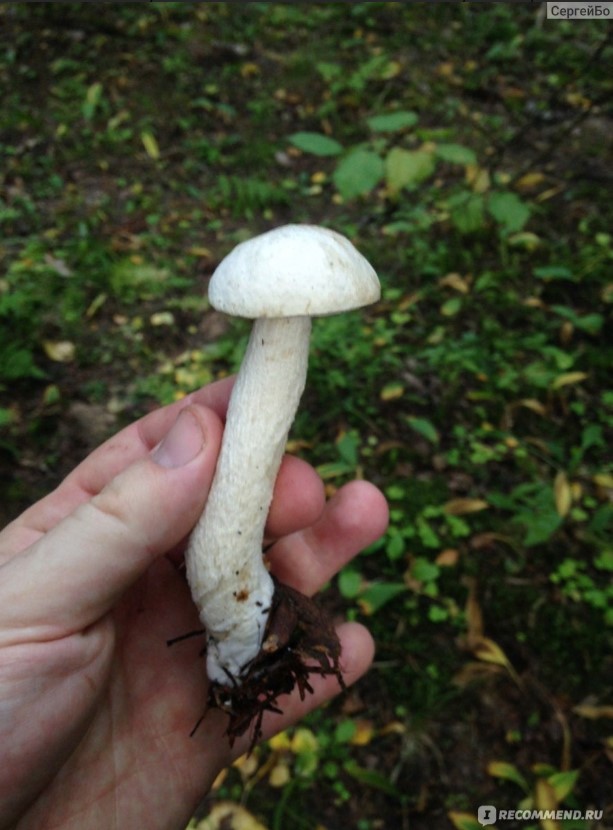
White aspen mushrooms are extremely rare for mushroom pickers, but even if you encounter one in the forest, you should exercise caution and leave the mushroom where it is, as it is considered valuable and is even listed in the Red Book of Russia.

Content
- 1 Description of the white aspen mushroom
- 2 The history of the white aspen mushroom
- 3 Where and how the white aspen mushroom grows, and the harvesting season
- 4 Mushrooms similar to the white aspen mushroom
- 5 The benefits and harms of white aspen mushrooms
- 6 Uses and recipes for white aspen mushrooms
- 6.1 Primary processing of white aspen mushrooms
- 6.2 How and how long to cook white aspen mushrooms
- 6.3 How to fry white aspen mushrooms
- 6.4 Pickled white aspen mushroom
- 6.5 How to preserve white aspen mushrooms
- 6.6 Pickling white aspen mushrooms
- 6.7 How to freeze white aspen mushrooms
- 6.8 Drying white aspen mushrooms
- 7 Culinary recipes with white aspen mushrooms
- 8 Growing white aspen mushrooms at home
- 9 Reviews of the white or albino aspen mushroom
Description of the white aspen mushroom
The white aspen mushroom belongs to the edible mushrooms of the Boletaceae family.
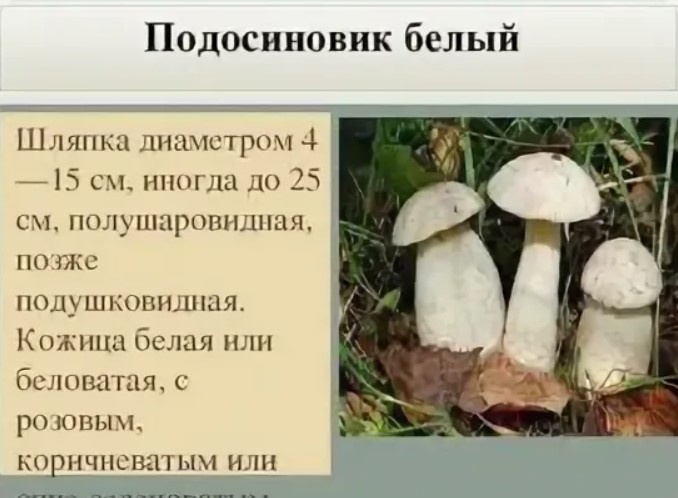
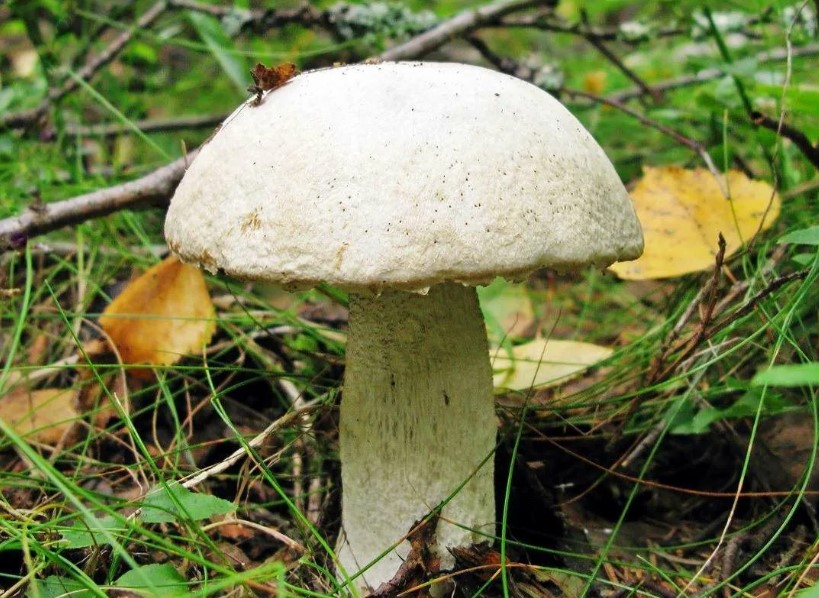
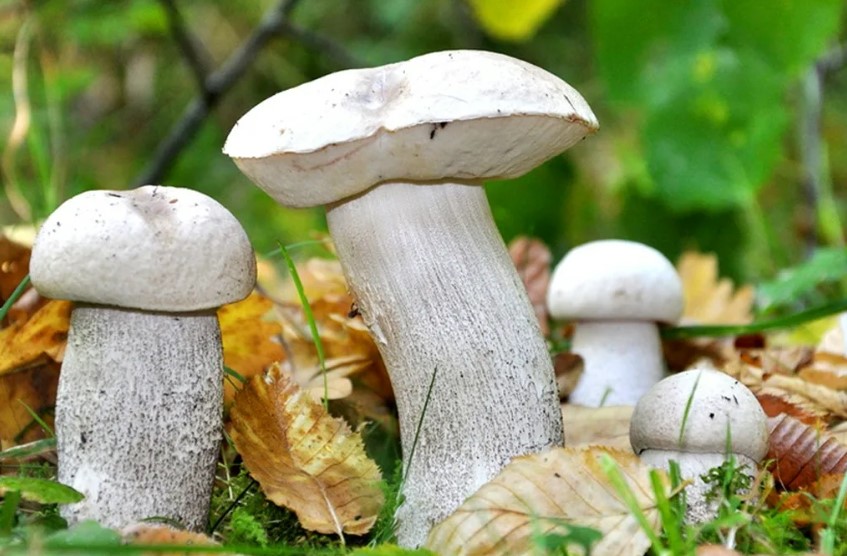
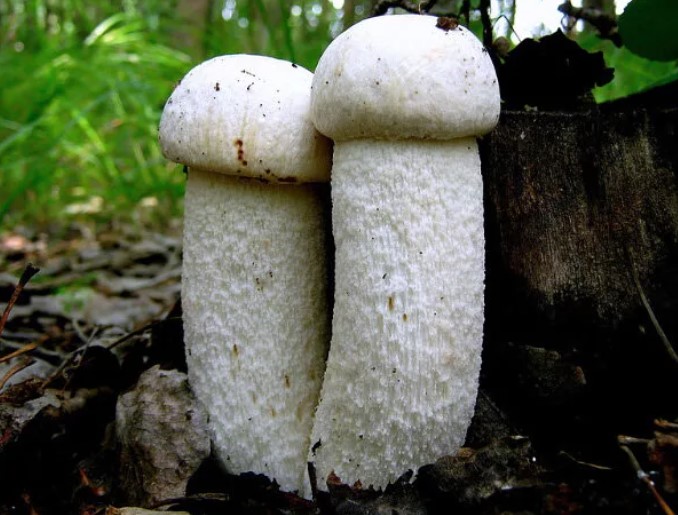
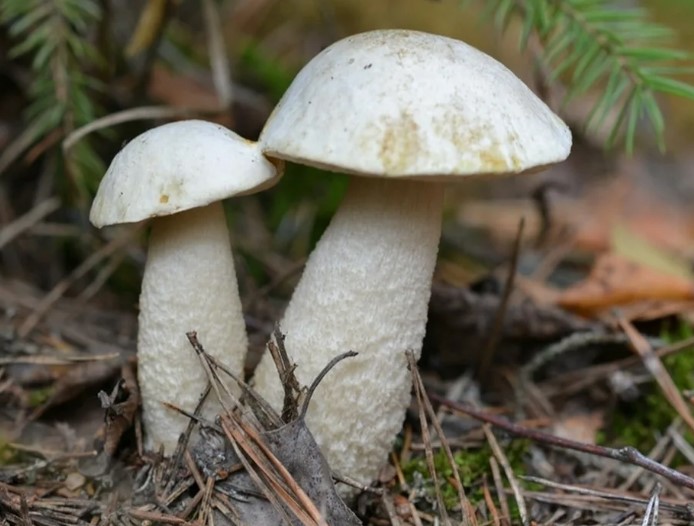
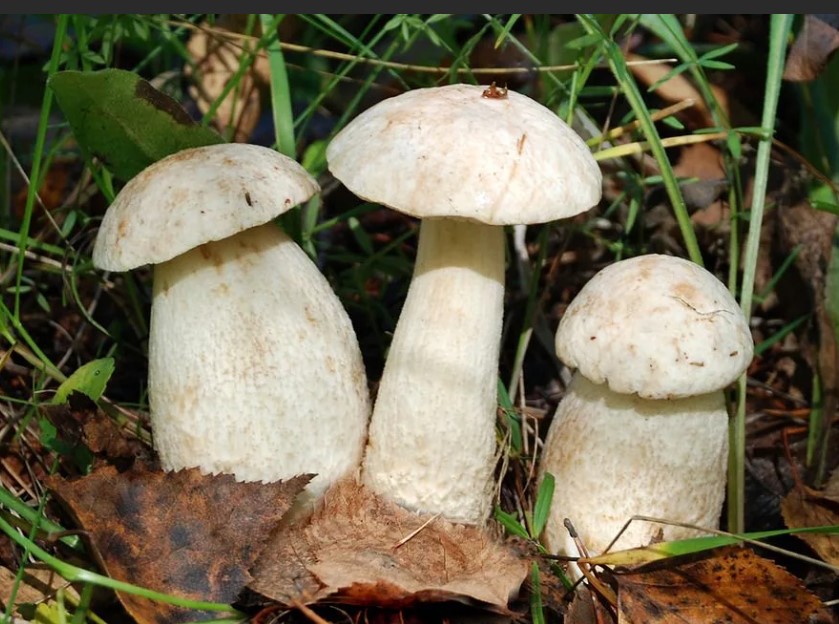
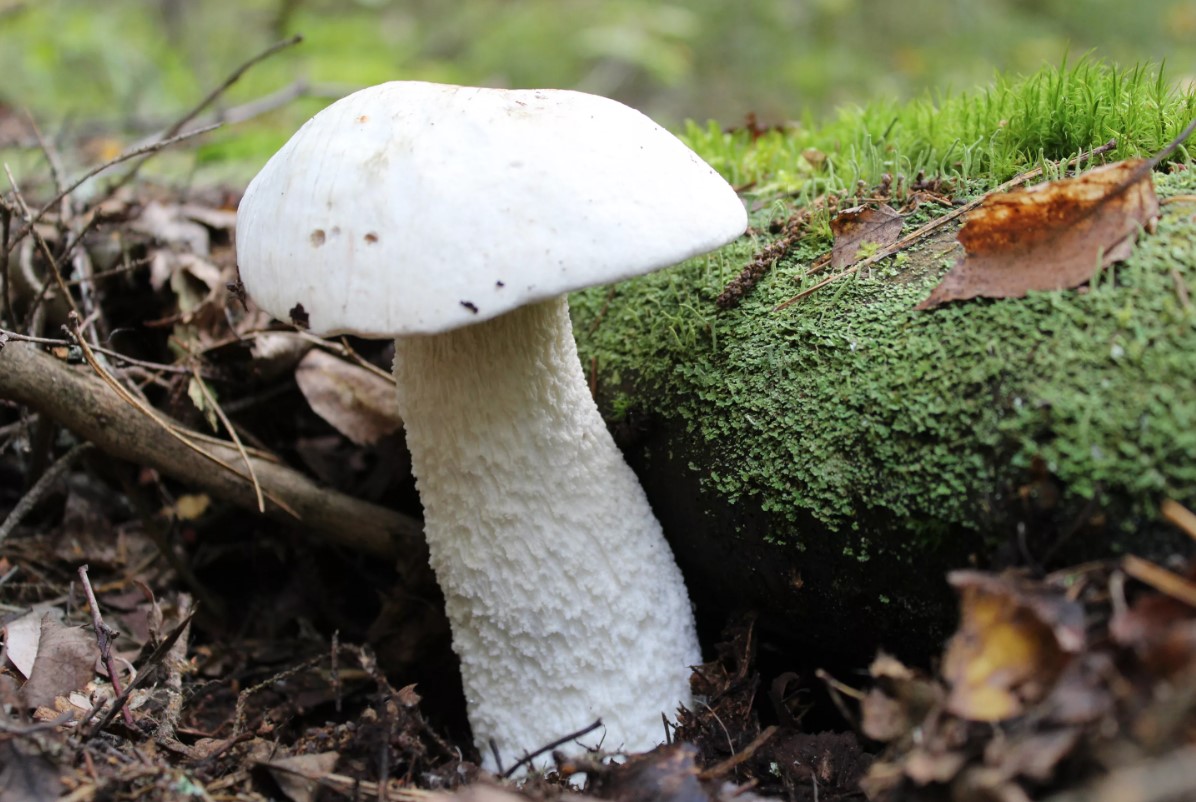
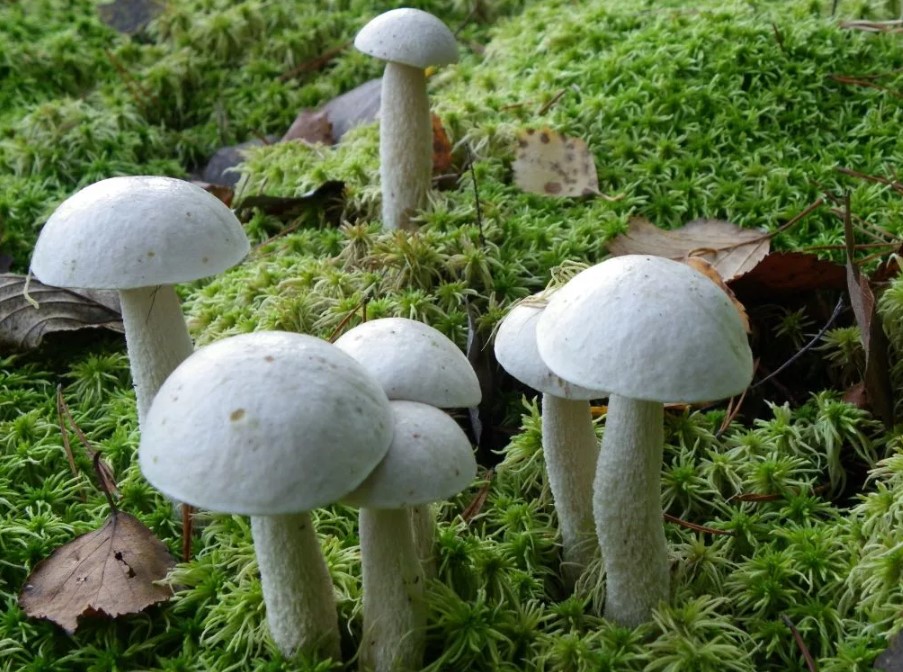
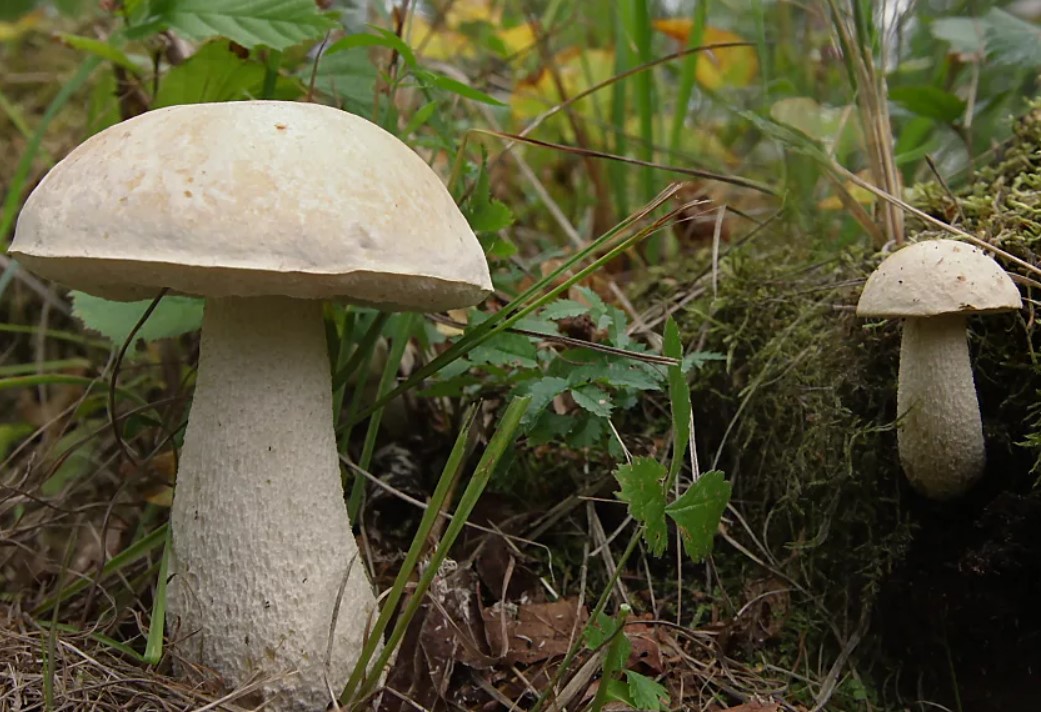
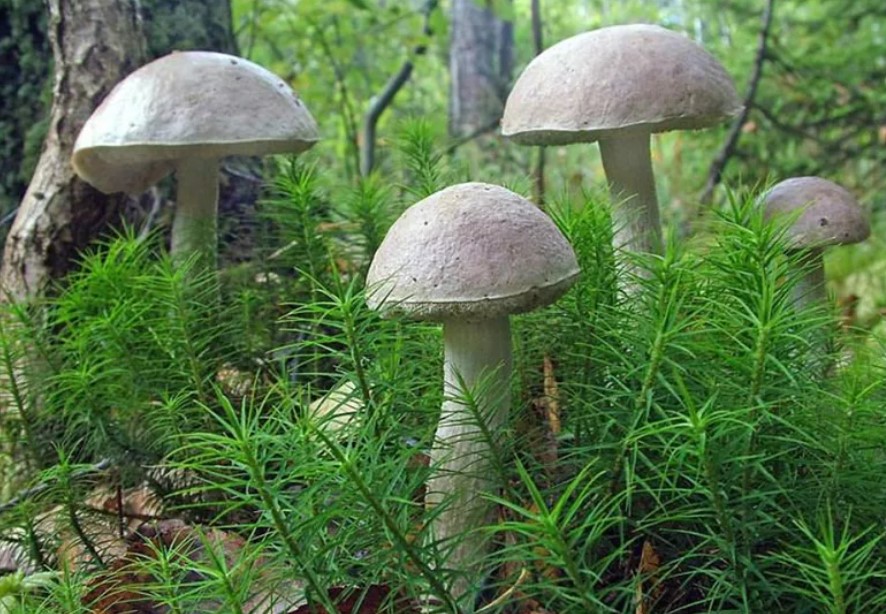
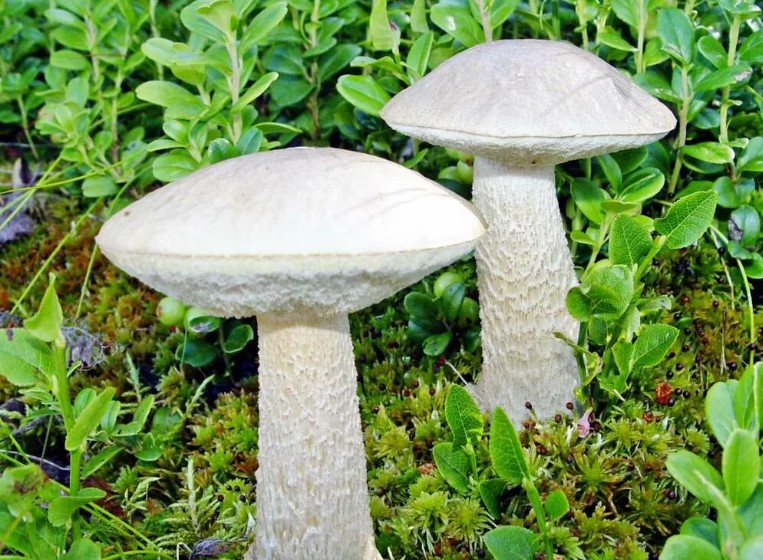
The cap diameter ranges from 4 to 15 cm, though larger specimens are occasionally encountered. It is hemispherical in shape, flattening slightly over time to become cushion-shaped. The cap is white, sometimes with a pinkish, blue-green, or brownish tint. As the mushroom matures, the surface turns yellow.
The stem is tall, widens towards the bottom, the color changes over time from white to gray or brownish, the surface becomes covered with scales.
The tubular layer is finely porous. It's white in young mushrooms, later turning brown or gray. The flesh is light-colored, but may have a blue-greenish tint at the base of the stem.
The cap immediately turns blue where it's cut, and the stem turns purple if broken.
About others types of aspen mushrooms Read on our website Top.tomathouse.com.
Photo gallery of white aspen mushrooms
The history of the white aspen mushroom
The Soviet mycologist Boris Pavlovich Vasilkov was the first to introduce the white aspen mushroom to the public. He encountered this mushroom as part of a project to study the fungal kingdom of the Arctic and other regions of the country. His colleague from Scotland, scientist Roy Watling, helped him systematize the characteristics of the white aspen mushroom in 1960.
Where and how the white aspen mushroom grows, and the harvesting season
The white aspen mushroom can be found in pine or birch forests, and it also grows in damp aspen stands, preferring to shelter there from the summer heat during dry weather. The fruiting season begins in June and continues until September.
In Russia, the fungus has been observed in Chuvashia, the Mari El Republic, and the Penza and Murmansk regions. It grows in small quantities in the Leningrad and Moscow regions, the Arkhangelsk region, the Khanty-Mansi Autonomous Okrug, and the Yamalo-Nenets Autonomous Okrug, as well as in eastern Siberia.
White aspen mushrooms grow in small families of 3-6 specimens each.
Mushrooms similar to the white aspen mushroom
The white aspen mushroom is a unique mushroom with no natural lookalikes. While its color may still raise doubts among experienced mushroom pickers, the characteristic instant darkening of the flesh reveals its origin.
However, without experience, novice mushroom pickers may mistake other boletus mushrooms for the white aspen mushroom:
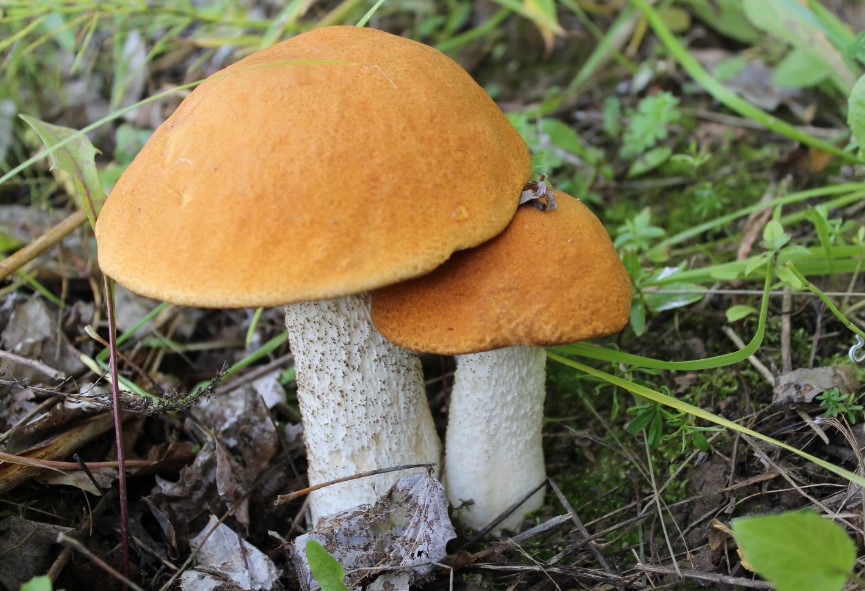
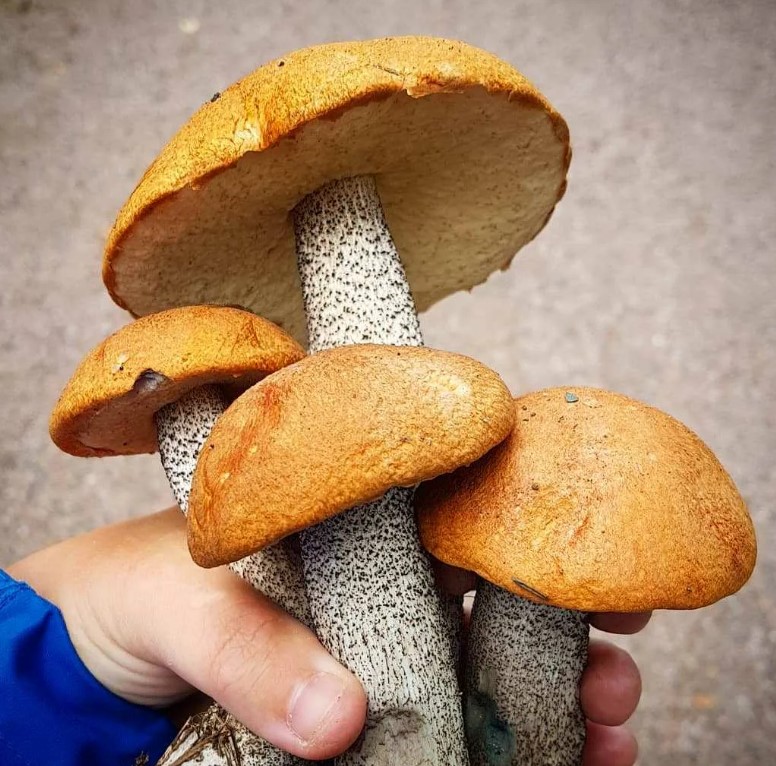
- The white-legged aspen mushroom is distinguished by its reddish-orange cap skin.
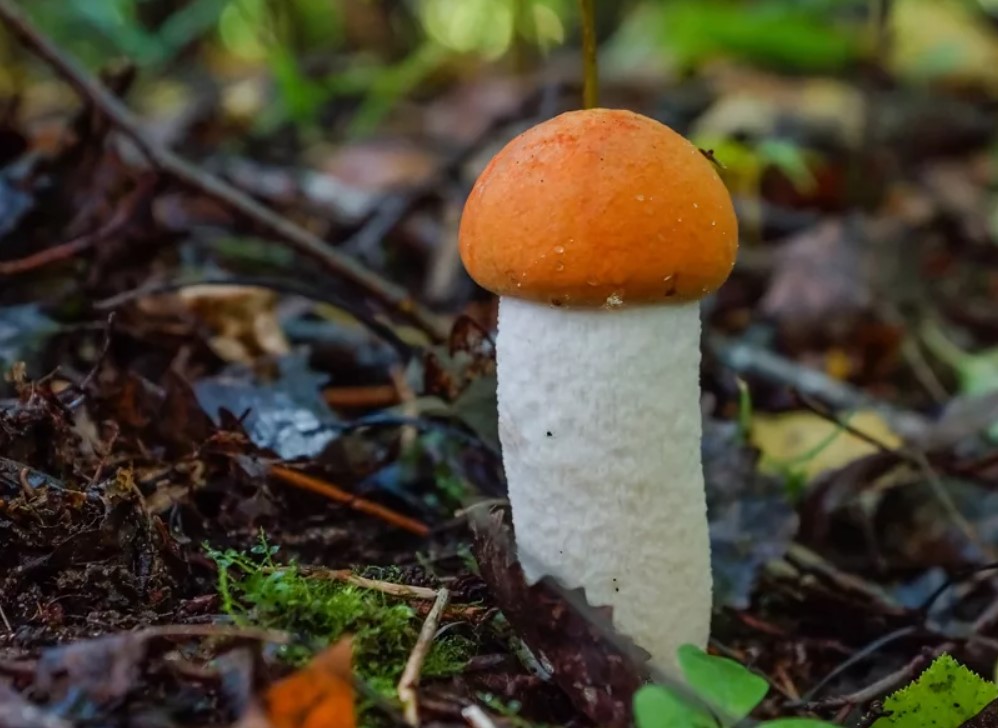
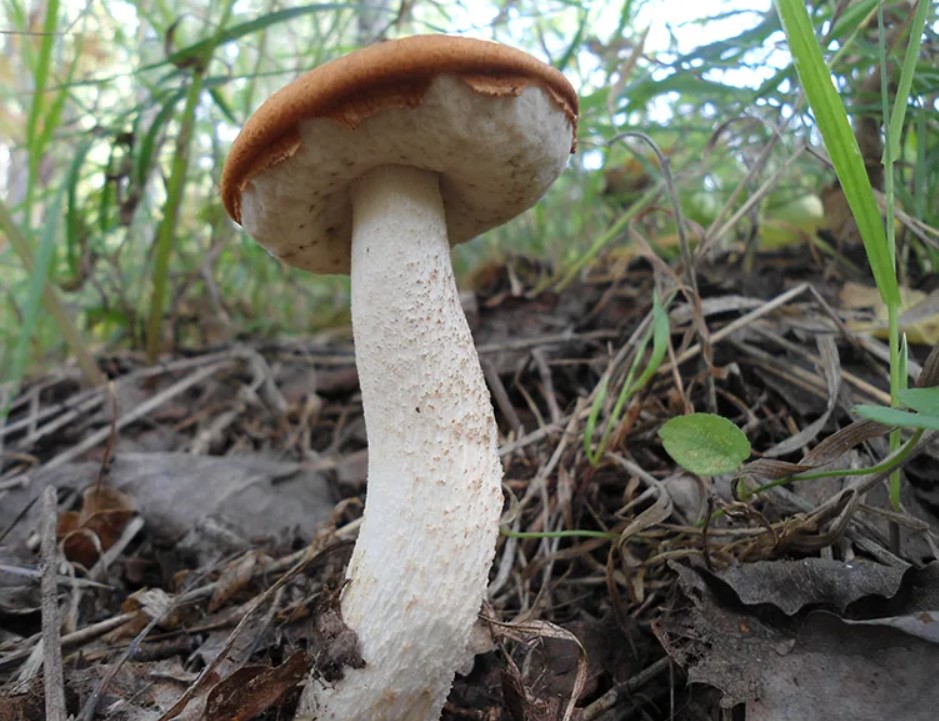
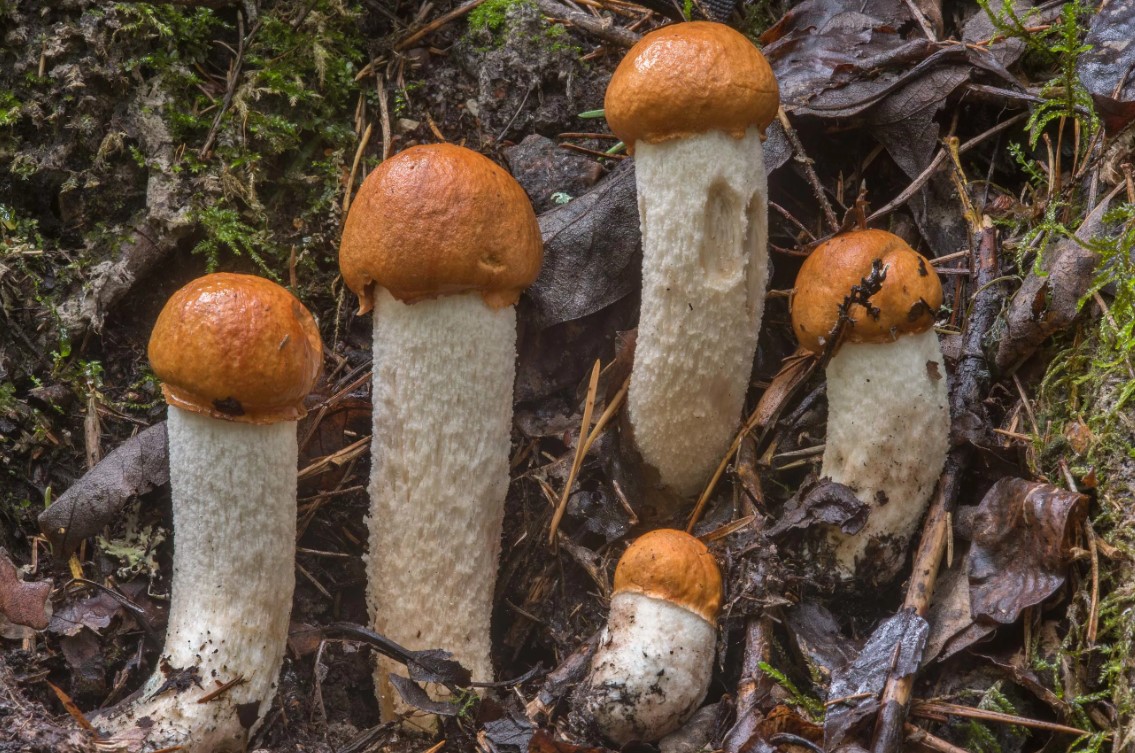
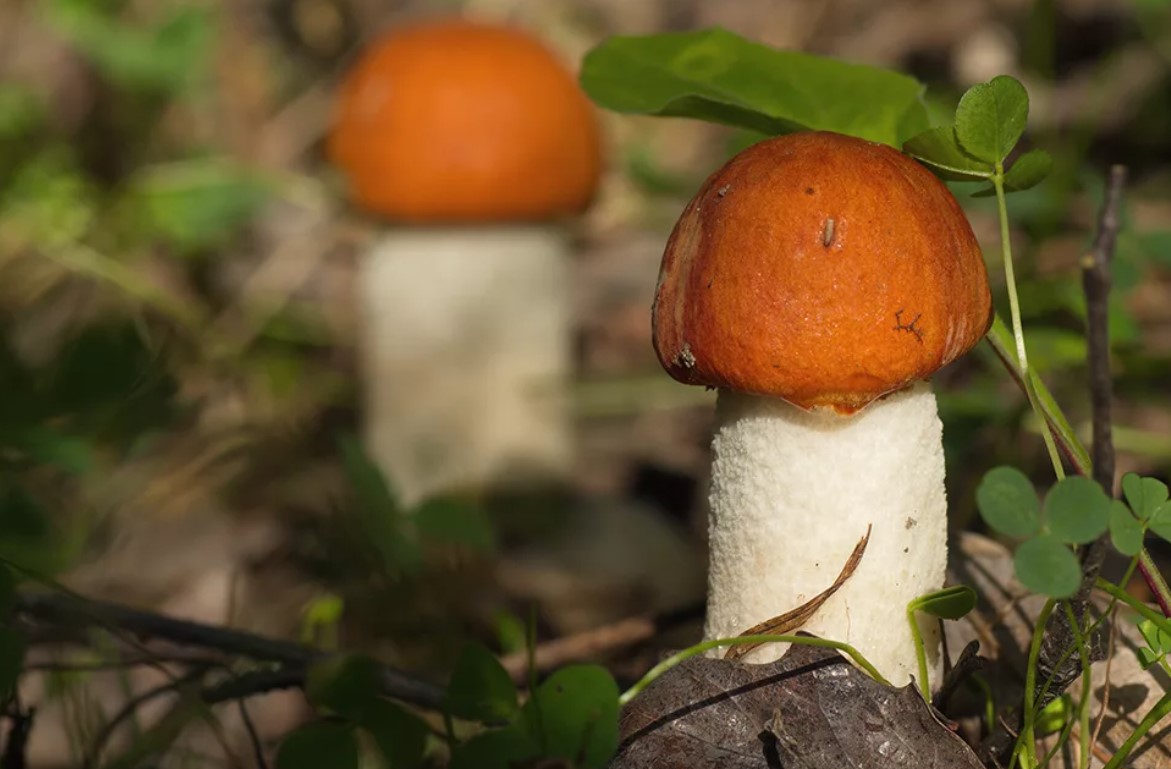
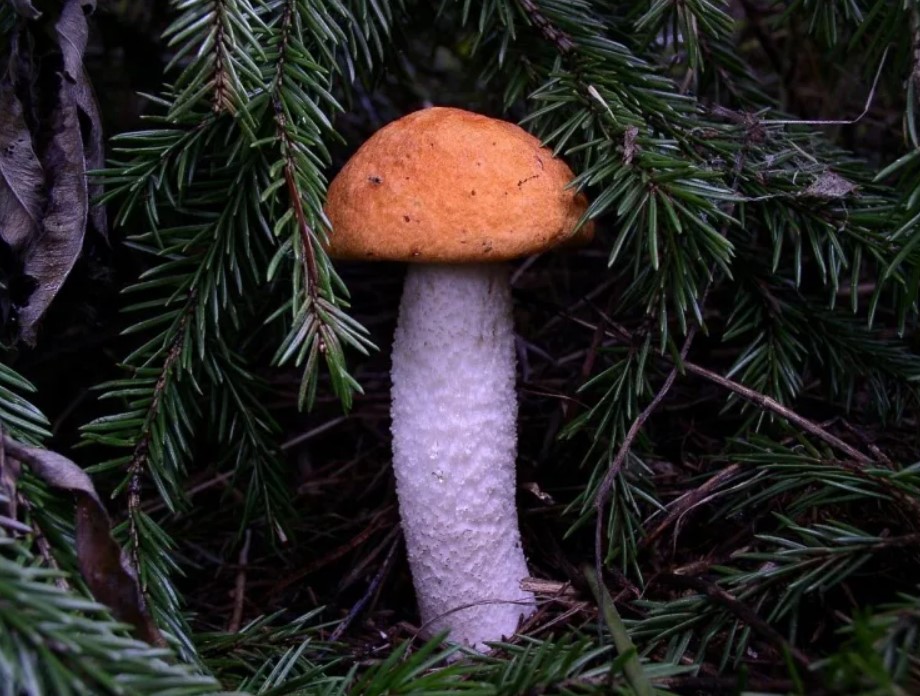
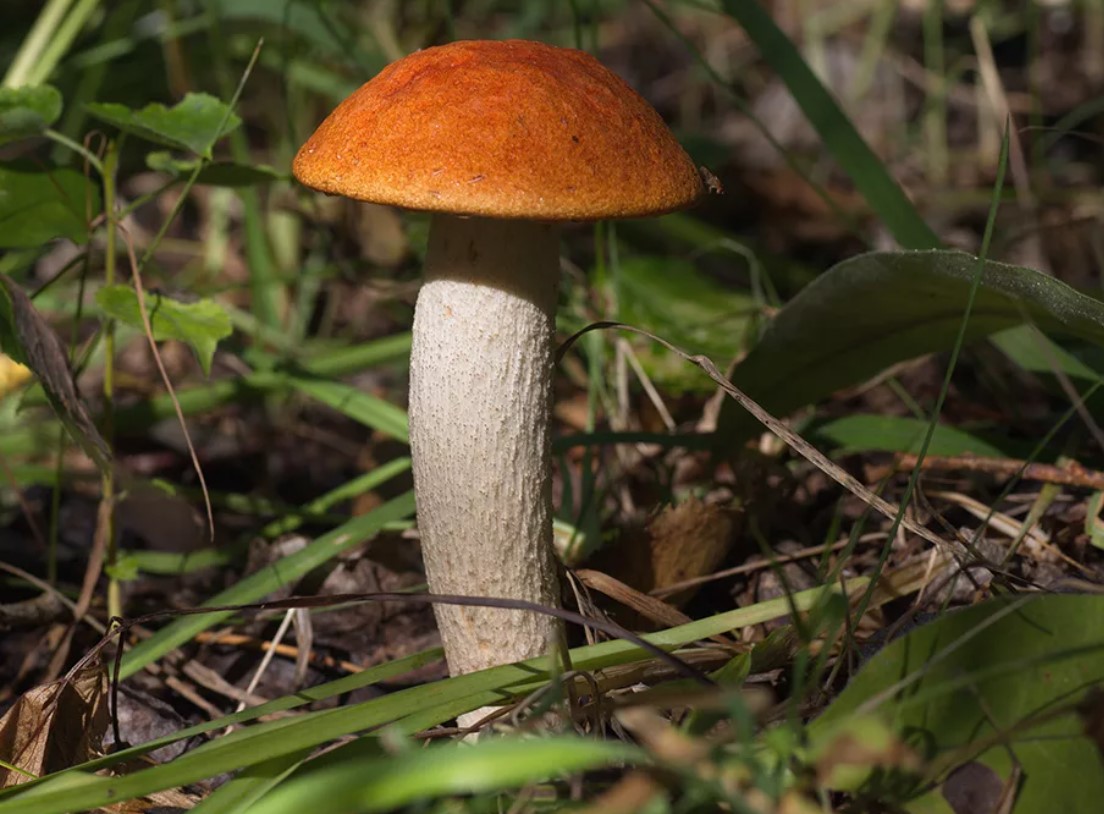
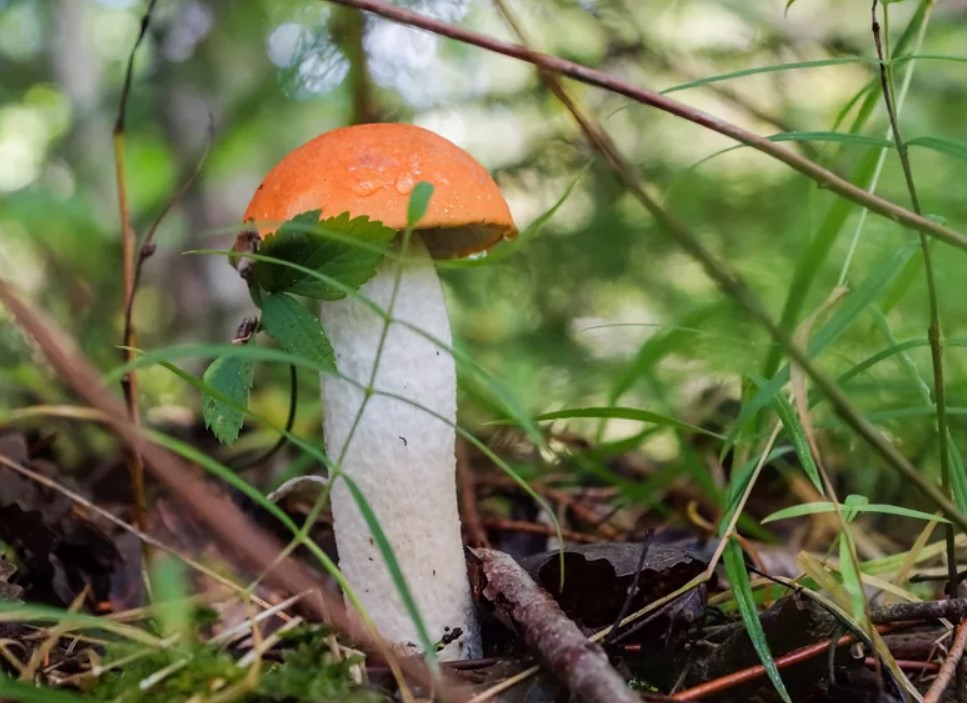
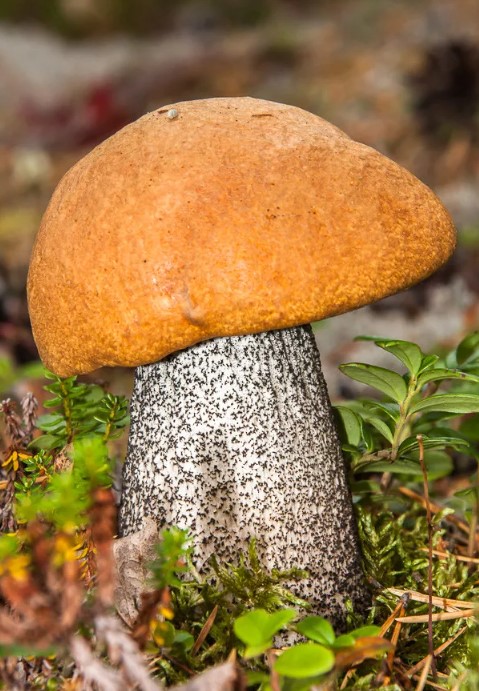
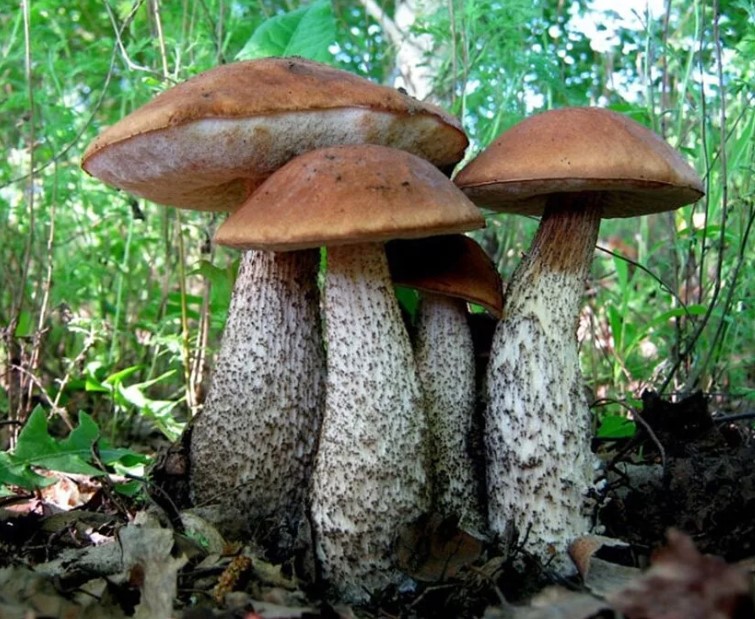
- The yellow-brown aspen mushroom has a yellowish-ocher cap and a grayish stem with a scaly surface.
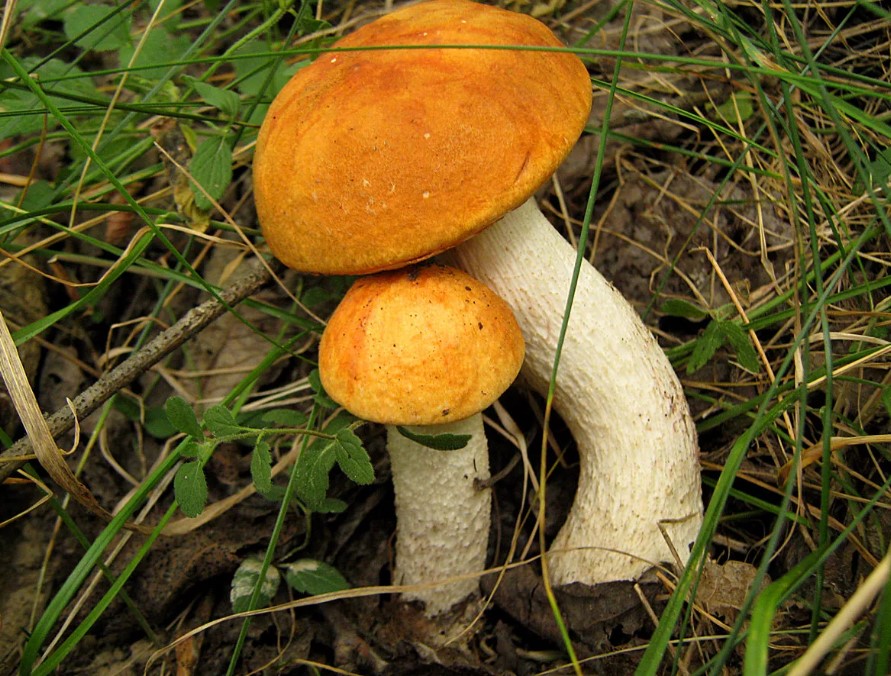
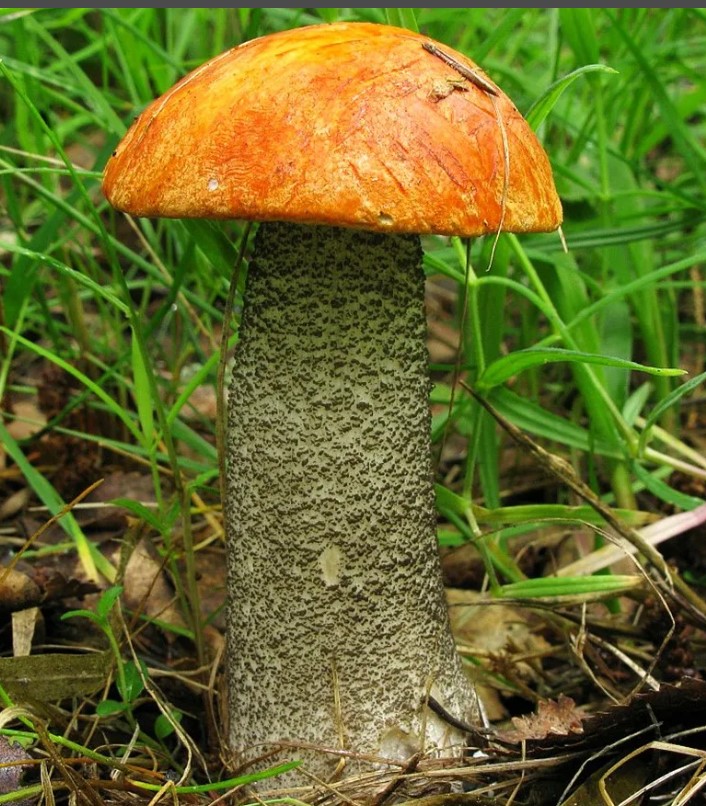
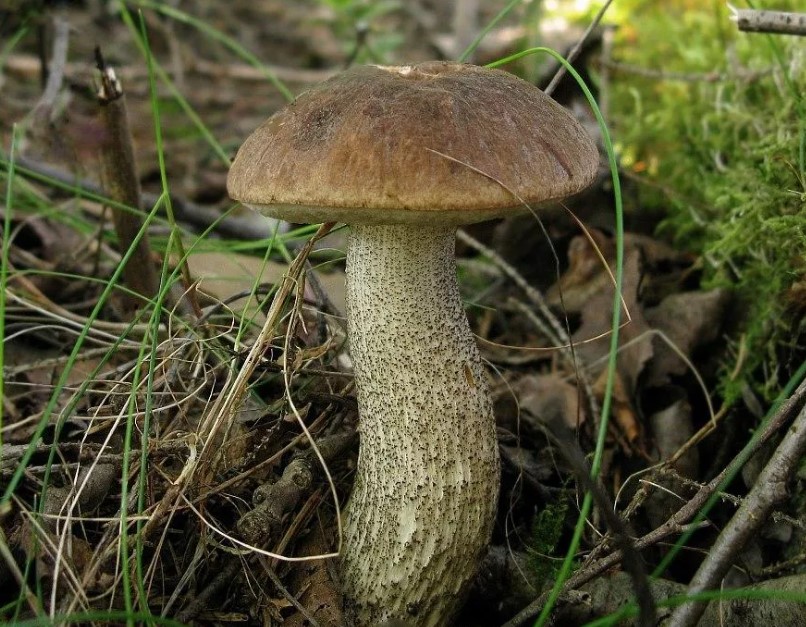
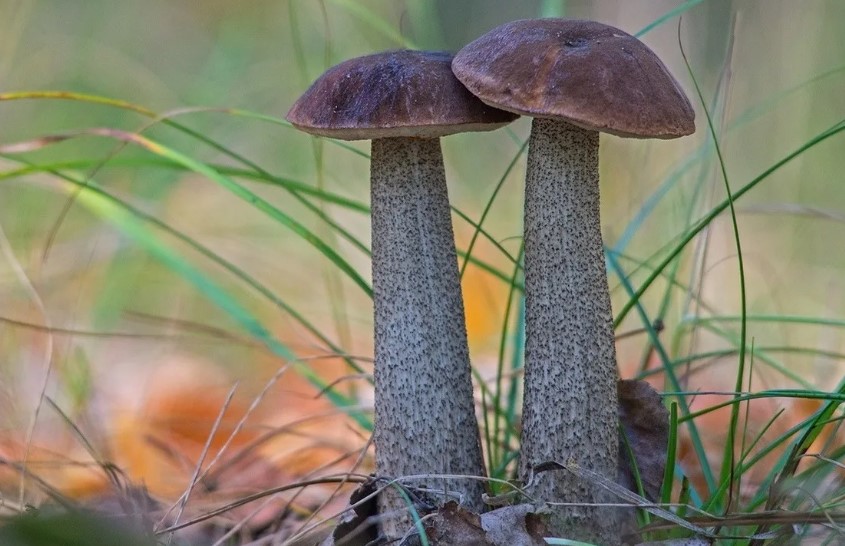
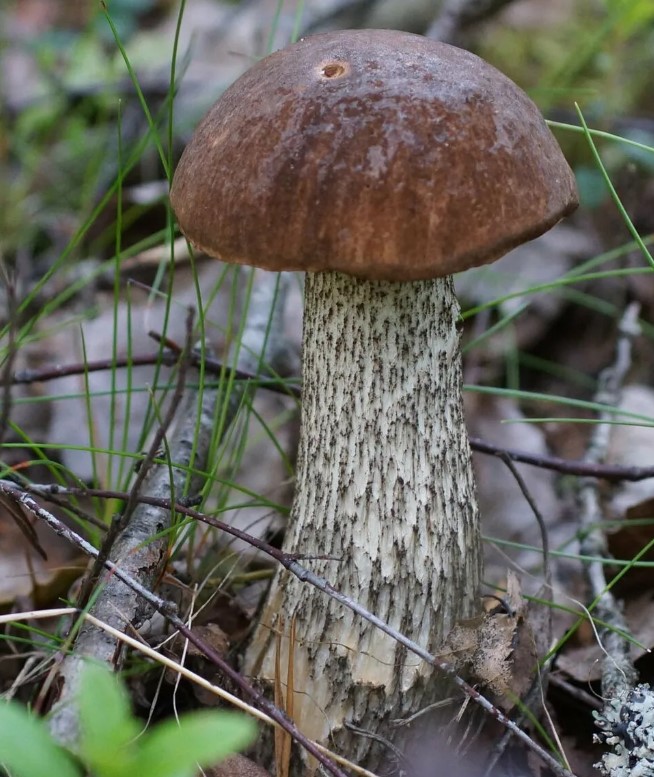
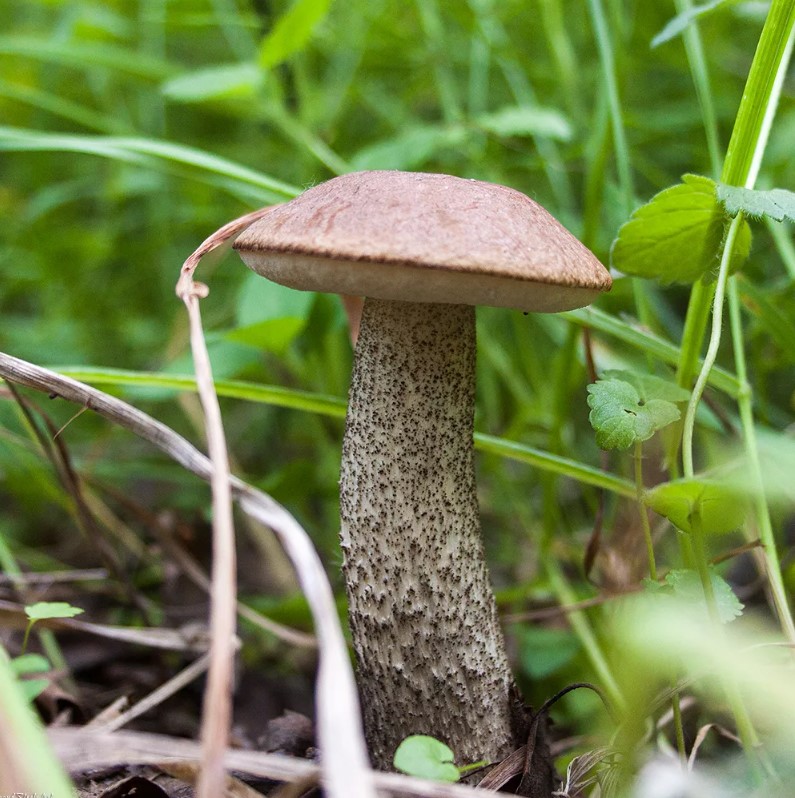
- Birch boletus common - the cap is brownish in color, there are black scales on the stem.
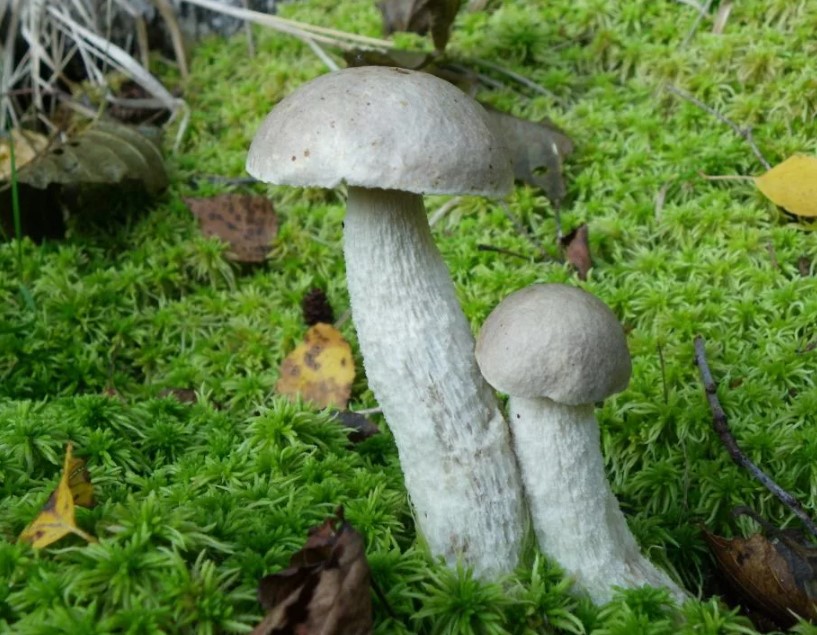
- Marsh birch bolete is light grey in colour, darkening with age.
The benefits and harms of white aspen mushrooms
The white aspen mushroom has a whole range of beneficial properties:
- Removes waste and toxins from the body.
- Cleanses the circulatory system.
- Lowers cholesterol levels.
- Strengthens the immune system.
- Promotes restoration of damaged tissues.
- Helps restore intestinal microflora.
- It has sedative properties.
Very often, an extract or tincture from the mushroom is used as an additional remedy in the complex treatment of oncological diseases.
Harmful effects from mushroom consumption can only be caused by consuming too much. They are also not recommended for children under 7 years of age, as well as for people with chronic gastrointestinal or liver diseases.
Uses and recipes for white aspen mushrooms
The white aspen mushroom belongs to the second category of mushrooms and is suitable for a variety of dishes. However, keep in mind that the aspen mushroom will turn black when sliced.
Primary processing of white aspen mushrooms
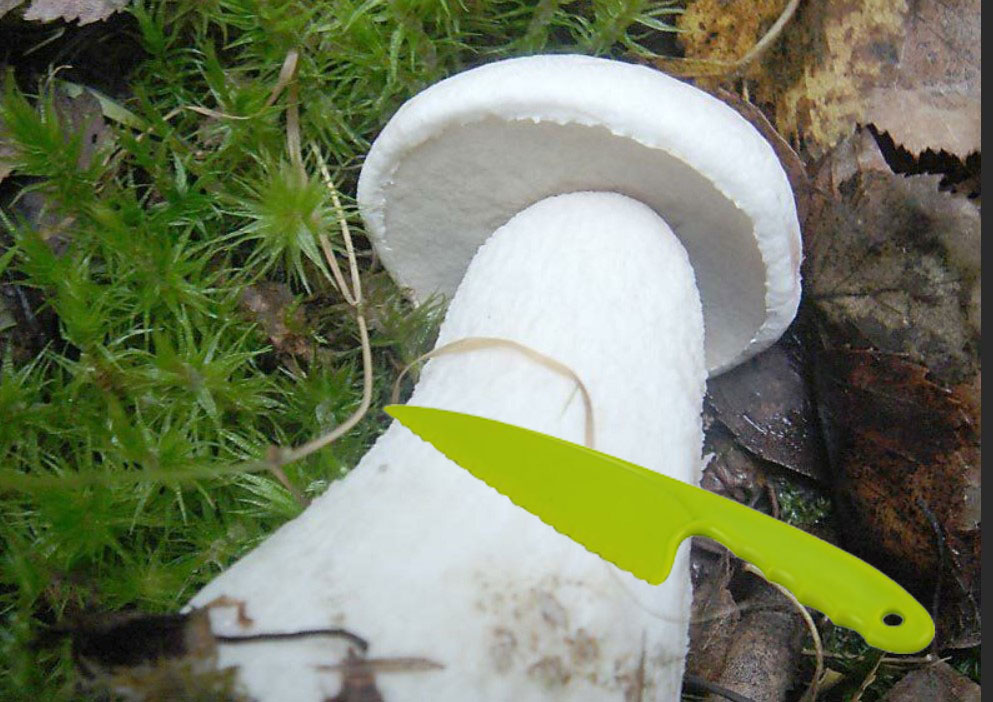
Before cooking, white aspen mushrooms should be cleaned of sand and other forest debris. Then they should be rinsed, but soaking is not recommended, as this will make the mushrooms crumbly. All scales should be removed from the stems.
How and how long to cook white aspen mushrooms
Prepared mushrooms are cut into pieces and dropped into boiling water. Cooking time is 20 minutes. They are ready when they sink to the bottom of the pot.
How to fry white aspen mushrooms
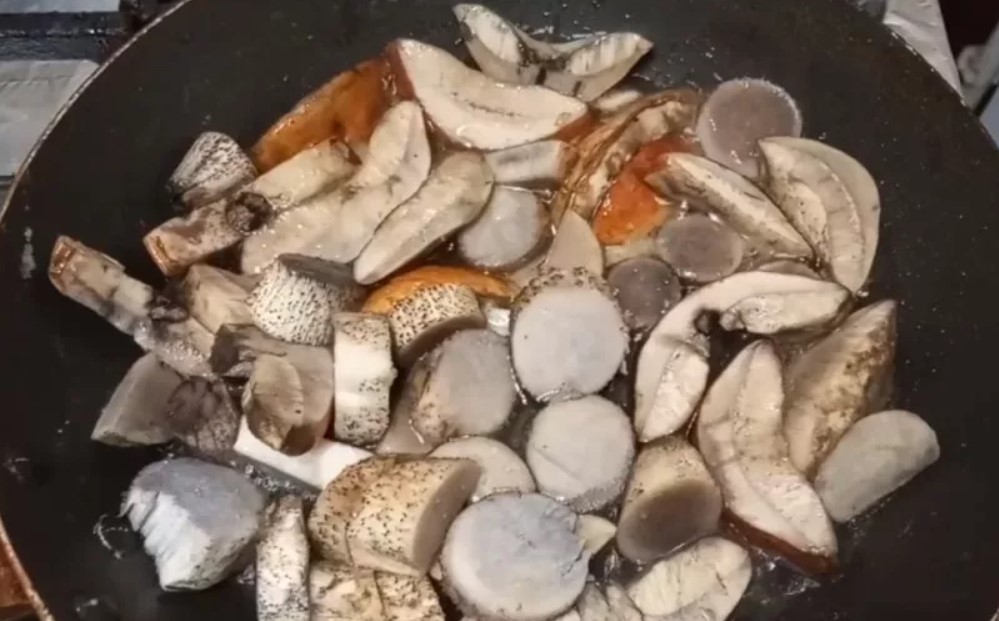
- Before frying, peel the aspen mushrooms and boil them for 15 minutes. Next, heat the oil in a frying pan, add the mushrooms, and fry for 15 minutes.
- In a separate frying pan, fry the onion, cut into half rings, until golden brown.
- The onion is added to the mushrooms and fried for another 5-7 minutes.
- The finished dish is sprinkled with herbs and served with boiled potatoes.
Pickled white aspen mushroom
Pickled aspen mushrooms are the only product where the white aspen mushrooms won't change color. To prepare the marinade for 1 kg of mushrooms, you'll need:
- 1 liter of water;
- 2 tbsp salt;
- 2 tsp sugar;
- 140 ml vinegar.
Method of preparation:
- Cover the mushrooms with water, add vinegar and salt. Bring to a boil and cook for 30 minutes, skimming off any foam periodically with a slotted spoon.
- After the foam has stopped forming on the surface, sugar is added.
- Readiness is determined by the clear broth and the mushrooms sinking to the bottom.
- Turn off the heat, let the marinade cool, then place the aspen mushrooms in jars, pour the mixture over them, and seal. It's best to store the prepared mushrooms in a cool place.
How to preserve white aspen mushrooms
Canned mushrooms have a longer shelf life than other preserves, making them very popular among housewives.
Ingredients:
- Aspen mushrooms – 1 kg;
- Salt – 2 tbsp;
- Bay leaf – 1 leaf;
- Cloves – 3 pcs.;
- Dill – 1 umbrella;
- Currant leaves – 2 pcs.
https://www.youtube.com/watch?v=n1eS7O1C89o
Method of preparation:
- Clean the mushrooms, cut into pieces and cook for 30 minutes, periodically skimming off the foam.
- After the foam stops forming, add all the ingredients to the water and cook for another 10 minutes.
- Place the mushrooms in jars and fill with brine to a level of 2 cm above the jar level.
- Store in a cool place, the product can be consumed after 50 days.
Pickling white aspen mushrooms
If you have a large amount of mushrooms, it is better to salt the caps and stems separately.
To pickle white aspen mushrooms you will need:
- 6 tbsp salt;
- 20 black peppercorns;
- 4 bay leaves;
- 1 onion.
Method of preparation:
- The mushrooms are cut into pieces, placed in a saucepan, boiled for 10 minutes and drained in a colander.
- Pour in 2.5 liters of water again, add all the ingredients and cook the aspen mushrooms for another 40 minutes.
- When all the mushrooms are at the bottom, you can turn off the heat.
- The mushrooms are placed in jars, filled with brine to a level of 1.5 cm above the jar level, closed with lids and placed in a cool place for 30 days.
How to freeze white aspen mushrooms
It's best to freeze white aspen mushrooms boiled, as this way they won't take up much space in the refrigerator. To do this, boil them for 20 minutes, cool, and allow excess moisture to drain. Then, portion them into bags or containers and store them in the freezer.
About freezing mushrooms: whites, chanterelles, you can find out on our website Top.tomathouse.com.
Drying white aspen mushrooms
Even mature aspen mushrooms are excellent for drying. Remove any damaged or wormy parts, cut into equal pieces, and arrange them on a baking sheet at 1 cm intervals. The oven temperature should be between 40-50 degrees Celsius (104-122 degrees Fahrenheit), with the door left open throughout. They are ready in 4-6 hours.
You can also dry other mushrooms. For example: white, honey mushrooms, chanterelles and others.
Culinary recipes with white aspen mushrooms
One of the most popular dishes made with white aspen mushrooms is soup. To prepare it, you'll need:
- 500 g mushrooms;
- 1.5 tbsp spider web pasta;
- 2 liters of water;
- 150 g onion;
- 300 g potatoes;
- 1 tbsp vegetable oil;
- pepper, salt – to taste.

Method of preparation:
- Wash the mushrooms, cut into small pieces and boil in lightly salted water for 30-40 minutes, periodically skimming off any foam that forms.
- Remove the mushrooms with a slotted spoon into a colander.
- Heat oil in a frying pan, fry the onion for 5 minutes, add the carrots grated on a medium grater, fry for another 5 minutes.
- Add mushrooms to the frying and cook for 10 minutes.
- Cut the potatoes into cubes, place them in boiling broth, add salt to taste, and cook until tender for 15-20 minutes.
- Add the fried vegetables and pasta to the pan and cook for 1.5-2 minutes.
- Add spices and turn off the heat.
Growing white aspen mushrooms at home
To grow white aspen mushrooms in your garden, you'll need a suitable tree and mycelium. It's best to buy it already prepared.
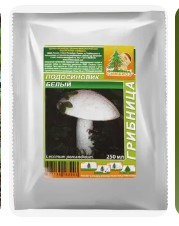
Step-by-step method for planting mycelium:
- A 15 cm deep hole is dug around the entire perimeter of the root circle near the tree roots.
- At the bottom you can place rotted leaves from the forest mycelium from exactly the same tree.
- Next, the mycelium is placed into the hole, distributing it evenly over the entire surface.
- From above it is covered with a soil mixture consisting of equal proportions of humus and garden soil.
- The hole is filled with the remaining soil.
- After planting, water the area thoroughly with warm water, mulching with leaves if possible. The water consumption per mycelium is approximately 30 liters.
If the technology is followed, the first mushrooms can be harvested within five months; most often, the harvest appears only a year after planting. Up to 1.5 kg of mushrooms can be harvested from 1 square meter of mycelium in the first year, and this amount will then increase to 14 kg.
Reviews of the white or albino aspen mushroom
How do you like albino boletuses???? Just in case I didn’t take it))))
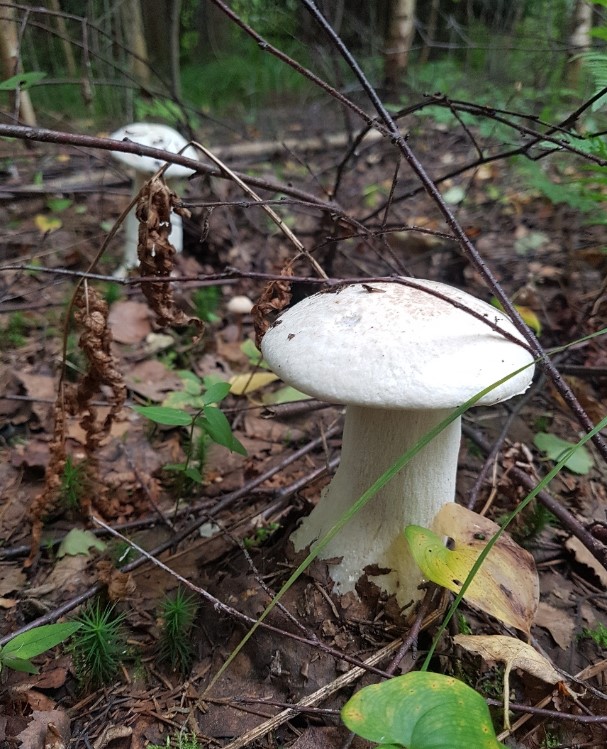
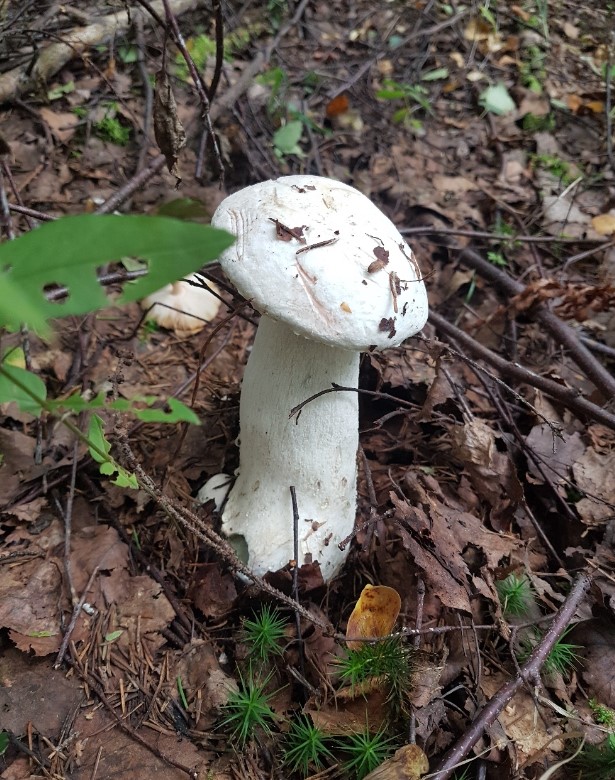
One time I found a white aspen mushroom and brought it home. My family looked at it, sniffed it, and pronounced it uneatable because they'd never seen one like it before. It was like the cartoon about the white mouse: "I won't eat you, you'll get poisoned," the cat said.
Very white albino aspen mushrooms are also common. Because of this, some mushroom pickers avoid collecting them, considering them inedible or even moldy. Even many experienced hunters are baffled by this albino mushroom, thinking it's a common aspen mushroom, but one that grew in the shade and therefore hasn't tanned in the sun. Although the albino aspen mushroom is listed in the Red Book of Russia, its rarity is debatable, as in some regions it's a rare forest dweller, while in our region it grows in fairly large quantities.
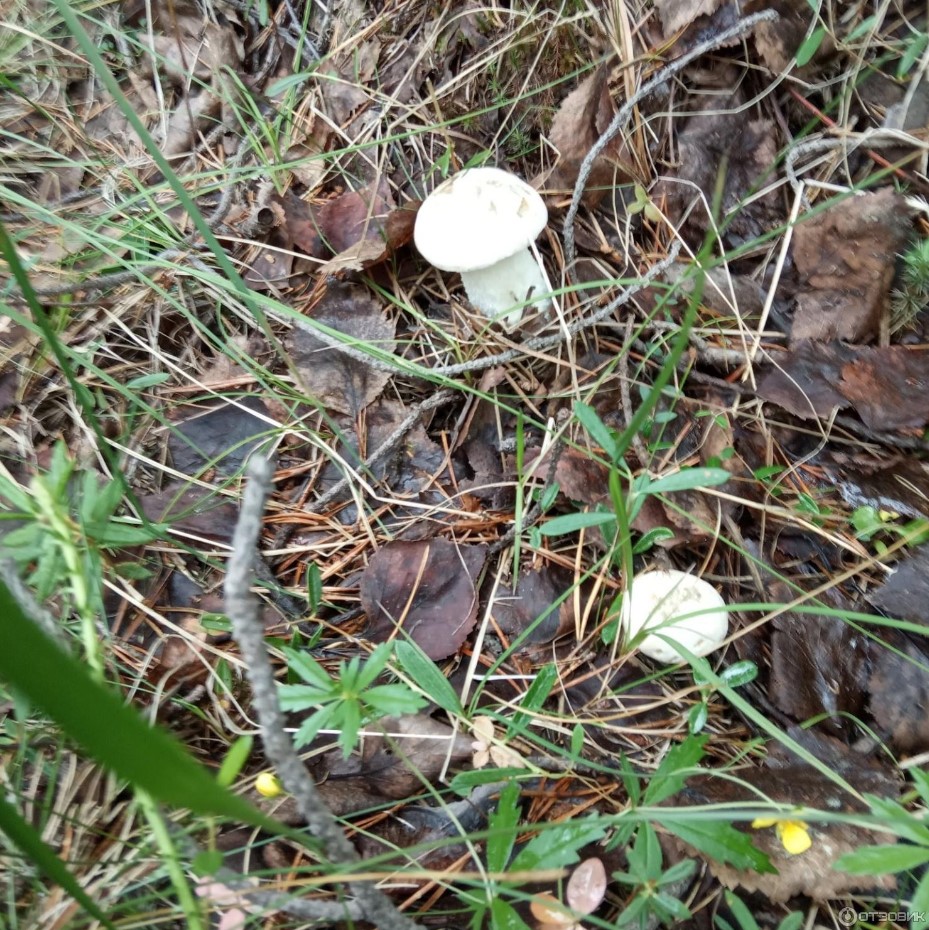
The perfect mushroom for all types of preservation! Let's explore the endangered white aspen mushroom and prepare a hangover-fighting solyanka with dried aspen mushrooms.
Particular attention can be paid to the white aspen mushroom.
It prefers deciduous and mixed forests with high humidity. Some people (if they're lucky enough to find one) think it's a bleached mushroom that grew in the shade. In fact, it will grow white even in the sun.The mushroom's name speaks for itself about its color. Both the cap and stem are pure white. However, this only applies to young mushrooms. Large mushrooms are gray. When broken, they take on a blue tint, which soon turns black.
Mushroom pickers should remember that it is listed in the Red Book.
Well, yes, yes, my mistake was torn off because I simply had to try it.