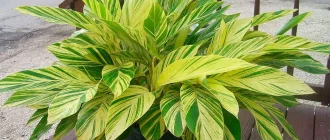
Calathea lancifolia is a perennial herbaceous plant of the Marantaceae family. It grows in the Amazon valleys. Its leaves reach 90 cm in length and are oblong, with wavy borders.
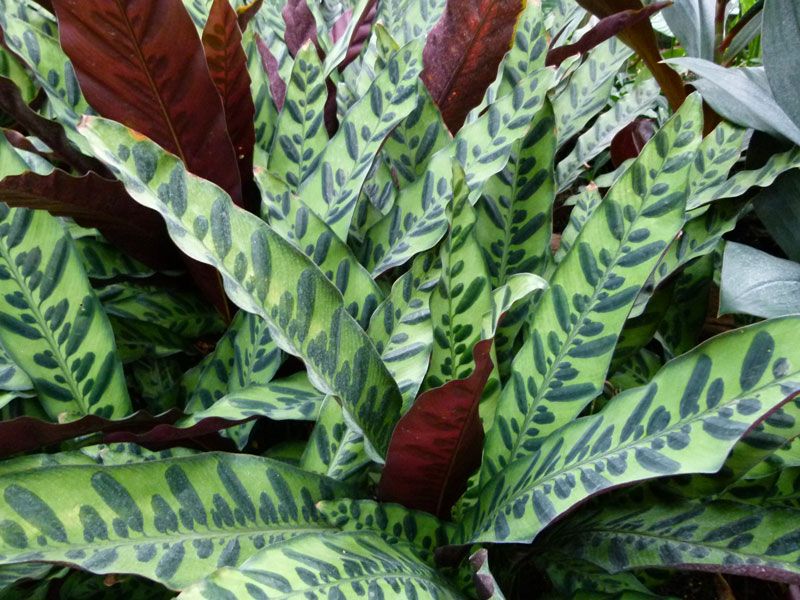
If you look at the photo, you'll see that the outer surface is light green with oval spots of varying sizes. The underside is green with a purple hue. This species blooms in late spring to early summer.
Home care
When caring for the plant at home, it's important to follow the rules. Otherwise, problems will arise: the calathea will become spotted, dry out, and die.
Watering and humidity
The plant prefers high humidity (at least 50%). It dies in a dry environment. If a dedicated terrarium isn't available, the area around the lancifolia should be irrigated.
It is not recommended to use hard water for irrigation.
To soften the water, filter it or let it settle. It's important that it's warm, at least room temperature. Calathea should be watered frequently in summer and less frequently in winter. Excess water should then be drained from the pot.
Soil and fertilizer
The flower prefers sandy, non-acidic, nutritious soil. It should contain 35-40% peat. Ready-mixed soil for arrowroot and Saintpaulias is available at the store. When preparing your own soil for planting, use peat and perlite in a 2:1 ratio.
Calathea needs to be fertilized during the active phase. Feed every three weeks from April to September.
Use liquid complex fertilizer for ornamental foliage plants (1/2 of the dosage written on the package).
Temperature and lighting
Calathea is a heat-loving plant; its temperature should not fall below 20°C. The room should be carefully ventilated, especially during freezing temperatures. The plant does not tolerate temperature fluctuations well.
It is not recommended to transport lancifolia to another location in winter.
Calathea tolerates shade well. However, placing it in a dark corner is undesirable. This will cause its foliage to change color and become smaller. The plant should also not be placed in direct sunlight, as it will die. Partial shade is ideal.
Propagation and transplantation
Propagation is most often vegetative. It's best to combine this with repotting, as calathea takes a long time to recover from root damage.
The flower can be propagated by seed, but this will take about three years. You can watch a video on how to replant lancifolia.
Top.tomathouse.com draws your attention to diseases and parasites
Calathea is susceptible to scale insects, spider mites, and thrips. The plant should be inspected daily under a magnifying glass for their presence.
Naphthalene helps against parasites. Lancifolia diseases are caused by improper care: dry air, excess light, etc.