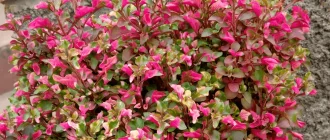
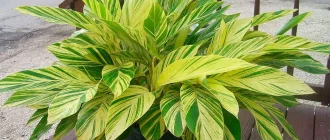
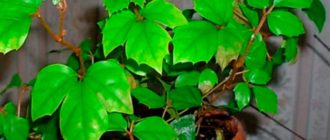
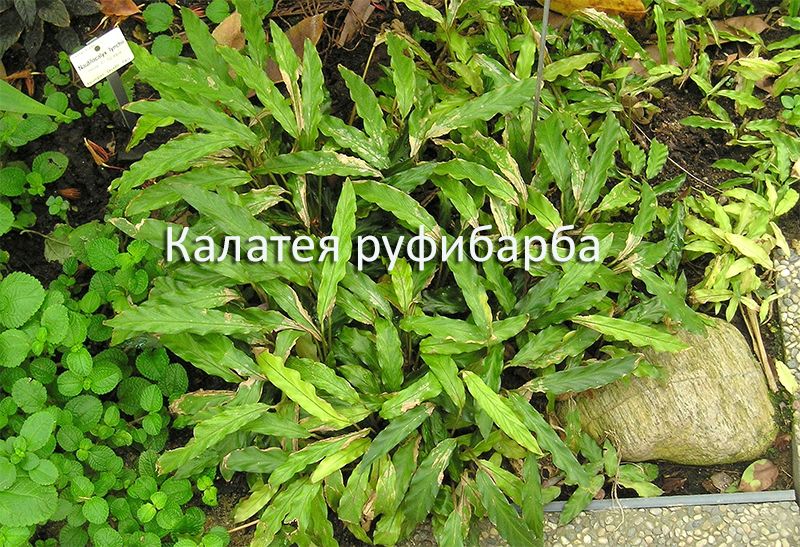
Calathea rufibarba is a perennial evergreen plant from the Marantaceae family, native to distant South America. This flower has no stem as such; lanceolate leaves with ribbed edges grow on large petioles. The outer surface of the leaves is smooth and a delicate emerald green, while the inner surface is burgundy or dark cherry. When calathea begins to bloom, the inflorescences are small, white-yellow.
Home care
Calathea rufibarba is a demanding and capricious plant that requires the utmost care, so it is not recommended for inexperienced gardeners to grow it.
Home care doesn't take much time, but this capricious flower requires constant maintenance of the right temperature, humidity, and lighting.
Temperature and lighting
The plant thrives at standard room temperatures of 19-24 degrees Celsius. During hot weather, it can tolerate higher temperatures, up to 30 degrees Celsius. The key is to provide the plant with regular watering and humidity.
The optimal lighting for Calathea rufibarba is partial shade. It will tolerate both direct sunlight and constant shade.
Watering and air humidity
The plant's root system is shallow, so it's important to keep the top layer of soil constantly moist. Both under- and over-watering are equally harmful to this plant. It prefers high humidity (approximately 85-90%) and therefore requires regular misting. Water the plant twice a day.
Soil and fertilizers
The flower requires loose, well-drained soil composed of humus, peat, and sand. It should be slightly acidic. You can purchase special soil for Saintpaulias or plants of the Marantaceae family at the store. Before planting, add a layer of drainage to the bottom of the container.
Fertilizer should be applied regularly. Don't overdo it, nor neglect it. Calathea rufibarba does not tolerate either too much or too little fertilizer. Fertilize every two weeks, diluting it in water. The fertilizer concentration should be low; dilute it at half the recommended dose.
The flower pot should be selected taking into account that its root system is weakly developed and does not extend very deep into the soil. This means the container should be wide and not very deep.
Transplantation and propagation
It's recommended to repot young plants once a year, in the spring. Mature plants are repotted as needed, when the roots become crowded in the pot.
The most preferred method of propagation is root division. This is done during repotting. Small pieces with sufficient leaves are separated from the plant and replanted in well-fertilized and moist soil. Such young plants require even more careful care than mature plants.
Top.tomathouse.com warns: Diseases and pests
Calatheas are susceptible to common houseplant pests: spider mites, mealybugs, thrips, and scale insects. This most often occurs when the plant is not growing in the right conditions or is experiencing a deficiency. Pests can be controlled with any insecticide; the key is to identify the problem early.
The most common diseases of Calathea rufibarba are:
- leaf shedding and rotting due to overwatering;
- leaves begin to dry out and turn yellow when the air is too dry;
- leaf burn, spotting when exposed to direct sunlight;
- growth slowdown, new leaves do not appear for a long time due to a lack of nutrients in the soil.
The flower is capricious and whimsical, but the effort is worth it to admire its emerald leaves and delicate flowers.