Cherries belong to the plum genus and the rose family. Through selective breeding, over 150 varieties have been developed. They grow as both trees and shrubs. While their fruits contain many beneficial substances, cherries are not suitable for everyone. They are contraindicated for diabetics, those with high stomach acidity, pancreatitis, and other conditions.
Content
Fruit or berry?
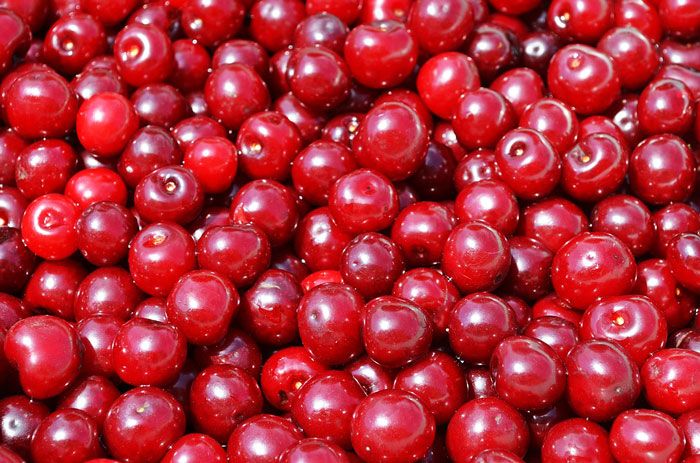
Cherry is a fruit, not a berry, as many people think, although it is small in size.
Felt or Chinese cherries deserve special attention, as they contain many more nutrients than regular cherries. Wild cherries are also found in Russian forests; their fruits are smaller and more tart, but their aroma is distinct.
Interestingly, a cherry-sweet cherry hybrid was recently developed. It retains all the beneficial properties of both fruits, but has a sweeter taste.
Composition and benefits
With every berry eaten, a person replenishes their stores of amino acids (folic acid, ascorbic acid, tocopherol), vitamins, and microelements. Cherries are rich in iron (500 mg per 100 grams).
Fresh ripe cherries have a healing effect:
- increases hemoglobin levels, reduces blood pressure and strengthens capillaries;
- acts as a preventative measure against many cardiovascular pathologies;
- reduces the level of uric acid in the body and thereby treats gout, arthritis, and joint inflammation;
- used in the treatment of epilepsy, as well as some types of mental illnesses;
- effectively kills many fungi and some intestinal infections.
- cleanses the intestines.
Caloric content – 52 kcal per 100 grams.
The plant's fruiting period is short—about two weeks. During this time, it's best to stock up for the winter or treat yourself to some delicious desserts.
Cardiovascular system
Cherry is an indispensable heart remedy, used for:
- normalization of blood clotting;
- lowering blood pressure;
- strengthening of blood vessels and capillaries;
- reducing the risk of stroke;
- reducing the risk of varicose veins.
Gastrointestinal tract
Cherries stimulate the appetite, help treat constipation, and kill fungi and pathogens in the gastrointestinal tract. For stomach inflammation, traditional healers recommend drinking cherry tree sap, or, more commonly, cherry tree resin or gum. It's important to use this with caution, not overuse it, and only as a supplement to your primary treatment.
Joints
Cherry juice is useful as an adjunct in the treatment of arthritis and gout. A tea made from the twigs and leaves relieves acute pain associated with radiculitis and osteoarthritis. Drinking 10-12 twigs daily significantly reduces the risk of a gout attack.
Nervous system
The juice activates antioxidant enzymes, thereby preventing the development of many nervous disorders. A tea made from the bark is used for neuroses, and an infusion made with water is an excellent sedative.
Cherry puree significantly increases the level of melatonin in the body, and therefore improves sleep.
Immunity
A storehouse of useful substances, including vitamin C.
Fighting colds
Cherry juice reduces fever and promotes expectoration.
For children
Thanks to their high iron content, cherries treat childhood anemia. And their juice helps combat excessive excitability.
For women
Cherries help alleviate the unpleasant effects of menopause and reduce menstrual cramps. Antioxidants slow the aging process. The berry is equally beneficial for women of all ages. Moreover, you can not only eat it but also make masks from it to rejuvenate and cleanse the skin.
For pregnant women
The folic acid it contains has a beneficial effect on the formation of the fetus and its further development.
For men
Cherries, along with their infused twigs and bark, are beneficial for the male reproductive system. The bark has anti-inflammatory and antibacterial properties. Cherries contain zinc, which is essential for the production of male hormones and sperm.
Cherry in cosmetology
Cherries are used in the production of cosmetics, as the vitamins A and C they contain cleanse the skin and make it more elastic.
Recipes for homemade berry masks:
- This whitening mask will brighten your skin and make blemishes and freckles less noticeable. Mash a few berries, add 5 drops of lemon juice and 2 teaspoons of cream. Apply the mask to your face, leave it on for 5 minutes, and rinse with warm water.
- To combat wrinkles, take a large spoonful of cherries, raspberries, and strawberries and mash them into a paste. Apply to your face and leave on for up to 20 minutes, then rinse with warm water.
- Cherries and potato starch are used to cleanse the skin and prevent acne. Take 20 ml of cherry juice, 10 g of starch, 5 ml of vegetable oil (lavender, grapeseed, etc.), and 10 drops of retinol. Apply the mask to your face and leave it on for 40 minutes. Then wash off.
- A mask made from berry pulp and sour cream or cottage cheese is effective for reducing dark bags under the eyes. Combine 7 berries and 10 g of heavy cream. Apply a thin layer to the affected area. After 10 minutes, wash off, first with warm, then cool water, and repeat several times.
- The berries are good for spa treatments and do not stain the skin.
Cherries for dieting
The berry's benefits for weight loss include its ability to flush out toxins and replenish nutrients. However, it should be consumed sparingly, as it increases appetite.
The benefits and harms of fresh and dried cherry leaves and bark
Not only cherry berries are beneficial, but also its leaves, branches and even bark.
- The leaves (both dried and fresh) are used to prepare a variety of infusions. They contain unique compounds such as comedin, amygdalin, and citric acid, which have antioxidant properties. Leaves harvested in May are considered the most beneficial. Tea made from these leaves is good for lowering blood pressure, stopping bleeding, and preventing liver disease and cancer. Crushed leaves can be used as an astringent for minor scratches and abrasions.
- Decoctions of the branches and bark act as an antiseptic and relieve joint inflammation. Take a handful of chopped branches, add 1.5 liters of water, and boil for about 15 minutes. Then, let the tea steep for at least two hours.
Healthy recipes
- Bleeding. Pour a glass of boiling water over 1 tablespoon of the stalks and drink throughout the day.
- ARVI. Add 1 tablespoon of dried cherry leaves and chamomile flowers to a liter of water. Drink the infusion throughout the day, up to 100 ml at a time. It relieves coughs and runny noses, reduces headaches, and reduces inflammation.
- Kidney disease. Mix one small spoon each of red clover, cherry leaves, and blackberry. Pour a liter of boiling water over the mixture, pour into a thermos, and let steep for 30 minutes. Drink one hour before meals.
Cherries in cooking
The fruit is used in cooking to make pies, pastries, desserts, jams, and preserves. Cherries are also added to the production of alcoholic beverages (cocktails, liqueurs, and wines). Fresh cherries keep for about a week.
Homemakers recommend freezing cherries. Fast freezing preserves all their nutrients. You can freeze cherries, pitted or not, and store them in the refrigerator for up to 1 year.
Dried berries can be considered a separate dish. They are simmered in syrup and then dried. Cherries retain most of their vitamins, although their calorie content increases significantly.
Top.tomathouse.com warns: contraindications for use and harm
Uncontrolled consumption can cause gastrointestinal problems. The berry can damage tooth enamel. Cherries should be avoided if you have gastritis, high acidity, or stomach ulcers. They contain malic and citric acids, which can adversely affect a diseased gastrointestinal tract.
Eating the seeds is strictly prohibited. They contain hydrocyanic acid, which is poisonous to humans.
You also need to be careful when:
- tendency to allergies;
- liver diseases;
- diabetes.