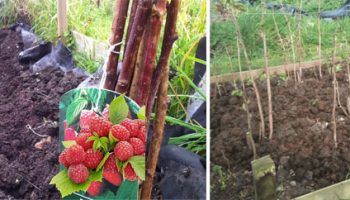
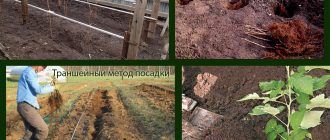
Everbearing raspberries differ from other varieties in one important way: they begin bearing fruit on young shoots. They are usually planted as early as possible to enjoy a harvest later in the season. This berry is very common in gardens. In this article, we'll look at the key aspects of planting everbearing raspberries in the fall.
Content
- 1 What is the secret of everbearing raspberries?
- 2 Advantages and disadvantages of everbearing raspberries
- 3 Selecting a remontant raspberry variety for planting in autumn and spring + by region
- 4 Correct timing for planting everbearing raspberries
- 5 Rules for planting everbearing raspberries in autumn
- 6 Features of various raspberry planting methods with step-by-step instructions
- 7 8 planting schemes for everbearing raspberries with step-by-step instructions
- 8 Step-by-step process for planting everbearing raspberries in the fall
- 9 Caring for everbearing raspberries after planting
- 10 Tips from Top.tomathouse.com
- 11 From the author
- 12 How to plant everbearing raspberries in spring
- 13 When to transplant everbearing raspberries
What is the secret of everbearing raspberries?
Everbearing raspberries belong to a group of plants that bear fruit throughout the entire season. Berries grow on both young and old shoots. If some shoots have dried out by autumn, they are removed from the bush with pruning shears, and the bush itself is cut back to the base before winter.
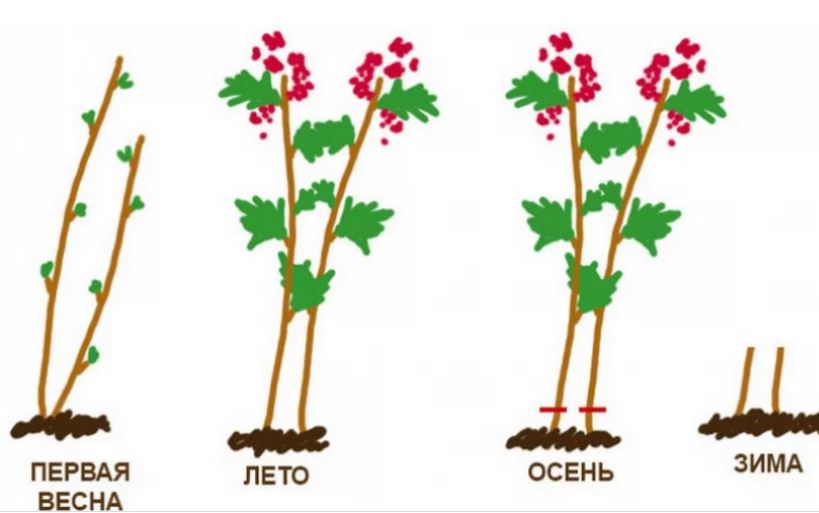
Most everbearing raspberries are self-pollinating. The first berries appear in late June, and gardeners harvest the last crop just a few days before frost.
Did you know? Everbearing raspberries are distinguished by their high vitamin C content. It has a beneficial effect on the human immune system and is a powerful antioxidant. It is largely due to this property that the berry is often used for medicinal purposes.
Advantages and disadvantages of everbearing raspberries
| Advantages | Flaws |
| The plant is resistant to the lowest temperatures, so it does not need to be covered for the winter. | The second wave of harvest may coincide with the first frost and will not have time to ripen. |
| Everbearing raspberries successfully resist numerous diseases and pests. They are virtually immune to gall midges, dwarf bushes, weevils, and raspberry beetles. Thanks to this property, the bush is disease-free and produces abundant fruit. | The main stem has many sharp thorns. |
| High yields due to increased shoot formation, which can reach up to eight per plant. | Raspberries must be tied up to prevent the shoots from breaking under their own weight. |
| The harvest can be left unharvested for a long time without losing its flavor or spoiling. This is especially important for gardeners who only visit their plots on weekends. | Raspberries like these often develop too many shoots, which drain the plant's energy, which can reduce yield and create a dense bush. In this case, they need to be removed, otherwise sunlight simply won't penetrate deep enough, and some berries won't ripen. |
Read the article, How to plant strawberries in the fall.
Selecting a remontant raspberry variety for planting in autumn and spring + by region
Breeders have developed a wide variety of everbearing raspberry varieties, allowing every gardener to choose one to suit their tastes and region. In the table below, we've outlined the most popular ones, which have gained recognition among many gardeners.
| Name | Characteristic |
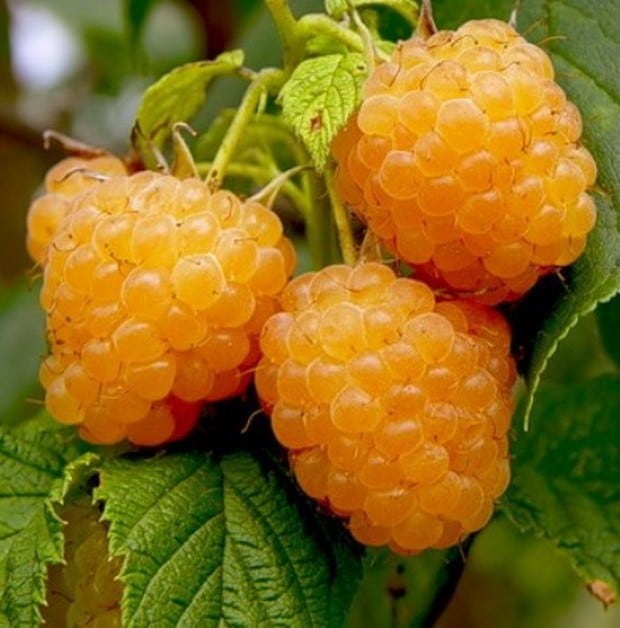
| Apricot
|
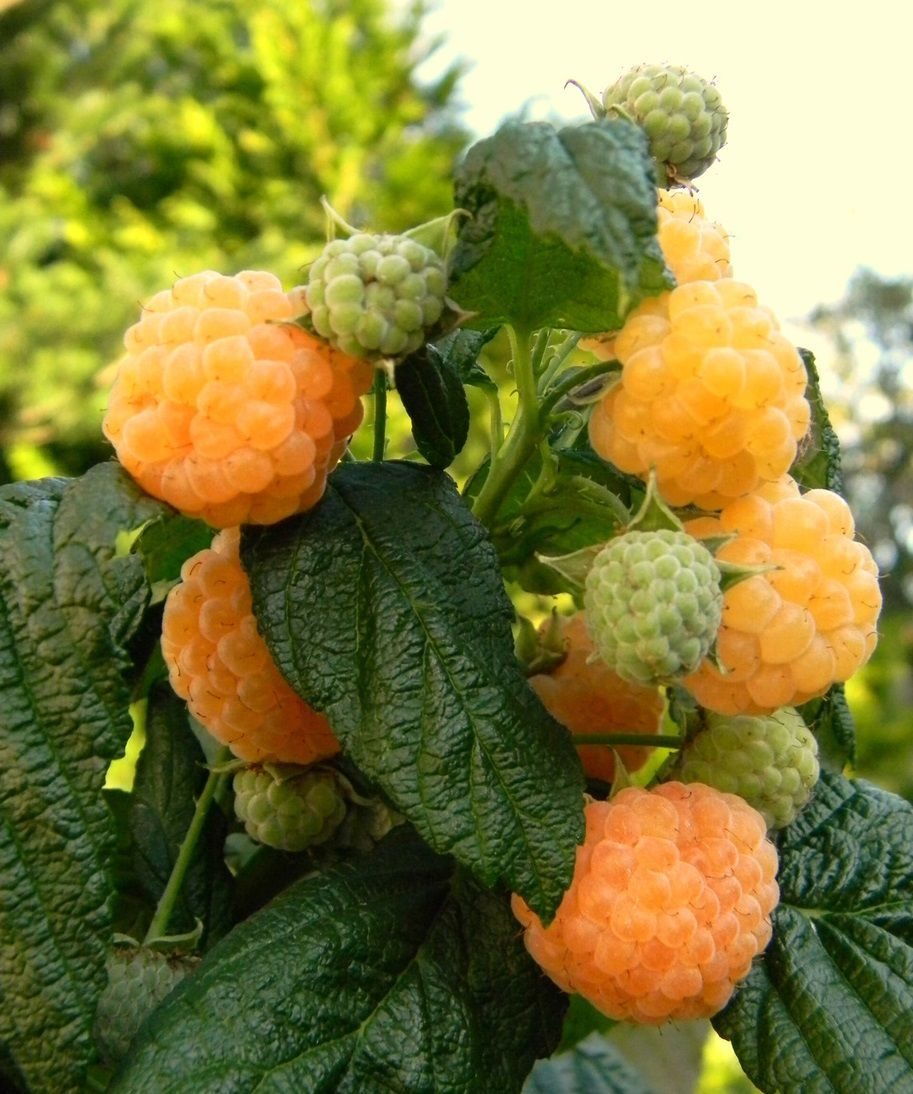
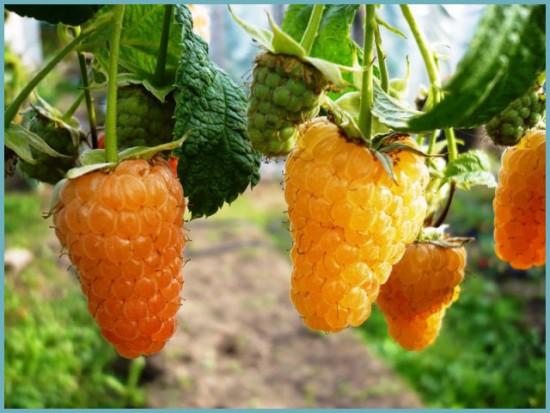
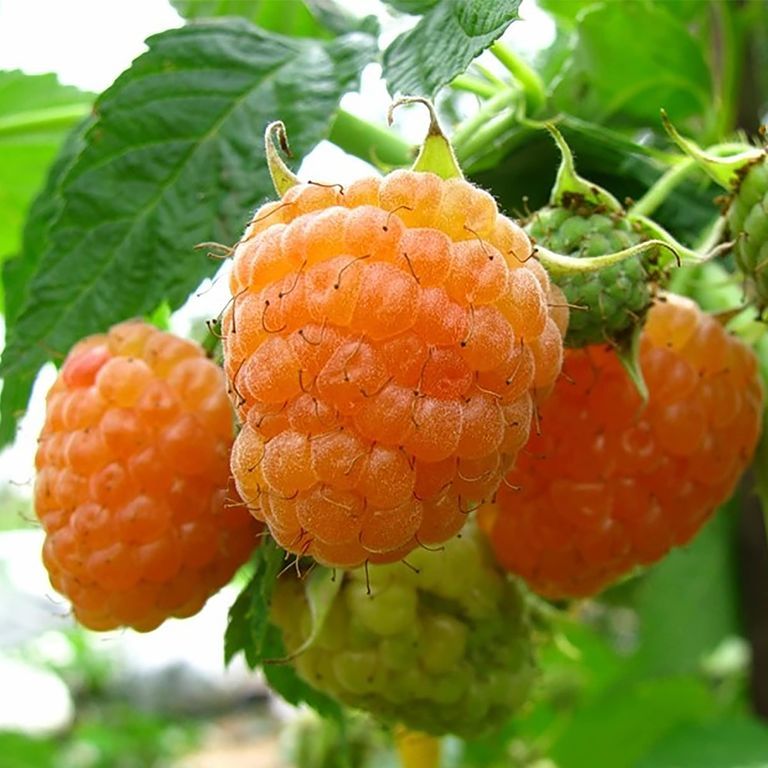
This variety's berries are conical in shape and have an unusual yellow-pink color. The plant got its name for its delicate apricot flavor. Each bush can yield up to 4 kg of berries per season, which lasts from early summer until the first frost. This raspberry should be grown only in a sunny location; it is also quite demanding regarding soil: it produces best in loamy and super-sandy soil. |
| Atlas
|
The bush grows up to 1.5 m in height, producing numerous shoots. The stems have few thorns, most of which are located near the base. The berries grow large, weighing up to 9 g, and each bush can yield up to 2.5 kg. The main ripening period occurs in the second half of August and lasts until the first frost. A distinctive feature of this variety is the firmness of the berries, which separate easily from the stem, remain on the bush for a long time, and do not bruise during transportation. This raspberry is often grown commercially due to its ease of harvesting. The bush grows in full sun and prefers fertile, super-sandy and loamy soils. It tolerates temperature fluctuations well and is resistant to common diseases. The berries are excellent for jams, liqueurs, compotes, and preserves, and the variety is also frequently used in medicine. |
| Hercules
|
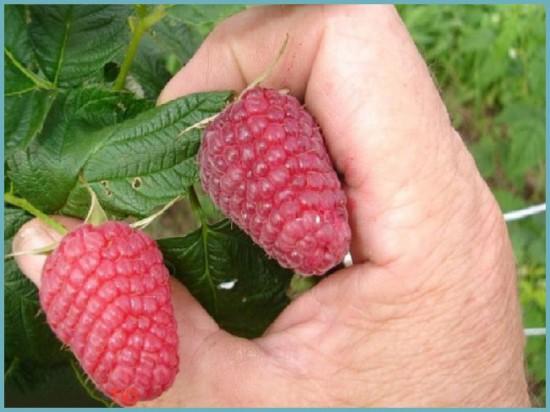
The variety gets its name from its very large berries, which can weigh over 9 grams. Their color is dark red, and their shape resembles a truncated cone. Each bush yields approximately 3 kg per season. The trunk and shoots are quite strong, easily supporting their own weight, given that the fruiting zone extends over more than half their length. Furthermore, Hercules is highly resistant to common diseases and pests. Thanks to its large number of root suckers, this raspberry variety is easy to transplant. It begins bearing fruit in the first half of August. Its main drawback is the excessive number of thorns on the plant. Raspberries should be grown in full sun; they require fertile soil. |
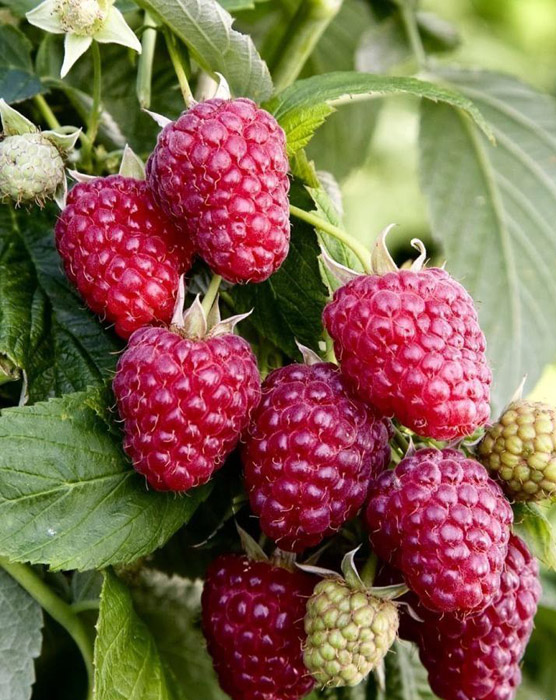
| Out of reach
|
The bush grows up to 1.7 m long and has strong shoots, which can number up to 14. The plant is disease-resistant. The berries are regularly shaped, weighing approximately 6-8 g, and ruby-red in color. It prefers a sunny location and grows well in super-sandy and loamy soils. |
| Orange miracle
|
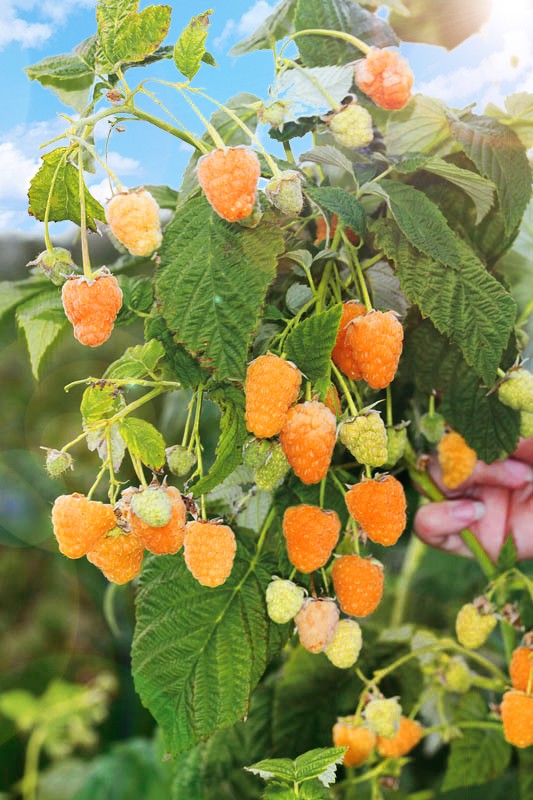
The bush grows vigorously and tall, with numerous shoots. The berries are bright orange, elongated, and can weigh up to 10 grams. The thorns on the shoots are not very large, concentrated at the base. Good growth requires plenty of sun and fertile, light-textured soil. The variety is resistant to common diseases and pests and tolerates changing weather conditions, including drought and heat. |
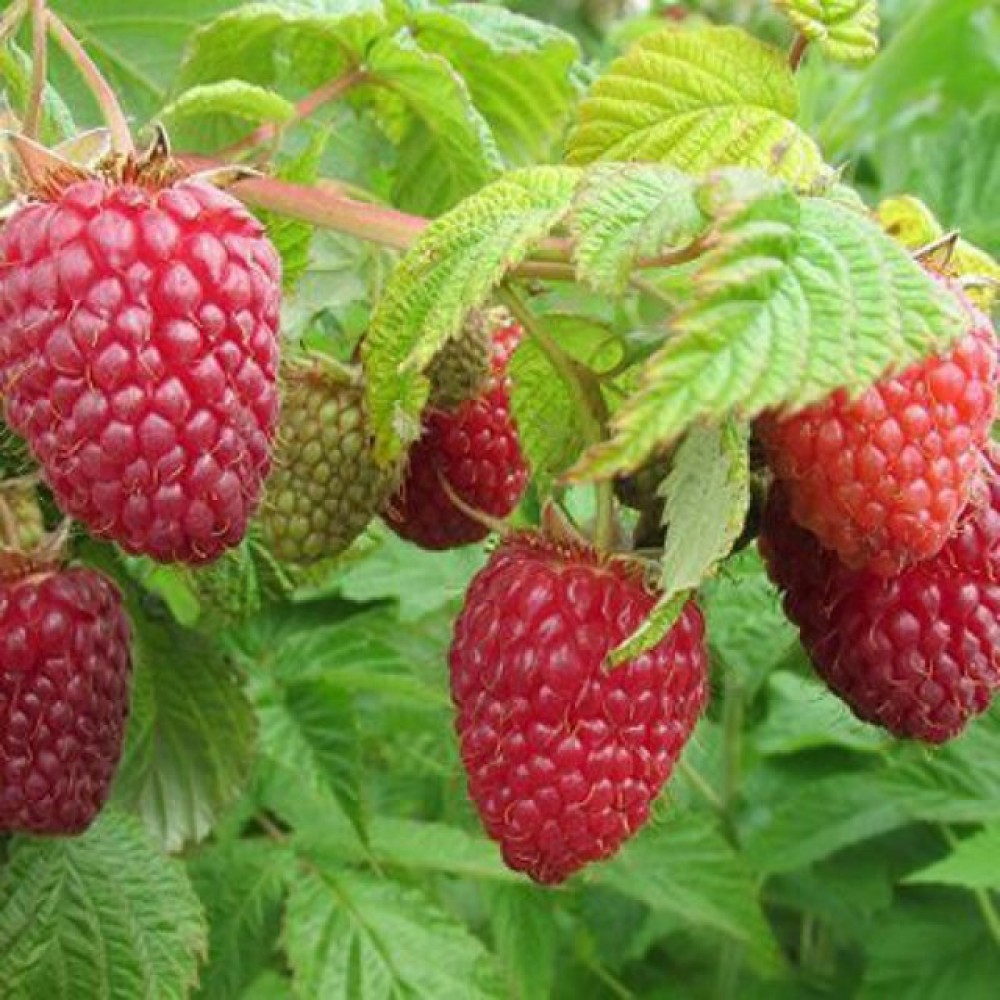
| Ruby necklace
|
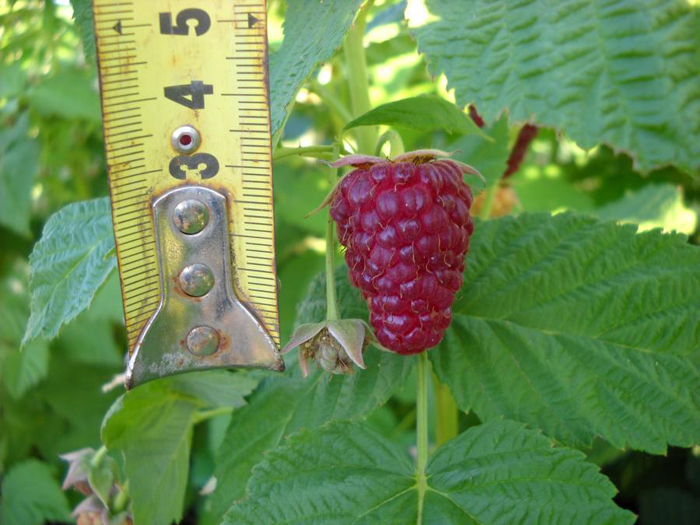
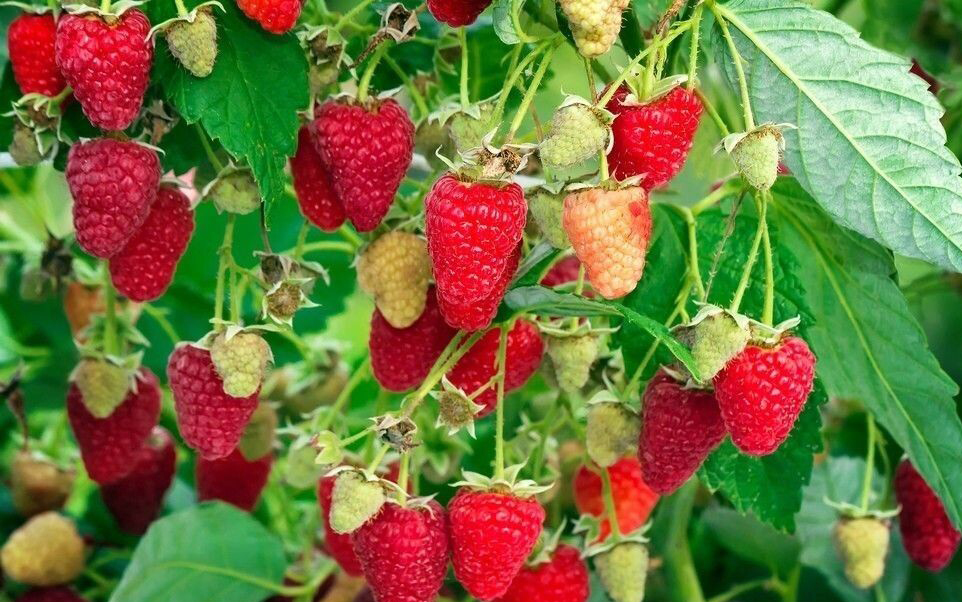
The bush isn't the tallest compared to other varieties, reaching about 1.3 m. It produces up to seven moderately vigorous shoots. The berries aren't the largest, averaging 6 g. The harvest is suitable for deep freezing, which preserves the raspberries' shape. Each bush yields up to 2.5 kg of berries per season. Planting requirements are standard: full sun and fertile soil. |

Tip: To enjoy delicious berries all season long, you can plant mid-early and mid-late everbearing raspberry varieties at the same time.
The best varieties for the Moscow region
| Name | Characteristic |
| Augustine
|
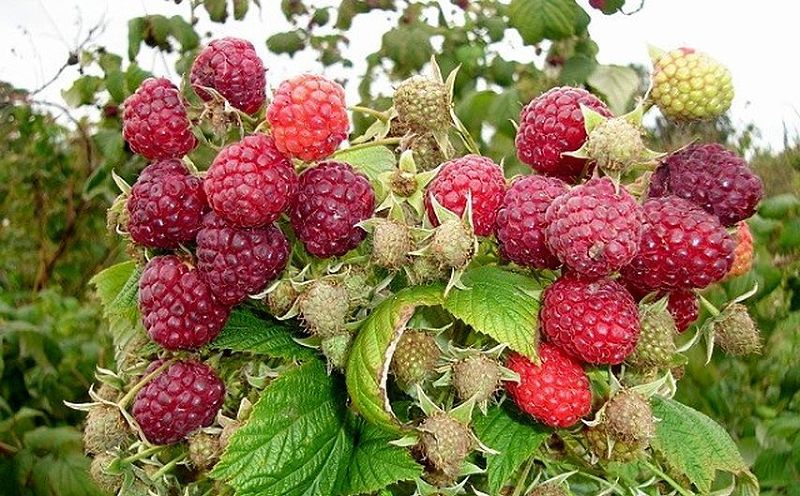
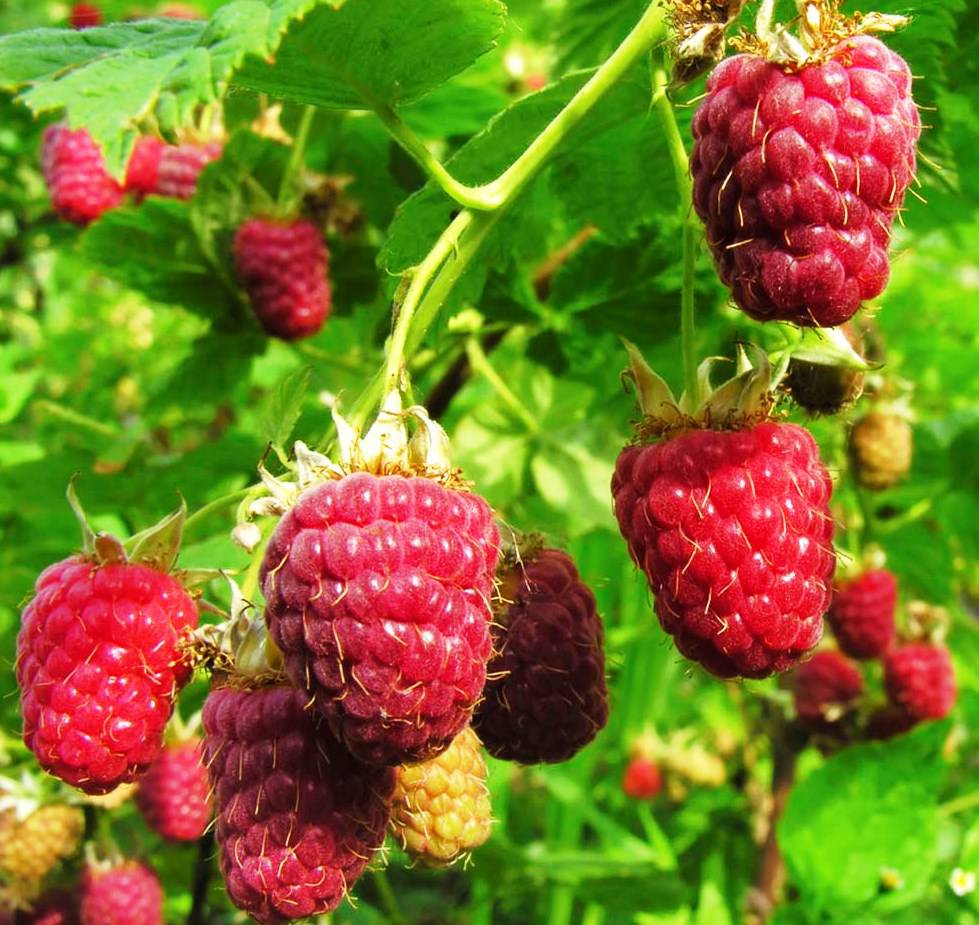
The bush rarely reaches 2 m, typically hovering around 1.5 m. Raspberries grow as compact, spreading bushes covered with small, soft thorns. The shoots are sturdy and require no staking. The first harvest can be picked as early as mid-July, making this variety one of the earliest everbearing raspberries. The second harvest occurs in the second half of August and lasts until the first frost. The berries average 3.5-4 g in weight and are ruby-red in color. Thanks to their dense structure, they withstand transportation well and have a long shelf life. They can be refrigerated for up to a week without rotting. A bush can yield up to 4.5 kg per season. They thrive in full sun and produce best in loamy and super-sandy soil. |
| Bryansk miracle
|
The main harvest is formed on one-year-old shoots and can be picked in late summer or the first weeks of September. The berries have a beautiful elongated shape and are large, weighing up to 11 grams. Each bush can yield up to 3 kg of fruit per season. This variety requires ample sunlight and should be grown in super-sandy or loamy soil. |
| Golden autumn
|
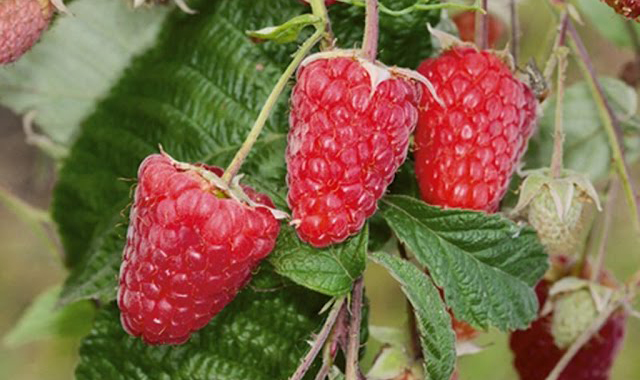
This variety produces very large berries, weighing up to 7 grams, with a regular, elongated cone shape. The dense structure allows the harvest to be stored for up to 7 days without losing its flavor. The yield is high. Peak ripening occurs in the second half of August, and you can harvest raspberries until the first frost. It grows in light, super-sandy and loamy soils and requires good lighting. It is highly resistant to drought and pests common to all varieties. |
The best varieties for Siberia and the Urals
| Name of the variety | Description |
| Atlas | see above |
| Bryansk miracle | See the best varieties for the Moscow region |
| Nizhegorodets
|
The bush grows to a medium size and produces a modest number of shoots, usually no more than 7-8. The shoots are divided into one-year-old (with a slight waxy coating and a pinkish tint) and two-year-old (light brown with spines along the entire stem). The berries grow up to 6 grams in weight and have a sweet and sour taste. In the fall, all shoots should be mown down. This variety grows in full sun, preferring loamy or super-sandy soil. The bush tolerates heat well and is resistant to common pests. |
| Orange miracle | see above |
| Penguin
|
This variety is classified as a standard raspberry, meaning it grows without branches. It reaches a height of 1.4 m and requires no staking. The berries are medium-sized and weigh up to 8 g. Even after ripening, the fruit can remain on the bush for almost a week without spoiling. It is often used to create hedges in gardens. It thrives only in sunny areas and prefers loamy and super-sandy soil. |
| Ruby necklace | see above |
The best varieties for Belarus
| Name of the variety | Description |
| Apricot | see above |
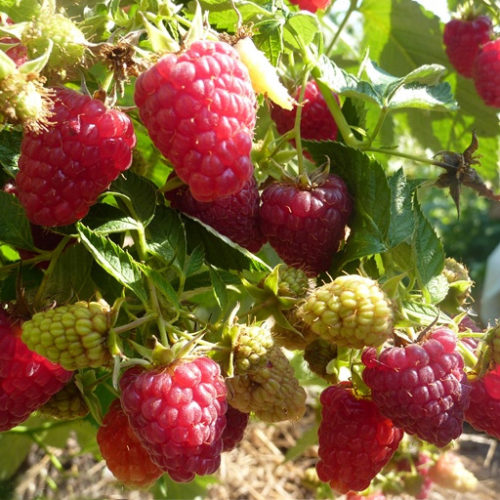
| Indian Summer 2
|
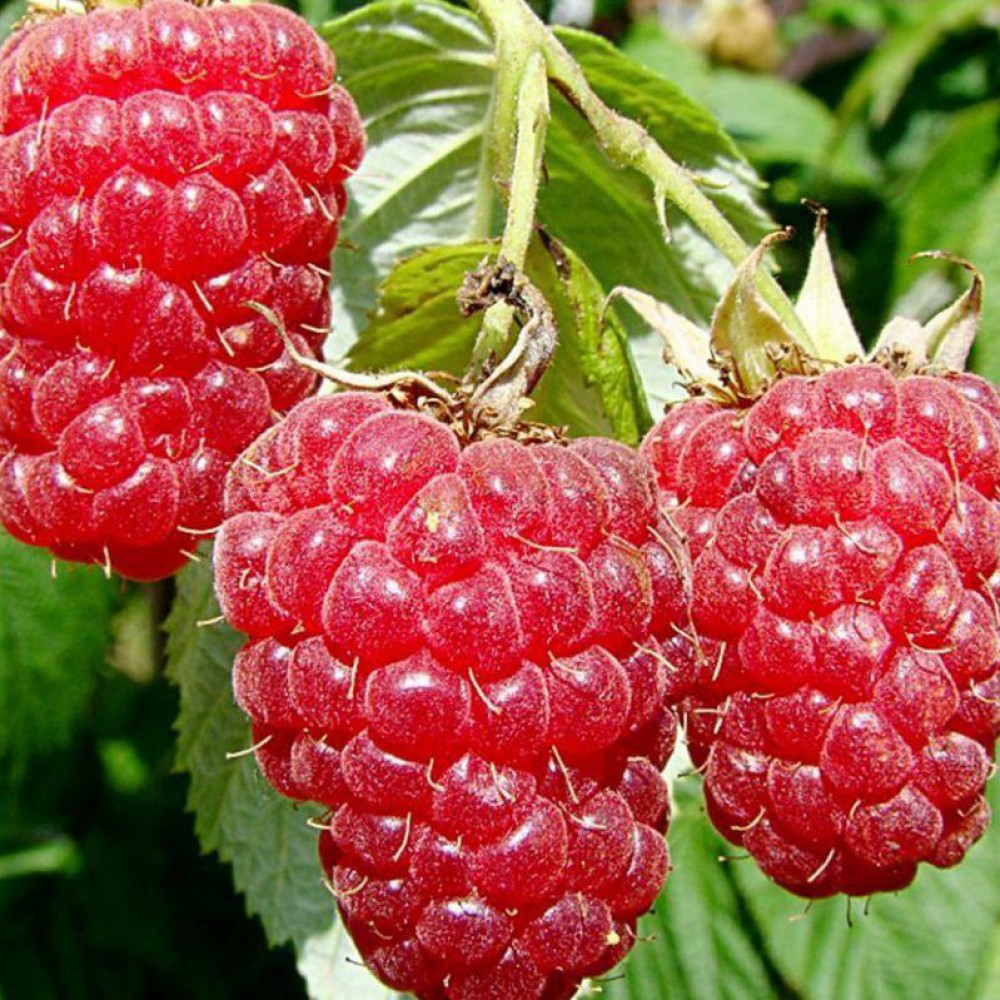
The bush is a low-spreading variety, growing up to 1.5 m. No more than five shoots are produced. The berries are not very large, weighing only 3 g, and are bright crimson in color. The variety prefers full sunlight and grows well in super-sandy and loamy soil. It is resistant to hot weather, as well as gray mold and leaf curl. |
| Diamond
|
The berries are conical in shape and weigh between 5 and 12 grams. The stalk separates easily from the pulp, and the dense structure of the raspberries allows for successful transportation. After ripening, the harvest can hang on the bush for a week without losing its quality. Each bush can yield up to 3 kg of berries. They ripen in the first half of August and continue to ripen until the first frost. The plant itself reaches a height of 1.5 meters and produces up to six shoots. Gardeners love this variety for its attractive appearance, which makes it a decorative addition to the garden. Raspberries prefer full sun and fertile soil. The bushes tolerate weather fluctuations well, but their resistance to pests is average. |
The best varieties for Ukraine
| Name of the variety | Description |
| Indian summer
|
This variety isn't particularly productive, with each bush yielding up to 1 kg per season. The bush is modest in size, growing from 1 to 1.5 m. The shoots are medium-thick and have large thorns. The berries are truncated cones, not very large (up to 3 g), but very tasty. They are eaten fresh or frozen for winter storage. This variety has good resistance to disease and weather changes. It prefers full sun and super-sandy or loamy soil. |
| Golden domes
|
The first berries begin to ripen in early July, depending on the region's climate. The second harvest period lasts from August until the first frost. Each bush yields up to 2 kg. The bush is compact, growing up to 1.5 m. It produces few shoots, up to 5-6, which appear drooping and are virtually thornless. The peduncle is short, and the berries themselves occupy almost half the shoot's length. The variety is resistant to gray mold and leaf curl. |
| Amber
|
This variety was developed by Sverdlovsk breeders. It is distinguished by its yellowish berries. The yield is quite high – approximately 41 kg per 0.5 square meter. The average berry weight is 3.4 g. The flesh is juicy and sweet. It grows in full sun and produces best in fertile soil. It has good resistance to pests and weather changes. |
Correct timing for planting everbearing raspberries
There's no exact date for planting everbearing raspberries; everything depends on the region and its climate. Gardeners in northern regions prefer spring planting, where the first frosts arrive very early.
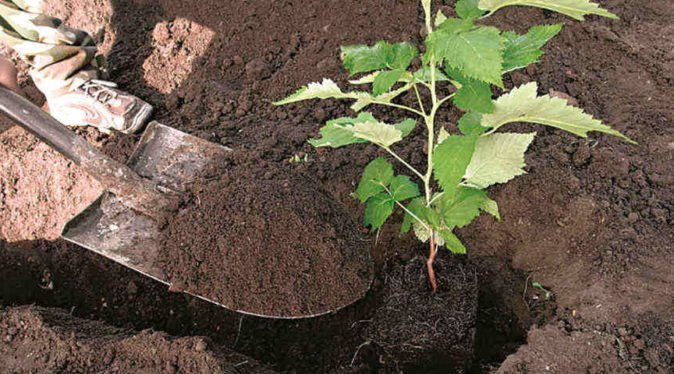
In southern regions, bushes are planted as early as early March. Fall planting can begin in early September and can be done any suitable day up until October. It must meet two key requirements:
- have a 12-hour daylight period;
- the thermometer should be at +10…+12 °C.
In most regions of our country, everbearing raspberries are planted in the spring—from late March to the second half of April. This should be done before the buds open. The weather should be consistently warm, with no nighttime fluctuations. This period is considered the most favorable, as insect activity is not yet high, and the sun doesn't yet hit the plants too hard during the day.
If the plant has already been purchased and the growing season needs to be delayed for a couple of weeks, the cuttings are placed "on the ice" under a 20 cm layer of snow, making sure to cover them with straw or sawdust to prevent freezing.
Experienced gardeners who have favored everbearing raspberry varieties for many years believe that spring planting is the only suitable time for them. This is especially true in the northern regions, as well as the Urals and Volga regions. The main requirement is a frost-free evening and nighttime, as raspberries, being heat-loving, may not survive these.
Due to their weather conditions, the southern regions and the Central Black Earth Region allow raspberry planting not only in spring but also in autumn, as the bush grows very quickly.
The first frosts arrive at different times in different regions. The key is to plant the berries three weeks beforehand to allow them time to take root and strengthen. For example, in central Russia, it's best to begin planting in early September and continue until the first ten days of October. This timeframe may vary from year to year in the same location. It's important to follow weather forecasts, although even these often don't guarantee a complete absence of frost. In the south, raspberries are sometimes planted as late as November, if conditions permit.
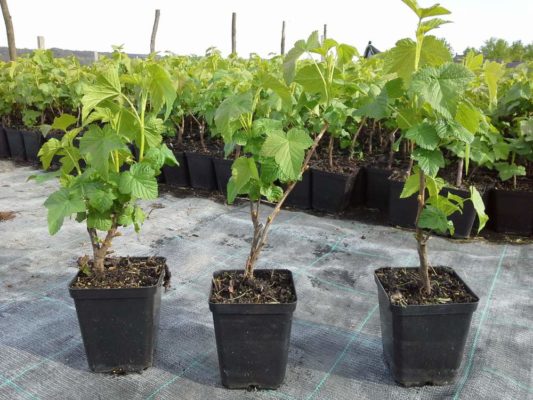
Many nurseries sell young raspberries already "seated" in special containers with a closed root system. In this case, they can be planted any time from April to September.
If you plant a raspberry bush too late in the spring, it may not establish well due to high temperatures, often dying altogether. In the fall, there's a high risk that it won't have time to adapt and establish roots before cold weather and frost sets in, which also leads to its death.
More information on the timing of planting everbearing raspberries by region
In central Russia, some everbearing varieties can be harvested as early as late June or early July. The first berries in Siberia and the Urals can be picked in late July or early August. These dates are approximate and may vary depending on the weather. The ripening time for raspberries can vary by approximately four weeks between regions.
Because winter sets in early in Siberia, the Urals, and Transbaikal, spring planting is more common. Southern regions are more fortunate, allowing for twice-yearly planting. This includes the Krasnodar Krai, Crimea, and Kuban. Gardeners can choose any suitable time, and their raspberries are likely to thrive.
Timing for planting everbearing raspberries in the Moscow region
In the Moscow region, the main work of preparing the soil and digging holes begins only after the snow has completely melted and the ground has warmed sufficiently to become slightly moist and loose. It's important to follow weather forecasts—they shouldn't predict nighttime frosts. When choosing a site, aim for elevated areas with well-fertilized soil and drainage. Raspberries will likely not survive in marshy areas.
Gardeners in Moscow and the Moscow region most often plant everbearing raspberries in the spring. They have a harder time establishing themselves in the fall. This is due to the nature of their root system, which is located on the soil surface and, before it has time to establish itself, is often damaged by frost or heavy rainfall.
Timing for planting remontant raspberries in Siberia and the Urals
The weather in the Urals and Siberia is unstable and changes almost daily. Strong winds and severe frosts occur, so the raspberry planting site should be located in a sunny location and protected from the wind by various structures. Drafts can kill young plants, as can deep root freezing. The final warming in this region, without the risk of night frosts, usually occurs only in late May or even mid-June. This is the ideal time to begin planting raspberries. If this wasn't possible in the spring, the plants can be planted in the fall, beginning in the first week of September. Fallen snow will cover the roots, preventing the bush from freezing over the winter.
The key in such regions is to select the right variety, bred specifically for harsh climates (see above). Only then will you get a good, tasty harvest.
Timing for planting everbearing raspberries in Belarus
The climate in Belarus is fairly favorable and moderate. Everbearing raspberries can be planted as early as early spring. Because this variety tolerates light frosts well, it can easily establish itself even if planted in the last week of March. Work can continue for another month, until the end of April. The most important thing is to prepare the soil in advance, fertilize it, and neutralize acidity (if it's too high) with limestone. Regular watering is also essential. With this care, the raspberries will quickly adapt and begin to gain vegetative mass.
Timing for planting everbearing raspberries in Ukraine
Ukraine's moderate continental climate offers gardeners ample scope for planting. They can plant raspberries in both spring and fall. Winter arrives late there, with the first frosts in the southern part of the country not expected until December. With proper care (watering, fertilizing, and loosening), raspberries will thrive equally well after either fall or spring planting. If the region is particularly dry, spring planting is best. The proximity to the Black Sea provides a virtually subtropical climate, allowing for planting seasons extending from the first weeks of spring until late fall, when night frosts begin.
Rules for planting everbearing raspberries in autumn
Choosing the right location and adhering to proper agricultural practices when planting raspberries are undoubtedly crucial. However, all your efforts may be in vain if the bush you purchase is initially weak or infected, and the root system is poorly developed. Therefore, approach your seedling purchases responsibly, carefully inspecting them for diseases.
The depth of the groundwater table and the availability of nutrients in the soil are important factors. Raspberry roots can only penetrate 40 cm into the soil, so a groundwater depth of 1-1.5 m is acceptable. If this depth is lower and the soil is waterlogged, raspberries will not thrive. In this case, a drainage system must be designed to remove excess moisture. Adding a bucket of sand to the bed at a rate of one square meter will help absorb a small amount of moisture. Fill the bottom of the prepared planting hole with river pebbles or broken brick to a depth of approximately 10 cm. To limit root growth and insulate them from excess moisture, line the side walls of the hole with sheets of iron or slate, digging them in.
Even suitable soil types require additional fertilization. Sunflower and buckwheat pits are ideal for black soil. Placed in the hole, they improve soil aeration. Super-sandy beds are fertilized with additives containing beneficial microelements and minerals, such as Kemira or Nitroammophoska, diluted strictly according to the instructions. Experienced gardeners do not recommend using chlorine-containing fertilizers, as they can cause leaf chlorosis. The disease can be recognized by pronounced yellowing of the leaf blades and stunted growth, which leads to a reduced yield.
Choosing a location
Choosing the right location is the key to a bountiful harvest. Everbearing raspberries grow best in a well-lit area free from drafts and strong winds, as well as tall trees that create shade. In southern regions, where the sun is too intense, the plant can be lightly shaded. Not all everbearing varieties tolerate drought well; their roots can only absorb moisture from the upper soil layers, as they are located on the surface. If the bed lacks moisture, the plant will begin to dry out, and the root system will not be able to support the shoots. Insufficient watering will inevitably affect the quality of the harvest – the berries will be small and slightly sour in taste, especially during the second flush of fruiting.
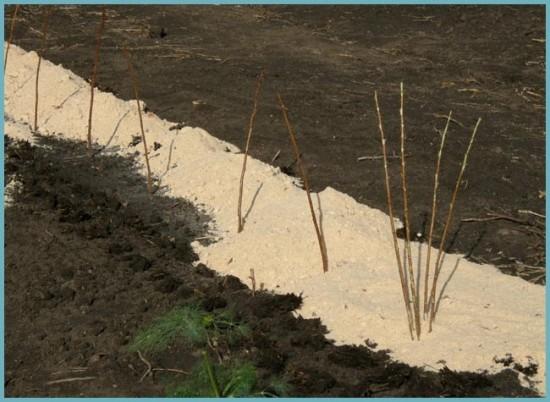
If your plot is in a low-lying area with high humidity, raspberries won't grow without proper drainage. It's best to plant them in a higher elevation with rich black soil.
The plant thrives alongside other crops. Favorable neighbors include:
- blackberry;
- chokeberry;
- honeysuckle;
- apricot;
- cherry;
- plum;
- carrot;
- cucumbers;
- potato.
It's helpful to plant aromatic herbs near the berries, such as garlic, basil, and even marigolds. Their scent repels many insects.
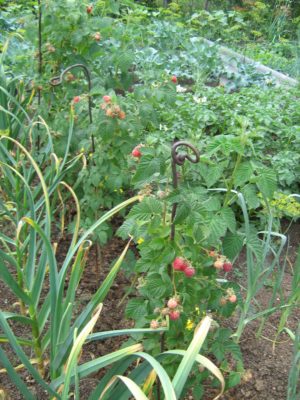
Many gardeners consider apple trees a good neighbor because they help prevent gray mold from appearing on the bushes. It's also helpful to have sorrel growing nearby, which slows the bush's rapid spread.
However, there are some crops that are undesirable to plant near raspberries. There could be several reasons for this: they may harbor the same pests, which could quickly spread from planting to planting; some of them can release toxic substances into the soil, inhibiting the growth of everything nearby.
Strawberries and currants are considered the least suitable neighbors. They share a couple of common pests with raspberries that happily eat both berries: weevils and spider mites. If all these crops are planted nearby, the insects will quickly overrun the entire plot.
The soil for planting should be neutral or slightly acidic. Low pH is indicated by the presence of plants such as clover, quinoa, and couch grass, which thrive in this type of soil.

The high acidity of the soil is indicated by the large amount of sedge, horsetail, moss and plantain growing in the garden.
You can use common household remedies, such as baking soda or vinegar, to determine the soil's acidity in your garden. To do this, take a container, place some soil in it, and add water until it forms a paste. Sprinkle baking soda on top and observe the reaction: if active bubbling appears on the surface, the acidity is high. It needs to be reduced, otherwise the shrub will not thrive. Loamy soil with a neutral pH of 6.5 is best.
Everbearing raspberries prefer fertile soil containing sufficient amounts of beneficial macro- and micronutrients. To enrich the future bed with these nutrients, gardeners add 15 kg of rotted manure per square meter. Wood ash also proves effective. It not only increases the soil's nutritional value but also neutralizes acidity. To achieve this, add 0.5 kg of wood ash per square meter to the soil. To adjust the acidity, limestone powder can also be substituted for ash.
If you want to create ideal conditions for raspberries to yield a bumper harvest, prepare a special soil mixture by combining equal parts peat and coarse sand. In the fall, cover the surface of the bed with mulch; horse and cow manure are the most effective for this purpose. It should be applied in a layer approximately 15 cm thick and will rot almost completely over the winter, enriching the soil with beneficial macronutrients. To promote better growth and fruiting, fertilize the bushes twice a season with specialized fertilizers by watering the roots.
Preparing the soil for planting raspberries in the fall: step-by-step instructions
Soil preparation takes place in several main stages:
- In the fall, 7-10 days before digging the beds, 15 kg of humus, 70 g of superphosphate (in granules) and 50 g of potassium are added to each square meter of soil.
- In the spring, the plot is planted with vegetables. They will additionally replenish the soil with missing nutrients.
- A year later, the following spring, the bed is planted with members of the legume family, which will act as a source of organic fertilizer.
- At the end of summer, the area is dug up; there is no need to remove the beans.
- In the fall, you can start planting everbearing raspberries; the ideal soil is ready.
There's another way to maximize soil nutrition. To do this, you'll need:
- 50 g potassium;
- 30 g superphosphate;
- 50 kg of humus.
All these ingredients are poured into a pre-dug hole, approximately 40 cm deep, and left there for up to a month. Only then can the soil be dug and the holes prepared for planting the raspberries; the recommended depth is 60 cm.
Important! Insufficient sunlight slows plant growth, which adversely affects flower and ovary formation. Under these conditions, raspberries may not produce a harvest at all.
Features of various raspberry planting methods with step-by-step instructions
There are several methods for planting everbearing raspberries in open ground. Each method has its own distinct advantages and disadvantages. Each gardener must decide for themselves which method to choose.
The most important thing is to purchase seedlings. They should look healthy and have a well-developed root system, without rotting or dried roots.
Planting with seedlings and requirements for them
No matter how meticulous your care, if you buy diseased or very weak seedlings, you'll definitely not get a harvest from them. Such raspberries will take root poorly, become diseased, and ultimately die. Even as young plants, they can be infested with spider mites or viral diseases.
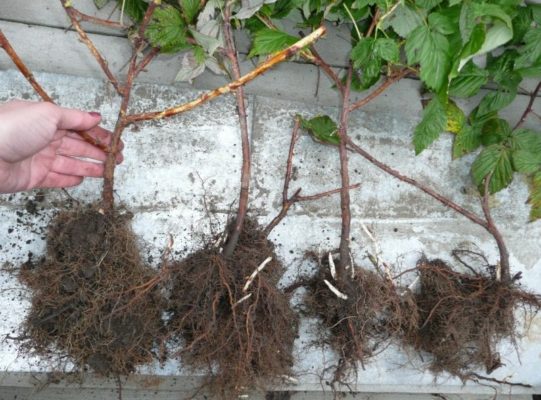
When choosing planting material, make sure that it meets several parameters:
- Good winter hardiness.
- High yield rates.
- Resistance to bacteria and pests.
A good seedling has 2-4 healthy shoots up to 8 mm thick. The root system is fibrous and strong, and none of the roots will break if slightly bent or pulled. Adventitious buds are visible on the plant. A small number of dried roots are acceptable, but they should be insignificant in proportion to the total mass. Before planting, these are removed, and the bush itself is soaked in water for 2 days.
In midsummer, adventitious buds begin to form on the rhizomes. What distinguishes them is the fact that they germinate extremely slowly: the entire process can last until autumn. But even then, these buds will remain in the ground until the following spring as colorless shoots.
With the arrival of the first warmth of spring, their growth resumes, and new stems appear. Therefore, it is so important to carefully inspect the raspberry bush when purchasing it and ensure that it has rudimentary shoots.
The buds themselves are green and emit a pleasant aroma when pressed with your fingers. After the leaves unfurl, their color remains virtually unchanged, and there shouldn't be any unhealthy yellowing. Furthermore, they won't wilt if the freshly dug bush is placed in a tightly sealed bag filled with moist peat and periodically misted. The best option is to purchase a seedling from a specialized nursery; the risk of encountering low-quality material there is virtually zero.
The sellers will provide all the necessary recommendations for planting and care. It's crucial to create conditions similar to the plants' previous conditions. For example, raspberries should be planted only 4 cm deeper in the soil than they were in the nursery. The root buds must be covered.
Before planting raspberries, cut off the above-ground portion, leaving the stems no more than 25 cm above the ground. After this, water the plant with warm water. Water that's too cold can damage the root system. This allows the soil to adhere more tightly to the roots.
Root suckers
Gardeners usually use root suckers to propagate their favorite and, in their opinion, most successful raspberry varieties from their own gardens. They even have their own common name: "nettles."
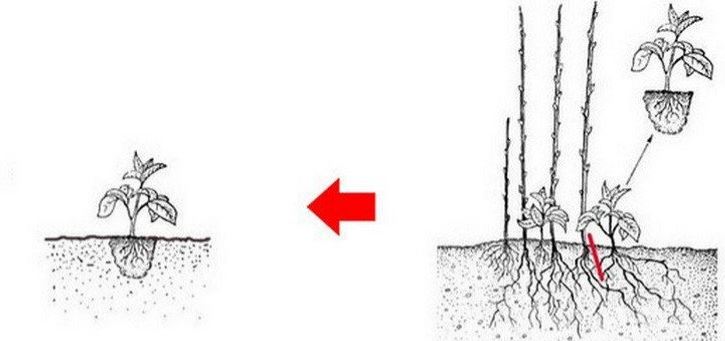
Here are step-by-step instructions for propagating bushes using root suckers:
- root shoots are dug out along with the lump of earth;
- holes are prepared: their depth should be from 25 to 30 cm;
- the shoot is placed into the hole together with the soil on the roots;
- the hole is filled with soil;
- watering is carried out.
By basal cuttings
Propagation by cuttings is considered the simplest method and requires little effort. This process is carried out in the fall (usually in early September), when mature bushes are dug out of the garden bed. Their roots are carefully inspected, and only those at least 5 mm thick are retained. These are cut, the cuttings are shortened to 15 cm, and planted in holes left over from previous plantings. All planting material is buried approximately 4 cm into the soil. The hole is filled with soil, after which the area around the roots can be covered with pine branches. This is done to prevent the root system from freezing during the winter.
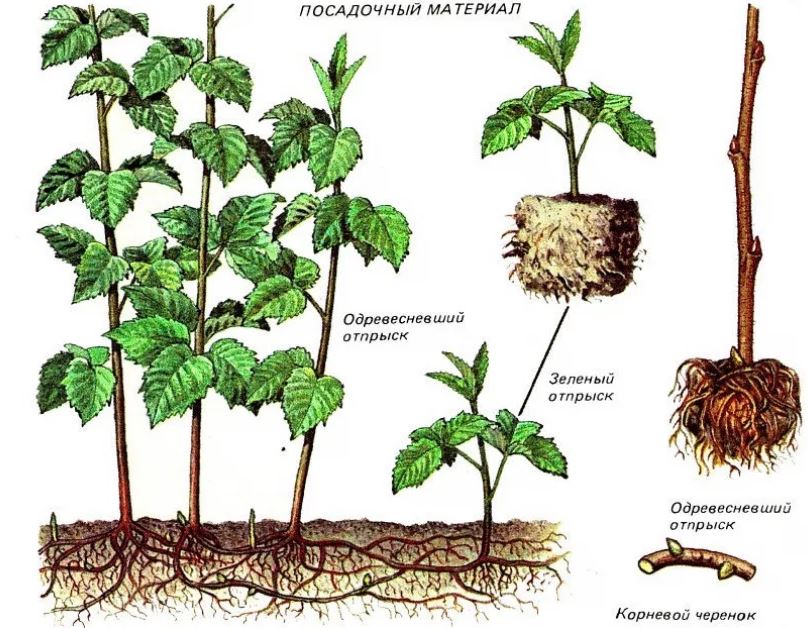
After the snow melts, remove the needles and cover the bed with plastic. Raspberry transplanting can be done this way for four months, almost until fall.
8 planting schemes for everbearing raspberries with step-by-step instructions
Everbearing raspberries have only recently appeared in garden plots, so it's difficult to say for sure which planting method will be most effective. Much depends on the soil type and the prevailing temperature conditions in the region.
The only thing we know for sure is that it loves light. Furthermore, like many other crops, the yield decreases if the bush becomes too dense and overgrown.
Bushy
This method requires planting raspberries in a corner of the plot, as they will need support and protection from winds and drafts, which could cause the bush to freeze. The finished hole should be 50 x 50 cm, with at least 70 cm between plants. The soil should be additionally fertilized; we'll discuss the specifics of fall and spring fertilizers below.
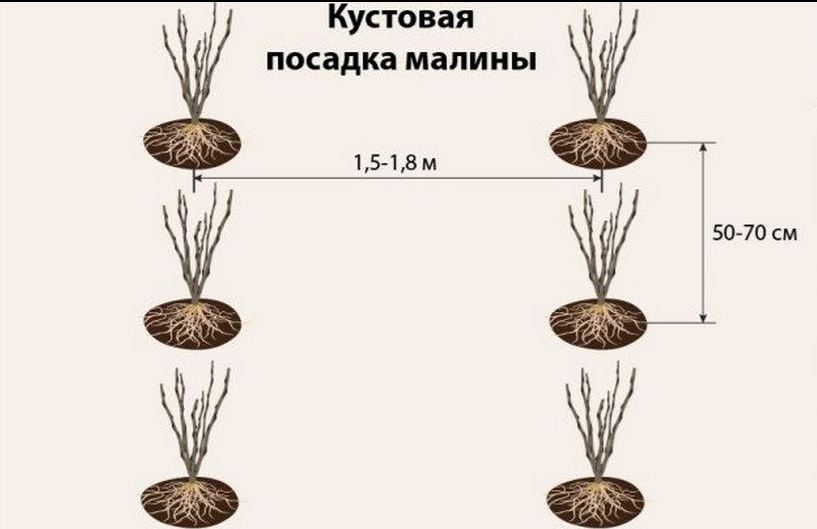
If the sun is very hot, which is often the case in the southern regions of the country, the raspberries need additional shade. A fence or wall can help achieve this. It will also protect them from dry winds. A staggered planting pattern of 4 or 6 plants per row is best.
Loosening and removing weeds is necessary by hand, as the roots are located too close to the soil surface and are easily damaged. To prevent fruiting shoots from breaking under their own weight, they can be tied to pre-prepared iron or wooden stakes.
Square-bush
As the name suggests, the raspberry patch resembles a square. The planting pattern is as follows:
- 4 to 8 raspberry bushes are planted in a square;
- The distance between plantings is from 1 to 1.2 m.
Strip (trench) method
This method is most often used for commercial berry cultivation. It's convenient because mechanical equipment allows for quick loosening and weeding of the soil, moving between rows. Furthermore, such a bed is very easy to mulch with agrofibre. This type of planting is also suitable when the soil is too sandy and lacks moisture, especially in the upper layers.
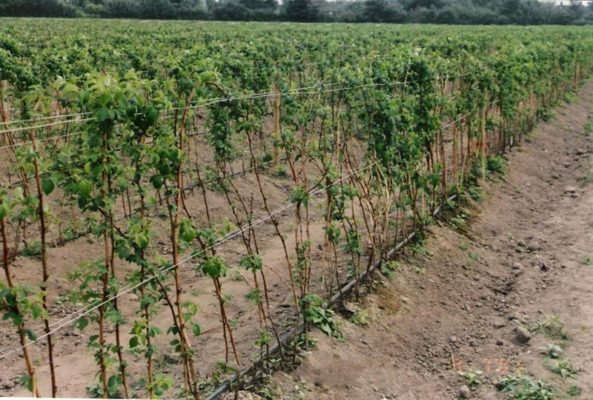
Work begins in the fall, when the entire plot is dug over with manure at a rate of 10 kg per square meter. This manure will rot over the winter, and in the spring, all that remains is to dig a trench and lightly fertilize the soil with mineral supplements. Raspberries are planted either in a single row or in two rows, spaced 50-60 cm apart. The plants are then watered generously and given light shade.
Double-row planting is ideal for tall raspberry varieties, saving significant space and making care easier and more convenient. To prevent them from growing too densely and blocking access, space them 50 cm apart.
The classic trench placement is north-south, allowing the bed to receive adequate sun exposure. If only the north side is available, it's important to have structures there to protect the shrub from strong, cold winds. The eastern or southeastern side of the garden is also considered a good location.
https://www.youtube.com/watch?v=B4yuH4uWui4&feature=emb_title
Some varieties require staking. But even if you choose a low-growing variety, it's still best to be on the safe side and tie the shoots to pre-prepared stakes or a trellis net. The net is stretched between posts driven into the ground at intervals of 3-5 meters. Thick wire can be used instead of the net. However, in the second year of fruiting, another row of wire will be needed, attached 30-40 cm above the first to provide additional stability to the shoots. They are tied with twine at intervals of 10-15 cm.
In the fall, you can plant the bushes closer together in the trench; there's a good chance that not all of them will survive the winter. Some won't have time to root before the frost sets in. Many gardeners believe that raspberries overwinter better in a trench.
Curtain
This method is characterized by growing raspberries in groups. It's ideal for planting bushes in a garden plot. Three plants are formed into a clump, spaced 65 cm apart. The result is a kind of raspberry forest. This "clumping" method allows the plants to survive the winter, and the clumps retain snow better. Furthermore, winds are less of a problem than with single or linear plantings. However, if a pest appears, it will quickly overrun the entire planting.
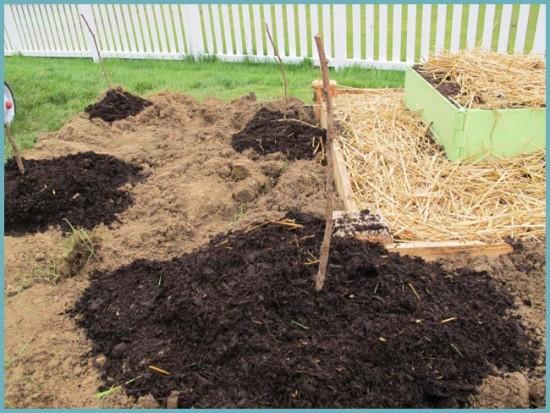
Triangular diagram
As the name suggests, the bushes are planted in a triangular shape at a distance of 70 cm from each other, which is optimal for sufficient aeration.
Solitaire planting
This method is suitable for large plots, as it is primarily decorative. Plants are planted individually to prevent shoots from breaking under the weight of the berries, and they are tied to a trellis. You can drive several individual stakes for each branch, or use two and stretch wire between them. The stakes are tied at a distance of up to 70 cm above ground level. This method helps the raspberries establish better and develop a root system, which positively impacts yield. The bush itself is formed from 5-8 shoots, the holes are covered with mulch, and the roots are watered.
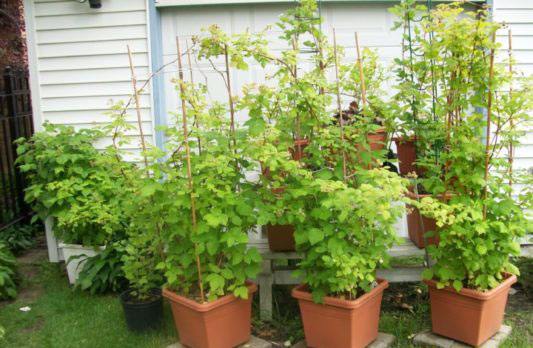
Some gardeners plant solitary specimens directly in pots. Plastic is preferable, as this material has lower thermal conductivity than ceramic.
Planting in a ridge
This method comes in handy for owners of swampy areas. To implement it, trenches are dug, creating an improvised ridge of topsoil and wood waste. Raspberries are planted on this ridge so that the bushes rise above ground level.

The root zone is mulched. The length of such a large bed can be 2 meters or more. The preparation process is as follows:
- A trench is dug approximately 1 meter deep. The bottom is lined with sawdust or rotted wood debris. Bark, wood chips, twigs, and other materials are also suitable. This layer is approximately 30 cm thick. When it rots, it transforms into humus. This will happen in about 1-2 years.
- Place the excavated soil on the wood layer and mix it with compost at a rate of 10 kg per square meter. Then, add 150 g of superphosphate per square meter of soil. Some of this fertilized soil should be reserved for the surface of the bed. This layer should be lightly compacted and thoroughly watered. Two buckets of water are needed for each square meter; three buckets are suitable for arid regions. The liquid will saturate the wood, and it will continue to provide moisture to the plants for a long time.
- The bushes are planted in the prepared holes, spaced 50-60 cm apart. They are then covered with the soil we set aside in the previous step. A second watering is performed, with each bush requiring 5 to 7 liters of water. The surface of the bed is mulched with cow manure, sawdust, or straw. This will help retain moisture longer and ensure better soil warming.
- To maintain the ridge at the desired height, pieces of slate or boards are dug into the sides of the bed. The optimal height of the fence is 40 cm.
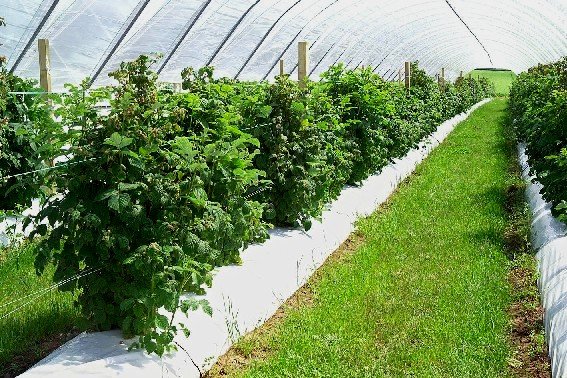
Planting in a warm bed
This method is suitable for almost all regions; a warm bed is created using decaying organic matter. This allows the raspberries to establish roots early in the spring, and the sufficient amount of nutrients reduces the soil's need for macronutrients during the summer.
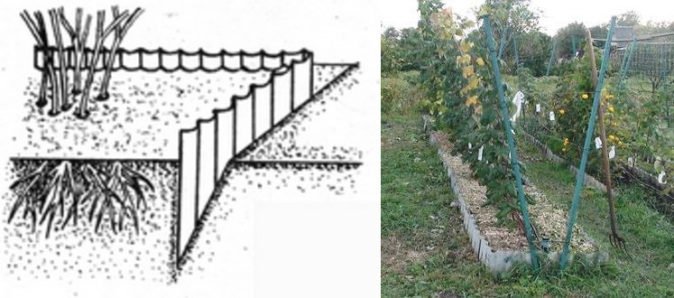
Externally, it resembles a ridged garden, as it has the same slate or wooden fence up to 80 cm high. The length can vary from 1.5 to 2 meters. A warm garden bed is constructed in several stages:
- A layout for the future garden bed is marked out on the plot. It should be approximately 70 cm wide and up to 100 cm deep. A layer of sawdust (approximately 10 cm) is placed on the bottom at a rate of 3 buckets per square meter. Beforehand, the sawdust should be watered with a disinfectant, such as a weak solution of potassium permanganate (2 g per 10 liters of water) or boiling water.
- The next layer is made of soil mixed with compost and rotted manure (10 cm).
- Next, take a mixture of fallen leaves (they are first disinfected in the same way as sawdust). Add 100 grams of potassium sulfate and superphosphate per square meter.
- Peat moss tops the warm bed. For greater effectiveness, it can be mixed with buckwheat or wheat husks and compost. This layer should be 10 cm thick.
- The prepared area is watered with hot water in the amount of 5 buckets per square meter.
- Next, you can begin planting the bushes, placing them in small holes and tightly covering them with soil. If the bed isn't compacted, it will quickly settle, exposing the roots. Frosts can damage them.
- Once the work is completed, the final touch is to cover the bed with straw.
When planting in spring, simply watering a warm bed won't be enough; it needs to be enriched with bioadditives. Baikal is a good product for this purpose. It will accelerate the decomposition of organic matter in the lower layers of the bed.
Make sure that subsided areas are filled with soil in a timely manner, otherwise there is a risk of damaging the root system.
This method of planting raspberries allows you to harvest a good crop even if the groundwater level is high on the site.
Step-by-step process for planting everbearing raspberries in the fall
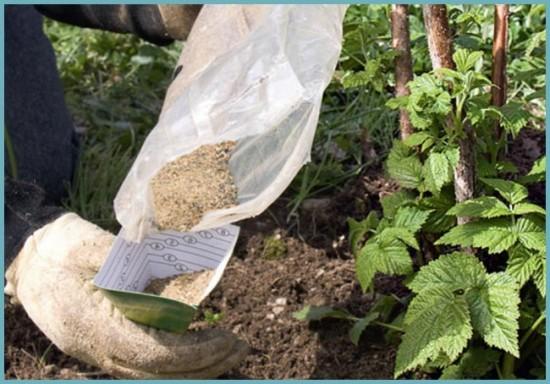
When planting raspberries in the fall, the following substances are added to each square meter of soil:
- potassium sulfate – 50 g;
- humus – 15 kg;
- granulated superphosphate – 80 g.
Nitrogen should not be added, as it stimulates the growth of the vegetative parts of the bush. This is unnecessary in winter. The roots of the cuttings should be pre-soaked for 3-5 hours in a mixture of clay, water, and mullein, diluted in equal proportions.
Add a small amount of any suitable insecticide, such as Aktara, to the mixture. This will help protect the plant from pests overwintering in the upper soil layers.
Watering is done once every 7 days, with a flow rate of 10 to 15 liters per square meter. Heavy watering is not required in the fall.
For additional insulation, the root zone is covered with mulch, such as sawdust, spruce branches, or straw. This is done to retain as much snow as possible, which acts as a natural insulator.
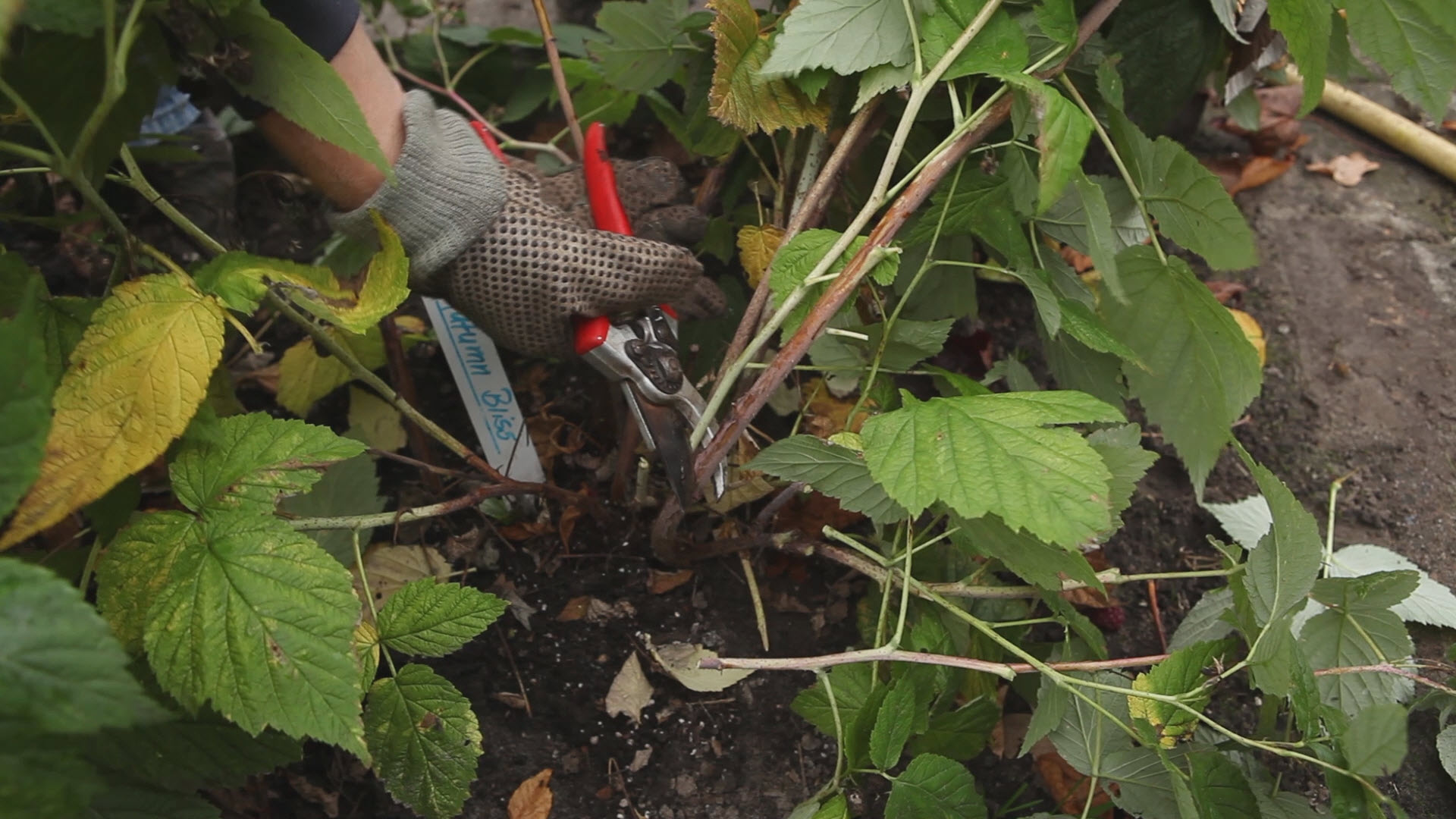
The main feature of planting everbearing raspberries in the fall is that all shoots are cut back to the root.
Caring for everbearing raspberries after planting
- Raspberries prefer moist, but not overwatered, soil. On hot days, water only at the roots to prevent sunburn from dripping onto the leaves. In cloudy weather, you can sprinkle the bush. Many gardeners prefer a drip irrigation system, which delivers measured amounts of water directly to the roots. This is especially convenient if you don't visit your garden every day.
- Towards the end of summer, watering is reduced to allow the bushes to mature and develop fully. Fertilizing is recommended twice a season: before bud break and 10-14 days before flowering.
- Tall and strong shoots must be tied to pegs or a trellis.
- Using a sharp, disinfected shovel, remove excess root growth so that it does not draw away the supply of nutrients.
Raspberry pruning should be done as late as possible in the fall, allowing the root system time to gain strength and adapt to the new location. Only then will it be able to function properly and accumulate sufficient macro- and micronutrients to support the planting throughout the winter.
Annual treatment of shrubs with pest and disease control products is essential. Safer formulations such as Topaz, Oxychom, Inta-Vir, Fufanon, or Fitolavin can be used for this purpose.
Tips from Top.tomathouse.com
Our portal http://top.tomathouse.com reminds:
- Raspberries gradually absorb all the nutrients from the soil, making it impossible to replenish them even with regular fertilizing. Therefore, it's recommended not to plant the raspberries in the same bed for more than four years in a row. Otherwise, you risk no harvest or small, sour berries.
- To give the soil a rest and replenish its resources, plant it with green manure – clover or legumes.
- After planting the bushes, carefully monitor their roots to ensure they don't emerge after watering due to soil settling. In such cases, you'll need to periodically top up the soil, otherwise the plant may die.
- Fall planting should always be accompanied by covering the bed with a 7-10 cm layer of mulch. This helps the root system survive the winter better and provides additional insulation. Even at temperatures of 2 to 3 °C, the roots will continue to grow.
- After planting young seedlings in the garden bed, don't over-water. It's better to water more frequently, but in smaller amounts. This will prevent water stagnation near the roots, which often leads to root rot and even death.
- Covering raspberries with plastic film after the first light frost will help extend the fruiting period. This will give the berries an additional 2-3 weeks to ripen.
From the author
My plot is located in the Central Black Earth Region, so I can plant everbearing raspberries in either fall or spring. I've used both methods, but I haven't seen much difference in the raspberries planted at different times. The advantage of spring planting is that I can enjoy the harvest as early as the second half of July.
For my raspberries, I choose the sunniest areas of the garden; they love the sun. I usually buy new varieties in the spring and plant them, so to speak, as a trial run. Then, in the fall, I thin out my berry patches, increasing their area. I select young shoots by division and transplant them to a new bed. They thrive well and still have plenty of strength, so young raspberries rarely get sick.
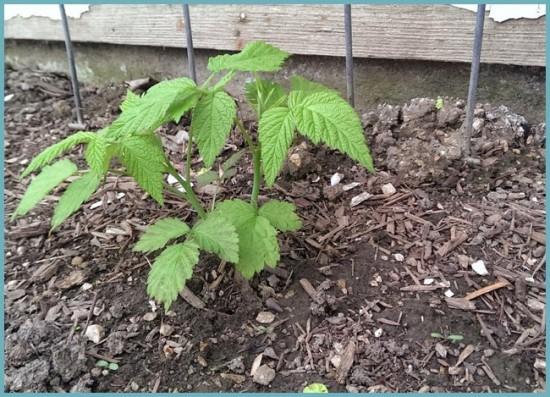
The soil on my plot is sandy, so I have to water it a lot and often. Even heavy mulching doesn't help. I use dry opal, sawdust, and pine branches (there's a forest near the house). So many years ago, I developed a method for preparing my beds that helps retain moisture. Incidentally, this method is suitable not only for raspberries but also for other large fruit and berry crops in the garden.
To implement this, I dug a 50-cm-deep hole in advance and line the bottom with tightly packed pieces of slate or brick. Place crushed stone or coarse brick chips on top. This drainage layer has proven effective in my problematic area. Next, I fill the hole with the usual ingredients: small wood scraps, 0.5 buckets of compost, 0.5 kg of manure (requires fresh manure), and a couple of handfuls of superphosphate or any other complex fertilizer for berry crops. I mix everything thoroughly, make a small depression, and plant the bush in it. Make sure the bud isn't buried too deep in the soil.
Next, water the bed. I use 7 to 10 liters of water per bush. Don't forget about mulch. The bush responds very gratefully to organic fertilizer, so cover the root zone with rotted manure at a rate of 1 bucket per bush.
How to plant everbearing raspberries in spring
A common question among beginning gardeners is when to plant everbearing raspberries: in spring or fall. This can be done in either early spring or fall, but the best time is considered to be late September or early October.
Spring planting of regular and everbearing raspberries is not much different. The only difference is that everbearing varieties require significantly more macronutrients due to their growth and flowering characteristics. Another important consideration is the need to maintain adequate spacing between seedlings. The bushes quickly grow large and vigorous; the optimal distance from neighboring plants is 50 cm.
There are several basic rules for spring planting:
- The roots should be pre-treated with a disinfectant solution, such as 1% copper sulfate. Five minutes is enough to kill any bacteria and pests present on the roots. After this, the plant is placed in a bucket of water for 12 hours to soak the root system.
- The planting hole should be approximately 50 cm deep and 40 to 50 cm wide.
- The soil from the holes is used for special soil: for each square meter, it is necessary to additionally add 1 bucket of manure, 5 kg of peat, 0.5 kg of wood ash and 100 g of superphosphate.
- After carefully spreading the roots, the raspberry is planted in the hole and covered with the soil prepared in the previous step. Don't plant the plant too deep; the root collar should be at ground level.
- It's important to compact the soil around the stems thoroughly to minimize settling and prevent the roots from being exposed. After this, add the required amount of soil, water the bed with 1-3 buckets of water per bush, and mulch the surface with any organic material (hay, straw, litter, branches). Many gardeners choose covering materials as mulch: lutrasil, film, or even roofing felt. This will prevent moisture from evaporating quickly when the weather warms up.
- Planted raspberries should be pruned, leaving approximately 15-20 cm of stem. Use disinfected, sharp pruning shears and ensure that 2-3 buds remain on the plant.
Autumn weather is generally not scorchingly hot, so raspberries don't need frequent watering after planting due to low evaporation. However, in spring, with the onset of warmer weather and increased solar activity, moisture evaporates quickly from the garden bed, requiring more frequent watering. The exception is March planting, when the soil still contains sufficient moisture from the melting snow.
When to transplant everbearing raspberries
If the site conditions are favorable, the raspberries are growing in a well-lit spot protected from drafts and winds, and the soil is sufficiently fertile, a remontant variety can easily survive for 7 to 15 years without replanting. However, soil depletion typically occurs much earlier, as early as the fourth or fifth year. Therefore, gardeners begin transplanting cuttings to a new site so early. The sooner you begin, the more abundant your harvest will be. Furthermore, replanting will give life to young shoots of older varieties, eliminating the need to purchase them and paying a considerable price.
Spring replanting is usually carried out when favorable weather sets in and lasts until approximately the end of May. The start date for this work varies from region to region, and it should be carried out in cloudy and dry weather.
Prepare a hole in advance by adding 0.5 buckets of compost and 100 grams of wood ash. Mix the entire substrate thoroughly. Young seedlings no more than 20 cm tall, along with a lump of soil on their roots, are transplanted to the new location. Avoid planting the plants too deep, otherwise they will have difficulty germinating. After filling the hole with soil, water it at a rate of 5 liters per plant. Initially, provide light shade from the scorching sun.
At first, young plants will require abundant daily watering, 5-7 liters per bush. This intensity should be maintained for about a week, after which the volume can be reduced. After another 3-4 weeks, you can begin staking. There's no need to prune the shoots; with proper care, they will produce their first harvest by the end of summer.
When replanting in the fall, the raspberry bush is pruned, leaving only a single central shoot no more than 15 cm tall. The prepared hole is filled with a different type of soil than the spring one. Add 10 kg of humus, 5 kg of rotted manure, 100 g of wood ash, and 50 g of superphosphate. Next, the bush is planted, buried, and watered according to the same instructions. No shade is required at this time of year. Watering is also less abundant; one small bucket of water is enough for each bush. In cool and rainy weather, repeat watering only after a week.