Trailing tomatoes are gaining popularity every year. These miniature tomato varieties offer excellent flavor, beautiful, lush foliage, and are similar in properties to cherry tomatoes.
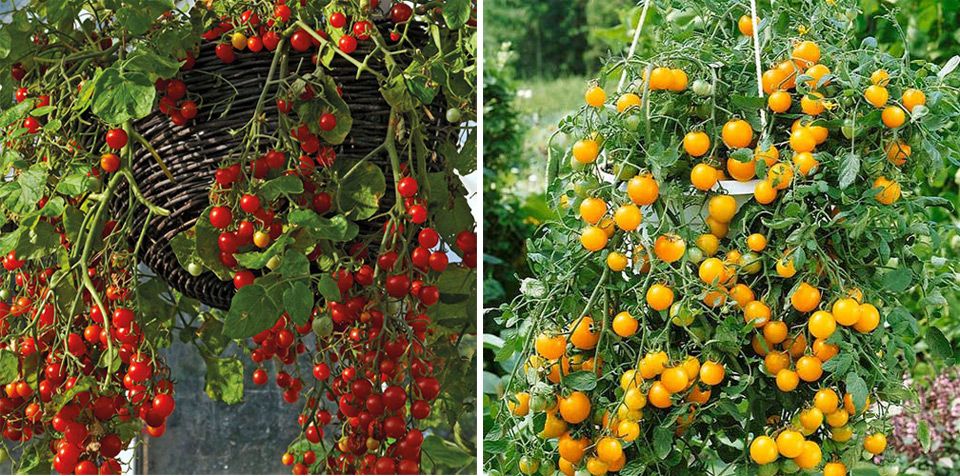
Most varieties produce small, neat fruits that are perfect for salads and a variety of snacks.
Content
What are hanging tomatoes and their characteristics?
Trailing tomato varieties are bred for indoor cultivation. These tomatoes are suitable for those without a garden plot but who want high-quality, fresh vegetables at home. Their flavor is comparable to that of larger greenhouse varieties, and a single plant can produce several kilograms of fruit.
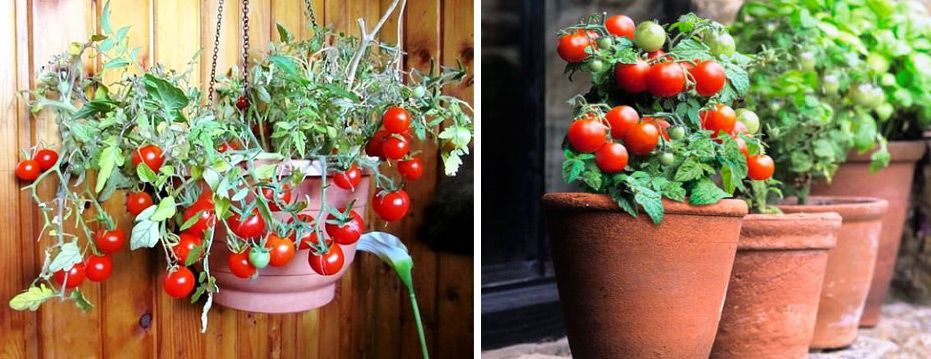
Miniature tomatoes are also used for decorative purposes. These bushes make a stunning addition to balconies, and are most often planted in hanging pots. They are also grown in gardens—their lush branches beautifully twine around hedges and are ideal for landscape design.
For information on different varieties of tomatoes, not just trailing ones, that can be grown indoors, read the following articles:
- Balcony Miracle Tomato: Description, Planting, Care, Comparison, Reviews;
- Tomatoes on the balcony: step-by-step instructions on how to grow;
- Growing tomatoes in buckets.
Varieties of hanging tomatoes
Beginners usually choose low-maintenance varieties. The appearance of the bushes is also important when choosing, as trailing tomatoes are used for window decoration. Each variety has its own characteristics. The following varieties are the most popular.
Mascot
This type of hanging tomato is popular for its decorative qualities – the branched bushes and small fruits (up to 20 grams) make an interesting and unusual decoration for any room.
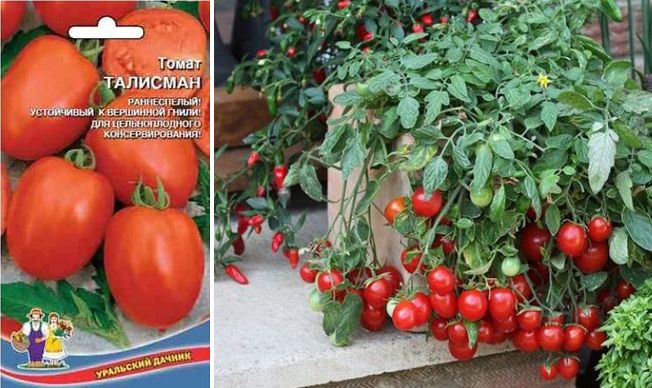
It's considered an early-ripening variety. Suitable for growing in greenhouses and open ground.
Citizen F1
The fruits of this variety are larger than those of other trailing tomatoes, weighing 30-50 grams. The bush grows up to 0.8 m, so a larger container is required for planting.
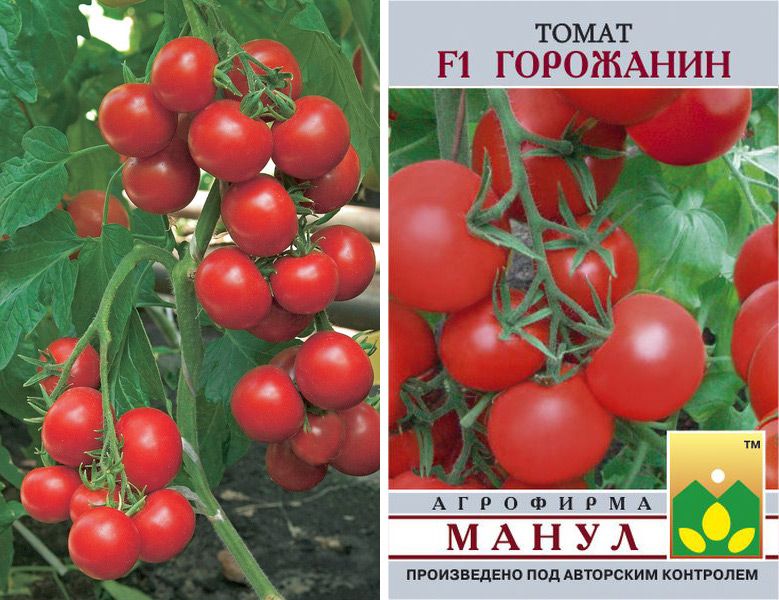
It's a high-yielding variety. Regular pinching is required. Juicy raspberry tomatoes ripen in 100 days.
Cascade F1
A neat miniature plant, no more than 0.5 m in height. Unpretentious, suitable for beginners.
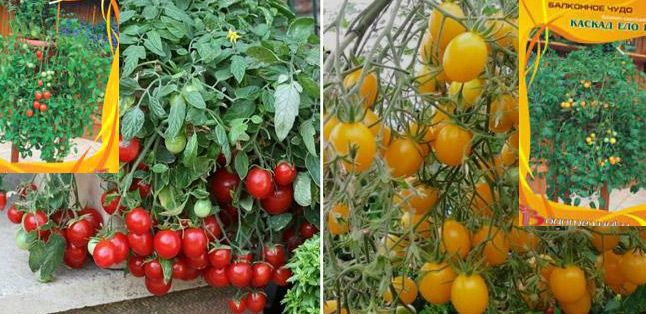
There are varieties with both red and yellow tomatoes.
Garden Pearl
A low, light-loving bush, which is intended for growing on windowsills.
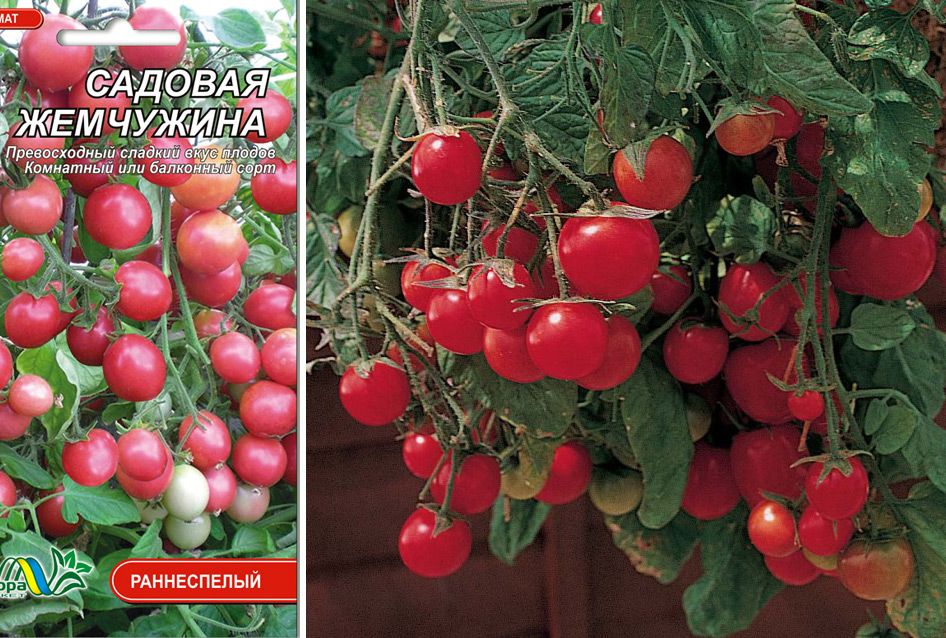
Produces small red tomatoes weighing up to 20 grams. It requires little care.
Red Abundance
The fruits of this type of ampelous tomatoes are similar in taste and appearance to cherry tomatoes.
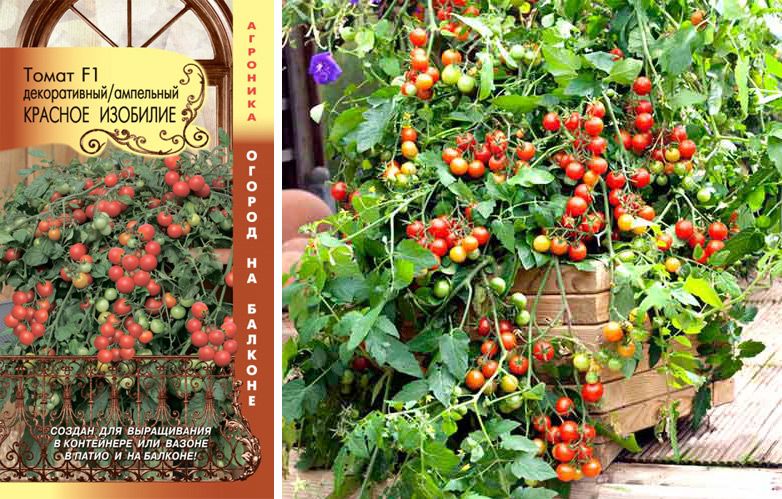
It does not require pinching and is characterized by rapid growth.
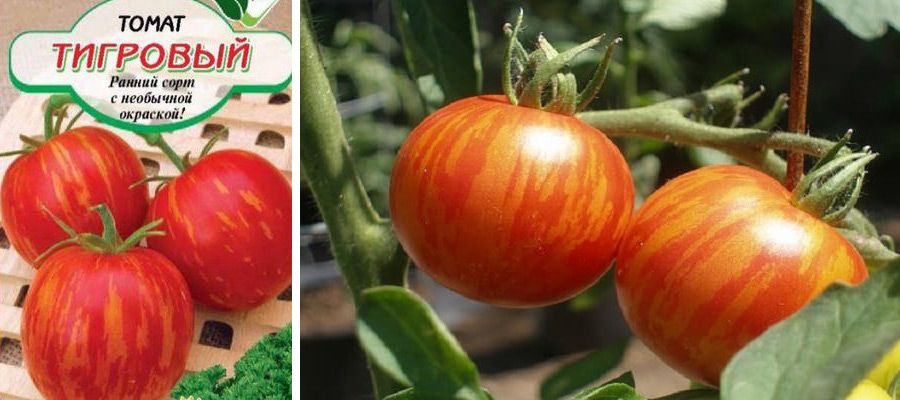
Tiger
An early-ripening, miniature variety (trunk height only 15-20 cm), producing unusual striped fruits with excellent taste.
Ampelous mixture
This variety of tomato has beautiful, lush foliage that cascades down in hanging pots, creating a green waterfall effect.
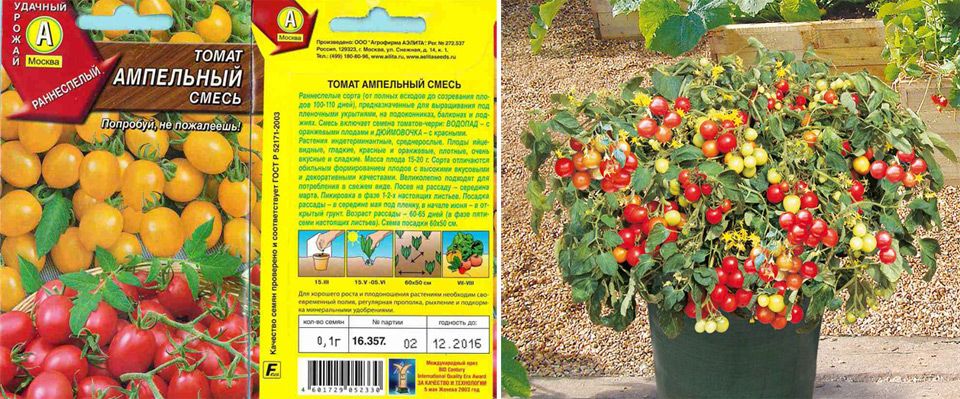
Often, hobbyists purchase a hanging mixture of yellow and red tomatoes.
Rules for planting hanging tomatoes
To grow healthy plants and reap a bountiful harvest, gardeners prepare seeds and soil in advance. Treating the soil for pests helps prevent many diseases that affect indoor tomatoes. To disinfect the soil, they use special products or spray it with a potassium permanganate solution.
Planting seeds and seedlings
There are two methods for growing trailing tomatoes. The first involves pre-planting seedlings, which are later transplanted into larger containers. However, some people prefer to sow the seeds directly into pots. Both methods have their advantages and disadvantages.
The best time to sow seedlings is early March. Although sowing later is acceptable indoors, sowing in early spring promotes faster ripening. Before planting, soak the seeds in aloe juice or a potassium permanganate solution and leave for an hour. Peat or humus is suitable as a soil mixture. The soil should be light and allow air to reach the roots.
To ensure a bountiful harvest, plants are planted in containers with a minimum capacity of 5 liters. The bottom is lined with drainage material, as stagnant moisture leads to the development of diseases and fungi.
Once the soil is prepared, small holes (1.5-2 cm) are made for the seeds. Each seed is carefully placed in the hole and covered with a small amount of soil.
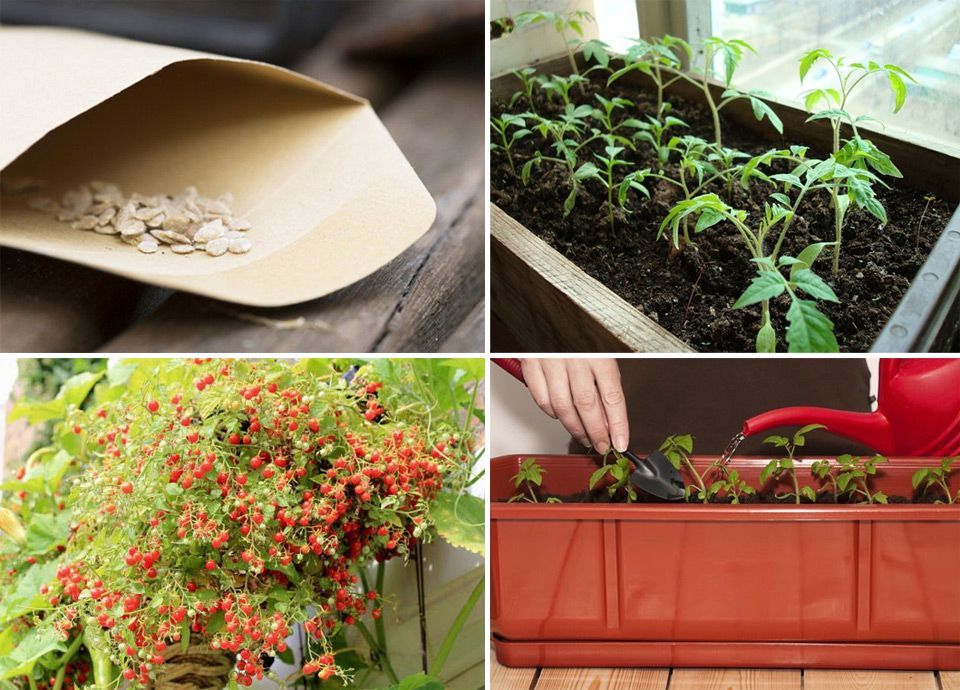
The sprouts are placed in separate containers after they develop a second leaf. The bottom of the containers is covered with a thin layer of small stones and broken bricks, and the top is covered with soil. This prevents moisture accumulation.
Planting and caring for hanging tomatoes
In May, the seedlings are planted in a permanent location—this could be a pot on the balcony, a planter indoors, or a garden bed. If the tomatoes are grown indoors, they are shaken occasionally.
The seedlings need fertilizing. The plants are fed with mineral fertilizers (a mixture of nitrogen and potassium). This procedure is repeated twice before transplanting the tomatoes into their permanent soil. The soil is saturated with suitable fertilizers before each transplant.
Many varieties require pinching. To keep the bush bushy, two stems are left.
Water as the soil dries. Excessively wet soil is dangerous for plants, so water the bushes sparingly. The water should be settled, free of foreign impurities, and slightly warm. Water in the evening. Do not spray the leaves or stems. Two hours after watering, loosen the soil to allow air to reach the root system.
Fertilize the soil with a mineral mixture every two weeks. Complex fertilizers, available in specialized stores, are well-suited for this purpose. Use 5 grams of the mixture per 1 kg of soil. Fertilize during watering.
Tomatoes need room temperature during flowering, but until the first fruit appears, they should be kept in a slightly cool place. The room containing the tomatoes should be well-lit and the humidity controlled to prevent fungal diseases. Regular ventilation helps relieve excessively humid air, and a bucket of water should be placed in the room to prevent dryness.
To maintain optimal lighting, sodium or LED lamps are placed near the bushes. Specialty stores also sell phytolamps designed specifically for plant care.
Tomatoes grown indoors require artificial pollination. This procedure is carried out in the morning using a soft brush. The pollen is carefully collected and transferred to the pistils. For bushes grown outdoors, artificial pollination is not necessary.
Harvesting and storage
Trailing tomatoes are typically harvested before they are fully ripe—when they are a greenish-red color. They are left to ripen in a dry place. If the bushes are used for ornamental purposes, the fruit is not harvested but left on the branches. In this case, ripe tomatoes are picked directly from the plants and eaten fresh, but their flavor will be inferior to that of pre-harvested tomatoes.
Diseases and pests
Improper care leads to fungal growth and disease. Some varieties are also susceptible to pest attacks.
In most cases, it is impossible to save a diseased plant, but to save the rest of the crop, preventative measures must be carried out.
| Symptoms | Disease/pest | Elimination |
| Darkening on leaves and fruits. | Late blight | The disease quickly spreads to neighboring bushes, so to save the harvest, the affected plant is dug up and burned. Unripe tomatoes are plucked from the branches and placed in hot water for a minute, then left to ripen. |
| The appearance of rot in the roots of seedlings. | Blackleg | As a preventative measure, the soil is treated with Trichodermin. The disease is caused by overwatering, so containers with seedlings should be protected from excess moisture. |
| Root rot in tomatoes of different ages. | Root rot | Affected plants are dug up and destroyed. The soil in which they grew is also discarded. |
| Rotting of fruits. | Gray or brown rot | To prevent the spread of the disease, the bushes are destroyed along with the tomatoes. |
| Insect infestation. | Whitefly, spider mite, aphid | Special chemicals (Aktara, Actellic, and others) are used against pests. Whiteflies are treated with garlic infusion. |
Growing hanging tomatoes is accessible to almost everyone.
Beautiful, branched bushes can replace traditional potted flowers, and fresh tomatoes will be a wonderful addition to salads and holiday cuisine.