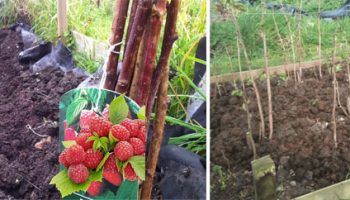
There are two main methods for planting raspberry seedlings: bush and trench. Each has its own advantages and soil preparation requirements. The choice of method depends on the intended use (industrial or domestic), the size of the plot, and the gardener's preferences.
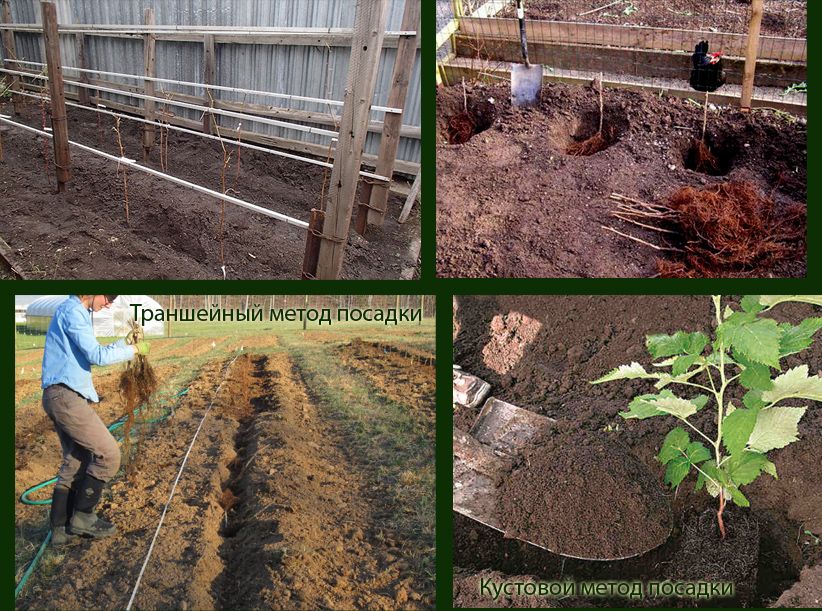
Bush planting method
This is the most common and popular method of planting raspberry seedlings among gardeners. It gets its name from the technique itself: the bush is placed in a pre-prepared hole filled with fertilizer.
Stages of bush planting
- Prepare a hole 50 by 50 cm.
- Place 3-4 kg of compost on the bottom. Next, mix the soil with a complex fertilizer containing potassium, nitrogen, and phosphorus and apply it to the roots.
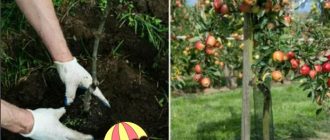
- The seedling is placed in the center of the hole; the junction of the roots and stem should not go deep into the ground.
- The root system is covered with pre-prepared soil, which is evenly distributed between the roots.
- The soil around the edges of the hole is compacted, and a hole for watering is made near the roots.
- After abundant watering, the surface of the hole is mulched with peat, sawdust (steamed), and straw.
- The seedling's length is trimmed, leaving no more than 20 cm of stem height above the hole.
With proper bush planting of the seedling and the necessary care, the first harvest can be collected in the same year, provided the weather conditions are favorable.
Trench planting method
This method is indispensable for those engaged in commercial raspberry cultivation, but is less popular among amateur gardeners. It requires more preparation and a larger plot.
Planting stages
- The prepared planting site is cleared of fallen leaves and plant debris. Trenches are dug 45 cm deep and 50 cm wide. The distance between parallel trenches should be at least 1.2 m.
- If there is groundwater on the site and there is a risk of soil erosion, additional drainage must be provided. To achieve this, place broken red brick, thick tree branches, or expanded clay on the bottom.
- Fertilizers (compost, manure, humus) are placed on the bottom (or on top of the drainage layer), which will provide the seedling roots with the nutrients necessary for high yields for 5 years.
- The fertilizer layer is covered with 10 cm of soil (garden soil or peat).
- Raspberry seedlings are planted in trenches at a distance of at least 40 cm from each other.
- The roots are straightened, carefully distributed along the bottom of the trench and watered.
- The seedling is covered with soil and the top layer of soil is compacted.
- The plant is cut back, leaving no more than 20 cm above the surface of the trench.
- The top layer of plantings is mulched.
The length of the trench depends on the size of the plot. The growth of the raspberries should be monitored, as they may grow in an unintended direction. In this case, the raspberries should be dug up, guiding them in the desired direction. With proper planting, a bountiful harvest can be achieved this year.