The diversity of tomato varieties and hybrids varies in color, shape, fruit size, and plant height. Standard tomatoes are always a lifesaver.
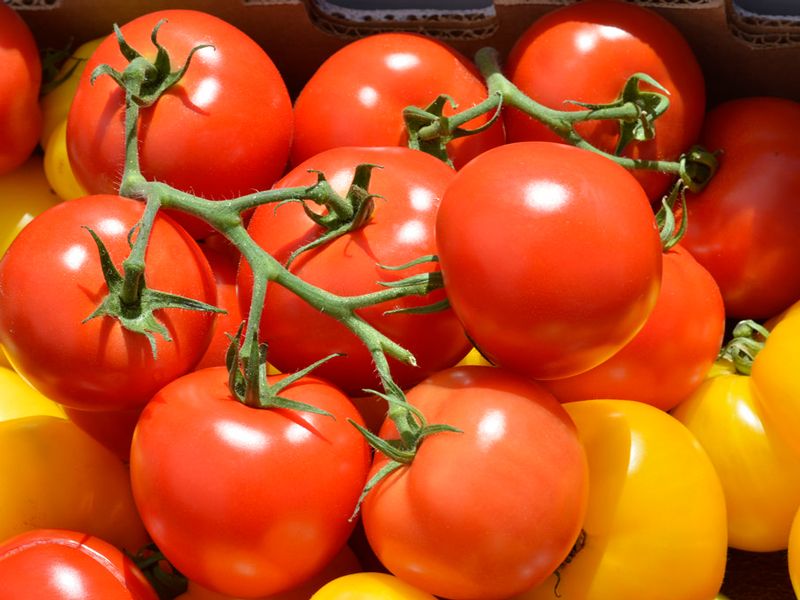
They don't require much attention and are easy to care for. They're an excellent option for those who combine work with gardening.
Content
Description of standard tomatoes
Tomatoes of this variety are considered determinate. Their growth slows at a certain stage: after the formation of 5-6 clusters. Despite the uniform fruit production, they are not among the highest yielding varieties.
A distinctive feature is the shallow root system. Compact bushes are grown in the ground, greenhouses, and under plastic covers. Standard tomatoes produce a small number of shoots. Height: 50-70 cm.
Shtamb means "trunk" in German. These tomato varieties are distinguished by:
- thick stem;
- short internodes;
- short stature.
The appeal of this vegetable crop lies in its early maturity. Seedlings of these varieties are sown later than usual. They don't stretch, even in low light. They grow strong, squat, and with a well-developed root system.
The stems are capable of accumulating a sufficient supply of nutrients. The leaf area is 20% larger than that of standard varieties. These tomatoes are virtually branchless and have the ability to self-sustain.
The plants resemble small trees with massive stems and a dense crown. The bushes require virtually no shaping or pinching.
Advantages and disadvantages
The main advantage of standard hybrids is their early maturity: they're the first to be harvested. The compact size of their low-growing bushes allows for space savings.
Standard varieties are resistant to adverse conditions. They easily tolerate frost and drought.
The main advantages of determinate tomatoes:
- absence of fully developing stepsons;
- strong trunk that does not require additional support;
- The roots are located almost at the soil surface. This allows the plant to actively absorb water and additional nutrients;
- the ability of dense plantings increases crop yields;
- high survival rate of seedlings after picking and planting in the ground;
- resistance to adverse climatic factors: sudden temperature changes, sudden frosts, drought, changes in soil moisture;
- accelerated ovary formation;
- formation of even fruits.
Early-ripening standard tomatoes withstand long transportation and retain their marketable qualities for a long time. While this variety has won the favor of many vegetable growers and gardeners, it does have certain drawbacks. These include:
- low yield;
- slow growth when sown from seed.
Some compact species thrive on windowsills and balconies.
Standard varieties for universal cultivation
Plant placement locations:
- unprotected soil – suitable for southern regions;
- Greenhouses, hotbeds, film tunnels – suitable for Siberia and northern regions.
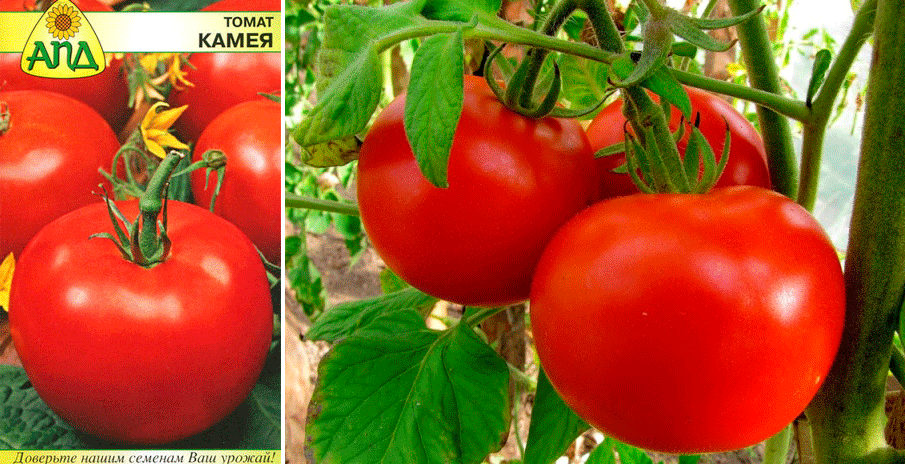
Cameo
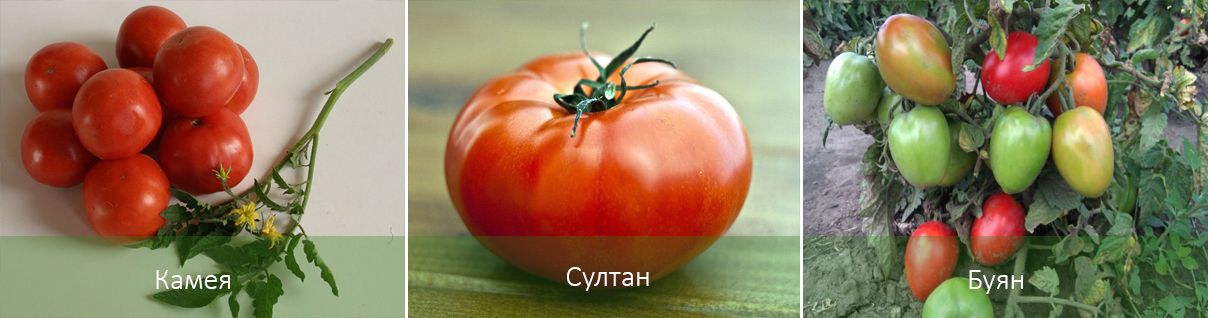
An early-ripening variety with uniform fruits. The soft flesh has a pleasant aroma.
Sultan
The average fruit weight reaches 200 g. Dense tomatoes tolerate transportation well.
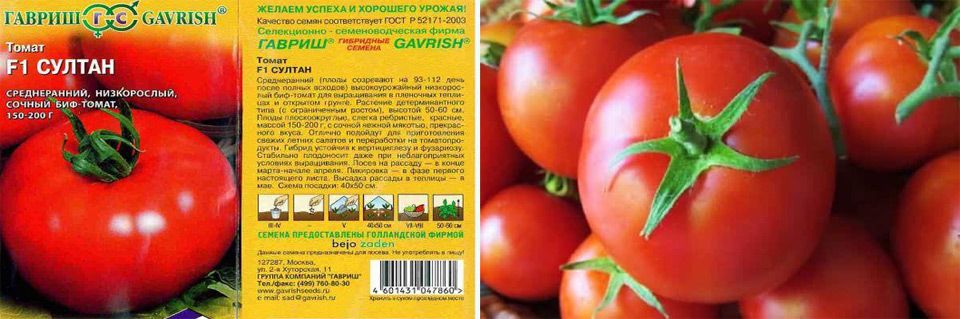
They have a long shelf life. Frequent watering can cause cracking.
Buyan
A variety with cylindrical, bright scarlet fruits. Average weight: 90 g. Yield: 2.5 kg/m².
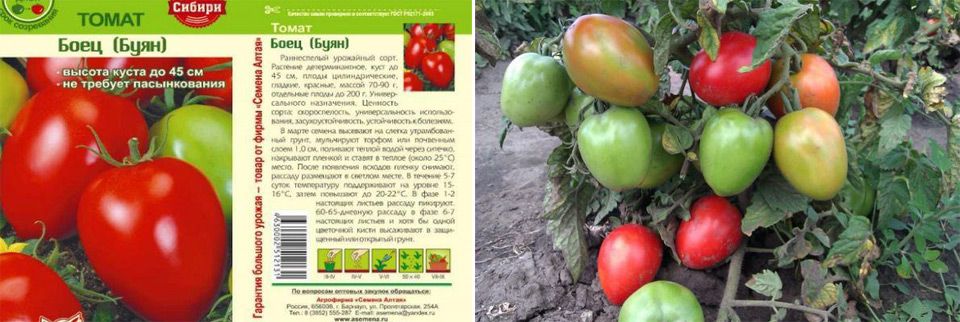
The plant is resistant to drought and tobacco mosaic. It is ideal for whole-fruit canning.
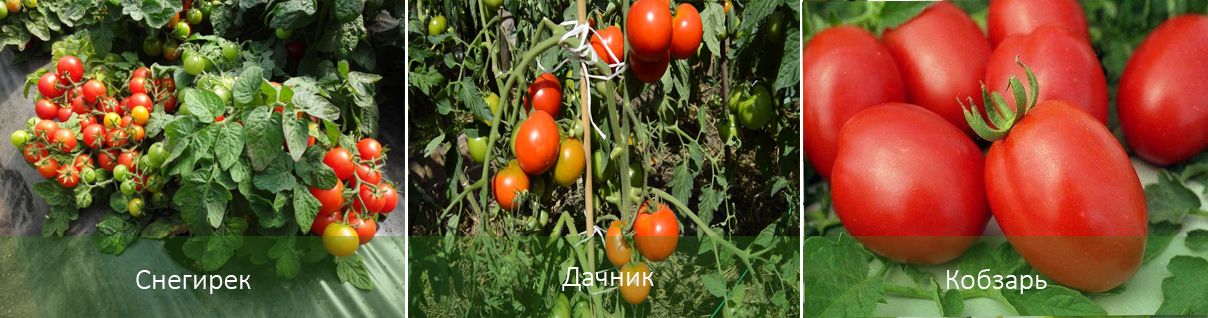
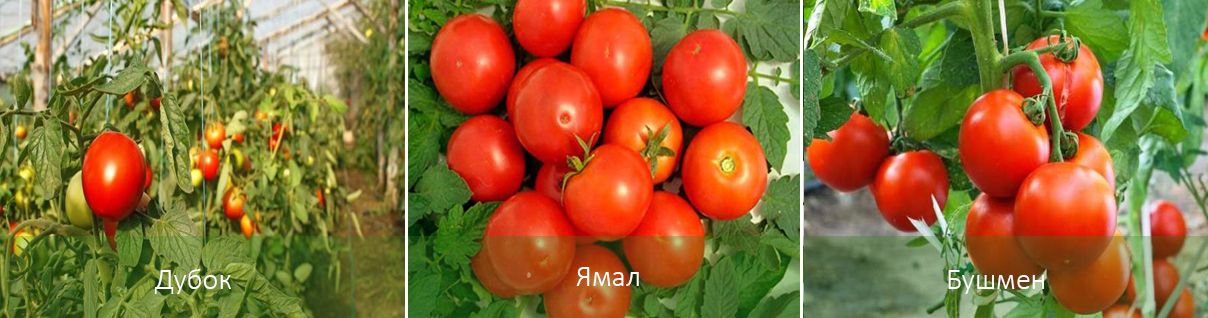
Oak tree
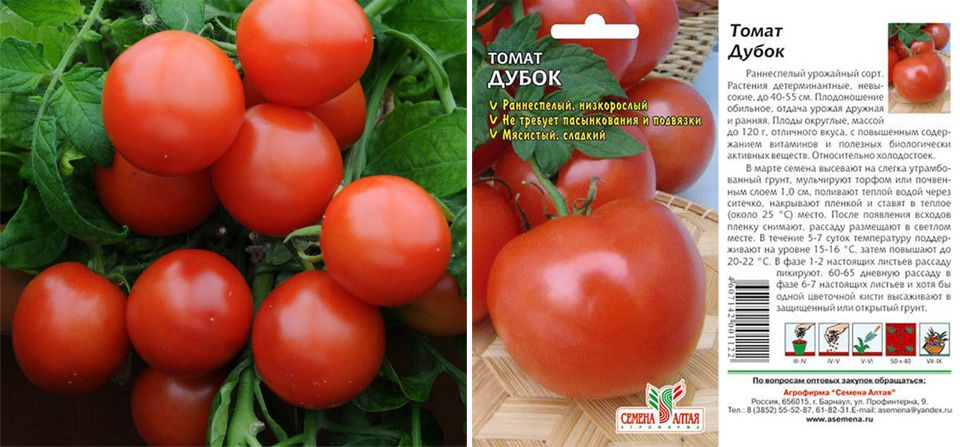
The early ripening variety has the following characteristic features:
- high productivity;
- compactness;
- fleshy, tasty fruits;
- versatility of use – salads, preparations, storage.
Yamal
A low-growing variety with firm fruits. It boasts increased resistance to diseases and pests.
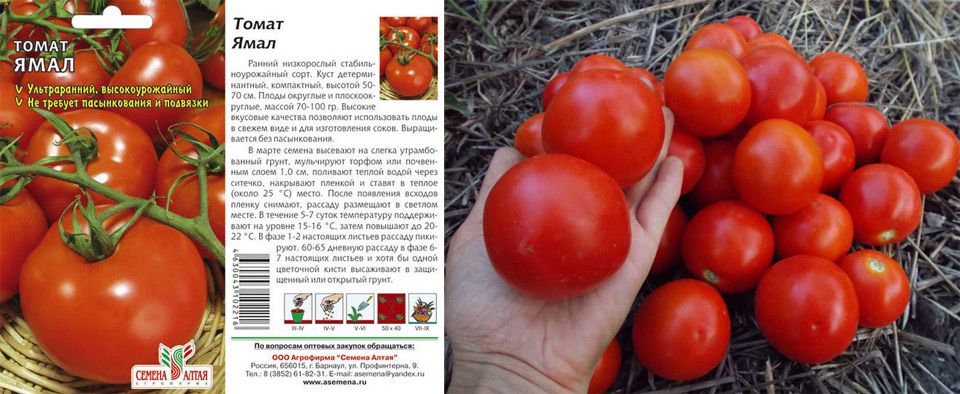
The main conditions of agricultural technology are regular watering and moderate fertilizing.
Bushman
This variety is highly popular. Stem height is 0.5 m, fruit weight is 130 g.
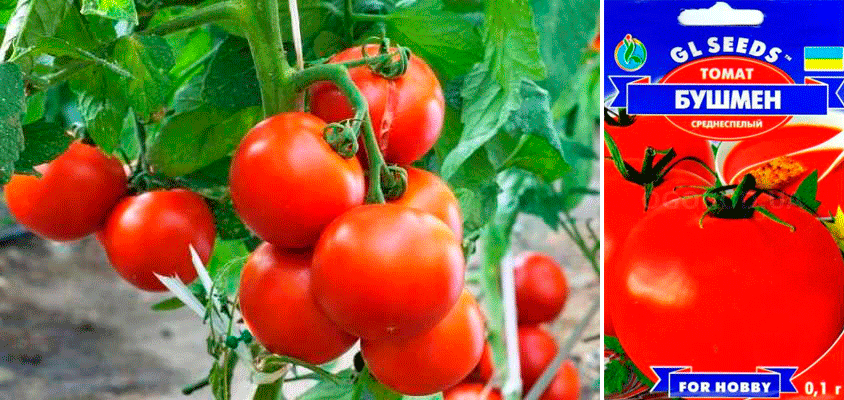
The main advantage is the ability to retain beneficial properties in a hot, dry climate.
Lionheart
The maximum height of the bushes is 120 cm. The fruits are attractive, smooth in shape and weigh an average of 180 g.
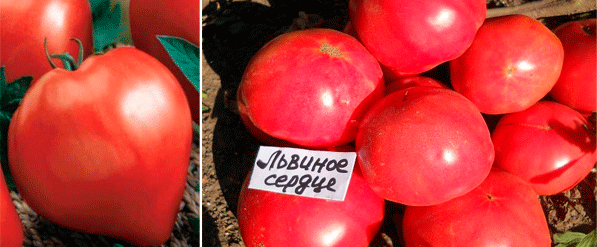
Tomatoes are resistant to long-term storage in fresh form.
Bonnie M
An early ripening variety with aromatic, sweet fruits.
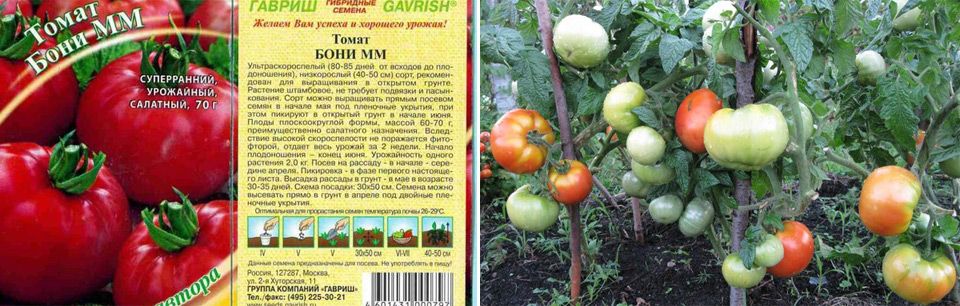
Grown only from seedlings.
Denis
Bushes 80 cm high with delicious sweet tomatoes.
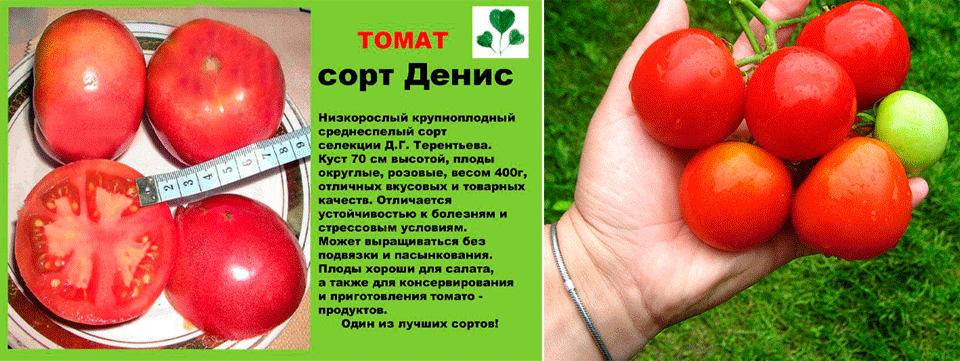
Due to its high sugar content, this variety is not recommended for children or diabetics.
Red Pearl
Small bushes 30-40 cm high are ideal for indoor growing.
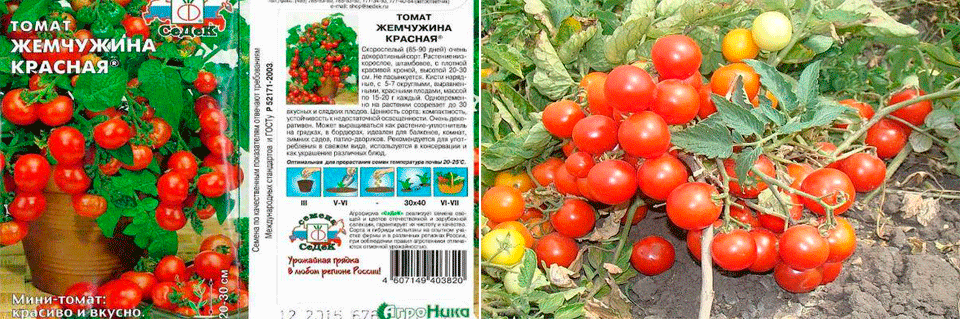
The name refers to the appearance of the fruits, which resemble small red pearls. The plants are often used as decorative garden plants.
Alpha
An ultra-early variety. In southern regions, seeds can be sown directly into open ground.
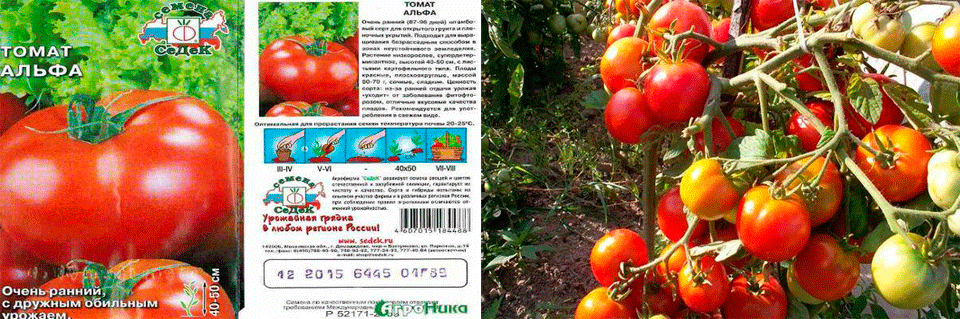
The plant, with its erect stem, grows up to 1.5 m tall. The fruit's dense flesh contains a small number of seeds. It's excellent for making ketchup, juice, paste, and sauces.
Florida Petite
An early ripening variety with aromatic cherry tomatoes weighing 20 g.
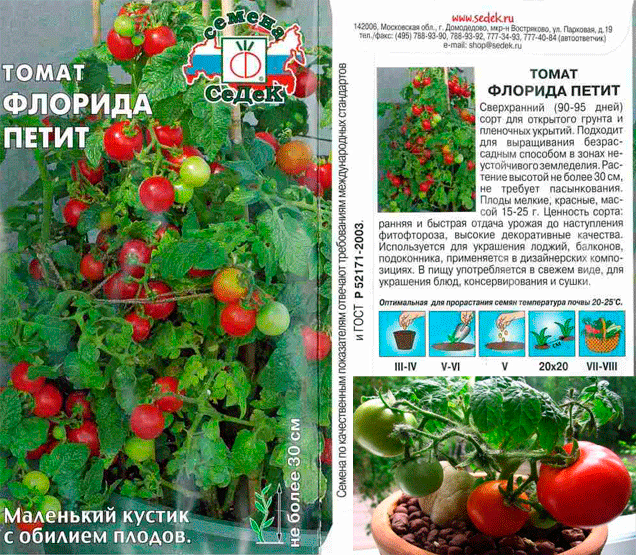
The main purpose is to eat it fresh, to decorate sandwiches and cold dishes.
Little Red Riding Hood
The variety can withstand sudden temperature changes and is not susceptible to diseases.
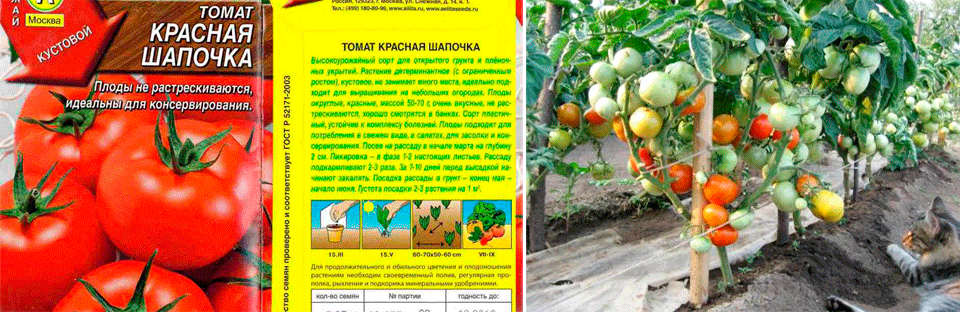
Grown in open ground, greenhouses, and balconies. Bush height: 70 cm.
For open ground
An important factor in choosing a variety is taking into account the natural and climatic conditions of the growing region. Close attention is paid to the resistance of standard tomatoes to the main vegetable diseases.
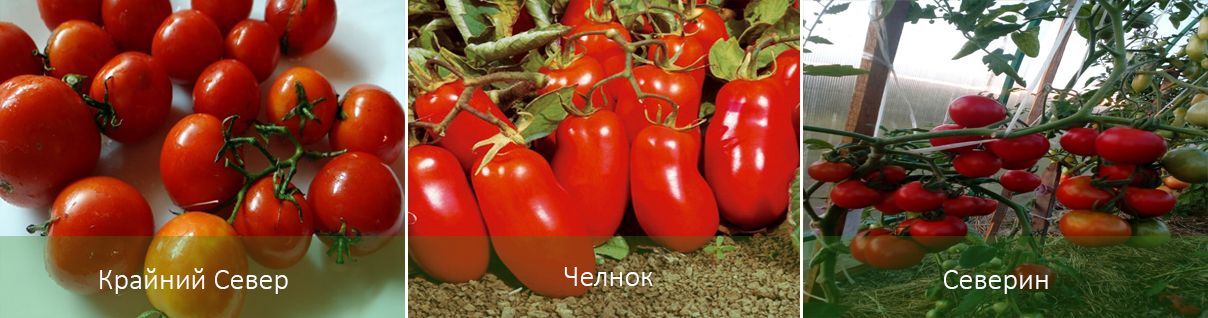
Popular determinate varieties for open ground:
Far North
Cold-resistant plant. Fruit characteristics:
- round shape;
- slight ribbing;
- medium density;
- bright red color;
- weight 80 g.
Tomatoes have excellent taste. Yields reach 2 kg/m2.
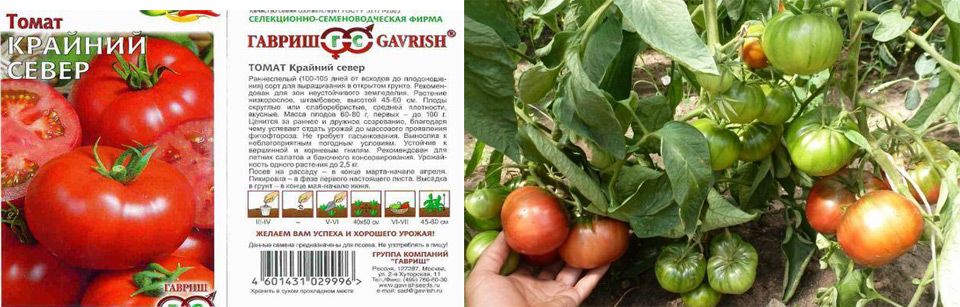
The first fruits of biological maturity appear 100 days after sowing. The crop is resistant to root and blossom-end rot, leaf spot, and late blight.
Shuttle
Grown in the Central, Volga-Vyatka, and West Siberian regions, the tomatoes produce elongated, oval, red fruits weighing up to 55 g. Their elastic skin prevents them from cracking.
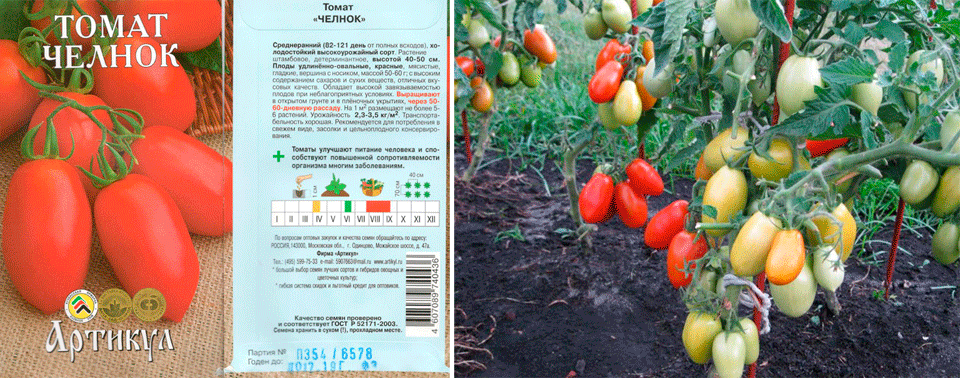
Eight to ten bushes are planted per square meter, yielding up to 10 kg of vegetables. This is one of the few standard varieties cultivated on an industrial scale.
Severin
A mid-season variety. Plant height no more than 1.5 m. The firm, dense skin protects the tomatoes from cracking.
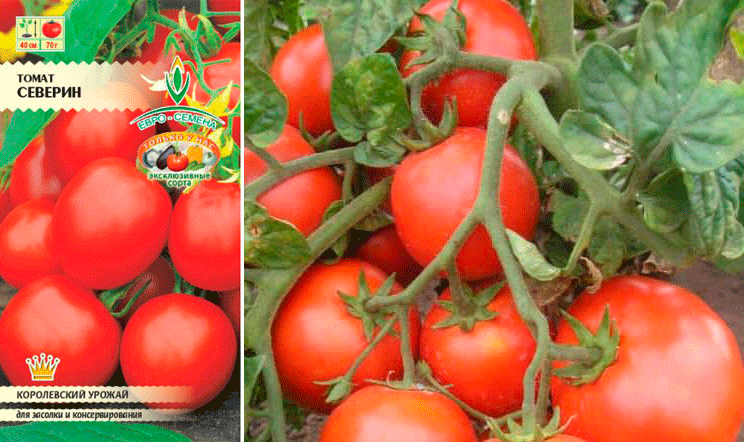
Severin is used for making sauces, pastes, and juice.
Bullfinch
Round, medium-dense fruits of a rich red color, weighing no more than 30 g.
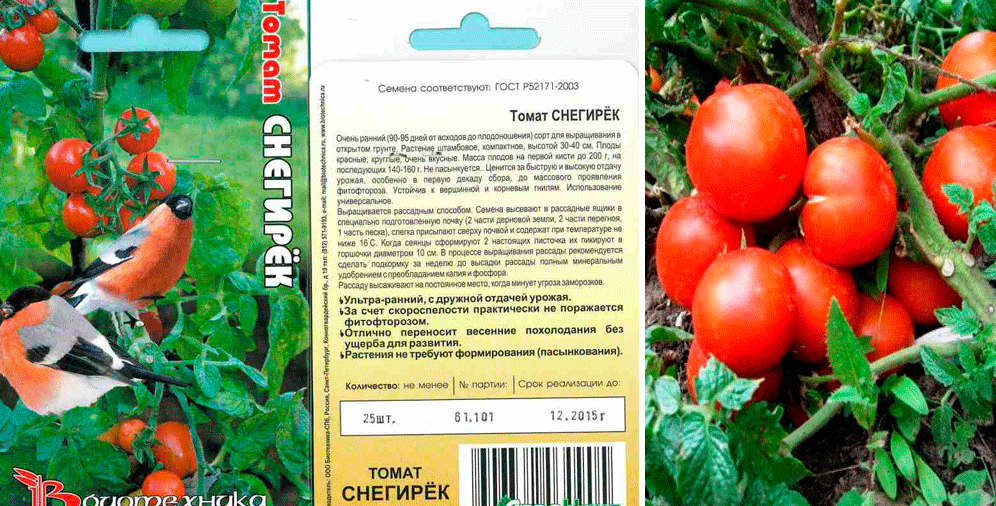
Yields when grown in beds are approximately 3 kg/m2. The plant is resistant to fungal diseases.
Summer resident
An early-ripening variety with large, fleshy, juicy tomatoes. It produces high yields in any climate.
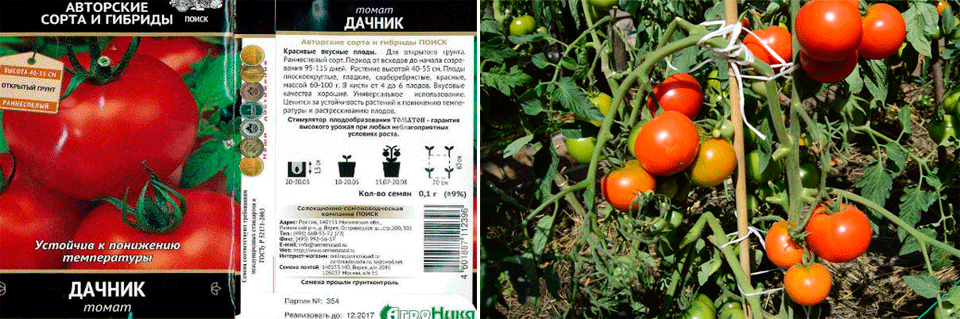
Ideal for planting in central Russia. The fruits are eaten fresh.
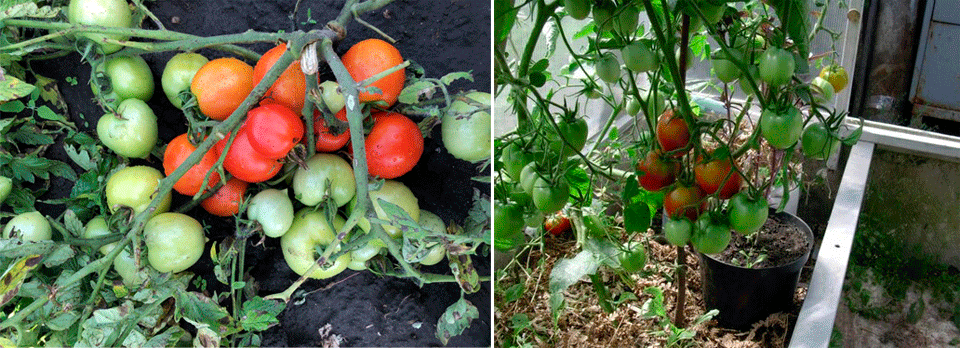
Kobzar
The fruits are a pleasant raspberry-pink color with a bright, juicy taste.
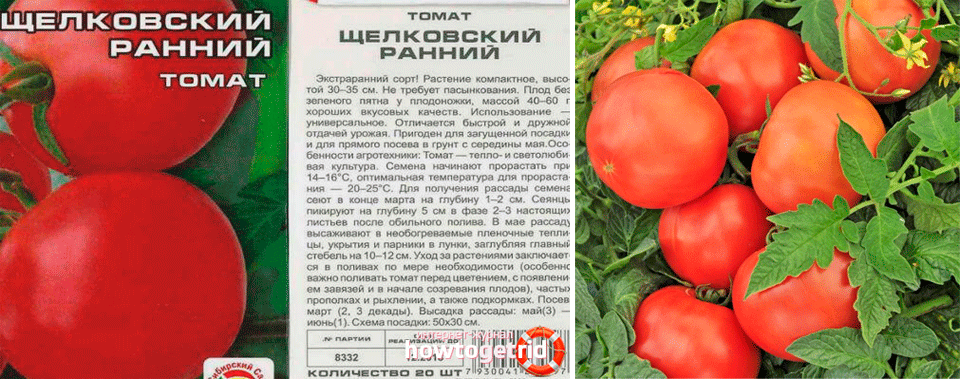
Shchelkovsky early
This variety is distinguished by its even ripening of fruits. It is grown primarily for sale.
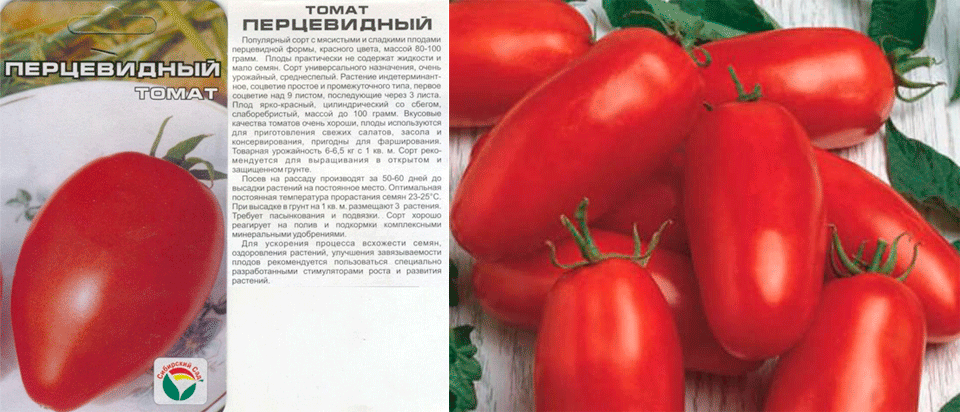
Pepper-shaped baby
The bush height is 30 cm. The aromatic oval-shaped fruits resemble sweet peppers in appearance.
Flame of Agro
A salad variety. Resistant to sudden temperature changes and prolonged periods without watering.
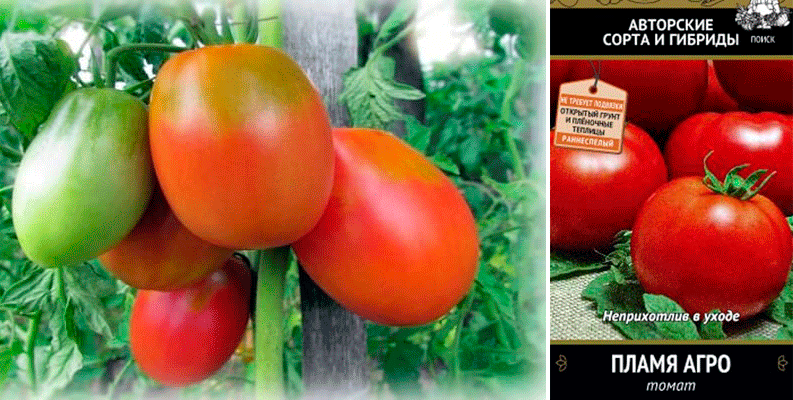
The plant needs bush shaping and garter.
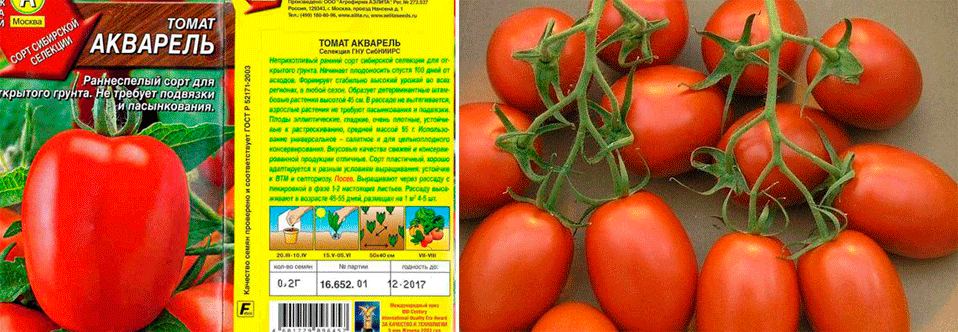
Watercolor
The fruits resemble plums in appearance.
Green tomatoes ripen beautifully indoors.
Ranetochka
This early-ripening variety gets its name from the fruit's resemblance to the apples of the same name. It is resistant to mosaic virus.
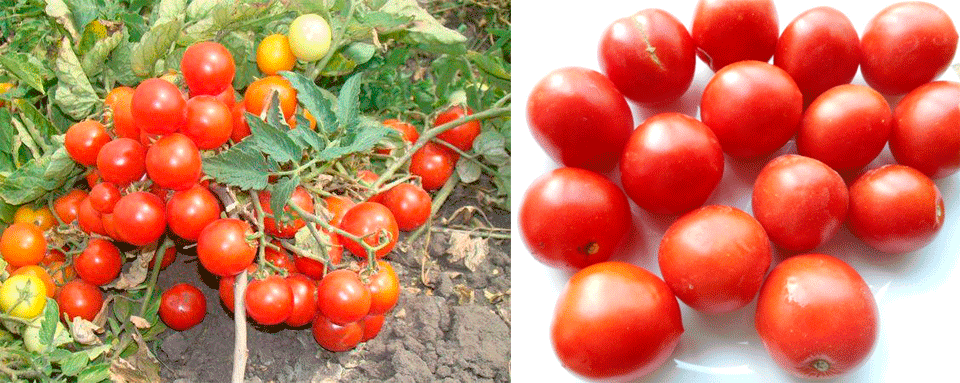
One bush can produce up to 100 small red tomatoes.
Wind rose
The variety is ideal for the harsh natural conditions of the North.
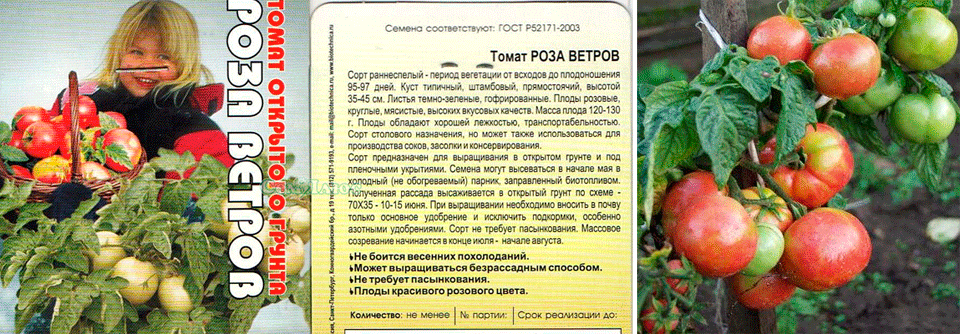
Fruit ripens in July–September. Yield is 7 kg/m2.
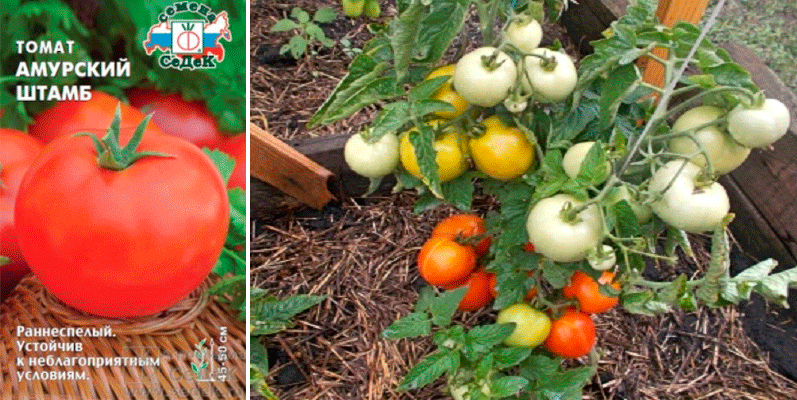
Amur standard
A popular cold-hardy variety. Fruit ripens in 3 months. Resistance to nightshade diseases has been observed.
Among the tomatoes for open ground, the following varieties stand out, the fruits of which are widely used in canning: Oblostitel, Varvara, Evgeniya, Anyuta, Skorospelki Nevskie 7.
For the greenhouse
Standard tomatoes are primarily grown in open ground. In northern regions with limited agricultural resources, greenhouses are used.
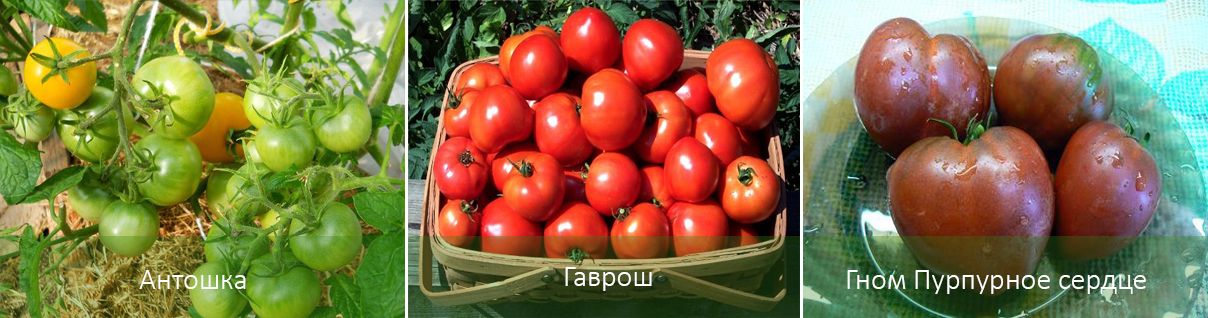
Additional support is recommended for plants. The main greenhouse varieties are:
Antoshka
The plant is 1 m tall. Large lemon-colored fruits.
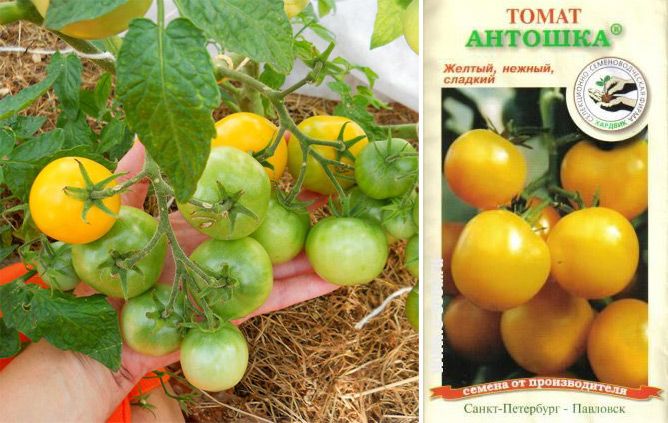
The variety is widely used in areas with harsh climatic conditions.
Gavroche
The ripening period of juicy fruits is 90 days.
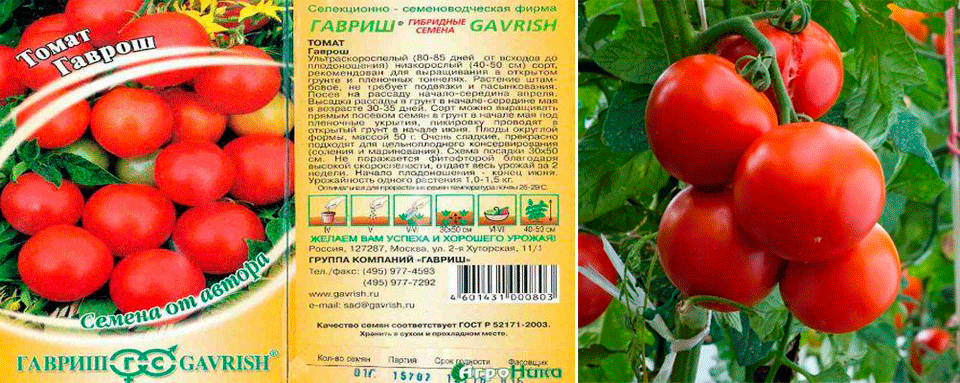
The plant requires maintaining the temperature regime and soil moisture.
Gnome Purple Heart
A rare variety. The fruits resemble a bright scarlet heart.
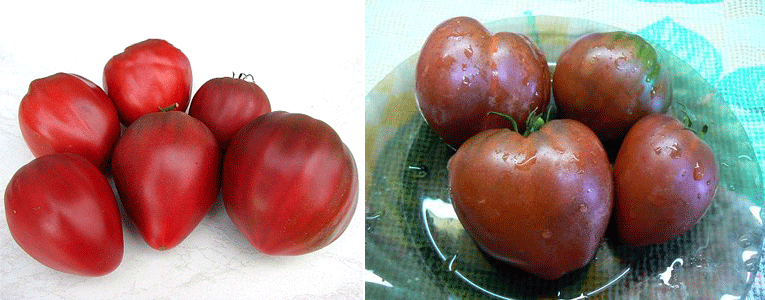
Attracts connoisseurs of unusual vegetables.
Orange cap
This crop is widely used by gardeners for its resistance to late blight, viral mosaic, and other nightshade diseases. Its disadvantages include poor transport, low yield, and poor storage.
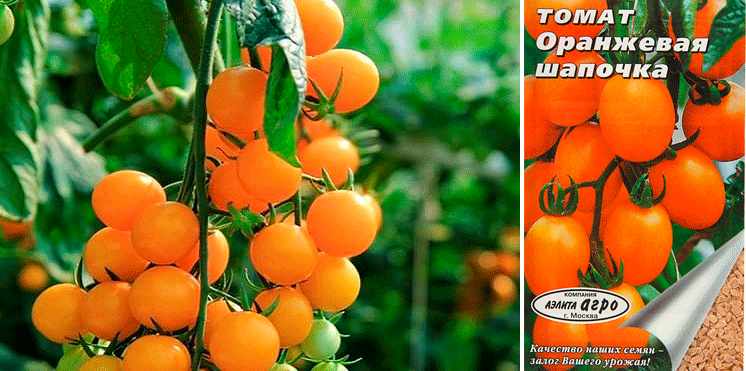
Advantages: has an original taste, used as decoration.
Merry gnome
The plant is distinguished by its unusually shaped fruits, resembling a cylinder. The yield is increased by adding ash and superphosphate at planting.
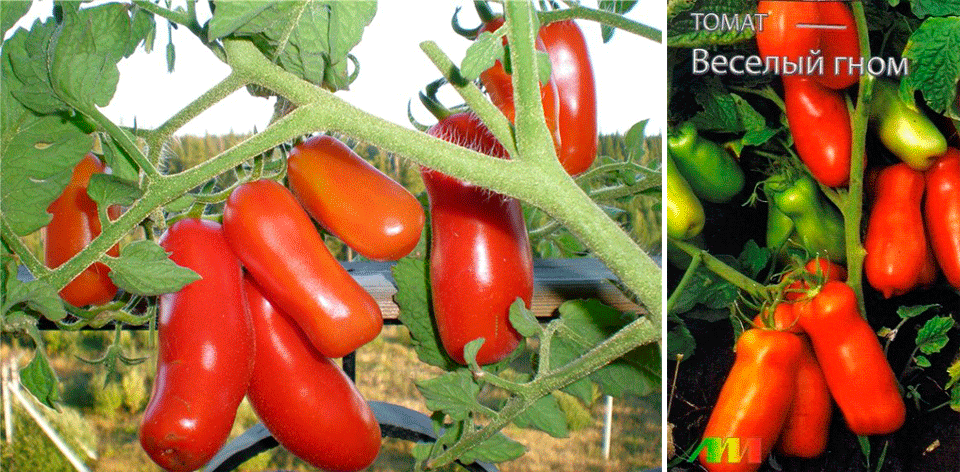
They don't crack. They retain their commercial qualities for a long time. They are successfully harvested whole.
For Siberia
Growing tomatoes in open ground in areas with limited agricultural use is a labor-intensive task.
Negative factors include:
- temperature changes;
- sudden frosts;
- dry summer.
Russian breeders offer gardeners varieties that are perfectly suited to the Siberian climate.
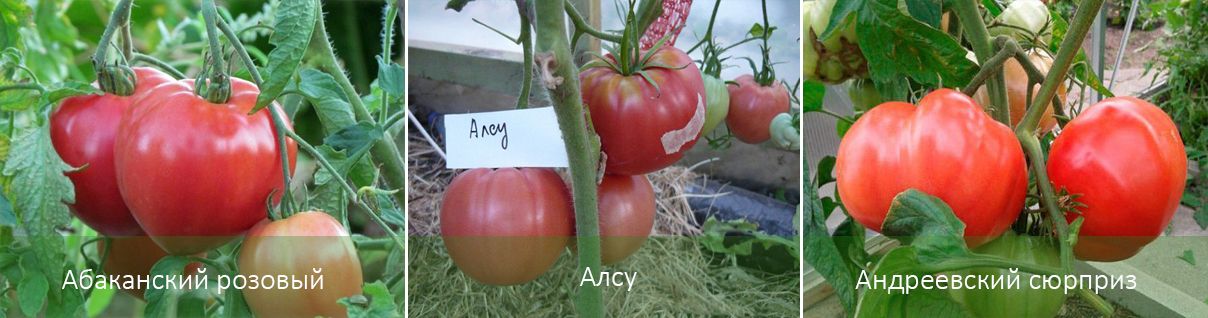
Abakan pink
The heart-shaped fruits reach 300-500 g. Mid-late variety – 4 months pass from germination to maturity.
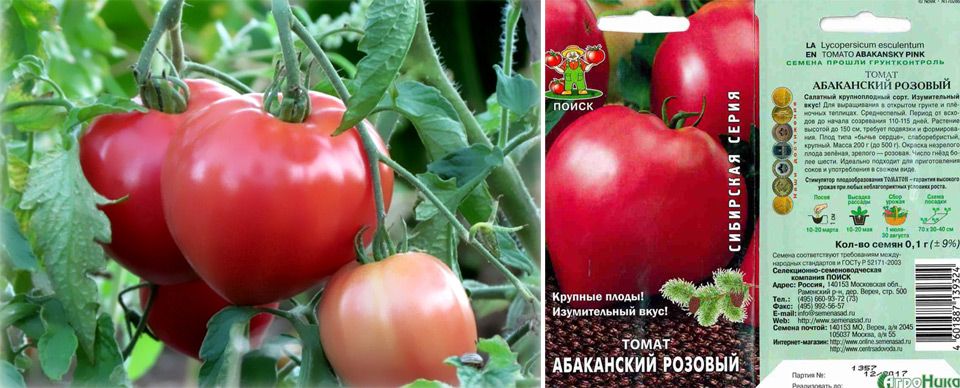
An indeterminate bush 2 cm tall requires additional support. It requires regular watering and disease prevention.
Read more about Abakan tomatoes in the articleAbakansky Pink and Red Tomato: Descriptions, Reviews, Confusion, Photos, Comparisons.
Alsou
A mid-late hybrid. The sugary fruits reach biological maturity in 105-110 days from germination.
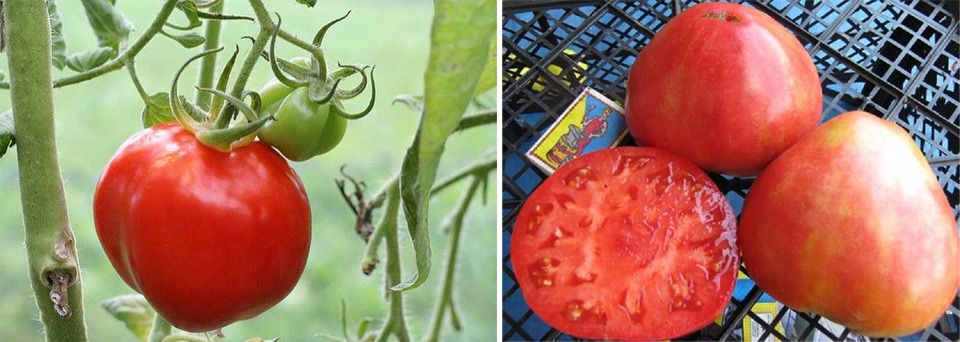
High disease resistance. Abundant, uniform fruiting.
St. Andrew's surprise
A distinctive feature is the fleshy fruits. The mild flavor makes this variety suitable for juice production.
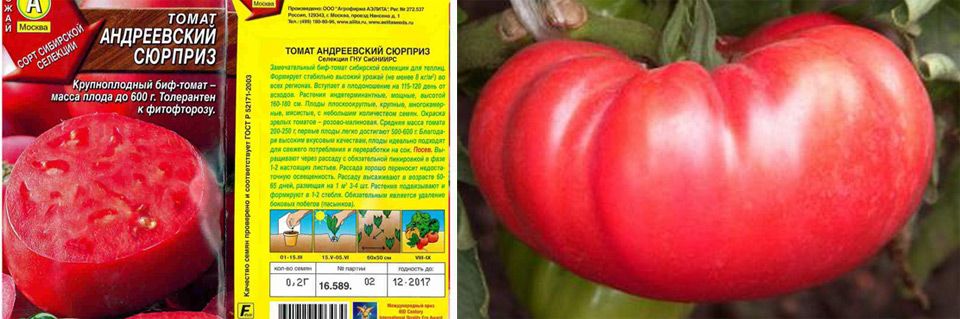
The dense peel ensures long-term protection during transportation and storage.
Sugar bison
The 1.9 m tall bush is formed into two trunks. The plant requires regular, abundant watering and responds well to fertilization.
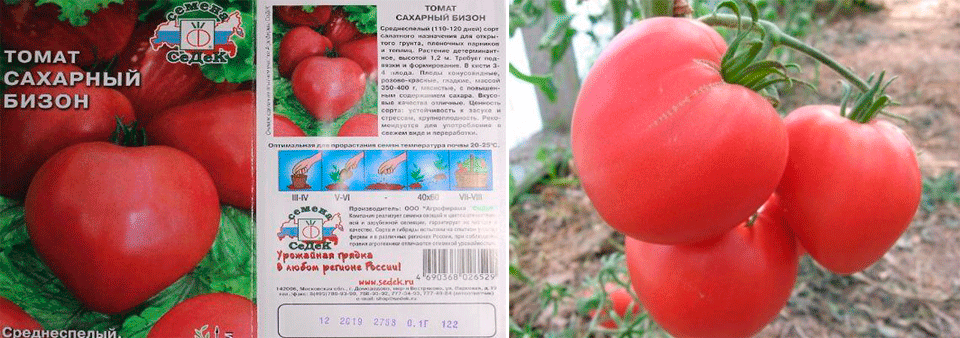
With proper care, raspberry fruits weighing 250 g grow.
Top.tomathouse.com informs: the peculiarities of growing standard tomatoes
There are a number of agronomic nuances to cultivating determinate tomatoes. The direct-seeding method is used exclusively in southern regions. For this, a special bed is prepared in the fall, clearing it of weeds. The seeds are planted in sufficiently warm soil.
To obtain an early harvest in Siberia and the Far North, the seedling method is used. Seeds are placed in containers with fertile soil. Count 45 days until the expected time of planting standard tomatoes in the ground. When two leaves appear, the seedlings are pricked out to a 5x5 cm size.
A week before planting, harden off the seedlings by bringing them outdoors. Dig holes every 0.3 meters, adding 300 grams of compost and a handful of ash to each hole. Rows are spaced 0.5 meters apart. In greenhouses, use a staggered planting pattern. Cover the tomatoes for a week.
The adaptation period for tomatoes in the ground is three days. The shallow root system requires constant soil moisture. Mulching is especially important. This prevents weed growth. Furthermore, loosening the soil, which can damage the roots, is unnecessary.
Ten days after planting, tomatoes are watered with a mullein infusion. The next feeding is done two weeks later. This time, an infusion of wood ash is used. If natural fertilizers are unavailable, potassium salt is used.
Some standard varieties require side shoots. This is indicated on the seed packet. In other cases, shaping the bush is not required. As the fruit ripens, remove the lower, yellowed, or damaged leaves.
Standard tomatoes don't offer sufficient protection against diseases. Prevention involves spraying the bushes with Fitosporin. Planting fragrant plants nearby, such as basil, coriander, nasturtium, and marigold, helps repel dangerous pests. Another effective method is dusting the beds with ash and ground pepper.
Each variety of standard tomatoes has a unique flavor and attractive appearance. Gardeners' choices are determined by the growing region, advantages, and potential disadvantages. These easy-to-care-for vegetables will delight everyone with their high yields.