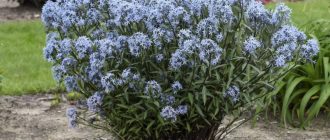
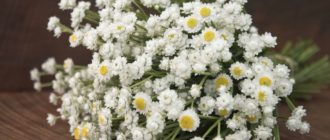
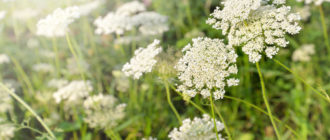
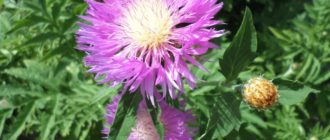
Scabiosa is a honey-producing aromatic plant distinguished by its subtle and modest beauty. This charming plant is familiar to many gardeners.
There are conflicting accounts of the origin of this flower's name. Some scholars believe it means "itch." This is supposedly due to the plant's healing properties, which can help with various skin problems. It has found use in folk medicine for the treatment of many ailments. Others suggest the name is Latin for "rough," likely referring to the rough texture of its leaves.
This flower was first mentioned in the 18th century. It was discovered by an Austrian botanist. In the wild, it grows in steppe, forest-steppe, and meadow zones, as well as at forest edges. Its native land is considered to be the southern regions of Europe and Africa. In Russia, this flower is often found in garden beds. It looks beautiful in flower arrangements and is used in bouquets.
Content
- 1 Scabiosa flower: photo and description
- 2 10 species and 30 varieties of perennial and annual scabiosa
- 3 Growing and caring for scabiosa
- 4 Propagation and planting of perennial scabiosa
- 5 Pests and diseases of scabious
- 6 Landscape design with scabiosa, many photos
Scabiosa flower: photo and description
Scabiosa is a flower belonging to the honeysuckle family. In the wild, it is found in Europe and Western Asia, and in the mountainous regions of East and South Africa. Pollination occurs through insects.
According to the description, it is an annual, biennial, or perennial subshrub or low shrub. It reaches 100 cm in height. The stems are erect, dense, simple or branched. They may become woody at the base.
The leaves are alternate, the lower ones are entire, serrated, or pinnate. The upper leaf blades are always pinnate.
Flowers are collected in flat baskets or spherical heads (with a bare, convex, or hemispherical base). They are located on soft, pointed-tipped cover leaves. The marginal buds are larger than the central ones. Depending on the variety, petals can have a variety of colors: snow-white, yellow, pink, purple, light blue, blue, scarlet, etc. The calyx is fused at the base, with five bristles at the apex. The corona has five spots at the end. Four stamens. The first buds form in the peripheral zones, gradually opening toward the center.
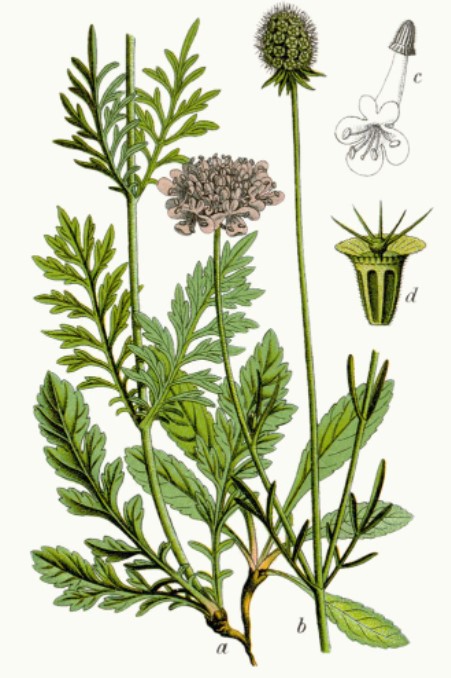
After flowering, fruits form. These are achenes with five awns.
10 species and 30 varieties of perennial and annual scabiosa
There are approximately 80 species of this plant, and even more cultivars. However, only a few are grown in flowerbeds. Let's look at the most popular varieties, familiar to many gardeners who create flowerbeds in their own gardens.
Perennial Scabiosa: 8 Species and 18 Varieties with Photos and Descriptions
Scabiosa (scabiósa) perennial can be grown on a plot for several years.
Caucasian
This mountain species is found in the Caucasus Mountains, in group and solitary plantings on slopes and along river and lake shores. It is distinguished by its large inflorescences. They can be pure white, pink, purple, soft blue, or lavender. Wild plants most often display the last two petal colors. Flowering begins in early July and continues until autumn.
Popular varieties:
| Variety | Description |
| Blue Perfection
|
Lilac-blue petals with a white center. |
| Perfecta White, Perfecta Alba
|
Snow-white inflorescence. Numerous pure white flowers. |
| Compliment
|
Blue delicate lacy inflorescences. |
| Fama Deep Blue
|
The flowers are blue, similar to cornflowers. |
| Vivid Violet
|
Bright pink-purple flowers similar to peonies. |
| Thorp's Variegated
|
It has green leaves with silver stripes. The flowers are purple. |
| Golden invention (Goldingensis)
|
Inflorescences 10 cm deep blue. |
Mrs. Isaac's House set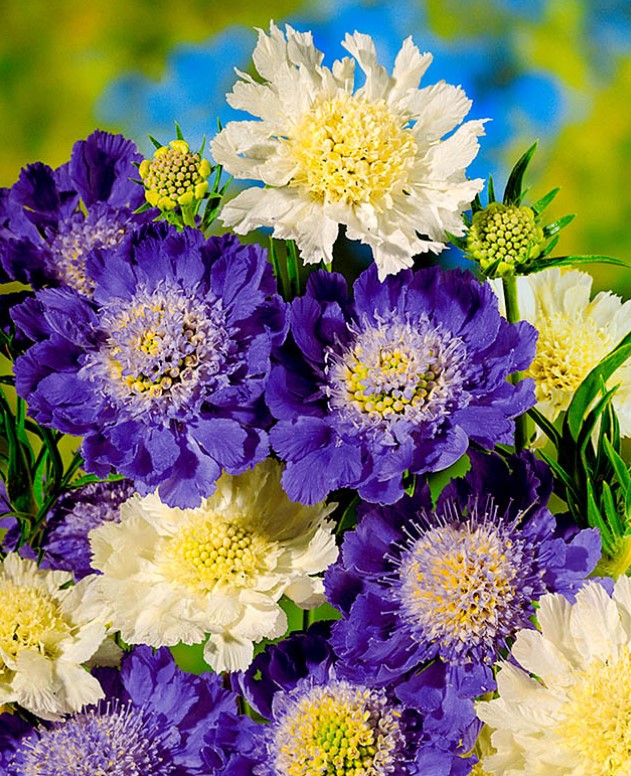 |
Bushes 70 cm. Inflorescences are bluish-purple and white with a greenish center, 10 cm in diameter. Requires light cover for the winter. |
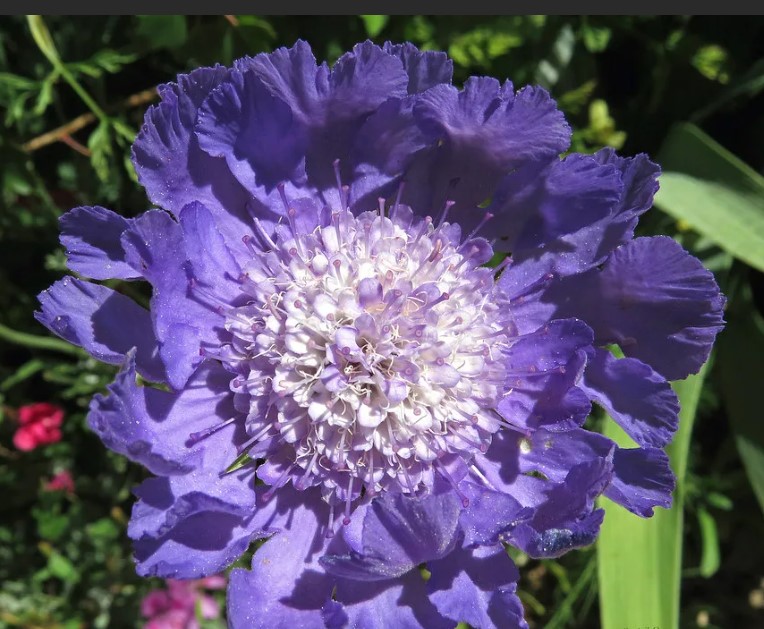
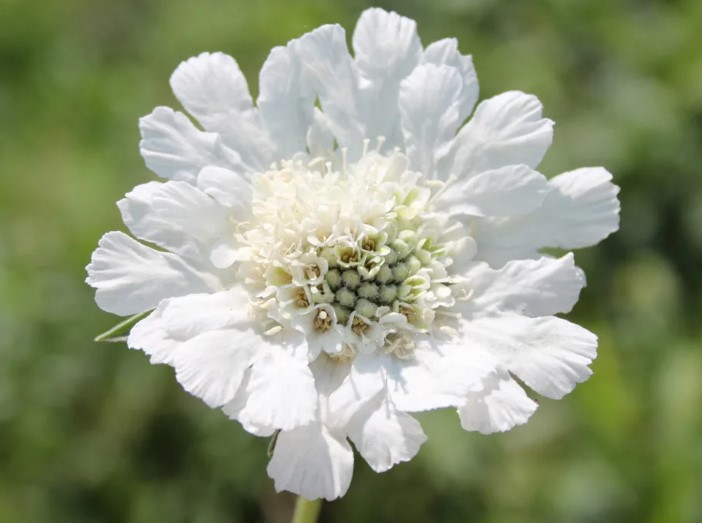
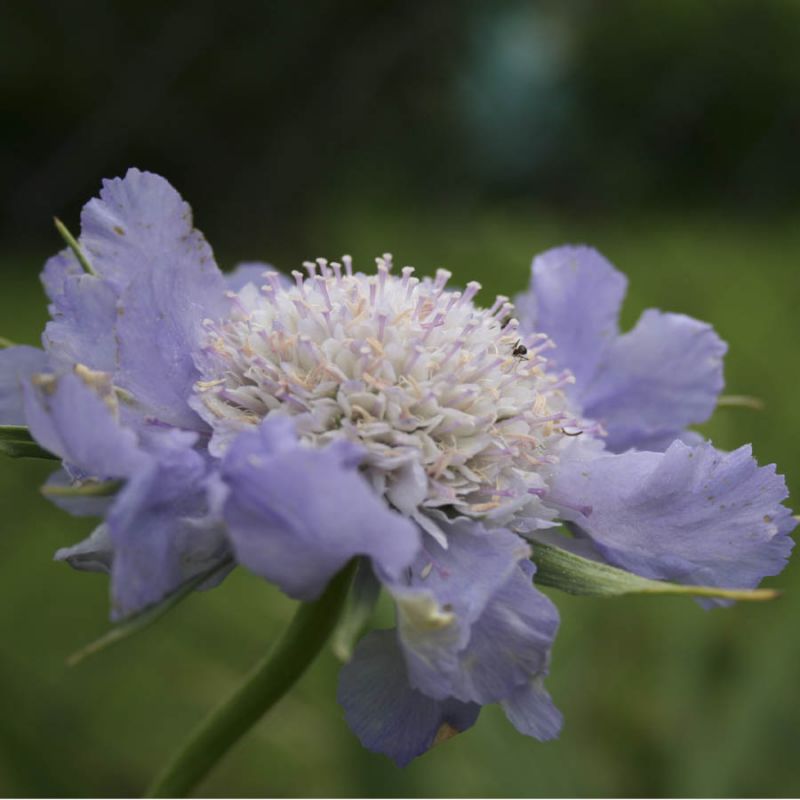
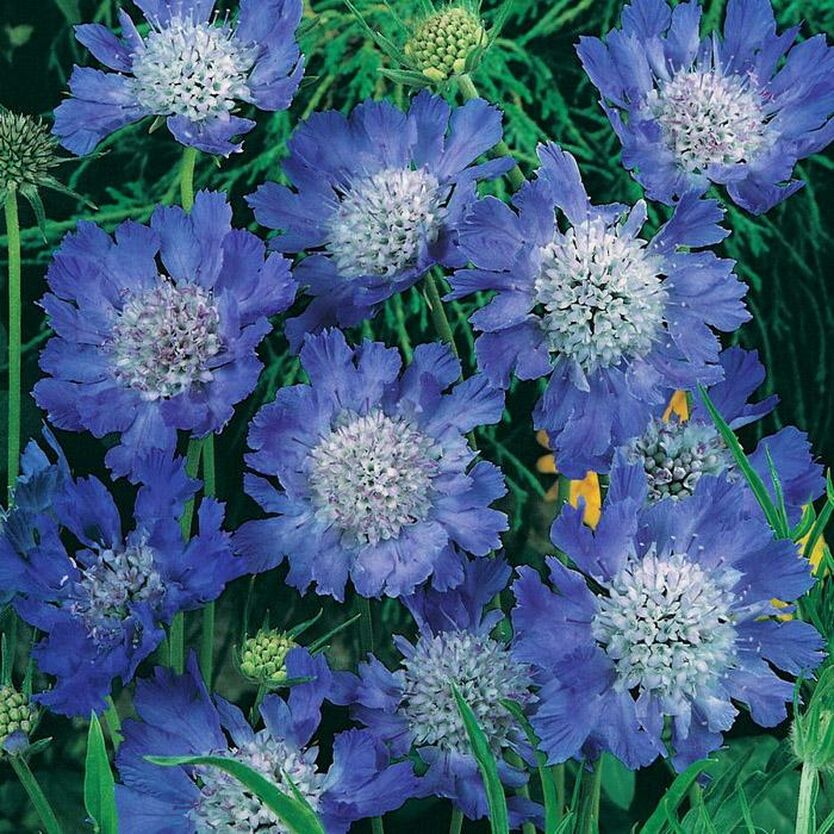
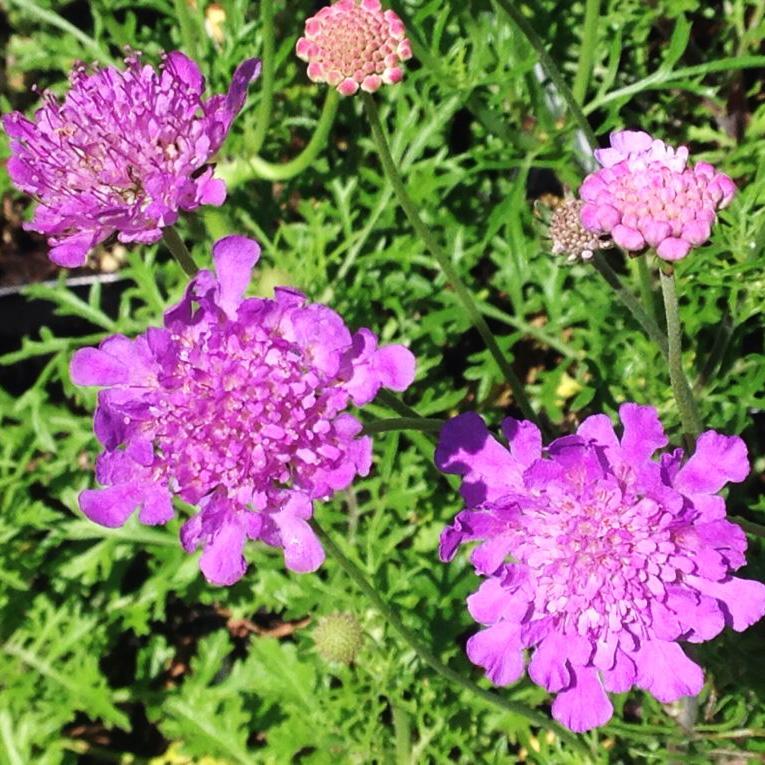
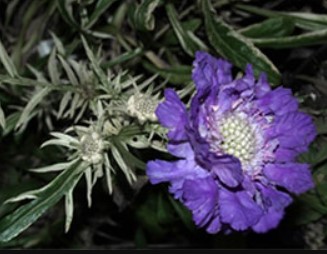
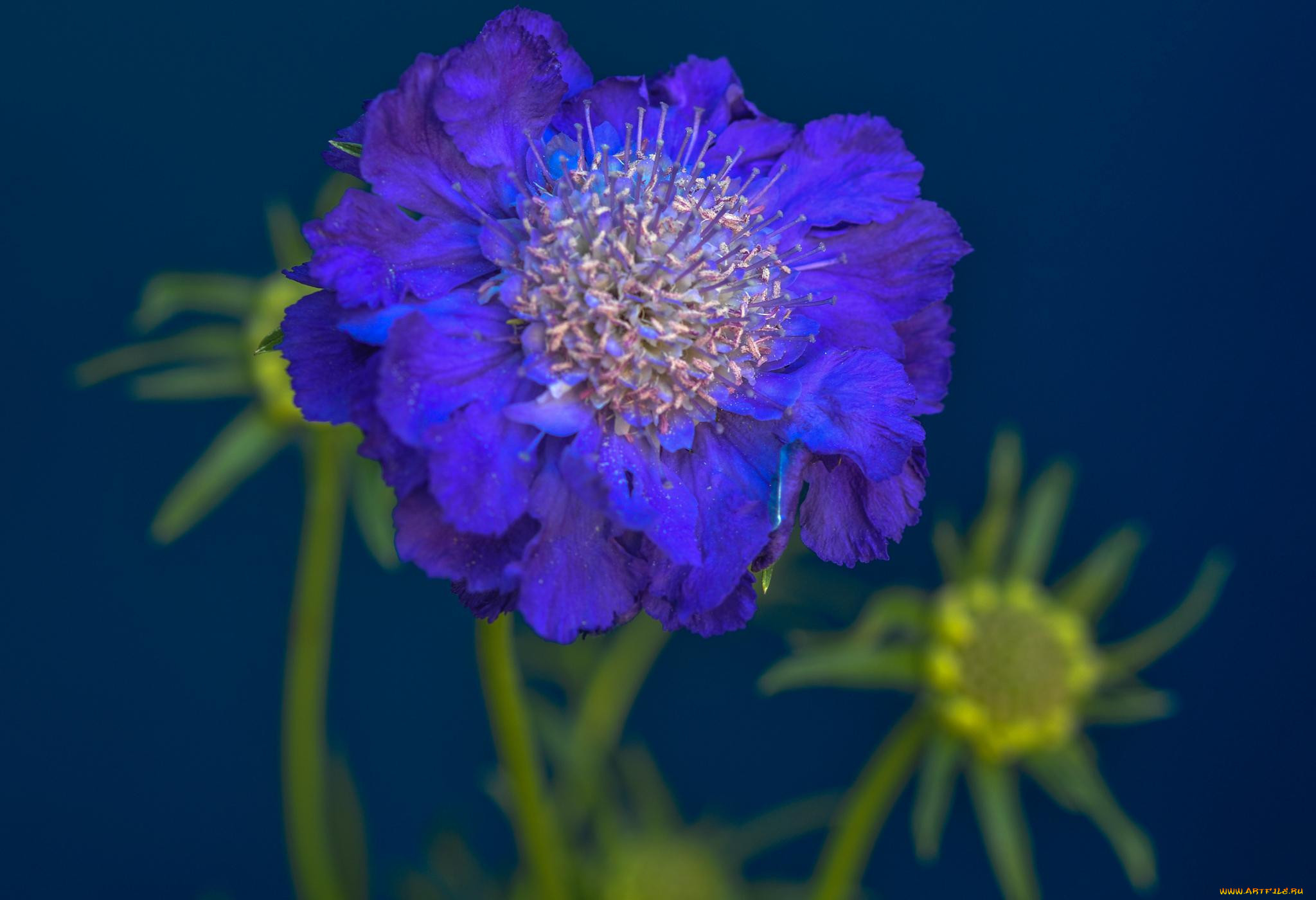
Due to its unpretentiousness and attractive appearance, scabiosa (sScabiosa (Caucasian scabious) is one of the most popular ornamental varieties. Most varieties are planted along garden paths. It can also be grown as a solo arrangement in a pot indoors. It retains its beauty for a long time when cut indoors. Scabiosa is also beautiful as dried flowers. Natural drying is recommended.
Isetskaya
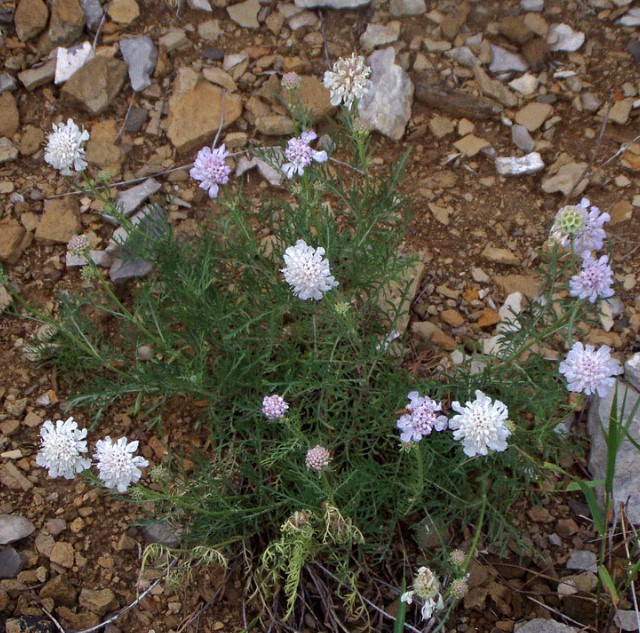
Found in the Northern Caucasus, Eastern Siberia, and the European part of the country, it is a sun-loving plant that does not tolerate shade. It blooms in July. The buds of the Isetsk scabiosa are up to 5 cm in circumference, with yellow, reddish, or lilac petals.
Japanese
In Japan, this variety is grown in urban flowerbeds. It reaches a height of 0.6 m, but some cultivars grow only 20-30 cm. Particularly popular are:
| Variety | Description |
| Pink Diamonds
|
Soft pink, dense flower heads, 7 cm in diameter.
The height of the bush is 30 cm. |
| Ritz Rose (Ritz Rose)
|
Height 30-35 cm. Blooms in July-September with dark purple buds. |
| Blue Note
|
The plant is 30-35 cm tall. Light lilac flowers. It tolerates frosts down to -35°C. |
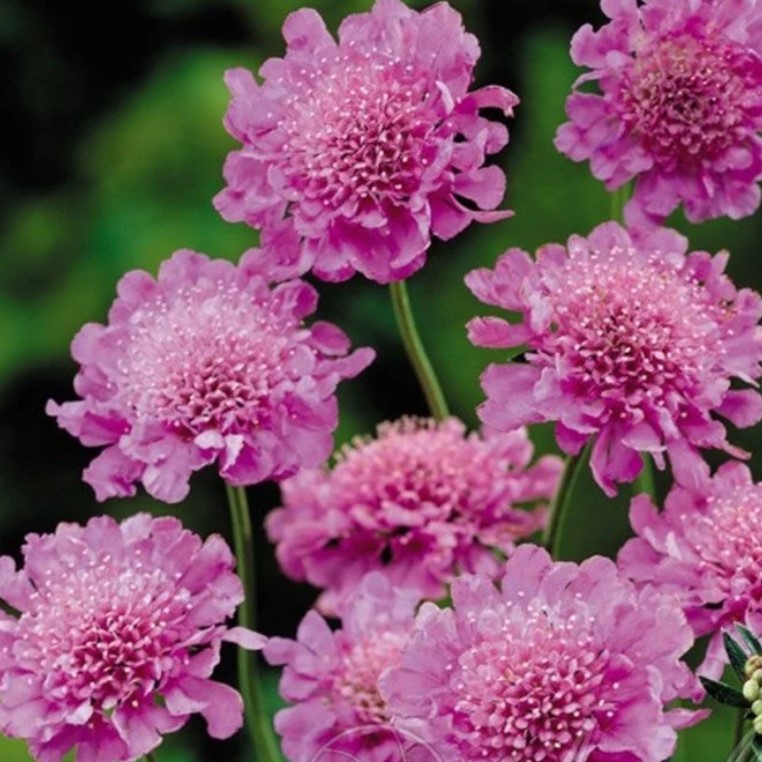
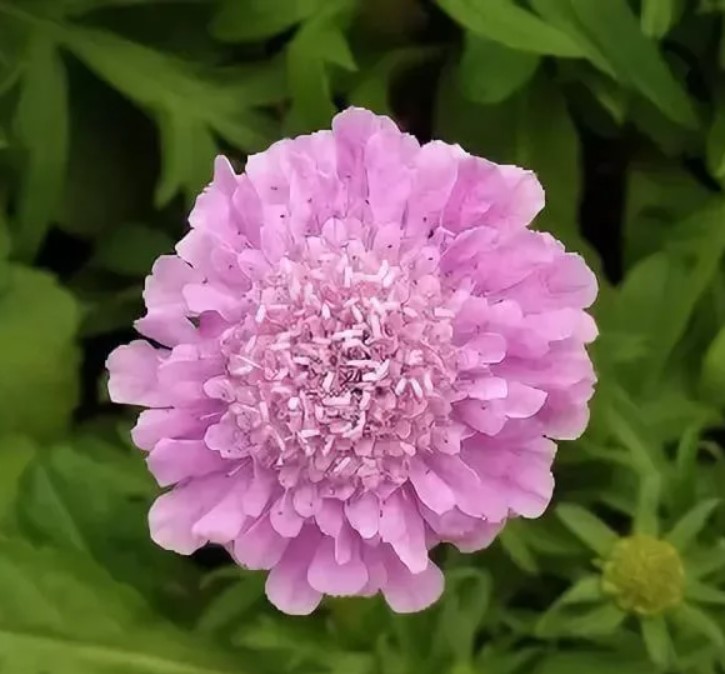
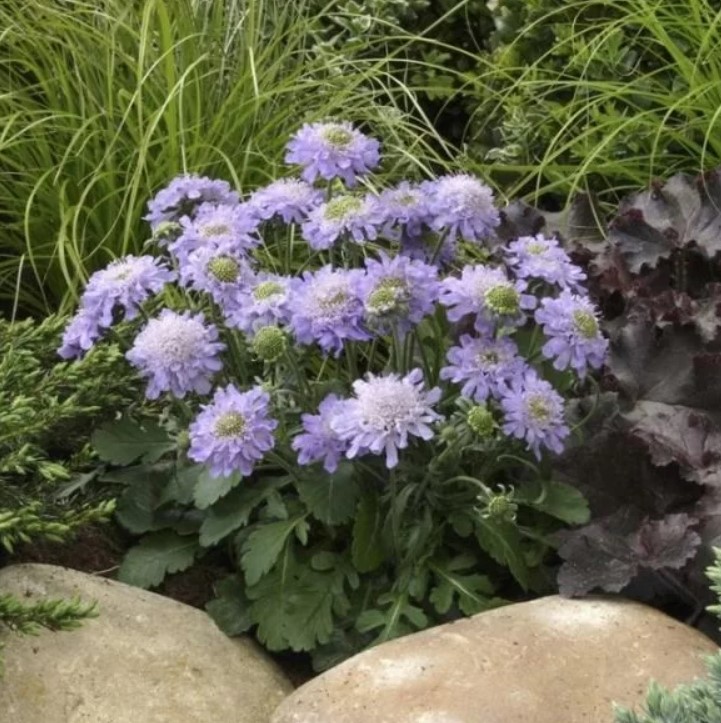
Japanese scabiosa tolerates cold weather well, making it suitable for growing in Russian gardens. Its petals can be red or pink. The buds are 5 cm in circumference. This species is often used in landscaping and retains its attractive appearance for a long time.
Pale yellow
It's listed in the Red Book as endangered. However, it's occasionally found in Russian gardens. It's distinguished by its cream-colored or light yellow buds. The first flowers bloom in July, the last in early autumn. Varieties:
| Variety | Description |
| Moon Dance
|
Height 90 cm. Herbaceous plant. Flowering July-September. |
| Champagne
|
The flower petals are light golden. |
| Pixie Yellow
|
Yellow inflorescences. |
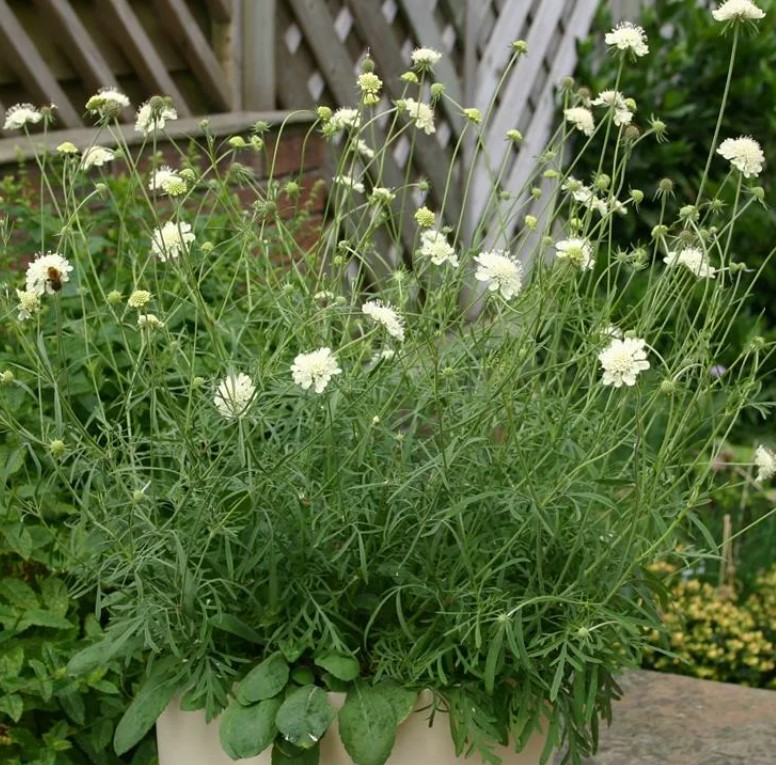
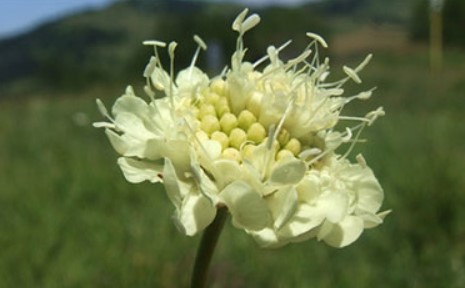
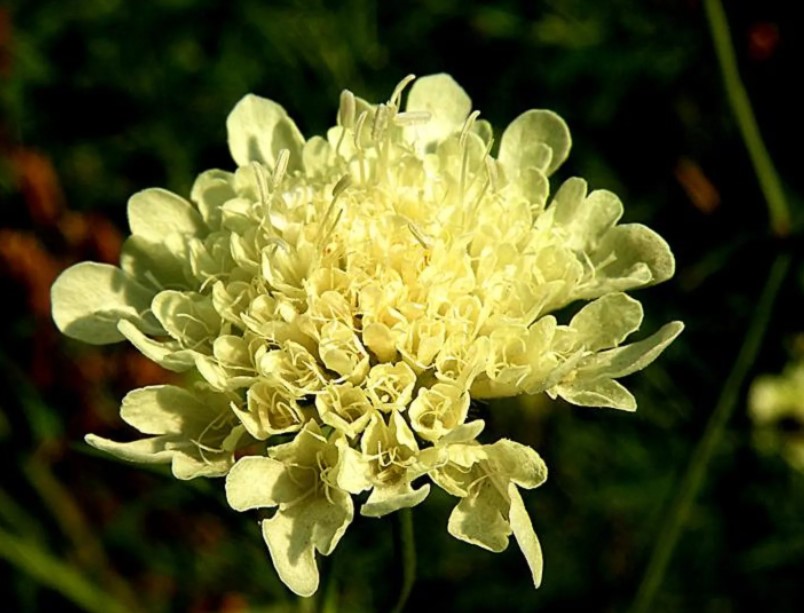
Typically, pale yellow scabiosa is planted around the perimeter of a flowerbed to create a background for brighter specimens.
Pigeon
Bushes range from 20 cm to 80 cm in height. Leaves are linear or lanceolate. Inflorescences can be cornflower blue, purple, or, less commonly, pure white. Popular varieties:
| Variety | Description |
| Pink Mist
|
Blooms from mid-July to October with bright pink flowers 6-7 cm long. Bush height is about 35 cm. High frost resistance. |
| Butterfly Blue
|
Lavender-blue flowers, 5 cm in diameter. Bush height up to 40 cm. Winter-hardy. |
| Mariposa Violet
|
Double bright purple flowers. |
| Nana
|
Plant height: 15-20 cm. Flowering heads are pinkish-blue, 10 cm in diameter. Blooms in June-July, repeating in autumn. Does not tolerate stagnant water. |
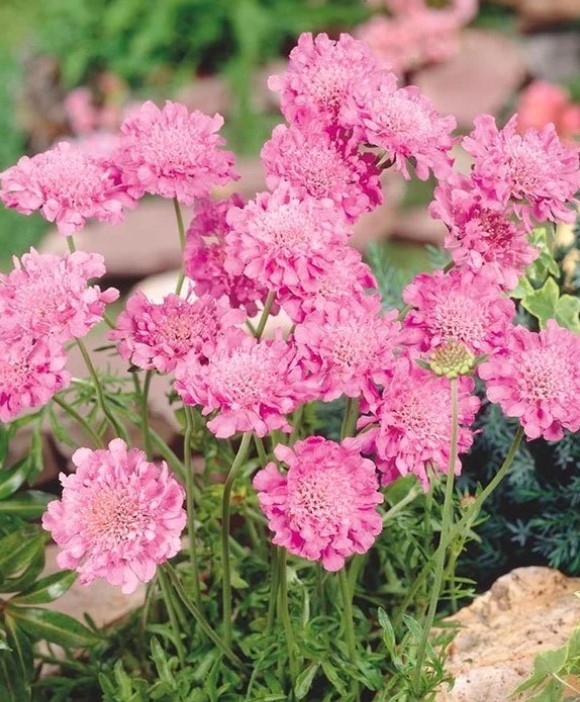
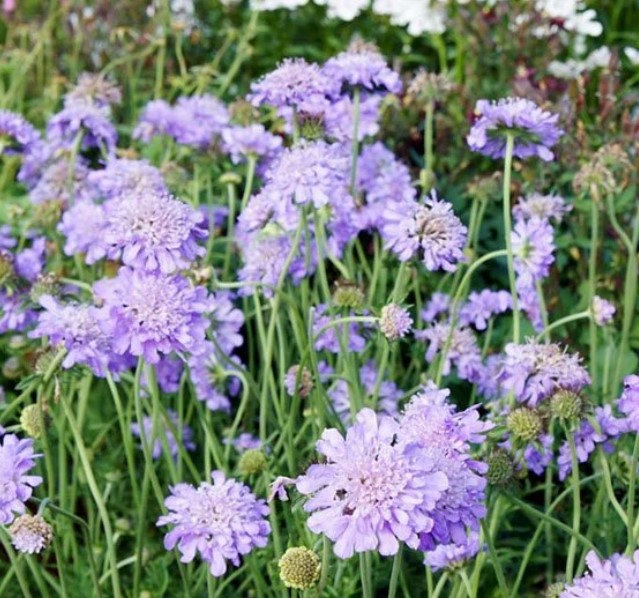
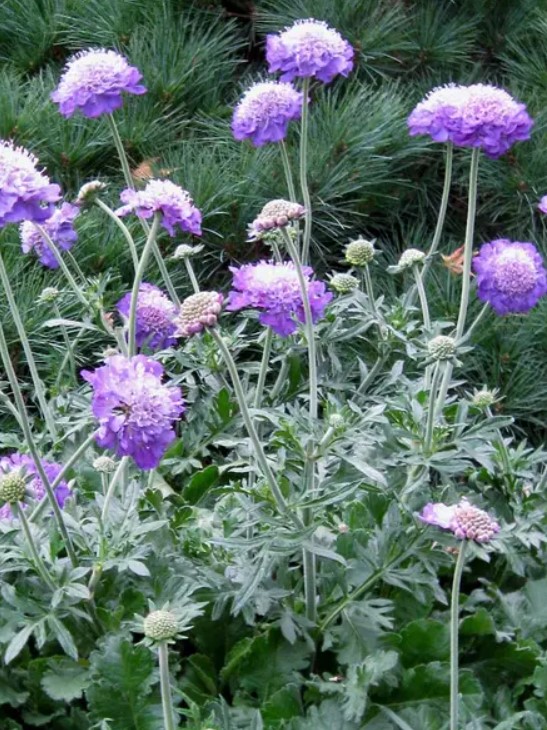
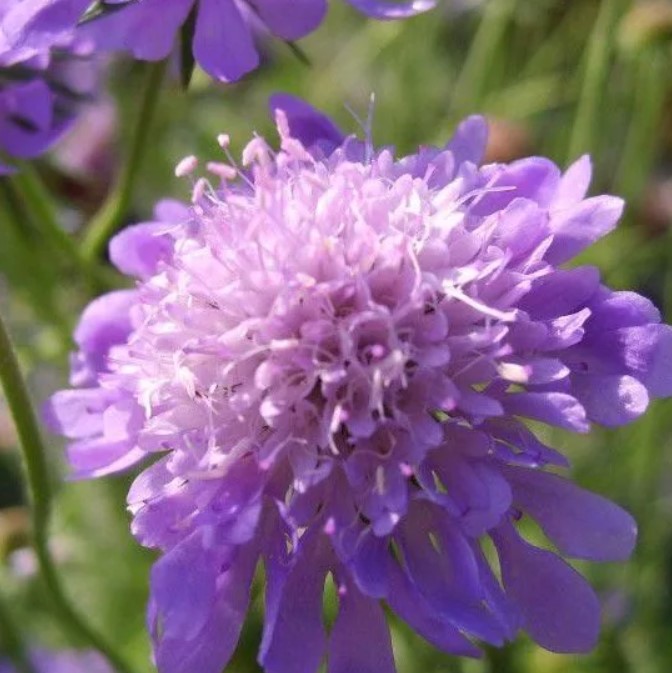
Found in the Caucasus and Crimean lands.
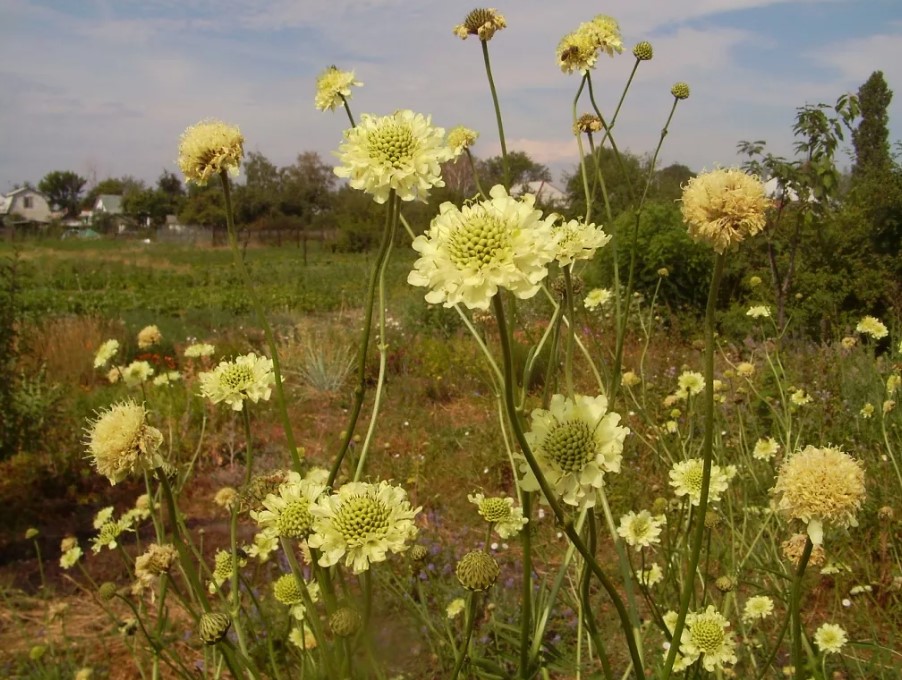
Giant
Scabiosa gigantea (Capitalia gigantea) differs from all other species in its size. It can reach 2.5 meters. The buds are soft yellow and airy. This is an original and rare variety.
Scabiosa splendens
The flowers resemble the blue scabiosa in appearance. This variety's distinctive features are its more serrated, glossy, and glabrous leaves. It thrives in well-drained, breathable soils, making it ideal for planting in rock gardens.
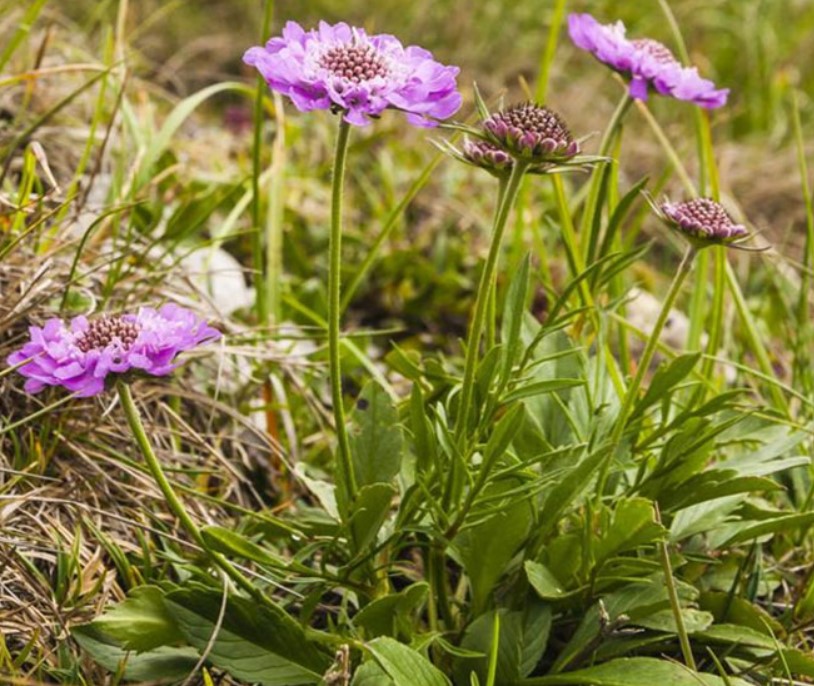
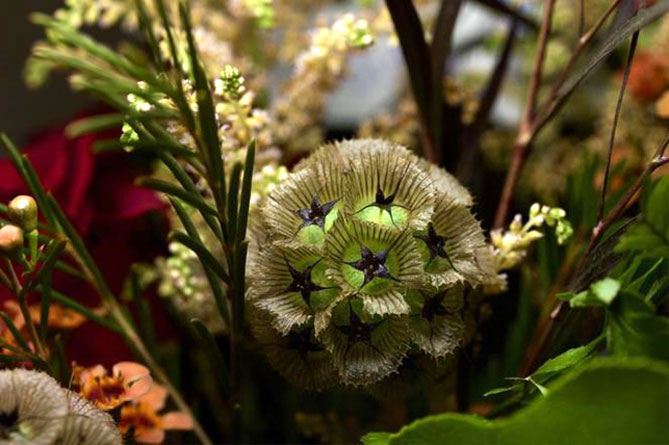
Scabiosa stellata
It has a distinctive bud shape—a dark star in the center. Hence the name, "stellate" (stellate). You can see what it looks like in the photo. Popular varieties include "Gothika" and "Drumstick" (Search)..
Annual Scabiosa: 2 Species and 12 Varieties with Photos and Descriptions
It is highly decorative and blooms for a long time. After the growing season is over, it is removed and not left for the following season.
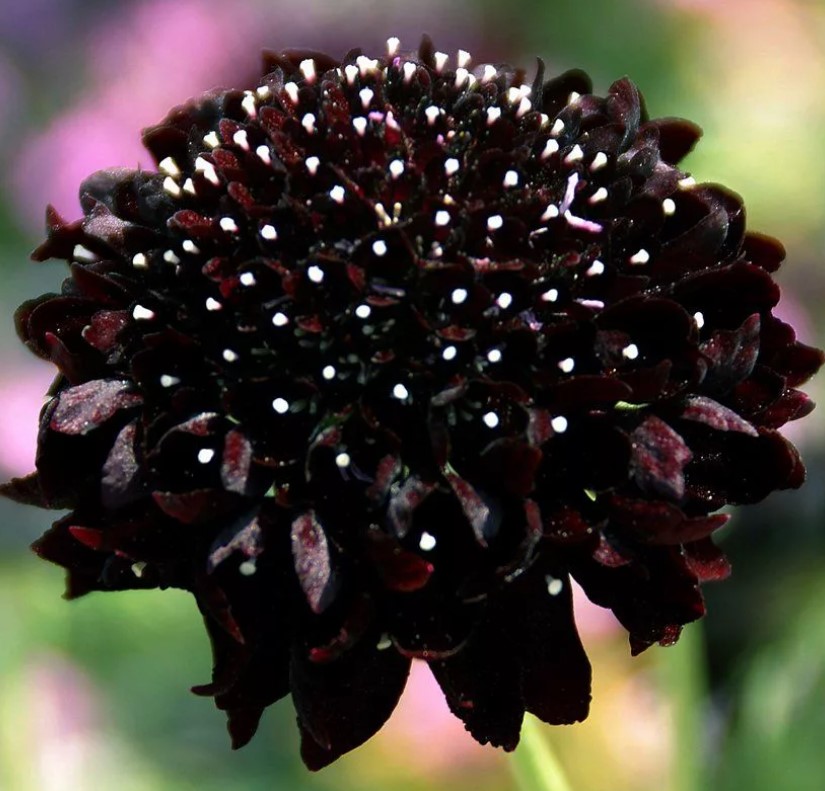
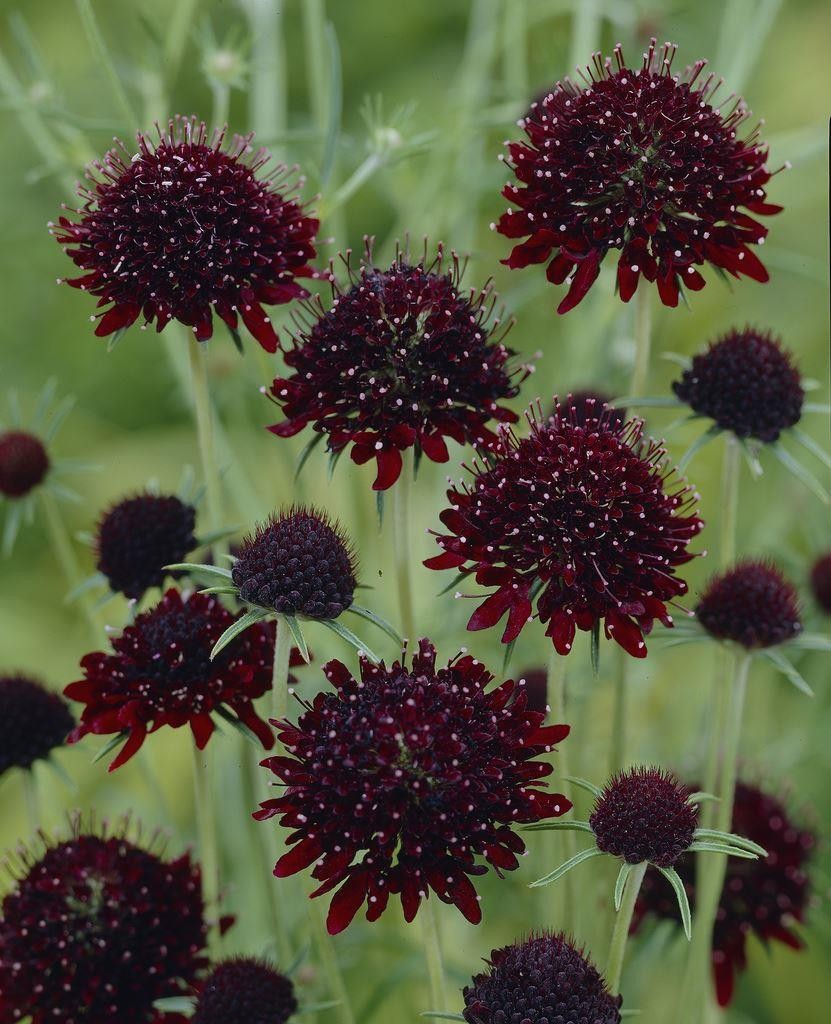
Dark purple
May have different petal colors:
- snow-white;
- creamy;
- purple;
- pinkish;
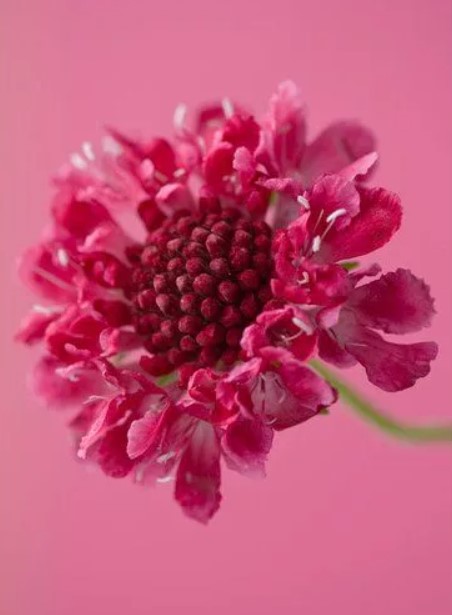
- scarlet;
- cherry;
- almost black.
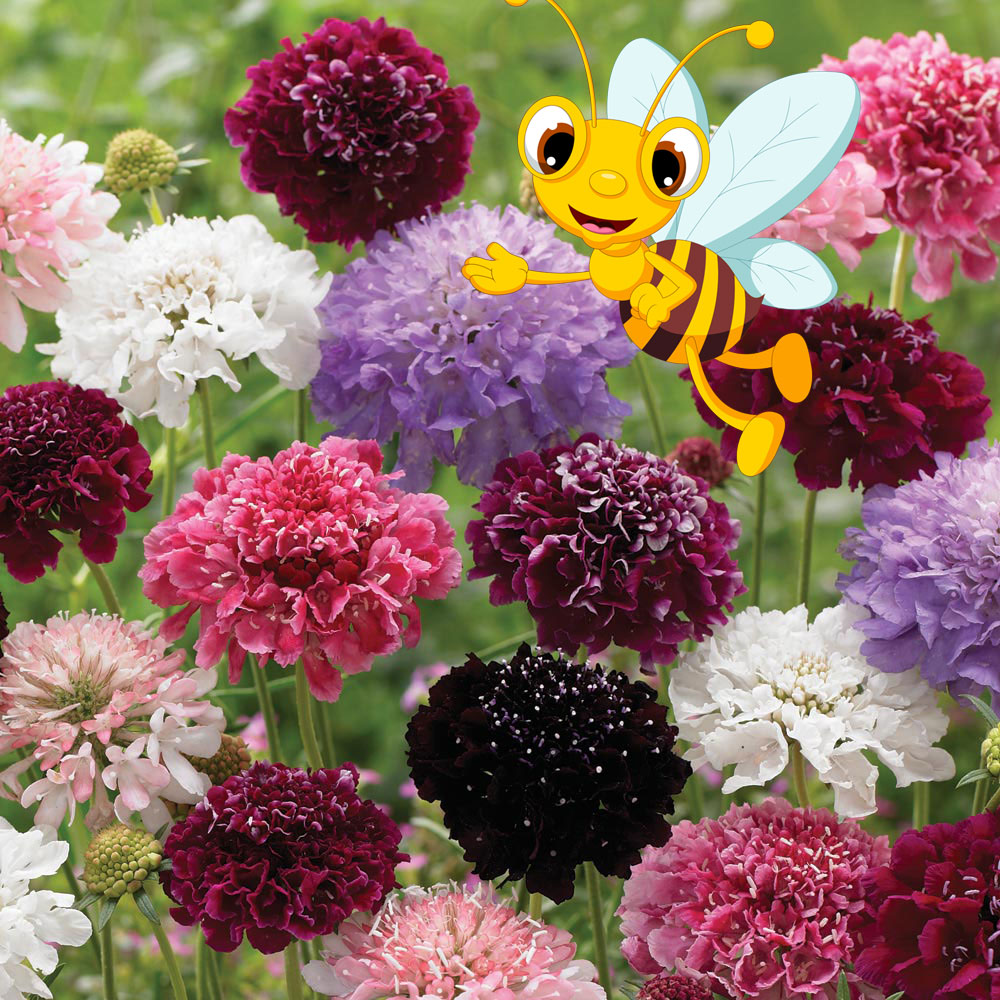
Flowers are double or semi-double. Blooming begins in July and ends in October. Dark purple scabiosa is not particularly winter-hardy, so it is grown as an annual. The most popular varieties are:
| Variety | Description |
| Black Night
|
Inflorescences are black with white dots. |
| Chile Black (Black Chili)
|
Black flowers reaching 8 cm in diameter. |
| Chili Pepper (Chili Pepper)
|
The inflorescences are bright scarlet. |
| Salmon Queen
|
Bush 90 cm. Flowers salmon-pink. |
| Ice Heart
|
Bushes 50-90 cm. White and lavender-blue inflorescences 6 cm in diameter. |
| Cherry
|
Double, dense red flowers 5-6 cm. Bushes up to 90 cm. |
| Day and Night
|
A mixture of white and dark burgundy inflorescences. |
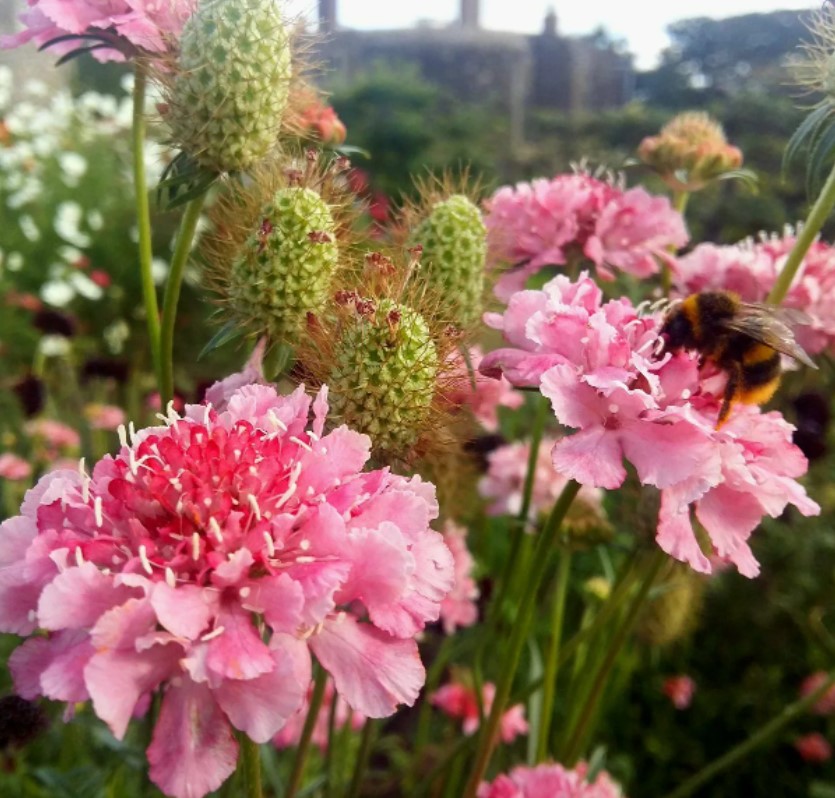
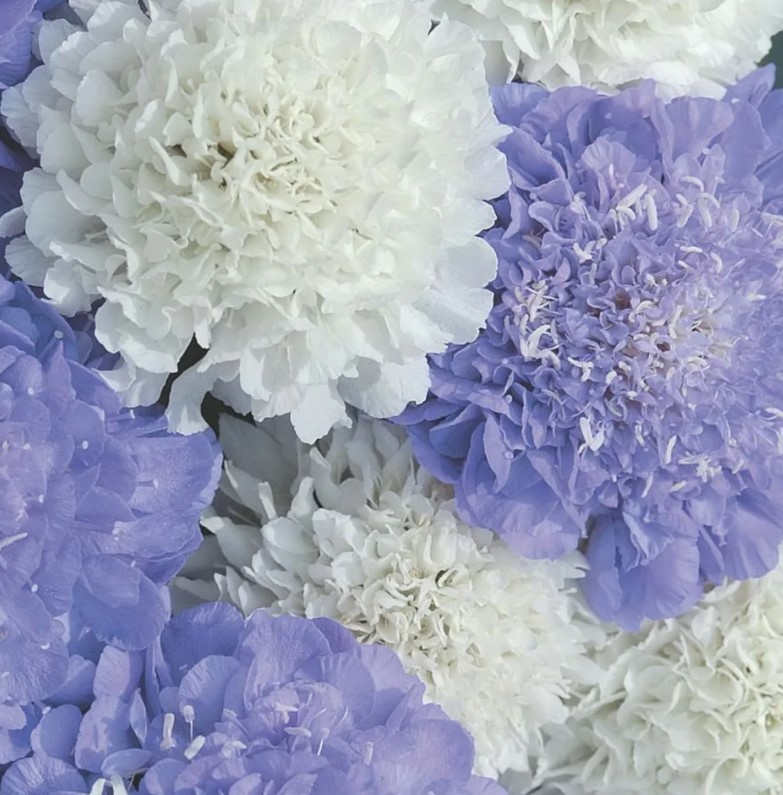
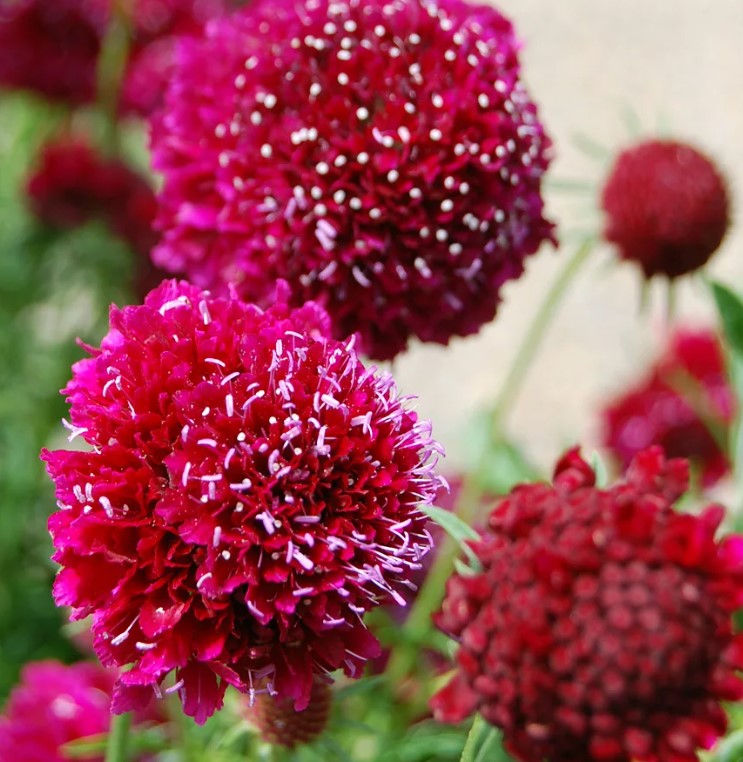
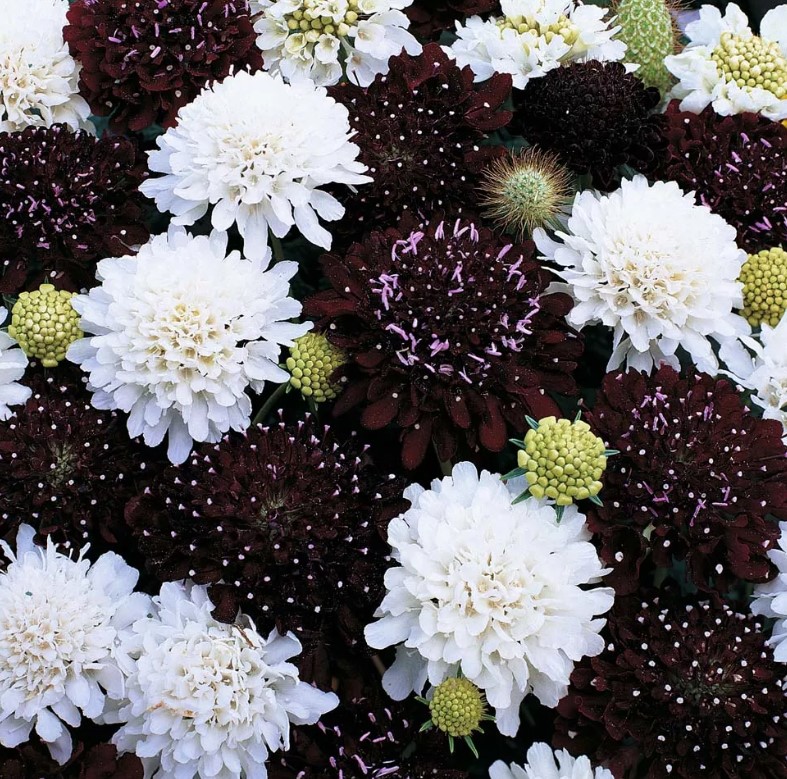
The flower combines well with daylilies, yarrow, echinacea and other plants.
Terry
The most attractive varieties of terry scabiosa:
| Variety | Description |
| Fruit Ice (mix)
|
Bushes 80 cm. Flowers 5-6 cm, lavender, raspberry, pink, white |
| Crystal (Gavrish)
|
Height 90 cm. White flower heads 5-6 cm. |
| Lavender Lady (Gavrish)
|
Bushes up to 90 cm. Lavender-blue inflorescences 5-6 cm. |
| Black Manto
|
Tall bushes up to 90 cm. Dark purple inflorescences on strong peduncles. |
| Fiery Heart (mix)
|
Bushes 50-90 cm. Large, double, 6 cm white and red inflorescences. Flowering from July to October. |
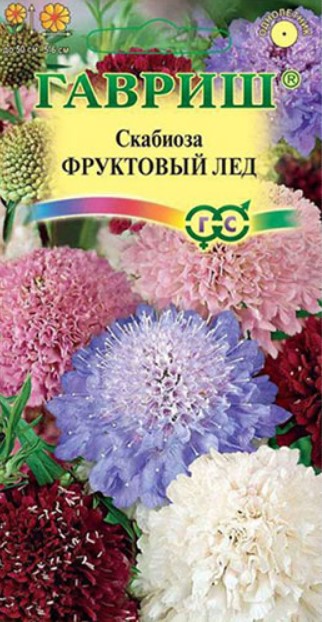
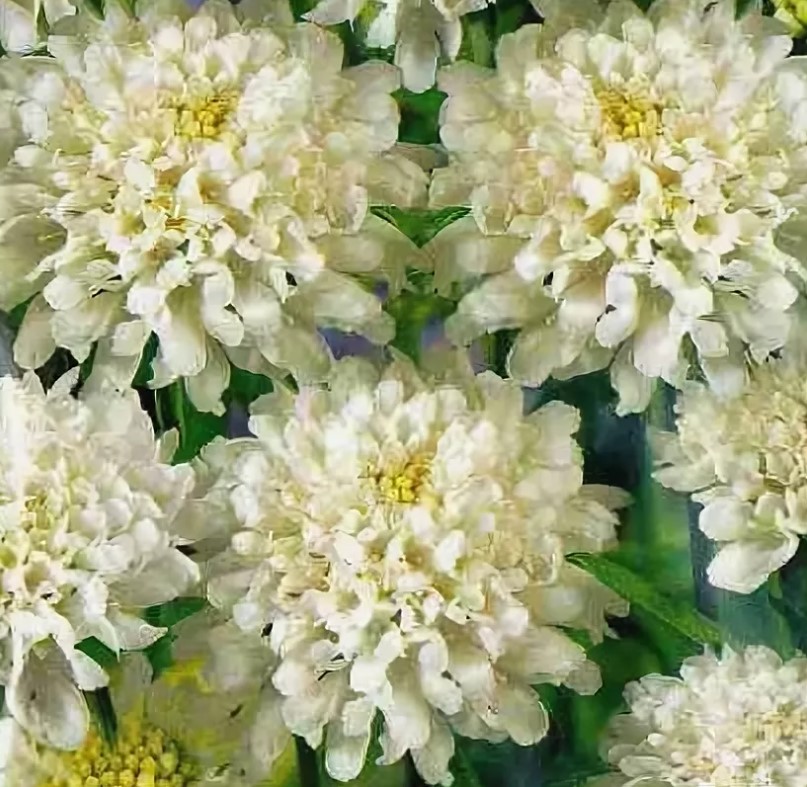
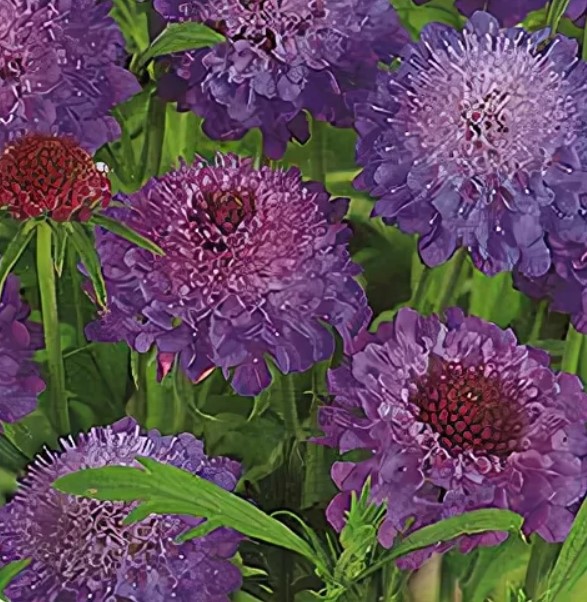
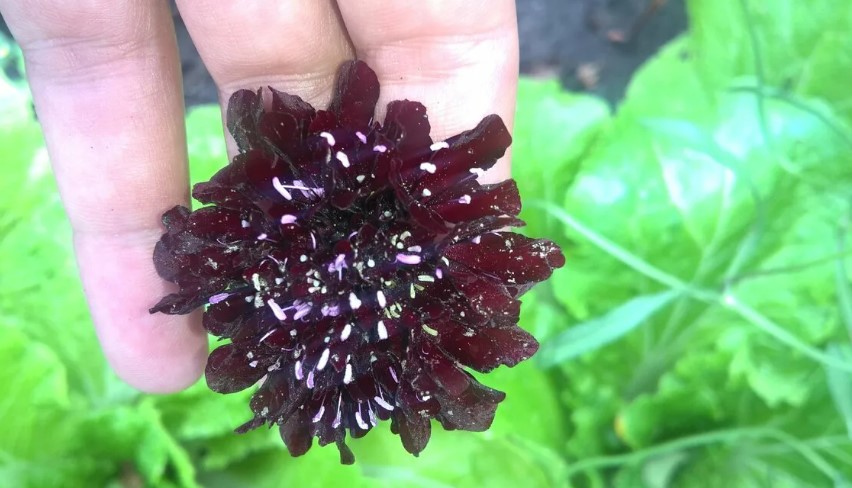
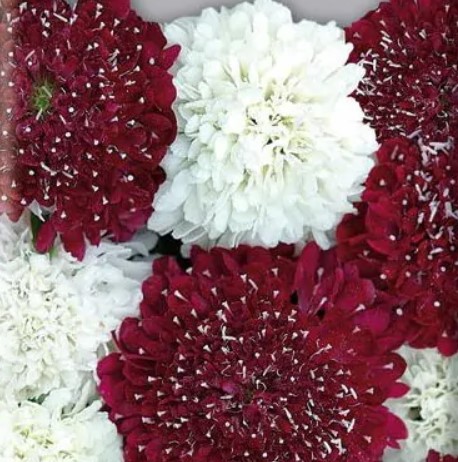
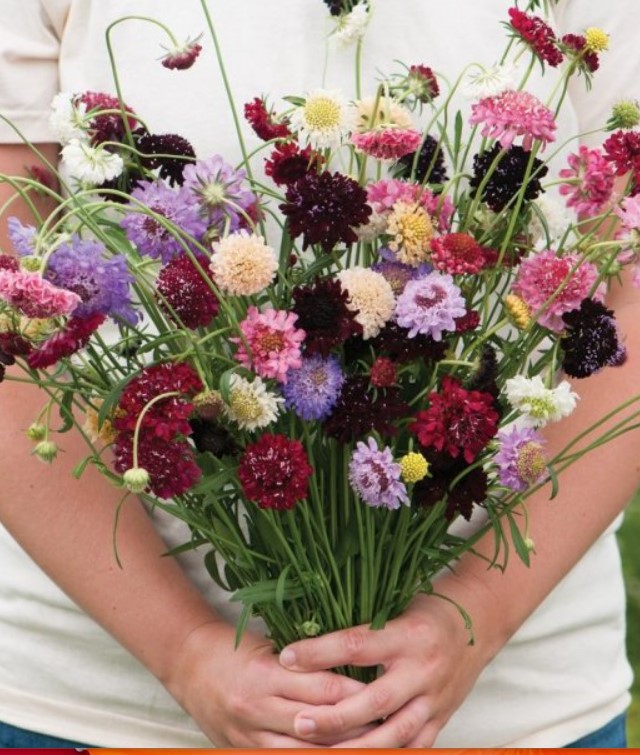
The petals come in a variety of shades, from pure white to deep purple or burgundy. They are used both for garden decoration and in bouquet arrangements.
Growing and caring for scabiosa
Scabiosa isn't a fussy plant. The key is choosing the right location and providing basic care. Even beginners can grow it.
Location, soil
In the wild, it grows in dry, warm places. Ornamental varieties prefer similar conditions.
They are best planted in sunny areas. They love full sun and are not susceptible to UV rays. Shade is contraindicated, as it will cause the flower to stretch too much, and flowering will be sporadic or even nonexistent.
Scabiosa should also not be planted in low-lying areas, especially if meltwater collects there. The plant does not tolerate excess moisture, which can lead to root rot, which can kill the plant.
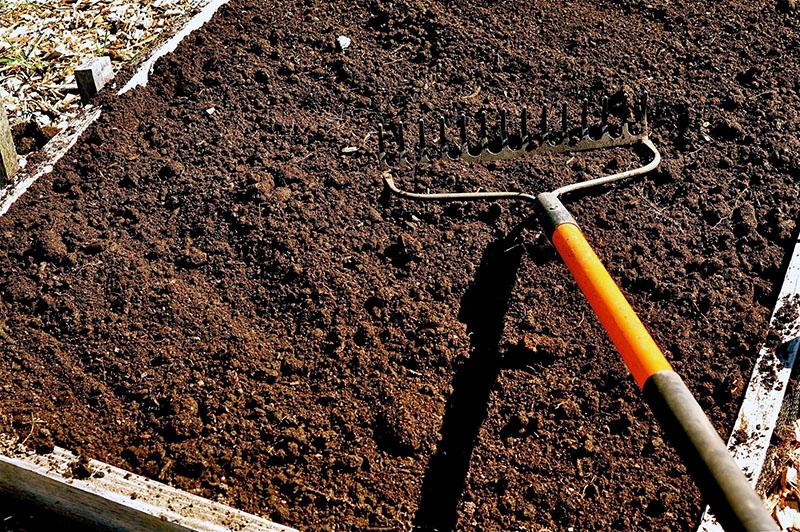
Scabiosa doesn't have any particular soil requirements. However, it's preferable to use loose, fertile soil with a neutral or slightly alkaline reaction. If the soil is too dense and heavy, you can add sand. If it's poor, add humus.
Watering, fertilizing
If the summer is rainy, you can skip watering. Natural moisture will be sufficient. In hot weather, water as the top layer of soil dries. Water moderately; avoid overwatering. It's recommended to water in the morning and evening.
Fertilizers are applied during bud formation and flowering. You can use commercially available mixtures for flowering plants with increased levels of nutrients such as phosphorus and potassium.
Pruning and shaping
Tall varieties can be knocked over by strong winds and rain. To prevent this, it is recommended to tie them to supports. Shorter varieties do not require this.
To maintain the decorative appearance of perennials, the flower stalks should be cut back after flowering. This will stimulate re-budding.
Wintering
In the south and central regions, it can overwinter without cover and exhibits good tolerance to low temperatures. In northern regions, plants should be mulched for the winter. This will be beneficial and allow them to survive the winter without any problems.
Propagation and planting of perennial scabiosa
Scabiosa can be propagated by seed and vegetatively.
Seeds
Seeds can be sown at the following times:
- Scabiosa is grown from seedlings. Sowing can be done in March-April. If the seedlings become too dense, they will need to be thinned out.
- Sowing in open ground. If the plants are to be planted directly into their permanent location, do so in late April or early May, once the soil has warmed sufficiently. No more than nine plants can be planted per square meter. Planting more than that may cause nutrient deficiencies.
When growing in the middle zone and northern regions, the method of growing through seedlings is preferable.
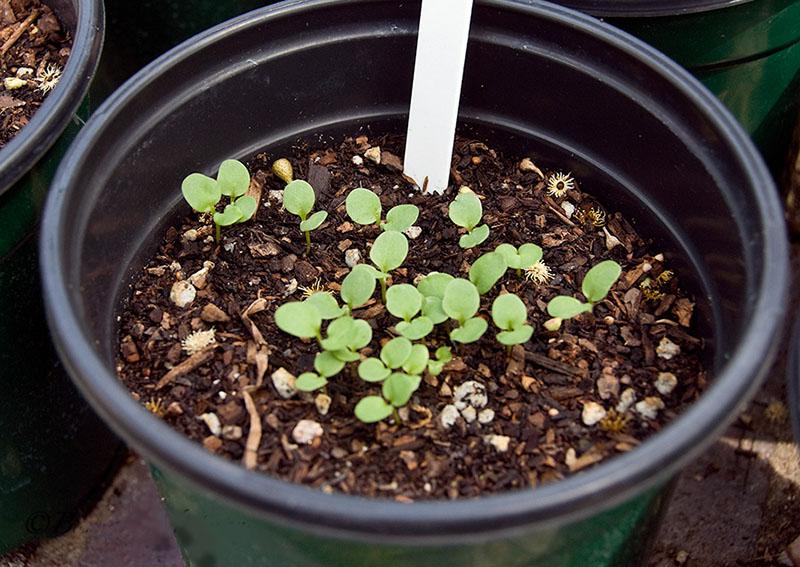
It is recommended to carry out stratification before sowing.
Vegetative method
Division and cuttings are carried out in spring or fall. The resulting planting material can be planted in groups of 3-10 specimens.
Cuttings can be prepared in the fall and planted in the spring. For storage, place them in a container with damp sand and keep them in a cool place.
Please note! Division is not only a simple method of propagation, but also helps to rejuvenate the bushes.
Pests and diseases of scabious
This plant has a strong immune system and is resistant to insect attacks and disease. The only pests that can cause harm are:
- mice;
- Geometrid moth larvae that eat leaves and stems.
Typically, these pests occur in isolated numbers, so they can be exterminated manually (by collecting them, setting mousetraps, etc.).
Landscape design with scabiosa, many photos
The understated beauty of scabiosa makes a wonderful addition to any natural-style landscape design. Its delicate and graceful appearance draws attention.
It looks great in landscape-style arrangements that mimic a patch of wild meadow. Wildflowers, such as cornflowers, daisies, and others, make excellent companions.
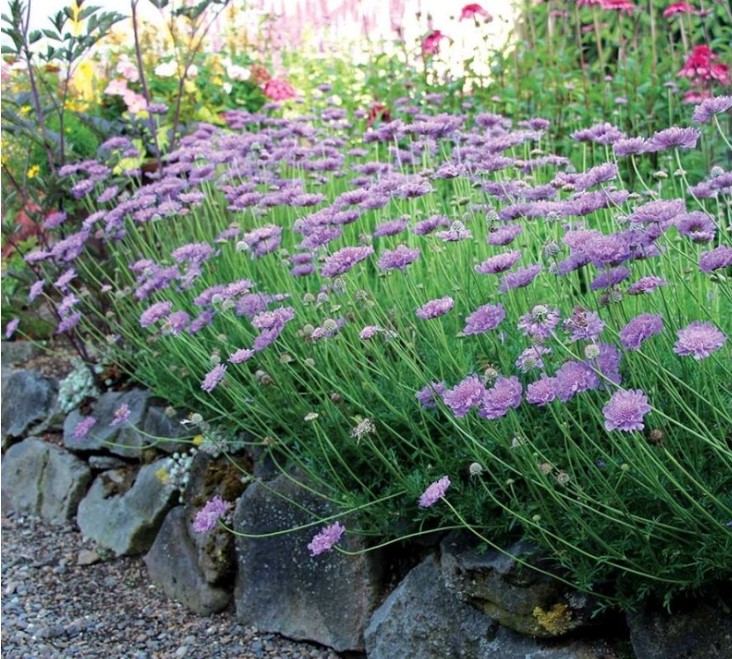
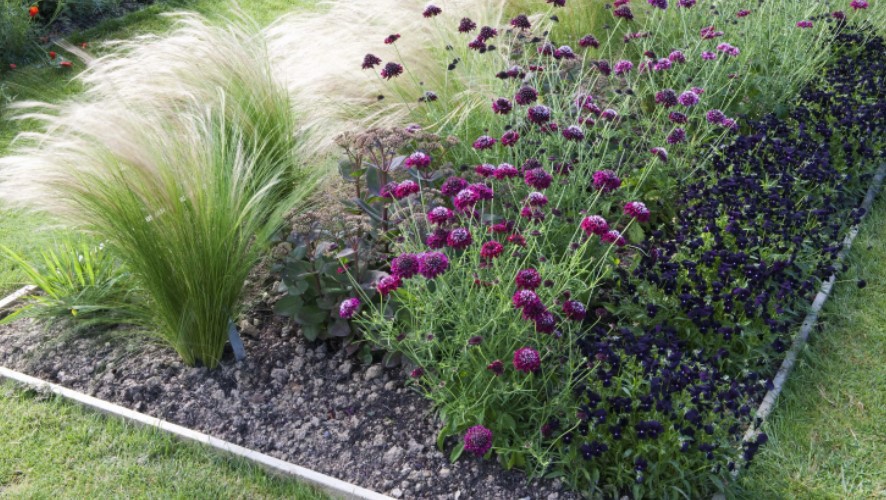
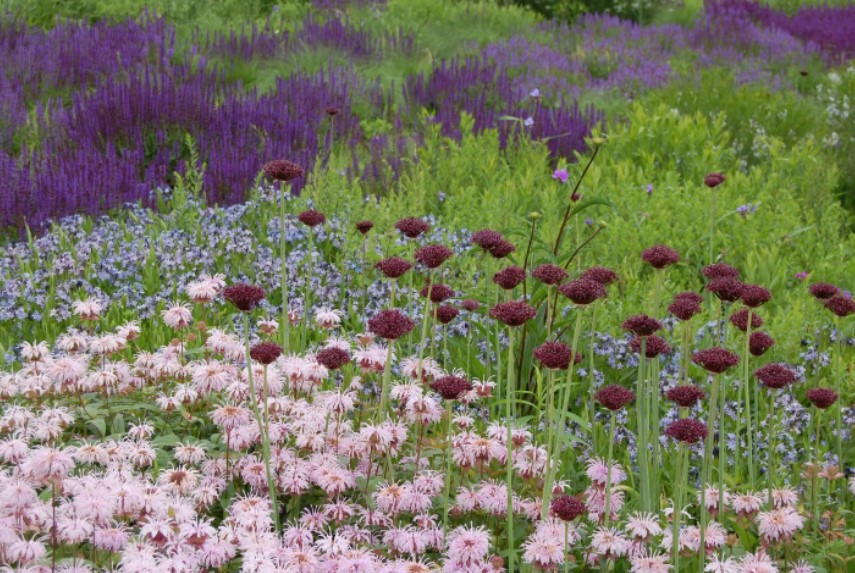
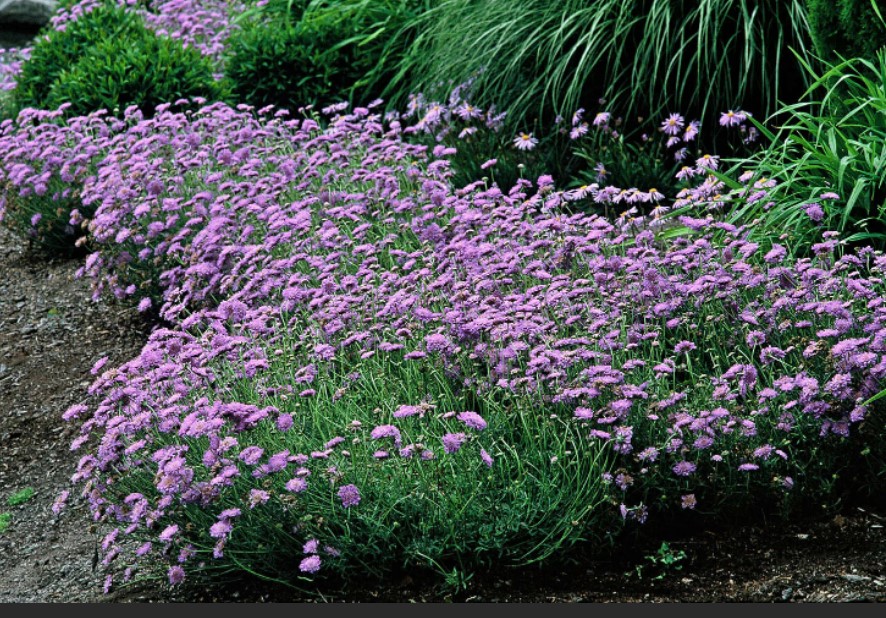
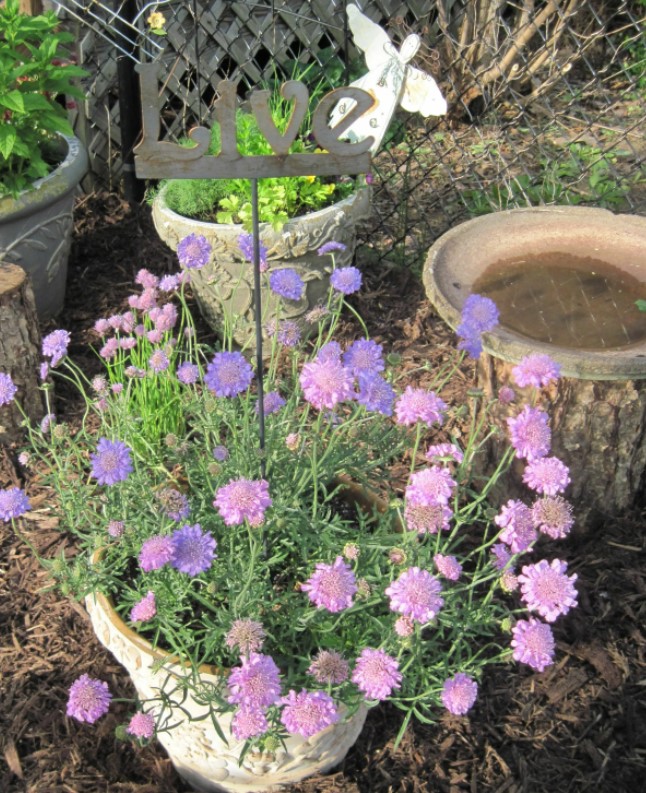
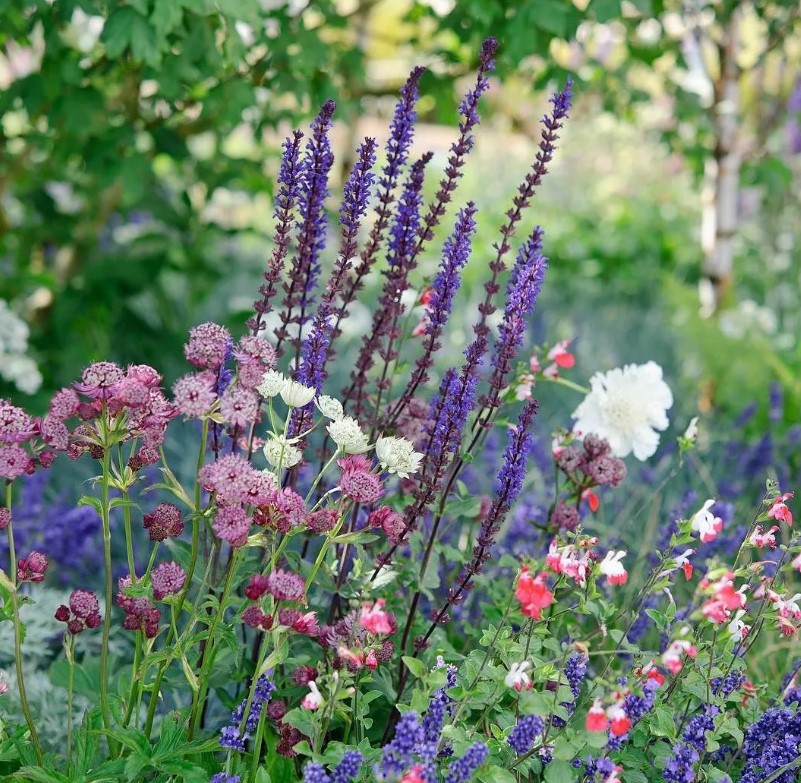
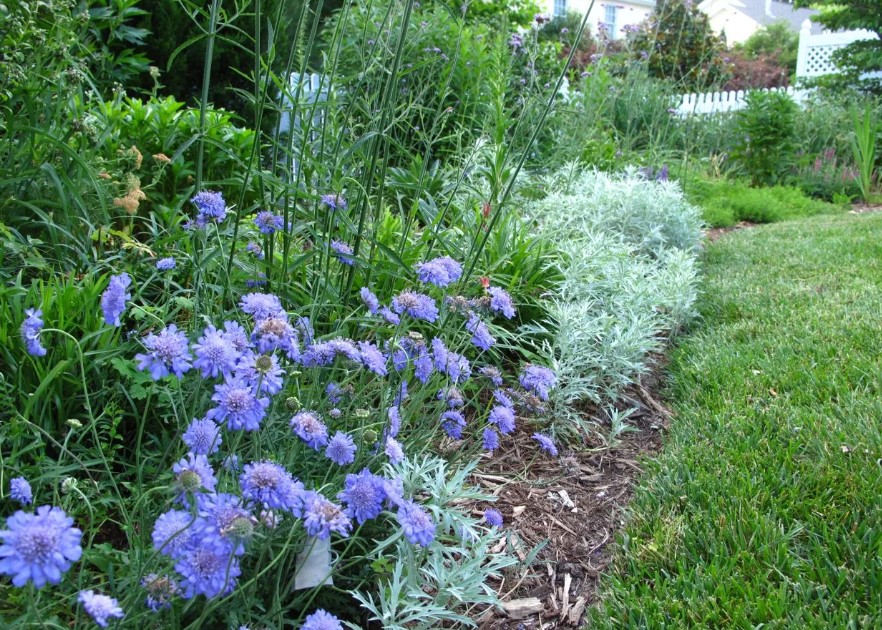
Varietal specimens are ideal for mixed borders and flower beds. They are best planted in the middle and background. Group plantings, creating a dense arrangement, can be effective, but they require care to prevent them from becoming overgrown. You can choose varieties with both uniform and different flower colors. Medium-sized and low-growing varieties look great in rock gardens and other compositions that incorporate rocks.
When choosing plant companions, consider the plant's size, petal color, and flowering time. Perennials from the Asteraceae family look great next to scabiosa in tall beds. They will create a striking contrast. If you want to create a composition with varying heights, you can plant low-growing groundcovers in the foreground. This looks aesthetically pleasing.