The timing of harvesting determines how well and how long root vegetables will store. If dug up too early, they don't have time to ripen and prepare for winter. They quickly wilt, dry out, and lose their flavor. If left in the ground too long, they absorb autumn moisture, freeze, or crack. These vegetables won't keep for long. Therefore, the correct harvest time must be calculated precisely.
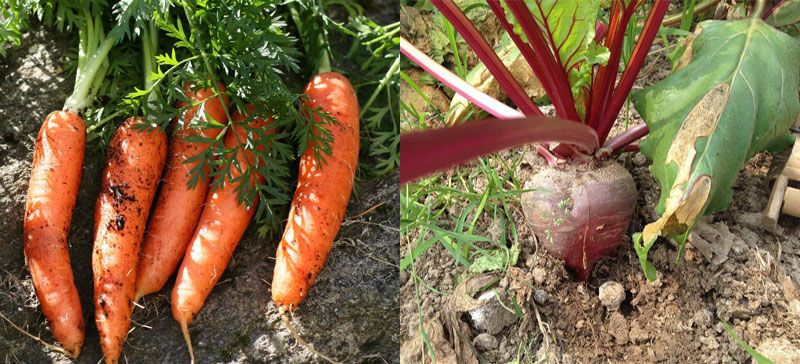
When and how to harvest carrots?
There's no exact date for harvesting carrots for storage. Determining the right time depends on the following factors:
- temperature;
- appearance of the root vegetable;
- variety.
Vegetable harvesting should be completed before frost sets in. In rare cases, carrots are left in the garden beds until snow falls. However, in this case, they need to be prepared: bend the tops down and lay them on the bed, or better yet, cover them with a covering material.
Optimal conditions for digging are an average air temperature of +3 to +5°C. This allows the root vegetables to cool, resulting in longer shelf life. Lunar calendars are also compiled for each year, which can suggest the most favorable dates for digging up root vegetables.
During the waxing moon, root vegetables absorb sap and grow, and harvesting should occur during the waning moon. Not all varieties are suitable for winter storage. Early varieties ripen quickly but are best eaten within a short timeframe, in summer. Mid-late and late varieties will keep if the right conditions are created.
Harvesting dates for early varieties
Early varieties ripen within 80–90 days of sowing. They are typically harvested in July. This also applies to carrots, which are planted for the winter.
In mid-July, it's impossible to create the necessary conditions for storing it in a cellar. Therefore, early varieties must be eaten within a few months.
Harvesting times for mid-late and late varieties
The growing season for mid-late and late carrots lasts 110-140 days. Since this period is 30 days, it's a good idea to keep a leaflet indicating the maturity date of the varieties you've planted and the planting date. Once fully ripe, the vegetables are suitable for storage until the next harvest.
Signs of root crop maturity
The appearance of carrots and their tops can help determine their ripeness and readiness for harvest. First, look at the tops.
If the lower leaves have withered, turned yellow and are leaning towards the ground, this could be a sign of two things:
- The summer was dry, the root crops did not have enough water.
- The carrots are ripe and ready to be harvested.
The appearance of these signs on the middle leaves is a sign of disease, pest damage, or overripeness. To be sure, you can select a large root vegetable and pull it out for testing.
If the carrots begin to develop white roots, it's time to harvest them immediately. If the carrots are large, bright orange, crisp, and sweet, it's time to dig them up for winter storage.
Proper carrot harvesting
The storage life of carrots in winter depends, among other things, on how they are harvested. If the thin skin of the carrot is damaged during harvesting, it will not keep for long. Therefore, avoid pulling it out by the tops or scraping it against dry soil.
To assemble correctly means:
- Do not water the garden bed for two weeks before harvesting; harvesting should take place before the cold autumn rains;
- dig in clear weather;
- use a pitchfork or shovel; dig so as not to damage the root crop;
- dig a little and pull it out by the tops, holding them by their base.
During harvesting, it's best to immediately sort out any unsuitable root vegetables: small ones, those with damaged skin, spots, or bite marks. Good root vegetables should be sent for further processing.
Preparing carrots for storage
Before storing root vegetables in the cellar, they must be prepared:
- remove the tops;
- clean off any lumps of dirt with gloved hands or a dry cloth;
- dry in the shade or in a ventilated area;
- Go through and sort out the defective ones again.
While there shouldn't be any questions regarding the last points, carrots for storage must be trimmed exactly according to the rules.
Proper pruning of carrots for winter
If the tops are removed incorrectly, the carrots will begin to sprout, losing their freshness and flavor, or they will rot.
For proper pruning you need:
- cut with a sharp knife or pruning shears; do not tear off or twist the tops;
- cut off 2 mm above the root vegetable;
- remove tops immediately after digging.
Removing greens by hand runs the risk of damaging the root vegetable itself, causing it to spoil quickly.
Carrots with a 2 mm green tail will be stored well in the cellar until spring, but only if the air temperature in it is optimal - 0 ... + 2 ° C.
Otherwise, it will begin to sprout, losing quality. If ideal storage conditions are not possible at home, another pruning method should be used – cutting off the top of the root vegetable.
To do this you need:
| Take a sharp thin knife. | A blunt or thick-bladed instrument will create chips and cracks, which provide a gateway for bacteria. |
| First, cut off some of the tops, leaving about 5 cm of greenery. | This is done so that it does not interfere in the future. |
| Make a clean cut, removing about 5-10 mm of the top of the carrot. | |
| Leave the root vegetables to dry. | You can powder the cut area with chalk or ash. |
If carrots are left to dry without being trimmed, the greens will begin to draw nutrients and moisture from the roots. The roots will become soft and quickly wilt.
When and how to dig up beets for storage?
Preserving beets for the winter isn't much different from other root vegetables. One important difference from carrots is that while the former can be harvested after a frost, beets are very sensitive to low temperatures. Therefore, harvesting them should begin when temperatures drop to +5…+7°C.
If the autumn is rainy, you can dig up the beets earlier. But don't do this without a good reason. At temperatures between 10 and 15°C, the roots continue to actively grow and accumulate nutrients.
Early harvesting can reduce the yield by 30–40%. Furthermore, in the final stages of ripening, beets prepare for winter—their skins become tougher. Mature vegetables store better and longer.
It's best to dig up beets with a pitchfork, but if the soil isn't too hard, you can pull them out by the tops, holding them at the base. The best way to store beets over winter is in a pit, about a meter deep. Cover the roots with several layers of straw and soil. This pile will help them retain their fresh appearance and flavor for a long time.