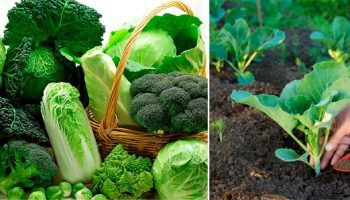
Cabbage was once called the "queen of the garden." I suspect this is due to the constant care it requires. As the saying goes, "nothing done, nothing done." Achieving a bountiful harvest isn't easy. I hope these few practical tips will help beginning gardeners.
Content
Watering
I read somewhere that cabbage leaves evaporate up to 7 liters of water per day, and over 300 over the course of a season. In dry weather, it's important to keep the soil at the roots moist at all times. A good alternative is drip irrigation: I make a hole in the lid of a 2-liter bottle and cut off the very bottom. I insert the bottle, neck-first, or rather, the lid, into the soil near each root of late-season varieties. Watering is never a problem. Just fill the containers with a hose, and that's it.
When there's too much water in the soil, it's difficult to draw water from the bottle. In dry weather, you'll have to refill the containers daily. The plant needs the most moisture during the head formation period. The recommended rate is 4-5 liters per plant, up to 3 times a week, depending on the weather.
It is better to water early varieties from a watering can so that they gain weight faster.
Late cabbage can be watered with a hose at the roots. Don't allow the upper leaves to wilt, as this will slow the growth of the head.
Of course, when it rains, there's no need to water the "queen of the garden." I stop watering two to six weeks before harvesting. It's recommended not to water cabbage for a month in winter, but when September is dry, I throw a hose over the bed and let the soil soak up the moisture. By this time, the cabbage's roots have grown long, so I water the soil thoroughly.
Top dressing
Not only do you thoroughly compost the soil before planting, but this capricious plant also needs to be fed every three weeks. I make an infusion like this: I half-fill a bucket with fresh manure and add water. I let it sit for a week. If I don't have any manure, I chop up some young nettles and crush them lightly to release their juice.
Nettle green fertilizer is also an excellent growth stimulant.
A few words about manure. Horse manure is the most nutritious, followed by cow manure. Pig manure with sawdust infuses the worst. It's only suitable for application to poor soil. For the first application, I add a matchbox of urea to the infusion. For subsequent applications, I add the same amount of superphosphate. Incidentally, it only dissolves in hot water.
The recommended irrigation rate is a half-liter container per large bucket. I pour a ladleful of the resulting solution under each head of cabbage. Between feedings, I sprinkle the cabbage with wood ash. Slugs hate it, and it works as a potassium fertilizer. In my opinion, you can never have too much ash for cabbage. The recommended guidelines are: 2 cups of ash infused in a bucket of water. Add a liter of the infusion to each plant during the head formation period.
How to protect cabbage from pests without harming yourself
To keep cabbage looking presentable, it is necessary to take good care of it, protecting it from various diseases and pests that constantly attack it.
Powdery mildew
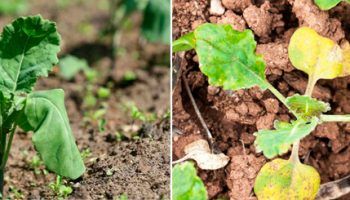
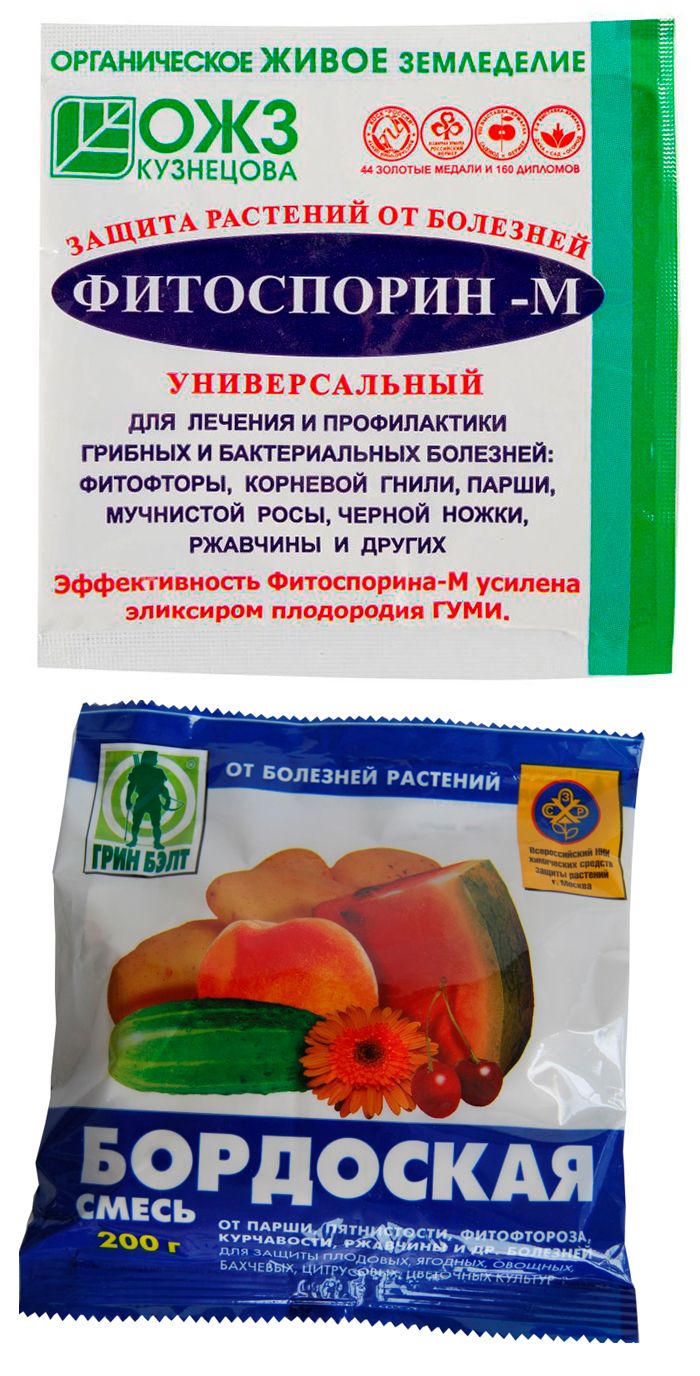
If yellow spots appear on the upper surface of the leaf or a gray coating appears underneath, treat the plantings with a biological fungicide. Fitosporin is a universal and safe option.
Slugs
I make traps for them: I lay out empty beer cans, adding a little old jam to each one. If that doesn't work, I use ground red pepper and dry mustard—I sprinkle it in the evening, when the snails emerge from their hiding places. In the morning, I collect them with a child's shovel.
Cabbage white butterfly
As soon as white and yellowish butterflies appear, it's time to carry out preventative treatment. I dilute chalk thickly and spray all the leaves with a broom. I add liquid tar soap to the solution. I place torn off shoots from the tomato greenhouse between the plants. The butterflies disappear.
Autumn care
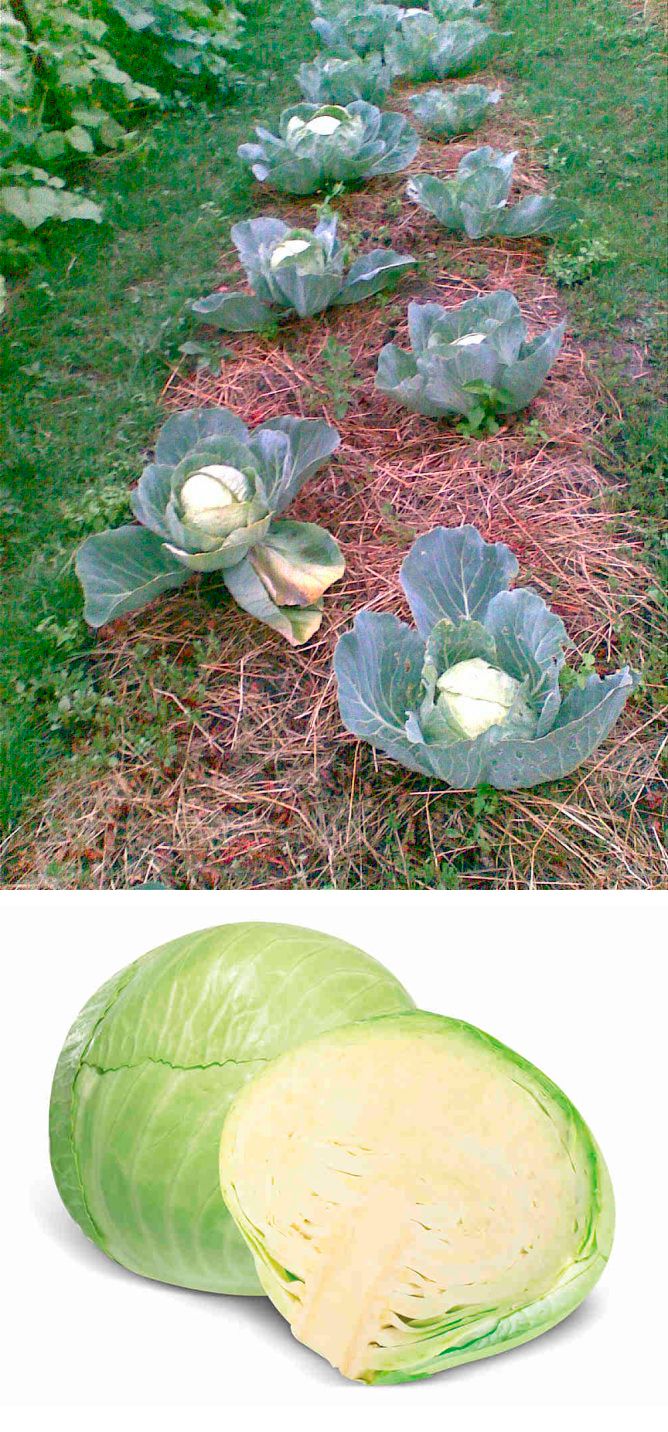
The most delicious and crispy white cabbage is the late one, which remains in the garden bed until the snow falls. It's excellent for pickling. It's a myth that you can ignore the growing heads of cabbage in the fall. Slugs and caterpillars swarm the plants, stocking up on food for hibernation. I usually cover the cauliflower left in the garden bed with the largest leaves from the harvested heads. This provides excellent protection from excess rain and sun. I generously sprinkle the soil around the cabbage with ground red pepper. All the critters scatter.
If September is warm, I always loosen the soil. I try to remove all the weeds. I sprinkle chalk or powdered fertilizer on the open spaces between the plants. The cabbage thrives, and I have fewer problems; I don't need to add lime when I dig in the spring.
In the fall, I water my plants only when there's no heavy morning dew. Even on dry days, condensation forms due to the contrast between night and day temperatures. Sometimes you're amazed at how much moisture there is in the air!
Cabbage Problems and How to Solve Them
There are several problems that frequently arise, and many don't understand why they happen. Let's look at a few.
Loose heads of cabbage
You spend all summer picking cabbage, and there's nothing left to harvest. Cabbage usually begins to actively produce new leaves when it grows more than seven. At first, I kept breaking them off, thinking they were draining the plant's energy and hindering its growth. It turns out, they're the plant's reserve for unexpected starvation. Cabbage devotes all its energy to creating new reserves.
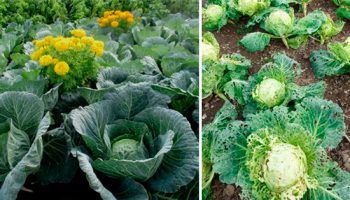
Avoid planting seedlings in shaded areas or near bushes. The plant loves open space and sun. I give the remaining shoots to neighbors; piling them up just anywhere is pointless. Cauliflower and broccoli are less demanding when it comes to light. Another reason for loose heads is insufficient fertilizing. After watering with slurry, the heads are firm and store well.
Root rot
Overfeeding cabbage with nitrogen is also harmful, especially when young. Root rot will develop. You can recognize it by wilting leaves. During rainy seasons, as a preventative measure, I always sprinkle the soil in the garden bed with ash and phytosporin.
Forks cracking
Early varieties usually sprout from within. This problem doesn't arise with winter varieties. The main cause of cracking is excess moisture. I started planting early cabbage separately. When prolonged rains begin, I cover it with a thin film, the kind you buy at home improvement stores to cover furniture during renovations. Puddles quickly form on the sides, between the forks, so there's no need to press down the cover.
The second reason is late harvesting. If you leave the heads of cabbage for too long, expect them to crack. One or two heads of cabbage must be processed immediately.
Why cabbage doesn't store well
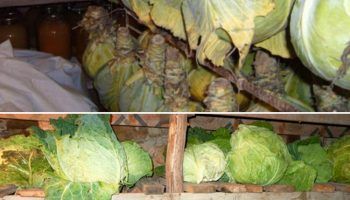
I've noticed that if I harvest the heads of cabbage after prolonged rains, they rot more often. When I harvest on dry soil, I pull the dry root out of the ground, and the heads, suspended by it, are stored in the basement until early spring. Due to overfertilization, the stalk becomes loose and turns slimy by early winter. The leaves quickly wither, and spots appear on them. I thought it was some kind of disease, but treating the crop with fungicides doesn't help, I've tested it.