Cabbage is a vegetable that's quite popular among gardeners. This is due to its excellent taste and the nutrients it contains. However, it's worth noting that this crop is somewhat fussy.
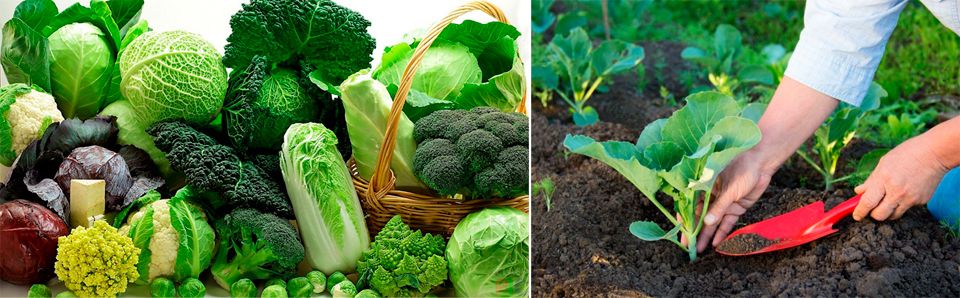
The key to a good harvest is strong and healthy seedlings. Specialty stores offer a wide selection, with each variety having its own unique characteristics. Cabbage can be used to prepare a wide variety of dishes. The vegetable has also found its way into folk medicine. Experienced gardeners often use it to control pests.
Content
- 1 There are two ways to plant cabbage: with seedlings and without seedlings.
- 2 Cabbage planting dates in open ground for 2023
- 3 Soil requirements for growing cabbage seedlings
- 4 Growing cabbage seedlings at home
- 5 Growing cabbage seedlings in greenhouses and hotbeds
- 6 Planting Features of Different Types of Cabbage
- 7 Preparing for planting cabbage in open ground
- 8 Planting cabbage in open ground
There are two ways to plant cabbage: with seedlings and without seedlings.
Cabbage is a member of the Cruciferae family. The seeds are similar in appearance to radish seeds. Due to its sun-loving nature and high frost resistance, growing this vegetable indoors is quite challenging.
Seedling method
When choosing a seedling method, follow a proven growing technique. This is the same for all varieties. Planting is usually done in early spring. To determine the exact date, consider the final ripening period and varietal characteristics. Ignoring these recommendations can result in low yields.
The seeds require greenhouse conditions. Before starting the process, the seedlings are hardened and disinfected. Seedlings usually appear 5-6 days after planting. The optimal temperature does not exceed 18°C. The final step is stretching the film. It is removed after the first true leaf has formed.
To prevent excessive seedling stretching, the air temperature should be reduced to +8°C. Regular ventilation and systematic watering are also essential. For the latter, use a light pink solution of potassium permanganate.
After two weeks, the sprouts are transferred to peat pots. Plastic molds can be used instead.
Planting in open ground is carried out only after the plant has reached certain parameters. These parameters vary greatly among early, mid-season, and late-season cabbage varieties.
Seedless method
Contrary to popular belief, this method isn't complicated. In this case, seeds are planted in pre-prepared beds. Cabbage planted this way is characterized by greater winter hardiness and drought tolerance. If all the rules are followed, the risk of fungal and viral diseases is significantly reduced. Additional advantages include rapid growth (due to the lack of need for transplanting), adequate lighting, and accelerated head formation.
Factors influencing crop yield include the initial condition of the soil, the effectiveness of preparatory measures, and climate.
Late and mid-early cabbage is most often grown without seedlings.
Cabbage planting dates in open ground for 2023
To get a good harvest, it's important to choose the right time for planting. This is based on factors such as:
- growing method;
- duration of the seedling period;
- varietal characteristics;
- landing place.
If a gardener decides to plant cabbage indoors, the planting dates can be pushed back by a few weeks. This is due to the faster warming of the soil in greenhouse structures.
Many people rely on the lunar calendar. When compiling it, they take into account numerous factors. The result of such careful analysis is a schedule that allocates only a few favorable days for planting cabbage.
The lunar calendar has 29 or 30 days. This period is divided into waxing and waning phases. Particular significance is attached to the days of the full and new moons. Planting during favorable periods will promote the plant's growth. Sowing is recommended during the first half of the month.
During the new moon, the soil should rest, and at the full moon, the harvest begins.
The best time for sowing and planting cabbage is during the waxing moon.
In 2023, this vegetable can be planted for seedlings, most favorable ones are highlighted:
- March - 1-3 (until 18:16), 8 (from 17:43 pm) - 13 (until 10:21 pm), 15 (from 15:05 pm) - 17 (until 17:24 pm), 23 (from 21:41) - 25, 28 (from 13:21) - 30;
- April - 7.04 (from 07:34 to 09:29), 7 (from 09:29 a.m.)-9 (until 15:57 p.m.), 11 (from 20:33 p.m.)-13, 20 (from 7:30 a.m.) -22 (until 1:11 p.m.), 24 (from 21:58) - 27 (until 9:29) (for quick consumption).
Planting seedlings or seeds under cover in open ground:
- May - 1-2 (before 09:09) (for quick consumption), 2 (from 09:09) - 4 (before (20 h 34 min), 13 (from 07:39)-15 (until 10:56), 17 (from 15:26)-19 (until 21:46), 22-24 (until 17:34) (for fast consumption), 27-29 (until 17:50) (for fast consumption), 29 (from 17:50) - 31;
- June - 1-2, 9 (from 13:14)-11 (until 16:19),11 (from 16:19)-13 (until 21:30) (except cauliflower and broccoli), 13 (from 21:30)-15, 19 (from 07:37)-20, 28 (from 11:55 a.m.) -30 (until 17:59 p.m.)(cauliflower, broccoli, Chinese cabbage).
Unfavorable days:
- March - 6,7,8,20,21,22;
- April - 5,6, 19, 20;
- May - 5,6,19,20;
- June - 3,4,17,18.
When choosing varieties, it's important to consider the intended planting purposes. For example, early cabbage is eaten fresh. Mid-season varieties are used for short-term pickling, while late varieties are used for long-term storage and preserves.
The age of seedlings is determined based on their actual condition. The growing season is the period required to reach technical maturity. It is usually indicated on the seed packaging.
Many recommend planting different varieties of cabbage at the same time. This is possible if the climate permits.
Also, one should not forget about species and varietal characteristics.
White cabbage is considered the most cold-hardy crop. The same can be said for broccoli, kohlrabi, Savoy cabbage, red cabbage, and Brussels sprouts.
Chinese cabbage is planted later than other varieties. This is due to its warmth-loving nature and relatively short growing season.
Soil requirements for growing cabbage seedlings
You can buy a potting soil mix for seedlings at a specialty store or make it yourself. The mixture consists of equal parts turf soil, humus, and ash (1 tablespoon per 1 kg of soil).
In the latter case, it must be disinfected and calcined before use.
Growing cabbage seedlings at home
When choosing the seedling method, seeds are sown in a box or individual plastic containers. When determining timing, consider the following:
- seedlings appear 8-12 days after planting;
- It takes about 50 more days for adult seedlings to form.
Based on this, the seed material should be planted in prepared soil mixture 2 months before moving the seedlings into open ground.
To grow strong seedlings, it's important to maintain a certain temperature regime. When sprouts emerge, it shouldn't exceed 9°C at night and 17°C during the day, otherwise the seedlings will stretch.
Pricking out is done after the first pair of true leaves appears. This procedure will help strengthen the root system and ensure adequate light and nutrition. The seedlings in the container should not be too close to each other.
Watering seedlings with cold water is strictly prohibited. This can trigger the development of blackleg.
Growing cabbage seedlings in greenhouses and hotbeds
Before planting, seeds must be calibrated and treated. This is necessary to prevent the negative impact of pathogens and pests. Proper preparation is the key to strong immunity. Disinfection is carried out with a solution of potassium permanganate.
The scheme is drawn up based on the approximate plan of agricultural practices. If the gardener decides to forego transplanting, at least 5 cm should be left between seeds. With this precaution in place, the optimal distance is 3 cm. The planting depth is 2 to 4 cm.
If the required temperature conditions are met, seedlings will emerge 4 days after planting. They should be dusted with wood ash. The greenhouse temperature should be between 15 and 17°C during the day and no higher than 9°C at night.
Planting Features of Different Types of Cabbage
White cabbage can be grown using both seedlings and non-seedling methods. Seedlings are grown only in protected soil. Other cabbage varieties have their own planting requirements.
- Chinese cabbage and Napa cabbage should be planted directly into the ground. When growing seedlings, it may be necessary to transfer the sprouts from the common container to peat pots and then to open soil. These steps negatively impact the development of the vegetable.
- Cauliflower requires fertile soil. The plant thrives on heat, light, and moisture. If the air temperature rises above 25°C, the soil may dry out. This results in a cavity forming in the stalk and the formation of small, loose heads.
- Broccoli is distinguished by its vibrant color. The vegetable can be purple, green, or yellow-green. Its characteristic feature is its low maintenance. Growing this crop is usually straightforward.
- Collard greens don't produce large, dense heads. Their distinctive features include the presence of both curly-leaved and flat-leaved varieties, as well as high frost resistance. This variety is suitable for growing in shaded areas. However, the soil may have low acidity. Seedlings are transplanted into open ground when they reach 50 days of age.
- Brussels sprouts have a tall stem, from which small heads emerge over time. Their diameter does not exceed 7 cm. The growing season lasts from 135 to 160 days.
- Kohlrabi is a root vegetable characterized by its delicate taste and juiciness.
Preparing for planting cabbage in open ground
The first step is choosing a suitable location. It should be well-lit. Humidity and light are also key requirements. If cabbage is planted in the shade, a good harvest won't be expected.
On the hottest days, it's recommended to provide the plant with some shade. Otherwise, the delicate leaves may suffer from direct sunlight, which can cause sunburn.
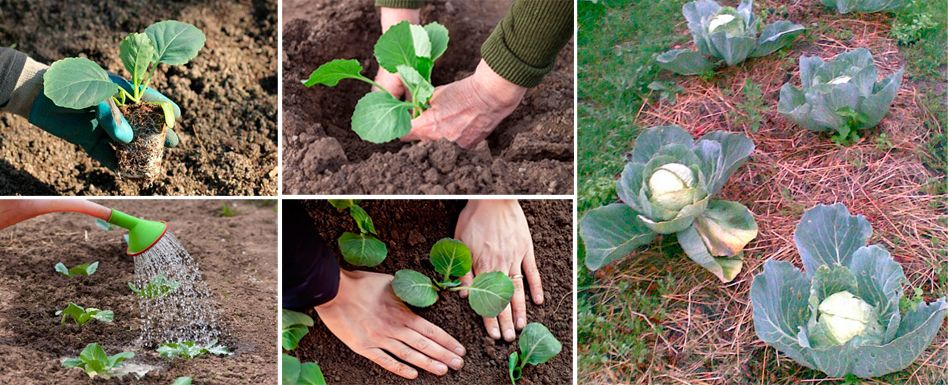
The crop should be planted in cultivated soil. Optimal soils include lowland peatlands, loams, floodplains, and sandy loams.
To achieve maximum effectiveness, it's important to monitor the acidity (pH) level. For sod-podzolic soils, this value should range from 6.5 to 7.0, and for peat bog soils, from 5.0 to 5.5.
Planting cabbage in acidic soil is strictly prohibited.
To stabilize the soil's acidity, dolomite flour or wood ash are added to the soil. These contain magnesium and calcium. Experienced gardeners add tobacco dust to these ingredients. This helps prevent the appearance of flea beetles.
It's also important to consider what crops were previously planted in the chosen location. Clover, potatoes, and onions are ideal. Cucumbers, beets, and forage annuals are also recommended.
Cabbage draws a lot of nutrients from the soil, so it's not recommended to plant it in the same area. The soil after this crop requires phytosanitary treatment.
To make the soil more fertile, it is fertilized with potassium and nitrogen fertilizers. Most agricultural practices are carried out in the spring and fall. In addition to mineral fertilizers, organic matter is always added to the soil. Minerals, compost, manure, and humus are added to the soil in the fall.
The area chosen for planting is prepared in the fall.
The beds should be arranged from east to west.
Digging improves air permeability and looseness. An additional benefit of autumn tillage is pest control. Fertilizer is applied to the soil in the first months of spring. The complex fertilizer should contain organic matter (rotted manure, compost) and minerals (potassium, phosphorus). Fertilizer mixes can be purchased at a specialty store.
Planting cabbage in open ground
Each variety has its own development schedule and needs. The most frost-hardy varieties are usually planted directly into the ground. These include white cabbage and Savoy cabbage. They root well in late spring. Seedlings are planted when they have 5-15 leaves. The exact planting time is determined based on the local climate. The air temperature at which cabbage is planted should not fall below 18°C.
The distance between plants is 25 cm, and between rows, 40-50 cm. For late cabbage, the distance should be increased by 10 cm. After planting, water well and mulch.
This crop thrives on neighbors. Onions, spinach, and various lettuces can be planted between the developing heads. These plants have a shallow root system.