It's best to grow cabbage from seedlings. There are many reasons for this. Firstly, the efficiency of the effort is increased. Secondly, it's easier to calculate how many heads you'll be able to harvest over the summer.
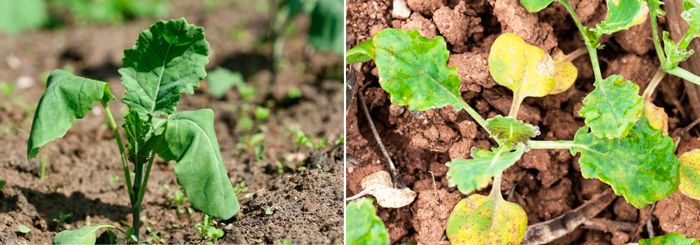
Causes of cabbage seedling wilting
Risk factors that could interfere with the desired results must be eliminated one by one, and their impact must be limited. This is easier to do when the seedlings are on a windowsill.
Incorrect air temperature
Cabbage isn't a heat-loving plant, although it prefers a sunny location over shaded areas. This can lead to misconceptions about the optimal air temperature for germinating seeds indoors. As a result, germination rates will be low. The shoots will grow slowly. One by one, the leaves will begin to turn yellow and fall onto the windowsill.
Seedlings germinate faster if the room temperature is between +16…+20 °C.
When the air temperature is above +24 °C, the first negative signs appear: stretching and falling over.
This plant is frost-resistant. It can grow at temperatures as low as 4°C. However, it doesn't tolerate heat. Therefore, it's best to move the seedlings to the balcony as soon as the sprouts appear.
Incorrect air humidity
Air that's too dry will interfere with normal sprout development. High humidity will reduce resistance to fungal infections and slow root formation. A happy medium is needed.
Lack of nutrients in the soil and disease prevention
A prerequisite for successfully growing cabbage seedlings is using soil mixed with sand. Soddy soil and black soil are also necessary. Mineral mixtures are used as fertilizer. Feeding should begin as soon as the 5th or 6th true leaf appears on the stem.
The soil should not contain pathogenic microorganisms or residual products of their vital activity.
Only in this case will shoots appear, each sprout will survive, and turn into a lush head of cabbage.
Benefits of ash
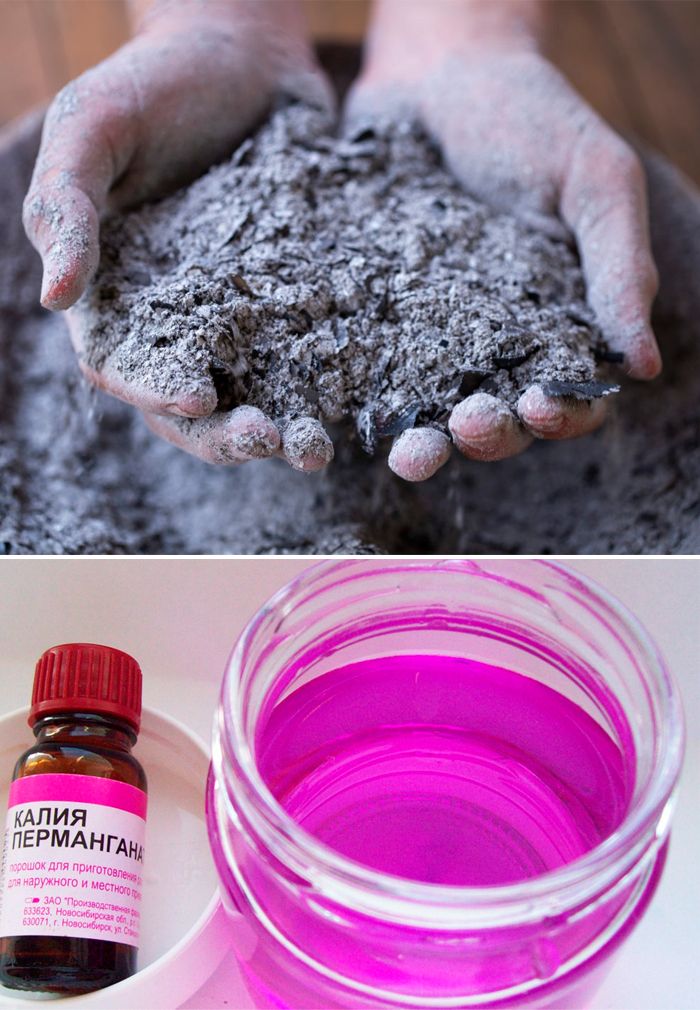
It's best to use store-bought vegetable soil and add ash (one tablespoon per 1 kg of soil). Ash is a source of nutrients and a disinfectant.
Treatment with a weak solution of manganese will also be useful.
Potassium permanganate
Cabbage needs manganese for growth and is absorbed by the root system. It also helps eliminate bacteria that may be present on seeds, in sand or soil, or introduced with water during irrigation.
Growth biostimulants
Growth stimulants, such as Gibberellin and similar compounds, promote increased germination and stimulate growth. They are safe for seedlings and pose a threat to human and animal health. The nutrients contained in the seeds, provided by nature, are immediately utilized. Phytohormones act as catalysts for the initial chemical reactions.
Improper care
Seedlings of any cabbage can wilt due to improper care.
White and red cabbage, both early and late varieties, require moderate watering while the green mass is growing. Later, the intensity will need to be increased.
But seedlings need some moisture. Avoid allowing the potting mix to dry out.
Seedlings need plenty of light. Direct sunlight will be harmful. Biolamps are recommended if daylight hours are short. Be sure to shade the windows with curtains or remove the seedlings from the windowsill during the day.
By turning on bio lamps for a few hours in the evening, you can soon see the need for additional care.
The seedlings' leaves will not fall one after another. Green foliage will form more quickly. Supplemental lighting is useful when growing broccoli and Chinese cabbage seedlings, bak choy, and any other variety.
Common diseases
Fusarium wilt can cause seedlings to drop; this disease is a very common infection. Treating seeds with fungicides will protect against the spores of the dangerous fusarium fungus, the causative agent of fusarium wilt. These spores easily infect many garden crops.
Verticillium wilt is also considered a common disease. It's most dangerous for young shoots. Symptoms are similar to those of black rot. A yellow edge appears on the foliage.
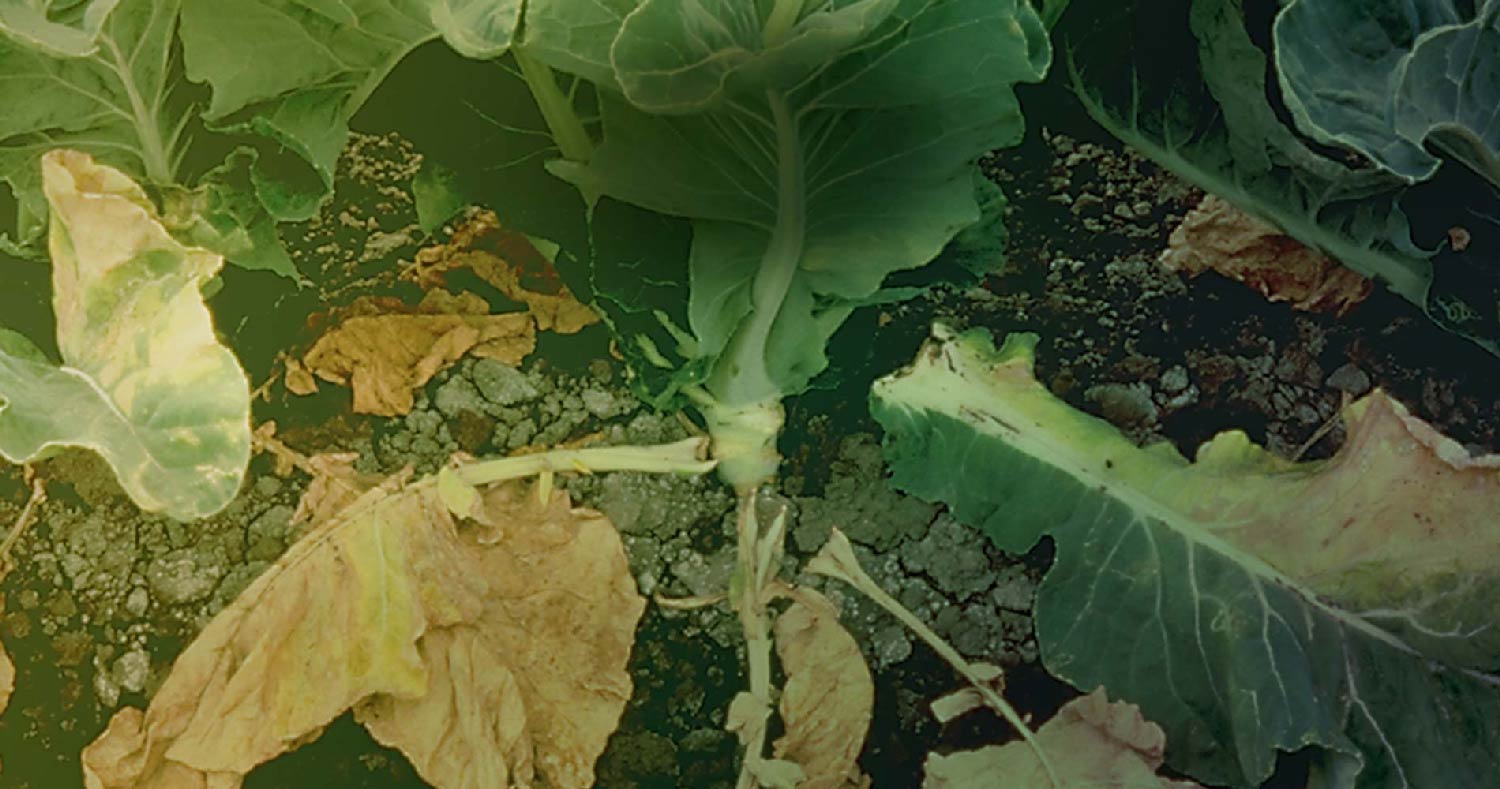
Then its color changes, turning brown. A stripe also appears on the main stem at the base. It most often affects cauliflower and Chinese cabbage. Fungal spores can survive in the soil for a long time.
A solution of potassium permanganate or ash, treatment with a fungicide is a necessary measure to protect the plant from the first days of life.
The fight may continue when it's time to plant the seedlings in their natural environment. Before planting, the soil in the garden is also treated with a copper sulfate solution or other means to prevent fungal spore infestation.
These diseases are not the only ones that pose a threat.
When your cabbage seedlings wilt, one after another, you should suspect something is wrong and take a closer look. Knowing the signs, descriptions of the main symptoms of clubroot and blackleg, and timely treatment will help ensure a successful season.
Clubroot disease manifests itself as rapid wilting of the above-ground part of the plant. After pulling out the plant, one may notice deformation of the root system and growths.
Blackleg is easily recognized by the rotting stem and discoloration at the base. Fungicides are effective in treating these diseases.
Experience and skill in growing cabbage seedlings
Beginning gardeners often struggle to grow seedlings at home. Over time, mistakes previously made accidentally are discovered. Skill and experience develop. Nature reveals more and more secrets. A unique method is developed that guarantees results.
At first, a window frame set to ventilation mode, a draft, or a cup of water that is constantly left nearby out of habit may interfere with collecting a large harvest.
Some seedlings may die due to the use of planting containers without drainage holes in the bottom or due to uneven watering.
If you respond to negative symptoms immediately, many of the strongest cabbage seedlings will still grow. It will be clear what to do next, including which part of the bed to sow additional seeds. Planting young, strong sprouts will become a truly important, memorable event.