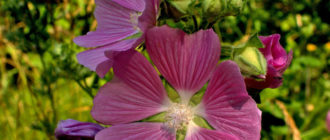
Agrostemma is an ornamental annual that once filled wild fields. Furthermore, the plants often overwhelmed grain crops with weeds, and their seeds, when ground into the ground grain, made the entire harvest bitter and inedible. Therefore, gardeners have always fought fiercely against Agrostemma.
Today, the flower is less common in the wild, but its beauty has been appreciated by gardeners who actively decorate their gardens with it.
Content
Description of agrostemma (pupa)
Agrostemma, or corncockle, belongs to the Caryophyllaceae family. This annual herbaceous plant long colonized grain fields as a weed. However, due to the extensive use of herbicides in agriculture, it is now virtually nonexistent.
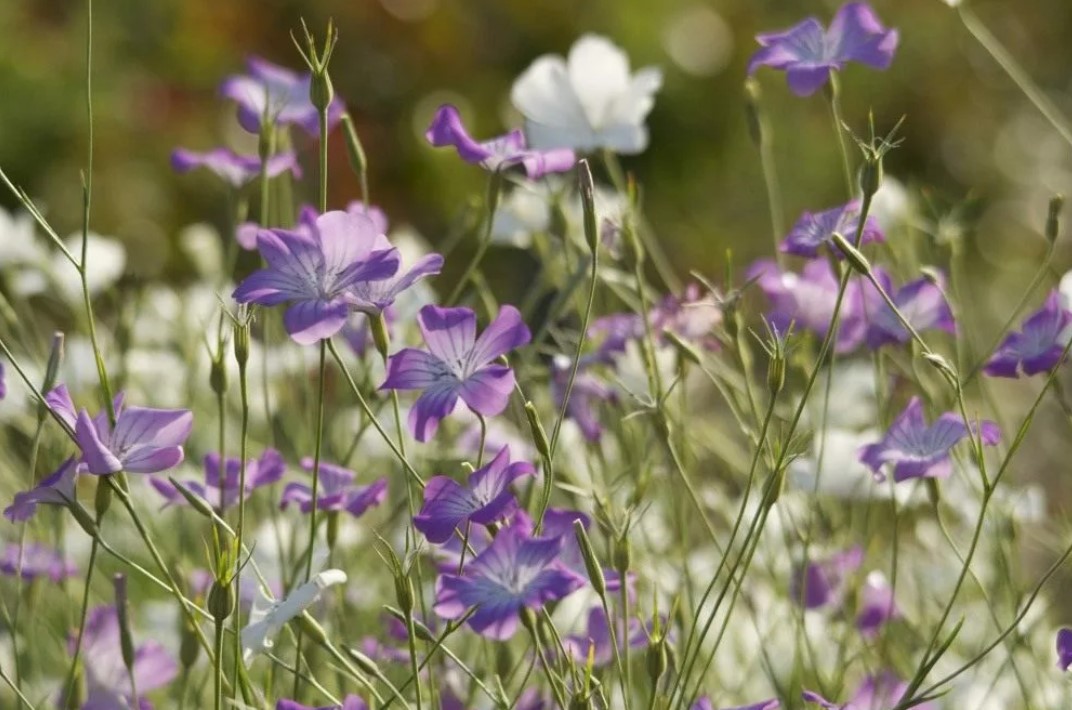
The genus Agrostemma contains only two plant species, but the common kukol is most often seen in flowerbeds. Translated from Greek, agrostemma means "queen of the fields." Indeed, its flowers looked regal in agricultural fields.
Agrostemma can sometimes be found on sale under the name “Field carnation”.
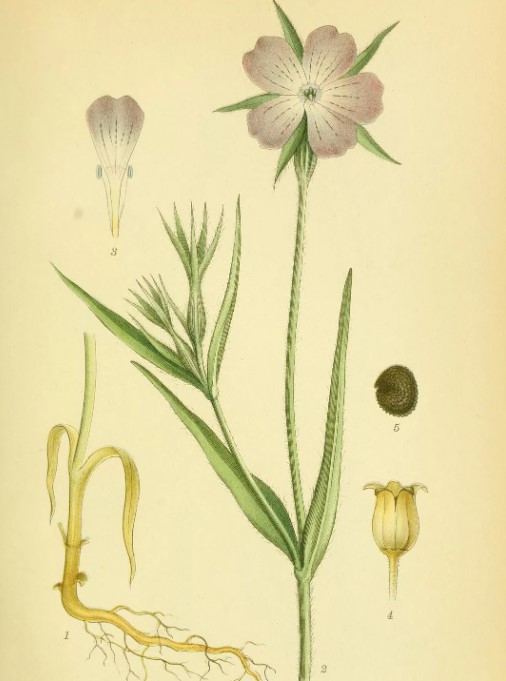
This flower was first described in 1753 by the Swedish botanist Carl von Linnaeus. He identified the following botanical characteristics.
- The shoots, 40 to 90 cm tall, are erect, with few branches, and an airy, sinuous, and narrow habit. The stem surface is covered with gray pubescence, which becomes denser on the leaf blades and around the flower.
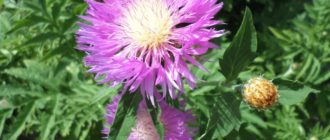
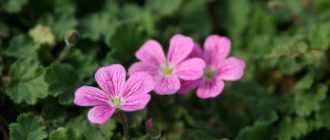
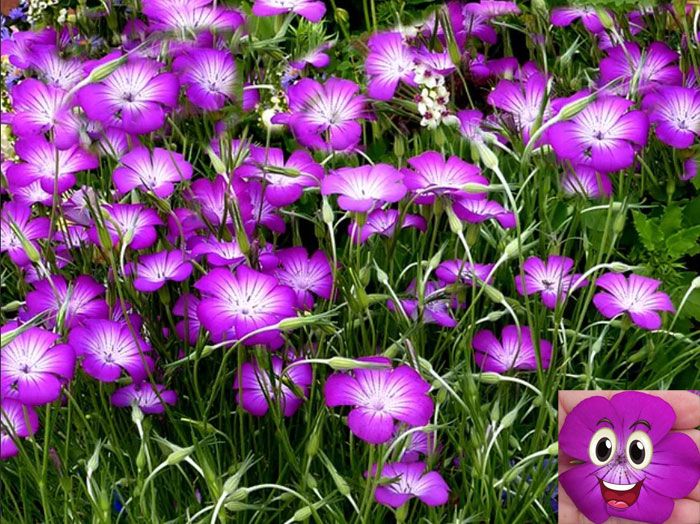
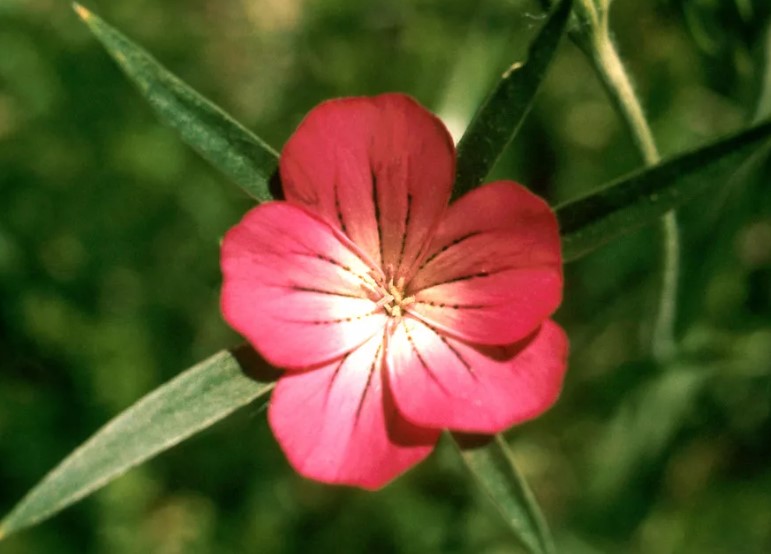
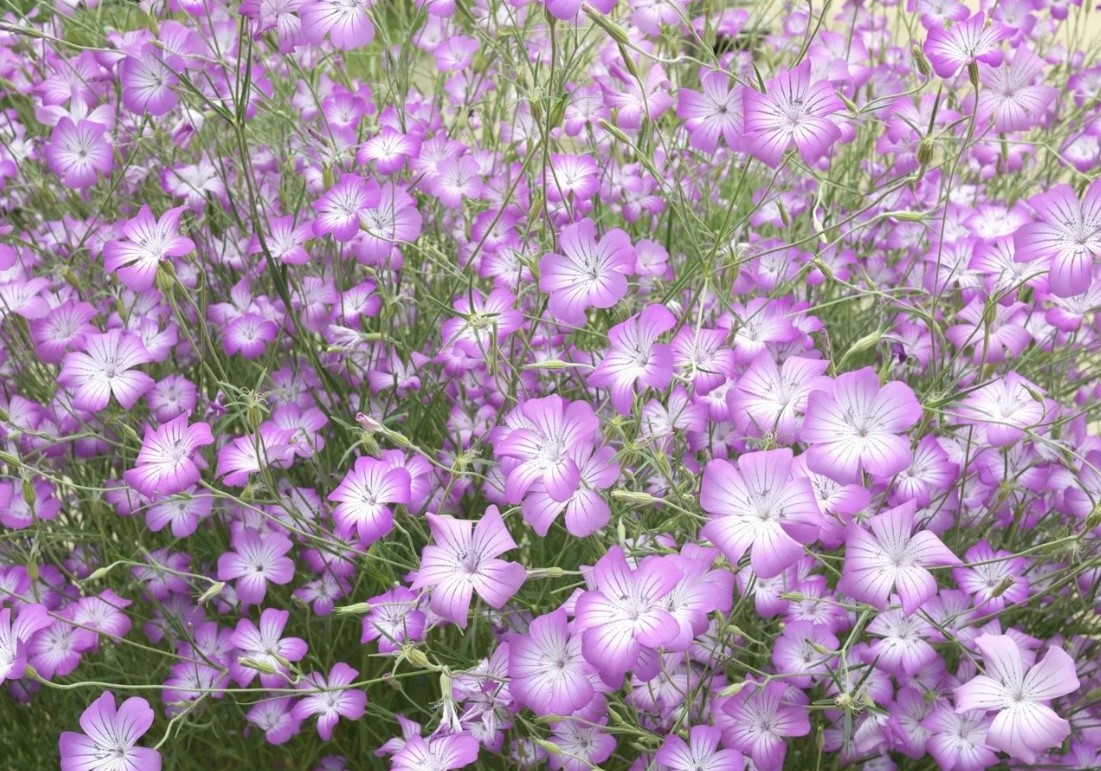
- The flowers range from 3 to 5 cm in diameter, and can be purple-pink or pinkish-lilac in color, sometimes with a whitish bloom. The petals feature five longitudinal, dark veins. The sepals are ovoid and have 10 ribs. The flowers are borne singly.
- The leaves are linear, lanceolate, and covered with hairs. They are 7-8 cm long, with a prominent midrib.
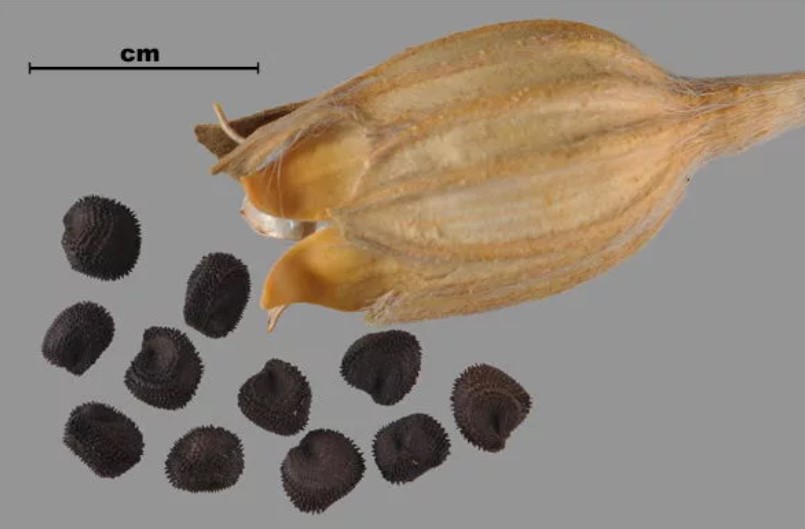
- The fruit is an oval capsule without internal partitions, up to 1.8 cm long. When ripe, it splits into 5 cloves, inside which are kidney-shaped seeds up to 3.5 mm long, similar to wheat grains.
Important! The seeds of the cockle are covered with sharp spines that are poisonous, so they must be collected with extreme care.
Agrostemma blooms from June until the end of August. The flower can only withstand temperatures down to -12 degrees Celsius, so in most parts of the country it is grown as an annual.
Types of agrostemma
Today, only two species of Agrostemma are recognized: elegant and common. Previously, another species was classified as Agrostemma, but it was later reclassified as a Campion.
| View | Stem height | Color | Bloom |
| The doll is graceful
|
50 cm | Light pink with a snow-white center. | Mid-July - second half of September |
| Agrostemma vulgaris
|
50 cm | Dark or light purple, with a light center. | July-September |
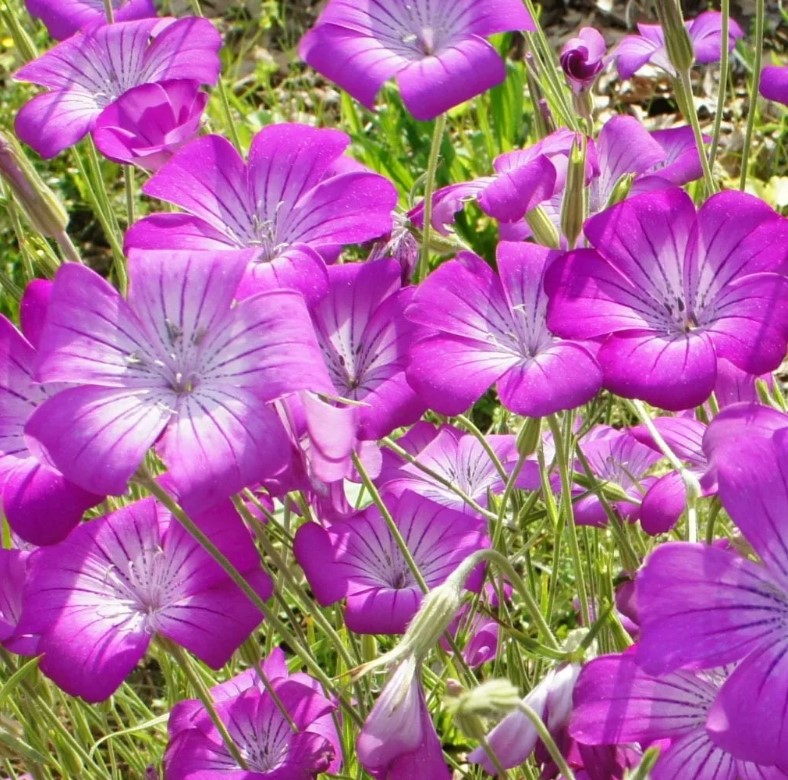
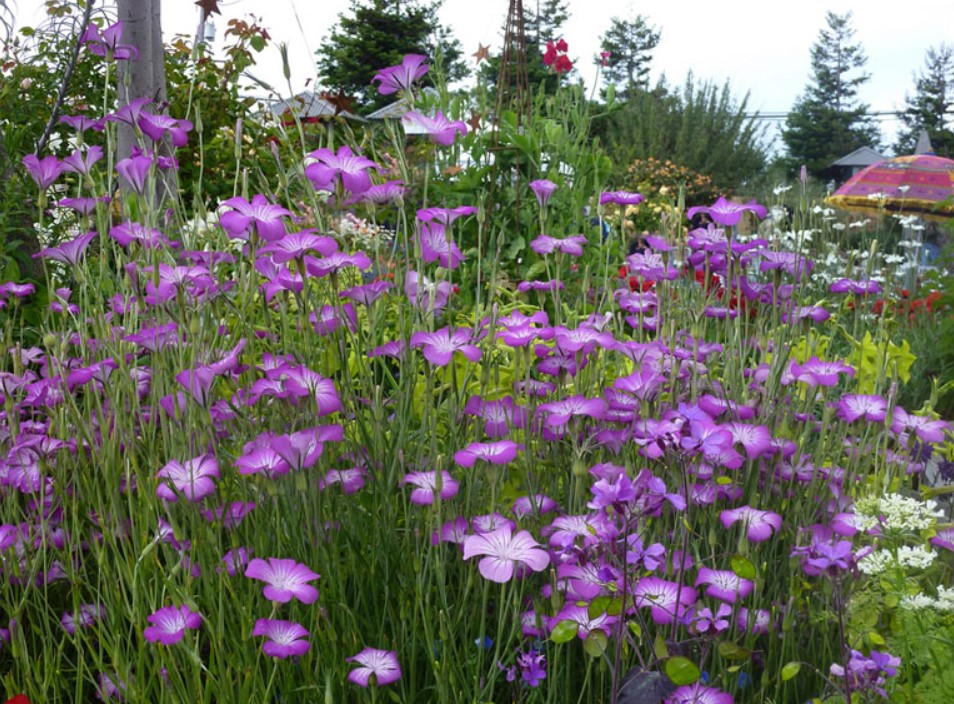
7 varieties of agrostemma in a table with descriptions and photos
Several varieties have been developed from the common agrostemma, which are listed in the table below.
| Name | Features of flowers |
| Milas
|
The flowers are large, with buds up to 5 cm in diameter and shaped like a gramophone. The color is lilac. |
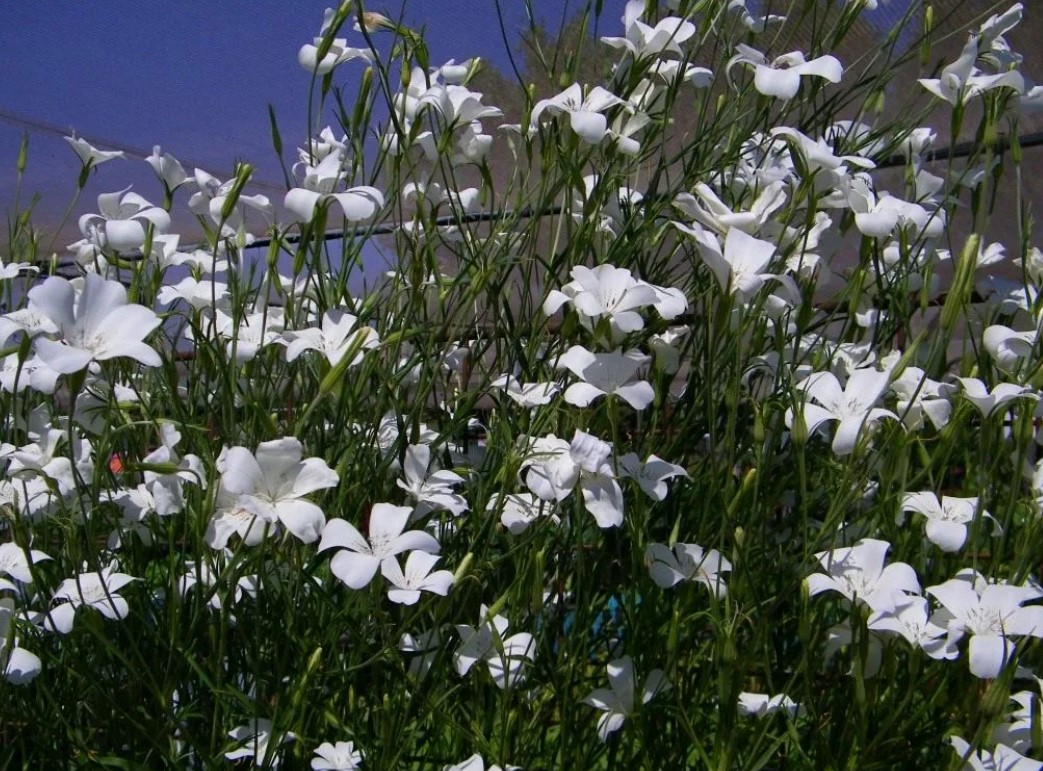
| Ocean Pearl
|
Flowers are snow-white. |
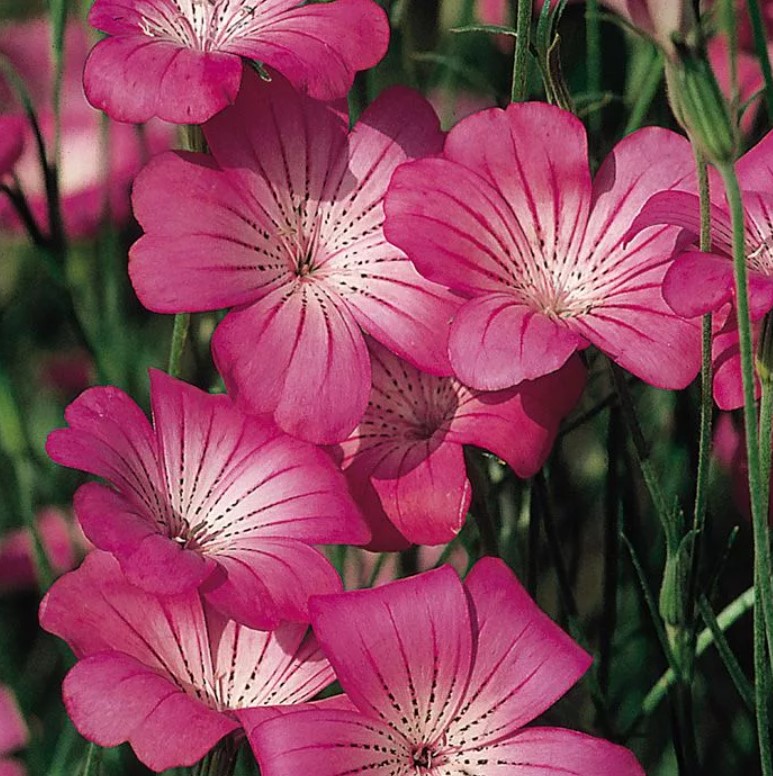
| Milas Pinky
|
The color is deep pink with a lighter center. |
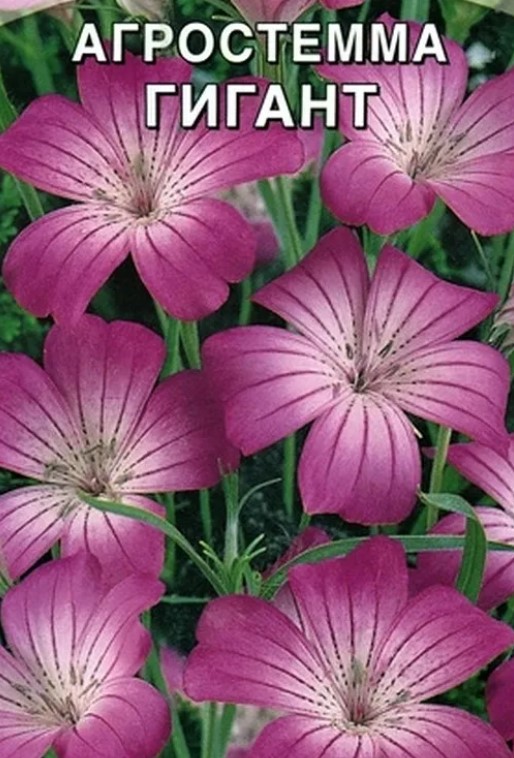
| Giant
|
The diameter of the flowers is more than 5 cm, the edges of the petals are strongly concave outward, the color is lilac. |
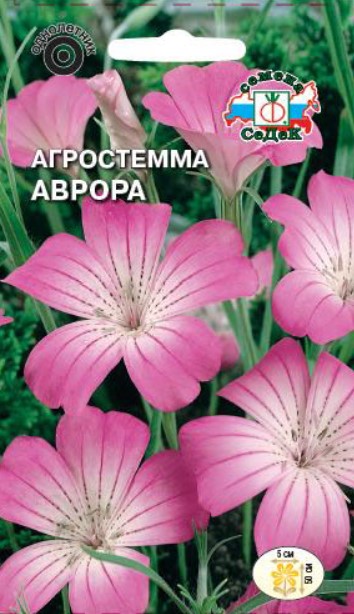
| Aurora
|
Flowers are funnel-shaped, large, pink |
| Rose Queen
|
Dark plum-pink flowers. |
| Contessa
|
Soft pink flowers with brighter veins. |
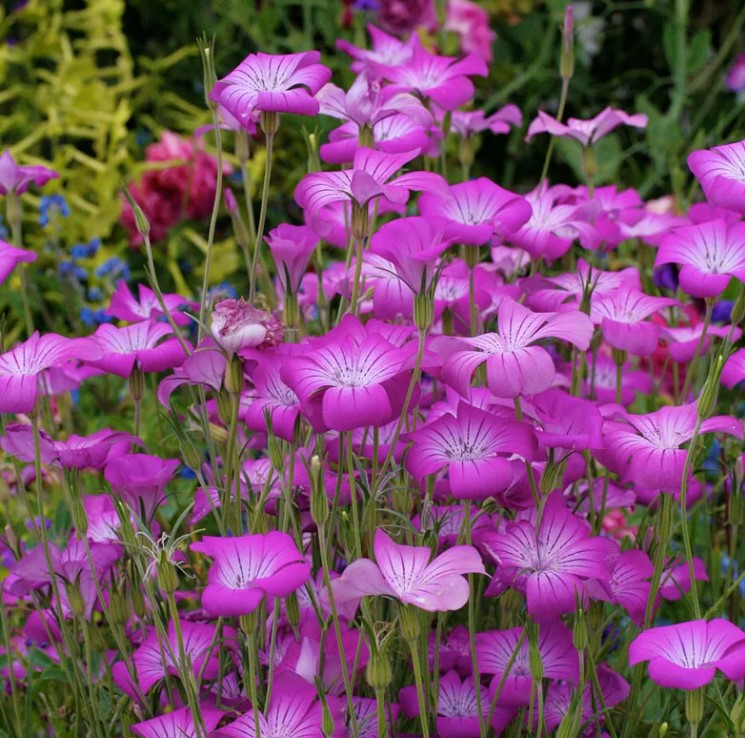
Growing agrostemma
To grow agrostemma, select a brightly lit area of the garden. The soil should be well-fertilized, and drainage is ideal. Agrostemma tolerates wind and drafts, so these factors don't necessarily need to be considered when planting. However, the flowers dislike excess moisture, so avoid growing them near bodies of water or in marshy areas. Root rot will quickly occur, and the plant will die.
Sowing agrostemma in open ground
The plant propagates by seed, so the seedlings can be planted directly in open ground, but it's important to consider the local weather conditions. If spring is early and warm, agrostemma can be sown in the garden starting in the second half of April. The key is to ensure the soil warms up to 12 degrees Celsius and there are no recurrent frosts. Initially, you can cover the soil with plastic film.
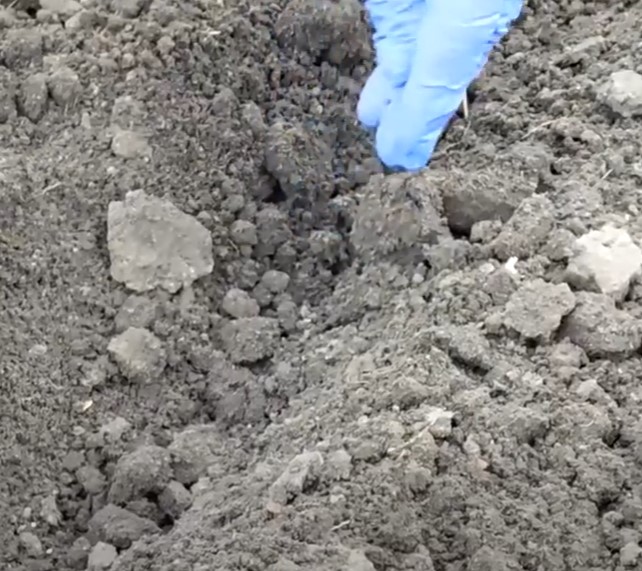
In other regions, you can sow flowers before winter. This is usually done in October, when the soil has frozen slightly. The surface of the bed should be mulched to preserve the seeds.
Tip! Agrostemma doesn't bloom for very long. To extend the flowering period, you can sow the seeds twice per season, 30 days apart.
Sowing and caring for seedlings
Planting seedlings allows for early flowering of Agrostemma. To do this, prepare soil at home using equal parts soil, sand, and humus, fill the selected containers, and sow the seeds on top. No need to make furrows; lightly pressing them into the soil is sufficient. Cover the seedlings with plastic wrap and place them in a room with a temperature of 20 degrees Celsius (68 degrees Fahrenheit). When the first shoots emerge, remove the covering. To prevent the stems from stretching, supplement the seedlings with a grow light. Water periodically, but avoid frequent watering to avoid root rot.
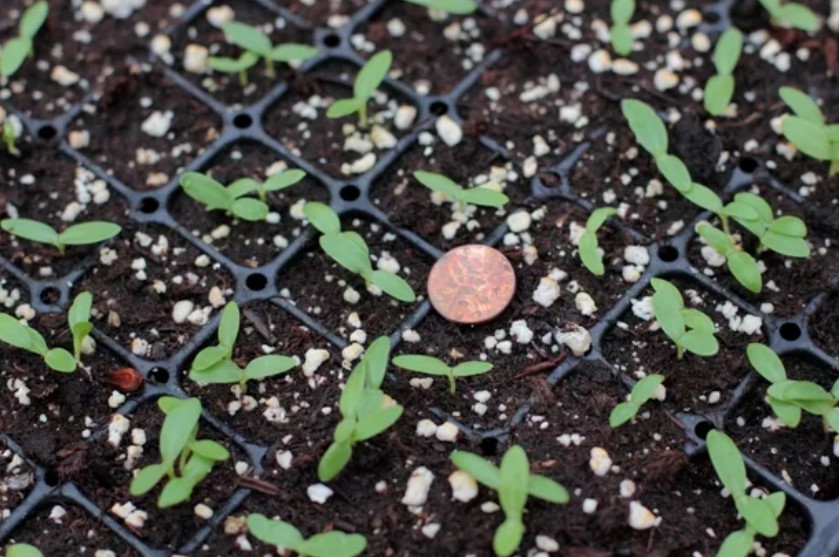
When the threat of night frosts has passed, you can plant the agrostemma in open ground.
Planting seedlings in open ground
The soil in the bed should be light and dry; agrostemma will grow poorly in areas that are too wet, such as lowlands. If necessary, add a bucket of sand to the bed and till the soil.
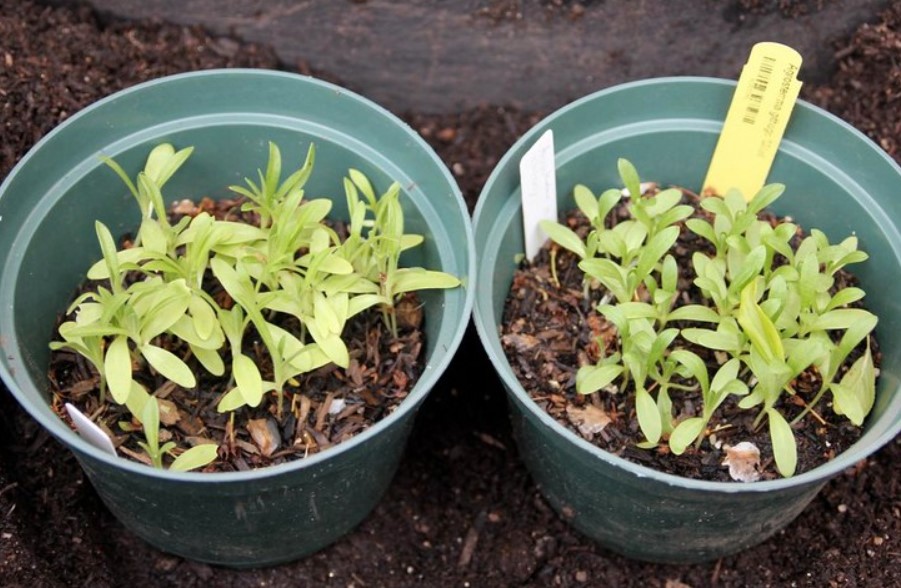
For each plant, a hole about 15 cm deep is made, a flower is placed in it, after which the roots are covered with soil and watered.
When the stems grow and reach 15 cm in height, they need to be pinched to encourage branching, otherwise the plants will not be lush.
Caring for agrostemma in open ground
Agrostemma is completely low-maintenance. After planting outdoors, the plants are left alone for the first 10 days and should not be handled in any way, unless the weather is extremely hot. After that, you should be guided by the weather conditions. Agrostemma doesn't like excessive watering; it's sufficient to water it when the soil dries out to a depth of 10 cm.
It's important to loosen the soil periodically to prevent aphids and other pests from appearing and to prevent competition for water, light, and nutrients. Fertilizer should only be applied if the soil wasn't properly prepared initially. This should be done twice a season using a complete fertilizer for flowering plants.
Reproduction of agrostemma
In natural conditions, agrostemma reproduces by seed, so gardeners don't need to plant it specifically. However, it's important to keep in mind that corn cocklebur self-seeds quite aggressively. To prevent the grass from taking over the entire garden, remove spent flower heads.
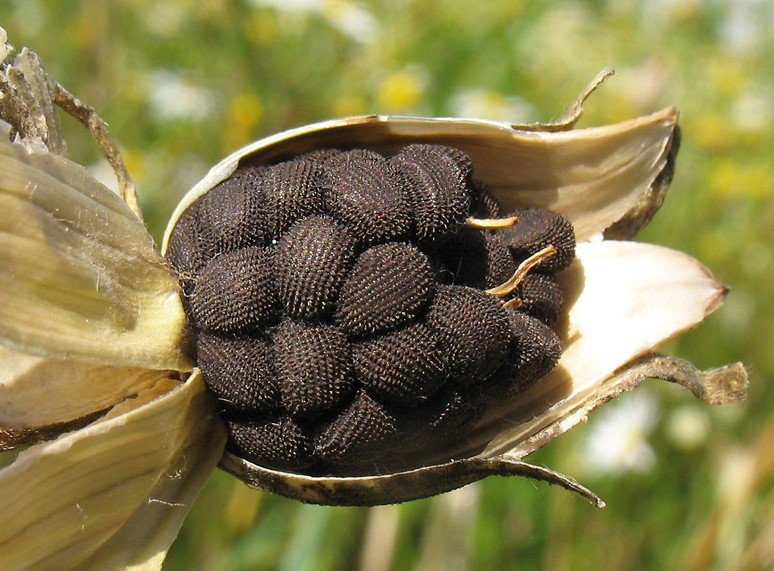
To collect seeds, simply cut the plants, dry them in a warm, well-ventilated place, then shake the seeds out of the pods and put them in canvas bags for storage.
Agrostemma in landscape design
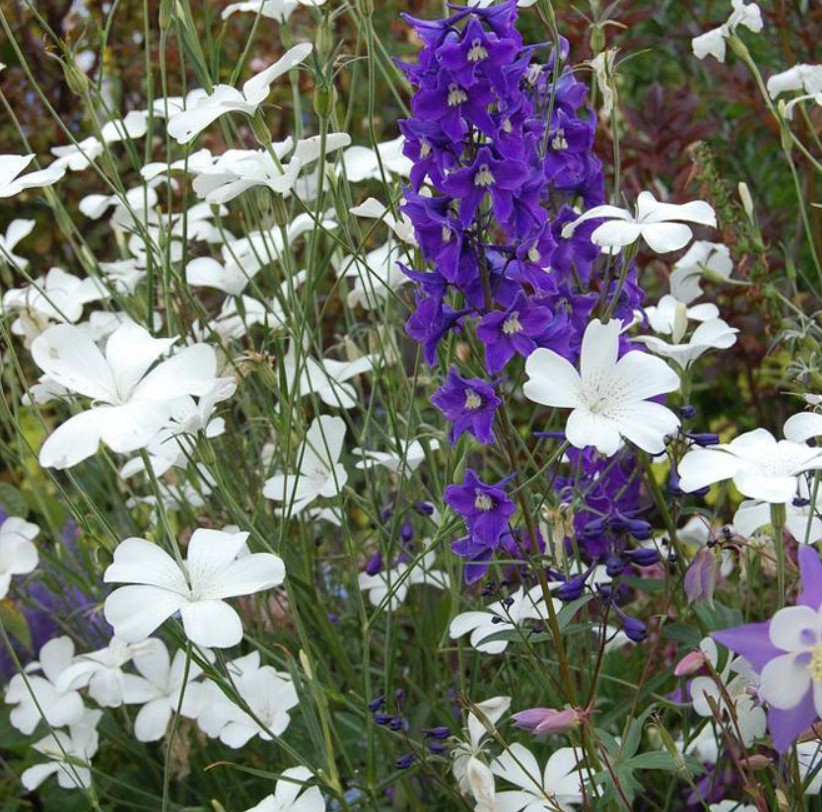
Agrostemma has a touching and delicate ornamental quality, lending a wildflower-like charm to flowerbeds and gardens. It's best planted in groups, and you can mix different species to create a mix of colors.
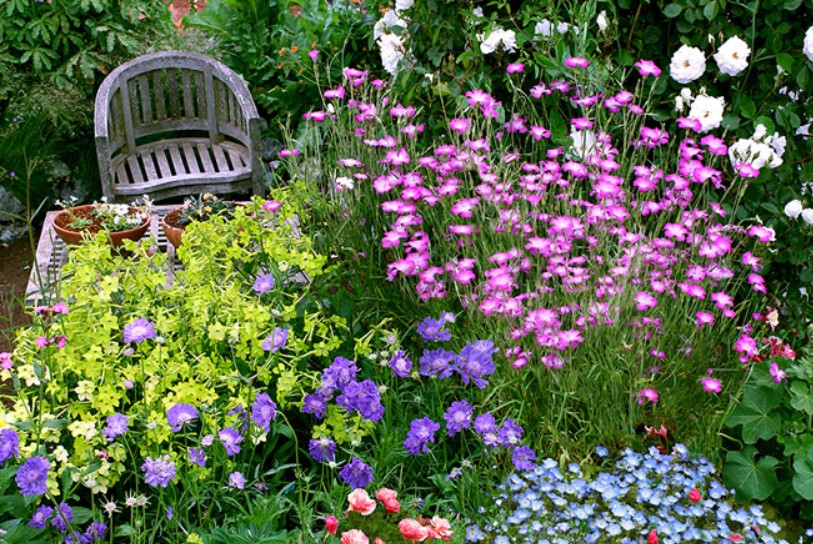
Agrostemmas also look great in complex flowerbeds of single, upright herbaceous flowers. If desired, they can be planted in pots and displayed on a summer veranda or balcony.
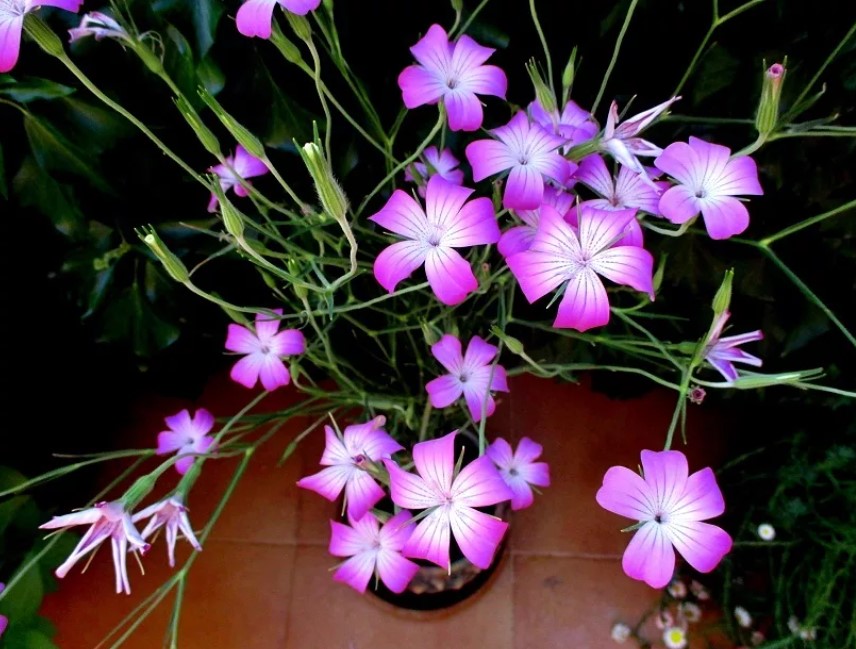
Marigolds, snapdragons, and calerias are good choices for flowerbed companions. Furthermore, agrostemma can last for up to a week in a bouquet, making it highly prized by florists.
Reviews of growing agrostemma from gardeners
I sow pink roses every year—I love them: they have fairly large, silky, delicate flowers. I sow them directly into the soil. The stems are knobby and leggy, with sparse, narrow leaves, and end in a single flower.
I really like agrostemma. I sow it directly into the ground in the spring, and it grows and blooms profusely, swaying beautifully in the wind like rye. Next year, you can sow your own seeds.
I've grown and continue to grow agrostemma. In terms of sowing and care, it's a typical annual. It pairs well with wildflowers like cornflowers and daisies, and annual grasses. Unfortunately, it often collapses and falls apart (like other flowers—the soil is heavy), but on the other hand, it adds volume. Overall, it's nothing special, more of a workhorse, but I like it. I only grow the white "Ocean Pearl" variety, and there's also a pink one. That's about it, I think.