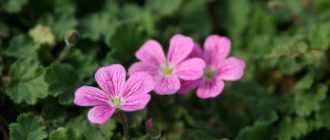
Alstroemeria (alstroemeria) are rhizomatous and tuberous herbaceous plants belonging to the Alstroemeriaceae family. Native to South America.
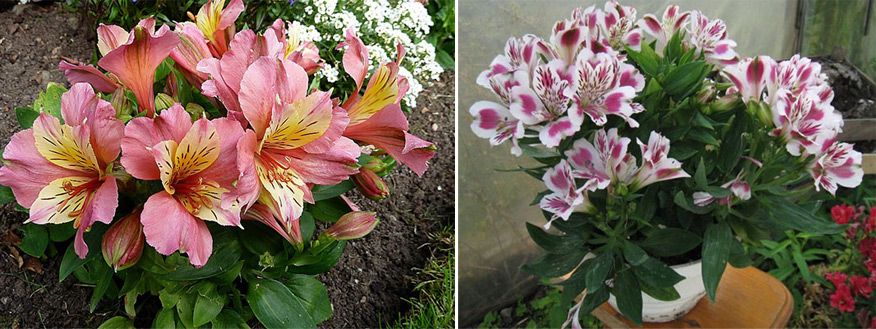
Description of Alstroemeria
Alstroemerias are perennials with spindly, succulent roots. The stem is flexible and erect, with thin, linear, entire leaves of two types: large (vegetative) leaves at the top and small, reproductive leaves distributed throughout the stem.
Another unique characteristic shared by all Alstroemerias is resupination, where the leaf petioles twist 180° as they grow. The inflorescences are umbel-shaped, with 5 cm long, lily-like flowers, each with up to 30. Their coloring is highly variable, but almost all have a speckled pattern.
Pollination occurs by insects and wind. The resulting fruit is a capsule, which, when ripe, opens, releasing seeds near the plant.
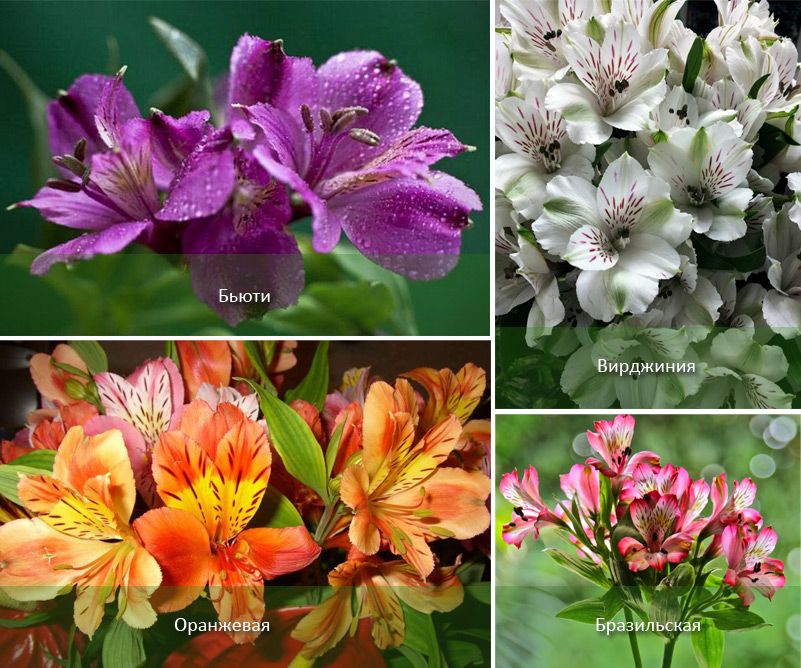
Types and varieties of alstroemeria
The most adapted species are:
| View | Description |
Flowers Bloom |
| Beauty | Stem height 1 m 70 cm. | Lilac. In spring, with good care, it can be repeated. |
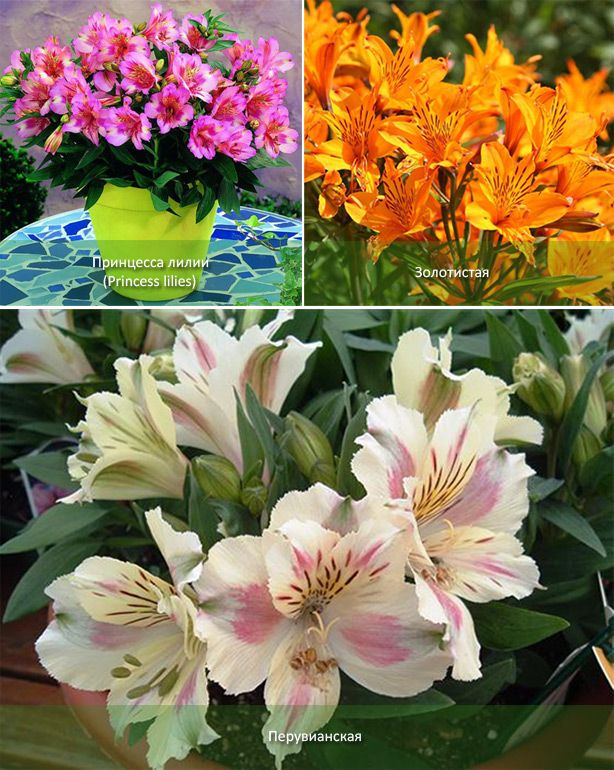
| Golden | 1 m 50 cm. Frost-resistant (up to -12 °C). |
Coloration in various shades of yellow. June - August. |
| Orange | 90 cm. Leaves have a glaucous underside. Varieties: Lutea (yellow color), Orange King (orange color, heat-loving, requires winter shelter), Dover Orange (red-orange). |
Golden-orange. Midsummer - midautumn. |
| Princess lilies | 30-70 cm. A wonderful potted plant for growing in vases, for decorating balconies and terraces. |
Lilac, with a variegated yellow-crimson throat. Early spring – first frosts. |
| Peruvian | 80-90 cm. Winter-hardy (short-term frosts down to -20 °C, but in the middle zone the rhizomes must be dug up). |
Soft pink with a yellow center with brown streaks. All summer. |
| Brazilian | Tall, up to 2 m. Abundantly flowering. |
Reddish-bronze. Spring - summer. |
| Hybrid Regina | 1-1.5 m. The most common. Erect stem with green lanceolate leaves. |
Pink with brown streaks. End of June – mid-September. |
| Virginia | 70 cm. Strong large shoots. |
Large white, crimson stripes inside. June – November (or first frost). |
Caring for alstroemeria at home
Alstroemeria grows well indoors if you follow some rules:
- The flower's rhizome is long (cone-shaped), so take a deep container, at least 30 cm, with a drainage hole.
- Location: sunny, but protected from direct rays.
- In winter - away from heating.
- Water regularly, every 3 days; in summer, more frequently but moderately. Use settled water.
- Spraying every day.
- Soil: leaf, peat, humus, pine bark (2:1:1:1).
- Top dressing: phosphorus-potassium fertilizers (minimally); if there are no flowers but abundant foliage, change the fertilizer or stop top dressing.
- Annual replanting in spring.
Planting and caring for alstroemeria in open ground
For growing in the garden, tall varieties are used (Beauty, Golden, Peruvian, Orange King).
Propagation and planting of alstroemeria
Propagation is by seed and rhizome division. Seeds are sown in April, and flowering does not occur until the third year. In late spring, mature rhizome cones or sections separated from the mother plant with a sharp knife are planted:
- Choose a sunny or partially shaded, protected, warm place.
- Spread a generous amount of compost and work it into the soil. Heavy soils are improved with sand.
- Dig holes 15-20 cm apart, 30-50 cm apart.
- One rosette is planted in each hole, straightening the roots.
- Fill with soil, water and mulch (peat, dry leaves).
Further care
Subsequent care of the plant consists of the following actions:
- Tall alstroemerias are supported with a large-mesh transverse net.
- Water regularly with soft water.
- Before flowering, feed with liquid fertilizers for flowering plants with a high potassium content.
- Then, every week, apply complex fertilizers with a minimum of nitrogen components.
- In autumn, the stems are cut, leaving no more than 10 cm, covered with bark, dry leaves, film, and spruce branches.
- During cold winters, the rhizome cones are dug up in October and dried. The tubers are stored at a low temperature, no higher than 8°C, but not below 0°C, in boxes filled with soil.
Adult plants that overwinter in the ground sprout in early spring and can therefore be killed by frost, but will grow again when warmer weather arrives.
Diseases and pests of alstroemeria
The plant is fairly disease-resistant and rarely suffers from insect attacks. However, problems can occur if not properly cared for.
| Manifestations | Reasons | Elimination measures | |
| Gray coating. | Gray mold due to overwatering. | Remove affected parts. Treat plants and soil with fungicides (Fundazol, Maxim). Destroy severely diseased plants. | |
| Cobwebs, insects. | Spider mites. | Spray with Actellic, Aktara, Akarina, they will help against any harmful insects. | |
| Holes in the leaves. | The appearance of a reddish tint. | Caterpillars. | |
| Sticky coating. | Slugs. | They mulch with coarse bark and surround it with a ditch filled with pebbles. | |
Extending the life of an alstroemeria bouquet
Alstroemeria flowers retain their attractiveness for at least two weeks after cutting, but for this to happen, it is necessary to properly care for and carefully maintain the alstroemeria bouquet.
Flowers are cut when the buds are just beginning to open, and most of the leaves are removed. They are kept at a temperature of 5 to 7°C, for example, near an air conditioner. The water is changed daily with clean, settled water (with the addition of citric acid, vinegar, or ammonia), and the vase is disinfected. Fading buds are regularly removed. You can feed them with floral supplements (Bud, Vitant).