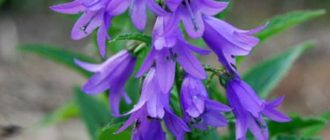
Amaranth, or pigweed, is a member of the genus Amarantaceae, commonly found in China, India, the Americas, and East Asia. It is grown both as an ornamental plant and as a vegetable crop. The plant was known about 8,000 years ago, when the Incas and Acetecs, who inhabited what is now South America and Mexico, used it as a food crop along with legumes and grains.
There are still some species of amaranth that are considered edible and used in cooking.
Translated from Greek, the word "amaranth" means "ever-fading flower." In Russia, the plant has several common names: cockscomb, marigold, cat's tail, amaranth, and marigold.
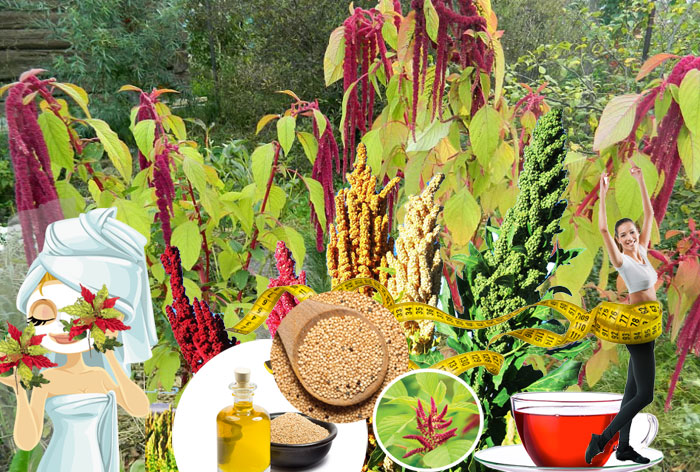
Content
- 1 Types of amaranth
- 2 Vegetable amaranth: description + 5 varieties with photos and characteristics
- 3 Grain Amaranth: Description + 6 Varieties with Photos and Characteristics
- 4 Forage species and 6 varieties of forage amaranth with photos and descriptions
- 5 4 ornamental amaranth species and 30 varieties with photos and descriptions
- 6 Growing amaranth from seeds
- 7 Planting amaranth in open ground
- 8 Caring for amaranth in open ground
- 9 Collecting amaranth seeds
- 10 Pests and diseases of amaranth and their control
- 11 Benefits of amaranth
- 12 Uses of amaranth
- 13 Culinary recipes with amaranth
- 14 Contraindications for the use of amaranth
- 15 Amaranth in the landscape
Types of amaranth
In total, there are about 90 species of amaranth in nature, most of which grow in Asia, Africa and America.
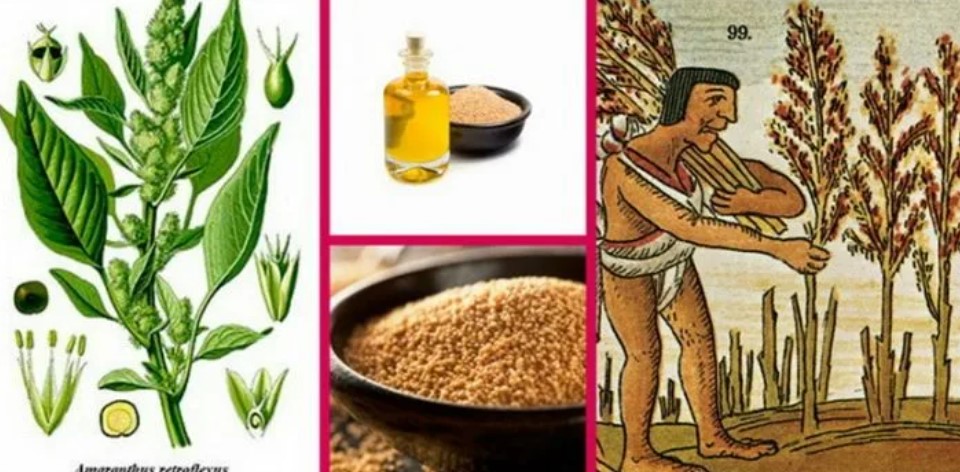
In our country you can find 4 main types of culture:
- Vegetable
- Cereal
- Stern
- Decorative
Vegetable amaranth: description + 5 varieties with photos and characteristics
Vegetable amaranth can be used in a variety of dishes or grown as an ornamental plant in gardens. The pulp of its leaves contains approximately 18% protein, making it widely used in salads, porridges, and teas. Below, we'll look at the most popular varieties of vegetable amaranth.
White sheet
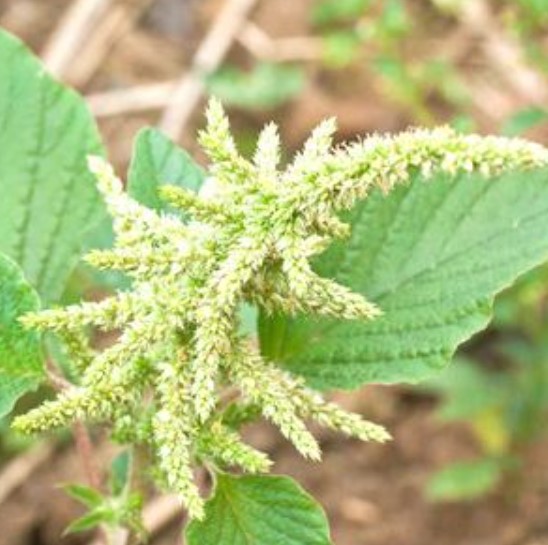
A dwarf variety of amaranth, popular among indoor gardeners. Stems grow no more than 20 cm tall, and the leaves are light green with a whitish tint. The greens can be used to make herbal drinks, soups, and main courses.
Valentina
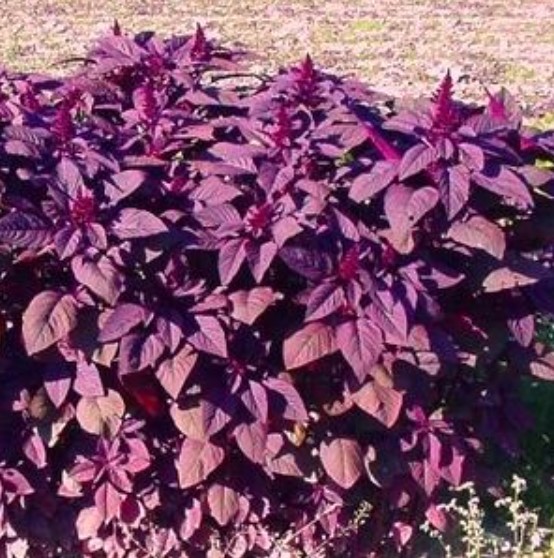
An unusual variety with decorative red-purple leaves. The inflorescences are purple and erect. The shoots reach 170 cm in height. Technical maturity occurs in 45 days, and the seeds ripen in 4-6 months. The pulp is rich in beneficial elements. It also belongs to the decorative multicolor variety.
Strongman
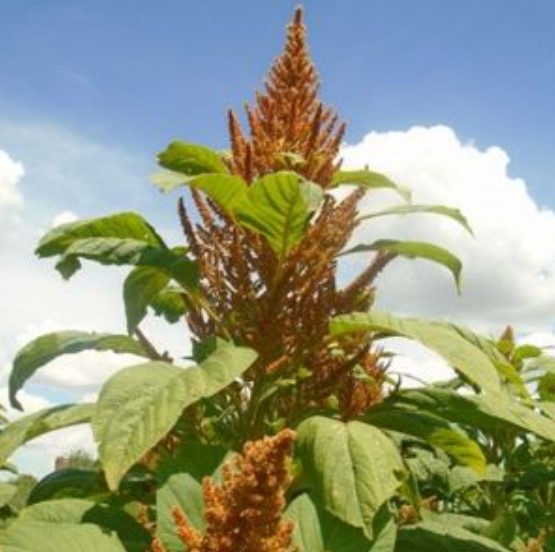
The plant grows to a height of approximately 140 cm, with very fleshy, juicy, large, and light green leaves. It produces numerous seeds, up to 3 kg per square meter. The plant reaches maturity in 40 days. It can be used as food after cooking.
Opopeo
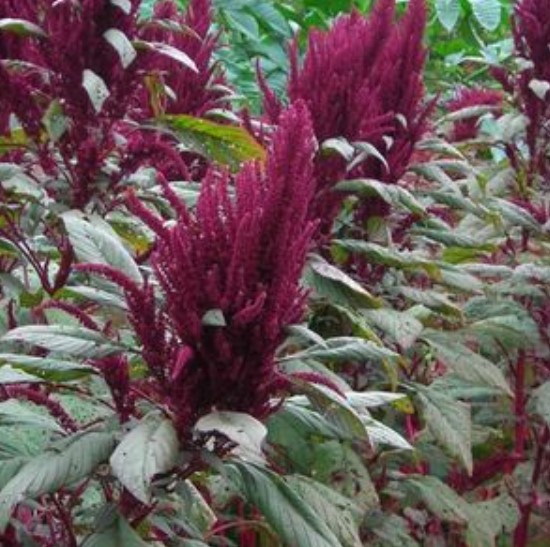
A giant amaranth grows up to 2 meters tall. Its shoots are spreading, and its inflorescences are ruby-colored and erect. The leaves are large, succulent, and bronze-hued. It reaches technical maturity in 100 days. It is used in salads and soups. Even after freezing, the foliage retains all its beneficial properties.
In memory of Kovas
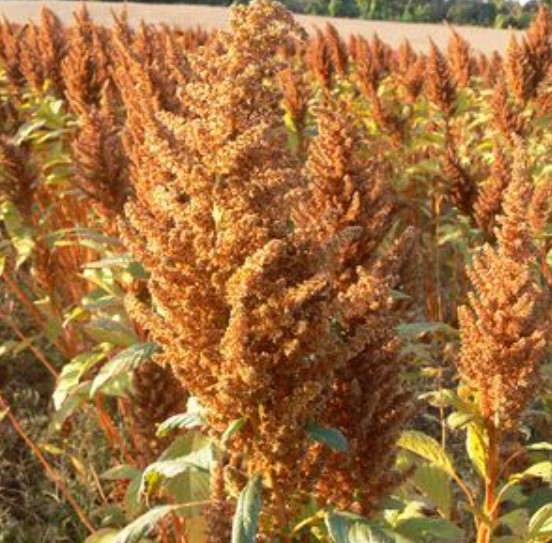
The shoots reach approximately 100 cm in height, but may be slightly higher or lower depending on the climate. The inflorescences are reddish-brown and erect. The seed yield is high – up to 4 kg per square meter. The plant is undemanding, drought-tolerant, and grows well even in poor soils. It is used in salads, soups, and tea blends.
Grain Amaranth: Description + 6 Varieties with Photos and Characteristics
The grain variety is grown for its seeds, which are used for livestock feed, milling into flour, cereals, or oil. The stems are not used; only the seeds, which have high nutritional value and are often used for medicinal purposes, are consumed.
Voronezh
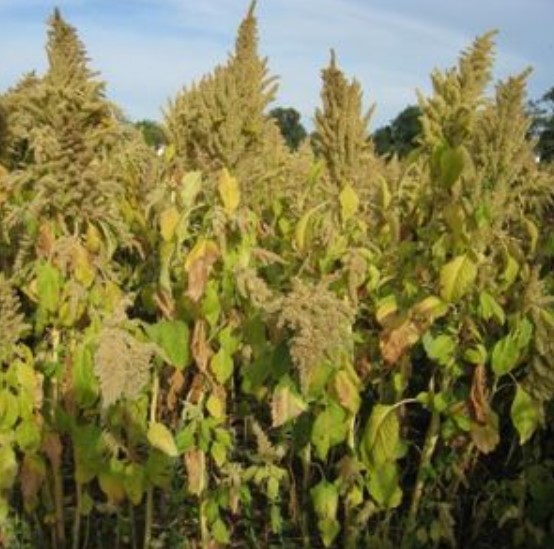
The Voronezh variety is harvested only for its seeds, which are used to make flour, pasta, oils, and cereals. The shoots grow up to 70 cm and produce few leaves. The plant itself is undemanding in terms of care and soil quality.
Helios
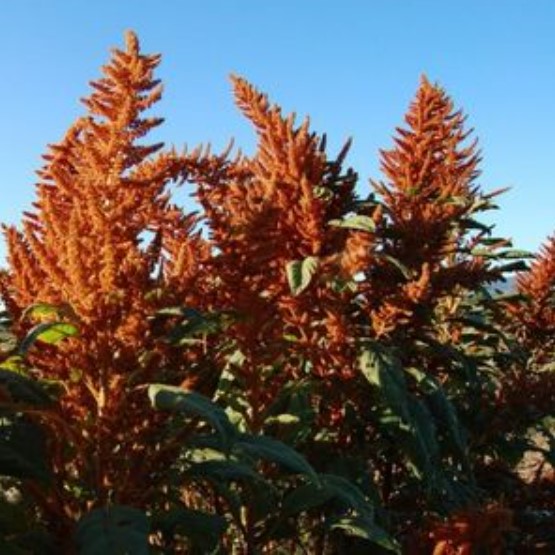
The shoots reach 170 cm in height, with light green leaves with yellowish veins. They are used as feed for farm animals. The seeds ripen in approximately 3.5 months, and are used to produce cereals and high-fat oils.
Orange giant
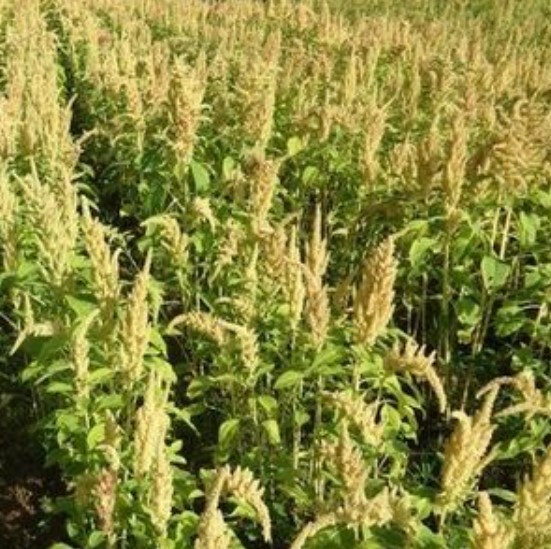
The variety's name is justified by its tall shoots, reaching up to 2.5 m. The inflorescences are 35 cm long, quite lush, and orange. The leaves are green with orange veins. Maturity occurs in 4 months, and the light yellow, flattened seeds are used to produce flour, cereals, and oil, and are sometimes added to pasta. The Orange Giant differs from all other varieties in its subtle, nutty flavor, especially noticeable in the oil.
Ultra
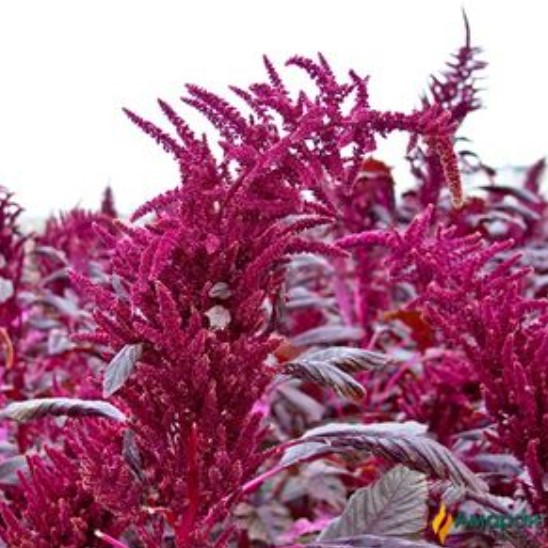
An early-ripening amaranth variety with excellent yields. The shoots grow up to 2 m, with green leaves tinged with yellow. The inflorescences are candle-shaped and 25 cm tall. The seeds are processed into oil, but can also be ground into grains and flour. The Ultra variety is widely used in baked goods due to its exceptionally white and free-flowing flour.
Station wagon
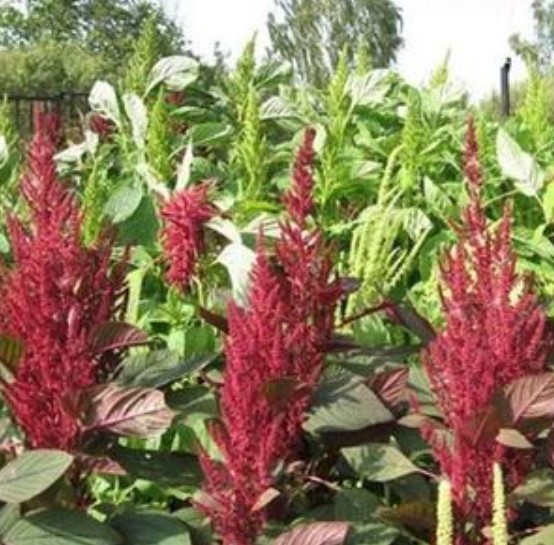
This variety combines medicinal, forage, and grain uses. It is often confused with the Kharkiv variety due to the similarity in leaf and flower color. The shoots reach up to 130 cm in height, ripen quickly, and are relatively easy to care for.
Kharkiv-1
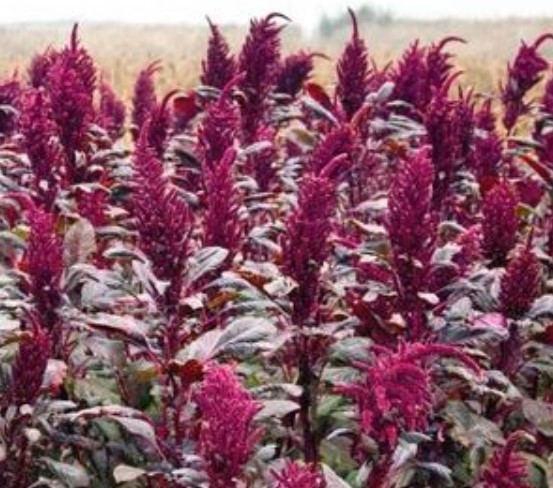
A versatile variety that can be classified as belonging to all amaranth varieties. Both the leaves and stems containing the seeds are harvested. The shoots can reach 2.5 meters in height, with yellow-green inflorescences and large, light-green leaves. The plant is used to make animal feed and cereals, as well as tea and pharmaceuticals.
Forage species and 6 varieties of forage amaranth with photos and descriptions
All parts of this species of amaranth are considered edible. It is used as a supplement to the main diet of livestock.
White amaranth (Amarаnthus аlbus)
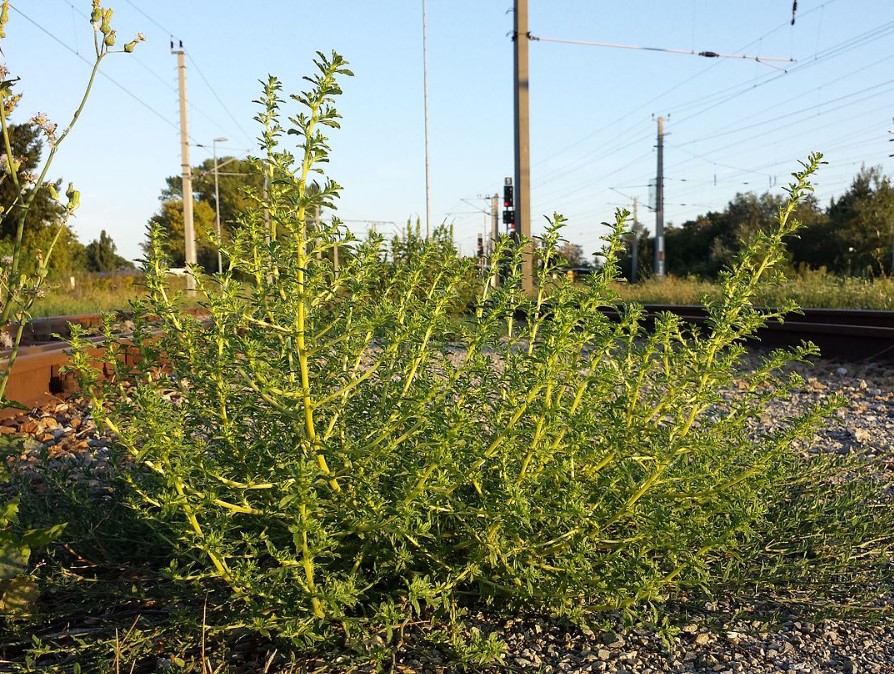
A dwarf variety of amaranth, growing from 10 to 50 cm tall. Its inflorescences are spike-shaped and pointed. It is widely grown in the North Caucasus and the Astrakhan region, where it is used as fodder for horses and cattle.
Retroflexed amaranth (Amarаnthus retrofléxus)
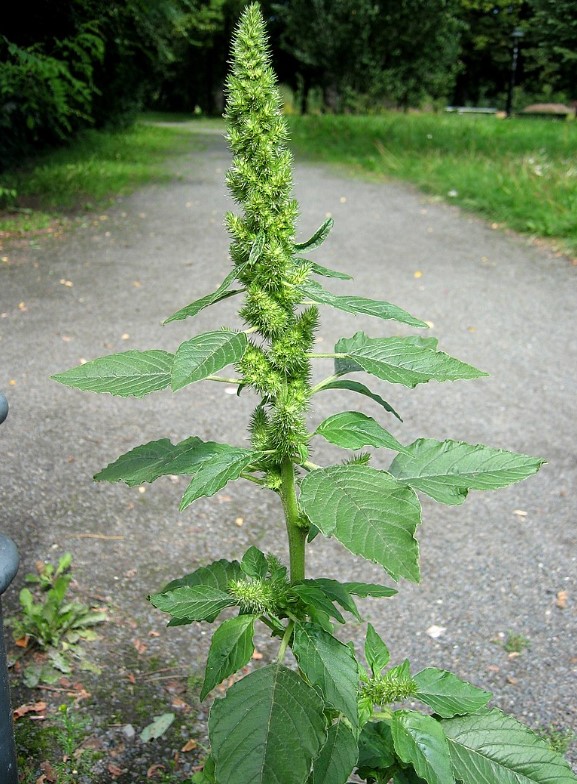
An annual plant with shoots up to 1 m tall. The leaves are long, up to 14 cm. The inflorescences are green and pointed. Flowering begins in June and lasts until August, and fruiting occurs in July-September. The numerous seeds are used as poultry feed, and the leaves are added to pig feed. Furthermore, an infusion of amaranth retroflexus can be used as a laxative or astringent; it has hemostatic properties for heavy menstruation and hemorrhoids.
Aztec
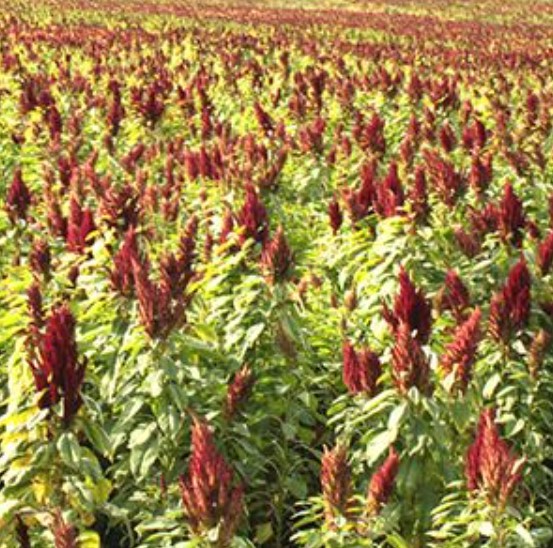
This variety has a mid-season ripening period and is frost-tolerant, so sowing begins at temperatures as low as 8°C. The shoots reach 150 cm in height, with elliptical, red-green leaves. The inflorescences are reddish-purple and spike-shaped. The seeds are brown and mature in approximately four months; the kernels are used to make amaranth oil.
Giant
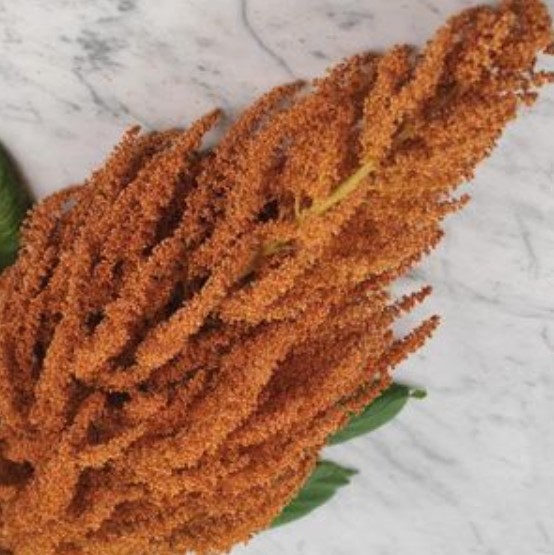
The shoots are very tall, up to 180 cm. The leaves are numerous, large, elliptical, and dark green. The inflorescences can be red or yellow, and are erect. The main distinguishing feature of this variety is its high fat content (up to 8%). The formed seeds are white and disc-shaped. The plant is consumed fresh or can be used for silage.
Kizlyarets
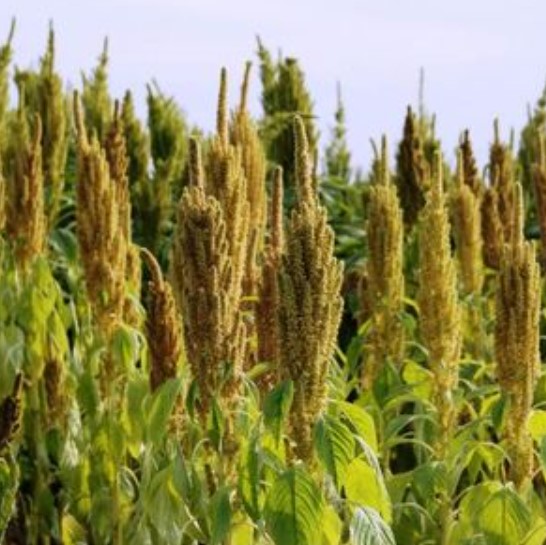
A low-spreading amaranth variety that grows as a single stem up to 160 cm tall. The leaves are light green, elliptical, and fairly large. The inflorescences are yellow-green, but as the seeds ripen, their color changes to reddish. Technical maturity occurs two months after germination. When the leaves can be harvested, the seeds ripen in 3-4 months.
Lera
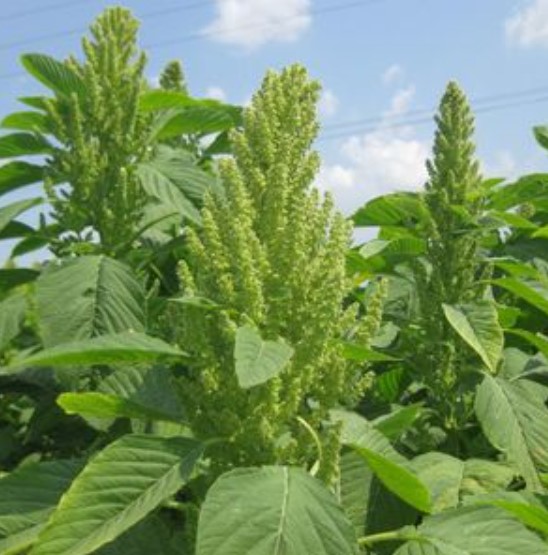
A forage variety with a medium maturity period (approximately 100 days). The shoots grow up to 220 cm, with crimson, spike-shaped inflorescences. The leaves are large, green with reddish veins. The seeds are resistant to shattering, used for oil and flour production, and contain 7% fat and 20% protein. The leaves can be fed to livestock or used as silage.
Kinelmsky
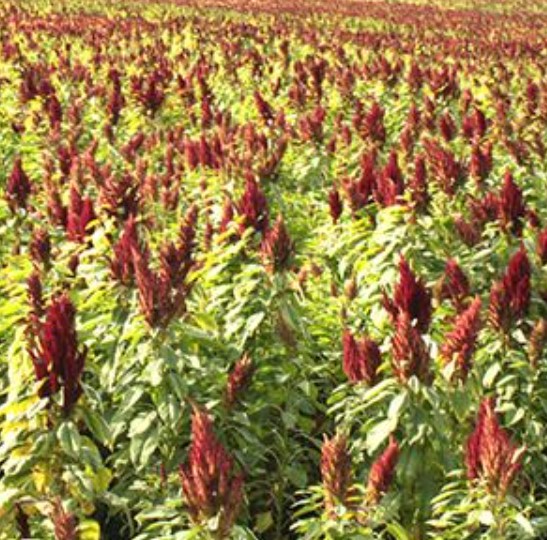
It is distinguished by large, fleshy shoots, the surface of which is covered with thin inflorescences that form red-purple spikes. This variety often grows in the wild and serves as pasture for animals.
Amber
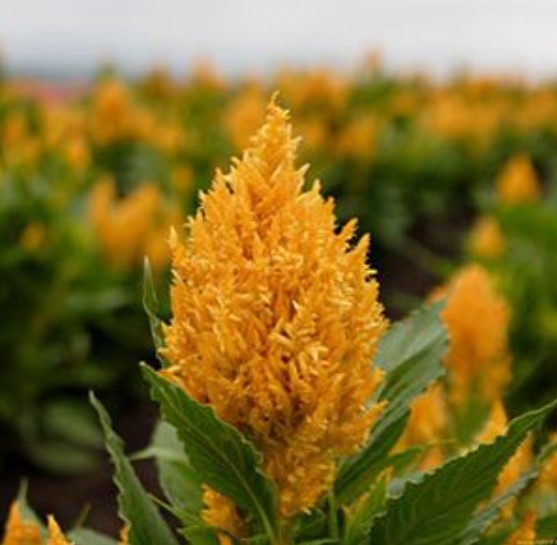
The plant gets its name from its yellow-amber inflorescences, which form a dense panicle. The shoots grow up to 130 cm. All the vegetative matter is used as livestock feed.
4 ornamental amaranth species and 30 varieties with photos and descriptions
Ornamental amaranth is used to decorate flowerbeds and garden plots, but it cannot be used as a raw material for culinary or agricultural purposes. The plants are distinguished by their unusual colors and the shapes of their leaves and inflorescences. In Russia, four main varieties of ornamental amaranth are most commonly found:
- Caudate
- Paniculate
- Tricolor
- Dark
Amaranthus cruentus
Grown to decorate flower beds, it is often included in winter bouquets. It is distinguished by its beautiful brown leaves with a pointed tip. The shoots reach 75-150 cm in height, depending on the variety. Flowering begins in June and ends with the onset of cold weather. It is used to decorate borders and fences.
Cherry velvet
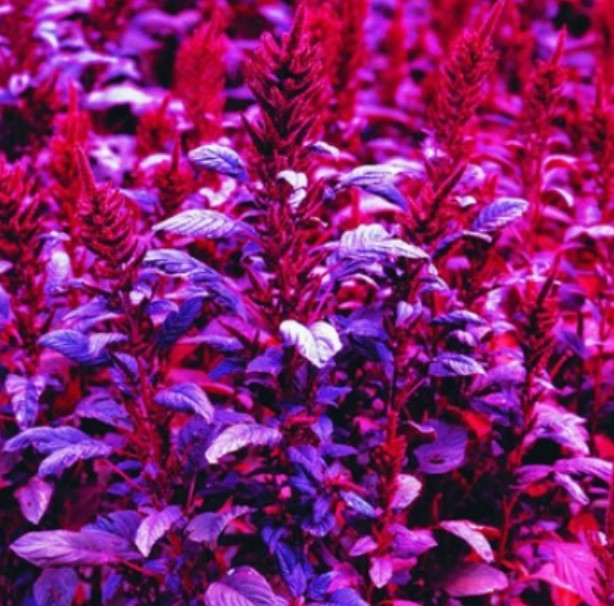
A tall variety with shoots up to 150 cm. It has numerous leaves and pyramidal inflorescences of a cherry-purple hue, up to 40 cm long. Flowering begins in June and lasts until September. It is used for garden decoration and in floristry.
Cherry jam
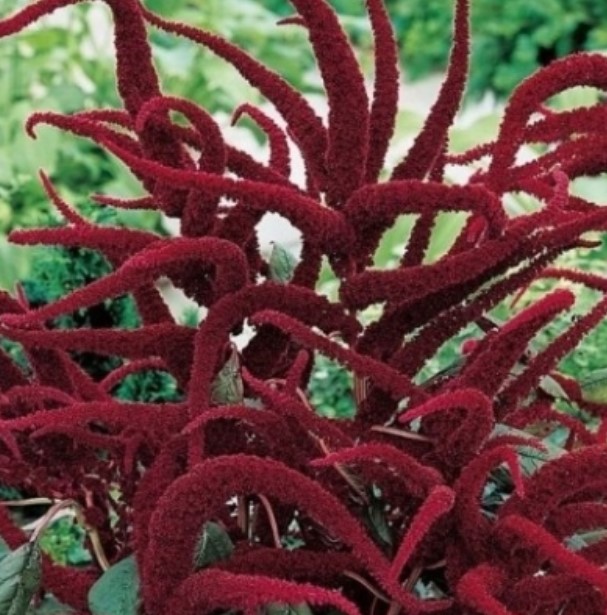
An ornamental variety of amaranth that can also be used in cooking and to produce natural dyes. The shoots reach 100 cm in height, are strong and upright, with large red-violet leaves. The inflorescences are elongated and dark burgundy. The plant is used to decorate fences, embellish flowerbeds, produce a red-violet dye, and prepare various dishes.
Green Torch
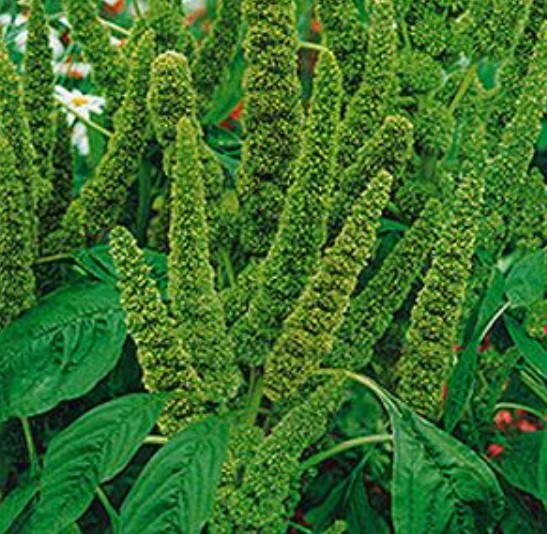
An annual with shoots up to 35 cm tall, featuring emerald-green, upright inflorescences that turn brown in winter. The leaves are elongated-ovate, large, and richly green. This plant does not tolerate cold or wind. It is used in individual plantings and floristry.
Red Torch
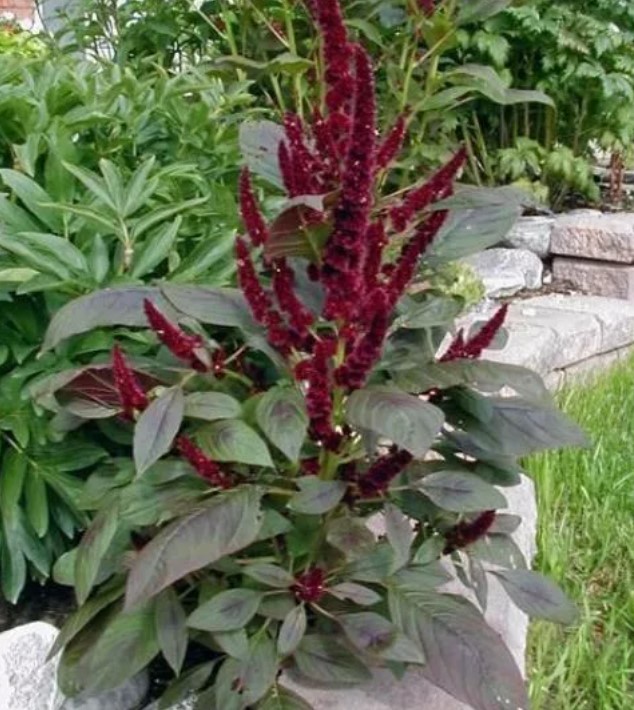
A medium-sized variety of ornamental amaranth with upright shoots, strong stems, and large leaves that become multicolored with the onset of cold weather. The color of the inflorescences also changes from purple to brownish. The plant prefers well-drained soil in a sunny, draft-free location. The flowering period lasts from June until the first frost.
Red Spire
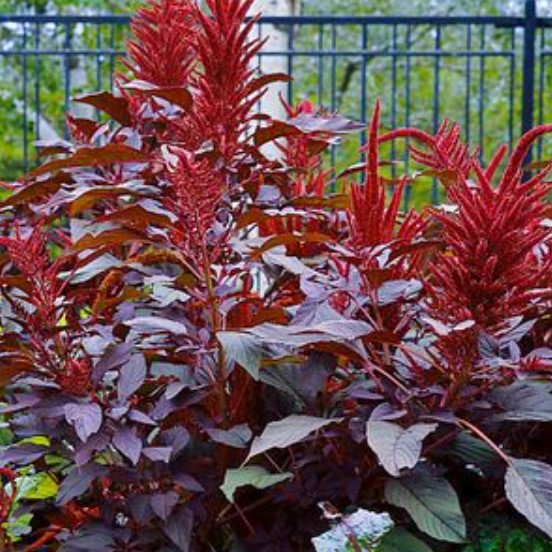
The shoots reach 150 cm in height, with medium-sized, burgundy leaves. The inflorescences are dark red and pointed. Red Spire retains its decorative appeal until frost. It is used to decorate flowerbeds and has a long shelf life in floral arrangements.
Oeschberg
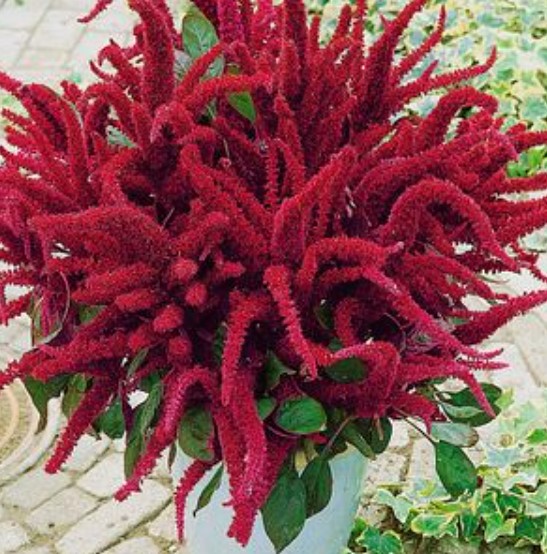
This plant features large, raspberry-red flowers and dark foliage. It looks great in group plantings and is suitable for landscaping along borders and fences. The shoots can reach 100 cm in height. It is ideal for planting along fences or at the back of mixed borders.
Red Cathedral
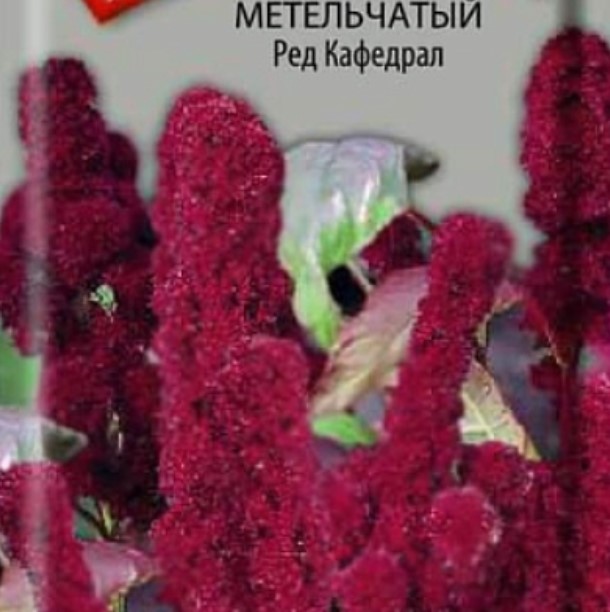
The shoots are approximately 120 cm tall, erect, and crowned with spike-shaped paniculate inflorescences of a reddish-burgundy color. It is used for landscape compositions, single plantings, and dried arrangements.
Rother Dam, Rother Paris
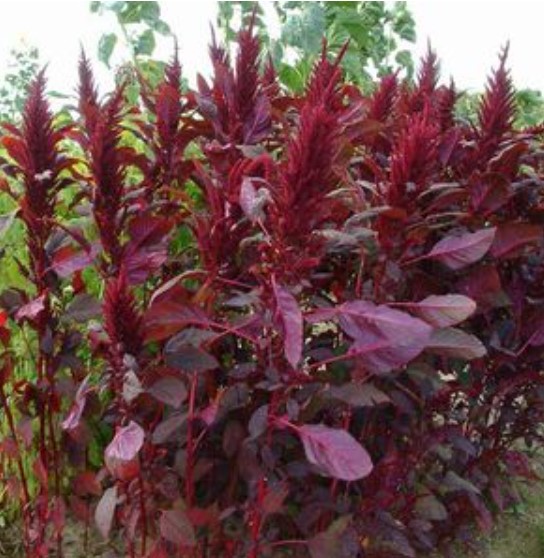
The leaves and flowers are a rich burgundy. The inflorescences are erect, and the shoots grow up to 60 cm. It is used to decorate flowerbeds and in floristry.
Hot Biscuit
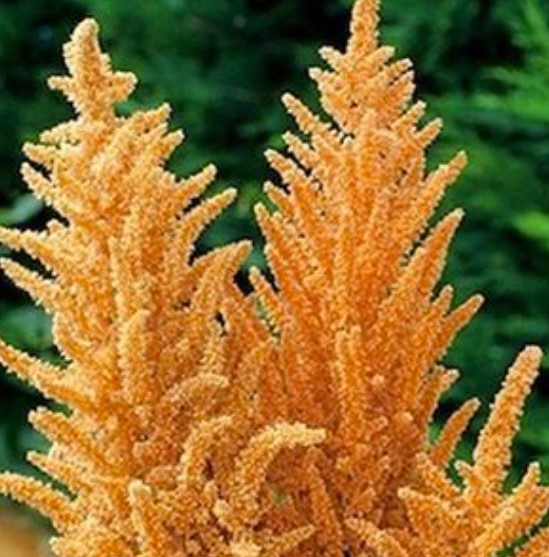
A vigorous plant, up to 60 cm tall. The inflorescences are up to 60 cm long, branched, lush, and biscuit-like. It looks great in borders, mixed borders, and in single groups against a lawn. Dried amaranths are used in floristry.
Zwergfakel
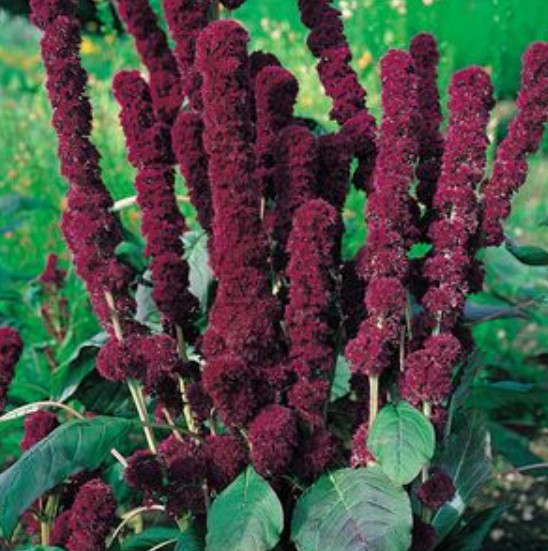
An annual plant up to 35 cm tall, with robust stems. They are covered with large, dark, elongated-ovate leaves. The inflorescences are dark red and erect, turning brown in autumn. The plant thrives in warmth, preferring sunny areas protected from drafts. It is used in floristry and for decorating lawns.
Amaranthus caudatus
Amaranthus caudatum originally grew in Africa, Latin America, and Asia. Much later, it arrived in Russia, where it immediately became a favorite among gardeners. It is a vigorous plant, with shoots ranging from 100 to 150 cm in height. The inflorescences are finely grained, dark red or crimson. The leaves are elongated and purple-green. The panicles have an interesting structure—they are composed of fluffy balls, giving the plant a highly decorative appearance. Flowering begins in June and can continue until October.
Amaranthus caudatus has several forms:
- White-flowered
- Green
- Bead-shaped
Glamorous shine
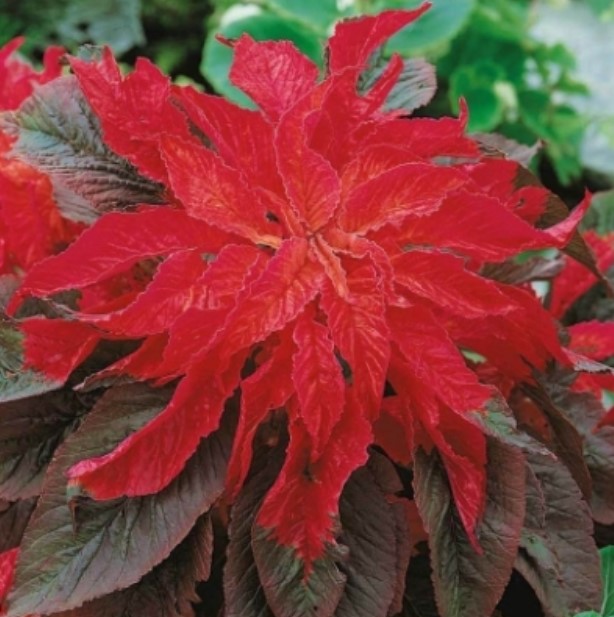
The shoots reach up to 50 cm in height with large burgundy leaves. The inflorescences are not very prominent and are dark purple in color. It grows quite quickly and is used for hedges and borders.
Grunschvanz
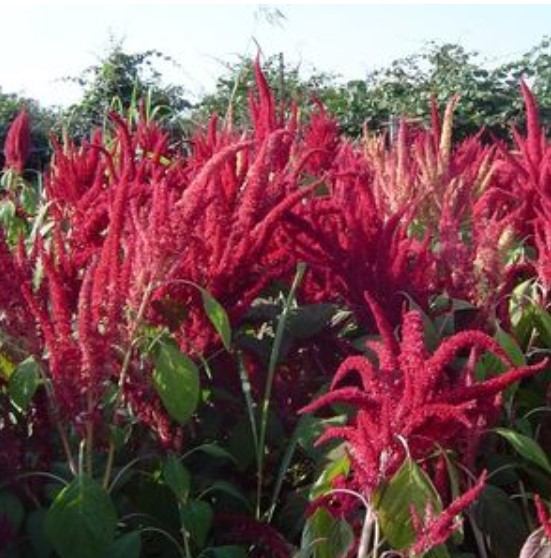
A medium-sized plant (up to 80 cm) with strong stems bearing elongated green leaves. The flowers are yellowish-green and borne in drooping clusters. It is used as a solitary plant, as the shoots branch out and occupy a large area around them.
Christmas tree decoration
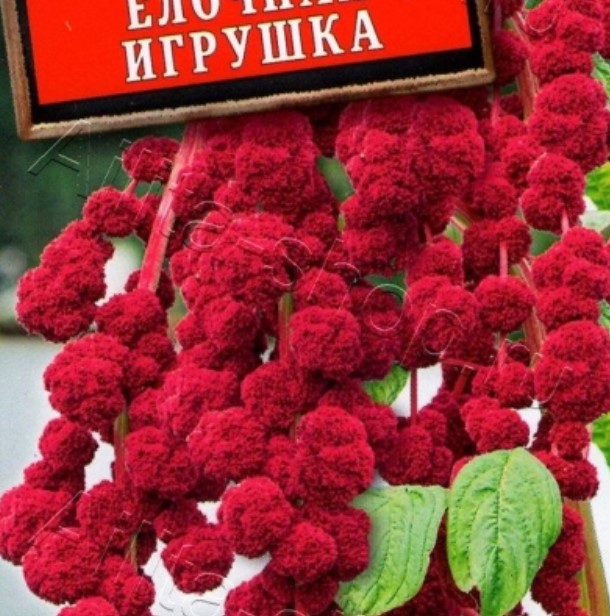
A medium-sized plant with shoots up to 100 cm tall. The inflorescences resemble reddish strings of beads that hang from the shoots. Amaranth is used to decorate flower beds and fences and hedges.
Emerald
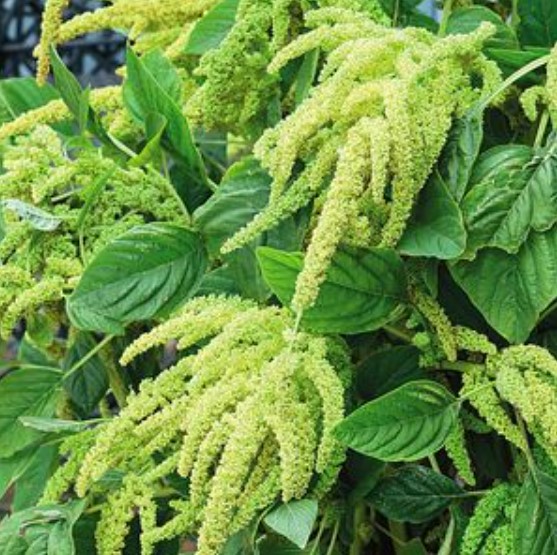
The bushes grow to 80 cm tall, with large, green leaves. The inflorescences are drooping, fluffy, and olive-green.
Red
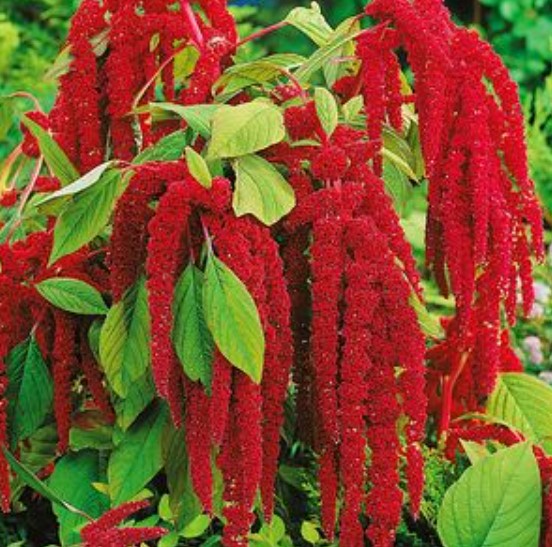
The bush reaches 80 cm in height, with flowers ranging from deep ruby to dark cherry, resembling drooping fringes. They can be planted individually or in mixed borders.
Magic Cascade
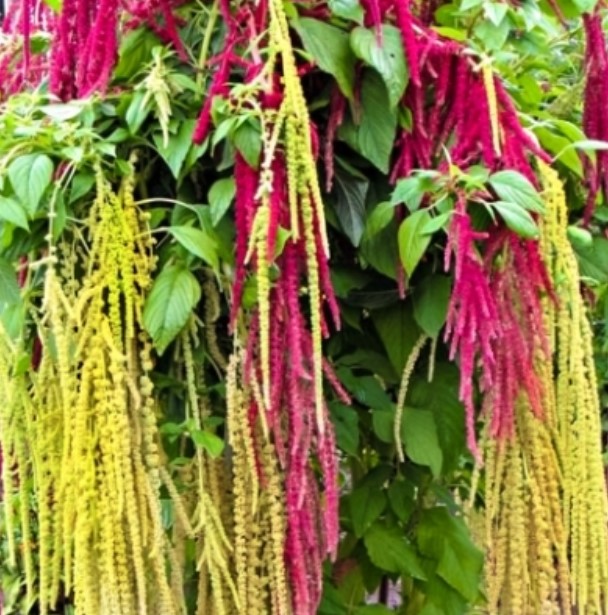
A herbaceous annual plant up to 100 cm tall with vigorous shoots. The leaves are alternate, large, and have elongated petioles. The inflorescences are small, complex, and come in a variety of shapes. The flowers are red, crimson, or green. Flowering lasts from June until frost.
Raspberry beads
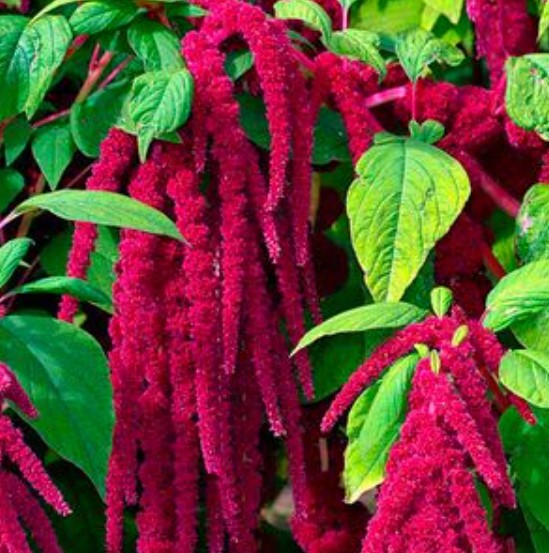
The shoots grow up to 100 cm. This annual grows very quickly, forming a branched stem, so the plant is often used as a decorative element for walls, fences, and hedges. The flowers look stunning in bouquets and as the centerpiece of flower beds.
Rotschwantz
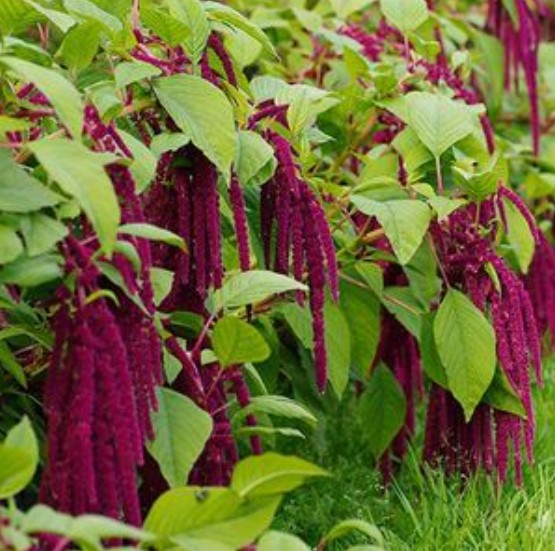
A medium-sized variety with robust shoots up to 80 cm tall. Large, greenish-purple leaves. The inflorescences are crimson or red, consisting of small flowers clustered in balls and hanging from the shoots. The plant is used in landscape design.
Amaranthus hypochondriacus
The bushes are medium-sized and sparsely branched. The leaves are purple-green, oblong-lanceolate. The inflorescences are spike-shaped panicles of dark red color. They can be erect or drooping. The plant was domesticated in 1548.
Green Thumb
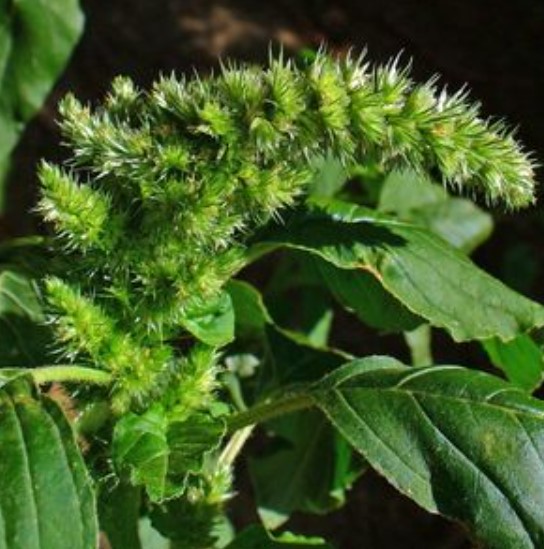
The shoots reach 40 cm in height. The leaves and inflorescences are green. The flowers are most often used to decorate flowerbeds and make dried bouquets.
Pygmy Torch
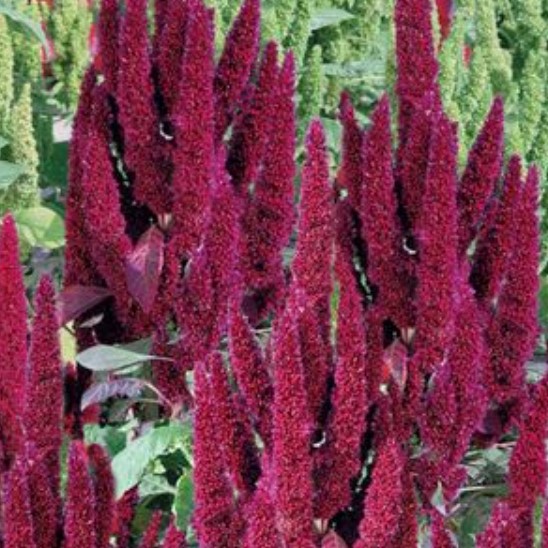
A medium-sized plant with shoots up to 70 cm in height. The inflorescences are purple, the leaves are oblong and green or purple.
Amaranthus tricolor
This highly decorative variety boasts branched shoots, giving the bush a pyramidal shape. The leaves are elongated, with wavy edges, and come in yellow, red, purple, crimson, or green. Flowering begins in June and continues until the weather cools.
Aurora
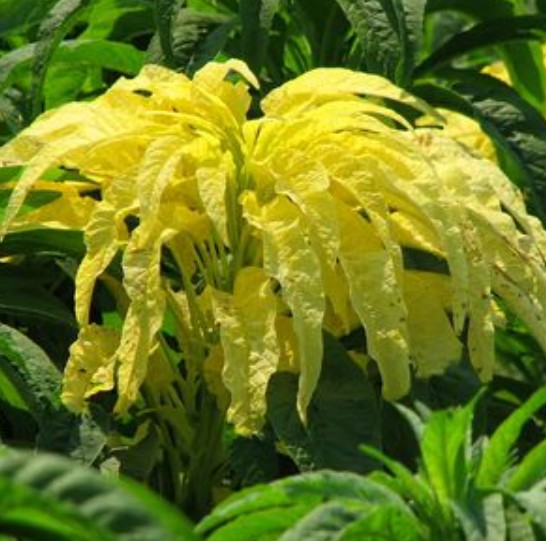
A medium-sized variety, with shoots reaching 70 cm in height. The shoots are erect, and the bush is pyramidal. The leaves are ovoid, with three different colors on the bush: yellow, red, and green.
Brazilian Carnival
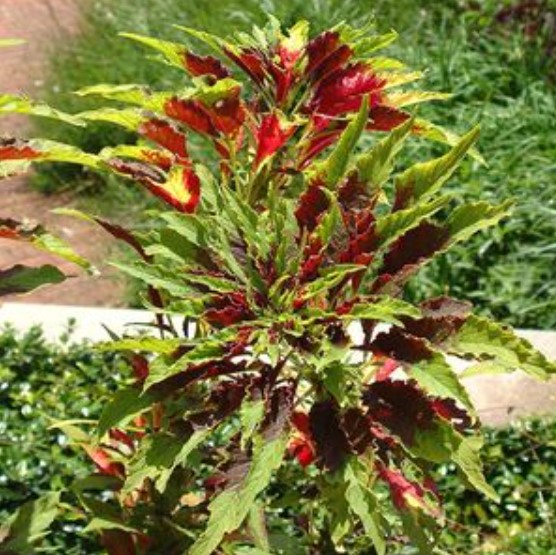
The bush has a pyramidal shape and grows up to 50 cm. The leaves are yellow-red, orange, or brown. The plant is used to decorate flowerbeds, borders, and fences. It prefers sunny areas and is well suited for dried flower arrangements.
Valentina
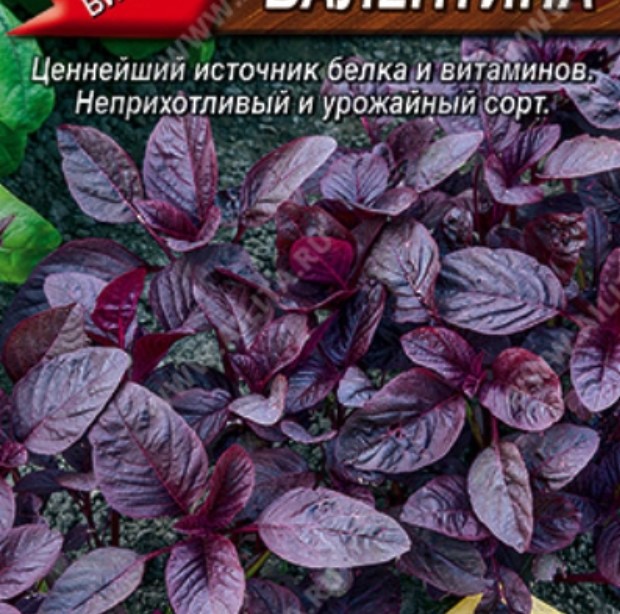
A tall variety of amaranth, the shoots range from 100 to 170 cm in length. It has dense foliage, with reddish-purple leaf blades. The inflorescences are purple. They can be used edibly, as can the leaves and stems.
Yellow
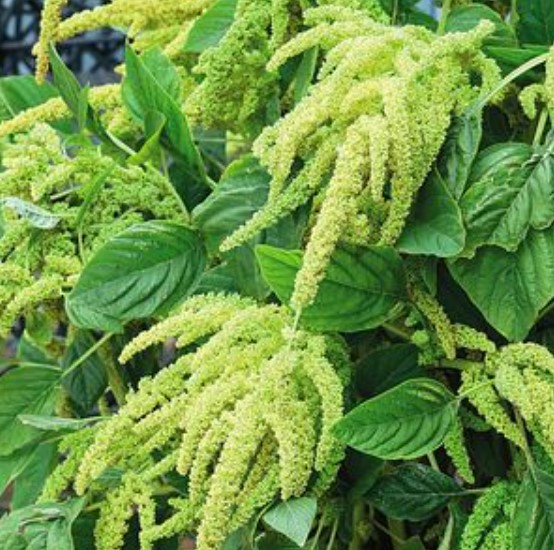
Low shoots up to 50 cm long are crowned with yellowish-greenish inflorescences. It can be planted in both single and group beds.
Illuminations
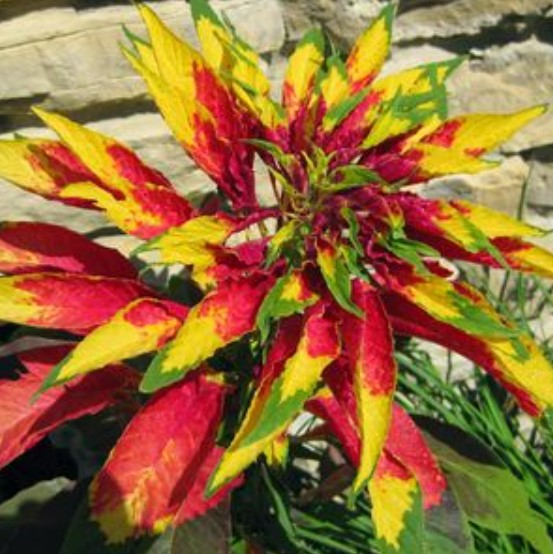
Tall, erect stems up to 100 cm tall with numerous elongated leaves. The foliage is variable in color, ranging from yellow to orange-red. Inflorescences can be green-burgundy, orange-yellow, or red-yellow. Flowering occurs from June to September.
Red octopus
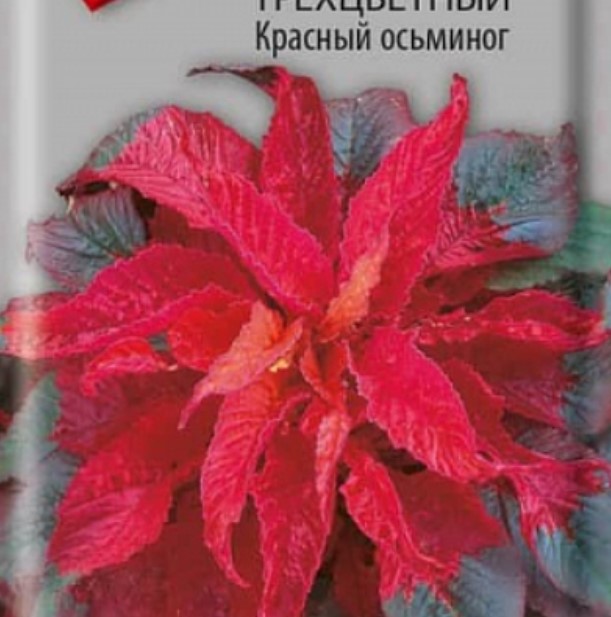
A low-growing plant with stems up to 40 cm tall. The leaves are elongated and wavy, and come in shades of yellow, green, or red. Flowering begins in June and lasts until frost. This plant is used to decorate flowerbeds and mixed borders, and looks good in both group and singly planted plants.
Molten Fire
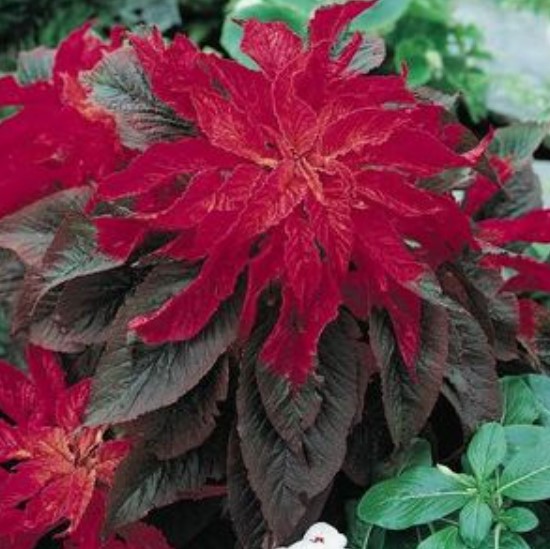
A highly decorative amaranth variety, combining two colors: crimson red and brownish. It's a fussy plant, requiring good light and adequate soil moisture, and does not thrive in cold temperatures. It's excellent for creating centerpieces in flowerbeds, borders, and fences. It's also used in floristry for bouquets.
Early magnificent
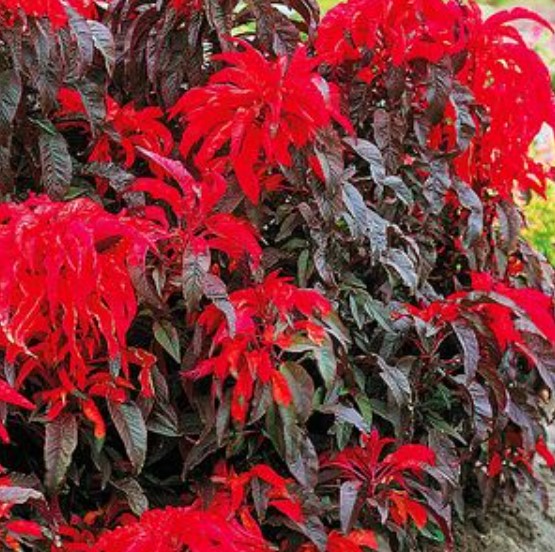
An early amaranth variety growing up to 50 cm tall. As it grows, the leaves change color from coral pink to brown, giving the bush a very impressive and elegant appearance.
Perfection
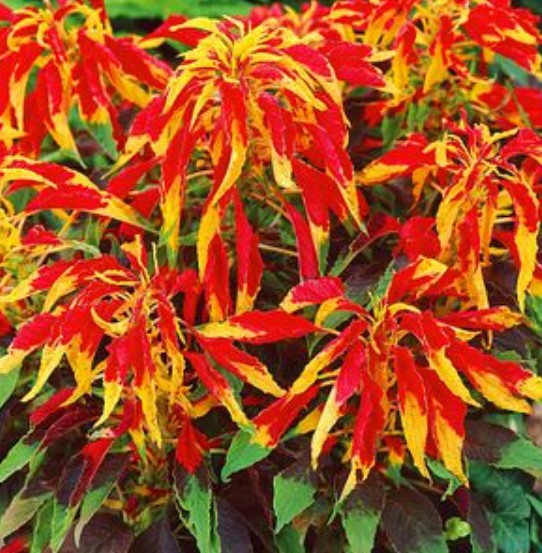
The shoots reach 50 cm in height, and the variety is highly decorative thanks to its variegated red-orange leaves. It looks spectacular planted alone and is also used for borders.
Early Splendor
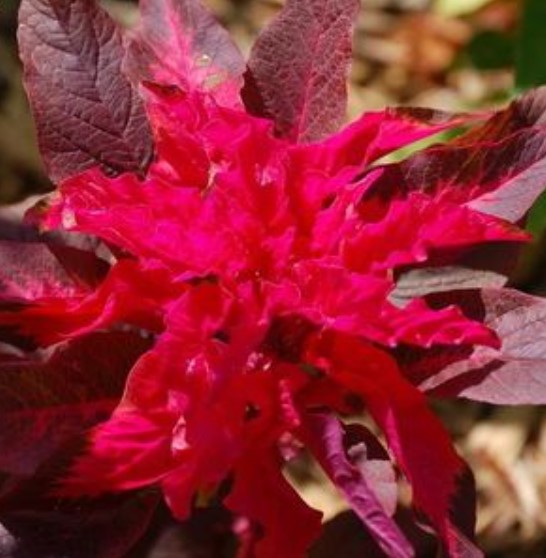
The shoots are about 60 cm tall, the lower leaves are purple-green, and the upper ones are crimson.
Growing amaranth from seeds
Growing amaranth from seeds is easy. You can plant them directly in open ground, or choose the seedling method and sow the seeds indoors.
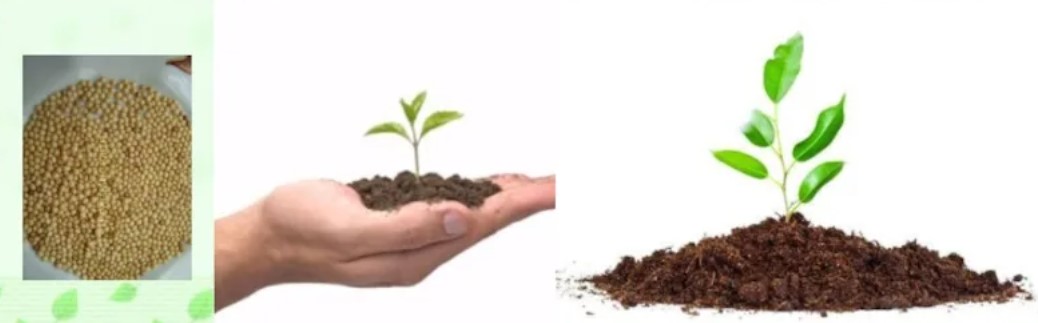
Sowing seeds for seedlings
Amaranth seeds are sown for seedlings in the third ten days of March. It's best to use store-bought soil or mix garden soil with humus and add some sand, as the plants prefer loose soil.
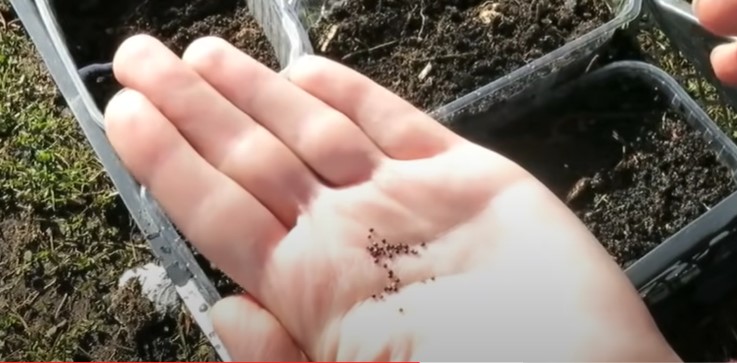
For sowing, you can use any suitable-sized containers about 10 cm high. Fill them with soil, water them, and make furrows 1.5-2 cm deep on the surface. Place the seeds in the containers at 2 cm intervals, then place them in a warm, bright place with a temperature of at least 22 degrees Celsius. Water the plants periodically. It is recommended to cover the pots with plastic wrap until the first shoots appear.
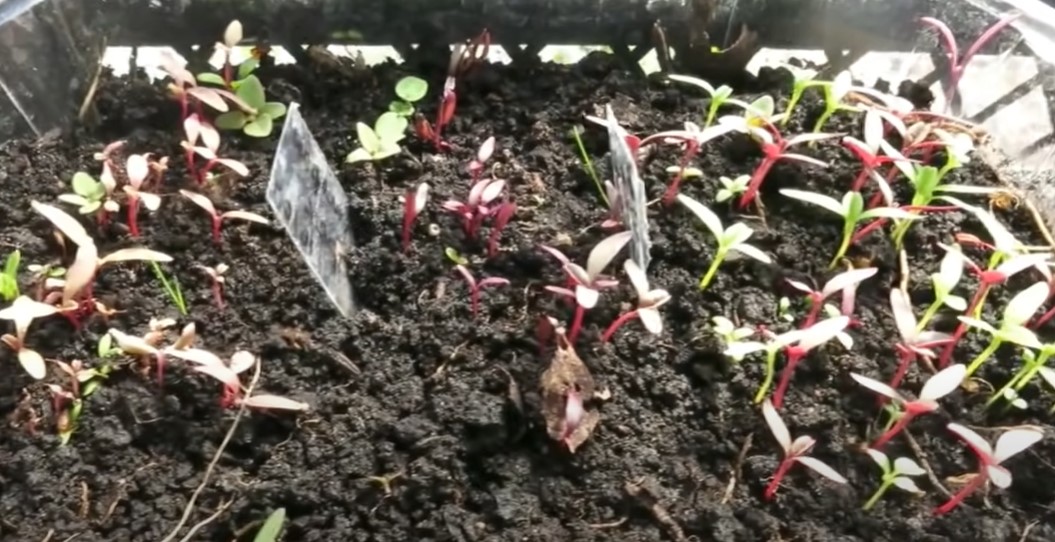
When many shoots emerge, they need to be thinned out, after which the seedlings need to be transplanted into larger containers.
Caring for seedlings
Amaranth seedlings require good lighting, as the shoots are very sensitive to light and actively stretch in response to it. Therefore, it is important to provide supplemental lighting for the seedlings with a phytolamp.
Watering should be regular, it is carried out as the soil dries out, but moderately, without stagnation of water at the roots.
Sowing in open ground
Sowing in open ground is done when there's no pressing need for early flowering in flowerbeds. The key to sowing seeds in open ground is warming the soil to 10 degrees Celsius.
The chosen garden plot should be well-lit, as amaranths thrive in sunlight. The soil is dug and leveled with a rake. If necessary, sand can be added to the heavy soil.
Mark out the planting furrows on top of the bed, making sure the depth of the furrows is no more than 15 mm. For ease of planting, mix the seeds with river sand, as they are too fine on their own. Sow them in the furrows, cover with sand, and water carefully. If there is a risk of frost, cover the bed with plastic wrap.
The first shoots usually appear after 7-10 days; if necessary, they are thinned out, leaving the required number of plants.
Planting amaranth in open ground
Planting amaranth seedlings in open ground allows for earlier flowering than sowing seeds.
Planting dates
Planting of seedlings is carried out in the second half of May, when the soil warms up to +10 degrees.
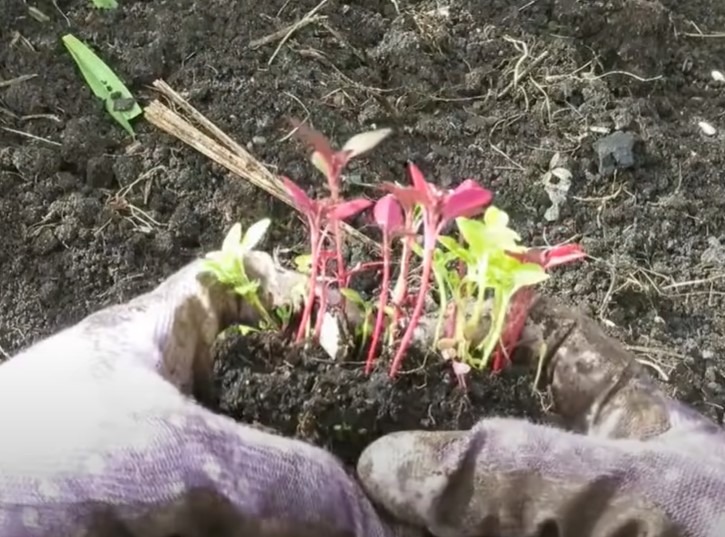
Landing
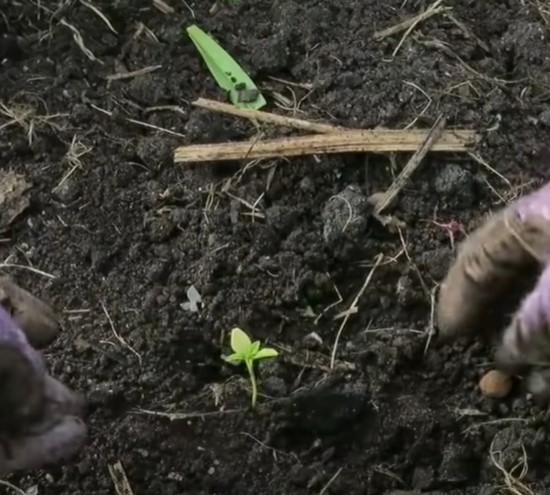
For ease of work, it is better to dig a furrow; if there are few plants, then you can limit yourself to holes a little deeper than the length of the root system.
The seedlings are placed in the bed and covered with soil. Next, water the roots with a watering can equipped with a sprayer.
Caring for amaranth in open ground
Many varieties of amaranth, with the exception of purely ornamental ones, don't require special care. Regular watering and fertilizing, as needed, are sufficient.
Watering
Watering is best done either early in the morning or in the evening to avoid leaf burn. This should be done 2-3 times a week starting 10 days after planting. Until then, the seedlings should be left alone to allow them to acclimate.
It's best to water with a hose and a sprayer to avoid damaging the leaves and shoots. Then, adjust the soil moisture in open ground according to weather conditions. Reduce watering during rainy periods, and increase it during droughts.
Top dressing
Fertilizing amaranth is not a mandatory procedure, but ornamental varieties love it, so when growing flowers in a flowerbed, it is advisable to apply fertilizer three times per season:
- After 10-14 days, vermicompost is added.
- After another 2 weeks, complex mineral fertilizers are used.
- Before flowering, potassium-phosphorus fertilizers are used.
Collecting amaranth seeds
To collect seeds, gardeners select strong, healthy plants in advance. Leaves are not cut off, as they provide a guide to the timing of seed collection.
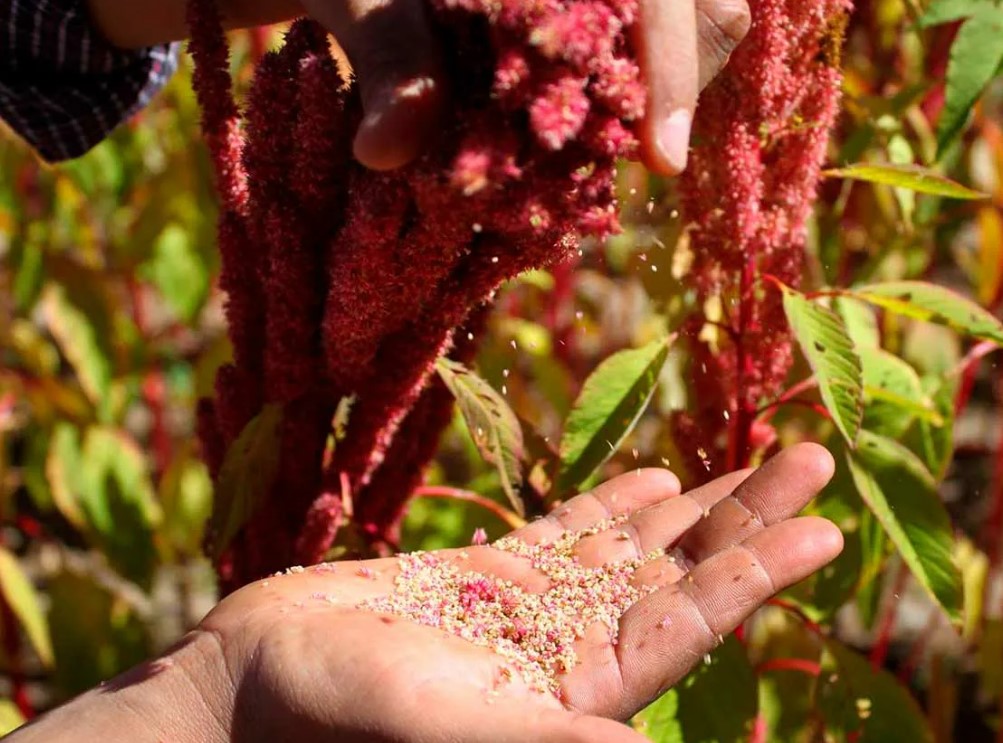
When the lower foliage dries and begins to fall off, and the stems turn whitish, the inflorescences are cut off. They are then placed in a dry, warm place to dry. After 14 days, the dried panicles are rubbed by hand, which releases the seeds. They are then sifted through a fine sieve and placed in a paper bag. The seeds retain their viability for up to 5 years.
Pests and diseases of amaranth and their control
Amaranth has a strong immune system, rarely gets sick, and is virtually unaffected by insect pests. Occasionally, the plant is attacked by aphids or weevils. These feed on plant sap, slowing growth and ultimately leading to death. At the first sign of pest infestation, treat the plantings with Karbofos or Actellic. Preventative measures include following watering guidelines, as overwatering weakens the plant's immune system and promotes the growth of fungi and pests. If fungal diseases do occur, spray the amaranth with copper sulfate, copper oxychloride, or colloidal sulfur.
Benefits of amaranth
Amaranth is a unique plant with not only ornamental but also nutritional value. All its parts are edible, but the seeds are especially beneficial. They contain acids essential for living organisms: stearic, pantothenic, oleic, palmitic, and bile acids. They also contain vitamins C, P, B, E, and others.
Amaranth leaves are renowned for their high protein content and are nutritionally comparable to spinach. This protein is easily digestible and serves as a vital building block for cells. In Japan, amaranth leaves are considered comparable to squid meat, and regular consumption is believed to have a beneficial effect on the body, rejuvenating and improving health.
Uses of amaranth
Due to its numerous beneficial properties, amaranth is widely used in various areas of life.
In medicine
Amaranth seeds are used to produce oils and extracts, while the leaves and stems are used to make infusions. These preparations have the following properties:
- Strengthen the vascular system.
- Stabilize hormone production.
- Improves skin quality.
- Strengthen the immune system
- Promotes faster recovery from infections.
Amaranth oil is most often used in folk medicine, as it contains the highest concentration of nutrients. Other parts of the plant can be used to make tea blends and infusions.

In cosmetology
Modern cosmetology makes extensive use of beneficial natural ingredients derived from plants. Amaranth is no exception. A whole line of cosmetics has been created that includes amaranth.
 Cosmetics help solve many problems:
- Moisturizes the skin.
- Increases cell elasticity.
- Relieves irritation and eliminates redness.
- Smoothes fine wrinkles and prevents their appearance.
Amaranth oil is often found in hair products. They strengthen hair follicles, promote growth, smooth, nourish, and add natural shine.
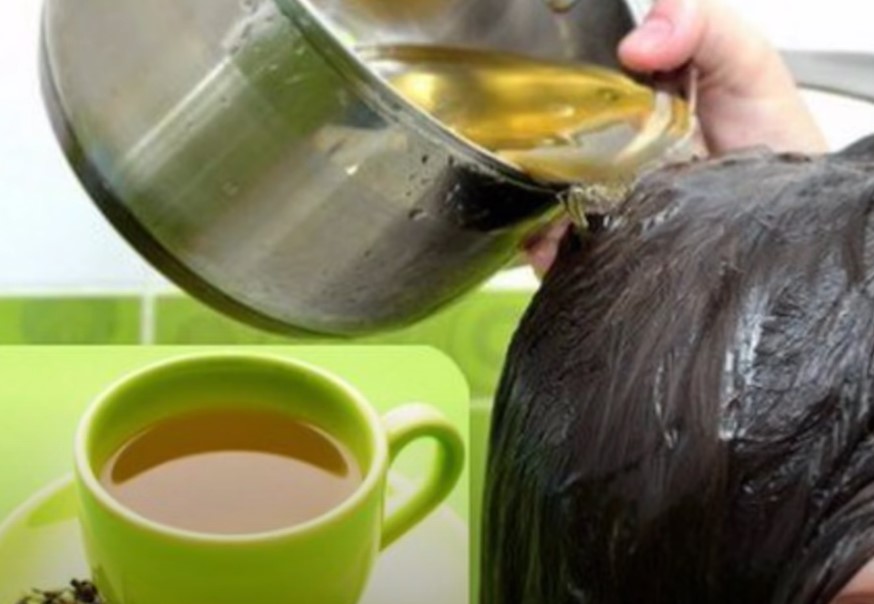
The oil is also included in lip balms and body creams, as it is quickly absorbed, moisturizing and nourishing the skin without leaving a greasy film.
In cooking
Amaranth seeds have been used for decades to make flour, cereals, and oil. They are gluten-free, which is important for dietary nutrition. Their high fiber content makes amaranth dishes extremely beneficial for the gut, and teas are widely used to prevent diabetes and obesity.
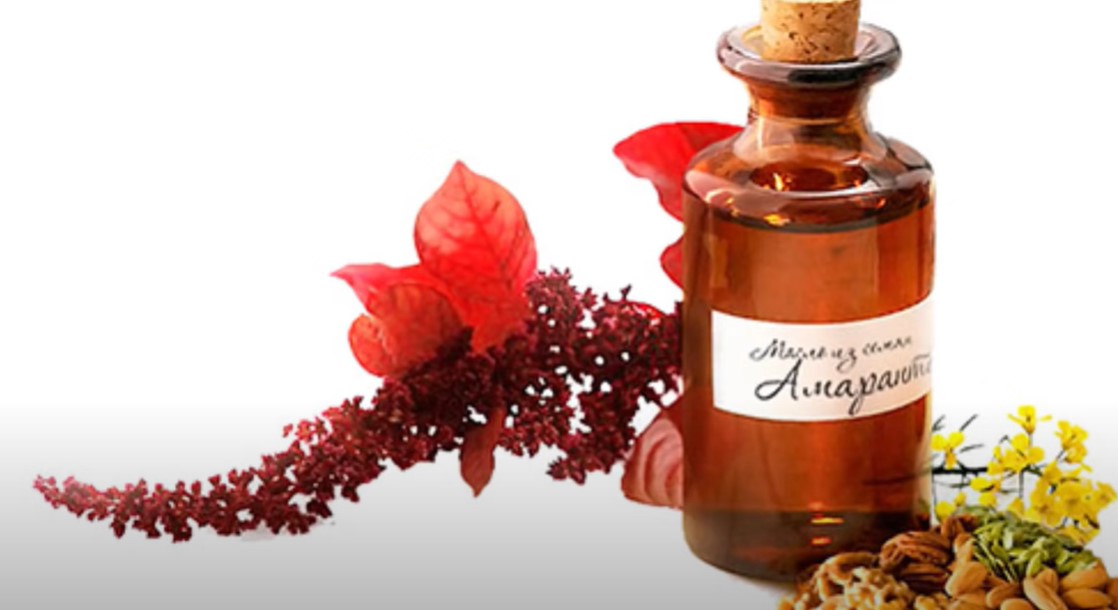
There are also dietary supplements containing amaranth; they strengthen the immune system, have an anti-inflammatory effect, restore tissues and cells of the body, and tone.
All parts of the plant are used in cooking, and the seeds are used in baked goods and porridge. The leaves and stems are used in salads, teas, and infusions.
In animal husbandry
Amaranth products are widely used in livestock farming. The above-ground portion of the plant is an excellent source of protein for animals. Amaranth accounts for approximately 20% of the daily ration of livestock, which is sufficient to produce balanced feed. The stems and leaves are used as silage, and poultry enjoy the seeds. Livestock breeders note that animals fed amaranth are more productive, suffer fewer illnesses, and gain weight faster.
Traditional medicine recipes with amaranth
Amaranth leaves and shoots are widely used in folk medicine; they are used to prepare useful decoctions that can be taken internally or used as a bath product.
Tonics
Amaranth tea has a general strengthening and tonic effect and improves digestion. It can be prepared in two ways.
Method 1.
- Pour 500 ml of boiling water over 2 tablespoons of dry leaves and place in a warm place.
- Let it brew for 20 minutes.
The decoction is taken half a glass 2-3 times a day 30 minutes before meals.
Method 2.
- Pour 250 ml of hot, but not boiling water over 10 g of fresh leaves.
- Simmer in a water bath for 20 minutes.
Take the decoction before meals in the morning and evening, half a glass at a time.
- Strain.
For taking baths
Baths with amaranth calm the nervous system, strengthen blood vessels, and improve skin condition.
- Chop 400 g of leaves and add 2 liters of water.
- Bring to a boil and simmer for 15 minutes.
- Let it brew for 30 minutes.
- Pour the decoction into the bath.
The duration of the bath is 30 minutes.
Culinary recipes with amaranth
Amaranth not only produces tasty but also very healthy dishes.
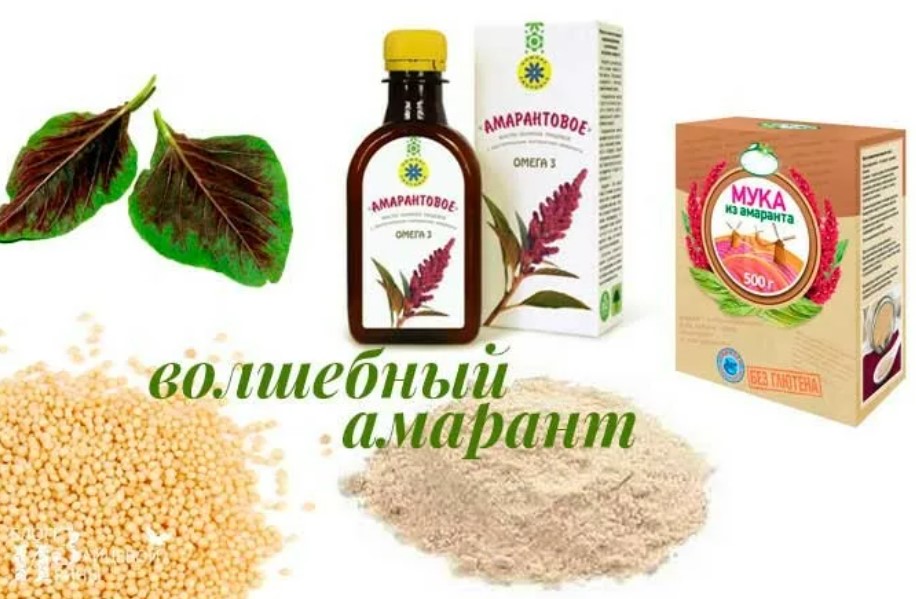
Porridge
Mix the cereal with water in a 1:1 ratio, place over low heat, and simmer for about 15 minutes. If necessary, add a little more water to make the porridge more viscous. You can add berries, dried fruit, nuts, or honey to the finished dish.
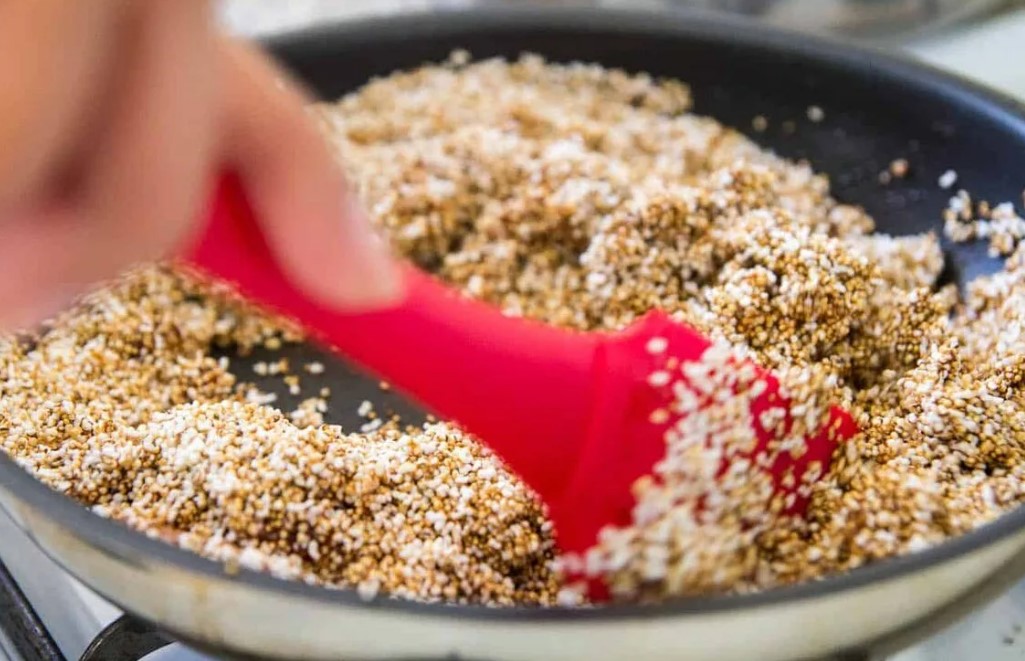
Polenta
The dish turns out very tasty when you add mushrooms. It's best to use dried mushrooms, as they impart a richer flavor.
Method of preparation:
- Soak 0.5 cups of dried mushrooms.
- Boil them for 10 minutes
- Add 1 cup of amaranth to the pan with the mushrooms and simmer for another 15 minutes.
- Chop 1 onion and fry in a small amount of oil.
- Place the fried mixture into the pan with the porridge and cook for another 20 minutes until it reaches a viscous consistency.
- Add salt, spices and herbs.
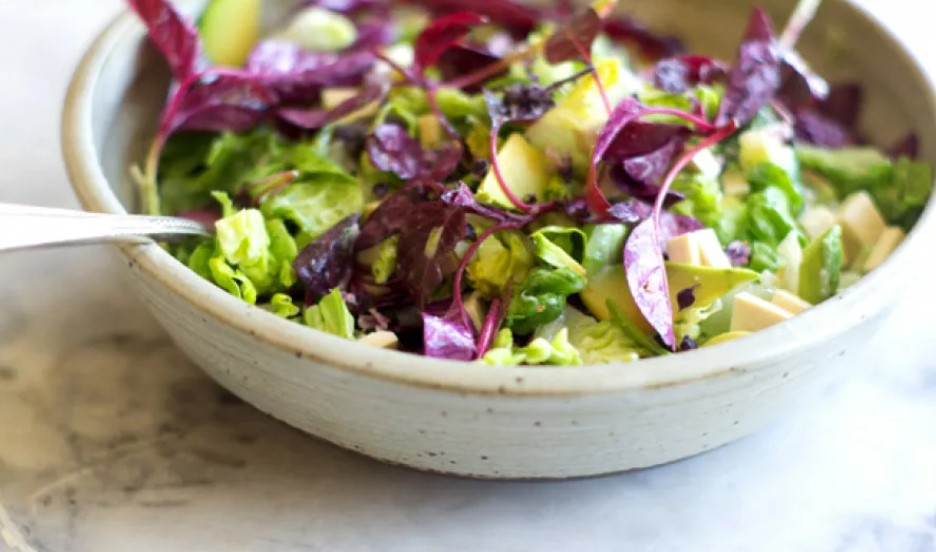
Salad
Combine lettuce leaves, Chinese cabbage, arugula, and amaranth leaves in a bowl. Sprinkle with lemon juice and season with vegetable oil.
Soup
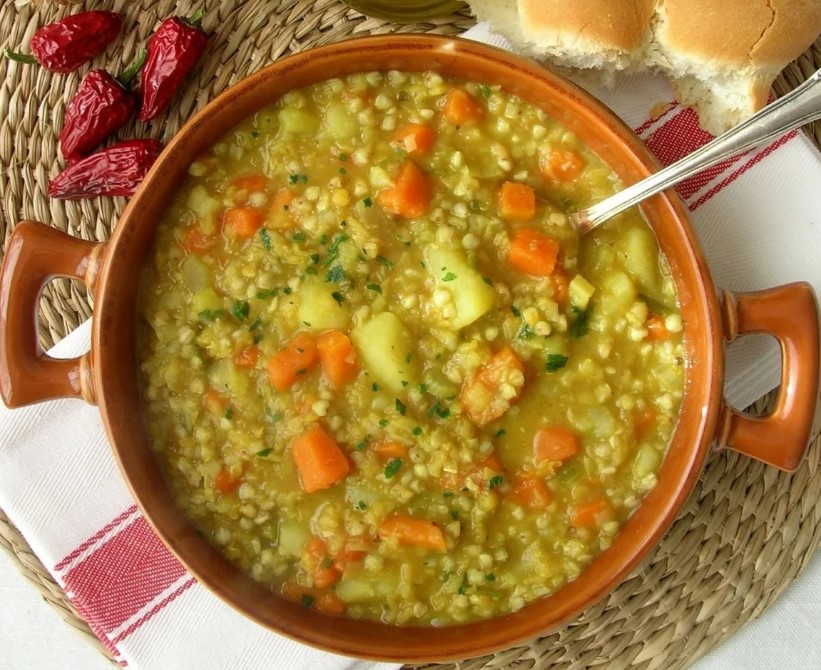
1. Peel and dice 3 potatoes, cover with water and put them on the fire.
2. In a frying pan, fry a small, finely chopped onion, a clove of garlic, a tomato and a carrot.
3. Place the fried mixture into the pan with the potatoes.
4. Add 300 g chopped amaranth leaves.
5. Cook for 20 minutes until the potatoes are ready.
Cutlets
1. Soak 50 grams of amaranth seeds in a glass of water.
2. Soak 100 g of lentils in a separate container.
3. Boil the cereals separately.
4. Mix, add 1 grated carrot and 1 finely chopped onion.
5. Add salt, pepper, and 1 egg.

Form cutlets, roll them in breadcrumbs and fry on both sides in a small amount of ghee or vegetable oil.
Dessert with nuts
Heat the honey and butter over low heat, stirring constantly. Add the amaranth seeds and any nuts, mix well, and pour into the molds. Chill before serving.

Sauce
Bring 300 g of cream to a boil, add 200 g of chopped amaranth leaves, 10 g of soft cheese, pepper and leave to simmer over low heat, stirring constantly, until the cheese is completely dissolved.
Contraindications for the use of amaranth
Amaranth oil and extract contain highly concentrated substances that can cause an allergic reaction and are contraindicated for people with the following problems:
- Gallstone disease.
- Cholecystitis.
- Pancreatic disease.
- Pancreatitis
- Gastrointestinal diseases.
- Intolerance to components.
Amaranth in the landscape
Many gardeners decorate their gardens and plots with amaranth. Typically, ornamental varieties with variegated leaves and small inflorescences are used for this purpose.
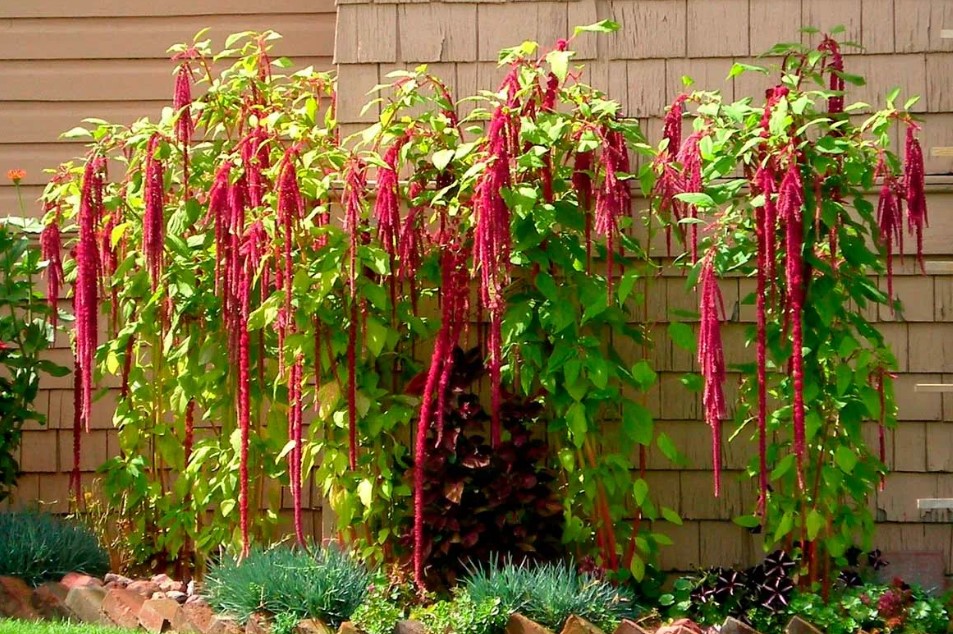
These plants are best planted in groups; amaranths may not look as attractive in solitary plantings due to their sparse flowering. Good companions include forget-me-nots, nasturtiums, delphiniums, and immortelle. Amaranths look great in hanging pots on terraces and verandas. In landscape design, they are a popular choice when decorating paths or fences.
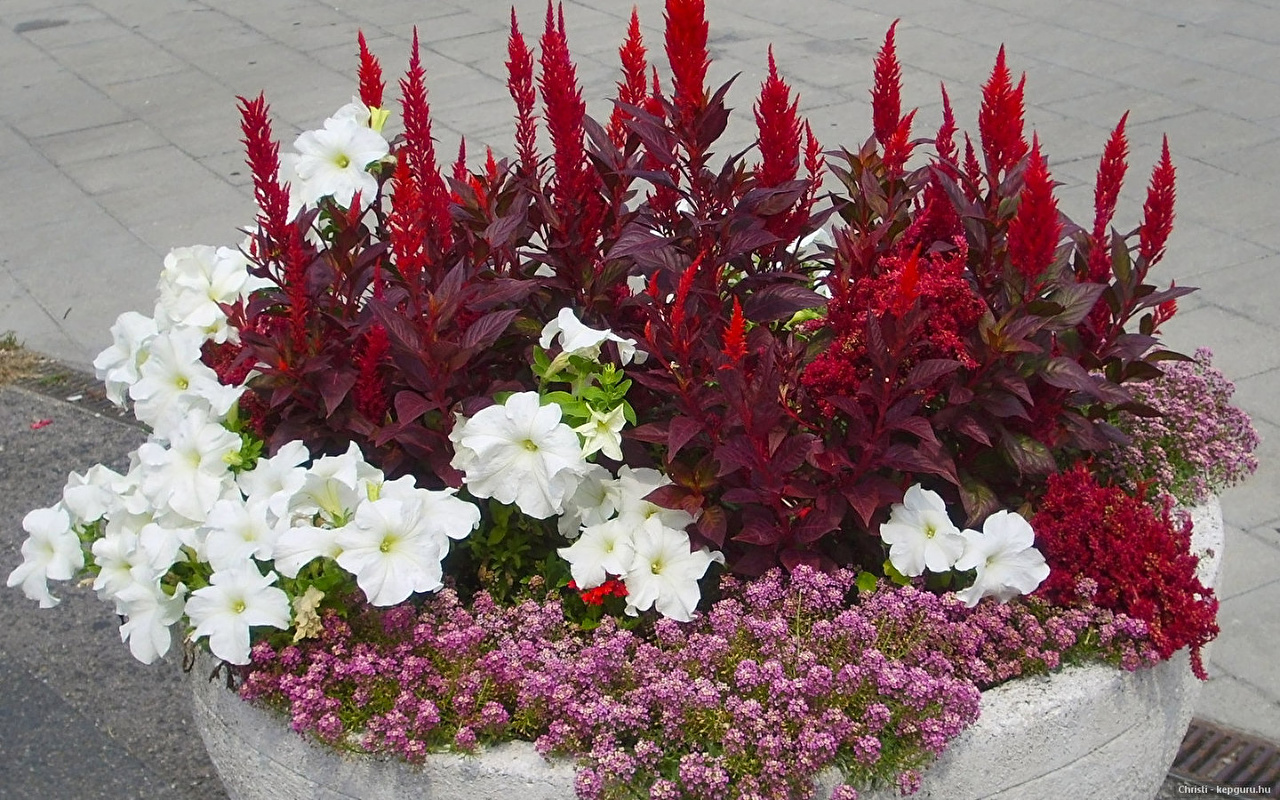
Amaranths can last a very long time even when cut, so they are often added to floral arrangements.