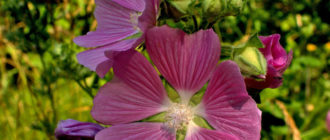
Arctotis is the South African equivalent of the well-known chamomile. The plant takes its name from the Latin "arctotis" meaning "bear's ear."
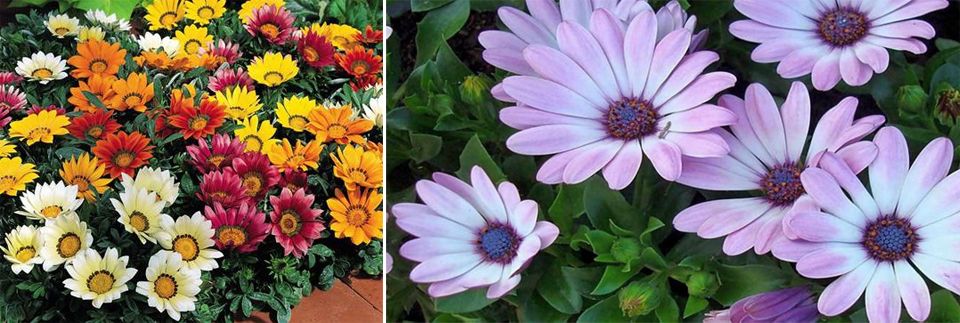
It is a striking specimen of the Asteraceae family. In our part of the world, they were discovered thanks to fellow gardeners from the vast expanses of Africa.
Content
Description of Arctotis
The flower has drooping shoots that are white or silvery. The flower stalks are quite long. Each stem bears a single, beautiful flower, approximately 8 cm in diameter.
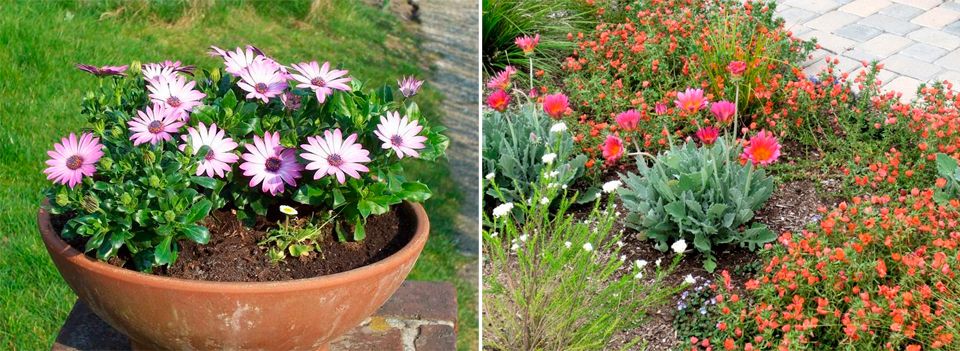
The inflorescences are replete with a variety of colors, including pink, purple, white, and even violet. However, almost all varieties of this plant share similar properties, care, and growing guidelines.
Arctotis species
There are quite a few wild species of Arctotis, but only a few are used in cultivation. The most popular species include:
Stechasolifolium
Most popular in horticultural cultivation. Shoots reach 1 m with fairly large, drooping leaves.
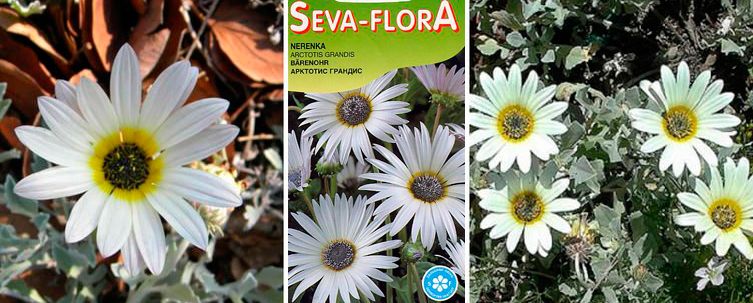
The peduncle is tall with a single flower of a light yellow or milky white hue with a dark center with a purple tint.
Lush
A native species, the progenitor of many hybrids. Flowers are bright orange or yellow.
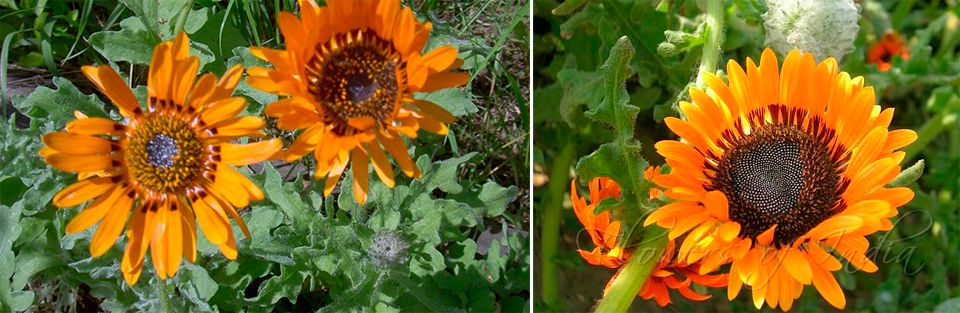
Bushy with drooping shoots.
Acaulescent
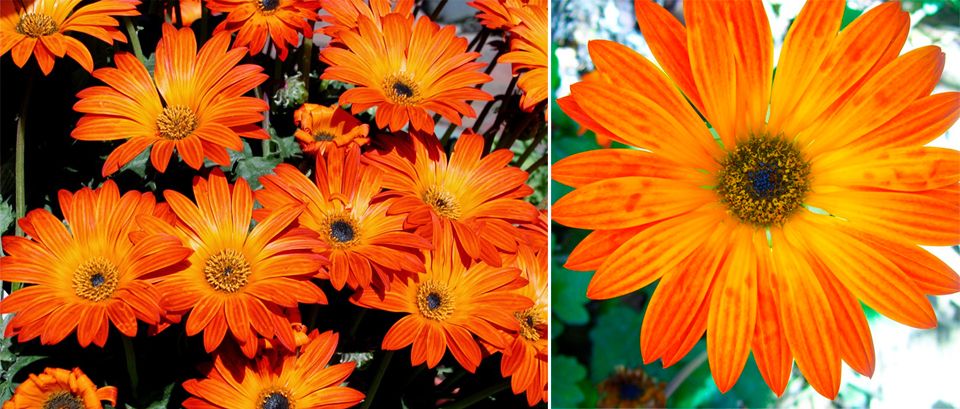
A dense, lush rosette. Orange and red inflorescences.
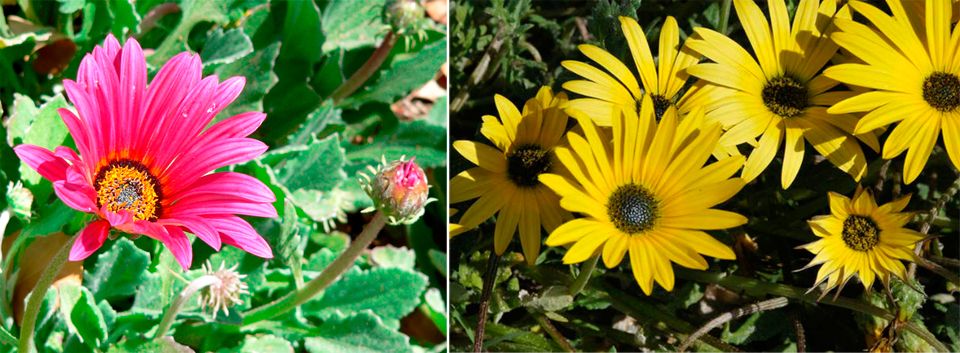
The height of the peduncles is 20 cm.
Short-stemmed
Compact bushes with foliage and small yellow flowers. Height up to 15 cm.
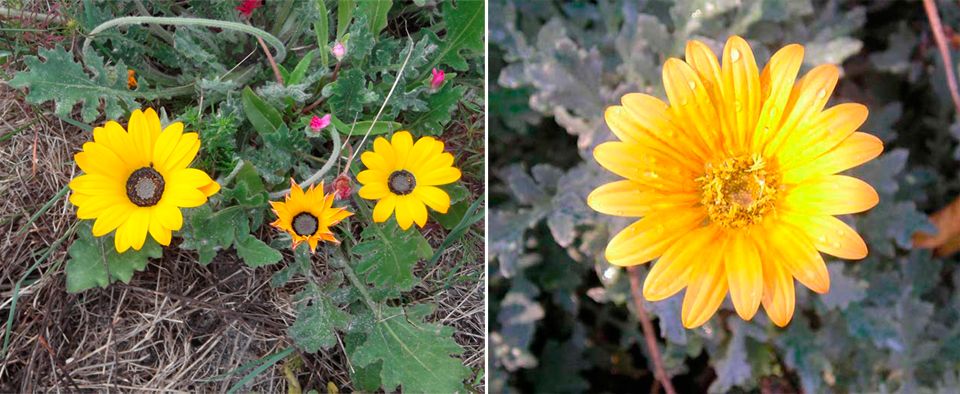
Rough
Medium-sized inflorescences, white and yellow flowers. Fragile root system. Height up to 1 m.
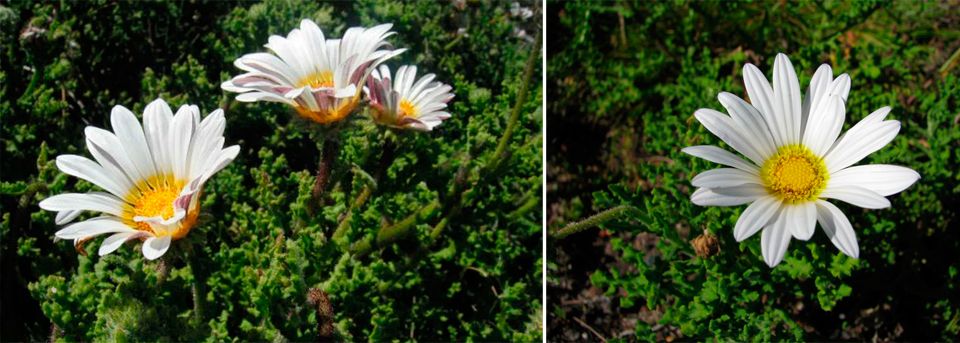
Eared
The only difference between it and other species is its orange inflorescences.
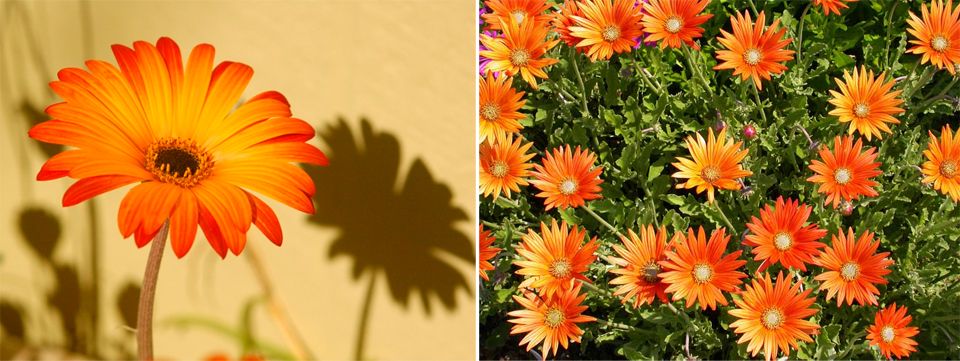
Beautiful
A telling name, a rare species. This specimen can reach 30 cm in height, with orange flowers.
Large-flowered
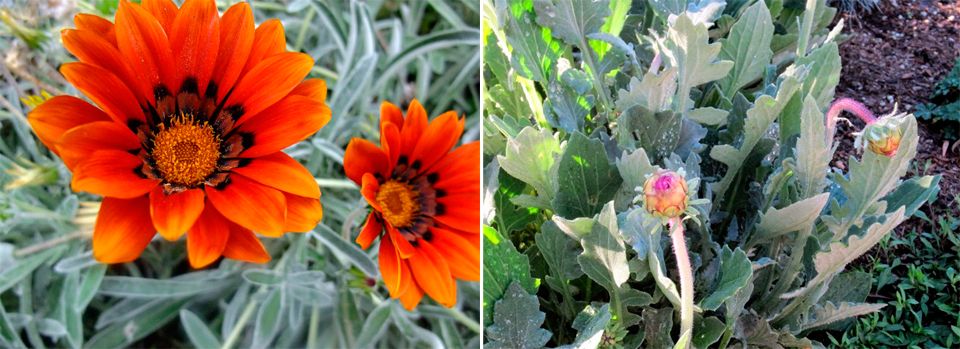
It differs from other species due to the color of its inflorescences, which are covered with a silvery hue, giving the plant a unique look.
Hybrid
Very large inflorescences, a huge range of possible colors, from white to orange. The buds reach up to 10 cm in diameter.
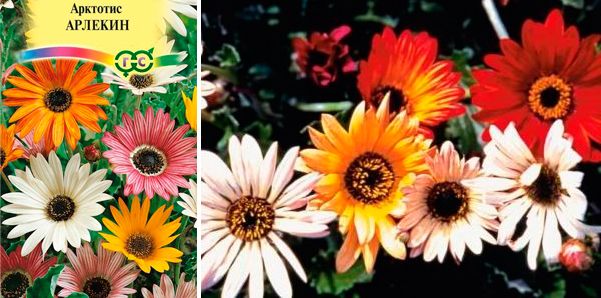
The flower itself reaches a height of 20 cm to 1 m 20 cm. Seeds do not convey the characteristics of the species. The most popular variety is Harlequin.
Growing Arctotis from seeds
Seeds for planting can be purchased at any gardening store. Alternatively, you can collect them from areas where these flowers grow. This method is more difficult, but better. It allows you to be 100% sure of the seeds' quality. However, they are very small, so it's important to know exactly when to collect them. You can prepare a large quantity, but use only a portion, saving the rest for later. They have excellent storage properties.
The nuances of planting arctotis from seeds
Seed maturation takes two weeks after flowering. The most common method is seedlings. However, if you plan to plant in warmer climates in the south, you can plant them directly in the ground.
There are a couple of important nuances regarding the landing issue:
- It is necessary to sow the seeds in advance, around March, in a container filled with a peat-sand mixture.
- Treating the soil with a potassium permanganate solution will help prevent most infections and diseases.
Growing seedlings
Arctotis seeds should be scattered over the soil surface. Then cover with plastic wrap or glass. It's important to keep the temperature between 22°C and 24°C. Sprouts should appear within a week of planting.
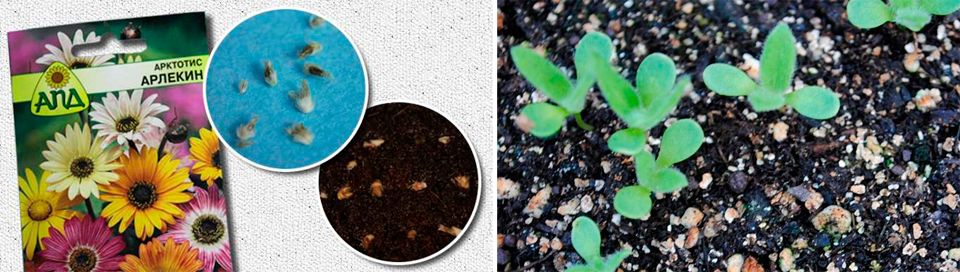
Once the first shoots appear, remove the covering material from the seeds. Watering should be approached with extreme caution; it is recommended to water through the tray. Spraying should be avoided, as this can disrupt the seedlings' growth. Once the seedlings have grown sufficiently, thinning will be necessary.
Immediately after the first true leaves emerge, the seedlings should be transplanted into individual containers. You can combine them, accommodating up to three in a single pot. Repotting should be done carefully, as the plant's young structure and root system are very fragile and can be easily damaged if handled carelessly.
A large percentage of this risk can be eliminated by planting the seeds in special peat tablets from the very beginning. Then, once they reach a normal height of about 10 cm, pinching is recommended to promote bushiness.
Growing Arctotis in open ground
Planting takes place in late spring, or at the very beginning of summer. During this period, there's no chance of freezing the plants with cold soil. When choosing a planting site, choose a sunny spot. This is because arctotis prefers bright locations.
The plant's root system is delicate and very sensitive. Therefore, it should not be planted in clay soil, as the roots will have difficulty coping with it, which will seriously affect growth.
As for fertilizers, they are not whimsical; for better growth, it is necessary to ensure drainage by adding sand to the soil.
Caring for Arctotis in the Garden
Because the plant is so easy to grow, the number of necessary operations is reduced to a minimum. This makes it an excellent experience for a novice gardener.
Watering Arctotis
Since arctotis is an African version of the well-known daisy, it tolerates arid climates and prolonged periods of dry soil. However, caution is needed when watering, as excessive amounts negatively affect the root system and can lead to disease. Water moderately, with a dry soil layer of approximately 10 mm indicating the need for water. Almost any water will do, including tap water or rainwater.
Features of feeding for arctotis
The plant does not tolerate organic fertilizers of any kind. It is not recommended to use any fertilizers. With roots from arid climates, it thrives on what's already in the soil. The only time it can be fed is during bud formation and the active flowering phase. This procedure is strictly contraindicated at other times.
Loosening the soil
The soil around flower beds should be regularly loosened. This allows for better air access to the plant's roots, which promotes its development.
Pruning and wintering of arctotis
To continually stimulate new bud growth, it's important to regularly remove faded flowers. This will also preserve the plant's aesthetic appearance.
Arctotis can be divided into two groups according to their lifespan:
- annuals;
- perennial.
The first type is destroyed after flowering. For perennial species, when cold weather sets in, the above-ground parts are trimmed back by approximately 90%. The remaining parts (no more than 10 cm) are placed in a specially constructed structure filled with sawdust and fallen leaves, and covered with plastic film.
Propagation and collection of Arctotis seeds
This flower can confidently be considered one of the most vibrant and beautiful plants. It's no wonder that gardeners everywhere want to have a collection of these beautiful flowers in their gardens. Moreover, they are completely unpretentious in terms of care and feeding, and perennial varieties can tolerate cold weather, after which they continue to bloom even more beautifully.
Before frost sets in, the question of propagating this plant becomes urgent, especially for annual species. The most common and effective method is by seed. Transplanting the plant from the ground to a pot is also possible. However, the delicate, fragile root system requires proper care when relocating. Without even a little experience, such a transplant can easily lead to the death of this beautiful flower.
Two weeks after the flowering period ends, a so-called "fluff" forms in the very center of the flower head. This is a mature achene and the first sign that it's time to begin collecting seeds. The concentration of seeds in this "fluff" is very high—1 gram can easily contain up to 500 seeds. It's recommended to collect seeds exclusively in the morning, and during dry weather.
The collected seeds must be dried as thoroughly as possible, then sealed in a special container, where they are stored until warmer weather arrives next year. There's no need to worry about the safety of the seeds; they can retain their properties for up to two years, without any negative consequences or disease.
Diseases and pests of Arctotis
Arctotis, like all plants, is susceptible to certain diseases and plant ailments. The most common problems for this plant are meadow bugs and aphids. At the first sign of infestation, insecticides should be used immediately. A mustard-based solution of water is an excellent remedy against bugs. This solution is prepared by mixing 100 grams of mustard powder per 10 liters of water.
Arctotis suffers from gray mold, which occurs due to overwatering and is untreatable.
To prevent the occurrence of diseases, it is necessary to inspect the seedlings daily for plaque and holes in the leaves.