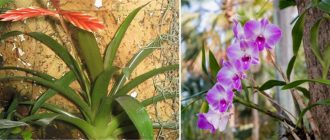
Asystasia belongs to the Acanthaceae family. According to various sources, the genus includes 20-70 species. The plant is found in Oceania, Africa, and Asia.
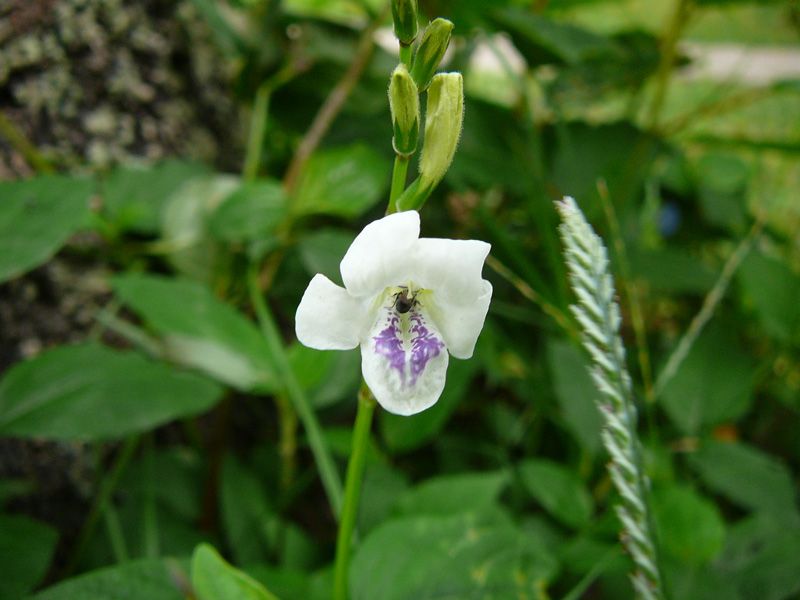
Features of asystasia
It is an evergreen flowering shrub with straight stems reaching 1 m in height. The leaves are on short petioles, with a pointed end and teeth along the perimeter.
Every year, the plant loses some of its stems, but retains its buds. Over time, a semi-woody trunk with drooping branches begins to form.
Lilac, cream, grayish-violet, snow-white, and blue bell-shaped flowers are gathered in axillary racemes. The petals are open and reflexed, with contrasting veins.
Types of asystasia
Varieties suitable for home cultivation:
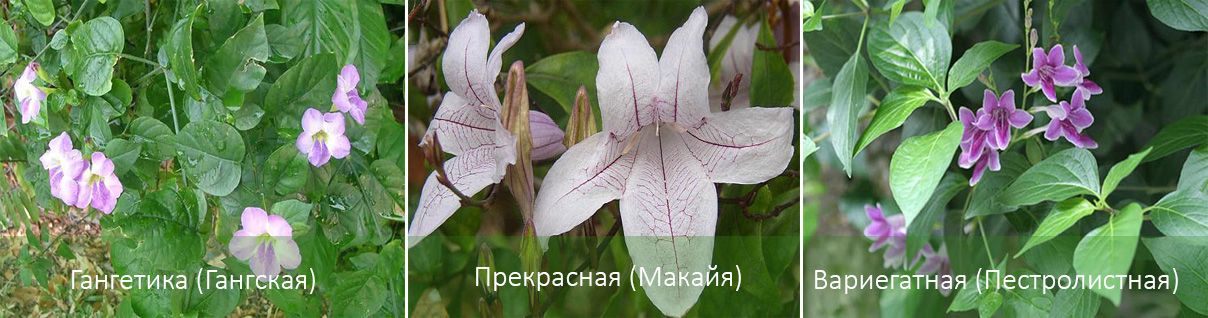
| Name | Flowers/flowering time | Leaves | Peculiarities |
| Gangetica (Gangetic) | Purple, blue. Long-term, up to 7 months. |
They are healthy and can be added to salads or eaten raw. | Requires a large pot volume (at least 15 l). |
| Beautiful (Makaya) | Large, usually snow-white, less often pink or lilac.
Spring - summer. |
Ovoid-oblong. | The most popular variety, which was first grown at home. |
| Variegated (Variegated) | Snow-white, tricolor.
From March to November. |
Oval, with a pointed end. | It grows quickly, with annual growth of up to 35 cm observed. Experts do not classify it as a separate variety; it is generally considered a subspecies of Asystasia pulcherrima. |
Caring for asistasia at home
This plant is still little studied, as it's only been grown indoors relatively recently, but general care guidelines do exist. Care for this flower at home by season:
| Parameter | Spring/summer | Autumn/Winter |
| Location/lighting |
South-facing windowsills. It's recommended to place the plant outside, on a terrace, or on a balcony during warm weather. Bright, diffused. Tolerates short-term exposure to direct sunlight. |
Move away from the cold window. Extend daylight hours with phytolamps. |
| Temperature | +20…+25 °С | +12…+18 °С |
| Humidity | It doesn't matter, no need to spray. | |
| Watering | Abundant, as the top layer of soil dries out. | No more than once a month. |
| Use warm, settled water. | ||
| Top dressing | Complex mineral fertilizers for indoor flowering plants 1-2 times a month. | No need. |
Pruning and pinching
The bush grows quickly, producing long shoots in spring and summer. To maintain its decorative appearance and a lush crown, pruning and pinching are necessary. Asystasia is a new plant for indoor cultivation, and the exact time it produces flower buds has not yet been determined. Therefore, it is necessary to determine the time for bud formation independently through experimentation.
Transfer
Adult and young specimens should be repotted only when necessary: when the root system has completely encased the root ball or the bush is affected by a disease that requires replacement of the substrate.
The preferred time is March-April. Repotting later will negatively impact growth and flowering.
The soil should be fertile, loose, and light. For repotting, use a store-bought universal soil. You can also prepare your own soil mixture using leaf mold, turf, and sand in a ratio of 4:2:1.
The bush has a well-developed root system. The pot's depth should be equal to its width. Each time you repot, increase the container's volume by approximately 5 cm. Always place expanded clay drainage material at the bottom.
The plant needs to be relocated by transshipment. Fill the empty space with fresh soil, pressing it down with your palms around the stem. Leave the neck at the same level as before.
Diseases and pests
The plant is resistant to diseases and insects. Diseases rarely affect it, usually due to care errors:
| Manifestation | Cause | Elimination measures |
| Rhizome rot. | Over-watering of the soil. | Immediate transplant:
|
| Fine web, dark spots on greenery. | Spider mite. | Spraying with acaricides: Aktara, Actellik, Fitoverm. |