The common birch is a genus of deciduous trees and shrubs belonging to the Betulaceae family. It is native to Russia and the Northern Hemisphere. The tree's name comes from the root "bhereg," meaning to glow or whiten.
Birch – description and characteristics
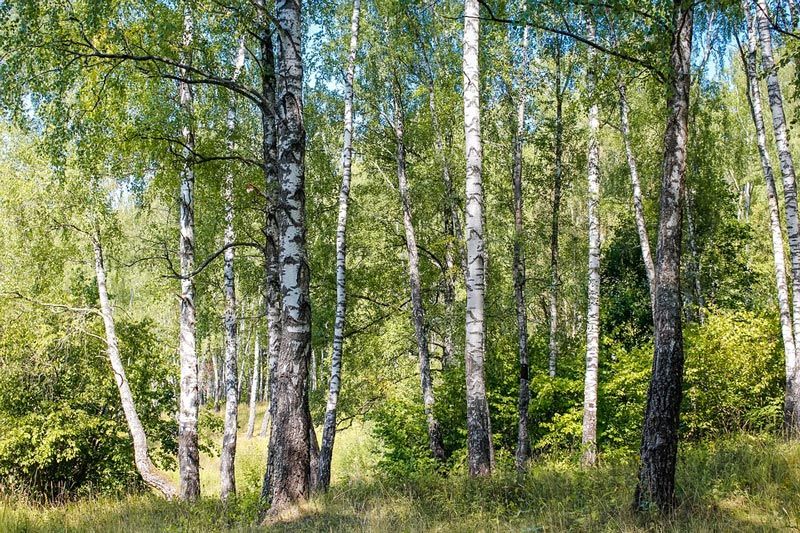
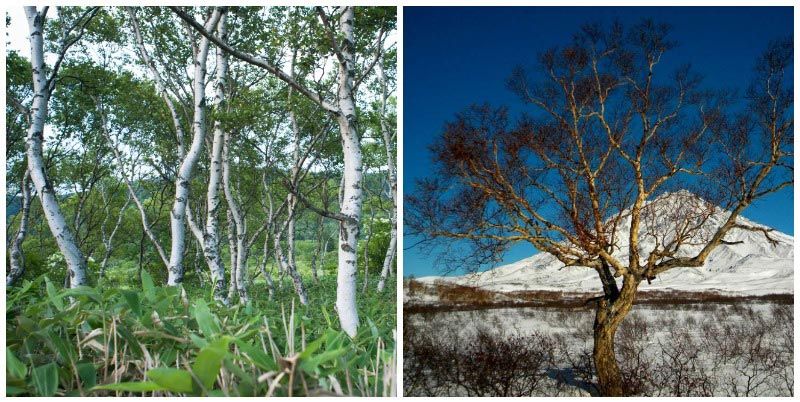
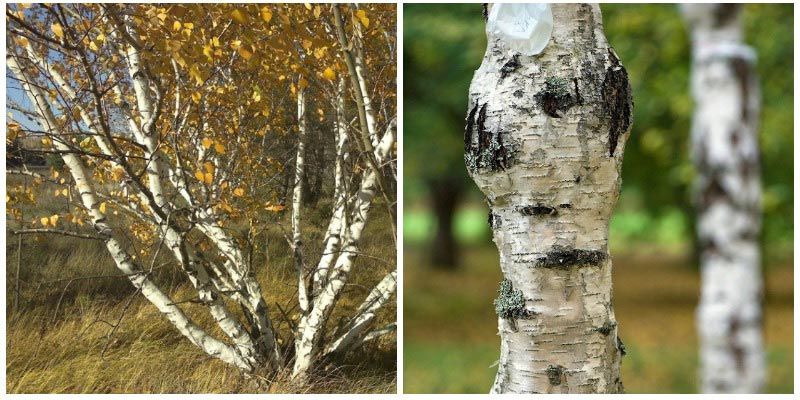
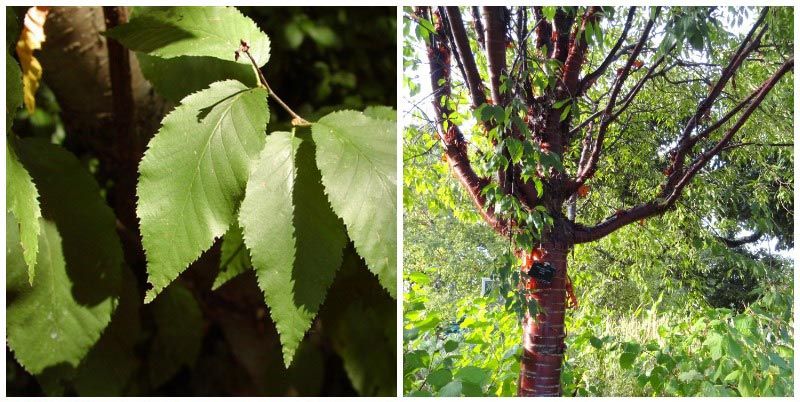
Birch is a white-trunked tree reaching up to 30 meters in height. It lives for approximately 100-150 years. It has a long, straight trunk, smooth, with characteristic black lines or spots on the bark surface. The tree has branched roots that extend deep into the ground. The leaves are triangular and oblong, varying in size, very fragrant, and come in various shades of green with serrated edges. Young leaves can be sticky.
Since ancient times, it has been a cult plant in Rus', a symbol of Slavic culture. The tree was associated with the image of a young, beautiful girl—pure and immaculate. In Slavic culture, it is a spiritual tree—it wards off evil spirits and serves as a family amulet.
It is widely used in folk medicine. For example, birch branches can be used to make a bath whisk; steaming with it can relieve muscle tension and soothe the skin. Birch sap has a beneficial effect on blood circulation, and the tar can help with skin conditions.
The beauty and significance of this tree are celebrated in literature, and the benefits of birch as a plant cannot be overstated. It is hardy and tolerant of any weather and soil, which is why its natural habitat is so widespread.
Wood
Birch wood is extremely durable, with a slightly sheen on the bark. Due to its strength and exceptional elasticity, it is widely used in construction, finishing, and carpentry and furniture manufacturing. Without proper treatment, it is prone to rot.
Bloom
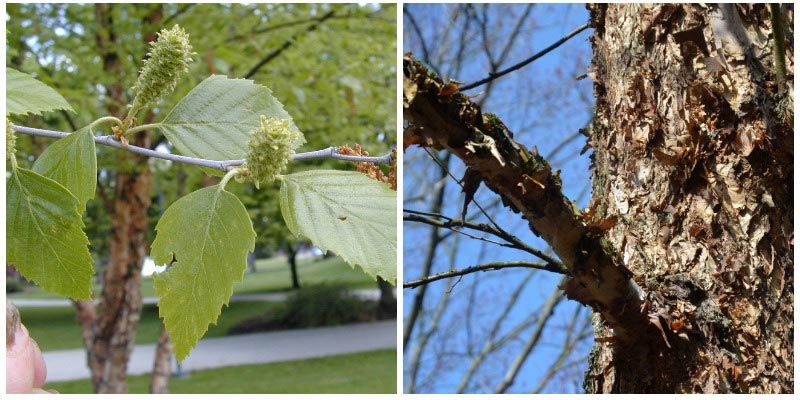
Birch begins as early as April. Birch trees have staminate and pistillate catkins. Pistillate catkins are female, 2-3.5 cm long, and occur alone on each branch. They are found primarily on the side of the branch and appear with the first leaves. Staminate catkins are male, long, scaly, 6-7 cm long, and occur three to four times per branch. They secrete pollen abundantly. Each catkin contains approximately 600 seeds. The fruit is an oval nut with two wings that are several times larger than the catkin itself. Ripening begins in August. The seeds are dispersed by the wind and thrive in any soil.
Types of birch trees
The exact classification has not yet been established, and the number of species in the family is approximately 100. The most popular are:
| View | Height (m) / Trunk diameter (m) | Description |
| Fluffy (pubescent) | Approximately 20-27. About 0.75. |
Young bark is brown, turning white with age. It has a narrow crown with upward-facing branches, a spreading habit. It is undemanding in terms of sun exposure, frost-resistant, and prefers moist soil. It grows in Siberia, the Caucasus, and Western Europe. |
| Drooping (warty) | Maximum 35. Approximately 0.8. |
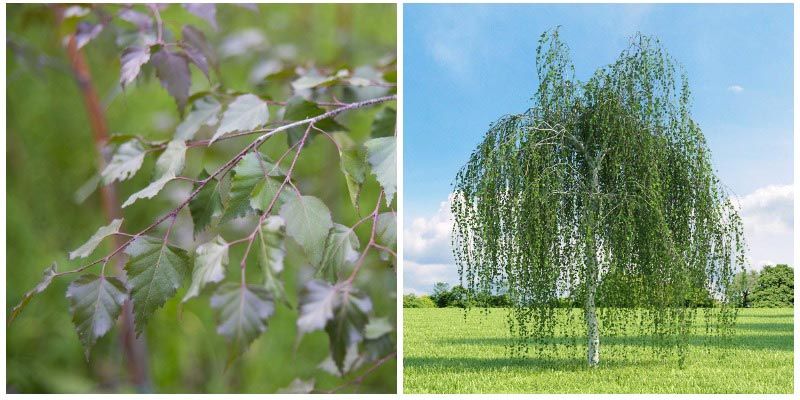
The most common variety. Young trees have brown bark, which turns white after 10 years. Branches hang down and are covered in copious amounts of resin. Native to Europe, Asia, and northern Africa. |
| Ermana (stone) | Until 10-12.
Reaches 1. |
The tree is unique in its lifespan—approximately 500 years. It has a twisted trunk and a sparse crown. The bark ranges in color from gray to brown. It grows in Siberia, the Far East, China, and Japan. |
| Cherry (viscous, sweet) | Approximately 22-27.
Up to 0.65. |
The bark is dark brown and fissured. The tree has a pyramidal crown with drooping branches. The leaves are elongated and oval, rich green. It tolerates frost and prefers moist, well-drained soil. It is native to the Baltic states, Belarus, and eastern Europe. |
| Black (river) | No more than 35.
More than 1. |
Brown or gray bark with a rough texture. Leaves are triangular or oval, dark green. Prefers a warm climate.
It grows in America. |
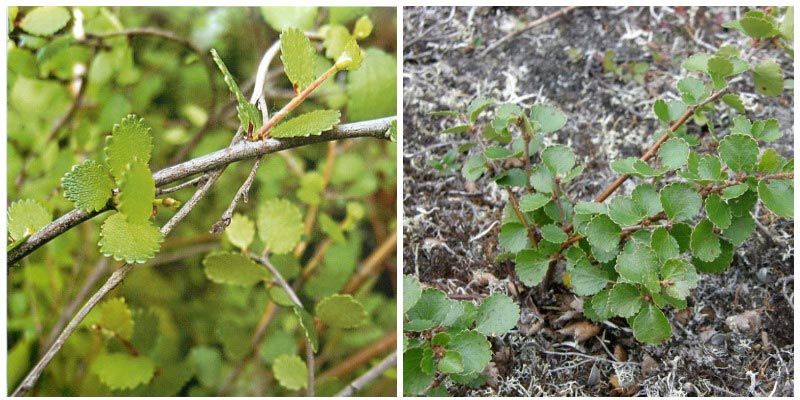
| Dwarf (low-growing, dwarf) | Fluctuates between 0.2 and 1. | A heavily branched shrub with brown bark. Fluffy leaves with serrated edges. It grows primarily in the tundra, so it prefers excessively moist soil. It is found in Yakutia, Kamchatka, Siberia, and mountainous regions. |
| Karelian | Can reach 6-9.
About 0.4. |
Its form resembles a shrub. The trunk is knobbly and uneven. The wood is highly prized in furniture making. The crown is pointed, with serrated petal edges. Native to Norway, Sweden, Karelia, Poland, and Belarus. |
Planting and care
Birch trees aren't picky about soil conditions and can grow and thrive in any type of soil. To grow this curly tree in your garden, it's recommended to prepare moist, loamy soil. Dig a hole and add a mixture of peat, sand, humus, and regular garden soil in a 1:1:1:2 ratio. To ensure the best establishment, the seedling should be placed with a root ball. After planting, ensure regular watering and fertilizing with a complex fertilizer containing phosphorus and potassium.
It's important to remember that the tree absorbs a lot of water in the summer, so it needs to be watered regularly, at a rate of 1 bucket per 1 square meter.
Fertilize twice a year: in autumn and spring – with a nitrogen-containing solution or nitroammophoska.
Disease and pest prevention is carried out annually. The plant is treated with a fungicide and insecticide.
Top.tomathouse.com informs: the medicinal properties of birch and its uses
The tree is known for its healing properties: it promotes wound healing, eliminates inflammation, fights microbes, and strengthens the immune system in general.
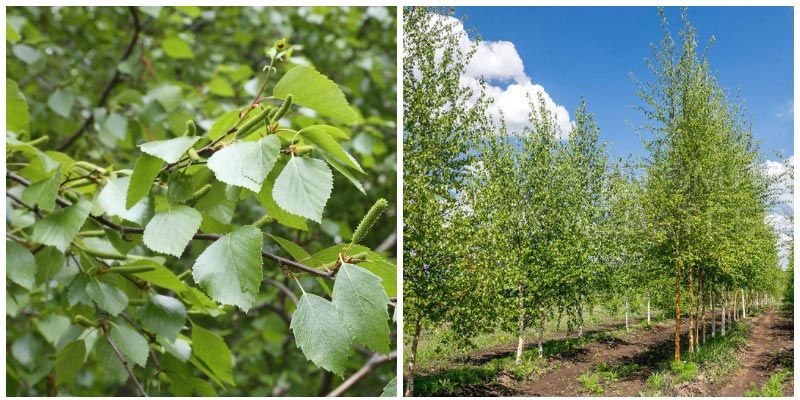
A decoction made from birch leaves can be used as a disinfectant, antiseptic, diuretic, and choleretic. Essential oils, vitamin C, niacin, antioxidants, and tannins enrich them.
In addition to boiling, the leaves can be used to make an infusion, which contains antioxidants such as phytoncides and flavonoids. These promote cell and tissue regeneration, as antioxidants scavenge free radicals. They are also used as an antimicrobial, antiviral, and anti-inflammatory agent.
Tincture of young birch leaves is an excellent vitamin supplement that helps with kidney disease, jaundice, malaise, and stress.
Birch sap has an immune-boosting effect due to its acids, glucose, and fructose. If collected on specific days in March or April, the sap helps purify the blood.
Birch buds are used to make decoctions and infusions for genitourinary disorders. They also have diaphoretic, choleretic, and diuretic properties.
Using a birch broom in a bathhouse helps prevent lung diseases, promotes relaxation of the entire body, and has a beneficial effect on the skin.
In general, being in a birch forest has a beneficial effect on a person – it reduces the risk of catching a cold, and the amazing aroma will relieve a bad mood.