Numerous breeding laboratories work daily to improve the resistance of apple varieties to various diseases. However, everything still depends on the attention and vigilance of the gardener.
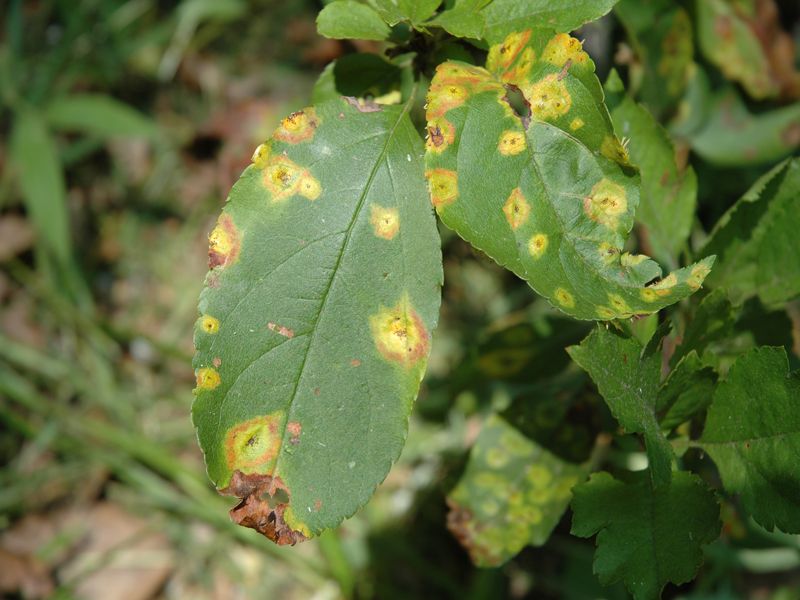
Diseases dangerous to apple trees and how to combat them, the first symptoms and methods of prevention, as well as the causes and routes of infection – these are the minimum knowledge every gardener needs.
Content
Summary table of apple tree diseases
Diseases can develop for many reasons: improper care, physical injury, and infection. Depending on the type of injury, the following types of diseases are distinguished:
| Type of lesion | Disease | The danger of the disease |
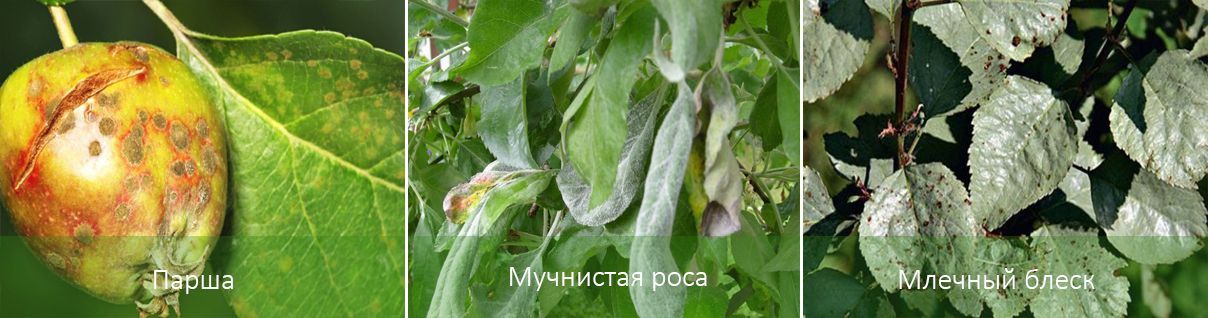
| Mushrooms | Scab | The causative agent is a pathogenic fungus. It attacks fruit and leaves. According to some studies, scab poses a health risk to humans. Affected fruit contains toxins that, when ingested, weaken the body's natural defenses. The fungus destroys tooth enamel and leads to gum inflammation. In some European countries, the sale of apples affected by this disease is prohibited. |
| Powdery mildew (Spheroteka) | Crop loss of up to 60%, apple trees lose their winter hardiness. | |
| Milky shine | Death of an apple tree. | |
| Rust | The crop is destroyed, and the affected apple tree will not bear fruit the following season. A related disease is scab. | |
| Cytosporosis | If a branch is affected, complete death occurs within 1.5-2 months; if the trunk is affected, the apple tree dies. | |
| Common (European) crayfish | Yields can be reduced by a factor of three, with a loss of quality. In advanced cases, the tree can die, possibly infecting neighboring trees. | |
| Black crayfish | Apple tree death. If left untreated, the disease can destroy an entire orchard in just a couple of years. | |
| Moniliosis (fruit rot, monilial burn) | Loss of crop yield, stunted growth or death of young branches, damage to neighboring trees. | |
| Phyllostictosis (Brown spot) | Causes leaf drop and loss of winter hardiness. Significant yield losses. | |
| Bacteria | Fire blight | A dangerous disease that can destroy all apple trees in one or two seasons. |
| Bacterial root canker | It's incurable and poses a serious threat to the rest of the garden. The bacteria that cause it persist in the soil for several years. | |
| Bacterial necrosis | Death of the tree, infection of the rest of the garden. | |
| Viruses | Mosaic | Affects young apple trees, slowing their growth and development. Reduced yield. |
| Star cracking of fruits | The disease is incurable and leads to a decrease in yield and loss of its quality. | |
| Paniculation (proliferation). | ||
| Rosetteness | Yields are reduced by half, and roots and branches die. If young apple trees are affected, there is a high risk of tree death. |
Fungal diseases
Fungal diseases of apple trees are the result of improper care and neglect of sanitary measures. It's important to remember that the natural environment is saturated with various fungi, but a healthy tree is able to resist them.
Infection occurs due to damaged bark, improper pruning, and poor maintenance practices. The following preventative measures are essential:
- Pruning branches in spring.
- Preventive treatment of apple trees against diseases and pests (at least 2 times per season).
- Avoid sprinkling (increased crown moisture promotes fungal growth).
- Fertilizer application regime.
- Autumn garden cleaning.
- Whitewashing before winter.
Scab
The fungus attacks fruits and leaves. The disease is common in temperate climates characterized by wet springs. The fungus is transmitted by spores through wind, water, and insects. Symptoms appear immediately after infection.
Symptoms:
- Yellow-green spots on the leaves, which turn black over time.
- After the leaves, the fruits are affected.
- The fruits are deformed.
Prevention:
- Planting disease-resistant varieties.
- Timely collection and destruction of plant debris, fallen leaves, and cut branches.
- Digging up the soil around the trunk.
- Thinning the crown for better air circulation.
- Selecting elevations for planting apple trees.
Treatment: Remove and destroy affected parts of the tree. Treat with chemicals. A less toxic option is to use biological products containing Bacillus subtilis. This bacterium destroys the pathogenic fungus. Bordeaux mixture, a mixture of copper sulfate and lime, is also traditionally used. In modern gardening, products that work both internally and externally are also used. These include Rayok, Skor, and Horus. Their unique feature is that they are not washed away by precipitation or irrigation.
When treating the disease, it is important to remember that fungi tend to "adapt" to poisons, so it is more effective to use medications with different active ingredients.
Powdery mildew
The incubation period for the disease is two weeks. The source of infection has not yet been identified. Trees are particularly susceptible during summer heat and high humidity. Symptoms include a whitish coating on buds and foliage. Over time, black spots appear on this coating.
Prevention:
- Treatment with Bordeaux mixture.
- Moderate soil moisture near the trunk, weeding.
- Phosphorus fertilizers increase the resistance of apple trees.
You can process:
- colloidal sulfur;
- fungicides or Bordeaux mixture;
- soda ash;
- solution of potassium permanganate (remove and destroy damaged parts of the apple tree).
Milky shine
It occurs in the southern regions of the country and is caused by frost damage. Fungal spores enter through wounds and cracks. Prolonged damp and cold weather favors development. The first sign is whitening of the foliage. The trunk darkens. As the disease progresses, fungi appear.
Prevention:
- Careful preparation of trees for winter: whitewashing, mulching.
- Landing only on high ground.
- Fertilization with calcium and phosphorus.
- Treatment with copper sulfate.
Treatment:
- Remove affected areas,
- Treat the cuts with copper sulfate and pitch.
- Spray the apple tree with fungicides (Topaz, Vectra, Bordeaux mixture).
Rust
It most often spreads from nearby junipers. Brownish-rusty spots and stripes with black dots appear on the leaves. The affected bark cracks.
Prevention and treatment are the same as for milky shine.
Cytosporosis
The disease dries out the plant. Any damage to the bark poses a risk of developing Cytosporosis. Infection usually occurs in spring or fall; the fungus is dormant in winter and begins to develop rapidly as temperatures warm. It is similar in appearance to black canker. The difference is that with Cytosporosis, the bark becomes loose but does not separate easily from the trunk.
Signs:
- The branches are covered with dark tubercles, which later take on a red tint.
- Leaves and branches begin to dry out.
- Cracks form on the trunk, from which gum oozes.
Prevention:
- Timely collection and destruction of plant debris, fallen leaves, and cut branches.
- Digging up the soil around the trunk.
- Fungicide treatment.
Treatment is effective only in the early stages of the disease: apply fungicides and copper-containing preparations. Apply urea and ammonium nitrate to the soil.
If the disease is at the stage of bark destruction: remove and destroy damaged areas.
Phyllostictosis (brown spot)
Pathways of infection: high humidity and mild winters, bark damage. Symptoms: small brown spots on leaves (appearing in early May), which become lighter by late summer. In the fall, remove fallen leaves, dig up the soil, and spray the apple trees with urea. Treat with fungicides in the spring.
Prevention is the same as for cytosporosis.
Black crayfish
Bark damage is the main cause. Overfertilization can also contribute to the disease. The first signs are black spots around the damaged area of bark. Over time, the spots grow and become coated with a film. Prevention: Plant winter-hardy varieties (they are less susceptible to black canker and moniliosis). Follow the sanitary requirements for preparing trees for winter. Treatment is only possible in the early stages.
- Clean and lubricate with antiseptic.
- Spray the entire tree with fungicides.
- Treat all apple trees on the site.
The treatment is long and most often ineffective.
Moniliosis (fruit rot)
Affects the trunk and apples. Possible causes include:
- bark damage,
- previous other diseases,
- variety instability,
- improper care.
- improper storage of the harvest.
Symptoms: Fruit becomes covered with brown spots and a gray coating. Treatment: Destroy damaged fruit, treat the apple trees with Bordeaux mixture, and after the harvest season, with a copper sulfate solution.
Bacterial diseases
Affected apple trees are difficult to treat. The infection most often enters the tree with seedlings, and after planting, it is quickly spread by insects and birds. The following diseases are distinguished: Prevention of all bacterial diseases includes insecticide treatment and careful selection of seedlings.
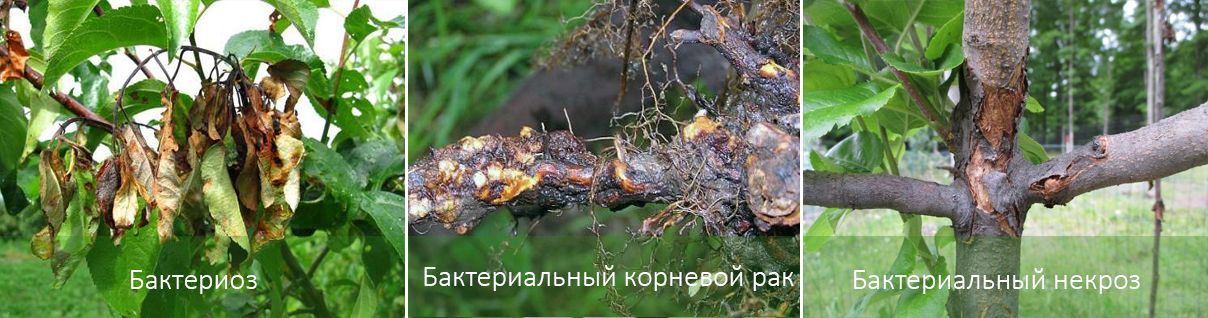
Bacteriosis (Bacterial burn)
Bacteria enter the apple tree's vascular system through damaged bark. They often accompany moniliosis. The disease is transmitted by insects. Signs of bacteriosis include:
- Red spots between the veins.
- The ends of young shoots dry out.
- The bark becomes sticky.
- Damaged leaves, buds and fruits do not fall off.
Treatment should be with antibiotics and sulfur-containing medications. Damaged parts should be removed.
Bacterial root canker
Infection occurs through particles of infected roots and branches remaining in the soil. The disease typically occurs when apple trees are grown in the same location for a long period of time. Symptoms include soft growths on the roots, which gradually harden. There is no cure. The affected tree is uprooted and destroyed.
Bacterial necrosis
Infection occurs through damaged bark. All parts of the apple tree are affected. Leaf edges die, and the leaf itself curls. Spots form on shoots and fruit.
Treatment:
- Trim off all damaged parts.
- Disinfect the cut areas with copper sulfate.
- Cover the cuts with paint or putty.
- Treat stains with zinc chloride solution.
Viral diseases
The peculiarity of these diseases is that the viruses do not survive in the open air. Apple trees can only be infected with untreated tools.
Prevention includes careful selection of seedlings, quarantine, and insecticide treatment. Even an inexperienced gardener can recognize these diseases using the descriptions below.
| Disease | Symptoms | Treatment |
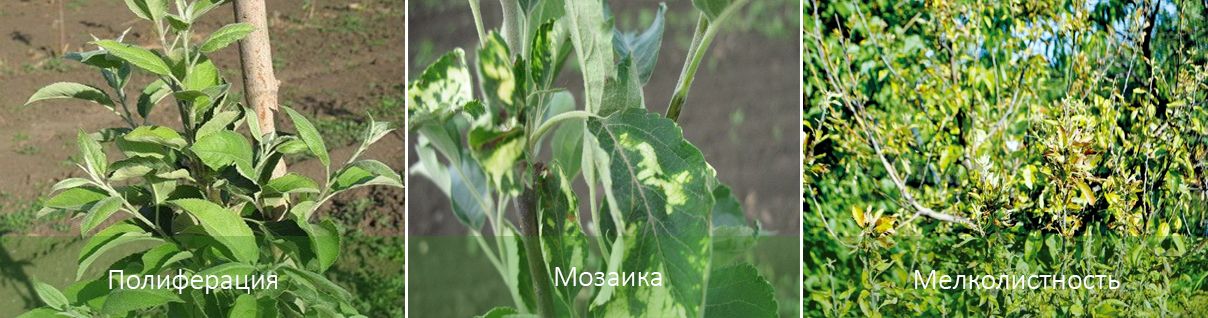
| Proliferation (overgrowth, paniculation) | Excessive growth of shoots ("witches' brooms"). The leaves on them are small and deformed. | Affected apple trees are untreatable. To prevent further spread, they must be uprooted and burned. |
| Mosaic | Stripes and spots on the leaves, premature leaf drop. The disease is typical for young apple trees. | |
| Small-leaved (rosette) | The leaves become rough, often curling and small. The apple tree does not bloom. | |
| Star cracking | On young fruits, spots form with star-shaped cracks in the center. |
Pest control
Timely treatment with insect and pest control products can help prevent many problems later. The most common substances are:
| Preparation | Application | Processing method | Concentration |
| Urea | Treatment and prevention of diseases. | During the growing season, the entire tree and the soil around the trunk are treated. | 5% |
| Copper sulfate | Ticks and larvae. | Only the affected areas are treated. | 1% |
| Iron sulfate | Scab, black cancer, cytosporosis. | Both general and local treatment. | 1% for general treatment, 3% for affected areas. |
| Colloidal sulfur | Scab, mites, powdery mildew. | Complete wood processing. | 1% |
| Bordeaux mixture | Treatment and prevention of diseases. | Both general and local treatment. | They do not breed additionally. |
| 30+ | Destruction of overwintered insects (mites, aphids, scale insects, mealybugs) | Complete treatment in spring, repeat in summer if necessary. |
Complex preparations (Skor, Horus, Fitosporin) are also available. They target various types of pests.
It's especially important to carry out treatment in the fall. Basic rules:
- Before the procedure, remove all plant parts from under the trees.
- Work is carried out only in dry, windless weather.
- Dissolve copper sulfate in a glass or plastic container.
- Before pouring into the sprayer, be sure to filter the solution.
- Spray the entire tree, including the area of ground around the trunk.
- You cannot use several products at once.
Whitewashing is a necessary step when preparing your garden for winter. It will help trees survive frost and protect them from pests and diseases. Recommendations:
- Older trees require more thorough and serious whitewashing.
- The solution is mixed with copper sulfate.
- The trunk is whitewashed to a height of up to 1.5 meters, covering the lower branches.
Tips Top.tomathouse.com
- All products must have a valid expiration date.
- Buy chemicals at specialized retail outlets.
- Processing is permitted only with personal protective equipment.