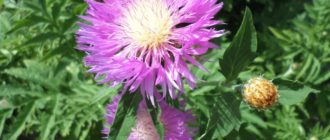
Brachycoma is a herbaceous plant native to New Zealand and Australia. It only became widespread in Europe in the 19th century. Due to its high heat-loving nature, only two species are grown in temperate climates. However, they were so beloved by gardeners and plant breeders that numerous cultivars were immediately developed from them.
Content
- 1 Description and characteristics of Brachycoma
- 2 Types and varieties of Brachycome
- 3 Features of growing Brachycome
- 4 Brachycome from seeds
- 5 Planting Brachycome in open ground
- 6 Caring for Brachycoma in the Garden
- 7 Brachycome wintering
- 8 Diseases and pests
- 9 Top.tomathouse.com informs: Brachycome in the landscape
Description and characteristics of Brachycoma
A member of the Asteraceae family, it includes both annuals and perennials, with over 50 species in total. Its name, which translates from Greek as "short" and "hairy," derives from the characteristic of its seeds—they have a small, hairy covering.
Types and varieties of Brachycome
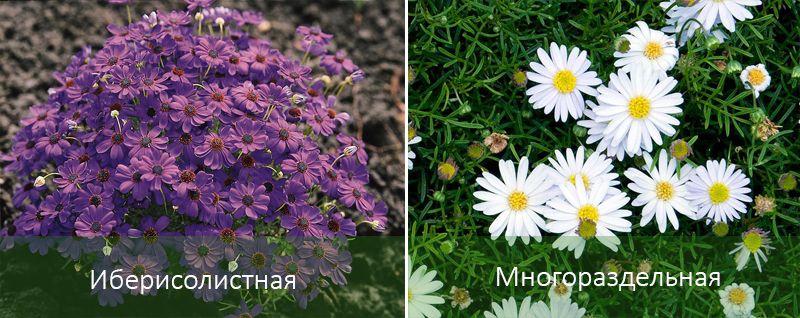
The most popular species are Brachycoma iberisolifolia and Brachycoma multifidum. They are prized for their long flowering period, which begins in June and ends only in late September. These perennials are grown both from seedlings and without seedlings.
| View | Description | Varieties | Flowers |
| Iberisolifolia | A branched stem, from which small green leaves extend, can grow up to 40 cm in height. Purple or pink petals in one or two rows frame a black flower head, beginning in July and continuing until the onset of winter. | Waltz is suitable for the garden. |
|
| Bravo for hanging planters. | The ligulate flowers are presented in a wide range of colours. | ||
| Purple Splendor is a border plant that is also suitable for hanging pots. | They reach 3.5 cm in diameter and have a purple color. | ||
| Margarita is a universal purpose. | Baskets are star-shaped, shades from purple to white. | ||
| Swan Lake – for any flower beds, flower gardens, alpine slides. |
|
||
| Vinta Splendor – suitable for garden, balcony, terrace. | Snow-white inflorescences with a pronounced aroma. | ||
| Multi-partite | The bushes grow up to 40 cm in height. Their leaves are sometimes elongated and dissected. In the wild, they usually grow on rocky soils. | Mountain Daisy or Rock Daisy | Available in shades of white and purple, the inflorescences are small – up to 3 cm in diameter. |
Features of growing Brachycome
The flower grows best in open, sunny locations. Therefore, it's best to plant Brachycoma on a south-facing site. In the shade, it will stretch and stop producing buds. It will maintain its attractive appearance throughout the growing season, provided the plant isn't exposed to strong winds.
It is worth starting planting in special containers no later than March, and in open ground - in mid-spring.
Soil requirements:
- Fertility;
- Nutritional value;
- Looseness.
Excess moisture can kill the plant, so avoid planting it in areas with high groundwater levels. This is due to the sensitive nature of the root system—if moisture levels exceed a certain level, it will immediately rot.
Before planting in a flowerbed, the soil should be dug over and drainage provided by lining the bottom with broken brick or expanded clay, pebbles, or crushed stone. The recommended container diameter is 25 cm.
Brachycome from seeds
In temperate climates, with short summers and early frosts, growing seedlings from seeds is preferable. In the comfort of home, the flower will pass through its most vulnerable period, become stronger, and be ready for planting outdoors. Flowering begins within three weeks after the young brachycomas emerge.
Sowing seeds
Sowing times vary depending on climate conditions, but are typically in the first half of spring. When choosing a container, pay special attention to the plant's tenderness and sensitivity; it tolerates transplanting very sensitively. Both wooden and plastic containers are suitable for sowing seeds. Peat pots are ideal, as they maintain the plant's integrity and don't require removal when transplanting outdoors.
Step-by-step sequence of actions when planting seeds:
- Place over the surface of the mixture;
- Push each seed into the soil 1 mm;
- Sprinkle with river sand;
- Wet the surface using a spray bottle;
- Cover the container with plastic or glass.
Brachycome seedlings
The first seedlings should appear within 2 weeks after planting. During this period, the following conditions must be created for the seedlings:
- Warm temperature, around +22…+23 °C;
- Absence of any light source, darkness.
Once the sprouts appear, remove the cover and move the container to a well-lit area. Then, water regularly with a spray bottle for several weeks. To avoid over-compacting the mixture, gently loosen it. Watering through the tray is also suitable for seedlings.
Pricking out is traditionally done when the plant's first three leaves emerge. Fertilizers are not added to the soil until at least a week after this process. A weak solution of mineral fertilizer is added along with the irrigation water.
Pinching promotes active greening of the plant and will have a beneficial effect on the condition of the stem, however, the procedure should not be carried out on a plant that has not reached at least 5 cm in height.
Planting Brachycome in open ground
Planting is best done in loose, slightly acidic soil. Regular watering and fertilizing 3-4 times before flowering are necessary. A south-facing, well-drained location is ideal. If sun exposure is lacking, partial shade will do.
Deadlines
Seeds should be sown in early spring for seedlings and transplanted outdoors in early summer or late spring. Flowering occurs from mid-July to late September.
Planting technology
To ensure the plant grows well and blooms on time, it must be planted in the correct sequence:
- Dig small holes at a distance of up to 25 cm from each other;
- Provide drainage in each hole by placing expanded clay at the bottom;
- Place a peat pot with brachycoma on top;
- Fill the remaining space with loose soil;
- Compact the surface and moisten the soil.
Caring for Brachycoma in the Garden
For proper growth and development of brachycoma, it is necessary to provide comprehensive care for the plant, which will include: watering, fertilizing and pruning.
Watering
The main requirement for watering is its temperature. It should always be warm; rainwater or tap water are suitable. Watering should be done early in the morning and late in the evening, observing moderation. Excess moisture will harm the flowers more than insufficient water. Water only when the soil has dried out to a depth of 1-2 cm.
Fertilization
The plant requires fertilizing every two weeks, provided flowering has not yet begun. In addition, weeding and loosening the soil regularly are essential. Mineral fertilizers are the best option for brachycoma.
Trimming
The plant's decorative appearance requires careful maintenance, including regular pruning of buds and shoots that have already bloomed. Formative pruning can visually enhance the bush's fullness.
Brachycome wintering
If the cold weather arrives prematurely, you can save the flowers by repotting them and placing them indoors. Barchicoma can be grown as a houseplant until the thaw sets in.
Diseases and pests
Unfavorable weather conditions can cause root rot, for example, if rainy weather persists for a long time or water stagnates in the area where the flower grows.
Brachycoma is susceptible to attacks by slugs and snails. These can be controlled by simply picking them off by hand or by using a pest control product. Whiteflies are another threat to the bush. These small white moths reproduce extremely quickly, and their excrement creates ideal conditions for the growth of sooty mold. Insecticides can be used to control these insects.
Top.tomathouse.com informs: Brachycome in the landscape
Trailing plants look great on balconies and can be used to create striking compositions. A bush is often used to preserve the aesthetic appearance of a garden, concealing perennials in poor condition.
The flowers are quite versatile and will look good on:
- Alpine slide;
- Flowerbed;
- Terrace.
It gets along well with some perennials, for example:
- Phloxes;
- Marigolds;
- Impatiens.