Celosia is a plant in the Amaranthaceae family. Its buds are often compared to fire, hence its name. Celosia means blazing in Latin. These flowers are native to the Americas and Africa. Celosia is classified into classes, including annuals and perennials. However, in the temperate zone, all species are grown as annuals due to the harsh climate.
Content
Description and characteristics of celosia
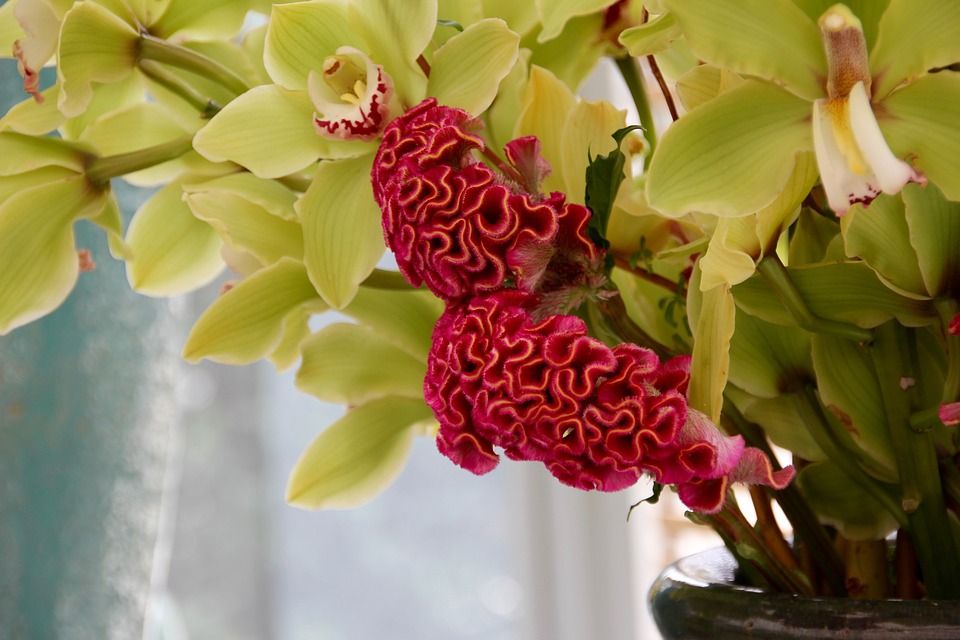
In the wild, it grows up to 50 cm, while cultivated plants don't exceed 25 cm. The ornate flower, resembling a curved velvet comb, is borne on a fairly thick stem. The colors range from pink, yellow, and burgundy.
Flowering occurs from July to October, until the weather cools. The entire stem is covered with thin, needle-like leaves in some species and veined, lobed leaves in others. Flower buds also vary, from round to elongated.
Types and varieties of celosia
There are approximately 60 different species in total. Those used in cultivation are divided into three based on flower shape:
- comb;
- paniculate;
- spikelet.
The most popular annual silver variety.
Comb
The height is small, only 45 cm. But this is not the shortest among other varieties.
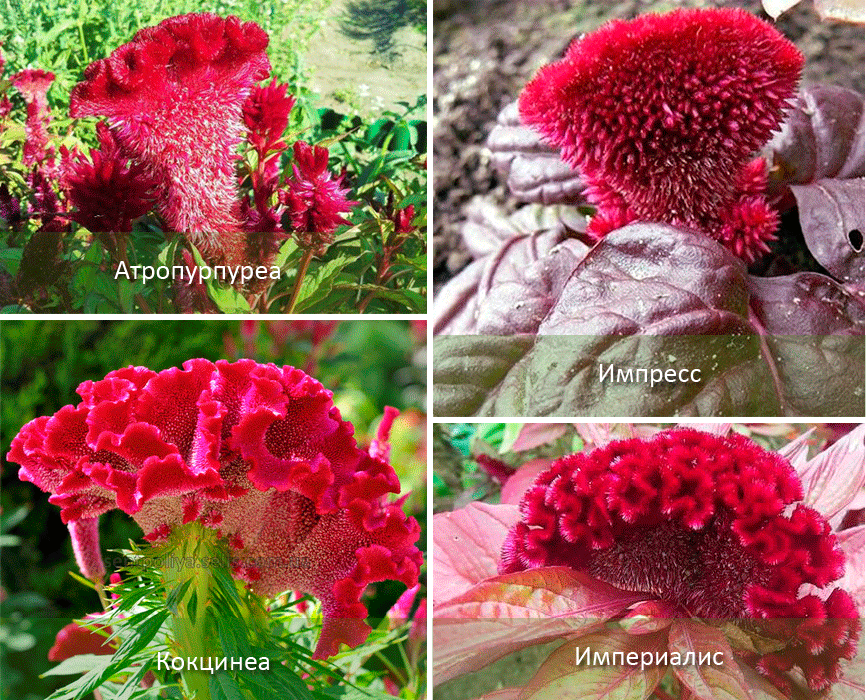
The resulting inflorescences are very similar in appearance to a rooster's comb, both in shape and color. Flowering occurs in mid-summer and ends in mid-autumn.
| Variety | Description |
| Impress | The bush is small, reaching a maximum of 25 cm. The leaves are dark red. The inflorescences themselves are a paler red. |
| Atropurpurea | The plant is no more than 20 cm tall. The shoots are pink. The flowers themselves are purple. |
| Imperialis | Stem, flowers, leaves are purple. |
| Coccinea | The leaf blades are green, the flowers are bright red. |
Pinnate (paniculate)
The shoots are straight, with fairly large inflorescences at their tips, ranging in color from red to yellow. The leaves are a standard green.
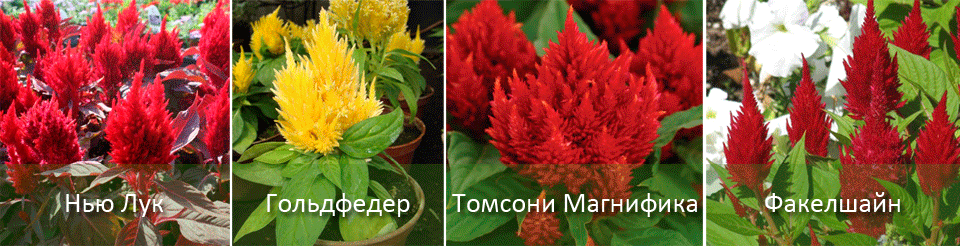
This type includes such varieties as:
| Variety | Description |
| Goldfeder | Low growing bush with golden buds. |
| Tomsoni Magnifica | 80 cm, the height of the stem can reach 80 cm. The color of the buds is burgundy, the leaves are green. |
| Torchlight | Tall bush, inflorescences are bright red. |
| New Look | Medium height, 40 cm, inflorescences have a sunny color. |
Spikelet (Hatton's)
A less popular variety than the previous ones, this doesn't mean it's any less beautiful. It can't be classified as either tall or short, as its height ranges from 20 cm to 1 m 20 cm.
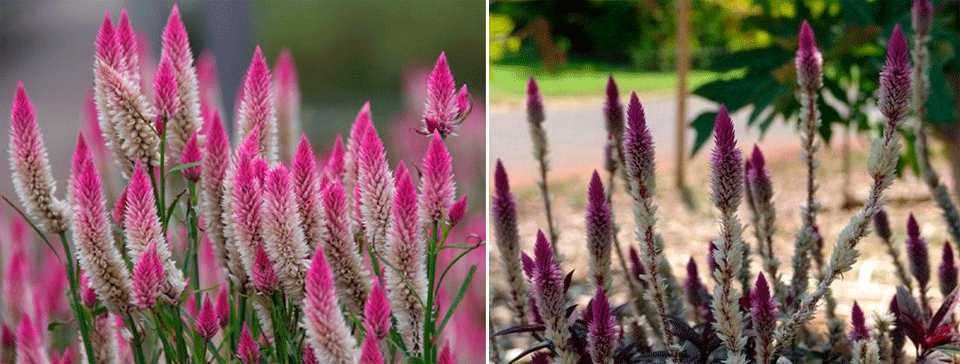
It directly depends on climate conditions, soil, and fertilizers. The inflorescences are often yellow, but red, orange, and white are also found.
Propagation of Celosia
The most popular and effective method of propagation is by seed. Seeds are collected from dried inflorescences, and the process requires no special skills. Simply gently shake the dried flowers over paper or any other surface, and the seeds will fall out.
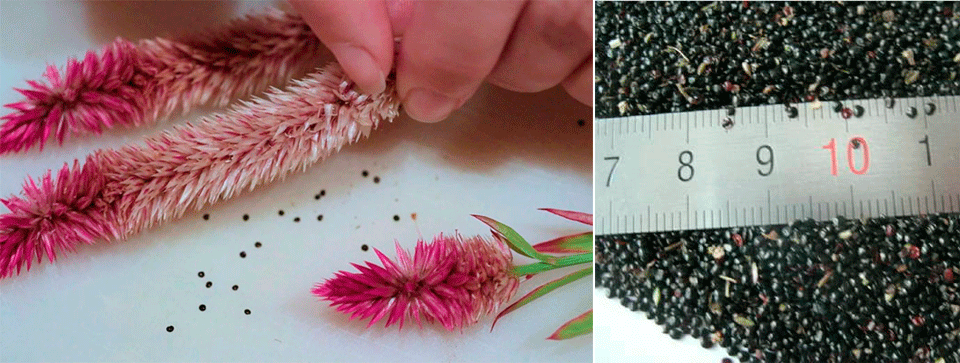
Before planting, they need to be treated. This is done by placing the seeds in a solution of Epin and Zircon. The substances are added to water at a ratio of 1 drop per glass of water. The best time to plant the seeds is in March. Maintain the appropriate spacing, depending on the plant type. There's no need to cover the seeds with soil; simply press them lightly into the soil and then spray with water.
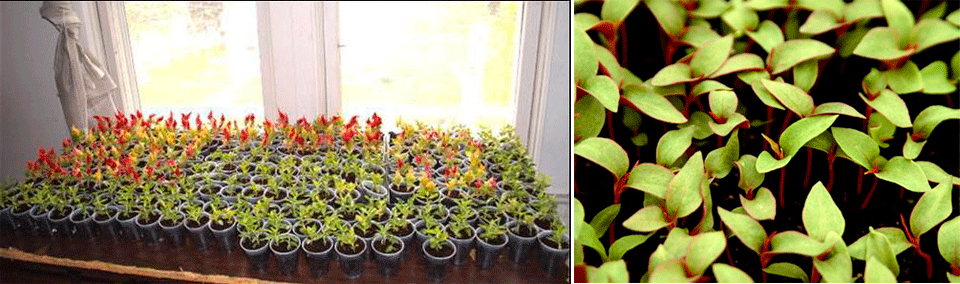
The next steps are standard: cover the container with seedlings with glass or plastic and place them in a well-lit area. Once the first shoots appear, remove the cover and move the seedlings to a cooler, but equally well-lit, location.
Planting and caring for celosia
Planting in the ground occurs only after the risk of frost has passed. When choosing a growing site, choose a sunny spot. It should also be out of the wind, as this will damage the plant's delicate flowers.
The soil should not be too acidic, even if it is, it can be easily corrected with lime.
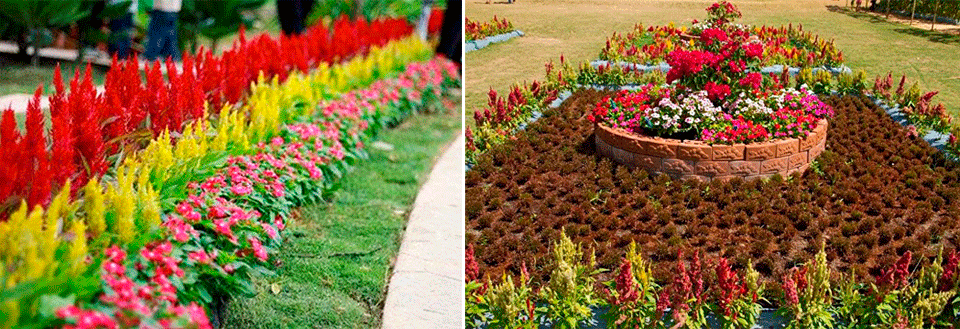
Unlike other plants, planting and replanting isn't difficult, but care should still be taken with the root system, especially with young varieties. If the seedlings were in peat pots or pellets, they should be planted in open ground along with them. This will completely eliminate the risk of damaging the plant's roots and will also act as a mild fertilizer for the soil.
For low-growing species, the distance must be at least 15 cm. For tall species, about 30 cm.
Celosia is easy to care for. The only thing you need to keep a close eye on is to ensure the plant doesn't die from frost damage in the spring. This is especially true for young shoots.
Watering is recommended only when the soil is dry. The plant dislikes constantly wet soil, which can also lead to diseases such as gray mold.
Fertilizing is important in care, but it should be done no more than once a month.
The soil around the plant must be constantly loosened and weeds removed.
Even if the plant is grown indoors, it still requires plenty of light. A sunny windowsill in an apartment or house is ideal. Fertilize with mineral fertilizer every two weeks.
However, you should avoid fertilizers containing nitrogen, as this will kill the plant.
Celosia after flowering
When celosia has finished blooming, it needs to be prepared for winter.
Seed collection
The process of collecting seeds is probably the simplest, compared to other plants. To do this, pick several faded inflorescences that are already beginning to die. Then place them in a container or vase in a dark place for 24 hours, where they will completely wilt. Afterwards, remove them from the container and gently shake them over a surface or covering. The seeds will begin to fall out on their own. Blow them out and then store them in a box. You can also simplify this process by hanging the inflorescences facing downwards and placing a sheet of newspaper underneath them. Once they wilt, the seeds will gradually fall out on their own, and all that remains is to collect them.
Celosia in winter
Due to unsuitable weather conditions for this plant, all its species are grown as annuals. In the fall, any remaining specimens are usually discarded and destroyed. However, they can be used to make beautiful dried bouquets. Only tall varieties are suitable for this purpose.
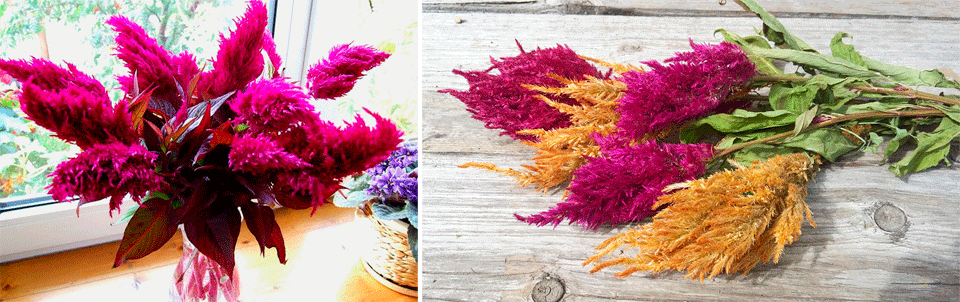
Faded specimens are trimmed, all leaves removed, and then brought indoors. There, the flowers will fade completely, after which they can be placed in an empty vase, without water.
Diseases and pests of celosia
Naturally, plants that were not properly grown and cared for are most susceptible to diseases and pests. Excessive soil moisture is highly unacceptable, as it directly causes rot. To ensure at least 50% protection, the soil should be treated with insecticides before planting. During the growing season, regular, thorough inspection is necessary, approximately three times a week.
| Problem | Description | Prevention | Elimination measures |
| Blackleg | This fungal disease affects the stems and areas of the bush near the roots. Symptoms include blackening and drying of the stems. It's also highly contagious; if one plant is affected, immediate action is necessary, as it quickly spreads to healthy ones. | Moderate watering is recommended, and soil drainage is essential. It's also necessary to treat the seeds and soil with a weak solution of potassium permanganate, regularly loosen the soil, and clear it of weeds. | Affected shoots should be removed immediately as soon as signs of disease are detected. The soil should be treated with a weak solution of potassium permanganate. This will help contain the infection and prevent it from spreading to other, healthy shoots. |
| Aphid | This pest is often accompanied by ant attacks. This is due to the sweet aroma of celosia, which attracts numerous insects. These insects appear as larvae, which are found on the inner surface of the leaf. | All nearby anthills in the area should be removed, and the soil around the plants should be treated with a special solution. The same should be done with the bushes. This solution can be purchased at specialty gardening stores. | If larvae are found, they must be washed off the plant with a soap solution and then treated with insecticides. |
| Spider mite | The most dangerous pest. It attaches itself to the celosia's growing medium, preventing it from fully growing and blooming. It manifests itself as a white, dense web in the leaf axils, as well as near the base of the flower. If the inflorescence is brightly colored, it may simply go unnoticed. Small yellow spots also appear on the leaf blade. | It's recommended to water regularly, regardless of the plant's preferences. Water regularly, but avoid overwatering the soil. Air humidity also plays a crucial role; you can normalize the moisture level by spraying the bushes with water using a spray bottle. | The affected areas of the plant should be washed with a soapy solution; a sponge works well for this purpose. Then, the plant should be sprayed with a special insecticide against mites. |
If you neglect watering, or, on the contrary, overdo it, unpleasant guests such as snails, caterpillars and slugs may appear.
Top.tomathouse.com recommends: Using celosia
Celosia is used medicinally by both traditional healers and specialists. It is used to treat gastrointestinal disorders and to treat and prevent oral and throat problems.
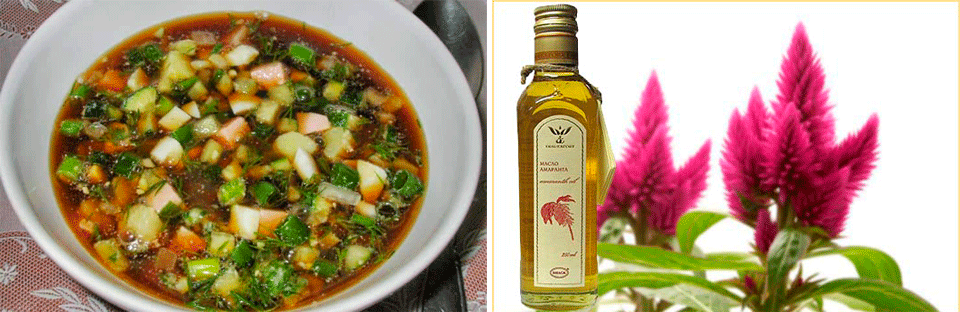
Among its medicinal properties, celosia also boasts anti-inflammatory properties. For this purpose, the seeds are ground in a coffee grinder and then steeped in vegetable oil. The resulting oil is called celosia oil, which is used to treat skin redness and microcracks. It is especially popular with women, as it leaves the skin velvety smooth.