Summer in Russia isn't always sunny. Nature often doesn't bless us with good weather. It can rain, and the sun is practically invisible during these periods. In such inclement weather, doronicums are especially delightful with their vibrant blooms.
Content
- 1 Description of Doronicum
- 2 A brief description of planting and care for Doronicum in the table
- 3 Doronicum species and varieties
- 4 How to plant Doronicum in open ground
- 5 How to properly care for Doronicum
- 6 Doronicum diseases and pests: prevention, treatment, control
- 7 Reproduction of Doronicum
- 8 Doronicum in the landscape
- 9 Reviews of Doronicum from gardeners
Description of Doronicum
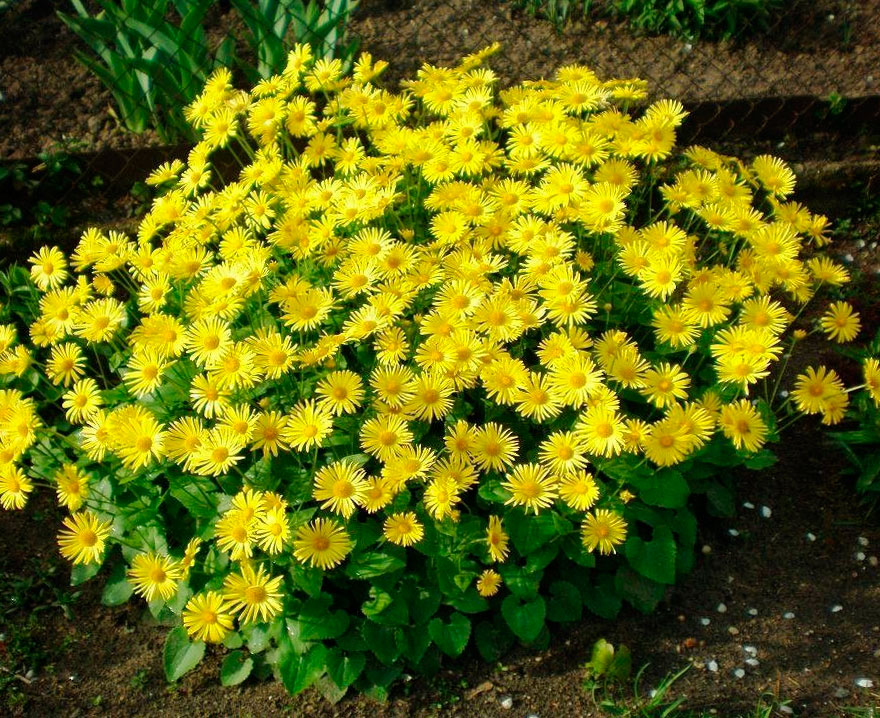
Plants of the genus Doronicum are members of the Asteraceae family, often called "goat's-foot." There are 40 varieties. These elegant flowers have orange-yellow inflorescences, 2.5-5 cm in diameter, and bright green foliage. They bloom from March to June and look beautiful in a flowerbed with poppies, daffodils, forget-me-nots, and tulips.
Doronicums have adapted well to our weather conditions, as they can withstand significant temperature fluctuations (down to -15-20 °C).
These flowers are perennials, typically with stoloniform, tuberous, fleshy roots. If the soil is suitable, they form colonies and grow in large clusters, forming a cloud of flowers.
A brief description of planting and care for Doronicum in the table
| Works | Description |
| Landing | Direct planting is done in May, or in October if planting before winter. Growing seedlings can begin in early April. |
| Flowering of a plant | The plants bloom in late spring for approximately 30-40 days, after which some of them fade. In August, if the weather and other conditions are favorable, a second flowering period begins. |
| Choosing the right lighting | Plants aren't particularly fussy about light conditions, but diffused light is preferable. |
| Soil preparation | Prefers moist soil, but avoid overwatering. |
| Watering | As needed. |
| Top dressing | Fertilization should be done in spring with an organic solution or mineral-based fertilizer. |
| Pest control | Aphids, thrips. |
| Protection from disease | Rust, gray rot. |
Doronicum species and varieties
There are many varieties of Doronicum. Let's look at the most common ones.
Austrian goat's tongue (Doronicum Austriacum)
This species got its name when Austria owned lands on the Mediterranean coast. The total height of the erect stem is approximately 70 cm. The flower can withstand temperatures as low as -30 degrees Celsius. In the wild, it grows on the Balkan Peninsula.
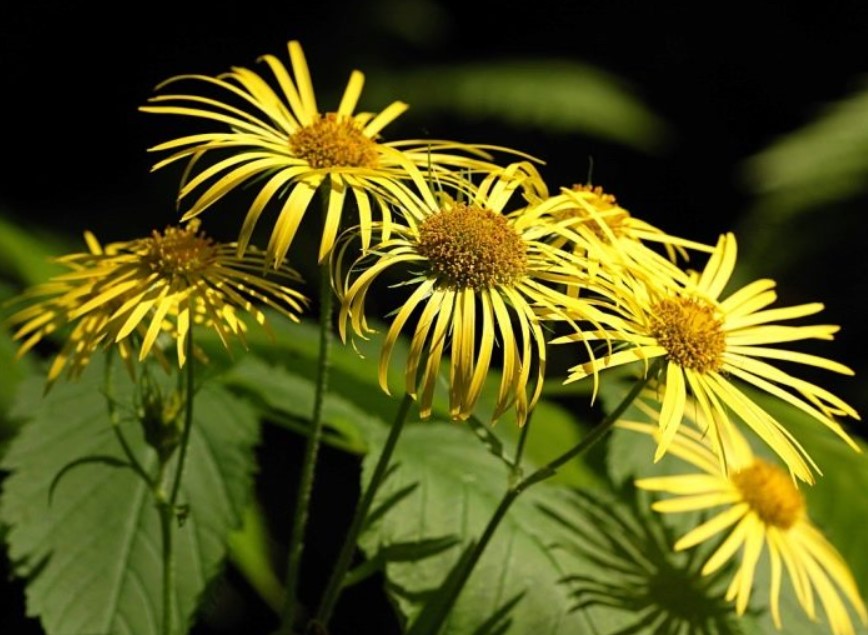
Doronicum Altaicum
In the wild, this plant is common in central Asia. It grows to a height of approximately 70 cm. This galega has a ribbed stem and dense rhizomes. The plant blooms primarily from June to August.
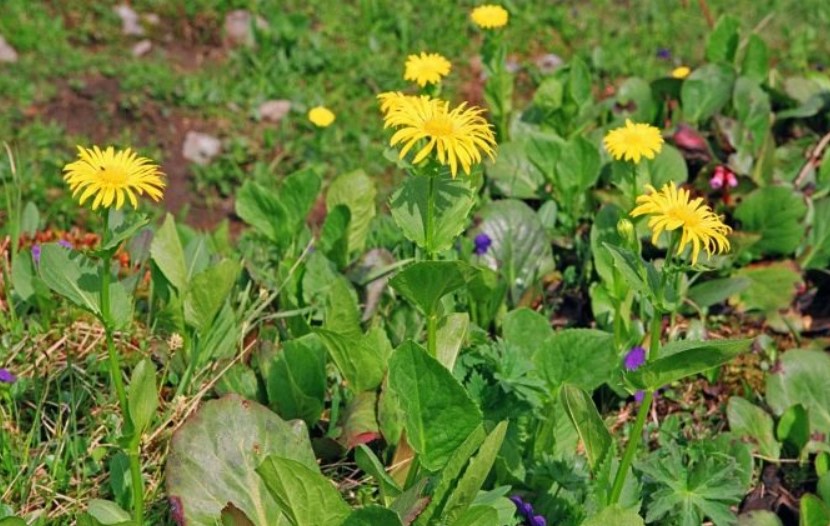
Doronicum Orientale, heart-shaped, Caucasian
This species has a well-developed root system. This perennial thrives in shade. It grows in central Europe. It typically reaches no more than 50 cm in height, and its flowers can be bright or pale yellow.
| Varieties | Description and photo |
| Little Leo | Bright yellow flowers bloom from April to June. Height 35 cm.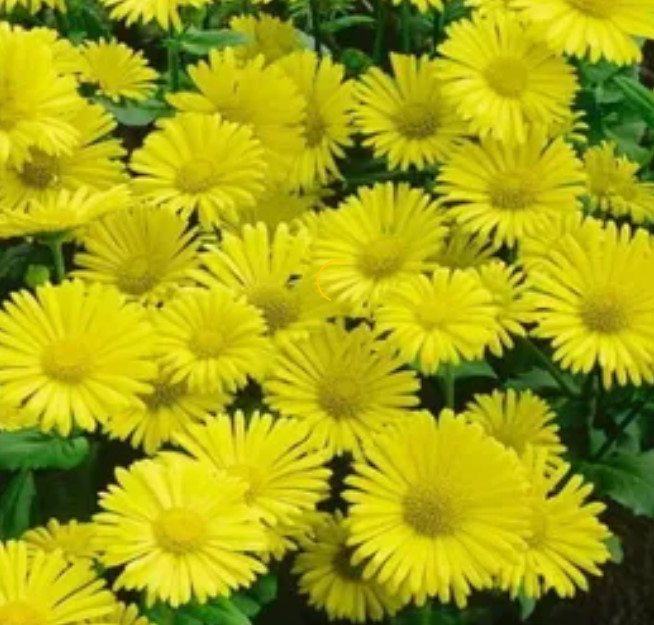 |
| Magnificum | Lemon-yellow early flowers appear in April. Plant height 50 cm.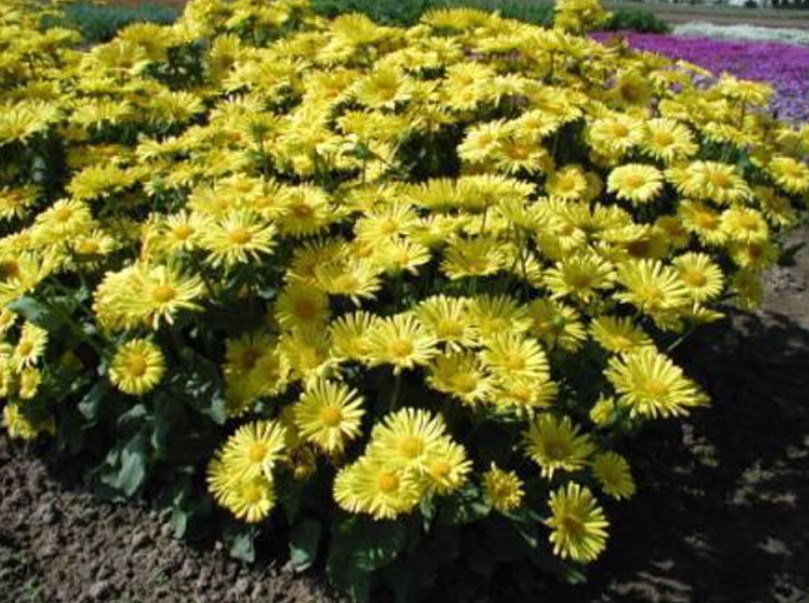 |
| Gold Dwarf | Grows no more than 15 cm.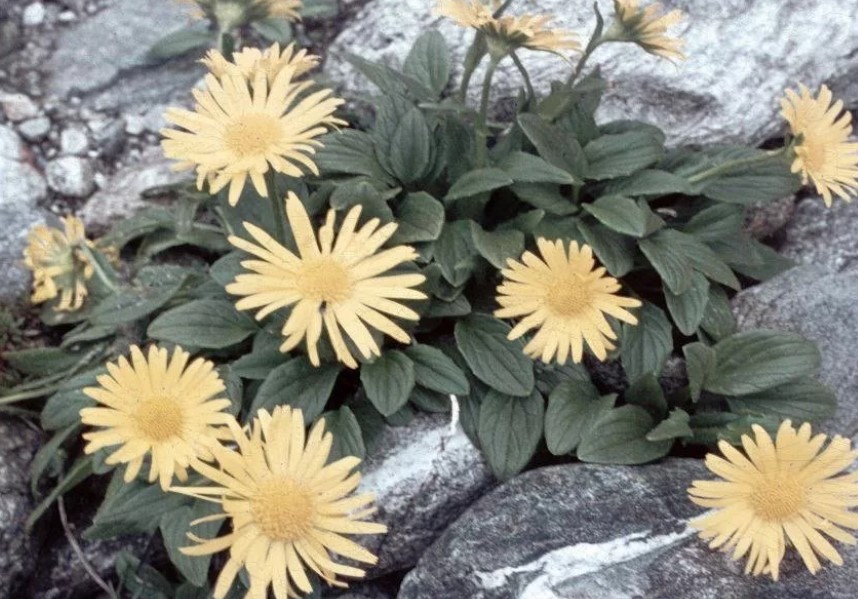 |
| Spring Beauty | Terry variety, height 45 cm.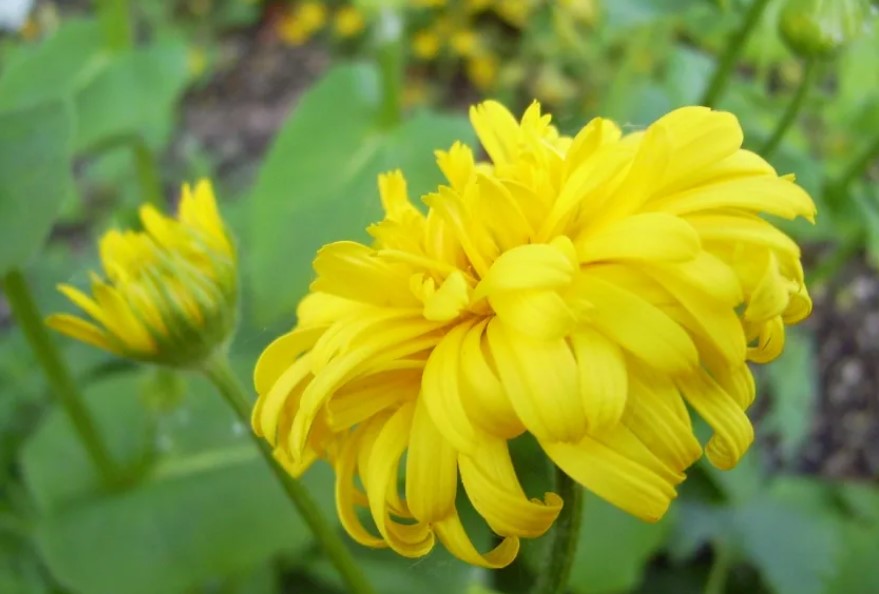 |
| Goldcut | Blooms in April-May, height 50 cm, flower baskets up to 8 cm.
|
| Goldzwerg | Small variety 25 cm, blooms in April-May.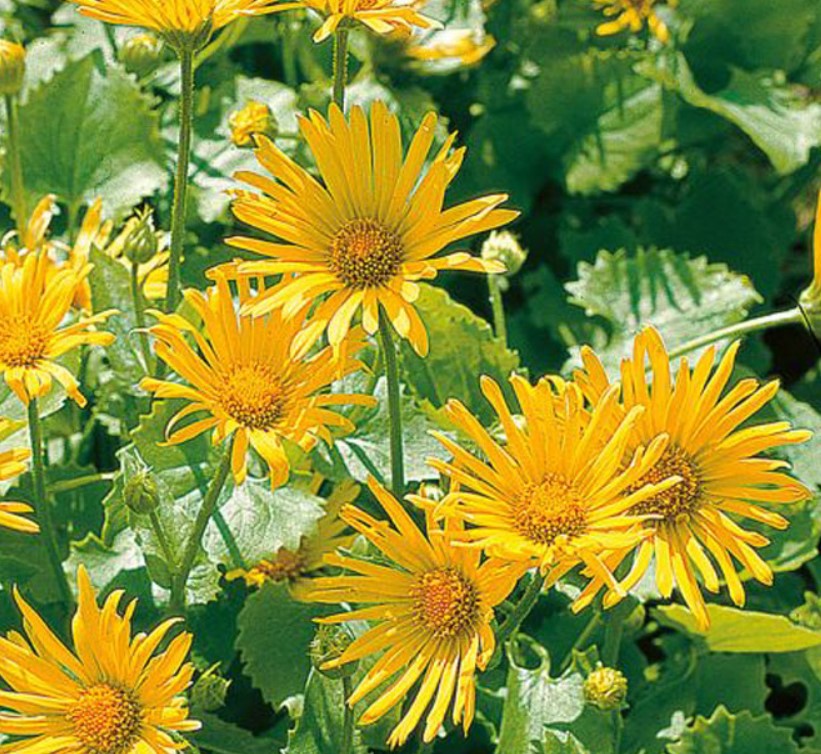 |
| Finesse | Height 45 cm. Blooms in spring.
|
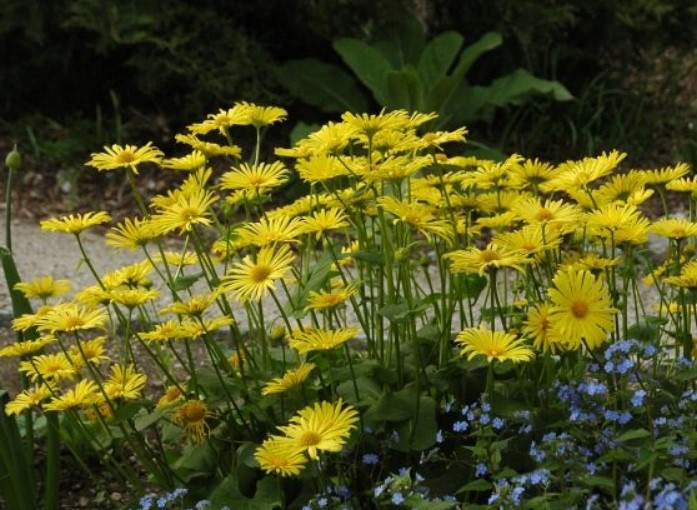
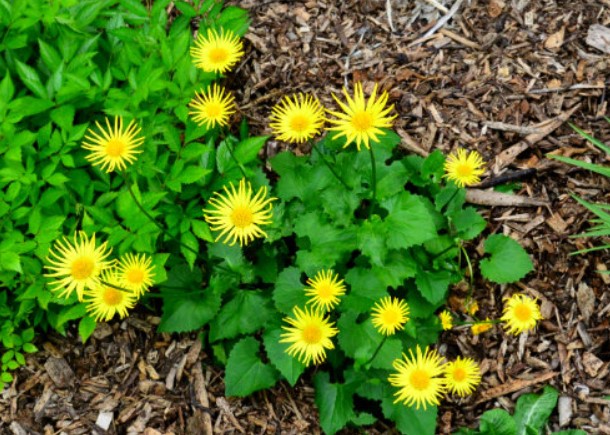
Doronicum Clusii
This species may have a light fuzz on its surface. It is small in height, only 10-30 cm. It can be found in the Alps. Its roots are weak and thin. A dense fuzz develops beneath the yellow inflorescence.
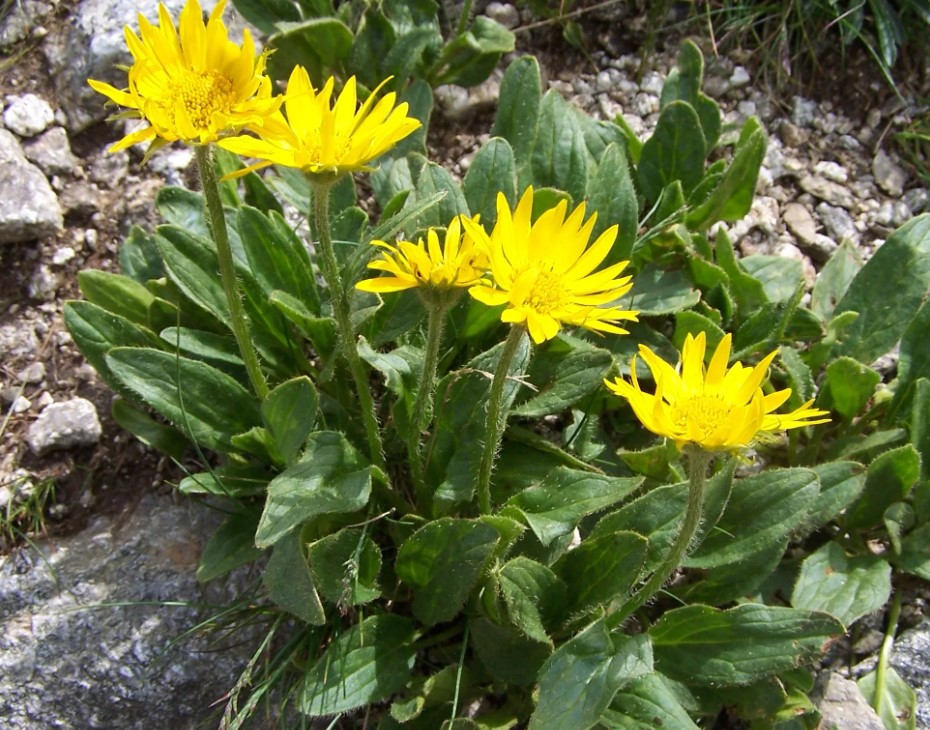
Doronicum Columnae
This variety has tuberous roots and grows to 40-80 cm. It typically blooms profusely, with a larger number of inflorescences than other varieties. The popular Goldstrauss variety produces shoots and flowers abundantly.
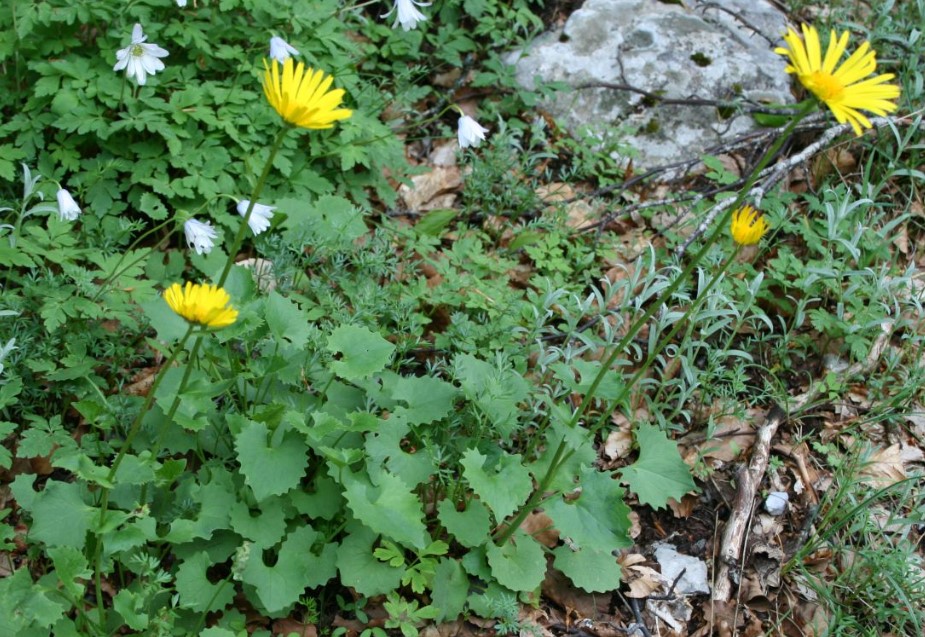
Doronicum Grandiflorum
This rare variety of galega grows in the mountainous regions of Southern Europe. Plants reach no more than 30 cm in height. The inflorescences are dark yellow and ray-shaped. Flowering occurs in late July.
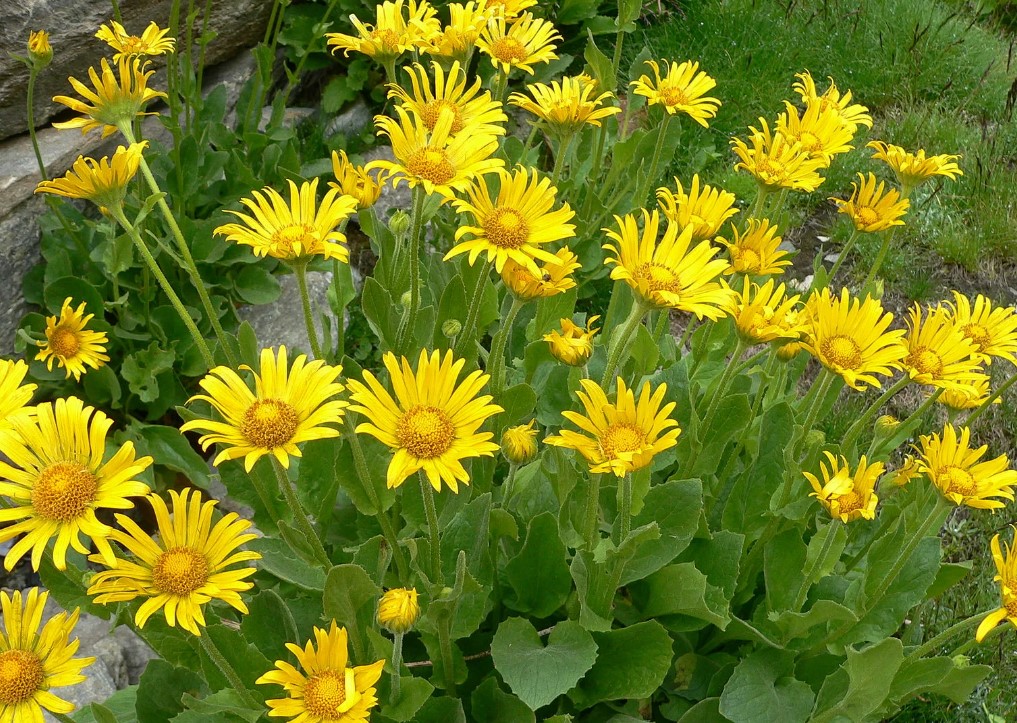
Plantain goatweed (Doronicum plantagineum)
This plant grows to an impressive size (1.5 m) and produces large inflorescences ranging from 8 to 12 cm in diameter. The plantain variety produces bright yellow flowers.
| Varieties | Description and photo |
| Excelsium | Grows up to 1.5 m. Flowering baskets up to 10 cm. Flowering in May-June.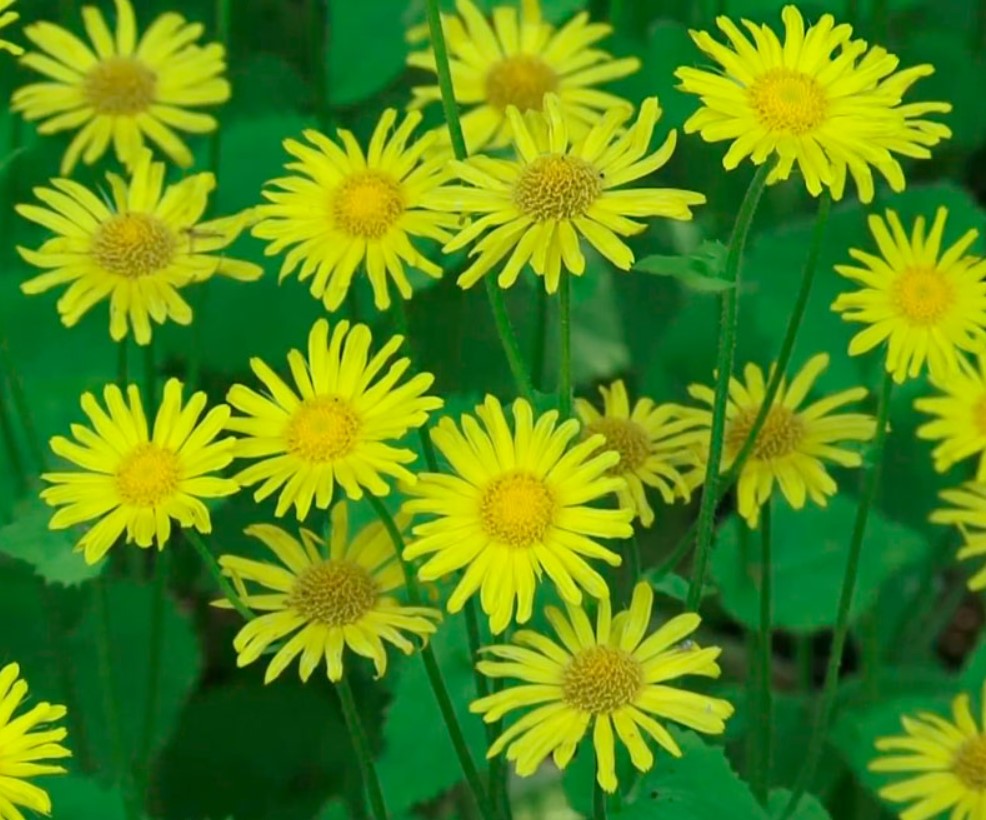 |
| Miss Mason | Height up to 60 cm. Flowers 6-8 cm.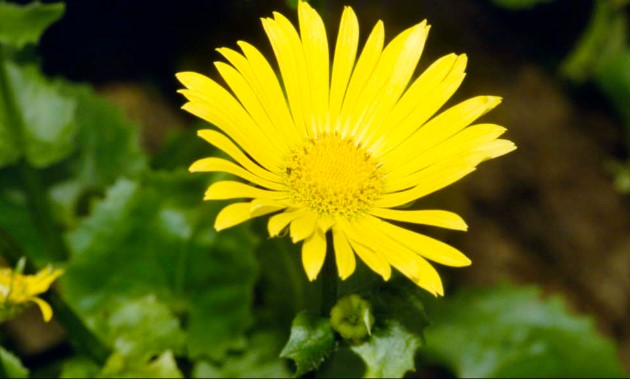 |
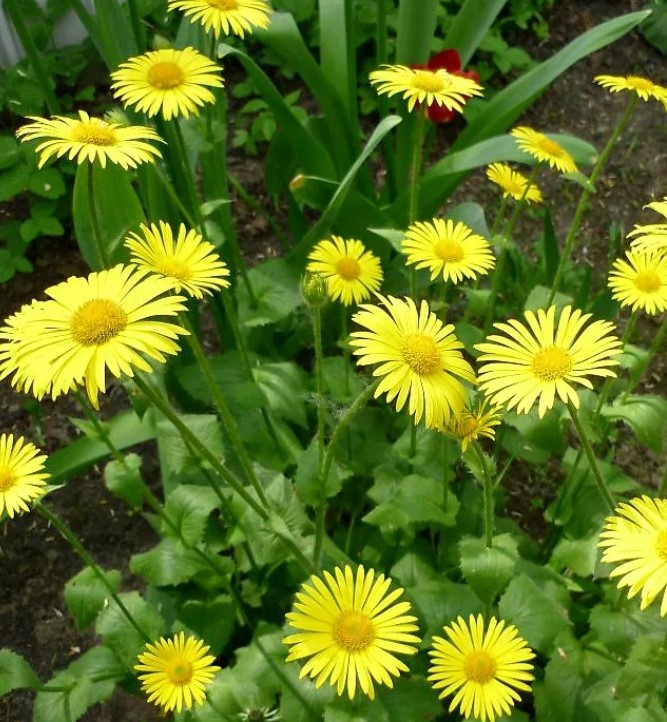
| Harpur Crewe | A spreading plant 60-90 cm tall. Golden-yellow flowers up to 10 cm in size bloom 1-3 on a single peduncle.
|
Doronicum Oblongifolium
This plant species has thin roots. The stem is quite thick, with virtually no leaves at its tip. The inflorescences are pale yellow.
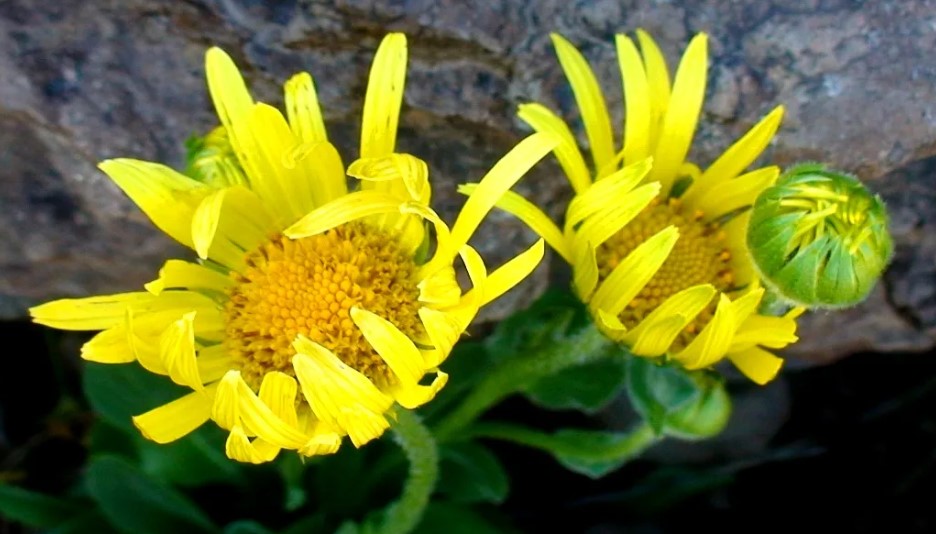
Doronicum Turkestanicum
This species grows in Central Asia. The stems have small glandular hairs and green foliage. The flowers have a gradated yellow color.
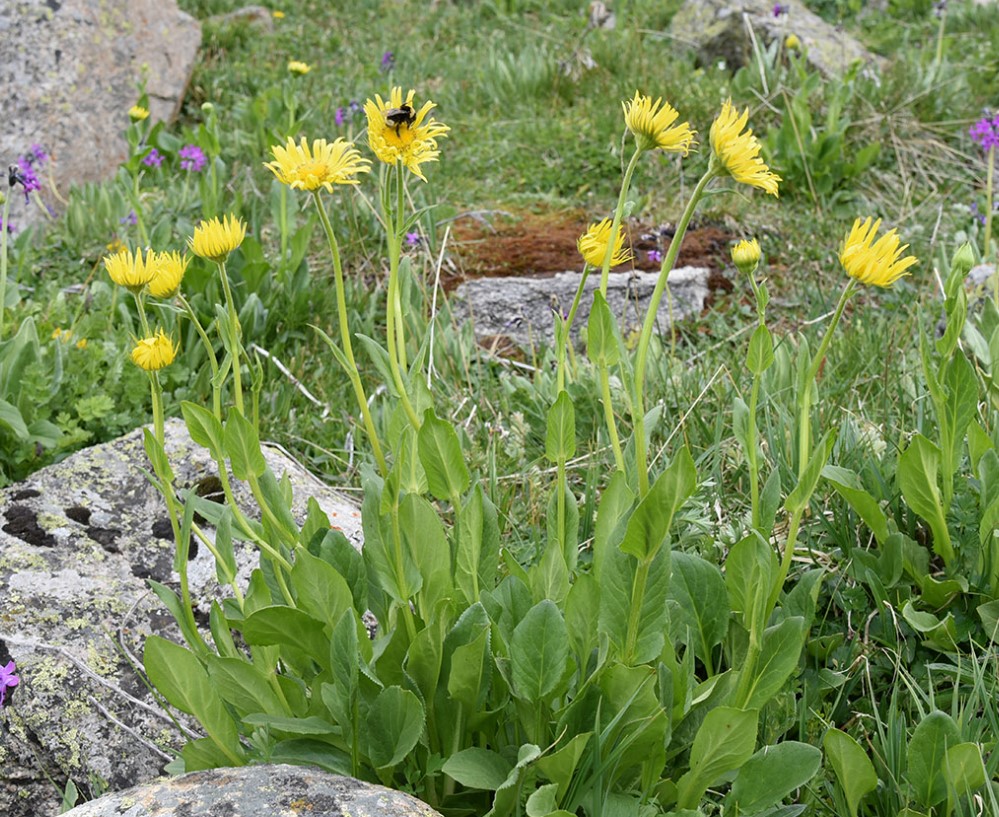
How to plant Doronicum in open ground
Let's take a closer look at how to properly plant a plant directly in the garden.
Planting dates
Planting can be done when the weather becomes consistently warm after spring frosts. This is usually late May or early June.
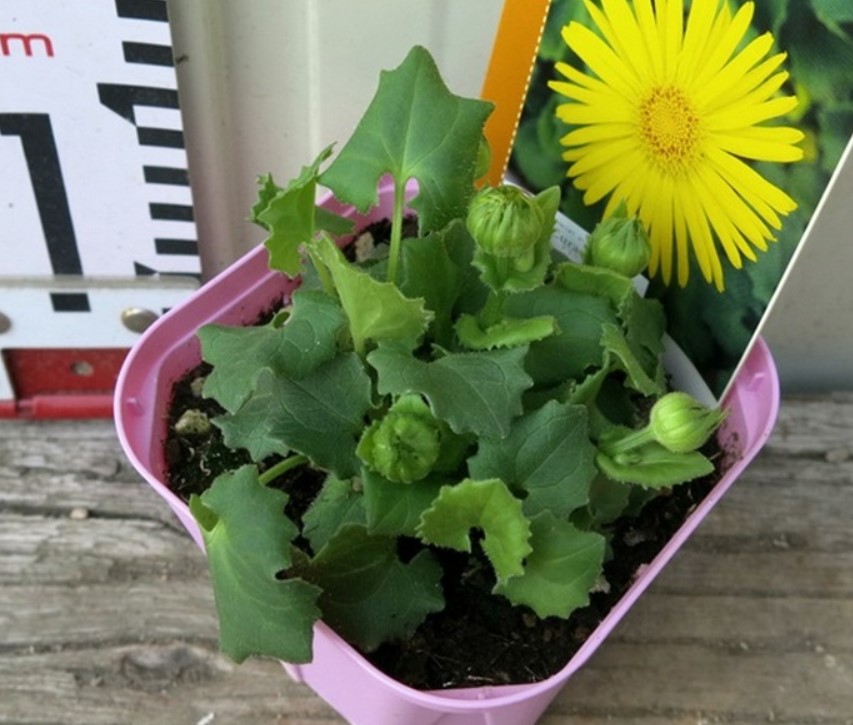
Location and soil
Goat's tongue should be planted in a sunny or partially shaded area. The soil should be moist, sandy loam, and well-drained. The plant should avoid overwatering, as this can cause root rot. The soil pH should be slightly acidic or neutral.
Step-by-step planting instructions
When planting doronicum in open ground, you must adhere to the following instructions:
- dig a hole that is much wider than the plant's root system;
- Place gravel and river sand on the bottom for drainage;
- add peat if the soil contains a lot of sand;
- plant a seedling in a hole;
- fill in the soil and compact it;
- mulch the soil regularly;
- water in the absence of precipitation.
If you follow these instructions, the inflorescences will delight you with their beauty.
How to properly care for Doronicum
The plant does not require any special care, but it is still necessary to follow a few rules.
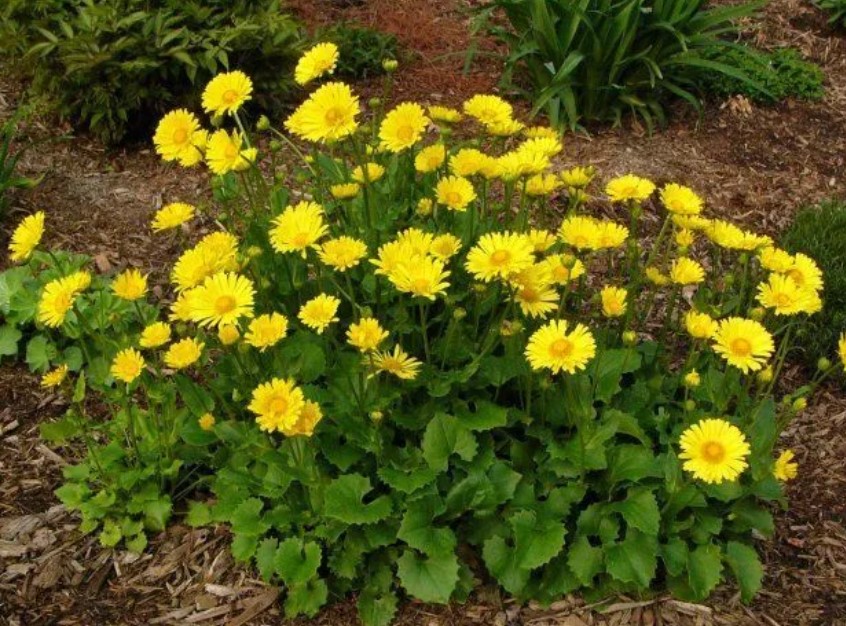
Watering
Doronicum should be watered regularly with copious amounts of water immediately after planting. After that, the plant only requires watering if there has been a prolonged period of no rain.
Top dressing
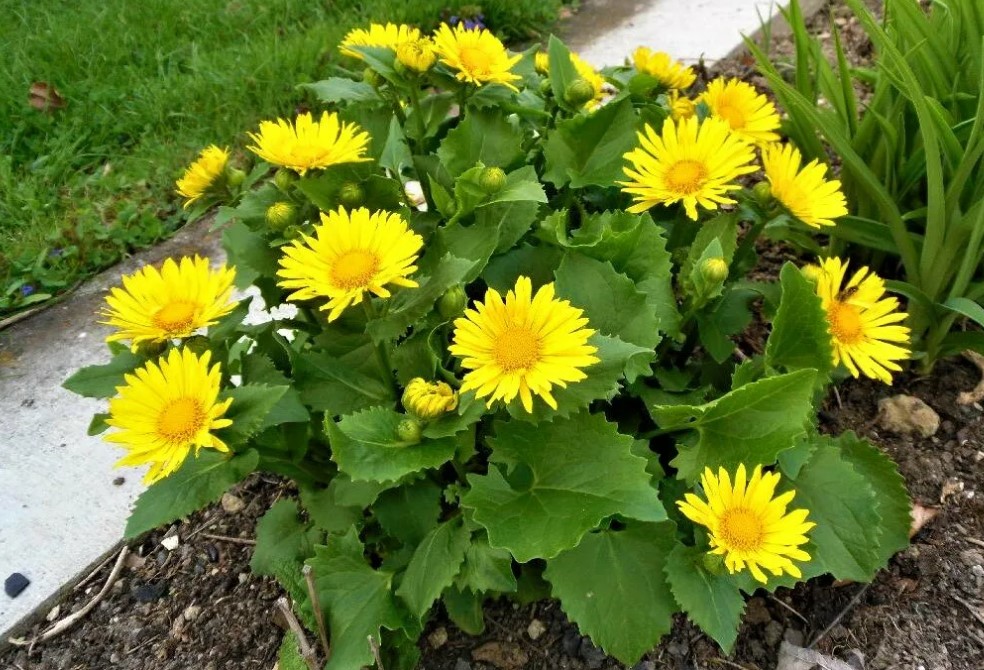
At the very beginning of the growing season and before the flowering period, the goat's tongue is fed with organic or mineral fertilizer.
Mulching, pruning
You can mulch the soil around the plant with mown grass or sawdust.
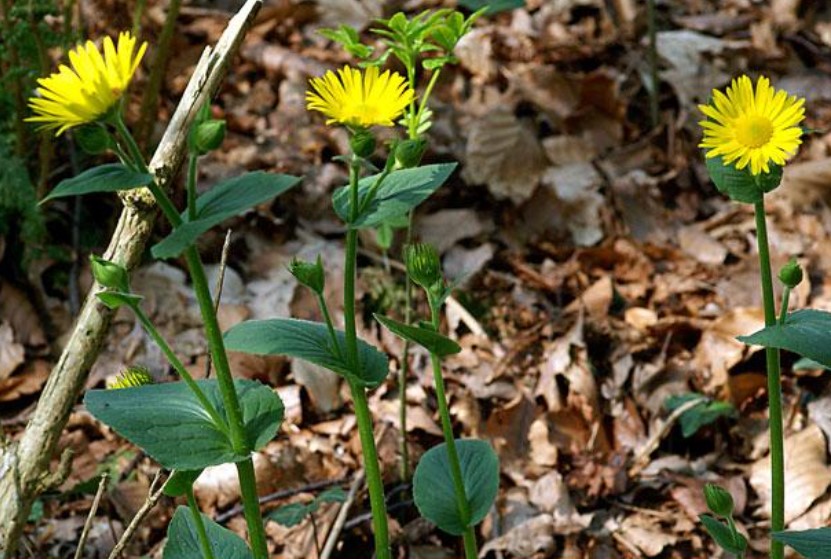
In autumn, flowers need to be cut to the root; the stumps should be no more than 5 cm.
Doronicum diseases and pests: prevention, treatment, control
| Name | Reasons | Prevention | Treatment and control |
| Gray mold | Excessive humidity and overwatering | Treat doronicum in the spring with a fungicide (for example, "Skor" or "Maxim") | If a bush is affected, it must be dug up and burned to prevent the spread of the disease. |
| Rust | |||
| Powdery mildew | |||
| Aphid | Natural conditions | Scatter eggshells near flowers to repel pests | Treat the leaves with insecticides, such as Decis or Fufanon. |
| Thrips |
Reproduction of Doronicum
There are 2 ways to propagate the goat's tongue.
Seeds
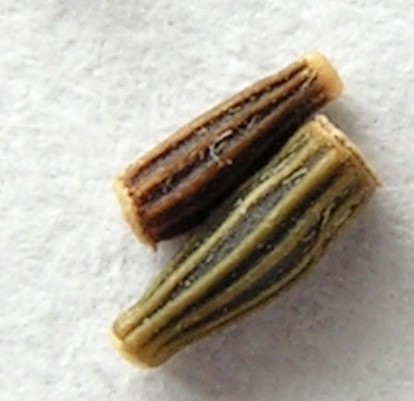
The plant's seeds are planted either as seedlings or directly into the soil. The first shoots will appear within two weeks of planting. This method of propagation is preferred, as it allows for the growth of new, younger plants.
Dividing the bush
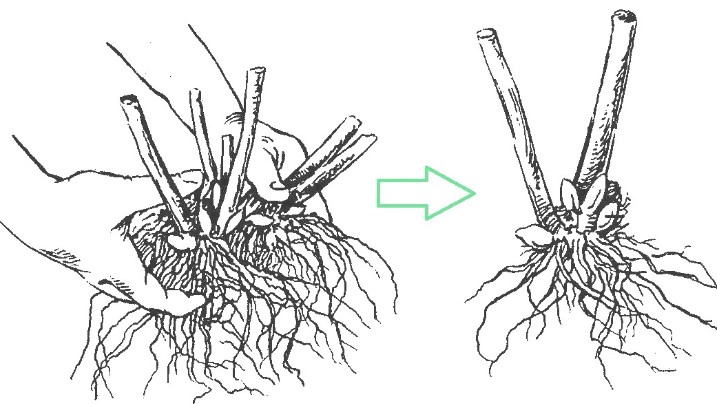
This is a simple method that should be used in late September, when the bushes begin to form rosettes. The bush should be dug up and divided into several clumps. The resulting clumps should then be replanted in the desired locations and buried.
Doronicum in the landscape
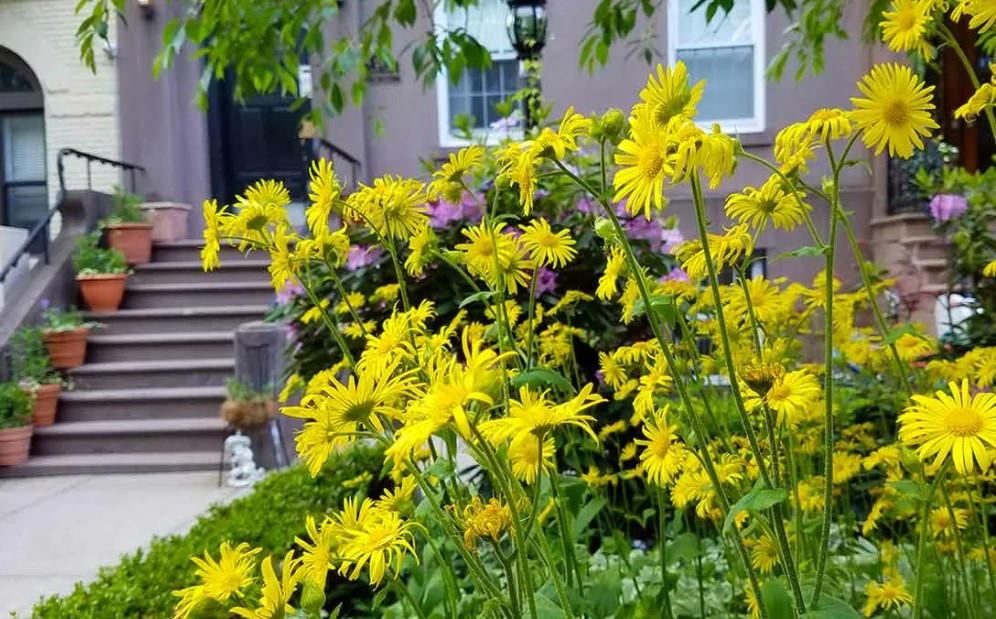
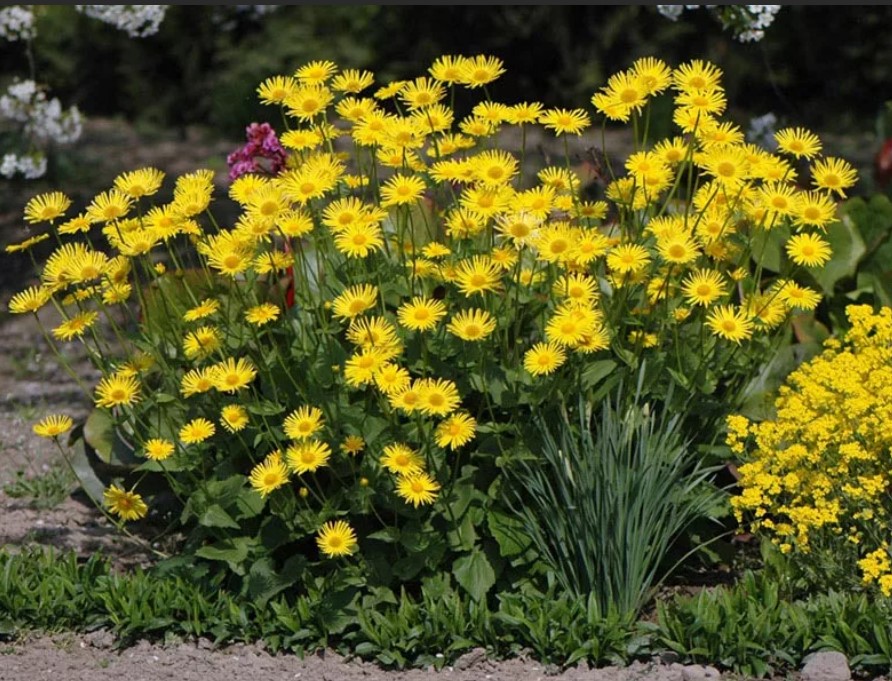
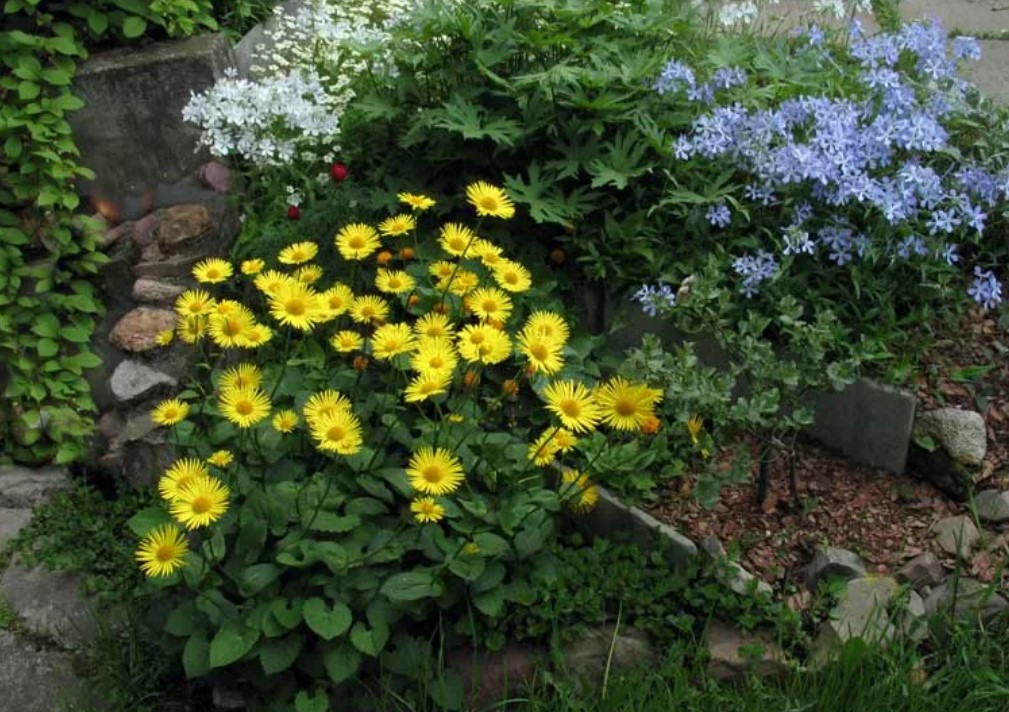
Doronicum can add vibrant color to your garden. It can be used to brighten up less attractive areas of the garden. They look great alongside flowers such as tulips, daffodils, or irises.
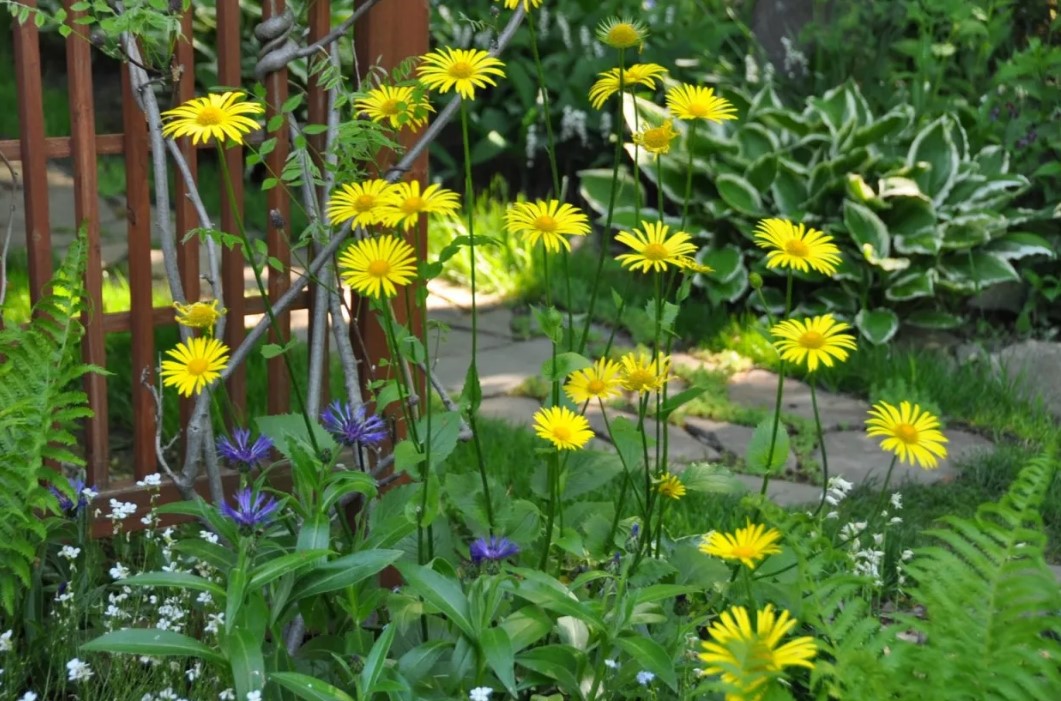
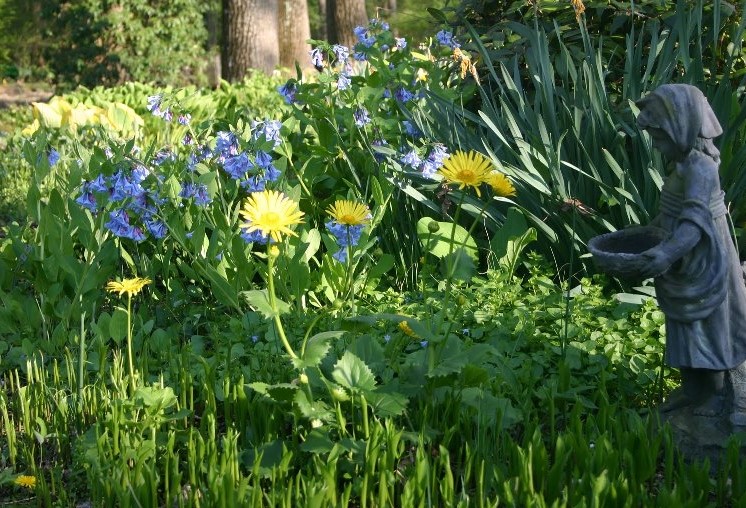
Examples of using goat's tongue in the landscape:
- single landing near the gate;
- planting along the fence in combination with cornflowers;
- single composition near the old fence.
Photo gallery of Doronicum in the landscape
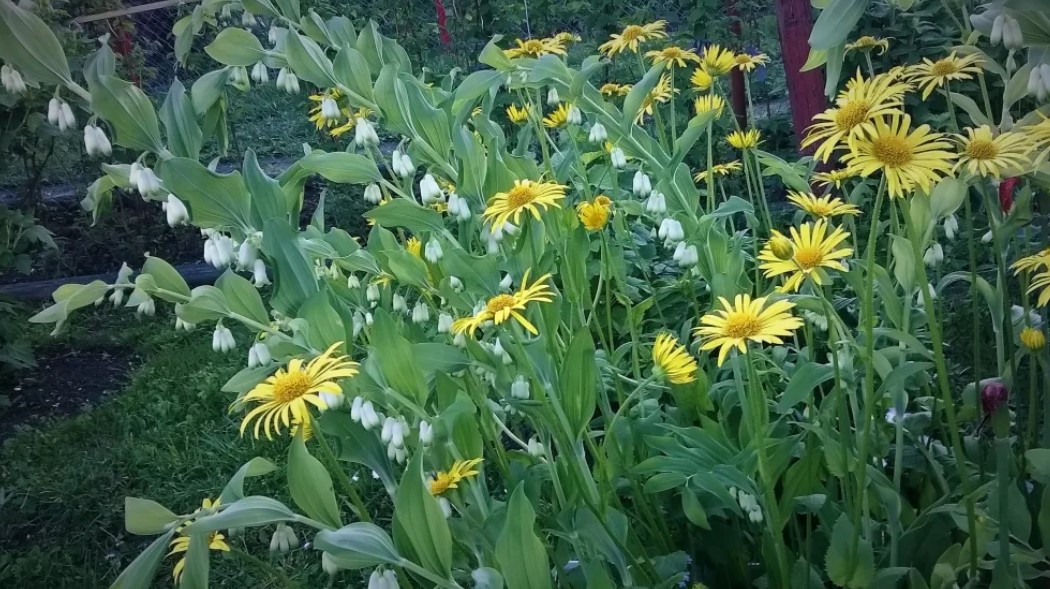
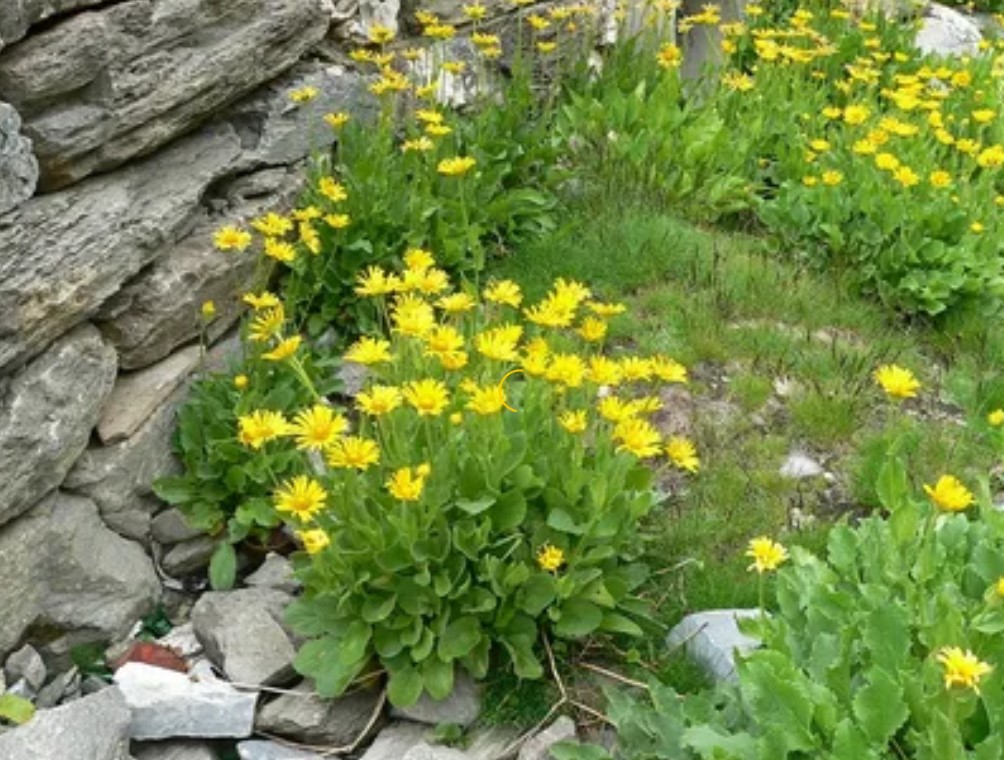
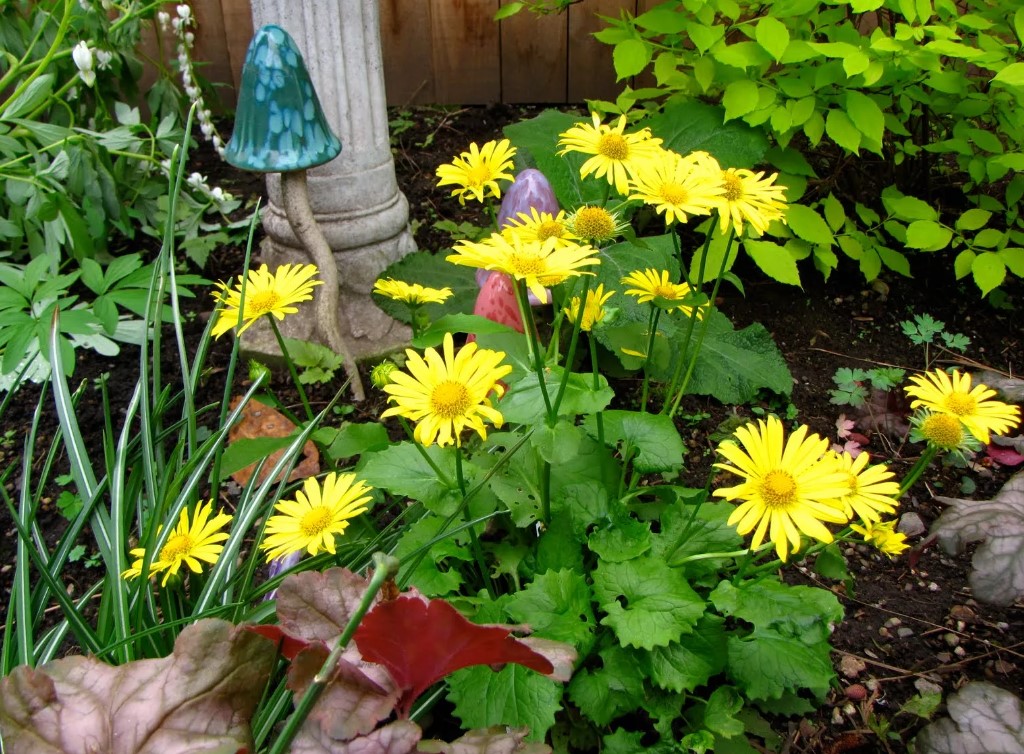
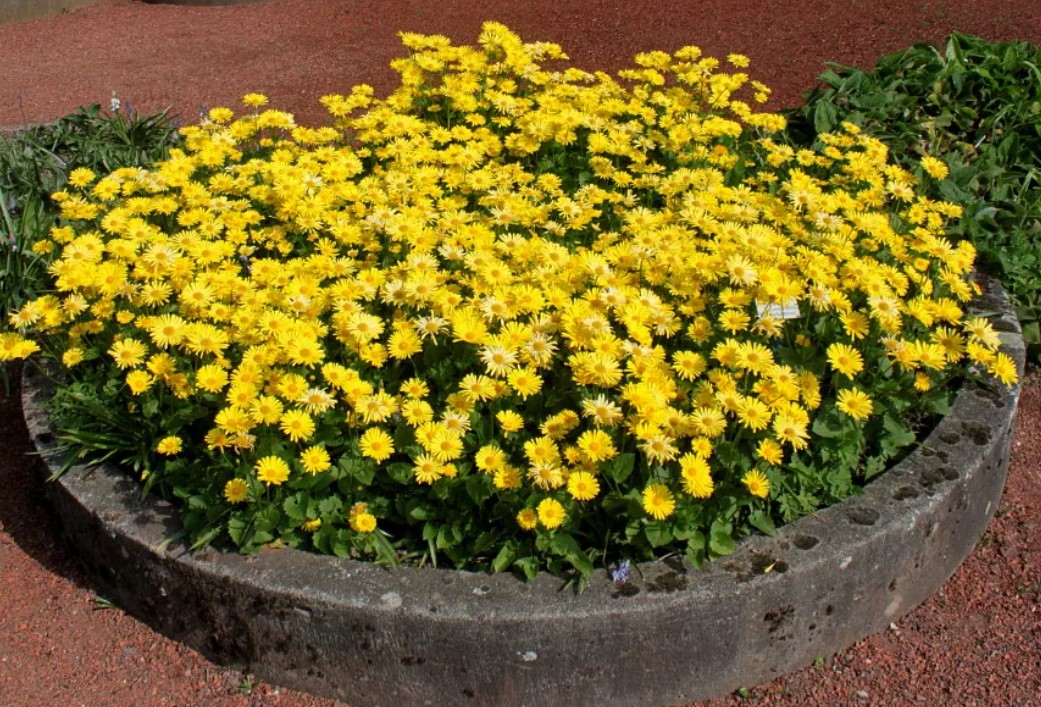
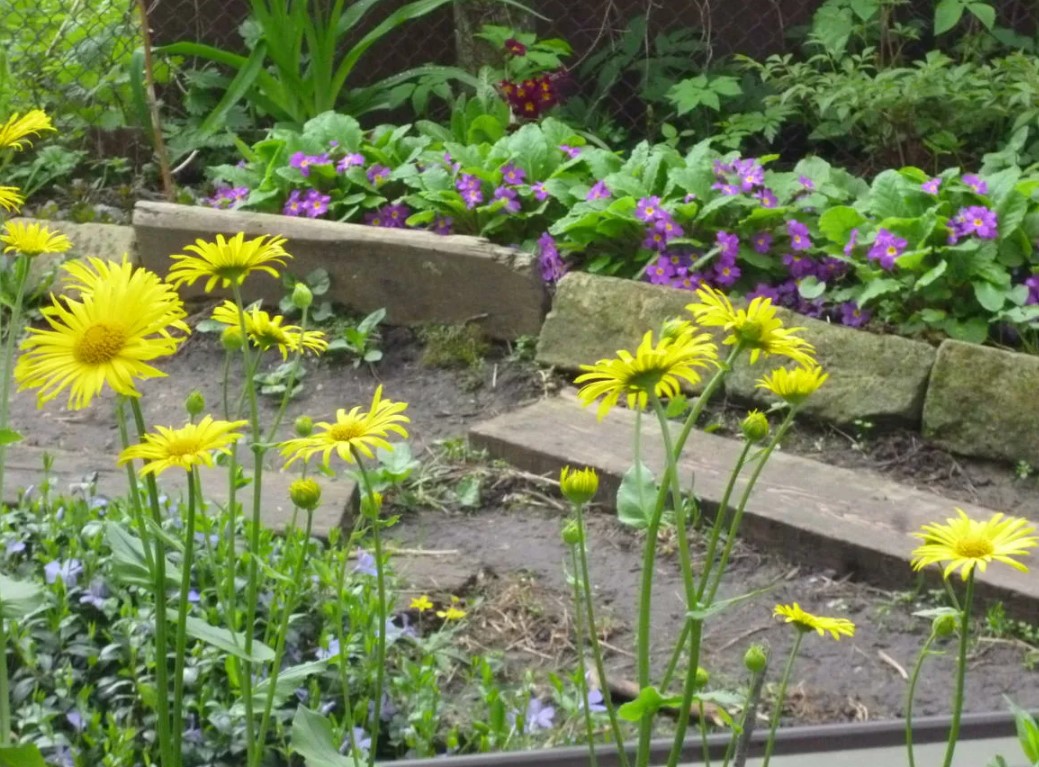
Doronicum is a unique and beautiful plant. Its graceful flowers and elegant foliage make it an ideal addition to any garden or floral arrangement. Doronicum has numerous beneficial properties, including medicinal and ornamental ones. This plant is resistant to harsh weather conditions and is easy to care for, making it an ideal choice for gardeners of all skill levels. It will be a perfect addition to any garden or landscape design, adding beauty and vibrancy.
Reviews of Doronicum from gardeners
Doronicum (Doronicum) is a herbaceous rhizomatous perennial plant from the Asteraceae family (Compositae). There are approximately 40 known species in the genus Doronicum. Many gardeners call it yellow daisy. Doronicum blooms in late May to early June.
A frost-hardy plant, it prefers sunny or, at worst, semi-shaded locations. Doronicum thrives in soil fertilized with manure and mulched.
Doronicum is propagated by dividing the rhizomes, once every 2-3 years.
And also seeds.
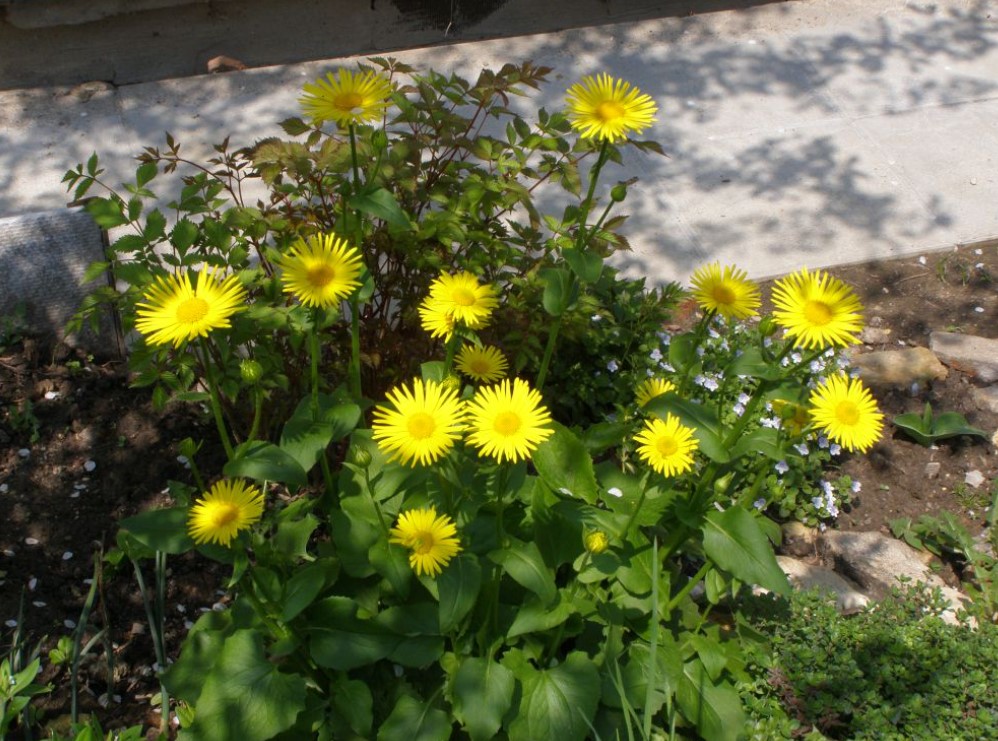
Daisies in early spring? Impossible. But yes, it can. Doronicum will brighten spring flowerbeds with vibrant yellow blooms.
Good day to all!
Since I've already started writing about flowers, I think I shouldn't deviate from the topic. Especially since I have a lot of flowers.
Let's start with the spring days that are already drawing to a close. Summer is coming soon, and the gardens will begin to take on new colors.
In the meantime, primroses and spring perennials are still blooming.
Any plant can decorate the corners of the garden, but you need to choose one that will not only bloom beautifully, but also feel great in the shade or partial shade.
Spring flowers are already accustomed to short daylight hours, but there are some that will continue to bloom long into summer.
Doronicum can be considered one of such plants.
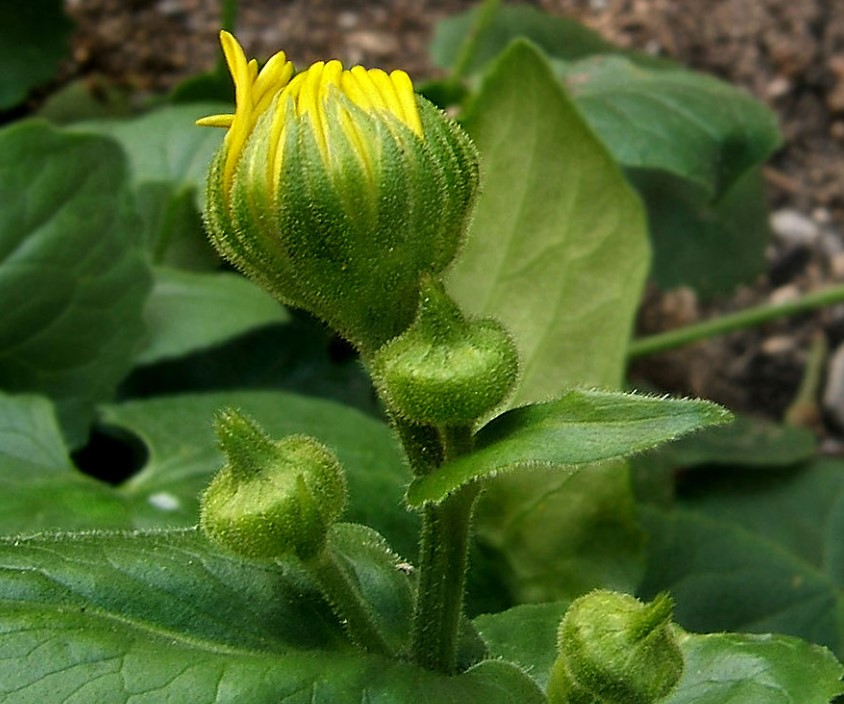
The plant is very interesting, as the rosette of leaves is dense, and the leaves themselves are somewhat reminiscent of coltsfoot in shape.As the peduncle emerges, the leaf mass also grows, and the once dense rosette of leaves turns into a bush with long peduncles.
Doronicum blooms with a vibrant yellow color and continues to bloom for almost a month. After flowering, the seeds ripen and sown themselves near the bush and throughout the garden.
If there is a need for additional planting material of this plant, you can collect the seeds and immediately sow them for seedlings.
After flowering, trim the flower stalks almost to the ground, and the bush will begin to regrow. With proper care, Doronicum can bloom as early as mid-September.
The plant is undemanding, but it doesn't like dry soil. Leaf turgor immediately drops, and the plant droops its flower stalks. This can happen on any hot, sunny day. By evening, the plant recovers.
To avoid having untidy Doronicum bushes in your garden, water it more often and it will be beautiful.
I wish everyone good luck and beautiful garden plots.
Advantages
Beautiful flowering.
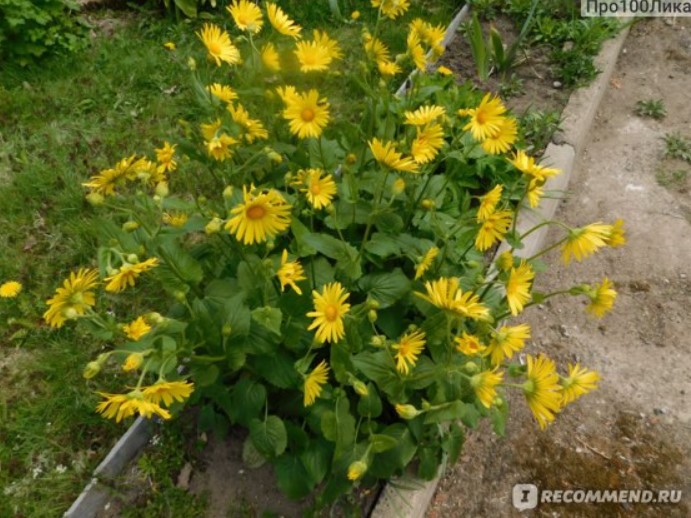
My doronicum has bloomed.
I've been growing these flowers for years. But I only learned their name last spring. They're called "doronicum."
They bloom at the same time as daffodils, but the flowering period is much longer. June and July are generally considered a dormant period for doronicum, and then a second bloom is possible under favorable conditions. The plant is undemanding and enjoys watering during the growing season. It grows beautifully and blooms profusely in full sun, but does better in shade. In hot, sunny locations, the leaves appear to wilt during the day, but by evening they revive. In a year or two, a single bush can cover an entire meadow. The foliage is more squat, and the flowers are medium-height and upright. The flowers are 5-7 cm in diameter and a very bright, rich yellow. When there isn't much color around, this bouquet is truly captivating.
Here is one of my fairytale corners.
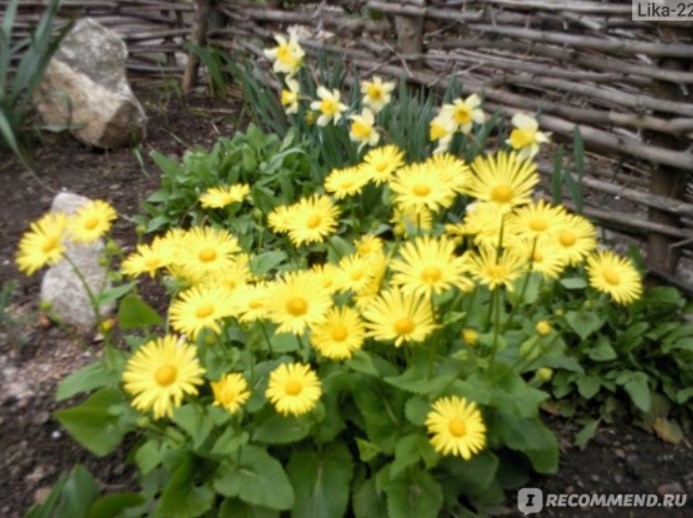
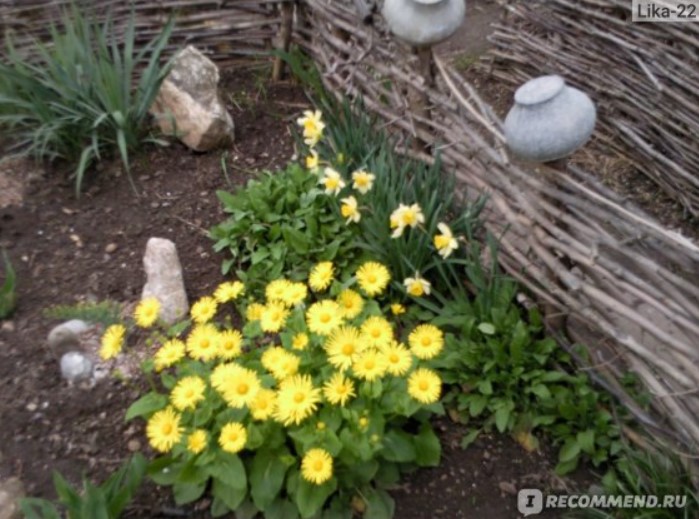
Hi everyone! We used to have a Doronicum orientale plant, and I really loved its yellow "daisies." Then it disappeared... :( Now I've decided to replant it and bought Doronicum orientale seeds. The information on the package confused me: Seeds are sown in the fall or spring outdoors, or seedlings are grown. ... They are planted outdoors at the end of June...
I'm planning to grow seedlings in the spring (there's a reason). Should I really plant them outdoors at the end of June? Or have I misinterpreted these instructions? Does anyone know? Please enlighten me!
It's early June – there might be frosts… they say…
I grew this doronicum from seed. My packet says to sow seedlings in March, and plant them out in late May or early June. Its leaves do indeed deteriorate if there's a frost, even though the plant is perennial and overwinters without cover.
Early in spring, the rosette grows rapidly, and if there's a return frost, these succulent young leaves can be lost. But then new ones grow. And if the seedlings are exposed to frost, they may die completely. Better safe than sorry, the flower is very beautiful.

I grew my doronicum from seedlings, and it's now a large bush. After flowering, it looks a bit shabby (it took so much effort to get it blooming!), but I feed it, and by fall it's regaining strength and becoming a fine bush. Doronicum is resilient and easy to care for; I don't think it could die so easily. It'll bloom in the spring!